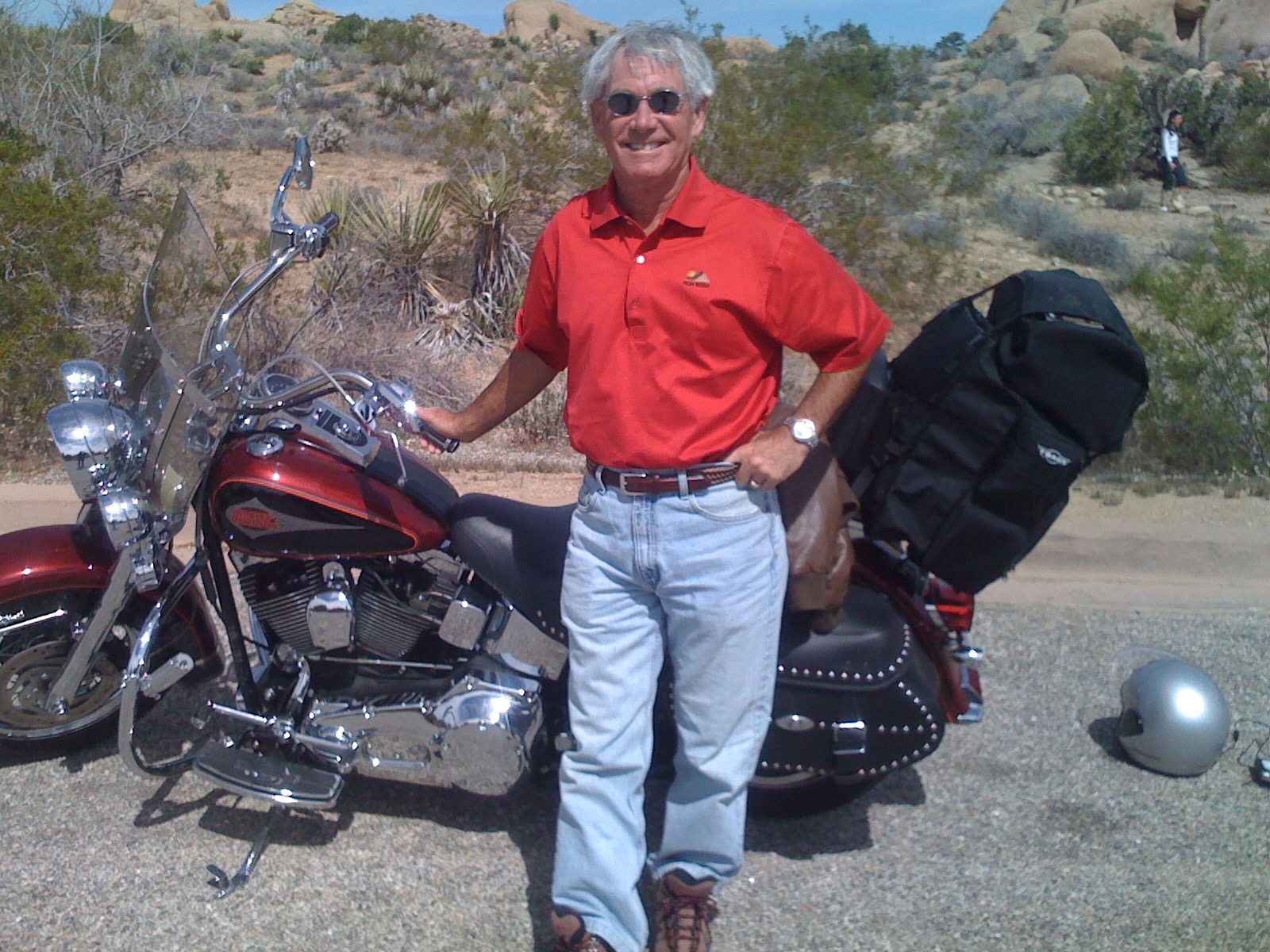
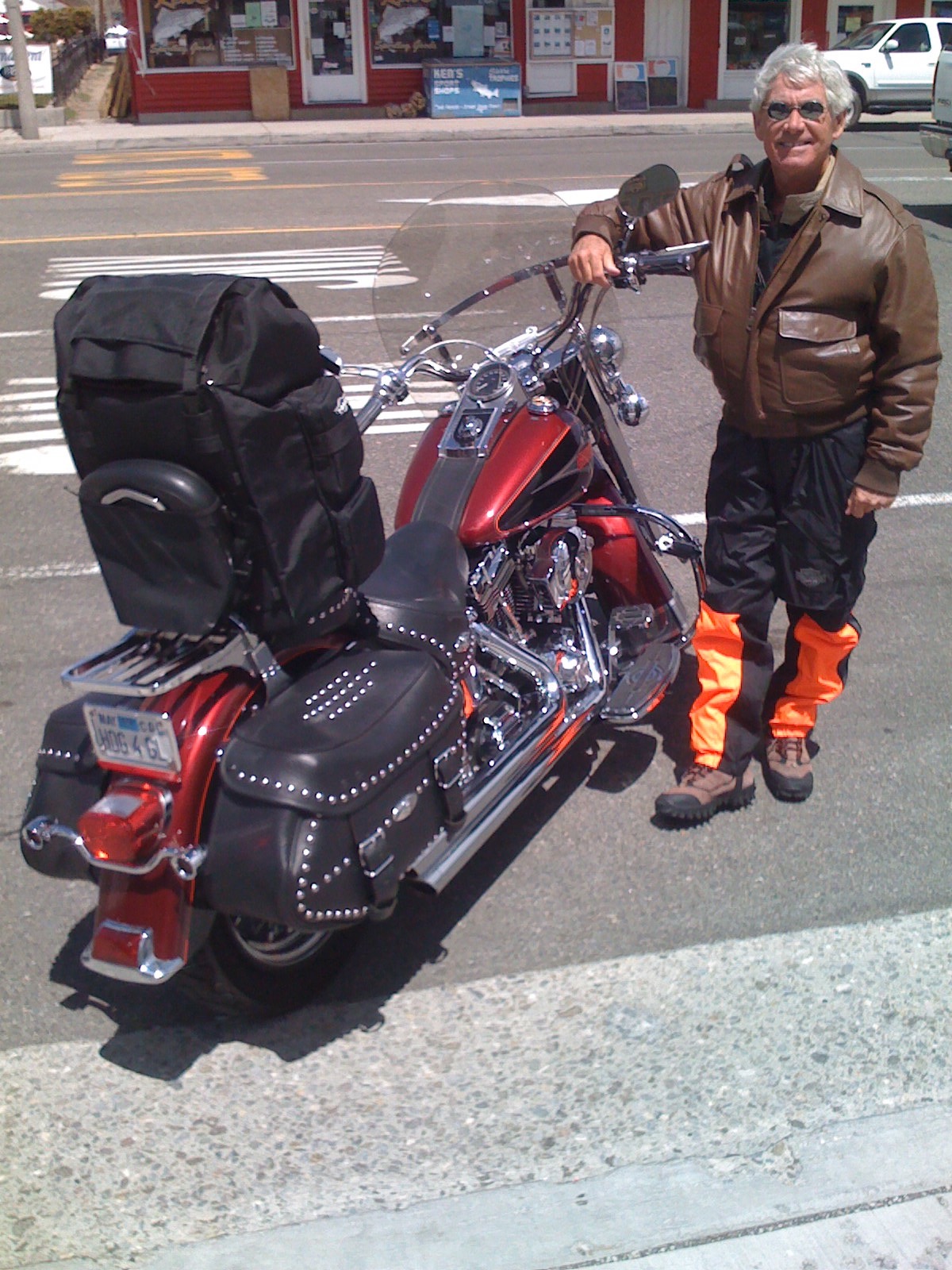
Climbing a Lighthouse … in Stiletto Heels?

Ocracoke Island, known as “The Pearl of the Outer Banks,” separates Pamlico Sound from the Atlantic Ocean. The island is a part of the Outer Banks, which are known for their treacherous seas. The large number of shipwrecks there have given these seas the nickname “Graveyard of the Atlantic.” More than 1,000 ships have sunk in these waters since record keeping began in the early 1500s. Among the better-known shipwrecks: the USS Monitor, the first ironclad warship commissioned by the US Navy during the Civil War.

It all sounds so ominous, but it’s really quite peaceful this time of year. Unless there’s a hurricane. Which there isn’t right now. So we celebrate by heading for breakfast at the Pony Island Restaurant. It’s the first meal of substance since Wendy’s yesterday in Swansboro, North Carolina — if you can call Wendy’s substantive.
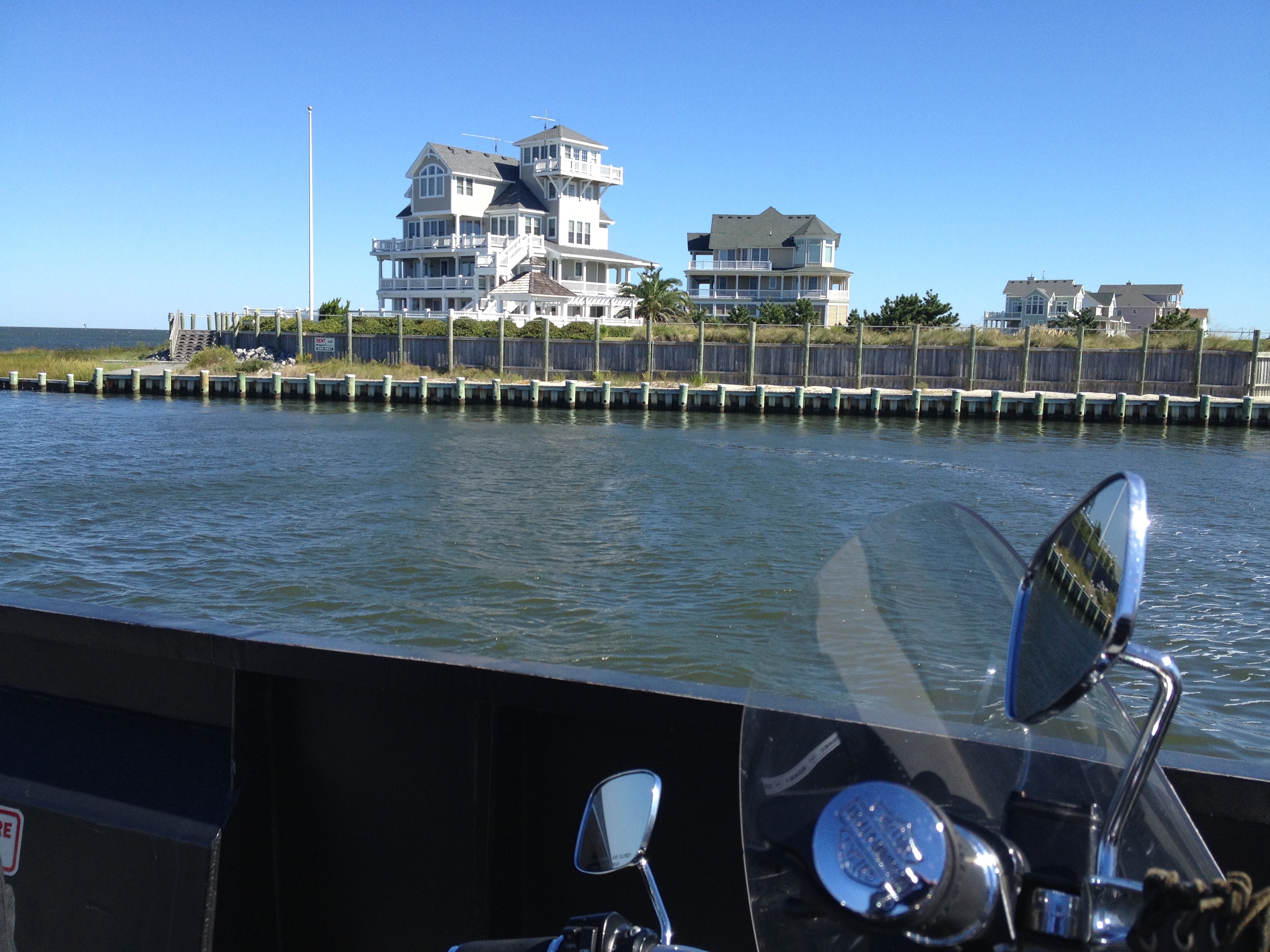
IMG_1093
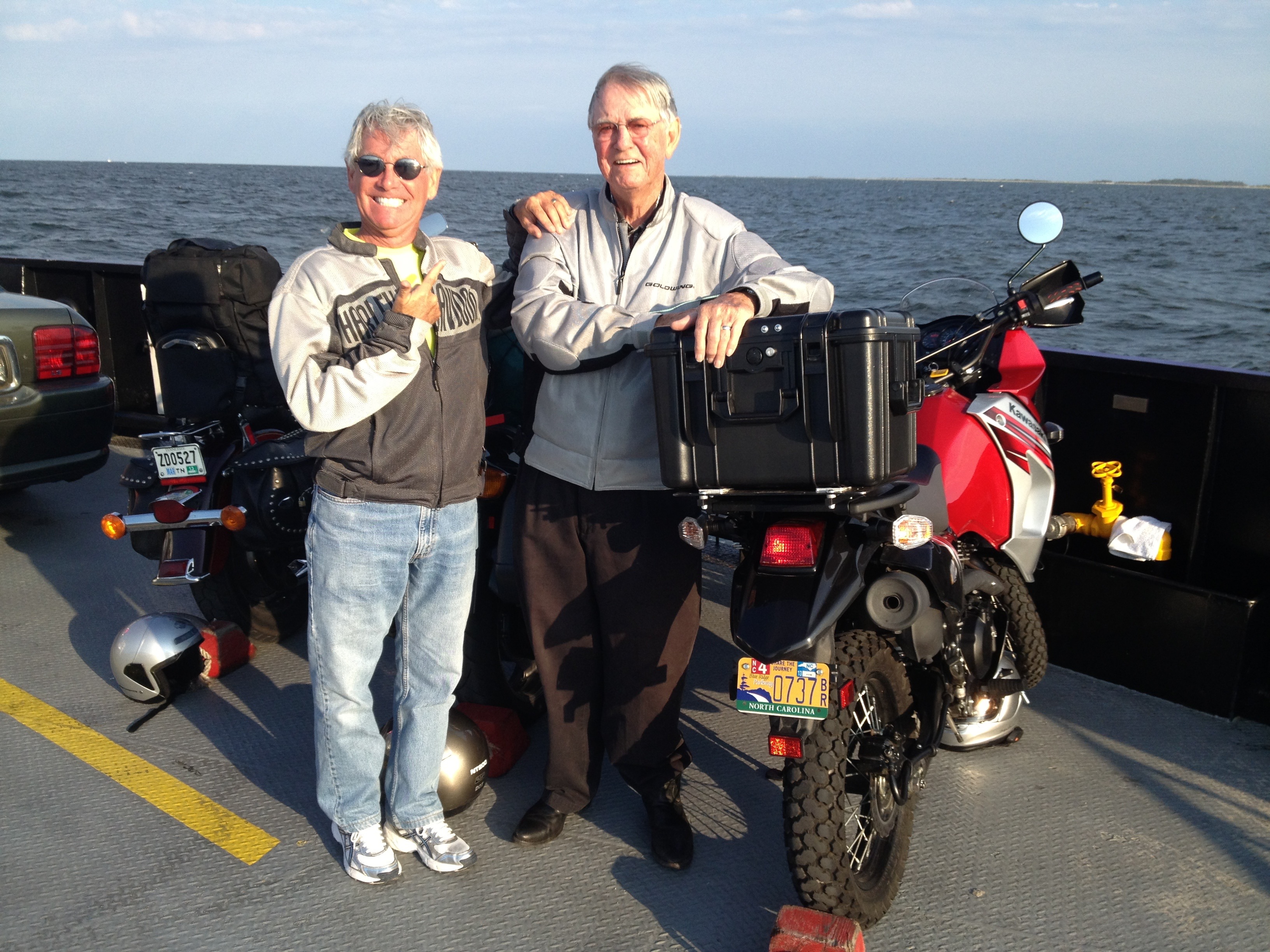
Approaching Hatteras Island on the ferry.

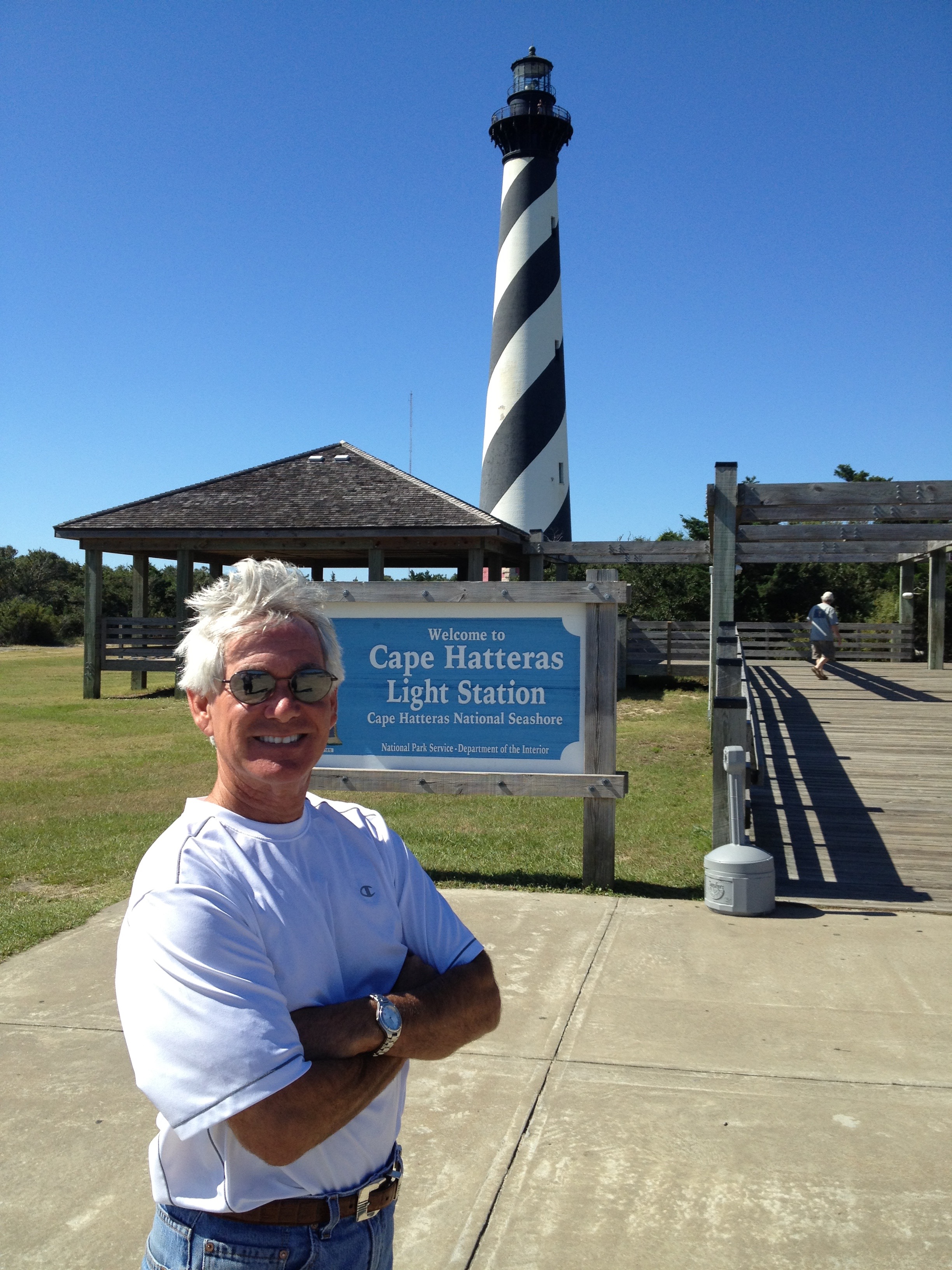
At the Northern end of Ocracoke Island, we take the first of two (free!) ferries today, crossing to Hatteras Island. One of the highlights of Hatteras Island is the lighthouse, which you can actually climb — 200 feet to the top ($3.50 for seniors). The light at the top is automated and is visible every 7.5 seconds. In good visibility, it can be seen for up to 20 miles out to sea. Fun fact: more than one million bricks were used in the construction of the structure, which was completed in 1870 at a cost of $167,500.

The lighthouse wasn’t always at its current location. In 1999, the 4,830-ton lighthouse was moved about a half mile from its original location — a 23-day process that resembled moving the space shuttle. The structure, somehow, was moved intact. Why relocate a perfectly good lighthouse? After years of study and debate, the National Park Service decided to stop fighting the constantly changing shoreline and move the lighthouse to a location that would better withstand the elements.
IMG_1096
Posing at the Cape Hatteras Lighthouse.

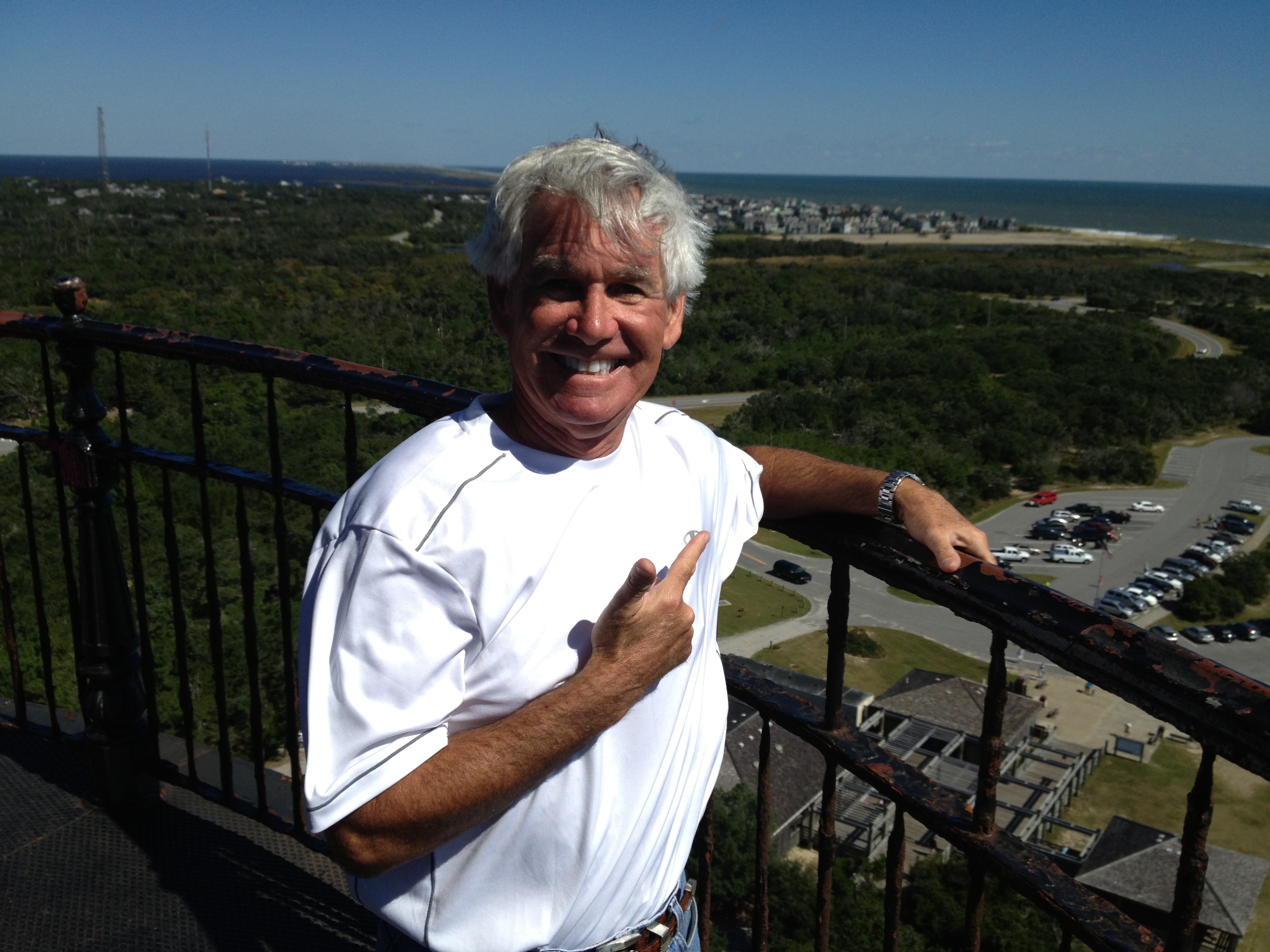
Whether at the old location or the new one, climbing the Cape Hatteras Lighthouse is quite a workout. I should know. I sprinted to the top to check out the view and take a few photos. Click here for details. There are 248 iron spiral stairs to the top; it’s like climbing a 12-story building. Fortunately, I meet all the requirements for being a lighthouse climber, including: not being carried by another person, not chewing tobacco, not wearing 1 ½-inch heels, and being at least 42″ tall — no jokes, please.

The Cape Hatteras Lighthouse is by far the highest point on the island. Unlike our ride a few days ago through the Great Smoky Mountains, where we reached mile-high elevations, today we are riding almost entirely at sea level, plus-or-minus a few feet. It feels as though we’re riding on a spit of sand in the middle of the Atlantic Ocean. Because we are. Much of the day, Pamlico Sound is to our left, and sand dunes on our right are all that separate the road (NC-12) from the Atlantic Ocean.
IMG_1113
The view from the top of the Cape Hatteras lighthouse.

Along Hatteras Island near Buxton, North Carolina, you’ll find the largest surf available on the East Coast. It’s created by the convergence of the Labrador Current and the Gulf Stream. At Hatteras Island Surf & Sail, you can rent a board by the day or the week. Surf’s up, dude! Click here for today’s surf report.

***

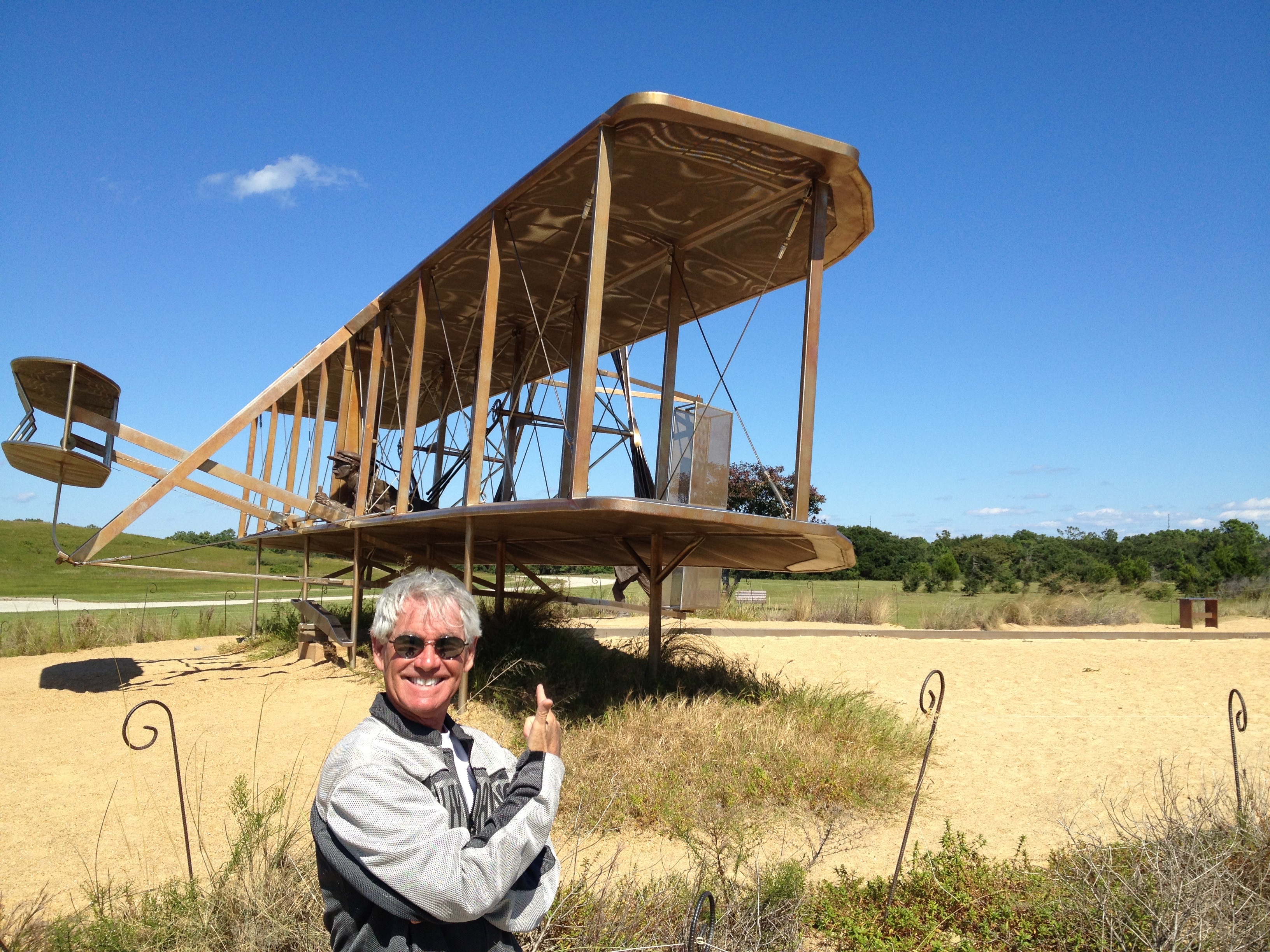
From Hatteras Island, we continue north on NC-12, through Pea Island National Wildlife Refuge, Bodie Island, Nags Head, and then — before heading inland, we reach Kill Devil Hills, just outside Kitty Hawk, North Carolina. If you’re an airplane guy, as I am and as Ray is (he worked at Boeing and piloted his own airplane), the Wright Brothers National Memorial in Kitty Hawk is a totally awesome experience.
IMG_1137
Kitty Hawk has special meaning for those of us who had careers in aviation.

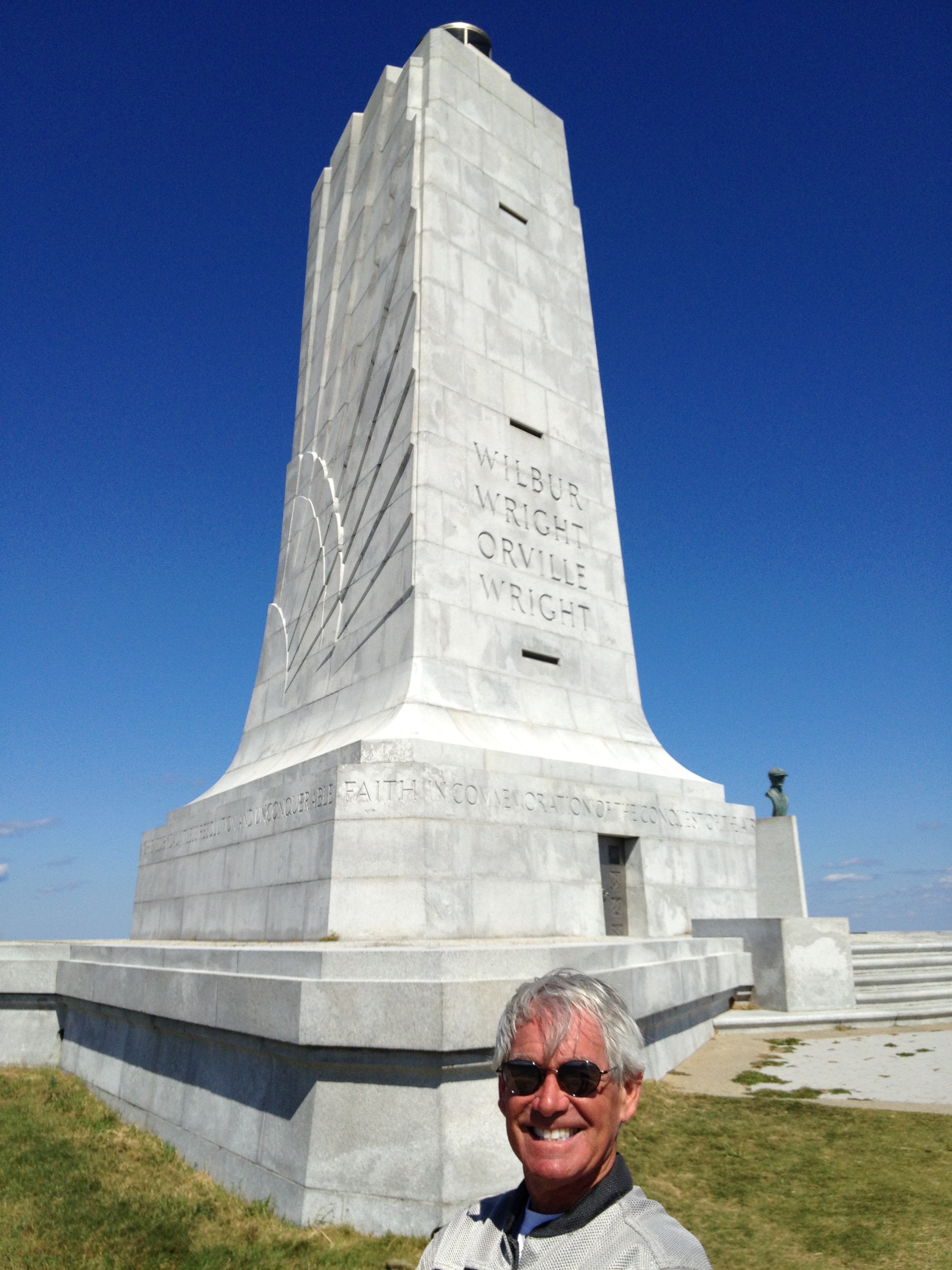
Kitty Hawk, of course, became famous after the Wright brothers of Dayton, Ohio, selected a nearby site to make their first controlled powered airplane flights on December 17, 1903. The Wright Brothers’ first flight was 120 feet –as any Boeing PR person will tell you — thats shorter than the economy section of a 747. The site of the flights is four miles south of Kitty Hawk, near the sand dunes known as the Kill Devil Hills. It now becomes quite obvious why North Carolina’s license plates say “First In Flight.” Click here for more information on the National Memorial.

And of course, click here or here to learn more about the Wright Brothers’ first flight. Kitty Hawk fun fact: its sister city is Coulaines, France.
IMG_1127
This monument marks the spot where the Wright Brothers took flight.

From Kitty Hawk, we head west and north on US-158, crossing the Wright Memorial Bridge into Virginia, and turn north toward Chesapeake, Portsmouth and Norfolk — which are on the Elizabeth River. It’s the most urbanity we will see for some time on this trip, so we hang a left south of Chesapeake and avoid what seems like a huge whiff of city life.

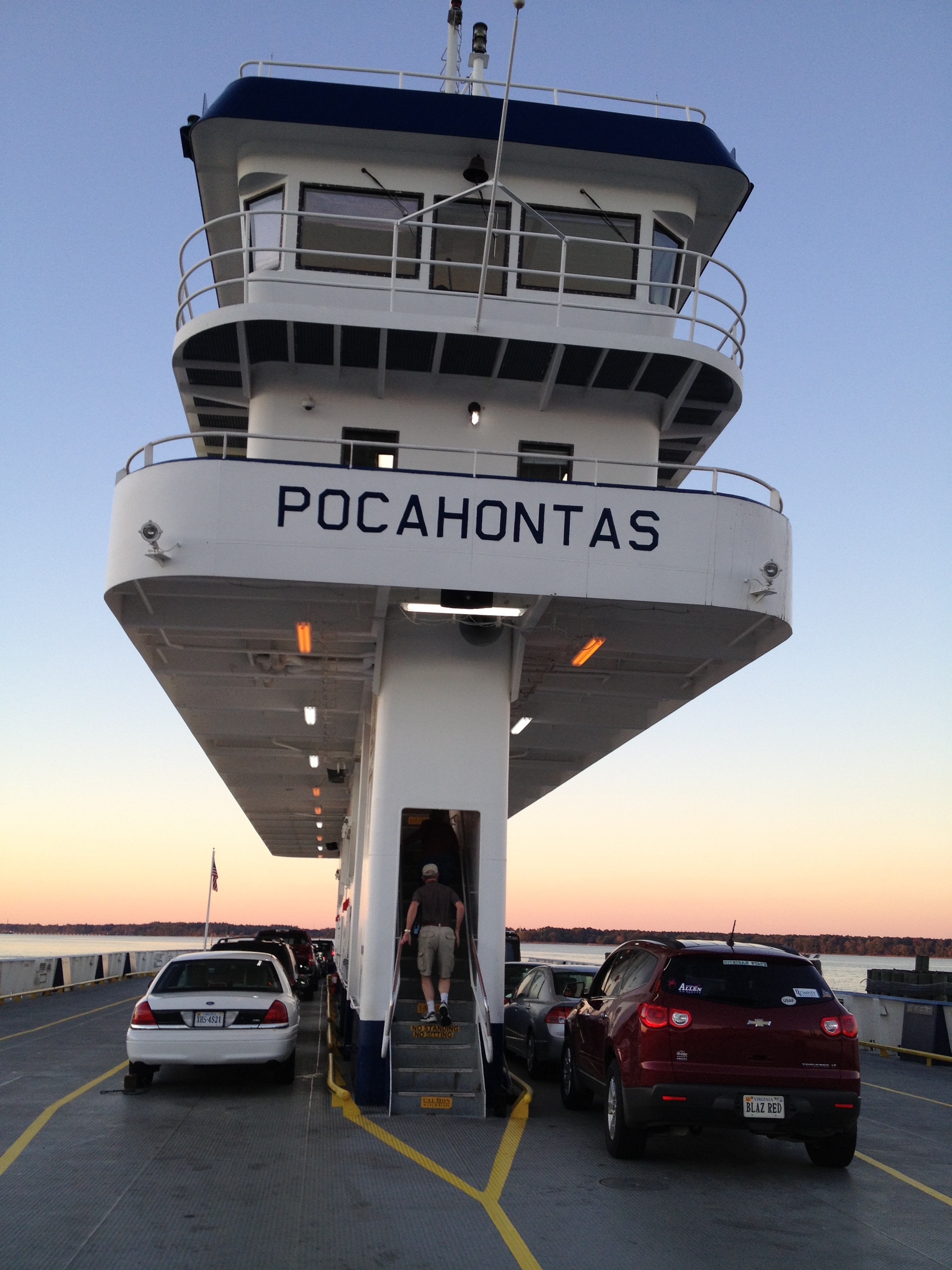
As we approach our destination of Williamsburg, Virginia (named in honor of King William III of England), we realize we’ve got to cross the James River, or ride around it. Fortunately, there’s a (free) ferry to help us out. It’s the Jamestown-Scotland Ferry, the only 24-hour state-run ferry in Virginia. Click here to learn more about this ferry, including its height restriction: 12 feet 6 inches. I think thats a maximum, not a minimum. This 15-minute ride comes courtesy of the Virginia Department of Transportation.
IMG_1145
Onboard the ferry Pocahontas, sailing toward Williamsburg, Virginia.

Tonight’s ferry ride, on the vessel “Pocahontas,” is the second night in a row we’ve been treated to a romantic sunset cruise.

Jamestown is a very historic place, having served as the capital of the colony of Virginia from 1616 until 1699, when the capital was relocated to Williamsburg. Historic Jamestowne is today a major tourist attraction, where visitors can view the site of the original 1607 James Fort. This is where the first permanent English settlement in North America took place.

Oblivious to the history surrounding us, we get off the ferry on the north side of the James River. Your history lesson would not be complete without a reminder of where the James River got its name: English colonists named it after King James I of England. James was the only son of Mary, Queen of Scots.

Laden with factoids from the past, we roll off the ferry in Scotland and make the short ride to Williamsburg, where we park our bikes for the evening.

Williamsburg was founded in 1632 as a fortified settlement on high ground between the James and York rivers. It served as the capital of the Colony of Virginia from 1699 to 1780 and was the center of political events in Virginia leading to the American Revolution.

Today, the city is home to Williamsburg Winery (Virginia’s largest), a major go-kart track, the College of William & Mary, Busch Gardens, and the Kingsmill Championship — an LPGA tour event held earlier this month at the Kingsmill Resort. For you golf fans, Jiyai Shin defeated Paula Creamer on the ninth hole of a not-so-sudden-death playoff to win the Kingsmill Championship. It was the longest playoff in LPGA history.
IMG_1153
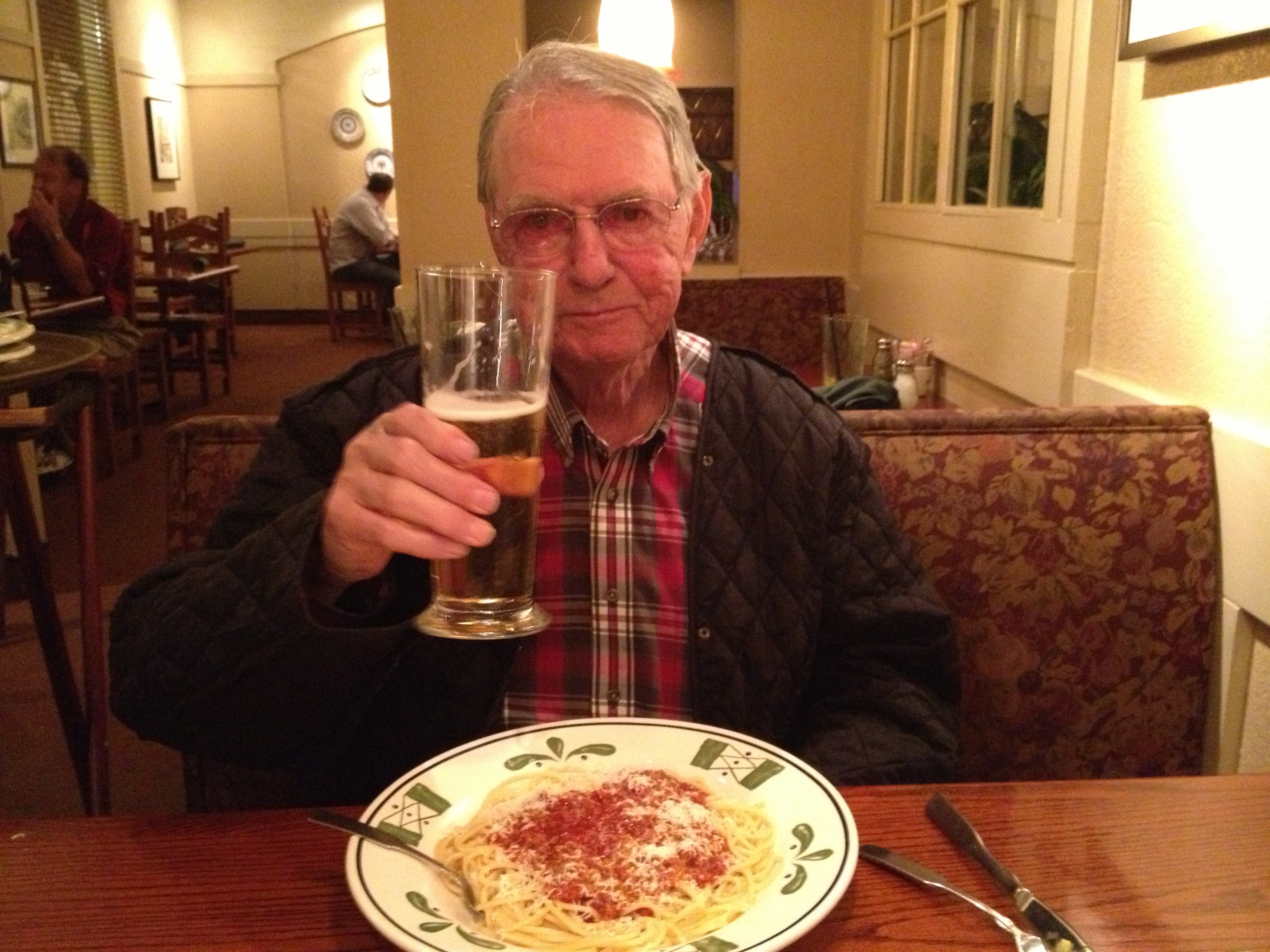
Dinner in Williamsburg. Ray takes his pasta quite seriously.

In the mid-1700s, long before golf came to North America, Kingsmill was a 1,400-acre plantation. Its main crop was tobacco. More recently (February 5, 2009), President Obama took his first trip aboard Air Force One, from Andrews Air Force Base near Washington DC — to a conference held in Williamsburg. The 150-mile flight lasted about 30 minutes. The US Air Force, which operates Air Force One, estimates it costs about $180,000 per hour to operate the specially modified 747-200.

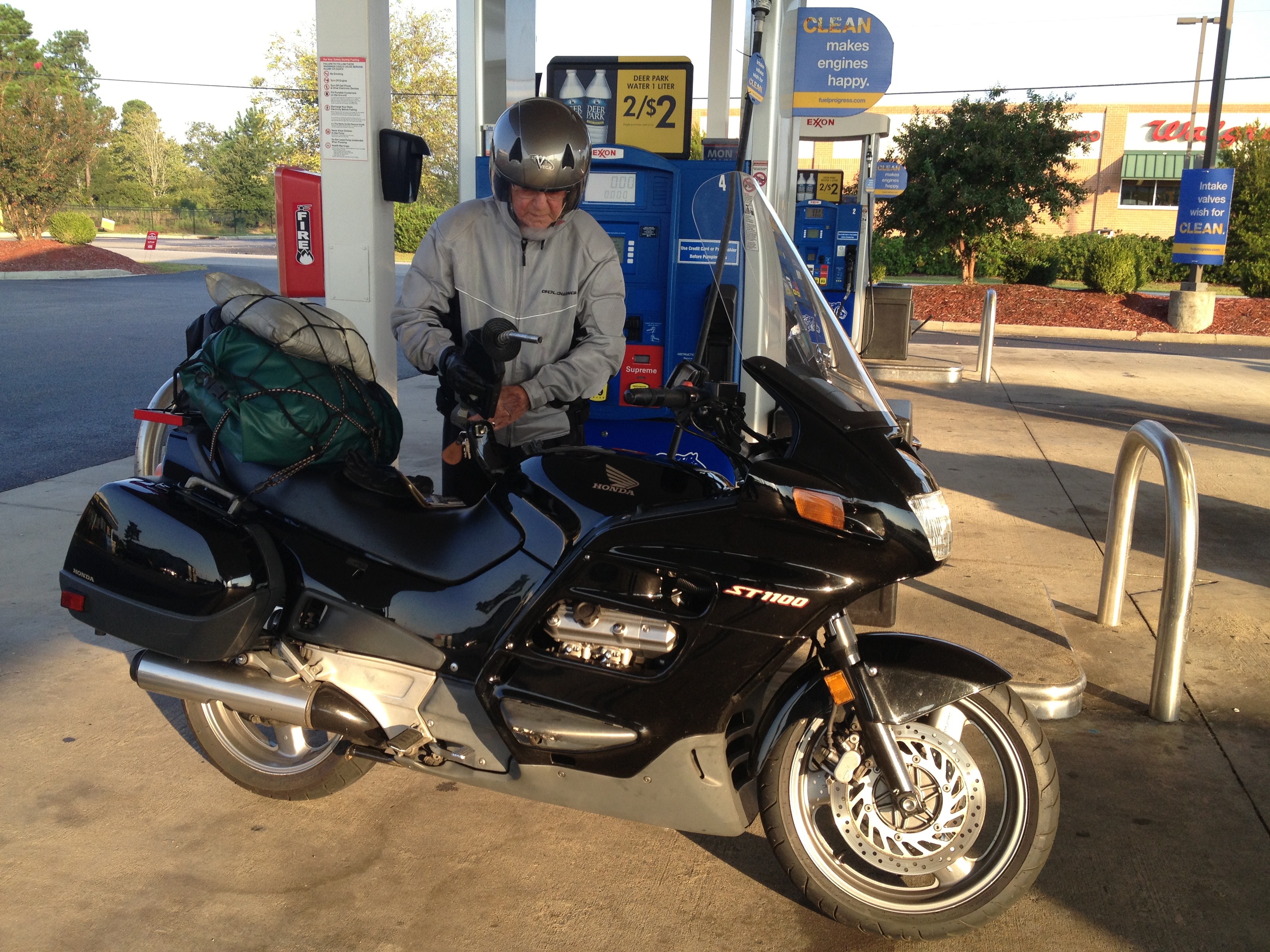
Today, I spent $14.40 on gas. That’s how I roll, or at least that’s how I rolled into Williamsburg.

Along with nearby Jamestown and Yorktown, Williamsburg forms part of the Historic Triangle, which attracts more than four million tourists each year.
IMG_1156
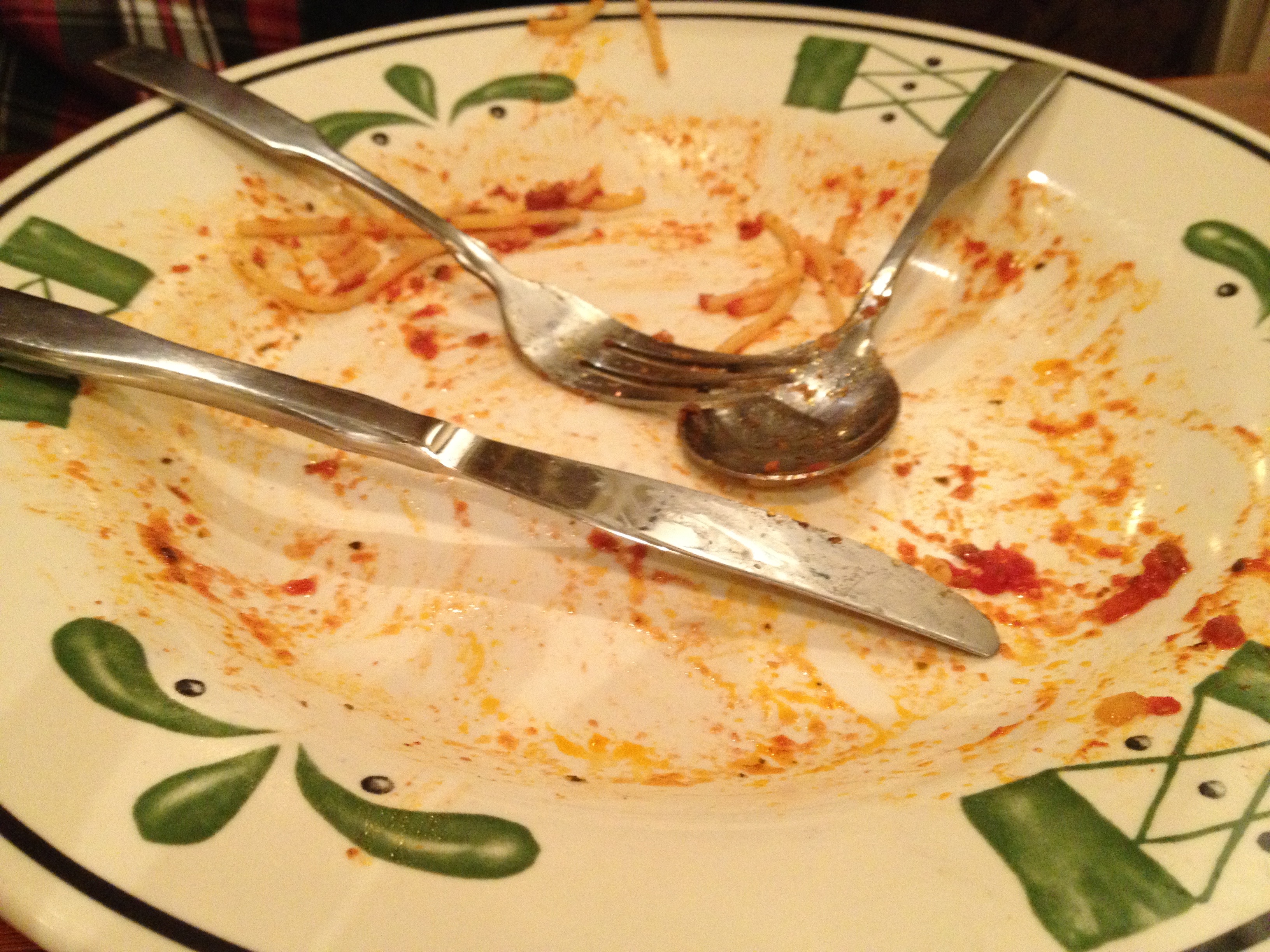
Here’s what remains of Ray’s dinner. Not much.

Tonight, Williamsburg is home to two of those tourists — and their bikes. Lodging: Day’s Inn ($49 tax). Dinner at the Olive Garden, a one-minute walk from our room.

***

Day Four Summary: Climbing the Hatteras Lighthouse, flying with the Wright Brothers, remembering King James I.

To view today’s complete route, from Ocracoke Island, North Carolina, to Williamsburg, Virginia, click here. Miles ridden today: 246, not including distance covered on the ferries. Total miles ridden since leaving Farragut four days ago: 1,066

What will tomorrow bring?
Camp Lejeune, Rachel Carson and Ocracoke Island

Our morning begins with continental breakfast at the Econo Lodge in Conway, South Carolina. Were going to be fast at the breakfast table, so we can get an early start today; we have reservations on the 4 pm ferry to Ocracoke Island. If we miss the ferry, we could find ourselves stuck on the mainland. That would totally mess up our ride plan. We want to allow plenty of extra time. What could possibly go wrong?

So we depart Conway at precisely 8 am, and head for the beach.

As we leave Conway, we think about the most famous person from Conway: Vanna White (born Vanna Marie Rosich), best known for her Wheel of Fortune letter-turning persona since 1982. Click here if you’re a Wheel of Fortune fan. I earnestly hope none of you clicked on that hyperlink. My blog’s demographics and Vanna’s seem so hopelessly incompatible.

As lame as Wheel of Fortune is, it won the 38th annual Daytime Emmy Award for Outstanding Game/Audience Participation Show. That was in 2011, when Pat Sajak was awarded the Daytime Entertainment Emmy Awards Lifetime Achievement Award. “General Hospital” was the big winner in this year’s Daytime Emmys, broadcast in June. Tonight, you can watch the 64th Primetime Emmy Awards (shameless plug, for no apparent reason). It’s on ABC, starting at 8 pm Eastern (5 pm Pacific time). The “Hatfields and McCoys,” the story of a legendary family feud not far from here in the late 1800s, is nominated for 16 awards. Sixty-two million viewers watched it on the History Channel over Memorial Day weekend. It wouldn’t be the first time a Family Feud is honored with an Emmy (Richard Dawson, 1978, Outstanding Host in a Game or Audience Participation Show). And that’s your TV enlightenment for the day. You’re welcome.

IMG_1023
Starting the day with a full tank of gas.

***

We pass by Myrtle Beach, South Carolina, on our way up the Atlantic coast. It’s situated on the center of a large and continuous stretch of beach in northeastern South Carolina known as the Grand Strand. Myrtle Beach is considered to be a major tourist destination in the Southeast, attracting an estimated 14 million visitors each summer. With more than 100 golf courses, Myrtle Beach is an obvious destination for golfers; more than 3.4 million rounds are played here each year.

From Myrtle Beach, we enter North Carolina again, where we’ll be riding for the rest of the day.

Heading north and east on NC-133 toward Wilmington, we pass alongside the Military Ocean Terminal (MOT) at Sunny Point, North Carolina — a 16,000-acre site owned by the US Army. The facility, run by the US Department of Defense, is the largest ammunition port in the country, the only DoD terminal equipped to handle containerized ammunition. The only other MOT acronym I’m familiar with is one I’ve always used to describe my people: Members Of the Tribe (MOT).

We continue on through Wilmington, North Carolina, a port city on the Cape Fear River. Many major films have been shot in Wilmington, including “Divine Secrets of the Ya-Ya Sisterhood,” “Cape Fear,” “The Hudsucker Proxy” and “Sleeping with the Enemy.”

IMG_1027
A rest stop near Wilmington, North Carolina.

Notable Wilmington names include:

  • Broadcaster David Brinkley, winner of 10 Emmy awards and the Presidential Medal of Freedom
  • Tennis legend Althea Gibson, the first African-American woman to be a competitor on the world tennis tour and the first to win a Grand Slam title
  • Boxer Sugar Ray Leonard (named Ray Charles Leonard after his mother’s favorite singer), the first fighter to earn more than $100 million in winnings
  • Political douchebag John Edwards — the disgraced philanderer, former US Senator and wanna-be presidential candidate in 2008, known for his $500 haircuts from a Beverly Hills stylist. Today, Edwards reportedly pays $12.95 at Supercuts in Raleigh, North Carolina.

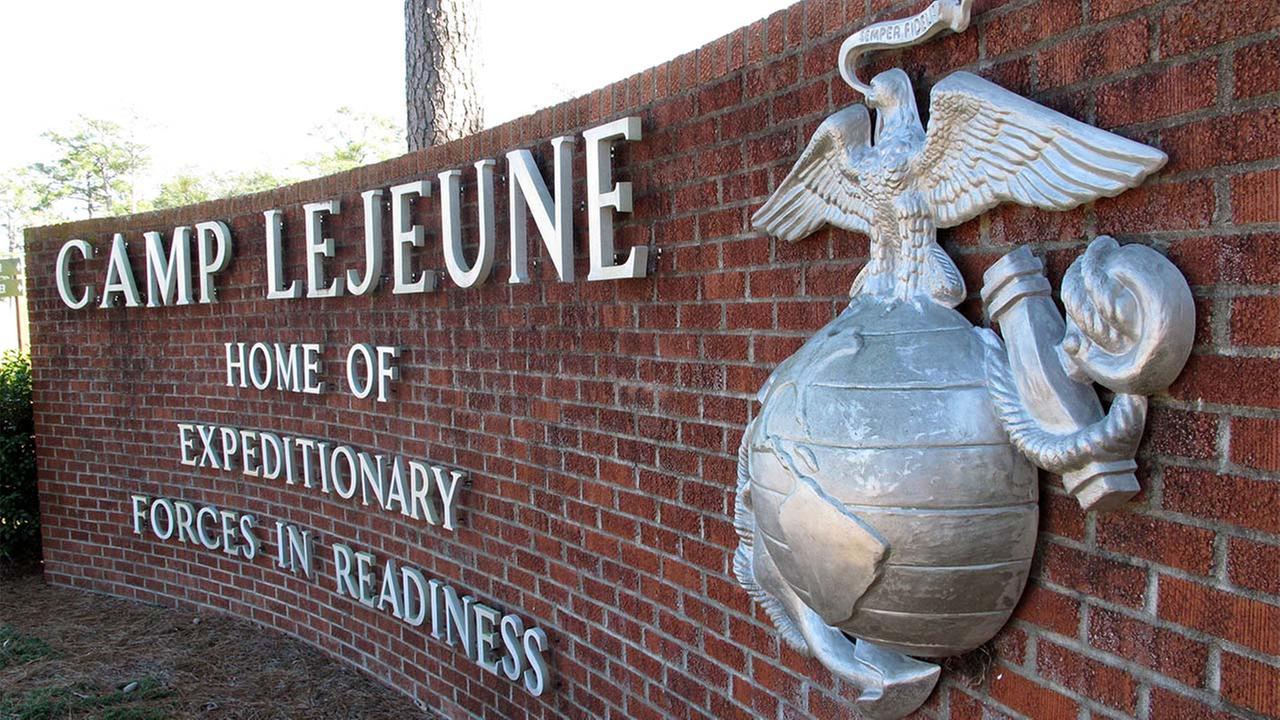
We cruise through Wilmington with barely a thought of its Hollywood connections, and approach Camp Lejeune, a huge US Marine Corps base (“Home of Expeditionary Forces in Readiness”). We are on NC-172, which takes us directly to Camp Lejeune’s main gate. The guard asks me for my military ID, which I don’t have since I craftily avoided military service in the Vietnam era by being a student with a high lottery number.

968081_1280x720
The semper-fi folks at Camp Lejeune had little interest in allowing us on base.

So the guard denies Ray and me entry, telling us to make a U-turn and head away from Camp Lejeune and toward a highway that allows civilians. When planning today’s route, I had no idea that an otherwise apparently available scenic highway was completely unavailable. The detour cost us about 45 minutes, as we has to drive around the extraordinarily large facility. Now we’re beginning to sweat our arrival for the 4 pm ferry. Thanks s lot, Marine Corps.

The 246-square-mile base has 14 miles of beaches, making it a major area for amphibious assault training. Military forces from around the world come to Camp Lejeune on a regular basis for bilateral and NATO-sponsored exercises. Click here to learn more about Camp Lejeune, which is home to more than 43,000 Marines.

It’s only a few miles from Jarhead-land to Swansboro, North Carolina, where we stop for a quick, greasy bite at Wendy’s. The 20-minute lunch will put us back on schedule to meet the ferry system’s requirement to arrive at least 30 minutes before departure.

After lunch, we’re on NC-24, riding along the southern edge of Croatan National Forest. Not Croatian. Croatan. The forest covers nearly 160,000 acres of coastal land and is bordered on three sides by the Neuse River, Bogue Sound and the White Oak River.

We continue east along Bogue Sound through Morehead City, toward Beaufort — named “Best Small Southern Town” by Southern Living magazine, and a “Top 25 Small City Arts Destination” by American Style magazine. Beaufort has been the setting for several novels by native son Pat Conroy, and a popular filming location for major motion pictures, including “The Big Chill,” “The Prince of Tides,” “Forrest Gump,” and “G.I. Jane.”

nh_portlandme_canon-1069
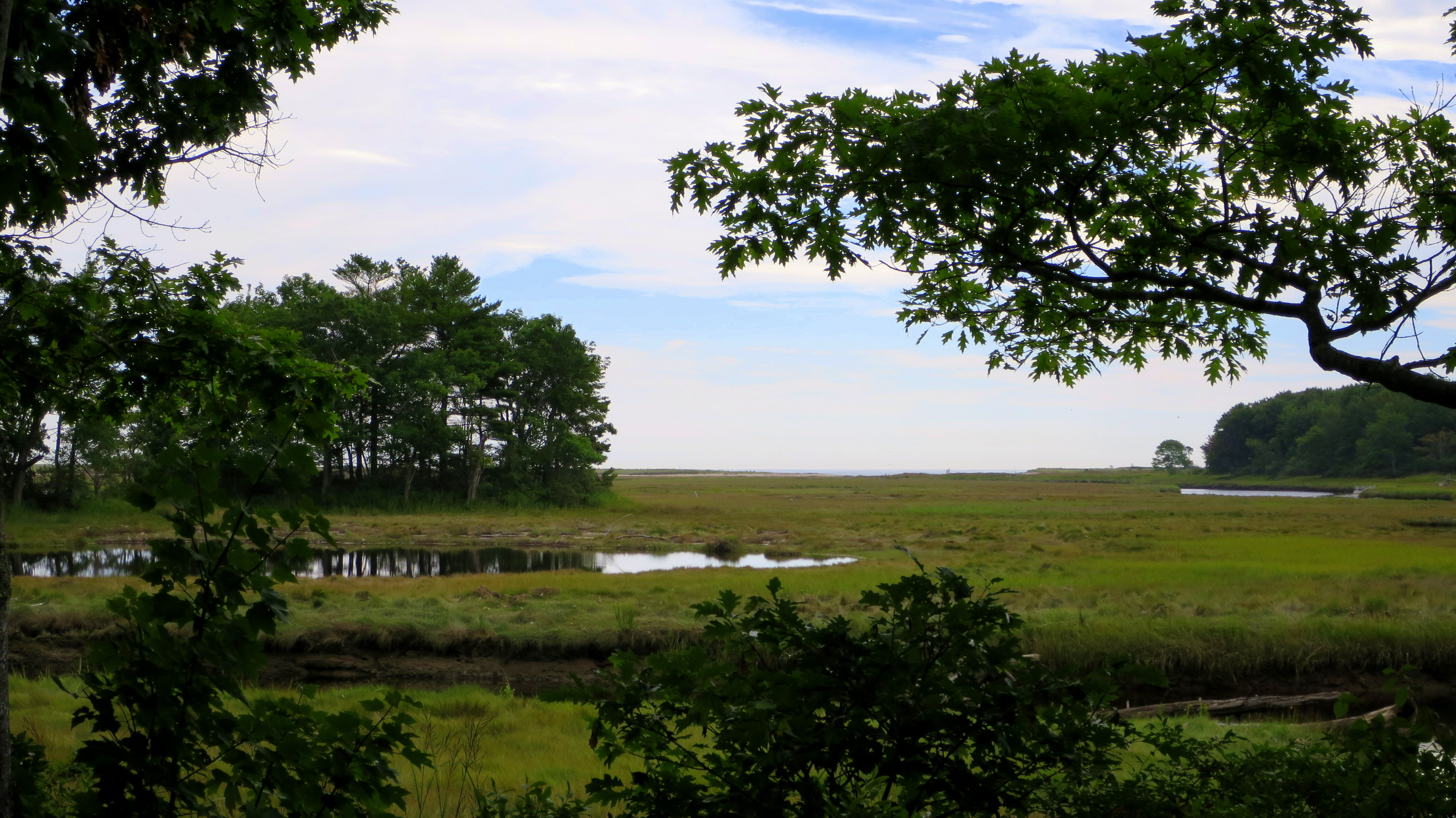
The Rachel Carson National Wildlife Refuge.

Just south of Beaufort is the Rachel Carson National Wildlife Refuge. Created in 1966, this sanctuary protects 1,167 acres of estuary salt marsh and uplands that drain into the Webhannet River. The refuge is named for Rachel Carson, whose 1962 book, “Silent Spring,” raised public awareness of the effects of DDT on migratory songbirds. DDT is dichlorodiphenyltrichloroethane, a controversial insecticide banned in the US since 1972, in large part because of Carson’s thesis that DDT was a threat to wildlife. Migratory birds that nest in Rachel’s refuge include sharp-tailed sparrows, great northern loons, Canadian geese, mallards, buffleheads, red-breasted merganser, sandpipers, gulls and terns.

We ride through the Cedar Island National Wildlife Refuge — 11,000 acres of marsh and woodland habitat in the North Carolina’s Lowcountry. It’s not far from here to the Cedar Island Ferry landing. The ferry is part of the North Carolina Department of Transportation. It will take us to Ocracoke Island, North Carolina.

IMG_1035
First in line, but no ferry available for us.

We arrive at the Cedar Island Ferry landing at 3 pm, right on schedule. We check in, and the lady in the booth says, “Are you Gary and Ray?” How cool is that! Personalized service by the North Carolina Transportation Department.

She (her name is Cindy) knew who we were because we have reservations, and are the only motorcyclists scheduled on the 4 pm sailing. All is good.

Um, all is good until Cindy tells us the 4 pm boat is cancelled due to a mechanical breakdown, and we are welcome to take the 5:30 ferry. The 1,610-horsepower engine is fine; the steering is screwed up. OK fine. Worse things could happen. So we wait an extra 90 minutes, knowing our burger at Wendy’s was not necessary.

When we finally get in the ferry “Cedar Island,” we’re heading for North Carolina’s Outer Banks, a 200-mile long string of narrow islands separating the Currituck Sound, Albemarie Sound and Pamlico Sound from the Atlantic Ocean. Ocracoke is one of the most remote islands in the Outer Banks, and can only be reached by public ferry, private boat, or private plane. Of those three choices, the ferry seems the most logical and affordable.

IMG_1057
On the ferry to Ocracoke Island. Finally.

The average elevation of Ocracoke Island is less than five feet above sea level. Many buildings on the island are built on pilings to lift them off the ground. Flooding is a risk during both hurricanes and large storms. We hope to encounter neither.

As we chug across the Atlantic Ocean and approach the island, we spot the Ocrakoke Island Lighthouse, built in 1823. The 75-foot-tall lighthouse, which cost $11,359 to build, is the oldest North Carolina lighthouse still in continuous service. Its current light apparatus has 8,000 candlepower, and can be seen from 14 miles out to sea. The Ocracoke Island Lighthouse does not have a flash pattern; rather it illuminates a steady white light from dusk until dawn. We arrive about 6:30 pm; sunset is at 6:57. Click here to learn more about the lighthouse.

If you have nothing better to do tomorrow and want to catch the ferry to Ocracoke Island, click here. Suggest you call first to confirm the ferry is on time.

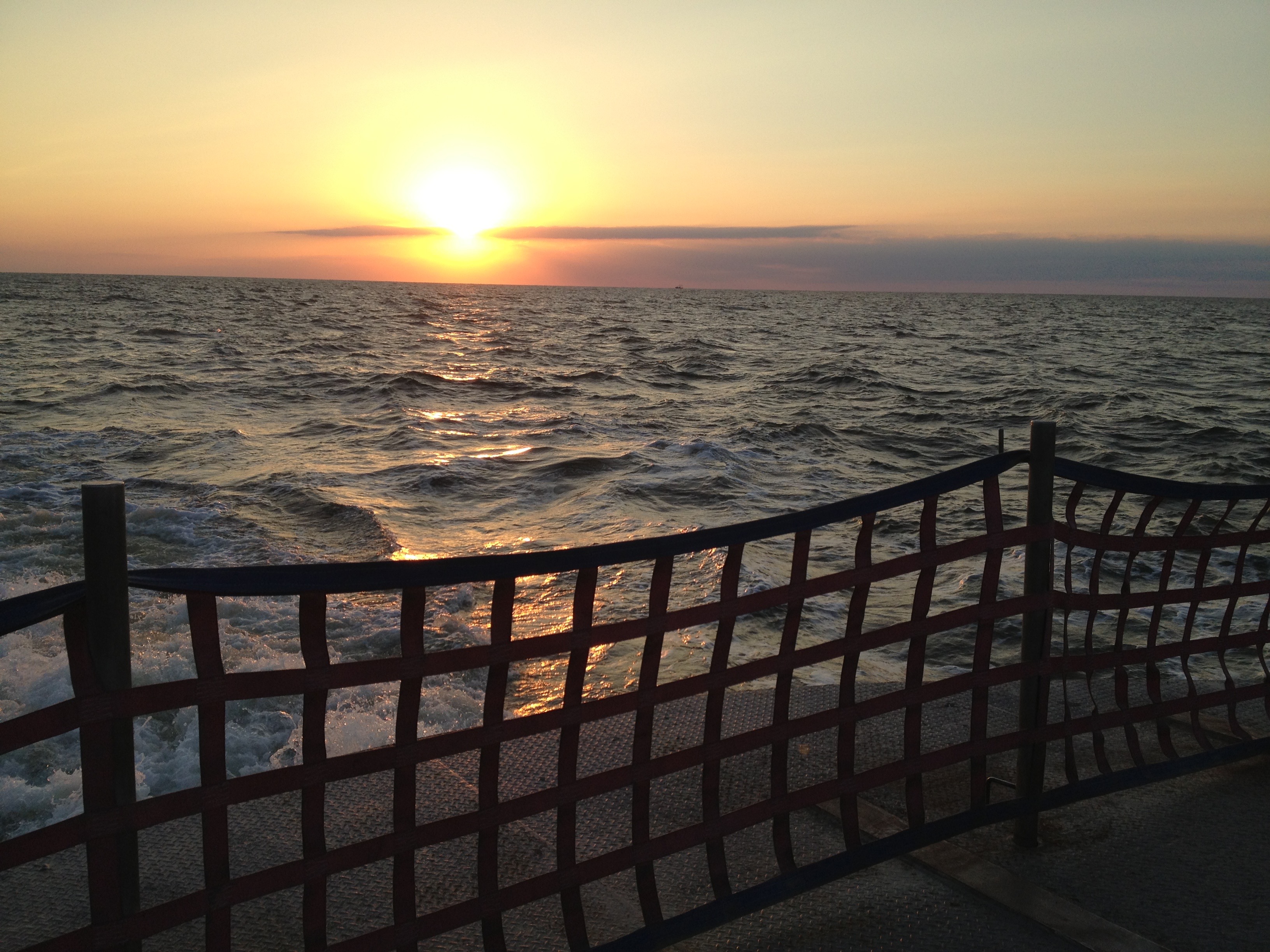
IMG_1073
Sunset on the ferry, en route to Ocracoke Island.

Tonight, in an unusual move, we stay at a non-national brand motel — the Sand Dollar Inn ($69 tax). There’s little about this island that’s franchised. It’s a welcome change.

***

Day Three Summary: Cape Fear, Camp Lejeune, Rachel Carson and a ferry ride across the Atlantic Ocean (not all of it). Today’s distance ridden: about 260 miles.

To see today’s entire route, from Conway, South Carolina, to Ocracoke Island, North Carolina, click here.

What will tomorrow bring?
College Football Saturday: Go Chanticleers!

It’s college football Saturday. In this part of the country, where the Southeastern Conference (SEC) dominates the landscape, college football is like religion. For most of the SEC schools, football is the show – pretty much all there is to do in town. How else could you explain Jordan-Hare stadium in Auburn, Alabama (population 53,380), having a seating capacity of 87,451? That would be like Yankee Stadium seating 12 million people.

In this year’s college football preseason poll, five of the top ten teams were from the SEC, and the two top teams this week are Alabama and LSU — both from the SEC. Teams from the SEC have won the last seven national titles; two each for Alabama, Florida and LSU – and one for Auburn. No national titles for Tennessee, not since 1998 anyway. The Vols’ sixth national championship came 14 years ago in the post-Peyton Manning era, with a quarterback named Tee Martin leading Tennessee to a 13-0 season. Martin, who had a short but undistinguished NFL career, is now a wide receivers coach for a decidely non-SEC team — the USC Trojans.

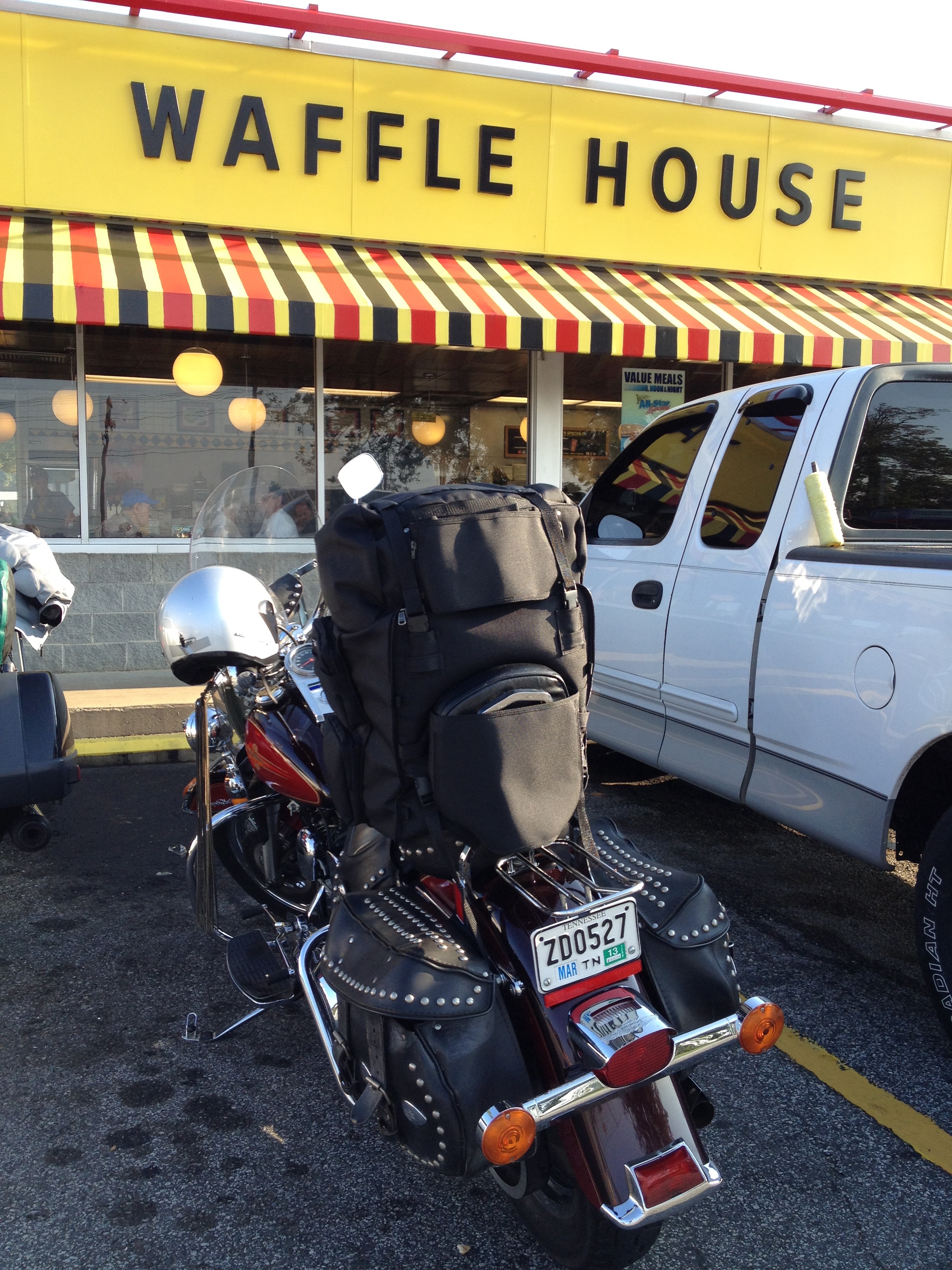
IMG_0998
College football Saturday in the deep south … it oughta begin at the Waffle House. Ours did, at a Spartanburg, South Carolina location.

On the field, the SEC rocks the house; it sends more players to the NFL than any other conference. Off the field (in the classroom), not so much; with a 60 percent graduation rate, the SEC is the second-worst academic conference in the country.

But like most right-thinking Americans, I am not at all interested in the intellectual capabilities of the players on the field. I like my football violent, in high-definition, on a large screen, with bubbly, blonde, bouncy cheerleaders on the sidelines.

So, when I’m home in La Quinta, Sarah (ginormous Tennessee fan!) and I make a point of watching whatever SEC game is on TV every Saturday throughout the fall. But this Saturday, I’m caught in a football no-man’s land — sitting on a Harley with hours of riding ahead of me.

In Spartanburg, South Carolina, where we begin our day, Wofford College (Southern Conference) takes the week off before playing Elon University in North Carolina next Saturday. No football here today 😦 So, we leave Spartanburg, knowing we’ll be on the road all day, unable to catch up on the scores until we get to our destination: Conway, South Carolina.

Conway’s football team of choice is Coastal Carolina University (Big South Conference). When we arrive in Conway, our timing couldn’t be better. Tonight, the Coastal Carolina Chanticleers play Toledo and the game is on ESPN3! So, incredibly, we don’t even need tickets, just a comprehensive cable package at tonight’s motel. We’d consider going to the game, but alas, it’s being played in the Glass Bowl in Toledo. Ohio.

For the record, a Chanticleer is a proud and fierce rooster that dominates the barnyard.

***

When in the South, you can’t (or shouldn’t) pass up too many opportunities to eat at the Waffle House. As the company’s website says, “We are not in the food business … We are in the people business.”

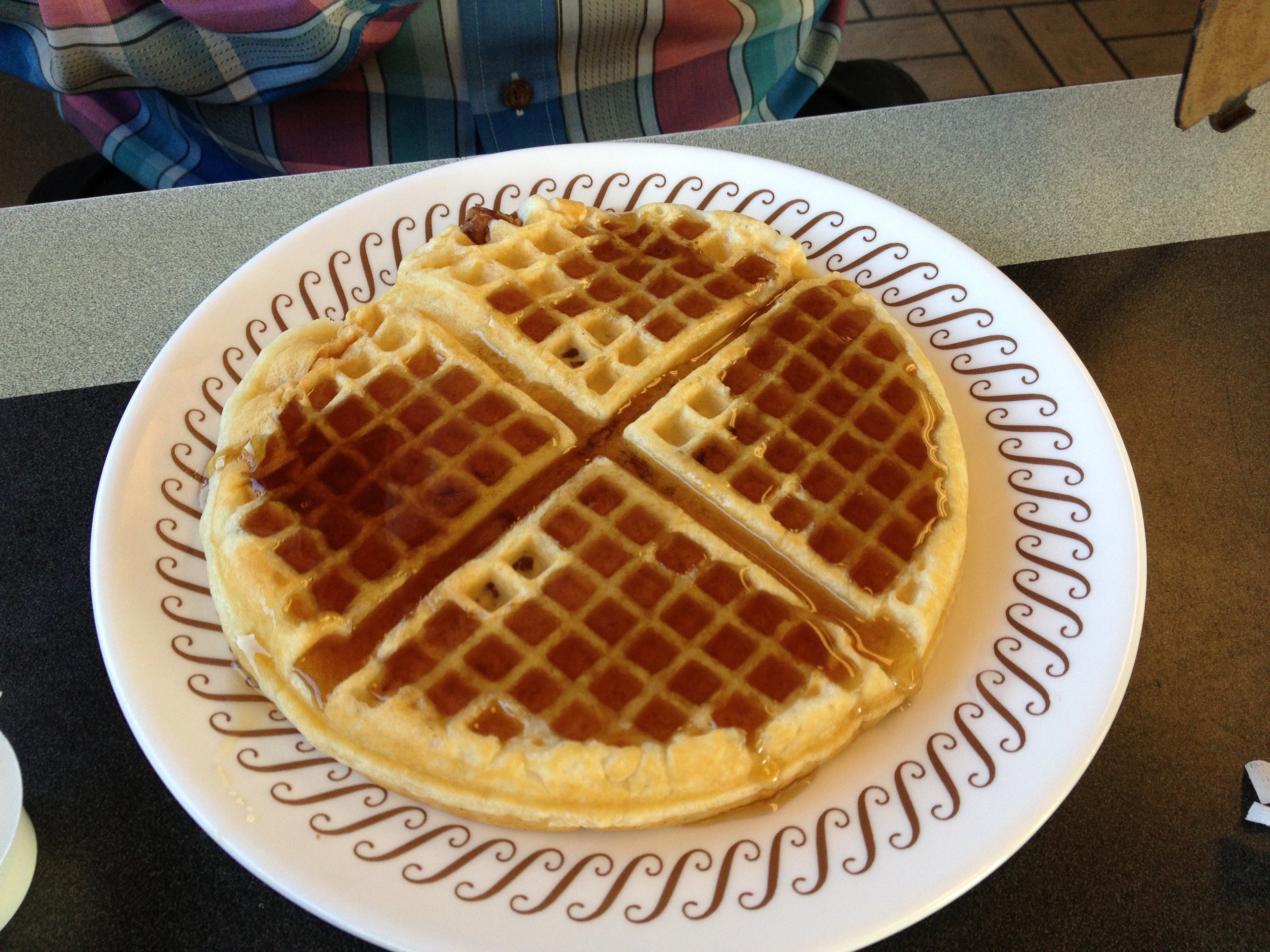
IMG_1002
Ray’s custom waffle at the Waffle House.

This morning, Ray and I are not in the people business; we are in the food business. We’re looking for breakfast. The Waffle House in Spartanburg, South Carolina, is only two blocks from the Motel 6 where we bunked last night, so we check it out. You gotta love the selection at this place, and its convenience. Click here to view the Waffle House menu. The Waffle House has more than 1,600 locations in 25 states — mostly in the South. Fromour home in La Quinta, the closest Waffle House location is Phoenix, Arizona – where there are 13 of them. Not a single Waffle House in California 😦

Interesting side note about the Waffle House: FEMA, the Federal Emergency Management Agency, has an informal metric known as the “Waffle House Index.” The Waffle House Index determines the impact of a storm and the likely scale of assistance required for disaster recovery. The measure is based on the reputation of Waffle House restaurants for staying open during extreme weather, and for reopening quickly after severe weather events like tornados or hurricanes.

IMG_1001
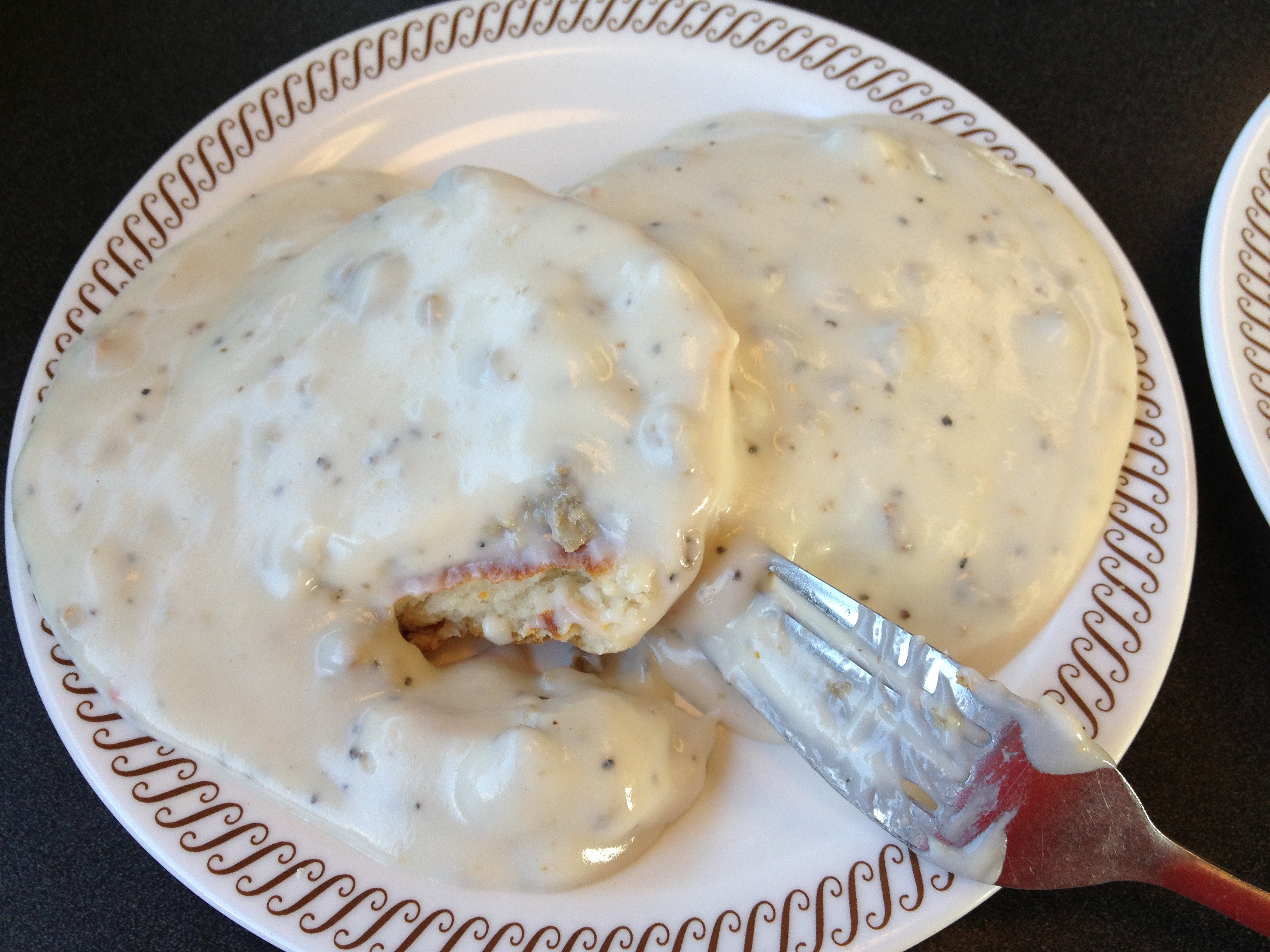
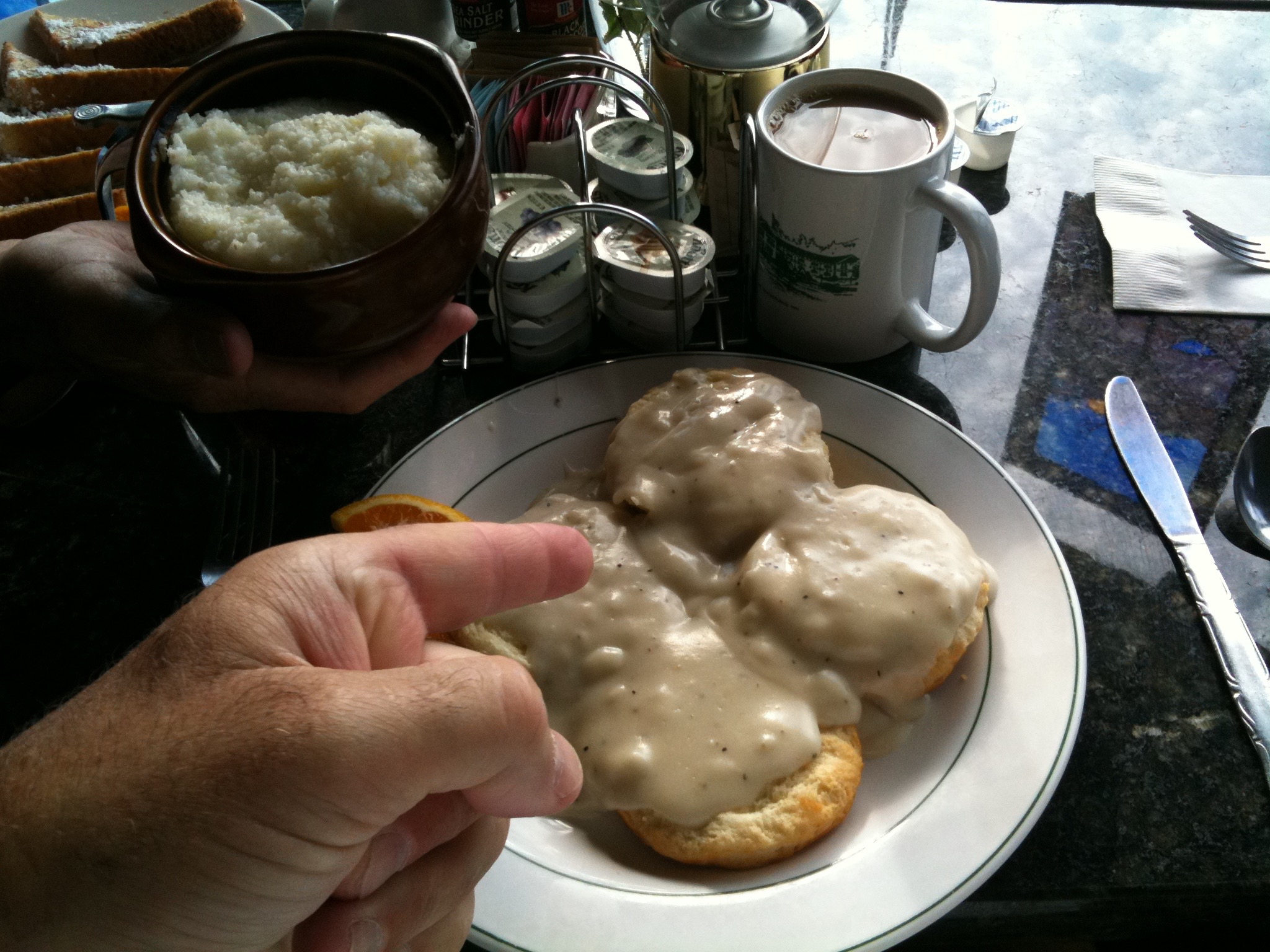
My Waffle House breakfast: biscuits and gravy.

The Waffle Index has three levels:

  • Green: the restaurant is serving a full menu, indicating the restaurant has power and damage is limited
  • Yellow: the restaurant is serving a limited menu, indicating there may be no power, or only power from a generator, or food supplies may be low
  • Red: the restaurant is closed, indicating severe damage

I am not making this up.

Today, the Spartanburg Waffle House is completely in the Green zone. The only possible damage is to our digestive systems.

***

Before we leave Spartanburg, I should remind you of some of the notable names from this city:

  • Hank Garland, legendary guitarist who played on the records of Patsy Cline and Elvis, among others
  • William Westmoreland, Commander of US Forces in Vietnam during the 1968 Tet Offensive (I was 17 years old when the Tet Offensive began on January 30, 1968 — making me undraftable at the time)
  • Al Rosen, all-star third baseman for the Cleveland Indians and two-time American League home run leader

After breakfast, as we leave Spartanburg, we pass by the Greenville-Spartanburg International Airport (GSP). It’s the second-busiest airport in South Carolina (after Charleston), serving 1,755,509 customers in 2011. Nearly 200,000 of those passengers flew to Atlanta on Delta. The airport last year received an ANNIE award from the publication “Airline and Airport News & Analysis,” for being the fastest-growing small airport in the US.

On our left, a few miles south of the airport, we are reminded again of BMW’s presence in the community. We pass by the Carolina Country Club, which – along with two other area courses – hosts the annual BMW Pro-Am in May. The event is a Buy.com tournament, won this year in a playoff by Australian Nick Flanagan.

BMW.winner
At the BMW pro-am, some lucky golfer wins this Beemer with a hole-in-one. Nice photo op, anyway.

We ride south on SC-215 through Pauline, South Carolina, on our way to Whitmire. Pauline is a tiny, unincorporated town, barely a speck on the map. It’s worthy of mentioning, if only to share the story of how the town got its name. Until the 1890s, Pauline was known as Stribling. The community took the name “Pauline” when it tried to name its post office and the name “Stribling” was already taken; “Pauline” was the first name of the postmaster’s daughter at the time.

We continue south from Pauline, and head for Whitmire, South Carolina, in the center of Sumter National Forest. Turning south on US-176 (the Whitmire Highway) takes us directly to Whitmire. This forest consists of more than 370,000 acres. The Sumter is named for Thomas Sumter, a leader of patriot regular and military forces in the South Carolina piedmont during the American Revolution.

As we ride this morning, a once-a-year astronomical event occurs: the Autumnal Equinox. At 10:49 am in the Northern Hemisphere, the sun crosses the celestial equator, signaling the beginning of fall. Equinox comes from the Latin words for “equal night.” Today, day and night are almost exactly the same amounts of time. We’ll have 12 hours of each. It’s all part of the Earth’s annual trip around the sun. That’s not only astronomical; it’s epic! Welcome to fall.

Starting tomorrow, the daylight portion of each 24-hour period begins to get shorter. You can enjoy fall for the next three months, until the Winter Solstice, officially the shortest day of the year. Winter in the Northern Hemisphere begins on December 21 at 6:12 am. On that day, the sun will be directly overhead at high noon. The 2012 Winter Solstice will be the earliest winter arrival since 1896.

And, that’s your science lesson for the day — with one postscript: the official first day of the climatological fall, as mandated by the World Meteorological Organization, is always September 1, local time, for the Northern Hemisphere. Much of the rest of the non-USA world observes the climatological milestones rather than the astronomical ones. So, for example, it’s already been fall in Europe for the past three weeks. Americans just gotta be different.

***

At the southern end of Sumter National Forest, we head east on SC-34 (the Catawba Trail), ride through Winnsboro, cross I-77 and come to Ridgeway, South Carolina, where we stop in to a charming place for a mid-day snack.

IMG_1004
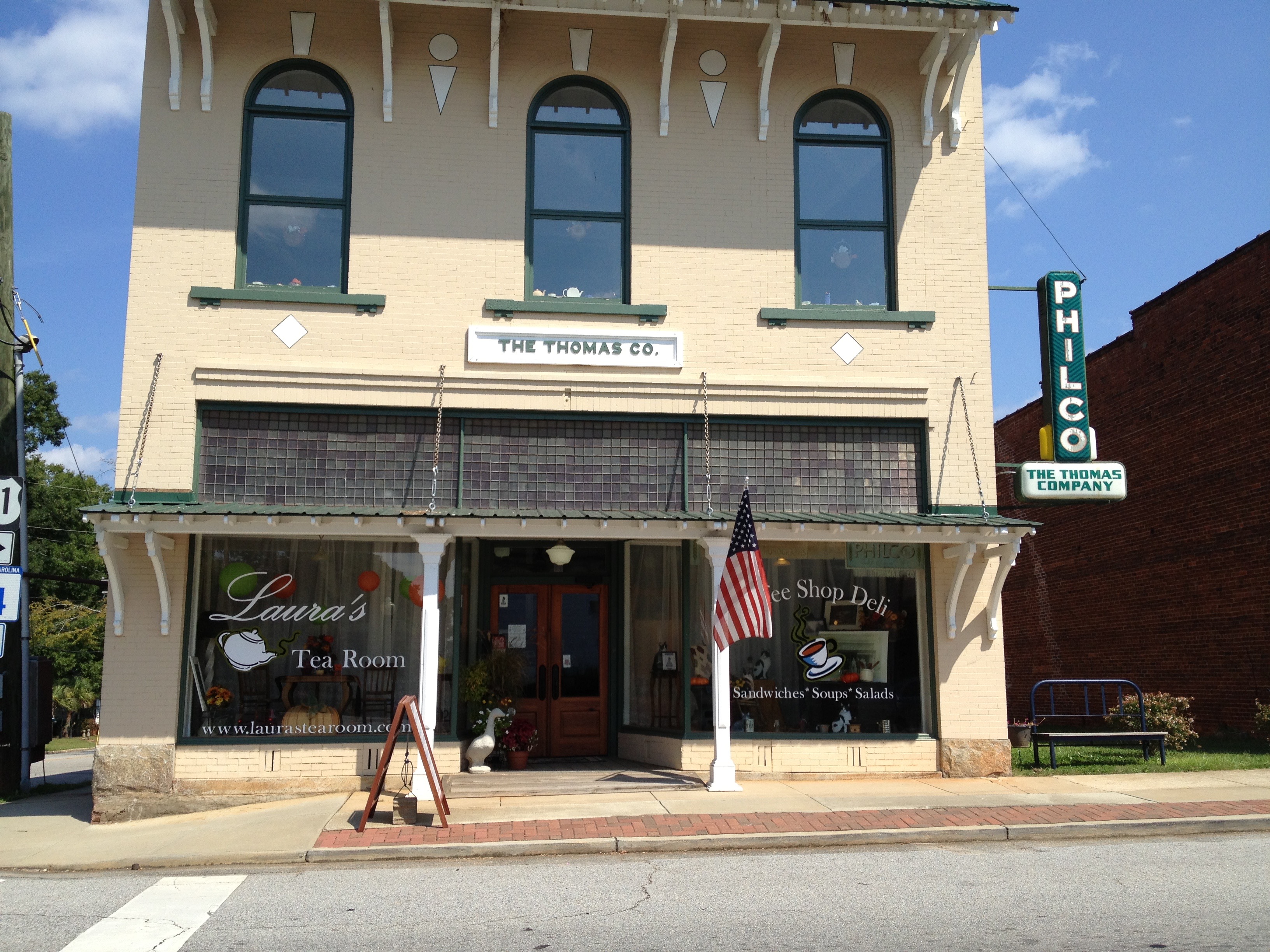
Stopping for lunch at Laura’s Tea Room in Ridgeway, South Carolina.

We visit Laura’s Tea Room, which is serving High Tea. I think of my English friend, Judith (“The Queen”), who would enjoy Laura’s Tea Room. Hard to believe you can go to Hugh Tea in the South, and in a tiny town at that.

But Laura’s, for $21.95, gives you tea, a scone with Devonshire cream, a salad with homemade dressing, a bowl of soup, quiche, and a three-tiered tray with sandwiches and desserts. I think it’s a six-course event, and the ladies in Ridgeway wear their finest outfits — dresses and hats. Ray and I are severely under-dressed, so we avoid the Tea Room and eat downstairs on the main floor. I had unsweetened ice tea … which, for me, is almost like high tea. Close enough.

IMG_1008
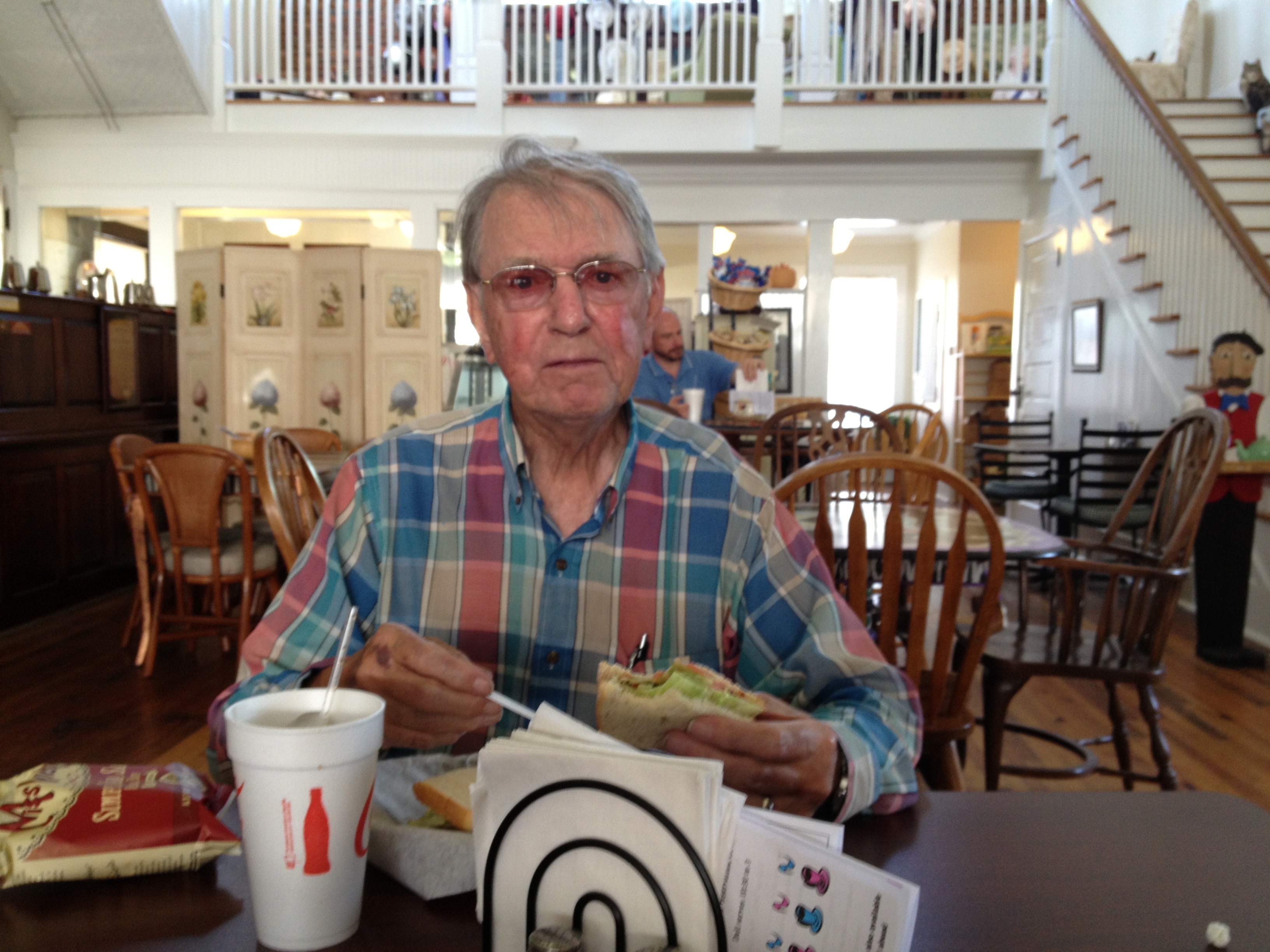
At Laura’s, Ray has a BLT with extra crisp bacon.

From Ridgeway, we continue east on SC-34 for 45 miles, riding through Lugoff, Camden and Bishopville. We pass signs every few miles, reminding us that SC-34 is part of South Carolina’s hurricane evacuation system. It’s a good route to commit to memory; hurricane season is June 1 to November 1.

We pass through Darlington, South Carolina — best known for its car races, including the Bojangles Southern 500 NASCAR event. Bojangles is an interesting name for a race. The Urban Dictionary defines bojangles as “a bouncing male package, preferably balls of large size and proportion.” Bojangles is also a restaurant in the south where you can get fried chicken and iced tea that’s 99 percent sugar. The Darlington race is apparently sponsored by the Bojangles restaurant chain, not by a confederation of scrotums.

Click here to learn more about the Bojangles 500, including a countdown to the May 11, 2013 race — less than six months away. If you can’t wait till 2013, click here to see highlights of the 2012 Bojangles 500. Spoiler alert: Danica Patrica didn’t win. She continues to do much better and be way hotter in GoDaddy.com commercials than on the track. Click here for a GoDaddy TV ad that shows why being pulled over for speeding is not all bad.

From Darlington, it’s a short drive along US-52, southeast to Florence, South Carolina. During the Civil War, Florence was an important supply and railroad repair center for the Confederacy, and the site of the Florence Stockade, where Union prisoners of war were held. For you ultra-sophisticates, Florence is also the capital city of the Italian region of Tuscany, where it’s known as Firenze.

IMG_1018
In the South, seems like there’s a church on every corner.

All day long, we pass by what seems like several churches every mile. Places of worship around here proliferate like Starbucks in Seattle. It’s not unusual to see a Baptist church, a Methodist church, a Penecostal church, and others all bunched together. What you will not see is a Jewish synagogue. My people are apparently rare in the South. Which reminds me … I had a nice email today from my uncle (Bob), wishing me a happy new year. So, to the few MOTs (members of the tribe) reading this blog, happy new year to you, too. The goys among you probably would find this too religiously esoteric, so I won’t explain. Google it, or find a neighborhood rabbi to ask.

***

From Florence, it’s about an hour to Conway, South Carolina, where we’ll call it a day. Conway is one of the oldest towns in the state. Originally named Kingston, the town was created in 1734 as part of Royal Governor Robert Johnson’s Township Scheme. It was laid out on a river bluff, on the western banks of the Waccamaw River. Many buildings in Conway are on the National Register of Historic Places, including the City Hall building, reputedly designed by Robert Mills. Mills is way better known as the architect of the Washington Monument.

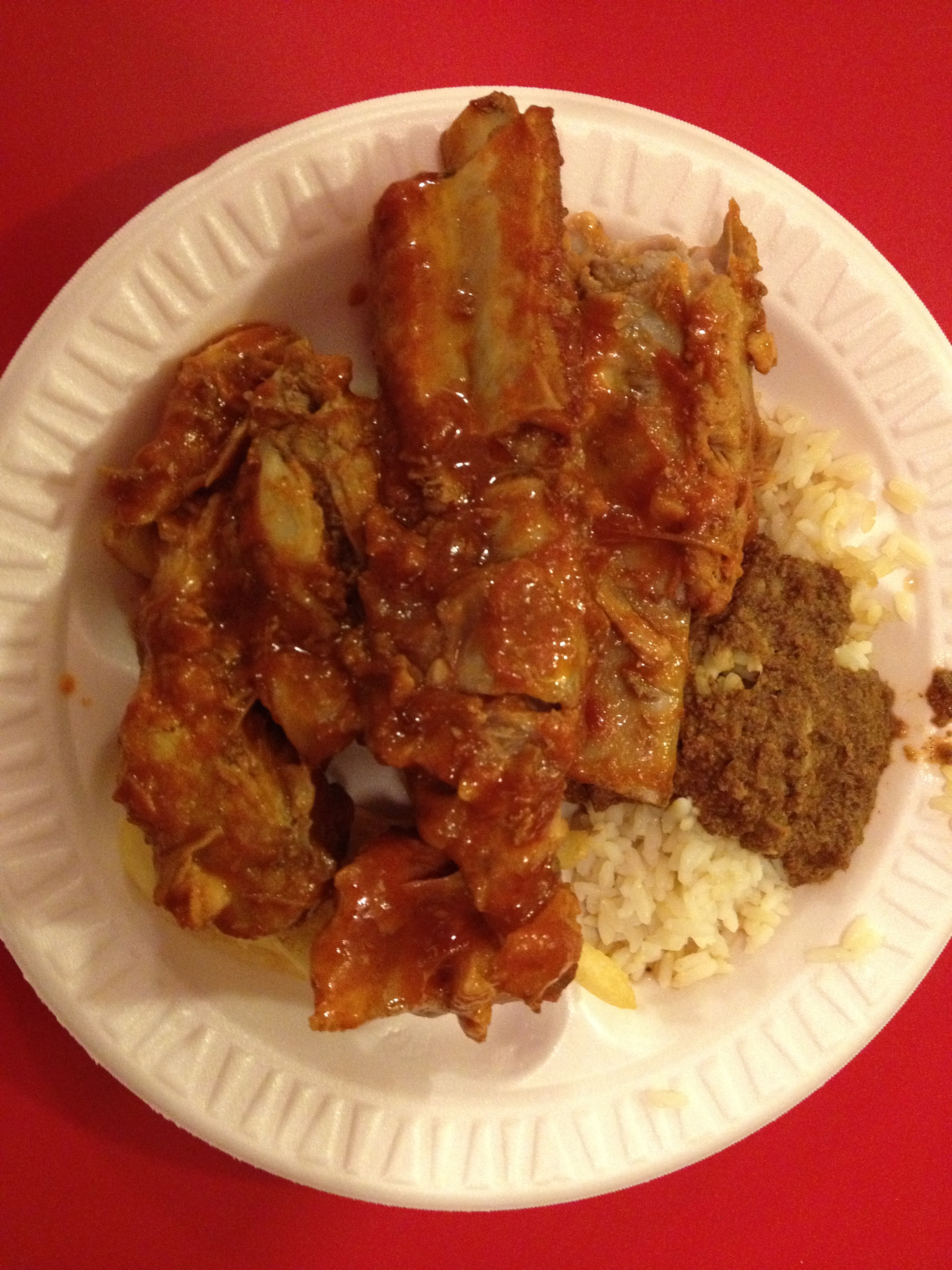
One building in Conway without any of those bona fides is Radd Dew Bar B Que Pit. That’s where we dined. The only thing that’s history here is my rib dinner. Sorry, no menu available. Radd Dew, in business since 1960, is listed among the top 100 barbecue houses in South Carolina. Very exclusive.

IMG_1021
Dinner at Radd Dew Bar B Cue in Conway, South Carolina.

With my ribs, I have fries, which is appropriate for a Harley ride. It’s been said that the sound if a Harley is reminiscent of potatoes. A Harley makes a potato-potato-potato sound. My Danish friend, Tom, calls my Harley a “potato machine,” or kartoffelmaskine in Danish. You probably need to be a Dane or Harley lover to get that.

We’ll call it a day here in Conway. Luxury accommodations tonight are at the Econo Lodge ($54.99 tax) on Church Street. Prayer is optional.

***

Day Two Summary: Green Waffle House index, Perils of Pauline, and Mr. Bojangles. Go Chanticleers! Total miles for the day: about 270.

Click here to view today’s entire route, from Spartanburg, South Carolina, to Conway, South Carolina.

What will tomorrow bring?
Slaying the Dragon, Riding Like Grandpa

We leave Ray and Tina’s home in Farragut, Tennessee, early this morning, and begin our journey in search of America. We’re pretty sure we’ll find it.

We’ll ride thousands of miles, cross dozens of state borders, spend little time on interstate highways, see spectacular scenery, consume conspicuous amounts of local cuisine, and stay at some of the ritziest Motel Sixes anywhere. It’s about the journey, not the destination.

You will be along for the ride — as much or as little as you want. As much — if you read my daily blog entries. As little — if you don’t.

***

IMG_0955
Leaving Farragut, in search of America

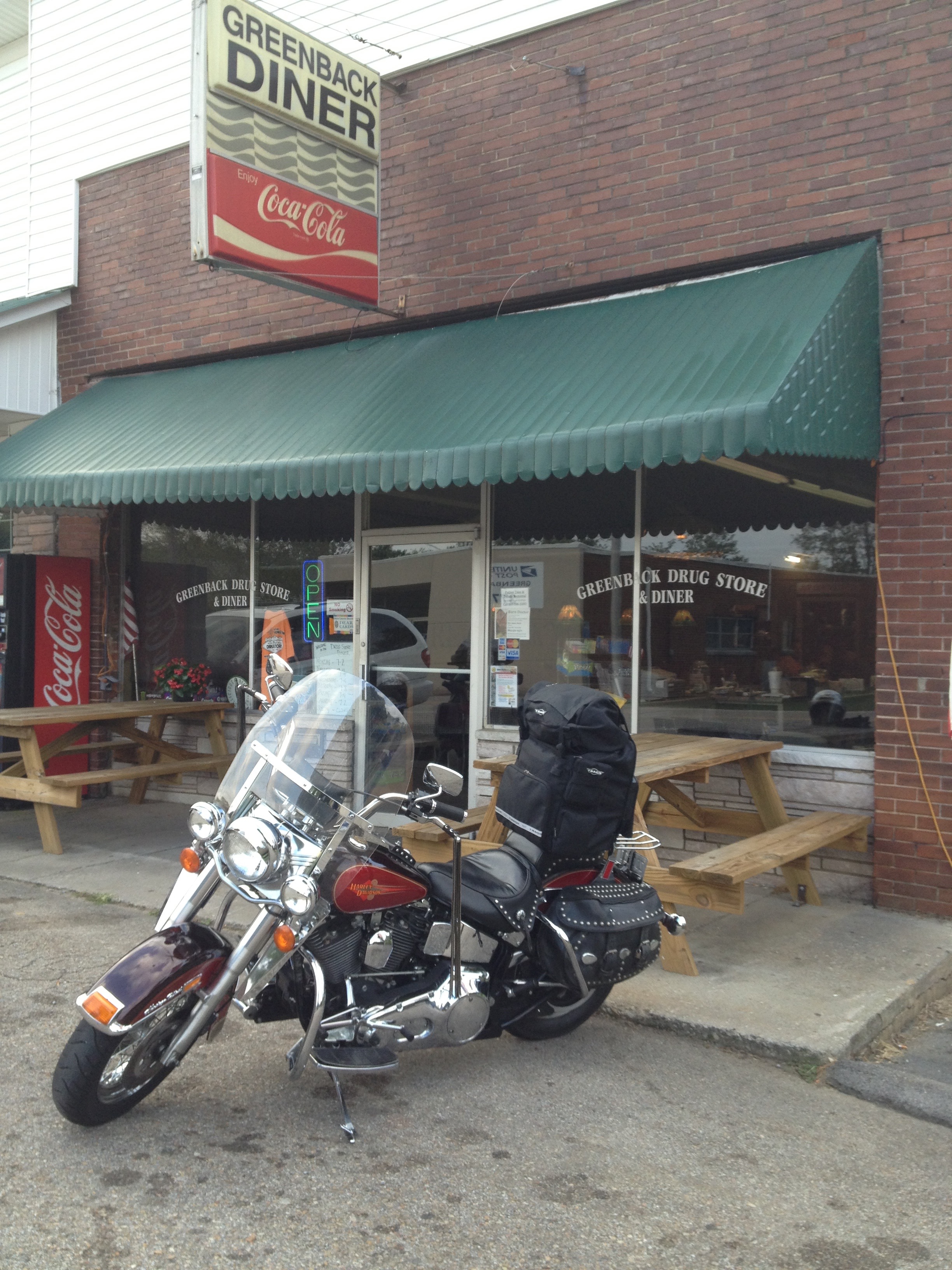
Our first stop today is Greenback, Tennessee, whose most famous former resident is the now-retired Sarah Murr. Sarah graduated from Greenback High School in 1973, one of 33 in that year’s graduating class. She got her degree Sarah-cum-laude, which apparently means she was at the top of her class. In the top 100 percent, anyway. That’s Tennessee math.

Greenback gets its name from the Greenback party, an American political party in the 1870s and 1880s with an anti-monopoly ideology. Note: the game of Monopoly wasn’t created until the early 1900s, showing how progressive Greenback was in its anti-monopolistic leanings.

IMG_0961
The Greenback Diner. Hasn’t changed a bit since Sarah worked here in the 1960s.

Greenback’s population in the 2010 census was 1,064. Many of them are Murrs, or somehow related to the Murr family. In Tennessee, it’s hard to find someone who’s not your cousin. As the city’s website proudly says, “Everyday is a GREAT day to live in Greenback!”

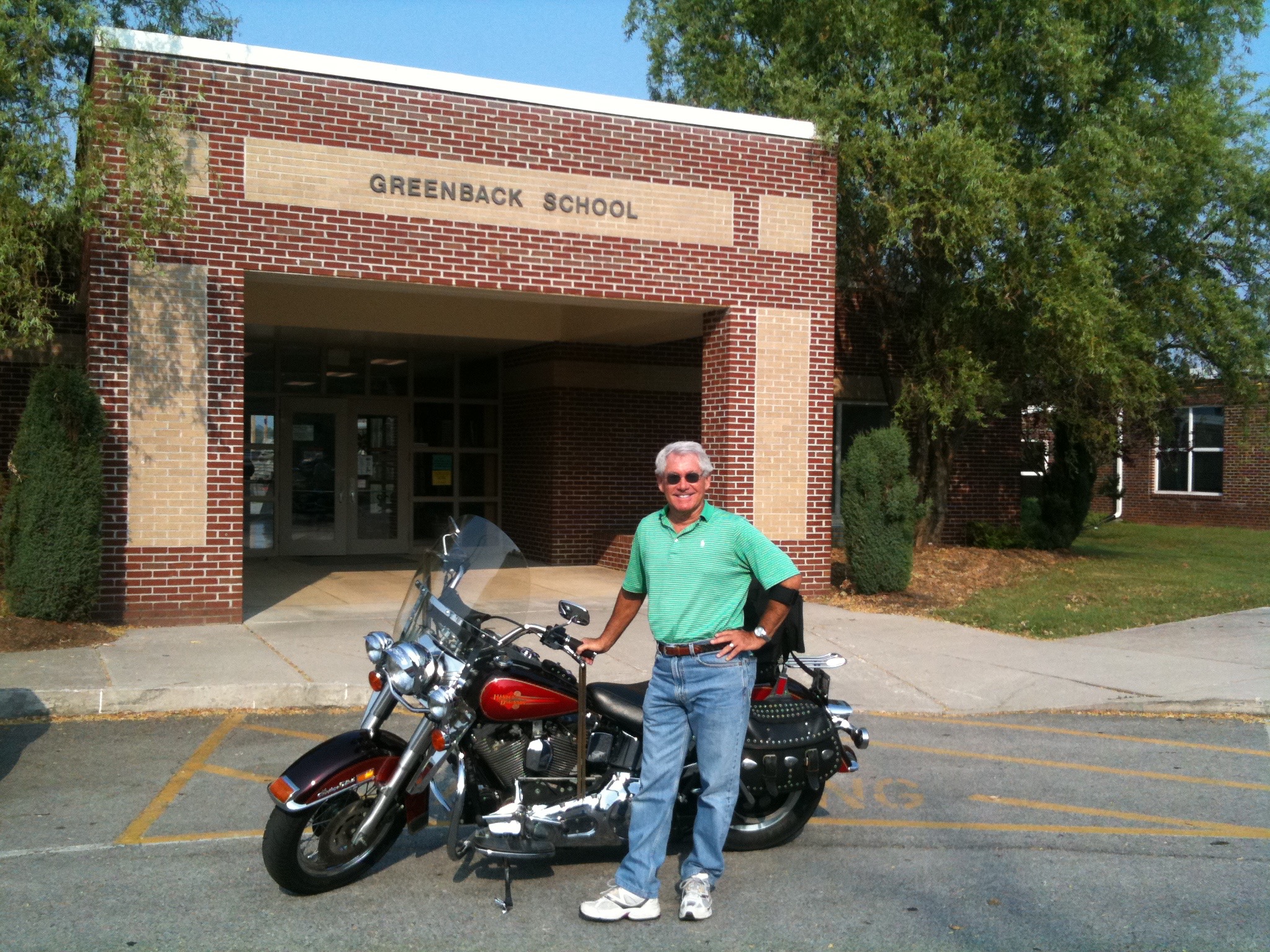
In 2011, Greenback’s residents were featured in an H&R Block television commercial as part of the company’s nationwide campaign to promote its income tax preparation services. Click here to view the story of that commercial. Along with free tax services for several dozen residents, the company donated several thousand dollars to Greenback School, alma mater of Sarah Elizabeth Murr.

IMG_0958
Yes, Sarah used to work here, at the Greenback Diner.

Leaving Greenback, we wipe the tears from our eyes and press on toward North Carolina. We ride along the Little Tennessee River, through the Tallassee Recreation area, past Chilhowee Lake.

We are skirting the western edge of Great Smoky Mountains National Park, which had more than 9 million visitors in 2011, making it by far the most-visited of the 58 US national parks. The second-most visited park, Grand Canyon, had a mere 4.3 million visitors. The 521,490-acre Great Smoky Mountains National Park is in Tennessee and North Carolina – one of only three national parks crossing state borders (Death Valley is in California and Nevada; Yellowstone is in Wyoming, Montana and Idaho).

Next week, we’ll visit Shenandoah National Park, which is entirely in Virginia. I am purposefully giving my newly acquired “Senior Pass” a good workout; the $10 pass allows me lifetime access to our national parks – and more than 2,000 recreation sites managed by five federal agencies. My Senior Pass admits me, and the passengers in my vehicle, to sites managed by the National Park Service, the US Forest Service, the US Fish and Wildlife Service, the Bureau of Land Management, and the Bureau of Reclamation. Click here to learn more about the $10-for-a-lifetime pass – perhaps the best travel bargain anywhere! For you young, illegal immigrants reading this blog post – here’s some bad news: to qualify for the Senior Pass, you have to be at least 62 years old, and a US citizen or permanent resident.

***

Still in Tennessee, but pointed toward North Carolina — we are now on US-129, heading for a Disneyland-like experience for motorcycle riders. US-129, which becomes the Tail of the Dragon, has 318 curves in 11 miles. If you look at a map of the Dragon, you’ll quickly understand how it got its name.

IMG_0962
Ray, at the beginning of US-129, the Tail of the Dragon.

Speed limit on the Dragon is 30 MPH. You will be passed like a bad check if you go that slowly. There’s a reason I’m still alive after 47 years of motorcycle riding: as you may know, I ride like Grandma. I began riding like Grandma when I got my first bike at age 15 — a 1965 Honda Super 90, which at 90 cubic centimeters, had 1/20th of the displacement of my Harley today. So, to get the most out of the Dragon, I slow down, ride the speed limit, and enjoy the breathtaking scenery. Ray does the same, which is a big part of the reason he’s still riding at age 81. Ray will be 82 on November 8; you can send him birthday wishes at Rsandgolfmc@aol.com

Ray rides like Grandpa. We’re quite a pair.

Full disclosure: Ray actually is a Grandpa. I only ride like Grandma.

***

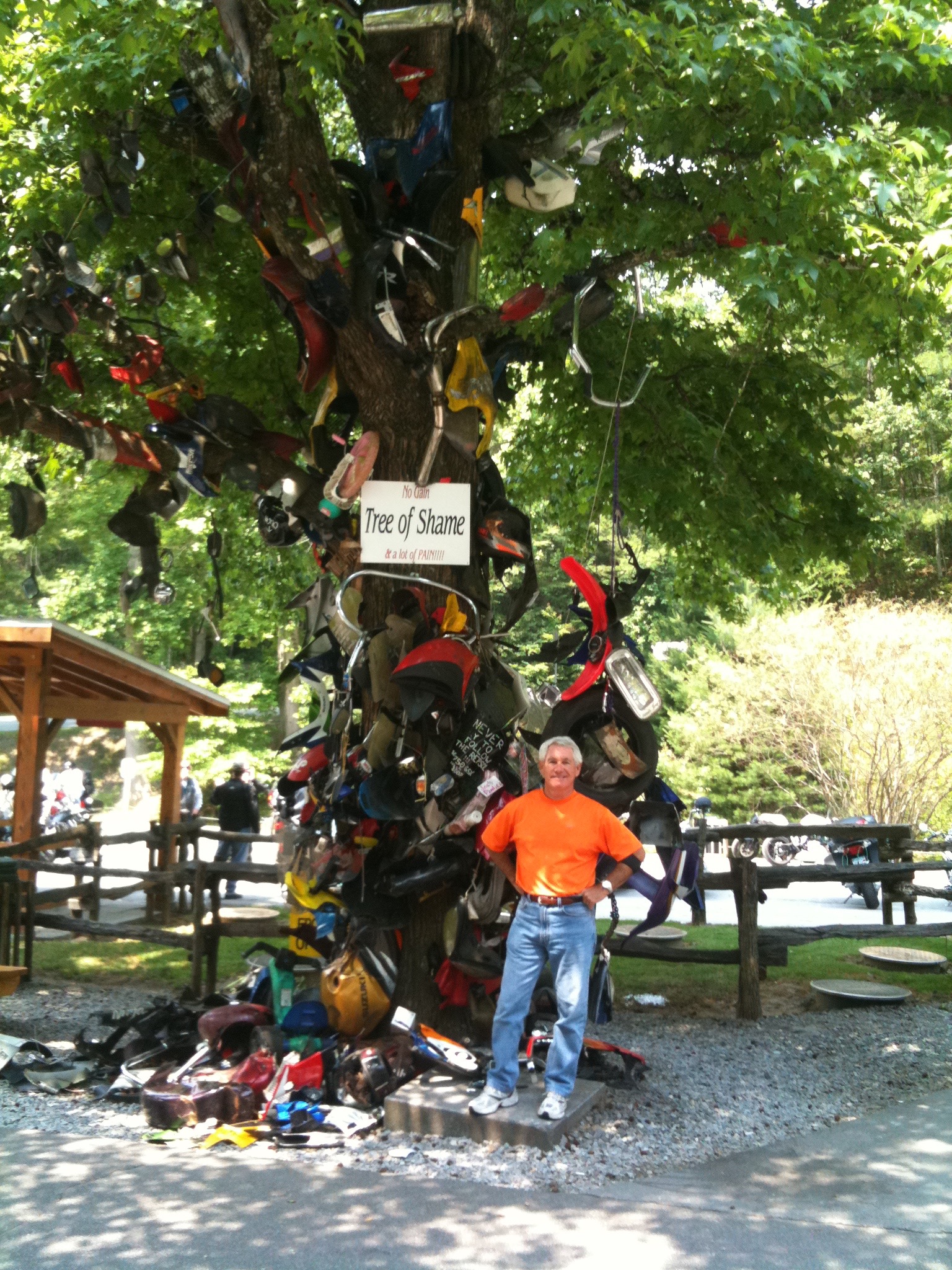
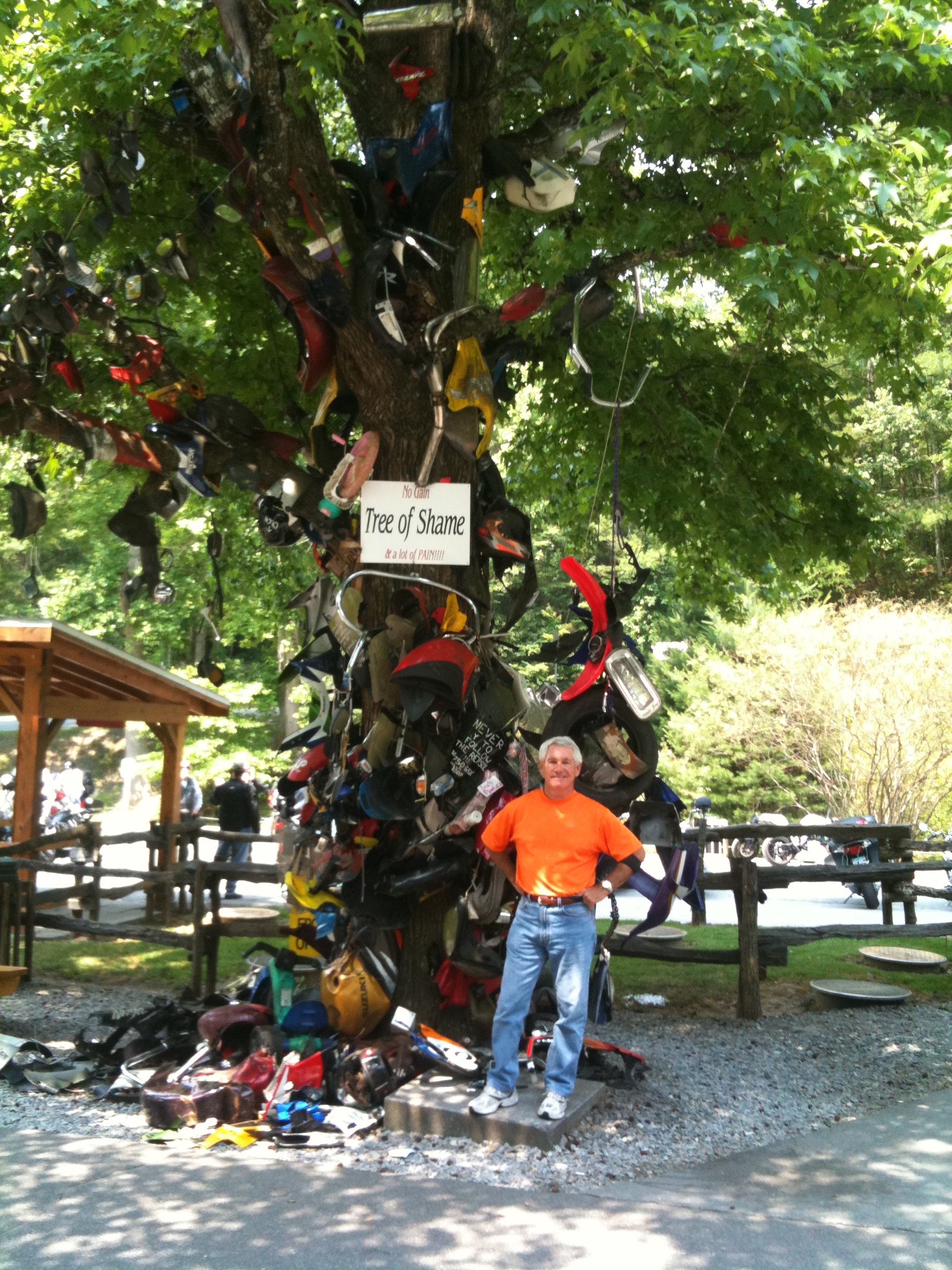
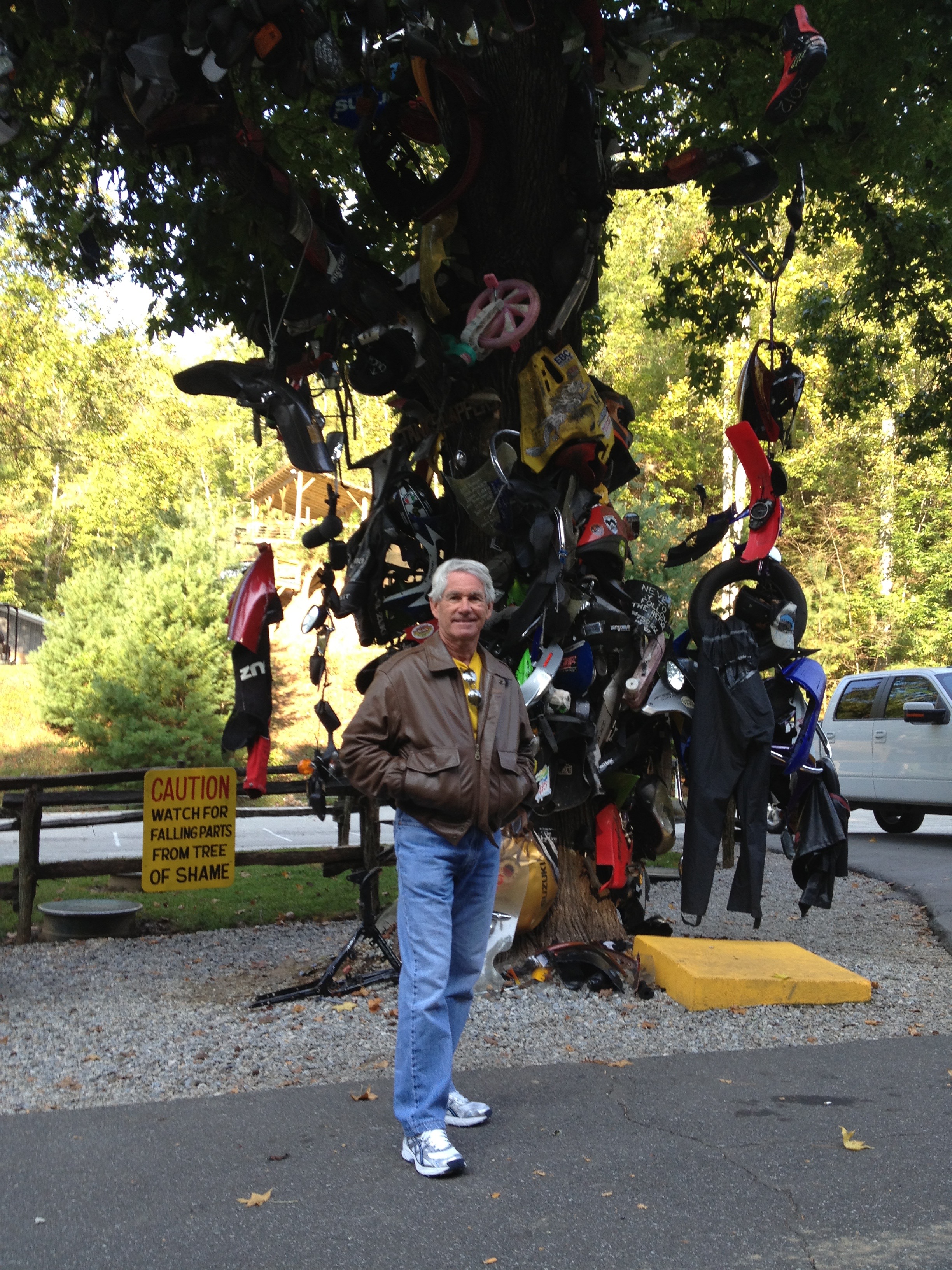
The Tail of the Dragon ends at Deals Gap Motorcycle Resort, as we cross the state border into North Carolina. Deals Gap is home to the Tree of Shame. Click here to check it out. Started some time in the 1980s by a group of Harley riders, the Tree of Shame is a makeshift shrine to those bitten by the Dragon. After riders have successfully slayed the Dragon (as we did today), they can smile at the parts left behind by other riders who were not so fortunate.

IMG_0975
The Tree of Shame at Deal’s Gap, at the Tail of the Dragon.

As a show of respect to my body and to Tina’s Harley, I leave behind nothing that would embarrass me. Tina’s a gracious Harley lender, but she does expect all the parts to return to Farragut in working order. Click here to learn more about the Tail of the Dragon. Click here to see a video that will make you appreciate why the Dragon is best left to experienced riders like me and Ray.

From Deals Gap, we continue on US-129 toward Robbinsville, North Carolina. Among Robbinsville’s notable former residents are country music singer Ronnie Milsap and NASCAR driver Rodney Orr, who was killed in practice before the 1994 Daytona 500. Daytona is almost as dangerous as riding the Dragon; an estimated 31 motorcyclists have died riding the Dragon since 1995. Before their lives ended, many of these riders were derogatorily known as SQUIDs — Stupid Quick Underdressed and Imminently Dead. Squid can also be shorthand for “squirly kid.” Squids are known to ride in shorts, flip-flops and without a helmet – fully believing they are invincible. You don’t want to be called a Squid: it describes a motorcyclist with a hot bike and questionable skills and judgment. Much better to be called Grandma.

We continue east on NC-143 and NC-28, riding through the Nantahala National Forest, more than 531,000 acres of mostly untouched beauty. Nantahala is a Cherokee word meaning “Land of the Noonday Sun.” It’s a fitting name for the Nantahala Gorge, where the sun reaches to the valley floor only at midday. The Spanish Conquistador Hernando de Soto explored this area in 1540. It would have taken him far less time on a Harley. De Soto was a primo explorer. He traveled well. That’s why a car was named after him. Thought you might enjoy an ad for the 1955 DeSoto. That’s the year Sarah was born. Click here to see the commercial. Love the chrome.

***

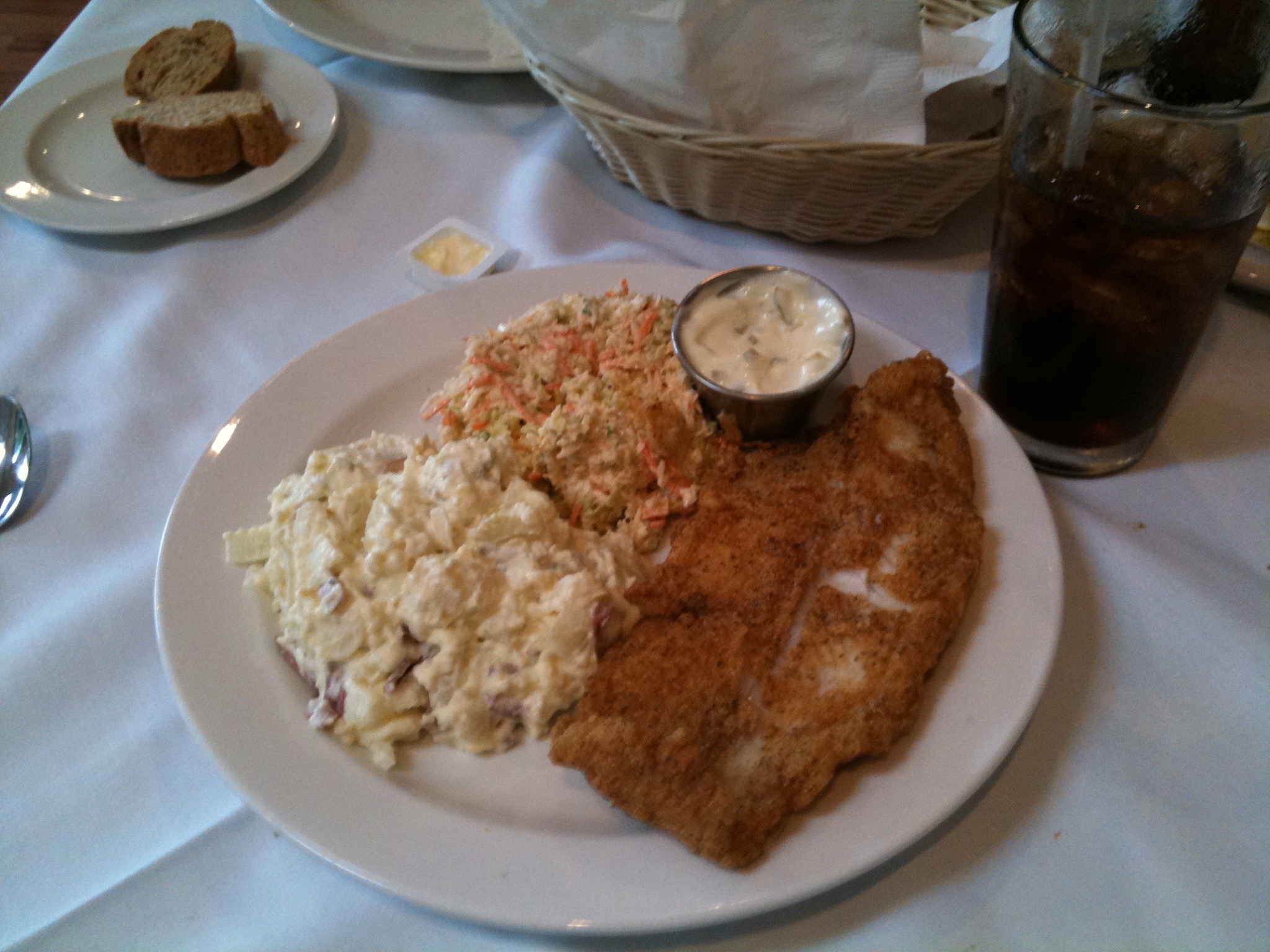
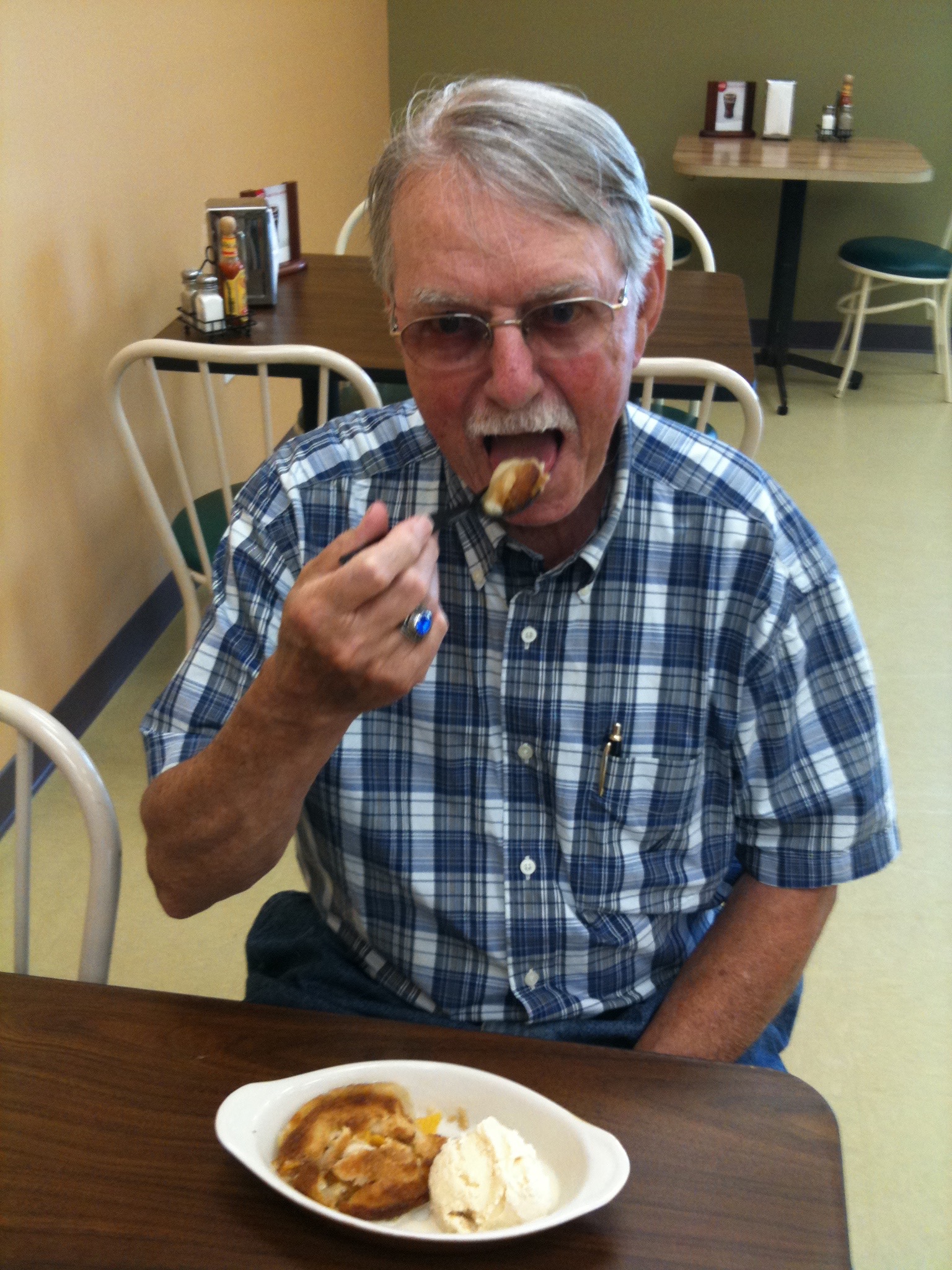
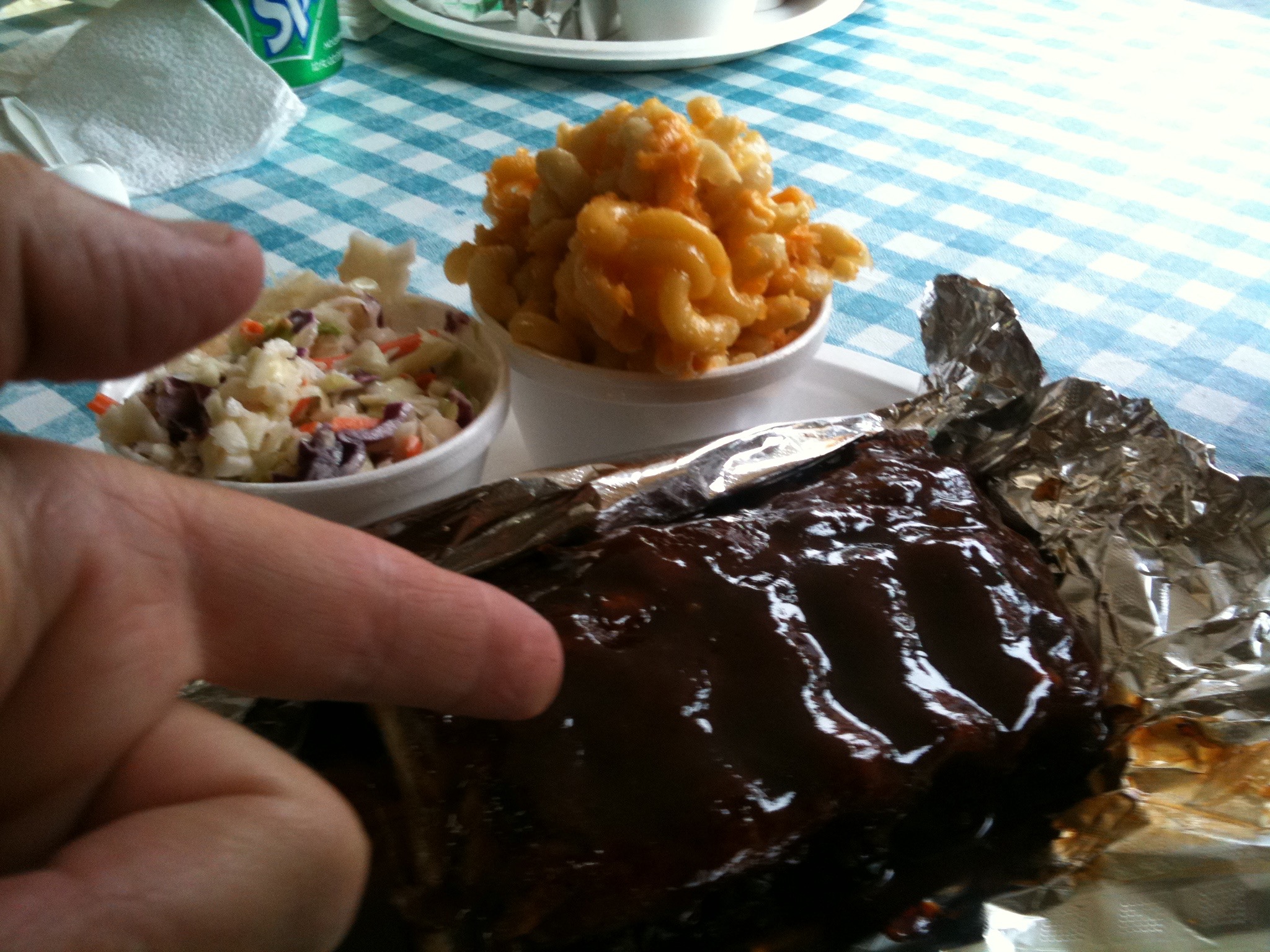
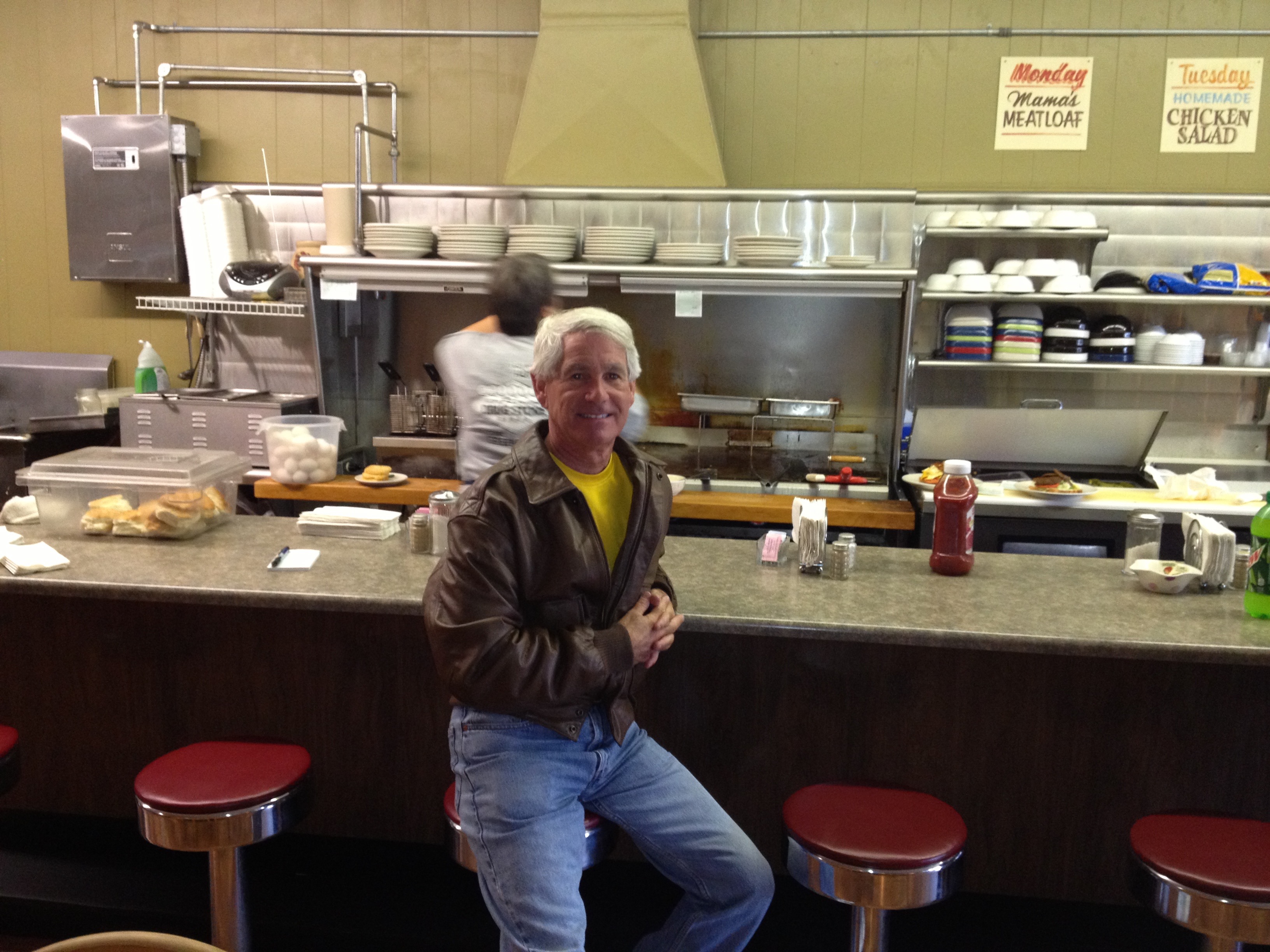
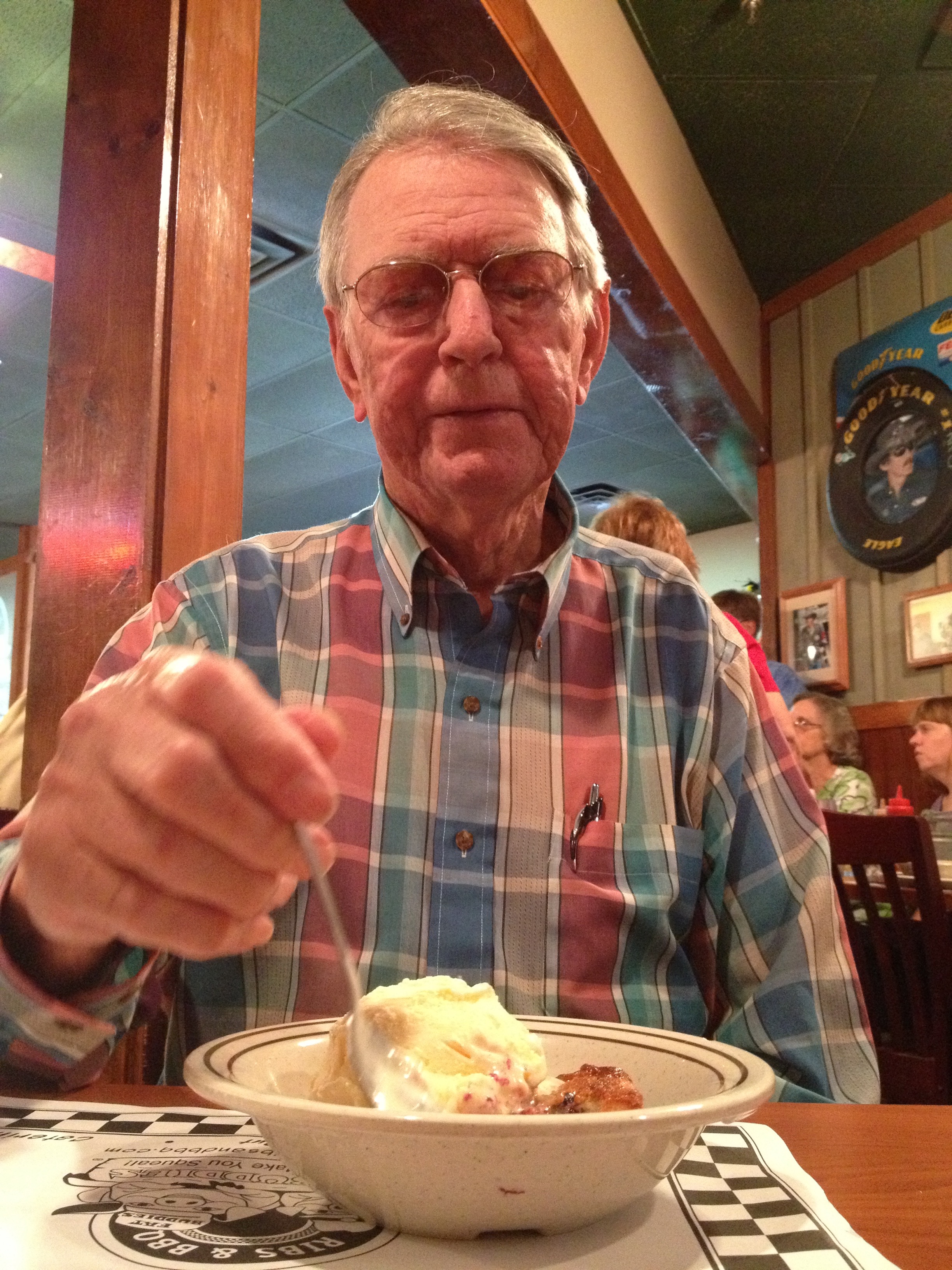
We’ve been on the road now for 125 miles, which is about half of today’s ride. We are hungry and we’re for sure in the South, so we stop at Fat Buddies Ribs & BBQ in Franklin, North Carolina. Those of you who know my culinary preferences should not be surprised at my lunch order. If I had only one meal remaining, it would be ribs. Click here to see what’s on the menu at Fat Buddies. Ray had blackberry pie and vanilla ice cream — no ribs. He takes his sweets very seriously.

IMG_0986
Blackberry pie and vanilla ice cream, dessert at Fat Buddies in Franklin, North Carolina.

When we’re riding 250 or so miles in a day, a lunch stop generally is a good time to refill the tummy, and refuel the gas tank. So we gas up, and head east on NC-28 toward Highlands. The curvy, newly paved road from Franklin to Highlands is our best ride of the day. From Highlands, we turn toward Cashiers, North Carolina, which apparently was named for its college that trains bank tellers. Really. Or not. Whatever.

We point east on US-64 and head for Rosman, North Carolina, at the eastern boundary of Pisgah National Forest. Rosman is in Transylvania County. County names are generally not worth mentioning on this blog, but I love to say “Transylvania.” It is derived from the colonial Transylvania Company and has Latin origins: trans (“across”) and silva (“woods”). Transylvania — one can almost picture the vampires. Oh yes, there’s another Transylvania in central Romania.

US-178 takes us into South Carolina, where we ride through the Jocassee Gorges Management Area. According to Native American legend, Jocassee means “Place of the Lost One.” Lost, we are not. We have AAA maps, two GPS navigation systems, a stack of credit cards, and a modicum of common sense.

IMG_0987
My lunch at Fat Buddies. This is the “before” photo …

Ten miles into South Carolina, we hop on SC-11, the Cherokee Foothills Scenic Highway. The Cherokee Indians called the geography in this area the “Great Blue Hills of God.” Following an ancient Cherokee path, this beautiful two-lane road arcs through peach orchards and villages, past Cowpens National Battlefield and over Lake Keowee. We’re on the Cherokee Foothills Scenic Highway for only 27 miles of its 130-mile length, enough of a taste to want to come back at a later date.

***

We depart the Scenic Highway only because an appointment looms in Greer, South Carolina, just outside Spartanburg. We turn south on SC-101 and wind our way to the BMW manufacturing plant, where they assemble Beemer SUVs — the X-Series vehicles (X3, X5 and X6). It’s the Munich-based company’s only US production facility. Click here to learn more about the BMW factory in Greer.

IMG_0991
… and, this is the “after.”

The facility employs more than 7,000 people, and produces — on average — about 1,000 vehicles a day. As two guys who used to work for a big ol’ airplane company, Ray and I have an appreciation for the beauty and complexity of large-scale systems integration. So we stop to visit what’s known as “Zentrum.” It’s a tour facility and museum — a very cool experience. But I already have a German-built (in Stuttgart) car that’s paid for, has low-mileage, and should last me till age 85. So we leave without ordering a new vehicle, instead picking up a few souvenirs before heading for our final leg of today’s trip.

Here’s a footnote about auto assembly by companies we all once considered foreign: 10 “non-US-based” car companies operate 16 big assembly plants in the US. In Ohio, Honda has facilities in Marysville and East Liberty, and another plant in Lincoln, Alabama; Nissan builds more than 500,000 vehicles a year in Smyrna, Tennessee; Toyota builds a half-million vehicles a year in Georgetown Kentucky — the Camry and Avalon sedans. Hyundais are built in Montgomery, Alabama; Volkswagen has a plant in Chattanooga, Tennessee. Mercedes builds M-Class and R-Class vehicles in Vance, Alabama. Kia recently expanded its $1 billion plant in West Point, Georgia.

Discern any geographical, political, socio-economic or cultural patterns? This list is not comprehensive, but it is sobering. In Tennessee alone, more than 60,000 jobs are related to auto and parts production. Click here to read a recent New York Times article on this phenomenon.

***

IMG_0996
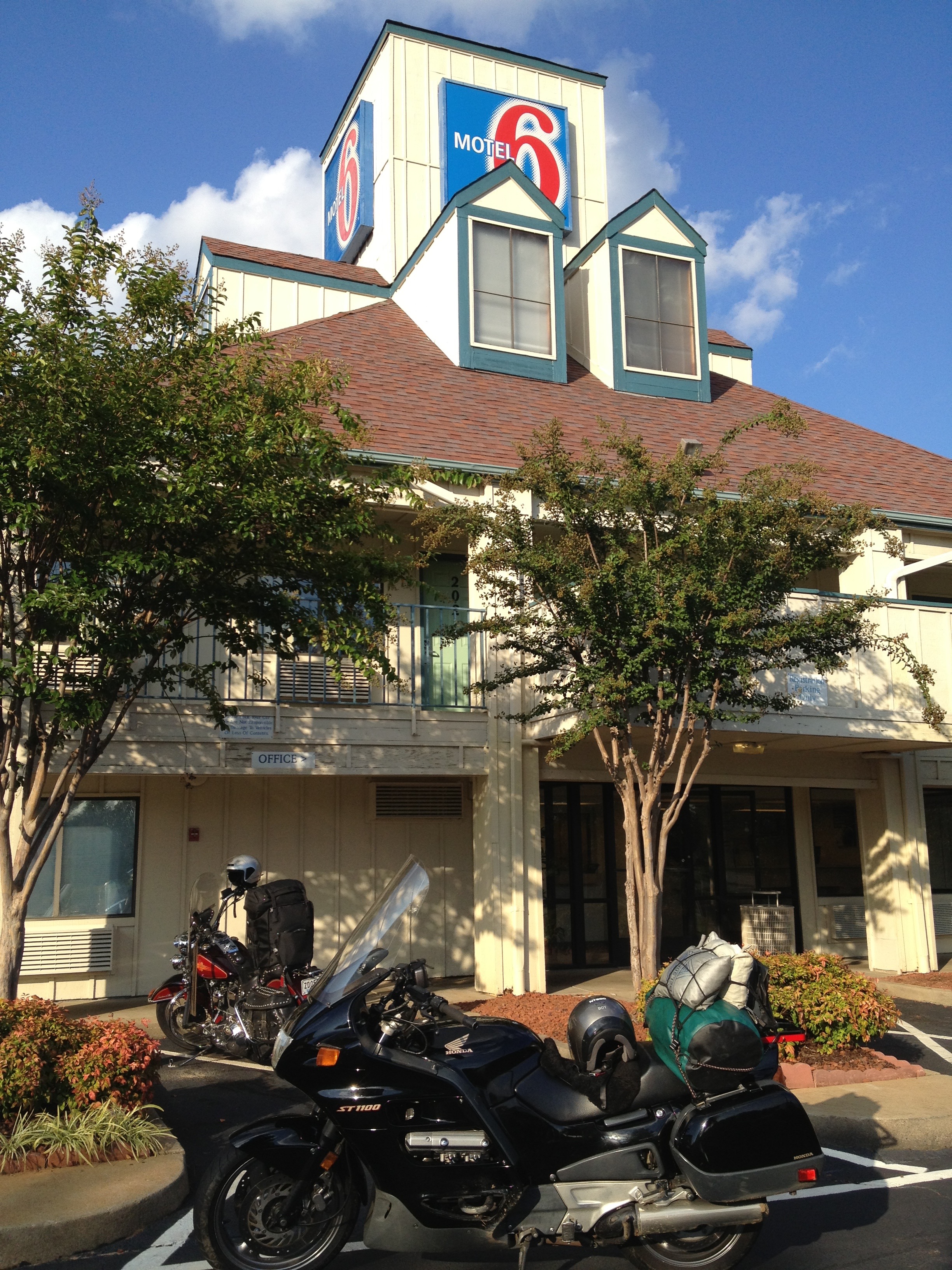
Motel 6 in Spartanburg. At the end of a day in the saddle, a comfy bed is a comfy bed.

It’s a 22-mile drive from Greer to the posh Motel 6 in Spartanburg, South Carolina. Disappointingly, we are on I-85 for most of the next 25 minutes, violating a cardinal tenet of Gary’s Road Rules: fuhgedabout the Interstate. But it’s the end of a long day, and we just want to check in, put our feet up, and relax. So we deal with 20 miles of boring, grinding I-something.

About tonight’s accommodations: Motel 6, two full beds, non-smoking. Free morning coffee, free expanded cable and a coin laundry in case we soiled ourselves while riding the Dragon. Woo-hoo, we are living large! It’s $41.99, plus tax. If you’re nostalgic about Motel Six, you correctly remember that the room rate was $6 a night when the first motel opened in Santa Barbara, California, in 1962.

***

Day One Summary: ribs in the belly, dragons in the rear-view mirror, photos in the iPhone, and tchotchkes in the saddlebag. Total miles for the day: 288. A nice way to start our 2012 adventure.

Click here to view today’s complete route from Farragut, Tennessee, to Spartanburg, South Carolina. The route is courtesy of Google Maps. You can get turn-by-turn directions (if you want to replicate the route), or zoom in to see every bend in the road.

What will tomorrow bring?
Get Your Motor Runnin, Head Out on the Highway …

Hi there. Remember me? I’m Gary, the retired PR guy, golfer, pro bono communications consultant and Harley rider. You may recall my writings and ridings from previous years, as I shared my experiences on the road. Last year, it was a Harley Hillbilly Holiday.

To commemorate last year’s ride and prepare for my next adventure, I’ve posted some photos from the 2011 HHH on today’s blog entry. That’s why some of the pix may look familiar. It’s a good reminder of what I have in store the next three weeks, and it helps me make sure the blog is functioning properly. All the images you see on this blog in the days ahead will be original material, shot on my iPhone, in the Fall of 2012, with the ink barely dry on the photo paper.

I’m posting this blog entry because — with apologies to Willie Nelson — I’m on the road again.

IMG_0589
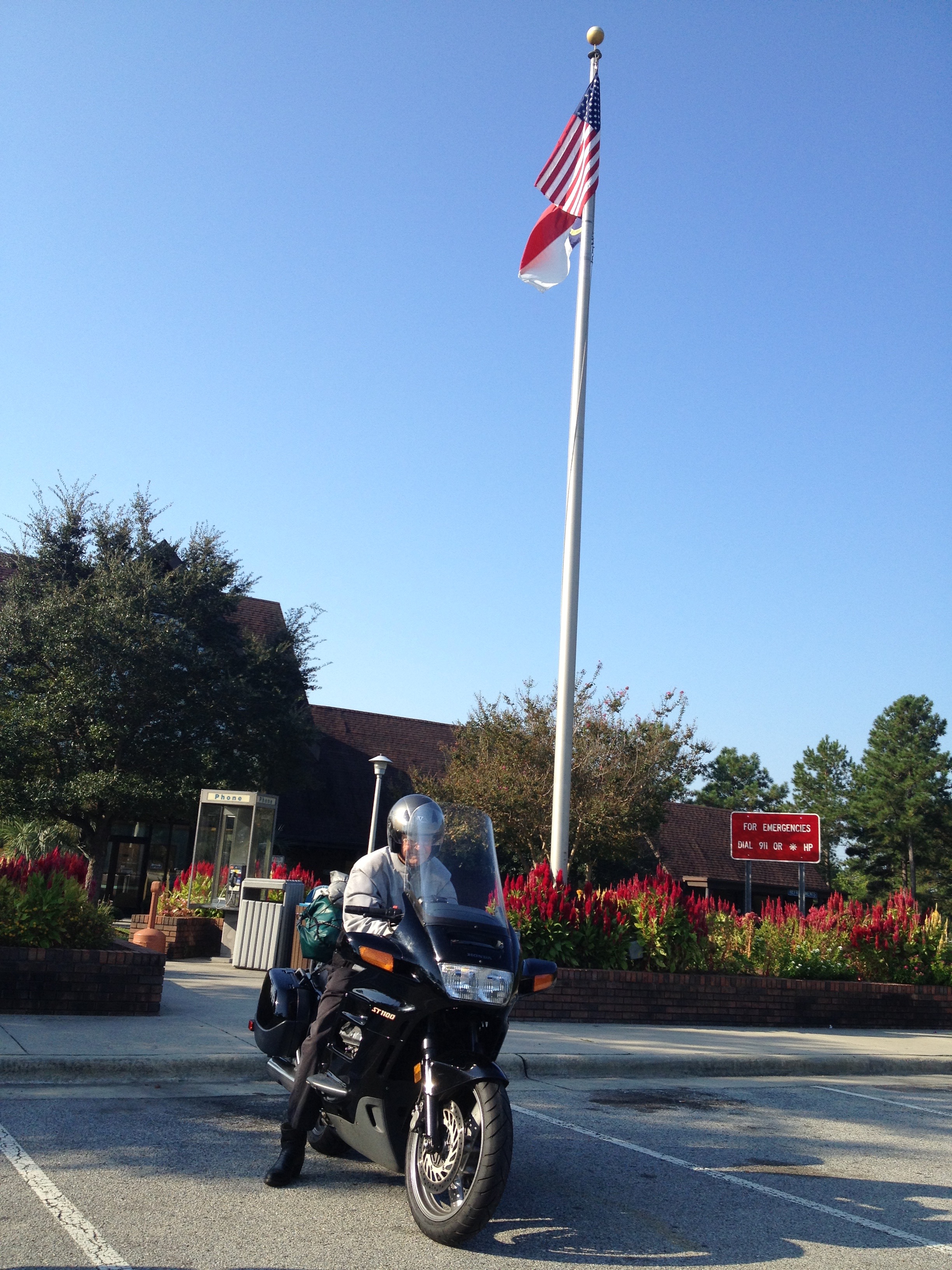
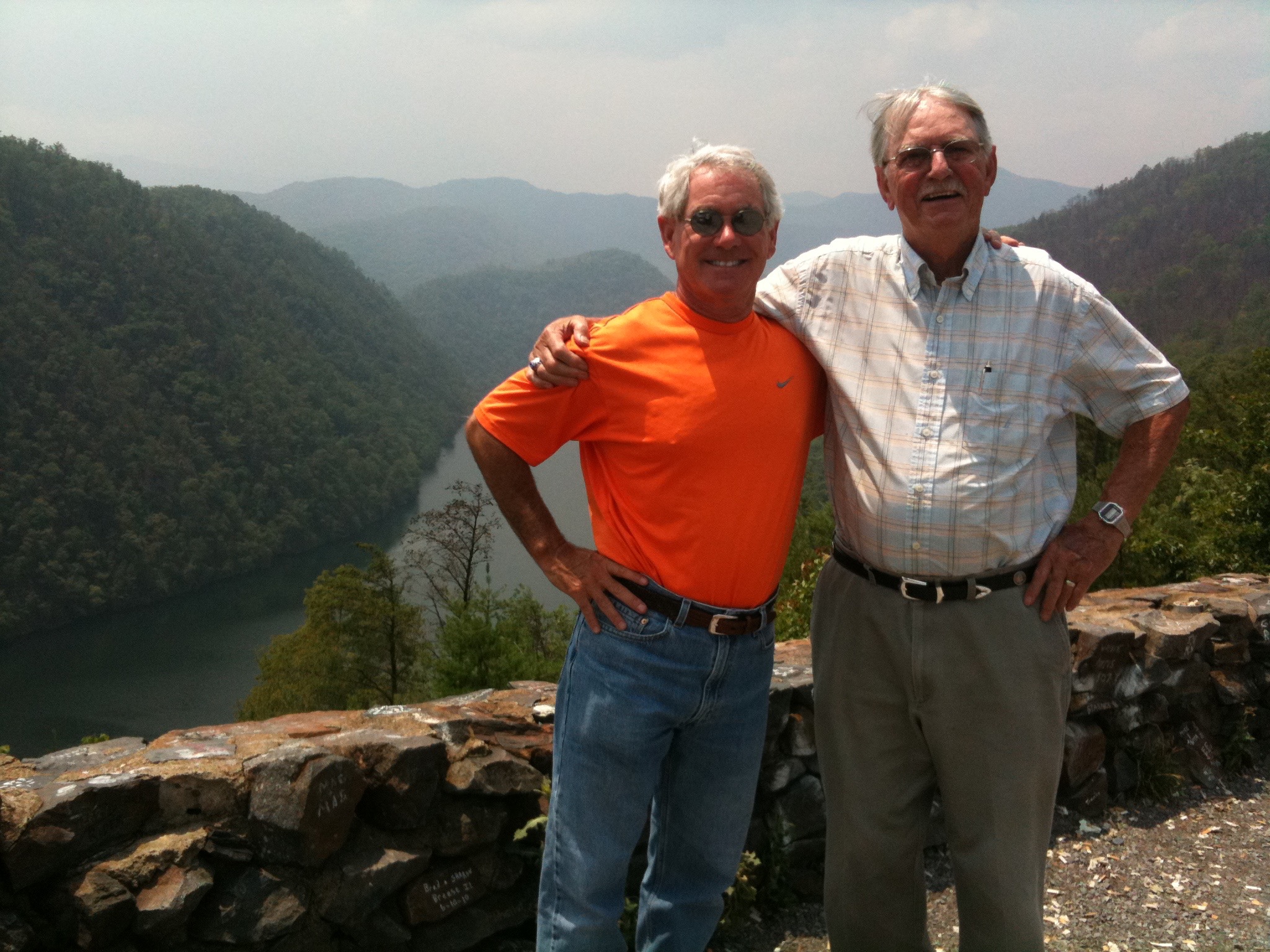
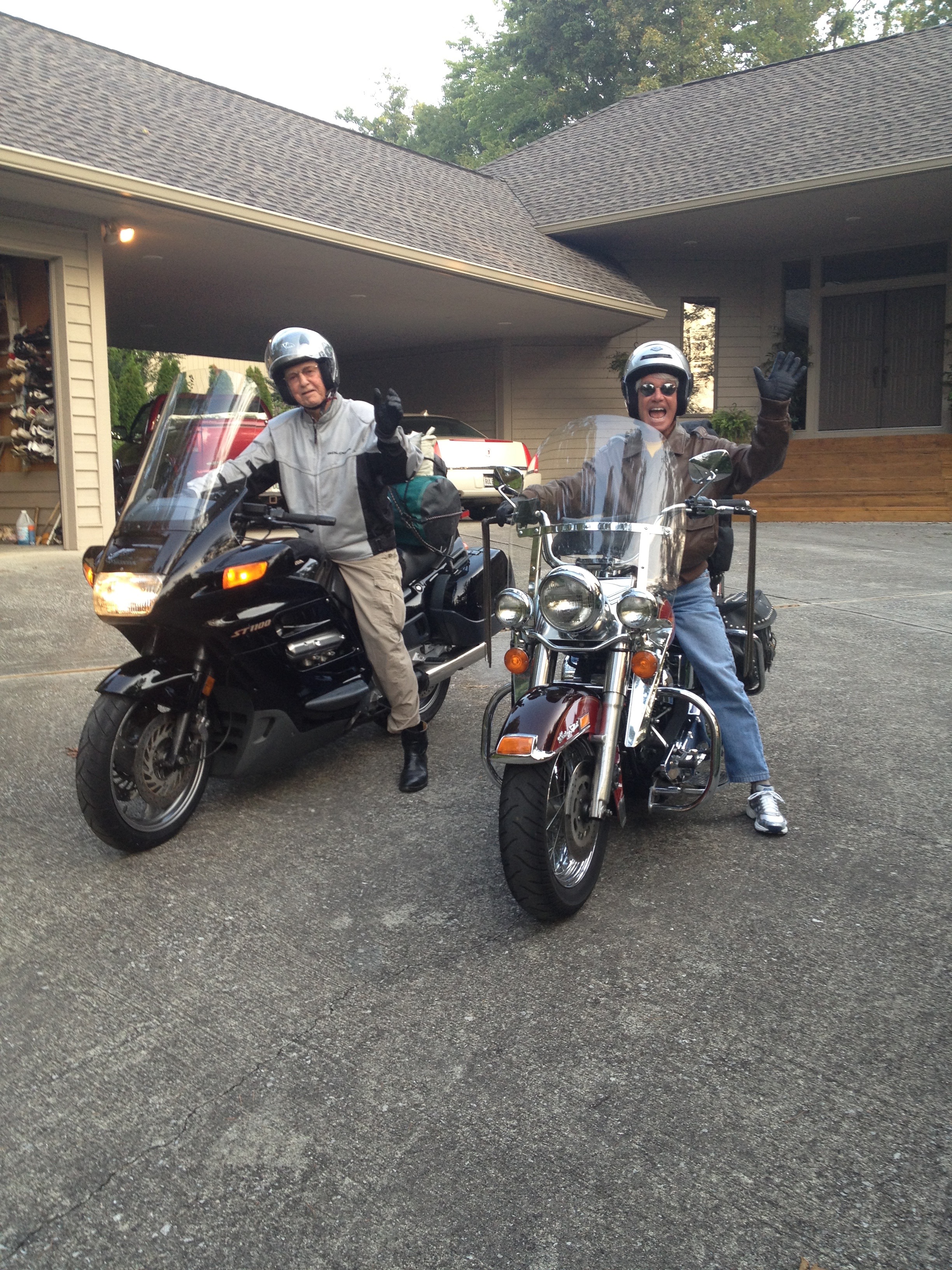
The riding guys: Gary and Ray

Today, I begin a three-week journey, traversing 13 states and perhaps crossing an international border or two. I’ll visit national parks, Scenic Byways, Civil and Revolutionary War sites, lighthouses, islands, the Atlantic Ocean, river valleys and Lowcountry. I’ll ride ferries, explore historic landmarks, photograph fall colors, stay in cheap motels and eat all kinds of unhealthy food.

It promises to be, without a doubt, just about the most fun you can have with your clothes on. And, for the price of an Internet connection, you can join me. But please — do keep your clothes on.

***

With Sarah’s blessing, I’ve left La Quinta and am heading for Farragut, Tennessee.

Right now, I’m at the Palm Springs, California, airport — en route to Knoxville, Tennessee, the urban center of East Tennessee. Farragut is a nine-iron from Knoxville.

IMG_0581
Deal’s Gap. Such a deal!

In Knoxville, people do talk a lot like Sarah. They should; that’s where she’s from. Tennesseans twang. They speak slowly. Depending on how deep into Appalachia you are, they can be all but impossible to understand. Sarah will tell you that when she first arrived in Seattle in the 1980s, she had to write down her words — to help listeners figure out what she was saying.

I still recall the first time Sarah and I arrived at the Knoxville Airport in September 1998. It was late at night, and there was a good ol’ boy talking on his cell phone while he mopped floors. Sounded to me like the dude from Gomer Pyle, USMC. Shuh-ZAY-um! Click here for a true Gomer Pyle Shazam moment (two of them, actually). If y’all have a hankerin’ to speak like Gomer and his cousin Goober, click here for a primer on learning a Southern accent.

The stereotype of Tennesseans being inbred, bible-thumping, closed-minded, truck-driving, gun-toting, beer-swizzling, tooth-missing, uncivilized rednecks is simply not true. Sarah drives a Lexus. Just sayin’.

IMG_0585
The Tree of Shame at Deal’s Gap.

With thanks to Jeff Foxworthy, click here to see 25 ways you might be a redneck (#10: “Your junior prom had a daycare”).

***

Famous folks from Knoxville include:

  • Dave Thomas, who founded Wendy’s hamburgers in 1969, naming the restaurant after his daughter Melinda Lou, whose nickname was “Wenda”
  • Country music stars Chet Atkins, Roy Acuff and Kenny Chesney. Click here to learn more about Chesney, who we saw perform at the Stagecoach country music festival near our home in La Quinta last year.
  • Writer Alex Haley of “Roots” fame, who also conducted the first-ever interview for Playboy magazine (with jazz musician Miles Davis)
  • Pat Summit, winningest basketball coach on the planet, who announced in 2011 she’d been diagnosed with early-onset Alzheimer’s disease
  • Admiral David Farragut of Civll War fame. Farragut is most remembered for his order at the Battle of Mobile Bay: “Damn the torpedoes, full speed ahead!”

The city of Farragut gets its name from Admiral Farragut. The most famous people in Farragut today: Tina and Ray Sanders. More on them shortly.

Besides its notable residents, Knoxville is best known for two things: The 1982 World’s Fair, also called the Knoxville International Energy Exposition; and the University of Tennessee, famed more for its athletics than academics. To be fair, UT offers professional degrees from more than 300 programs, has medical and law schools, and the UT business school is known widely for its Masters of Bubba Administration (MBA) studies.

IMG_0612
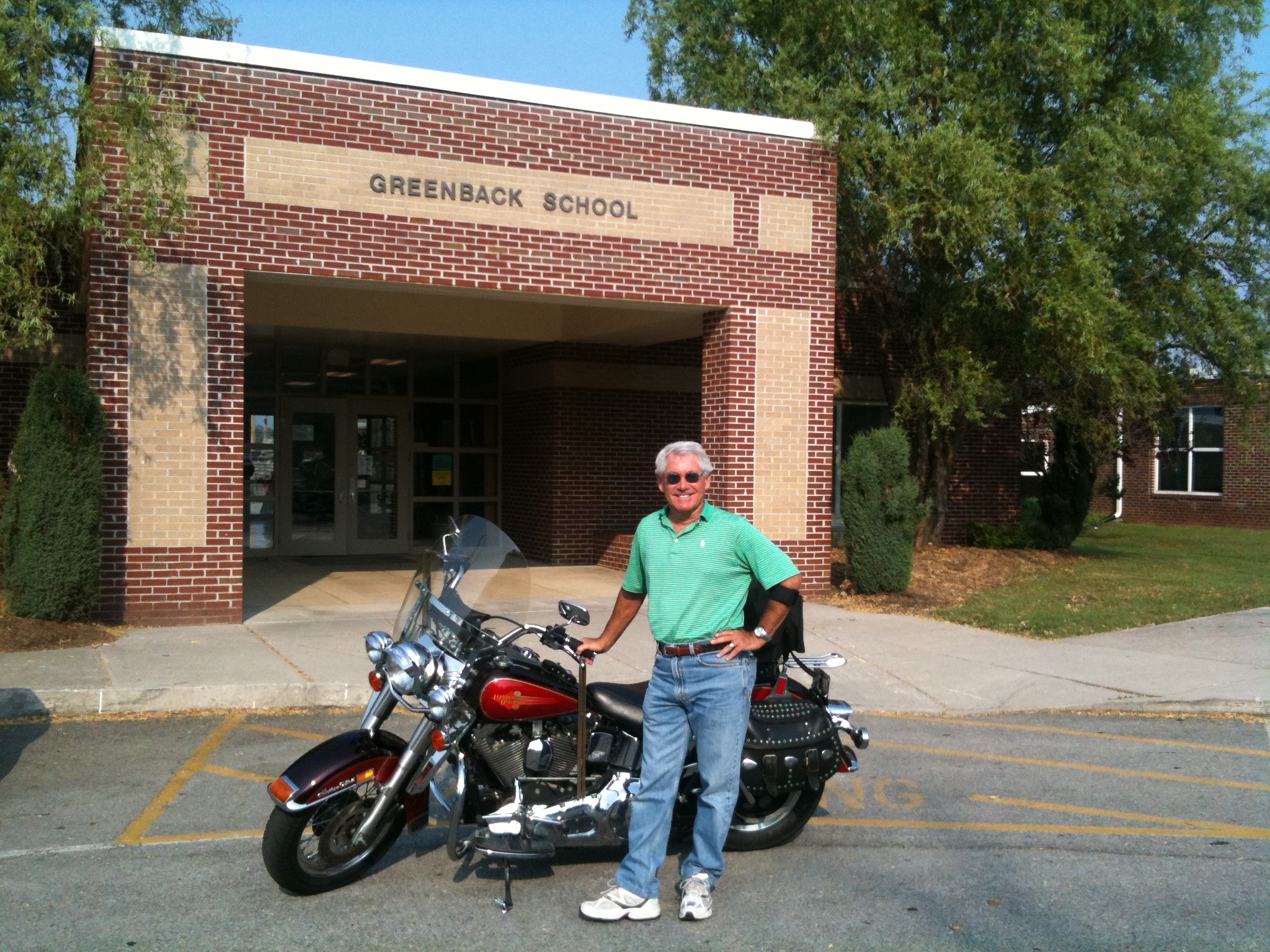
The Greenback School, where it all began for Sarah.

First the World’s Fair, which attracted 11 million visitors. Its symbol was the Sunsphere, a 266-foot high steel tower, topped with a five-story gold globe. The Sunsphere, which was featured in a 1996 episode of “The Simpsons,” still stands. The Knoxville World’s Fair debuted several new inventions, including touch-screen displays, boxed milk, and Cherry Coke. Click here to see how the New York Times covered opening day of the Fair 30 years ago. Sarah was still living in Tennessee during the Knoxville World’s Fair, and was one of its frequent visitors. She had a season pass, often going to the Fair for dinner after a long day of work at Boeing’s Oak Ridge facility.

Knoxville’s other claim to fame is the University of Tennessee — which, despite popular opinion and sentiment — Sarah Murr did not attend. Sarah, instead went to Hiwassee College in Madisonville, Tennessee; click here to read about Hiwassee, which is the Koasati and Hichiti Native American word for “copperhead snake.”

IMG_0721
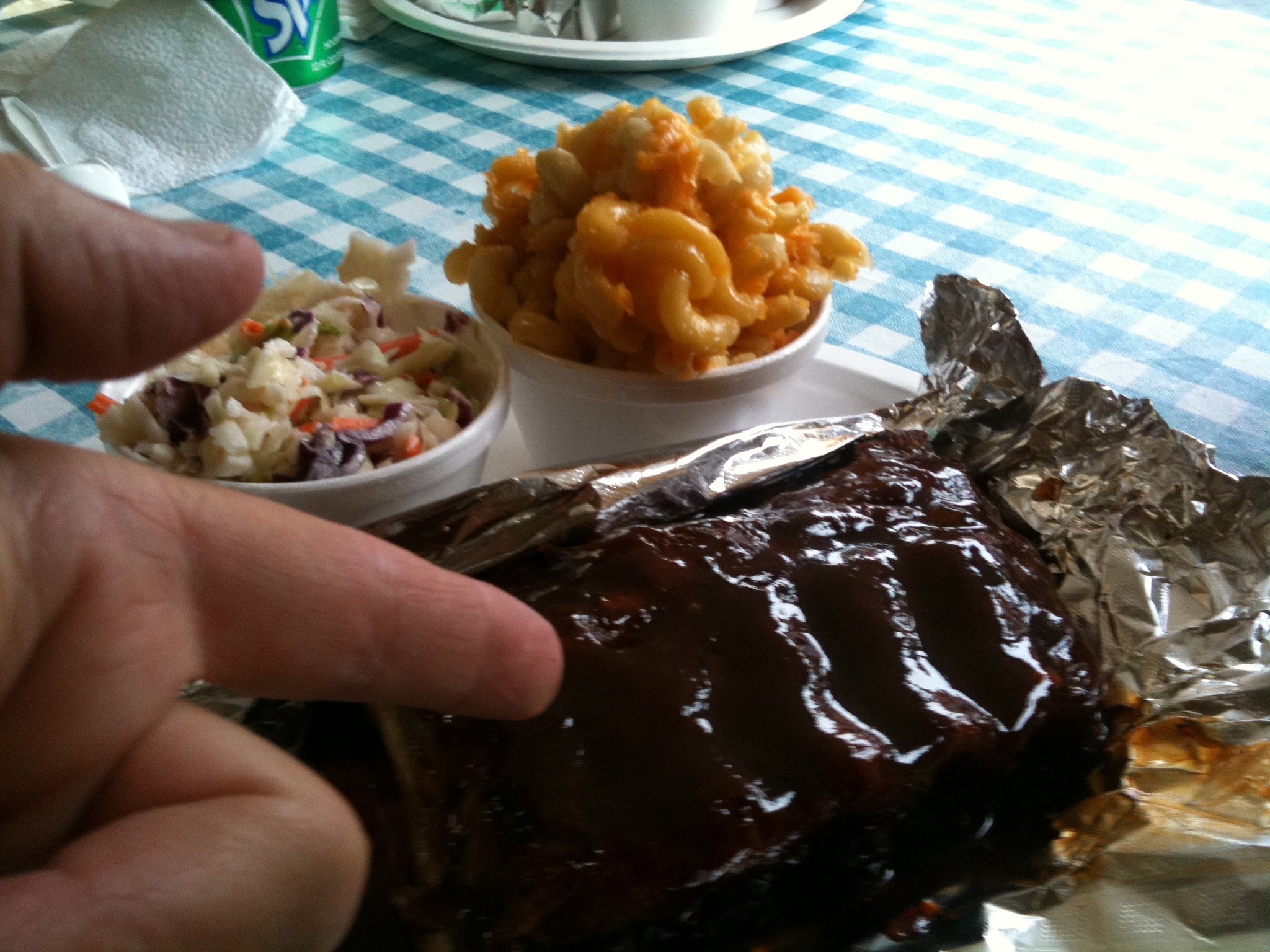
You can never go wrong with ribs after a long day in the saddle.

The Vols, who play football at 102,455-seat Neyland Stadium (with the legendary orange-and-white checkerboard end zone), are part of the Southeastern Conference, where football is king — at least for the men. The Lady Vols basketball team has won eight NCAA Division I titles, the most in women’s college basketball history. If you love all things Vol, as Sarah does, click here to begin acquiring life’s necessities in Tennessee orange. (The official Tennessee orange is Pantone Matching System number 151.) Gotta love the Vol Mall!

Why the name “Volunteers?” Tennessee is known as the “Volunteer State,” for the large number of Tennesseans who volunteered for duty in the War of 1812, the Mexican-American War, and the Civil War.

I am volunteering for nothing today. It’s late and, while I’m happy to be in Tennessee, I need to begin thinking about the ride ahead.

***

Tomorrow is a rest day before we hit the road on Friday. We may get in a round of golf at Fox Den Country Club in Farragut, where aspiring PGA Tour players come each year to play the Knoxville News-Sentinel Open — previously on the Nationwide Tour and now on the Buy.Com Tour. The event’s winner last month was Darren Stiles. Click here to see the Fox Den layout.

Fox Den CC is where Sarah’s cousin Tina lives, a short walk from the first tee. Tina is the same age (77) as Sarah’s mom Betty would be if Betty were alive today. Tina is actually Sarah’s first cousin. It’s hard to resist making jokes about everyone in Tennessee being related. Because they are. Tennesseans have a well-deserved sense of humor about it.

IMG_0684
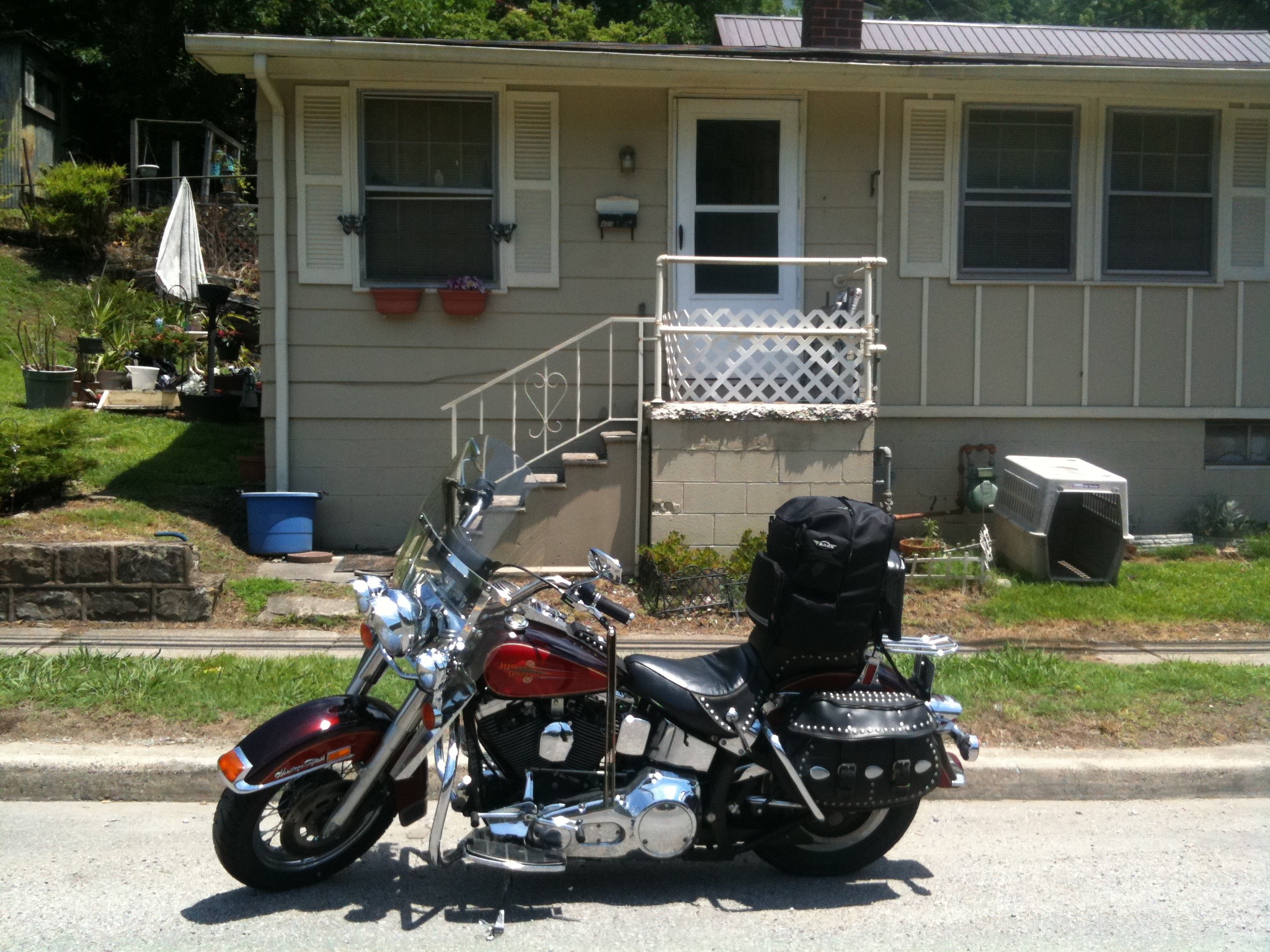
That’s Tina’s Harley, on the right. She’s a world-class Harley lender.

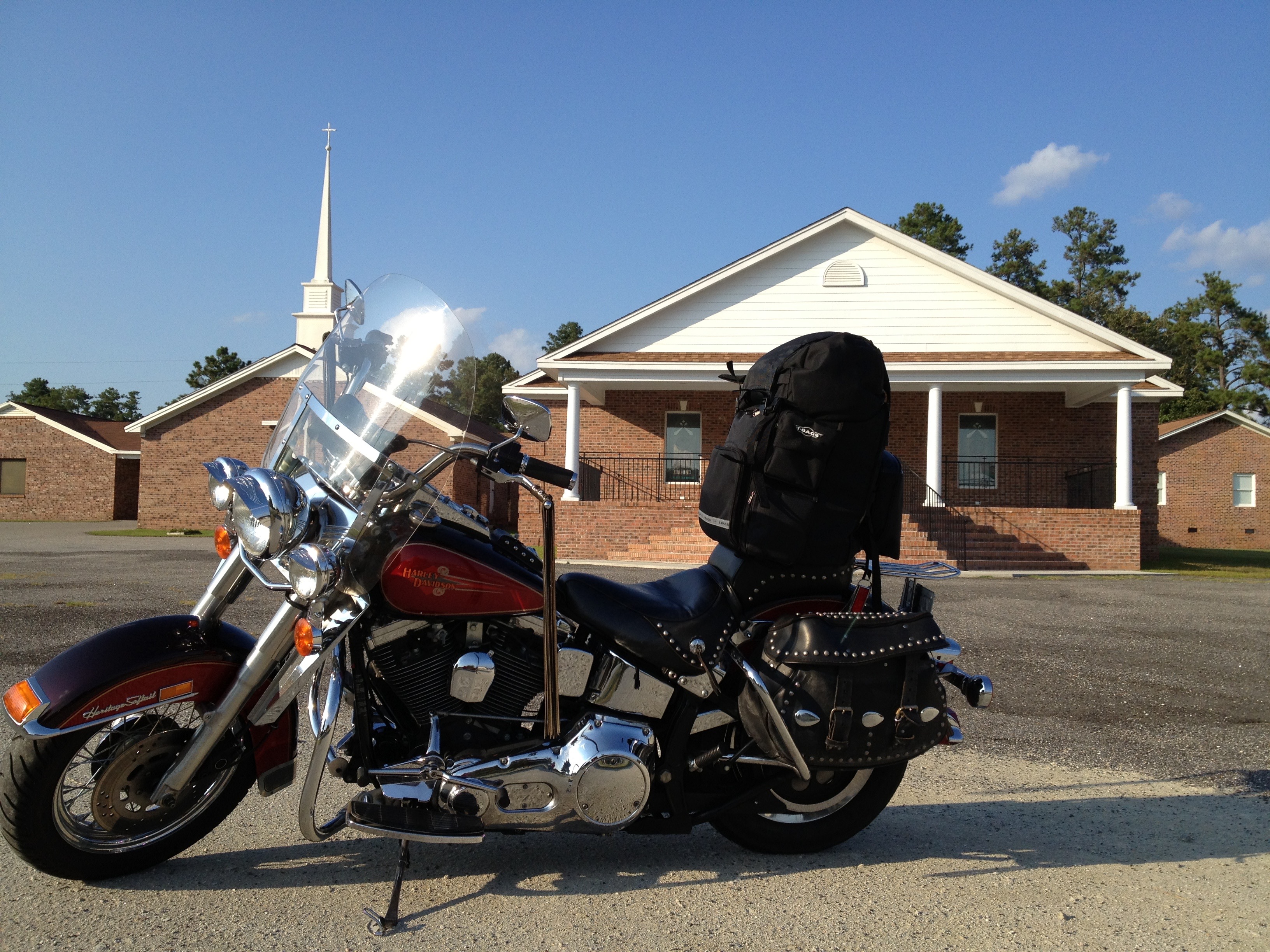
You may remember, from my “2011 Harley Hillbilly Holiday” that Tina has a Harley just like mine — a Heritage Softail Classic. Click here to check out the bike. Tina’s Softail is garaged in Farragut, and for some reason, she’s happy to let me ride it all over the country. So I have, in essence, Hogs in the Pacific and the Eastern time zones. Life is good.

Tina has only one speed: turbo. She is wholly incapable of doing anything less than 100 percent. She’s a world-class bridge player, genealogist, and golfer. In the late 1960s, Tina shot a 69 at Fairwood Country Club in the Seattle area, which stood as the course record for about 10 years.

Hyper-competitive on the golf course, with the game to back it up — Tina recently won the Ladies Club Championship at Fox Den Country Club — for a record sixth time. That’s almost as impressive as Sam Snead winning the Greater Greensboro Open eight times. Tina’s been club champion at Fox Den in four consecutive decades, starting in 1982. She’s an outstanding golfer, and a USGA rules official, which makes playing with her an amusing experience.

A golf purist, Tina’s Tennessee license plate on her Cadillac reads RULE 1, which in essence defines the game: “Golf consists of playing a ball with a club from the teeing ground into the hole by a stroke or successive strokes in accordance with the Rules.” Rule 1 is the rule on which all other rules are based.

Click here to learn more about Rule 1, and the other official rules of golf. When you play golf with Tina, she’s a rule fanatic. No mulligans. No gimme putts. I hate that.

Oh, and Tina’s also a world-class motorcycle lender. That rocks!

***

IMG_0792
Ray, a riding partner and coach.

Tina’s husband, Ray, will be my riding partner the next few weeks, as he has been for the past few years. In 2009 and 2010, we rode from La Quinta to Lake Tahoe and back — through Sequoia and Yosemite National Parks, over high mountain passes and barren deserts. In 2011, we rode the Blue Ridge Parkway and on into Shenandoah National Park (click here for all things Shenandoah), then visited some swanky golf resorts, including The Homestead in Hot Springs, Virginia — and The Greenbrier in White Sulphur Springs, West Virginia. Click here to find out more about The Homestead, and click here to check out The Greenbrier. We rode through coal country in Kentucky, where Ray grew up — and visited the house where he spent his youth — in the 1930s.

Like me, Ray is not your typical biker. He has no tattoos and no belly. Ray is thoughtful, smart and an inspiration on two wheels. He was the first in his family to get an education beyond high school. Ray earned Bachelor’s and Masters degrees at the University of Kentucky’s Lexington campus — in mining engineering and metallurgical engineering. He’s ridden hundreds of thousands of miles on various motorcycles — Harleys, BMWs, Hondas. It’s hard to imagine a place in this country he hasn’t been, though on this year’s ride, I’ll try to show him some new roads (I did the route planning for our 2012 ride). Ray has ridden through Europe and to the Arctic Circle — but not on the same trip.

IMG_0776
Ray checks out a route. As a former engineer, he leaves little to chance.

Ray makes me feel safe on the road, which I hope is welcome news to Sarah. I am expected to come home to La Quinta in one piece, and celebrate her September 28 birthday some time in October.

Ray and I are a well-matched pair on the road. When you see us heading down the highway, we may remind you of two other famous bikers cruising the USA:

“Get your motor runnin’,

Head out on the highway,

Lookin’ for adventure,

And whatever comes our way.”

Sound like anyone you know? Click here to see a video (suggest you skip the advertisement) that will take you back in time, and capture the essence of a buddy road trip. Compared to this video clip, we are hoping for a happier ending, less camping, shorter haircuts and better food.

***

Last year, you may have received news of my daily travels, via my “Flitter” feed. As you may recall, Flitter is a proprietary hybrid app I developed, blending the best of Flickr (photos) and Twitter (text). What you received from me were Flits (ie, “a Flit from the Twit”). It was a brilliant technical innovation, but a business failure. My IPO was as dismal as Facebook’s.

So this year, I am ditching Flitter and moving up the technology value stream. I will be posting to my new web-based blog (“Ride With Gary“) every day for the next few weeks. Each evening, after we park the bikes for the night, you should receive a short e-mail notification with a highlight or two of the day’s ride, and a reminder to “click here” to visit my blog.

IMG_0685
In addition to blogging about writing, you may learn a thing or two about my culinary choices.

What you are reading now is the first entry on the blog. Here are a few things you might like to know about how the blog works:

  • It is interactive. You can comment on individual photos, or on the entry itself (the text). Feel free to tell me how beautiful the scenery is, how dry my writing has become, or how stupid the mud puddle photo is. You can click on any photo to enlarge it, or view them as a slide show.
  • Size matters! Unlike Twitter’s 140-character limit, this blog has no restrictions on what I can write. TravelPod seems to have unleashed my inner verbosity. This, apparently, is what happens when a PR guy retires and has seemingly unlimited time to get cozy with his iPhone keyboard.
  • I Love my iPhone … but this blog is best viewed either with a tablet (iPad) or a desktop computer. Yes, I posted what you’re reading with an iPhone, and you can view “Ride With Gary” on an iPhone, or an inferior Android-powered device. But your blog-reading experience will be far more enjoyable using something bigger than a smartphone. As mentioned above, size does matter. D’oh! By the way, the new iPhone 5 goes on sale Friday, the first day of our ride. While you’re standing in line at the Apple store, waiting to buy the next big thing, I’ll be riding a decidedly low-tech Harley with a generation-old iPhone 4S in my back pocket.
  • There will be many “click here” links in each day’s blog. For example, you can “click here” to view a menu where we ate; you can “click here” to view the complete route of a day’s ride (courtesy of Google Maps); you can “click here” to learn more about a place we visited; or “click here” to view a video — one I shot, or ripped off from someone else’s great work. For example, click here to view the Day One route from our 2011 Harley Hillbilly Holiday.
  • All the entries will be archived. If you miss a day or two (how could that happen?), you can easily catch up on previous posts.
  • Pay attention … you might learn something. At the end of the ride — sometime in October — you should be a better Jeopardy contestant than you are today. I plan to dump a lot of information in your inbox, some of it useful, much of it trivial, nearly all of it verifiable. If you learn something during the course of my ride — you’re welcome.
IMG_0645
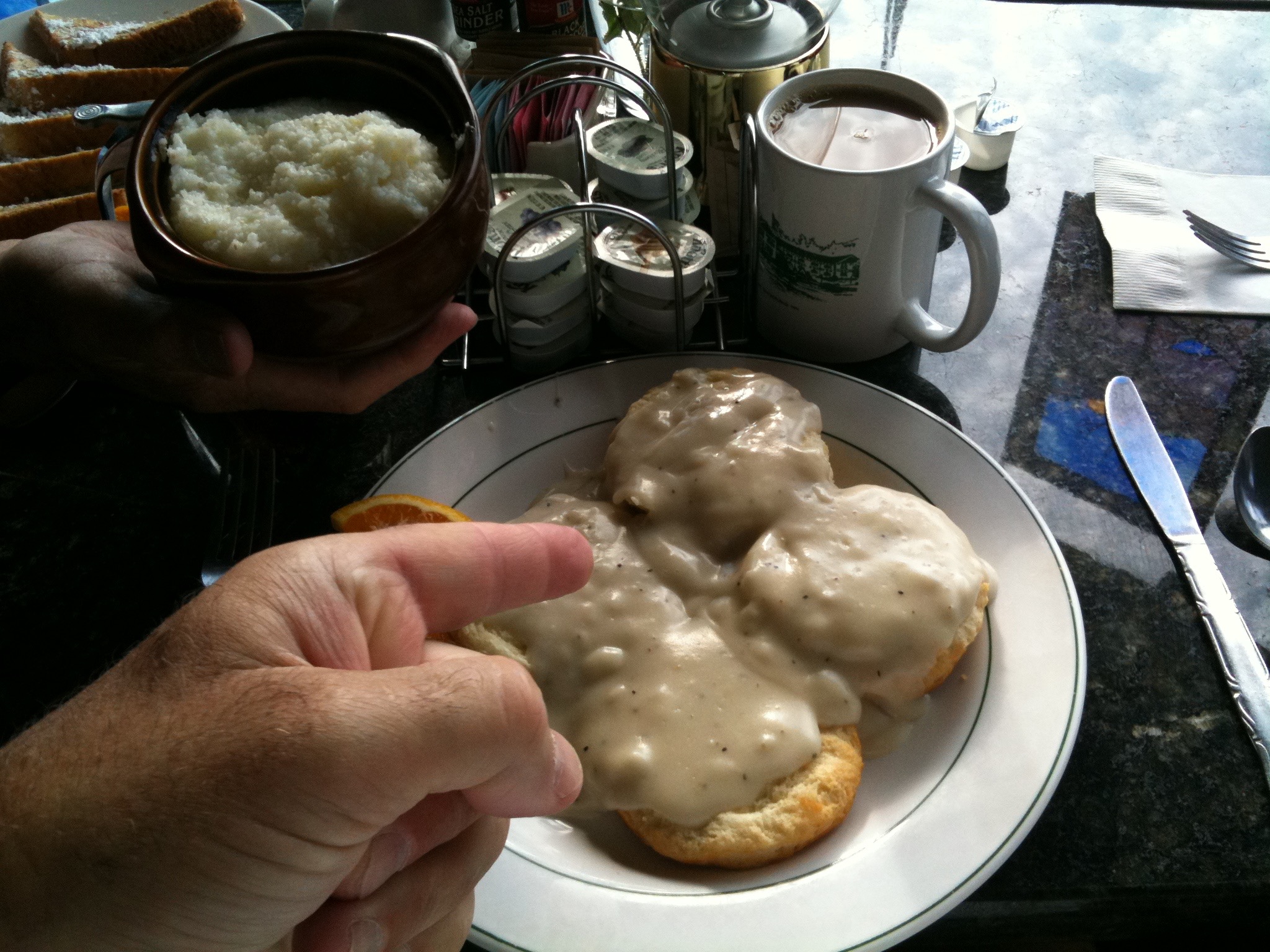
Biscuits and gravy. Seldom a bad choice for breakfast.
  • There’s something in it for you! Yes, you can win a prize. You are welcome to participate in “Guess Gary’s Globetrotting” … a simple contest where the winner gets a special souvenir from my travels. Consider it “travel bling.” To enter, simply send me an e-mail (glesser@dc.rr.com) with the subject line: “Guess Gary’s Globetrotting.” In the e-mail, estimate the total number of miles I will ride from Farragut, Tennessee, and back between now and — well, whenever the ride ends. (Hint: the correct answer is somewhere between 100 miles and 10,000 miles). Entries will be accepted until September 30 at midnight EDT. The winner will be announced when we park the bikes for good in Farragut at the end of the ride, and the prize will be awarded shortly afterward. If there’s a tie, the earliest entry will determine the winner. Your winnings will be tax-free! Like life itself, there is no prize for second place.
  • I look forward to having you along for the ride over the next few weeks — and I welcome your feedback on this blog.

    Unless, of course, you tell me it sucks.

    Harley Hillbilly Holiday, Day 8

    We leave Norton, Virginia, at 8:15 this morning and hop back on US 23, the Country Music Highway. In a lapse of journalistic thoroughness, yesterday’s post neglected to mention a few country music stars who got their start here.

    In the hopes that they’ll send Sarah some free CDs for the shout-out, here are some additional Highway 23 performers worthy of note:  Dwight Yoakam, Crystal Gale, Tom T Hall.

    Throughout this region, country music is like a religion. You know what else is like a religion?

    Yes, the real religion here in the Bible Belt is religion itself. Baptist churches proliferate like Starbucks … one on every corner.

    IMG_0852
    Seems like there’s a Baptist church on every corner.

    OK, we’re back on the Country Music Highway for 40 miles.  It’s the coldest morning yet.

    We are leaving Virginia and entering Tennessee for the first time in a week. My Hillbilly Holiday must be nearing an end 😦

    We see road signs referring to the Daniel Boone Heritage Trail, but we resist the temptation to retrace his steps.

    Next stop: Jonesborough, billed as Tennessee’s oldest town.  Jonesborough this week is hosting the 2011 Tennessee Women’s Amateur Golf Championship. The event is being held at Blackthorn at the Ridges, an exclusive club sparsely dotted with huge, high-priced homes.

    This is a bike journey, so why the side trip to a golf tournament?

    IMG_0834
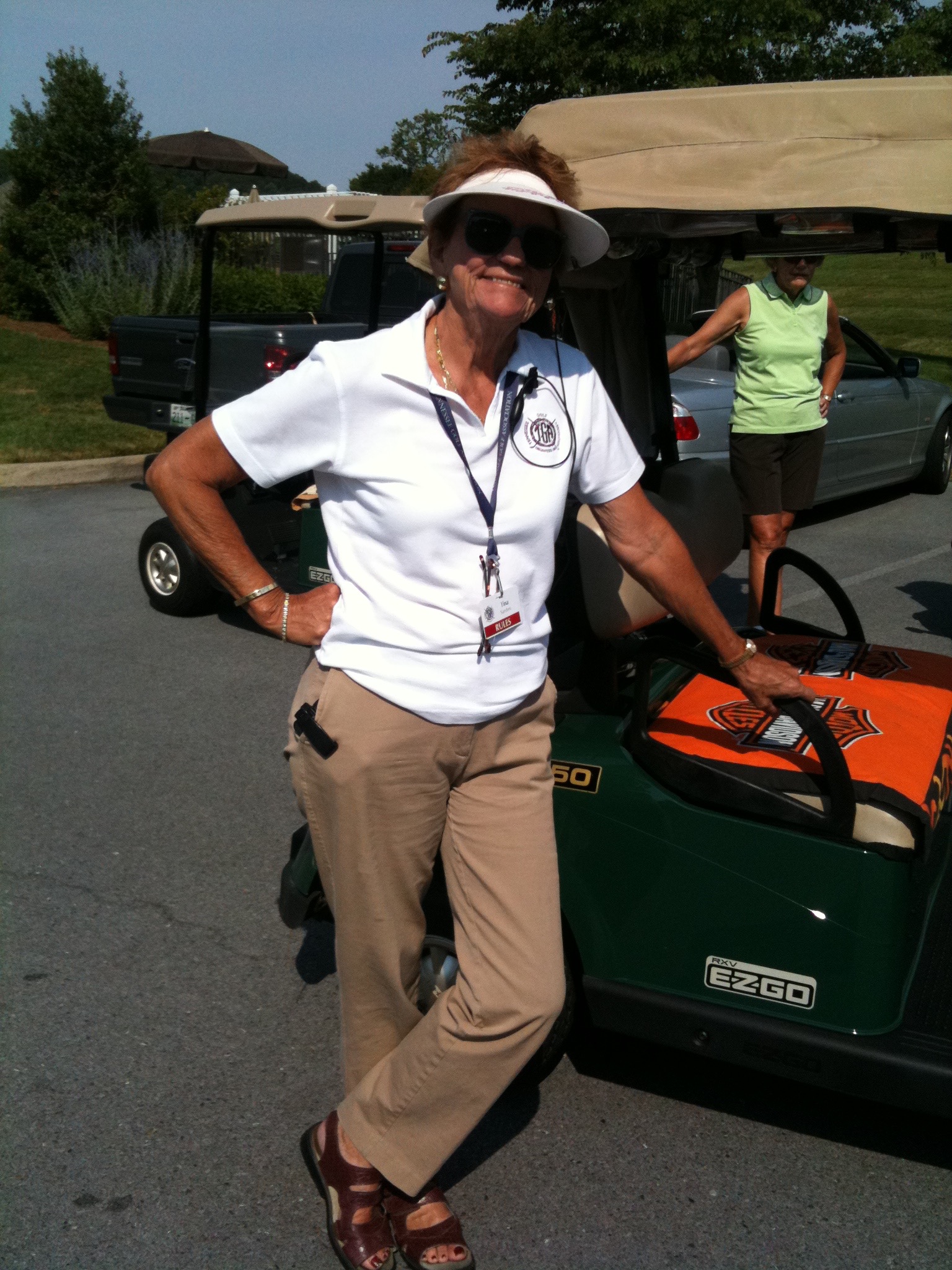
    Sarah’s cousin, Tina, is in charge of Rules at the 2011 Tennessee Women’s Amateur Golf Championship, held in Jonesborough.

    We drop by to visit Tina Jo Sanders, who is a USGA rules official, and in charge of the tournament, which is put on by the Tennessee Women’s Golf Association. Tina, of course, is Ray’s wife, and Sarah’s first cousin.

    Today is the round of 16; you win today and the quarterfinals await. The finals are set for Friday, weather willing.

    The 18-year-old on the 11th tee is favored to reach the finals. She’s Kendall Martindale, soon to be a freshman on golf scholarship at Vanderbilt University in Nashville.  Before match play began, Kendall was the medalist, shooting 70.

    IMG_0841
    That’s Kendall Martindale teeing off on the 11th hole.

    We saddle up and hit the road, roaring down US 321 through Newport.

    I see a sign for a Tennessee State Park, celebrating Davy Crockett’s birthplace.  As you remember, he was “born on a mountaintop in Tennessee, greenest state in the land of the free …”

    So we make a side trip to see where he was born.

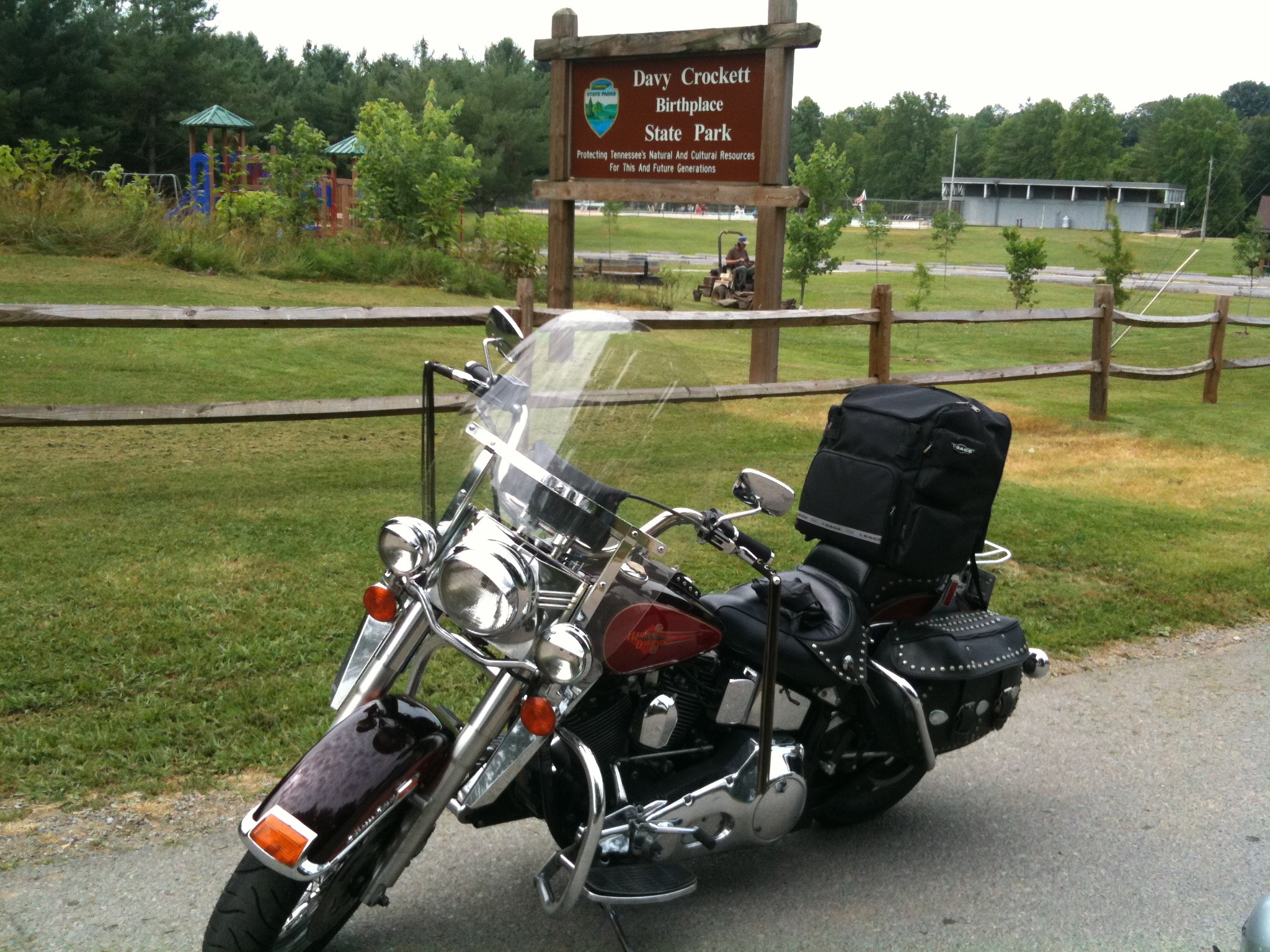
    IMG_0845
    The State Park celebrating the birthplace of Davy Crockett.

    Nice sign. That’s all we saw.  A sign  So we continue toward the Knoxville area.

    We turn onto US 411, which takes us into Sevierville. Dolly Parton was born here in 1946.  We ride through town on the Dolly Parton Parkway.

    From here, US 411 goes many places, including Greenback, Tennessee, home to the Murr family farm.

    We go through Maryville, hop on I-140 (the Pellissippi Parkway) and arrive at Ray and Tina’s home in Farragut about 5:30 pm.

    We’ve been riding in a summer rainstorm for the past hour, and I’m dry. Except for my feet, which are soaking wet. My orange and black Harley Davidson rainsuit worked perfectly. My gym shoes were not up to the task.

    IMG_0855
    At the Sanders residence in Farragut, Tennessee. Waterlogged, but safely home at the end of another ride.

    The ride is over. Eight days. 1,511 miles.  Three rib dinners, one PoBoy, lotsa biscuits and gravy, two fancy-pants resorts, breathtaking sights beyond description.

    Buckets of rain on the first and last days. Sunshine the rest of the way. No incidents, accidents, scratches or dents.

    Thanks for the fellowship, Ray. Thanks for the bike, Tina. Let’s do it again some time.

    What will tomorrow bring?  I can help with that: La Quinta.
    Harley Hillbilly Holiday, Day 7

    Today’s blog post has two interwoven themes: coal mining and Ray Sanders.

    First, I want to correct an oversight in yesterday’s message: I forgot to mention we overnighted Monday in Bluefield, Virginia. Bluefield is on Highway 460 in Tazewell County.

    Our 225-mile Tuesday begins in another Bluefield — nearby Bluefield, West Virginia, nicknamed “Coal City.” And for good reason. This area has the world’s largest and richest deposits of bituminous coal.

    IMG_0803
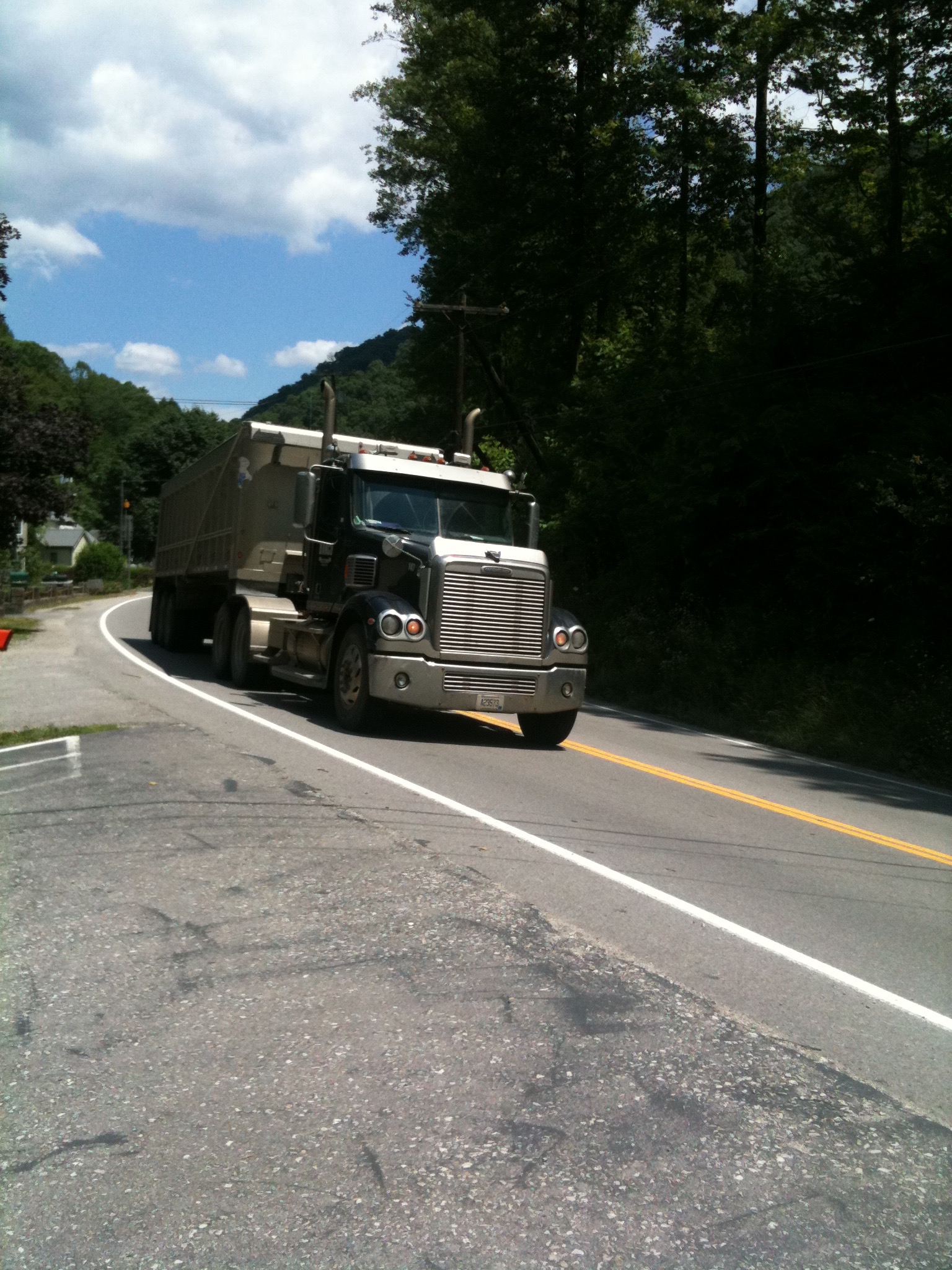
    Coal trucks are everywhere. Here we are in Williamson, the largest city in the area.

    Coal trucks whiz by us as we head South on Highway 52. They’re bringing coal from the mines to rail yards.

    In the Appalachian regions of West Virginia and Kentucky, coal is the economic lifeblood of this area. Yet we ride through some incredibly impoverished areas en route to visit Ray’s roots.

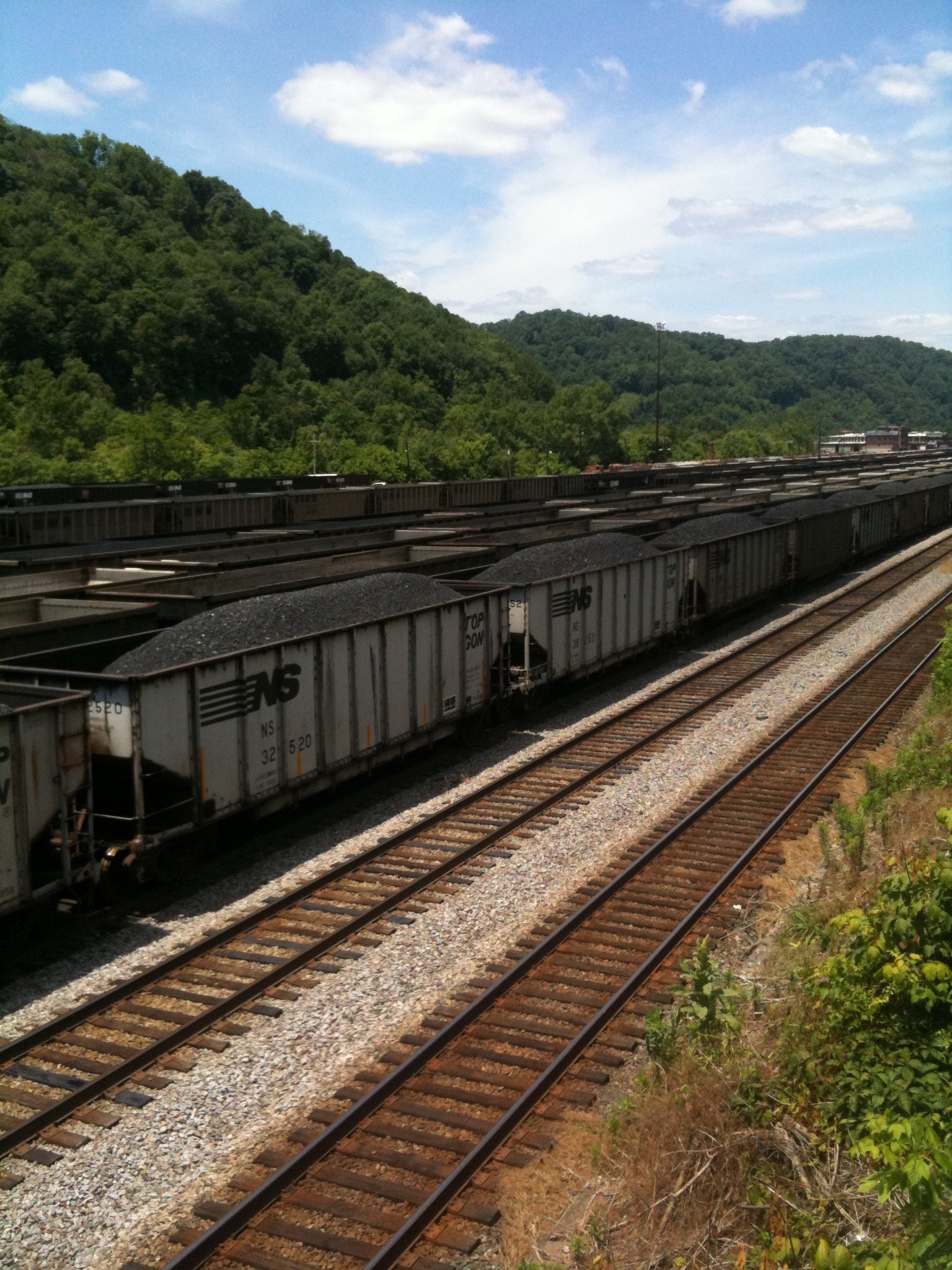
    IMG_0807
    Trainloads of coal, seemingly as far as you can see.

    The roads in West Virginia — at least the ones we rode — are well engineered and in good condition. Many are part of the Robert C. Byrd Appalachian Highway System. Ya gotta love pork.

    Appalachia must be seen to be believed. Broken-down old trucks, houses, storefronts — within feet of the roadside.

    IMG_0808 (1).jpg
    Tina’s Harley in coal country.

    There seems to be so little hope here. Which makes Ray’s story all the more inspiring.

    Orby Ray Sanders was born in 1930 in  Dunham, Kentucky — deep in coal country. Ray’s Dad was a coal miner, and the family lived in a coal camp. At an early age, Ray moved to nearby McRoberts, Kentucky.

    Ray’s Mom operated a beauty salon.  During the war years, Ray attended schools in Pikeville, Kentucky.

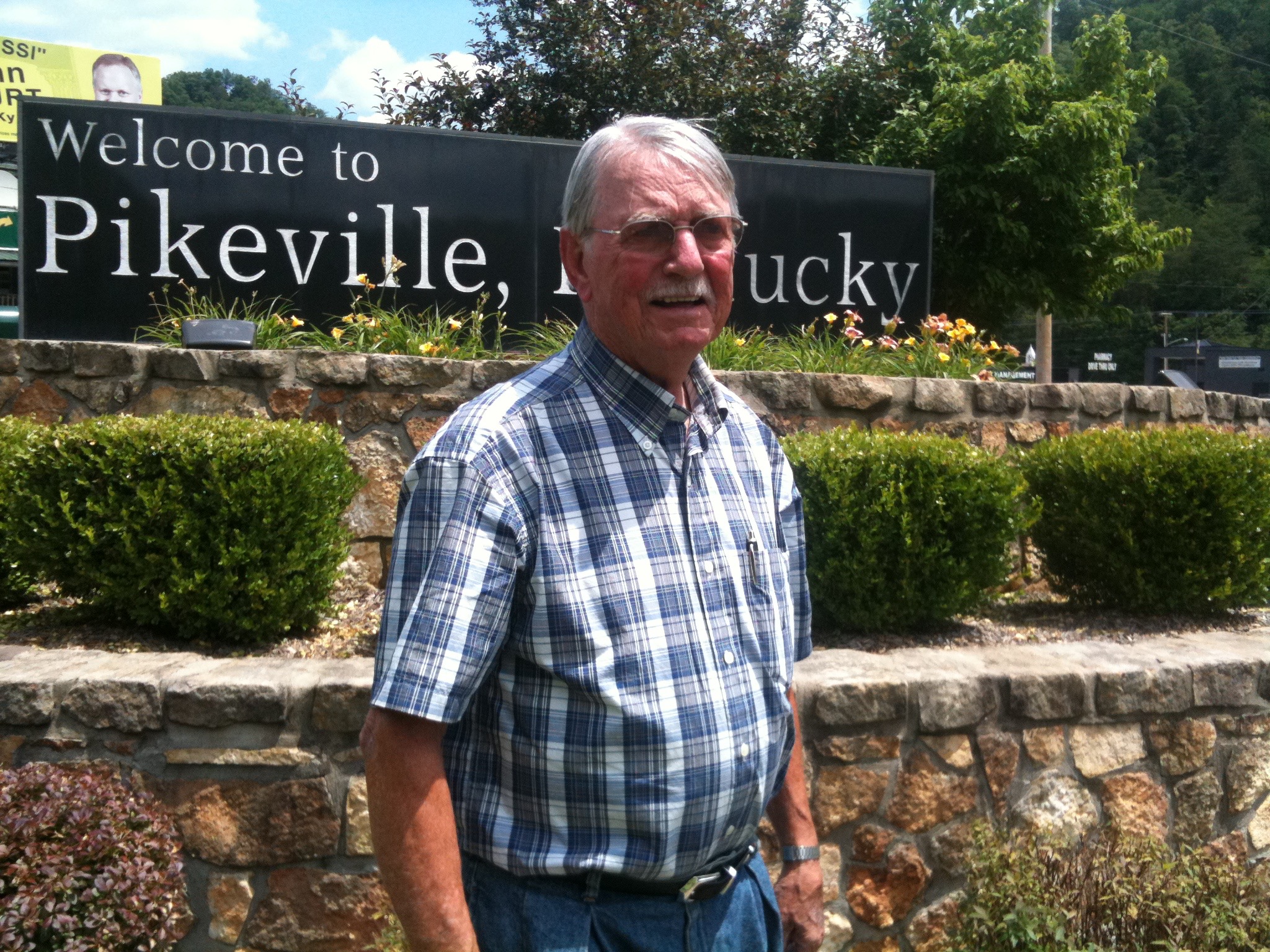
    IMG_0810
    Ray in Pikeville.

    Pikeville College is the pride of this city, having won the 2011 NAIA Division 1 basketball title last March — the first men’s national championship for the Pikeville Bears.  If you’re keeping score, Pikeville defeated Mountain State, 83-76, in overtime.

    When Ray left Pikeville, he enrolled at the University of Kentucky in Lexington, from which he received a bachelor’s degree in mining engineering and a master’s in metallurgical engineering. Smart guy.

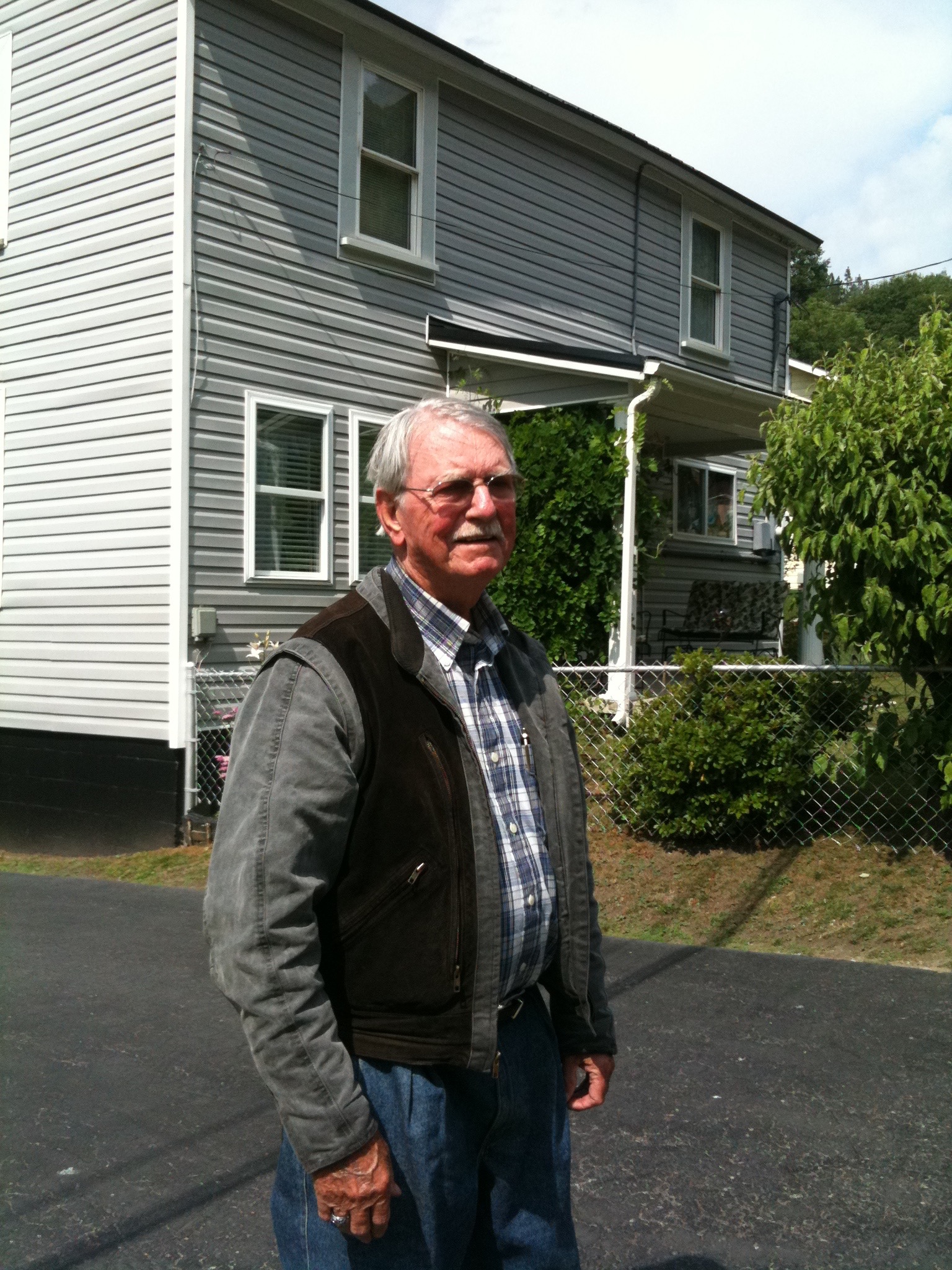
    IMG_0819
    Ray, outside a house he lived in about 70 years ago, in McRoberts, Kentucky.

    Ray left Kentucky for his first job, in Oak Ridge, Tennessee, and never returned to Kentucky — except to visit.

    In Oak Ridge, Ray met Sarah’s cousin, Tina Pugh. Ray and Tina married in 1960.  They share a passion for motorcycling, and that’s why I’m lucky enough to join Ray, riding Tina’s bike, on my 2011 Harley Hillbilly Holiday.

    We leave the Pikeville area and head for Norton, Virginia — tonight’s destination. Along the way, we ride US Highway 23, designated as the Country Music Highway.  The designation honors the large number of country music performers born in an eight-county stretch along Highway 23, among them: Billy Ray Cyrus, Loretta Lynn, Ricky Skaggs, Naomi and Wynona Judd, and many more.

    What will tomorrow bring?
    Harley Hillbilly Holiday, Day 6

    Today, we traveled some spectacular country roads, visited two famous resorts, did a little souvenir hunting, and kinda-sorta played golf.  Another 200 miles in the saddle, another memorable day.

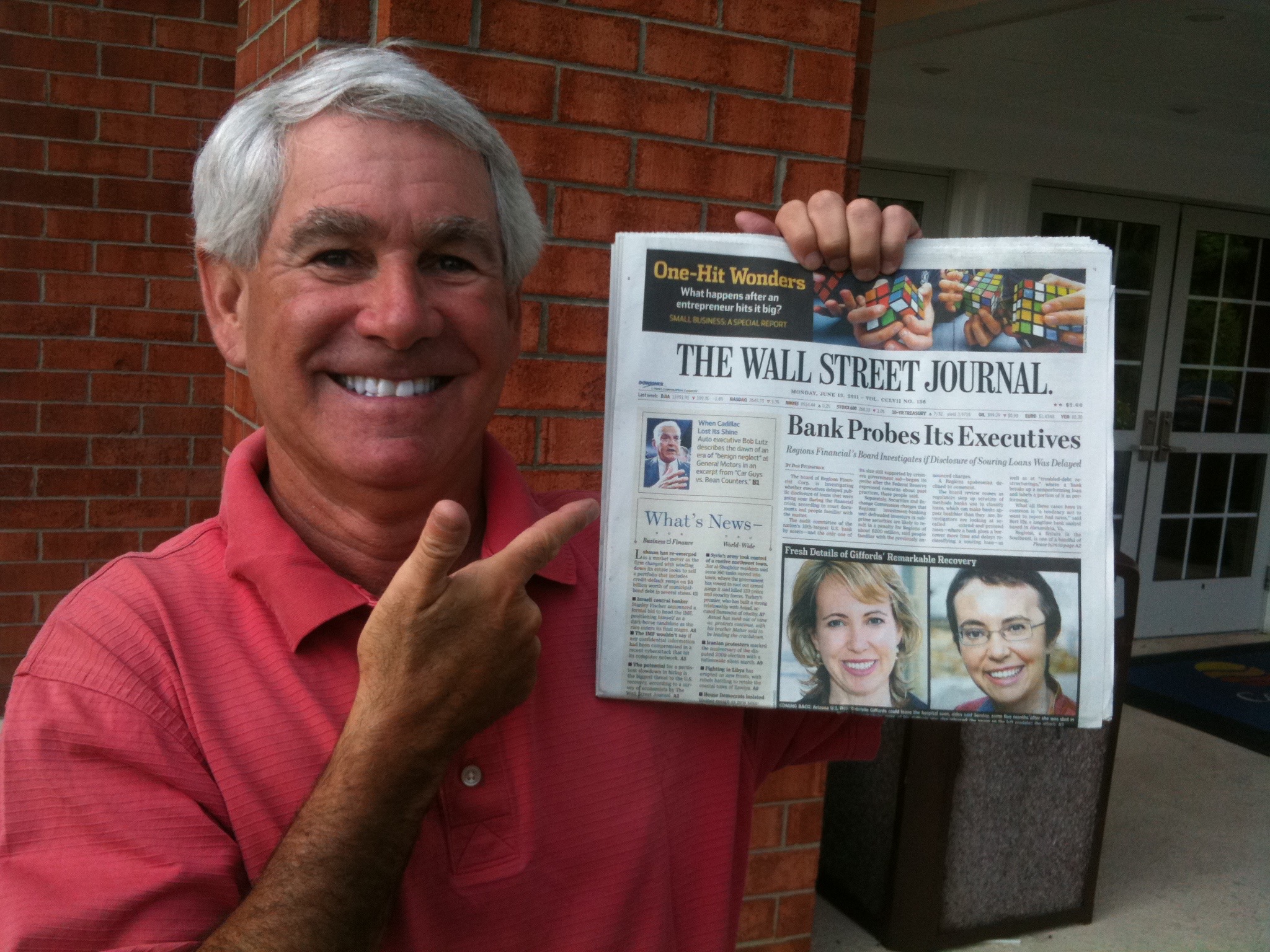
    Sadly, I wasn’t able to keep my news streak alive. After getting front-page coverage in Sunday’s News Virginian, I’d hoped to make it two in a row in the Monday paper.  No such luck.  Just your basic Wall Street Journal, free at the Staunton Comfort Inn.

    IMG_0762.jpg
    The streak is over!

    Bummer. But it is a beautiful day to ride, much cooler than it has been. I don’t even take my jacket off all day. We head South on Highway 42, through some rustic areas.  First stop, Craigsville, Virginia. The reason should be obvious in the photo below.

    IMG_0764
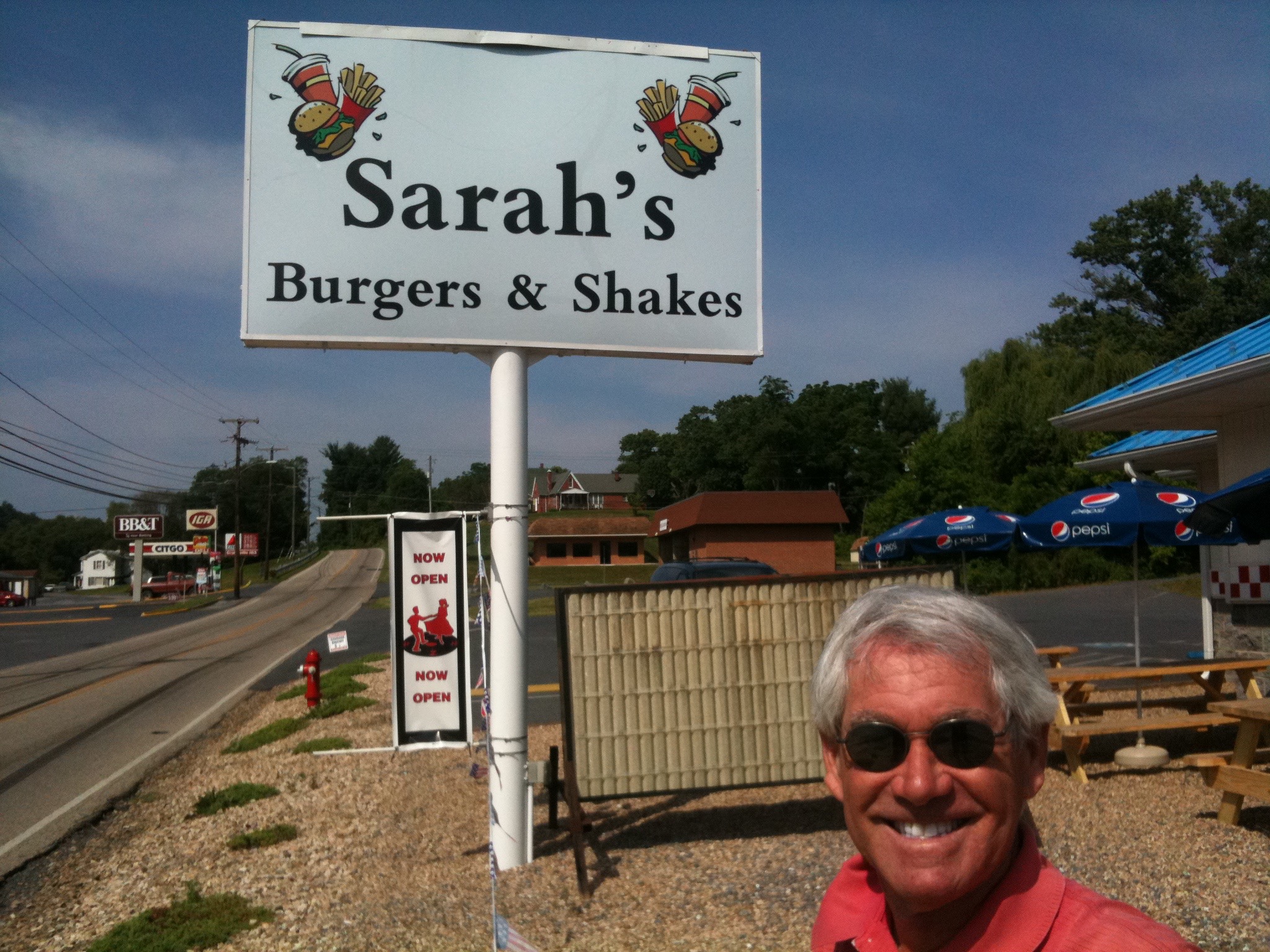
    I love Sarah’s burgers. Her shakes are quite good, too.

    We continue South on Highway 42, then on Highway 220, where we stop at our first resort of the day.

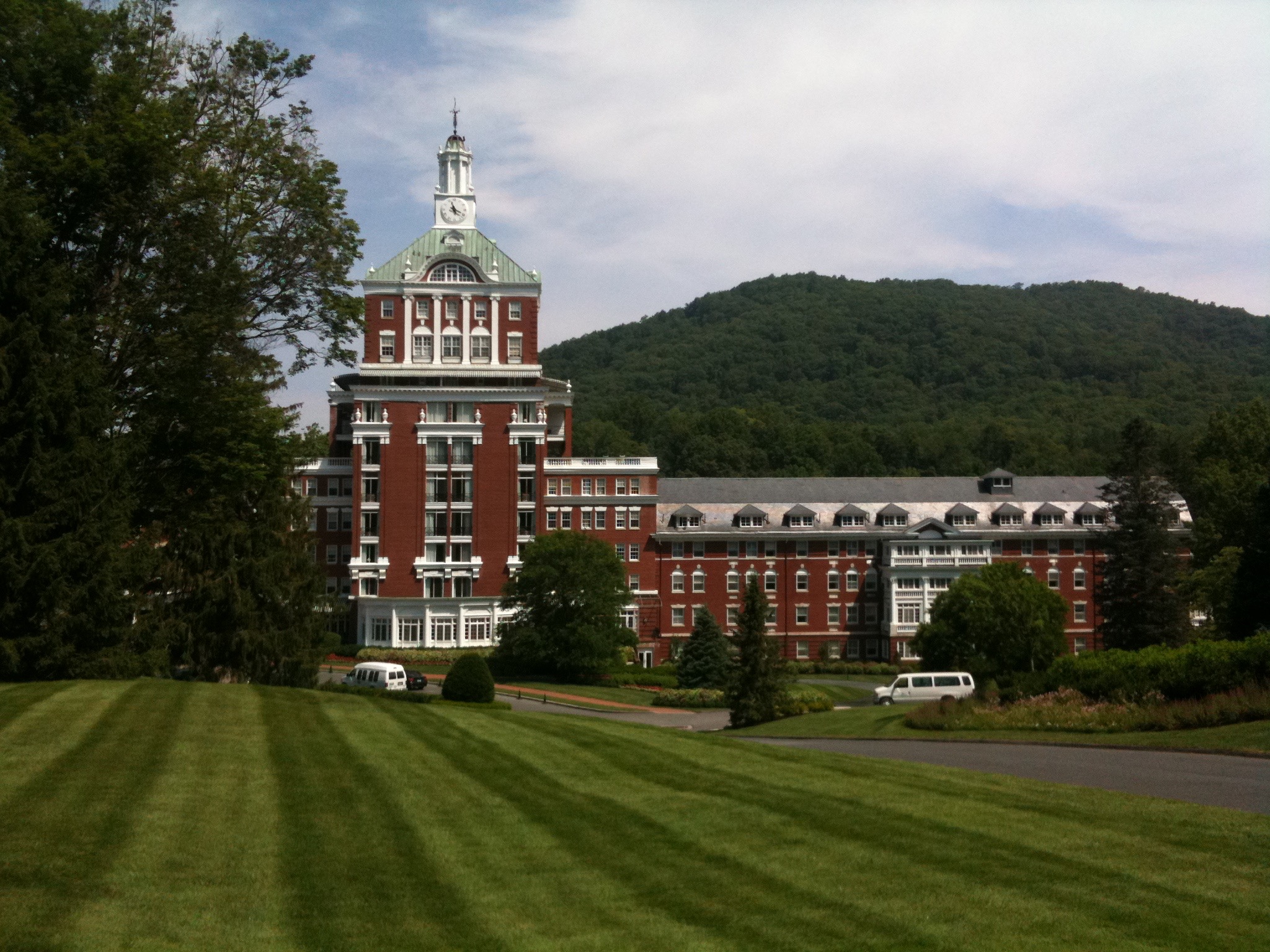
    Yes, The Homestead, in Hot Springs, Virginia, high in the Allegheny Mountains.  The Homestead bills itself as “America’s most historic resort.”

    IMG_0767
    The Homestead in Hot Springs, Virginia.

    Apparently, Sarah and I aren’t the first to brand a resort  Those of you who have stayed with us know we’ve staked out our turf — The Murr/Lesser Resort @ PGA West: “Five-Star Quality, Zero-Star Prices.”

    Well, the Homestead is a true five-star resort, with golf, skiing, fishing, croquet, and other activities to attract the East coast glitterati.  The grounds are immaculate, and everything is pricey, so I hold my spending in check and buy a gift for someone at home.  We’ll keep the recipient a mystery for now.

    The Homestead has a fascinating history, and is run by — PGA West folks take note — KSL Resorts.

    The Homestead is just off of Virginia Highway 220, also known as Sam Snead Memorial Highway.  Turns out Sam Snead was born in Ashwood, Virginia, near Hot Springs. He worked as a caddy and later ad an assistant pro at The Homestead.

    ****

    IMG_0776
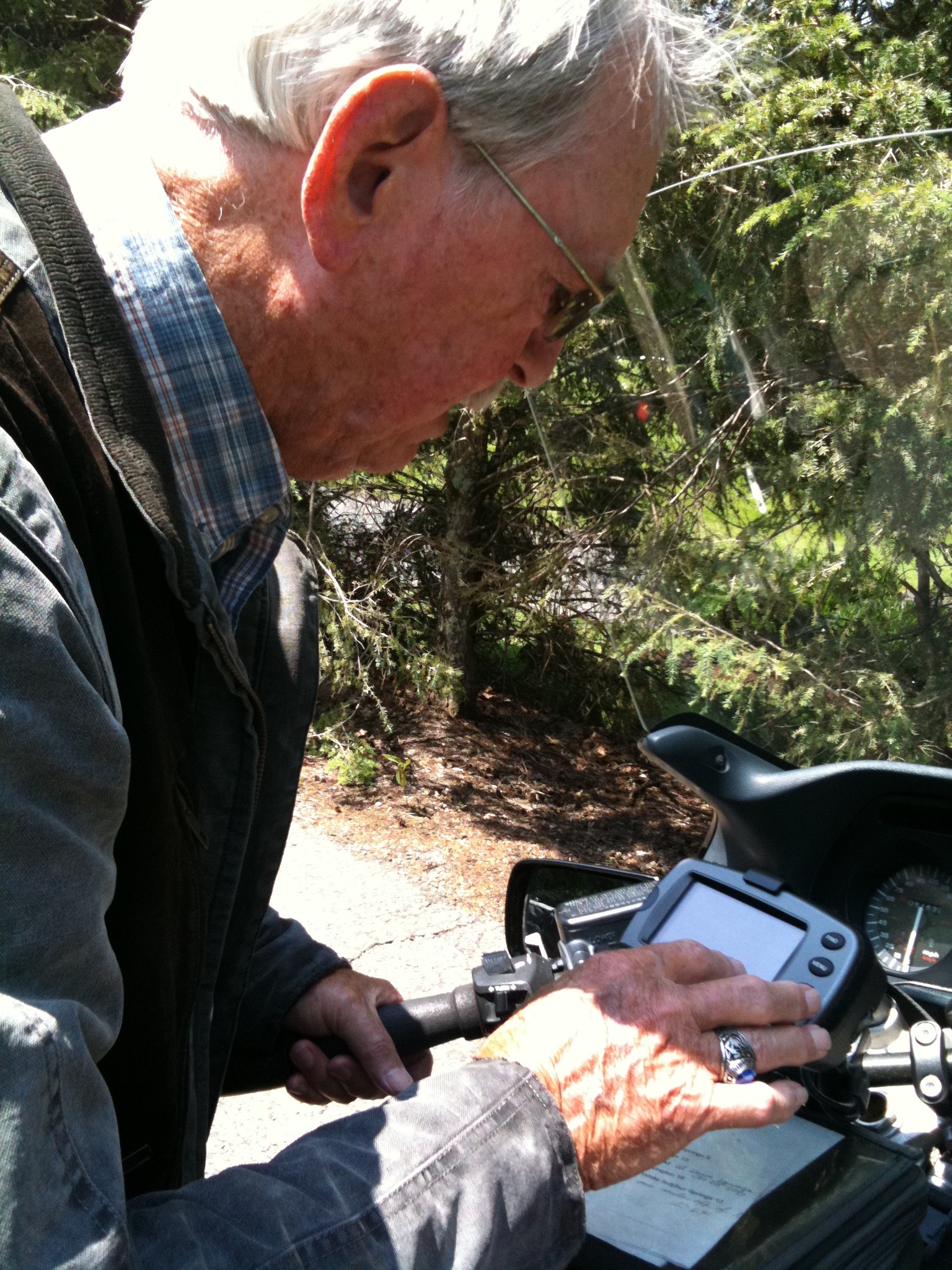
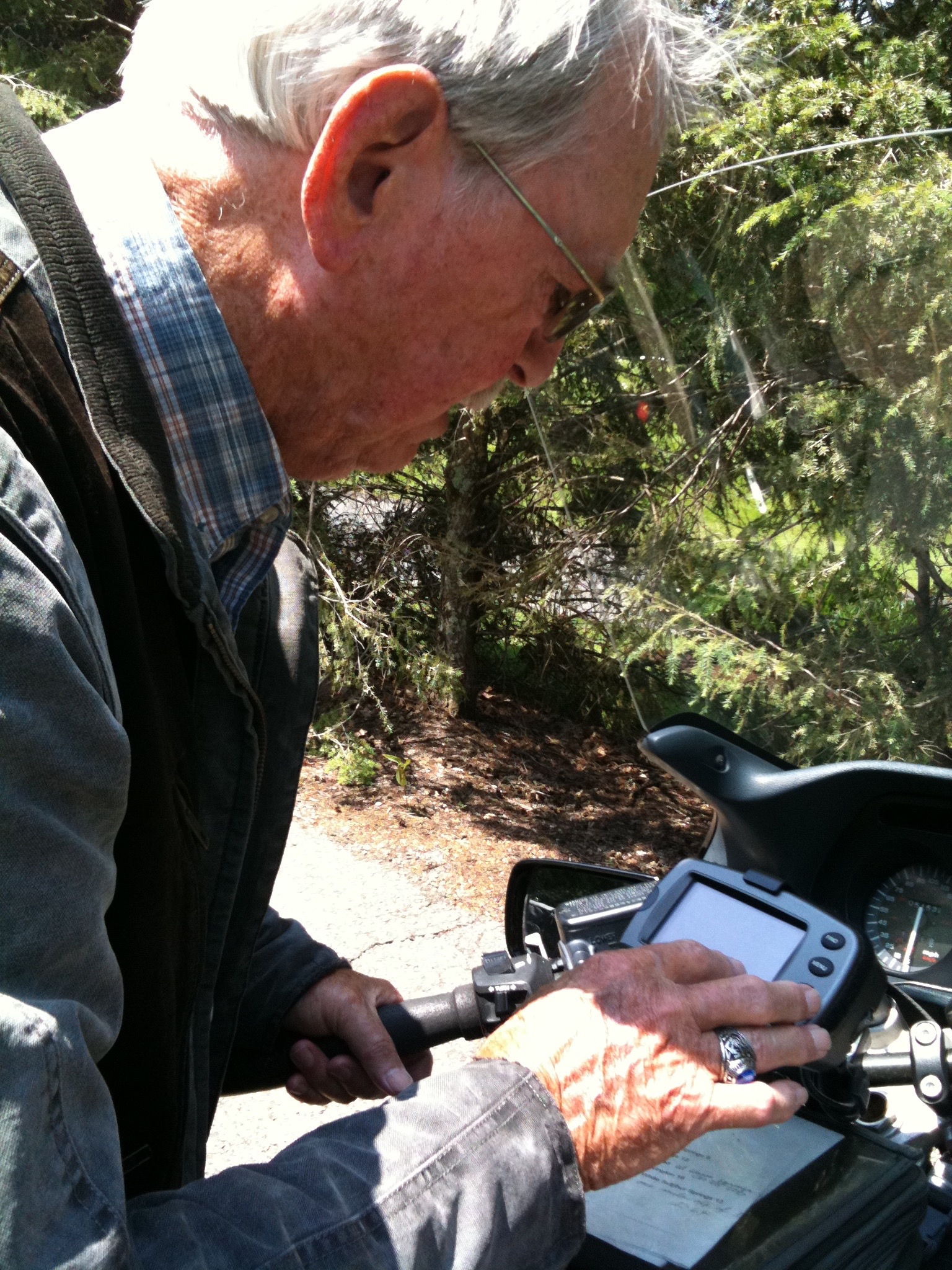
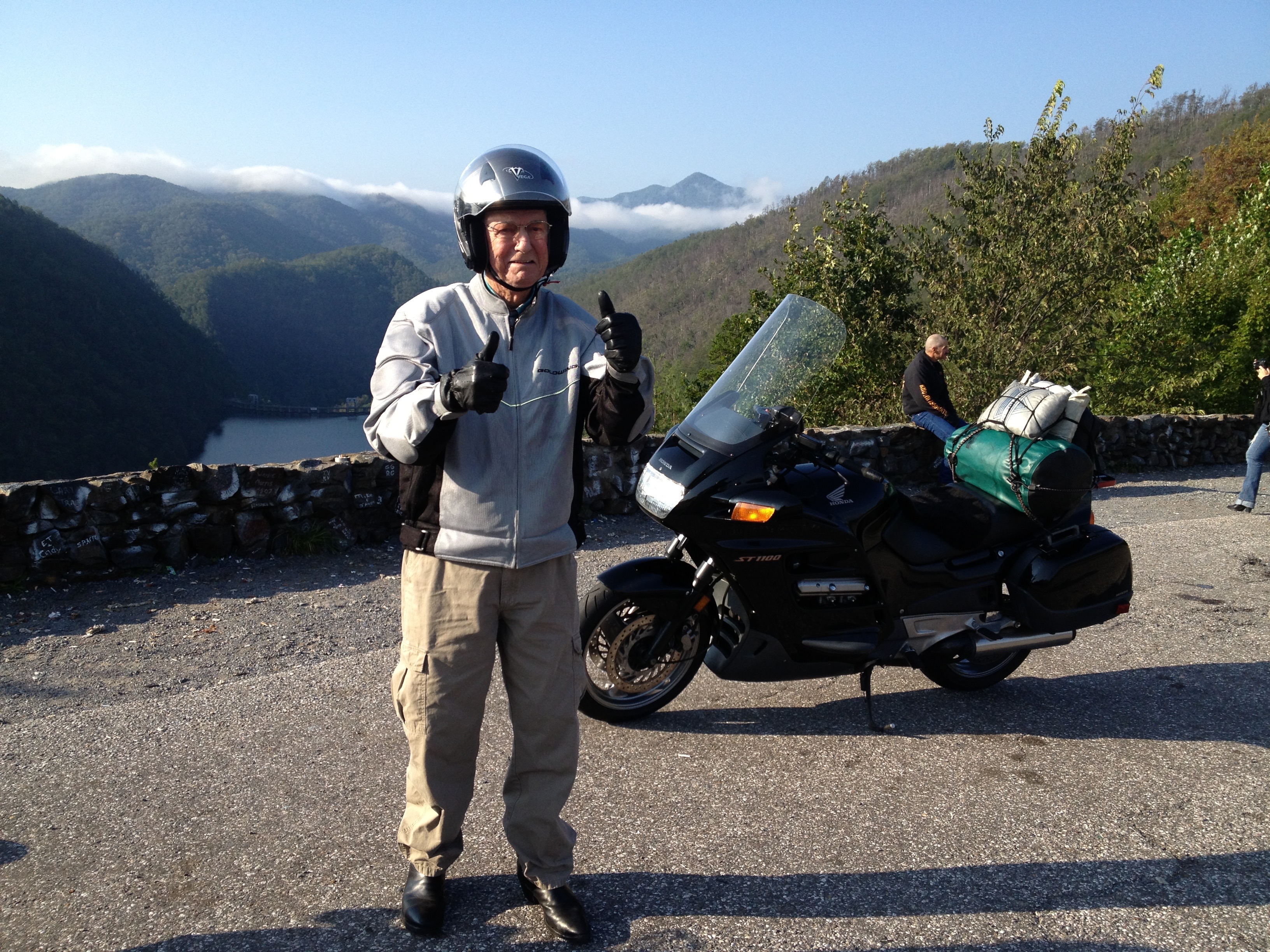
    Ray enters the next destination into his Garmin navigation unit, which is mounted on his Honda ST1100.

    Before continuing our journey South, Ray confirms our route, as he always does. Ray is an engineer who does everything with an engineering-like penchant for accuracy and precision.

    Reminds me of my favorite movie line, from City Slickers: “We’re lost, but we’re making really good time.”

    Turns out we aren’t lost at all. We head South on Highway 42, one of Virginia’s so-called “Scenic Byways.”  It is another great day for two wheels.

    IMG_0780
    On the road from The Homestead.

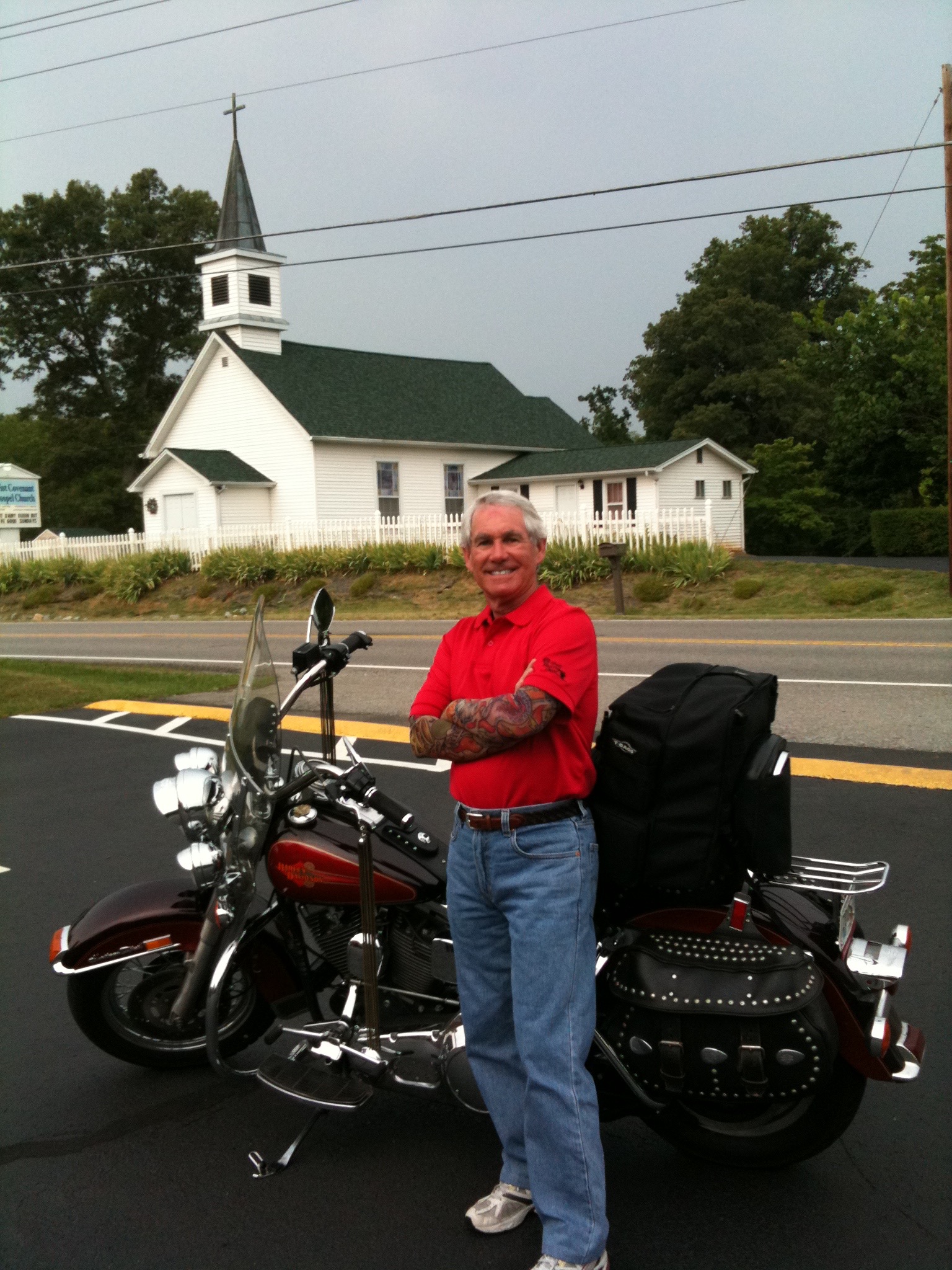
    That’s me in the photo above.  Almost looks like I know what I’m doing.  What I’m doing is pointing my bike in the direction of our next resort stop.

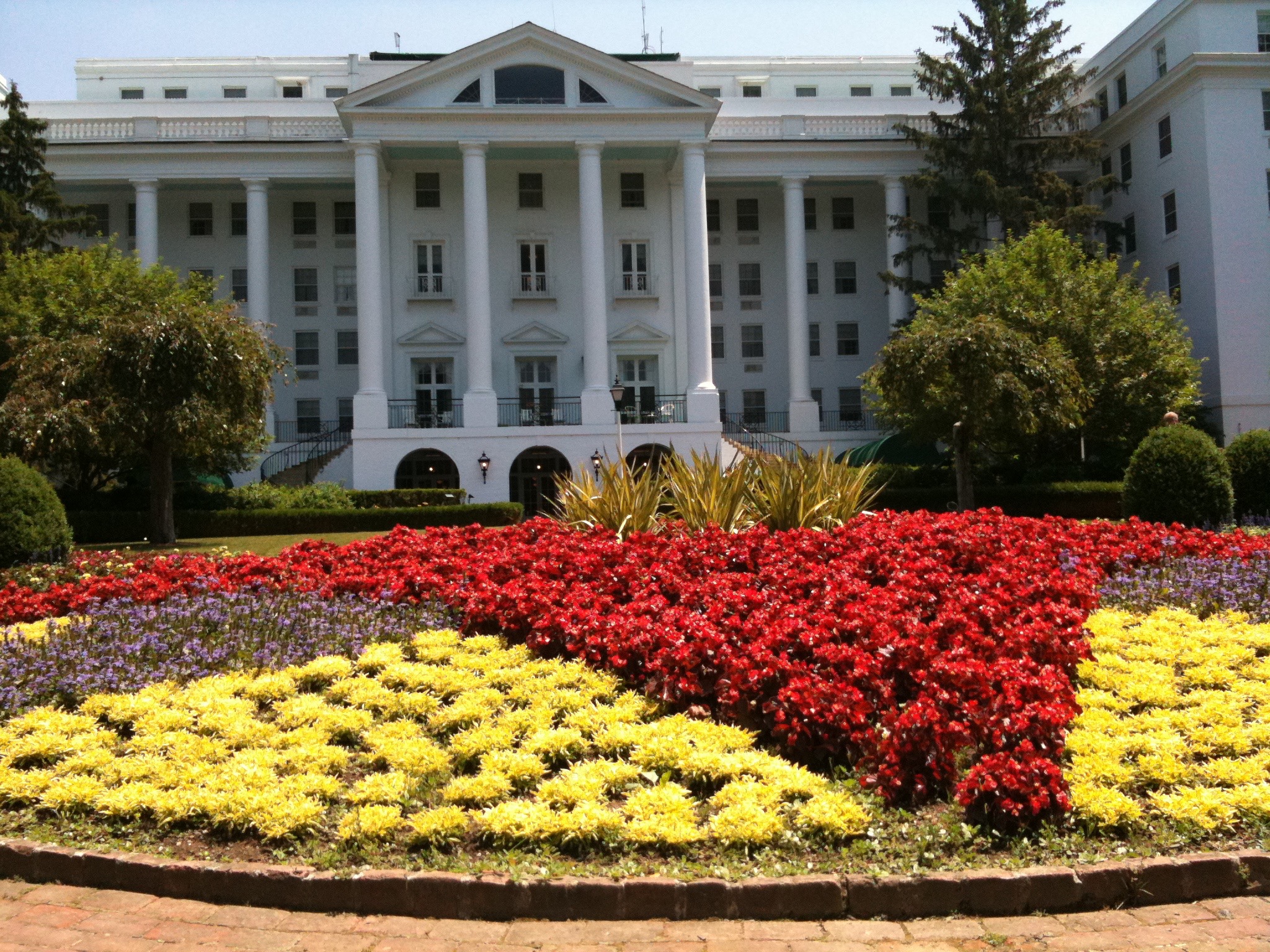
    It’s The Greenbrier in White Sulphur Springs, another five-star resort.  The grounds here are beautiful, too.  The Greenbrier is located on Sam Snead Blvd. In White Sulphur Springs, Virginia.

    IMG_0781
    The Greenbrier’s grounds are beautifully manicured. Gotta be rich to stay here.

    The Greenbrier has a storied history as well, and it has an even stronger Sam Snead connection.

    Snead was named head pro at The Greenbrier in 1944. He went on to win 7 majors and 82 PGA tournaments, a record that may survive the Tiger Woods era.

    There is Sam Snead memorabilia everywhere. Even the restaurant overlooking one of the resort’s three courses is called Slammin’ Sammy’s. So we grab a bite to eat.

    IMG_0792
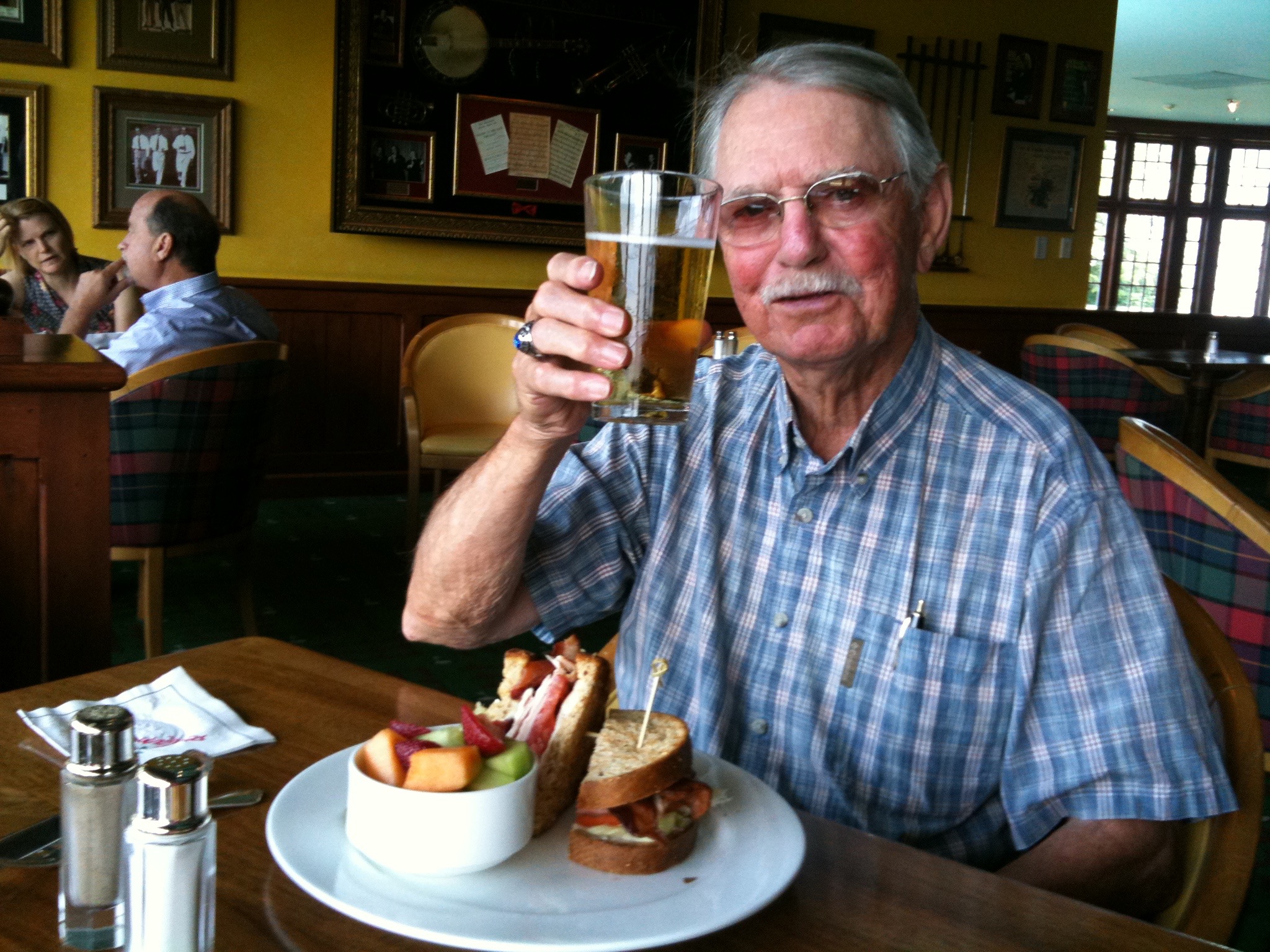
    Ray at Slammin’ Sammy’s.

    Ray’s having a Sam Snead Club Sandwich. At least one of us is eating healthy.

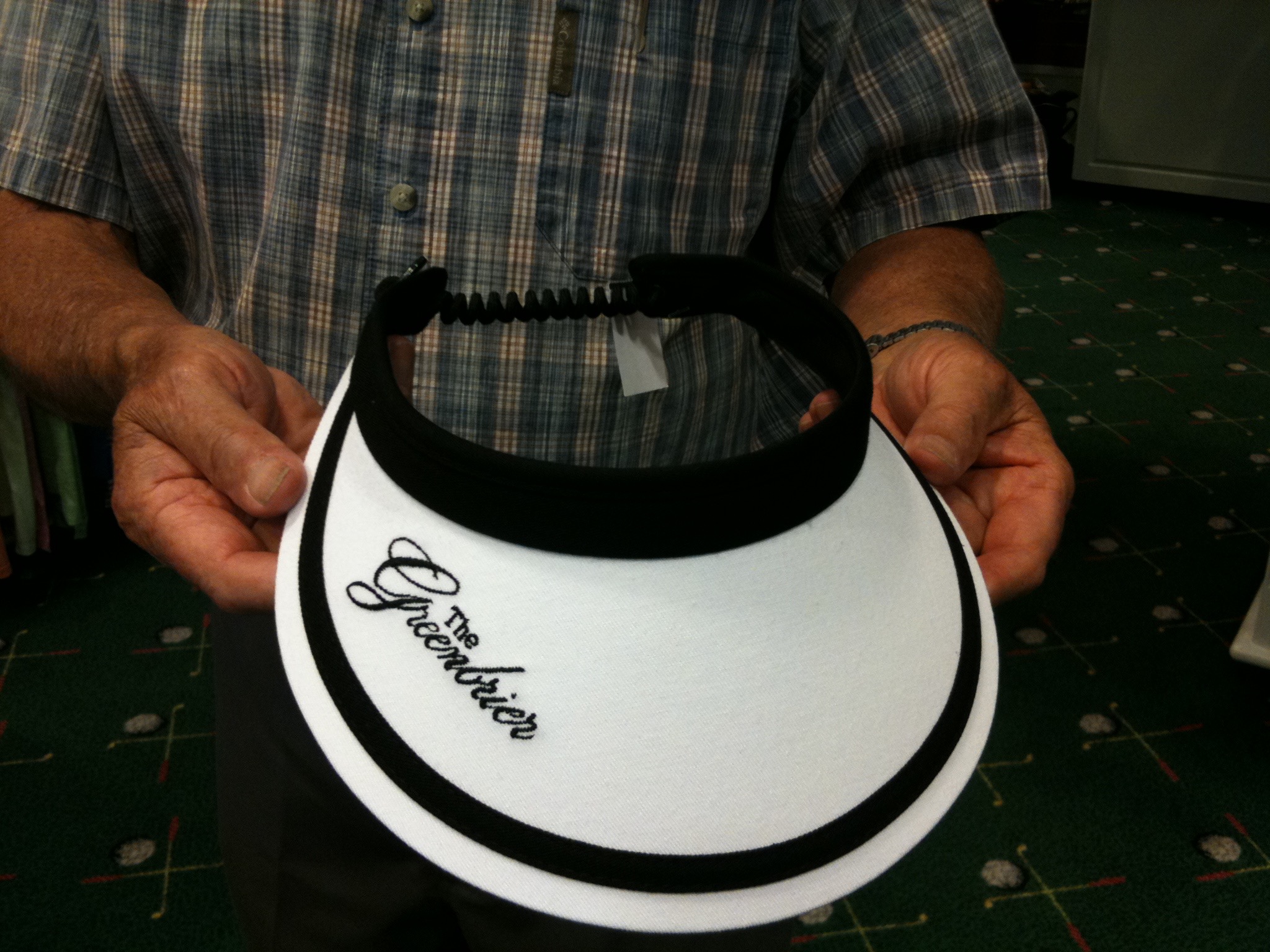
    Only a few things left to do before we saddle up. One involves supporting the local economy.  I’m shopping for Sarah.  I actually emailed her this photo while I was in the pro shop, waiting for approval from the home office. She likes it!

    IMG_0788
    Sarah will look smashing in this.

    Finally, you may be familiar with The Greenbrier from the PGA Tour event that’s played there every summer. It’s played on the Old White course, where Stuart Appleby shot a final-round 59 last year to win the tournament by one stroke.

    I consider, for a moment, playing the Old White. We’re right here, having lunch, overlooking the 18th green. Workers are busily erecting the corporate skyboxes for the event, which will be held in late July.

    But two things conspire to keep me off the course:

    1).  Price. Green fees are $385 for non-guests (we’re staying in the Comfort Inn!), plus $80 for a caddy and $36 for a cart. That $500 is roughly what my entire Harley Hillbilly Holiday will cost.

    And 2).  The course is closed in preparation for the 2011 Greenbrier Classic.

    IMG_0789
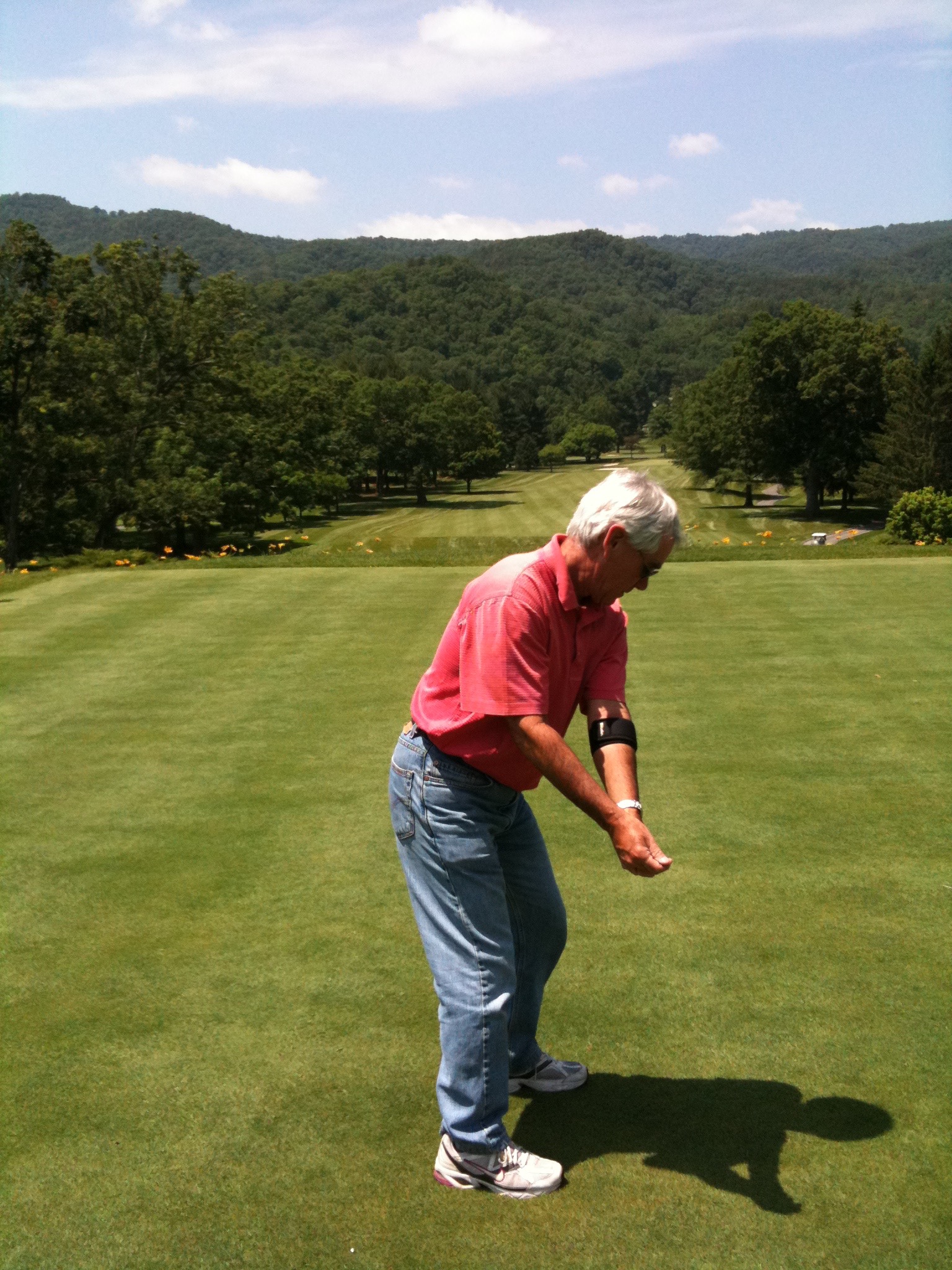
    Fantasy golf at the Greenbrier.

    So instead, I do the next-best thing: take a photo on the first tee, a 454-yard par 4. A person’s gotta dream, you know.

    Yeah, yeah … for you purists, I did not have a club in my hands. But give me a break; I’m riding a Harley Davidson!

    What will tomorrow bring?
    Harley Hillbilly Holiday, Day 5

    The day begins with with a reminder that my Journalism degree still has currency.  Sort of.  After quite a few years as an “ink-stained wretch,” one develops a nose for news.

    IMG_0730
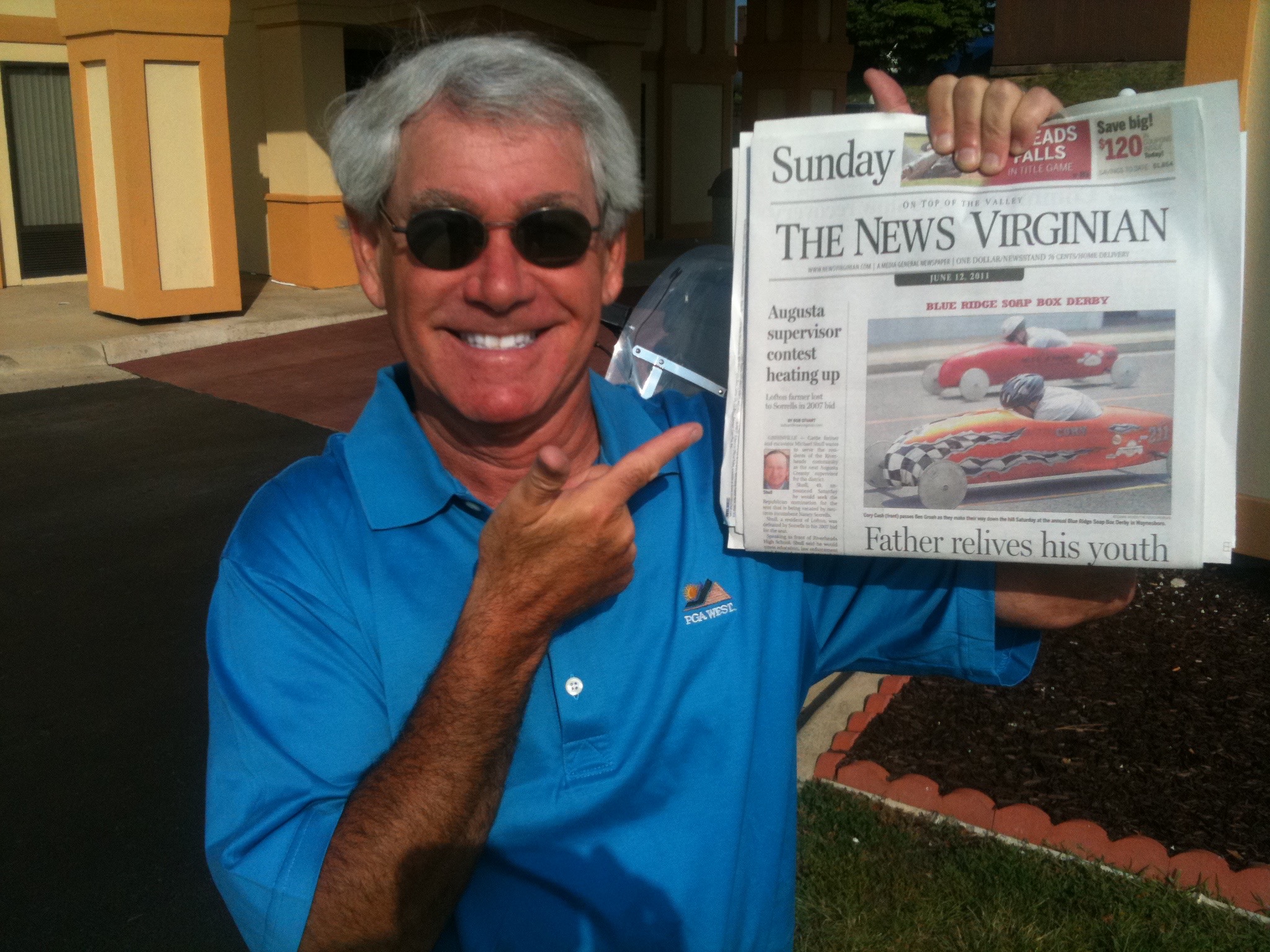
    Here it is, bigger than life, on the front page of this morning’s News Virginian. Above the fold. On Sunday!

    Why is this important?  You may recall that Saturday evening on Waynesboro’s Main Street, I snapped a photo of the Blue Ridge Soap Box Derby.  This wasn’t just any small town event. It was huge news.

    *****

    Yesterday, we completed the Blue Ridge Parkway. Today, we ride the 105-mile Skyline Drive, which winds its way through Shenendoah National Park.

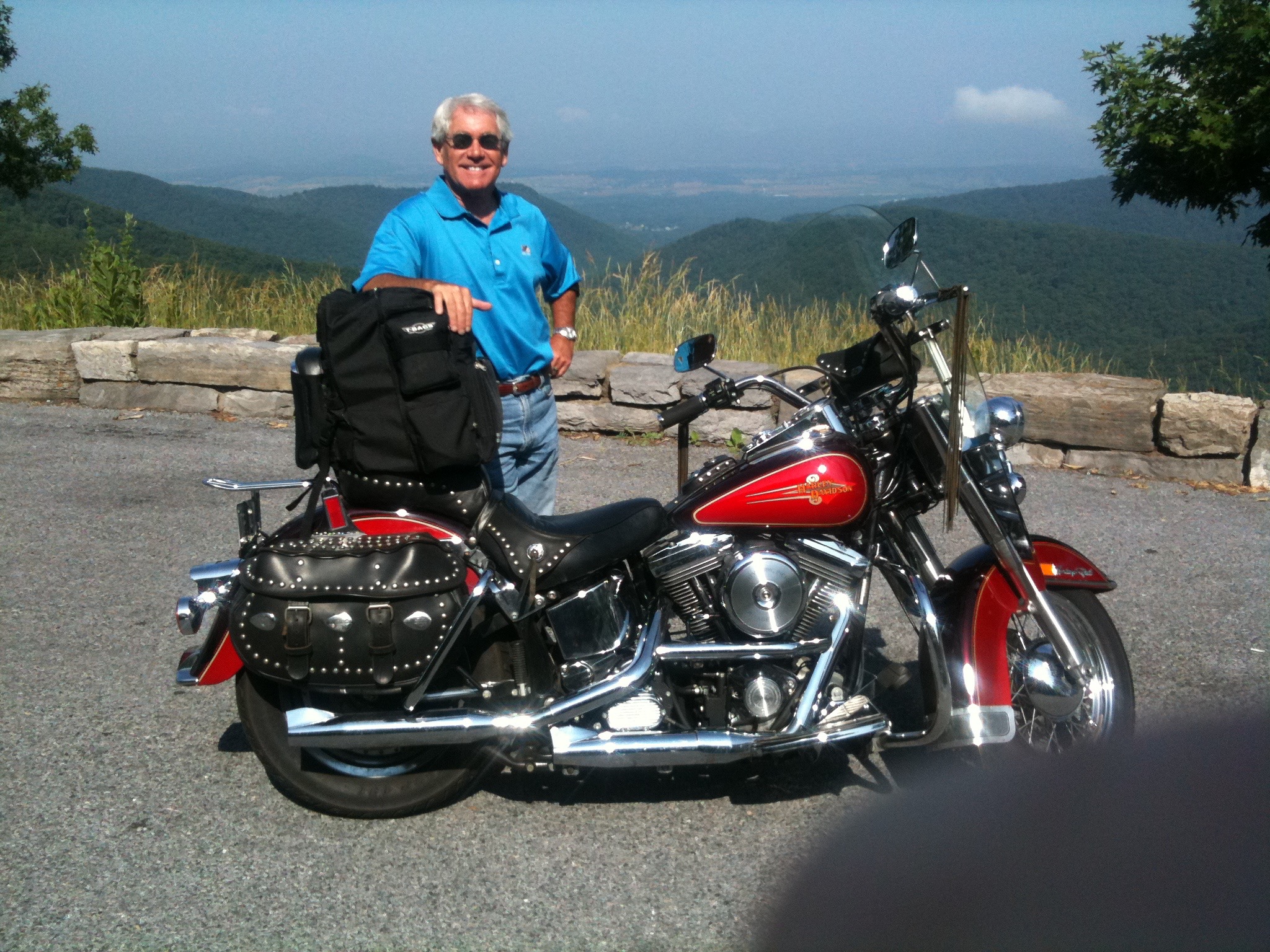
    The speed limit on Skyline Drive is 35 mph, which reminds me of a story. As you know, I’m riding this week with Ray Sanders. Ray’s wife, Tina, is Sarah’s cousin.  The Harley I’m riding is actually Tina’s; Ray and Tina were gracious enough to grant me “saddle rights” for my Harley Hillbilly Holiday.

    IMG_0735
    On Skyline Drive. Tina’s bike, Ray’s thumb.

    Well, it turns out this isn’t the first time Tina’s Harley has been to Skyline Drive. Did I mention that the speed limit in the Park is 35 mph?  If you saw all the tight curves on Skyline Drive, you’d understand why.

    Well, some years ago, on a ride with Ray, Tina managed to crank her Harley up to 70 mph.  In the Park.  I never felt safe above 45 mph, but Tina is obviously built for speed. You go, Tina!!!   Ray says it was an expensive ticket 🙂

    No tickets today, but we did have a fun ride, stopping along the way to appreciate many vistas and overlooks. At milepost 77 (we started at milepost 105 and worked backwards toward 0), we pull over for a shot of Rocky Top Overlook.

    IMG_0740
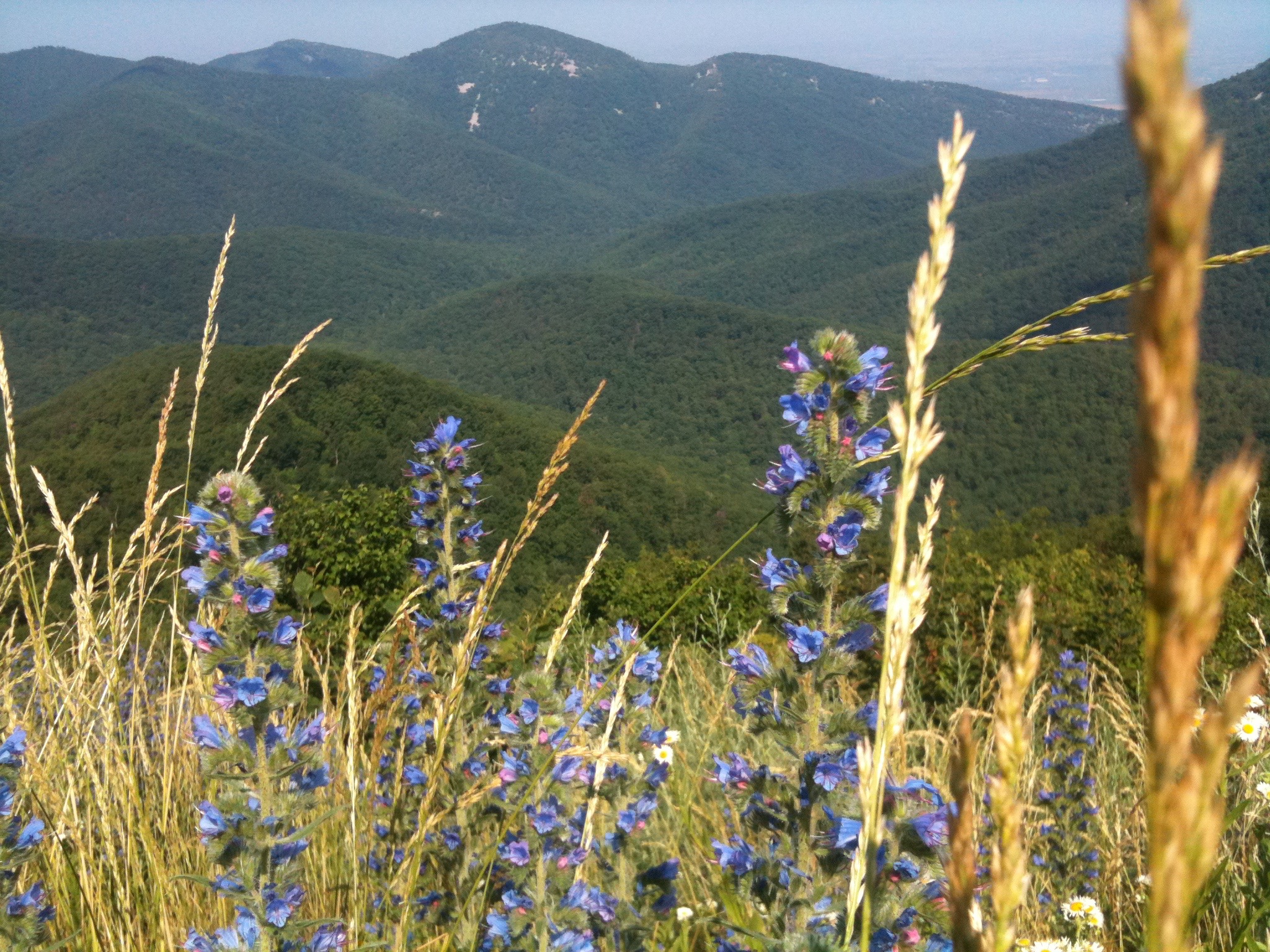
    The view from Skyline Drive.

    A few fun facts about Skyline Drive:  It has 70 overlooks in 105 miles. Highest point is 3,680 feet. Construction began in 1931, ended in 1939, and cost $50,000 per mile.

    The Northern entrance to the Park is in Front Royal, Virginia — only 70 miles from Washington, DC.

    For more on Skyline Drive, click here. And for more on Shenandoah National Park, try this.

    ****

    We leave the Park, and work our way South to Staunton, Virginia, just a few miles from Waynesboro, where we stayed last night.  Tonight we are in Staunton, second night in a row at a Comfort Inn. We are truly living large.

    For a guy who grew up in Kentucky and lives in Tennessee, Ray loves riding in Virginia.

    IMG_0746
    Ray, on the road in Virginia.

    What will tomorrow bring?
    Harley Hillbilly Holiday, Day 4

    After a restful night in the Rocky Knob Cabins at Mabry Mill, I wake up to this.

    IMG_0695

    Yes, rain. All night long. A deluge.

    But the sun breaks through the clouds, we saddle up, and head North on the Blue Ridge Parkway for a 198-mile day.

    Somewhere on the outskirts of Roanoke (a real city!), we find a 3G cell signal and yesterday’s e-mail makes its way into your cyber-mailbox.

    78 miles up the Parkway from Rocky Knob Cabins, we stop in Vinton, Virginia — for gas and lunch. Different places. Lunch was at “Smoqin Odie’s” … yes, a BBQ place. A docent at the Blue Ridge Parkway Visitors Center near Roanoke suggested Smoqin Odie’s. We’re glad she did.

    IMG_0705
    Peach pie. For desert. Who cares what was for lunch?

    Ray indulges his sweet tooth, as the photo shows. I have a pulled pork sandwich, consistent with my desire to eat Southern on this trip.

    After lunch, we continue through the Jefferson National Forest — home of both the highest (3,950 ft) and lowest (649 ft) points in Virginia on the Parkway. No need to look this up on The Google; the high point is Terrapin Mountain (which probably should be in Maryland) and the low point is where the Parkway crosses James River.

    IMG_0710
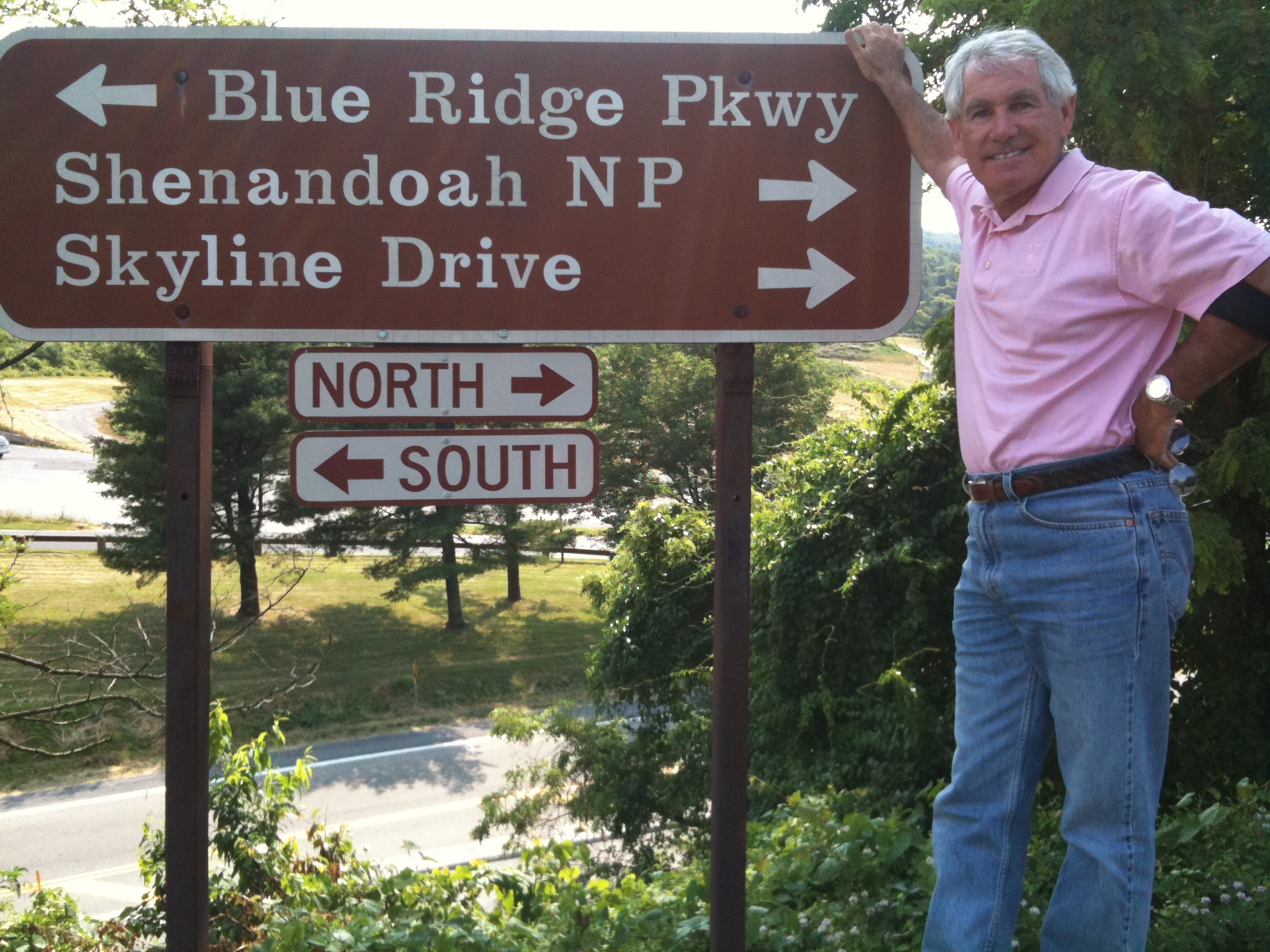
    At milepost 0, where the Blue Ridge Parkway ends and Skyline Drive begins.

    Eventually, we reach milepost 0, the Northern end of the Parkway. With the exception of a minor detour (I’m over it) yesterday, we traveled the Parkway’s 469 miles from Cherokee, North Carolina to milepost 0 with no problems, other than a little rain (I’m over that, too) and a temporary technology blackout.

    Now what?

    Well, no need to decide yet. So, we head to Waynesboro, a few miles West of milepost 0, to park the Harley for the night.

    We get another dining recommendation, this time from the front desk clerk at the Comfort Inn. What could this kid know?

    IMG_0721
    Ribs at Shukris. Yum.

    He sends us to Shukri’s, a hole-in-the-wall rib place on Main Street. On the way to Shukri’s, we encounter our second detour of the week: Main Street is closed. F#%#ck!

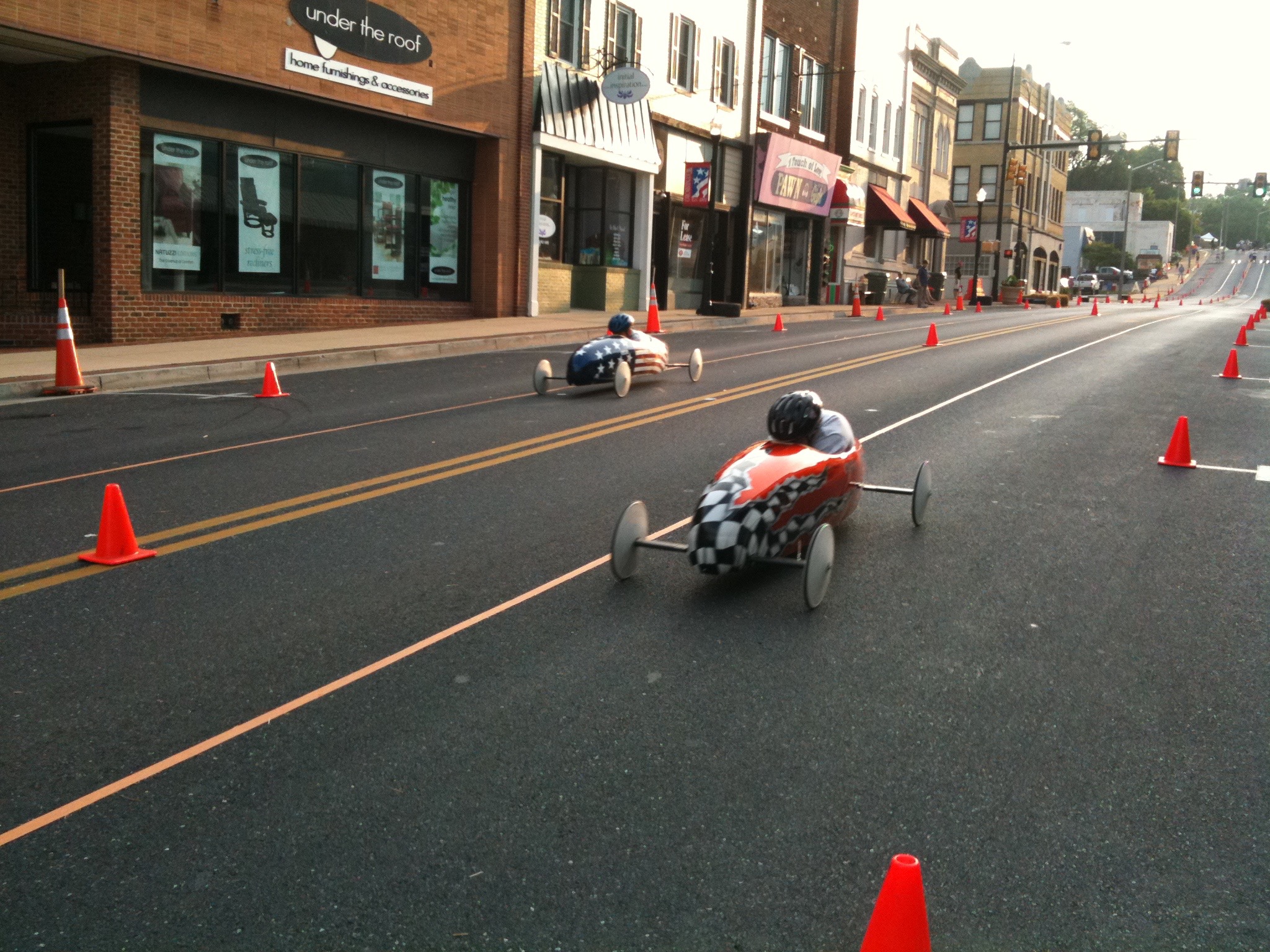
    So, we park the bikes on a parallel street and take a closer look at Main Street.  What we see is an awesome slice of Americana: the regional Soap Box Derby finals, right there on Main Street. From our table at Shukri’s, we watch the kids whizzing side-by-side at 32 mph.

    IMG_0720
    Our view of the Soap Box Derby from Shukris.

    After the race ends, we find out that Front-Desk-Boy knows what he’s doing. For me, it was a home run.

    What will tomorrow bring?
    Harley Hillbilly Holiday, Day 3

    Technology. So helpful most of the time. And right now, technology is why you aren’t receiving this note on Friday evening, when I’m writing it.

    The Blue Ridge Parkway is stunningly beautiful. Even for a Journalism major (me), words can’t describe the majesty of this ride. So I won’t even try.

    The Parkway goes through some very remote areas, which means little (if any) cellular coverage, and sparse wi-fi opportunities. So, technology has conspired to get you news of the Harley Hillbilly Holiday, Day 3 — delayed until Day 4.

    IMG_0684
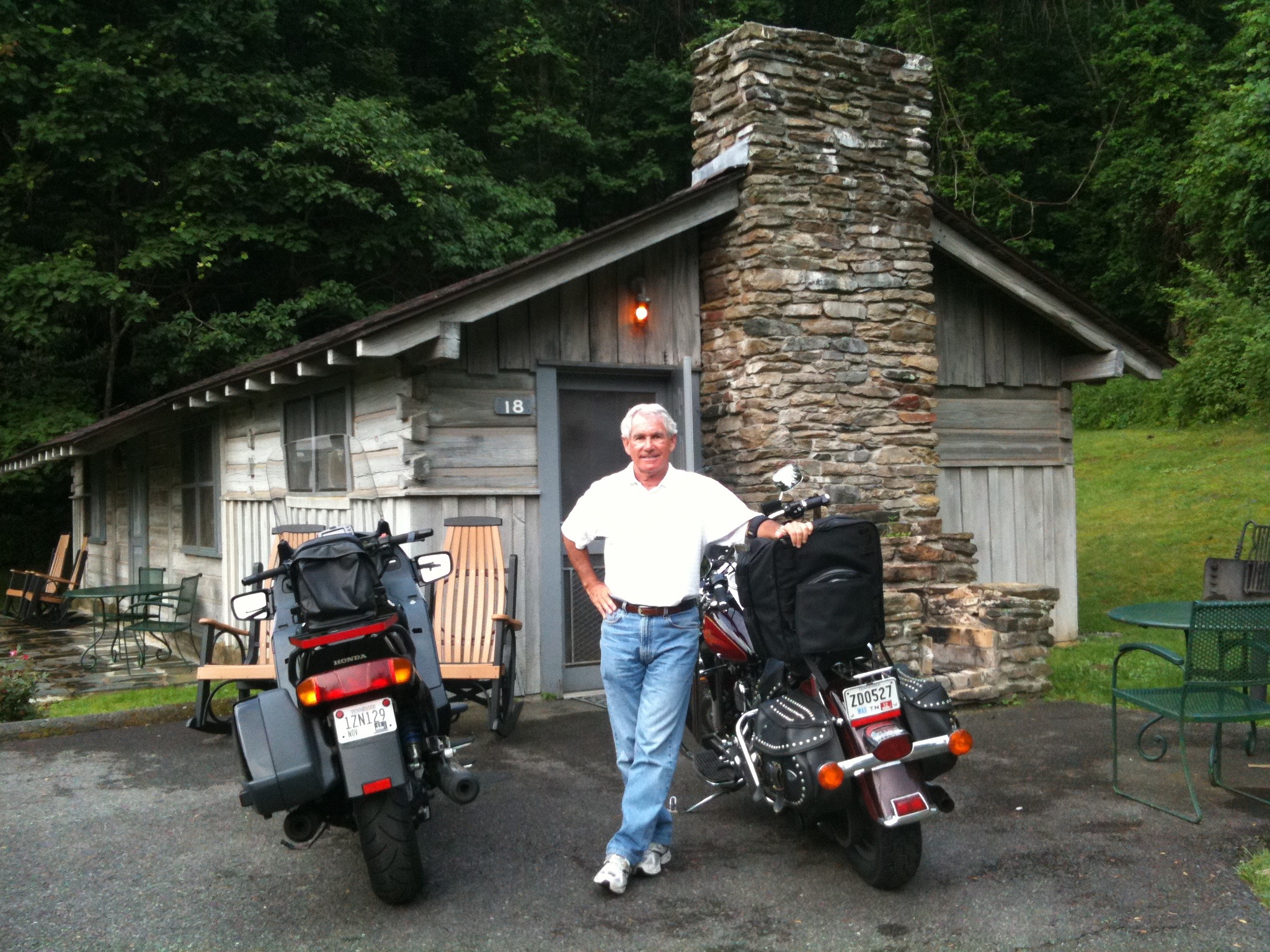
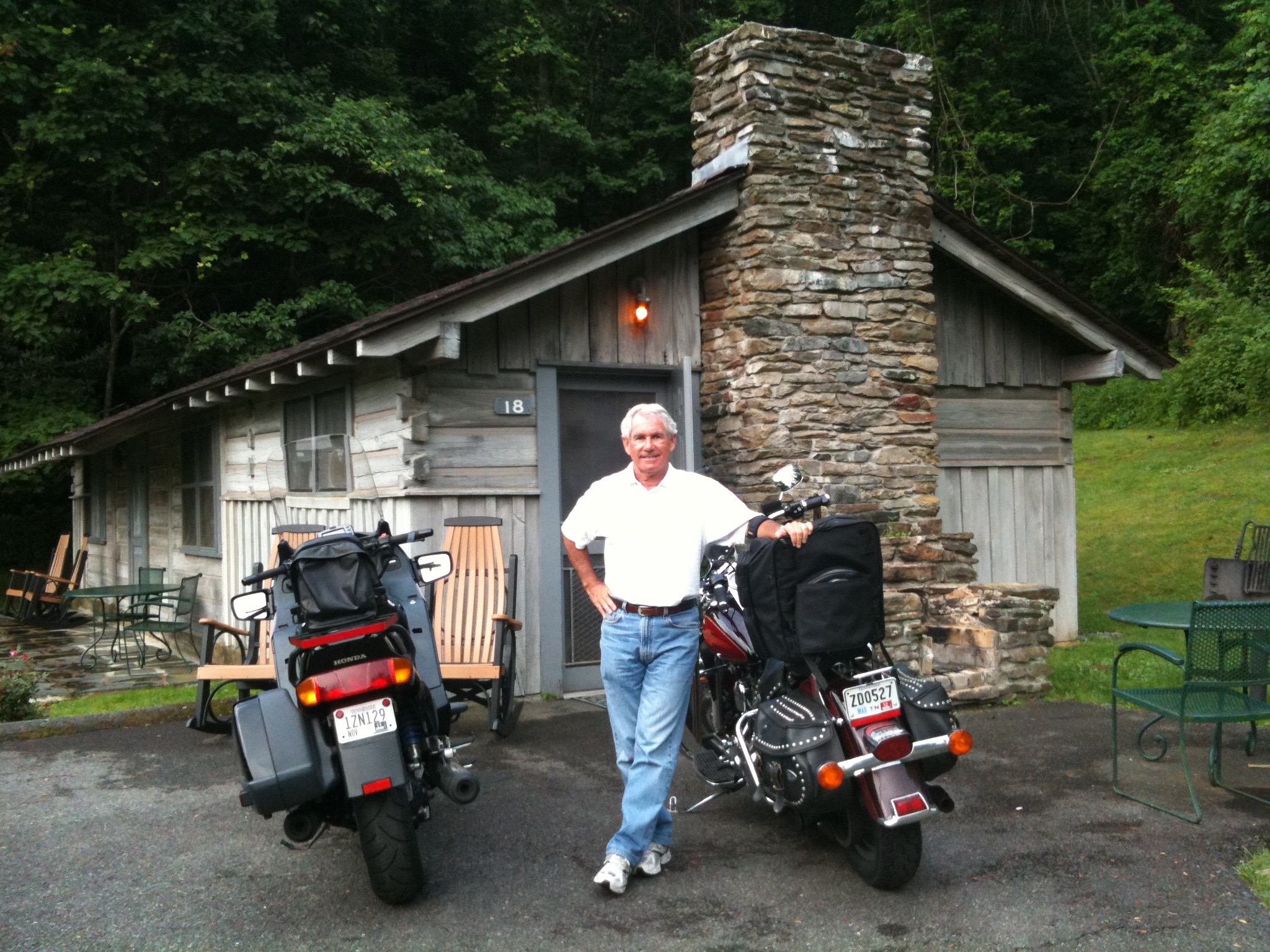
    Here is where we are staying tonight, which helps explain the  lack of a signal. This is Cabin 18.

    We are in Cabin 18 at the Rocky Knob Cabins in Rocky Knob, Virginia. It’s near milepost 175 on the Blue Ridge Parkway.

    These cabins were built for the Civilian Conservation Corps in the 1930s. The CCC built the Blue Ridge Parkway about 75 years ago, pretty much a jobs program with a spectacular result.

    But I digress.

    IMG_0645
    Biscuits and gravy at the Little Switzerland Inn.

    This morning, our day starts with a hearty, thought not exactly healthy, breakfast at the Little Switzerland Inn.  I have taken a culinary vow of Southern-ness for the remainder of the trip, and today’s breakfast provides an excellent start. Would someone please call my cardiologist?

    IMG_0646
    Ray’s breakfast was slightly healthier than mine.

    With full tummies, we head North on the Parkway. Unlike yesterday, we are traveling under sunny skies — in short-sleeve shirts — all day.

    Next stop: Blowing Rock, North Carolina, an artsy town of 2,000, named for the Blowing Rock (yes, THE Blowing Rock).  This rock is a 250 million-year-old rock formation with Chickasaw Indian legend. For more, click here.

    IMG_0674
    Blowing Rock, North Carolina.

    The big news of the day was my shattered dream, left in a thousand pieces at a lonely exit from the Parkway. My ambition on this trip had been to ride the Blue Ridge Parkway end-to-end, all 469 miles of it — maximum speed 45 mph.

    So here we are, enjoying a lovely day full of Parkway pleasures, when we see a sign announcing, “Parkway closed. Detour ahead.”

    F#%*ck!  We lost 25 miles of the Parkway, detouring through Sparta, North Carolina. We did see dozens of Christmas tree farms on the unplanned route, and the detour has its own road rhythms, but it isnt the Blue Ridge Parkway. I now have one more reason to come back and do this ride again — so I can complete the Parkway. Anyone want to come along?  Schedule TBD.

    IMG_0654
    A beautiful day on the Blue Ridge Parkway. That’s Ray on the bike.

    After the detour returns us to the Parkway, the roads are much more gentle. We are now in Virginia.  There are tons of Scenic Overlooks along the Parkway. Brilliant design. The overlook below is High Piney Spur, elevation 2,805 ft.

    At the end of a 181-mile ride, we arrive at our destination, the Rocky Knob Cabins, just North of Mabry Mill, famous for milling grist in the 19th century. Mr. Mabry is a well-known guy around here.

    A mile from the cabin, we dine at the Woodward Inn.

    IMG_0685
    Catfish at the Woodward Inn. I love Southern food!

    What will tomorrow bring?
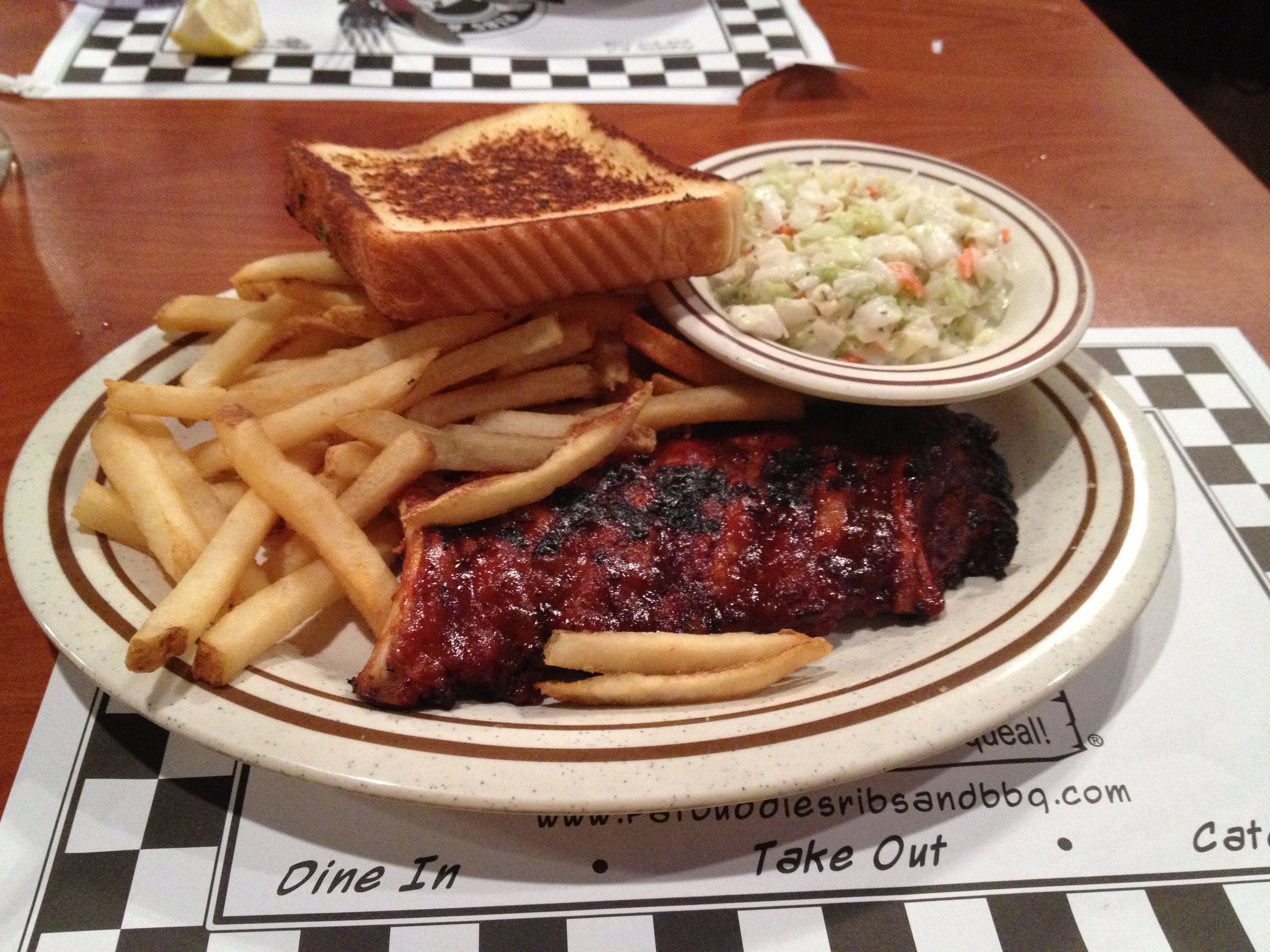
    Harley Hillbilly Holiday, Day 2

    On Day 2 of Gary’s Harley Hillbilly Holiday, we experienced 262 miles of Southern hospitality — from Farragut, Tennessee, to Little Switzerland, North Carolina.

    We began our day by riding through Greenback, Tennessee — which claims Sarah Murr as its most famous former resident.  Sarah graduated from Greenback High School, so this picture may mean more to her than the rest of you.  We met a few people at the school who actually knew of the Murr family. Small world.

    IMG_0612
    At the Greenback School, where it all began for Sarah.

    From Greenback, we headed into the Great Smoky Mountains National Park. There are spectacular vistas everywhere. Near the highest point in the Smokies, we visited Newfound Gap, which straddles the Tennessee/North Carolina border.

    Most of the day, we rode twisty, two-lane roads at elevations between 3,000 and 5,000 feet.

    After a gas stop in Cherokee, North Carolina, we entered the Blue Ridge Parkway, a 469-mile road apparently built for motorcycles. It follows the Appalachian Mountain chain, and has seemingly endless views.

    IMG_0628
    At the entrance to Great Smoky Mountains National Park. Greetings, y’all!

    The Blue Ridge Parkway takes us from the Great Smokies to the Balsams, the Pisgahs, the Craggies, the Black Mountains and of course the Blue Ridge Mountains.

    We will be riding the Parkway the next few days.

    To learn more about the Blue Ridge Parkway, click here.

    IMG_0617
    At the North Carolina / Tennessee state line, while the weather is still nice.

    It was a beautiful day … until … It started to rain. F#%#}*ck!!

    IMG_0630
    Ack! Rain. This would never happen in La Quinta.

    So, we put on our foul weather gear at Lickstone Ridge Overlook, elevation 5,150 — and got wet for the next three hours.  I assured Ray this would never happen in La Quinta.

    Eventually, it cleared up a bit, and we are still drying out as i write this.  We have our fingers crossed for desert-like weather tomorrow.

    Oh, forgot to mention food. We ate at the only place you can get food on the Blue Ridge Parkway: the Pisgah Inn. Really, there are no other commercial establishments on the Parkway.  This is a triumph of beauty over capitalism.

    IMG_0638
    Plenty of scenic overlooks on the Blue Ridge Parkway.

    I’m pushing for Southern food the rest of the way. Bad for you, but oh-so-good.

    Tonight, we are in Little Switzerland, North Carolina, at milepost 335 — just off the Parkway.

    What will tomorrow bring?
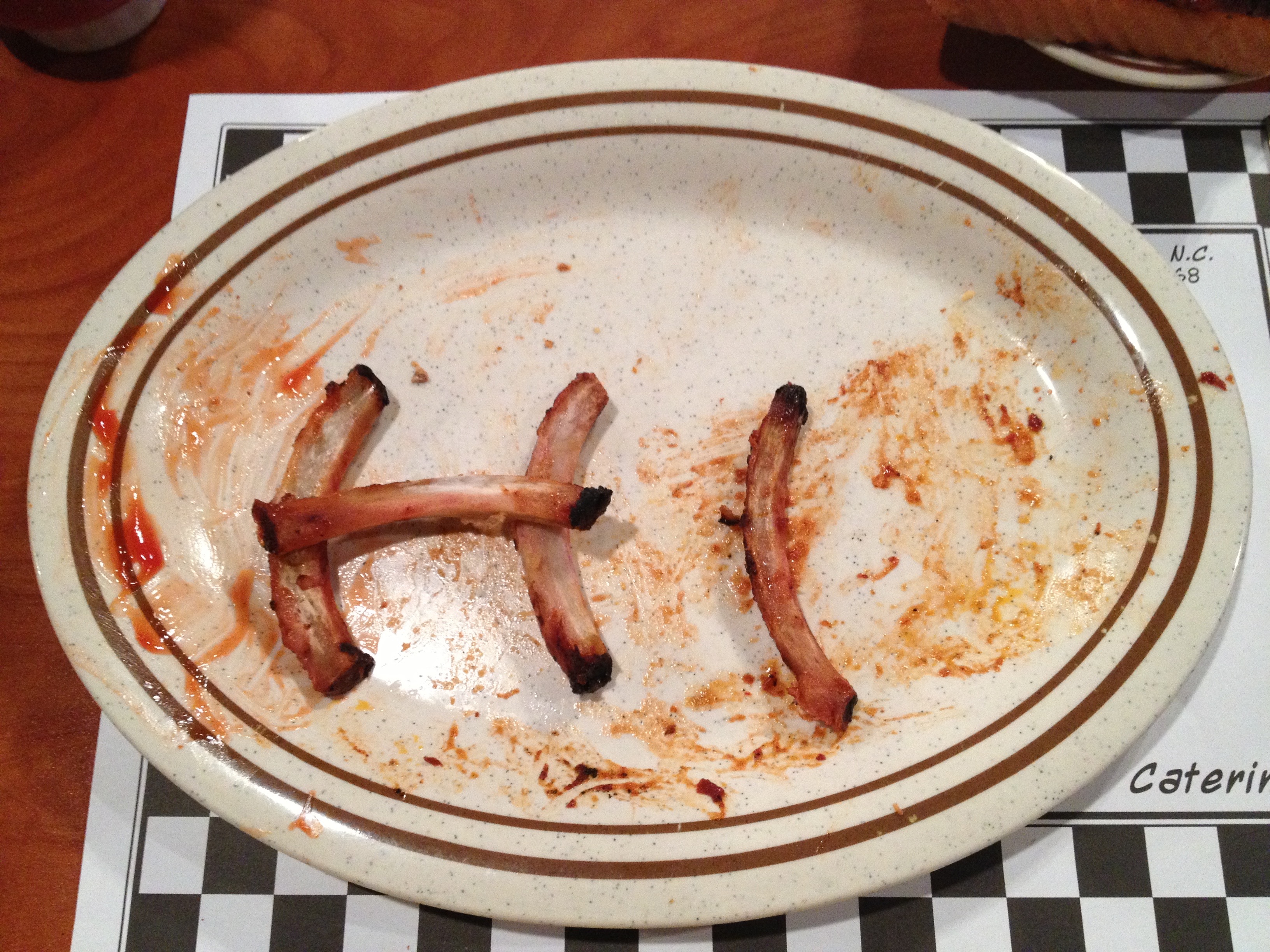
    Harley Hillbilly Holiday, Day 1

    Today begins Gary’s 2011 “Harley Hillbilly Holiday,” an eight-day ride through the hills and mountains of Tennessee, North Carolina, Virginia, Kentucky, and West Virginia.

    As in years past, I’m riding with Ray, Sarah’s 80-year-old cousin.

    To learn more about Ray, visit the My Posse page on this blog.

    IMG_0589
    That’s Ray and me at a vista overlooking the Chilhowee Dam on the Little Tennessee River.

    Today was a warm-up ride, about 50 miles to Deals Gap, North Carolina. Deals Gap is a famous motorcycle resort at the end of “The Dragon,” a Harley fantasyland: 318 curves in 11 miles on US Highway 129.

    The Dragon is known for slaying inattentive riders.

    IMG_0585
    The Three of Shame. I did not contribute any motorcycle parts to its collection.

    At the Tail of The Dragon, there’s a Tree of Shame, littered with motorcycle parts from crashed bikes.  On this trip, I’m riding Sarah’s cousin Tina’s Harley (just like mine, a Heritage Softail Classic) — so I was particularly careful not to add to the Tree of Shame.

    Deal’s Gap Motorcycle Resort is the place to go in these here parts if you’re a serious rider, or just a tourist from California.  It has a great cafe, with hundreds of t-shirts on the ceiling from visiting bikers.

    IMG_0581
    At Deal’s Gap.

    To learn more about The Dragon, check out this website:

    Tonight we are at Ray and Tina’s home in Farragut, Tennessee — for a relaxing meal and a comfortable bed.

    Tomorrow, we hit the road!

    IMG_0591
    Here are my wheels for the week. Pimp my ride!

    Just the Three of Us

    My second ride improved upon the first. There were three of us this time, and we took a slightly different route.

    My friend from San Rafael, Dennis Johnson, joined Ray and me for the ride from La Quinta to Lake Tahoe.

    To learn more about Ray and Dennis, visit the My Posse page on this blog.

    IMG_1207.JPG
    Dennis Johnson, resting en route to Idyllwild. He’s a natural!

    Dennis rented a Harley Davidson Street Glide in Palm Desert at Eagle Rider.

    IMG_1213.JPG
    Mid-morning snack in Idyllwild. Dennis takes his cinnamon rolls seriously!

    We began by riding through nearby mountains, up to Idyllwild, then on to Big Bear Lake, where we parked our bikes, and ourselves, overnight.

    IMG_1233.JPG
    Breakfast at Big Bear Lake. Can’t believe he ate the whole thing.

    From there, it was on to Sequoia National Park, where early May piles of snow (Brrrrr!) still sat by the side of the road.

    IMG_1266.JPG
    There was a chill in the air in Sequoia National Park.
    IMG_1260.JPG
    Dennis takes five at a scenic overlook in Sequoia National Park.

    Then, we continued up the west side of the Sierra Nevada mountains with a stop in Yosemite National Park.

    After roaring across Kit Carson Pass, the only Sierra Nevada pass (other than I-80) that was open, we arrived in South Lake Tahoe.

    IMG_1290.JPG
    Showing off the tats at South Lake Tahoe. Studly, huh?
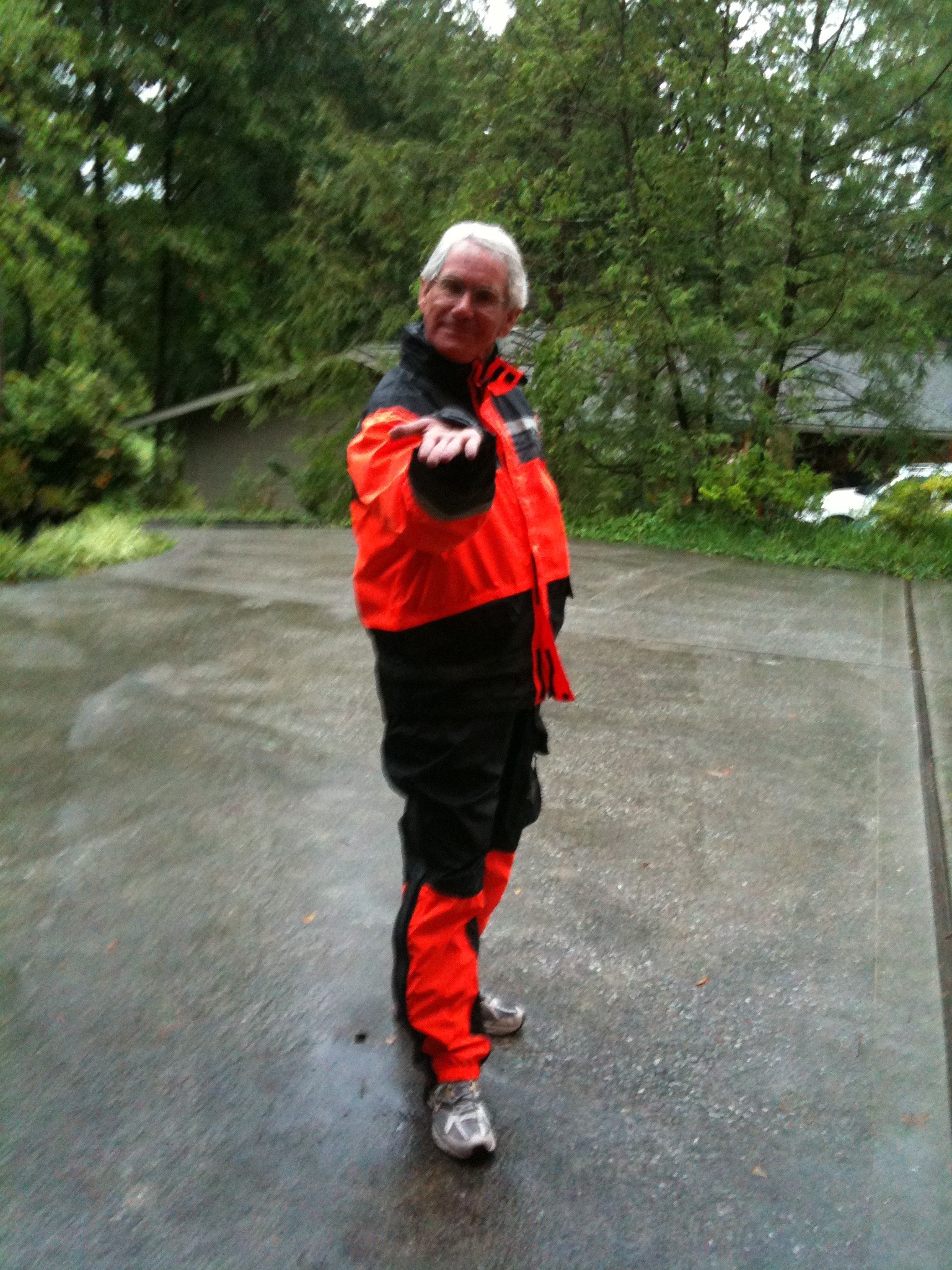
    Here, Dennis dropped off his bike, and got a ride home from his next-door-neighbor (and my cousin), Rich Wank.

    Ray and I continued on down the east side of the Sierras, riding past Mammoth Lakes and Bishop, eventually arriving home in La Quinta.

    IMG_1301.JPG
    Still snow in the mountains, near Bishop, California.

    Nice trip. This is quite habit forming.

    IMG_1313.JPG
    Sarah was waiting for us in the driveway when we got home.

    My First Trip. Vroom, Vroom.

    First overnight bike trip!

    Ray Sanders, who’s married to Sarah’s first cousin, Tina, rode out to Southern California to join me for a week of riding in the Sierra Nevada Mountains.

    To learn more about Ray, visit the My Posse page of this blog.

    IMG_0525.JPG
    In Joshua Tree, on Day One of my first-ever overnight trip.

    We left La Quinta, rolled through Joshua Tree National Park, and on to Victorville, California, where I spent my first night ever on the road with a Harley parked outside my motel room.

    IMG_0536.JPG
    Ray celebrates a successful Day One at the Olive Garden in Victorville.

    From Victorville, we rode up US Highway 395 to Mammoth Lakes, high in the Sierras.

    IMG_0551.JPG
    In Bridgeport, en route to Lake Tahoe. Ready for cold weather!

    Then, it was on to South Lake Tahoe. We arrived via the Kingsbury Grade, which took us from Gardnerville, Nevada, to Stateline.

    On our way home from Lake Tahoe, we stopped overnight in Sonora.

    IMG_0578.JPG
    Dinner in Sonora, at the Rattlesnake Grill. Ray takes his red wine very seriously.

    Continuing on toward La Quinta, we checked out Yosemite National Park.

    IMG_0590.JPG
    Yosemite. You have to see it to believe it.

    Next day, it was on to Sequoia National Park.

    IMG_0612.JPG
    Hey, those are some big trees in Sequoia National Park!

    A very good introduction to vroom, vrooming. Can’t wait to do it again.

    IMG_0620.JPG
    Ray, on his Honda Gold Wing, in our La Quinta driveway. A minute later, he heads east toward Knoxville, Tennessee — on his way home.