It all began, innocently enough, ten years ago.
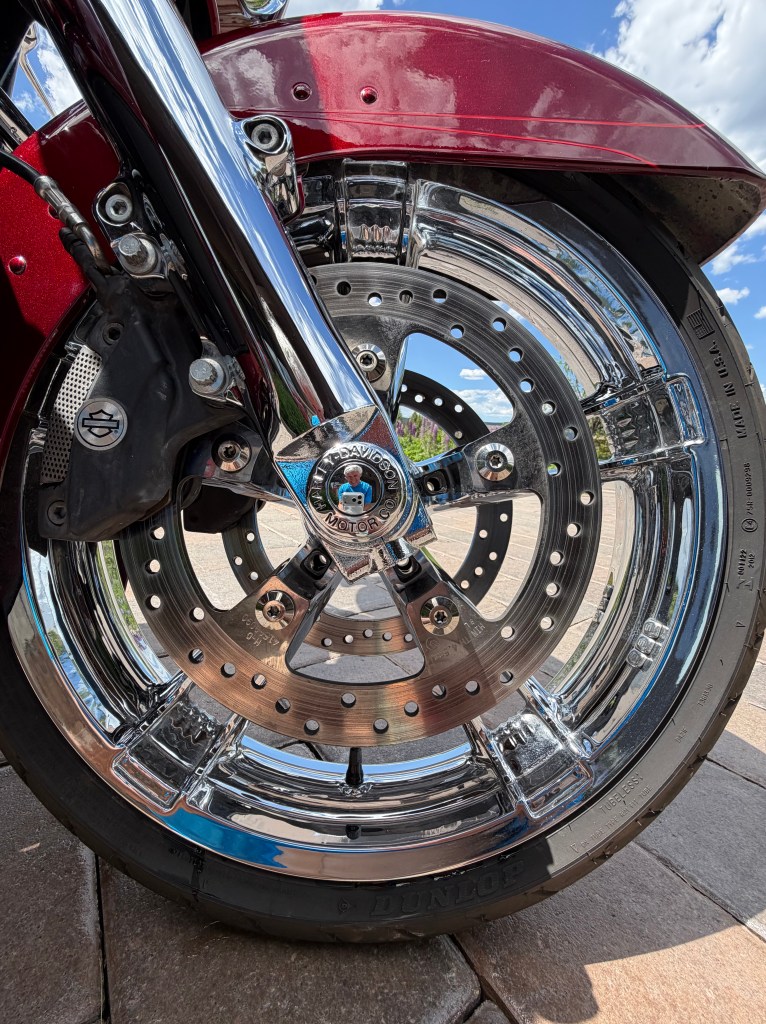
That’s when I added a chrome front axle nut cover to my 2016 Harley Davidson Street Glide Special, then only a month removed from the Palm Springs showroom floor. $26 for a set of two. A nice touch, I thought, to finish off my shiny new toy.
Apparently, I wasn’t quite finished.
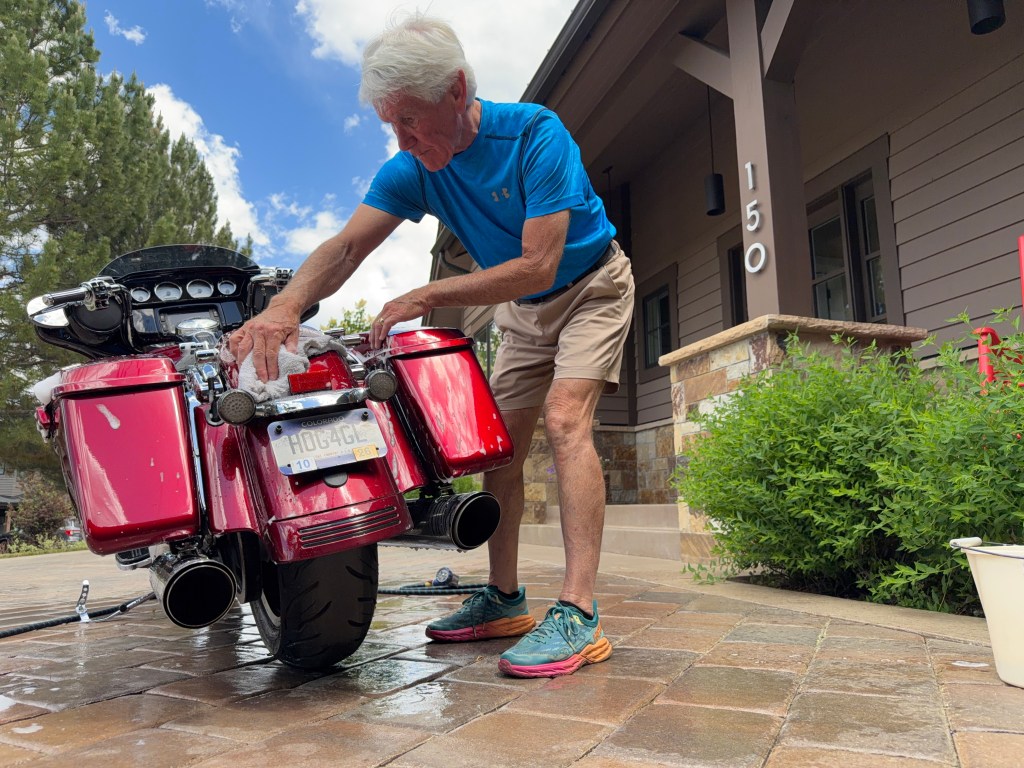
I finally did finish, for real, a week ago, when I installed a chrome shifter linkage. Functionally, it connects my foot-operated shift lever to the transmission. Cosmetically, it’s um, very chromy.
In the decade between installing the chrome front axle nut and the chrome shifter linkage, I added a lot more. Chrome jiffy stand extension kit. Chrome rocker box bolt covers. Chrome headbolt covers. Chrome forks. Chrome front wheel. Chrome front brake rotor. Chrome tappet block accent. Chrome handlebar levers. Chrome inner primary cover. And, all sorts of other shiny stuff that sent me crashing through the glittering line between a hobby and an obsession.
Apparently, I have a man crush with chrome.
Why We Love Sparkle
Turns out human attraction to shiny things is a deeply ingrained evolutionary survival mechanism. We are preprogrammed to equate glistening surfaces — like metals and glossy materials — with fresh water. Finding these reflective surfaces meant finding a vital resource, which triggers a positive dopamine response.
And, get this — research shows that thirstier people are more visually drawn to glossy and shiny surfaces. Science tells us it’s an innate sensory preference. Because our brains are hardwired to notice and positively respond to shine, shiny items naturally stand out. We naturally associate brilliance with purity, luxury and even survival.
Throughout history, shiny objects like jewelry, gems and metal have been used as status symbols, representing wealth and power.
Human beings are attracted to glossy objects. Shimmering lipsticks, gleaming cars, dazzling diamonds, glittering gold, and sequined gowns conjure up images of the good life.
The psychology of sparkle is a fascinating study.
But let’s not overthink this. It’s just chrome.

The Science of Shine
In 1797, French chemist Nicolas-Louis Vauquelin identified a new metallic element in an orange-yellow mineral discovered in Sibera’s Ural Mountains. Vaquelin called that metallic element “chromium,” after the Greek khroma, meaning color, because of its colorful compounds.
Today, Chromium is a chemical element (Cr, atomic number 24), a naturally occurring metal. It’s valued for its high corrosion resistance and hardness. Chromium is the third-hardest element after carbon and boron. It’s highly resistant to tarnishing.
Chrome is the name given to chromium when it’s electroplated over another metal. Electroplating uses electricity to transfer metal ions from one metal surface (anode) to another (diode). Decorative chrome can be plated onto steel, brass, aluminum, copper, plastic, nickel, and stainless steel. The result is chrome that contains chromium oxide, which provides a mirror-like finish, and protects the underlying metal from corrosion.
But saying my compulsion for chrome is driven by corrosion resistance would be a stretch. For most Harley fanboys, it’s all about aesthetics. Chrome acts as motorcycle jewelry.
Not Everyone Loves Chrome
My Carbondale friend, Carl, grew up in Mount Joy, in Lancaster County, Pennsylvania. The area has a vibrant Mennonite community. Amish are there, too, but have a smaller presence. Several years ago, Carl introduced me to the concept that not everyone worships chrome. His grandfather was a Mennonite.
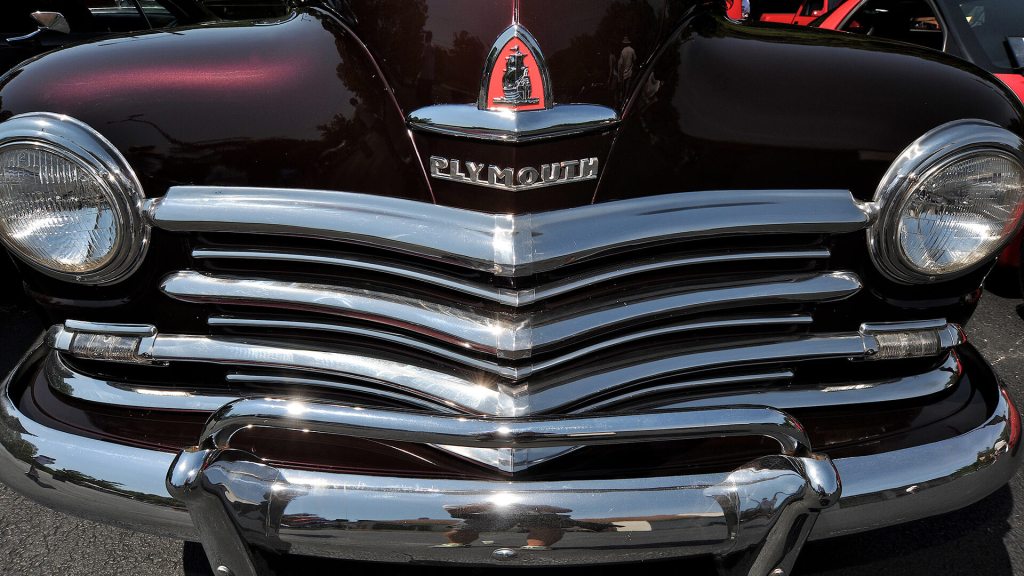
Mennonites are often confused with Amish, but both share Anabaptist roots, and both have a deep aversion to chrome. “Black Bumper” Mennonites traditionally require that all chrome be painted black, to adhere to principles of simplicity and humility, modesty and non-ostentation. Because bright chrome is considered ostentatious, some conservative groups historically required members to paint over the shiny trim and bumpers of their cars.
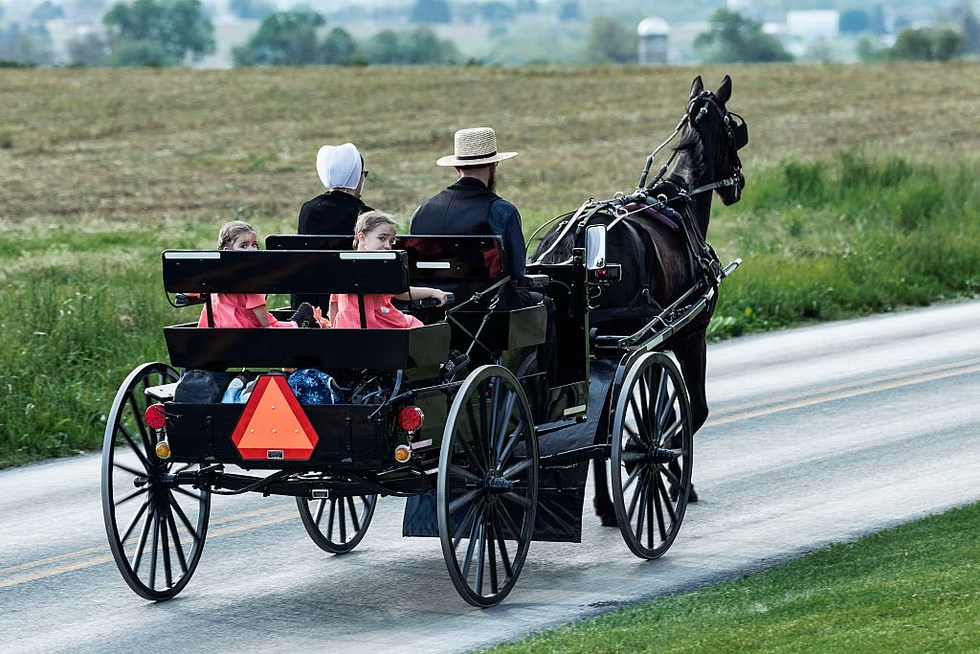
You won’t see a whole lot of chrome on cars in Mennonite country, but they do at least have automobiles. Amish, on the other hand, reject cars entirely. Their horse-drawn buggies are largely unadorned, though they may feature metal fixtures.
The primary difference between Amish and Mennonites lies in their interaction with the modern world. The Amish strictly isolate themselves and shun modern conveniences like cars and electricity. Mennonites generally embrace modern technology and engage with broader society, while maintaining core values of simplicity and peace.
***
The Journey Begins
With my final touch of chrome in place, I should hit the road.
Tomorrow morning, I leave on my annual summer trip.
This year’s journey will be a bit different. Instead of being gone a few weeks, all in a single trip, I’m taking five separate, shorter excursions. Mostly four days at a time, generally in Colorado.
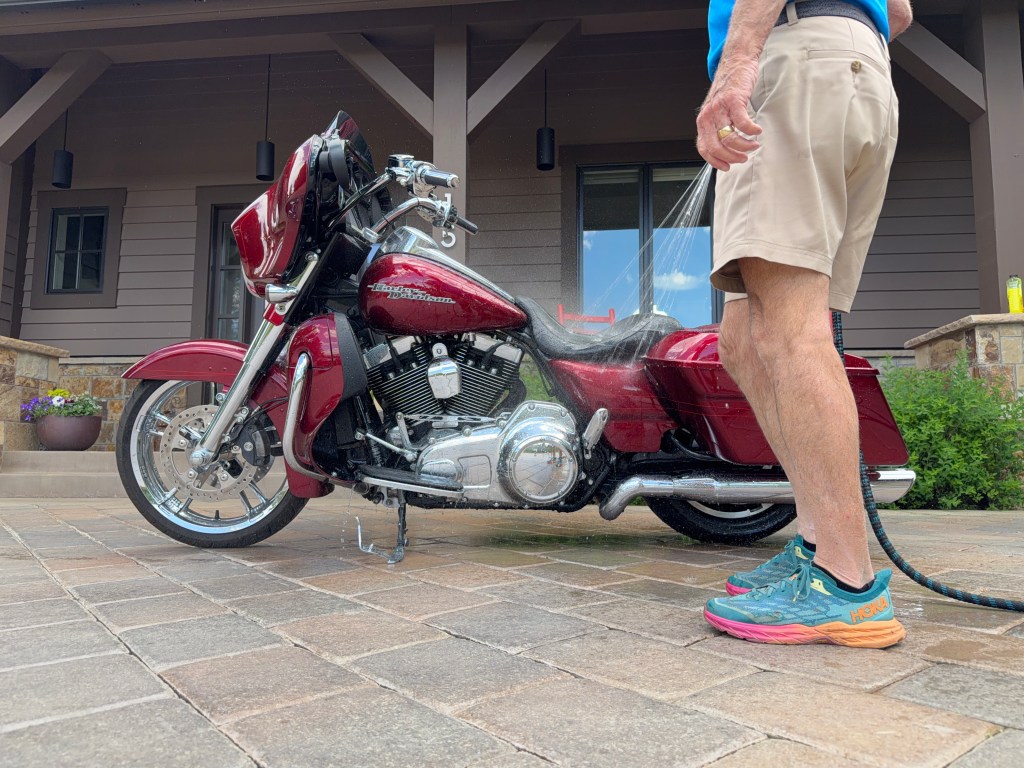
After each trip, I’ll come home, polish the chrome, wash the bugs off the paint, relax, mow the lawn, eat some healthy food, and show Sarah some love. Then, a few weeks later, I’ll go out again for four more days.
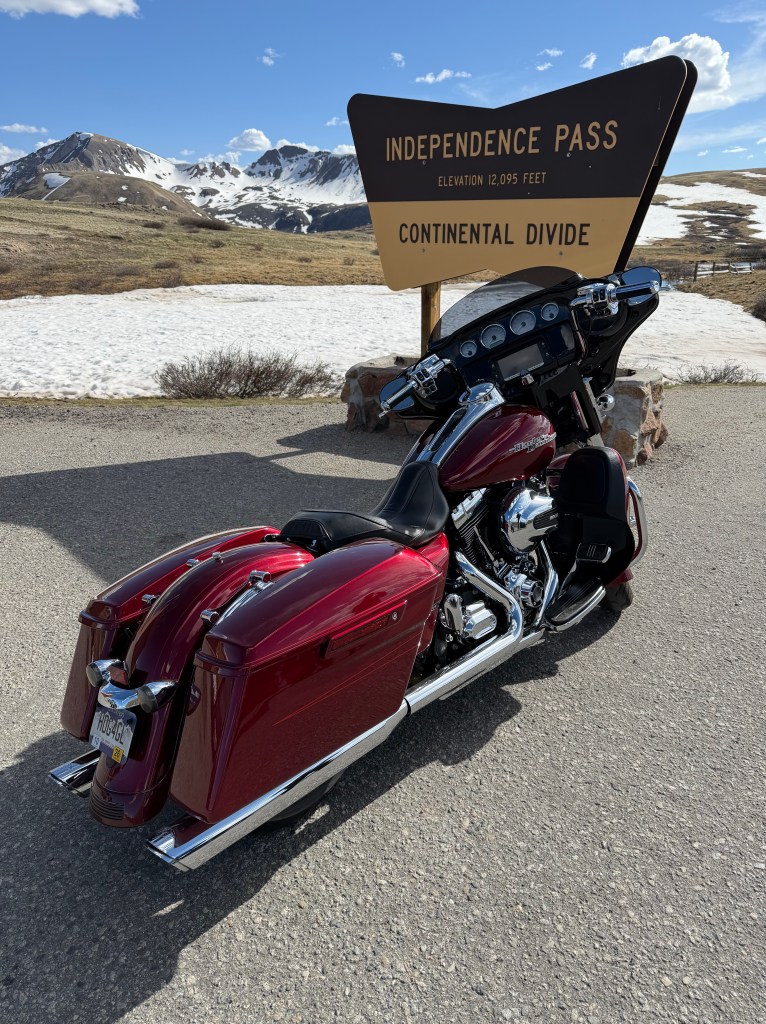
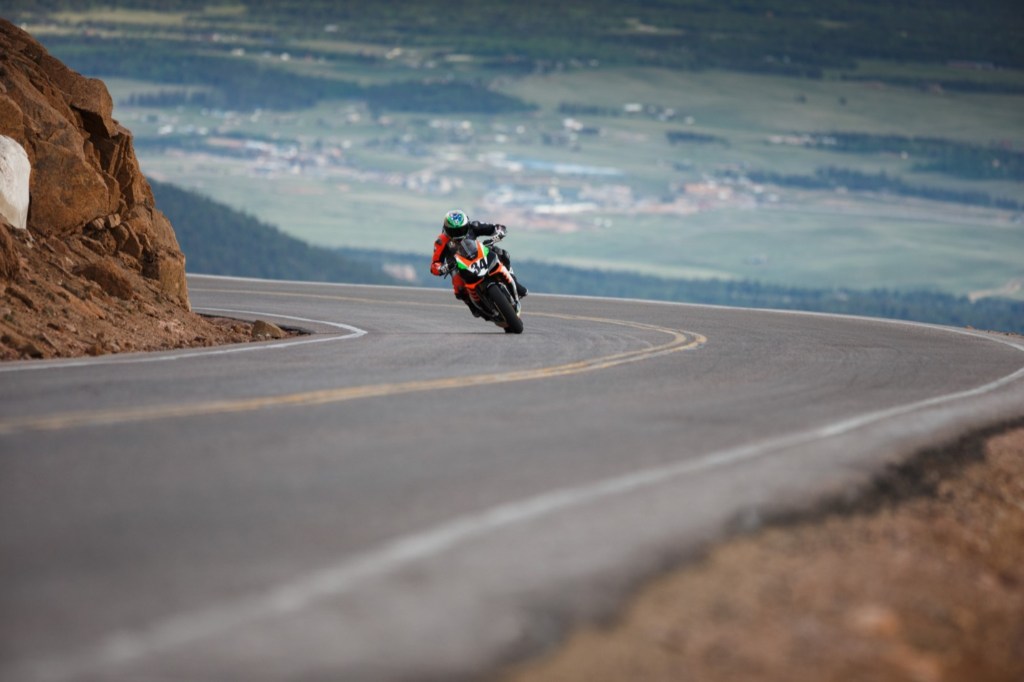
Throughout June, July and August, I’ll have 21 days on the road, covering about 4,200 miles. I’ll again ride nearly all of Colorado’s 31 paved passes over 10,000 feet, as I did on last year’s Pass-a-Palooza™. This year, I’ll ride the only two I didn’t get to in 2026: Mount Blue Sky and Pikes Peak, both true fourteeners. Yes, they’re 14,000-foot mountains you can ride all the way to the summit.
I’ve ridden Mount Blue Sky, in 2014 when it was called Mount Evans. Pikes Peak will be a first for me, and will complete my Colorado Pass-a-Palooza™.
Since launching my blog in 2009, I’ve posted more than 400,000 words. This year, I’m not gonna break the half-million-word barrier. Not even close.
Most everywhere I’m going, I’ve been before, and have written about before, often multiple times. You’ve heard pretty much all there is to say about most of my destinations. So, other than today’s post, and those few days involving new routes or destinations, you’ll be seeing a lot of pics and very few words when I post each evening.
I will visit a few new places this summer, among them:
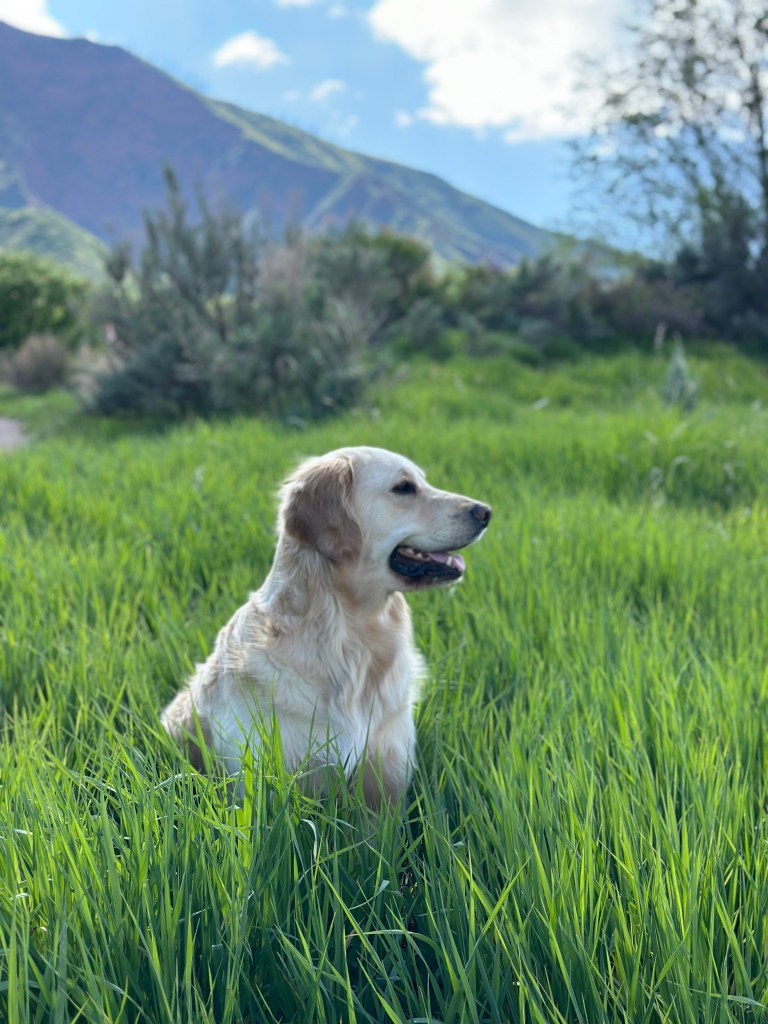
Meeker, a small town in Rio Blanco County named for Nathan Meeker, the US Indian Agent killed along with 11 other white citizens by Ute Indians in 1879 what became known as the Meeker Massacre. The town of Meeker is also known for its annual Sheepdog Trials, and for dog breeding.
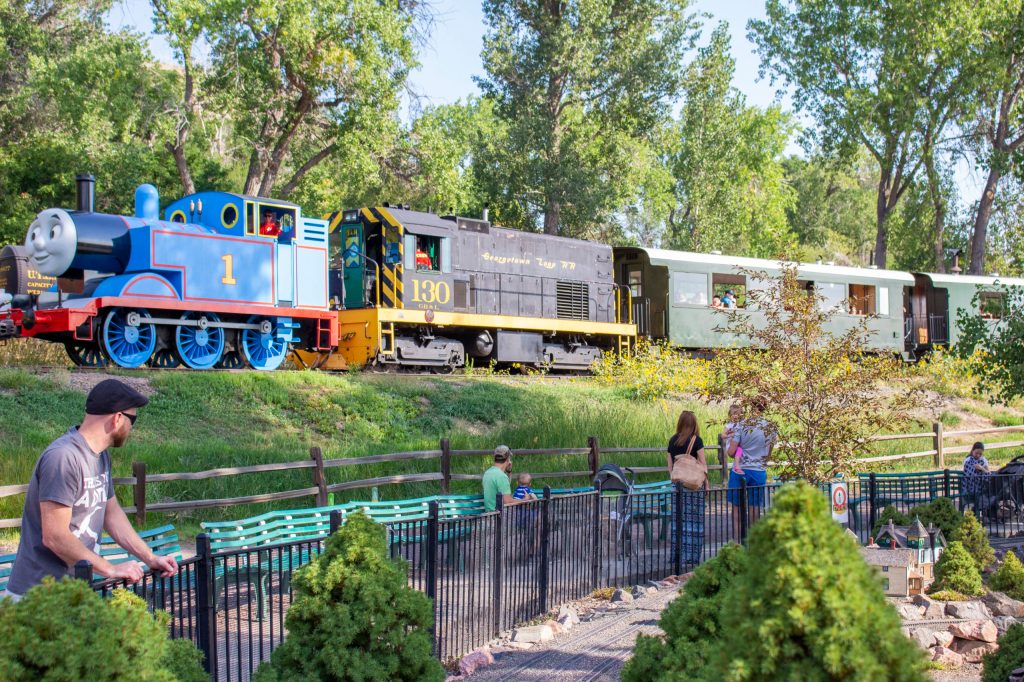
Golden, home to Colorado School of Mines, famous for Coors beer, the Colorado Railroad Museum, and the Mother Cabrini Shrine.
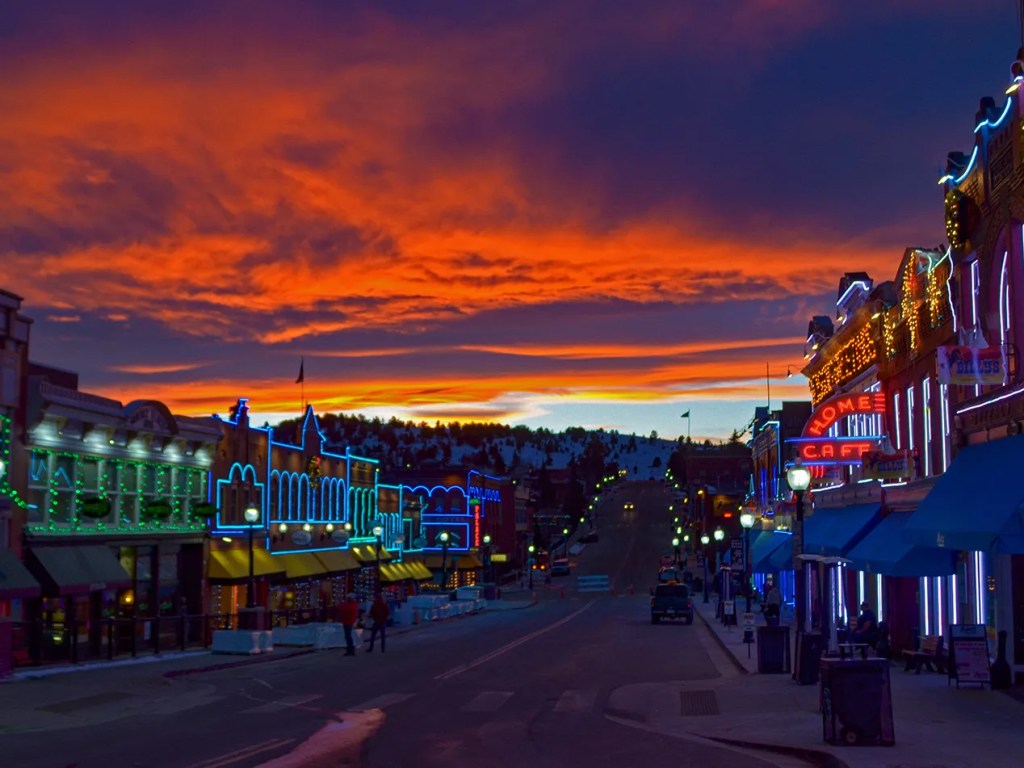
Cripple Creek, known for the song “Up on Cripple Creek,” by the Band (1969):
Up on Cripple Creek, she sends me
If I spring a leak, she mends me
I don’t have to speak, she defends me
A drunkard’s dream if I ever did see one
“Up on Cripple Creek” was written by guitarist Robbie Robertson. The Band performed the song on the Ed Sullivan Show in November 1969, with drummer Levon Helm singing lead vocal.
Turns out Cripple Creek, in the song, is not the tiny town in Teller County, Colorado, where I’m riding in August. Instead, it’s a fictionalized reference to a spot near Louisiana’s Whiskey Chitto Creek.
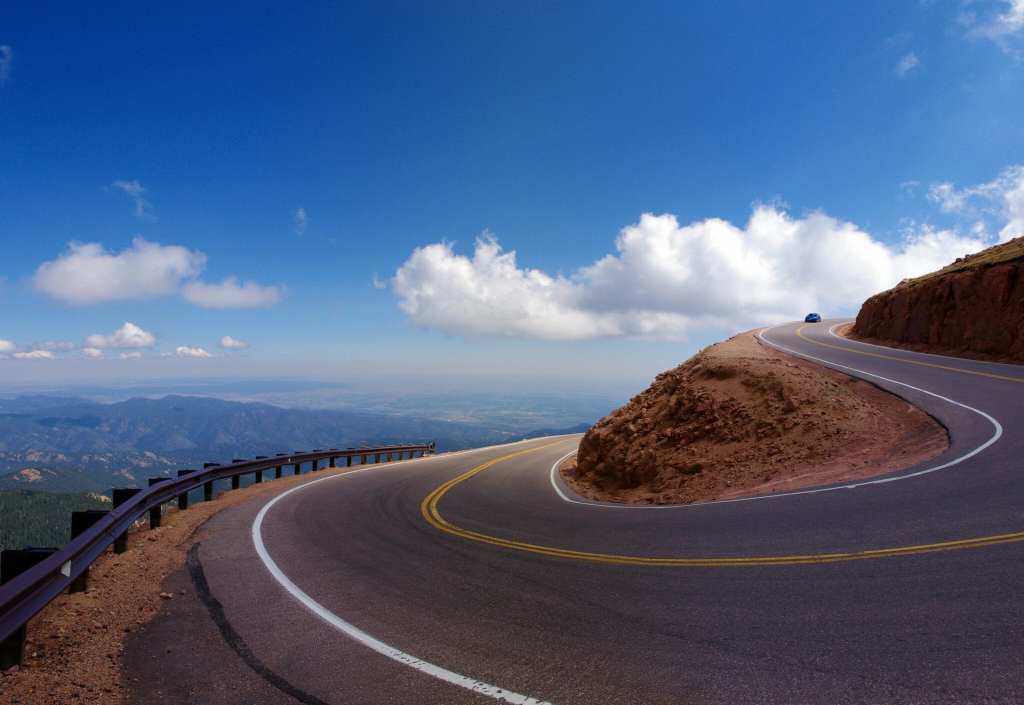
And, Pikes Peak, the fourteener near Colorado Springs you can see from 100 miles away.
***
See you on the road. Beginning tomorrow.
Vroom.
 Riding With Gary