I’m on the famed Hintertux glacier (gletcher), 3,250 meters high in Zillertal, Austria.
It’s a blindingly sunny day. The snow is perfect. I wait patiently in line at the bottom of the long T-bar ride.
Hans is the liftie. He’s a large Austrian right out of central casting, orchestrating the loading from two converging queues.
“Achtung!” he bellows, followed by a lengthy blast of German only the homies could understood.
“Achtung!” gets my attention, which is the whole point of the word, isn’t it?
And I safely board the T-bar. Thanks, Hans.
The Tyrolean Alps stretch for as far as the eye can see.
The word, derived from the German verb achten (to pay attention to), was used in U2’s 1991 album “Achtung Baby.” That usage has given Achtung significant street creed for the past 35 years.
Does anyone out there remember Hogan’s Heroes, a blast from the TV past in the 1960s? Sergeant Hans Schultz, played by Austrian-born actor John Banner, is the lovable, bumbling Luftwaffe guard.
He used “Achtung” as a command for the American POWs to snap to attention.
Achtung, Baby!
***
And So it Begins
Walter Jr watches as the catering truck loads our soon-to-be departing airplane.
My journey gets underway on Feb. 4 at Denver International Airport, where Walter Jr and I board a Lufthansa non-stop flight to Munich.
While he has extensive passenger experience on Harleys, it’s his first time on an airplane. Walter Jr loves every moment, even though we are on an Airbus A350-900.
Blog note: I worked for 20 years at Boeing, Airbus’ only competitor. Airbus was the evil enemy for a time😆.
Hey, it’s a duopoly. We’ll figure out a way to co-exist.
Walter Jr doesn’t care what equipment he’s flying on, or who assembled it. He’s indifferent to who’s piloting the airplane (although screw you, Lufthansa flight crew, as you’ll learn later in this post).
Walter Jr just wants to be on his way to Europe.
Walter Jr pays close attention to the on-board safety announcements.
The nine hour and 35 minute flight encounters headwinds that even a twin-aisle jet can’t overcome. We’ll eventually arrive 25 minutes late. In all, 10 hours in the air.
Walter Jr is oblivious to details like that. He’s simply in awe of the marvel that is modern air travel.
OK, you may wonder, how did this Austrian ski adventure come about?
John looks right at home in downtown Mayrhofen.
My friend and neighbor, John Lund, is a retired attorney from Salt Lake City. He now lives in Carbondale, just down the street from me. John’s been doing these European ski trips for the past five years with his lawyer pals from Utah.
Last fall, he invited me along for the 2026 edition. Sure, John musta mused, let’s see if the old guy has anything left in the tank 🤪
With Sarah’s encouragement and blessing, it took about five minutes to say yes.
Until this week, my last European ski trip was 25 years ago, a journey to Meribel, part of France’s ginormous Les Trois Vallees. With 183 lifts, it’s the largest connected ski area in the world.
The place claims to have 370 miles of ski runs, and it holds special memories for me as the first place I skied outside of North America (1991).
Je ski, donc je suis. (I ski, therefore I am.)
On the road to the Zillertal Alps. Walter Jr keeps a watchful eye on John’s driving.
We’re now on the German Autobahn in a rented Audi A6 wagon, headed for Zillertal, in the Tyrolean Alps. The ski area is almost as freakishly large as Les Trois Vallees, but here the mother tongue is German, not French.
***
About Zillertal
The Ziller River runs through Mayrhofen, where we’ll stay for the next week.
I would call it the Zillertal Valley, but that usage is incorrect. Followers of this blog know I hate imprecise language.
In German, tal means valley. So, Zillertal means Ziller valley.
“Zillertal Valley “ is unnecessarily redundant. There you go, word meisters.
Walter Jr, checking out the street life in downtown Mayrhofen.
Mayrhofen is the main city in Zillertal.
The name Mayrhofen originates from German, combining Mayer (steward, bailiff, or farm manager) and hof (court, farm, or estate). It refers to a “steward’s farm” or a settlement associated with an agricultural administrator, reflecting the region’s historical agrarian roots.
***
Send It!
On the road to the Ziller valley.
We arrive in Mayrhofen after a two and a-half hour drive from Munich.
We’re staying at the Hotel Pramstaller, elegant lodging considerably nicer than anything I ever experience on Harley trips.
The next morning (Feb. 6), we begin the first of six skiing days. I purchase a Zillertal Superski pass (384 euros 💶 for six days) — roughly $450 US Dollars. For 180 lifts!
That’s about the cost of two days of skiing at my home mountain, Snowmass, Colorado. The superski pass gets you all the buses and public transport in the valley, which we’ll use quite a lot. And the most stunning views imaginable.
Here’s how the Zillertal marketing people describe it.
“With 142 perfectly groomed kilometres of slopes, 61 state-of-the-art lifts, and 89% of skiable terrain above 1,700 metres across the entire area on average. Thanks to cutting-edge snowmaking technology, perfect conditions from December to April are our promise to you. You’ll find a ski area that leaves nothing to be desired. Ahorn, Penken, Finkenberg, Rastkogel and Eggalm together form a diverse network of slopes that beginners, leisure skiers and seasoned pros will all enjoy in equal measure.”
Well, that’s marketing crap. I should know. I worked in PR.
The “perfect” conditions left a lot to be desired. Not exactly their fault, to be sure.
After a few weeks without snow ❄️, the conditions were ice-rinky. Fortunately, the gletcher saved the day for us, because the runs in that area generally avoided the freeze/thaw cycle prevalent in the rest of the valley.
Joel snaps a pic of Tom at the top of the glacier, 3250 metres high (10,663 feet).
One run we did not ski is Harakiri, on Mount Penken. At this point in today’s blog post, I’d love to show you John casually wedeling down the run. But my Carbondale friend is a little too smart for that.
The Harakiri is the most demanding slope in Zillertal. With a gradient of up to 78 percent, it’s for experts only. We watched some non-experts try it. It was quite hilarious to see them sideslipping down an almost vertical sheet of ice.
Nothing hilarious about this. Looking good, Tom.
John seems to be enjoying himself. The alpine air is good for the soul.
On the glacier. No idea what the sign says.
A blast of red.
Nice jacket. Purple must be the in color.
Put on your gloves, zip up your jacket, put your phone away, and saddle up, Joel.
***
The Crew
There are 11 of us on this trip, including Walter Jr (how can you not include him?).
Five came from Colorado’s Roaring Fork Valley, the rest from Salt Lake City.
I felt an immediate affinity for the Utah gang, as I spent seven years there — attending the University of Utah (Go Utes!), and working at the Salt Lake Tribune for two years.
Here’s who’s who on the crew:
John. Without my connection to John, I wouldn’t be writing this, because I’d likely be sitting at home in Carbondale eating bon-bons. John’s got a huge heart, always giving back to his community, helping those less fortunate. He served on the HOA board at River Valley Ranch alongside me (he’s still doing it; I retired). John’s a long-time attorney, with very interesting stories to tell. Can wedel with the best of them.
John Lund
***
Tom. A rarity in this group in that he’s still actively working, Tom co-chairs the litigation department at the same law firm (Parsons Behle) where John finished up his career. Looks way younger than he actually is (sunscreen, good genes, or both?). Married to an attorney who is now a juvenile court judge in Salt Lake City. Has the work/life balance thing totally figured out. Enjoys a good beer now and again. And again. Wears the same cool mirrored sunglasses as I do.
Two cool guys with nearly matching dark glasses. That’s Tom Barton on the left.
***
Harry. Excellent skier, life of the party, big personality. Often seen with a camera in his hand, though a bit camera-shy himself. Except for one on-going case he wouldn’t tell us about, he’s retired from the legal world, where he practiced family law. Harry was working on a brief in his spare time during our stay in Austria, more than likely in his own briefs. For the rest of us, like doing homework on a deadline. Is a published author and photographer (Ski magazine).
Harry Caston unleashes his camera.
***
Joel: A former ski racer growing up in La Crosse, Wisconsin, Joel is a blur on the slopes. Dude’s fast; his high school ski team won the state championship! Joel is a recently retired federal bankruptcy judge who practiced bankruptcy law before being appointed to the bench. He was a law school classmate of John’s at the University of Utah (have I said “Go Utes!” yet?).
Joel Marker, ready for a few glacial turns, at a non-glacial pace. Yes, that’s a Mount La Crosse ski pass on his parka. #WisconsinBling
***
Gary D. Beginning with this trip, everyone calls him Gary D, to not be confused with Gary L (me!). Gary D is a retired attorney who practiced banking law at John and Tom’s law firm, and is the elder statesman on this trip (except me; I’m five years older than Gary D). He’s the epitome of laid back.
The Doctormans. Sam (with Mayrhofen Max), and Gary (with Walter Jr).
***
Sam. If you noted a visual similarity in the pic above between Gary D and the young man next to him, it’s because they’re father and son. Sam works in banking, but don’t hit him up for a loan; he’s a behind-the-scenes, back room kind of guy. Sam is recovering from a skydiving accident he’s lucky to have survived.
Mary Jo. Joel’s wife, but that’s not her only claim to fame. Mary Jo taught at the prestigious Rowland Hall school in Salt Lake City for 27 years. Speaks Italian, loves to travel. Did not ski on this trip, but hiked all over the Ziller valley. A fitness maniac with a killer smile.
Mary Jo Marker. Her smile lights up a room.
***
Julie. Another retired attorney, Julie was a long-time juvenile court judge in Salt Lake City. Oh, and she’s married to John. Julie also hiked all corners of the Ziller valley, along with Mary Jo. Interesting connection: when she was a judge, Julie mentored Tom’s wife, who now leads the Salt Lake juvenile judge corps.
Julie Lund and me enjoying a light moment on the Hintertux glacier.
***
Fiona: Julie’s traveling companion, Fiona was at Carbondale’s world-famous Colorado Rocky Mountain School (CRMS) for many years as head of their culinary operations. Along with Julie and Mary Jo, she was part of the Mayrhofen girls’ hiking club. She skied the glacier for part of one day, and if that wasn’t enough of workout, then hiked down the mountain. Oof.
Fiona O’Donnell Pax goes pensive on us before dinner.
***
Gary L. You can read about me on my blog’s “My Posse” page.
Ready for the first run of the day.
***
Walter Jr. You can read about Walter Jr on my blog’s “My Posse” page, too. Yes, Walter Jr has his own internet presence.
Walter Jr enjoys the in-flight camera view from the A350’s tail, looking forward.
***
That’s 11. But wait, there’s more.
Xaver. Pronounced “ZA-vuh,” he was our mountain guide for two days. One day on-piste, another day off-piste. Former ski racer, world-class skier, 37-year-old father of two. Runs his own one-man ski school (they do things differently in the alps). Has branded himself as the Ski Guru. Really fun guy. Full of life. Great hair!
Xaver Kröll, Mayrhofen’s Ski Guru.
***
Maximillian. Walter Jr’s new BFF. Maximillian is a classic Austrian name. We’re gonna call him Mayrhofen Max for short. He’s a lovable bear with an “I ❤️Mayrhofen” sweater. I found him in a souvenir shop on my last day in Austria 🇦🇹.
Mayrhofen Max, a 28 Euro friend for Walter Jr and for me.
***
Walter Tours Downtown Mayrhofen
Wednesday was our last day In Mayrhofen. I’d had plenty of skiing this week, so I took a day off to squire Walter Jr around town.
I’ll have lots of snow time when I get home — 10 days in a row scheduled to teach at Snowmass. Beginning tomorrow! Missing a day of skiing is not tragic.
Here are some snaps of my grey wolf buddy exploring downtown Mayrhofen.
On the main shopping street in Mayrhofen.
At a ski shop, checking out the merchandise.
The Main Street is dottted with ski schools. It’s a different business model than at US resorts.
Walter Jr seems to be interested in a lesson. Can I help you, buddy?
Goggles, tres chic.
Maybe a monoski could be fun.
At the base of the Penkenbahn lift, Walter Jr contemplates the mountain map.
Keeping an eye on the gondola cars at the base of the Penkenbahn.
***
A Traveler’s Nightmare
For tens of thousands of travelers across Europe and beyond (including John, Julie, and me), Feb. 12 is a day of grounded dreams and logistical nightmares.
What began as a simmering pension dispute with flight and cabin crews has boiled over into a coordinated 24-hour strike, leaving Lufthansa’s primary hubs in Frankfurt, Munich, Hamburg and Berlin eerily quiet while departure boards glow with the dreaded red text of “Cancelled.”
We learned of this shitstorm mid-day yesterday after receiving a text from Lufthansa, telling us our flight had been cancelled. Are you freakin’ kidding me?
The strike has effectively paralyzed the German flag carrier’s mainline operations. Screw you, Lufthansa.
The cancellations are affecting an estimated 200,000 passengers. Imagine trying to get through to Lufthansa customer service to rebook 😆. It wasn’t easy.
Screw you, Lufthansa🖕
***
A Silver Lining
The 787: Completing my Boeing airplane bingo card.
The good news about the strike, if there was any: I was eventually rebooked on a United flight from Munich to Chicago and on to Denver. I’m on that flight right now.
Instead of Lufthansa’s A350 nonstop to Denver, I’m going Boeing 787! So what if it stops at O’Hare for a three-hour layover and connection.
The 787 Dreamliner is Boeing’s long-range state-of-the art twin-aisle jetliner, and until today, I’d never flown on one. I was once a bit of an aviation nerd. It’s good to be able to finally complete my Boeing airplane bingo card — 707, 727, 737, 747, 757, 767, 777, and now 787. I’ve flown on them all!
Walter Jr keeps an eye on our United 787 before we board it.
The 787 program was launched in 2004, when Sarah and I both still worked for the big ol’ airplane company.
After a shit-ton of expensive delays, billions in write-offs, unforced errors, self-inflicted wounds, branding nightmares, and a very troubled beginning, the 787 entered operational service in 2011.
Fifteen years later, I finally get my first ride.
***
Aboard my first 787 flight.
As I write this, I’m sitting in seat 39D (aisle), en route to Chicago from Munich.
I’ve written this entire missive on my iPhone, mid-flight, fat fingers tapping away for your entertainment pleasure. You’re welcome.
As I reflect on the past week, I owe some big thanks:
Thank you to Sarah for giving me yet another hall pass (she does it every summer for my Harley trips).
Thank you to John, for inviting me to join his team.
And, thank you to John’s attorney buddies for being so welcoming — Tom, Harry, Joel, and Gary D. I am, after all, a foreign object inserted into their well-oiled travel machine.
I’m fine being the token non-lawyer in the group. I now know who to call if I ever get into trouble.
***
Post Script, and Awards
I’m gonna wrap up this post with a few awards. These honors are completely subjective, but hey, it’s my blog. I’m the final arbiter of good taste.
Best Ski Run: Anything on the glacier. The glacier was a godsend this week: without it, we would have been in ice rink mode all over Zillertal — everything but the Zamboni. Ice, ice, baby.
At the Hintertux glacier’s viewing area. That’s the Olperer peak in the background — 11,404 feet high.
Best Meal: Our final night as a party of 10, at the Perauer Hotel, a 15-minute walk from the Pramstraller. It’s the Number 1 restaurant in Mayrhofen, as judged by both Yelp and TripAdvisor. From ambience to service to presentation, and of course, food — our entire two hours was a chef’s kiss 🧑🍳
Julie and Fiona look over the menu at the Perauer Hotel restaurant. They settled on sharing fondue.
My barbecued veal ribs, potatoes (kartoffels), and cole slaw. Best meal of the week.
My signature “ribs-are-all-gone” move. Followers of this blog have seen this before.
Julie gets a fork full of fondue cheese.
Best Dessert: Gotta be Streudel. Apple Streudel. Pretty sure I had six separate servings, at six different settings, including the Munich airport this morning. All were memorable. Sarah has enticed me to come home by promising to find a Streudel recipe and make it for my birthday 🎂 in two weeks.
Apple Streudel with whipped cream.
Apple Streudel with vanilla glaze.
Best Schnitzel: Hard to say. I think I had five of them, two at lunch and three dinners. I promised myself I wouldn’t leave any schnitzel on the table, and I didn’t.
Mid-day schnitzel on the mountain.
Best Memory: A beautiful 20-something German college student from Stuttgart I rode with on the chairlift one day. She said exuberantly, “I love your purple jacket. It’s beautiful.” Back atcha, fraulein. John was with me and can vouch for this story.
Love the purple parka. Ees beautiful, ya?
Best Acquisition: Walter Jr’s new BFF, Maximillian (a classic Austrian name), who I found while souvenir shopping just yesterday. We’ll call him Mayrhofen Max, for short. A great use of the last 28 Euros 💶 in my pocket.
Mayrhofen Max relaxes with a Pils before dinner.
Best Photobomb: On the Hintertux glacier, where all good things are possible, Fiona added a special touch, making her only day on skis 💯 percent worthwhile.
Say cheese!
Best Five-course Dinner: The Hotel Pramstraller, where we ate last night. If you’re on the “half-board” program (I wasn’t), you get the five-course treatment every night!
Course #2 of our five-course dinner: carrot ginger soup. Other courses Wednesday night included salad, prawn and avocado mash, schnitzel and fries, and ice cream with fruit.
Best New (for me) Drink: Bombardino. A magical mix of Italian egg liquor (Advocatt) and brandy. Served hot with whipped cream on top, and garnished with cinnamon or cocoa powder. Very popular in Italy, especially at ski resorts.
Mid-day Bombardino.Yesssss!
Most Commonly Consumed Beverage: Beer. All sizes and types. All times of day. Except breakfast.
Our exploration of the Black Hills begins by taking us to the Mount Rushmore National Memorial, 25 miles from Rapid City. We ride the Needles Highway, named for its needle-like granite formations. A highlight of the Black Hills is Iron Mountain Road, a 17-mile stretch of paved paradise featuring 314 curves, 14 switchbacks, and three pigtail bridges. No visit to the area would be complete without exploring Custer State Park and its Wildlife Loop Road, where we see free-roaming buffalo cross the road. Today’s journey: 135 miles, our shortest yet, but it is the quintessential Black Hills riding experience.
Walter Jr checks out the presidential view at Mount Rushmore.
The flag of every US state and territory is on display as we arrive.
Walter Jr almost didn’t get onto the grounds, but I convinced the staff that they should make an exception, because he’s my comfort animal.
The weather was perfect for a morning selfie.
Yes, it was.
Walter Jr posed, because he hasn’t had selfie training yet.
One last pic of the flags and the presidents, and we’re off.
Mark pauses on the Needles Highway before going through the one-lane Needles Tunnel.
Walter Jr keeps an eye on the tunnel, and lets us know when it’s our turn to go.
The one-lane tunnels on Needles Highway and Iron Mountain Road are beautifully engineered, and a bit claustrophobic.
On the Wildlife Loop in Custer State Park, there are bison (buffalo) all over the place.
At the Peter Norbeck Overlook, we’re midway between Custer State Park and Keystone.
Walter Jr had an overlook of the overlook sign.
And in Keystone, about 25 miles before the end of our day, he watches over the Main Street, where we got ice cream cones.
It was nearly 100 today, and Walter Jr needed some cold iced tea. So we stopped at a restaurant to wet his whistle and grab dinner. He was my dining companion again, as Mark opted for Subway. I didn’t take it personally, and neither did Walter Jr.
Dinner at Sickies Garage in Rapid City. Boneless wings.
On Day Nine of our trip, today’s ride is the shortest yet. From Billings to Cody, Wyoming — where our day ends, it’s only 174 miles. But along the way, we experience the #2 ride on my Top Ten List — the Beartooth Highway and Chief Joseph Scenic Byway. In Red Lodge, our final Montana stop, we begin the journey up to 10,947-foot Beartooth Pass, described by Charles Kuralt as “the most beautiful drive in America.” Then, we join the Chief Joseph Highway, which takes us through the Absaroka Mountains and into Cody, home of the Buffalo Bill Museum.
Third time I’ve been on the Beartooth Highway. Today was the first time it didn’t rain.
Beartooth Highway is the hardest, most difficult road I’ve ever ridden. On a trike like Clarence’s, it’s a full-on upper body workout. If Clarence wasn’t in shape before, he is now.
WTFO, Mark Mark?
We turned off of the Beartooth Highway onto the Chief Joseph Scenic Highway. The CJSH was awesome, too.
Clarence has become quite fond of Walter Jr.
And yet … Walter Jr feels most at home on my Harley.
While yesterday was this trip’s shortest ride, today will be the longest: 319 miles. On Day Six of this year’s journey, we ride north, within a few miles of Canada, before heading south along Lake Koocanusa and through the Kootenai National Forest. We ride a large counter-clockwise loop, through the towns of Eureka, Plains, and Libby — before ending at tonight’s destination, Polson — located at the south end of Flathead Lake. It’s the largest freshwater lake west of the Mississippi, and a haven for lovers of Montana’s Flathead cherries grown in the area. Fruit stands are everywhere. Cherries, anyone?
On Day Two, we ride through four states — Colorado, Idaho, Utah and Wyoming ––and end up at the world’s largest elkhorn arch. The Afton, Wyoming, arch is 18 feet tall, 75 feet wide and is composed of 3,011 intertwined elk antlers. Along the way, we pass through little-known coal mining community Kemmerer, Wyoming, where JC Penney was founded in 1902. The day’s highlight is the Flaming Gorge Dam, which produces more than 344 million kilowatt hours of power each year, and is famous for 30-pound trophy lake trout. Fun fact: Utahns pronounce it, “Flaming Garge,” which rhymes with Large.
In a motel in Riggins, Idaho — after dinner. This is how I write blog posts at the end of a long day on the road. It’s not easy to be verbose with an iPhone. (June 2022)
“I would have written you a short letter, but I didn’t have time, so I wrote you a long one.“
This infamously mis-attributed quote highlights the importance of brevity and editing in writing. I should know. I’m a writer. And I muffed the quote.
The actual quote is, “If I Had More Time, I Would Have Written a Shorter Letter,” and people think it came from Mark Twain. Or Thoreau. Or Churchill. Or Albert Einstein. Even Oscar Wilde.
Nope. It didn’t.
The earliest recorded use of the quote comes from French mathematician and philosopher Blaise Pascal’s work “Lettres Provinciales” in 1657. Written in French, the quote says, “Je n’ai fait celle-ci plus longue que parce que je n’ai pas eu le loisir de la faire plus courte.“
Translated to English, the actual quote is “I have made this longer than usual because I have not had time to make it shorter.”
Blaise Pascal: You want it shorter? Give me more time.
Two hundred years later, in 1857, essayist and philosopher Henry David Thoreau used a variation on the quote in a letter, saying, “Not that the story need be long, but it will take a long while to make it short.”
And, in 1871, writer and humorist Mark Twain included a version of the quote in a letter to a friend. He wrote, “You’ll have to excuse my lengthiness — the reason I dread writing letters is because I am so apt to get to slinging wisdom and forget to let up. Thus, much precious time is lost.”
You get the idea. Good writing is hard.
Why is this even blog-worthy?
Bike is clean, packed, and ready to go.
Tomorrow (Sunday), I leave on my annual summer Harley trip. Two friends from the Roaring Fork Valley, Clarence Blackwell and Mark Mark Thompson, will be joining me. (To learn about them, click on “My Posse,” and scroll down til you find their bios.)
This pre-departure missive you’re now reading is my 200th blog post. Two hundred!
That milestone got me to thinking: what kind of blog stats have I amassed since I began this craft in 2009?
So, I did some research, reviewing every post since then. Here’s what I discovered:
I have diarrhea of the keyboard.
Since 2009, I’ve written more than a third of a million words. 340,266 to be exact. Of that total, 31,419 of those words were in photo captions, to support the 2,846 photos I’ve posted.
How do I know all this? Let’s just say I used technology to help with the counting. I assure you the numbers are correct.
(For context, Leo Tolstoy’s War and Peace, which took six years to write, comes in at a whopping 587,287 words. It has 365 chapters, one for every day of the year. So maybe, by comparison, I’m a bit of a keyboard slacker.)
In waltzing down memory lane, and looking at all 199 of my previous posts, I realized a few things. First, it’s been quite a ride. And, as with many things in life, clear favorites emerged. Some rides are better than others. Many border on epic.
I began to notice patterns.
One of the patterns: I smile a lot, because I’m having a good time, hanging with good friends, and riding spectacular routes. Here, I’m with Scott, Dave, Jim and John. That’s the Golden Gate Bridge in the background, part of our ride along the Pacific Coast Highway, from the Canadian Border to Southern California. (July 2019)
Many of my favorite rides coincided with routes universally recognized as “best-ins,” as in Best-in-the-West, Best-in-the US, Best-in Colorado.
This blog post identifies my own Top Ten.
What follows are my Top Ten Best Rides over the past 15 years, based on scenery, ride enjoyment, road quality and other intangible factors.
Pretty subjective stuff, for sure. So, how do you know what a great ride is? Um, you know it when you ride it. (Similar concept to Supreme Court Justice Potter Stewart’s 1964 test for obscenity: “I know it when I see it.”)
That’s me in Spearfish Canyon, in South Dakota’s Black Hills. It’s a beautiful ride that somehow did not make my Top Ten. You know it when you ride it. (August 2017)
If any of this gives you ideas for your own travel, great. Go for it! Or, live vicariously through my riding and writing. Up to you.
This post is a tidy 15,058 words, including photo captions, of course. I just couldn’t forgive myself for leaving out details you might enjoy.
After this post, and for the next few weeks, my challenge will be brevity. But how?
Terse, Tight and Telegraphic, as I learned in journalism school. Trim the fat. Delete words that mean little or nothing. Less is more (thanks, Ludwig Mies van der Rohe!). Replace a phrase with a word. Use the active voice. Write with verbs (rather than saying “make a decision,” just say “decide.”) Use straightforward language. Avoid jargon. Revise ruthlessly. Harshly criticize everything you write, as you write it. Use as few words, sentences and paragraphs as possible. Then stop. Write like a human (no offense, ChatGPT). Be authentic. Be respectful of your readers’ time. Write with economy.
All good ideas.
So, for the next few weeks, I commit to keeping each day’s post to less than 100 words. Starting tomorrow. Hold me accountable. Yes, you heard me correctly. Less than 100 words each day. I can do this!
But until tomorrow, for the rest of this post, I’ll be as verbose as I wanna be.
Now, in the spirit of “If I Had More Time, I Would Have Written a Shorter Letter,” here goes.
***
Gary’s Top 10 Rides!
Honorable Mention:
Cottonwood Pass, one of the many Colorado high mountain passes earning Honorable Mention. We’ll call Cottonwood Pass is part of what I call the “Colorado Pass-a-Palooza.” (June 2023)
Colorado Pass-a-Palooza
Cottonwood Pass. 12,126 feet (Gunnison County Road 742 and Colorado Highway 306)
Lizard Head Pass. 10,222 feet (Colorado Highway 145)
Independence Pass is part of the Colorado Pass-a-Palooza that earned Honorable Mention for my Top Ten best rides. (June 2018)
Also earning Honorable Mention:
Angeles Crest Highway (California Highway 2)
Death Valley National Park (California Highway 190)
Avenue of the Giants (California Highway 254)
Tail of the Dragon (North Carolina, US Highway 129)
Unaweep / Tabeguache Byway (Colorado Highway 141)
Needles Highway (South Dakota Highway 87)
Iron Mountain Road (South Dakota, US Highway 16A)
North Cascades Highway (Washington Highway 20)
Monument Valley (US Highway 163)
Washington State’s North Cascades Highway, Honorable Mention on my Top Ten. (July 2019)
Death Valley National Park, also earning Honorable Mention. It was well over 100 degrees at Stovepipe Wells. (May 2022)
Monument Valley, another Honorable Mention. The road was pretty basic, but the scenery was other-worldly. (May 2023)
***
And now … the Top Ten!
#10. Lolo Pass
Jim, Dave, Randy and me along the Clearwater River, heading down Lolo Pass. (June 2022)
Beginning in Kooskia, Idaho, the road over Lolo Pass runs for 132 spectacular miles along the Clearwater and Lochsa Rivers, ending of course, in the town of Lolo, Montana. It’s part of the Northwest Passage Scenic Byway.
I’ve ridden this road twice -– in 2021 from West to East, and in 2022, from East to West. Either direction is a motorcyclist’s fantasy.
Kooskia marks the beginning of the Lolo Pass Highway, known among Harley fanboys as one of the top rides in the country. From Kooskia, it’s 100 miles to Lolo Pass, and 32 more to the town of Lolo.
So, you should do what all smart Harley riders do, and turn east on Highway 12, beginning the journey to Lolo Pass. Where the ride begins, the road is Idaho Highway 12 (also known as the Lewis and Clark Highway); it becomes Montana Highway 12 after crossing Lolo Pass into Montana.
You’ll follow Highway 12, and the Clearwater River, east.
Heading east toward Lolo Pass. (July 2021)
Fifteen miles later, you arrive in the tiny town of Syringa, named for the shrub that grows in the area. It’s also the Idaho state flower. Syringa is a woody shrub with clusters of white, fragrant flowers. Native Americans found many uses for syringa; the wood was used to make pipe stems, harpoon shafts, bows, arrows, root digging sticks, and snowshoes. The bark and leaves of syringa were used to make soap.
The town of Syringa is in the Nez Perce – Clearwater National Forest, which you’ll ride through for the next three hours, until you arrive at Lolo. Most of the path of the Lolo Pass Highway runs along the Clearwater and Lochsa Rivers.
Your journey will be much easier than the Lewis and Clark Expedition’s. In 1805, they descended the Clearwater in dugout canoes.
In the town of Lowell, population 30, the Middle Fork of the Clearwater River becomes the Lochsa River. Lochsa (pronounced LOCK-saw) is a Nez Perce word meaning rough water. Kayakers and whitewater rafters run the Lochsa, generally between April and June.
Randy and I enjoy a light moment on our way toward Lolo Pass. (July 2021)
You’re now following Highway 12 along the Lochsa River’s north bank. This roadway, completed in the early 1960s, was one of the last two-lane US highways built.
You won’t see much for the next two hours, until you arrive at Lochsa Lodge, constructed in 1929 for hunters. Sportsmen traveled by trail from Missoula, Montana, and from Kooskia, Idaho, to stay at the lodge, before Highway 12 was built.
Lochsa Lodge is one of the few places on the Lolo Pass Highway where food and beverage is available. Their signature dish: blackberry cobbler, a la mode.
From Locha Lodge, it’s 13 miles to Lolo Summit, sitting on the border between Idaho and Montana at an elevation of 5,233 feet. It’s the highest point on the historic Lolo Trail, which was used by Nez Perce in the 18thcentury, and the Lewis and Clark Expedition, on their westward snowbound journey in September 1805.
Lewis and Clark came here. So can you.
The Lolo Trail is a National Historic Landmark, designated for its importance to the Lewis and Clark Expedition, and its role in the 1877 Nez Perce War.
There are different stories as to where the name Lolo came from. The name Lolo was not used by Lewis and Clark. Its first known mention is in the 1810 journal of David Thompson, who described three fur trappers, probably of French descent: Michael, Lolo and Gregoire.
From Lolo Pass atop the Bitteroot Range, you descend about 3,000 feet over the next 32 miles until arriving in Lolo, Montana. Lolo is home to Travelers’ Rest State Park, where Lewis and Clark camped in 1805 and 1806. The Lewis and Clark expedition party included 27 unmarried soldiers, a French-Indian interpreter, and a contracted boat crew — 45 people in all.
Lewis, Clark, and their fellow expeditioners, found the area that is now Travelers’ Rest State Park a relaxing place to hang out. For them, it was ideal to stop, rest, hunt and repair their gear before tackling the trip over Lolo Pass. Today, the park is distinguished for being the only archaeologically verified campsite of the Lewis and Clark expedition.
Roadside pizza stop, heading west on Lolo Pass. The pizza was left over from the previous night’s dinner at MacKenzie River Pizza in Polson, Montana. (June 2022)
The road over Lolo Pass, 132 miles in all, ends in Lolo, population 4,000. More than likely, if you’re riding West to East, you’ll continue for ten miles to Missoula, Missoula, and find a place to stay. When I rode Lolo Pass from East to West, in 2022, I kept riding past Kooskia for 66 miles, and overnighted in the fishing town of Riggins, Idaho.
The Going-to-the-Sun Road through Glacier National Park is one of a kind.
If you’re of a certain age, get out your lifetime National Parks pass. You’ll use it to ride the world-famous Going-to-the-Sun Road, which takes you through Glacier National Park.
The 48-mile ride begins in West Glacier, Montana, and ends in St. Mary, Montana.
In West Glacier, you’ll turn off of US Highway 2, onto Glacier Route 1 Road, more commonly known as the Going-to-the-Sun Road.
I rode this route in 2021, West to East. In 2024, I’ll ride it from East to West. Either way you do it, you’re gonna be blown away.
My description below of the road is from a West-to-East perspective.
West Glacier sits at the west entrance to Glacier National Park. You’ll enter the park here and head for the visitor center in Apgar, two miles away, on the southern end of Lake McDonald.
Apgar is one of the main villages in the park. In addition to the visitor center, it has a restaurant, gift shops, boat rentals, and the largest campground in Glacier National Park. Apgar also has a reservation center for Red Bus Tours.
Apgar Village is the starting point for almost all Red Bus Tours. These buses are better known as Red Jammers. The fleet of 33 Red Jammers in Glacier National Park is widely considered to be the oldest touring fleet of vehicles anywhere in the world.
When the park opened in 1910, it had just a few miles of rough wagon roads, and the primary mode of transportation was the railway, which took affluent guests to luxurious chalets. Officials convinced local businesses and Congress to support a trans-mountain road through the park.
Construction on the Going-to-the-Sun Road began more than a century ago.
Construction of the road, now known as the Going-to-the-Sun Road, began in the 1920s and was completed in 1933. While a modern marvel at the time, park officials quickly realized many motorists were terrified of driving on it. They contracted White Motor Company of Cleveland, Ohio to produce a fleet of buses to be piloted by expert drivers.
The buses, with their roll-back convertible tops, leave Apgar and head for the Going-to-the-Sun Road. The Red Jammers are the vintage White Motor Company/Bender Body Company Model 706 buses that have transported park visitors since 1936. They’re called “Reds” for their distinctive livery, painted to match the color of ripe mountain ash berries.
The bus drivers are called “jammers” because of the sound the gears made, back in the day, when the driver shifted on the park’s steep roads. The “jamming” sound came from the unsynchronized transmissions, where double clutching was required to shift gears prior to a 1989 fleet retrofit that added automatic transmissions.
For you Millennials and others too young to remember unsynchronized transmissions (or shifting at all), double clutching involves manually matching the engine speed with the speed of the driveshaft. It’s harder than it looks and sounds, but unless you’re driving Grandpa’s vintage Model T, this is a skill you don’t need these days.
Red Jammers. Double clutch away.
Double clutching is a lost art.
Nearly all transmissions today are automatic, and of those that do call for shifting, nearly all have synchronized gearboxes. Amazing that Millennials look so puzzlingly at that pedal to the left of the brake. Yes, the clutch.
Beginning in 2019, Legacy Classic Trucks, based in Driggs, Idaho, started restoring and updating each bus with a new Ford chassis and Ford 6.2 liter V-8 engine, including a hybrid electrical system — to increase fuel economy and lower emissions.
Vroom!
Red Jammers are a fixture in Glacier National Park.
Leaving Apgar, you begin your journey east on the Going-to-the-Sun Road.
It’s a spectacular ride along the eastern shoreline of Lake McDonald, the largest lake in the park. The high alpine lake is 10 miles long and nearly 500 feet deep. It was once occupied by massive glaciers that carved this area thousands of years ago.
Just as the Red Jammers take tourists through the park on the Going-to-the-Sun Road, a fleet of classic wooden boats is available to explore the park’s major lakes. The boats are part of the Glacier Park Boat Company.
A 57-foot boat, DeSmet, has been cruising Lake McDonald since the 1930s. The DeSmet, a carvel-planked vessel with cedar on an oak frame, can carry up to 70 passengers. The boat, named after Father Pierre DeSmet, a prominent Jesuit missionary in the area, has never left Lake McDonald since being launched here almost a century ago.
The DeSmet, plying the waters of Lake McDonald for nearly a hundred years.
Similar boats ply the waters of the other major lakes in Glacier National Park: The Sinopah on Two Medicine Lake, Little Chief, and Joy II on Saint Mary Lake, the Morning Eagle on Lake Josephine, and Chief Two Gunson Swiftcurrent Lake.
Each fall, the boats are lifted on a cradle-and-track system, and moved into custom boathouses built specifically for each boat. The vessels are closed up, protected against the brutal Glacier Park winters, and then re-launched every spring for the summer tourist season.
The DeSmet begins its tours of Lake McDonald at historic Lake McDonald Lodge. The lodge, built in 1913, sits on the southeast shore of the lake. It’s a National Historic Landmark. Artist Charles Russell was a frequent at the hotel in the 1920s, and is believed to have etched pictographs in the dining room’s original fireplace hearth.
Six miles past the Lake McDonald Lodge is the Trail of the Cedars, a short, easy trail mostly on boardwalks and flat ground. The trail is named after the towering trees you’ll hike beneath. This cedar forest, resembling the ecosystems of the Pacific Northwest, is the only one of its kind in in the park.
There’s nothing like the beauty in Glacier National Park, but you can pretty much say that about all the national parks.
All national parks are distinguished by their unique natural beauty. How do you even begin to compare Grand Canyon, Yosemite, Yellowstone, Zion and Grand Teton? Naturalist John Muir, known as the “Father of the National Parks,” summed up his view of Glacier National Park in a simple thought.
“It is the best care-killing scenery on the continent.”
Care-killing scenery.
Glacier National Park encompasses more than one million acres, and it borders Waterton Lakes National Park in Canada. The two parks are known as the Waterton-Glacier International Peace Park and were designated as the world’s first International Peace Park in 1932.
Glacier is the eighth-most visited of the national parks, with about three million visitors a year. It’s so popular, that you now need a $30 “timed-entry” ticket, an advance reservation you book through recreation.gov, to ride the Going-to-the-Sun Road. At least you need one going West to East. If you ride East to West, no timed pass required; it’s the park service’s way of encouraging you to enter the park at St. Mary, rather than West Glacier.
One of the few remaining glaciers in Glacier National Park. Soon, there will be none left.
In the mid-19th century, about 150 glaciers still existed in the area that is now Glacier National Park. By 1910, only 25 active glaciers remained. Scientists studying the glaciers in the park believe all the active glaciers in the park may disappear over the next ten years. Global warming is real. Glacier National Park’s name will outlive its glaciers.
The first major vista on the 51-mile long Going-to-the-Sun Road is Red Rock Point, a popular pullout on the north side of the road. Eight miles beyond Red Rock Point is The Loop, where the road makes a tight hairpin turn. It’s the lone switchback on the Going-to-the-Sun Road, marking the beginning of the narrow, carved-into-the-mountainside portion of the road.
The Loop, on a peaceful summer day.
At first, the road’s surface was crushed gravel. It wasn’t until 1952, 20 years after opening the Going-to-the-Sun Road, that the entire road was paved.
Building the road was a feat of engineering because the many obstacles faced by engineers and laborers during its construction road. Sheer cliffs, short construction seasons, 60-foot snowdrifts and tons of solid rock made road building across the Continental Divide a unique challenge.
The road is narrow and winding. As a result, vehicles going over the highest portions of the roadway are limited to 21 feet in length and 10 feet in height, due to overhanging rocks. For comparison purposes, 12,095-foot Independence Pass, east of Aspen, restricts vehicles to no more than 35 feet in length.
Because of the intense winters and heavy snowfall, the Going-to-the-Sun Road generally opens in late June or early July, and closes the third Monday of October. It’s a short season, but well worth the wait.
The Going-to-the-Sun Road has been fittingly recognized for its epic nature.
It’s on the National Register of Historic Places. And, it’s a National Historic Civil Engineering Landmark -– joining such structures and accomplishments as the Brooklyn Bridge, Cape Hatteras Lighthouse, Grand Central Terminal and Captain George Vancouver’s Mapping of the West Coast of North America.
Logan Pass is unmistakable.
A few miles east of The Loop is Logan Pass. At 6,646 feet, it’s the highest point on Going-to-the-Sun Road. The pass is named after William R. Logan, the first superintendent of the park.
Logan Pass offers breathtaking scenery amid what’s called “the backbone of America,” the Continental Divide. As you work our way toward the east end of the park, you’ll approach 9,647-foot Going-to-the-Sun Mountain. It’s just a mile or so from the Logan Pass Visitor Center.
Your descent from Logan Pass takes you toward St. Mary Lake, the second-largest in the park, after Lake McDonald. The Going-to-the-Sun Road runs along the lake’s north shore.
The lake is nearly 10 miles long, and when you reach the eastern end of it, you arrive at the town of St. Mary, home to the St. Mary Visitor Center. Saint Mary marks the end of the Going-to-the-Sun Road.
Remember Father DeSmet, the Jesuit missionary, and the inspiration for naming the Lake McDonald boat, DeSmet. Well, he also had a hand in providing the name for St. Mary.
Once upon a time, Father DeSmet was caught in a heavy fog coming off of Divide Mountain, When the fog cleared, the first thing he saw was the face of Saint Mary. He was able to use this as a landmark to help guide himself down to St. Mary Lake. Divine inspiration? It’s a good story, anyway.
Dave and yours truly, just outside the park. (July 2021)
From St. Mary, you can turn south on US Highway 89 and ride 30 miles to East Glacier Village, home to historic Glacier Park Lodge. It’s a good place to park the bikes, find your room, grab a cold beer, and call it a day.
At the end of the Blue Ridge Parkway, and the start of Skyline Drive. (June 2011)
The Blue Ridge Parkway runs 469 miles from Cherokee, North Carolina, to Front Royal, Virginia. If you want to keep riding, and I did, you can continue on Skyline Drive for 105 additional miles through Shenandoah National Park.
I rode this route twice, in 2011 from South to North — and in 2012, from North to South. Both times I was with Ray Sanders, my riding mentor, who lived not far away in Farragut, Tennessee. Ray died in 2022.
The Blue Ridge Parkway, known as “America’s Favorite Drive,” runs mostly along the Blue Ridge Mountains, a major mountain chain that’s part of the Appalachian Mountains. The Parkway includes the Great Smoky Mountains, the Balsams, the Pisgahs, the Craggies, and the Black Mountains. This place seems to have been constructed for motorcycles.
The Blue Ridge Parkway was actually built to connect Shenandoah National Park to the Great Smoky Mountains National Park. The Blue Ridge Parkway was constructed in the 1930’s as part of the New Deal programs President Franklin D. Roosevelt implemented to put Americans back to work following the Great Depression.
The Civilian Conservation Corps did great things for America, including the Blue Ridge Parkway.
It began as a Civilian Conservation Corps project in the 1930s, and took more than 52 years to complete. Originally called the Appalachian Scenic Highway, construction began on September 11, 1935. During World War II, Civilian Conservation Corps crews were replaced by conscientious objectors in the Civilian Public Service program.
The Civilian Conservation Corps ran from 1933 to 1942 as part of FDR’s New Deal. It provided unskilled manual labor jobs related to the conservation and development of natural resources in rural lands owned by federal, state and local governments. The CCC was designed to provide employment for young men who had difficulty finding jobs during the Great Depression.
Over the program’s life, some 2.5 million young men participated. Among the Civilian Conservation Corps’ most famous alumni: actors Raymond Burr, Robert Mitchum and Walter Matthau; test pilot Chuck Yeager; and baseball players Stan Musial and Red Schoendienst. One of the most spectacular and enduring legacies of the CCC’s efforts is the Blue Ridge Parkway.
The Parkway is the most visited unit in the National Park System. It welcomed 16.7 million people in 2023.
This is one of the last sections built, to complete the parkway — near Grandfather Mountain, North Carolina.
The Civilian Conservation Corps did not construct the entire Blue Ridge Parkway. The final stretch of the Parkway was completed around Grandfather Mountain, North Carolina, in 1983. The Parkway is entirely in two states: Virginia (our ride today) and North Carolina (our ride tomorrow). Its highest point is 6,053 feet on Richland Balsam Mountain. The speed limit is never above 45 MPH, which is a good way to guarantee a leisurely and safe ride.
There are 26 tunnels constructed along the Blue Ridge Parkway. On is in Virginia and the other 25 are in North Carolina.
The Blue Ridge Parkway is a great place to spend time on two wheels.
The Parkway makes its way through 29 counties of Virginia and North Carolina, across streams, railway ravines, and cross roads with six viaducts and 168 bridges.
There are more than 200 overlooks along the Parkway. Some have spectacular scenic vistas; others just are small parking lots looking head-on at trees. The views may have been good when the Parkway was built, but the trees have grown up over the past 70-or-so years, all but destroying some views. But if you’re selective, you can easily find overlooks worth seeing.
The parkway has been the most visited unit of the National Park System nearly every year since 1946. Land on either side of the road is owned and maintained by the National Park Service, and in many places parkway land is bordered by US Forest Service property.
On my rides through the Blue Ridge Parkway, I allowed three days to complete the journey. You could do it in less time, but what’s your hurry?
At Blowing Rock, along the Blue Ridge Parkway. (June 2011)
At a pull-out, just below the highest point on Trail Ridge Road: 12,183 feet. (August 2017)
I’ve ridden Trail Ridge Road four times, and once, continued on to Mount Blue Sky (formerly Mount Evans) in the same day. This ride combined the highest paved road in North America (14,265 feet) with the highest continuously paved road in the US (12,183 feet). Talk about a Rocky Mountain High! It was a 133-mile thrill ride.
Trail Ridge Road, US Highway 34, begins in Grand Lake, Colorado, winds its way for 48 miles through Rocky Mountain National Park, and ends in Estes Park, Colorado.
It took the Civilian Conservation Corps from 1929 to 1932 to build the road, because heavy snows kept them from working more than three months a year.
Trail Ridge Road gets a lot of snow. You don’t need a measuring device to figure that out.
As you might guess, it’s closed during the winter. Trail Ridge Road usually opens in late May, and closes around Columbus Day in October, when the National Park Service gives up fighting the snow and turns the road back to Mother Nature for the winter.
National Park Service plow operators normally begin clearing the snow in mid-April, when crews from the west side of the park and crews from the east side of the park eventually meet at the Alpine Visitor Center — 11,796 feet above sea level. That Visitor Center is the highest in the National Park System. It’s not easy being a snowplow operator on this road; snowdrifts are often up to 22 feet deep.
Rocky Mountain National Park has more than 100 peaks above 10,000 feet. The “10ers” are so common you almost don’t even notice them. The park has nearly 60 peaks above 12,000 feet.
Sixteen miles into the park, after a series of steep switchbacks, you’ll arrive at 10,759-foot Milner Pass. It sits on the Continental Divide.
On Trail Ridge Road, not far from the peak. (August 2017)
I’ve ridden Trail Ridge Road West to East twice, and East to West twice. The day I did Trail Ridge Road and Mount Blue Sky back-to-back, I began in Grand Lake and rode West to East. That ride was with Ray Sanders, who — at age 84 — realized he was nearing the end of his riding days, and believed he had one last journey left in him. Ray wanted to ride Trail Ridge Road one last time, and he rode all the way out from Tennessee just to do it.
With a maximum elevation of 12,183 feet near Fall River Pass, Trail Ridge Road is the highest continuous paved road in the U.S. A continuous paved road is one that doesn’t simply doesn’t end at a summit, resulting in a turnaround to head back down. The road is considered continuous because it, um, continues.
For comparison purposes, the highest continuous paved road in the world is the Karakoram Highway, connecting China and Pakistan through the Khunjerab Pass in the Karakoram mountain range. The highway opened to the public in 1986; it reaches 15,397 feet in elevation. In recent years, the Karakoram Highway has become an adventure tourism destination, providing the pathway to expeditions for almost all peaks in Gilgit-Baltistan, including 28,251-foot K2, the Earth’s second highest mountain.
The Karakoram Highway is even higher and more extreme than Trail Ridge Road.
Because of its high elevation and extremely difficult construction, the Karakoram Highway is sometimes referred to as the Eighth Wonder of the World. The highway took 20 years to complete – and in the process, more than 800 Pakistanis and 200 Chinese workers lost their lives.
From the Kawuneeche Visitor Center at the entrance to Rocky Mountain National Park, Trail Ridge Road follows the North Fork of the Colorado River through the Kawuneeche Valley.
The road takes you through Rocky Mountain National Park. The park headquarters, Beaver Meadows Visitor Center, is a National Historic Landmark, designed by the Frank Lloyd Wright School of Architecture at Taliesin West in Scottsdale, Arizona.
Sarah and I outside the Alpine Visitor Center on Trail Ridge Road, elevation 11,796 feet. I was riding the Harley; she was following in the Boxster. Best sag wagon ever. (June 2023)
You’ll arrive in Estes Park at the eastern end of Rocky Mountain National Park. The town is named after Missouri native Joel Estes, who founded the community in 1859, then moved his family there four years later.
From Estes Park, to get to your next destination — Mount Blue Sky — you head south on Colorado Highway 7 for about 20 miles. To your right, you can see Longs Peak, at 14,255 feet, the highest peak in Rocky Mountain National Park.
You continue on Colorado Highway 72, also known as the Peak to Peak Scenic Highway. Established in 1918, it’s Colorado’s oldest Scenic Byway. Its curvy road winds through the Arapaho National Forest, and the Indian Peaks Wilderness Area.
Eventually, you arrive in Central City, known for being Colorado’s gambling mecca, turn on to I-70 East, and a few miles later exit the interstate in Idaho Springs. From here, you turn onto Colorado Highway 103, which takes you in the direction of one of Colorado’s 58 14ers — Mount Blue Sky.
From here, it’s only 28 miles to the Mount Blue Sky parking lot.
The mountain was originally named Mount Evans after John Evans, second governor of the Colorado Territory from 1862 to 1865. In 2023, it was renamed Mount Blue Sky. There has been a renaming process underway for years to strip former Governor Evans’ name from the peak. Evans, who served as territorial governor from 1862 to 1865, was forced to resign in disgrace for his role in the 1864 Sand Creek Massacre, a deadly attack on Native Americans that led to the deaths of more than 230 Cheyenne and Arapaho people, mostly women, children and older adults.
You’ll see a lot of mountain goats up here.
In November 2022, the Colorado Geographic Naming Advisory Board in November voted unanimously to change the name to Mount Blue Sky, a move supported by officials in Clear Creek County, Governor Jared Polis, and many Native American tribe leaders and members who participated in the renaming process. Polis, in his recommendation to change the mountain’s name, said “each of the 14,000-foot peaks in Colorado deserves a name befitting their majesty.”
Mount Blue Sky rises to 14,265 feet, and dominates the Denver metropolitan area skyline, rising 9,000 feet above the Mile-High City. Mount Blue Sky is 31 miles west of Denver, as the crow flies. Trip Advisor identifies 135 attractions in the Denver area, and ranks Mount Blue Sky at the very top of the list.
Thirteen miles of climbing on CO-103 takes you past Echo Lake Park, where you turn onto Colorado Highway 5 for another 14 miles, as you appear to be riding directly into the sky.
You are now on the Mount Blue Sky Scenic Byway, riding toward the top of Mount Blue Sky. The road takes us within 135 vertical feet of the summit. The parking lot is that close to the summit.
Ray and I, in the parking lot at what was then Mount Evans — 14,130 feet. (June 2014)
As you might expect, the Mount Blue Sky Scenic Byway is strictly a summer-time ride. The road generally opens around Memorial Day; the Colorado Department of Transportation closes the top five miles after Labor Day, and shuts down the rest of the road after the first “significant snowfall,” or the first weekend in October — whichever comes first.
From Mount Blue Sky, the view is breathtaking.
And the air is thin. There’s considerably less oxygen up here than most of us are accustomed to. About 20 percent of people will experience symptoms of altitude sickness above 8,000 feet. There’s a big sign near the summit of Mount Blue Sky, warning of the risks of altitude sickness.
Acute Mountain Sickness is the most common unhealthy response to altitude. It’s a collection of signs that your body is becoming ill and has not adapted successfully to a higher altitude. Symptoms include fatigue, dizziness, loss of appetite, nausea or vomiting, confusion, and difficulty walking. The single most important factor in reducing forms of altitude sickness is descending toward sea level.
From the top of Mount Blue Sky, you work your way down Colorado Highways 5 and 103, and back to Idaho Springs, where you’ll re-join I-70. There are any number of towns you can go to from here to overnight — Georgetown, Silverthorne, Frisco. Wherever you end up tonight, it will have been an incredible ride, one only possible in Colorado.
Near the top of the road to Mount Blue Sky’s summit, there are some tight hairpin turns.
A beautiful day on the Icefields Parkway. (June 2022)
The only ride in my Top 10 not in the US is Canada’s Icefields Parkway. I’ve ridden this beautiful road twice, in 2015 and 2022. My Seattle friend, Randy Suhr, was along for both of those journeys,
The Icefields Parkway is entirely within the Canadian province of Alberta, starting in Jasper and ending in Lake Louise. It’s 145 miles of spectacular.
The story of the Icefields Parkway began 50 million years ago. Fierce tectonic forces pushed the ocean floor and transformed it into the mountains that today make up the Canadian Rockies.
By the end of the 19th century, the Canadian Pacific Railway responded to the growing interest in mountaineering in the Rockies by giving seasonal contracts to Swiss guides. They led mountaineers and tourists in explorations of the area. Meanwhile, to the north, tourism in the region was also gathering momentum with the establishment of Jasper National Park in 1907 and the Grand Trunk Pacific Railway reaching Jasper in 1911.
As an economic project during the Depression Era, the Government of Canada decided to transform what was then known as the “Wonder Trail” into a single-track road. In 1931, construction began for the Icefields Highway: a new road that would make the famous mountain path accessible to everyone.
It took 600 men and nearly 10 years to complete the project. Workers were paid about $5 a month with a stipend for clothing and tobacco. With only one tractor per crew, most of the work was completed by hand, and with teams of horses.
The Icefield Parkway was the first road in the world that could take people to the toe of a glacier. This photo was taken around 1940 and shows the Athabasca Glacier in the background.
At first, the 18-foot-wide road was gravel and dirt, before being paved, realigned, and modernized in 1961.
The road, the first in the world that could take people to the toe of a glacier, was completed in 1940. The highway was the brainchild of Arthur Oliver Wheeler, the principal land surveyor in charge of plotting the border between Alberta and British Columbia in the early 1900s.
You’ll follow the Athabasca River from Jasper, south and east on the Icefields Parkway. The Athabasca River runs some 765 miles from the Columbia Icefield in Jasper National Park, northeast to Lake Athabasca in northern Alberta and Saskatchewan.
Randy, Jim, Dave and me at Athabasca Falls. (June 2022)
Twenty miles out of Jasper, you’ll find Athabasca Falls, just off the parkway. From the roadside parking lot, it’s a short hike to the falls – and well worth the effort. A series of short and easy pathways take visitors along these impressive cascades and up close to the roaring falls themselves.
Athabasca Falls is about 75 feet high, not much compared to other more famous waterfalls, but it’s very powerful, due to the sheer volume of water flowing into the gorge from the Athabasca River, fed by the massive Columbia Icefield.
Only 15 miles past Athabasca Falls, you come to Sunwapta Falls. With a drop of 61 feet, Sunwapta Falls consists of an upper and lower fall with a hike that will get you close enough to feel the mist. It’s a Class 6 waterfall, meaning it’s unrunnable, and you’re likely to die if you try.
The Columbia Icefield, composed of eight glaciers and encompassing an area of about 125 square miles, sits near the halfway mark on the Icefields Parkway. This ice mass is one of the largest south of the Arctic Circle and is one of the most reachable in North America. The Athabasca, Snowdome, and Stutfield Glaciers can be seen from the parkway.
The Athabasca Glacier is a 10,000-year-old sheet of ice, nearly four miles long, and up top 1,000 feet thick. The glacier has lost 60 percent of its volume in the last 170 years, and experts believe it will be completely gone within 70 years. The Athabasca Glacier is receding about 16 feet a year.
Commercial tours are available to run tourists up the glacier in the summer. The three-hour round-trip costs about $90.
Getting up close and personal on the Columbia Icefield.
You cross the Saskatchewan River, then arrive at Bow Summit, at 6,840 feet. It’s the highest point on the drive from Banff to Jasper and the highest elevation crossed by a public road in Canada. Bow Summit, in Banff National Park, provides a stunning overlook of the Bow Valley.
From here, you’re only 20 miles from Lake Louise, world famous for its turquoise lakes, the Victoria Glacier, spectacular mountains, a world-class ski resort and a palatial hotel.
On my 2015 Icefields Parkway ride, Randy and I rode 35 miles past Louise and stayed in Banff. In 2022, Randy, Dave, Jim and I rode 15 miles past Banff to the town of Canmore, and overnighted there.
Both locations have many comfortable places to stay, and to eat. Best yet, you’ll never be far away from a Tim Horton’s, best budget coffee and donuts in Canada.
One of the highlights of riding the Icefields Parkway is checking out Moraine Lake, near Lake Louise. (June 2022)
US Highway 550 from Durango, Colorado, to Ouray, is where you’ll find the Million Dollar Highway. I’ve ridden this spectacular road four times, twice from South to North (Durango to Ouray), and twice from North to South.
In all, it’s 70 miles each way, with a nearly mandatory side trip to the historic town of Silverton.
Below, I’ll describe the ride, South to North, beginning in Durango.
Durango is named after Durango, Mexico — which was named after Durango, Spain. All three Durangos are sister cities. The word Durango originates from the Basque word “Urango,” meaning “water town.” Durango sits on the Animas River at an elevation of 6,500 feet.
The city was founded in 1879 by the Denver & Rio Grande Railway. The railroad arrived in 1881, constructing a narrow-gauge line to haul passengers and freight to Silverton — and to transport silver and gold ore from the San Juan Mountains. The historic train has been in continuous operation since 1882. For $85, you can board in Durango for the 3 ½ hour, 45-mile ride to Silverton. There, you’ll relax for 30 minutes before the return trip begins. The train’s top speed is 18 miles an hour.
You can ride the train from Durango to Silverton. Or, hop on your Harley.
Leaving Durango, you head north on US Highway 550, which will take you all the way to Ouray.
You’ll be on the San Juan Skyway, another of Colorado’s designated Scenic Byways. Eleven of Colorado’s 26 byways are designated as “America’s Byways,” giving Colorado more national designations (America’s Byways) than any other state. The Colorado Scenic and Historic Byways Program is a statewide partnership designed to provide recreational, educational and economic benefits to Coloradans and visitors. Sponsors include Colorado’s Departments of Tourism and Transportation.
These byways even have a motorcycle skill rating map, providing a useful tool to help riders decide whether they have the skills needed for these often-challenging roads. The “ride difficulty levels” are rated Easy, Moderate or Difficult.
Easy roads are suitable for beginning riders, with gradual grades and gentle curves. Difficult roads require advanced riding skills, have steep grades and sharp, technical turns.
This road is part of the San Juan Scenic Byway, and it’s considered Difficult. Very Difficult.
Durango Mountain Resort is family friendly, affordable, and laid back — compared to major Colorado resorts.
About 25 miles from Durango, you’ll pass by the Durango Mountain Resort, sometimes known by its former name, Purgatory. The name Purgatory comes from Purgatory Creek, which runs through the area — and from Purgatory Flats, today the location of the ski area’s base. The ski resort’s base is at 8,793 feet; its peak is 10,822 feet.
Legend has it that the Purgatory name comes from miners who were trying to get from Durango to the prosperous mines in the Silverton area. They had to pay 50 cents to use the toll road. Miners who couldn’t afford the toll were stuck in the area, which became known as Purgatory Flats. They couldn’t afford to get up the mountain, but couldn’t see themselves quitting and going down, either. Now that’s purgatory.
On your way north, you’ll see the spectacular nature of Colorado’s Rockies. With the exception of California’s Mount Whitney (14,505 feet), the Rockies have the tallest peaks in mainland North America, the highest of which is Mount Elbert at 14,433 feet.
This is the view from the top of Mt. Elbert. Interesting fashion statement.
Colorado has 58 mountain summits that are 14,000 feet or higher. They’re known as the 14ers.
A few miles to the east is Mount Eolus, at 14,083 feet – actually the 32nd-highest of the 14ers. Close by are Sunlight Peak (14,059 feet) and Windom Peak (14,082 feet). After a while, you almost become blasé about 13,000-foot peaks. Colorado has 637 of them, way too many to mention, but hugely impressive, nonetheless.
The Rockies are a haven for snow-addicted thrill seekers. Some have climbed all 54 of the 14ers. Chris Davenport thought that wasn’t difficult enough, so he decided to climb up, then ski down all the 14ers. If you’ve got the time, check out his adventure.
About halfway from Durango to Ouray, you’ll ride over Coal Bank Pass, which sits at 10,640 feet. Its name refers to the area’s rich mining history.
Twenty miles past Coal Bank Pass is Molas Pass, 10,910 feet. Molas Pass is the second and last mountain pass in the Iron Horse Bicycle Classic, where bikes race a train up the mountain from Durango to Silverton. Every May, over Memorial Day weekend, since 1972 — it’s a big test of man versus machine. In the event, cyclists race over mountain passes to beat the steam engine train – the Durango and Silverton Narrow Gauge Railroad, which runs the same route. To beat the train, cyclists need to cover the 47 miles in less than three and a half hours. Thousands of riders, professional and less so, show up for the event from all over the country. It’s quite the party.
The descent in the Iron Horse Bicycle Classic can be quite a speed test. Above, Caleb Classen leads Howard Grotts down Coal Bank Pass in the 2023 event, won by Classen in a time of two hours, seven minutes and 18 seconds. His average speed for the 47 mile ride: 22.1 miles an hour!
From Molas Pass, it’s only seven miles to Silverton, a former silver mining camp, now designated a National Historic Landmark District – and the only incorporated municipality in San Juan County.
Silverton, at 9,308 feet, is home to the world’s highest Harley Davidson store. The store draws quite a few Harley riders, including us. “They want the T-shirt,” said store owner Jeff Murray, “and the only way they can get it is to come to Silverton.”
I did not buy a t-shirt. (June 2023)
Nearby Silverton Mountain, six miles from downtown Silverton, is Colorado’s highest and steepest ski area, with un-groomed, no-easy-way-down expert terrain only. With more than 400 inches of snow each year, the resort describes itself as “all thrills, no frills … deep and steep.”
It has one chairlift that begins at the base elevation of 10,400 feet, and rises to 12,300 feet. For the truly adventurous, which is pretty much everyone who comes here, the ski area includes skiing all the way up to 13,487 feet. To get there, you can hike. Or, take a helicopter.
Because of the unpatrolled and un-groomed nature of Silverton Mountain, skiers are required to have avalanche gear: a beacon, shovel and probe. The ski resort is open December through April, Thursday through Sunday. Lift tickets are $59 for the day. Or, you can get an all-day heli-skiing pass for $999, which includes six “drops.”
Be sure to bring your “A” game.
Skiing at Silverton Mountain is the real deal.
From Silverton, the remaining 25 miles of US Highway 550 are quite a thrill. This road, part of the San Juan Skyway Scenic Byway, is known as the Million Dollar Highway. It’s one of the most scenic roads in the US — and one of the most perilous, according to dangerousroads.org.
The Million Dollar Highway has steep cliffs, narrow lanes, hairpin curves, and few guardrails. On a motorcycle, it’s a thrill ride and a truly sphincter-tightening experience. I’ve ridden the road four times now, each time like Grandpa would. That’s how I roll. The Million Dollar Highway gets a little less frightening every time you ride it. Or not.
There are several stories about how the road got its nickname of the “Million Dollar Highway.” One is a legend that the road was made from a million dollars’ worth of gold and silver filled tailings. Another is a tale of a woman who traveled the road saying, “I would not travel that road again for a million dollars.” Yet another is that the view is worth a million dollars.
Part of the famed “S Loop.”
The truth is that when the three contractors paving the highway in the 1920s – the State of Colorado, the U.S. government and the U.S. Forest Service — compared notes, they realized that the cost of their three projects to upgrade the road to an automobile road totaled $1 million. Someone suggested that “We have ourselves a million-dollar highway,” and the name stuck.
Though the entire stretch from Silverton to Ouray earns the Million Dollar designation, it’s really the 12 miles from the summit of Red Mountain Pass (11,018 feet) through the Uncompahgre Gorge to Ouray, where the highway gets its reputation.
It’s unclear exactly where the Million Dollar Highway gets its name. Locals disagree as to whether it is named for the millions of dollars of gold, silver and other minerals extracted from these mountains, the cost of building the road (reputed to be a million dollars a mile), or for the spectacular views.
Riding north from Silverton, you’ll pass through the ghost town of Ironton. At one time, Ironton was a major transportation junction between Red Mountain and Ouray, in addition to having some of its own mines. Ironton sits at 9,756 feet, and is about two-thirds of the way from Silverton to Ouray.
In the winter, Ironton has cross country ski trails and hiking trails leading to beautiful vistas. In mining’s heyday, it was home to many miners who worked in the mines above town on the slopes of Red Mountain. In the late 1800s, two trains arrived daily in Ironton, coming from Silverton.
Ironton’s mines made their wealth from silver and lead, and eventually from gold. From Ironton, it’s only eight miles on US Highway 550 before you get to Ouray.
Woo-hoo, just a few miles from Ouray.
You arrive in Ouray with a sense of exhilaration and survival.
Ouray, which sits at 7,792 feet, is one of the most breathtakingly beautiful mountain towns imaginable.
Named after Chief Ouray of the Ute Indian Tribe, Ouray was originally established by miners chasing silver and gold in the surrounding mountains. Prospectors arrived here in 1875. At the height of its mining boom, Ouray had more than 30 active mines.
All of Ouray’s Main Street is registered as a National Historic District. Several buildings are listed on the National Register of Historic Places.
It’s a beautiful setting for a town.
Today’s Ouray economy is based entirely on tourism. Ouray bills itself as the “Switzerland of America,” because of its setting at the narrow head of a valley, enclosed on three and a half sides by steep mountains. Much of the tourism is focused on ice climbing, mountain biking, hiking and off-roading in the San Juan Mountains.
There are places to stay overnight in Ouray, or you can continue 35 miles north to Montrose, which has motels, fast-food franchises, and stoplights galore. Or, if you’re lucky enough to live in Carbondale, as I am, ride 100 more miles and sleep in your own bed.
With John Tracy, overlooking the Pacific Ocean along the Pacific Coast Highway. (July 2019)
The Pacific Coast Highway runs more than a thousand miles from Southern California to the Strait of Juan de Fuca in Washington State. I’ve ridden this spectacular coastal highway twice, once each direction, including the Oregon coast and crossings of the Golden Gate Bridge
But by far the best-known, and most beautiful stretch of road is about 100 miles of California coastline, from the seaside city of Monterey to the artistic colony called Cambria.
The route description below will take us from North to South, beginning around Monterey Bay.
The dunes at Ford Ord Dunes State Park.
Ford Ord Dunes State Park was once the home of the Fort Ord Army training area. The old Army facility closed in 1994, and some of the land was converted into the Fort Ord National Monument.
During its peak, the base hosted as many as 50,000 soldiers — many receiving basic training there, as I would have if I’d been drafted into the Vietnam War. My 1969 draft lottery number was 236, allowing me to skip the Fort Ord and boot camp experience altogether.
The site functioned as a military base for more than 70 years until it was closed down as a result of the 1988 Base Realignment and Closure act, signed by President George H. W. Bush. Fort Ord was the biggest base to be shut down that year by what is commonly known as BRAC.
Base Realignment and Closure is a congressionally-authorized process to increase the Department of Defense efficiency by closing and consolidating military installations. Since the first BRAC in 1988, more than 350 installations have been closed.
Not far from Fort Ord is California State University, Monterey Bay. It’s located on the site where Fort Ord used to be. The university was founded in 1994 with an enrollment of 654 students. Today, it has 10 times that many. Fun fact: 64 percent of the students here are female.
A tradition on these trips is to stop in Monterey for clam chowder along their fishermen’s wharf. It’s a simple concept: clam chowder served out of a hollowed-out piece of French bread.
Chowder on the Monterey pier. Great tradition. (June 2022)
If there was any justice in this world, even a shred of basic fairness, a motorcycle ride in this area would certainly include the famed 17-Mile Drive. It’s one of the most scenic drives anywhere.
The 17-Mile Drive is the main road through the gated community of Pebble Beach. For $12 per vehicle (it’s reimbursed if you spend $35 or more at any Pebble Beach restaurant!), you get the opportunity to visit world-famous golf courses, see the Lone Cypress Tree, and ride past Lovers Point Park.
If you’re on a Harley, you’ll do none of that. The uber-wealthy snobs who own property here in the Del Monte Forest for some reason are not fans of motorcycles, and don’t allow them. No vroomin’ in the ‘hood.
Damn rich people.
This is what we would have seen, if we had left the Harleys at home, or taken an Uber.
Just past the southern gate to the 17-Mile Drive, you pass Carmel, formally known as Carmel-by-the-Sea. Carmel is a small beach town famed for its natural scenery and rich artistic history. Carmel has several unusual laws, including a prohibition on wearing high-heel shoes without a permit. Actor-director Clint Eastwood was elected Mayor of Carmel in 1986, and served a two-year term.
Point Lobos is just south of Carmel. The Point Lobos State Natural Reserve is called the crown jewel of California’s 280 state parks. Point Lobos, with its headlands, coves and rolling meadows, is full of hiking trails. Wildlife here includes seals, sea lions, sea otters and — from December to May — migrating gray whales. The area used to be the home of a thriving whaling and abalone industry.
After Point Lobos, you’ll roll through Carmel Highlands, then Garrapata State Park — with its two miles of beachfront and coastal hiking. From here, it’s only a few miles to the picturesque Bixby Creek Bridge, perhaps the most photographed in California — after the Golden Gate.
Before the Bixby Creek Bridge opened in 1932, residents of the Big Sur area were virtually cut off during winter due to blockages on the often-impassable Old Coast Road, which led 11 miles inland.
The Bixby Creek Bridge is as iconic as it gets.
Big Sur has been called the longest and most scenic stretch of undeveloped coastline in the lower 48. It’s a popular destination for about seven million people who live within a day’s drive, and visitors from across the world. The region receives about the same number of annual visitors as Yosemite National Park, but offers extremely limited bus service, few restrooms, and a narrow two-lane highway with few places to park alongside the road.
In Big Sur, you’re about a mile inland, nestled among redwood forests. Leaving Big Sur, you make a beeline to the coast. For the next 80 miles, there’s minimal development and maximal beauty. It’s a narrow, twisty roadway with steep drop-offs over cliffs that drop precipitously to the Pacific Ocean.
Now the fun really begins.
Along the Pacific Coast Highway, near Gorda. (June 2022)
Twelve miles south of Big Sur, you roll through Julia Pfeiffer Burns State Park. The 3,762-acre park is named for Julia Pfeiffer Burns, a respected pioneer and rancher in the Big Sur region in the early 20th century, who lived in the area for much of her life until her death in 1928. The park has fabulous hiking, and even scuba diving in the Julia Pfeiffer Burns Underwater Area.
For the next several hours, until you reach San Simeon, it’s nothing but miles and miles of unparalleled visual allure. There are occasional places, like Lucia, Gorda, and Ragged Point, to pull over and grab a beverage. But the unending rugged beauty and lack of development is what sets this road apart.
A few miles before San Simeon is the Piedras Blancas State Marine Reserve, a 20-square mile area that protects all marine life within its boundaries, including sea lions, elephant seals, harbor seals, northern fur seals and sea otters. These marine protected areas are designed to conserve and restore ocean biodiversity.
If you like elephant seals — and who doesn’t? — you’ll enjoy Elephant Seal Vista Point, the last place to gawk at nature before San Simeon. Elephant seals are huge, loud, and so ugly they’re cute. On San Simeon State Beach, about 18,000 elephant seals crowd this four-mile stretch of beach.
The peak months for viewing elephant seals here: October through March. Timing is everything.
Elephant seals. Noisy, and plentiful.
William Randolph Hearst’s timing was impeccable. He got disgustingly wealthy in the early 1900s, making a fortune in the newspaper business, developing what was at the time the largest newspaper chain in the US. Hearst dreamed big, and lived large. Between 1919 and 1947, he built La Cuesta Encantada (The Enchanted Hill), known today as the Hearst Castle.
At the height of Hearst’s wealth, the estate around the castle totaled more than 250,000 acres. Hearst, his castle and his lifestyle were satirized by Orson Welles in his 1941 film, Citizen Kane.
The Hearst Castle, a good reminder of when there was money in daily journalism.
The Hearst Castle is a 90,000-square foot mansion that overlooks the Pacific Ocean. Today, the Hearst Castle is a state park, and a National Historic Landmark.
From San Simeon, it’s only 10 miles to Cambria, a popular overnight destination at the end of the Pacific Coast Highway. What a day. What a ride!
With Randy Suhr, on Utah’s fabulous Highway 12. Wake up, Randy! (May 2016)
Highway 12 begins a few miles south of Panguitch, Utah, and ends in Torrey. I’ve ridden this road, all 124 miles of it, a half dozen times. I absolutely love it. Except the hogbacks. That’s my personal challenge, and they shouldn’t bother you, assuming you’re OK with steep drop-offs on both sides of the roadway, with no guardrails.
This roadway is beyond awesome, and is on everyone’s list of “best motorcycle rides in the US.” It’s all great. Except the hogbacks.
Highway 12 is an All-American Road, Utah’s only byway with that designation. Considering all the next-level awesome riding in Utah, that’s saying something.
Mark Mark Thompson, at the entrance to Red Canyon. (June 2023)
Heading east on Highway 12, you soon arrive at the start of Red Canyon. The red color of the rock that characterizes this canyon — and this part of Utah — is due to the combination of iron and oxygen, called iron oxides. Of all the common colorful minerals found in Earth’s crust, few are as abundant, dynamic, and multi-colored as iron. The beauty of Utah’s Red Rock Country is due to a single element: iron. The process of the iron oxide weathering is what gives the rock its signature red color.
Soon, you’re surrounded by brilliant red sandstone spires and formations. The rocks are largely limestone, built from sediment of a lake that covered the region 35 to 50 million years ago.
Near the beginning of Red Canyon, Highway 12 ducks through two short red rock arch tunnels, originally built in the early 1900s. Since their original construction, the tunnels have served as the unofficial gateway to nearby Bryce Canyon National Park, which we’ll visit shortly. Both tunnels are listed as National Historic Landmarks.
The tunnels in Red Canyon serve as an unofficial Gateway to nearby Bryce Canyon National Park. (June 2023)
Highway 12 was added to the Utah state highway system in 1914, and it required tunneling through two rock formations. Ceremonies to open the newly authorized Bryce Canyon National Park, occurred in front of one of the tunnel arches in almost 100 years ago. On June 1, 1925, a 315-car caravan arrived at the Red Canyon tunnels to celebrate the opening of Utah National Park — later renamed Bryce Canyon National Park. A banner at the ceremony proclaimed, “Welcome to Utah’s Fairyland.”
The tunnels are technically part of the state’s bridge inventory, and are inspected regularly for structural integrity. In 2018, before the busy tourist season got underway, construction crews shored up the tunnels, a $2.5 million rehabilitation project brought about by nearly 100 years of decay and erosion.
Less than 10 miles past the tunnels, you pass by the turnoff to Bryce Canyon National Park, home of the hoodoo.
Like most of Utah, the area near this canyon was settled by Mormon pioneers in the 1850s, and named after Ebenezer Bryce, who homesteaded here in 1874. Bryce, originally from Scotland, became a ship’s carpenter, converted to Mormonism, and left Scotland for Utah in 1847 at age 17. He was the only member of his family to be a Mormon Church convert; his father was so displeased about the conversion that he disowned young Ebenezer.
Bryce Canyon is a natural amphitheater adorned with hoodoos, irregular pillars of red, white, pink, and orange. Hoodoos exist on every continent, but Bryce Canyon has the largest concentration of them anywhere on earth. Hoodoo shapes are affected by the erosional patterns of alternating hard and softer rock layers.
Bryce Canyon is hoodoo central.
But if you’re truly committed to Highway 12, you skip Bryce Canyon and keep riding northeast.
Just ahead is Tropic, the largest of three small ranching communities that make up the Bryce Valley. Tropic was founded in 1892, when 15 pioneer families came to settle the community. Today, the small town of 500 residents remains a ranching community, and is also part of the valley’s booming tourism industry. Ebenezer Bryce’s historic cabin is now a pioneer museum in Tropic, and you can visit it. The cabin is about two miles south of town, on the east side of the Pahreah River.
The other two ranching communities ahead on Highway 12 are Cannonville and Henrieville. Both started off with a strong Mormon history, and retain the church’s cultural and religious dominance today.
Cannonville, population around 150, bears the name of George Q. Cannon, a Mormon leader in the late 1800s. He was the church’s chief political strategist, and an early member of the church’s Quorum of the Twelve Apostles, a dozen old white men who lead the church. Cannon was a five-time Utah territorial delegate to the US Congress.
Henrieville, with a population is a little more than 200, is named after James Henrie, another Mormon leader. Henrie was the first president of the Mormon Panguitch Stake, which was established in 1877.
You can take guided tours of the Grand Staircase area.
Just past Henrieville you’ll see the actual “stairs” in the Grand Staircase-Escalante National Monument, extending across 1.9 million acres of federally owned land. Cannonville, Henrieville, and Escalante — a few miles up the road — sit along the northwest edge of the huge monument. Grand Staircase-Escalante is so large that it borders Bryce Canyon National Park, Capitol Reef National Park, Lake Powell, Glen Canyon National Recreation Area, Vermillion Cliffs National Monument, and stretches almost to the Grand Canyon.
Grand Staircase-Escalante National Monument was established as a National Monument in 1996 by President Bill Clinton, under the authority of the Antiquities Act, which gives presidents the authority to protect land. Establishing the National Monument was a big moment for conservation in the US. In this vast monument, you’ll see everything from Navajo sandstone cliffs to narrow slot canyons and arches. It’s so huge and remote that it was the last part of the lower 48 United States to get mapped.
In 30 miles, you arrive in Escalante, home to about 800 residents. Escalante’s been on maps for a long time.
The scenery near Escalante. That’s a lot of red.
The town of about 800 is named after Silvestre Vélez de Escalante, a Franciscan missionary and a member of the first European expedition into southern Utah. Escalante was part of a small group that left Santa Fe, New Mexico — and tried to find a route to the missions of California.
The Dominguez–Escalante Expedition followed a route north through western Colorado, west across central Utah, and then southwest through what is now called the Escalante Desert, finally circling back to the east after reaching Arizona near the north rim of the Grand Canyon. They returned to Santa Fe having never entered California or the areas near what is today the city of Escalante.
In the 1870s, settlers from Panguitch first visited the area, where they met members of the John Wesley Powell expedition. The settlement was named based on a suggestion of Powell’s group to honor Escalante, even though the expedition had not traveled into the valley. In June 1875, the settlers returned to survey the valley. They staked out 20-acre parcels, liked what they saw, and decided to stay.
After a break in Escalante, you press on for the final 64 miles to Torrey. This stretch of road is some of the most awe-inspiring of the day.
Building Highway 12 was no piece of cake. Utah took nearly four decades to complete construction of the byway. It’s an engineering masterpiece, which you’ll soon discover.
The hogback on Highway 12 gets your attention, if you’re riding a two-wheeled vehicle.
Sporadically, from the 1940s to the 1980s, construction crews blasted, cut and paved their way through rugged hills and cliffs. Road construction was an engineering marvel, and was the work of the Civilian Conservation Corps.
Soon, you’ll have a startling vista of the Escalante Canyons, a labyrinth of deep channels breaking up the expanse of petrified dunes, appears. There are no guardrails along this section of Highway 12, which local residents have named the Hogsback, or Little Burma Road. With 14 percent grades, it snakes along a ridge with fatal drop offs on either side. It’s only fatal if you go off the road.
Sometimes known as Hell’s Backbone, the road follows the spine of the Aquarius Plateau, skirting the edge of the Box and Death Hollow. Hell’s Backbone was built to connect Escalante with Boulder, a distance of 28 miles.
Building this roadway was quite the feat of civil engineering.
I’ve ridden the hogbacks a half dozen times, all with the same feeling of utter terror. As someone who loathes steep drop-offs — on hikes and Harley rides — I hate this part of Highway 12. But it’s the only route to Torrey, so I just press on, as I’m sure you will, too.
The next town ahead is Boulder, which sits at 6,700 feet at the base of Boulder Mountain – just eight miles past the Hogback.
Boulder claims to be the last community in the continental US to receive its mail by mule train. Completion of a year-round dirt road in 1939 opened Boulder to car traffic from the south and west. The mail mules are now retired.
Torrey, the destination at the end of the Highway 12 ride, is just 37 miles north of Boulder on Highway 12. In 1977, this stretch of road was the only remaining unpaved section of Highway 12. Before the Boulder Mountain section of Highway 12 was paved, snow and mud closed the dirt road from late November until May. Even in the summer months, traveling the unpaved road over Boulder Mountain could be a bone-rattling adventure.
On Highway 12 over Boulder Mountain, Dave attends to Randy’s windshield, as rain approaches. (May 2016)
Paving the Boulder Mountain road brought change to communities along Highway 12. And it attracted visitors from around the world to these once-isolated communities, making tourism a central part of local economies. That, along with its designation as an All-American Highway, brought tourism to Boulder.
If you have time, stop by Hell’s Backbone Grill for lunch. Travelers will be pleasantly surprised to find this Zagat-rated organic eatery, run on Buddhist principles, with a focus on sustainability. The restaurant serves a style of “Four Corners cuisine,” an updated combination of cowboy classics, Mormon recipes and traditional Southwestern fare. The food is organic and locally produced, matched with the seasons. For a town of 200, Boulder has some other restaurants worth a try, including Sweetwater Kitchen and Burr Trail Grill.
Five-star dining in the middle of nowhere.
Leaving the town of Boulder, elevation 6,700 feet, you’ll begin your journey up the mountain.
You’ll climb nearly 3,000 feet, twisting and turning, before arriving at the Highway 12 summit of Boulder Mountain. Also known as Bluebell Knoll and Boulder Top, Boulder Mountain reaches 11,317 feet – not the highway, the mountain peak.
When the Tour de Utah bicycle race was held annually, beginning in 2010, it attracted world-class cyclists for a 700-mile, week-long battle. One of the stages ended in Torrey. The 99-mile ride began in Escalante, went over Boulder Mountain, and crossed the finish line in Torrey. During that day’s ride, the peloton gained 9,435 vertical feet, and included a King-of-the-Mountain climb.
The race’s terrain boasted a mix of high-altitude mountains, punchy climbs, testing time trials and rapid sprint finishes. Each year, the field got bigger and stronger, and included well-known cycling names who had Tour de France experience; Levi Leipheimer won the event in 2010 and 2011.
The Tour de Utah is no longer held, primarily due to lack of economic support. Cycling hasn’t caught on in the US, the way it has in Europe. Utah’s isn’t the first race to disappear off the USA bicycle racing calendar; the Tour de California, and the Tour of Colorado have both fallen by the wayside, leaving no major American cycle races.
The Tour de Utah took advantage of Utah’s breathtaking scenery along Highway 12.
Whether on bicycle, motorcycle, car or truck, Highway 12 traverses the eastern side of the mountain from Boulder to Torrey. It follows the same route as the peloton did.
Boulder Mountain’s 50,000 acres of trees cover half of the Aquarius Plateau, making it the highest wooded plateau in North America. The mountain is filled with a dense forest of pine and aspen trees. As you approach the summit, you’re riding above the tree line. It’s very stark, and a much lower tree line than what you experience in Colorado.
The summit of Highway 12, which sits at 9,591 feet, is nearly flat and covers roughly 70 square miles.
As you would expect, the summit is about halfway between Boulder and Torrey. Here, you begin the 3,000-foot descent into Torrey, which, for a small town, has several nice places to stay.
Torrey sits at the intersection of Utah Highways 12 and 24. The town is home to an annual Cowboy Music and Poetry Festival. It also has a Chamber Music Festival, held every summer over a three-day weekend in June.
Chamber music among the red rocks.
Torrey is probably best known as the gateway to Capitol Reef National Park. Because of its clear skies and high elevation, Torrey has been designated one of just 115 certified International Dark Sky Places in the world. Nearby Capitol Reef National Park is also a designated Dark Sky Park, and was the first National Park in the U.S. to become one.
Originally settled by Mormon pioneers in the 1880s and called Youngstown, the town was renamed when it got a US post office. It was named in honor of Wyoming legislator and Rough Rider Colonel Jay L. Torrey. The town of Torrey has always attracted famous visitors, including Major John Wesley Powell, outlaw Butch Cassidy, author Zane Grey and artist Maynard Dixon.
I’ve ridden the Beartooth Pass Scenic Highway twice. Same year, same trip. Two days in a row. Rained like crazy both days. Ugh. And yet, it is Number Two on my Top Ten list. It’s that awesome.
The name “Beartooth” comes from a Crow name, Na Piet Say, meaning “the bear’s tooth” and refers to a sharp spire that juts from the Beartooth plateau. The Beartooths are the location of Granite Peak, which at 12,807 feet, is the highest point in the state of Montana.
The ride over Beartooth Pass and onto Chief Joseph Scenic Byway begins in Red Lodge, Montana. Elevation here is 5,588 feet.
Red Lodge marks the start of the Beartooth Highway to Chief Joseph Scenic Byway ride.
On September 17, 1851, the United States government signed a treaty with the Crow Nation, ceding the area that now contains Red Lodge, to the Crow Indians. An 1880 treaty between the US government and the Crow allowed the area to be settled, starting April 11, 1882.
For the Crow Indians, Red Lodge was a place of worship and hunting. They painted their council tepee with red clay. Folklore tells us this tradition gave Red Lodge its name.
In 2015, Red Lodge was named one of the top 10 ski towns in America (seven of the 10 are in Colorado!). Red Lodge is a great ski town — not because of the Beartooth Basin Summer Racing Camp — more on that below — but because of Red Lodge Mountain, just six miles from town.
Red Lodge Mountain is well known for its friendly, small-town personality and its no-attitude approach to skiing.
Red Lodge Mountain officially opened in 1960 with one chairlift and three runs. It was then called Grizzly Peak. Today, it has six chairlifts and a vertical rise of about 2,000 feet to the summit of Grizzly Peak. You can get a full-day lift ticket for $69. It’s only $29 if you’re a child, between 6 and 12 years old. An all-day pass for Super Seniors (like me!) is $24.
Red Lodge Mountain provides a scenic backdrop for a ski area.
Leaving Red Lodge, the road immediately climbs, and quite steeply. In 5,000 feet, we’ll be at Rock Creek Vista Point. Great spot to fire off some high elevation photos.
Then, after seven more miles of climbing, you pass the Beartooth Basin Summer Ski Area. Yes, summer ski area. It’s in Wyoming, just a few miles south of the Montana border.
Beartooth Basin is the lone ski area in North America that is open only in the summer. It’s generally skiable from late May through early July — a six-week season, if road conditions cooperate. Because the Bearthooth Highway is closed in the winter, you couldn’t access this ski area in winters, even if you wanted to.
Formerly known as Red Lodge International Summer Racing Camp, Beartooth Basin is one of North America’s oldest alpine ski training areas. Historically the Basin was a summer destination for alpine racing athletes, operated as a private camp.
Skiing Beartooth Basin can be an extreme experience.
The summer racing camp was established in the mid-1960s by Austrian ski racing legends Pepi Gramshammer, Erich Sailer and Anderl Molterer. For 25 summers here on the Beartooth Highway, the Austrians coached as many as eight thousand youngsters from all over the United States and around the world.
Ownership changed in 2003, when an adventurous group of locals from nearby Red Lodge invested in the race camp and opened the door to a younger generation of skiing enthusiasts.
Today, the ski area is staffed with professional ski patrol and lift attendants, like many other ski areas. Unlike most other ski areas, there is no lodge. No warming hut. No retail. You could call it backcountry skiing with a lift.
The area’s ticket office. As old-school as it gets.
The summer-only ski area includes 600 acres of terrain that vary in pitch from 15 degrees to 50 degrees. That’s ridiculously steep! Anything over 45 degrees is considered a controlled free fall. Don’t try this at home.
The locally owned and operated Beartooth Basin Summer Ski Area is served by two platter lifts. Its isolation is both a blessing and a curse. The location keeps things local, obscure, and offers up some incredible views. It also causes access issues and creates increased costs.
Beartooth Basin faces steep economic challenges — aging infrastructure, high equipment costs, costly insurance policies, and major engineering inspections on top of the unique challenge of its remote location. To preserve this unique western skiing experience for future generations, the ski area’s owners in 2019 launched a crowdfunding campaign to raise funds in an effort to keep the place alive.
Said the resort management in a Facebook post: “We enjoy being owned and operated by local ski enthusiasts, and not some big corporate entity. We would rather measure success in smiles than the bottom line.” The Kickstarter campaign sought contributions to support lift maintenance, insurance costs, fuel, snow surface maintenance, and terrain expansion.
Sadly, due to lack of snow, the ski area cancelled its 2024 season. It’s the second time in four years this has happened. Beartooth Basin has had a rough go of it in recent years. They experienced significant mechanical issues with their surface lifts in 2021, did not open in 2022 due to low snowfall, and were forced to close early in 2023 due uncooperative weather.
Operators of Beartooth Basin hope to be back in business for the 2025 season. #NeverSummer
Beartooth Basin even has its own ski patrol.
Soon, you’ll see the Top of The World Store, one of the few reminders of civilization along the Beartooth Highway. Here, you can get groceries, gas, and most importantly, a Wyoming fishing license. Never know when you’re gonna have an insatiable desire to drop a line and catch a trout. Even at 9,400 feet above sea level.
Each year, the Wyoming Game and Fish department stocks nearby Beartooth Lake with nearly 6,000 trout – half rainbow and half cutthroat. The lake, which sits at 8,900 feet, is a [popular destination for fishing, boating, camping, hiking and backpacking.
In 2021, we rode the Beartooth Highway twice in two days, both directions, and got rained on each time! (August 2021)
All along the Beartooth Highway, it’s not uncommon for August snowstorms to roll through. In the summer (now!), temperatures can range from the 70s on sunny days to below freezing during sudden snowstorms. Riders should be prepared for just about anything. Fingers crossed.
Thirty-nine miles from Red Lodge, you turn off of the Beartooth Highway and on to Wyoming Highway 296, which soon becomes the Chief Joseph Scenic Byway.
The scenic byway runs a total of 46 miles through magical Sunlight Basin, along the Clark’s Fork of Yellowstone River. The road closely follows the path taken by the Nez Perce as they fled the US Cavalry in 1877. Several historical and interpretative signs along the road provide more information about the flight of the Nez Perce.
The Chief Joseph Scenic Byway is named after the Native American chief of the Nez Perce Tribe. Following the Battle of the Big Hole in Montana in 1877, Chief Joseph fled east through Yellowstone. He and 1,000 members of his tribe ran from the US Cavalry, who were trying to force the tribe onto a reservation so that white ranchers could have their lands. The tribe was stopped only 30 miles from its destination, the Canadian border.
In his speech of surrender, Chief Joseph expressed dignity and defeat with his famous words, “Hear me, my chiefs; I am tired; my heart is sick and sad. From where the sun now stands, I will fight no more forever.”
Roadside pizza on the Chief Joseph Scenic Byway. There are no pizzerias on this byway; it was leftovers from last night’s dinner at the Red Lodge Pizza Co. (August 2021)
Just past a view of 11,300-foot Sugarloaf Mountain, the road makes a series of tight switchbacks and hairpins, culminating at Dead Indian Summit.
Dead Indian Pass, at 8,071 feet, is the highest elevation on the Chief Joseph Highway. From here, the views of the higher peaks of the North Absaroka Mountains are spectacular. You can also see the deep canyon that the Clarks Fork Yellowstone River flows through.
From Dead Indian Pass, it’s 30 miles to Cody, which sits on the banks of the Shoshone River at the western edge of the Bighorn Basin. The city is named after William Frederick Cody — better known as Buffalo Bill — a scout, bison hunter and showman, and one of the most colorful figures of the American Old West.
At one time a 14-year-old rider for the Pony Express, he got the nickname “Buffalo Bill” when he had a contract to supply Kansas Pacific Railroad workers with buffalo meat. He’s purported to have killed 4,282 American bison (commonly known as buffalo) in an 18-month period in the late 1860s. Dude was lethal.
Cody is where the ride ends. From Red Lodge to Cody, the route is 113 miles. The two roads — Beartooth Pass and Chief Joseph Scenic Byway, seamlessly blend together, as if they were a single road.
While in Cody, be sure to visit the Buffalo Bill Center of the West. Here, you’ll find the Buffalo Bill Museum, the Plains Indian Museum, the Cody Firearms Museum, the Draper Natural History Museum, and the Whitney Western Art Museum. All for $22. You may never leave.
One pass down, one more to go. With Dave and Scott. (August 2015)
These two passes in the Sierra Nevada mountains can be ridden back-to-back. I’ve done it twice, in 2015 and 2019. For riding a motorcycle, this is as good as it gets.
The road over Ebbetts Pass, Highway 4, runs 80 miles, beginning in Markleeville and ending in Angels Camp — in the heart of California’s gold country.
To get started, you’ll probably leave South Lake Tahoe, where you overnighted. From here, you head south about 30 miles on California Highway 89 over Luther Pass to Markleeville, population 200. Markleeville is the county seat and largest community in Alpine County. With a population of just over 1,200, it’s the least populous of California’s 58 counties.
Jacob J. Marklee founded a toll bridge crossing the East fork of the Carson River in 1861. He hoped to tap into the traffic from the silver mining boom in the region. After his death in a gunfight in 1863, a post office was opened and named after Marklee.
Markleeville is on the map for annually hosting a bicycle race called the Death Ride Tour of the California Alps. The Death Ride is held every year in mid-July, and costs $209 to enter. The event attracts extreme athletes from all over the US, who pedal over six Sierra passes for a total distance of 103 miles and more than 15,000 feet of elevation gain. The winner generally finishes in around eight hours of riding time. Survival is considered a pretty reasonable goal.
The posse, in Markleeville. John, Jim, Scott, Dave. (July 2019)
In Markleeville, the fun really begins.
Highway 4, the road over Ebbetts Pass, is also known as the Alpine State Highway. John Ebbetts, a California pioneer and Captain of the Knickerbocker Exploring Party of New York, first traversed the pass in April 1851 with a large mule train. Ebbetts hoped it would make a suitable route for the transcontinental railroad to cross the Sierra Nevada range, as he observed little snow there at the time.
He might have thought differently if he’d been around in the winter, when snow is generally abundant. The transcontinental railroad was eventually built in the 1860s to cross the Sierras over Donner Pass, near Truckee, California — where Interstate 80 is today.
Ebbetts Pass summits at 8,730 feet. It’s a 61-mile National Scenic Byway that generally closes for the winter in Mid-November, and stays shut down until May or June. Today, there’s no snow, and still no railroad over Ebbetts Pass.
Traveling Ebbetts Pass on a motorcycle, you really need to bring your “A” game.
Ebbetts Pass narrows, often has barely room for two vehicles to pass, no shoulders, and precipitous drop-offs. The road is quite steep and features countless blind hairpin corners, hitting a 24 percent maximum gradient. An extensive section of the pass has no dividing line, and in some places is basically a one-lane road. Strap in.
About a third of the way from Markleeville to Angels Camp, you’ll ride past Lake Alpine. The lake sits at 7,300 feet and covers 180 acres. Here, you’ll find the Lake Alpine Lodge, which calls itself “Just above the middle of nowhere.”
While taking a short break from riding, Dave hooks a big one at Lake Alpine. (August 2015)
Lake Alpine Lodge was originally built in 1927, but the building collapsed from heavy snowfalls five years later, and was eventually rebuilt. The lake is the first thing you come to after entering the Stanislaus State Forest. Lake Alpine was created in 1892 when a creek was dammed, allowing the valley to fill and providing a steady supply of water to mining operations in Angels Camp, the termination of the Ebbetts Pass road.
Angels Camp sits atop a massive vein of gold. Five mines operated here, producing a total of more than $20 million in gold during the 1880s and 1890s.
From Angels Camp, it’s a 15-mile ride on historic highway 49, to the town of Sonora. The town was founded during the California gold rush by Mexican miners from Sonora, Mexico –- after which the town is named. Sonora is the only incorporated community in Tuolumne County.
Stopping to compare notes along Sonora Pass. (July 2019)
Here, the road over Sonora Pass begins. Known by the California Department of Transportation as Highway 108, it also runs 80 miles. Same as Ebbetts Pass.
The road over Sonora Pass spectacular as well. The grade exceeds 8 percent most of the way, and reaches 26 percent.
At 9,623 feet, it’s the second-highest highway pass in the Sierra Nevadas. Sonora Pass is closed throughout the winter and generally re-opens in May or June. This year’s opening was May 16.
The first documented immigrant traverse of Sonora Pass appears to have been in the late summer of 1852 by a wagon train known as the Clark-Skidmore Company. With the discovery of deposits and development of silver and gold mining east of the Sierra Nevada in the beginning of the 1860s, merchant interests in the counties on both sides of the pass pushed for development of a road that would enable them to improve transportation and trade. Surveying for a road through Sonora Pass began in 1863 and the road was in use by 1865.
Sonora Pass is a fun place to ride, and to pose. (August 2015)
Leaving the town of Sonora, the climbing begins immediately, following the route originally set by surveyors in the 1860s.
Thirteen miles east of Sonora, you climb to 3,648 feet and roll through the town of Twain-Harte. Its motto: “More Trees Than People.” The unique hyphenated town name is derived from the last names of two famous authors who lived in California in the 1800s, Mark Twain and Bret Harte.
From Twain-Harte, you pass Strawberry, named after the wild strawberries that grow there. Then, you continue climbing for 54 miles, gaining more than 5,600 feet of elevation until you reach the summit of Sonora Pass.
Near Strawberry. Where are the strawberries? (July 2015)
As you roll by the summit of Sonora Pass, you’ll pass Pickel Meadow, at 6,762 feet. It’s home to the US Marine Corps Mountain Warfare Training Center.
The MWTC is considered to be the Marine Corps’ premier training site for preparing Marines to serve in mountainous regions, with an emphasis on cold and high-altitude confrontations. This training post was first established in 1951 to provide cold weather training for replacement personnel bound for the Korean War.
During the 1980s, the facility’s focus was on training and preparing Marines and operational units for deployments on NATO’s northern flank, particularly Norway. In recent years, the training center provided pre-deployment training for the war in Afghanistan.
The ride over Sonora Pass ends in Sonora Junction, about five miles east of Pickel Meadow. Here, you can either turn north on US Highway 395 and head back toward Lake Tahoe, or turn south on US-395 and ride 17 miles to your overnight destination -– Bridgeport. As the county seat of Mono County, Bridgeport is known in the summer for its trout streams and backcountry lakes. These waters offer some of the premier Rainbow, Brown and Cutthroat trout fishing found anywhere in the world.
In Bridgeport, at the end of a spectacularly epic ride. (July 2019)
From South Lake Tahoe, over Ebbetts Pass and then Sonora Pass, your ride to Bridgeport is 220 miles. Time in the saddle is about 5 hours and 10 minutes.
Here’s what my December 24 looked like: Sarah and I got in 18 holes of golf. Then, I went for a pre-Santa ride in the Rockies.
We didn’t play 18 holes, that’s for you sun worshippers in La Quinta. The courses here in Colorado are closed this time of year, but they’re very walkable. So today, we walked the entire Aspen Glen golf course, where we’re living while our house is under construction nearby. It took us two hours and eight minutes to walk 18 holes; we covered 6.24 miles. Fitbit-worthy.
On the back nine at Aspen Glen, on Christmas Eve. That’s Mount Sopris in the background: 12,966 feet. It should be in pretty much every photo, and the view from your back yard, if you can swing it.
Next, I fired up the Harley and rode into Carbondale. Why? Pretty much so I could say I rode the Rockies on a chilly winter day. My ride covered 12 miles, round trip, in 34-degree weather. Riding the Rockies on Christmas Eve. Yeah, baby!
Great day for a ride. Or for finishing your Christmas shopping. Already figured out what I want for Christmas next year: heated grips for the bike. Seriously. #coldhands,warmheart
On Christmas Eve, I rode six miles, to River Valley Ranch — in Carbondale. This view is right next to the lot where we’re building our home. Yes, that’s Mount Sopris in the background.
***
So, that’s what happened today, on Christmas Eve.
This blog is normally a description of beautiful roads I’ve ridden and unhealthy food I’ve consumed along the way. Today’s blog post is a bit different.
As you may have noticed, I’ve been on blogging hiatus since ending my last Harley trip in Carbondale on August 15.
Quite a lot has happened since then. We became permanent Colorado residents, making Carbondale our home. We now have Colorado drivers licenses, and Colorado plates on our vehicles. We’ve watched our new home being built, and are looking forward to moving in some time in the spring (no pressure, Kent and George). We’re gradually adjusting to life in the Rockies. We miss our old friends in the desert, but are pretty sure they’ll find Carbondale a fine place to visit.
Today, on Christmas Eve, I thought I’d take you on a trip, metaphorically anyway. It’s just a simple way of bringing you up to date on what’s been happening in our lives since mid-August, the date of my last blog post.
***
In August, on the San Francisco side of the Golden Gate Bridge. We hiked across the bridge, both directions.
We spent the summer in San Rafael, California, living with my cousin Rich, who was kind enough to open his home to me, Sarah, Lucy and Betsy — until our rental in Carbondale was available. Eleven weeks of unconditional hospitality. We took advantage of the proximity to the Pacific Ocean, knowing it may be some time before we have a chance to get salt in our hair and sand in our toes again.
Got sand in our toes at Stinson Beach.
***
While we were in Northern California, work on our new home in Carbondale continued. Almost every day, our builder (Key Elements Construction) posted photos on a website so we could track the progress. As you may know, we’re calling the house our “Cozy Carbondale Cottage.”
It’s been fun watching the house become a home.
Yes, that’s a ridge beam, and those are rafters. The bluest skies you’ve ever seen are not in Seattle, they’re in Colorado.
Our great room will be a nice space, with a fantastic view of the mountain.
***
On September 14, we said goodbye to San Rafael, and headed for Colorado. After an overnight in Elko, Nevada, we arrived in Carbondale on a beautiful almost-autumn afternoon.
We immediately checked out the homesite. It looked a lot like our builder’s photos, but we finally got to be in the frame.
Here’s Sarah, showing off the view from the Guest Bedroom. Best view in the house. Nice mountain in the background. Lucky guests!
We’ve had a good time exploring the local area — the Roaring Fork Valley. There are breathtaking views around every corner. It’s almost like being on a Harley ride.
Here’s Sarah, on the famed Satank Bridge, just outside of Carbondale. Love the red mountain in the background.
More of the Satank Bridge, which spans the Roaring Fork River.
We hiked up Red Hill, where Colorado Highways 82 and 133 meet, just at the North end of Carbondale.
The view from Red Hill, looking south toward Mount Sopris. Quite spectacular.
***
Our cats, Betsy and Lucy, seem to be enjoying life in Colorado. They are fascinated with the view, with the deer in our back yard, and the change of scenery — it’s their first time out of California.
The girls admire the view of Mount Sopris. Who wouldn’t?
Betsy has decided she likes sitting by the fire, basking in the Colorado sunshine.
Lucy found her favorite spot, on a faux animal fur throw, from Pier One (it was at the rental house when we moved in). That’s my cousin, Rich, in the background. First cousin, once removed. Anyone know what that is?
***
We’ve had a number of visitors here in Carbondale. They can confirm we are actually here. Our hospitality “brand” is the same as it was in La Quinta: Five-star Quality, Zero-star prices.
My cousin Rich visited in December. He flew to Aspen, and rode the bus in to Carbondale (and back). Thought it was the best deal on the planet: free plane ride, free bus!
John Tracy visited from Alaska, along with his wife Donna and son, Cole. We think he’ll be back.
The McBrides visited from Palisade, Colorado’s peach and wine capital.
We had a lovely dinner at our house with Sarah Murray (what a name coincidence!), her husband Clay, and their cute twins, Si and Jesse.
***
We’ve been trying to walk most every day. The exercise routine is a bit reduced, compared to what it was in California, but there’s good reason. On November 2, Sarah had rotator cuff surgery at the world-famous Steadman Clinic in Vail.
At the Steadman Clinic, pre-surgery. Sarah and Gronk now have something in common. Sarah may sign her golf shirt, and send it to the clinic for framing, to be hung in a conspicuous place.
The morning after surgery. Looking good!
Only days before, Sarah and I played our last round of golf for the year. On October 27, we checked out the course at River Valley Ranch, where our new home is being built.
Here’s Sarah, crushing it on the 14th hole. We thought we’d never play golf in anything but shorts and a short-sleeved shirt … but hey, we’re in Colorado now. That’s our house, in white, at the end of the fairway. It’s a good target off the tee, but un-reachable — unless you’re Justin Thomas.
***
We’ve managed to ride the Harley a few times, and always, stop somewhere with a Mount Sopris view. The mountain is just a few feet shy of 13,000 feet — and very photogenic.
Back in September, before there was snow on the mountain.
In October, the mountain looks better with snow on it — and with Sarah in front of it.
A cool November afternoon.
The view from Aspen Glen.
Also from Aspen Glen. Love Sarah’s sunglasses. Walmart!
***
Finally, a few wintry shots, then it’s time to get ready for Santa’s arrival in Carbondale.
Here’s one that has December written all over it:
Um, yes … looks like December, but it was actually early October in Aspen. That’s pretty much all the snow we’ve had; it’s probably the worst season for skiing in 40 years!
Christmas tree lighting in downtown Carbondale.
Merry Christmas, from the White House Pizza in Carbondale.
***
Well that’s it. A rather unusual blog post, considering I’m a Harley travel blogger. Never thought I’d do a holiday letter online. Thank you, Al Gore, for making it possible.
Whatever.
Happy Holidays to all and to all a good night. Hope Santa is exceedingly good to you, unless of course, you’re one of my Jewish friends or family — in which case I hope Harry Hanukkah took good care of you earlier this month.
Look forward to seeing you in 2018, here in Carbondale, or wherever you may be.
Let’s ride. Vroom, vroom!
Gary
P.S. We woke up to a White Christmas! Every little child’s dream. Here’s the view from our patio at 7:45 on Christmas morning.
A White Christmas at 59 Primrose Road in Carbondale!
So, I say goodbye to the McBrides, and roll out of Palisade on the last leg of my journey home.
The route is quite simple. I can probably do it without the nav system engaged, just listening to spirited ’70s rock and enjoying the scenery and fresh Colorado mountain air.
East on I-70 for 72 miles, take a right, blow through Glenwood Springs, and 10 minutes later, when you see Mount Sopris towering in the distance, you’ve arrived at the Lesser/Murr homestead.
There are several interesting sights to see along the way. A few miles after leaving Palisade, I ride past past De Beque, population 500, perhaps best known for becoming the first incorporated town in Mesa County to approve the retail sale of recreational marijuana. In De Beque, you can stop at Kush Gardens and be helped by some of the best budtenders (yes, that’s what they’re called) in Colorado.
Budtender Delplena Silas helps a customer smell the aroma of cannabis buds at De Beque’s Kush Gardens. Business is booming.
Truth be told, Sarah is a fan. We’ve done some retail at Kush Gardens. She has a lot of back and neck pain; it’s what kept her from joining me in South Dakota’s Black Hills on this trip. It turns out that a drop of sublingual marijuana under the tongue occasionally helps her sleep at night.
Those of you reading this blog with your chardonnay or vodka tonic in hand should immediately re-consider your judging of her choice. Medical marijuana is now legal in at least 29 states and the District of Columbia; recreational use is legal in eight states, including Colorado.
While the national discourse clearly favors legalizing marijuana, federal law still considers cannabis a dangerous illegal drug with no acceptable medicinal value. Federal law still treats marijuana like every other controlled substance, including cocaine and heroin. There is a clear conflict between federal and state laws when it comes to marijuana use.
Someday, we’ll look back on this time in America and wonder what took us so damn long to legalize what has been criminalized for eons. Remember how well Prohibition worked?
Pot in Colorado is such a thing that the state’s leading newspaper, the Denver Post, has its own marijuana critic, Jake Browne. He works alongside the newspaper’s wine critic, theater critic and movie critic. Jake’s paid to smoke marijuana – and then write about the high.
OK folks, put down your glass of chardonnay and let’s talk about it.
***
From DeBeque, I roll northeast past the town of Parachute, which is about halfway between Palisade and Glenwood Springs. Next up: the towns of Rifle, Silt, and New Castle. I love Colorado place names.
If I continued another 150 miles east on the interstate, I’d be in Denver, Colorado’s biggest city.
But really, what would be the point of that? I’m heading home, and my exit from I-70 is in Glenwood Springs, directly ahead of me.
Glenwood Springs is the county seat of Garfield County, where we’ll soon go for fun DMV activities like registering our cars and acquiring Colorado driver’s licenses. Glenwood Springs is also home to Doc Holliday Harley Davidson, named after the Wild West gunfighter, pal of Wyatt Earp, and participant in the Gunfight at the O.K.Corral.
In the 1957 movie about the famous 30-second shootout, Holliday, who was grazed by a bullet, is played by Kirk Douglas.
That’s Kirk Douglas on the far left, as Doc Holliday, on his way to the shootout at the O.K. Corral. Holliday is buried at a cemetery in Glenwood Springs, about 10 miles from Carbondale.
Best line from Doc Holliday, referring to his ability with guns: “I do handle them pretty well. The only trouble is, those best able to testify to my aim aren’t around for comment.”
Doc Holliday was also a gambler and dentist, receiving his DDS from the Pennsylvania College of Dental Surgery – now part of the University of Pennsylvania School of Dental Surgery. He died here in Glenwood Springs in 1887 at the age of 36, not in a gunfight, but of tuberculosis. You can visit his resting place at the Pioneer Cemetery in Glenwood Springs.
Doc Holliday’s final resting place, in Glenwood Springs.
***
Minutes later, under beautiful blue Rocky Mountain skies, my 19-day, 4,100-mile adventure comes to an end, as I arrive in Carbondale.
Carbondale. Home at last
Harley, too. That’s Mt. Sopris in the background.
I enjoyed having you along for the ride.
It took nearly 35,000 words to describe the journey in this blog.
But I can sum it up in two words: I’m home.
Our new address is 150 Sopris Mesa Drive. Hope you’ll come visit.
The view from your guest room at 150 Sopris Mesa Drive in Carbondale. It should be ready for you in May 2018. Just bring your toothbrush and pajamas. And fly fishing gear. Or skis. Or golf clubs. There’s a lot to do here.
The house, which we’re calling our Cozy Carbondale Cottage, should be complete in May 2018.
Home at last!
Vroom, vroom.
To be continued … next year.
They’re pouring the concrete foundation walls today. The new Murr/Lesser home is really happening.
Woo-hoo! Only nine months (ish) and we’ll be moving in.
***
Day Nineteen Summary: Retail cannabis at Kush Gardens, the sure aim of Doc Holliday, home at last!
Click here to see today’s complete route from Palisade to Carbondale.
***
Today in Bucket List History:
Bucket List Goal: “Throw a Big Party That No One Will Ever Forget.”
Goal Achieved: On August 15, 1969, the Woodstock Music & Art Fair opens in New York State on Max Yasgur’s 600-acre dairy farm in the Catskills. The festival, billed as “Three Days of Peace and Music,” attracts an audience of more than 400,000. Opening act on August 15, at 5:07 pm: Richie Havens, singing Freedom. Closing act, on Monday, August 18 at 9 am: Jimi Hendrix, the Purple Haze guy. Far out, man!
Richie Havens opens the Woodstock Music Festival on August 15, 1969.
Washed my Harley before leaving Torrey this morning. Here, it sits cleanly and proudly near the entrance to Capitol Reef National Park, on Utah Highway 24.
The day begins by riding east, into the rising sun, on Utah Highway 24.
From Torrey, it’s just a few miles to the west entrance to Capitol Reef National Park. Entrance may not be the right word.
Because State Highway 24 is the main east-west road through the park, there’s no toll to ride through much of Capitol Reef – unless you’re traveling on Scenic Drive south of the Fruita Campground. I’m just passing through.
Immediately after leaving Torrey, the red rocks of Capitol Reef National Park dominate the view.
Capitol Reef National Park was established in 1971. It has 241,904 acres of colorful canyons, ridges, cliffs, towers, arches, buttes and monoliths. The area is named for a line of white domes and cliffs of Navajo Sandstone, each of which looks a bit like the U.S. Capitol building. The local word “reef” refers to any rocky barrier to travel.
Soon, I roll through Fruita, the best-known settlement in Capitol Reef. Fruita was named for its productive fruit orchards.
The town had been long abandoned in 1955, when the National Park Service purchased Fruita to be included in Capitol Reef National Park. Today, few buildings remain, except for a restored one-room schoolhouse.
The orchards are still here, now under the ownership of the National Park Service, and have about 3,100 trees – including cherry, apricot, peach, pear, apple, plum, mulberry, almond and walnut. The trees were originally planted in the 1880s when Mormons settled the area. Visitors to the park are welcome to stroll in any unlocked orchard and consume ripe fruit. The orchards have an honor system; you pick fruit in season, then settle up at self-pay stations.
The Fruita orchard and barn in Capitol Reef National Park.
***
Past Fruita, I continue on UT-24 for another 38 miles, following the Fremont River as it winds from Torrey toward Hanksville, which calls itself “An Oasis in the Desert.”
In 1985, the town was named after Ebenezer Hanks, leader of a group of Mormon pioneers who established a small settlement here. It may be best known as a supply post for Butch Cassidy and the Wild Bunch, who would hide out at Robbers Roost in the desert southeast of town.
***
There are few choices to be made in Hanksville: What to have for breakfast. Which bib overalls to wear for the day. And whether to turn south on Highway 95 toward Hite, a ghost town at the north end of Lake Powell along the Colorado River – or turn left and continue north on Highway 24.
In Hanksville, you can turn south toward beautiful Lake Powell. Or, you can turn left and head toward Colorado. My choice: left.
I turn left and continue on Highway 24, with barely a curve in the road, until after 45 minutes, it meets up with I-70. Then, I jump on the Interstate for what seems like an eternity — 123 miles.
Soon, I roll past the Green River, as well as its namesake city, Green River. The Green River is a tributary of the Colorado River.
At a convenience store in Green River, having a mid-day snack. In Utah, this is considered health food.
The next turnoff of any consequence is Crescent Junction, where most people turn right on US Highway 191 for the short drive to Moab, Arches National Park, and Canyonlands National Park.
Today, my destination is Colorado, not Utah. So I continue east, eventually seeing the “Welcome to Colorful Colorado” signs.
Crossing into Colorful Colorado. Almost home!
It’s feeling like home.
Colorado has a reputation for being a state of active and athletic people, reportedly with the lowest obesity rate in the nation. People here are both healthy and happy: Colorado was one of the first states to legalize both the medicinal (2000) and recreational (2014) use of marijuana.
I roll past by Fruita, home of the Western Colorado Dinosaur Museum, then past Grand Junction. Ten miles east of Grand Junction, I take the turnoff for Palisade – which grows the best peaches humanly possible.
Palisade is also Colorado’s wine nivrana, with both vineyards and wineries. The small town has more than two dozen wineries.
The Grand Valley’s microclimate of sunny days, dry air and cool nights work together to produce plump grapes for the area wineries.
Palisade, today’s destination, was named for its nearby cliffs. Yes, but why stop in Palisade?
First, did I mention peaches and wineries? Second, my friends Kathryn and Eldon McBride live here, in the middle of a peach orchard, in an 1800s-era farmhouse a short walk away from the Colorado River.
Palisade peaches. Yum!
It’s a great place to call it a day before the final push tomorrow, when I’ll roll on to our new home in Carbondale.
***
Day Eighteen Summary: Fruit orchards in Utah and Colorado, a hideout for Butch Cassidy, and a warm welcome home to Colorado.
Click here to see today’s complete route from Torrey to Palisade.
Home at last. Almost.
Vroom, vroom.
With the McBrides in Palisade, Colorado.
***
Today in Bucket List History:
Bucket List Goal: “Take a Deeply Principled Stand, No Matter the Consequences.”
Goal Achieved: On August 14, 1846, philosopher Henry David Thoreau is jailed for tax resistance, the result of an act of civil disobedience. Thoreau spends one night in jail for not paying his poll tax. For Thoreau, it is an act of protest against slavery. His philosophy of civil disobedience later influences the political thoughts and actions of notable figures including Leo Tolstoy, Mahatma Gandhi, and Martin Luther King, Jr. Thoreau is best known for his book Walden, a reflection on simple living in natural surroundings.
A man ahead of his time.
What’s on your bucket list?
***
And, as a postscript, here’s an update on Scott and Dave’s ride home to Southern California: both arrived home in Orange County this afternoon. Of the six of us who were riding the Black Hills in South Dakota together recently (Dave, Gail, Scott, Jackie and Randy), that makes me the only one still on the road.
On their way home, Dave (hot dog) and Scott (cookie) stop for nourishment near Barstow, California. That’s considered health food in Barstow. Have you been to Barstow?
Scott arrives home safely in La Habra.
Dave at home in Fullerton. Didn’t take him long to begin catching up on the news. He drinks a much better brand of beer when on the road! (photo by Dave)
One last group photo before heading separate ways at the end of an epic journey.
After 16 days and 3,457 miles riding with Dave and Scott (and Randy, too), I’m on my own.
And, I’m on my way home.
The first sentence makes me sad. The second makes me happy.
***
Dave and Scott, tanks full of gas, moments before heading toward Kingman, Arizona, on their way home to Southern California.
As Dave and Scott head west toward Orange County, California, I leave Cedar City, too – beginning the 500-mile ride to the new Lesser/Murr homestead in Carbondale, Colorado.
My rear-view mirror is full of memories — and in front of me lies unbridled excitement about a new life in the Rockies.
Who leaves paradise (La Quinta) after 16 years of the good life at PGA West?
Sixteen years of the good life at PGA West. It’s been a wonderful experience, but now it’s time for something new. Hey … let’s try Carbondale, Colorado. Why not? For the curious among you, the hole pictured above is number 10 on the Arnold Palmer Private Course.
Who says goodbye to their friends and relocates to a place whose beauty is breathtaking, but so much about it is foreign?
Sarah and I do.
If you have to ask us why, well, you probably wouldn’t understand.
***
Utah Highway 14 leads me eastward from Cedar City into Cedar Canyon, a scenic drive that crests at nearly 10,000 feet.
For the next 35 miles, the road twists and turns, past Navajo Lake, through Duck Creek Village, and eventually to the intersection with US Highway 89. The road through Cedar Canyon offers epic views of the Dixie National Forest, before giving way to massive meadows on both sides of the highway.
Cedar Canyon.
At the gas station that marks the junction of Utah Highway 14 and US Highway 89, I turn north and begin making my way toward Bryce Canyon National Park.
I roll through the town of Hatch, population 133, home of the Bryce Zion Inn – where identity confusion apparently caused it to be named after both National Parks. An unconfirmed report suggests Hatch is named after 84-year-old US Senator Orrin Hatch, now serving his seventh term. The ultra-conservative Hatch hasn’t decided whether he’ll seek an eighth Senate term in 2018, but says he might be willing to step aside if Mitt Romney decides to give elective office another try. In a recent Salt Lake Tribune poll, 58 percent of Utahns said Hatch “definitely” should not seek re-election.
***
About 10 miles north of Hatch is the turnoff to Utah Highway 12, a Scenic Byway that’s Utah’s first All-American Road.
Utah Highway 12, one of the most spectacular roads imaginable.
Known as “A Journey Through Time Scenic Byway,” it’s considered one of the top five motorcycle roads in the US.
I’ve ridden Highway 12 three times in each direction (east to west, west to east), and it does not disappoint. It’s 123 miles of unparalleled beauty, alternatingly breathtaking and terrifying.
Parts of Highway 12 were built by in the 1930s by the Civilian Conservation Corps, a work relief program that operated from 1933 to 1942 as part of FDR’s New Deal. It provided unskilled manual labor jobs related to the conservation and development of natural resources in rural lands owned by federal, state and local governments.
When the Civilian Conservation Corps built Highway 12, the new road provided the first year-round access for cars to this once-isolated part of southwestern Utah.
Highway 12 has been voted the second-most beautiful highway in the world, and for good reason.
Red Canyon road trip. What could be better? Not much.
A few miles after turning onto Highway 12, I immediately enter Red Canyon, home of Red Canyon State Park and Red Canyon Scenic Drive. All red, all the time. There’s red rock everywhere you look. The colors come from the presence of iron oxide, or hematite. Exposure to the elements caused iron minerals to oxidize, or rust, resulting in red, orange and brown-colored rocks.
The author’s Harley, at the entrance to Red Canyon.
Loving the red rocks.
Highway 12 approaches Bryce Canyon National Park from the west via Red Canyon, a relatively shallow valley in the side of the Paunsaugunt Plateau surrounded by exposed orange red limestone.
The rocks are eroded into the familiar pinnacles, spires, columns and hoodoos also found in the national park about 10 miles to the east. The formations line Highway 12 for about 4 miles, starting quite abruptly at the edge of the plateau, then fading away as the road reaches the flat grasslands on top, and extend several miles north, including two other large valleys of Losee and Casto Canyons.
Red Canyon has several tunnels carved from the red rocks.
And before you know it, I arrive at the turnoff to Bryce Canyon National Park, home of hoodos.
Bryce Canyon’s hoodoos are geological marvels. But today, I’ll skip them and continue riding.
But today is not a park visitation day. I’ll smell enough roses, metaphorically speaking, just by enjoying this spectacular road.
***
Shortly after the Bryce Canyon turnoff, I roll through the towns of Tropic, Cannonville and Henrieville, all established in the late 1800s by Mormon settlers.
Thirty miles northeast of Henrieville is Escalante, a small ranching town with about 800 full-time residents. It’s named after Silvestre Velez de Escalante, a Franciscan missionary and a member of the first European expedition into southern Utah. In 1776, Escalante left Santa Fe, New Mexico, trying to find a route to the missions of California. His expedition took him through western Colorado and west across central Utah before eventually arriving in what is today called the Escalante Desert.
Once you pass through Escalante, the road becomes exhilarating, and in places, sphincter-tightening. It has scary switchbacks and steep drop-offs. That sound you just heard was me, praying for a safe passage.
A hogback warning of what’s ahead. Signs and words don’t come even close to the terror I feel.
There’s a “hogback” section that pretty much brings me to tears every time I’m on it – today included.
A hogback is a long narrow ridge or series of hills with a narrow crest and steep slopes with nearly equal inclines on both sides. As you might guess, the name refers to its resemblance to the back of a hog. Apologies to my Jewish friends and family for riding on a non-kosher geological formation. I’ll try to pick my routes more carefully next time.
***
From the hogback, you head toward Boulder, a town of just over 200 residents. Boulder has the best food along Highway, at either Hell’s Backbone Grill or the Burr Trail Grill.
From Boulder, the road begins climbing steeply. Coincidentally, so do I.
Near the top of Boulder Mountain, a thunderstorm comes out of nowhere and soaks me. Thunder, lightning, and hail. The works!
The 30-mile long portion of the highway that ascends and descends Boulder Mountain is known as the Boulder Mountain Highway. It climbs to an elevation of more than 9,600 feet, through a huge aspen grove, before descending into the town of Torrey – gateway to Capitol Reef National Park.
Boulder Mountain Highway’s aspen groves are spectacular, especially in the fall. This photo was not shot today.
Building Highway 12 took nearly four decades, as construction crews sporadically blasted, cut and paved their way through rugged hills cliffs from the 1940s to the 1980s. The road was initially built to move cattle, supplies and mail for the people in five small towns in southern Utah. But when the last stretch over heavily forested Boulder Mountain was finally paved in 1985, it didn’t take travelers long to discover that this road was the best tour of Utah’s red-rock desert that can be made in a single day.
The weather may have sucked, but my bike took it all in stride.
If you enjoyed the ride on Utah Highway 12 as much as I did, here’s a chance to revisit it, this time from East to West – the entire 125 miles in time-lapse video.
***
At the northeastern terminus of Highway 12 is Torrey, elevation 6,830 feet. Torrey was established in the 1880s by Mormon settlers, and was initially known as Youngtown, after John Willard Young. He’s one of the few individuals to have been an apostle of the LDS Church and a member of the First Presidency without ever having been a member of the Quorum of the Twelve Apostles. Gotta love Mormon trivia!
The town of Torrey was named after one of Theodore Roosevelt’s Rough Riders, Col. Jay Torrey.
Torrey is tonight’s destination. After a thrilling 123-mile ride on Highway 12, arriving here is almost anticlimactic.
The view descending Highway 12 toward Torrey. Photo also not taken today.
The biggest excitement here is conjuring up the past, thinking of Butch Cassidy, whose boyhood home was not far from here, and Zane Grey, author best known for adventure novels like Riders of the Purple Sage, who often visited Torrey.
Me, I’m parking the bike at the Red Sands Hotel, grabbing a quick bite, and preparing to press on tomorrow toward the Lesser/Murr homestead in Colorado.
***
Day Seventeen Summary: One of America’s top five motorcycle roads, the second-most beautiful highway in the world. Life’s good.
Click here to see today’s complete route from Cedar City to Torrey.
I’m on my way home.
Vroom, vroom.
***
Today in Bucket List History:
Bucket List Goal: “Build a Monument to Paranoia.”
Goal Achieved: On August 13, 1961, construction begins on the Berlin Wall in East Germany. The Wall falls 28 years later, on Nov. 9, 1989. East Germany officially referred to the Wall as the “Anti-Fascist Protective Wall,” implying that the NATO countries and West Germany in particular were considered fascists by German Democratic Republic propaganda.
Building the Berlin Wall in 1961.
What’s on your bucket list?
***
A postscript: Dave and Scott are in Kingman, Arizona, tonight, cooling off before riding through a blast furnace tomorrow on their way home to Orange County. Here are a few photos, showing their day on the road.
Dave found some red rocks, too. These were in Nevada. (photo by Scott)
Dave and Scott cool off at a convenience store en route to Kingman, Arizona. Dave’s method of cooling off: an ice cream sandwich.
The Red Brigade, three beautiful Harleys, resting comfortably overnight at the Holiday Inn Express in Springville, Utah, where we spent the night Friday. (photo by Scott)
Mormons who live by the “Word of Wisdom” don’t smoke, don’t drink coke, alcohol, or coffee – and eat meat in moderation. Apparently, this sort of lifestyle modification is good for you.
Some years ago, a study of 10,000 LDS Church members in California concluded that those who follow the Word of Wisdom have death rates from cancer and cardiovascular diseases about half that of the general population.
We should begin our last full day in Utah the way bikers usually do: a strong cup of coffee, chicken fried steak, eggs and hash browns piled high on our breakfast plates.
Breakfast, according to the Harley Word of Wisdom.
Let’s call it the Harley Word of Wisdom.
Leaving Springville, US Highway 89 takes us south through Thistle and Birdseye, skirting the west side of the Manti-La Sal National Forest. Soon we roll through Ephraim, home of Snow College, one of the oldest junior colleges west of the Mississippi.
Next stop on US-89: Gunnison, named in honor of John Gunnison, a US Army officer who surveyed the area for the transcontinental railroad in 1853. Gunnison is also where you’ll find the Central Utah Correctional Facility, a maximum-security prison that houses up to 1,125 felons.
In Salina, at Holly’s Pantry.
Gassing up in Salina. Another 50 mpg tankful on the author’s Harley.
Salina had a quaint War Memorial, honoring those men and women from the area who served in major wars.
The last city of note before joining Interstate 70 is Salina. Salina’s first permanent settlers moved into the area in 1864 at the direction of LDS church leadership. The settlers – about 30 families – found abundant salt deposits nearby, so they named the area Salina.
In Marysvale, along US-89, stopping for a break and refreshments.
Ice cream sandwich in Marysville.
Same ice cream sandwich. Still yummy. (photo by Scott)
Found a cool covered wagon in Marysvale.
One more at the covered wagon.
We pass by Richfield, birthplace of Jake Garn, former Salt Lake City Mayor who was later elected to three terms in the US Senate. Garn is a Mormon who graduated from the University of Utah (yay!) and became the first member of Congress to fly in space.
The space shuttle Discovery on one of its 39 missions. In 1985, Jake Garn flew on one of those missions, experiencing severe space sickness.
In 1985, he flew on a five-day mission on the space shuttle Discovery. Garn experienced severe space sickness, whose symptoms range from mild nausea and disorientation to vomiting and intense discomfort. He became so sick in space that NASA jokingly referred to the “Garn Scale” to measure reactions to space sickness; a “One Garn” is the highest possible level of sickness. Apparently, most astronauts get perhaps “one-tenth Garn,” if that. Garn turns 85 in October.
***
After 33 miles of interstate riding, we exit I-70 in Sevier and climb back onto US Highway 89 for another 60 miles, passing Piute State Park and Piute Reservoir. The park and reservoir are named for the Native Americans who once dominated this area. The Utah state legislature changed the original spelling from Paiute to Piute.
Ugh! Rain on the way, so we put on rain gear on US Hwy 89.
All set for riding in the rain!
Let’s ride!
Soon we arrive in the city of Panguitch, population 1,500. Panguitch is a Paiute Native American word meaning “Big Fish.” The city is named for the plentiful fish found in nearby lakes, filled with some of the larges rainbow trout in Utah. Major events in Panguitch include the Annual Quilt Walk Festival, held in the spring, and the Panguitch Valley Balloon Rally, held in June.
Not much happening in Panguitch at the moment, though its proximity to Utah’s red rock country and Bryce Canyon National Park brings tourists to Panguitch and gives the city life.
Panguitch selfie.
In Panguitch, we turn west on Utah Highway 143 and head toward Cedar Breaks National Monument. We’re riding through Dixie National Forest, past Panguitch Lake, a high alpine lake sitting at 8,400 feet.
We follow UT-143 until it runs into the tiny town of Brian Head, elevation 9,800 feet. Brian Head calls itself the “Highest Resort Town in America.”
Mountain biking is one of many summer activities at Brian Head Ski Resort.
Here, we find the Brian Head Ski Resort, the largest in Southern Utah. Day passes are only $45. In the summer, Brian Head offers mountain biking, zip lining, avalanche tubing, disc golf, and family-friendly hiking trails.
Its rock formations are similar to nearby Bryce Canyon National Park. Cedar Breaks includes a natural geologic amphitheater that’s a half-mile deep. Elevation along the rim of the amphitheater is above 10,000 feet. In fact, the road reaches 10,626 feet above sea level, and is Utah’s second-highest paved road. Cedar Breaks, which has been a national monument since 1933, receives nearly 800,000 visitors each year.
***
Leaving Cedar Breaks, we turn west and follow beautiful Cedar Canyon for 18 miles til reaching tonight’s destination: Cedar City, elevation 5,846 feet, located on the western edge of the Markagunt Plateau. Cedar City was settled in 1851 by Mormon pioneers, sent there to build an iron works, because of the vast iron and coal resources only ten miles from town.
Riding Cedar Canyon, as seen from Dave’s bike.
Cedar City is a tourism gateway to nearby Bryce Canyon National Park, Zion National Park, Grand Canyon National Park, and of course, Cedar Breaks National Monument – which we visited less than an hour ago.
It’s a charming city where you’ll find Southern Utah University, the Utah Shakespeare Festival, the Utah Midsummer Renaissance Faire, the Utah Summer Games, the Neil Simon Theatre Festival, the Frontier Folk Festival, and the Groovefest Music Festival. No wonder it’s called “Festival City.”
The Utah Shakespeare Festival is one of many reasons Cedar City is called “Festival City.”
The city of nearly 30,000 is named after the abundant local trees, which are actually junipers, not cedar. Easy mistake to make.
Scott Donaldson, a third of what remains of Team Sturgis, is quite familiar with Cedar City. His son, Kyle, played football here for Southern Utah University. Kyle was the starting strong side tackle for the Thunderbirds in 2013 when they won the Big Sky Conference title and advanced to the Football Championship Subdivision (FCS) playoffs. In his playing days, Kyle was a 6’4”, 323-pound monster, bench pressing 440 pounds and squatting 650 – and also scoring several scholar-athlete awards. “He’s not just a football bonehead,” says his proud Dad.
That’s Kyle, in the middle, red jersey,, blocking #94 .
Clearly a product of good genes, Kyle received his bachelor’s degree in Criminal Justice – and today is an operator at Kittyhawk Products, a Southern California company that specializes in heat treating parts for applications ranging from aerospace to racing engine blocks.
Term of the day, and fancy name for heat treating: Hot Isostatic Pressing.
You’re welcome.
Oh … some great new about Kyle: he’ll soon be putting his Criminal Justice degree to good use. He’s been hired by the Santa Ana Police Department, and will begin his training to become a police officer in September. A Milennial doing good for the ‘hood 👍👍👍
***
Day Sixteen Summary: Following the Word of Wisdom (sort of), barfing with Senator Garn, confusion with trees.
Click here to see today’s complete route from Springville to Cedar City.
We’re on our way home.
Vroom, vroom.
***
It was pouring rain when we were ready to ride to dinner, so we got smart (and safe) and took a cab. (photo by Scott)
Dinner at Charlie’s Southern BBQ in Cedar City. (photo by Scott)
Yum! (photo by Scott)
***
Today in Bucket List History:
Bucket List Goal: “Make a Lot of People Happy.”
Goal Achieved: On August 12, 1955, President Eisenhower raises the minimum wage from 75 cents to $1 an hour. When the US set its first minimum wage in 1938, it was 25 cents an hour. Today minimum wage proponents argue for $15 an hour.
President Eisenhower is the first president to raise the minimum wage to $1 an hour.
What’s on your bucket list?
***
A fun activity toward the end of each trip is the receipt party, where we figure out who owes who for the trip. It’s an exercise in elementary arithmetic, and three grown men with college degrees barely could figure it out.
Receipt party. Woo-hoo! A computer, Excel, a pile of receipts, and someone ends up with a pile of money.
With elk antlers dancing in our rear view mirrors, we head south toward Bear Lake. Soon we cross into Idaho, the ninth and final state on our trip. Would have made it an even ten, but didn’t have time for Oregon. Or Florida.
Montpelier, Idaho, is the Gem State’s first city we see. Montpelier was settled in 1863 by Mormon pioneers. Montpelier received its name from Brigham Young, who named it after the capital of his birth state of Vermont.
Before long, we’re clearly in bear country. We roll past Bear Lake Wildlife Refuge, Bear Lake and Bear Lake State Park. A natural freshwater lake, Bear Lake is split pretty much equally between Idaho and Utah.
Bear Lake: the Caribbean of the Rockies.
It’s been called the “Caribbean of the Rockies” for its unique turquoise-blue color, which is due to the reflection of calcium carbonate (limestone) deposits in the lake. The lake has two state parks, each named Bear Lake State Park – one in Idaho and one in Utah. Bear Lake sits at an elevation of 5,924 feet.
We cross into Utah with little fanfare, at the mid-point of the lake.
Breakfast in Garden City at the Bear Trapper restaurant. We wanted to go to the Crepes and Coffee restaurant, but the wait was 30 minutes — and no crepes is that good. (photo by our server)
In the town of Garden City, we turn west away from Bear Lake and begin riding the beautiful Logan Canyon Scenic Byway. This byway climbs through the diverse terrain of the Wasatch-Cache National Forest, whose mountains soar to 9,000 feet.
We pass several small lakes, popular with fishermen. These lakes are all that remain of the ancient Lake Bonneville. Some 30,000 years ago, Lake Bonneville covered more than 20,000 square miles, expanding into Idaho’s Red Rock Pass and the Snake River. As the lake eventually flooded, the water weakened the soil, causing the lake to almost completely drain. The lake’s many islands became the mountain peaks that now dot Utah’s landscape.
Soon we cross 7,800-foot Bear Pass, which offers a spectacular view of Bear Lake. To our left is Temple Peak. At 9,026 feet it’s the 534th highest mountain in Utah, and the 6,479th highest in the US. You know the name has to be connected to the LDS Church in some way, and you’re right.
Let’s go back in time, say 150 years ago. That’s when Maughns Fork, near Logan Canyon, was named for Peter Maughn, who ran a sawmill there. Well, the sawmill name was changed when the LDS (Mormon) Church decided to harvest the timber in Logan canyon for building the Logan LDS temple. Thus, Maughns Fork became Temple Fork, and the nearby mountain became Temple Peak. Temple Peak is at the head of Temple Fork up Logan Canyon. That’s information you just can’t get anywhere else. You’re welcome.
***
The Logan LDS Temple. Most readers of this blog do not qualify to go inside.
If we follow US Highway 89 another 10 miles or so into Logan, we’ll end up at the Logan LDS Temple, the fourth one built by the Mormon Church, and today, their sixth-largest. The place is so large it took 25,000 people to build it over a seven-year period, culminating in the Temple’s dedication in 1884.
Logan was founded in 1859 by settlers sent by Brigham Young to survey for the site of a fort near the banks of the Logan River. They named their new community for Ephraim Logan, an early fur trapper in the area.
At Saddleback HD in Logan, Dave adds to his T-shirt collection.
Outside Saddleback Harley Davidson in Logan.
Today, Logan is home to Utah State University, founded in 1888 as the Agriculture College of Utah. Could be why the athletic teams are called the Aggies. Those of us (me) who instead went to school at the University of Utah (BS, Journalism, 1973), generally view Utah State derogatorily, thinking of it as a cow college whose alumni include former US Senate Majority Leader Harry Reid, and Merlin Olsen of NFL and Little House on the Prairie Fame.
Merlin Olsen (Little House on the Prairie), one of Utah State University’s more famous alums.
Considered one of America’s safest cities, Logan is actually a nice place to visit, and to live. It’s been variously praised as one of the best places to retire young (CNN Money), one of the best small places for business and careers (Forbes), the most walkable community in Utah (The Monday Report), and the number one city in America to be a kid on Christmas (The Daily Beast).
As a student at the University of Utah in the late 1960s, I had a girlfriend (Toni Potter) in Logan, and visited regularly. We went our separate ways after nearly getting married in 1970, and like so many Mormon girls, she now probably has 12 children and 100 grandchildren.
Old joke … Q: you know the difference between a Mormon housewife and an orca? A: About 100 pounds, except the orca doesn’t have a bowling jacket.
Maybe you had to spend time in LDS culture to see the humor in that. I did, and I do.
***
With the Logan Temple in sight, we turn south on Main Street, which soon becomes Utah Highway 165. The area is mostly agricultural, including a dollop of dairy farms.
Highway 165 becomes Highway 162 with no notice. We continue south, and just north of the town of Liberty, we pass the Powder Mountain ski area, which sells day passes to the first 2,000 people who show up – then closes the mountain to everyone else (except season pass holders). Powder Mountain gets about 350 inches of snow each year, richly earning its name.
A few miles down the road, we roll past Nordic Valley Ski Resort, which bills itself as a boutique resort, where 100 percent of its runs are ski-able at night under the lights. Nordic Valley claims to be Northern Utah’s most affordable winter resort, with adult day passes mid-week selling for $45. For context, my freshman year at the University of Utah, a day pass at Alta was $5.50, seven days a week!
The road takes us along the eastern shores of Pineview Reservoir, developed to provide reliable irrigation to 25,000 acres of land between the Wasatch Mountains and the Great Salt Lake. We pass through the town of Huntsville, then turn south on Utah Highway 167, where we quickly roll past Snowbasin Resort, which hosted alpine skiing events for Salt Lake City’s 2002 Winter Olympic Games. Snowbasin was the site for downhilll, combined and super-G races.
Steep and deep, at Snowbasin Resort.
Clearly, we are in the heart of Utah’s ski country, and we’re heading for more. We jump on Interstate 84 for 6 miles, then turn south on Utah Highway 66 toward East Canyon State Park and East Canyon Reservoir, which sits at 5,700 feet in the Wasatch Mountains.
East Canyon has a rich history, including an 1846 visit by the Donner Party, later made famous by its misfortune in California. The Donner Party was a group of farmers from Iowa and Illinois rolling west in a wagon train to find fertile land for their crops.
As history buffs will recall, the Donner Party passed through Utah and Nevada, before becoming stranded in California’s Sierra Nevada mountains. Trapped by a heavy snowfall near Truckee, California, they ran out of food, froze to death, and in some cases, resorted to cannibalism to survive.
A year later, Mormon pioneers followed the same route through Utah, but had a considerably happier ending. Four days after rolling their wagons through East Canyon, Brigham Young and his group of pioneers continued on to the Salt Lake Valley, where he famously said, “This is the place.”
Mormons, then, and now, don’t eat one another.
***
On the side of the road, heading for Park City.
We arrive at Mountain Dell Golf Course, one of seven owned and operated by Salt Lake City. I often played this course when I lived in Utah from 1968 to 1975.
At Mountain Dell, we merge onto Interstate 80 and ride east 11 miles to Kimball Junction, the exit to Park City. Moments later, now on Utah Highway 224, we roll past Canyons Ski Resort, one of three alpine ski resorts located in Park City. During my time in Utah, the area was called Park City West, then ParkWest. Today, following years of dramatic expansion, the area has 182 runs, 21 lifts, and is owned by Vail Resorts.
Vail Resorts, which also owns neighboring Park City Mountain Resort, connected the two ski areas with a gondola, and they now operate as a single, huge entity that’s a ski lover’s paradise.
One mile up the road, we arrive in the chi-chi mountain town of Park City, once dominated by mining and now a haven for tourism. The city brings in more than $500 million every year to the Utah economy, $80 million of which comes from the Sundance Film Festival.
Both areas were major locations for ski and snowboarding events at the 2002 Salt Lake City Winter Olympics. Park City is also the site for Utah Olympic Park, a winter sports park built for the 2002 Winter Olympics. During the 2002 games, the park hosted the bobsled, skeleton, luge, ski jumping and Nordic combined events. It still serves as a training center for US Olympic athletes.
In the 1860s, a mining boom brought large crowds of prospectors to Park City. By 1892, the Silver King Mine had become the largest silver mine in the US, and one of the most famous silver mines in the world. The town flourished with crowds of miners, but Park City nearly became a ghost town by the end of the 1950s because of a precipitous drop in the price of silver.
***
At Park City Harley. First time I’ve been to Park City since the 1970s.
Park City selfie.
Park City Harley Davidson is on Main Street, so of course we stop, shop, and hydrate before moving on to Deer Valley Resort. Deer Valley didn’t exist during my years in Utah, but since opening in 1981, it has set the standard for customer service at North American ski resorts. When you ski at Deer Valley, you are totally pampered. Deer Valley is one of three remaining American ski resorts that still prohibit snowboarders.
Leaving Deer Valley, we begin the long, steep, winding descent out of the Wasatch Mountains on Pine Canyon Drive. The route, with a series of dramatic switchbacks, soon takes us through an Aspen forest to Deer Creek Reservoir and Deer Creek State Park, located in the beautiful Heber Valley.
We’re now only about 15 miles from Provo, next-door neighbor to today’s destination. We follow US Highway 189 into Provo, and prepare to call it a day. With a population of 116,000, Provo is Utah’s third-largest city.
The city, of course, is best known as the home of Brigham Young University, named for the founder of the Mormon Church. BYU is the largest religious university in the US. It has nearly 30,000 on-campus students.
Yet another win for the Utes over BYU, 2015 Las Vegas Bowl. #GoUtes
Historically, BYU has been the University of Utah’s biggest athletic rival; for us Ute alumni, the only game all year that matters is Utah v BYU, known as the “Holy War.” For those of you keeping score, Utah leads the series, winning 59 of 97 games – including the last six in a row. The next game in the rivalry is September 9, four weeks from tomorrow. It’ll be played at LaVell Edwards Stadium, on the BYU campus. Go Utes!
Across the US, slightly more than two percent of the population identifies as Mormon. About 61 percent of Utahns are Mormon, and in Provo, more than 93 percent of the population is LDS. The LDS population reaches 100 percent at the church’s Provo Missionary Training Center.
The MTC is a place where 19-year-old Mormons go to learn missionary skills. The training center was made famous by the Tony award-winning musical, “Book of Mormon.”
Forget Broadway … this is what real Mormon missionaries look like. White shirts, K-mart ties, magic underwear, and name badges that say, for example, “Elder Lesser” (as if).
The Broadway show begins at the Missionary Training Center, where Elder Price demonstrates how to convert people to Mormonism. Elder Price ends up on a mission to northern Uganda, where language skills in English and Swahili both come in handy. The Missionary Training Center teaches more than 62 languages – including Swahili – and has more than 1,000 instructors.
Across the street from the Missionary Training Center, you’ll find the LDS Provo Temple. It’s one of 15 in Utah, and 155 around the world, including Afton, Wyoming – where our day began – Aba, Nigeria and Nuku’alofa, Tonga. There’s an LDS Temple under construction in Cedar City, Utah – tomorrow’s destination. It’s slated for completion later this year.
But I digress. Let’s get back to Provo, a hop, skip and a jump from today’s destination, Springville. Provo’s largest employer is BYU, followed closely by Nu Skin Enterprises, a multi-level marketing company (pyramid selling) that develops and sells personal care products and dietary supplements. If you’ve mastered selling religion door-to-door, how difficult can selling Nu Skin be?
Donny and Marie: getting better with age.
One of Provo’s most famous families is the Osmonds, who raised all nine of their children here – including Donny and Marie. Who didn’t love Paper Roses?
Hard to believe – Donny Osmond turns 60 in December!
***
Day Fifteen Summary: In the heart of Mormon country, cannibalism takes a vacation, ski resorts by the boatload, searching for Donnie and Marie.
Click here to see today’s complete route from Afton to Springville.
We’re on our way home.
Vroom, vroom.
***
Today in Bucket List History:
Bucket List Goal: “Say Whatever You Want. Who Cares?”
Goal Achieved: On August 11, 1984 during a radio voice test, President Ronald Reagan jokes he “signed legislation that would outlaw Russia forever. We begin bombing in five minutes.” Regan makes the joke to radio technicians; his words are not broadcast over the air, but leak later to the public.
Breakfast in West Yellowstone. Guess who ordered (and ate) this?
The third person at the table had this sorry looking breakfast. Guess who?
Does this help answer your questions?
We leave West Yellowstone, just ahead of busloads of tourists doing the same thing we are today: visiting Old Faithful.
The west entrance to Yellowstone National Park is on the outskirts of town. Soon, Yellowstone Avenue transitions to US Highway 191, and we are in the park, riding east toward the Wyoming state line.
Within a mile, we cross into Wyoming. Ninety-six percent of Yellowstone National Park is in Wyoming. The rest is in Montana (three percent) and Idaho (one percent).
We cruse eastward along the banks of the Madison River. The river, which is a fly-fishing mecca, was named in 1805 by Meriwether Lewis of Lewis-and-Clark fame. He named the river after then-Secretary of State James Madison, who four years later succeeded Thomas Jefferson as President.
Fly fishing in the Madison River.
The Madison River has great fishing for rainbow and brown trout. Within Yellowstone National Park, the river is fly fishing only. All fishing in the park is catch-and-release. Fishing is a hugely popular activity within the park. More than 50,000 park fishing permits are issued annually. Yellowstone has hundreds of miles of fishable creeks, streams, rivers and lakes. The cutthroat trout is Wyoming’s state fish.
Soon we pass Mount Haynes, 8,218 feet up in the Gallatin Mountain Range. Mount Haynes is named in honor of Frank Haynes, the first official park photographer.
The next mountain of note is 7,549-foot National Park Mountain, at the confluence of the Madison River and the Firehole River. National Park Mountain is just west of Madison Junction, where we turn south and follow the Firehole River for the next 15 minutes. Temperatures in the river have been measured as high as 86 degrees F, with elevated levels of boron and arsenic. Despite the seemingly hostile environment, brown and rainbow trout live and spawn in the Firehole River.
Firehole River: it’s smokin’ hot!
Early trappers named it the Firehole for the steam that makes it appear to be smoking, as if on fire. The steam, of course, is a result of the river flowing through several significant geyser basins in the park.
Scott waits patiently for Old Faithful to erupt.
He’s not the only one waiting for the show to begin.
One of those geyser basins is the Upper Geyser Basin, which contains the world-famous Old Faithful – the first geyser in the park to receive a name. It’s faithful, for sure, erupting every 44 to 125 minutes, 365 days a year. The reliability of Old Faithful can be attributed to the fact that it’s not connected to any other thermal features of the Upper Geyser Basin.
Each eruption shoots up to 8,400 gallons of boiling water to a height of up to 185 feet. The eruptions generally last from a minute and a-half to five minutes.
Finally, the eruption begins. Those are the author’s shoes at bottom.
Yours truly, as the eruption is underway.
Ka-boom!
Before leaving West Yellowstone this morning, we checked a geyser timetable to reduce the chances of disappointment. We get to Old Faithful, and sure enough, it erupts, almost on cue.
Since you can’t be with us, the next best thing is to check the Old Faithful live webcam. You’re welcome.
People from all over the world come to Yellowstone to watch Old Faithful erupt. The park’s wildlife and scenery are well known today, but it was the unique thermal features that inspired Yellowstone to become the world’s first national park in 1872.
Old Faithful is one of nearly 500 geysers in Yellowstone – the greatest concentration of geysers in the world. Old Faithful is one of six geysers that park rangers can predict; its eruption pattern is so reliable that early developers built special viewing areas, lodging and concessions for visitors to watch eruptions.
Here, you can learn more about geysers at the Old Faithful Visitor Education Center, you can stay at the Old Faithful Inn, shop at the Old Faithful General Store, eat at the Old Faithful Lodge Cafeteria, or gas up at the Old Faithful Service Station.
***
We leave Old Faithful and continue east on Grand Loop Road, one of the park’s main thoroughfares. The road takes us over the Continental Divide, past Duck Lake, and to West Thumb, an arm of Yellowstone Lake. West Thumb is home to the West Thumb Geyser Basin, formed by a large volcanic explosion about 150,000 years ago.
The resulting collapsed volcano, called a caldera (“boiling pot” or cauldron), later filled with water, forming an extension of Yellowstone Lake. That extension is known as the West Thumb, which is about the same size as another famous volcanic caldera, Crater Lake in Oregon.
At West Thumb, the road turns south, and we soon pass Lewis Lake, named for Meriweather Lewis, commander of the Lewis and Clark Expedition. The Lewis River and the Snake River meet just north of the park’s South Entrance.
At Yellowstone National Park’s South Entrance.
Park entrance signs are popular photo spots.
Dave poses by the park entrance along the Snake River.
We leave Yellowstone National Park and follow the Snake River, soon crossing it as we head toward yet another National Park – Grand Teton.
The scenic road that connects Yellowstone to Grand Teton National Park is called John D. Rockefeller Memorial Parkway.
John D. Rockefeller and his wife, Abbey, on a boat in Jenny Lake in Grand Teton National Park — in 1931.
The 24,000-acre Rockefeller Memorial parkway was originally part of Teton National Forest, but was transferred to the National Park Service in the 1970s to create an unbroken connection between the two national parks.
Rockefeller was a conservationist and fabulously wealthy philanthropist who was instrumental in the creation and enlargement of a number of national parks, including Grand Teton. By the time Rockefeller died in 1937, his assets equaled 1.5 percent of America’s total economic output. To control an equivalent share today would require a net worth of more than $350 billion. He’s considered the wealthiest person in modern history. Rockefeller founded Standard Oil, which at its peak, had about 90 percent of the market for refined oil (kerosene) in the US. You gotta love a monopoly!
I’ll say this for Rockefeller: despite his great wealth, or perhaps because of it, he helped make the world a better place through his philanthropy – including purchasing and donating thousands of acres of land to the US National Parks system. Rockefeller serves as a shining example that becoming astonishingly rich doesn’t automatically make you a flaming a_ _ hole.
***
We take a break at the beautiful Jackson Lake Lodge, an awesome view of the Tetons in the distance.
My beverage had a nice view, too.
Even the beer had a nice view.
It’s not long before we find ourselves riding along the eastern shore of Jackson Lake, at 6,772 feet, one of the largest high-altitude lakes in the US. The lake is named after the Jackson Five, early mountain pioneers who later in life perfected their Motown sound. That’s a much better story than the truth, which is that it was named after David Edward “Davey” Jackson, a beaver trapper in the area in the late 1820s.
Seems everything around here is named after Davey – including the towns of Jackson and Jackson Hole, and Jackson Lake Lodge, which we pass, then turn east on Teton Park Road to take the extraordinarily scenic route to Jackson Hole.
Near the unincorporated town of Moose, we turn onto Moose Wilson Road, another breathtaking detour, and continue toward Jackson Hole. The road is lined with chokecherry and hawthorn bushes.
Jackson Hole, with a peak elevation of 10,450 feet, is known for its steep terrain and a vertical drop of 4,139 feet. With the Teton Range’s uniquely shaped peaks, it’s a spectacular setting for a ski area.
The Million Dollar Cowboy Bar in Jackson, Wyoming. Saddle up!
If you’ve ever been to Jackson Hole, you probably stopped at the Million Dollar Cowboy Bar, which has been around for more than 125 years. Over the years, its stage has hosted – among others – Waylon Jennings, Glen Campbell, Tanya Tucker and Willie Nelson. The Million Dollar Cowboy Bar’s saddle barstools have been a signature item since 1973, the year I first visited the place. It’s a good place to grab a cold one on a hot day.
From Jackson Hole, it’s 70 miles to today’s destination: Afton, Wyoming.
We follow the Snake River south to Alpine Junction, and continue until we see the world’s largest arch made of elk antlers. The arch is made up of 3,011 elk antlers, spanning 75 feet across Afton’s Main Street.
Fifteen tons of elk antlers. Woo-hoo!
Elk antlers everywhere.
Good place to call it a day. How can you possibly improve on 15 tons of antlers?
***
Day Fourteen Summary: Two National Parks in one day, the predictability of Old Faithful, using your wealth to do good for the neighborhood.
Click here to see today’s complete route from West Yellowstone to Afton.
We’re on our way home.
Vroom, vroom.
We stayed at the Kodak Mountain Resort, Cabins 22 and 23, in Afton. Awesome accommodations … best kept lodging secret ever.
Chinese food tonight in Afton. Here, Dave eats healthy with a bowl of edamame.
Scott had the dinner special. Also a healthy treat.
***
Today in Bucket List History:
Bucket List Goal: “Rename Your Company So Nobody Knows Who You Are or What You Do.”
Goal Achieved: On August 10, 2015, Google restructures itself, placing its search business and its research ventures into a holding company called “Alphabet.” Want to learn more about that? Just Google it.
With all due respect, what the Hell is Alphabet?
What’s on your bucket list?
***
As a postscript, Randy and his Kawasaki arrived at the bike’s parking spot in Poulsbo. Here in the photo below, he unloads it from his F-150. Don’t try this at home.
Still trying to figure out why Buffalo is called Buffalo.
So we leave, full of breakfast and confusion, and head west on US Highway 16, through Bighorn National Forest, riding the Cloud Peak Skyway.
We roll past beautiful Meadowlark Lake – population 8 and elevation 8,199. The lake is named for former Harlem Globetrotter Meadowlark Lemon, who’s in the Naismith Memorial Basketball Hall of Fame.
Half of that preceding sentence is true – the HOF part. Wyoming’s state bird is the Western Meadowlark. Seriously. Somewhere it is written that all states must have a city or town named after their state bird.
Scott and Dave relax in Ten Sleep, after a spectacular ride over the Cloud Peak Skyway between Buffalo and Ten Sleep.
As we descend out of the mountains, we arrive in the town of Ten Sleep, population 260. We’ve ridden about 60 miles since leaving Buffalo. Ten Sleep was an American Indian rest stop that got its name because it was ten days travel, or “Ten Sleeps,” from Fort Laramie, from Yellowstone National Park, and from the Stillwater River. Ten Sleep is home to Ten Sleep Brewing Company, a microbrewery whose tagline is “Good Beer for Good People.”
Ten Sleep Brewing Company: good beer for good people.
It’s a bit early in the day for beer, no matter how good it is for us, so we press on toward Worland, where we turn north on US Highway 20 toward Manderson. That’s where you’ll find the Hi Way Bar & Café.
Checking out tourist info in Greybull.
This one’s for you, Sarah! The author puts on SPF 50 sunscreen in Greybull. (photo by Scott)
In the town of Greybull, home to actor Wilford Brimley, we head west on US Highway 14.
Fifty miles later, we arrive in Cody, on the banks of the Shoshone River at the western edge of the Bighorn Basin. The city is named after William Frederick Cody – better known as Buffalo Bill – a scout, bison hunter and showman – and one of the most colorful figures of the American Old West.
At one time a rider for the Pony Express at age 14, he got the nickname “Buffalo Bill” when he had a contract to supply Kansas Pacific Railroad workers with buffalo meat. He’s purported to have killed 4,282 American bison (commonly known as buffalo) in an 18-month period in the late 1860s.
Buffalo Bill Cody. A legend in Cody, Wyoming.
The city of Cody’s primary industry is tourism, and the big deal in town is the Buffalo Bill Center of the West, a celebration of Buffalo Bill’s influence on western culture. The Buffalo Bill Center has five museums, including the Cody Firearms Museum, the Whitney Western Art Museum, the Draper Natural History Museum, the Plains Indian Museum, and the Buffalo Bill Museum, which chronicles the life of William F. Cody, for whom it’s named.
In Cody, the forecast is for rain for the next hour or two, so we put on our rain gear.
In Cody, ready for rain. We rode in the rain continuously from Cody to Yellowstone National Park. (photo by Dave)
***
Leaving Cody, we continue west on US Highway 14, passing Cedar Mountain, Buffalo Bill Reservoir and State Park, before rolling into Wapiti, 20 miles past Cody. Wapiti is named for the Cree Indian word for elk.
Yellowstone was the world’s first national park, established by Congress and signed into law by President Ulysses S Grant in 1872. The park is known for its wildlife and geothermal features, especially the Old Faithful Geyser, which we will visit tomorrow.
Grizzly bears, wolves and free-ranging herds of bison and elk live in the park. The Yellowstone Park bison herd is the oldest and largest public bison herd in the US. More than 6,000 bison roam inside the park’s boundaries.
Bison in Yellowstone National Park: largest public bison herd in the US.
The bison’s resurgence in the park is a success story for nature lovers. After a mass slaughter of tens of millions of bison on the Great Plains in the late 1800s, conservationists brought about the nation’s first efforts to successfully recover a species teetering on the brink of extinction. While only 23 bison were left in Yellowstone in 1916, the herd today is thriving. In May 2016, the bison became America’s official national mammal, so named because of its historic, ecological, economical and cultural value.
With 4.5 million visitors in 2016, Yellowstone is the fourth-most visited National Park. Only Great Smoky Mountains, Grand Canyon, and Yosemite have more visitors. Yellowstone is huge – more than 2.2 million acres. You could spend weeks here exploring its natural beauty.
We have today and tomorrow. We’ll do a drive-by and hope for the best.
It’s cold and raining, and we’re still having a great time.
The Red Brigade pauses in Yellowstone.
From the park’s entrance, we continue west for 25 miles, riding along the shoreline of Yellowstone Lake. We turn north, hugging the Yellowstone River, at 678 miles, the longest undammed river in the continental US. Fifteen miles later, we arrive in Canyon Village, the civilized hub of the Park.
Warming up with chicken noodle soup at the Fishing Bridge General Store. It was a relief getting out of the rain — and the cold.
No ribs, no fries, no ice cream. Just a nice cup of chili🌶 . (photo by Dave)
Canyon Village gets its name from the nearby Grand Canyon of the Yellowstone, which is about 20 miles long, 4,000 feet wide, and up to 1,200 feet deep. Artist Point, Lookout Point, Grand View, and Inspiration Point all provide breathtaking views of the canyon.
At the Grand Canyon of the Yellowstone. (photo by Dave)
Scott at the Grand Canyon of the Yellowstone.
After snapping photos and selfies galore, we turn west onto Norris Canyon Road, which takes us to the Norris Geyser Basin, the hottest and most changeable geyser basin in the park. The tallest active geyser in the world, reaching more than 300 feet, is Steamboat Geyser, located here in Norris Basin.
The Steamboat Geyser, in its “steam” phase.
Unlike the slightly smaller but much more famous Old Faithful Geyser, which we’ll visit tomorrow, Steamboat has an erratic and lengthy timetable between major eruptions. Sometimes, Steamboat Geyser goes more than a year between major eruptions. Since you couldn’t be here with us, the next best thing may be an online tour offered by the National Park Service.
The online tour is much quieter and less stinky than actually being here. The Norris Geyser Basin is one of the most thermally extreme environments on the planet, with temperatures measured as high as 459 F, 1,000 feet below the surface.
Throughout Yellowstone National Park, there are more than 10,000 hot springs and geysers. Tomorrow, we’ll visit the most famous – and predictable – of them all. Old Faithful.
But first, we’re tired and hungry, so we jump on US Highway 89 (sometimes called Grand Loop Road), then US Highway 191, and head for tonight’s destination, West Yellowstone, Montana – just outside the Park’s western entrance. Montana is the eighth of nine states we’ll visit on this trip.
West Yellowstone is home to the Grizzly & Wolf Discovery Center, a non-profit wildlife park that provides a safe way to observe these creatures up close and personal. Wanna see what the bears are up to? Check out a live view, known as the Bear Habitat Webcam.
There are no panda bears here, but that would be an interesting tourist draw. Turns out more than half the tourists coming through West Yellowstone are from China. The tourism surge is being fueled by looser visa rules, rising middle class salaries, and a growing desire among the younger generation to explore the world.
Chinese visitors to Yellowstone have increased so dramatically in recent years that the park has hired three Mandarin-speaking interpretive rangers to help with communication. This trio of rangers tries to help with language and cultural barriers. In the 2016 summer season, a tourist from China was fined $1,000 for walking off a boardwalk in the park and collecting thermal water, apparently for medicinal purposes.
Stay on the boardwalk, to avoid hefty fines!
For many Chinese, the attraction to Yellowstone has to do with it being a natural place, without the severe pollution and big crowds found in larger Chinese cities. And, they get to see old American guys on Harleys pursuing their bucket list dreams.
Like a bad penny, Randy’s back. Here, he arrives home in Seattle after a two-day drive from a Rapid City, South Dakota. Randy made it home about the same time as Dave, Scott and Gary arrived in West Yellowstone.
***
Day Thirteen Summary: Channeling Meadowlark Lemon, honoring Buffalo Bill, seeing Yellowstone’s Grand Canyon, smelling the Park’s odiferous geothermal features.
Click here to see today’s complete route from Buffalo to West Yellowstone.
We’re on our way home.
Vroom, vroom.
***
Today in Bucket List History:
Bucket List item: “Do Something To Restore Faith in the Country.”
Goal Achieved: On August 9, 1974, Richard Nixon resigns the presidency, and Vice President Gerald Ford becomes the 38th president. Nixon’s final words to the White House staff: “You are here to say goodbye to us, and we don’t have a good word for it in English – the best is au revoir. We’ll see you again.”
It wasn’t easy, but Gerald Ford restored faith in the presidency after Richard Nixon’s self-destruction.
The guys begin the long ride home, and the girls say goodbye to Rapid City, too.
So, our Table for Six is again a Table for Three.
One last pic with the girls before they catch a flight to John Wayne Airport in Southern California.
Gail, and Jackie make a run for the Rapid City Airport, where they’ll start their journey home to Southern California.
With Evel Knievel-like daring, Randy loads his bike into the bed of his F-150 for the long drive home to Seattle.
Randy loads his bike into the back of his F-150 and heads home to Seattle.
And the boys ride through the Black Hills one last time on their way south. Their trip is far from over.
And he’s off! Randy leaves Rapid City for the 18-hour drive home. Note his bike resting comfortably in the pickup.
The Harleys point southward on US Highway 16, leaving Rapid City for the last time. We roll through Rockerville, Hill City, and past Black Elk Peak, at 7,242 feet, the highest point in South Dakota and the Black Hills. We rode past Black Elk Peak last Friday, but forgot to tell you about a recent shit-storm surrounding its name.
The top of Black Elk Peak. Or Harney Peak. Whatever.
If you haven’t heard of Black Elk Peak, that’s because until August 2016, it had been known as Harney Peak, the highest US point east of the Rocky Mountains. Harney Peak was named after Army General William Harney, whose troops fought against Indians during American expansion in the west. Harney was also a US government negotiator with Native American tribes over treaties.
In 2015, the South Dakota Board of Geographic names took testimony from across the state on requests to change the name to either Black Elk – named after a Sioux holy man – or Hinhan Kaga (Making of Owls). But amid public backlash, the state board backed away from renaming the peak.
Then, in 2016, the Federal Board of Geographic Names moved ahead with the change, despite opposition from the South Dakota Department of Tourism and the Department of Game, Fish and Parks. The Federal Government won, as it usually does. So today, we ride past Black Elk Peak.
***
The Crazy Horse Memorial, not far from Custer.
We’re soon riding by a turnoff to the Crazy Horse Memorial – a monument that’s been under construction since 1948 and is still far from completion.
The Crazy Horse Memorial will depict Crazy Horse, an Oglala Lakota warrior, riding a horse and pointing into the distance. The sculpture’s final dimensions are planned to be 641 feet wide and 563 feet high. If it’s ever completed, the Crazy Horse Memorial could become the world’s largest sculpture, dwarfing nearby Mount Rushmore. For now, the Crazy Horse Memorial is just considered the world’s largest mountain carving in progress.
The Crazy Horse Memorial: a work in (very slow) progress.
The monument is proceeding on a glacial pace; all it needs is money, and lots of it. As a private endeavor, its future is dependent on funding from a Memorial Foundation that charges fees for its visitor centers and earns revenue from its gift shops. At $11 per visitor ($5 per person on a motorcycle), it’s gonna take a long, long time to fund the millions of dollars needed to complete the memorial.
A few miles south of the Crazy Horse Memorial, we arrive in Custer, generally considered to be the oldest town established by European Americans in the Black Hills. Custer claims to have the widest Main Street in the United States, but it should be noted that quite a few cities make a similar claim – including Plains, Kansas; Greenwood, South Carolina; Onawa, Iowa; and Keene, New Hampshire. We’ve all got to get on the map one way or another.
Whatever. Not to be outdone, Custer made the street wide enough in the 19th century for a team of oxen pulling a wagon to turn completely around.
Custer is named for Major General George Custer, a cavalry commander in the Civil War and American Indian Wars. Custer was admitted to the US Military Academy (West Point), where he graduated last in his class of 1861. He died at the Battle of Little Bighorn in Montana, at the age of 36, fighting a coalition of Lakota and Cheyenne Indians. The Battle of Little Bighorn has come to be popularly known as “Custer’s Last Stand.”
***
From Custer, it’s about a 15-minute ride on US Highway 16 to Jewel Cave National Monument, which contains the third-longest cave in the world.
Inside Jewel Cave, Dave checks the weather app on his phone, then realizes there’s no signal. Cuz he’s in a cave.
Jewel Cave has nearly 182 miles of mapped and surveyed passageways. As recently as 1959, less than two miles of passageway had been discovered.
The cave got its name in 1900. That’s when early miners dynamited an opening to make it larger, and an observer discovered crawlways and low-ceilinged rooms coated with beautiful calcite crystals that sparkled like “jewels” in their lantern light.
Inside Jewel Cave National Monument: dark, damp, chilly and a little claustrophobic.
A local movement to set Jewel Cave aside for preservation culminated in President Theodore Roosevelt proclaiming it a National Monument in 1908.
We continue west on Highway 16, crossing into Wyoming and continuing west on Wyoming Highway 450 in Newcastle. About 100 miles after leaving Jewel Cave, we arrive in the town of Wright, population 1,856. Settlement began here in the 1970s, with the creation of the Black Thunder Coal Mine, at the time the most productive mine in the US. The majority of people living in Wright are employed by the various mines surrounding it.
We’re still 110 miles from today’s destination, so Wright is a good place to stop, gas up, have a snack, and grab a cold one. Dave does all four, as the photo below shows.
Dave’s lunch in Wright, Wyoming. Something from every food group.
***
In Wright, we turn north on Wyoming Highway 59, and head for Gillette, about 40 miles away. Gillette is centrally located in an area involved with the development of vast quantities of coal, oil, and coalbed methane gas. With its location, Gillette calls itself the “Energy Capital of the Nation,” noting that the state of Wyoming provides nearly 35 percent of America’s coal.
Coal mining near Gillette, Wyoming. Would you want this in your backyard?
Over the past ten years, Gillette’s population has increased by nearly 50 percent, and the city now is home to more than 30,000 residents. Interestingly, the last huge Gillette population growth spurt – in the 1960s – resulted in what is now known as the “Gillette Syndrome.” The study that coined the term “Gillette Syndrome” found that social disruption can occur in a community due to rapid population growth. Gillette’s quick increase in population resulted in increased crime, high costs of living, and weakened social and community bonds.
We leave the city as we found it, and head west on Interstate 90 toward Buffalo, 67 miles away, where I-90 meets I-25, at the foot of the Bighorn Mountains. Buffalo is booming, too. Same reason: energy. Methane extraction and production are driving the boom.
Last rest stop before riding into Buffalo.
***
Today’s blog post ends with an interesting tidbit about Buffalo, and how it was named. Of course, it must be named after the big animal, sometimes called bison, that roams the Great Plains. Wrong, buffalo breath.
Here’s what really happened. When time came to name the town in the 1880s, several names were placed in a hat, and one was drawn. “Buffalo” was the name suggested by William Hart, in honor of his hometown, Buffalo, New York. OK, fine.
But where did Buffalo, New York, get its name? Buffalo, New York, formerly known as Buffalo Creek, received its name from the creek that flows through it. Yeah, but … where did Buffalo Creek get its name?
Well, There are two theories, and you can choose whichever you prefer. One theory is that Buffalo Creek is named for the American Bison that were found in Western New York state at one time. The other theory is that the name is an Anglicized form of the French name Beau Fleuve (“beautiful river”), which was supposedly an exclamation uttered by missionary Louis Hennepin when he first saw the Niagara River.
Spin the wheel. Flip a coin. Draw straws. Your choice.
All Buffalo, All the Time.
We arrive in Buffalo while the girls are still on their flight home. This is the view from Gail’s seat, mid-flight. They considered this pic a postcard “Thanks for the Ride.”
***
Day Twelve Summary: Girls fly home, boys ride and drive west, cavemen on the loose, Wyoming’s gigantic carbon footprint.
Click here to see today’s complete route from Rapid City to Buffalo.
We’re on our way home! And so are the girls!
Vroom, vroom.
Dinner at the Dash Inn, in Buffalo. As you can see, Dave was famished.
***
Today in Bucket List History:
Bucket List Goal: “Wear Something Completely Inappropriate to Work.”
Goal Achieved: On August 8, 1976, The Chicago White Sox baseball team suits up in shorts during the first game of a doubleheader against the Kansas City Royals. Despite winning the game, 5-2, the shorts are such a fashion disaster the White Sox dress in pants for the second game.
Bucky Dent bats in shorts for the White Sox on August 8, 1976. Who does that, anyway?
Today is what the bucket list is all about: The world-famous Sturgis motorcycle rally, attracting more than a half-million bikers for a week of craziness every year in early August.
The route to Sturgis is easy. Ride west on Interstate 90 for 30 miles, then look for a place to park. Or, take the more scenic route, through Nemo and Vanocker Canyon. We take the scenic route, which, sadly – for a lot of Harley riders – is the road less travelled.
Three lonely women in search of a Harley stud. They found one.
Sturgis has a population of 6,267 – until the first full week of August each year – when it swells to a half million or more. The city is named after Brigadier General Samuel Sturgis, who served as a Union general in the Civil War. A sculpture of him mounted on horseback sits at the town’s eastern entrance, on South Dakota Highways 34 and 79, not far from the Full Throttle Saloon.
Sturgis has quite a few colorfully named saloons: One-Eyed Jacks, Iron Horse, Knuckle Saloon, Loud American Roadhouse. They all spring to life during Sturgis Rally Week.
Here’s a cute couple having a good time in Sturgis.
The 77th Sturgis Motorcycle Rally is why we’re here.
It began in 1938, originally held for stunts and races – and has since evolved into a meeting for motorcycle enthusiasts from around the world. The city of Sturgis estimates the Rally brings more than $800 million to South Dakota every year. The Rally makes up 95 percent of Sturgis’ annual revenue.
While we explore Sturgis, you can keep an eye out for us. Here’s a live web-cam from Sturgis. Here’s another.
We’re spending the entire day in Sturgis, so today’s blog post is spare on words and heavy on photos.
Gail finds a great perch for taking photos on Main Street.
Because we practice safe photography, Dave hangs on to Gail. Or, maybe he just likes holding on to her.
Overlooking Main Street.
Dave captures the action from a tower overlooking Main Street.
Randy on Main.
There were some interesting “bikes” in Sturgis. Like this … (photo by Scott)
… and this. (photo by Scott)
There was plenty of live music, indoors and in the sunshine.
All kinds of manufacturers had their stuff on display. It was a marketer’s dream. Here, Randy checks out a Slingshot, made by CanAm.
Meantime at the huge Harley display, Scott lusts after a 2017 CVO Street Glide.
Scott also has his eye on this V8 Chopper. Somewhat impractical, but he’s only window shopping.
Gail went shopping, and found some cool stuff.
Dave seemed to enjoy her purchase.
Jackie takes a pic of Dave and Gail.
Gary, Scott and Jackie on Main Street. (photo by Gail)
Scott and Jackie, ready to party in Sturgis. (photo by Gail)
From what we could tell, Sturgis wouldn’t be Sturgis without a little skin.
There were even bikini bike washes, which we didn’t need, cuz our bikes were already spotless.
You gotta love a well-branded event.
Clean machine.
***
Day Eleven Summary: Sturgis. That’s our story, and we’re stickin’ to it.
Click here to see today’s complete route from Rapid City to Sturgis and back to Rapid City.
We finally made it to Sturgis!
Vroom, vroom.
***
Today in Bucket List History (Special Edition):
Bucket List Goal: “Do Something Impetuous, Improbable and Daring.”
Goal Achieved: On August 7, 1974, actress Faye Dunaway marries Peter Wolf of the J Geils Band. It is one of the first celebrity rock star marriages, predating Billy Joel and Christie Brinkley, Eddie Van Halen and Valerie Bertinelli, and Kid Rock and Pamela Anderson. Dunaway’s marriage to Wolf lasts five years. Dunaway has been nominated for three Academy Awards, and won the Best Actress Oscar in 1976 (while married to Wolf) for her performance in the movie Network.
Faye Dunaway and Peter Wolf. A very early celebrity rock star marriage.
Goal Achieved #2: Also on August 7, 1974, Frenchman Philippe Petit walks a tightrope strung between New York’s World Trade Center towers for 45 minutes – 1,350 feet above the ground. Several movies have been made about his feat, including the 2008 Academy Award-winning documentary Man on Wire, and The Walk, starring Joseph Gordon-Levitt. Petit celebrates his 67th birthday next week.
Philippe Petit walks a tightrope between New York’s World Trade Center towers.
Goal Achieved #3: On August 7, 1940, a stamp collector pays $45,000 for a one-cent 1856 British Guyana stamp – at the time the most ever paid for a stamp. Impetuous and daring? The same stamp sells in 2014 for $9.5 million at a Sotheby’s auction. For reasons apparent only to philatelists, it’s the world’s most-famous stamp with its own mystique.
$9.5 million for this. Seriously?
Goal Achieved #4: On August 7, 1947, the Kon-Tiki expedition comes to an end when the balsa wood raft strikes a reef on an uninhabited islet off the Raroia atoll in French Polynesia. The six-man exploration team, led by Norwegian explorer Thor Heyerdahl, had travelled more than 4,300 miles in 101 days. The journey from South America to the South Pacific’s Polynesian islands uses only materials and technologies available to people in pre-Columbian times. Films about the voyage have won two Academy Awards, one in 1951, the other in 2012.
The Kon-Tiki. A nice way to see the world, and travel back in time.
Today’s blog post celebrates Dave and Gail Bowman’s 34th wedding anniversary. August 6, 1983 … truly a day to remember. The photo location is a preview of today’s ride.
We begin the day, as so many children do, by finding Nemo.
Children the world over have been finding Nemo since 2003, when the Pixar film won the Academy Award for Best Animated Feature. Finding Nemo is the most popular DVD of all time, with more than 41 million copies sold. In theaters worldwide, Finding Nemo grossed more than $940 million. That’s a lot of clownfish.
Finding Nemo: everyone’s favorite clownfish!
Today, we find Nemo by heading west out of Rapid City and turning onto Nemo Road. Nemo Road leads us, of course, to Nemo, South Dakota, a tiny town about midway between Rapid City and Deadwood. Nemo is home to the Nemo Guest Ranch, as well as large stands of birch and aspen trees.
Every February, Nemo hosts the Nemo 500 Outhouse Race and Chili Cook Off. In March, you can compete in Frozen Turkey Bowling at the Nemo Winter Games. Woo-hoo!
About as quickly as we find Nemo, we un-find it and continue west through the town of Roubaix, a community so small the US Census Bureau doesn’t monitor it. From Roubaix, it’s about eight miles on US Highway 385 to the charming town of Deadwood.
***
Main Street in Deadwood.
Once a boomtown during the Black Hills gold rush in the 1870s, Deadwood is named after the dead trees found in its gulch. Its population is only 1,270, but the place is hopping during Sturgis Rally Week.
Dave enjoys a hot dog for a mid-day snack in Deadwood.
This photo, also on Main Street in Deadwood, would be marked NSFW (not safe for work), except we don’t know anybody who’s still working.
The entire city of Deadwood is a National Historic Landmark. What you see in Deadwood today is a careful, accurate restoration of a town that once was a playpen for Wild Bill Hickok and Calamity Jane. The 1953 Warner Bros. movie musical Calamity Jane, starring Doris Day, was set in Deadwood.
Doris Day, as Calamity Jane.
Deadwood now has more than 80 places to gamble, a major driver for tourism. It’s said to be the largest historic restoration project in the US.
At Deadwood Harley Davidson, there were plenty of opportunities for retail therapy. Here are a few pics of our posse shopping there.
Jackie finds the perfect gift for herself. Purple, probably.
Dave, ever the fashion horse, had his eye on just the right tee-shirt to complete his outfit.
Gail shops for new Harley sunglasses. She shops, she scores!
In Deadwood, we turn west and south on US Highway14A, passing through Blacktail and Central City before riding along the Terry Peak Ski Area. Terry Peak is the place to ski and snowboard in the Black Hills. With a vertical rise of 1,053 feet, the area features 30 runs and three high-speed quad chairlifts. Terry Peak’s peak: 7,064 feet.
The road turns north at Cheyenne Crossing. Soon, we pass through Elmore and Savoy, then find ourselves in beautiful Spearfish Canyon. We ride the Spearfish Canyon Scenic Byway, a 22-mile journey that leads us to Spearfish.
On this Scenic Byway, Bridal Veil Falls and Roughlock Falls are oft-photographed scenes along the way. Spearfish Canyon was the location for several scenes in the Oscar-winning movie, Dances With Wolves.
We stop at O’Neal Pass, and take the opportunity to snap a few pics.
The author and Mrs. Bowman at O’Neal Pass. Note her stylish new sunglasses.
Gail shows off her new iPhone case, purchased yesterday at Wal-Mart in Rapid City.
Bowman’s and Donaldsons along the roadside.
In need of a bathroom break, Gail and Jackie scamper up a hill in search of the perfect place to be one with nature.
Spearfish Canyon Scenic Byway leads us, of course, to the city of Spearfish.
Spearfish got its name from Native Americans, who would spear fish in the creek at the mouth of what is now Spearfish Canyon. The city grew during the Black Hills Gold Rush, and became a supplier of food to the mining camps in the hills. In the 20th century, the history of Spearfish was closely tied to mining and tourism.
The city’s biggest claim to fame is a weather phenomenon that occurred on January 22, 1943. On that day, at about 7:30 am, the temperature in Spearfish was -4 F. A Chinook wind picked up speed rapidly, and two minutes later the temperature was +45 F. The 49-degree rise in two minutes set a world record that still stands. The sudden change in temperatures caused windows to crack and windshields to instantly frost over.
Today, the second-largest employer in town is Black Hills State University, home to more than 4,500 students – primarily pursuing degrees in education. The BHSU Yellow Jackets play in the Rocky Mountain Athletic Conference, and its rodeo teams are members of the National Intercollegiate Rodeo Association.
Black Hills State University student athlete Lane Rossow from Herreid, South Dakota, competes in a roping event for the Yellow Jackets during a 2016 intercollegiate rodeo.
An economic development postscript: Spearfish’s largest employer is Spearfish Regional Health, and its third-largest employer is, of course, Wal-Mart.
***
Leaving Spearfish, we hop on Interstate 90 West. Ten miles later, we cross into Wyoming, quickly passing by Beulah, population 33. Next town of note: Sundance, 20 miles down the road.
The author and Dave, in the road in front of Sundance Harley Davidson. (photo by Randy)
Sundance, population 1,182, is named for the Sun Dance ceremony practiced by several Native American tribes. The town is the primary setting for Lorelei James’ novels in her “Rough Riders” series of 16 books involving the fictional McKay family.
Sundance may be best known for providing a nickname for Harry Longabaugh. After his release from the town jail in 1888, Longabaugh acquired the moniker, “The Sundance Kid.”
You may know the rest of the story. Longabaugh was an outlaw and member of Butch Cassidy’s Wild Bunch, which performed the longest string of successful train and bank robberies in American history. Along with his girlfriend, Etta Place, and Cassidy, he fled to Argentina, then Bolivia – where they were apparently killed in a shootout made famous by the Hollywood film, Butch Cassidy and the Sundance Kid.
Twenty-first century outlaws, like most of us who ride Harleys, still hang out in Sundance. They wear black and can be found at Deluxe Harley Davidson on Sundance’s Main Street.
***
Just past Sundance, we exit I-90 and turn west on US Highway 14. We are headed to the day’s primary destination: Devils Tower National Monument.
Devils Tower: close encounter with the real kind.
Devils Tower is a laccolithic butte rising dramatically 1,267 feet above the tree-lined Belle Fourche River. The tower itself stands 867 feet, from base to summit. Every year, about 400,000 tourists like us visit Devils Tower. About one percent of them, not like us, climb it.
Randy photobombing at Devils Tower.
The name Devil’s Tower originated in 1875 during an expedition led by Col. Richard Dodge, when his interpreter speaking to Native Americans mis-interpreted the name to mean “Bad God’s Tower,” which then became Devil’s Tower. Following standard geographic naming conventions, the apostrophe was dropped and, voila, you have Devils Tower.
Devils Tower was called many other things in the years before non-Native Americans reached Wyoming. Tribes including the Arapaho, Crow, Cheyenne, Kiowa, Lakota, and Shoshone all had cultural and geographical ties to it. And they all had their own names for the block of rock, too: Aloft on a Rock (Kiowa), Bear’s House (Cheyenne, Crow), Bear’s Lair (Cheyenne, Crow), Bear’s Lodge (Cheyenne, Lakota), and Grizzly Bear Lodge (Lakota).
Dave and Gary, pretty much seeing things eye to eye for a change. (photo by Randy)
The film used the igneous rock formation as a plot element and as the location of its climactic scenes. In the Close Encounters climax, several characters – who have been so unknowingly obsessed with the structure that they have sculpted it in mashed potatoes and repeatedly sketched it – descend on Devils Tower, where they greet a gargantuan alien mother ship. The movie’s release caused a huge increase in the number of visitors (and climbers) to the monument.
As we approach Devils Tower, it quickly becomes apparent this is no fantasy. Most years, it sees nearly a half-million visitors, almost as many as the Washington Monument.
A final pic before heading back to Rapid City.
In 1906, the two-square mile park surrounding the tower was proclaimed America’s first National Monument by President Theodore Roosevelt. The stone pillar is about 1,000 feet in diameter at the bottom, and 275 feet at the top, making it the premier rock climbing challenge in the Black Hills.
Today, hundreds of climbers scale the sheer rock walls of Devils Tower every summer. If you’re thinking of climbing it, here are some tips, courtesy of the National Park Service.
If you plan to climb above the boulder field, the Park Service requires you to register before the climb, and check in when you return. Your climbing permit is free.
A less thrilling, but more popular route, is to hike the popular Tower Trail, a paved 1.3-mile loop around the base of the formation. The loop starts at the Visitor Center. Sign us up. Table for Six.
***
Leaving Devils Tower, we begin the two-hour ride back to Rapid City.
We’re heading north and east on Wyoming Highway 24, which takes us through the town of Aladdin, a former coal mining settlement. Aladdin has a post office, a general store, and a population of 15.
In 2014, the entire town was for sale: $1.5 million would buy 30 acres and 15 buildings, including the general store, which does a brisk business serving travelers on the road between Devils Tower and Belle Fourche, South Dakota. According to my research department, it’s still for sale.
Best photo from Belle Fourche: this Wyoming cowboy, on his way home from Denver, where he’d just picked up this 10-week old kangaroo to take home to his ranch. Yes, that is a newborn roo!
Lacking the resources – even among the six of us – to buy the town, we press on toward Belle Fourche, French for “beautiful fork.” The town was named by French explorers who discovered the confluence of what are now the Belle Fourche and Redwater Rivers, and the Hay Creek.
The monument marking the geographic center of the USA.
Belle Fourche’s claim to fame: it’s the geographic center of the US. Close, anyway. In 1959, the US Coast and Geodetic Survey officially designated a point 20 miles north of Belle Fourche as the center of the nation. That honor belonged to Lebanon, Kansas, until Alaska and Hawaii became states.
Wyoming Highway 24 becomes State Highway 34 as we re-enter South Dakota. We continue on South Dakota Highway 34, until it merges with Interstate 90, which takes us the rest of the way into Rapid City.
Along the way, we pass Sturgis, tomorrow’s destination. We’re finally, almost, in Sturgis!
***
Day Ten Summary: Finding Nemo, spearing fish, in the shadow of the Sundance Kid, speaking of the Devil.
Click here to see today’s complete route from Rapid City to Devils Tower and back to Rapid City.
We’re on our way to Sturgis!
Vroom, vroom.
***
Today in Bucket List History:
Bucket List Goal: “Have Your Number Retired Before Turning 50.”
Goal Achieved: On August 6, 1989, the Boston Red Sox retire Carl Yastrzemski’s Number 8, two weeks before his 50th birthday. Yaz played his entire 23-year Hall-of-Fame career with the Red Sox, collecting 3,419 hits, 452 home runs, and making the All-Star team 18 times. He played 3,308 games for the Red Sox, more than any other player in history has played for a single team.
Gary and Randy are startled by something in Badlands National Park. Scary place Bad lands.
Rapid City’s Table for Six is on the move again.
Today’s destination: Wall Drug, with stops along the way in Badlands National Park.
On second thought, that’s a bit bass-ackwards. We’re visiting a National Park fergawdsakes, and making a stop at Wall Drug in beautiful Wall, South Dakota, on the way home. Because, well, you just have to.
Gail, in her new rain suit, all ready for the day’s ride. She calls the jacket her “space suit.”
***
We leave Rapid City and head southeast on South Dakota Highway 44, quickly rolling through Rapid Valley, Green Valley, past the Rapid City Regional Airport, and 73 miles later, we arrive in the tiny town of Interior, population 94.
Along the way, it was super windy, with crosswinds gusting up to 35 miles an hour. The riding was challenging, and not all of us made it to our original destination for the day. No problem … we just invented alternate destinations for part of the group, and said, “we’ll see you back at the barn.”
Randy waits on his bike to get served at a fancy dive bar in Interior, South Dakota.
If a person did steno work here in Interior, what would they be called? Wait for it …
Secretary of the Interior.
In Interior, the skies darkened before opening up and pouring rain all over town, and our bikes. Luckily, we went into another dive bar for an hour or so to wait out the storm.
We turn northeast on South Dakota Highway 377 and quickly enter Badlands National Park. State Highway 240, which becomes the Badlands National Park Scenic Loop, is on our left.
Why the name “Badlands?” The Lakota people were the first to call the area mako sica, or “land bad.” Extreme temperatures, lack of water, and the exposed rugged terrain led to this name. In the early 1900s, French Canadian fur trappers called it les mauvais terres pour traverse, or “bad lands to travel through.”
Badlands National Park: les mauvais terres pour traverse.
It’s not so bad to travel through today on a Harley, so we join the loop, heading northwest through a labyrinth of sand buttes and spires that appear to come from another planet. These striking geologic deposits contain one of the world’s richest fossil beds.
Badlands National Park protects nearly a quarter of a million acres of land, including the largest undisturbed mixed grass prairie in the US.
The author, taking a selfie in Badlands National Park … (photo by Randy)
… and the resulting photo.
The Badlands Wall is a 100-mile stretch of tiered cliffs, a huge natural barrier ridging the landscape, sculpted into pinnacles and gullies by the forces of water. National Geographic compares the Wall to an enormous stage set – colorful, dramatic, and not quite real. Water has been carving away at the cliffs for the past half million years or so, and even today, it continues to erode the cliffs an inch or more every year.
Soon, we arrive at the Panorama Point Overlook, one of the better vistas in the park. Pics or it didn’t happen? OK, so we pull over, snap some photos, and continue to the next overlook, at Conata Basin.
Actually, there are tons of overlooks on the Badlands Scenic Loop, few of them with names. From here, the Scenic Loop continues west for a few more miles, but we see signs for Wall Drug, so feeling the magnetic pull, we turn north and five minutes later arrive in Wall, South Dakota.
At Wall Drug. (photo by Randy)
Wall is named for the nearby steep Badlands, which we now have in our rear-view mirrors. The town is most famous for Wall Drug Store, which opened as a small pharmacy in 1931 and eventually developed into a large roadside tourist attraction.
Anyone who’s ever driven through South Dakota, Nebraska, Montana, Wyoming or other neighboring states, is familiar with the ubiquitous signs and billboards that remind you, “785 Miles to Wall Drug. Free Ice Water.” Most of the billboards are on a 650-mile stretch of Interstate 90 from Minnesota to Billings, Montana. At its peak in the 1960s, Wall Drug had more than 3,000 highway signs!
Inside Wall Drug, Randy and his “date.” He’s getting a little lonely after a week on the road.
Wall Drug struggled for years until the owner’s wife thought of advertising – and offering – free ice water to parched travelers heading to the newly opened Mount Rushmore monument 60 miles to the west. To this day, tourists like us still drink the free ice water, though it’s no longer the main attraction.
Thirsty? Free ice water at Wall Drug may help.
Besides the free ice water, Wall Drug also has a cowboy-themed shopping mall, western art museum, a chapel and an 80-foot apatosaurus – a dinosaur that lived in North America during the Late Jurassic period.
To give you a sense of Americans’ twisted sense of travel priorities, more than two million visitors cruise through Wall Drug each year. Less than one million visit Badlands National Park.
Gary’s bike, in front of Wall Drug. There were a lot of other Harleys there, too.
***
From Wall Drug, we hop on Interstate 90, and ride the 54 boring miles back to Rapid City.
We’re nearly back where the day began, but first we pass Ellsworth Air Force Base, home of the 28th Bomb Wing and the California-built B-1B bomber. Ellsworth is one of only two hosts to the B-1B; the other is Dyess AFB in Texas.
Ellsworth was established in 1941 as Rapid City Army Air Base. It was later named in honor of Brigadier General Richard Ellsworth, who was killed when his RB-36 bomber crashed during a 1953 training flight in Newfoundland.
Over the years, Ellsworth has hosted various missile systems (Nike, Titan, Minuteman) and the B-52 Bomber. Today, the base’s population of 8,000 includes military members, family members and civilian employees.
Next to the base is the South Dakota Air and Space Museum (Free!), rated by Trip Advisor as #7 of 66 things to do in Rapid City.
Number one on our list is a relaxing dinner, so what’s left of our roving Table for Six exits the Interstate, begins happy hour, and contemplates tomorrow. Devils Tower, anyone?
No dinner pics tonight, but because you’ve all been so good today while we’ve been on the road, here are a few bonus breakfast photos:
The author, with Ronald Reagan, while we wait for a table at Tally’s Silver Spoon in downtown Rapid City.
Yum! More than one of these plates showed up at our table. Guess who did NOT have chicken fried steak for breakfast?
Dig in, big fella!
Table for six, at Tally’s Silver Spoon.
***
Day Nine Summary: Going to the Wall, seeing some bad lands, free ice water at – where else? – Wall Drug.
Click here to see today’s complete route from Rapid City to Badlands National Park and back.
We’re on our way to Sturgis!
Vroom, vroom.
***
Today in Bucket List History:
Bucket List Goal: “Write and Record a Hit Song”
Goal Achieved: On August 5, 1967 singer-songwriter Bobby Gentry from Chickasaw County, Mississippi, releases her only hit, “Ode to Billie Joe.” The song is a first-person narrative about the day Billie Joe McAllister jumped off the Tallahatchie Bridge. “Ode to Billie Joe” was the No. 3 song for all of 1967, behind only “The Letter” (by the Box Tops) and “To Sir With Love” (by Lulu).
Bobby Gentry, writer and singer of “Ode to Billie Joe.”
What’s on your bucket list?
***
Bonus pic: Scott in semi-shock after visiting the tattoo parlor at Black Hills Harley Davidson in Rapid City? Got Ink?
OK, Scott. Where’s the tat? Don’t make us hunt for it. (photo by Dave)
Found a Colorado state flag in South Dakota! (photo by Dave)
This morning, our Table for Six hits the road.
We won’t be alone.
Half a million riders from all over the country are gathering for the annual Sturgis Motorcycle Rally, which officially begins on Monday.
Riders have dispersed throughout the region, from Rapid City to Deadwood to Spearfish. Even Belle Fourche.
They’re overnighting in hotel rooms, rental houses, and campgrounds. The lodging runs the gamut, from luxurious to seedy, and everything in between.
But it’s not about the beds. It’s all about the bikes.
So off we go. Four bikers, and a Table For Six.
Table for three. Ice cream snack. Why not? (photo by Scott, who apparently eschews ice cream)
***
We begin by heading south out of Rapid City on US Highway 16, also called Mount Rushmore Road. Soon, we pass by nearby two critter-themed parks, Reptile Gardens and Bear Country USA.
Reptile Gardens is said to be the world’s largest reptile zoo. You can be creeped out by snakes, or you can pet a baby alligator. Reptile Gardens also has a botanical garden showcasing 50,000 flowers. Bear Country features the world’s largest collection of privately owned black bears.
Bear cubs frolicking at Bear Country USA.
Who owns bears, anyway?
Twenty minutes from Rapid City, we pass through the abandoned gold rush town of Rockerville. The town is dead, but somehow The Gaslight Restaurant manages to survive.
In Rockerville, we turn south on Rockerville Road. Soon, we’re on Playhouse Road, which if you follow it long enough, takes you to the Black Hills Playhouse, a performing arts theater in the Black Hills. Sponsored by the South Dakota Arts Council, the playhouse is now in its 72nd season.
We don’t make it to the playhouse, but we follow the road until it intersects with US Highway 16A, where we turn west and head for Mount Rushmore – eleven miles away.
Dave approaches one of the tiny rock tunnels on the Iron Mountain Highway. There’s only room for one vehicle at a time! (photo by Gail, Dave’s passenger)
This part of Highway 16A is known as Iron Mountain Road, a 17-mile stretch of paved paradise featuring more than 300 curves and 14 switchbacks. One of Iron Mountain Road’s unique features is the three “pigtail” bridges which spiral the rider back over the road they just went on in one massive sweeping turn.
Pigtail bridges and tunnels on Iron Mountain Road.
It also has one-lane rock tunnels that offer spectacular views of Mount Rushmore as you exit the tunnels. The tunnels were blasted through sheer granite walls when they were built by the Civilian Conservation Corps.
Your speed seldom exceeds 20 miles an hour on Iron Mountain, all the better to make the leisurely ride utterly enjoyable. Before long, we turn off Highway 16A onto South Dakota Highway 244 for the 1.5-mile journey to Mount Rushmore National Memorial.
Gail snaps a pic at Mount Rushmore.
The following sentence is for blog followers who’ve been living in a cave all their lives: Mount Rushmore is a sculpture carved into the granite face of the mountain, featuring 60-foot high carvings of four US Presidents: George Washington, Thomas Jefferson, Theodore Roosevelt, and Abraham Lincoln. For perspective, the highest building in South Dakota is CenturyLink Tower in Sioux Falls. It’s a massive 11 stories and soars 174 feet into the sky!
Cute couple posing at Mount Rushmore.
Tourism is South Dakota’s second-largest industry, and Mount Rushmore is the state’s top tourist attraction. Nearly two and a half million visitors come here each year; it’s the 10th most visited national monument or memorial – the only ones seen by more tourists are in Washington DC or New York City. Sturgis rally week is a particularly crazy time at the Memorial.
Sitting down on the job? Not exactly. Dave has a keen eye for the perfect shot.
Work on the mountain took place between 1927 and 1941. The faces of the presidents were carved by Danish-American Gutzon Borglum and his son, Lincoln Borglum, between 1934 and 1939. The Borglums led a team of more than 400 workers on the sculpting project.
More than 90 percent of the memorial was carved using dynamite; the blasts removed about 450,000 tons of rock. Details were finished with jackhammers and hand chisels. The initial concept called for each president to be depicted from head to waist, but lack of funding forced construction to end in late October 1941, with faces only.
The author, somewhere in the Dakotas.
***
Our Table For Six leaves Mount Rushmore, continuing west on Highway 244. The highway takes us around 7,242-foot Black Elk Peak, the highest point in the US east of the Rockies. Atop Black Elk Peak is a stone fire tower built by the Civilian Conservation Corps in the 1930s. The tower has a panoramic view of the Black Hills. The trail to the Black Elk Peak fire tower begins near Sylvan Lake in Custer State Park.
We continue circling Black Elk Peak, turning south on South Dakota Highway 87, part of the Peter Norbeck National Scenic Byway. The byway is a loop that includes a number of different roads snaking through the black Hills.
Norbeck proposed most of the roads that now make up the Peter Norbeck Scenic Byway when he was a US Senator in the 1920s and ‘30s. Norbeck also served a term as South Dakota’s Governor, and is best remembered as “Mount Rushmore’s great political patron,” for promoting construction of the sculpture and securing federal funding for it.
Applying sunscreen, SPF 50, in Custer State Park. Please note my excellent new habits, Sarah. (photo by Randy)
Highway 87 next takes us past Sylvan Lake, and Sylvan Lake Lodge, known as the crown jewel of Custer State Park, which we’re now in. Custer is South Dakota’s largest state park, with more than 71,000 acres of hilly terrain and home to many wild animals – which we’ll see later today.
The Sylvan Lake Lodge sits in a serene spot suggested by architect Frank Lloyd Wright. It was once a stopping point for adventurers hoping to scale Harney Peak.
Sylvan Lake: nice setting for a Bar Mitzvah.
Sylvan Lake is probably the most recognizable of the five Custer State Park lakes. It’s a favorite for photographers and artists, and a popular spot for weddings and other popular occasions (bar mitzvahs, anyone?).
This portion of Highway 87 is known as the Needles Highway, which also has three narrow rock tunnels that can only fit one car or motorcycle at a time.
On Needles Highway. Those are some of the Needles, in the background. (photo by Gail)
The Needles Highway is often found on lists of the top ten motorcycle rides in North America.
The road’s name – Needles Highway – comes from the needle-like granite formations that seem to pierce the horizon along the highway. The Needles are eroded granite pillars, towers and spires, popular with rock climbers, tourists, and dudes on Harleys.
Needles Highway. Great motoring adventure.
A portion of the Needles Highway is designated a National Natural Landmark, recognizing and encouraging the conservation of the natural history in the US. The National Natural Landmarks program recognizes the best examples of biological and geological features in both public and private lands. The National Park Service administers the program, which includes around 600 landmark sites.
Bowmans and Donaldsons on Needles Highway.
Closer to home, Southern California examples of National Natural Landmarks include the Anza-Borrego Desert near the Salton Sea, and the Amboy Crater, near the ghost town of Amboy in San Bernardino County.
Back in the Black Hills, the Needles are one of 13 National Natural Landmarks in South Dakota, and were the original site proposed for the Mount Rushmore carvings. But sculptor Gutzon Borglum rejected the location because of the poor quality of the granite and the fact that the Needles were too thin to support the presidential sculptures.
The Needles attract about 300,000 people every year. Make that 300,006 – including our Table for Six.
On Needles Highway.
***
In Custer State Park. (photo by Gail)
We continue south on Highway 87, and eventually turn east on Wildlife Loop Road, one of the highlights of Custer State Park. Wildlife Loop Road travels through 18 miles of open grasslands and pine-speckled hills that much of the park’s wildlife calls home.
On the Wildlife Loop Road, you might see bison, pronghorn, whitetail and mule deer, elk, coyotes, burros, prairie dogs, eagles, hawks, and a variety of other birds. That’s why it’s called Wildlife Loop Road. Traffic is congested and the pace is slow, rarely over 20 miles an hour. But what’s the hurry? We might come face-to-face with a buffalo.
Face-to-face with a buffalo herd. Now what?
The free-roaming buffalo herd in the park numbers about 1,300. Most safety guidelines suggest you stay in your vehicle when buffalo are approaching. Not exactly sure how that works on a Harley.
Buffalo, as seen from Randy’s bike.
We slowly follow Wildlife Loop Road through the park until it meets up with US Highway 16A near the State Game Lodge at Custer State Park Resort. The lodge, built in 1920 from native stone and timber, is listed on the National Register of Historic Places. It served as the summer White House for President Calvin Coolidge in 1927, and was visited by President Eisenhower in 1953.
The view from Dave’s bike, in Custer State Park. (photo by Gail)
Now heading north on Highway 16A, we ride 10 miles, leaving the Wildlife Loop in our rearview mirror, and turn onto Playhouse Road again. After only four miles, we hang a left onto South Dakota Highway 40 for the short ride into the historic town of Keystone.
In Keystone, there are two distinct parts to the town – the “New” Keystone, a mile-long retail district along US Highway 16A, and the “Old” Keystone, the original gold mining settlement along east-flowing Battle Creek.
The author’s bike in Keystone. No, we did not stop for big beautiful BBQ buffalo ribs.
Keystone is only two miles from Mount Rushmore. If you’d rather your Presidents were carved out of wax instead of granite, Keystone has the National Presidential Wax Museum. Here, there are more than 100 life-size wax sculptures, clearly more than the number of presidents we’ve had (45).
In addition to the waxology, the museum has historical artifacts, including President Bill Clinton’s own red, white and blue saxophone, and Florida’s controversial ballot boxes from the 2000 presidential election (won by Al Gore).
From Keystone, it’s a 20-mile ride back to Rapid City, where our rolling Table for Six finds a real table for six. Dinner, drinks, and more fun in the Great Plains tomorrow.
Table for six. Dinner. (photo by our server)
***
Day Eight Summary: One hundred twenty five miles of Black Hills beauty, visiting Mount Rushmore, riding Iron Mountain, threading the Needles Highway and staring down a herd of buffalo.
Click here to see today’s complete route from Rapid City through the Black Hills and back to Rapid City.
We’re on our way to Sturgis!
Vroom, vroom.
***
Today in Bucket List History:
Bucket List Goal: “Overcome Adversity (before doing something really stupid).”
Goal Achieved: On August 4, 2012, South Africa’s Oscar Pistorius becomes the first amputee to compete at the Olympic Games, running the 400 meters at the London games. Known as the Blade Runner, his personal best in the 400 meters was a blazing 45.07 seconds. Less than a year after his Olympic appearance, he fatally shoots his girlfriend, Reeva Steenkamp, in his Pretoria home. Following his murder conviction, Pistorius is currently serving a six-year prison sentence.
Oscar Pistorius, before doing something really stupid.
I’m missing Sarah, so am hugging a bear to ease the loneliness. You’ll see more of the bear later in today’s blog post.
Today is a transit day. There’s no other way to put it.
Not much to see, not much to do.
Just saddle up and ride. Find some good tunes to listen to. Think of the great sights we’ve seen and roads we’ve ridden. And point north toward Sturgis.
It would take a blog miracle to make this interesting. I’ll give it a go.
***
Today, our sole reason for being is to ride the 296 miles from Cheyenne to Rapid City, South Dakota, so we can join a half-million other bikers waiting for the 77th annual Sturgis Motorcycle Rally to begin.
Our day begins by riding north along Interstate 25 out of Cheyenne.
What a world! Two idiots with their fingers on the nuclear trigger. Bigly bad.
We roll past Warren Air Force Base, pretty confident that there were no overnight ICBM launches.
We’re on the Interstate for only six miles before turning east on US Highway 85, which we’ll be on for the next 180 miles. Eighty-four miles after leaving Cheyenne, we arrive in Torrington, which sits along the banks of the North Platte River. Torrington is the first civilization of any consequence we’ve seen since leaving Cheyenne.
The Red Brigade in Torrington.
A city of 6,500, Torrington was founded in 1900 by W.G. Curtis. He named the city for his hometown of Torrington, Connecticut. Torrington, Wyoming, is home to Eastern Wyoming College, a two-year community college, Torrington also hosts the Wyoming Medium Correctional Institution, a prison with more than 300 inmates.
Not that you’d know it, but Torrington is within five miles of the Wyoming/Nebraska border. Much of Highway 85 is not far from Nebraska, a state I’ve never been to, and it would be the seventh state on our trip – if we bothered to check it out.
In lovely downtown Torrington.
I know little about Nebraska, other than its college football tradition, miles and miles of corn, and the Movie Nebraska, nominated for an Academy Award for Best Film in 2013.
***
From Torrington, it’s another 55 miles north to the next town of note: Lusk. Much of eastern Wyoming is high plains, and Lusk is no different. It sits at 5,020 feet.
With a population of 1,567, Lusk is best known for being the county seat of the least populated county in the least populated state in the US.
Lusk was founded in 1886 by Frank Lusk, a renowned Wyoming rancher and partner in the Western Live Stock Company. Apparently, little has changed; the primary industry in Lusk is still cattle ranching.
Lusk, Wyoming. County seat of the least populated county in the least populated state.
Lusk’s motto: “Little Town with Big Possibilities.” Its most famous former resident is James Watt, US Interior Secretary from 1981 to 1983. Watt was born in Lusk in 1938. In 2008, Time magazine named Watt among the 10 worst cabinet members in modern history, and Rolling Stone magazine called him the Patron Saint of the Moral Majority. There are no famous current residents of Lusk.
But Lusk does have a street with a fun name, Beer Can Road, which we pass on our way out of town.
And, it’s got some mighty fine gas stations, one of which we visit before our final push into South Dakota.
Do-rags on parade at a Lusk gas station. This one’s for you, Tess.
From Lusk, we continue north for 46 miles, then turn east on US Highway 18, and cross into South Dakota, the seventh of nine states on our journey. South Dakota, at last!
First town we come to on Highway 18 to is Edgemont, which lies on the far southern edge of South Dakota’s Black Hills. Edgemont’s claim to fame is that it’s a crew change point for Burlington Northern Santa Fe freight trains.
The open road in Wyoming, as seen from Randy’s perspective. Note that Wyoming has a different visual vibe than Colorado.
***
In the 1800s here in the Plains, buffalo were huge, pun intended. Turn the clock back to the 1850s, and you’ll understand why.
In the prairie and Black Hills, buffalo were everywhere. Sixty million buffalo once roamed the Great Plains. Hunting killed millions of them. By 1889, when South Dakota became a state, the buffalo was nearly extinct.
Today, an estimated 500,000 buffalo currently loll their lives away on private lands. About 30,000 more are on public lands – many of them in South Dakota. For South Dakotans, the buffalo is a symbol of pride. For Native Americans, it’s a sign of spiritual strength.
The scientific name for the buffalo is Bison bison. Its true name is the American bison.
An American bison, waiting for the parade of Harleys.
European explorers gave the American bison the name of buffalo. Whatever you call them, they are huge animals – and we expect to see a boatload of them as we ride the Black Hills over the next week.
Buffalo look lazy and slow. Looks can be deceiving. They weigh more than a ton, are as high as six feet and as long as eleven feet. They’re freakin’ huge, but they can outrun and outmaneuver a horse. Not exactly sure what happens when they come face-to-face with a Harley. We’ll get back to you on that.
***
We’re finally in the Black Hills.
The Black Hills. We made it!
The Black Hills are a small, isolated mountain range rising from the Great Plains, whose highest peak is 7,244-foot Harney Peak. Not exactly Rocky Mountain-worthy, but it would be rude to hold any area responsible for its geography.
Black Hills? The Lakota Indians considered the hills black because of their dark appearance from a distance, as they were covered in trees.
Native Americans have a long history in the Black Hills. After conquering the Cheyenne tribe in 1776, the Lakota took over the territory of the Black Hills. In 1868, the US government signed the Fort Laramie Treaty, exempting the Black Hills from all white settlement forever. But when an expedition led by General George Custer discovered gold in the Black Hills in 1874, thousands of miners swept into the area in a frenzied gold rush.
During the gold rush, the US Government defeated the Lakota and their Cheyenne and Arapaho allies, taking control of the region, in violation of the Treaty of Fort Laramie. The Lakota never accepted the validity of the US appropriation and to this day, they continue efforts to reclaim the area in the Black Hills that was once theirs.
Today, the Black Hills may be best known for Mount Rushmore and the Sturgis Motorcycle Rally.
***
A few miles north of Edgemont, we turn north on South Dakota Highway 89, which takes us into the heart of the Black Hills. The Black Hills National Forest is predominantly ponderosa pine, and has an area of more than 1.25 million acres. The forest includes many of the areas we’ll visit the next few days.
US Highway 18 takes us past the Fossil Cycad National Monument. At least it used to be one. Fossil Cycad was a National Monument from 1922 to 1957, when the National Monument designation was withdrawn. Cycad lost its National Monument status because vandals stole or destroyed all of its visible fossils.
Not far from us is the eastern side of Wind Cave National Park, part of the Black Hills National Forest. Wind Cave was the first cave anywhere in the world to be designated a national park. Wind Cave is the sixth-longest cave in the world, with more than 140 miles of explored cave passageways. On average, four new miles of cave are discovered every year.
Boxwork formations at Wind Cave National Park.
The cave is notable for its displays of the calcite formation known as boxwork. About 95 percent of the world’s discovered boxwork formations are found in Wind Cave.
***
We turn onto South Dakota Highway 89 just north of what used to be Fossil Cycad National Monument. Fifteen miles later, we pass through the tiny town of Pringle, whose population is officially listed at 112. Pringle has a post office and a bar, but does it offer complimentary Pringles? It also has a secluded compound connected to the Fundamentalist Church of Latter-Day Saints. The 150-acre compound reportedly has six residential structures, 61 bedrooms, and houses up to 250 devoted followers of convicted FLDS prophet Warren Jeffs. Jeffs is serving a life sentence for two felony counts of child sexual assault.
In Hill City, at a convenience store, before making the final push to Rapid City. (photo by Scott)
From Pringle, we approach the historic city of Custer, then roll through Hill City. Both have their roots in the Black Hills mining rush of the late 19th century.
After a week on the road, even a (male) bear looks sexy to Dave.
We’ll, that bear put a smile on Dave’s face. Tess, this do-rag shot is for you!
As we wind through the Black Hills, we eventually find our way to US Highway 16, which takes us the remaining 20 miles to Rapid City, tonight’s destination.
Rapid City, known as the “Gateway to the Black Hills,” is our home for the next five days. Named after Rapid Creek, on which it sits, Rapid City is South Dakota’s second-largest city. Elevation here is 3,200 feet.
The largest sector of the Rapid City economy is government services – local, state and federal. One of the area’s major employers is Ellsworth Air Force Base, home of the 28th Bomb Wing.
The B-1B Lancer, a fixture at Ellsworth AFB.
The base has 27 B-1B Lancers, long-range bombers produced in Southern California by Rockwell International (now Boeing). The base, with a 13,500-foot runway, is one of only two B-1B bases in the world.
***
We settle into our Rapid City motel, and look forward to dinner, more so than we have all week.
Tonight, we’ll get a table for six. Yes, six.
Do the math. Gary + Dave + Scott + Randy = Four.
+ Gail + Jackie = Six.
In a first for any of my Harley trips, our wives, at least the cool ones, are joining us. Woo-hoo!
Dave and Scott, waiting for Mrs. Bowman and Mrs. Donaldson to arrive from the airport. Nice signs, boys.
Earlier today, Gail (Mrs. Dave) and Jackie (Mrs. Scott) flew north to Rapid City from the John Wayne Airport in Orange County, California. They will ride with us for the next five days as we explore the Black Hills, Badlands National Park, Devils Tower National Monument, Mount Rushmore National Memorial – and finally, the Sturgis Motorcycle Rally!
Gail and Jackie celebrate their arrival in Rapid City. Cheers!
In what can only be described as a first-class bummer, Sarah (Mrs. Gary) recently had to bow out of our Sturgis adventure. On-going back and neck pain made her participation impractical and potentially painful. In recent years, Sarah’s had a series of epidurals, facet joint blocks, a rhizotomy, cortisone shots in her back, neck and sacroiliac joint, and in May, an experimental procedure called a cold fusion radio frequency ablation.
Sadly, sitting on the back of a Harley for hours on end would not have provided much in the way of pain relief. I’m more than a little disappointed that Sarah isn’t here in South Dakota. Maybe another time.
***
As is the custom with this blog when anyone new joins the ride, here’s a brief introduction to the newbies on Team Sturgis.
Gail Bowman: Gail, a bubbly blue-eyed blonde, is the quintessential California Girl. Born and raised in Long Beach, she attended Jordan High School, where she met Dave in her senior year. He was a jock, and she was captain of the cheerleading squad. Gail’s had some interesting jobs — importing and exporting cargo for Stevedoring Services of America, and working in Security for McDonnell Douglas. Her real calling, though, was being a stay-at-home mom for Tess and Nathan, both recent graduates of Hope International University in Fullerton, where Gail and Dave live. Gail is a member of Fullerton’s Community Emergency Response Team, which works with the local fire department and FEMA to help out in the event of emergencies like earthquakes, major fires, and terrorist attacks. She’s a devoted volunteer to the Special Olympics movement who recruits coaches and athletes, manages new sports programs, and is active in fund raising. Not one to sit on the sidelines, Gail has run 14 half-marathons, and regularly takes part in the Camp Pendleton Mud Run (she claims to love both Marines and mud). A licensed boat captain, Gail enjoys riding on the back of Dave’s Harley when the opportunity arises – which it will this week. On Sunday, Gail and Dave will celebrate their 34th wedding anniversary riding the Black Hills. At the top of her bucket list: bungee jumping.
Jackie Gomez: Jackie took a more circuitous route to Southern California. Born in Chicago to parents from the Dominican Republic, she learned Spanish before English, and to this day, occasionally lapses into Spanglish when tongue-tied. Jackie lived in the Windy City until the age of five, when California’s blue skies beckoned and her family moved to Cerritos, a suburb of Los Angeles. In the early 1970s, Cerritos was California’s fastest-growing city and it turned out to be the geographical center of Jackie’s life. She graduated from Cerritos High School and attended Cerritos College, working toward a degree in criminal justice. The births of her children Robert, Christina and Pablo – and becoming a full-time mom – put her higher education on permanent hold. Jackie began her working career as a waitress, then became a medical assistant for an OB/GYN, where she worked for 14 years, helping women prepare for their adventure of motherhood. In 2004, Jackie joined Long Beach-based Homeport Insurance Company, and is now a claims examiner there. Homeport is a division of SSA Marine, where she met the love of her live, as she describes him – “that hunky cargo vessel Superintendent Scott Donaldson.” They were married in 2013, and their blended family of eight includes Scott’s three adult children. Jackie, who once entertained thoughts of owning her own Harley, instead enjoys riding on the back of Scott’s, primarily in Southern California. At the top of her bucket list: jumping out of an airplane. With a parachute.
Sarah Murr (Team Sturgis wannabe, status: AWOL): Sarah grew up on a small family farm in Greenback, Tennessee, where she learned to drawl (y’all) like the Southern girl she still is. From a young age, she helped keep the family afloat by milking cows, feeding chicken and pigs, hauling hay, and harvesting the crops – corn, wheat, and tobacco. In 1977, Boeing hired Sarah to be the first local employee at its new Oak Ridge, Tennessee facility, which would build centrifuge machines for the Department of Energy. Starting as a secretary, she built a 35-year career that took her to Everett, Washington, where she gave factory tours of the world’s largest building to Jordan’s Queen Noor and golf’s Greg Norman. Following her 1999 marriage to Gary (the blog dude), they grew weary of Washington’s gray skies and moved to Southern California, where she invested millions of dollars in the community on Boeing’s behalf until her retirement in 2012. In La Quinta, Sarah turned her energy to community service, serving on boards and committees, elected and appointed. She is a fitness fanatic, working out or practicing yoga pretty much every day. Sarah has a California motorcycle license, and is a former Harley owner/rider, but hasn’t ridden much in recent years.
***
Table for Six. Woo-hoo! Dinner at the Dakota Steakhouse. (photo by our server)
Day Seven Summary: Two hundred ninety-six miles, Beer Can Road, Buffalo on parade, and a table for six.
Click here to see today’s complete route from Cheyenne to Rapid City.
We’re on our way to Sturgis!
Vroom, vroom.
***
Long day on the road. Randy takes an hour nap before dinner. Must be exhausting on a ride like this for someone his age.
Today in Bucket List History:
Bucket List Goal: “Hope Something Happens to Your Boss, Then be Prepared to Take His Place”
Goal Achieved: On August 3, 1923, Vice President Calvin Coolidge becomes the 30th US President, after President Warren Harding dies suddenly while on a speaking tour. Many historians rank Harding as the worst of all US Presidents (history hasn’t yet had a chance to judge George W. Bush). Calvin Coolidge fun fact: he’s the only President born on the Fourth of July.
Calvin Coolidge. One way to get to the top.
What’s on your bucket list?
***
Bonus photo: this is “how the sausage gets made.” Here, Gary is busy finishing tonight’s blog post, one echaracter at a time on his iPhone.
Note the over-the-shoulder supervision by Scott. (photo by Randy)
All hunky, all the time. Note the outerwear; it was a cold morning. Photo by Randy, who was wearing shorts, a T-shirt, and flip-flops.
We leave Silverthorne and head north on Colorado Highway 9, riding toward Green Mountain Reservoir, which sits at an elevation of 7,950 feet.
The Green Mountain Dam was built between 1938 and 1942 by the Bureau of Reclamation. The dam and reservoir store water to benefit Colorado’s Western Slope, which is pretty much everything in the state west of the Continental Divide.
The reservoir’s lake is popular with fishermen, who catch rainbow trout, lake trout, brown trout, and kokanee. Green Mountain Reservoir empties into the Blue River, which we follow to the town of Kremmling, just north of the confluence of the Blue River and the Colorado River.
We arrive in Kremmling, elevation 7,313 feet, less than an hour after leaving Silverthorne. Like so many towns in the area, Kremmling was founded during the Colorado silver boom days. The original post office here was called Kinsey City, named after brothers Aaron and John Kinsey, who had a local ranch. The Kinsey City postmaster was Rudolph Kremmling, who ran the town’s general store. In 1895, the town was officially re-named Kremmling.
Kremmling sits at the intersection of Colorado Highway 9 and US Highway 40, once a main east-west route through Colorado.
US Highway 40. A good way to go.
Before the Interstate Highway System, US-40 once traversed the entire country, from San Francisco to New Jersey. Today, US-40’s western terminus is in Utah, not far from Park City, where we expect to be in nine or ten days.
We turn east in Kremmling onto US-40, which follows the Colorado River, running through the towns of Parshall and Hot Sulphur Springs, After passing through Hot Sulphur State Wildlife Area, we continue east on Highway 40, toward Granby, a mountain town 7,935 feet above sea level. Granby was founded in 1904, along the route of the Denver, Northwestern & Pacific Railway. It was named after Granby Hillyer, a Denver lawyer who later served as the US Attorney for the area.
At Hot Sulphur Springs, we stop and visit with a group of riders from Geneva, Switzerland. (photo by Randy)
***
Just outside of Granby, we turn north on US Highway 34, and continue riding past Lake Granby, the third-largest body of water in Colorado, and home to the Lake Granby Yacht Club, established in 1902. At 8,280 feet, it’s recognized as the world’s highest-elevation yacht club. It’s a beautiful setting for a regatta.
Lake Granby. Nice place for a regatta.
Not far from Lake Granby are Shadow Mountain Lake and Grand Lake. A short segment of the Colorado River connects Lake Granby with Shadow Mountain Lake and Grand Lake.
Grand Lake is Colorado’s largest and deepest natural lake, and is part of the headwaters of the Colorado River. That might explain why we’re now riding on the Colorado River Headwaters Scenic Byway.
Less than a mile north of Grand Lake, we arrive at the Kawuneeche Visitor Center, the western entrance to Rocky Mountain National Park.
Off in the distance, about seven miles east of Grand Lake is the last 14er in the neighborhood, Longs Peak (14,255), the highest mountain in the park, and the northernmost 14er in the Rocky Mountains. On a clear day, you can see Longs Peak from many areas in the park. We can’t see it from here, but hope to catch a glimpse as we climb toward 12,000 feet in the park.
The mountain is named after Major Stephen Long, said to be the first to spot the Rocky Mountains on behalf of the US Government, in June 1820. A US Army explorer and topographical engineer, Long covered more than 25,000 miles in five expeditions.
If you’ve got the time, energy, and nerve, Longs Peak is hike-able, climb-able, scale-able. More than 20,000 people do it every year. Here are some things to consider before you head up the mountain.
Lightning over Longs Peak: one reason to think twice about heading up the mountain without a weather report.
But don’t try this at home; there have been more than 60 deaths on Longs Peak since the park opened in 1915. This may make you think again before you head up the mountain.
Our climb up the mountain, on Trail Ridge Road, comes with considerably less risk.
US Highway 34, also known as Trail Ridge Road, takes us to dizzying heights. With a maximum elevation of 12,183 feet near Fall River Pass, Trail Ridge Road is the highest continuously paved road in the U.S. A continuously paved road is one that doesn’t simply doesn’t end at a summit, resulting in a turnaround to head back down. The road is considered continuous because it, um, continues.
Randy posing on Trail Ridge Road.
***
Leaving Grand Lake, we soon arrive at Rocky Mountain National Park’s western entrance. The Kawuneeche Visitor Center is one of five within the park.
Last year, the National Parks system celebrated its 100th birthday, drawing more than 325 million visitors. With 4.5 million visitors in 2016, Rocky Mountain National Park is one of the most visited national parks, right up there with Grand Canyon, Yosemite and Yellowstone. Great Smoky Mountains National Park in Tennessee and North Carolina is by far the most visited park, with more than nine million visits a year.
From the Kawuneeche Visitor Center at the entrance to Rocky Mountain National Park, Trail Ridge Road follows the North Fork of the Colorado River through the Kawuneeche Valley.
Gary’s Harley, above the tree line on Trail Ridge Road.
Trail Ridge Road is yet another of Colorado’s Scenic Byways, designated as an All-American Road, and is, of course, rated Difficult. It’s one of only 25 roads given the “All-American” designation by the US Department of Transportation. The San Juan Skyway, which we rode Monday, is another. These are considered “roads to the heart and soul of America,” and it’s easy to see why. In its announcement of the All-American roads, the Department of Transportation calls them “the roads less traveled … providing an exceptional traveling experience so recognized by travelers that they would make a drive along the highway a primary reason for their trip.”
Scott in selfie mode on Trail Ridge Road.
Trail Ridge Road runs 48 miles from Grand Lake to Estes Park. It took the Civilian Conservation Corps from 1929 to 1932 to build the road, because heavy snows kept them from working more than three months a year.
As you might guess, it’s closed during the winter. Trail Ridge Road usually opens in late May, and closes around Columbus Day in October, when the National Park Service gives up fighting the snow and turns the road back to Mother Nature for the winter.
National Park Service plow operators normally begin clearing the snow in mid-April, when crews from the west side of the park and crews from the east side of the park eventually meet at the Alpine Visitor Center – 11,796 feet above sea level. That Visitor Center is the highest in the National Park System. It’s not easy being a snowplow operator on this road; snowdrifts are often up to 22 feet deep.
Rocky Mountain National Park has more than 100 peaks above 10,000 feet. The 10ers are so common you almost don’t even notice them. The park has nearly 60 peaks above 12,000 feet.
Randy practices his photobombing skills at Milner Pass.
Sixteen miles into the park, after a series of steep switchbacks, we arrive at 10,759-foot Milliner Pass. It sits on the Continental Divide.
After Milliner Pass, the trees become increasingly weathered until we reach the tree line and see the rolling hills of short grass and wildflowers that make up the tundra. Eleven miles of Trail Ridge Road are above the tree line. Those same 11 miles are all above 11,000 feet.
Milliner Pass, I’m pretty sure, is named for a person who makes or sells women’s hats. You can look that up. Notable milliners include John Boyd, known for the famous pink tricorn hat worn by Diana, Princess of Wales.
Some of milliner John Boyd’s hats. He’s famous enough to have a Colorado pass named after him.
Blog disclosure: the previous paragraph exists solely to see if you’re paying any attention.
The pass is not Milliner, but Milner. Milner Pass is actually named for T.J. Milner, an early day civil engineer for railroads and streetcar lines in Colorado. Really.
Scott checks out a high alpine lake at Milner Pass.
Soon, we reach the Alpine Visitor Center, which is at 11,796 feet. Here’ we’re about two miles, and less than 400 vertical feet, from the highest point on Trail Ridge Road. It’s the highest Visitor Center in the National Parks system.
Sadly, the Alpine Visitor Center Center is closed for repairs, so we blow by it and head for the highest spot on Trail Ridge Road.
The view from Randy’s helmet. Note the gloves, or rather, glove. In a nod to the Michael Jackson one-glove look, Randy goes with the sequined glove on the right hand. #bikerstylin’
It would have been a good place to rest, grab something to drink and enjoy the sights from the rear deck, before continuing east for the 20-mile ride to the park’s east entrance near Estes Park.
The view from Dave’s helmet, above the tree line, on Trail Ridge Road. The bikes in the distance are Scott, Randy and Gary. The pic is a still from Dave’s GoPro video, which may be made into a movie someday.
From the Alpine Visitor Center, Trail Ridge Road climbs another 387 feet to its peak elevation of 12,183 feet. The highest point on the road is almost anti-climactic. There’s not even a sign marking the spot.
You hardly know you’re at the road’s apex. Not even time to think about altitude sickness, which fortunately, none of us experience.
Just below the highest point on Trail Ridge Road. Photo by Scott.
***
Now, we begin the gradual descent to Estes Park, a drop of about 4,600 feet. The town is named after Missouri native Joel Estes, who founded the community in 1859, then moved his family there four years later.
Estes Park sits along the Big Thompson River, and adjoins Lake Estes. Its most famous landmark is the historic Stanley Hotel, which opened in 1909. The Big Thompson River is named for English fur trapper David Thompson, employed in 1810 by the Northwest Fur Company to explore the Rockies.
From Estes Park, we continue east on US Highway 34, winding our way along the Big Thompson River. We pass through the town of Drake, and 16 miles later, turn on Buckhorn Road. We’re heading north.
Waiting out a rain squall at a Bed and Breakfast along the Big Thompson River. We did not get a room. (photo by Scott)
Buckhorn Road becomes Stove Prairie Road, and in 20 miles, we arrive at Stove Prairie Landing, little more than a campground. Here, the road ends, as we arrive at Colorado Highway 14, aka Poudre Canyon Road, which follows the Poudre River. Poudre is French for powder.
The Cache La Poudre Scenic Byway runs along the Cache La Poudre River.
Highway 14 is known as the Cache La Poudre Scenic Byway (Difficult!), the last of Colorado’s Scenic Byways we’ll ride on this trip. We turn east on the Scenic Byway, and ride toward Fort Collins, Colorado’s fifth largest city and home to Colorado State University.
Colorado Highway 14 ends after 16 miles, when it becomes US Highway 287, which takes us to Terry Lake, a restricted member-only lake, like Lake Arrowhead in Southern California.
Heading for Wyoming.
At Terry Lake, we turn north on Colorado Highway 1, which, after 10 miles, leads us to Interstate 25. We hop on the interstate for the short ride to Wyoming, the sixth of nine states on our trip. Just east of Soapstone Prairie Natural Area, we cross into Wyoming and say goodbye to Colorado.
It’s my first visit to Wyoming since the late 1960s, when as a college student in Salt Lake City, I’d make the 80-mile drive to Evanston for beer we thought was better than you could get in Utah. Because of that, Evanston was, and still is, known as Wyoming’s Sin City.
Evanston has the closest liquor stores to Salt Lake City that aren’t owned and operated by the Utah state government (Utah Liquor Commission).
Evanston is in the far southwest corner of Wyoming. We are now 350 miles away, in the southeastern corner of the state, nearing Cheyenne, tonight’s destination.
***
Cheyenne, which sits at 6,062 feet, is Wyoming’s capital city. In all my Harley rides, this is the first time I’ve been to a state capital. At 146 feet tall, the State Capitol is the tallest building in the city.
This is not what you’d called a destination city. It’s a stopover from somewhere to somewhere else.
The city was named for the Native American Cheyenne nation, and is a term meaning “people of different speech” or “red talkers.” Cheyenne claims to be home of the world’s largest outdoor rodeo, Cheyenne Frontier Days, a nine-day event in late July with cowboying, concerts and Air Force flybys.
Cheyenne Frontier Days. Yee-Haw!
Frontier Days just wrapped up on Sunday; country music star Jason Aldean was the closing act.
Besides the rodeo, the biggest show in town is Francis E Warren Air Force Base, home to 90th Missile Wing. Warren is it’s the oldest continuously active military installation within the Air Force, established in 1867. Oddly enough, it’s an Air Force Base without a runway for fixed-wing aircraft.
The only conventional airfield ever located at F. E. Warren AFB was a single dirt strip. This field, never used by modern-day pilots, was made famous by World War I ace Eddie Rickenbacker, who crashed his plane on the field and survived.
The Base’s claim to fame: it operates 150 land-based Minutemen III ICBM’s.
Yes, ICBM, as in Inter Continental Ballistic Missile. Range: more than 8,000 miles. Speed: more than 17,000 miles an hour (Mach 23). And, thermonuclear warheads, each said to have a capability of 475 kilotons of TNT, 30 times more powerful than the Hiroshima bomb. End-of-the-world stuff. A good reminder of why it’s a really, really bad idea to let the current occupant of the White House anywhere near the nuclear codes (“If we have them, why can’t we use them?” #tweetyourwaytoarmaggedon).
An ICBM in a silo, waiting for launch. “If we have them, why can’t we use them?”
Warren Air Force Base’s 150 ICBMs comprise about one-third of the US’ land-based nuclear capability. The missiles sit in hardened silos scattered over a 9,600-square-mile area of eastern Wyoming, western Nebraska, and northern Colorado.
Tomorrow, Day Seven of our trip, is a big day. We’ll enter our seventh state – South Dakota. If that rings familiar, it’s because we’ll finally be on Sturgis’ doorstep. Woo-hoo!
Dinner at Don Reyes Family Kitchen. Good food, but not exactly standing room only. (photo by Randy)
Cheers! (photo by our server)
***
Day Six Summary: Two hundred forty miles, riding above the clouds, two more scenic byways (Difficult!), and no missile launches on our watch.
Click here to see today’s complete route from Silverthorne to Cheyenne.
We’re on our way to Sturgis!
Vroom, vroom.
***
Today in Bucket List History:
Bucket List Goal: “Start an Awesome Tradition That Will be Appreciated for Years to Come.”
Goal Achieved: On August 2, 1873, the first trial run of a San Francisco cable car occurs on Clay Street between Kearny and Jones. The San Francisco cable cars are the world’s last remaining manually operated cable car system, with more than seven million riders annually.
A San Francisco cable car at the top of Hyde Street. What a great tradition!
My own personal Rainbow Coalition 🌈 , in an undisclosed parking garage. Sarah: note the SPF 50 sun sleeves! (photo by Scott)
Today we ride yet another Scenic Byway, another All-American Road. And we cross the Continental Divide at more than 12,000 feet. Ho, hum.
We leave Hotchkiss and turn east on Colorado Highway 133, following the North Fork of the Gunnison River.
In ten miles, we pass through the town of Paonia, named for the flower, Paeonia mascula – and we begin climbing.
Like many other areas on Colorado’s Western Slope, Paonia once had a thriving coal mining business. In 2016, depressed coal prices caused one of the mines – Bowie Number 2 – to shut down, idling more than 100 full-time workers. Only two active coal mines remain in the area, whose coal industry employment has dropped from 1,200 to less than 400 in the past four years.
The West Elk Mine near Paonia is barely hanging on.
Pressured by cheap and abundant natural gas, coal is in a precipitous decline, now making up just a third of electricity generation in the United States. Renewables are fast becoming competitive with coal on price. Electricity sales are trending downward, and coal exports are falling. Paonia is in trouble. Nice place to ride through. Raise a family here? Not so much.
From Paonia, we ride past the Paonia Reservoir and Paonia State Park, as the road begins to climb toward McClure Pass, 16 miles away. McClure Pass, at 8,763 feet, sits on the boundary between Pitkin and Gunnison Counties. The approaches on either side of the pass have an eight percent grade, making McClure Pass among the steepest in Colorado.
McClure Pass is named for Thomas McClure, an Irish immigrant known as the developer of the Red McClure potato. His variety was introduced around 1910, and by the 1930s, the valley exported more than 400 rail cars filled with potatoes every year, more than the entire state of Idaho. Take that, JR Simplot!
During the 1940s, the potato fields here in the Roaring Fork valley vanished, and so did the McClure potato. But it’s making a bit of a comeback these days. Slow Food USA has added the Red McClure to its “Ark of Taste,” a list of 200 foods from across the country deemed delicious, endangered and worth fighting to protect.
The McClure potato: first developed in 1910, and reintroduced less than a decade ago.
***
Following the steep descent from McClure Pass, the road flattens out and we soon roll by the turnoff to Marble, a rustic little town five miles away. If we were hungry, we’d make a sharp turn on to Gunnison County Road 3, and head for Slow Groovin’, a hidden gem where you’ll find the best barbecue imaginable.
Maybe even better than Rebel BBQ in Blythe.
As Slow Groovin’ likes to say, it’s “ridiculously good BBQ,” and that may be an understatement. It’s tragic and heartbreaking that we don’t have time or the appetite for ribs today (ribs, fries and slaw at 9 am?). But lucky me: it’s likely that Sarah and I will soon become regulars at Slow Groovin’, which is exactly 27.6 miles away from our new home.
The town of Marble, home to Slow Groovin’, got its name from the stone that is quarried there: marble. In 1873, a prospector named George Yule was looking for silver and gold – and discovered marble, which is 99.5 percent pure calcite. The only place on earth where this type of marble is found is in what is now called the Yule Creek Valley, about three miles southeast of the town of Marble.
Because the marble is quarried inside a mountain at 9,500 feet above sea level, Yule Marble can be quite expensive – difficult to extract and even harder to transport. Steep slopes, deep snow, and winter snowslides make the quarry environment quite hostile. But the Yule Marble quarry eventually became successful after a tram was built to bring the marble down the mountain, where it could be loaded onto a train.
Marble for the Tomb of the Unknown Soldier came from Marble, Colorado.
The beautiful white marble from Marble soon became a part of the American fabric. The Yule Marble quarry provided the stone for the exterior of the Lincoln Memorial, and the Tomb of the Unknown Soldier at Arlington National Cemetery. At the time, the 56-ton block of marble for the Tomb of the Unknown Soldier was the largest single piece of marble ever quarried.
Today, there are about 100 full-time residents of Marble. Fifteen to twenty of them work at the quarry. It’s believed that the remaining operational quarry has enough marble to last for several hundred years.
We continue riding north on Colorado Highway 133. To our right is the town of Redstone, home to the renowned Redstone Inn. Redstone was established in the 19th century as part of a coal mining enterprise by industrialist John Clevenholm Osgood. Osgood built 84 cottages and a 40-room inn — for his coal miners. Most of these Craftsman-era Swiss-style cottages are still used today as homes.
A dominant feature of Redstone is Redstone Castle, a 42-room Tudor-style mansion that Osgood built for his second wife, Swedish Countess Alma Regina Shelgrem. It’s for sale, or at least it was a few years ago. It could have been yours for $7.5 Million.
About ten miles east of Redstone, obscured by other mountains, are Capitol Peak (14,131 feet) and Snowmass Mountain (14,098 feet), two more 14ers. We’re now following the path of the Crystal River, through a narrow canyon with tall blue spruce trees flourishing along the river. The blue spruce is Colorado’s state tree.
As we approach Carbondale, the dominant feature to our east is Mount Sopris. At a puny 12,953 feet, it’s not quite a 13er. Still, Sopris dominates the skyline of Carbondale and the lower Roaring Fork Valley.
Carbondale, a haven for outdoor-minded Coloradans, sits at the confluence of the Roaring Fork and Crystal Rivers.
At Carbondale’s River Valley Ranch golf course, slightly northeast of the 14th green, there’s a 13,000-square-foot lot with a view of Mount Sopris that, last year, called out to Sarah and me: this is the place!
We bought that lot, and are now beginning construction of a house on it.
At the Lesser/Murr homestead. Should be ready to move in next May. (photo by Dave)
A few of you have asked, what was so wrong about PGA West that caused us to leave? Nothing was wrong. We loved it. But after 16 years, it was simply time for a new adventure.
The posse, still on their bikes, at 150 Sopris Mesa Drive. Photo by Dave (which explains why he’s not in the shot).
Today, the Sturgis posse rolls by the future Lesser/Murr homestead for a brief visit. We park the bikes in front of what will be the driveway – elevation: 6,388 feet above sea level. It’ll be a great place to store the Harley; the garage even has a special spot for a motorcycle.
For now, it’s all imaginary. Next year, with thanks to the team at Key Elements Construction, our dream will turn to reality. No pressure, Kent.
After leaving the homestead, we stopped at the Village Smithy for breakfast, and ran into George Nettles, the project superintendent for our home.
That’s George, our honorary biker, closest to the camera. (photo by our server)
Breakfast pic #1. Guess who ordered this?
Breakfast pic #2 Guess who ordered this?
***
In Carbondale, we turn east on Colorado Highway 82 and head toward Aspen.
En route, we pass by El Jebel, Basalt, and Woody Creek, home of the world-famous Woody Creek Tavern.
In a flash, we are in the heart of Colorado ski country. To our right is Snowmass, then Aspen Highlands, Buttermilk, and finally Aspen itself.
About a mile past Buttermilk Mountain, you can turn southwest on Maroon Creek Road to see what is believed to be the most photographed mountain scene in all of North America: the Maroon Bells. The Maroon Bells are two 14ers, just 10 miles from Aspen. Visiting them is a highly worthwhile side trip. Maroon Creek Road takes us to the Maroon-Snowmass Trailhead, at the foot of Maroon Lake.
At the parking lot, waiting for the bus to Maroon Bells.
They’re called the Maroon Bells because of their shape (bell-like), and their color (maroon-like, when the light is right). The Bells are maroon because the rock that forms most of their mountains is soft red shale and a paler siltstone, called the “Maroon Formation.” The red color comes from tiny iron particles that have been oxidized, or rusted. Because the shale is very soft, hiking on this type of rock can be quite dangerous. Consider that both a geology lesson and a friendly warning.
The Maroon Bells, reflected in Maroon Lake.
The view of the Maroon Bells to the southwest is one of the most famous scenes in Colorado – which is saying a lot. Of Trip Advisor’s 59 rated attractions in the Aspen area, the Maroon Bells rank Number One; many of the visitor comments describe the view as just short of a religious experience.
Dave sharpens his photobombing skills at Maroon Lake.
It’s so popular that in the summer, the only way to get there is to climb on a bus operated by the Roaring Fork Transportation Authority for the 30-minute ride to the Maroon Bells parking lot.
Randy, with Maroon Bells in the background.
One last pic at Maroon Bells. (photo by a park ranger)
***
The Maroon Bells turnoff from Highway 82 is only a mile or so from Aspen, named for the abundance of aspen trees in the area. Aspen is a thriving ski area in the winter, and a summer destination for the rich and famous. Really rich, and really famous. Bank accounts with lots of zeros and commas. Front-page news in your grocery store tabloid rags.
They fly in to the Aspen-Pitkin County Airport in their private jets, landing on the 8,000-foot runway. If you don’t own your own jet, this blog extends its sincerest condolences. The airport is also served by American Eagle, Delta Connection and United Express.
Private jets, play toys of the rich and famous, lined up at the Aspen airport.
Aspen is easy to get to, and very expensive to visit. It’s a pretty darn pricey place to live, too. Home sale prices in Aspen last year averaged $7.7 million. A penthouse condo sold for $16 million, or $5,247 per square foot. Ouch! And yet, inexplicably, the Aspen real estate market was down in 2016. Good time to buy?
Unable to afford much more than a burger and fries, we push on, continuing east on Highway 82. We’re on the “Top of the Rockies” Scenic Byway (Difficult!), which climbs at a six percent grade.
The road over Independence Pass gets quite narrow in places. Photo from Randy’s helmet-mounted GoPro camera. Note the bug splatter on the camera lens. Ick!
Twenty miles east of Aspen, we cross Independence Pass. At 12,095 feet, it’s the highest paved crossing of the Continental Divide. The pass is generally open from Memorial Day to November 1.
At Independence Pass, 12,095 feet.
The Continental Divide is a natural boundary line separating the watersheds of the Pacific Ocean from those of the Atlantic Ocean. Technically, a continental divide is a drainage divide on a continent where the drainage basin on one side of the divide feeds into one ocean or sea, and the basin on the other side feeds into a different ocean or sea.
The Continental Divide runs north-south from Alaska to Northwestern South America. In the continental US, it follows the crest of the Rocky Mountains. Thirteen paved mountain passes in Colorado cross the Continental Divide. Independence Pass is one of them.
Like many of the passes that cross the Continental Divide, it’s closed in the winter. But when Independence Pass reopens annually in late May, it’s a popular tourist destination. The pass gets its name from the village named Independence, which was established on July 4, 1879 as a gold mining boomtown. Independence is now just a ghost town four miles west of the pass.
In addition to marking the Continental Divide, Independence Pass is also the crest of the Sawatch Range, the Pitkin-Lake county line, and the boundary between the White River and San Isabel National Forests. And, a darn good place to pull over for photos from a spectacular vista point.
At Independence Pass. Steep grades, sharp curves. Yikes!
On a clear day, the Independence Pass scenic overlook offers views east to Mount Elbert, at 14,440 feet, Colorado’s highest peak. Mount Elbert is the second-highest mountain in the continental US (California’s 14,505-foot Mt. Whitney is the highest).
To the west, more 14ers stand out – including the Maroon Bells, Snowmass Mountain and Capitol Peak. At some point, you become almost numb to these elevations. Still, to put 14ers in perspective, Mount Elbert is just shy of half as high as Mount Everest.
I’m half as high as Dave (great segue), and here I moderate a conversation between Dave and Scott. (photo by Randy)
***
Since 2011, Independence Pass has been central to the route of the week-long USA Pro Cycling Challenge, held in late August. The bicycle race begins in Aspen and finishes in the streets of downtown Denver. Well, it did, anyway.
Pro cyclist Andy Schleck of Luxembourg approaches the top of Independence Pass (12,095 feet) during the now-defunct USA Pro Cycling Challenge. A month earlier, in July 2011, he finished second in the biggest bike race of all, the Tour de France.
There was no race in 2016, due to sponsorship issues, and race organizers cancelled the 2017 race as well, unable to find sufficient funding following the departure of key investors.
The race had been kept financially afloat by the founders of the Quiznos and Smashburger restaurant chains. But after losing an estimated $20 Million over the first five years, the backers decided to pull the plug. Sadly, with the demise of the 2017 race, the Pro Cycling Challenge is effectively dead. In its heyday, winners included American cyclists Tejay van Garderen, Levi Leipheimer and Christian Vande Velde.
***
We leave Independence Pass, and begin our descent toward Twin Lakes, 17 miles east of the pass. We drop 3,000 feet, before arriving in Twin Lakes, 9,200 feet high in the San Isabel National Forest. Twin Lakes is beautiful, but sparse. It has a population of less than 200. If you don’t eat at the Twin Lakes Inn, you’re not going to eat at all.
Just past Twin Lakes, we turn north on US Highway 24 and 30 minutes later, arrive in the historic town of Leadville. At 10,152 feet, Leadville is the highest incorporated city in the US. It’s a former silver mining town, whose population was nearly 30,000 at the height of the mining boom. Today, the population is closer to 2,700.
Leadville is credited with producing 240 million troy ounces of silver and nearly three million troy ounces of gold. For the curious among you: a troy ounce is a unit of measure used to denote the value of a precious metal; it’s about 10 percent heavier than the “avoirdupois” ounce, which you use for everyday purposes. So, an ounce of gold weighs 2.759537 grams more than an ounce of sugar. Got it?
If you’re into all things troy, you can visit Leadville’s National Mining Museum and Hall of Fame, which opened in 1987. Or, you can enjoy Leadville’s 70 square blocks of Victorian architecture, which are designed a National Historic Landmark District.
In the early 1980s, Leadville had the highest unemployment rate in the US. That’s when marathon runner Ken Chlouber dreamed of a way to restore vitality to the city. His solution: the inaugural Leadville Trail 100 run in 1983.
The Leadville Trail 100 Run is now in its 35th year. Sometimes called the “Race Across the Sky,” it’s a 100-mile ultramarathon with elevations ranging between 9,200 and 12,620 feet. In most years, fewer than half the starters complete the race within the 30-hour time limit. The course record is 15 hours and 42 minutes, set by Matt Carpenter in 2005.
Biking the Leadville 100. Are your quads burning?
Readers of this blog who hate running but enjoy mountain biking can try the Leadville 100 mountain bike race, held the same weekend on a course that roughly parallels the running route. This year, both events will be held on August 19 and 20.
Good luck.
***
In Leadville, we turn north on Colorado Highway 91. A few miles east of Leadville along Highway 91 are a slew of 14ers: Mount. Sherman (14,036 feet), Mount Democrat (14,154), Mount Cameron (14,238 feet), Mount Lincoln (14,286 feet), Mount Bross (14,172 feet) and Quandary Peak (14,265).
Twenty four miles past Leadville is the Copper Mountain Ski Area, the US Ski Team downhill training venue. Copper Mountain has 22 lifts, 140 runs, 2,465 skiable acres – and was featured in the 1994 movie, Dumb and Dumber.
Copper Mountain, high-altitude golf in the summer.
As we ride north on Highway 91, Copper Mountain is on our left, and to our right is the Breckenridge Ski Resort. Breckenridge is owned by Vail Resorts, which also operates Vail, Beaver Creek, Arapahoe Basin and Keystone in Colorado – Park City in Utah, Whistler/Blackcomb in British Columbia, Stowe in Vermont and three California Lake Tahoe resorts – Heavenly, Kirkwood and Northstar.
You can ski all those areas on a single Vail Resorts “Epic Pass,” which will set you back $859 for the 2017 / 2018 ski season. The Epic Pass also includes access to major European ski resorts, including Val d’Isere (where Sarah and I skied on our honeymoon) and Les Trois Vallees in France, Skirama Dolomiti Adamello Brenta in Italy, Verbier in Switzerland, and Arlberg in Austria. Air fare not included.
Copper Mountain, seemingly one of the few remaining ski areas on the planet not owned by Vail Resorts, is conveniently located at the junction of Highway 91 and Interstate 70. OK, well, there are other ski areas not in the Vail Resorts stable – among them Aspen, and Sunlight Mountain, which is exactly 18.2 miles from our front door in Carbondale. If only we had a front door.
***
We hop on I-70 for the 10-mile ride to Silverthorne, tonight’s destination. Silverthorne sits at 9,035 feet, not far from the Dillon Reservoir, which provides 40 percent of Denver’s fresh water supply.
We navigate to our motel, park the bikes, and settle in to our evening routine: a cold beer (diet coke for me), a hot shower, a tasty dinner, and a good night’s sleep.
***
Day Five Summary: Two hundred seven miles, two more scenic byways (Difficult!), coal country in decline, Mad Dogs and Englishmen, and crossing the Continental Divide.
Click here to see today’s complete route from Hotchkiss to Silverthorne.
We’re on our way to Sturgis!
Vroom, vroom.
***
Today in Bucket List History:
Bucket List Goal: “Leave Town and Don’t Tell Your Anyone Where You’re Going.”
Goal Achieved: On August 1, 1958, the US atomic sub “Nautilus” makes the first undersea voyage to the geographic North Pole. The Nautilus dived at Point Barrow, Alaska, and traveled nearly 1,000 miles under the Arctic ice cap to the North Pole.
Four biker studs, starting the day with a hearty breakfast. (photo by our server)
After three days of “transit” – long, mostly boring rides to get to where you really want to be – we are truly ready for some serious riding. Seriously awesome riding.
Leaving Durango, we head north on US Highway 550, which will take us all the way to Ouray, 70 miles to the north.
We’re on the San Juan Skyway, another of Colorado’s designated Scenic Byways. Eleven of Colorado’s 26 byways are designated as “America’s Byways,” giving Colorado more national designations (America’s Byways) than any other state. The Colorado Scenic and Historic Byways Program is a statewide partnership designed to provide recreational, educational and economic benefits to Coloradans and visitors. Sponsors include Colorado’s Departments of Tourism and Transportation.
These byways even have a motorcycle skill rating map, providing a useful tool to help riders decide whether they have the skills needed for these often-challenging roads. The “ride difficulty levels” are rated Easy, Moderate or Difficult.
Easy roads are suitable for beginning riders, with gradual grades and gentle curves. Difficult roads require advanced riding skills, have steep grades and sharp, technical turns.
San Juan Scenic Byway. Technical turns, and a thrill a minute!
The San Juan Scenic Byway, which we’re riding today, is rated Difficult. Over the next few days as we ride through Colorado, we’ll be on at least six more Scenic Byways rated Difficult: West Elk Loop, McClure Pass, Independence Pass, Rocky Mountain National Park, and Cache la Poudre Canyon.
Buckle up!
***
About 25 miles from Durango, we pass by the Durango Mountain Resort, sometimes known by its former name, Purgatory. The name Purgatory comes from Purgatory Creek, which runs through the area – and from Purgatory Flats, today the location of the ski area’s base. The ski resort’s base is at 8,793 feet; its peak is 10,822 feet.
Legend has it that the Purgatory name comes from miners who were trying to get from Durango to the prosperous mines in the Silverton area. They had to pay 50 cents to use the toll road. Miners who couldn’t afford the toll were stuck in the area, which became known as Purgatory Flats. They couldn’t afford to get up the mountain, but couldn’t see themselves quitting and going down, either. Now that’s purgatory.
***
On our way north, we see the spectacular nature of Colorado’s Rockies. With the exception of California’s Mount Whitney (14,505 feet), the Rockies have the highest peaks in mainland North America, the highest of which is Mount Elbert at 14,440 feet.
Colorado has more than 50 mountain summits that are 14,000 feet or higher. They’re known as the 14ers.
Reaching the summit of Capitol Peak (14,131 feet), the most dangerous of the 14ers.
A few miles to the east is Mount Eolus, at 14,083 feet – actually the 32nd-highest of the 14ers. Close by are Sunlight Peak (14,059 feet) and Windom Peak (14,082 feet). After a while, you almost become blasé about 13,000-foot peaks. Colorado has 637 of them, way too many to mention, but hugely impressive, nonetheless.
The Rockies are a haven for snow-addicted thrill seekers. Some have climbed all 54 of the 14ers. Chris Davenport thought that wasn’t difficult enough, so he decided to climb up, then ski down all the 14ers. If you’ve got the time, check out his adventure.
I’ll point out some of the 14ers as we ride near them in the next few days.
***
On Silverton’s main street. (photo by Scott)
We continue north on US-550 to Silverton, a former silver mining camp, now designated a National Historic Landmark District – and the only incorporated municipality in San Juan County.
Silverton, at 9,308 feet, is home to the world’s highest Harley Davidson store. The store draws quite a few Harley riders, including us. “They want the T-shirt,” said store owner Jeff Murray, “and the only way they can get it is to come to Silverton.”
Nearby Silverton Mountain, six miles from downtown Silverton, is Colorado’s highest and steepest ski area, with un-groomed, no-easy-way-down expert terrain only. With more than 400 inches of snow each year, the resort describes itself as “all thrills, no frills … deep and steep.”
Silverton Mountain. Not for the feint-of-heart.
It has one chairlift that begins at the base elevation of 10,400 feet, and rises to 12,300 feet. For the truly adventurous, which is pretty much everyone who comes here, the ski area includes skiing all the way up to 13,487 feet. To get there, you can hike. Or, take a helicopter.
Because of the unpatrolled and un-groomed nature of Silverton Mountain, skiers are required to have avalanche gear: a beacon, shovel and probe. The ski resort is open December through April, Thursday through Sunday. Lift tickets are $59 for the day. Or, you can get an all-day heli-skiing pass for $999, which includes six “drops”.
Breakfast burrito at the Brown Bear Cafe in Silverton.
***
From Silverton, the remaining 25 miles of US Highway 550 are quite a thrill. This road, part of the San Juan Skyway Scenic Byway, is known as the Million Dollar Highway. It’s one of the most scenic roads in the US – and one of the most perilous, according to dangerousroads.org.
Million Dollar Highway. Better bring your “A” game.
The Million Dollar Highway has steep cliffs, narrow lanes, hairpin curves, and few guardrails. On a motorcycle, it’s a thrill ride and a truly sphincter-tightening experience. I’ve ridden the road four times now, each time like Grandpa would. That’s how I roll. The Million Dollar Highway gets a little less frightening every time you ride it. Or not.
That’s Randy on the left side of the double yellow line, apparently convinced he’s riding in England or Australia. Photo shot from Dave’s helmet-mounted GoPro camera.
Though the entire stretch from Silverton to Ouray earns the Million Dollar designation, it’s really the 12 miles from the summit of Red Mountain Pass through the Uncompahgre Gorge to Ouray, where the highway gets its reputation.
The Million Dollar Highway goes over three mountain passes: Coal Bank Pass (10,640 feet), Molas Pass (10,970 feet), and Red Mountain Pass (11,018 feet).
It’s unclear exactly where the Million Dollar Highway gets its name. Locals disagree as to whether it is named for the millions of dollars of gold, silver and other minerals extracted from these mountains, the cost of building the road (reputed to be a million dollars a mile), or for the spectacular views.
Another one from Dave’s perspective, on the Million Dollar Highway. Note the gorge on the left the picture is awesome, but doesn’t convey the sphincter-tightening nature of the road.
***
Riding north from Silverton, we pass through the ghost town of Ironton. At one time, Ironton was a major transportation junction between Red Mountain and Ouray, in addition to having some of its own mines. Ironton sits at 9,756 feet, and is about two-thirds of the way from Silverton to Ouray.
Ironton: Not much here anymore, but it sure is beautiful.
In the winter, Ironton has cross country ski trails and hiking trails leading to beautiful vistas. In mining’s heyday, it was home to many miners who worked in the mines above town on the slopes of Red Mountain. In the late 1800s, two trains arrived daily in Ironton, coming from Silverton.
Ironton’s mines made their wealth from silver and lead, and eventually from gold. From Ironton, it’s only eight miles on US Highway 550 before we get to Ouray.
We arrive in Ouray with a sense of exhilaration and survival.
Exhale.
Scott shoots a selfie on Ouray’s Main Street — Highway 550.
Ouray, which sits at 7,792 feet, is one of the most breathtakingly beautiful mountain towns imaginable.
Ouray is called the “Little Switzerland” of Colorado for good reason.
Named after Chief Ouray of the Ute Indian Tribe, Ouray was originally established by miners chasing silver and gold in the surrounding mountains. Prospectors arrived here in 1875. At the height of its mining boom, Ouray had more than 30 active mines.
All of Ouray’s Main Street is registered as a National Historic District. Several buildings are listed on the National Register or Historic Places.
Today’s Ouray economy is based entirely on tourism. Ouray bills itself as the “Switzerland of America,” because of its setting at the narrow head of a valley, enclosed on three and a half sides by steep mountains. Much of the tourism is focused on ice climbing, mountain biking, hiking and off-roading in the San Juan Mountains.
The author, hiding under a hanging plant on Main Street in Ouray. Sarah: note the SPF 50 sun sleeves. #stylingrider (photo by Randy)
Ouray is considered the winter ice-climbing capital of the U.S. It has the world’s first ice climbing park, expanding on previously popular natural falls, with dozens of frozen waterfalls from 80 to 200 feet high along more than a mile of the Uncompahgre Gorge. The Ouray Ice Park’s slogan: “Get Your Axe in Gear!”
Get your axe in gear, at the Ouray Ice Park.
Ouray is also a popular destination for motorcyclists, as it marks the beginning (or end) of the Million Dollar Highway.
Randy enjoys a cup of chocolate carmel swirl ice cream before leaving Ouray.
***
We leave Ouray and continue north on US Highway 550. In 10 miles, we come to the town of Ridgway, which sits just below 7,000 feet. Ridgway was featured in the John Wayne movie, True Grit, and other western movies including How the West Was Won, and Tribute to a Bad Man.
One other thing about Ridgway: the Grammy Award trophy is manufactured here by Billings Artworks. The trophies are all hand-made, assembled and plated on site. The Gramophone trophy – Grammy for short – has been awarded nearly 8,000 times since the first Grammy Awards ceremony in 1959, and every single one of those Grammies was made here in Ridgway. Click here to read more about the Ridgway workshop that works all year long to produce the precious trophies.
Ridgeway is also known for having the only stoplight in Ouray County – at the intersection of US Highway 550 and Colorado Highway 62.
We stop at the light, then continue north toward Montrose, another 27 miles down the road. The city was incorporated in 1882, and named after Sir Walter Scott’s novel, A Legend of Montrose.
Montrose sits at 5,806 feet above sea level, and is considered a gateway to many spectacular areas in the Rockies. If you have time in Montrose, you can visit the Museum of the Mountain West, the Ute Indian Museum, or the Russell Stover Candy Factory.
You can also head east out of town and visit a nearby National Park, the Black Canyon of the Gunnison. That’s our plan.
Dave risks life and limb, taking a selfie on the edge of the Black Canyon of the Gunnison gorge. Not for the faint of heart.
The Black Canyon of the Gunnison National Park is only about 11 miles northeast of Montrose. To get there, we ride east on US Highway 50 for 6 miles, North on Colorado Highway 347 for 5 miles, and we arrive at the Park’s visitor center.
Black Canyon of the Gunnison. It’s a long way to the bottom.
The park gets its name (“Black Canyon”) because parts of the Gunnison River gorge receive only 33 minutes of sunlight a day. As a result, it’s often shrouded in shadow, causing the rocky walls to appear black. The steepness of its walls makes it difficult for sunlight to penetrate the canyon, which is known for crumbling rock and dizzying heights. It’s a haven for rock climbers. Experts only.
Black Canyon of the Gunnison. (photo by Scott)
The main attraction in the park is the scenic drive along the canyon’s south rim, which we explore for the next hour.
***
After staring at the canyon walls, we press on, riding east on US Highway 50 toward Gunnison.
Gunnison was named in honor of Captain John Gunnison, a US Army officer who surveyed for the transcontinental railroad in 1853. The city is home to Western State Colorado University, originally founded as the Colorado State Normal School for Children in 1901. A normal school is one created to train high school graduates to be teachers; its purpose is to establish teaching standards, or norms – thus the word “normal.”
But we never quite get to Gunnison. About 25 miles west of town, we reach the Blue Mesa Reservoir – along the Gunnison River – and take a detour.
The Blue Mesa Reservoir is the largest body of water entirely in Colorado.
A productive fishing day on the Blue Mesa Reservoir.
With 96 miles of shoreline, it’s the largest lake trout and kokanee salmon fishery in the US. It was the first large dam built along the Gunnison River.
At Blue Mesa Reservoir. Peace, Out.
When we arrive at the west end of the Blue Mesa Reservoir, we turn onto Colorado Highway 92, a twisty mountain road that snakes along the north rim of the Black Canyon of the Gunnison. There are gorgeous views at seemingly every turn. We’ll be on Highway 92 for the next 52 miles.
Highway 92 is part of the West Elk Loop Scenic Byway (Difficult!) and is considered among the best motorcycle rides in Colorado, right up there with the Million Dollar Highway.
We peer down into the Black Canyon of the Gunnison River from a different perspective than what we saw earlier today. We’re now riding along the north rim. In the park a few hours ago, we rode along the south rim.
The road begins to straighten as it takes us past Gould Reservoir, Crawford Reservoir, and Crawford State Park – before we arrive in the town of Crawford.
It’s a tiny ranch town, perhaps best known for its resident rocker, Joe Cocker, who owned a 240-acre ranch here until his death in 2014. Called Mad Dog Ranch, it has a European-style, seven-bedroom, nine-bathroom, 15,873 square-foot home with a turret at the entrance.
Mad Dog Ranch is named after Cocker’s 1970 album, Mad Dogs and Englishmen. The ranch, if you care to visit it, is at 43405 Cottonwood Creek Road, about three miles east of Crawford.
Joe Cocker, rocking Woodstock.
At the time of his death nearly three years ago, Cocker had the place on the market for $7.85 million. With no buyers coming forward for several years, his estate tried unsuccessfully to sell it at auction. Earlier this year, it was on the market again. Asking price: $4,950,000. I scoured the internet far and wide, unable to find out conclusively if anyone had bought the property. Good news for you: it may still be available.
***
We continue north on Highway 92 for another 11 miles until we reach the town of Hotchkiss, our destination for the night. Hotchkiss calls itself the “Friendliest Town Around.”
Hotchkiss. Seriously?
It’s a town whose population is less than 1,000 – but it has the aptly named Hotchkiss Inn, and the awesome Zach’s BBQ for dinner. Sounds like a great place to park the bikes and get ready for tomorrow.
We’ll call it a day, despite our disappointment that Zach’s is closed on Monday’s. Boo-hoo.
Dinner at Tucker’s in Hotchkiss.. Two pizzas, a calzone, and (for Randy) chicken fried steak. Nobody is thrown under the dinner 🚌 bus. (photo by our server)
***
Day Four Summary: Two hundred fifty five miles, a million-dollar highway, seeing our first 14ers, and surviving one of the most dangerous roads in the world. We are awesome!
Click here to see today’s complete route from Durango to Hotchkiss.
We’re on our way to Sturgis!
Vroom, vroom.
***
Today in Bucket List History:
Bucket List Goal: “Take a Memorable Journey.”
Goal Achieved: On July 31, 1971, Apollo 15 astronauts take a three-hour ride on the moon in the Lunar Roving Vehicle, covering more than 17 miles. Apollo 15 was the ninth manned mission to the moon, quite a trip in itself – lasting more than 12 days, and covering about 477,000 miles. Apollo 15 made 74 orbits around the moon – totaling 1,264,137 miles – while astronauts David Scott and James Irwin were on the moon.
Rain! All decked out in rain gear, ready to leave Flagstaff. Fortunately, bad weather only lasted 30 minutes or so, then it got hot again.
As I wake up this morning in Flagstaff, I think about the day’s ride. Three hundred ten miles, through hot, lonely, windswept, godforsaken deserts – hours and hours of nothingness on our way to the Rocky Mountains, one of the most spectacularly beautiful places on Earth.
Contemplating the ride ahead, I recall my first thoughts about a bucket list motorcycle trip. It began in Homer, Alaska, in July 2011.
Homer is known as the halibut fishing capital of the world, and the home of Tom Bodett – famous for his Motel 6 commercials: “We’ll leave the light on for you.”
It’s also called the “end of the road,” since Homer is where Alaska’s Route 1 comes to an abrupt halt, 538 miles from its beginning in Tok.
This small city on the Kenai Peninsula is where my idea for a bucket list ride began to crystallize six years ago. Walking through town, on a cold, rainy morning, we met three men and a woman on BMW motorcycles with Quebec (Canada) license plates. All were in their 60s, wearing soaked raingear and grinning ear to ear.
From Quebec, to Homer. Living large! (photo by John T)
Sarah and I stopped to chat with them, curious if they had their bikes shipped out west, or how they otherwise arrived in Homer. They were French-speaking native Quebecois, from Quebec City, about 165 miles northeast of Montreal, and 4,500 miles from Homer.
Their English was very broken, and yet, we had no difficulty understanding why they were in Homer.
Turns out several months earlier, one of the men in the group was diagnosed with some sort of end-stage cancer. Rather than just giving up on life, he decided to live. Really live.
He convinced his friends to join him in a ride from Quebec to the end of the earth, which they considered to be the northern reaches of Alaska. They had been on the road for something like six weeks, having the time of their lives, seemingly cheating death along the way. Hearing their story was an inspiration.
At the time, I had been on several week-long Harley rides, including two trips to Lake Tahoe and back. I thought I was pretty adventurous, but their ride made me realize what a slacker I really was. Hearing about their journey gave me the idea to, one day, ride to Alaska, or in Alaska, or somewhere quite far away.
I often wonder what happened to them.
Was there a miracle cure? Did they reach the Arctic Circle?
***
We leave Flagstaff, and the few remaining traces of Route 66 soon fade into oblivion. It’s a sad end to a great highway.
Route 66: riding into the sunset.
In the absence of Route 66, we’re on US Highway 89 for the next 48 miles. Highway 89 is a major north-south route, stretching for more than 1,250 miles. The southern section begins in Flagstaff and runs nearly 850 miles to the southern entrance of Yellowstone National Park. The northern section runs from the northern entrance of Yellowstone National Park to the US-Canadian border in Montana.
Highway 89 is sometimes called the National Park Highway, as it links seven National Parks across the Mountain West. Sunset magazine calls it the greatest road on earth.
Because we’ll visit so many National Parks and National Monuments on this trip, you may wonder, what’s the difference? It can be quite confusing.
Colorado National Monument. Awesome!
Best I can tell, a National Monument is designated by the sole authority of the President of the United States, using powers conveyed by the Antiquities Act of 1906. The President can set aside for protection “historic landmarks, historic and prehistoric structures, and other objects of historic or scientific interest” by the stroke of his or her pen.
A National Park is designated by an act of Congress. National Parks predominantly feature large expanses of America’s most unique and treasured lands.
The primary difference between National Parks and National Monuments is the reason for preserving the land. National Parks are protected due to their scenic, inspirational, education and recreational value. National Monuments have objects of historical, cultural and/or scientific interest.
That’s pretty much it.
There’s very, very little difference, other than the prestige conferred upon a Park, and the economic benefit to nearby communities because of the significantly higher number of visitors at National Parks, compared to National Monuments.
Yosemite National Park. Awesome, too.
Still confused? Here, here, here and here are some explanations you may find more enlightening. You choose.
***
Fifteen miles north of Flagstaff, we pass Sunset Crater Volcano National Monument. The Monument was created in 1930 to protect Sunset Crater, the dominant peak in the area.
In 1887, John Wesley Powell was the first modern-day explorer of the area. He named the mountain Sunset Peak because of its distinctive red-brown patches formed by oxidized iron and sulphur. Powell is best known for making the first passage through the Grand Canyon on the Colorado River.
As we pass Sunset Crater, off to the distance to the west is Humphreys Peak. At 12,637 feet, it’s the highest point in Arizona. Humphreys Peak is the highest of a group of extinct volcanic peaks known as the San Francisco Peaks.
A few more miles north, and we ride past Wupatki National Monument, rich in Native American ruins. Here, ancient pueblos (villages) dot red rock outcroppings across miles of prairie. Wupatki is one of several sites preserving pueblos of ancient peoples. The pueblos all have a distinctive red color and were made from thin, flat blocks of the local Moenkopi sandstone.
Wupatki National Monument
All of the dwellings were built by the Anasazi and Sinagua Indians during the 12th and 13th centuries. You reach Wupatki National Monument on the same loop road that passes Sunset Crater Volcano National Monument.
***
In the parking lot at the Cameron Trading Post. Note the SPF 50 sun sleeves, Sarah!
Fifty miles after leaving Flagstaff, we arrive in Cameron, where you’ll find a gas station, restaurants, crafts stalls, and other tourist services for north-south traffic on Highway 89. In our case, the traffic (us) is northbound. Cameron, which sits at 4,200 feet, calls itself a trading post.
After a short hydration break, we continue north, then turn off on US Highway 160 toward Kayenta, 98 miles away. Highway 160 runs through the Navajo Nation, and is often called the Navajo Trail.
About ten miles before Kayenta is the turnoff from Highway 160 to Navajo National Monument, nine miles north on Arizona Highway 564. Navajo National Monument was created to preserve three cliff dwellings of the Ancestral Puebloan people. These villages date from 1250 to 1300. Unlike many US Parks where a drive-by can soak in the view-worthy stuff, it’s a three-to-five-mile hike to the cliff dwellings – a tough slog on a late July day with temperatures well over 100 degrees.
So, we press on to Kayenta, the only municipal-style government within the Navajo Nation. Kayenta has three motels, three gas stations, a handful of fast-food restaurants, an Ace Hardware, and a Navajo Arts and Crafts store.
The Navajo Nation is huge, covering 27,425 square miles, much of it in northeastern Arizona, where we’ve been the past few hours. It’s the largest land area retained by a US Native American tribe, slightly larger than West Virginia.
Still on US Highway 160, 80 miles east of Kayenta, we briefly cross into New Mexico, then turn northwest on New Mexico Highway 597 before the road abruptly ends. The half-mile long highway is the second shortest in New Mexico.
It ends in a good place though, at the Four Corners Monument, marking the point where Arizona, Colorado, New Mexico and Utah meet – the third, fourth and fifth states on this trip. The monument is the only point in the US shared by four states, which is why this area is called the Four Corners region. Doh!
There’s a 45-minute wait in line, just to have your picture taken at the Four Corners Monument.
The Four Corners Monument, which attracts about 250,000 visitors each year, is maintained as a tourist attraction by the Navajo Nation. For a $5 admission fee, you can snap cheesy photos that’ll last a lifetime. Honestly, it’s little more than a photo op.
Hard to believe, but some people actually come here to cross it off their bucket lists. After taking photos and contorting your body to be in four states at once, you’ve done about all there is to do at Four Corners.
Was it worth the wait? Not really, but Scott took this photo anyway. I’m standing in Colorado, and those “goalposts” behind me are for flags. One has the Colorado flag, which is appropriate, since I’m now a Colorado resident. (photo by Scott)
As the only “quadripoint” in the US, it’s almost an accident of political geography. But is it in the correct place? Some cynics claim the Four Corners Monument is in the wrong spot.
And, this defense of the location, from the National Geodetic Survey.
You be the judge.
Canada’s Four Corners Point
Interestingly, Canada also has a four corners point, too. It’s where the provinces of Manitoba, Saskatchewan, the Northwest Territories and Nunavut Territories meet.
There’s a three-foot high aluminum obelisk marking this extremely remote location. It’s hundreds of miles from any road or railway. Next time you’re there, send me a selfie.
There’s only one international quadripoint. It’s in the middle of the Zambezi River in southern Africa, where Namibia, Zambia, Zimbabwe, and Botswana all touch.
Eagerly awaiting your photographs.
***
After snapping our own photos at the Four Corners Monument in the US, we saddle up and continue east on US Highway 160. We enter Colorado, and cross the San Juan River. In a few miles, we reach Chimney Rock National Monument, an archaeological site that’s been on the National Register of Historic Places since 1970. Former President Obama made it a National Monument on September 21, 2012.
The rock itself is over 535 million years old, and offers a 75-mile panorama of the local area.
At Chimney Rock is the intersection of US Highways 160 and 491. We turn north on 491, which is also a continuation of Highway 160. The numbering is a bit confusing, but there aren’t many roads out here, so it’s pretty obvious we’re on the right track toward our destination: Durango.
At Ute Mountain Casino, waiting for massive thunderstorms to blow over. We had our rain gear on shortly after the photo was shot.
We are now on the Ute Mountain Indian Reservation, home to the Ute Mountain tribe. The Ute Mountain Tribe is one of three federally recognized tribes of the Ute Nation. As followers of this blog may recall, I’m a Ute, a proud graduate of the University of Utah (BS, Journalism, 1973). The name Utah is derived from the name of the Ute tribe.
To our left along the roadway is the Ute Mountain Casino, motto: “This is Your Lucky Day!” Among the things to do here, if you can believe their marketing materials – Stay, Play, Eat Meet, Park and Shop. We’re now about 11 miles south of Cortez, Colorado.
One more at the Ute Mountain Casino. That’s me at the far left, with arms raised. Go Utes! (photo by Scott)
Not much in Cortez, but it does have a unique claim to fame: a U-2 reconnaissance airplane made an emergency nighttime forced landing here in 1959 after an engine flameout at 70,000 feet. The airport was the only one in the area with a runway whose lights were on overnight.
The monument covers 176,000 acres. It’s part of the National Landscape Conservation System – consisting of 32 million acres set aside by the Bureau of Land Management to conserve, protect and restore nationally significant landscapes. The Canyons of the Ancients has more than 6,000 archaeological sites representing Ancestral Puebloan and other Native American cultures.
On the west end of the Canyons of the Ancients National Monument is Hovenweep National Monument, which includes six groups of Ancestral Puebloan villages. Here, there’s evidence of hunter-gatherers as far back as 8,000 B.C. In 900 A.D., it’s believed that more than 2,500 people lived here.
The International Dark-Sky Association designated Hovenweep an International Dark Sky Park in 2014, making it a good place to stargaze – because there’s not much out here to get between you and the stars.
Hovenweep means “deserted valley” in the Ute language.
As you may have noticed, Arizona is a hotbed of National Monuments, primarily focused on archaeological preservation. You could spend weeks here just visiting the sites.
But we’ve been on the road for nearly 300 miles already today, so we push on, riding east on Highway 160. We pass our last National Park of the day, Mesa Verde National Park. It, too, protects some of the best-preserved Ancestral Puebloan archaeological sites in the US, including 5,000 sites and 600 cliff dwellings. One of them, the Cliff Palace, is believed to be the largest cliff dwelling in North America, with more than 150 individual rooms and 20 kivas – rooms for religious rituals.
Cliff Dwellings at Mesa Verde National Park
The Ancestral Pueblo people made it their home for more than 700 years, from 600 to 1300 A.D.
Mesa Verde National Park has been a World Heritage Site since 1978, recognized for its exceptional archaeological relevance.
Continuing east on Highway 160, we pass through the towns of Mancos and Hesperus, and before you can say Ancestral Puebloans again, we’re in Durango, today’s destination.
Durango is named after Durango, Mexico – which was named after Durango, Spain. All three Durangos are sister cities. The word Durango originates from the Basque word Urango, meaning “water town.” Durango sits on the Animas River at an elevation of 6,500 feet.
The city was founded in 1879 by the Denver & Rio Grande Railway. The railroad arrived in 1881, constructing a narrow gauge line to haul passengers and freight to Silverton – and to transport silver and gold ore from the San Juan Mountains. The historic train has been in continuous operation since 1882.
Thrilling train ride: Durango to Silverton
For $85, you can board in Durango for the 3 ½ hour, 45-mile ride to Silverton. There, you’ll relax for 30 minutes before the return trip begins. The train’s top speed is 18 miles an hour.
Durango is also home to the SnowDown Festival, a historic downtown district, and Fort Lewis College. My good friend, Curtis Smith, originally from Soldotna, Alaska, once attended Fort Lewis College, where he was a walk-on player on the golf team. Curtis, originally part of the annual Alaska golf invasion to La Quinta, now works for Shell as a PR executive in the Washington DC area.
It’s a beautiful setting for a college, a motorcycle ride, or a movie. Parts of the 1969 film, Butch Cassidy and the Sundance Kid, were filmed north of town along the Animas River, and scenes from the 1991 film City Slickers were shot in Durango. Best line in City Slickers: “We’re lost but we’re making really good time.”
We made pretty good time today, and now it’s time for dinner, a drink, and a good night’s rest before tomorrow’s ride on one of the most famous motorcycle rides in the US.
***
But first, who do we bump into in Durango? My old friend, Randy Suhr. Bumping into old friends before dinner is getting to be a habit.
Followers of this blog will remember that I’ve ridden long-distance twice with Randy: in the Canadian Rockies in 2015, and last year on a tour of Utah’s National Parks. Here’s a little about Randy; if you already know him, feel free to skip ahead a few paragraphs.
Randy, at Athabasca Falls, in the Canadian Rockies.
Randy: After growing up in Republic, a tiny town 43 miles west of Kettle Falls, Washington., Randy found his way to Eastern Washington University in Cheney, where he received a bachelor’s degree in Radio and TV Management. Randy says his crowning achievement in Cheney was getting high with Arlo Guthrie. Seriously. Following graduation, he was hired by KOMO-TV in Seattle, in the shadow of the Space Needle. There, he worked in the production department and directed nightly newscasts. Randy often sat next to me in the control room and – incredibly – made me look like the genius I clearly wasn’t. Randy left KOMO in the mid-1980s to work at KNBC in Los Angeles, where the proximity to Hollywood allowed him pursue his dream of being a film director. After working on a number of films, Randy’s last 15 years in the entertainment business were spent primarily as a first assistant director on various TV sitcoms, including Everybody Loves Raymond and The New Adventures of Old Christine. Following his retirement in 2014, Randy and his wife, Jo, split their time between Phinney Ridge, near Seattle – and Poulsbo. Randy, who’ll be 64 next week, is riding his Kawasaki Vulcan 900, purchased just in time for this ride.
Randy, sneaking a beer at dinner tonight in Durango. Oh boy!
I haven’t seen Randy since we toured Utah’s National Parks last summer. Over dinner, we catch up, eat up, drink up, and talk about the ride ahead. It’s a get acquainted and get re-acquainted dinner. I’ve known Randy since 1983. I’ve known Dave since 2002. Randy and Dave have known each other since last year. And a few minutes ago, Scott and Randy met for the first time.
Team Sturgis is rolling.
***
Day Three Summary: Three hundred ten miles, four states, through desert, past mesas and mountains, archaeological sites, boatloads of national monuments, and all the while, riding with an inspiration that began in Homer, Alaska six years earlier.
Click here to see today’s complete route from Flagstaff to Durango.
We’re on our way to Sturgis!
Vroom, vroom.
Dave having an appetizer before dinner. He thinks this photo is throwing him under the bus. What do you think?
***
Today in Bucket List History:
Bucket List Goal: “Do Something Great for the Country.”
Goal Achieved: On July 30, 1965, President Lyndon Baines Johnson signs the Medicare bill, which goes into effect in 1966. Today, nearly 54 Americans receive Medicare benefits. (Full disclosure: I love Medicare!)
LBJ signs the Medicare Bill, 52 years ago. I love Medicare!
It’s already hot and sticky as we leave Blythe. For me, it’s a hydration kind of day. How can you possibly go wrong with a “Sarah-branded” Coca Cola?
With Rebel BBQ a tasty memory, and sadly, not open for breakfast, we leave California and point three Harleys toward Arizona.
Heading east from Blythe, I-10 leads us across the Colorado River, which forms the California-Arizona border. Halfway across the bridge, we cross into Arizona – the second of nine states on this trip – and blow by the border town of Ehrenberg. About all you can say for Ehrenberg is that its gas is way cheaper than California’s.
After Ehrenberg, Quartzsite is the first town we come to. It’s best known for gem shows and swap meets during the winter. Quartzsite, which calls itself the “Rock Capital of the World,” is a haven for RVs, and attracts more than a million people annually, mostly in January and February. It’s exactly halfway between La Quinta and Phoenix.
As we pass by Quartzsite, we’re 125 miles from Phoenix. But we won’t get as much as a whiff of Arizona’s largest city (1.5 million), and the fifth-most populous in the US. Eleven miles east of Quartzsite, we turn northeast on US Highway 60 and begin heading toward Arizona’s mountains.
The area is desolate, except for an occasional RV park, rundown motel, or bar. In tiny Salome, the biggest news in decades was a triple homicide in April 2016.
US-60 is straight, flat, and quite boring as we work our way toward Aquila. To our right are the Harquahala Mountains, the highest range in southwestern Arizona. The zenith, Harquahala Peak, rises to 5,691 feet.
The Bureau of Land Management controls the Harquahala Mountains Wilderness Area, nearly 23,000 acres of chaparral, desert grasslands and rare cactus.
Off-roading in the Harquahala Mountains Wilderness Area. Four-wheel drive required!
The BLM says you need a high-clearance four-wheel drive vehicle to get to the boundary of the wilderness area. That pretty much leaves us out, so we press on.
In Aquila – whose highlights include a gas station called Woody’s, the Burro Jim Motel, and a Family Dollar store – we turn north on Arizona Highway 71. The road takes us through Congress, which is little more than a convenience store, and into the mountains toward Yarnell.
Tragically, Yarnell was made famous in 2013 by the Yarnell Hill wildfire that destroyed half the town and killed 19 firefighters from nearby Prescott. The firefighters, who died trying to save the town, were part of the elite Granite Mountain Hotshots. A Hollywood movie about the Yarnell Hill fire, called “Granite Mountain,” is set for release in September. It stars Josh Brolin, Andie MacDowell, Jennifer Connelly and Jeff Bridges.
There was nothing theatrical about the 2013 Yarnell Wildfire. Sadly, 19 firefighters died, and half the town was destroyed.
***
We’re now on Arizona Highway 89. It’s 35 miles to Prescott. The last 16 miles, beginning in Wilhoit, are steep and curvy as we ride through the Prescott National Forest.
The “Red Brigade” (three shiny Harleys), on Highway 89, en route to Prescott.
Prescott is a mountain city of 40,000, sitting at 5,368 feet in the Bradshaw Mountains. It was designated in 1864 as the capital of the pre-statehood Arizona Territory. With many Victorian-style homes, Prescott, which has 809 buildings on the National Register of Historic Places, calls itself “Everybody’s Hometown.”
Frontier Days in Prescott. Yee-Haw!
Known for its western and cowboy feel, Prescott annually hosts Frontier Days, which was featured in the 1972 Steve McQueen film Junior Bonner, and claims to be the world’s oldest rodeo. Prescott also has an annual Bluegrass Festival held at its historic Courthouse Plaza. Bands at previous festivals include The Sonoran Dogs, The Mars Hillbillies, and Marty Warburton and Home Girls.
Prescott has earned a number of designations and distinctions, including being named Arizona’s Christmas City in 1989 by then Governor Rose Mofford, “a Preserve American Community” in 2004 by First Lady Laura Bush, and one of “a Dozen Distinctive Designations” in 2006 by the National Trust for Historic Preservation.
Prescott even has a Harley store, Grand Canyon Harley Davidson. They sell clothing and chachkas, but not motorcycles.
In Prescott, by the town square. Ok Sarah and Dr. Broska (dermatologist), dig the sun sleeves! (photo by Scott)
***
Next stop, Jerome – a historic mining town at 5,066 feet elevation, sitting between Woodchute Mountain and the Mingus Mountain Recreation Area.
The twisty ride into Jerome is spectacular, especially the last 10 miles. Jerome was named for Eugene Murray Jerome, a New York investor in the early mining operations on Cleopatra Hill, which dominates Jerome’s horizon. A prominent “J” is still visible on Cleopatra Hill.
Jerome: the Big “J” is still visible on Cleopatra Hill.
Supported in its heyday by rich copper mines, Jerome was once home to 15,000 people. Today, its population is less than 500, but it’s big enough to have its own website, which says Jerome was once known as the wickedest town in the west.
Jerome sits above what was once the largest copper mine in Arizona, producing three million pounds of copper every month. As the ore deposits became exhausted in the 1950s, the mines closed and Jerome took on a new persona. It became a National Historic Landmark in 1967, and today is an art community, with coffee houses, wineries, and a local museum devoted to mining history.
Riding through the narrow streets of Jerome. This is the view from Dave’s helmet-mounted GoPro camera! Hands-free photography 👍👍👍
Jerome’s funky, artistic vibe attracts musicians, writers, and plenty of tourists, who walk its narrow, winding streets.
***
From Jerome, we descend steeply toward the town of Cottonwood, which may be most notable for its huge collection of traffic circles on Highway 89A. There are six of the roundabouts in a four-mile stretch. Who was the traffic engineer that dreamed this up?
Hydrating. Again. In Cottonwood, en roue to Sedona. Note the Peace Tea. Peace, out!
Peace. Out.(photo by Dave)
Just north of Cottonwood is the Tuzigoot National Monument, which preserves a three-story pueblo ruin on the summit of a limestone and sandstone ridge overlooking Clarkdale. Tuzigoot is Apache for “crooked water,” a reference to nearby Pecks Lake and the Verde River.
Tuzigoot National Monument, a three-story pueblo ruin that’s been remarkably well preserved.
Tuzigoot was excavated in the 1930s by archaeologists from the University of Arizona, with funding from the Civil Works Administration and Works Project Administration. President Franklin Roosevelt designated the Tuzigoot Ruins as a National Monument in 1939. Tuzigoot is one of 122 National Monuments; 18 of the 122 are in Arizona, more than any other state.
We continue north on Arizona Highway 89A toward Sedona, which calls itself “The Most Beautiful Place on Earth.” No argument there.
Regarded by Native Americans as sacred, Sedona is recognized as a place of healing and spiritual renewal. Many visitors come to experience the vortex energy centers, whatever those are. There’s a specialized New Age tourist industry here. If you’re a believer, spiritual vortices are concentrated in the Sedona area at Bell Rock, Airport Mesa, Cathedral Rock and Boynton Canyon.
Sedona’s Cathedral Rock, home to spiritual vortices, whatever those are.
Sedona is surrounded by red-rock buttes, steep canyon walls and pine forests. There’s a lot of kitschy tourist stuff here, but not nearly enough to overshadow its unparalleled natural beauty.
Sedona, which sits at 4,326 feet, is best known for its array of red sandstone formations. The city of 10,000 was named after Sedona Arabella Miller Schnebly, the wife of its first postmaster. Her mother claimed to have made up the name Sedona because “it sounded pretty.”
The name is pretty, the city is spectacular, but we’re not quite ready to park the bikes.
So, we leave Sedona behind, and head north on Arizona Highway 89. The road is immediately awesome. For about 25 miles, until we get to Flagstaff, we’re on a two-lane road that winds through Oak Creek Canyon and past Slide Rock State Park.
The road has some spectacular switchbacks, beautiful scenery and breathtaking vistas. Oak Creek Canyon Scenic Drive is recognized as one of the top five scenic drives in the US, by Rand McNally, and is considered one of the best motorcycle roads in Arizona.
The scenic drive climbs 4,500 feet from Sedona to the top of the Mogollon Rim.
Oak Creek Canyon Scenic Drive. Spectacular!
As the road straightens out, we approach Flagstaff, home to Northern Arizona University. We pass the Flagstaff Pulliam Airport, whose runway is at an elevation of 7,014 feet. American Eagle is the only airline serving Flagstaff, flying Canadair CRJ-200 regional jets.
Near the airport, we jump on Interstate 17 for a few miles, then I-40 East for five miles, before continuing north on US Highway 89.
These highways replaced Route 66, which was known as the Main Street of America until the US Interstate highway system was built, and sadly made Route 66 irrelevant and obsolete. Roads in Flagstaff are still marked as Historic Route 66. Route 66 was officially decommissioned in 1985, but parts of it can still be found stretching across the desert. In Arizona, Route 66 once covered 401 miles, the most of any state.
Route 66 was one of the original highways in the US Highway System. It was established in 1926, a 2,448-mile roadway connecting Chicago with Santa Monica, California. Also known as the Will Rogers Highway, Route 66 ran through Missouri, Kansas, Oklahoma, Texas, New Mexico, Arizona and California. The – inspiring the TV show Route 66 and the song of the same name (“Get Your Kicks on Route 66!”).
Getting your kicks on Route 66. And in a Corvette. Are these guys sexy beasts, or what?
Route 66 was once a major path for Americans migrating west. In his Pulitzer Prize-winning 1939 novel, “The Grapes of Wrath,” John Steinbeck called Route 66 the “Mother Road,” because it beckoned and delivered the refugees from the Dust Bowl exodus to jobs in California.
The Mother Road leads us to today’s destination, Flagstaff, elevation 6,909 feet, whose motto is “Service at a Higher Elevation.” We park our bikes for the night, grab a healthy dinner, and contemplate a long day in the hot sun tomorrow.
Dinner at Lumberyard Brewing Company in Flagstaff. Hard to go wrong with a brewpub in a college town. (photo by our server)
***
Day Two Summary: Two hundred fifty miles, beginning in California and climbing more than 7,000 feet into Arizona’s mountain ranges, seeing the most beautiful place on earth, and Everybody’s Hometown.
Click here to see today’s complete route from Blythe to Flagstaff.
We’re on our way to Sturgis!
Vroom, vroom.
***
Today in Bucket List History:
Bucket List Goal: “Have a Splashy Wedding That Gets Lots of Attention.”
Goal Achieved: On July 29, 1981, Prince Charles of Wales and Lady Diana Spencer are married at St Paul’s Cathedral in London in a ceremony seen by a global TV audience of 750 million. The United Kingdom has a national holiday that day to mark the wedding.
Prince Charles and Lady Di. Was your wedding marked by a national holiday?
Leaving La Quinta on a Harley, for the last time. Departure at 12:15 pm, already scorching hot. Note the sun sleeves; makes my dermatologist very happy. Sarah, too. (photo by Vicki W)
How’s your bucket list coming?
Just checking.
Perhaps yesterday’s blog post caused you to get off your butt and start dreaming.
What’s it gonna be …
Bungee jump in New Zealand?
Learn a foreign language?
Throw a dart at a map and travel to wherever it lands?
Experience zero gravity?
Chase a tornado?
Make a difference in someone’s life?
Me? I’m heading for Sturgis.
***
The day begins as I ride east through some highly fertile farming areas not far from La Quinta. Agriculture is a major industry in the Coachella Valley, with about 70,000 acres producing more than $550 million dollars of edibles every year. The top crops are citrus, dates, table grapes, melons, lettuce, carrots, broccoli and bell peppers.
The Coachella Valley’s date palm harvest is big business.
Despite the blazing summer heat, plentiful access to water provides the valley a 300-day growing season. On average, every acre harvests about $8,000 in crops each year. Our ¼-acre La Quinta homestead has yielded exactly $0 in agricultural benefits over the past 16 years.
About 20 minutes from our former home in La Quinta (more on that later), we pass through Mecca, an unincorporated community sitting on the North shore of the Salton Sea, surrounded by rich farm land. California accounts for about 97 percent of table grapes grown in the US; Coachella Valley growers produce about six million 19-pound boxes of table grapes each year. Sweet!
Mecca is nearly 200 feet below sea level. Of all the North American locations below sea level, most are not far from here. It’s all uphill from Mecca. We’ll spend most of this trip in the mountains, at one point riding above the tree line in Colorado at more than 12,000 feet.
***
Leaving Mecca, I head east on 66th Avenue. Before long, I cross over Coachella Canal, which provides water for the thirsty crops I’ve just ridden by.
Soon, to the east, I see the 350 square-mile Salton Sea, California’s largest lake, whose surface is 235 feet below sea level.
Salton Sea: it’s best days are in the past
The Salton Sea was formed between 1905 and 1907 when the Colorado River burst through poorly built irrigation controls near Yuma, Arizona. Almost the entire flow of the river filled the Salton Basin for more than a year, inundating communities, farms and the main line of the Southern Pacific Railroad.
In the 1950s, with the rising popularity of the nearby desert resort of Palm Springs, developers saw opportunity in the Salton Sea. Towns sprouted up, and beaches catered to tourists interested in water sports, fishing and swimming. At its peak, the Salton Sea was drawing 1.5 million visitors annually, more than Yosemite.
Today, the Salton Sea is drying up and dying.
According to an Audubon Society study, in the next 15 years, the Salton Sea will lose 40 percent of the water currently flowing into it. It’s an ecological ticking time bomb. Solutions are political, and expensive. Time is running out. To learn more, click here and here.
Salton Sea beaches are a strewn with millions of dead Tilapia. The white-colored beaches are really sun-bleached Tilapia bones. Ick.
***
With the Salton Sea in my rear-view mirror, I’m now on Box Canyon Road. It takes me east, through a true box canyon, which means it has steep walls on three sides. But you probably knew that, especially if you’re a pilot.
Box Canyon Road links the Coachella Valley with I-10, which I’ll join in about 16 miles. The road takes me through the heart of the Mecca Hills Wilderness Area, a 24,000-acre preserve created by the 1994 California Desert Protection Act.
The hills in this area have narrow ravines, some of which become slot canyons. There are a large number of vividly colored badlands.
The author on the Ladders Canyon Hike, a few years ago. A really, really fun hike. But not today.
As you begin riding Box Canyon Road, there’s an immediate turn off onto a four-mile dirt road to Painted Canyon, home of the famous Ladders Canyon hike, which many of this blog’s readers – including me – have done in the winter. The loop is 5.3 miles, and well worth your time. Just not today.
***
As Box Canyon’s twists and turns ease and the road straightens, I can see I-10 off in the distance to my left. Box Canyon Road becomes Cottonwood Springs Road shortly before reaching I-10. If I continued straight (north) on Cottonwood Springs Road, I’d enter Joshua Tree National Park.
But today’s destination is east, so I jump on I-10, and head toward Blythe, 75 miles away on the Colorado River where California and Arizona meet.
I’m on I-10 for only a few miles before reaching Chiriaco Summit, the first of dozens of summits on our trip. Chiriaco Summit sits at 1,706 feet, on the divide between the Chuckwalla Valley and the Salton Sea Basin.
It’s primarily a truck stop, with a coffee shop, a convenience store, an airport with a poorly paved 4,600-foot asphalt runway – and the General Patton Memorial Museum.
Yes, General George S. Patton – made famous by George C. Scott in the 1970 biopic Patton. The film earned seven Academy awards including Best Picture and Best Actor, an honor which Scott famously declined to accept. The movie transformed Patton into an American folk hero.
Patton, a movie folk hero. And, a reason to visit Chiriaco Summit.
A museum honoring General Patton, out here seemingly in the middle of nowhere? Well, Patton has history here.
In 1942, the US War Department created the Desert Training Center, headquartered near an area that that was then called Shavers Summit (since renamed Chiriaco Summit). The purpose was to train nearly a million soldiers for battle in the sands of North Africa. Within a month after their arrival, every man sent to the Desert Training Center had to be able to run a mile in 10 minutes, wearing a full back pack and carrying a rifle.
Patton came to the Desert Training Center in 1942 as its first Commanding General. Operations continued at the Desert Training Center until 1944, when the Allies declared victory in the Sahara.
During those two intense years, it was the world’s largest military training ground, covering some 18,000 square miles of Mojave and Colorado Desert. The area was known as the California/Arizona Maneuver Area.
Today, the General Patton Memorial Museum honors Patton, the Desert Training Center, and the troops who served there. When you visit the museum, you’ll find a large collection of tanks used in World War II, as well as memorabilia from Patton’s life and career.
A family enjoying its time with a tank at the General Patton Museum
The museum opened on Nov. 11, 1998 – Veterans Day, and Patton’s 100th birthday. Its major event each year is on Veterans Day, when admission is free and you can experience a fly-by with World War II aircraft.
***
There’s not much to see for the next 70 miles. Desert. Mountains off in the distance. An occasional solar array.
Twenty miles east of Chiriaco Summit, I notice the Desert Sunlight Solar Farm to my left. It’s about six miles north of Desert Center. Desert Sunlight is a 550-megawatt power station, the world’s second-largest solar power generator.
The Desert Sunlight Solar Farm. Lotsa cadmium telluride.
For you science buffs, it uses nearly nine million cadmium telluride (CdTe) modules. Cadmium telluride is a thin semiconductor layer designed to absorb and convert sunlight into electricity. Et voila!
From Desert Center to Blythe, I’m on cruise control for more than 50 miles. Yes, cruise control.
When I began riding 50 years ago, I couldn’t have imagined owning any kind of vehicle with cruise control – car, motorcycle, boat or airplane. These modern bikes will totally spoil you. My first six motorcycles had kick starters. Remember those? Today, in addition to cruise control, I ride with GPS navigation, stereo tunes, ABS brakes. This is just too easy. I can pretty much write this blog as I ride.
There’s not much to see on the way to Blythe. Not much to do once you get there either – other than stop, stretch, hydrate, and prepare to say goodbye to California for the next three weeks.
I arrive in Blythe, elevation 272 feet above sea level, late in the afternoon, steaming hot from two hours in the saddle, baking in 110-degree-plus temperatures.
Since Blythe is tonight’s destination, I pull into the hotel parking lot, thinking about a cold drink and dinner … and who do I see, here in the middle of nowhere? Sure as you can spell H A R L E Y, I bump into my riding pals, Dave Bowman and Scott Donaldson – ready to join me for the journey to the world’s largest motorcycle rally in Sturgis, South Dakota.
It’ll take nearly a week to get there. There’s a lot to talk about along the way.
***
First of all, Dave and Scott.
Followers of this blog will remember that I’ve ridden long-distance twice with Dave, and once with Scott. Since they’ll be a key part of this blog, let me take a minute to re-acquaint you with them. I’m busy riding, and you have nowhere to go, so let’s get started. (If these guys need no introduction, feel free to skip ahead a few paragraphs.)
Dave, chowing down at The Stove in Mammoth Lakes, California. Real health food!
Dave: A native Southern Californian, Dave attended Cal State University Long Beach and earned his bachelor’s degree (summa cum laude!) in Computer Science from National University. In addition, he has a master’s degree in Global Technology Management from Pepperdine. Dave began his aerospace career as an engineer at McDonnell Douglas in Long Beach, eventually retiring as Vice President and General Manager of Boeing Global Mobility Systems. When he was VP/GM of Boeing’s C-17 program, Dave and I worked together, though the topic of motorcycles never came up. Dave left Boeing in 2010 after 30 years, then went to work at Eaton in Cleveland, Ohio, as Senior VP of Program Management. He retired from Eaton in 2015, finally giving him time to ride. Dave and his wife Gail live in Fullerton, California., and have a mountain getaway near Lake Arrowhead in the San Bernardino Mountains. He rides a 2008 Harley Ultra Glide. Dave, now 57, reconnected with me after reading my Harley blog year after year, eventually saying, “Count me in after I retire. Let’s ride!” In 2015, I rode with Dave up the California coast and back-and-forth across the Sierra Nevada Mountains; and, in 2016, we visited Utah, Arizona and Colorado, touring 12 National Parks and Monuments in 12 days.
***
Scott, starting his day the right way at Katie’s Country Kitchen in Oakhurst, California.
Scott: This is gonna get a bit complicated, so pay attention, and contact ancestry.com if you’re confused. Scott is Gail’s uncle. (remember Gail? She’s Dave’s wife). You’d think that would make Scott an old man. Not so much. He’s Dave’s age. Scott and Dave have known each other for more than 40 years, starting when they were ninth grade classmates in Mr. Tebitt’s wood shop class at Alexander Hamilton Junior High School in Long Beach. Scott and Dave both went on to Cal State University at Long Beach after high school, and have remained best buddies ever since, often riding their Harleys together. Scott is a native Southern Californian who lives in La Habra with his wife, Jackie. They’re just a few miles away from the Bowman’s primary residence in Fullerton. After a career in grocery retail management, Scott is now a Superintendent in vessel operations for SSA Marine – Stevedoring Services of America at Terminal C60 in Long Beach, the second-busiest container port in the US. The facility is dedicated to supporting Matson Navigation, providing service to the Hawaiian Islands, Guam and three ports in China. Scott rides a 2007 Road King Classic. He joined Dave and I on our 2015 ride, and after missing out on our 2016 National Parks tour, is eager to ride with us again.
***
And for those of you with long- and/or short-term memory issues, here’s a bit about me – the author of this blog.
The author, cooling off in 2016 at a Dairy Queen in Flagstaff, Arizona.
Gary: I’m originally from Lafayette, California, home of the Palindromic ZIP code (94549) and Olympic gold medal swimmer Matt Biondi, who went to the same high school (Campolindo) as I did. I earned a bachelor’s degree from the University of Utah, majoring in Broadcast Journalism (yes, it was kind of like typing school). My first career in TV news led me to KOMO-TV in Seattle, where I was a news producer in the 1980s. At the time, I rode a bright orange 1976 Honda CB550F. Eventually, everyone in Seattle with a pulse goes to work at Boeing, so that’s what I did in 1988, seeking fame and fortune (I found neither, but walked away with Sarah Murr, the biggest prize of all). I retired from the big ol’ airplane company 20 years later as a public relations and communications guy. In my final gig at Boeing in Long Beach, I worked for Dave on the C-17 program, stringing together subjects and verbs to make him, the airplane, and the company, look brilliant. I ride a 2016 Harley Street Glide Special, which last year I convinced Sarah I should have as my “last bike,” cuz, at the time, I was 66 and not getting any younger. Sarah, and I were married in Dragør, Denmark, not far from the Copenhagen airport. Earlier this year, we celebrated our 18th wedding anniversary. Along with our two cats, Lucy and Betsy, we lived full time in La Quinta, California – until a month ago. We now reside – or soon will – in Carbondale, Colorado.
***
As our journey continues toward Sturgis, we may be joined by other riders, passengers, hangers-on, Harley groupies, interlopers, and party crashers. I’ll introduce them as they join the party. Progressive disclosure.
***
A celebration of ribs and friendship, to begin a bucket list ride. At Rebel BBQ, Blythe’s finest. (photo by our server)
Tonight, we celebrate the beginning of our journey in the best way possible: with a rib dinner. It’s a short walk from the hotel to Rebel BBQ, where we sate ourselves on pork ribs. I’ve been on record for a long time as saying that my last meal, should I know in advance that’s what it is, will be ribs. At Rebel BBQ, it is like dying and going to heaven.
***
Yum!
Day One Summary: One hundred ten miles, starting below sea level, ending up 272 feet higher, experiencing the sweetness of table grapes, a tribute to General George Patton, and reconnecting with old friends at the start of an epic journey.
Click here to see today’s complete route from La Quinta to Blythe.
We’re on our way to Sturgis!
Vroom, vroom.
Dave and Scott leaving Fullerton, en route to Blythe. (photo by Gail B)
***
Today in Bucket List History:
Bucket List Goal:“Show the World You’re Human.”
Goal Achieved: On July 28, 1971, 16-time Gold Glove winner Brooks Robinson commits three errors in one inning. It happens in the fifth inning of the Orioles 3-2 win over the A’s in Baltimore. Teammate Frank Robinson atones for Brooks’ errors by hitting a three-run home run in the bottom of the ninth inning to win the game. Brooks Robinson is generally considered one of the best-fielding third basemen of all time. He was the only Gold Glove-winning American League third baseman from 1960 through 1975. We all have bad hair days.
Brooks Robinson with his Gold Gloves. He’s human.
What’s on your bucket list?
***
P.S. An eagle-eyed blog follower suggested a clarification regarding how to post comments to the blog. Here’s some info that may help.
If you want to leave a comment, you can select the “Comment” button at the bottom of the auto-email you get every day (if you’re “following” the blog). The “Comment” button will take you to the blog, where you can view others’ comments, and/or “Leave a Reply” yourself.
Or, you can select any blog post (there are now 79 of them), click on the Headline for that blog post, then scroll down to the bottom and view others’ comments, and/or “Leave a Reply.”
Tomorrow, I fire up my Harley and leave La Quinta for the last time.
I’ll be on the road nearly three weeks. It’ll be my tenth major ride in nine years.
Vroom!
But this year is different. Way different.
This year’s journey is a bucket list ride.
***
As almost everyone who hasn’t lived under a rock in recent years knows, a bucket list is a catalog of goals to achieve, dreams to fulfill and life experiences to have – before you die. It’s a way of thinking about what’s really important in your life. Stuff you want to do, before you, um, kick the bucket.
For you non-native English speakers, or otherwise curious readers of this blog, here’s some helpful etymology on that nonsensical idiom, kick the bucket.
We Baby Boomers (I was born in 1950) are entering a stage of life when bucket lists are becoming increasingly common and familiar. There are nearly 75 million of us Boomers. That’s a lot of bucket lists.
Who among us hasn’t given some thought to setting an impossible goal and then actually achieving it? Or, failing miserably, but at least trying.
The term “bucket list” was popularized and brought front and center to the American consciousness by the 2007 film, The Bucket List.
The movie features Jack Nicholson and Morgan Freeman, as two terminally ill cancer patients who decide to break out of the hospital and live their last days to the fullest.
Nicholson and Freeman, riding the Great Wall!
As they work through their bucket list, Nicholson and Freeman play poker in Monte Carlo, fly over the North Pole, visit the Taj Mahal and Great Pyramids of Egypt, race cars, skydive, go on a safari in Tanzania, and ride motorcycles on the Great Wall of China.
I’ll tell you right now that my 2017 Harley trip, which begins tomorrow, doesn’t include the Great Wall. But we may stop along the way for Chinese food.
***
Movie critics, almost all of them, panned The Bucket List.
Said Roger Ebert, who later died from cancer: “The Bucket List is a movie about two old codgers who are nothing like people, both suffering from cancer that is nothing like cancer, and setting off on adventures that are nothing like possible.”
Preposterous? Bullyingly manipulative? Medically and emotionally false?
The London Telegraph described it as “dire, soulless, sappy and bullyingly manipulative.”
The San Francisco Chronicle labeled it “medically and emotionally false … full of bone-deep dishonesty.”
***
And yet, The Bucket List resonated with millions of us, ill and healthy.
It’s about living intentionally, and with purpose.
Despite the naysaying critics, film audiences loved it, to the tune of $175 million at the box office.
The Bucket List spawned a wealth of websites, encouraging development of bucket lists, even teaching you how to create your own. One of them, bucketlist.org, claims to have more than three million bucket list ideas – among them “unplug for 48 hours,” “experience zero gravity,” “cover someone’s car in Post-it notes,” and “cross the intersection at Abbey Road.”
Got any ideas?
***
In the movie, auto mechanic Carter Chambers (played by actor Morgan Freeman) was 66 years old when his bucket list adventure began.
I was 66 last year, when I began planning this trip. Like many of you, I can relate to Chambers’ view of getting things done, while there’s still time. That’s why I’m going on this trip now, rather than, say, sometime down the road. Or, perhaps never.
I do not have an incurable disease. This blog would have been a dramatic and tempting way to share my impending doom. But I’m fine.
All things considered, I am reasonably healthy and still have decent brain function. I’m pretty sure both of those claims are accurate and verifiable — and would pass the scrutiny of most fact-checking operations.
Ouch!
Full Disclosure: In March of this year, during a routine visit, my dermatologist found four areas on my torso that didn’t look right to her. She scraped four tissue samples, and sent them to a lab for analysis.
Three came back negative, or “clear.”
One did not.
The result: on April 24, a surgical oncologist at Eisenhower Medical Center in Rancho Mirage hacked a hunk of malignant melanoma from my back and three lymph nodes from my left armpit. With his help, I’m pretty sure we kicked cancer in the teeth.
I’ll be seeing a dermatologist every three months for the next five years, just to be on the safe side. But all things considered, I’m as good as new.
And, not to be overly dramatic, but I’m feeling lucky to be alive.
***
Oddly enough, I don’t have a bucket list.
If I did, it would include riding my Harley to Sturgis.
Sometime tomorrow, I saddle up and begin the long trek to the Sturgis Motorcycle Rally, an annual event that draws a half-million bikers like me to the Black Hills of South Dakota.
Harleys everywhere.
It’s not clear to me what I’m looking for – though I’ll let you know if I find it – as I embark on the ride of a lifetime.
My daily blog posts (Riding With Gary: All Vroom, All the Time) begin tomorrow. You can look for them every night around dinner time, depending on your time zone, and my sometimes-spotty Wi-Fi connection.
As I like to say every year on the eve of my departure – and I mean this – glad to have you along for the ride. Over the next few weeks, I hope this blog inspires a few of you to think about what’s really important in your life.
And now, a sneak peak of what’s ahead. My 2017 adventure, in 65 words or less:
Four thousand miles. Nineteen days. Eighteen National Parks, Monuments and Memorials. Nine states. Riding below sea level and over 12,000-foot mountain passes. Seeing bison, bear and elk along the road, and hoping their presence doesn’t cause me to soil myself. Watching erupting geysers, and exploring damp, dark caves. Burning in 110-degree heat, and shivering in freezing cold.
Best of all: enjoying it with great friends!
***
This is the question you should be asking yourself.
Dream big. Live large.
What’s on your bucket list?
Vroom, vroom!
***
P.S. You are reading the first of 20 entries on this year’s blog. The route is full of new destinations, and I have a lot to say. I’m not being paid by the word, though that is a tempting business model that would enrich me handsomely.
I look forward to having you along with me, riding in my “digital sidecar” over the next few weeks — and I welcome your feedback. Feel free to comment on the photos, the route, the writing, my choice of riding partners – whatever. You can enter your comment at the bottom of this blog post, where it says, “Leave a Reply.” That way, I’ll see it, and so will others who follow this blog.
In fact, I’d appreciate it if you’d do just that. In previous years, the less technically hip among you replied directly to my daily e-mails. But when you do that, your comment is private between the two of us. If you post your comment to the blog, the ride becomes a little more, um, communal. Sharing is caring.
You will see a lot of links to additional information for your reading pleasure, as if you aren’t wasting enough time already reading this blog. The links will look like this, or this.
Gotcha!
Oh, and regarding the abundance of info I throw your way every day: if, by some chance, you learn something over the next few weeks … you’re welcome.
***
Finally, this year’s blog introduces a special daily feature: “Today in Bucket List History.”
Every day of every year, someone checks something off their bucket list. Each day, at the end of my blog post, I’ll introduce a Bucket List goal that someone achieved on that date in history. Today, for starters, I’ll toss two your way, to help you get the hang of it.
***
Bucket List Goal #1:“Ride a Bicycle Through the French Countryside and Finish at the Arch de Triomphe.”
Goal Achieved: On July 27, 1986, American cyclist Greg LeMond rides through Paris, as he wins the grueling three-week Tour de France bicycle race. He becomes the first non-European rider to win the event, which that year spanned 2,544 miles. LeMond finishes three minutes and ten seconds ahead of French cycling legend Bernard Hinault.
Greg LeMond, riding the famous L’Alpe D’Huez, en route to winning the Tour de France in 1986.
Bucket List Goal #2:“Demonstrate That You Have a Really Good Idea, Even if it’s Ahead of its Time.”
Goal Achieved: On July 27, 1949, the de Havilland Comet jetliner makes its first flight. Soon, it becomes the first jet-propelled aircraft to carry passengers over a scheduled commercial route. But a year after entering commercial service, three of the Comets break up in mid-flight – and after 26 hull-loss accidents, resulting in 426 fatalities, the Comet finds itself a sad footnote in aviation history.
The de Havilland Comet. Not quite ahead of its time.
***
Curious about my previous Harley adventures? To read blog posts from previous rides, scroll down below. You’ll find highlights from rides to:
National Parks in Arizona, Utah and Colorado (2016)
Arizona Mountains (2016)
The Sierra Nevada Mountains and California’s Coast (2015)
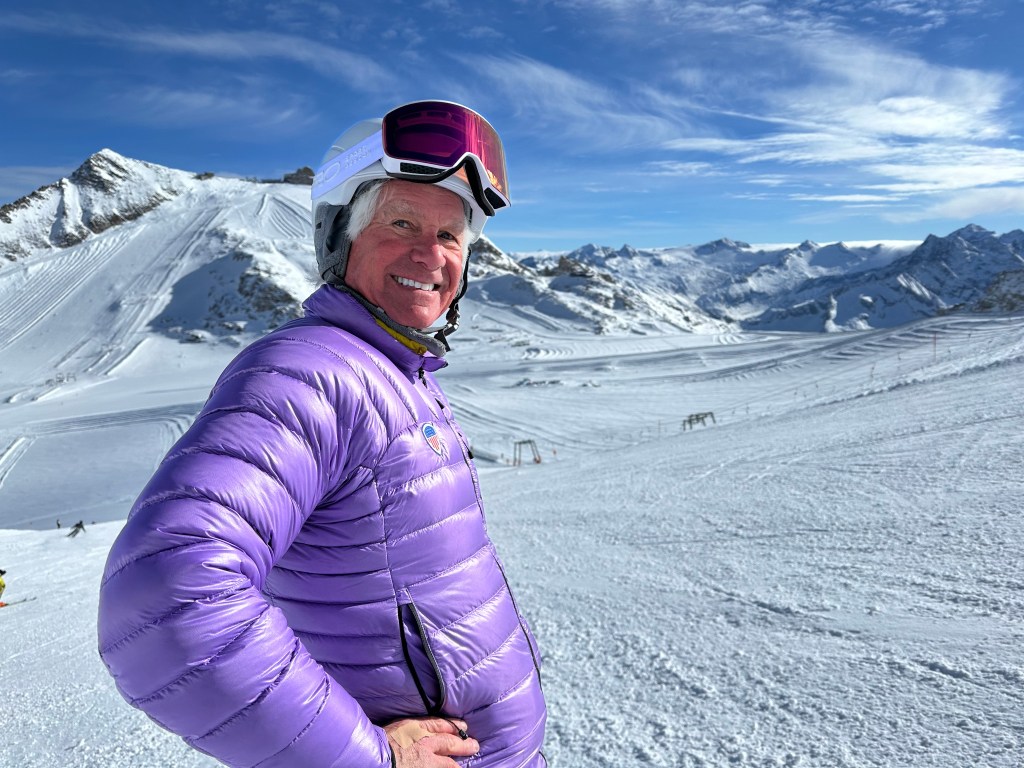
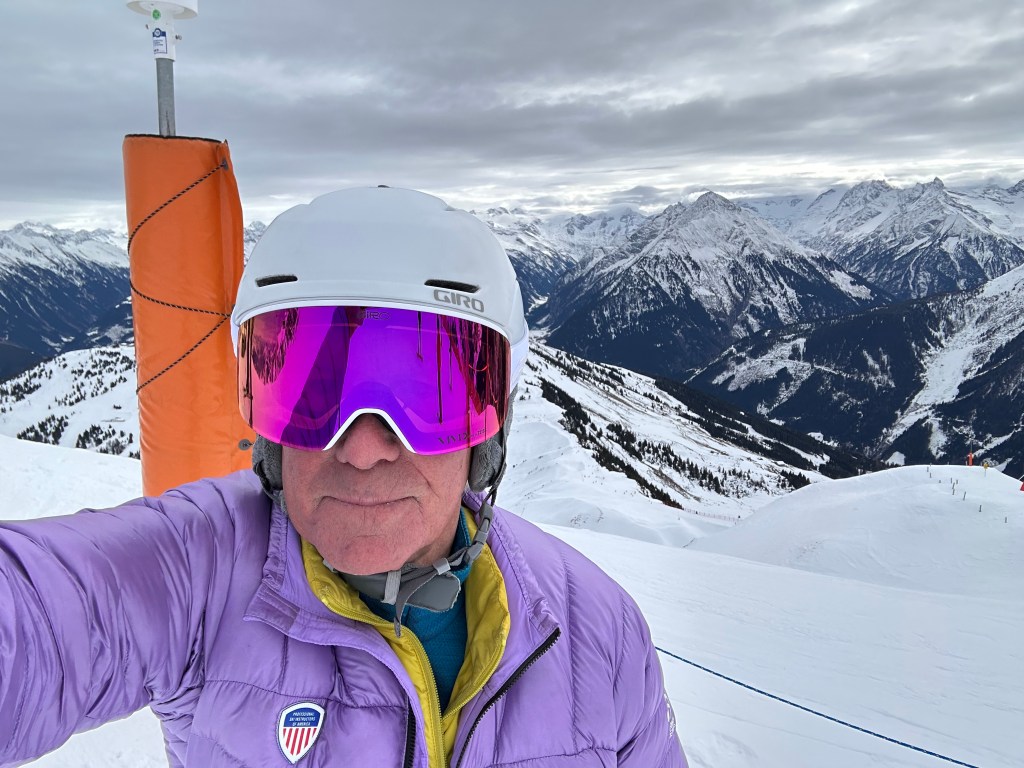
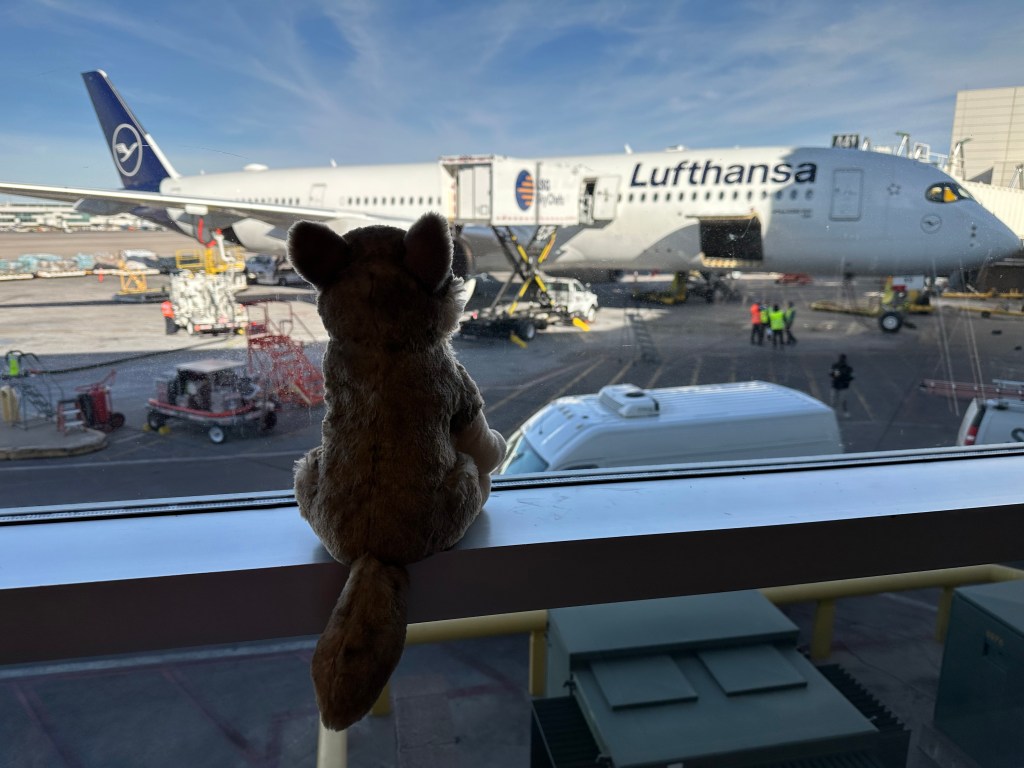
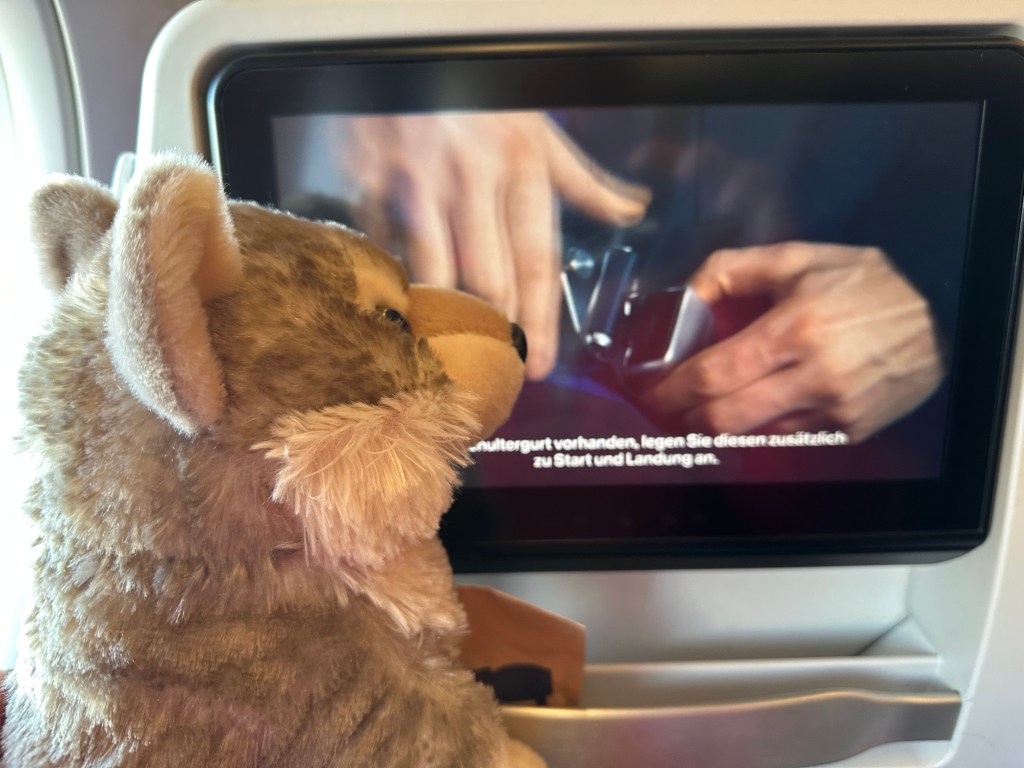
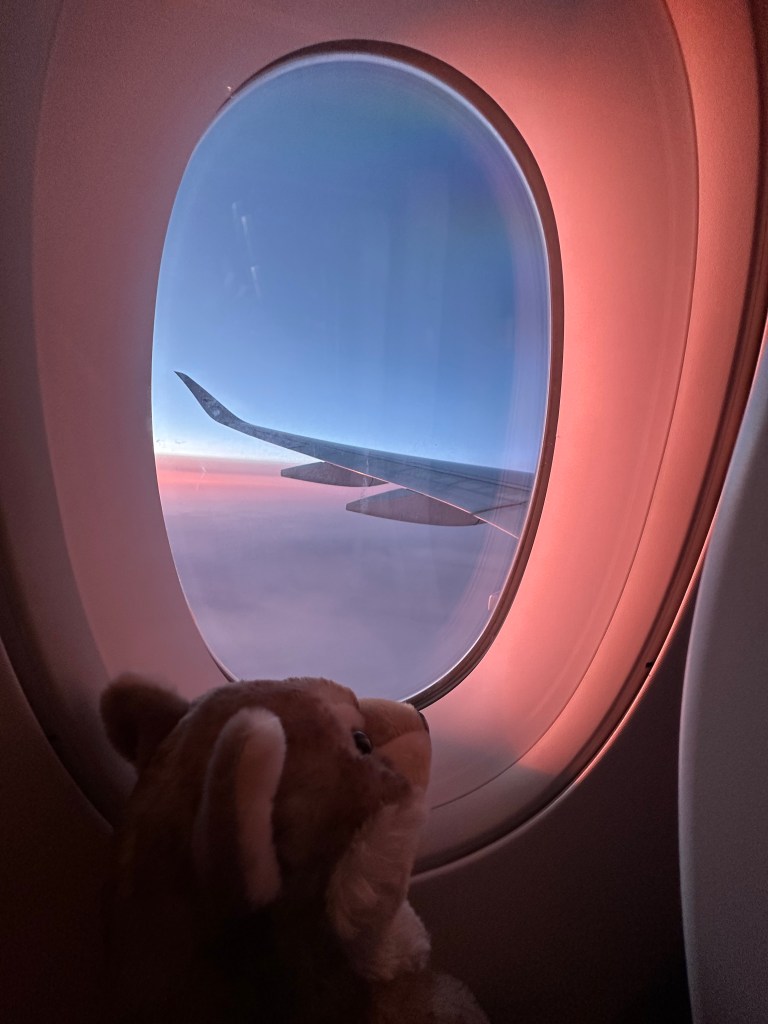
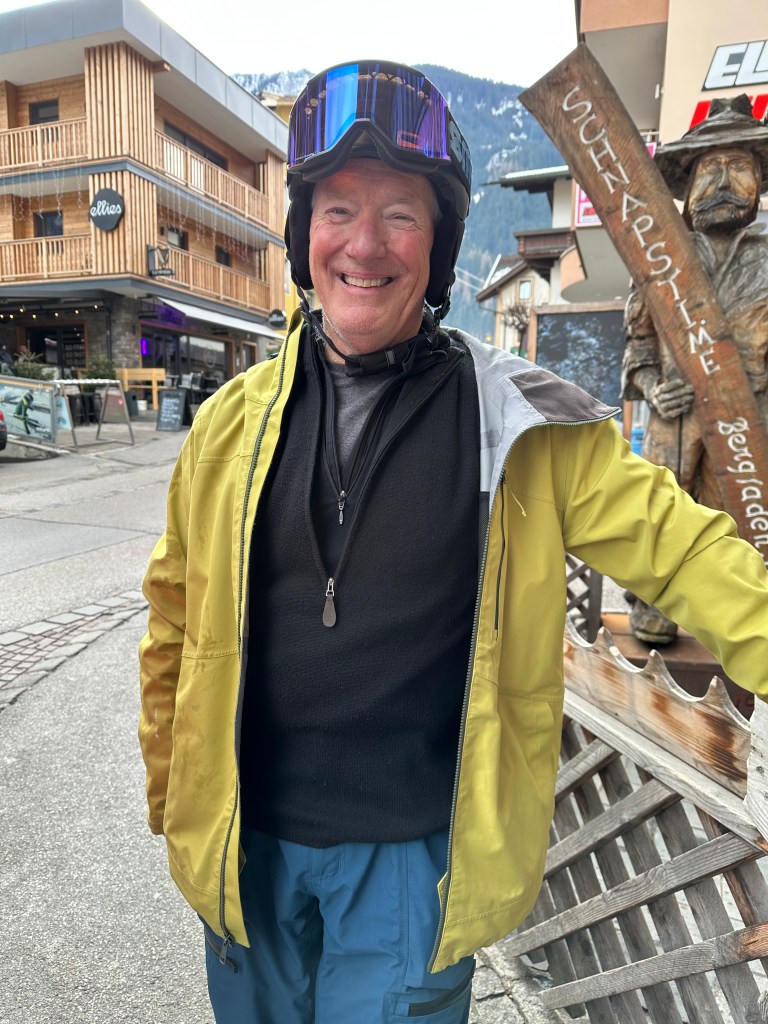
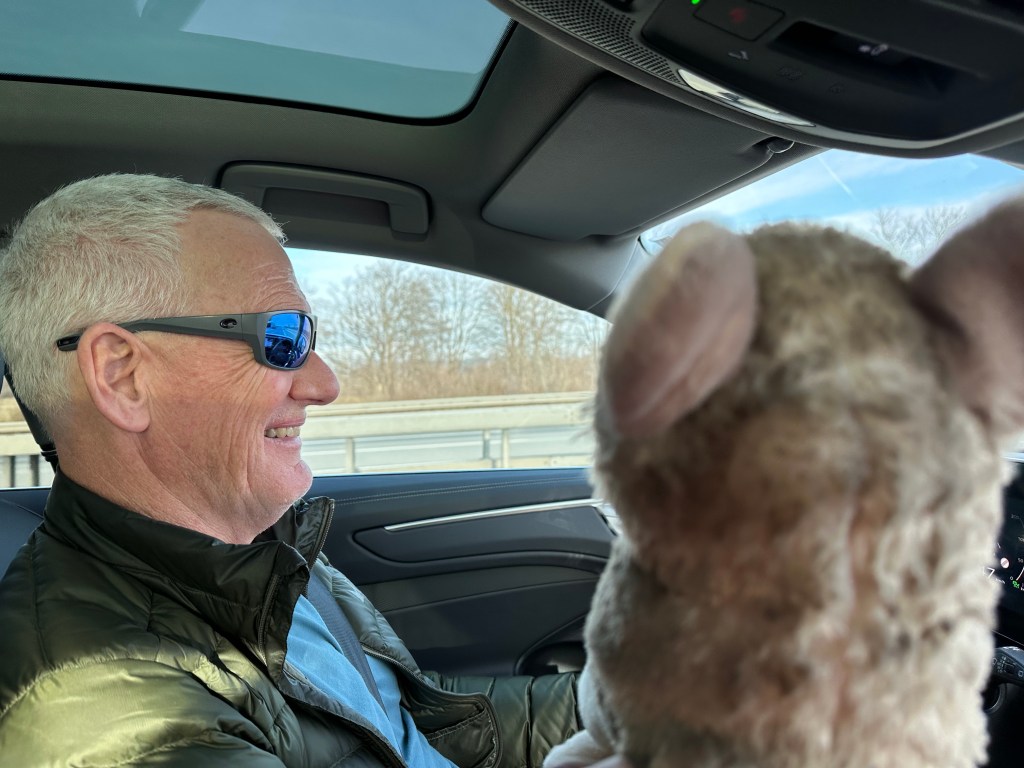
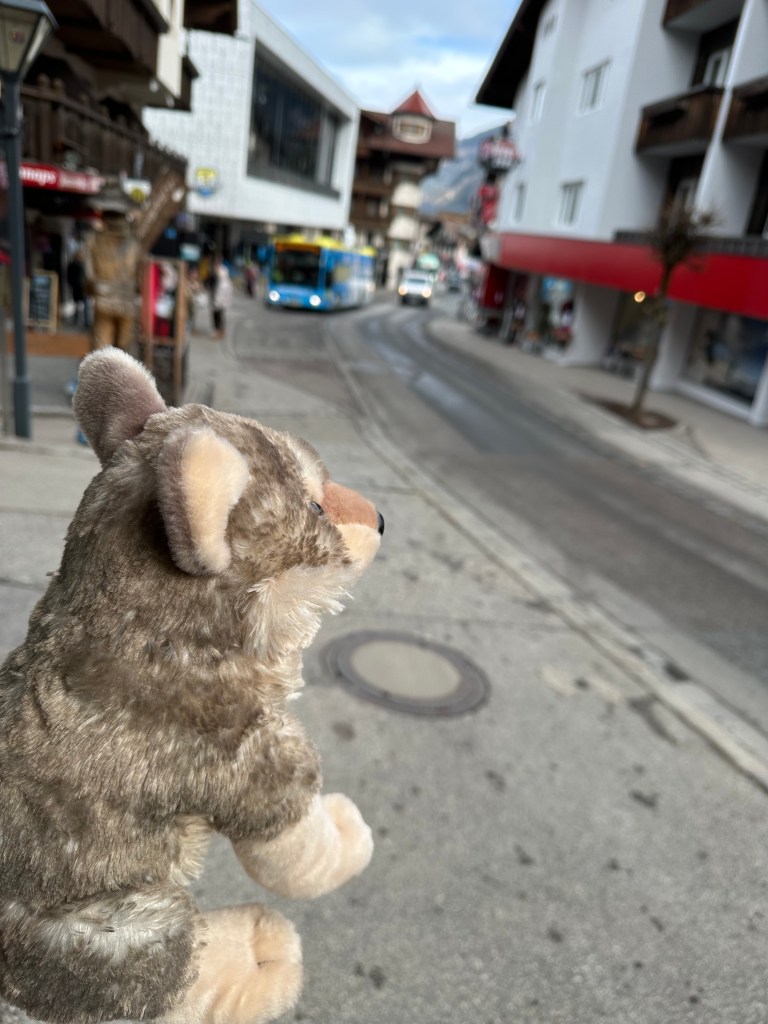
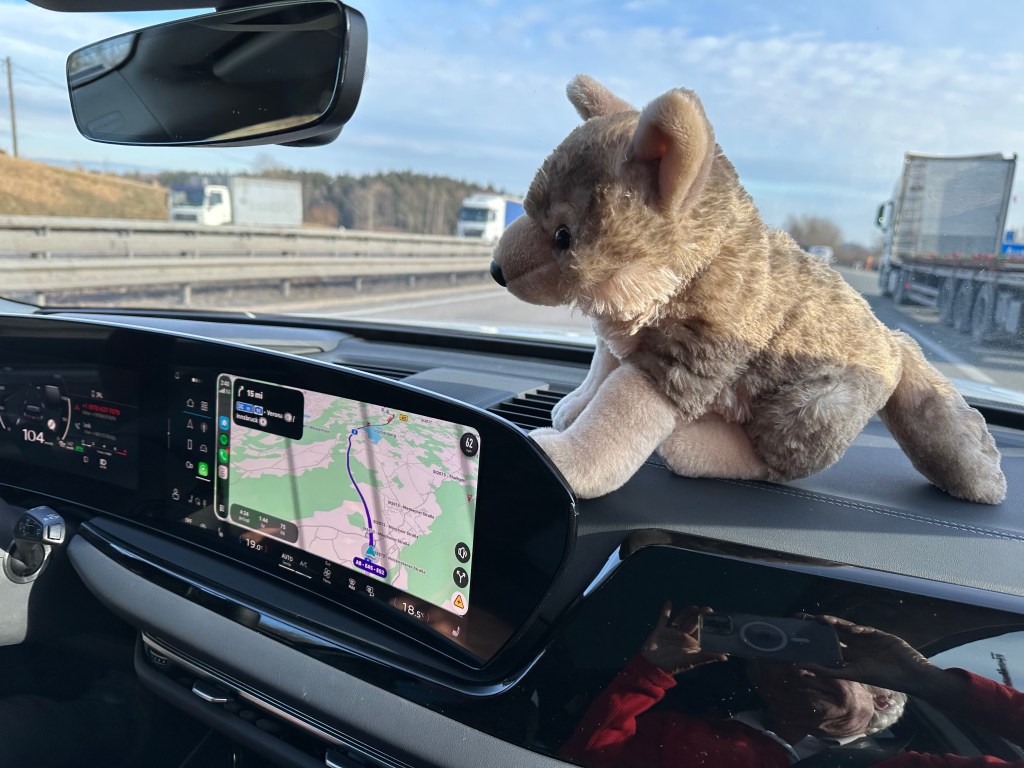
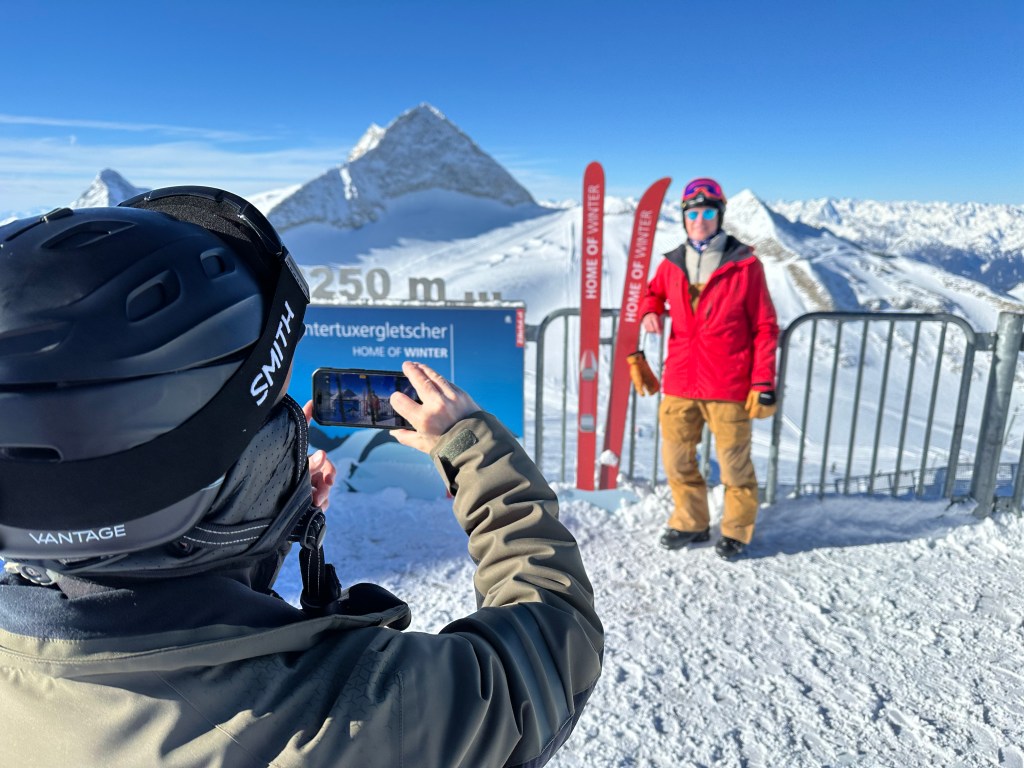
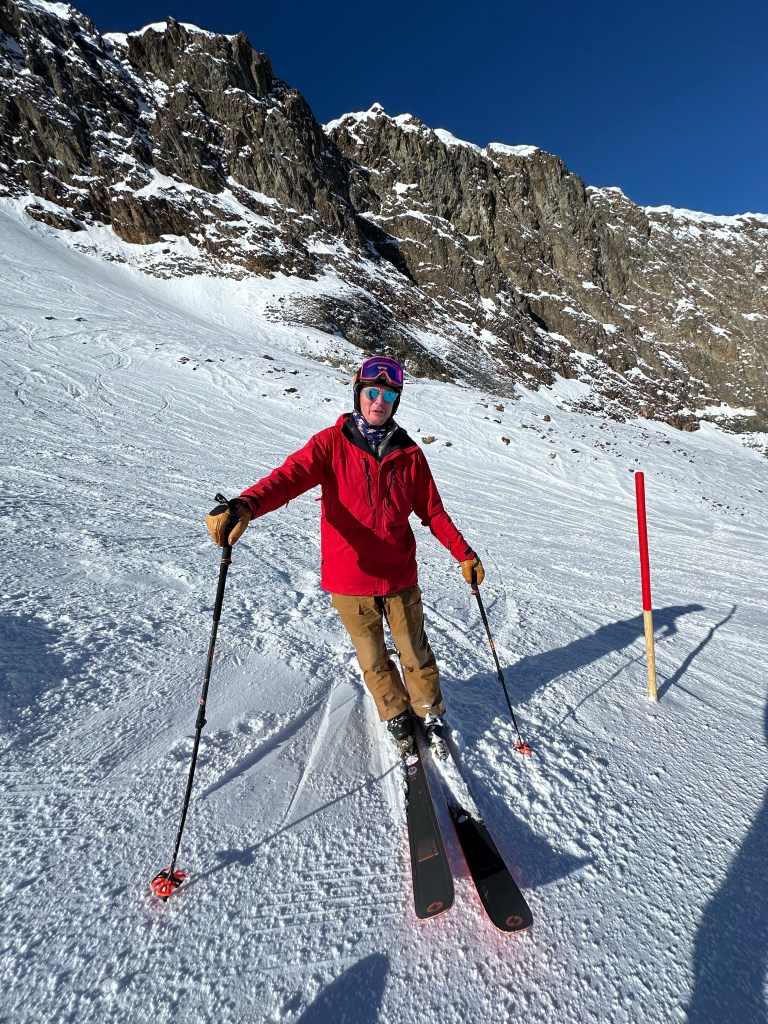
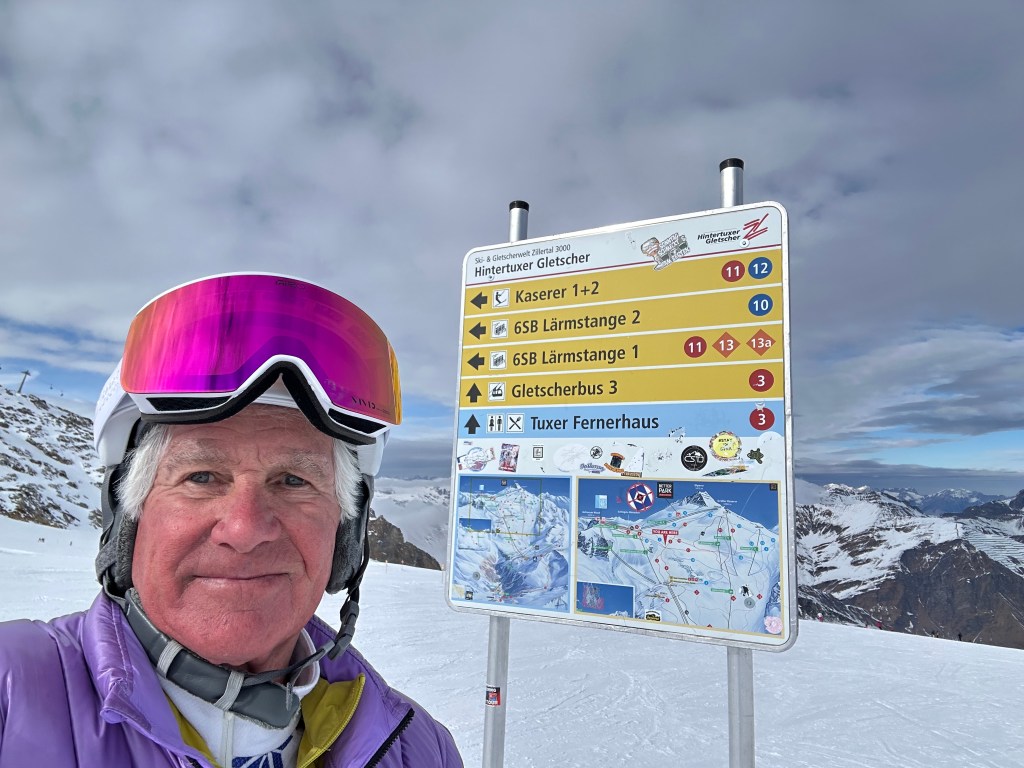
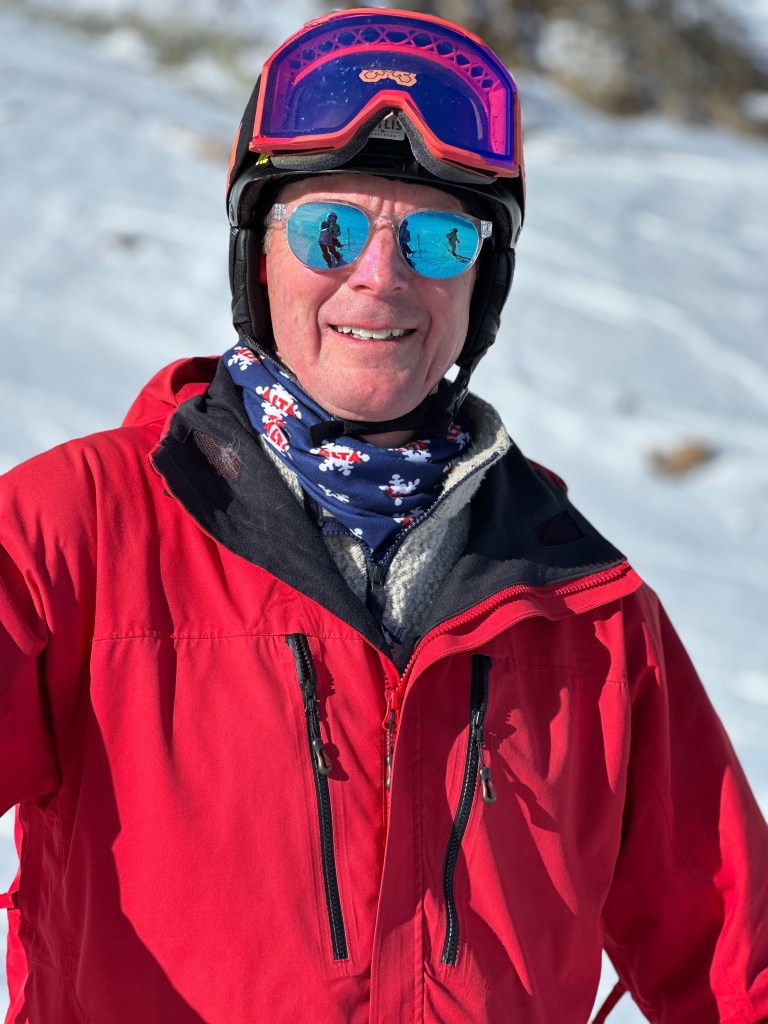
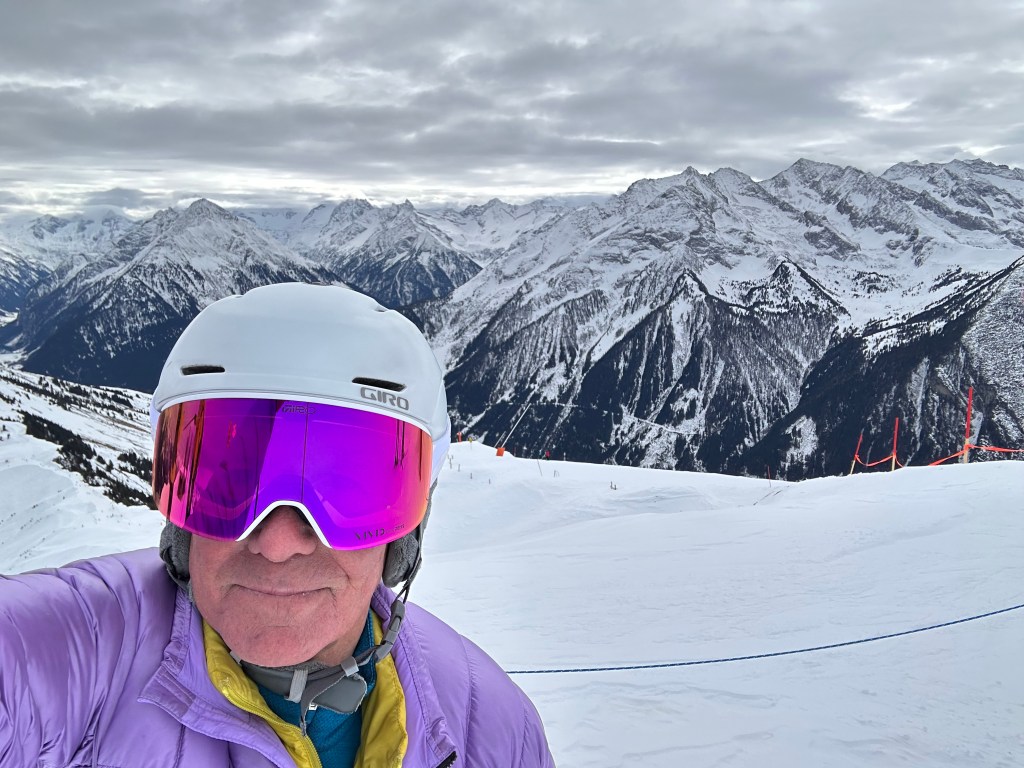
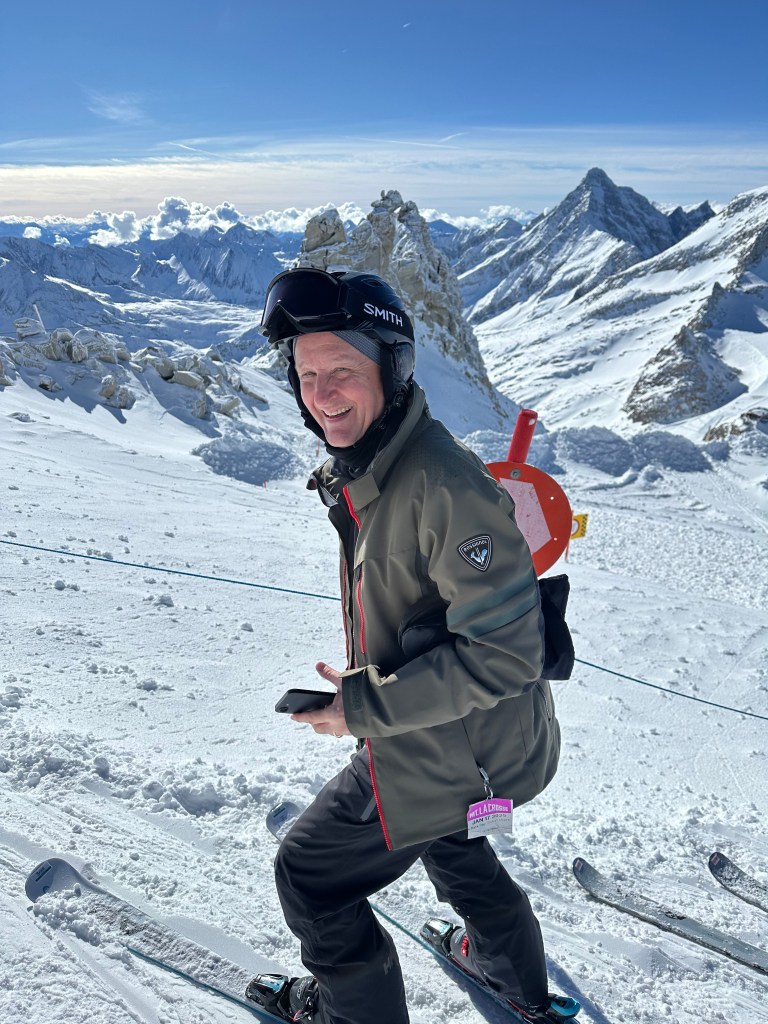
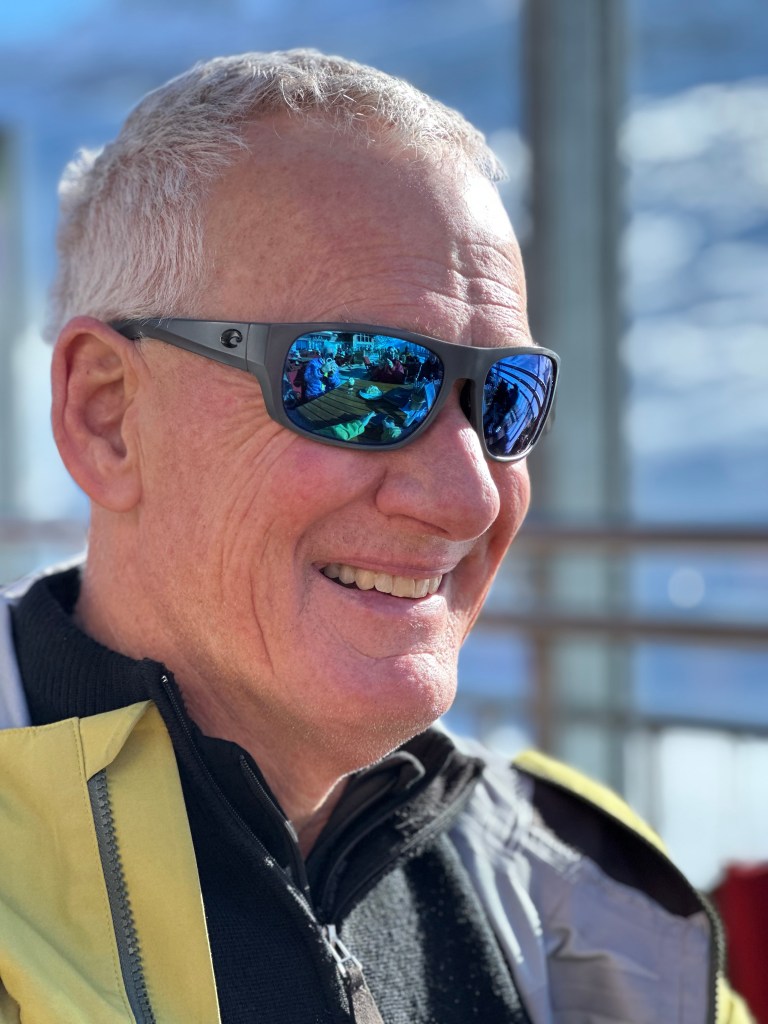
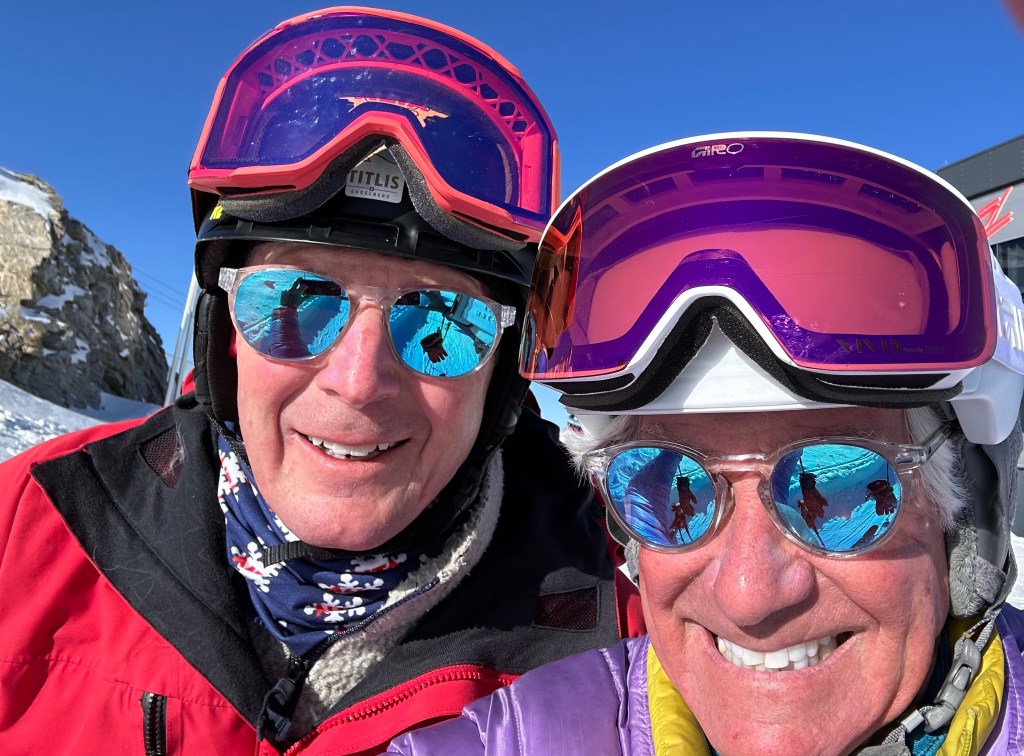
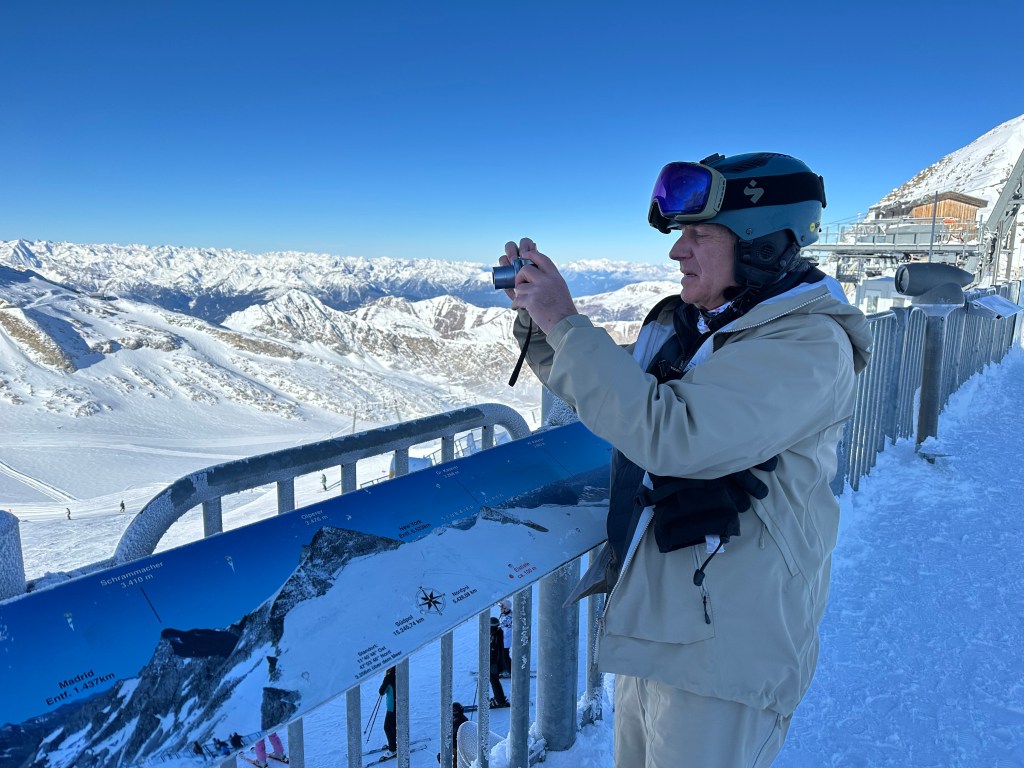
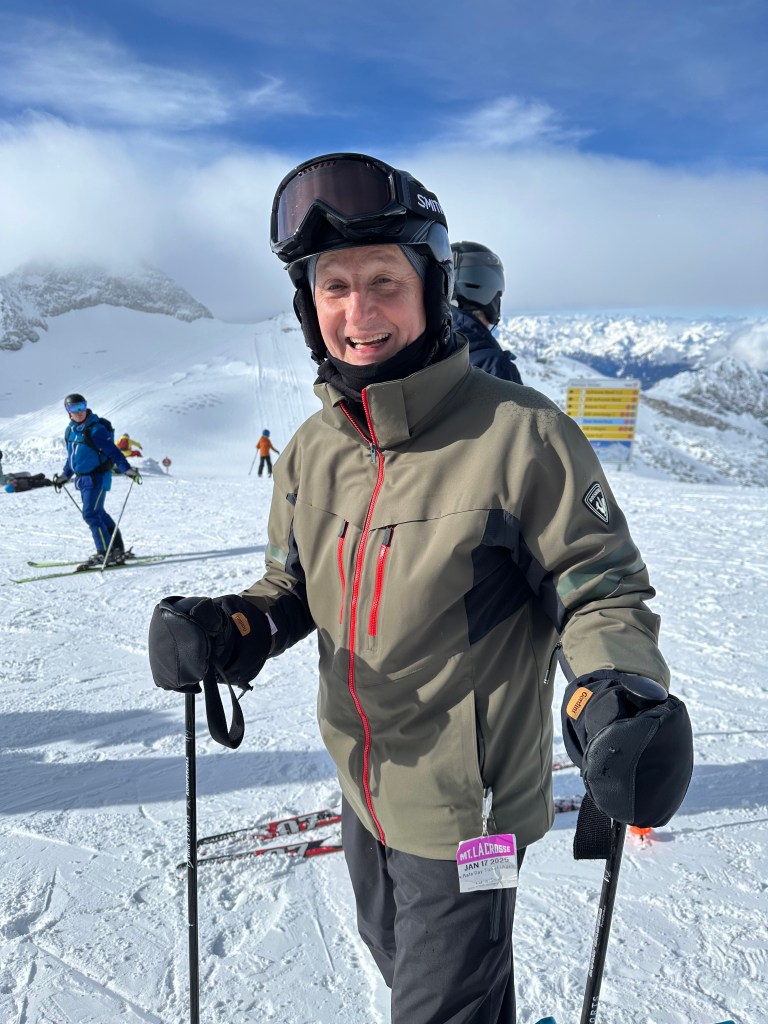
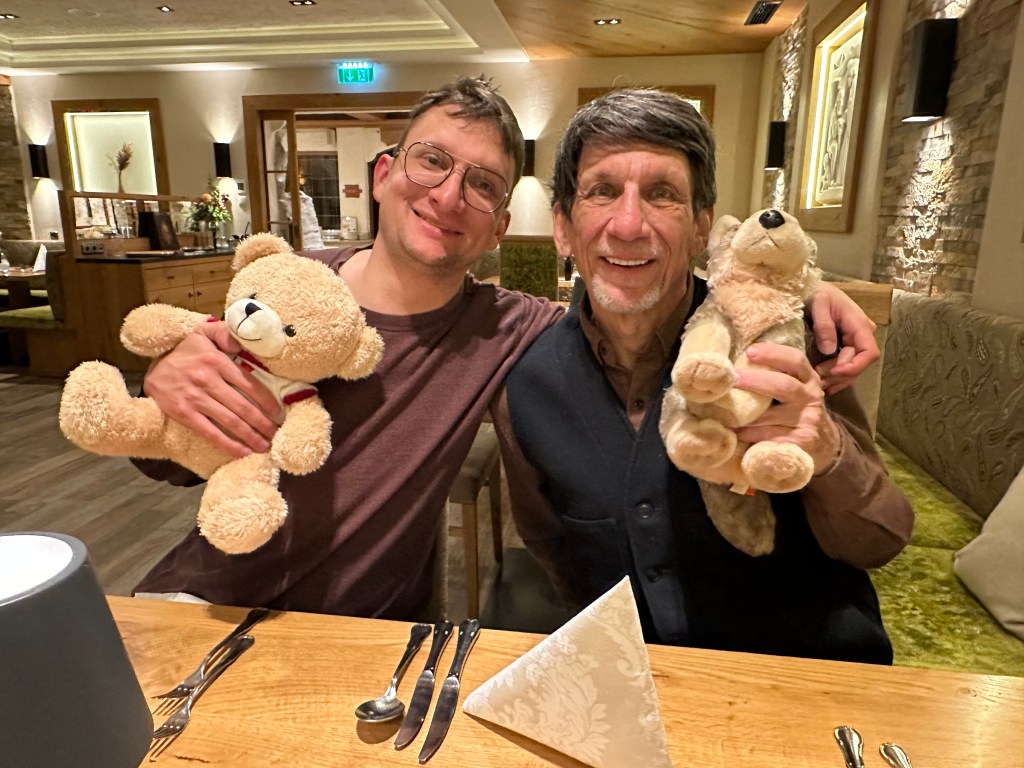
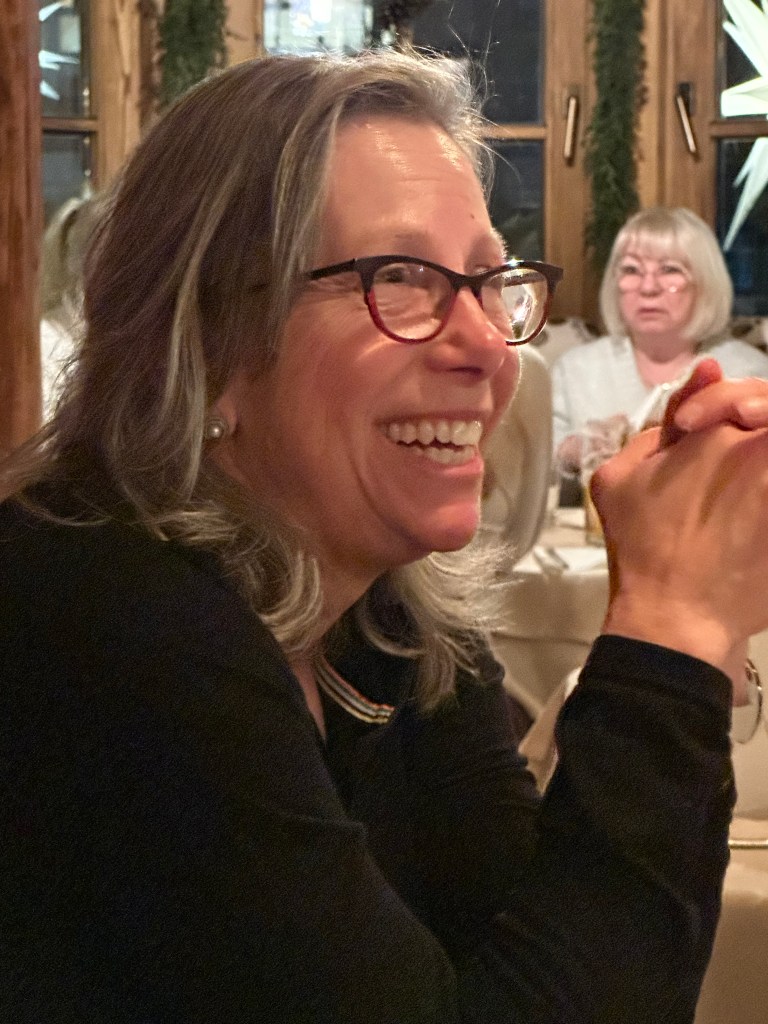
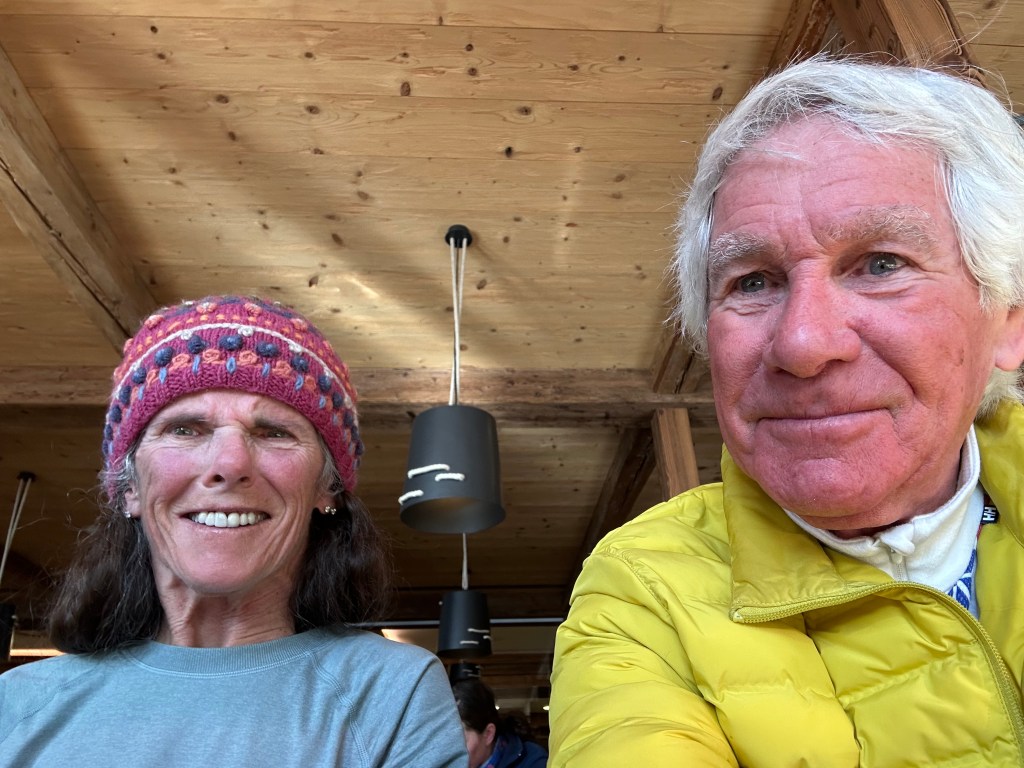
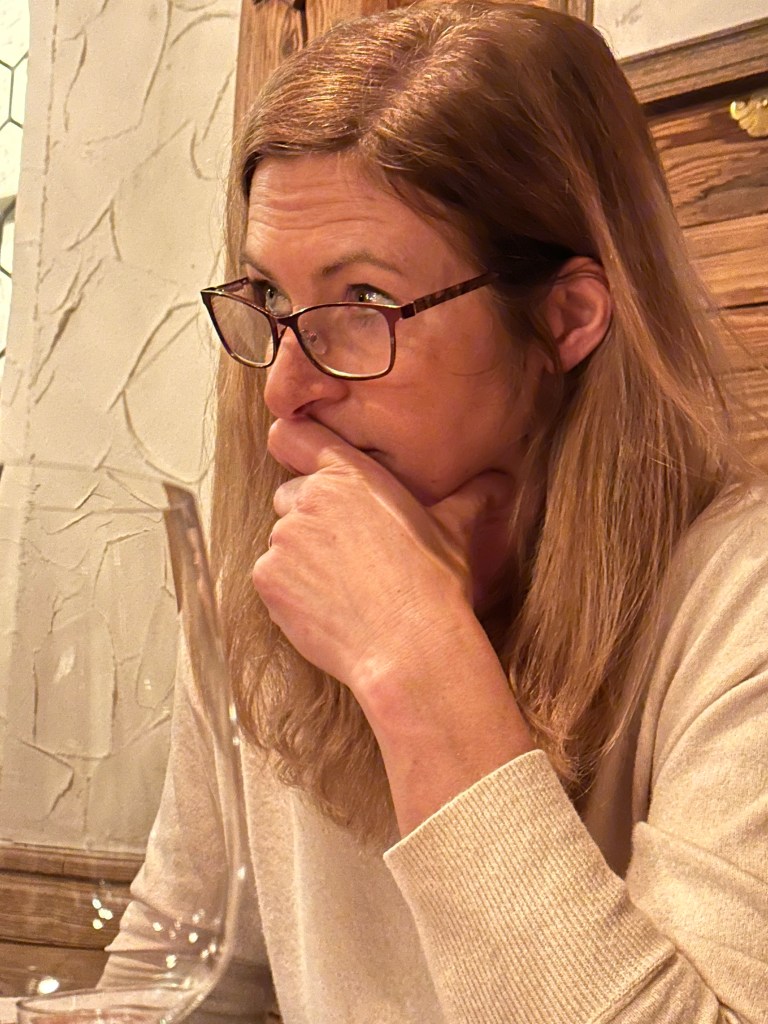
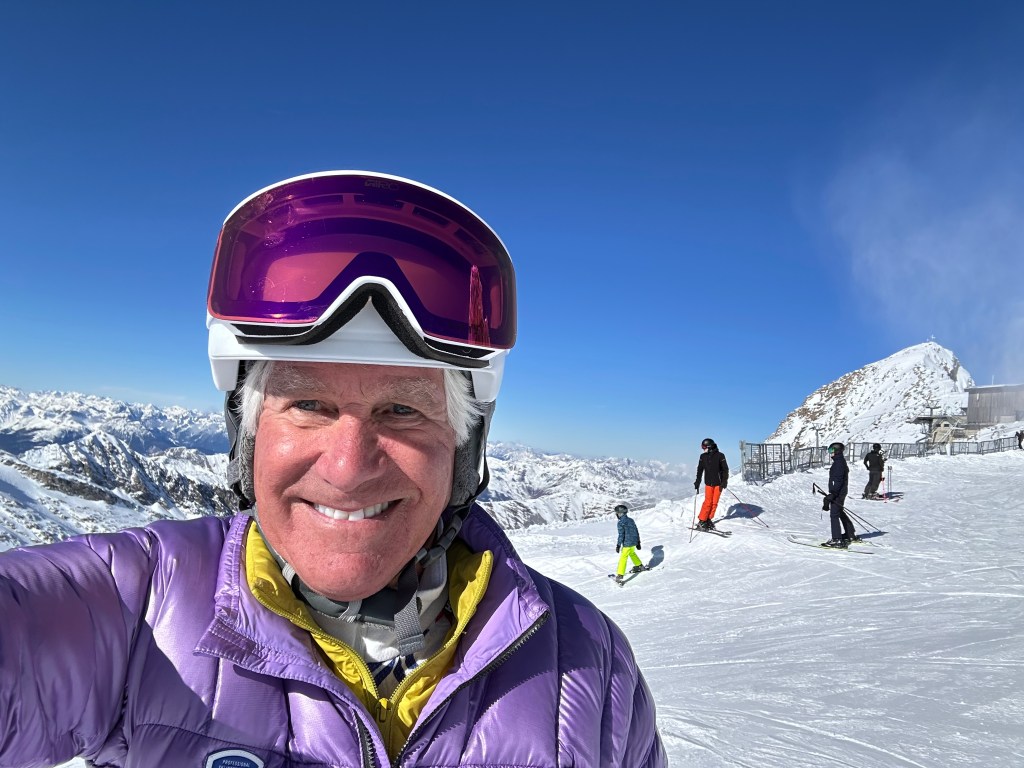
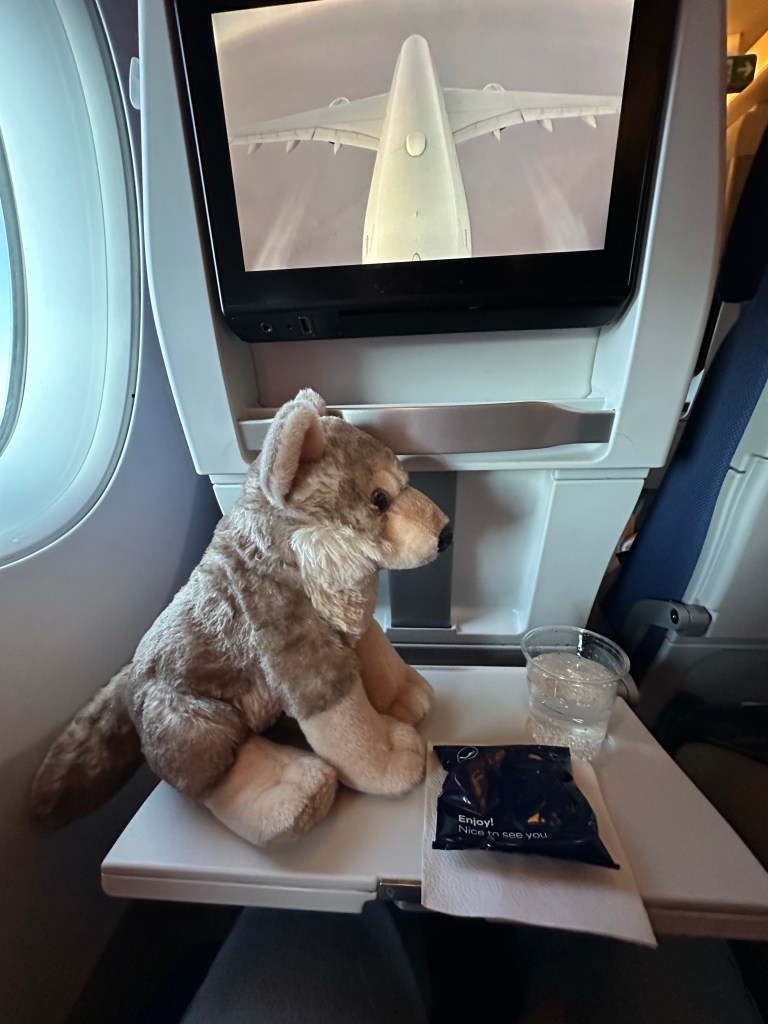
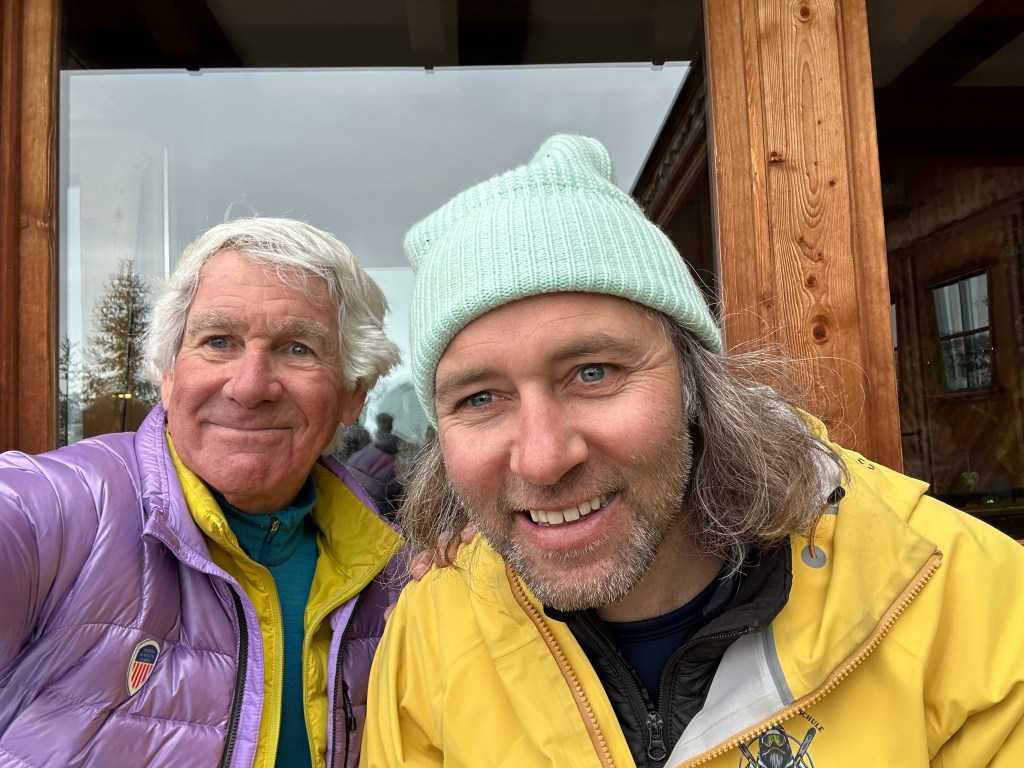
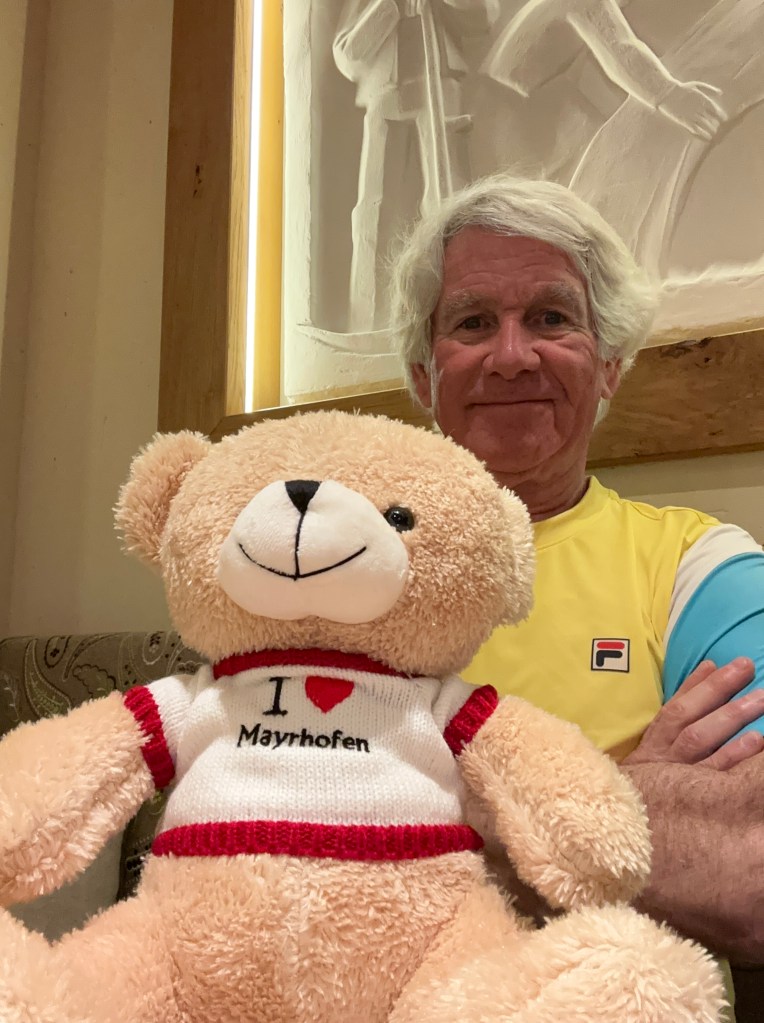
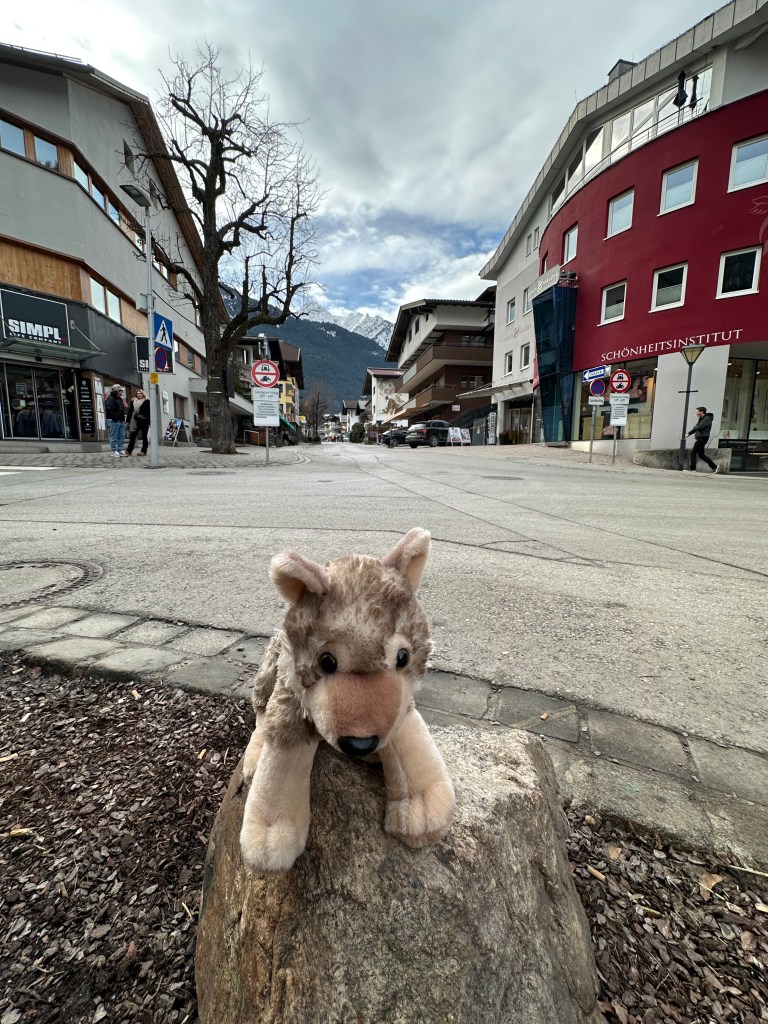
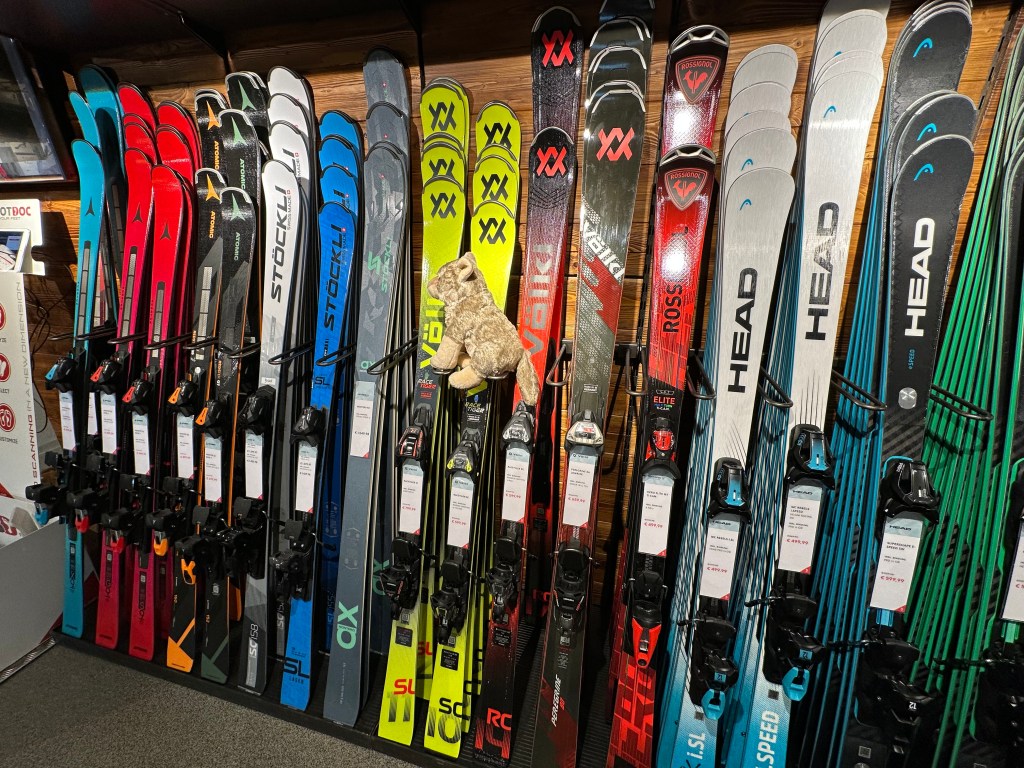
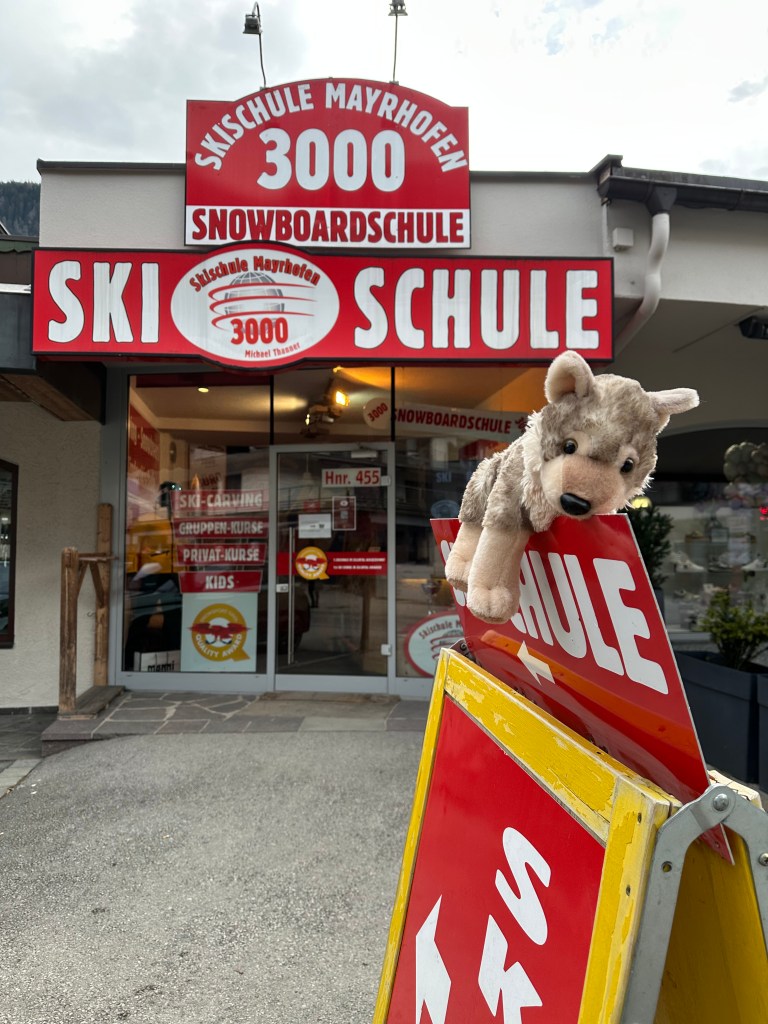
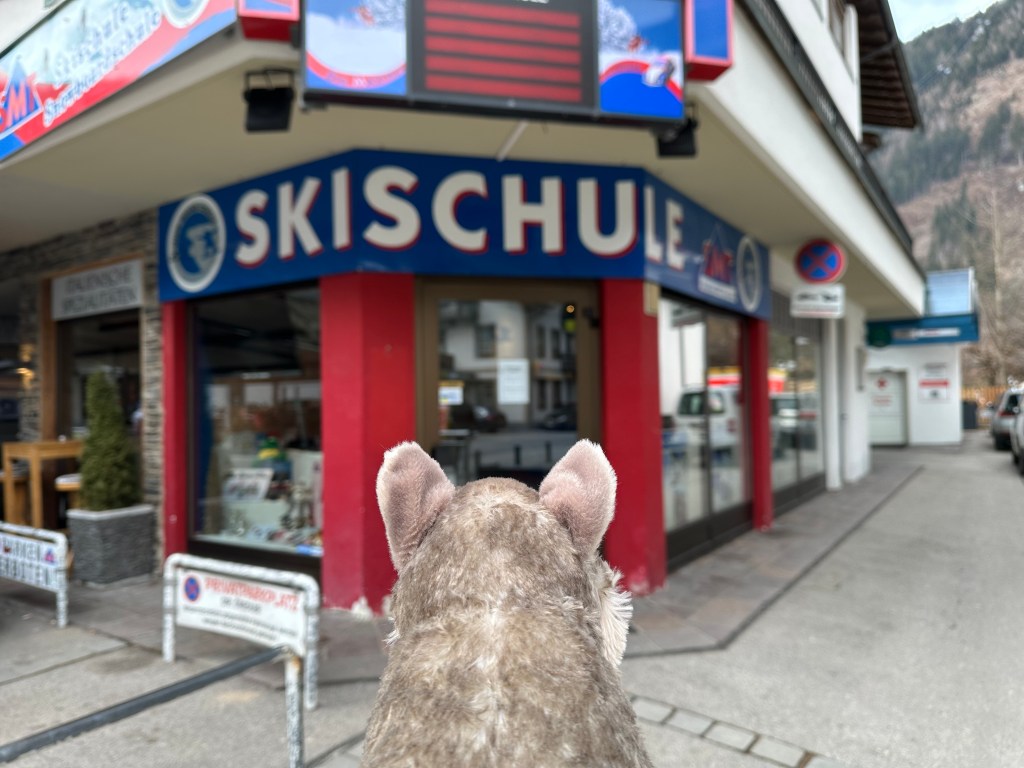
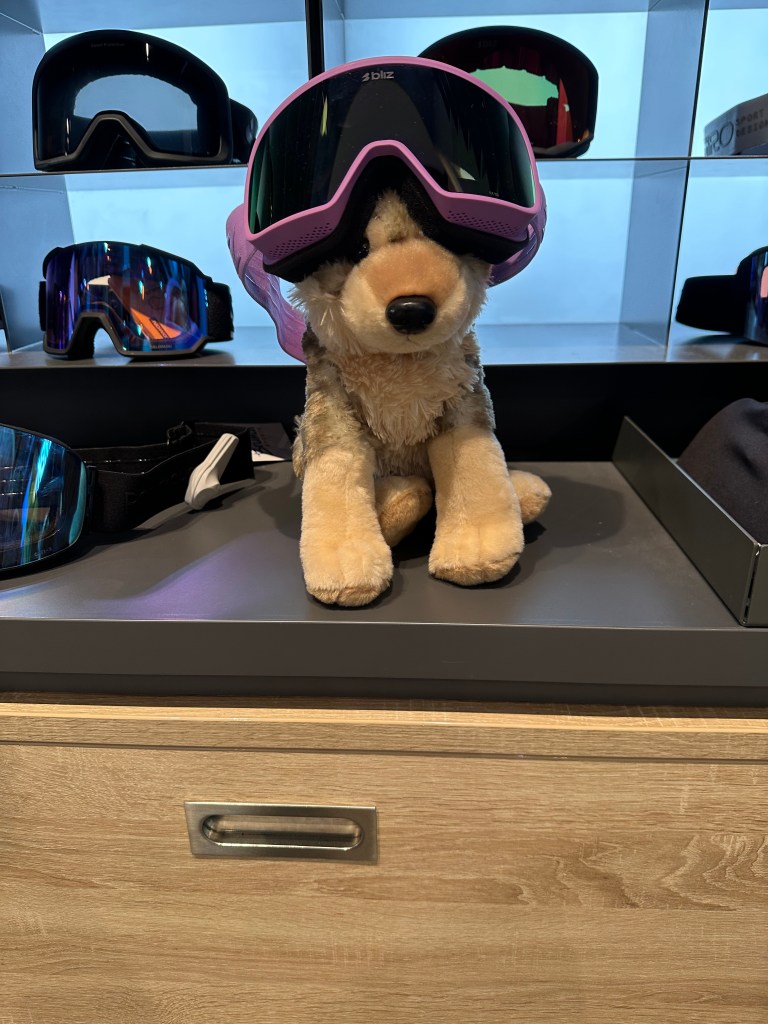
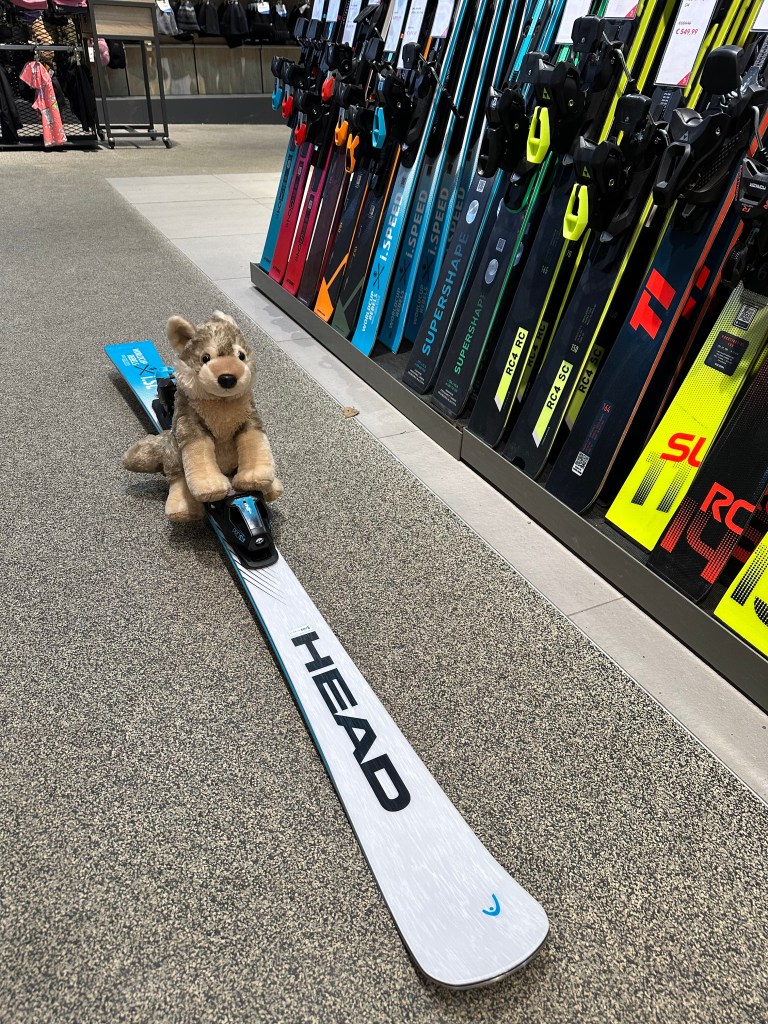
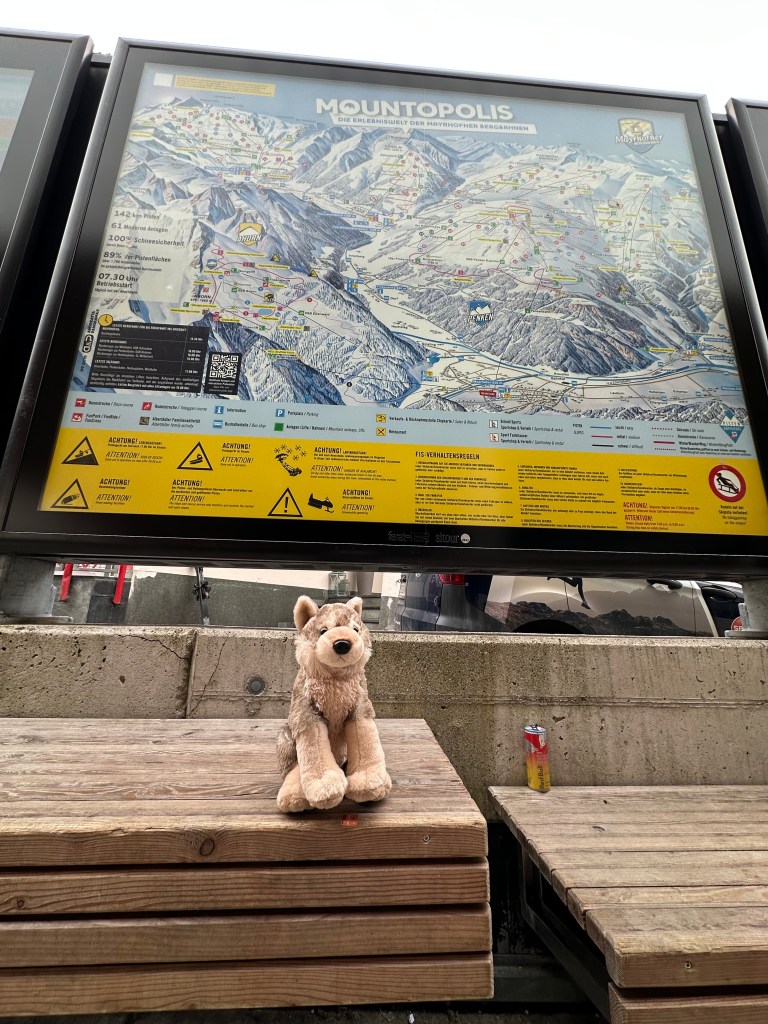
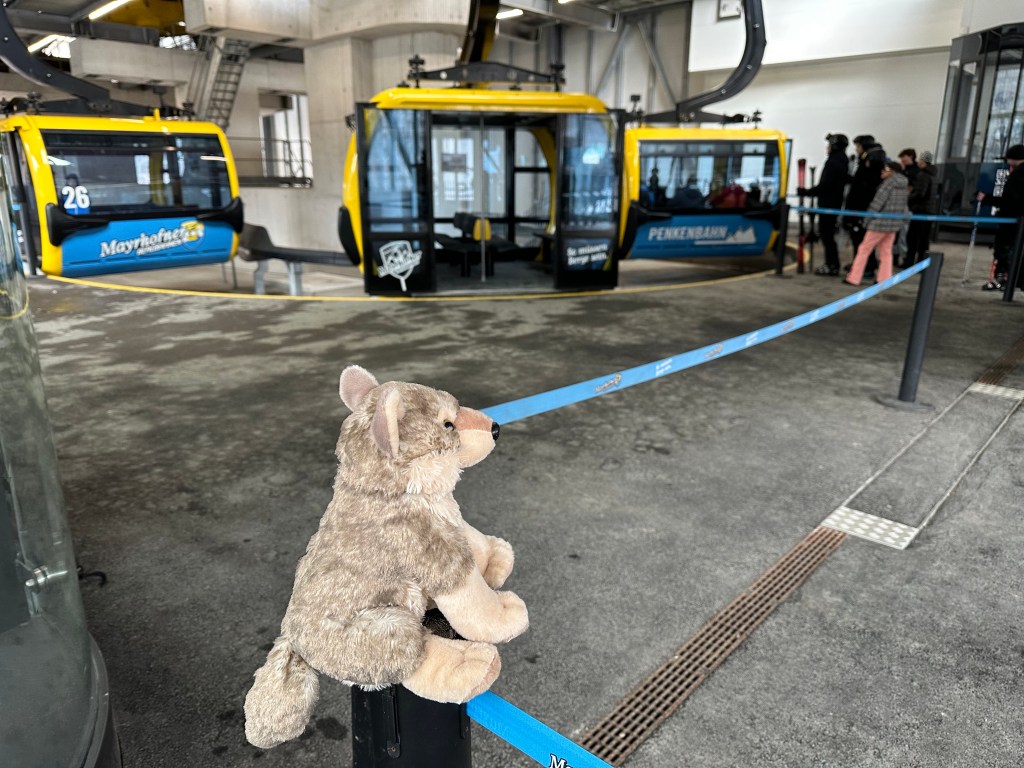
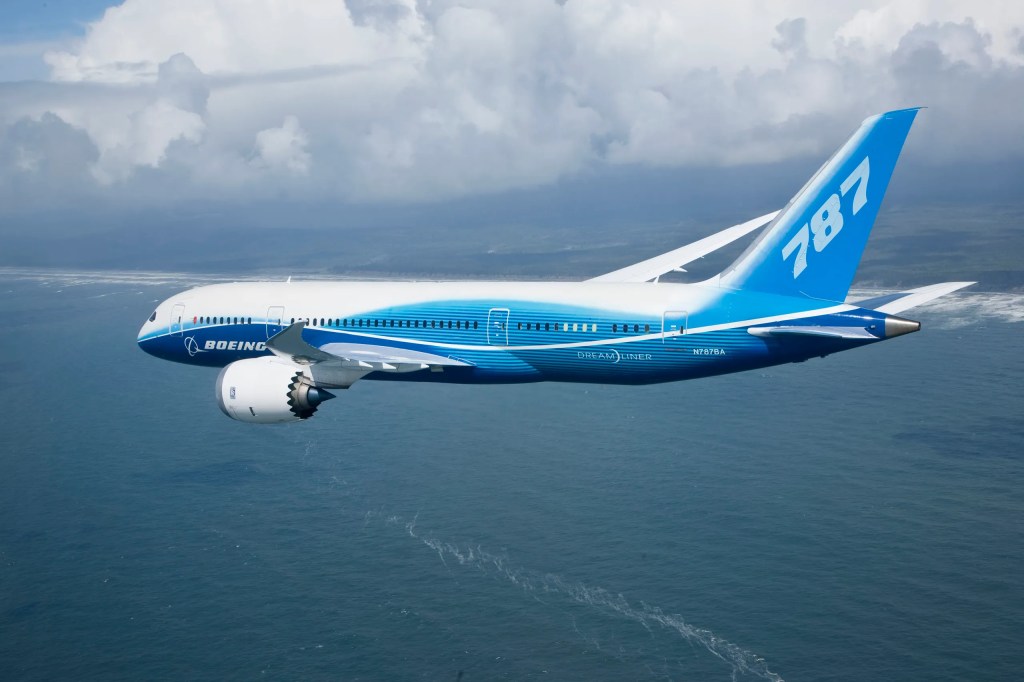
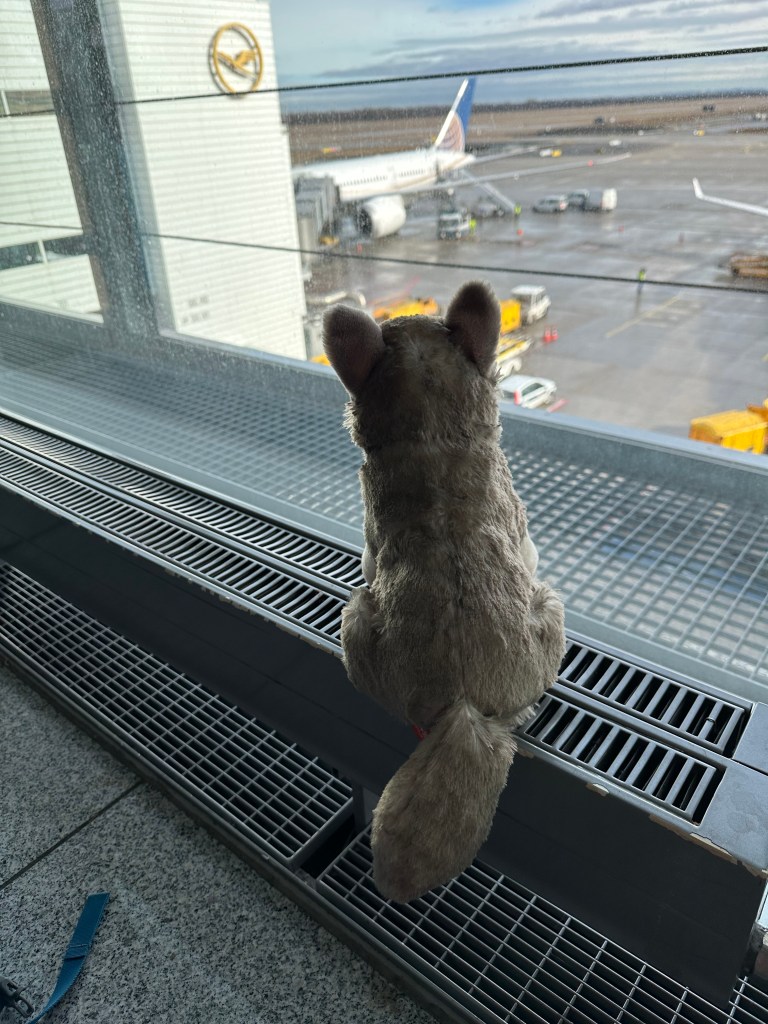
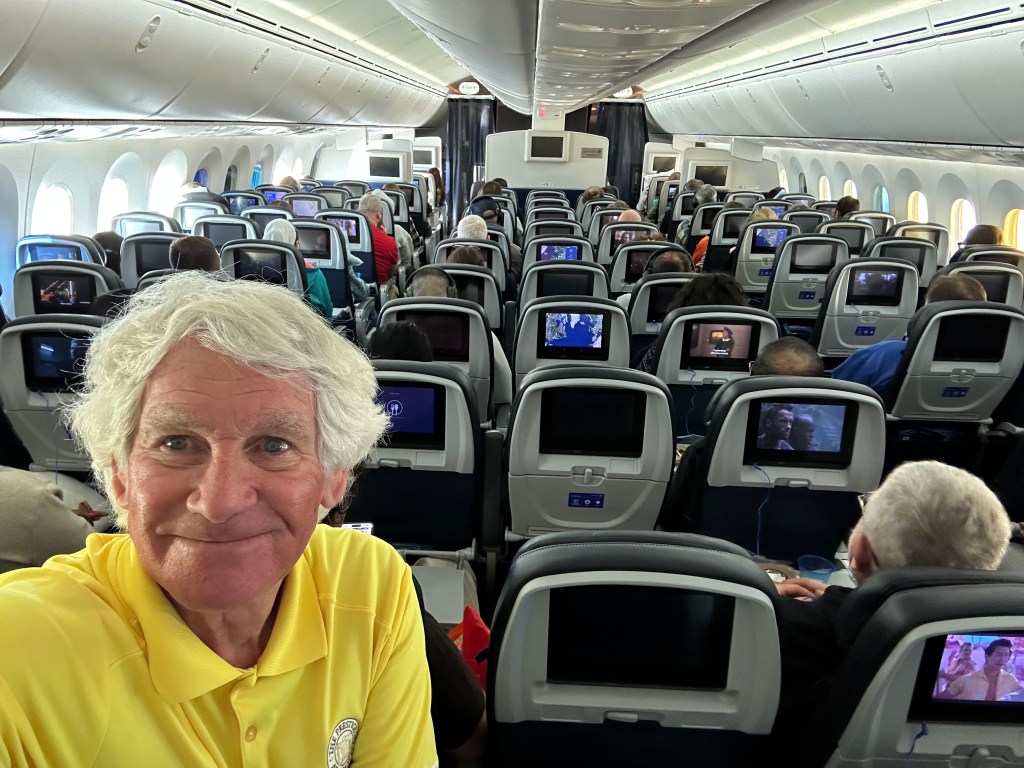
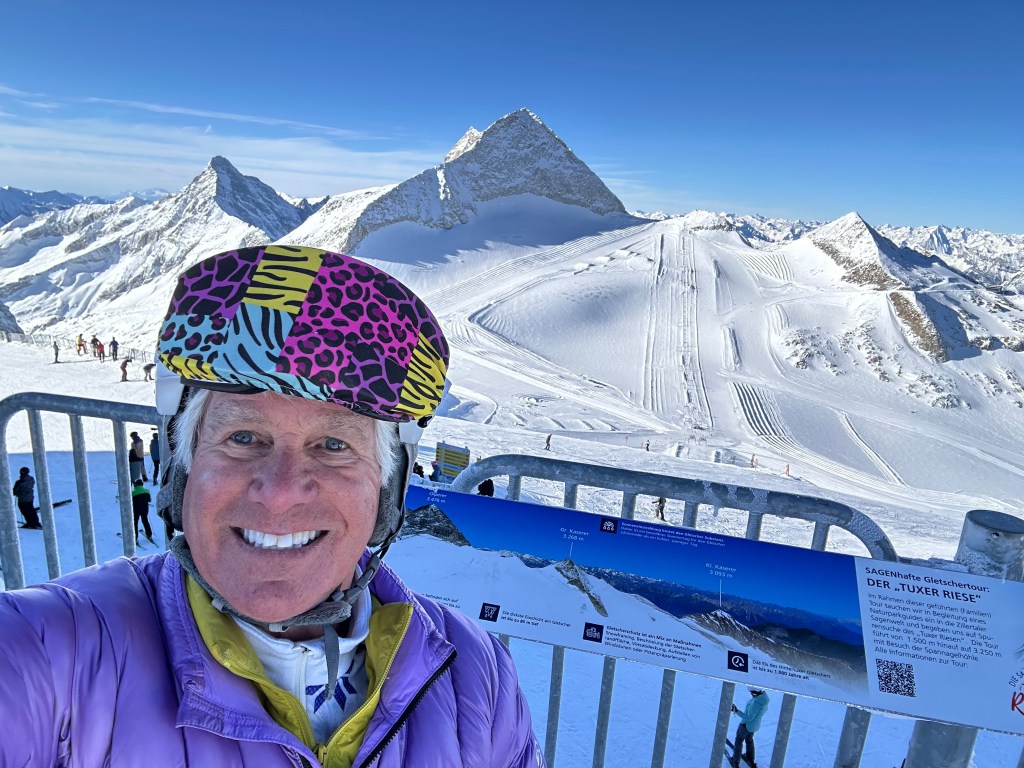
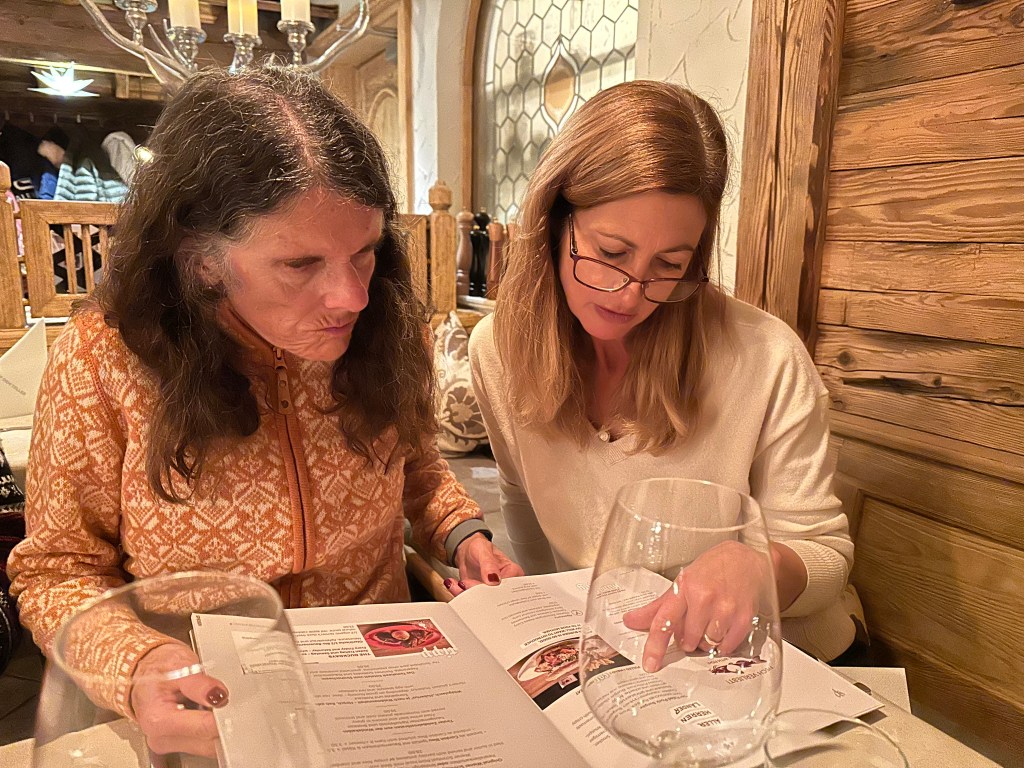
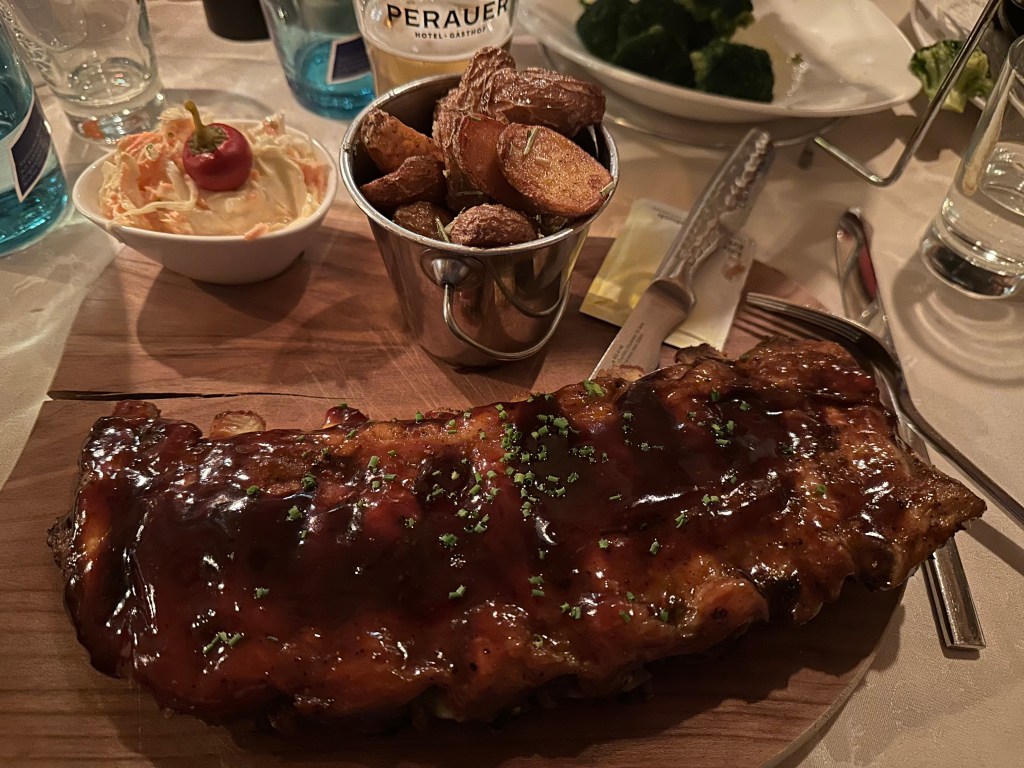
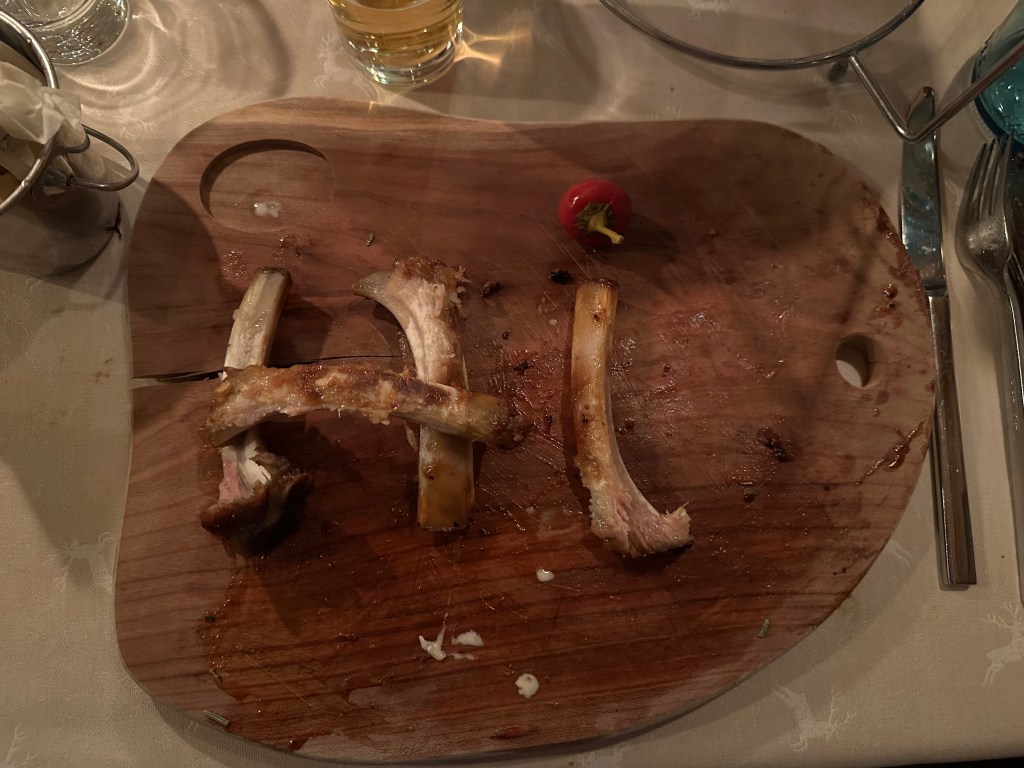
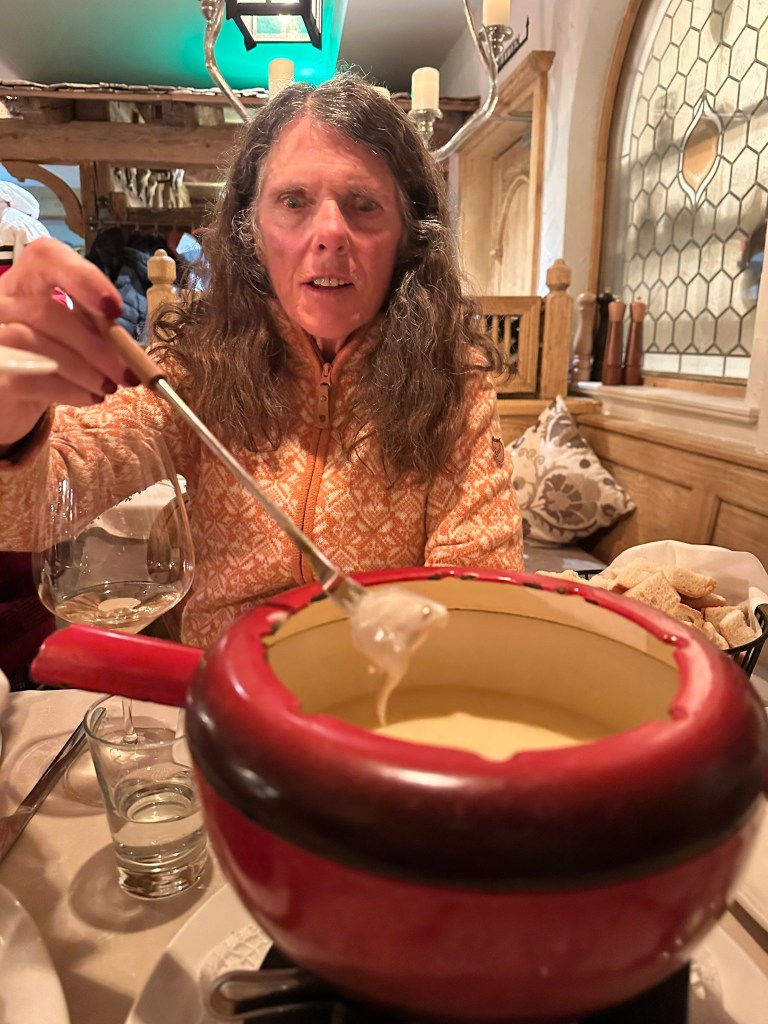
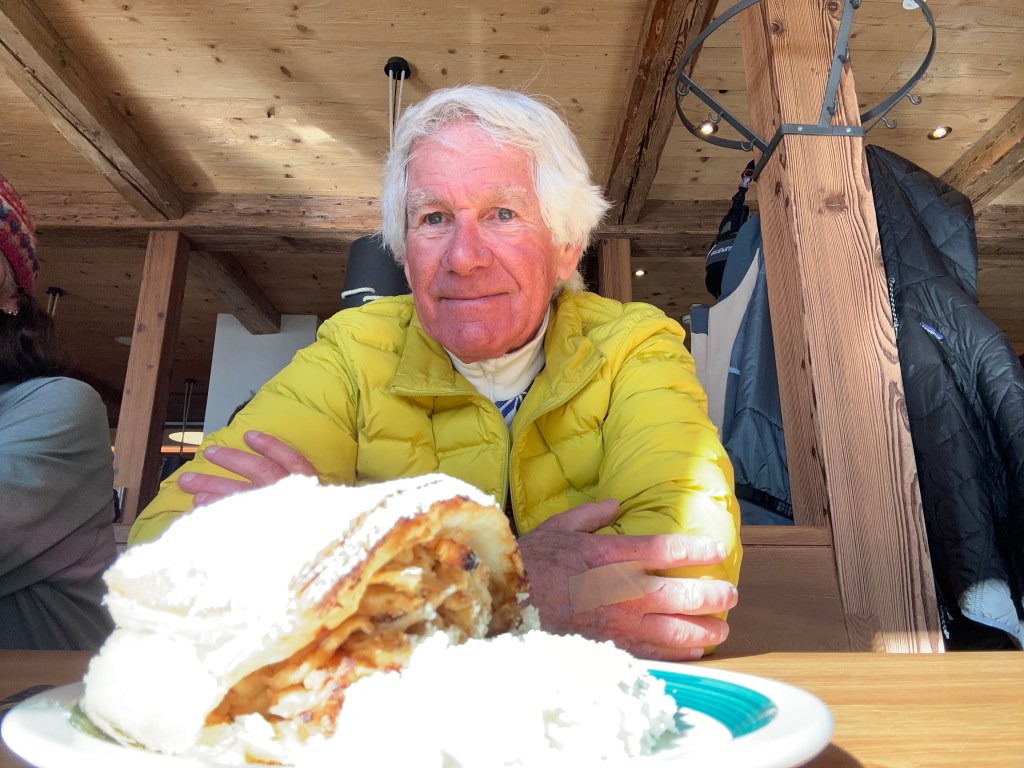
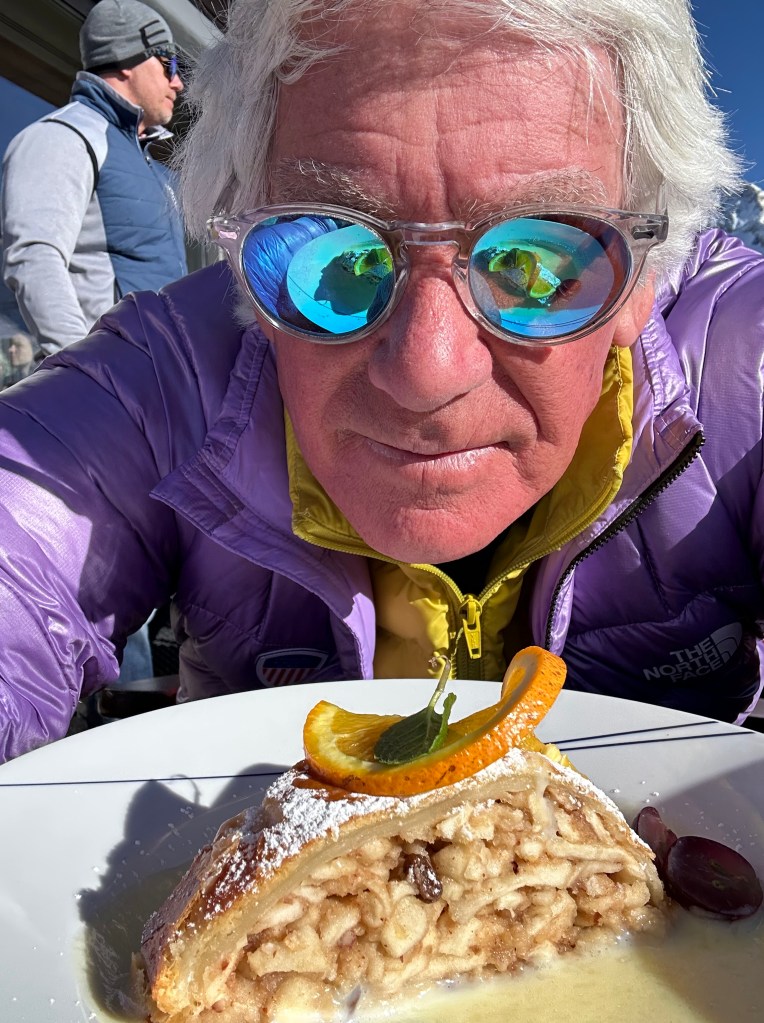
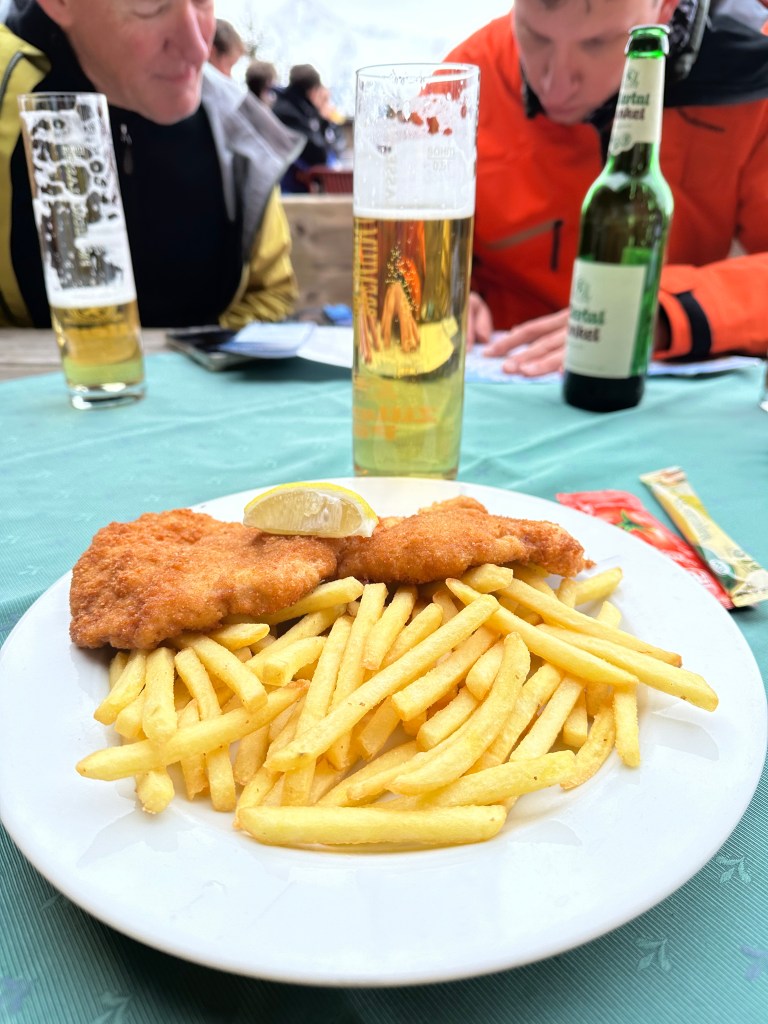
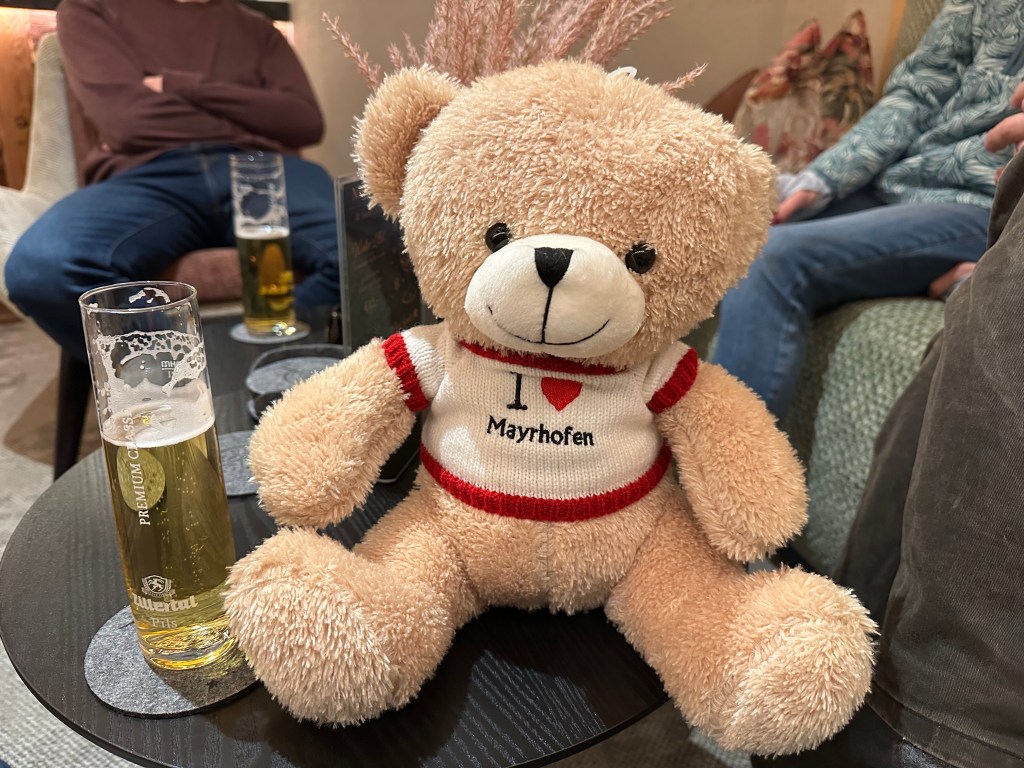
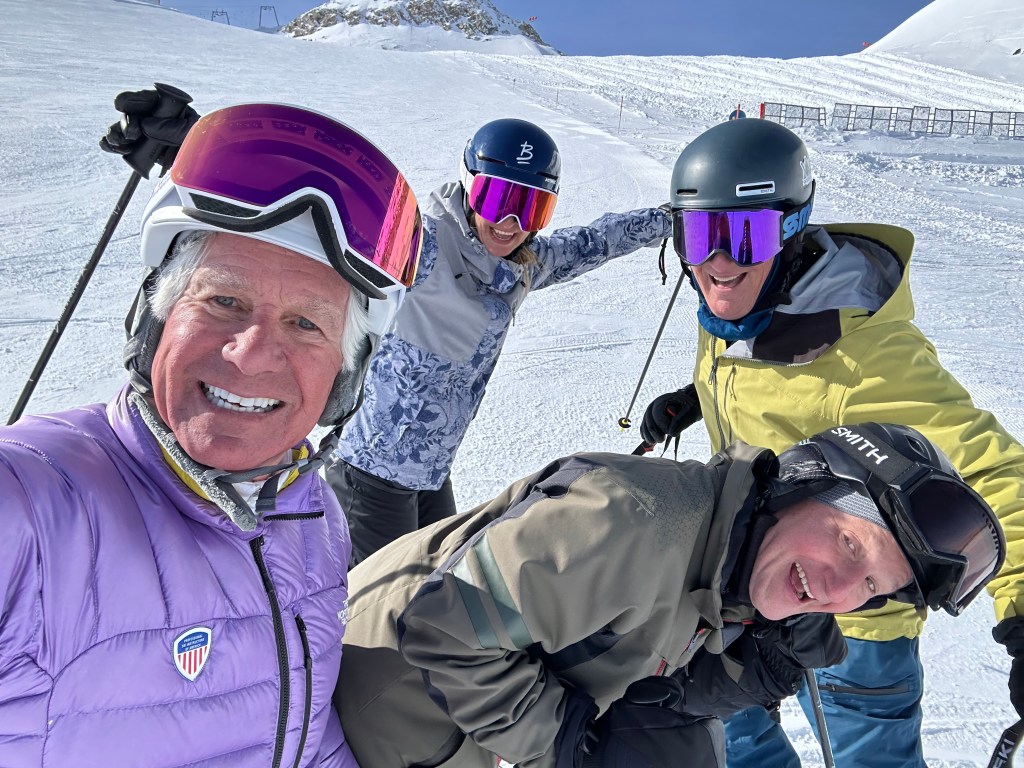
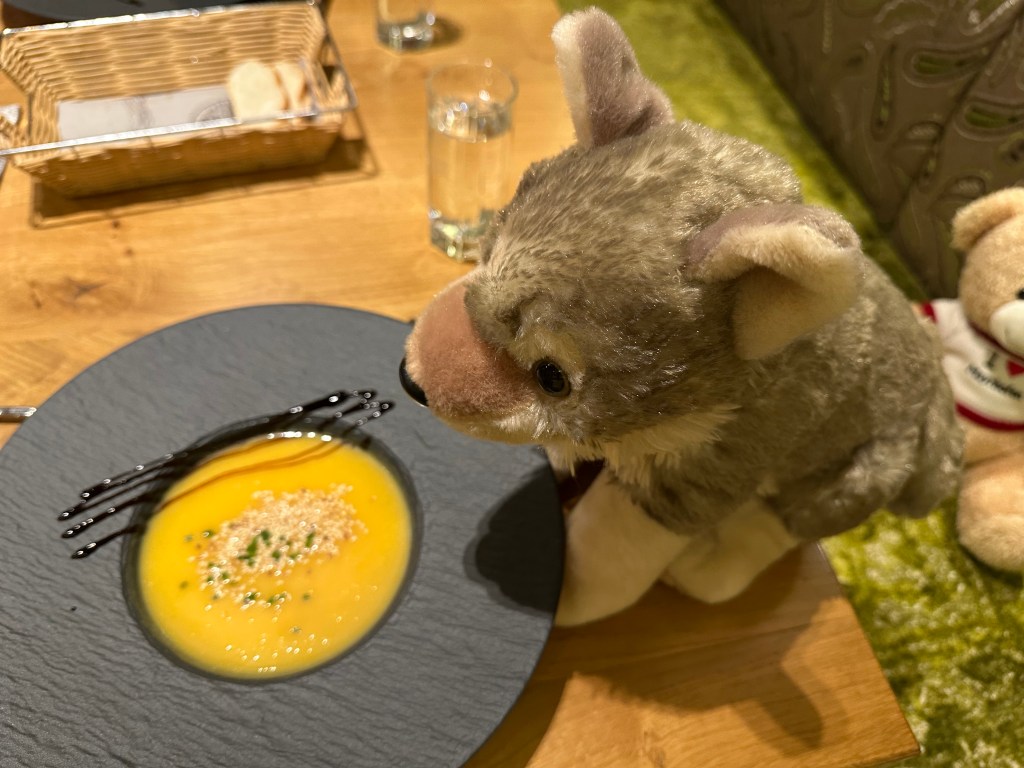
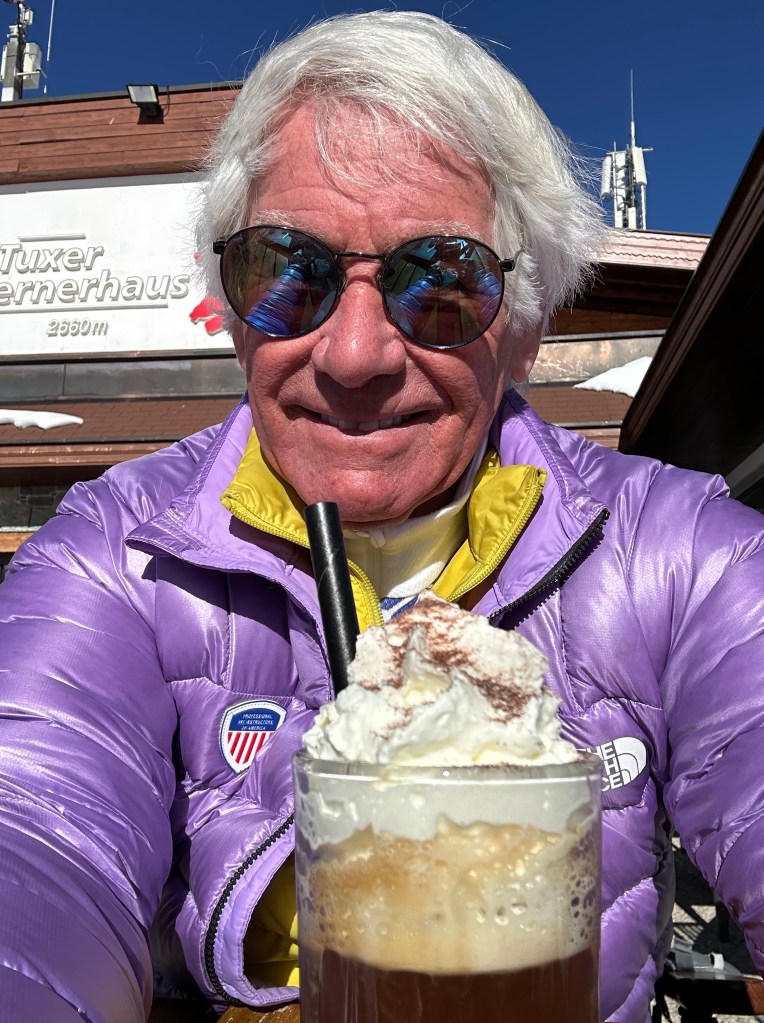
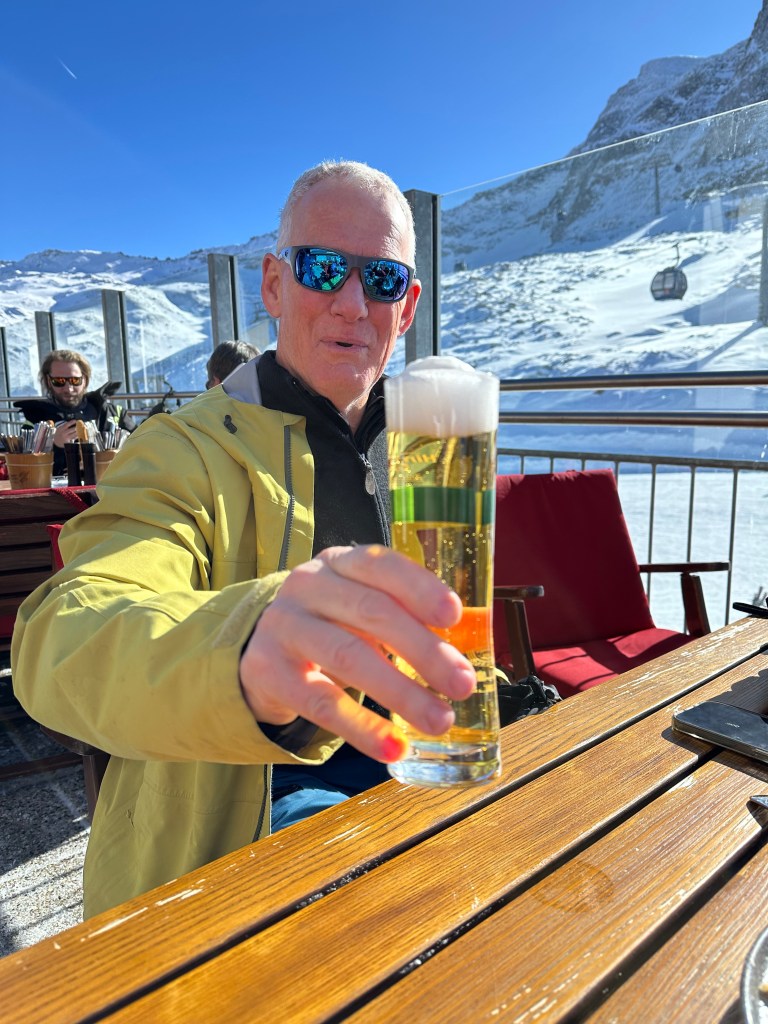
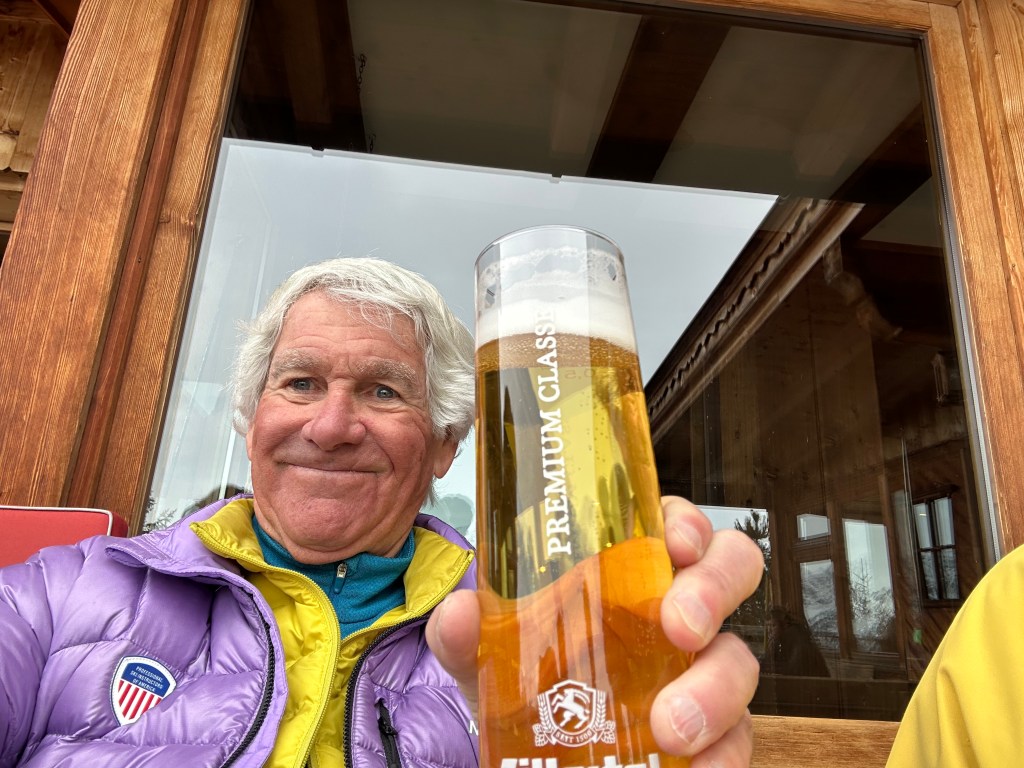
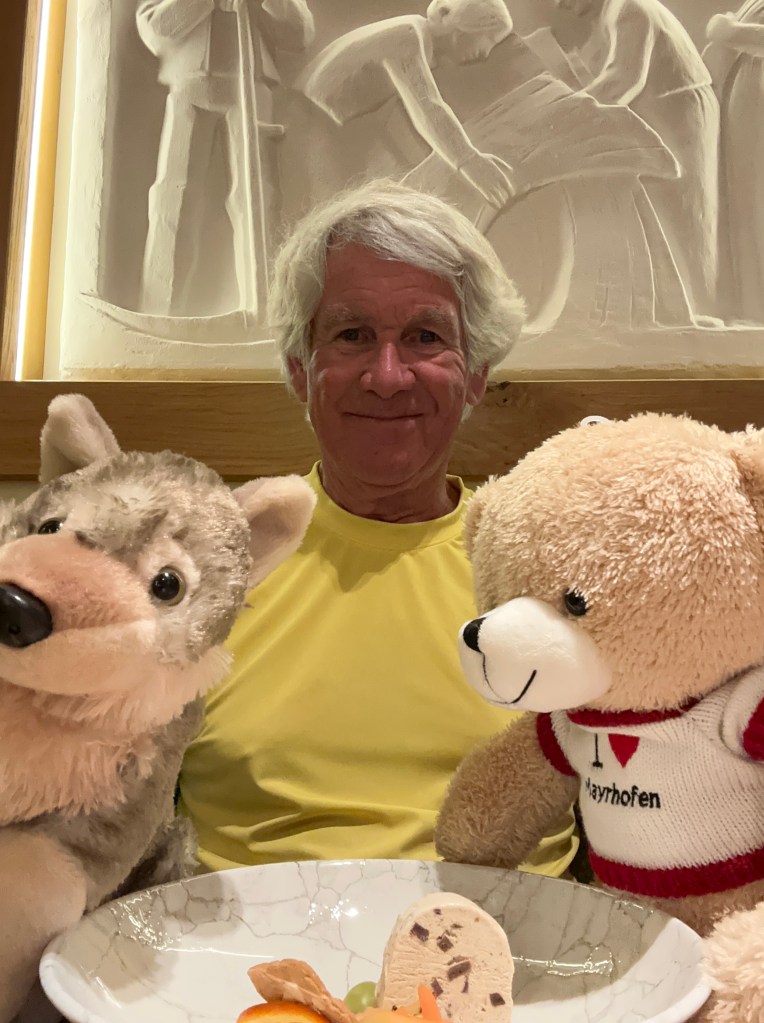
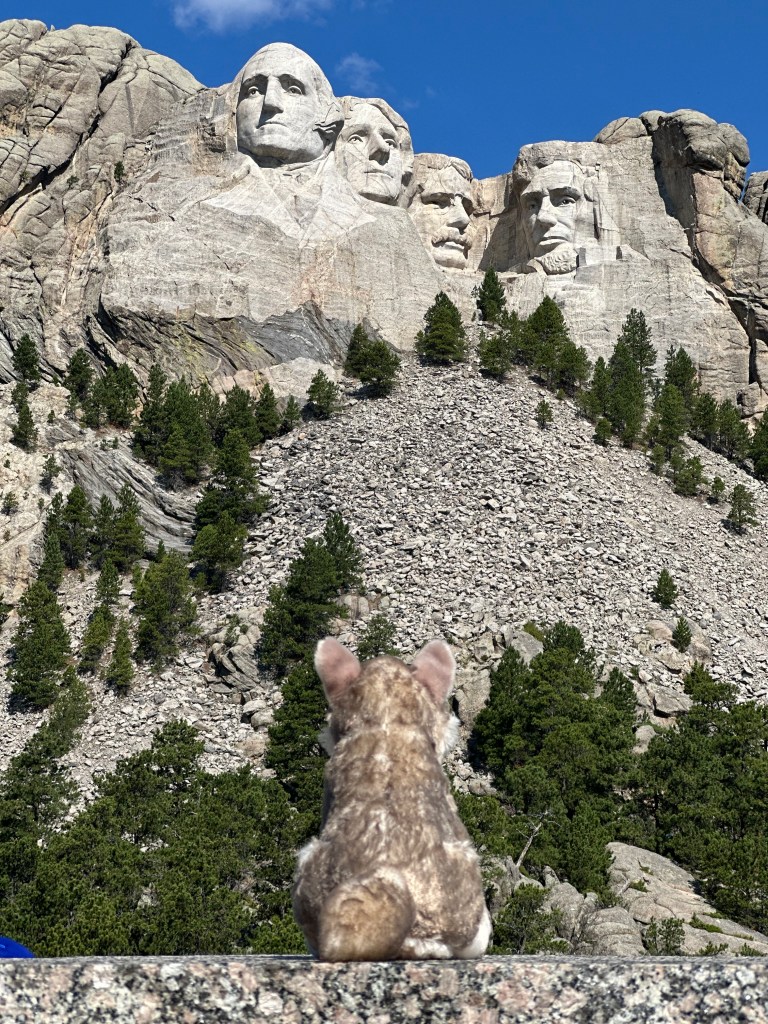
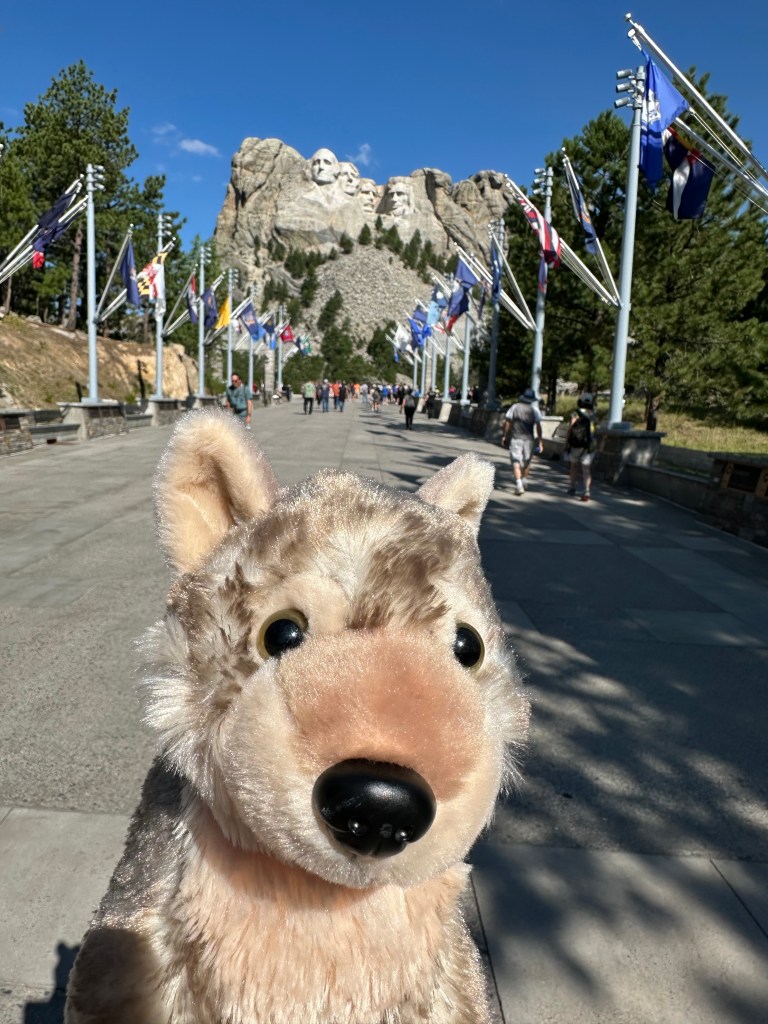
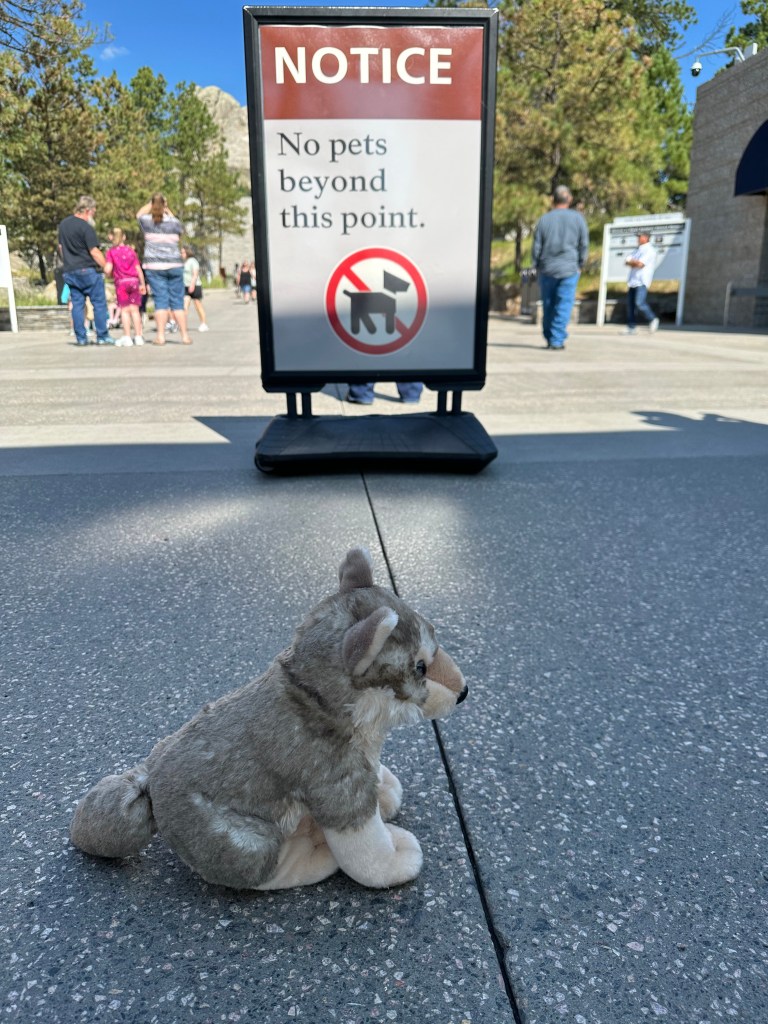
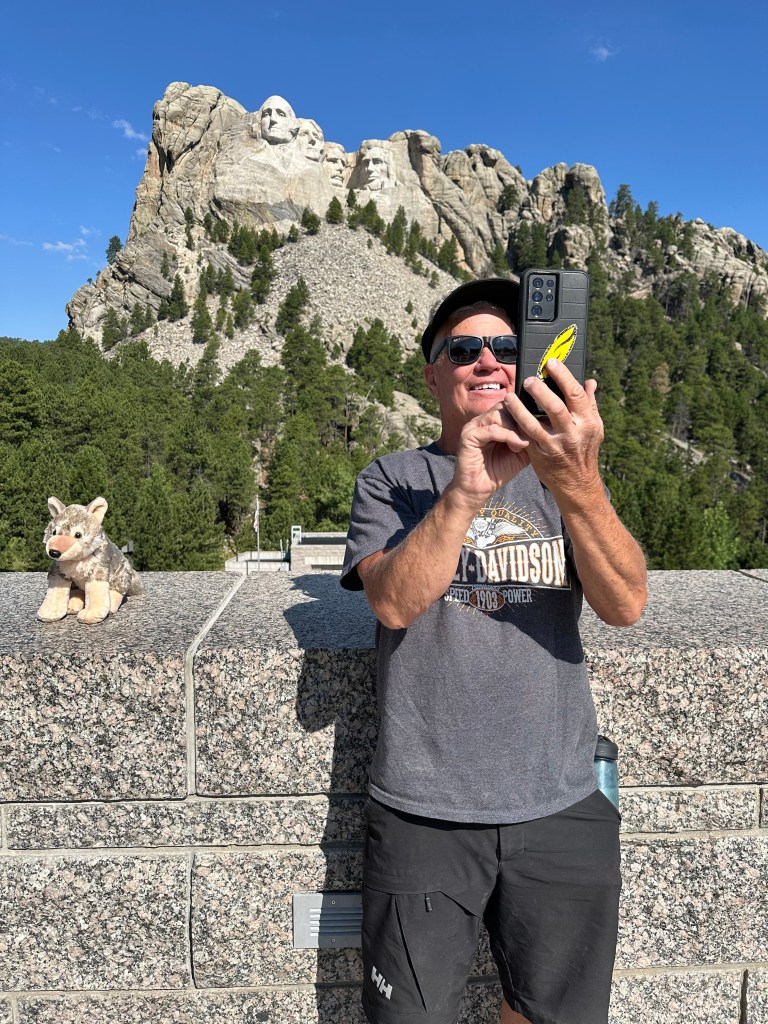
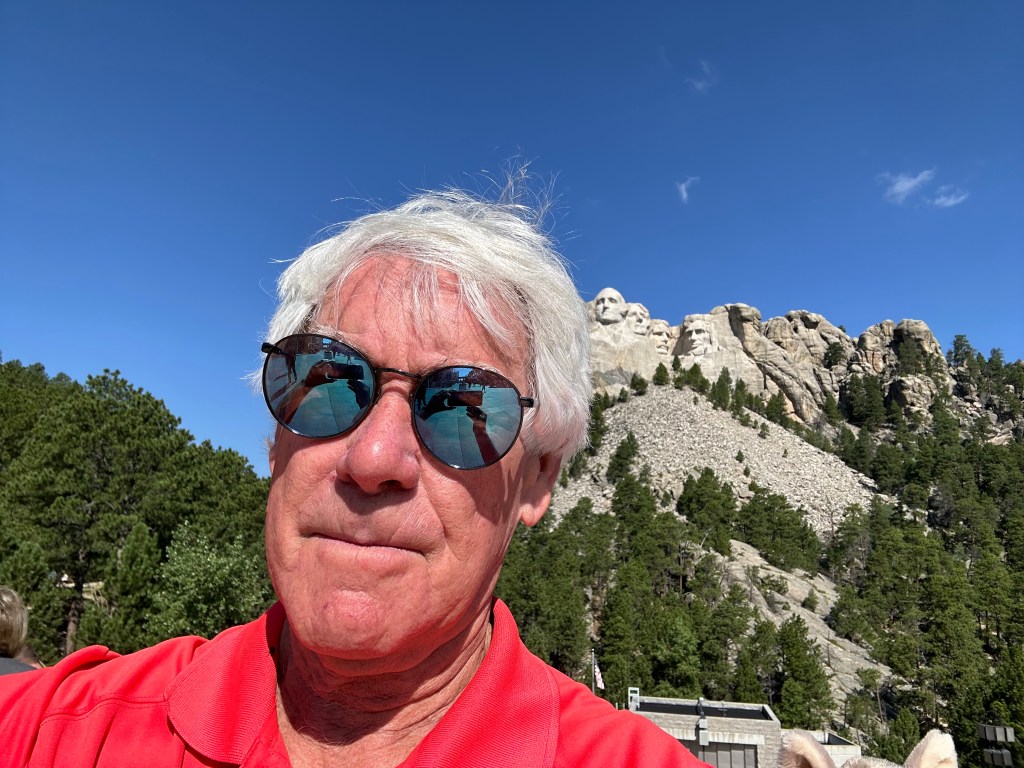
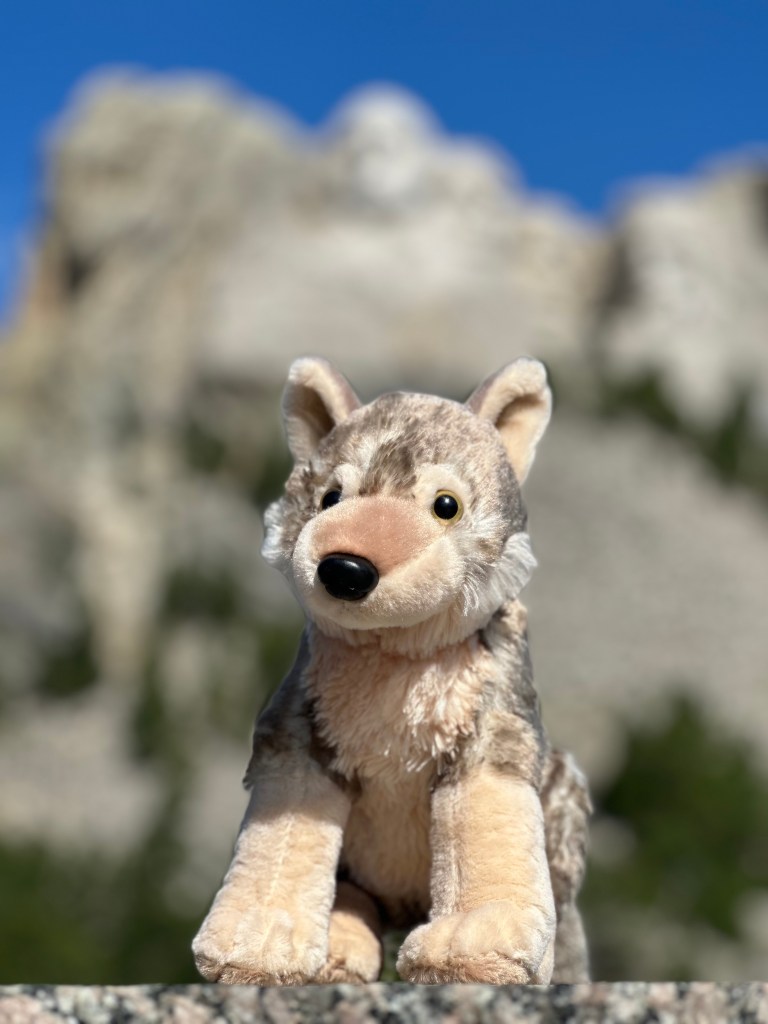
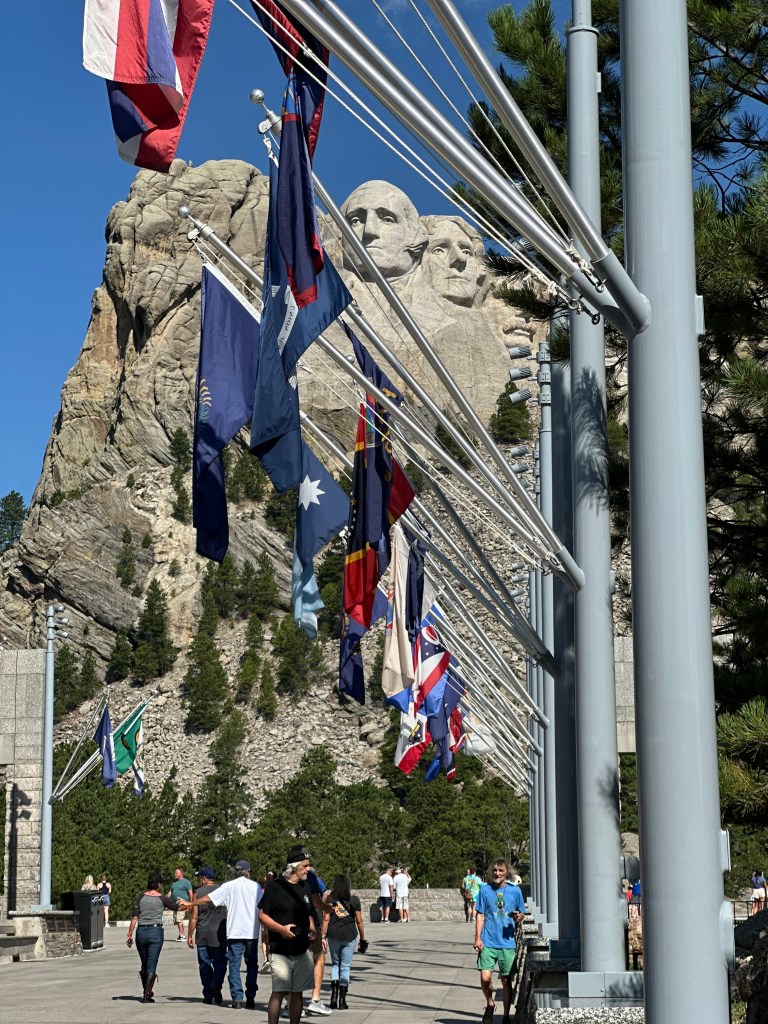
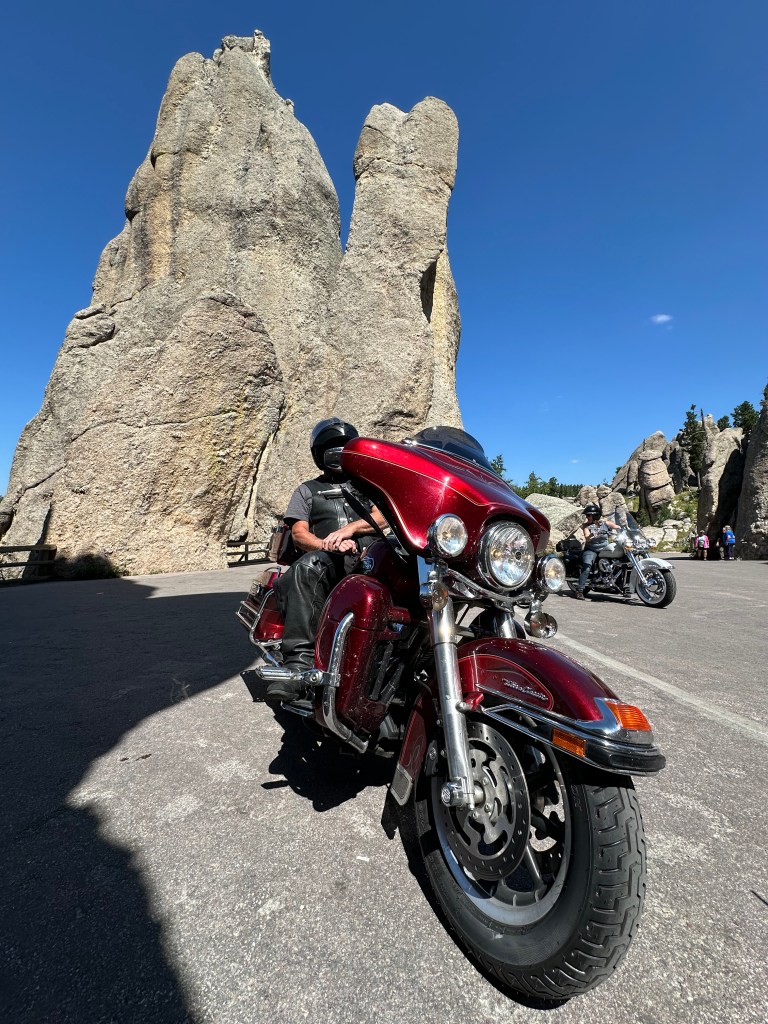
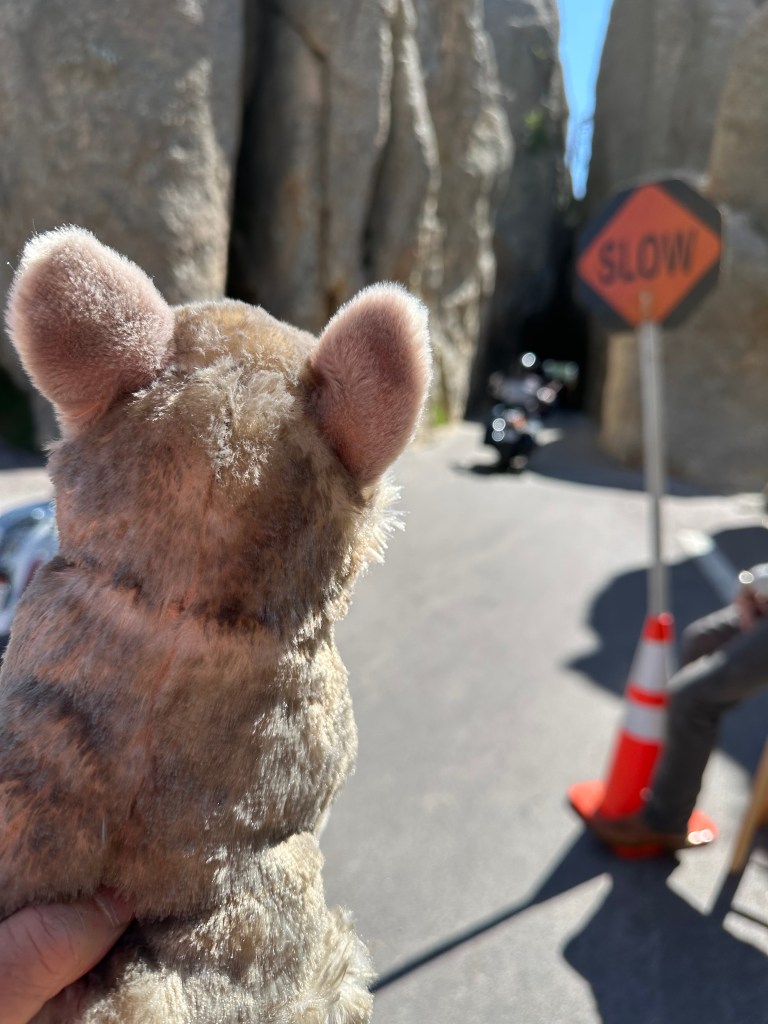
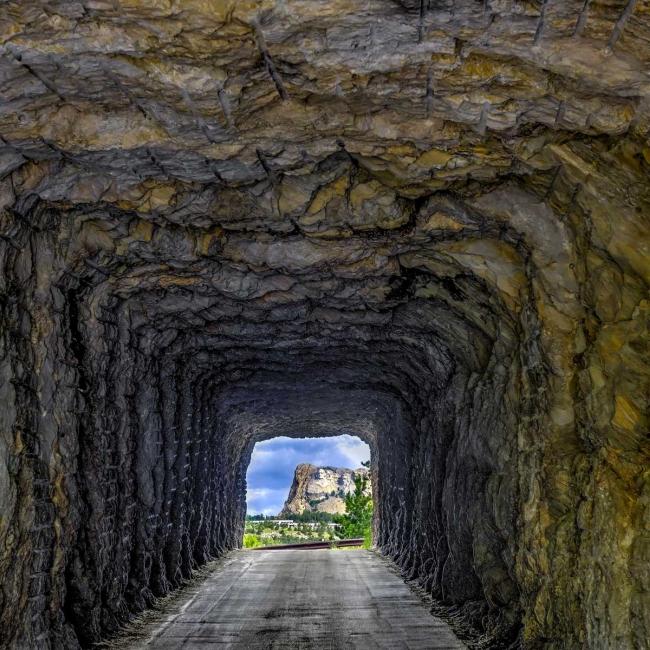
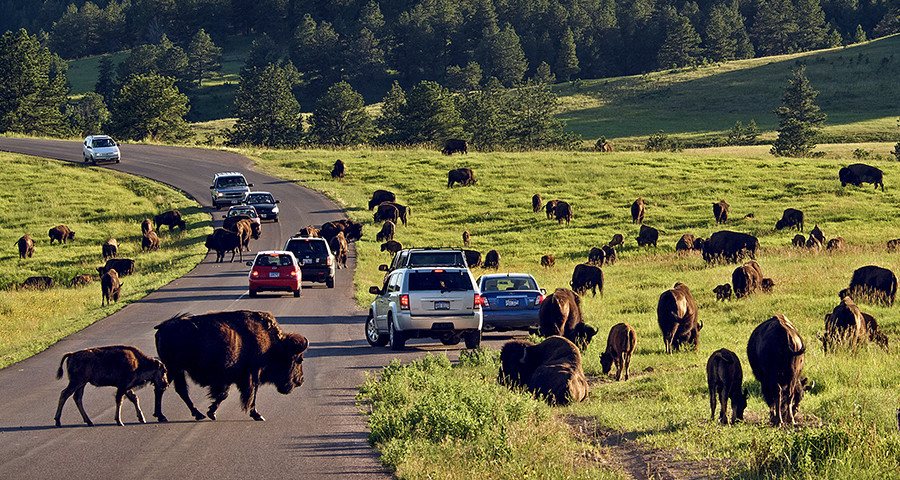
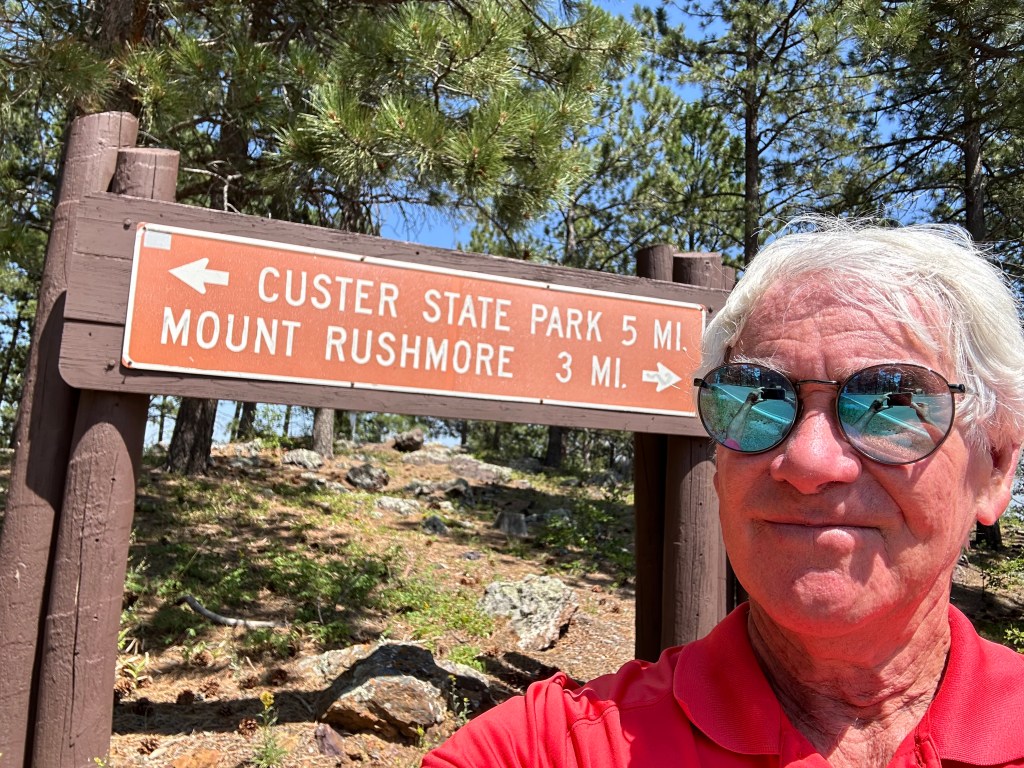
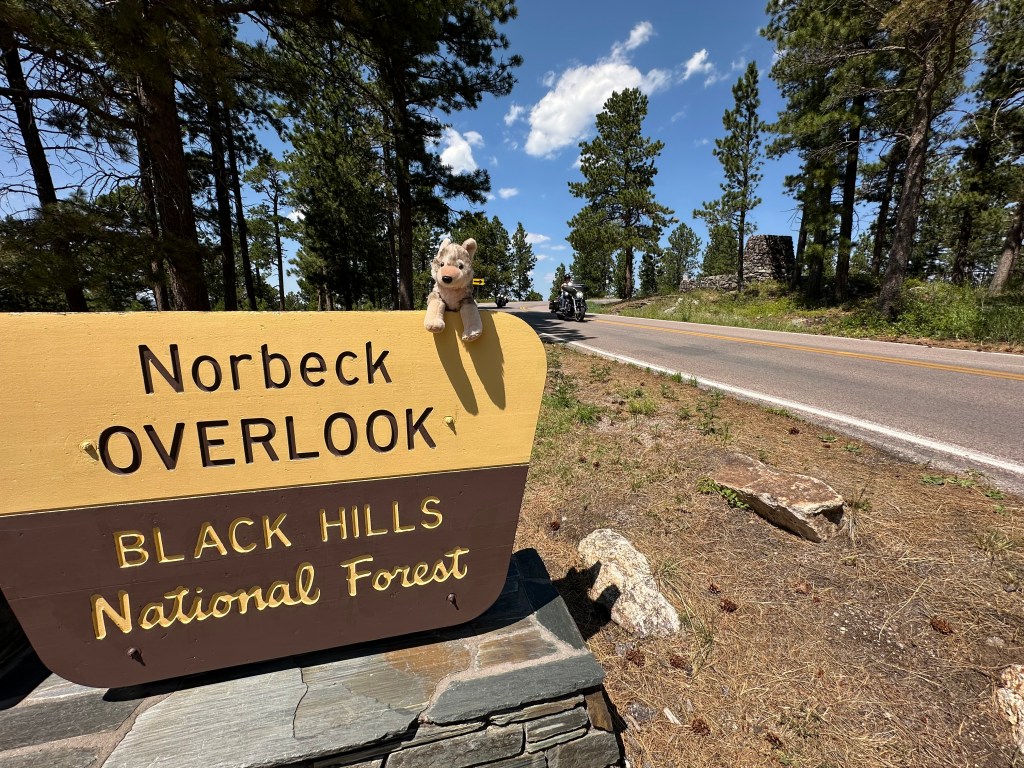
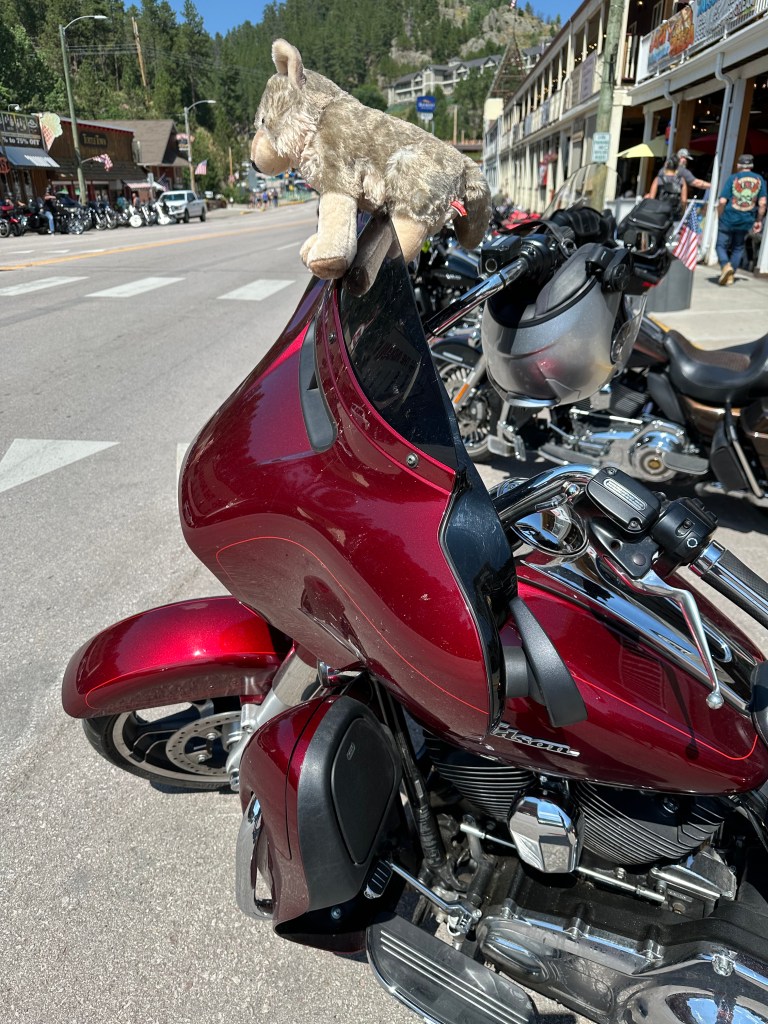
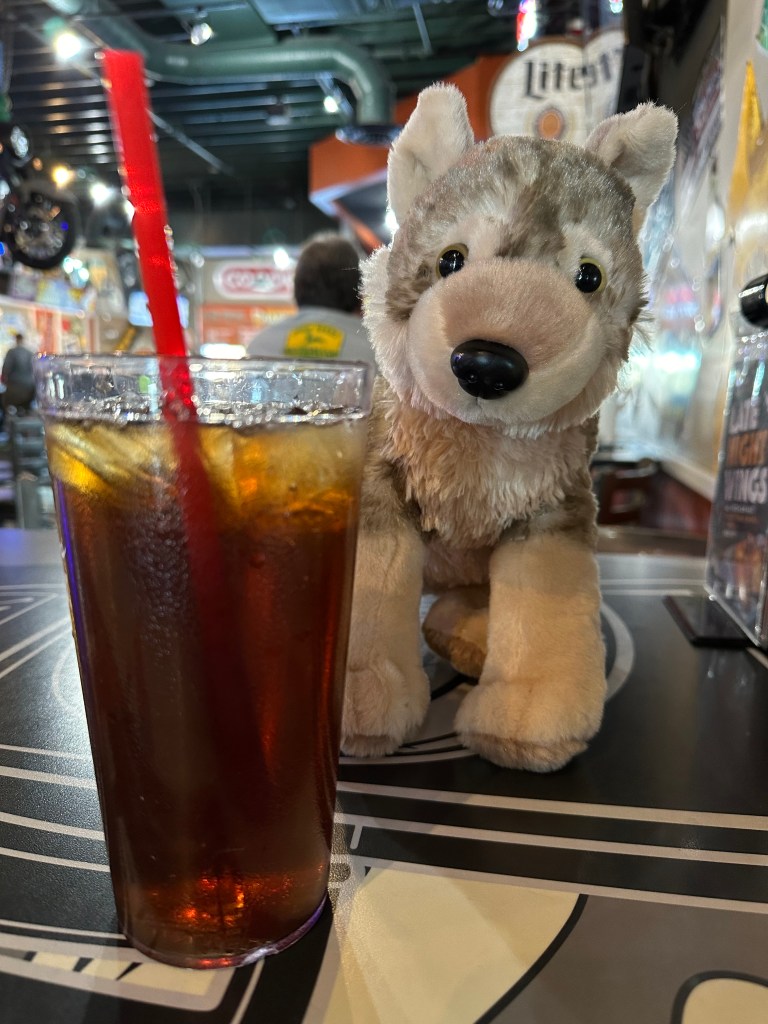
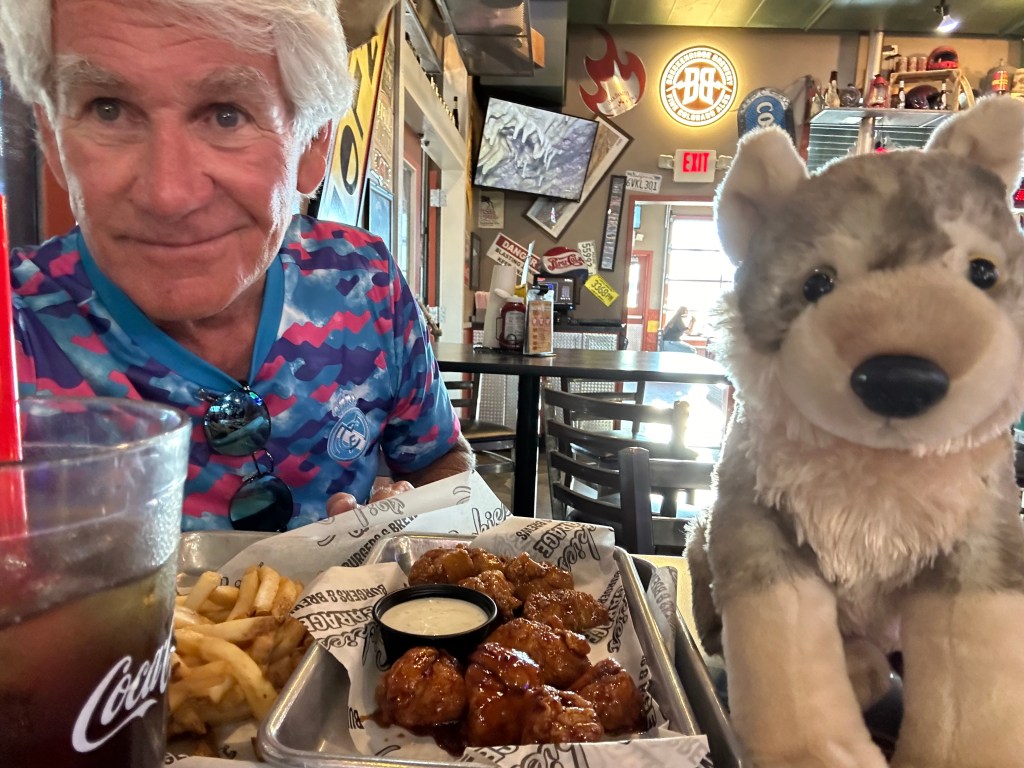
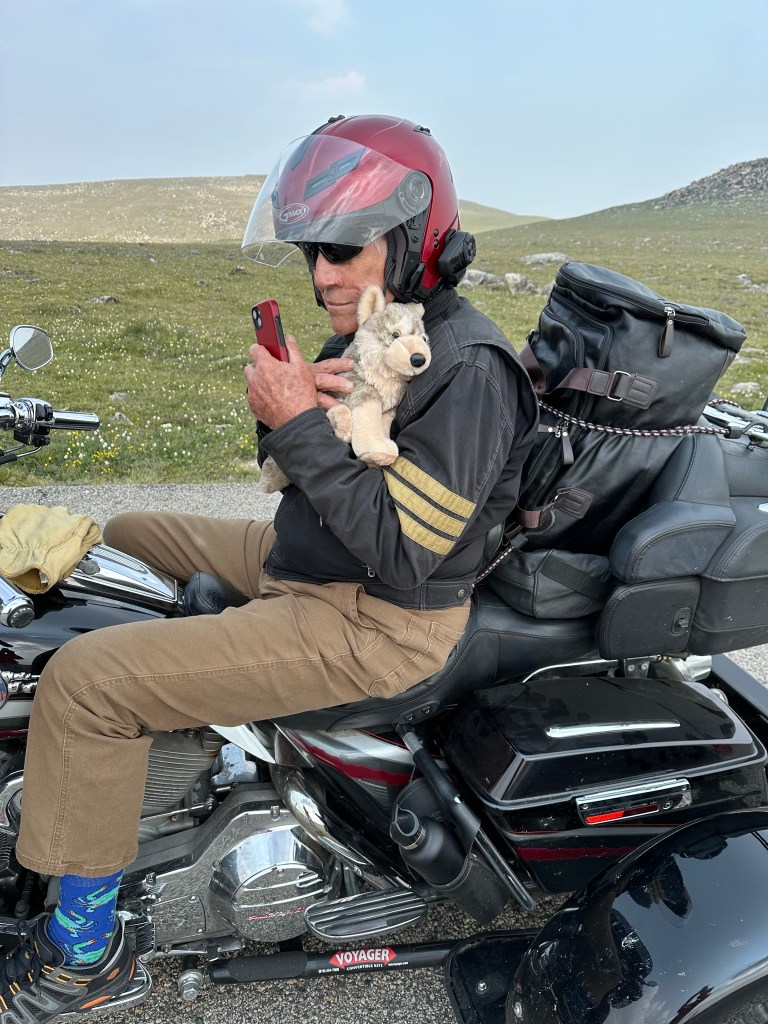
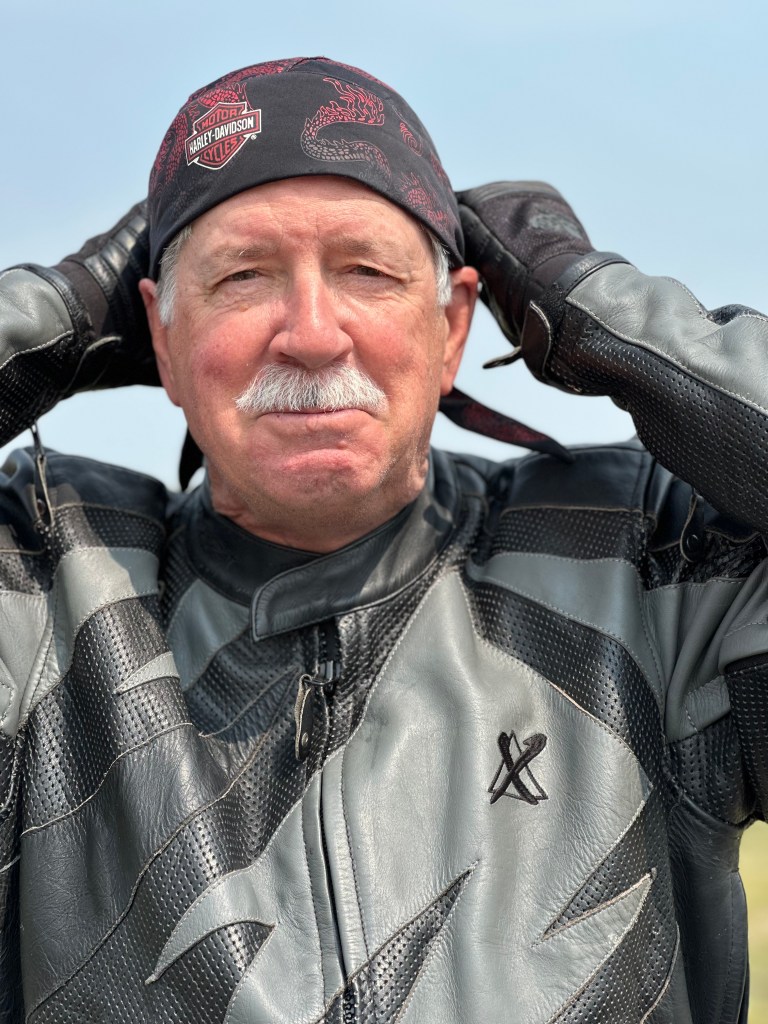
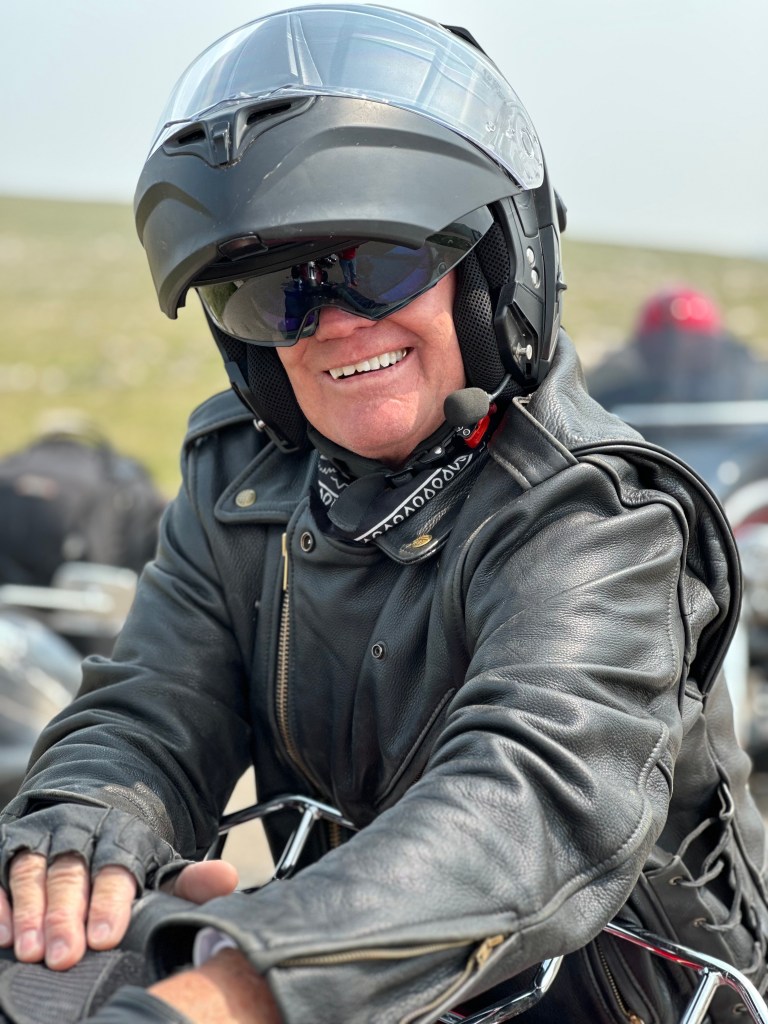
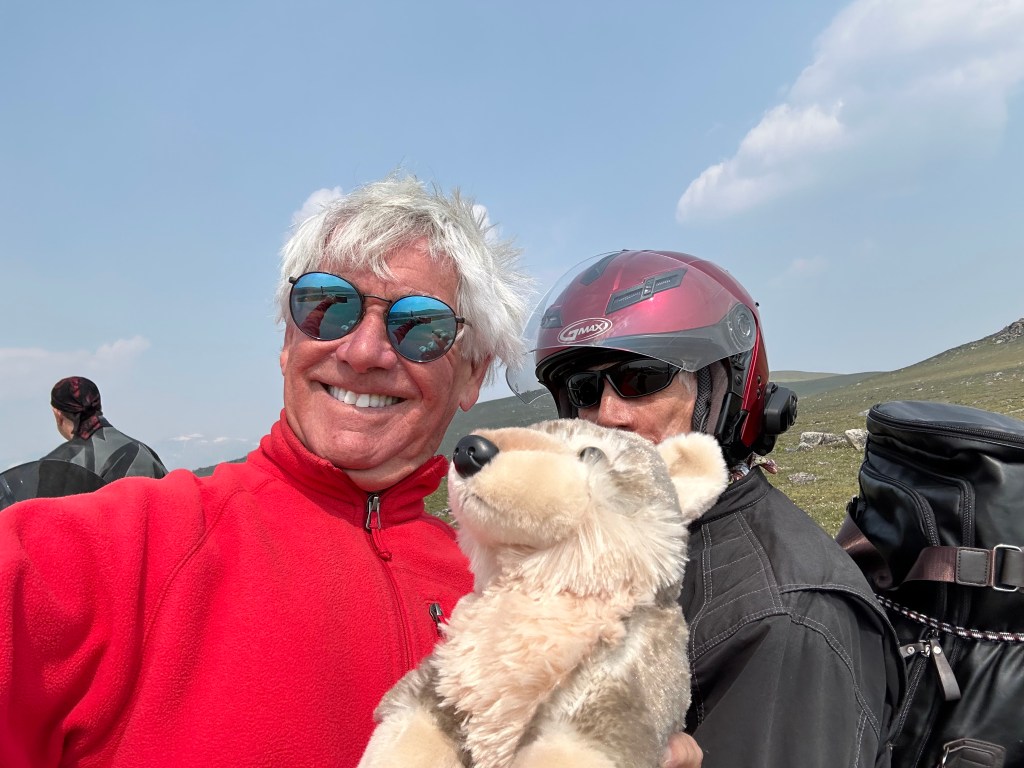
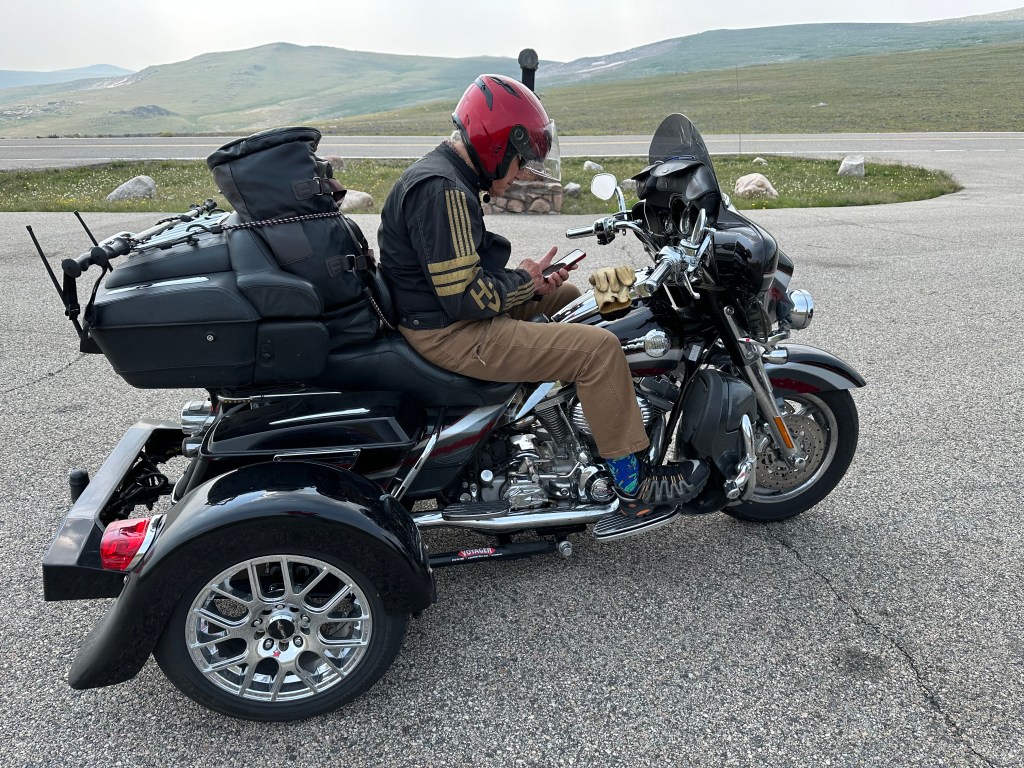
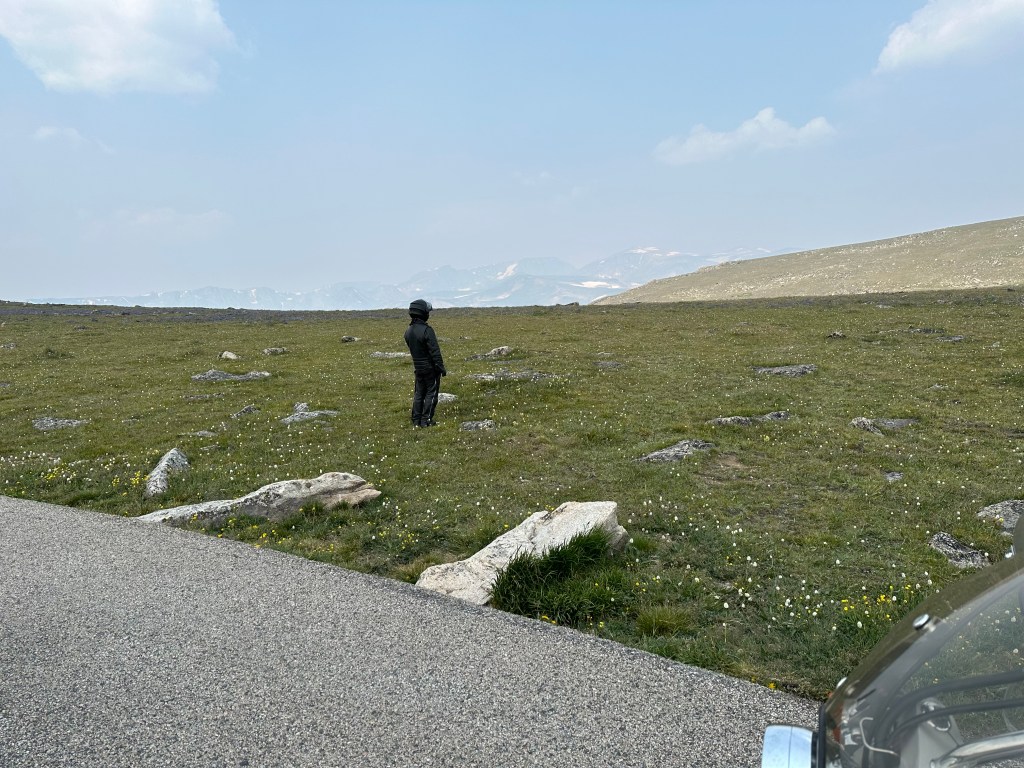
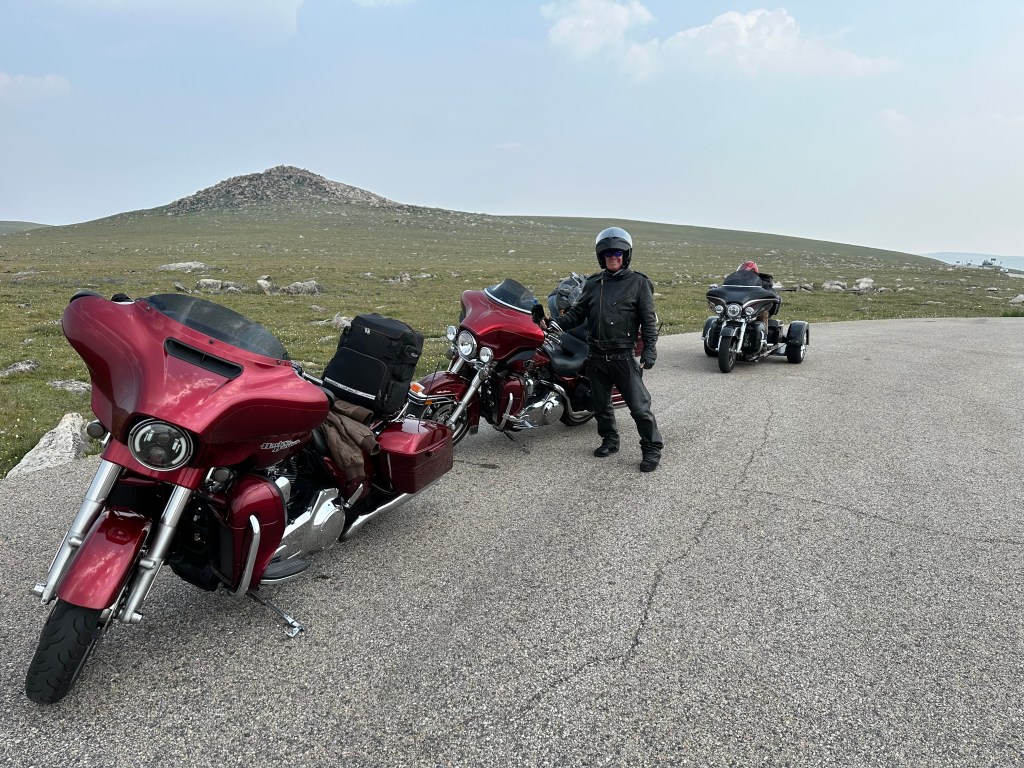
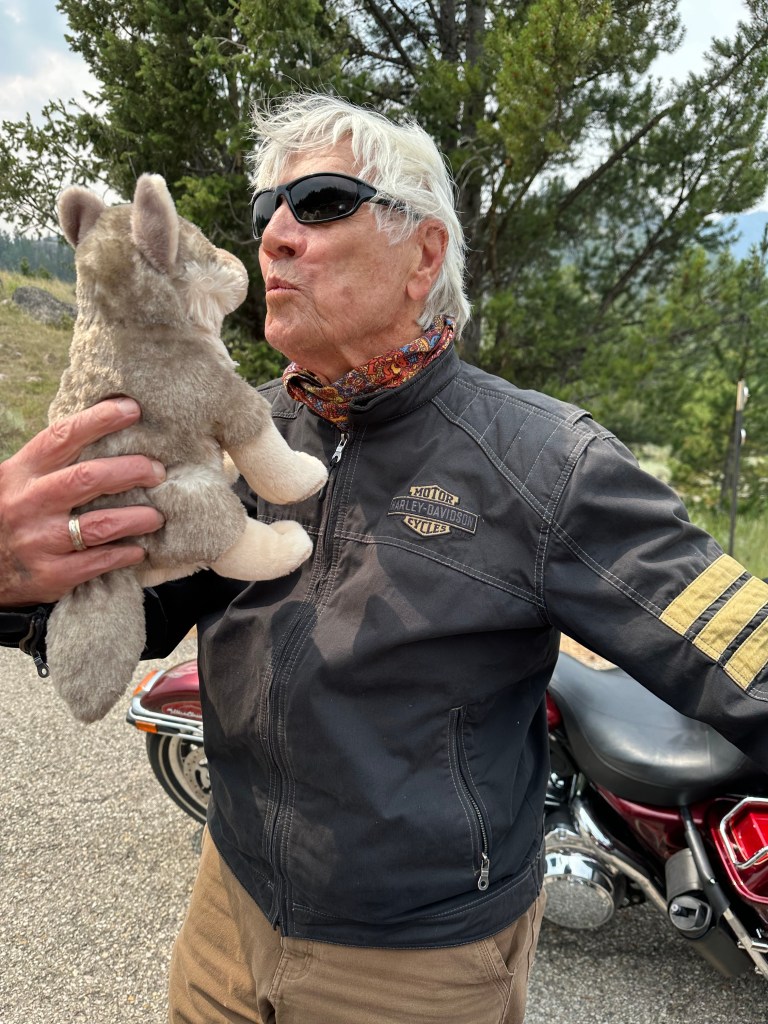
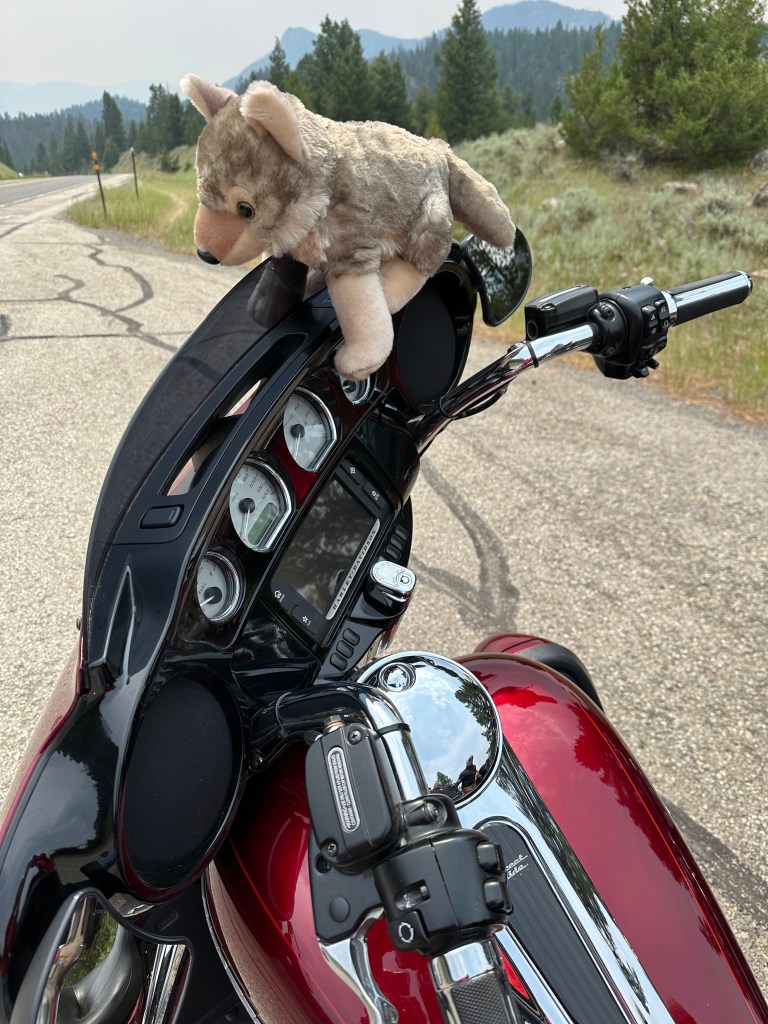
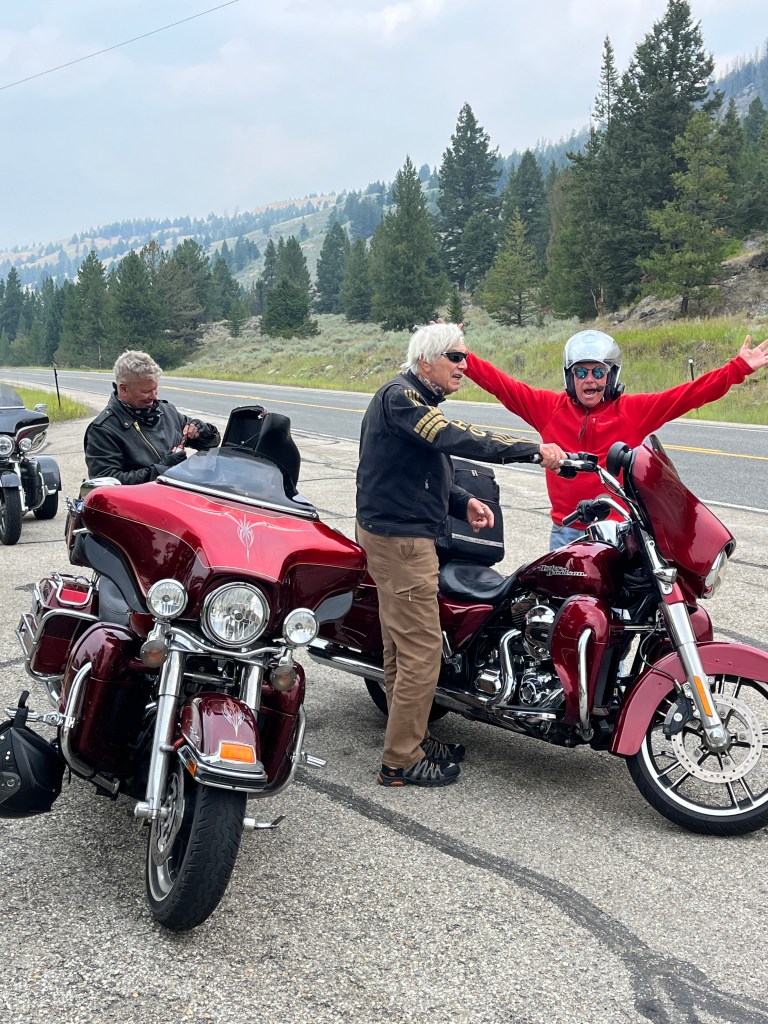
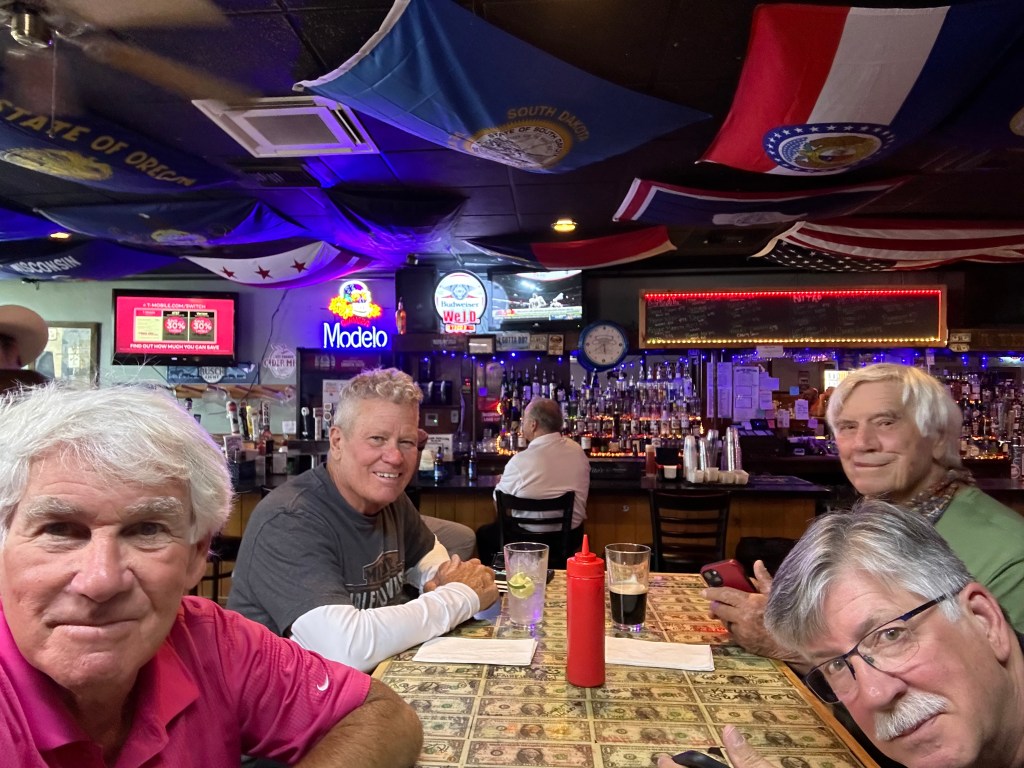
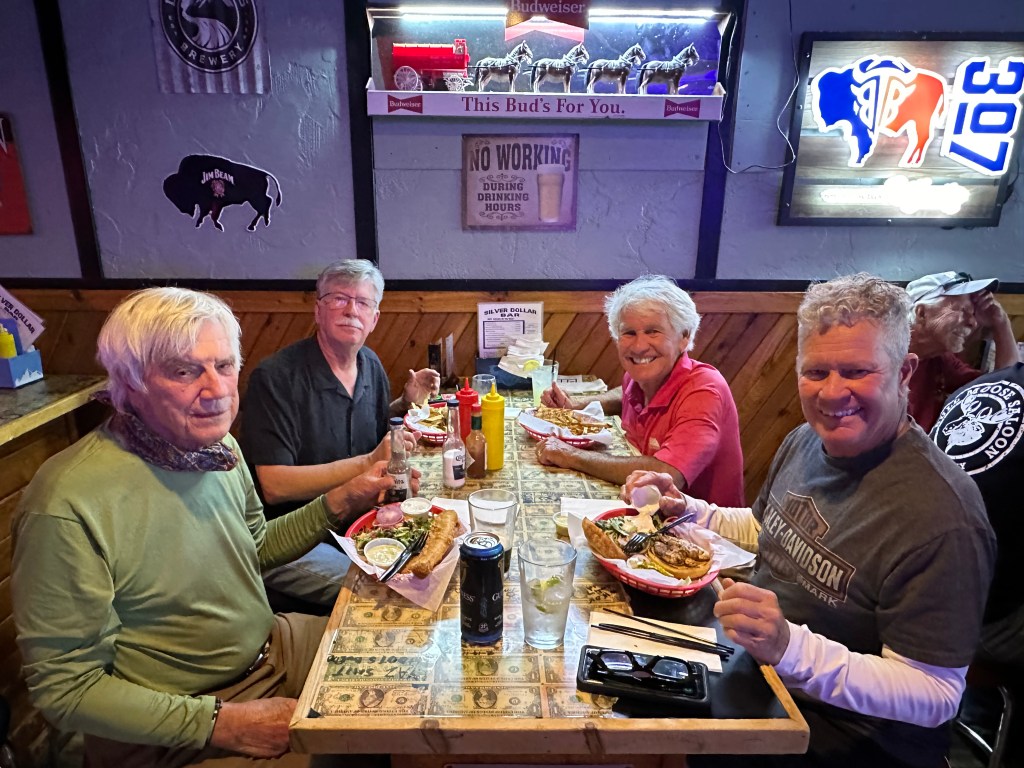
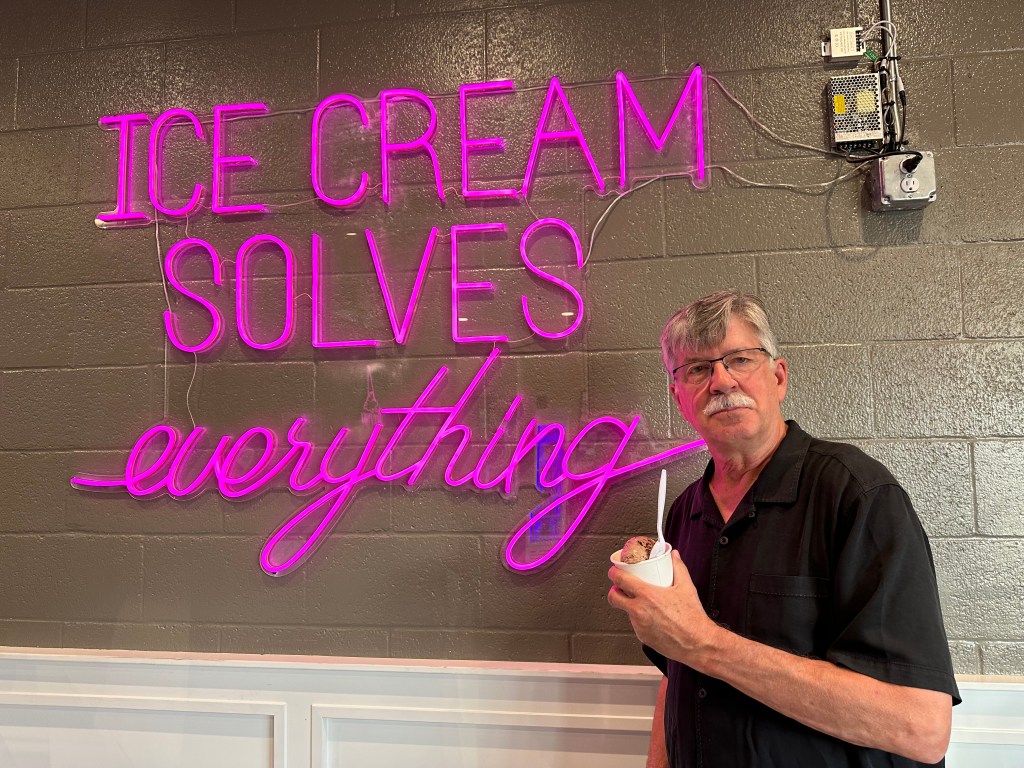
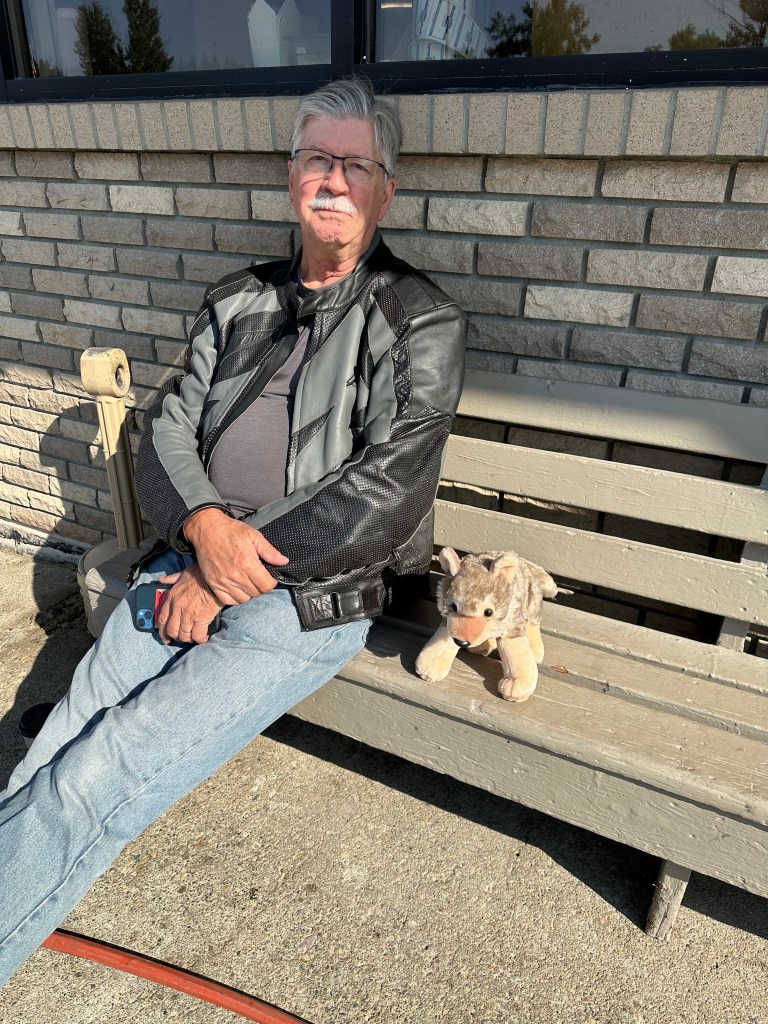
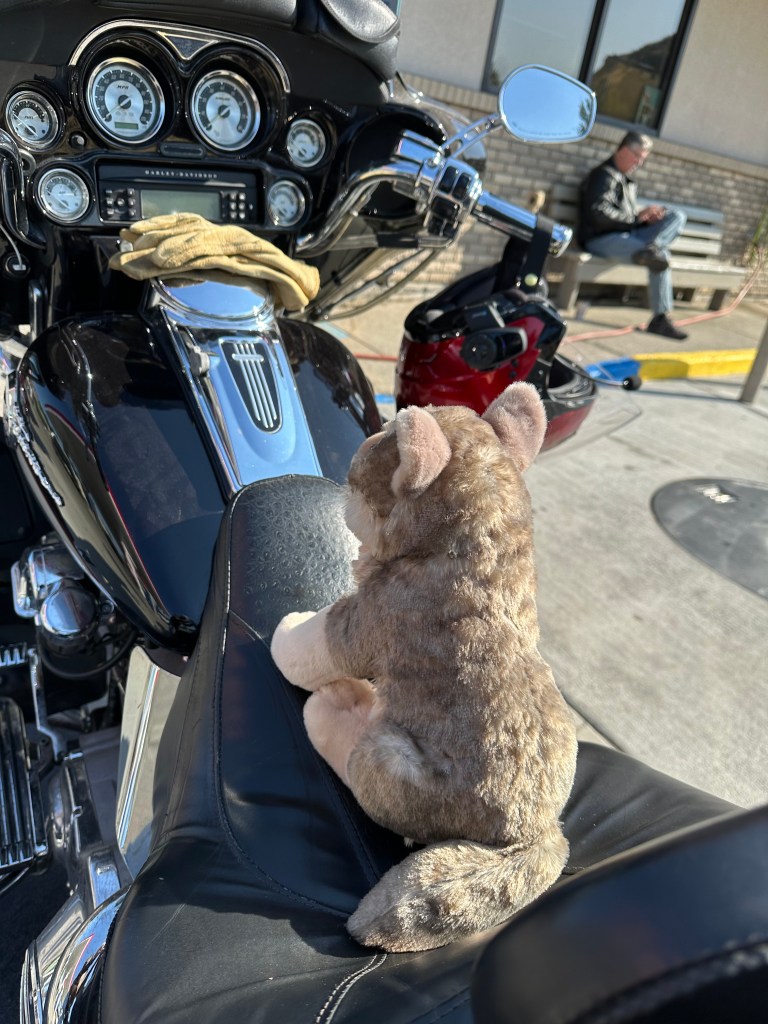
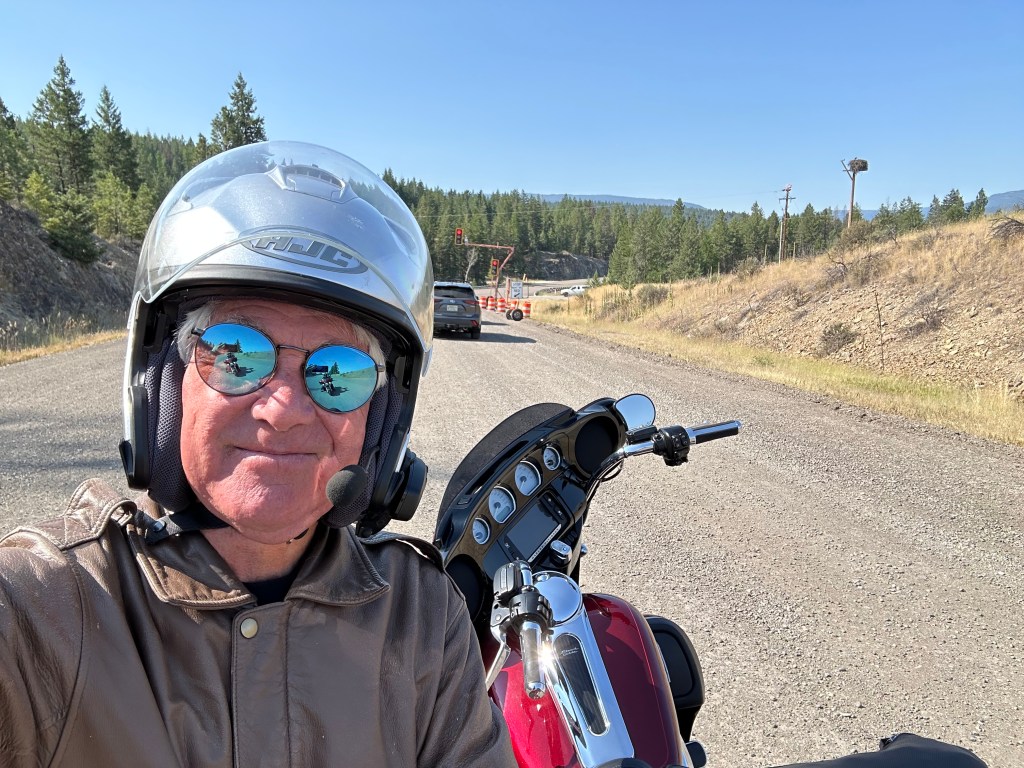
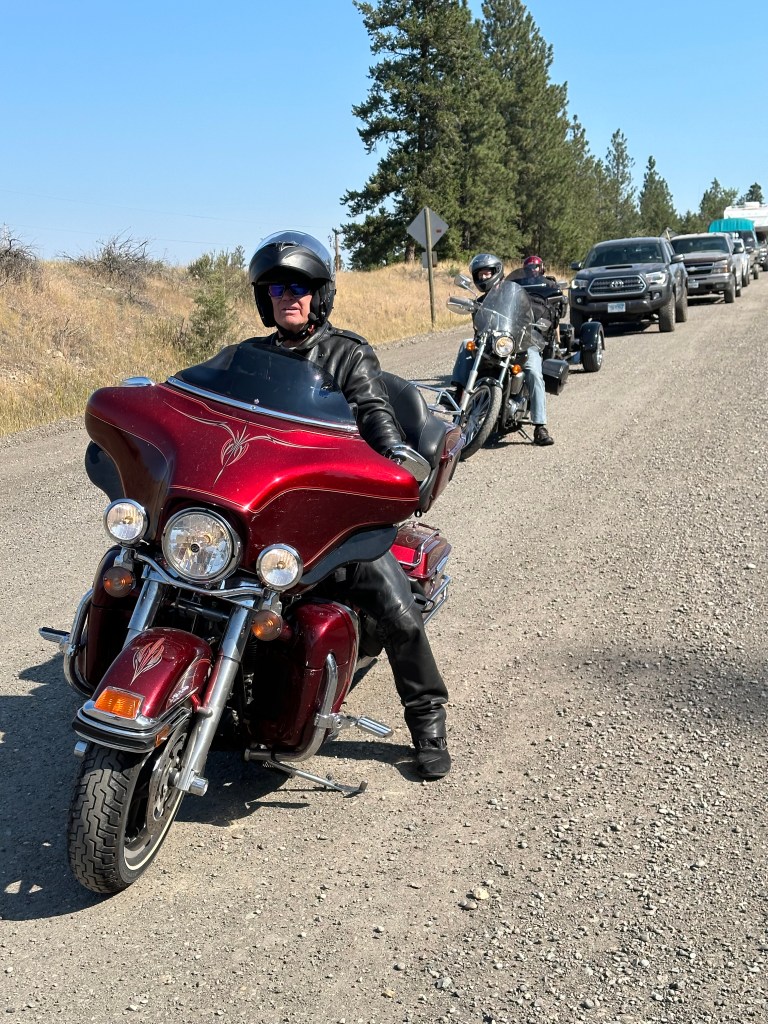
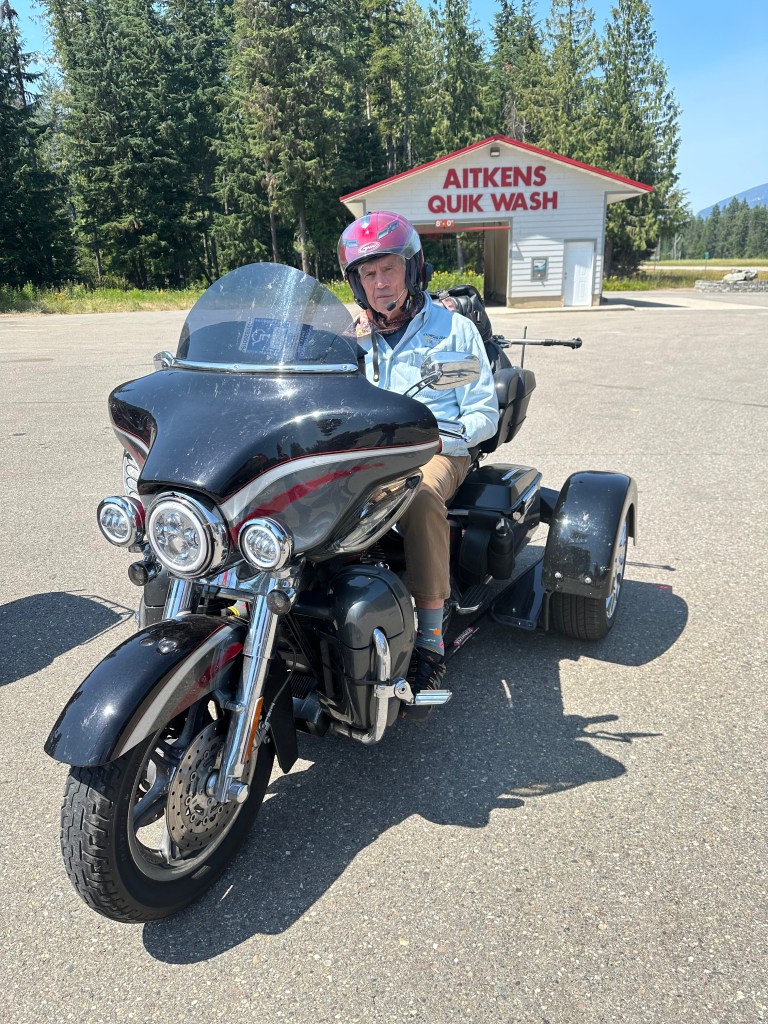
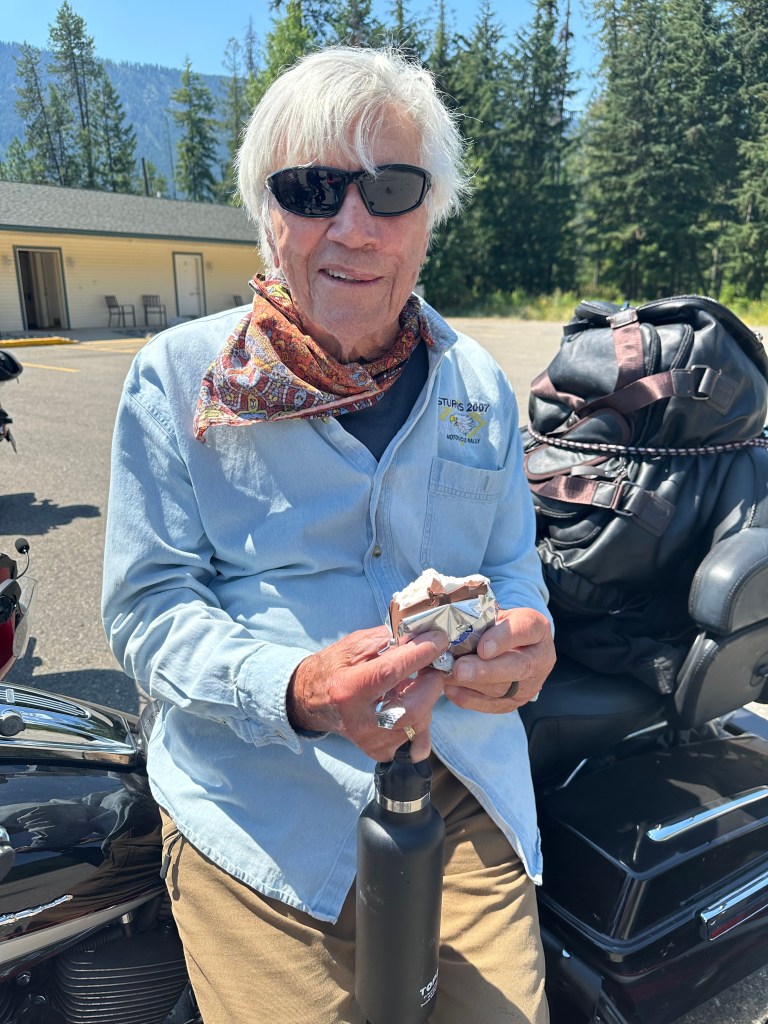
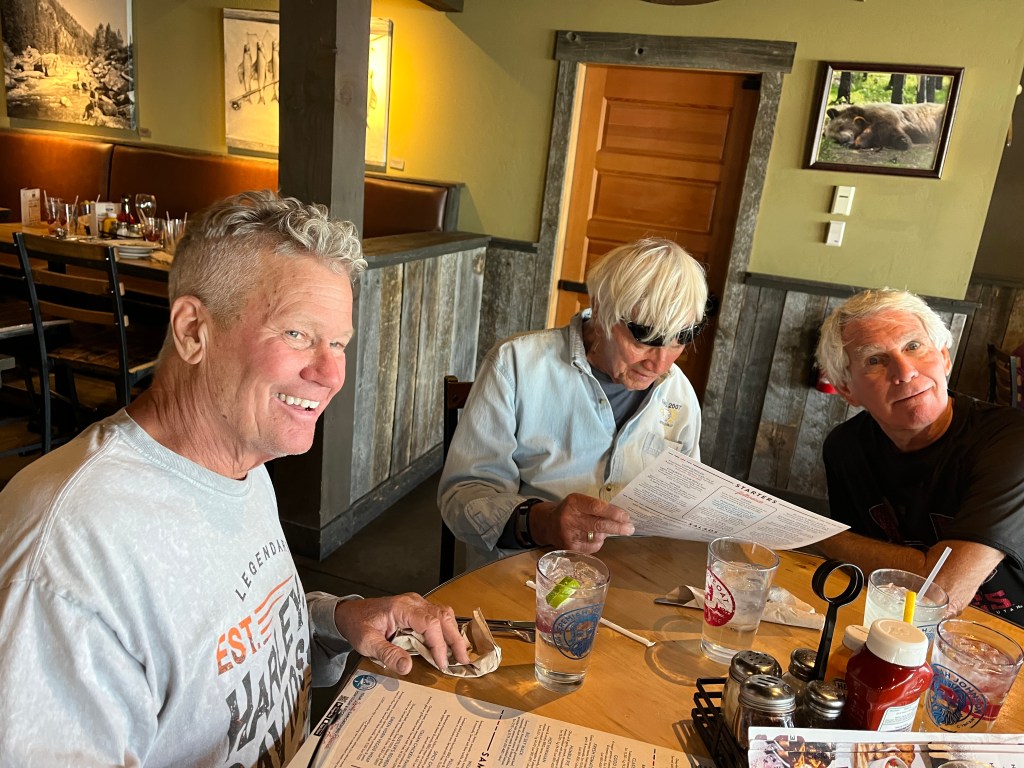
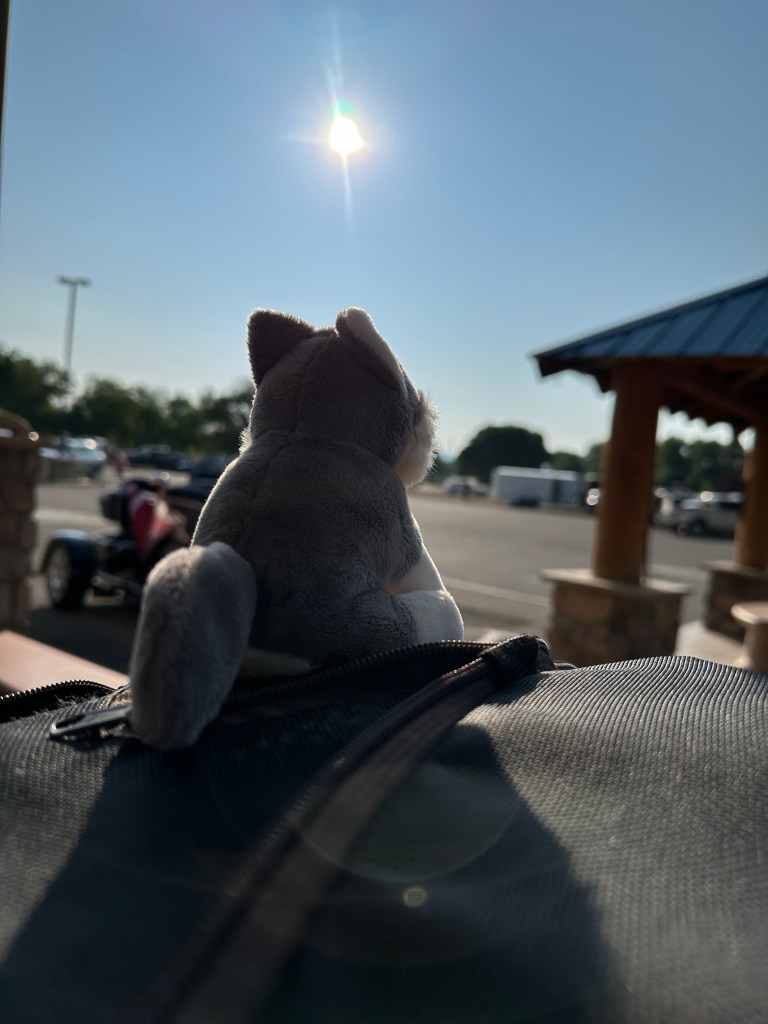
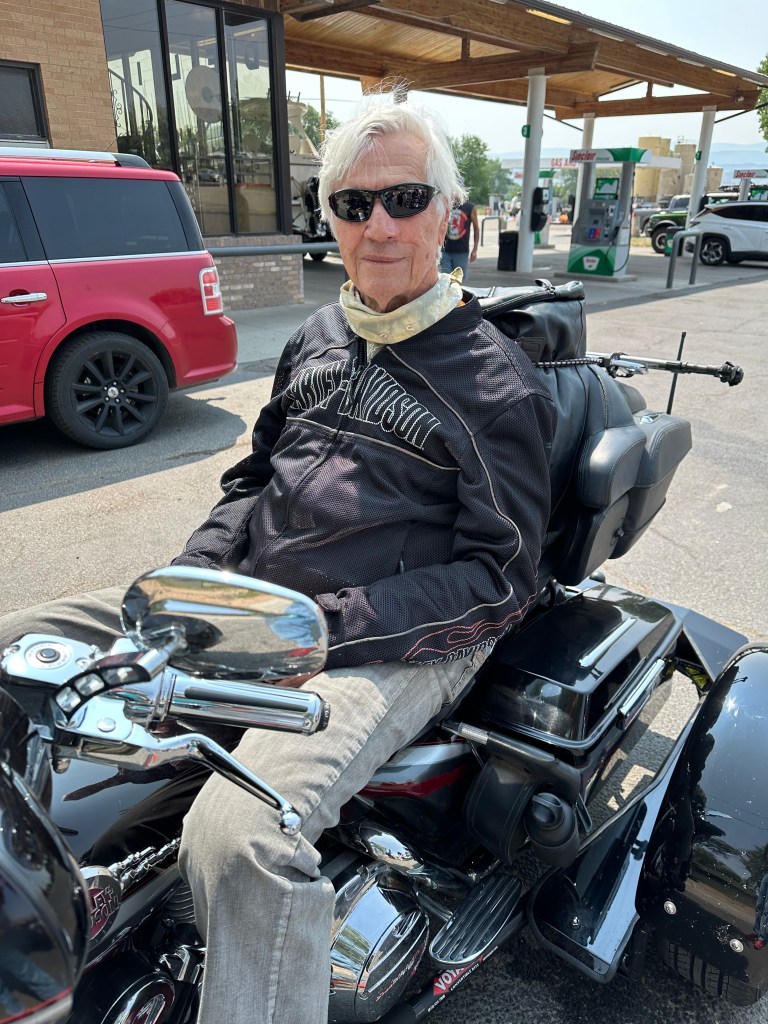
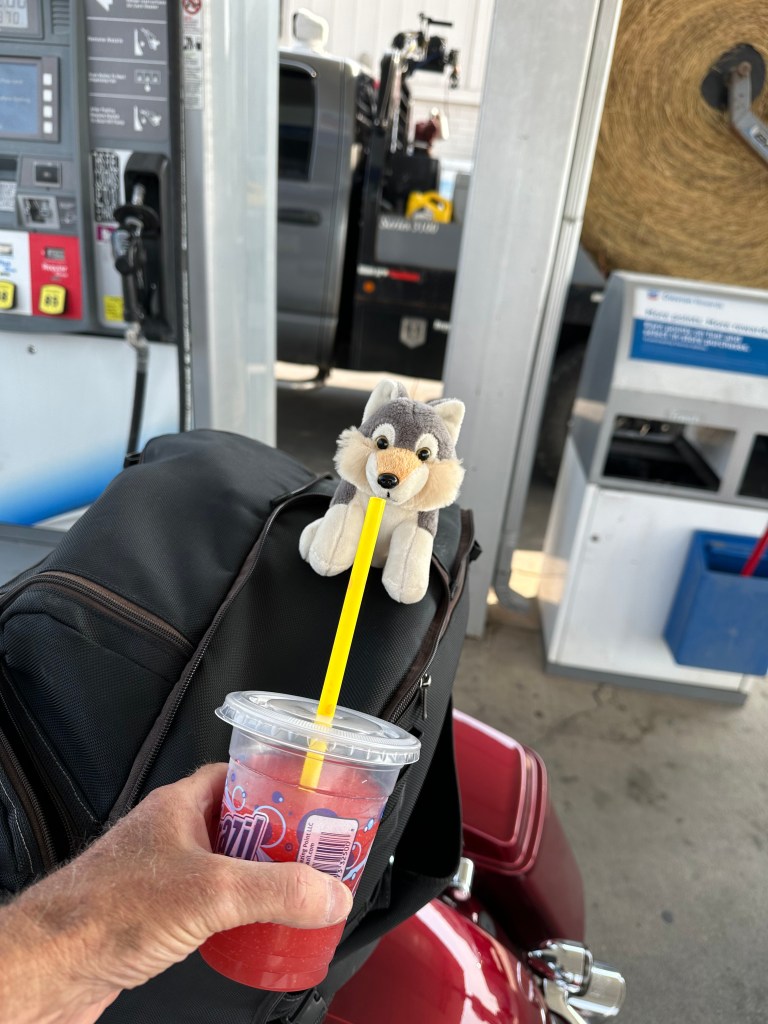
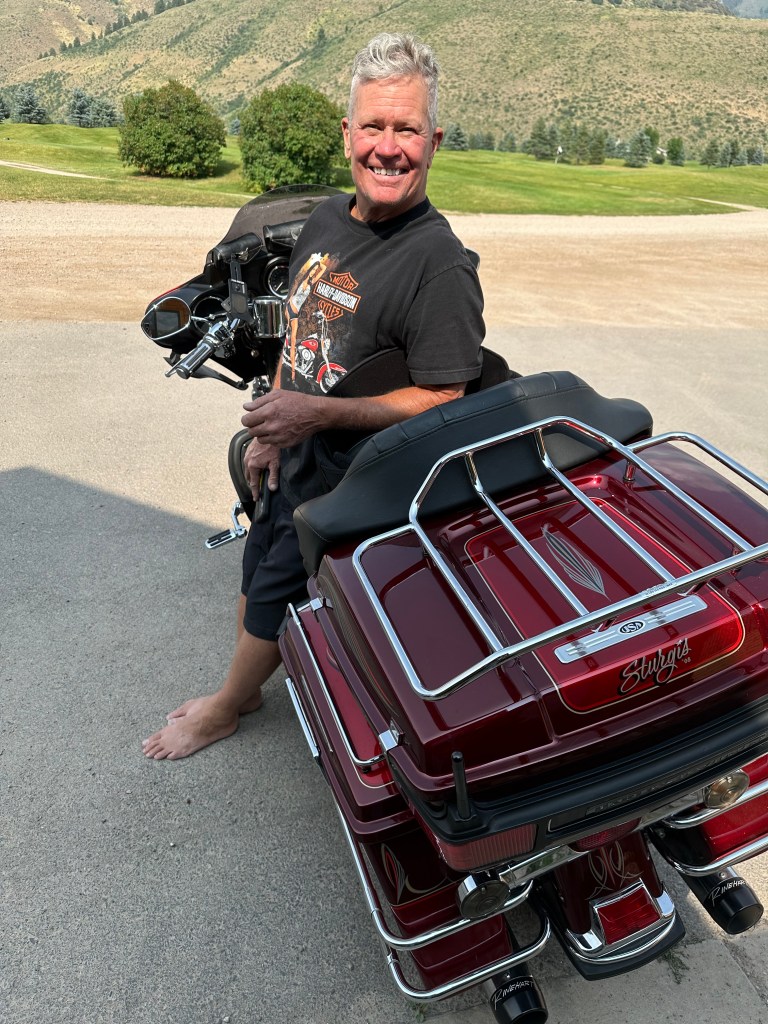
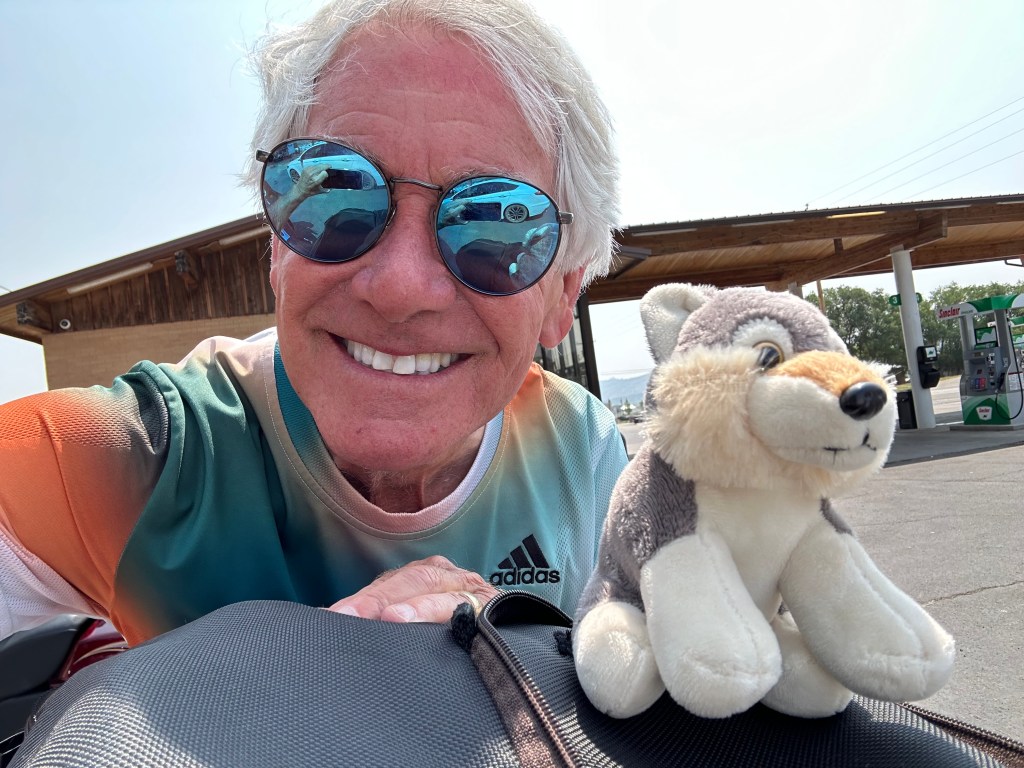
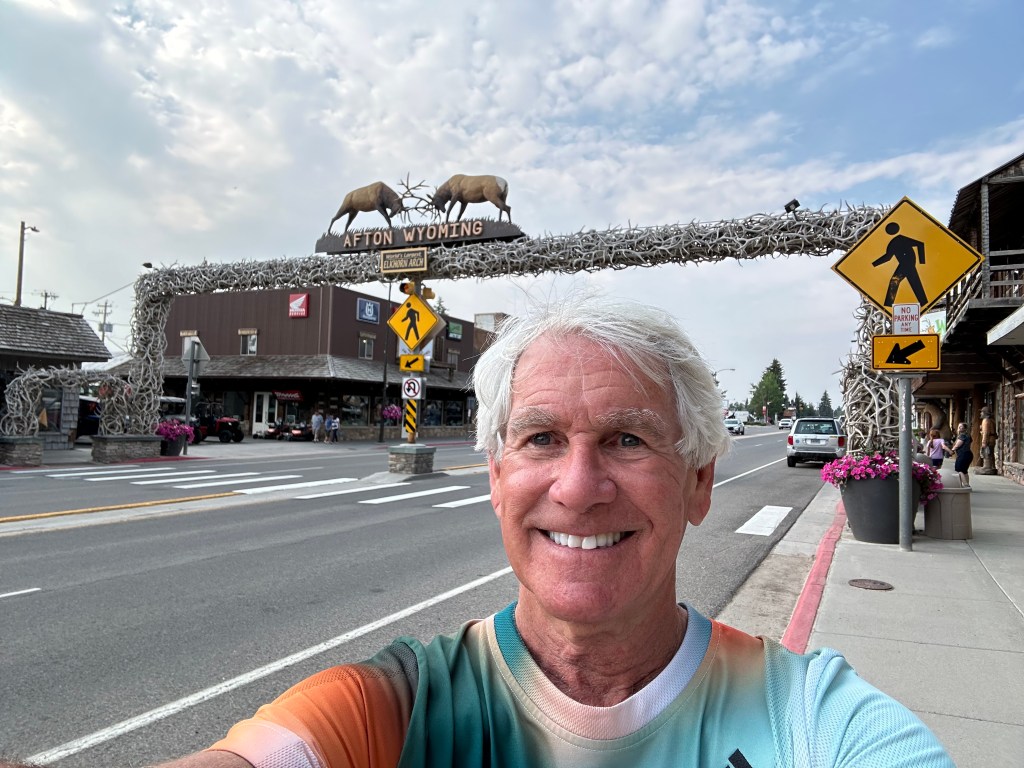
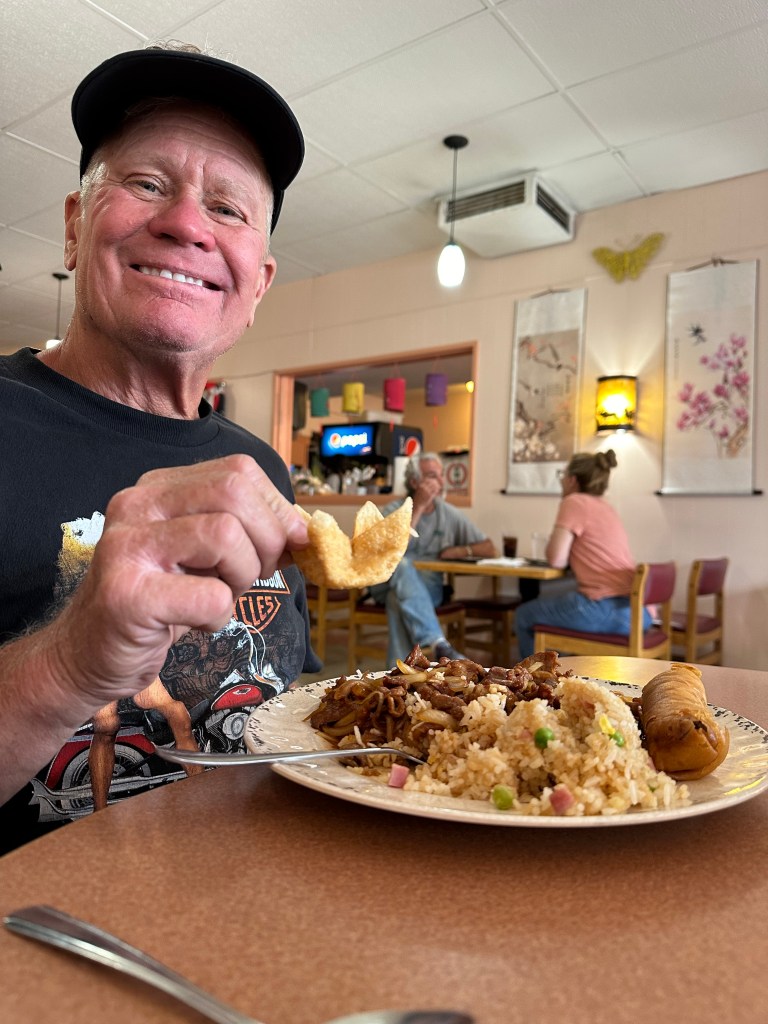
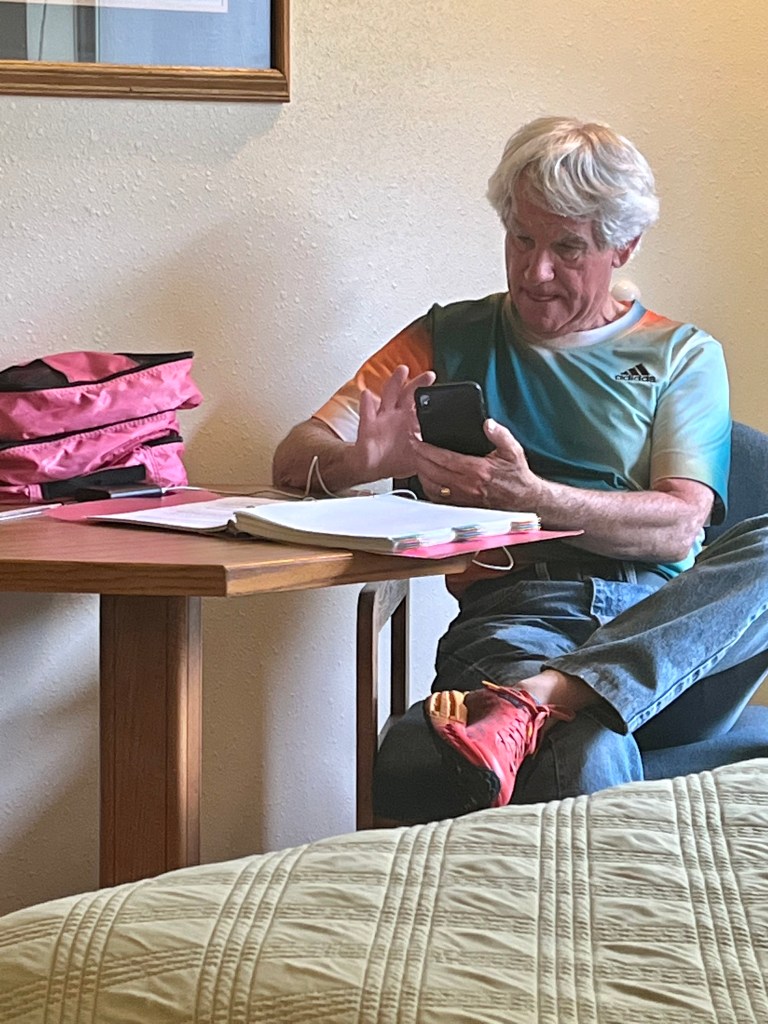
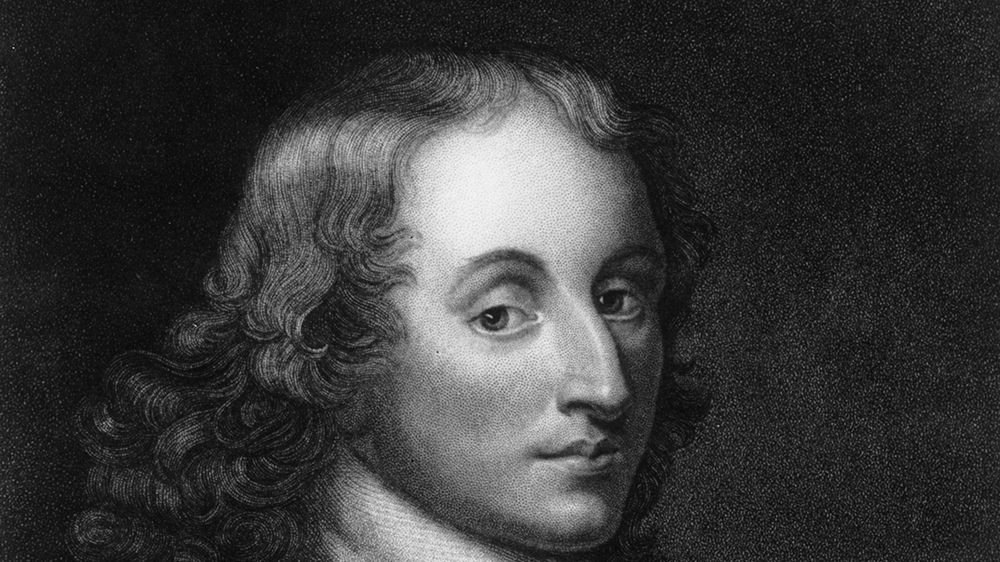
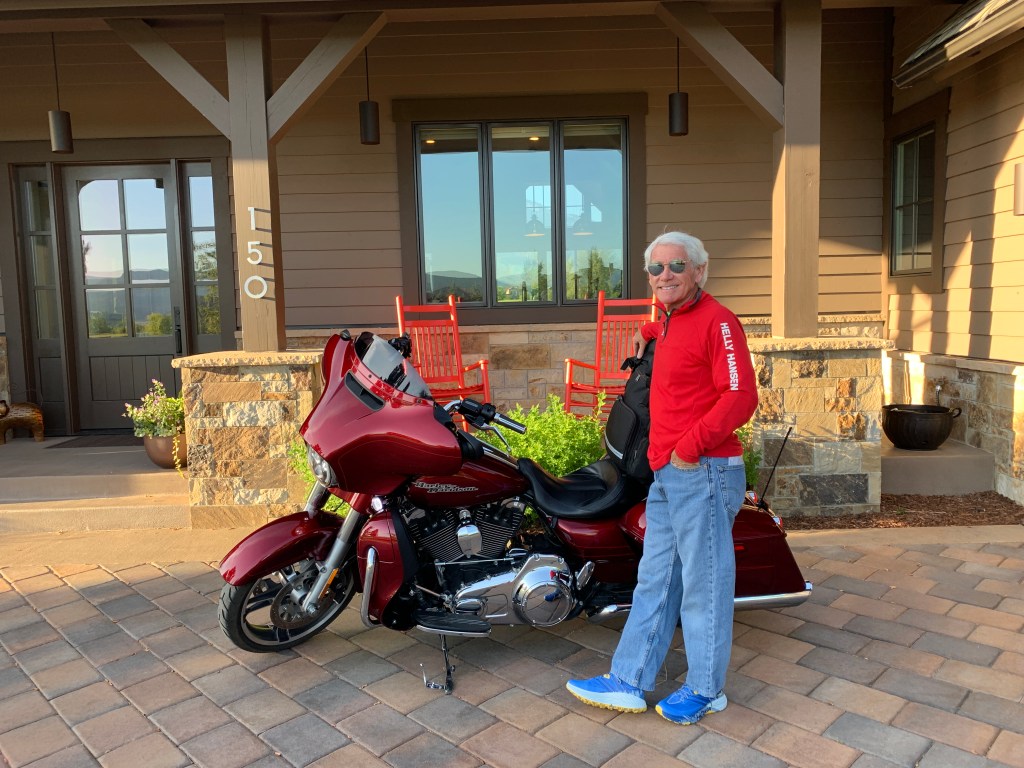
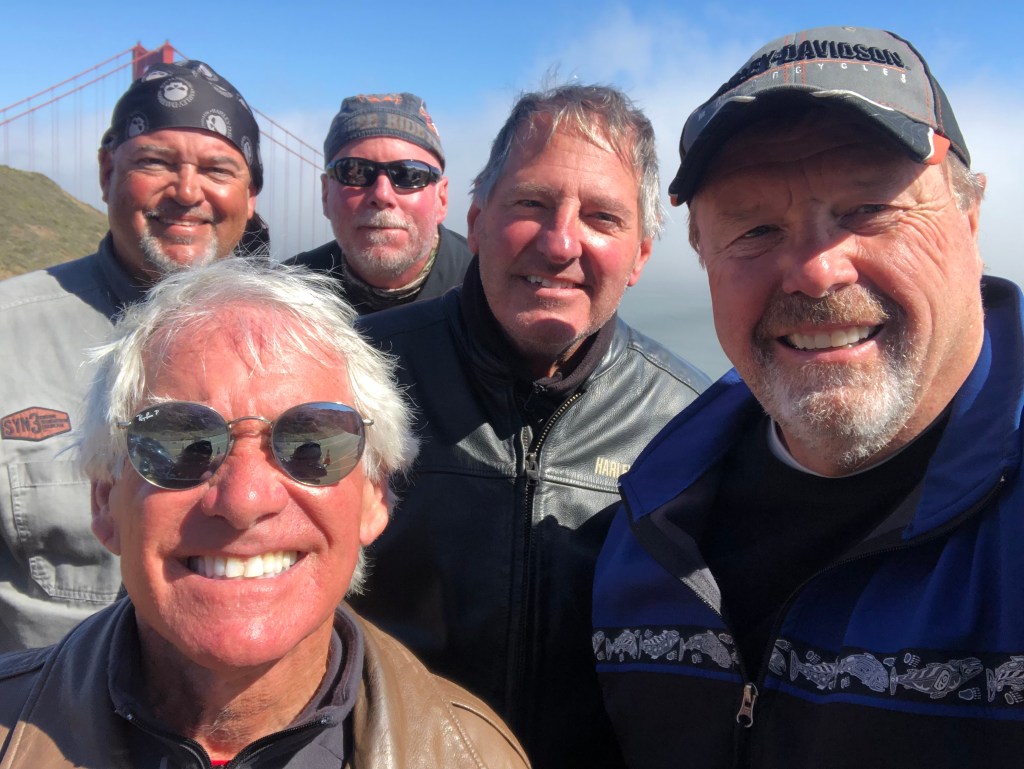
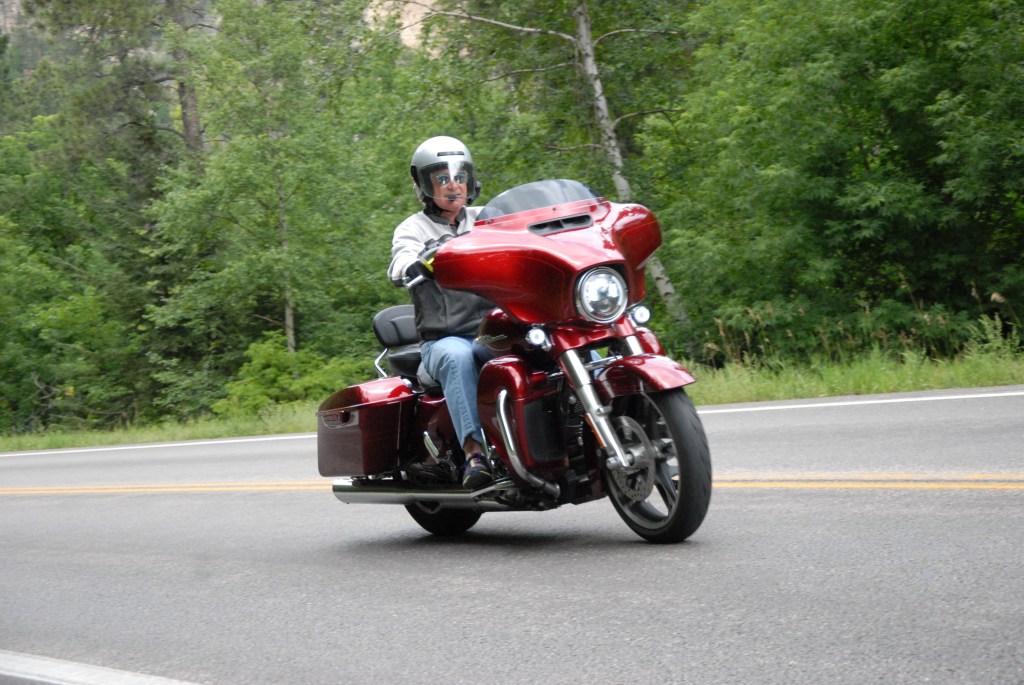
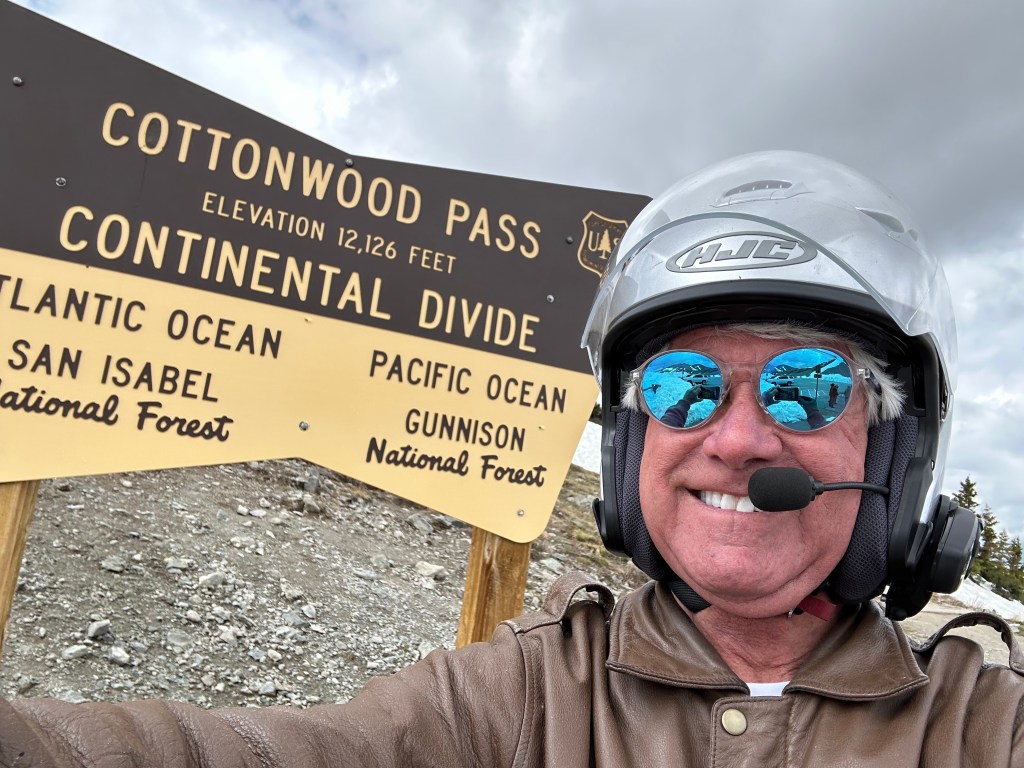
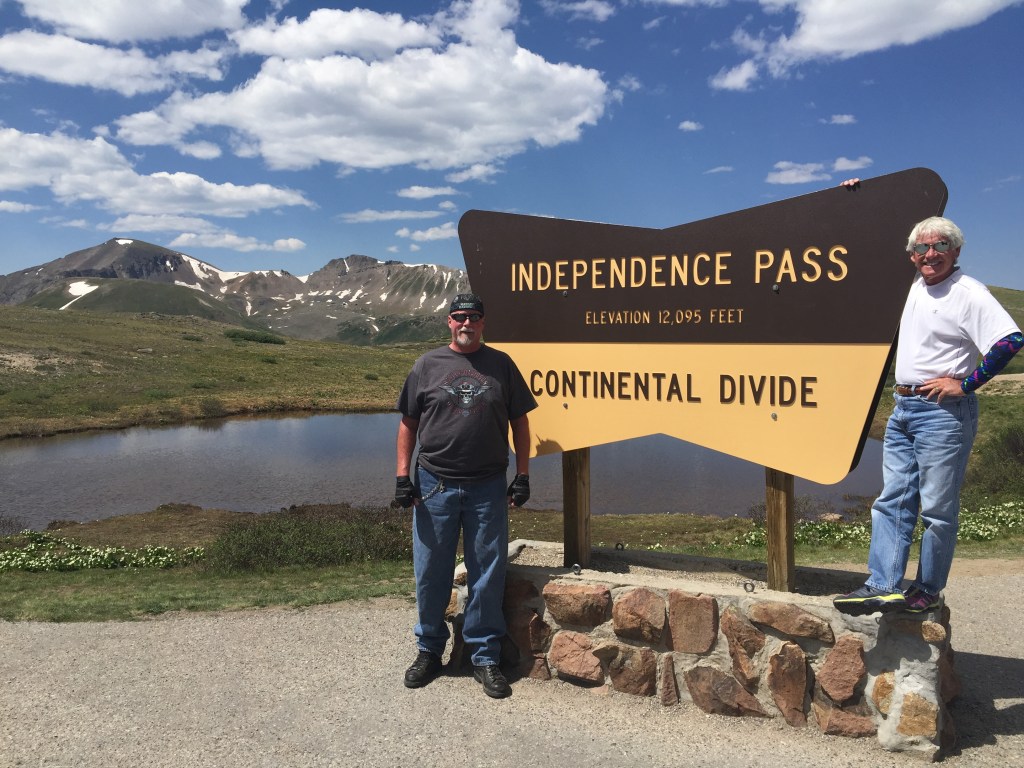
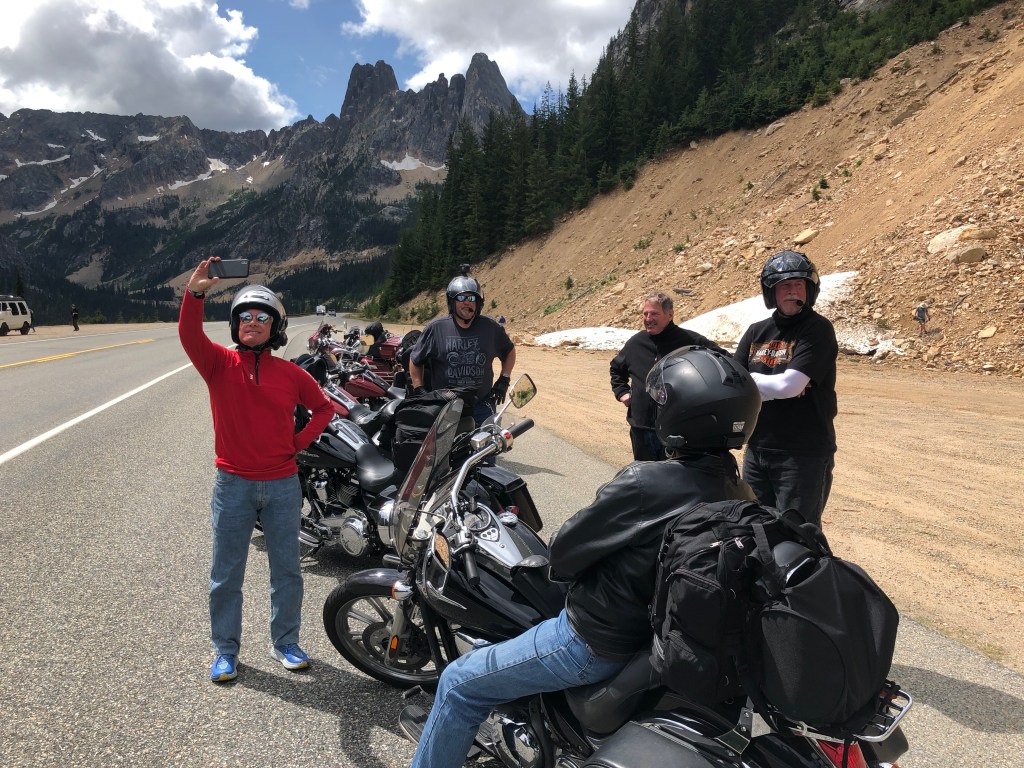
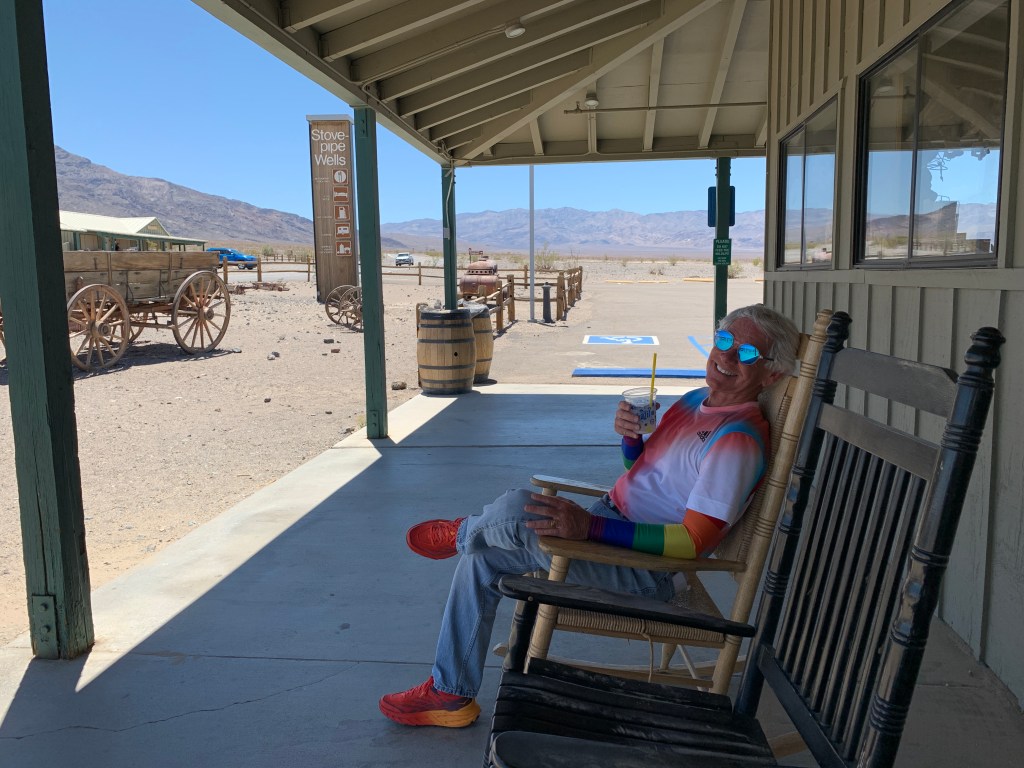
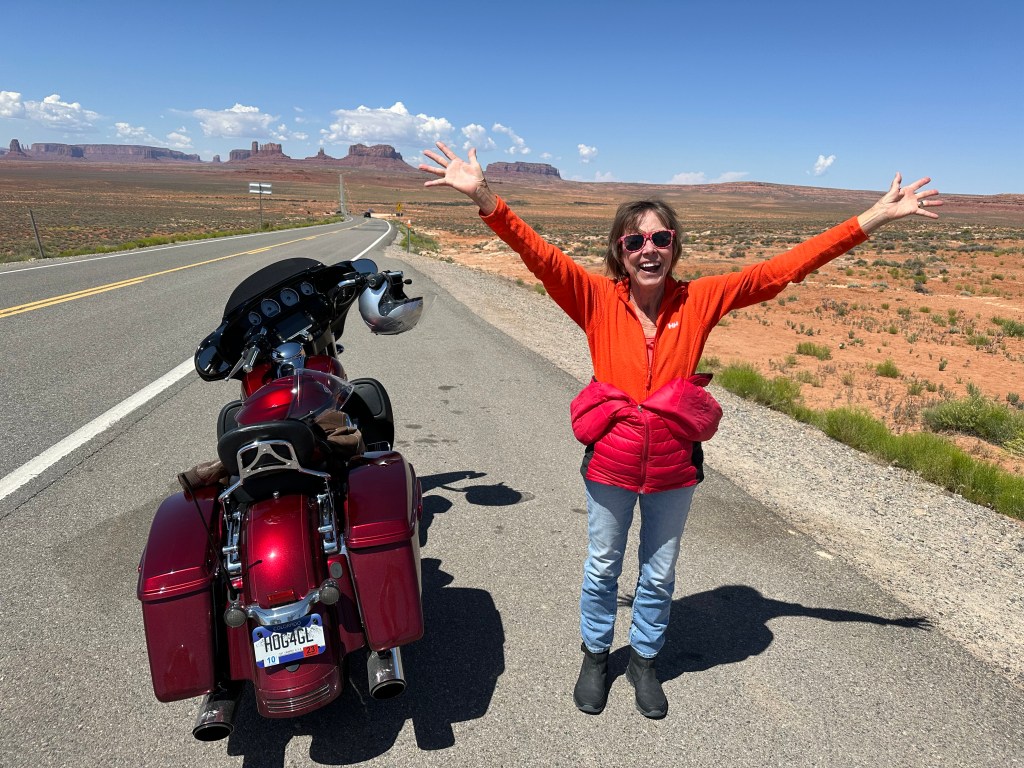
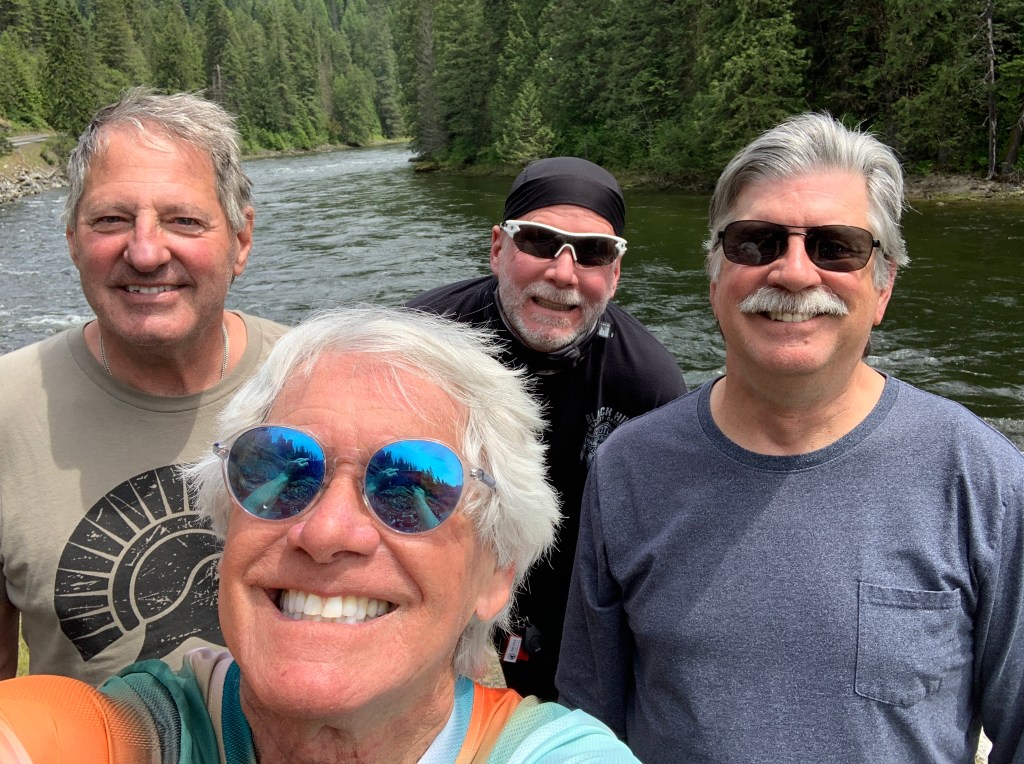
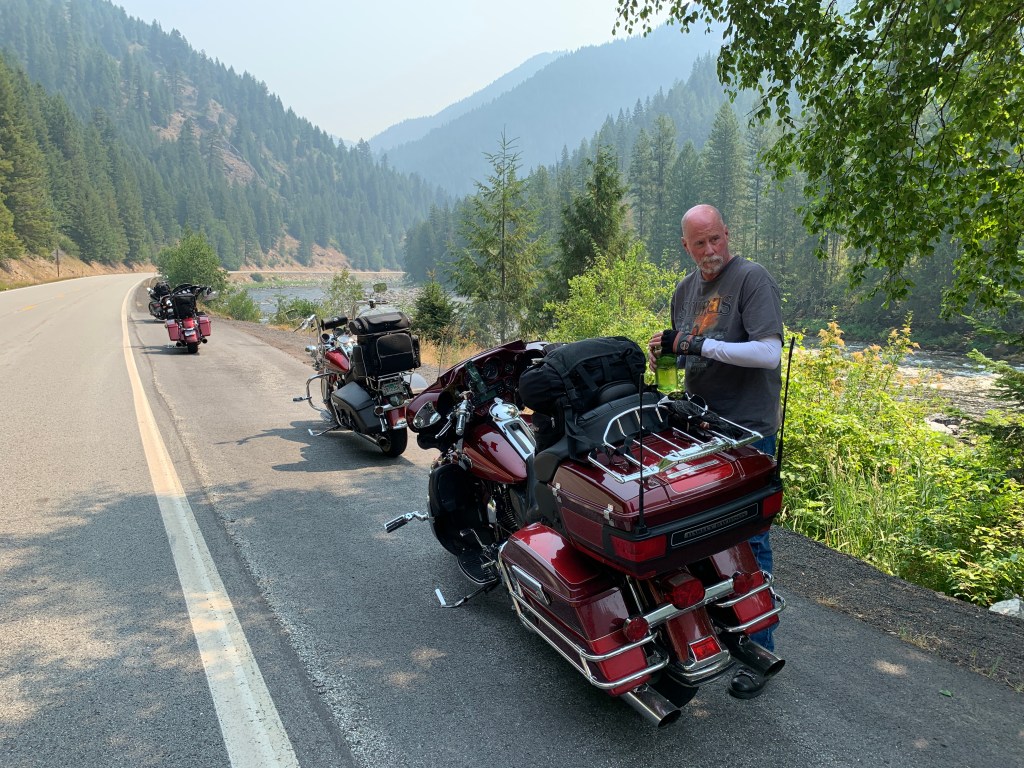
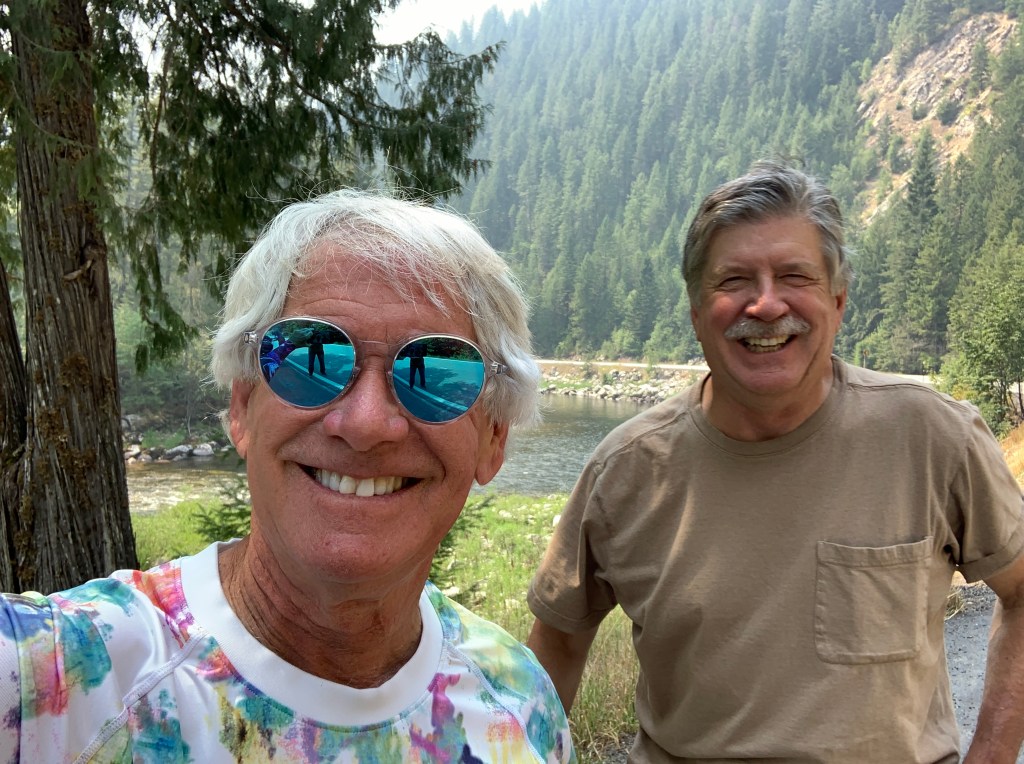
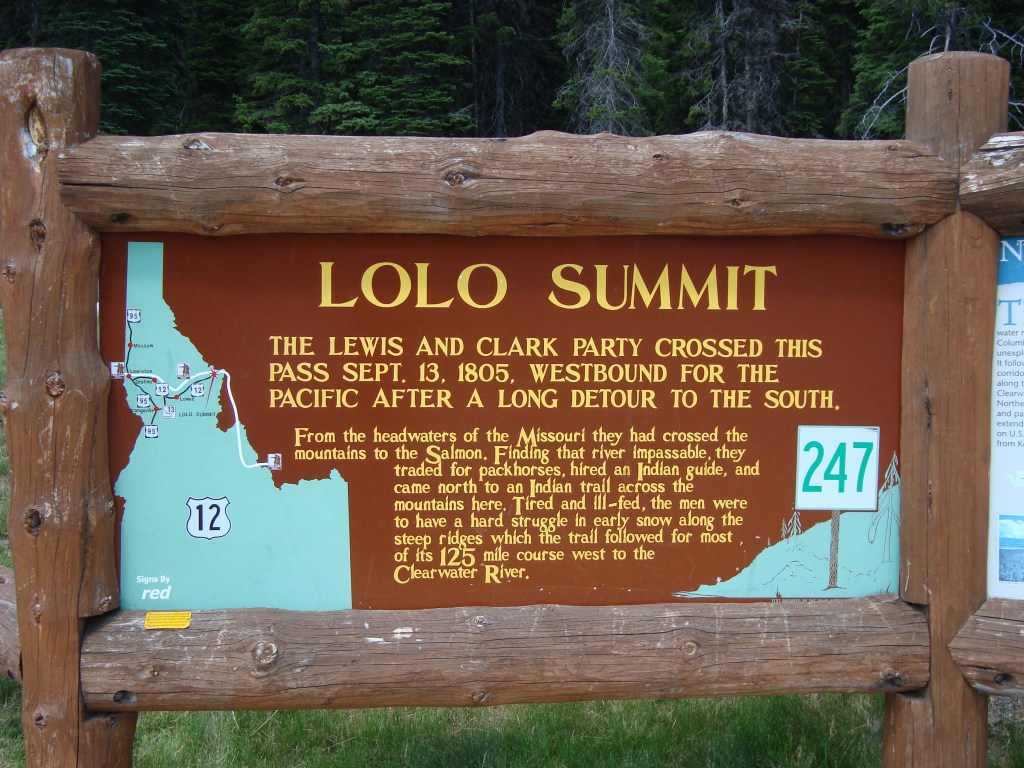
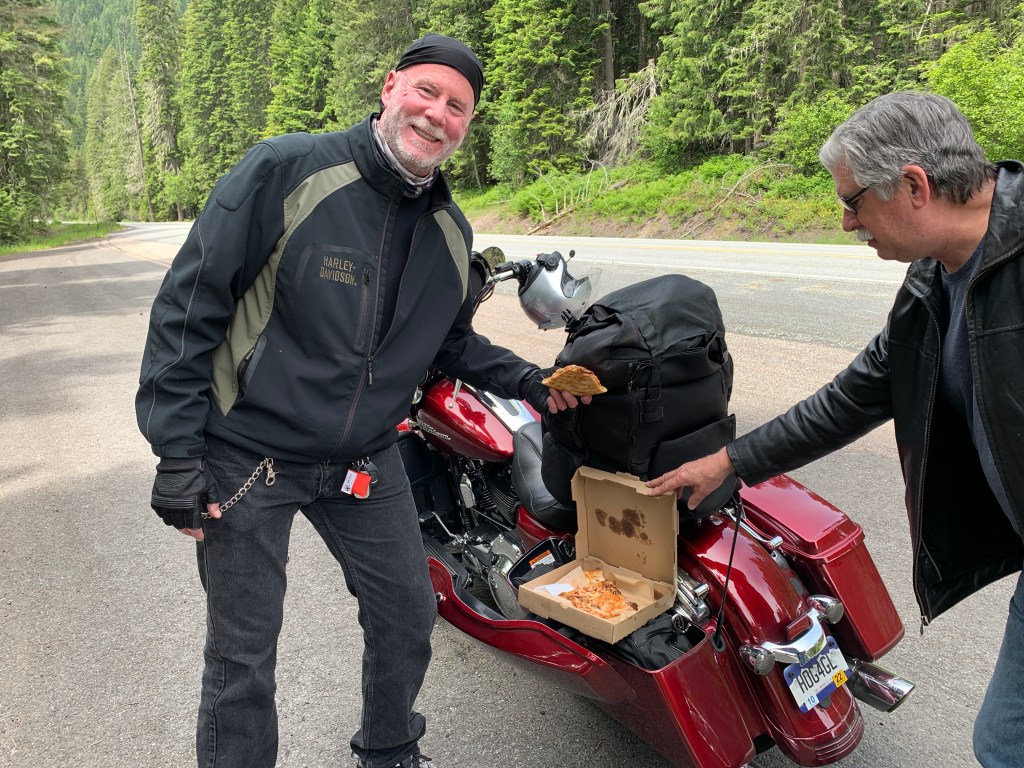
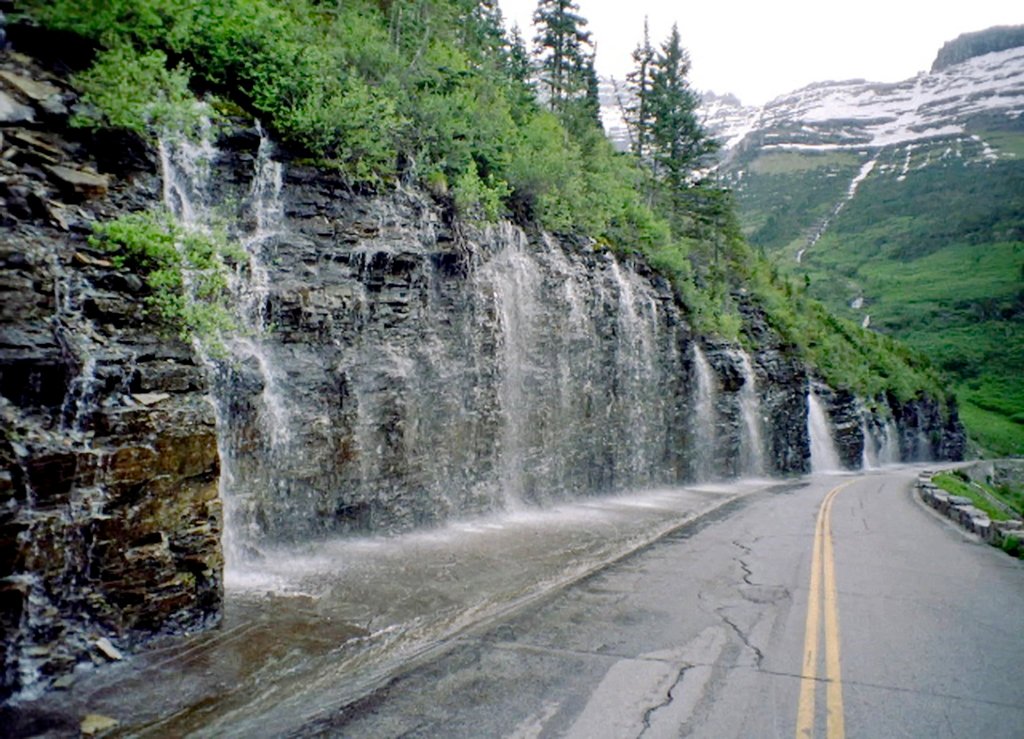
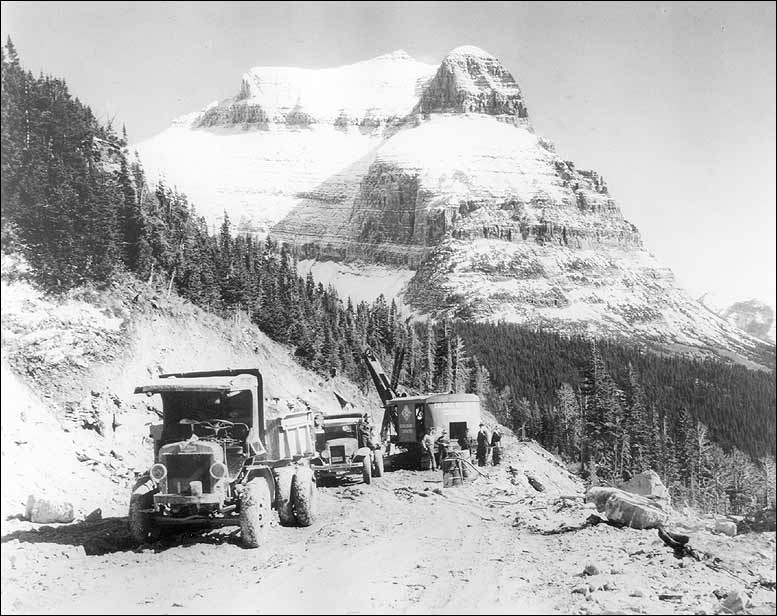
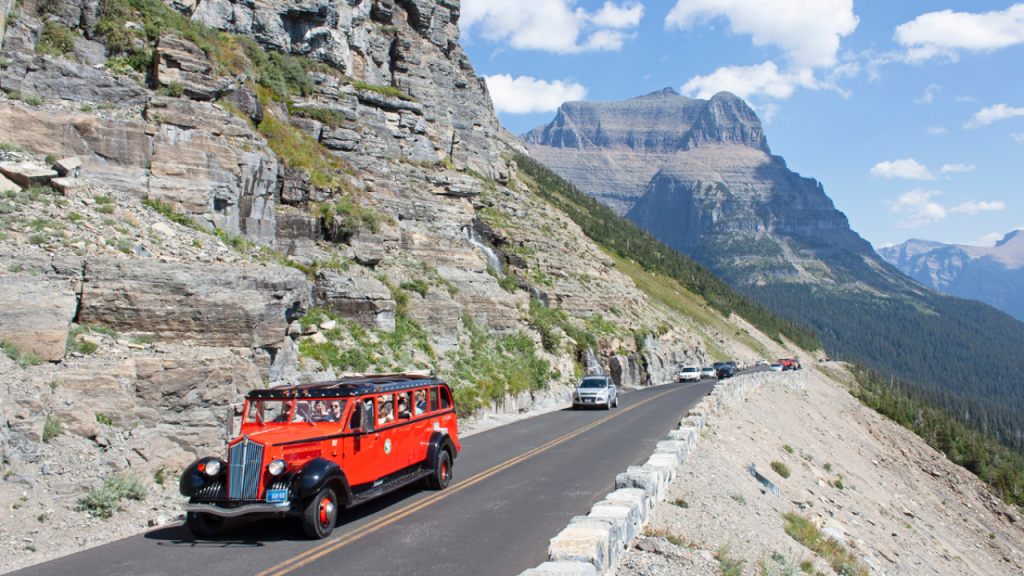
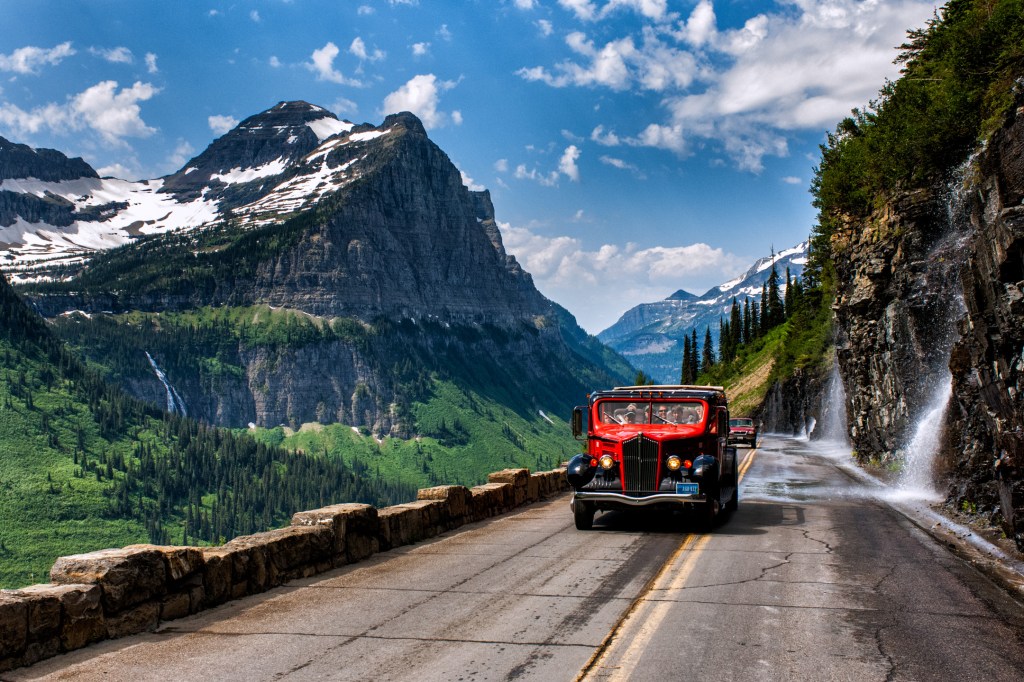
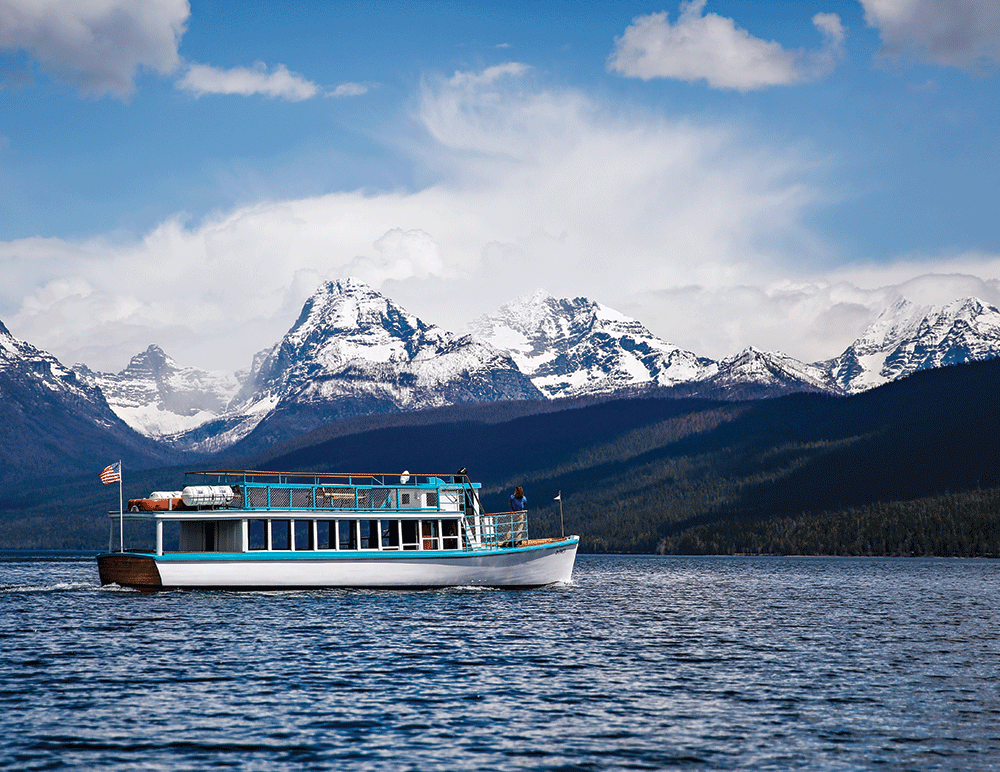
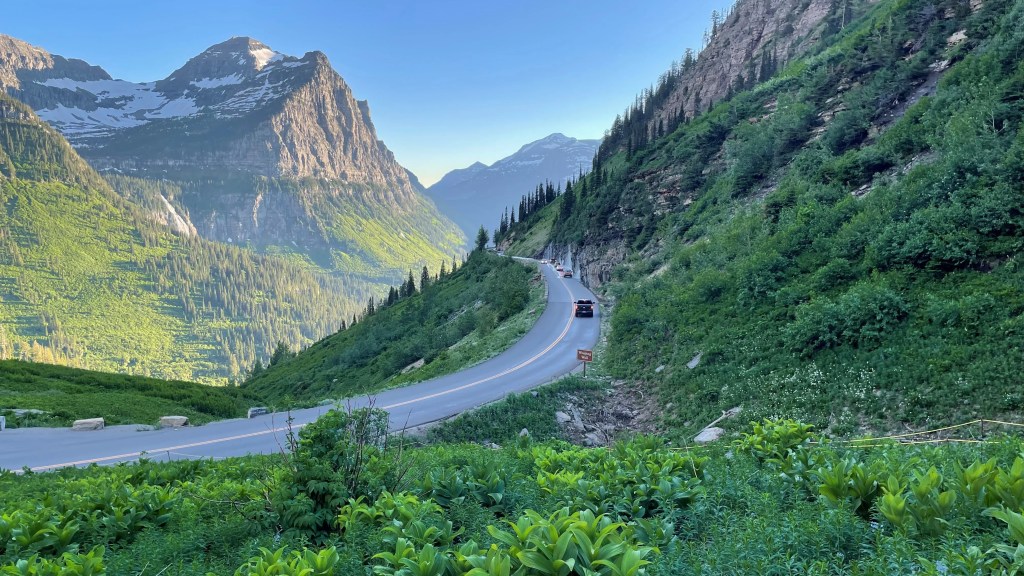
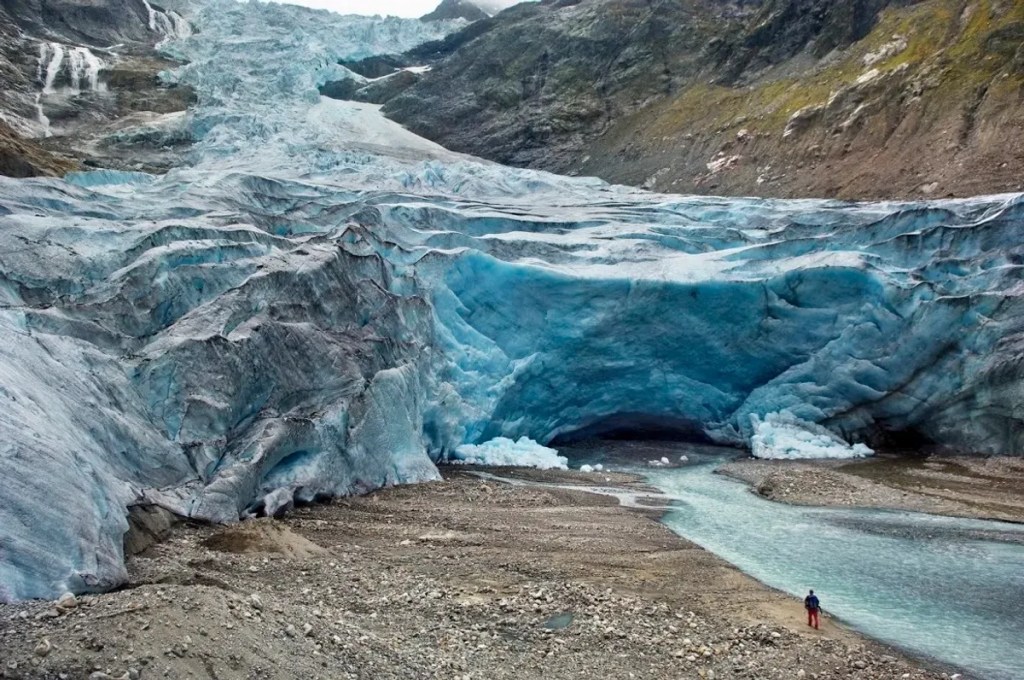
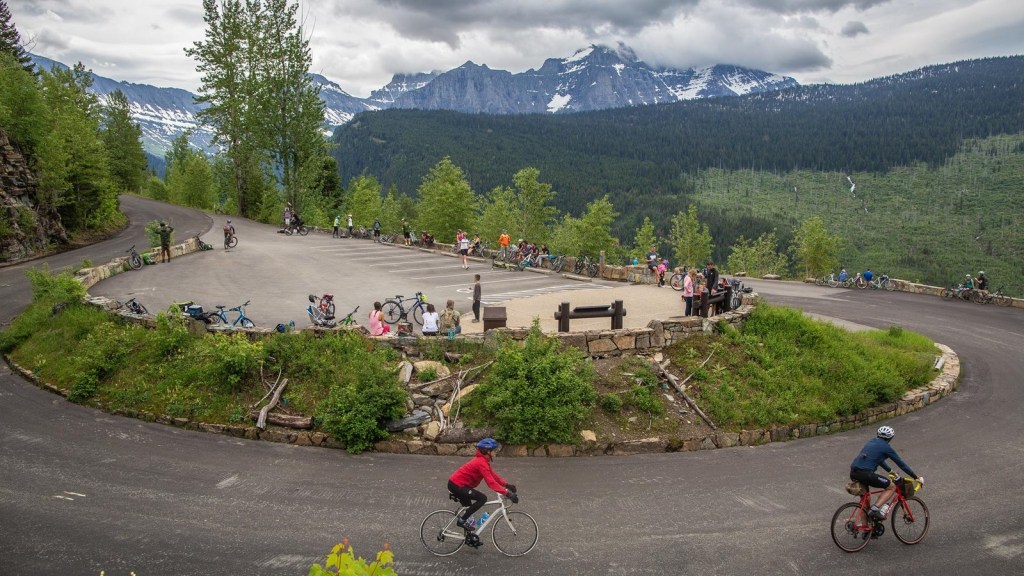
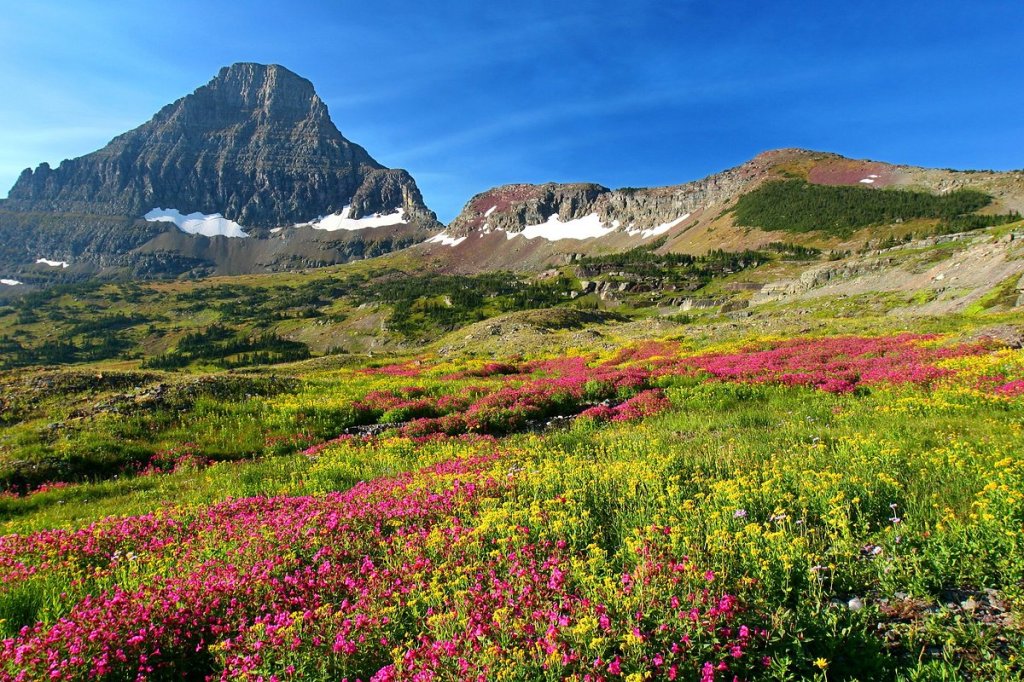
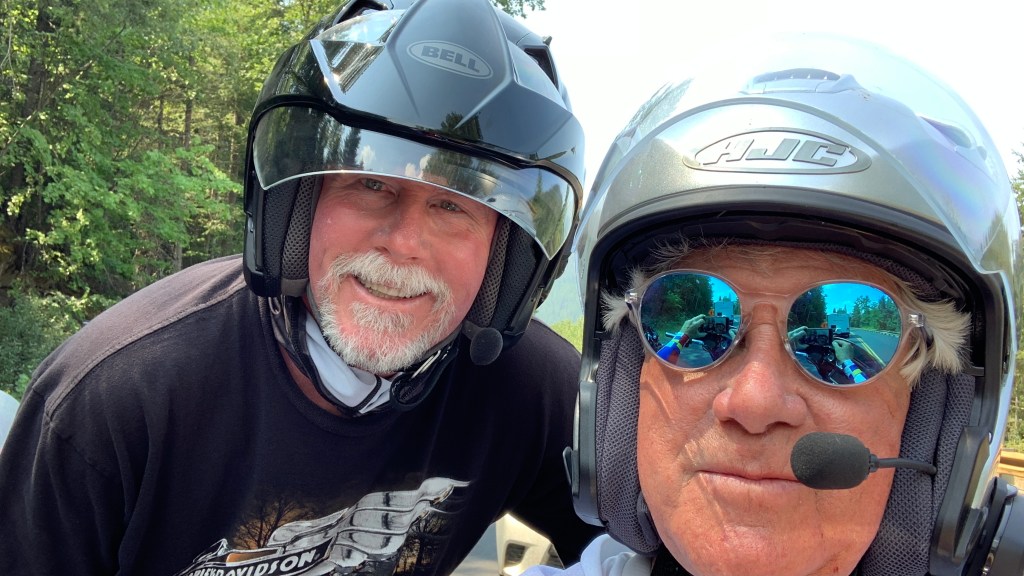
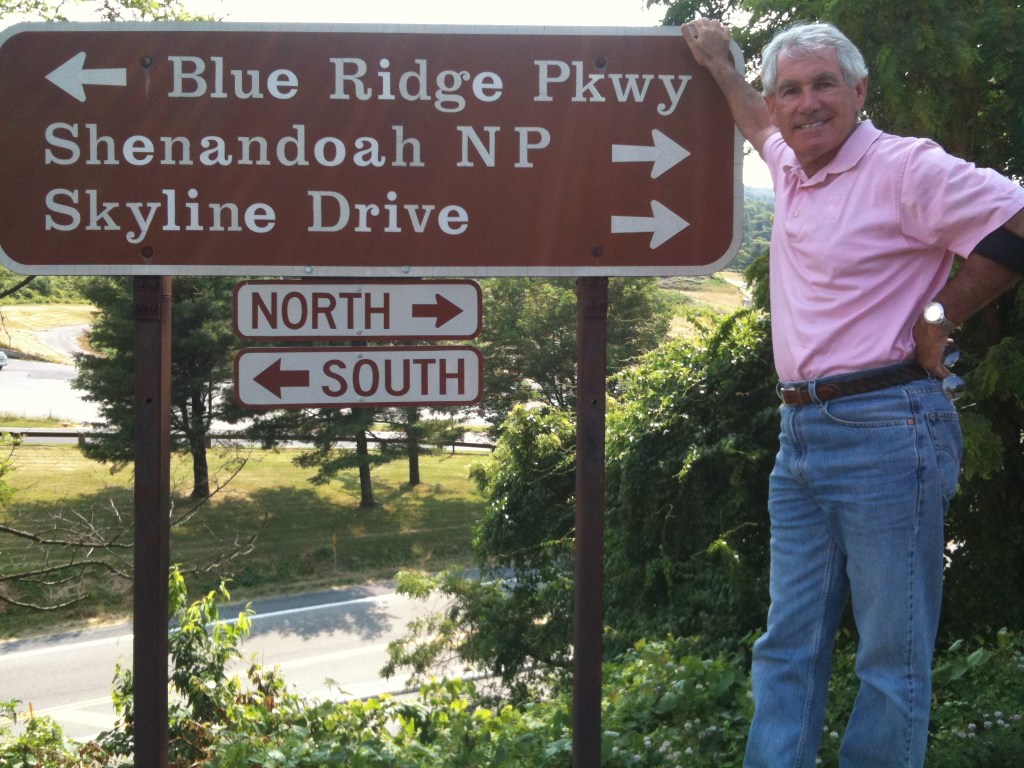
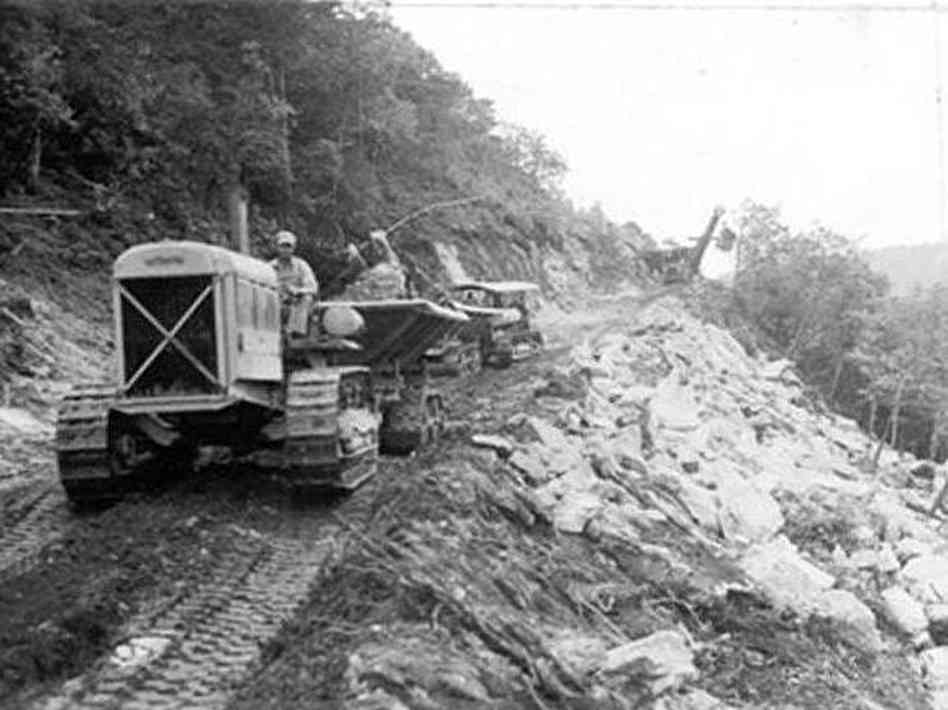
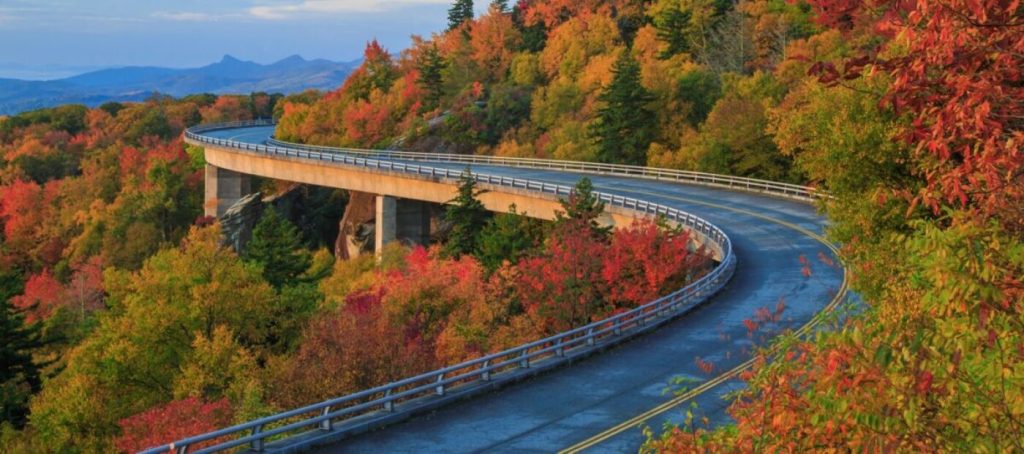
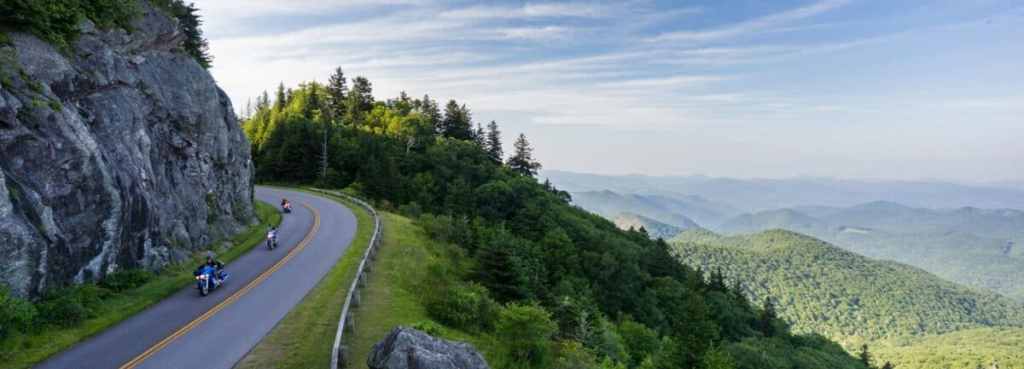
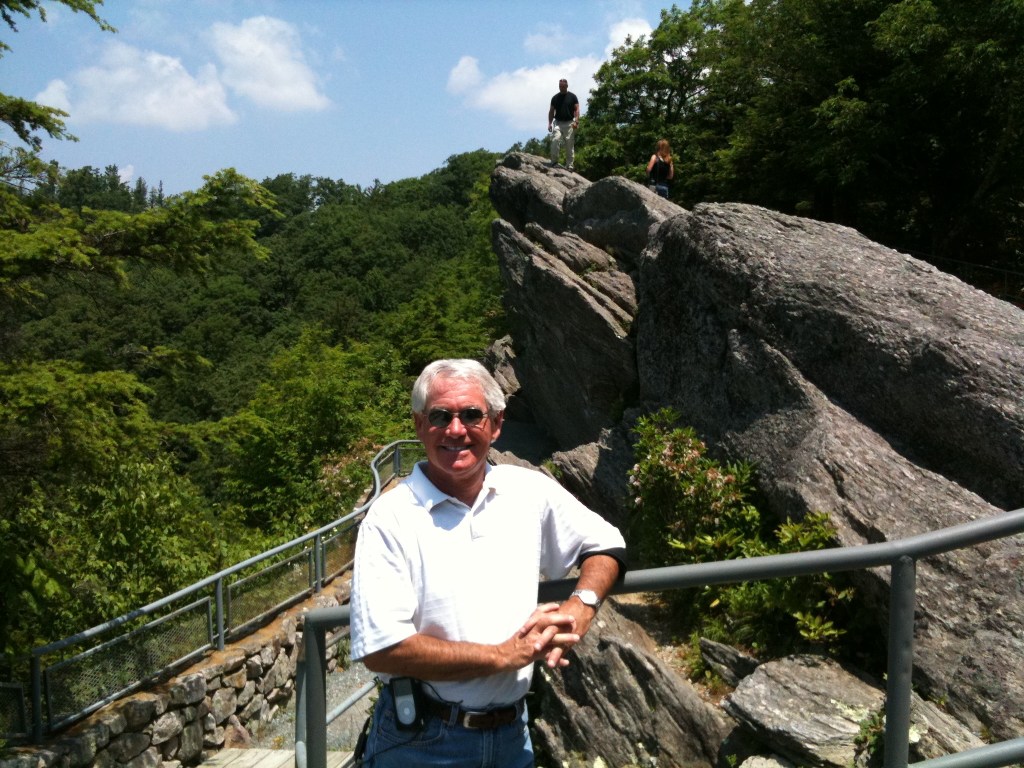
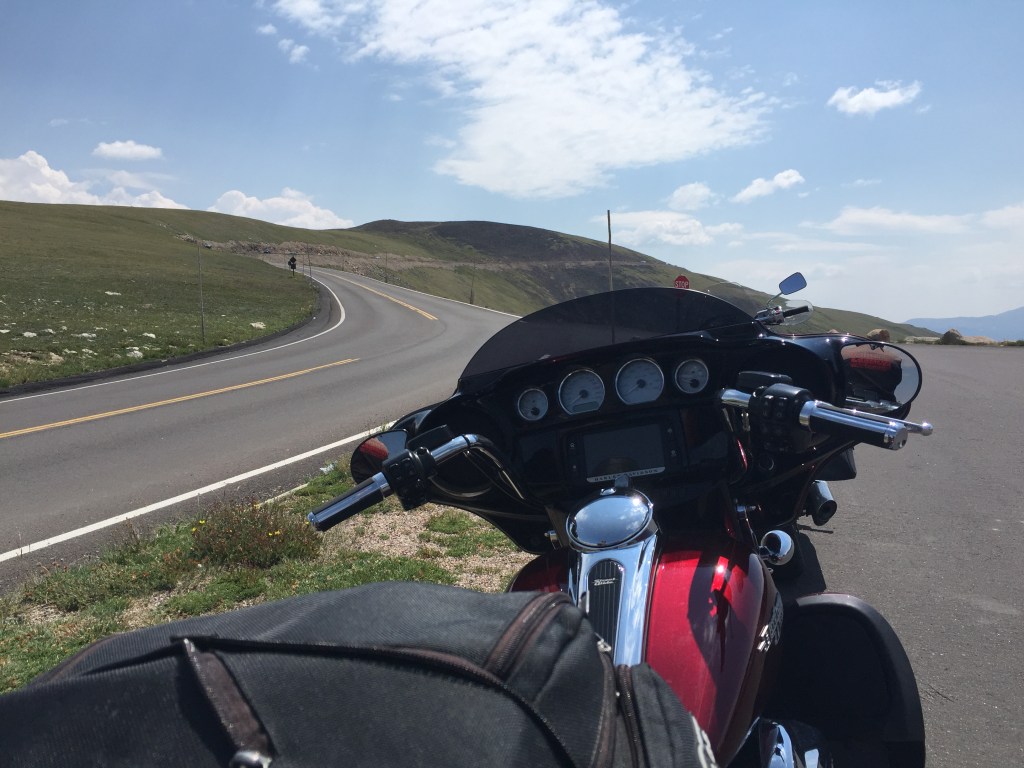
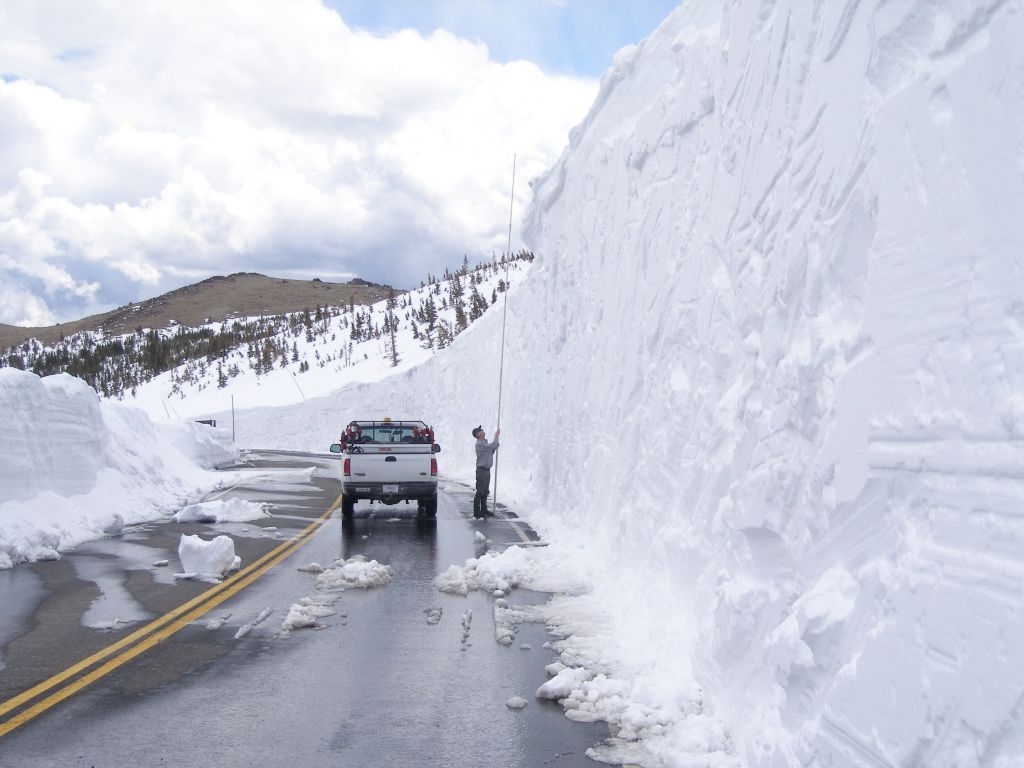
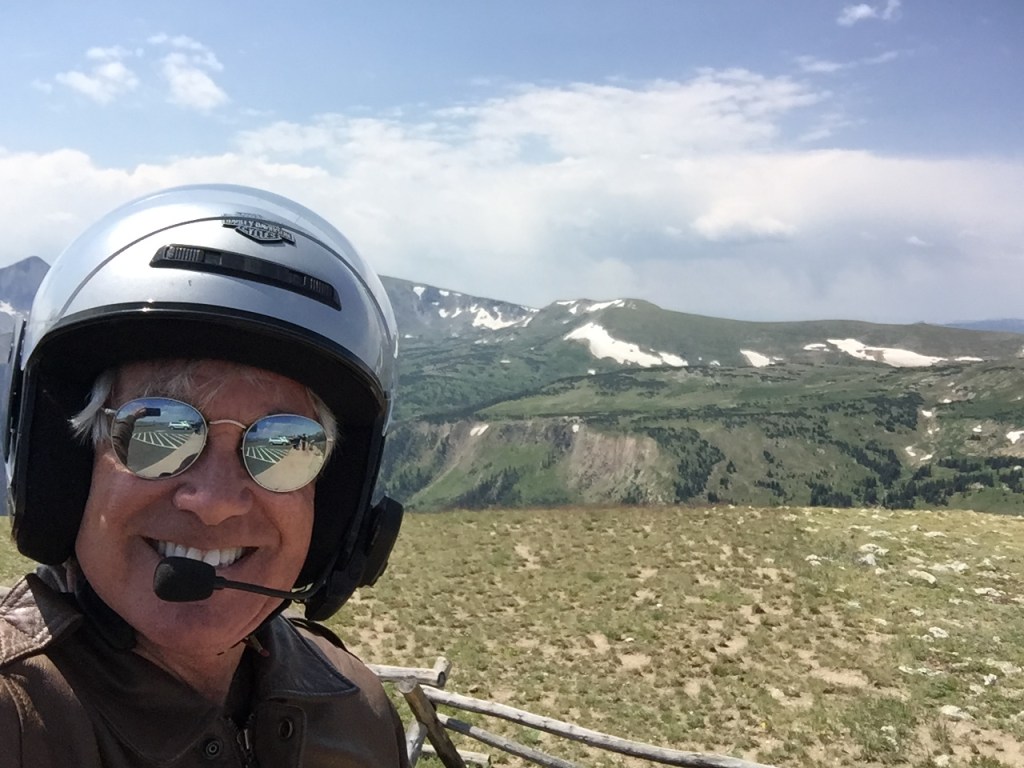
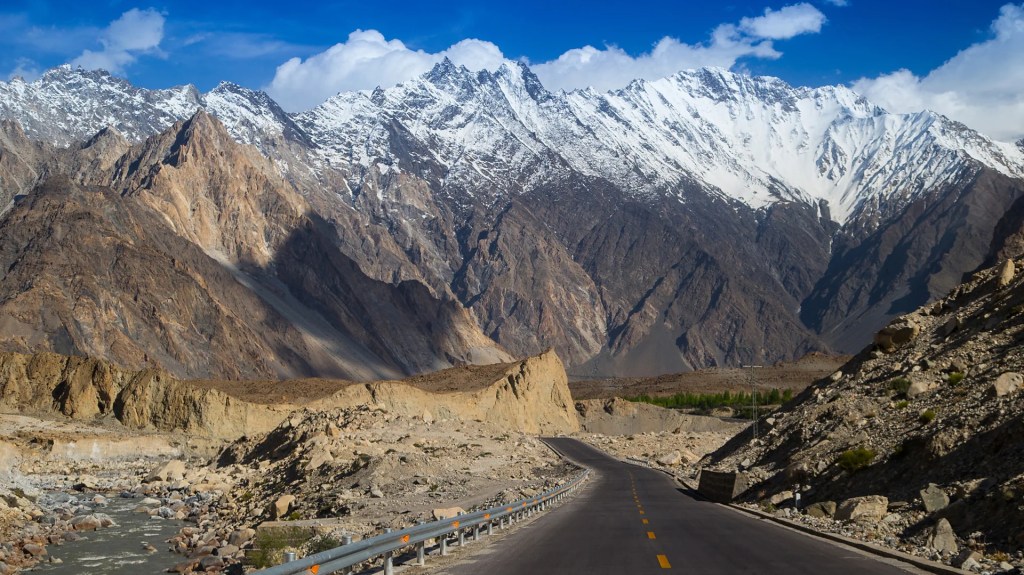
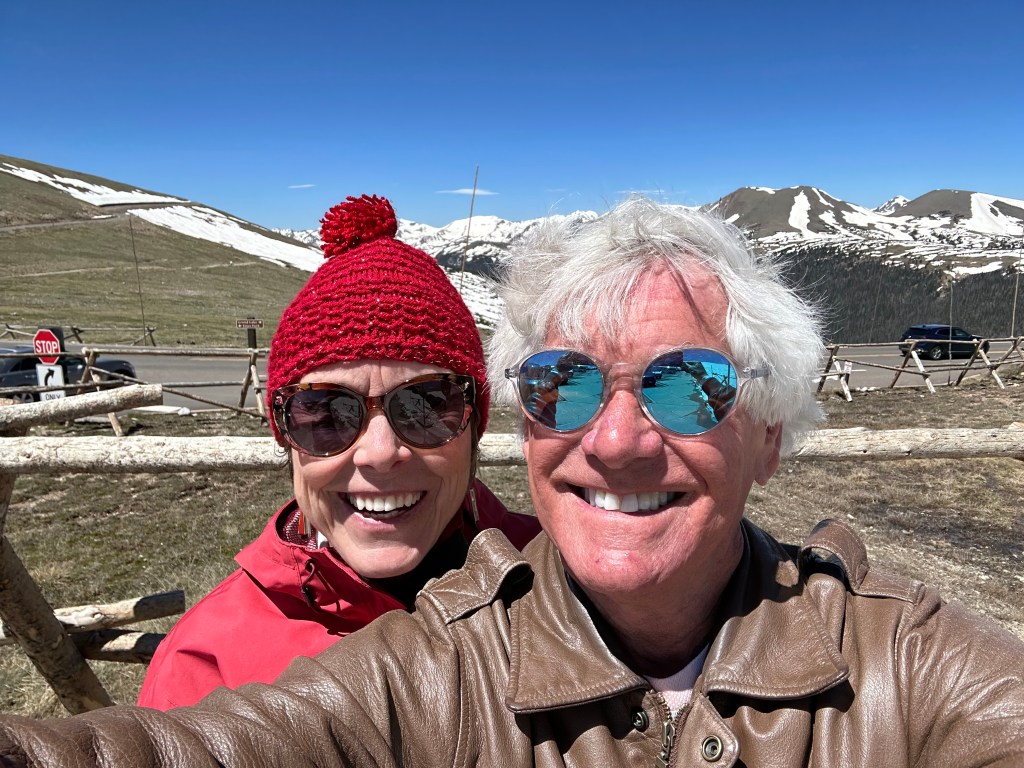
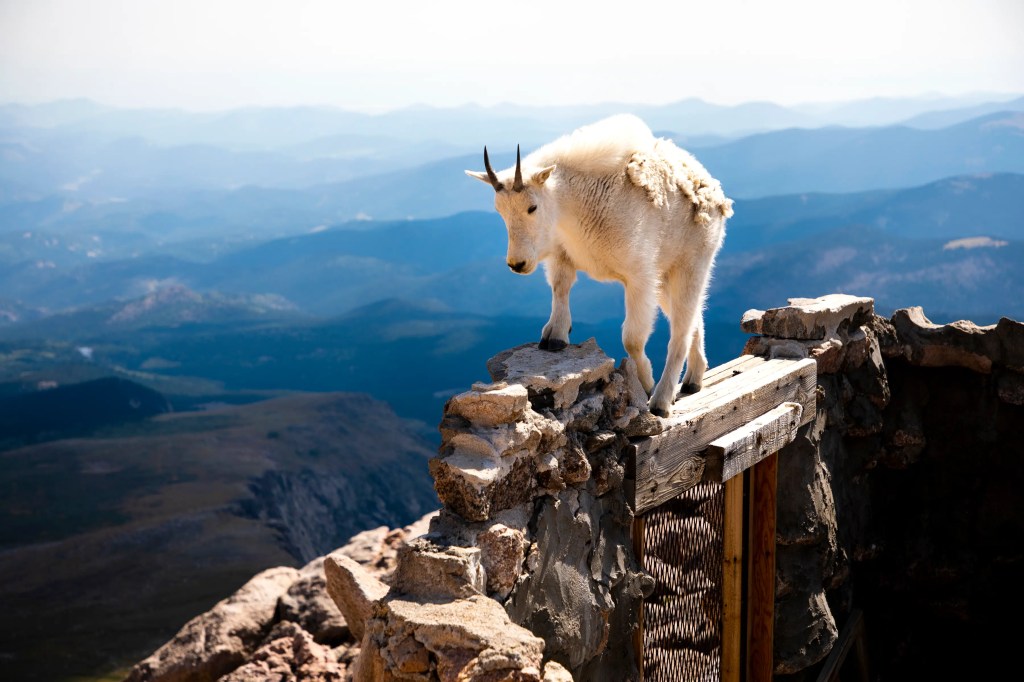
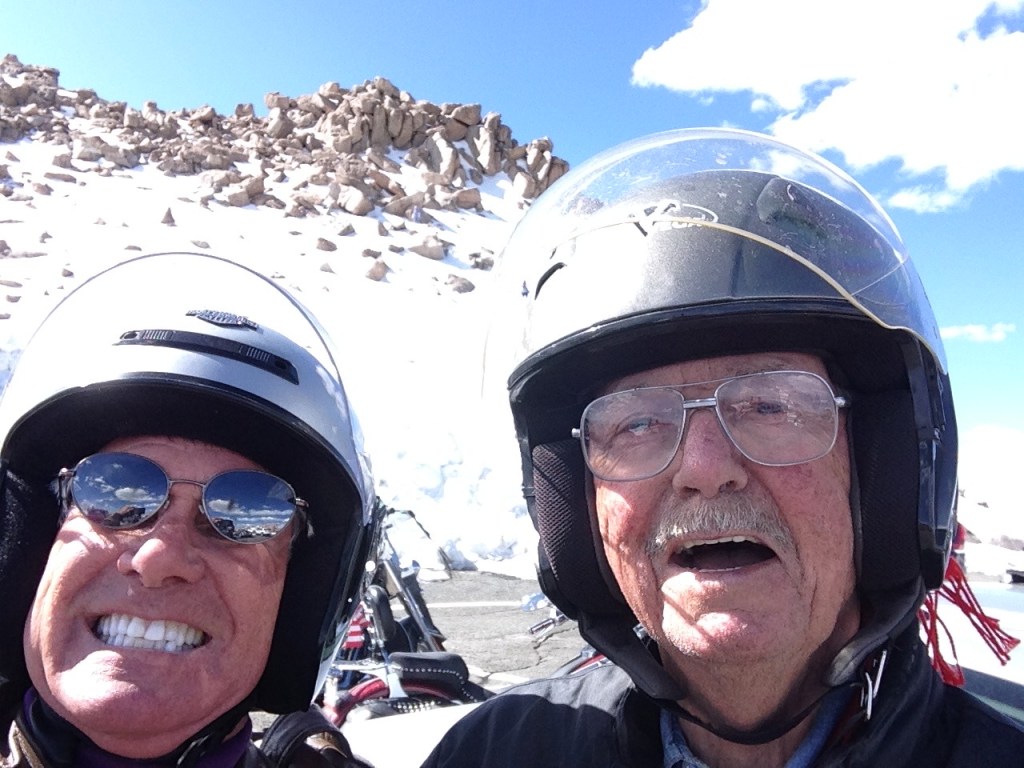
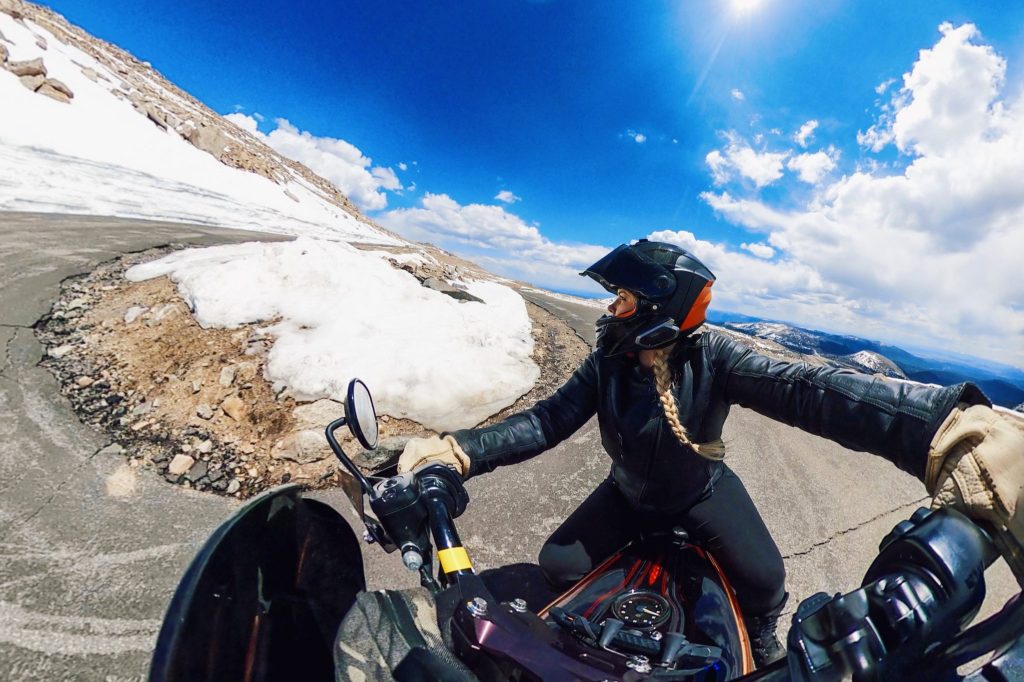
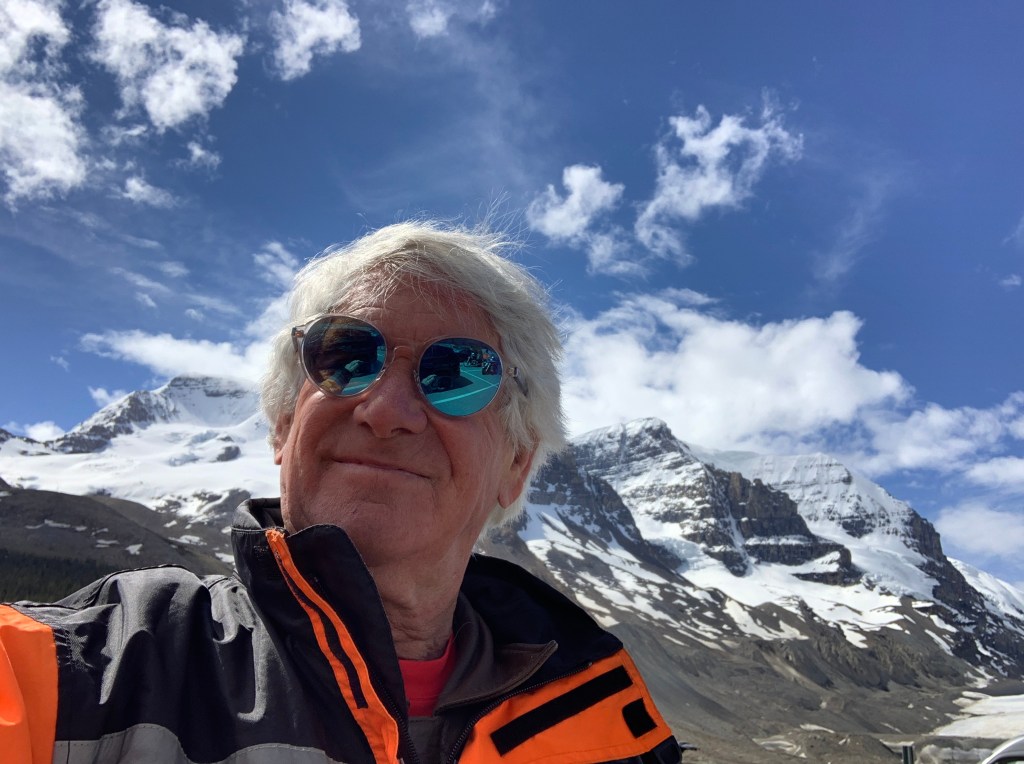
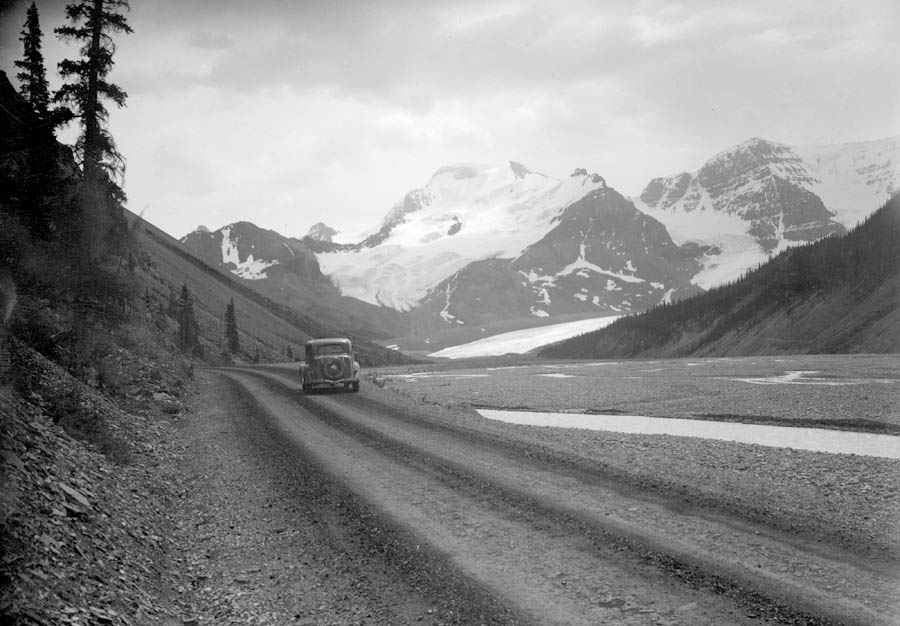
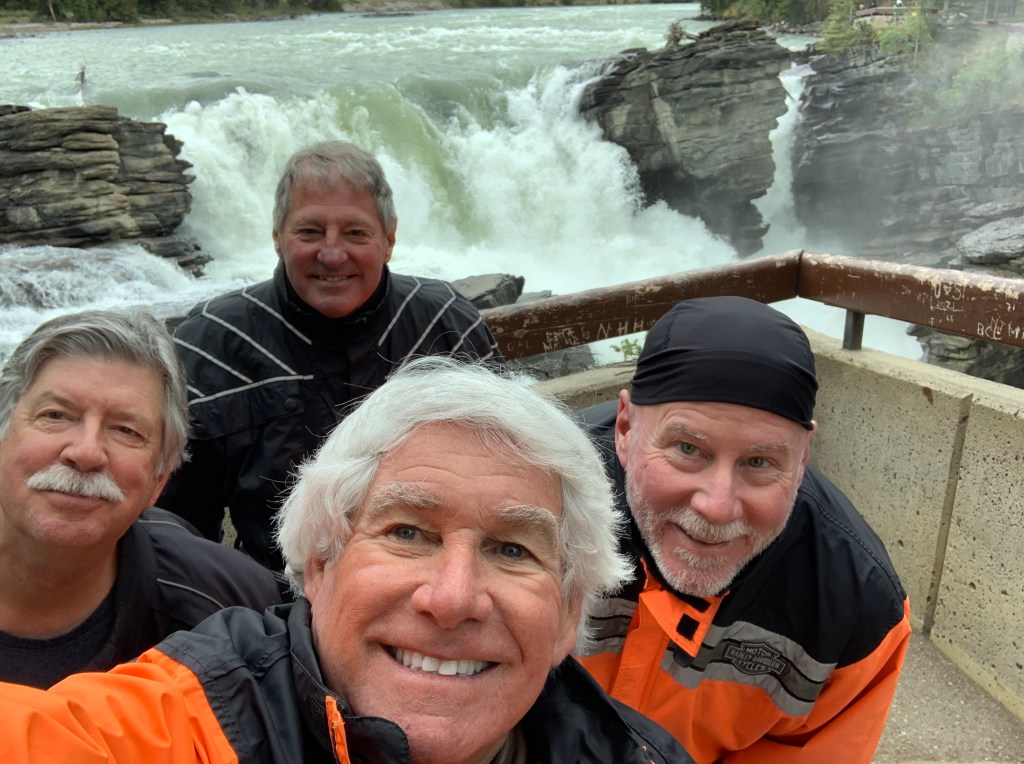
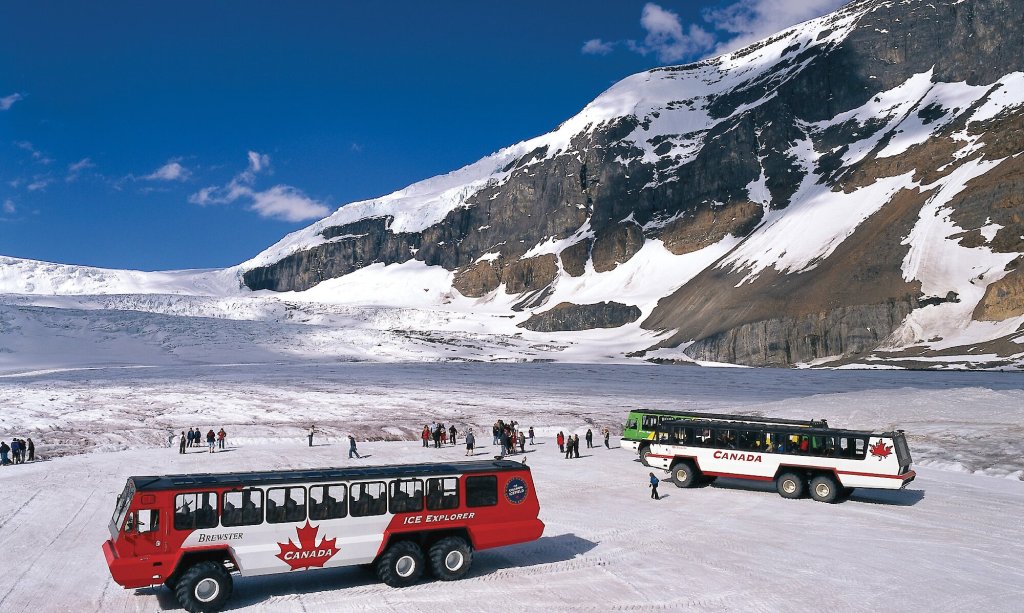
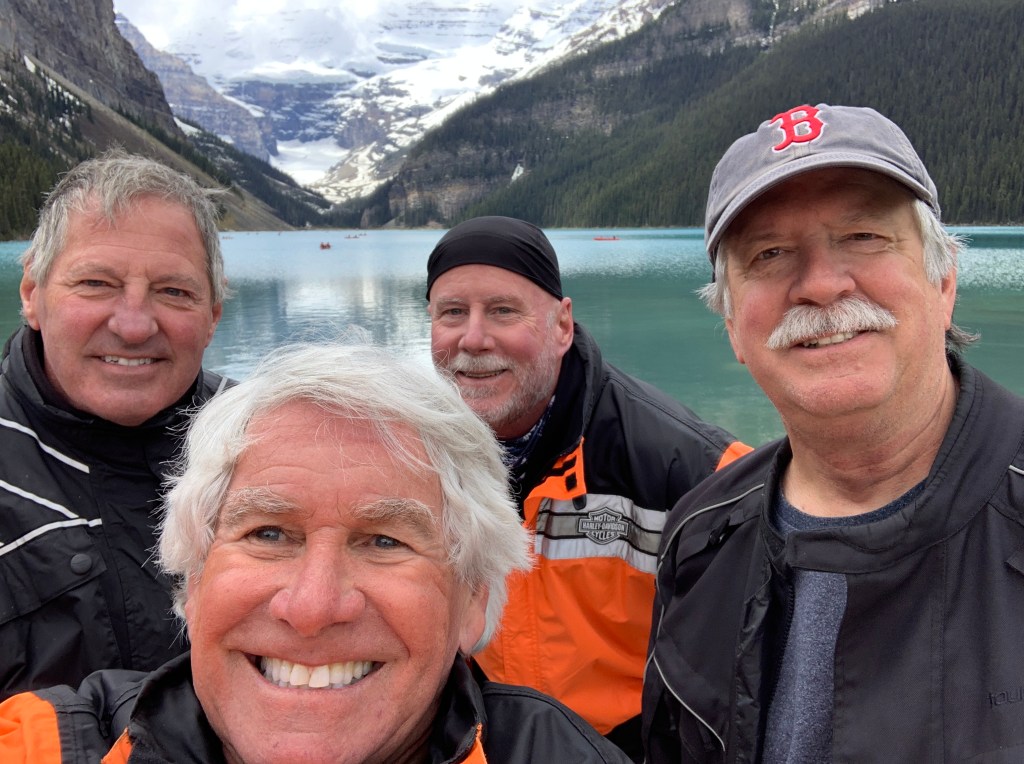
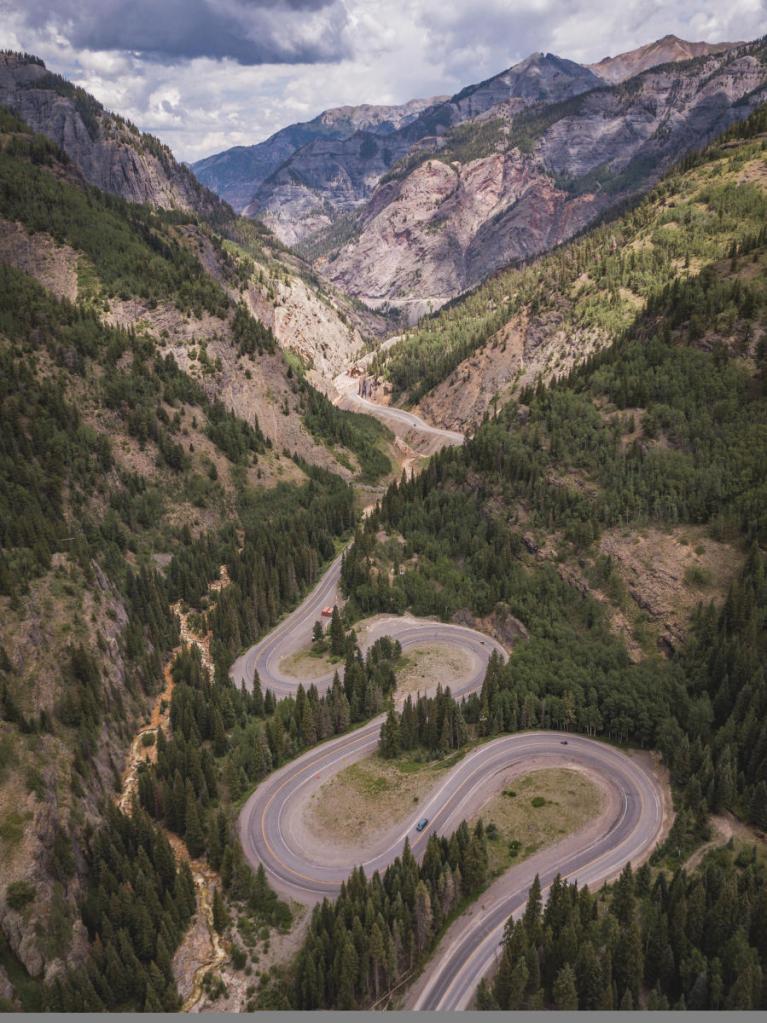
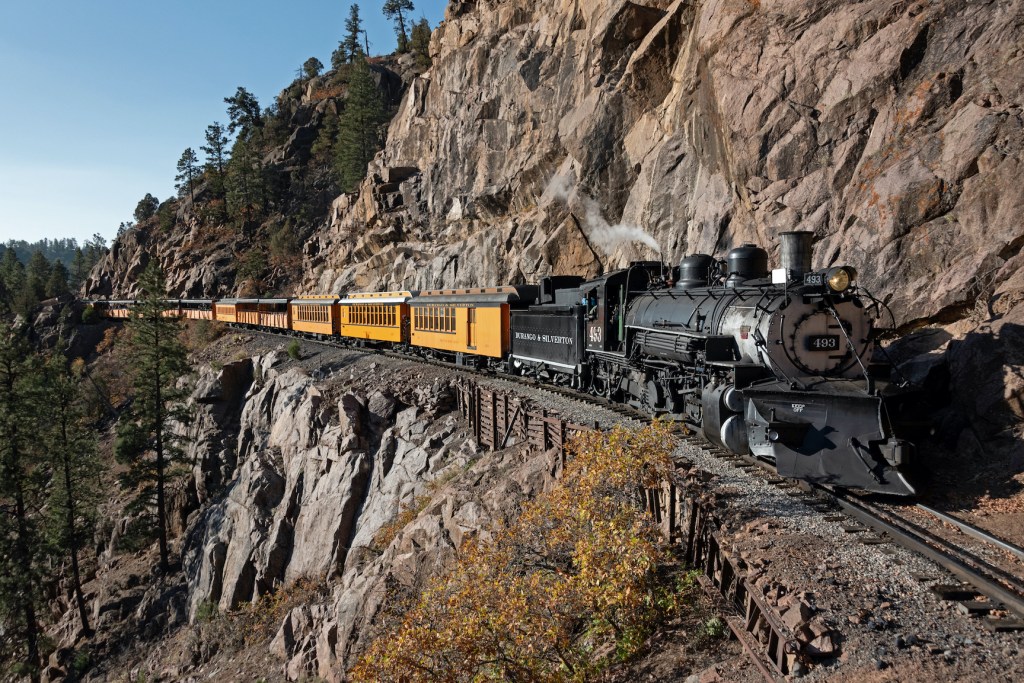
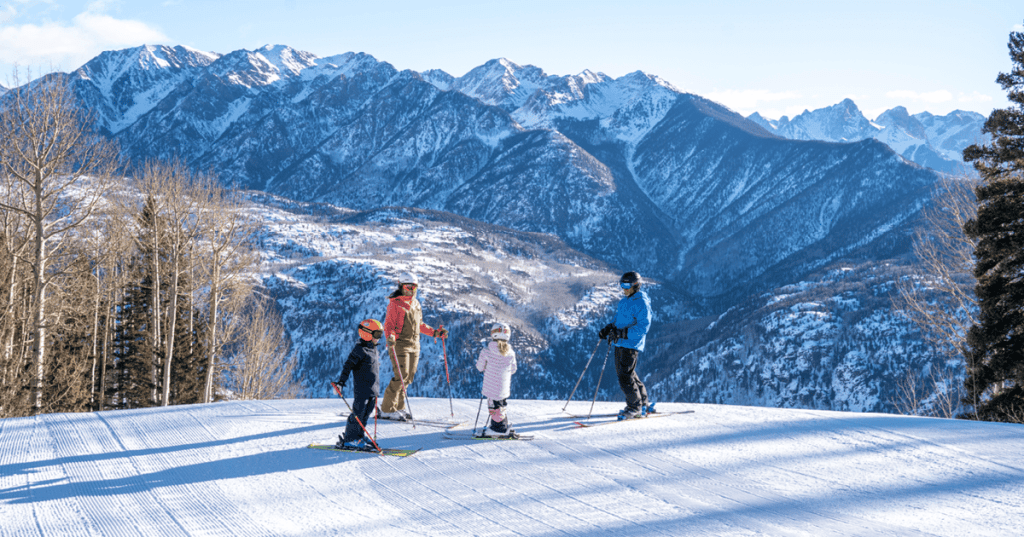
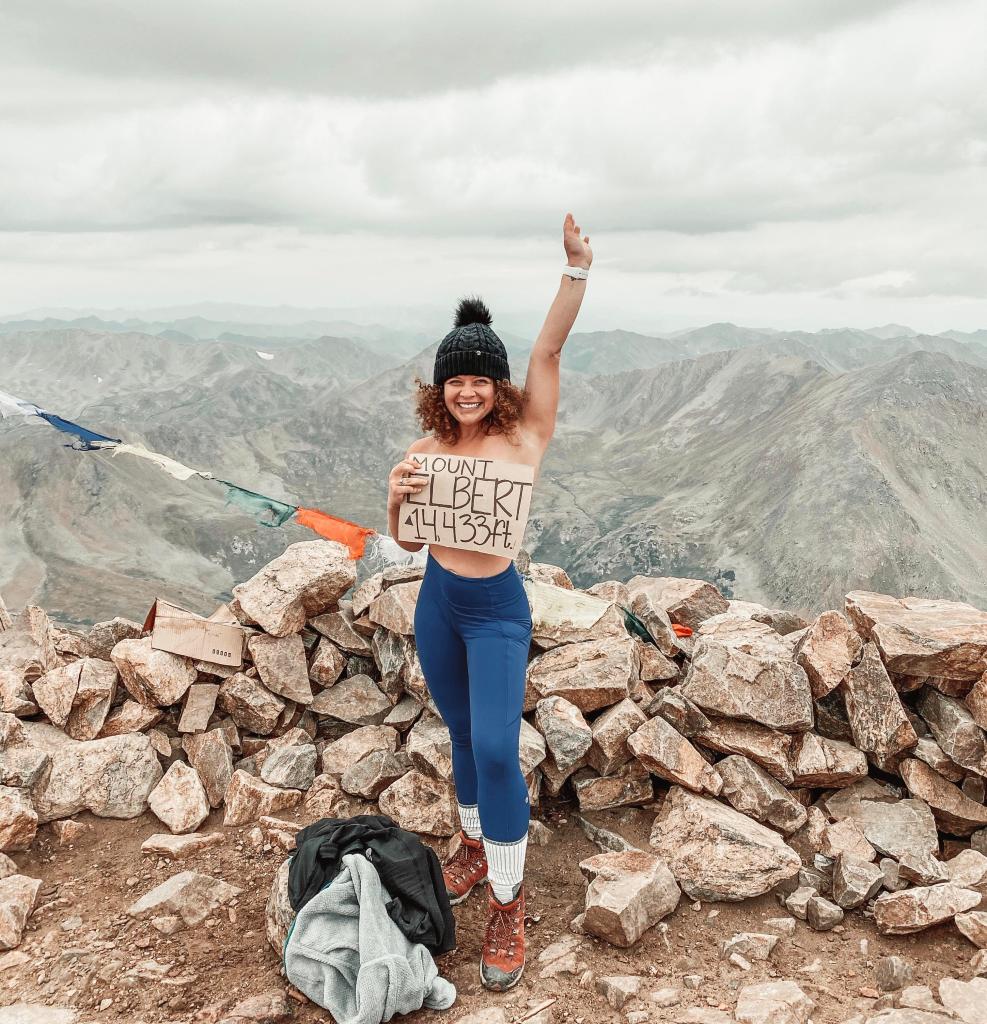
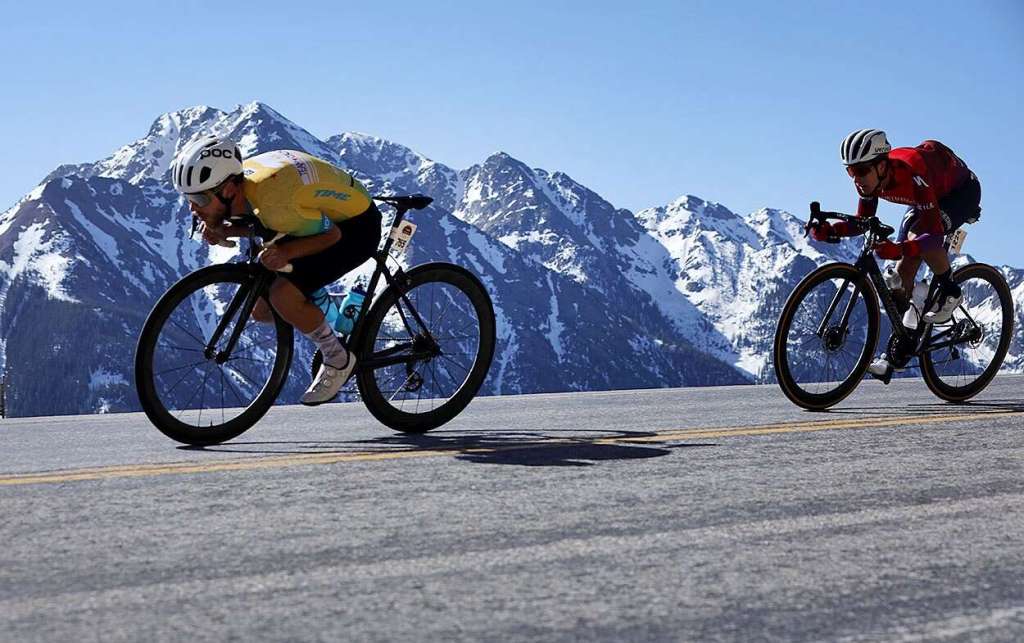
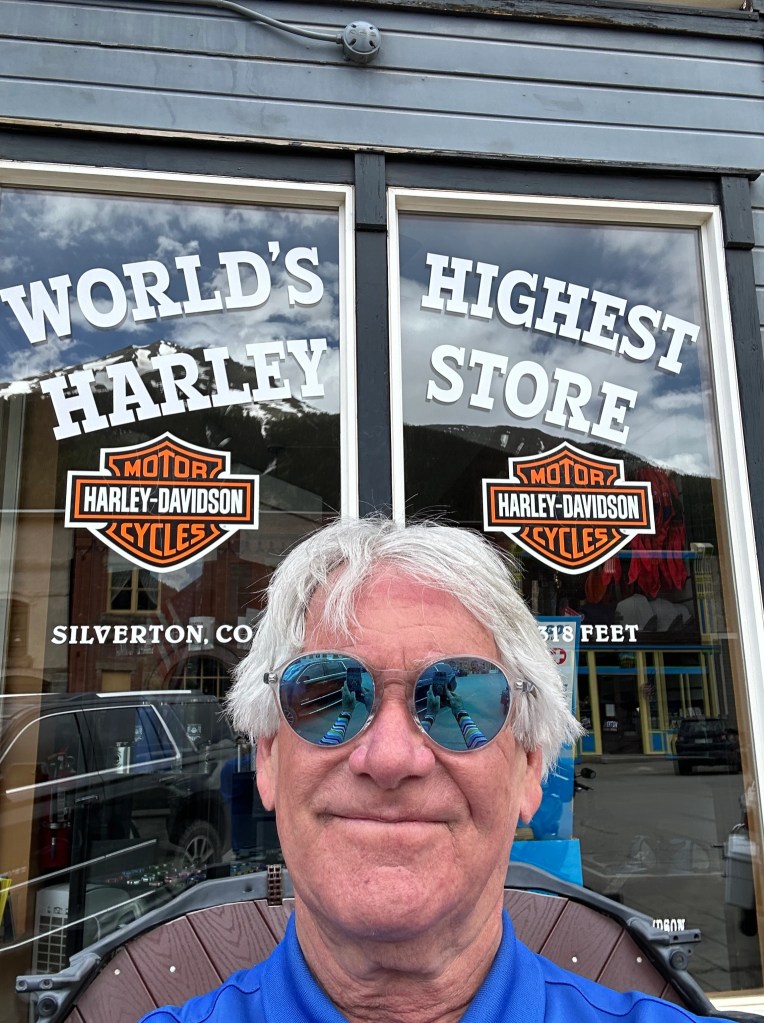
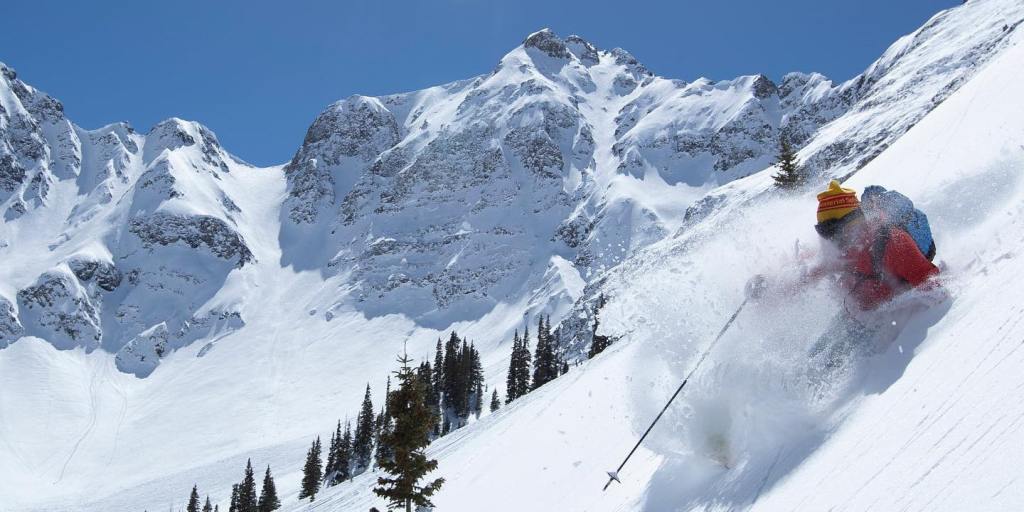
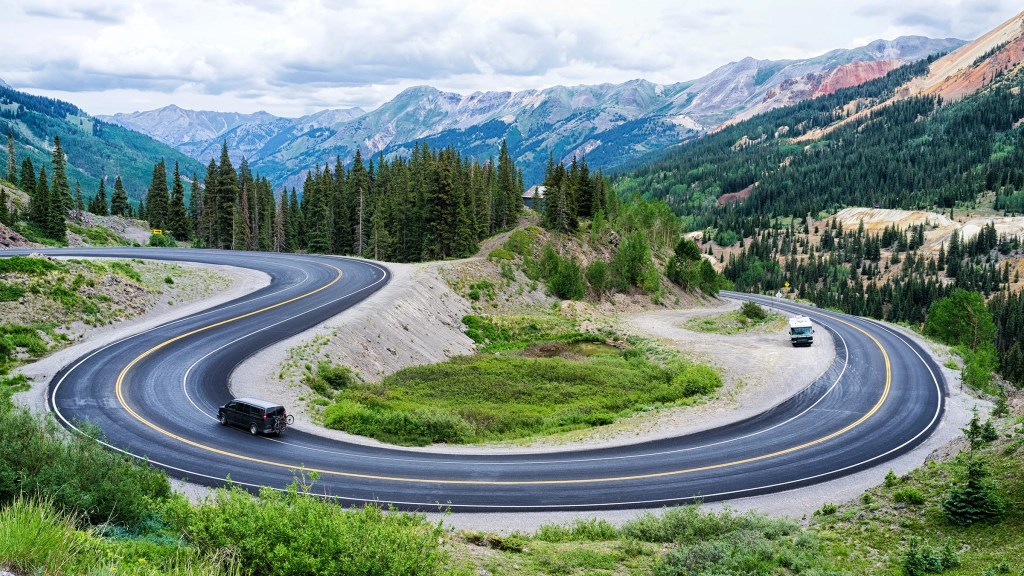
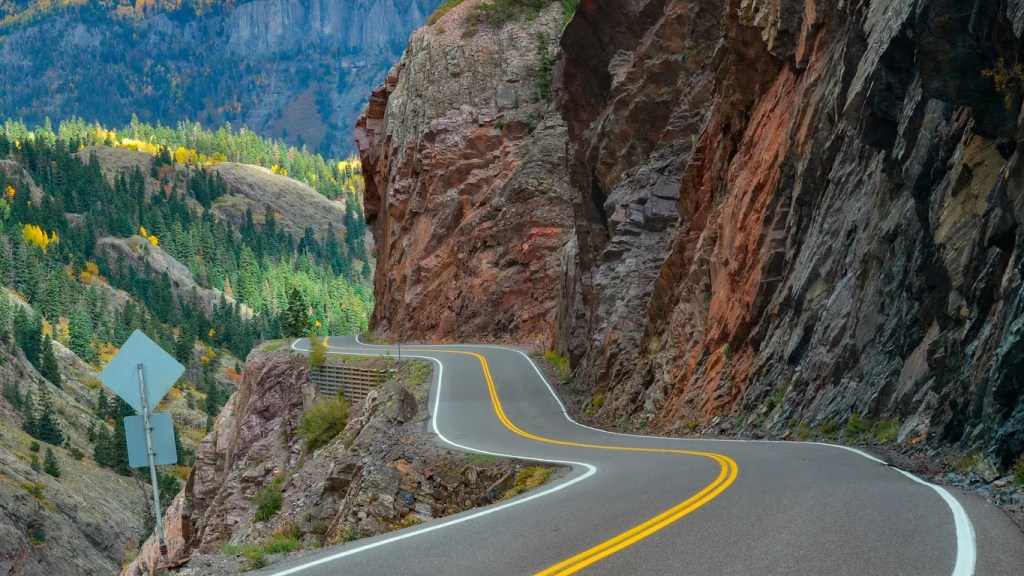
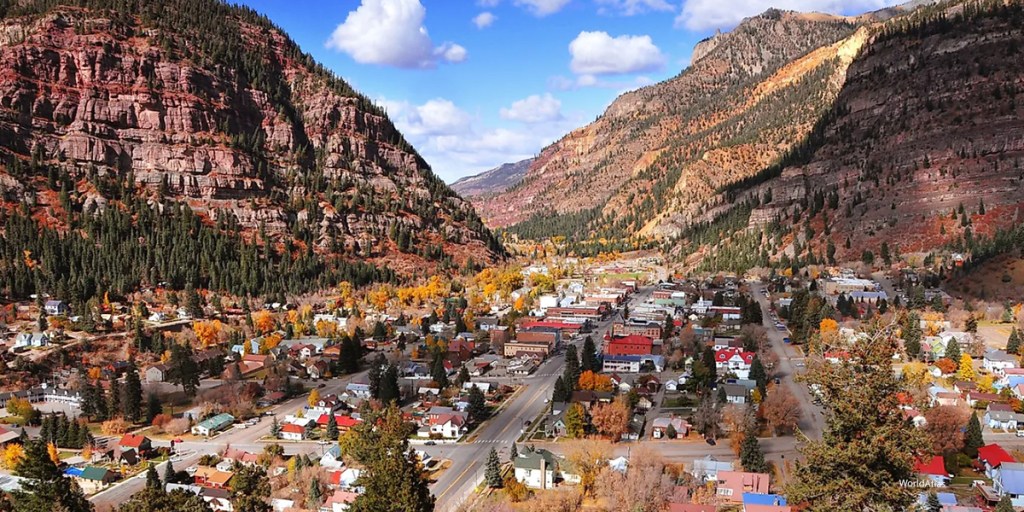
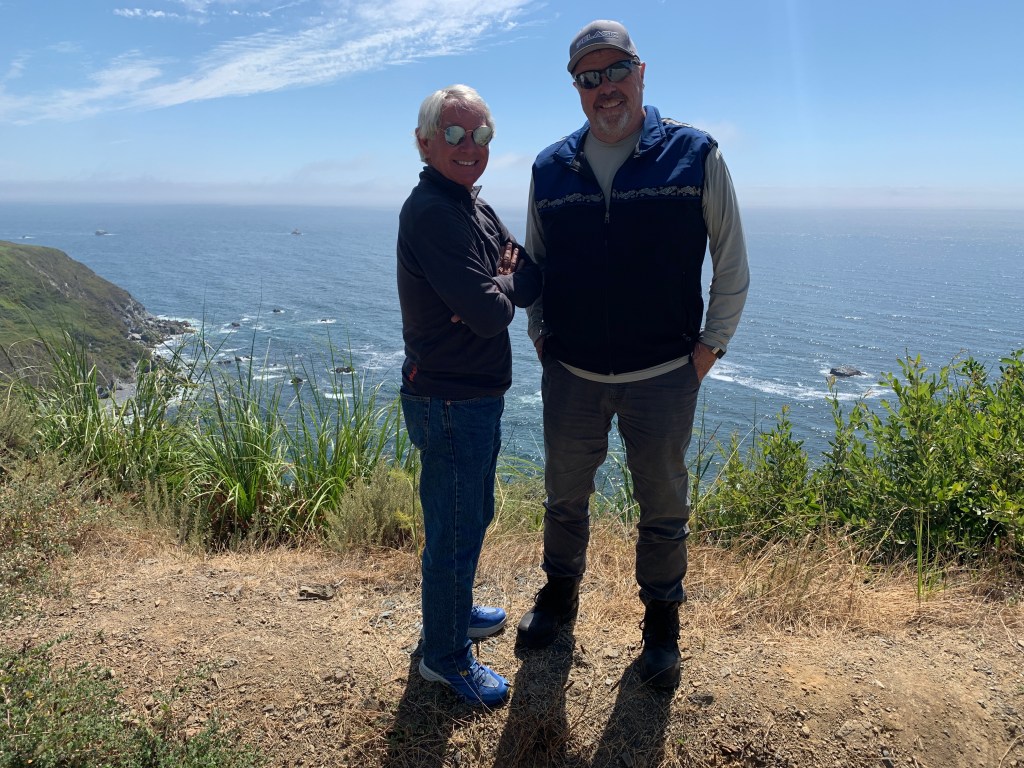
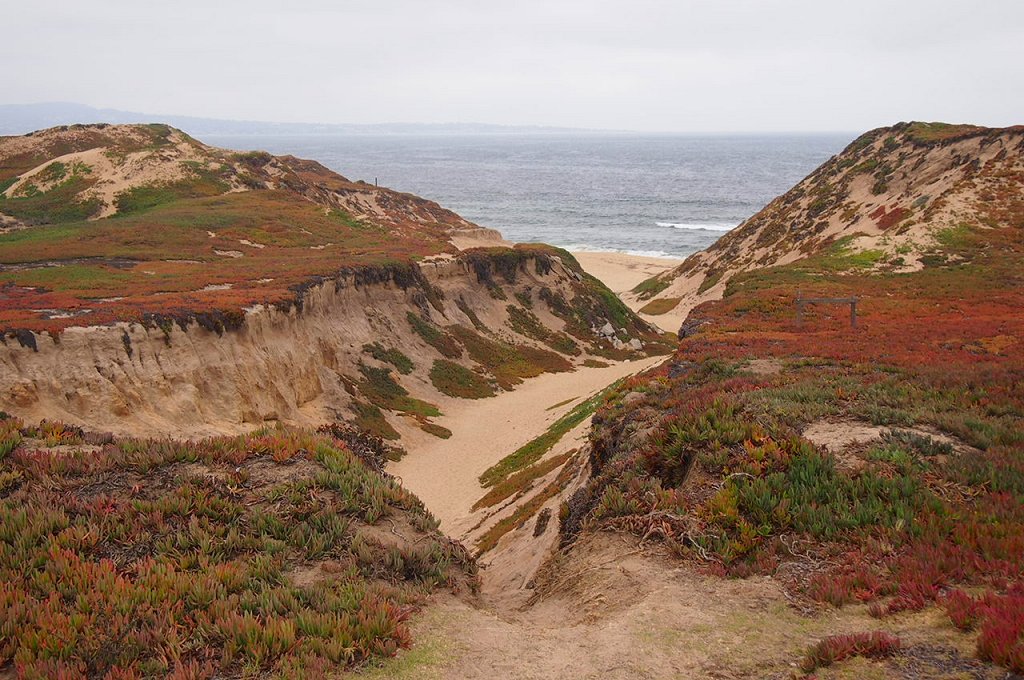
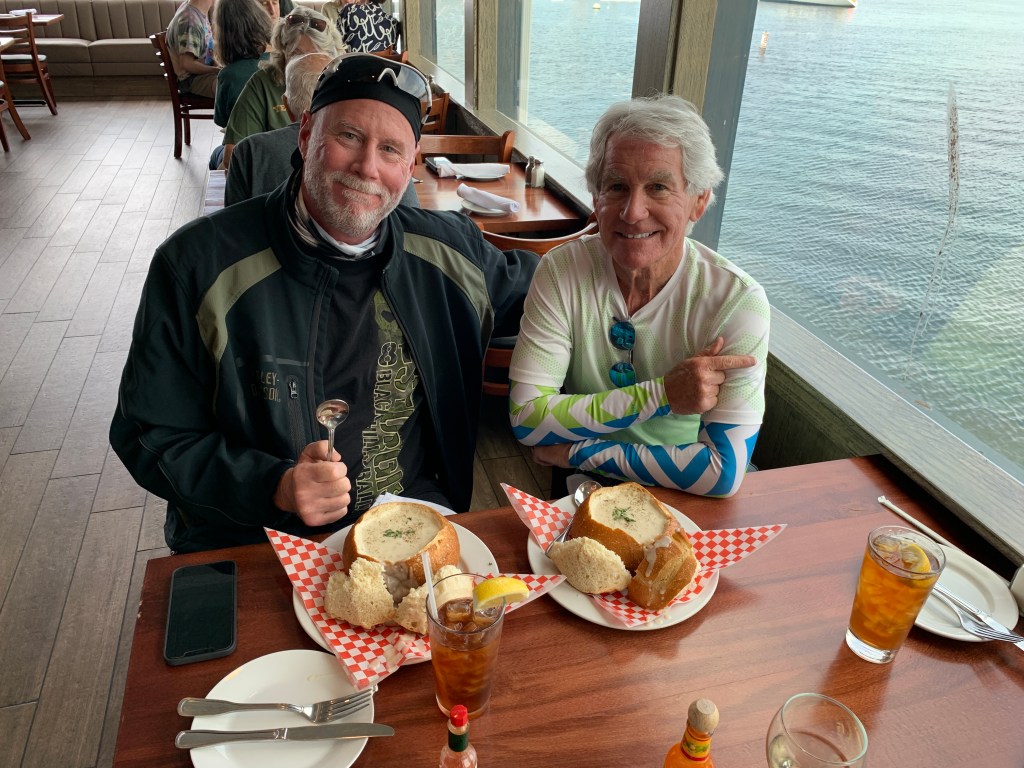
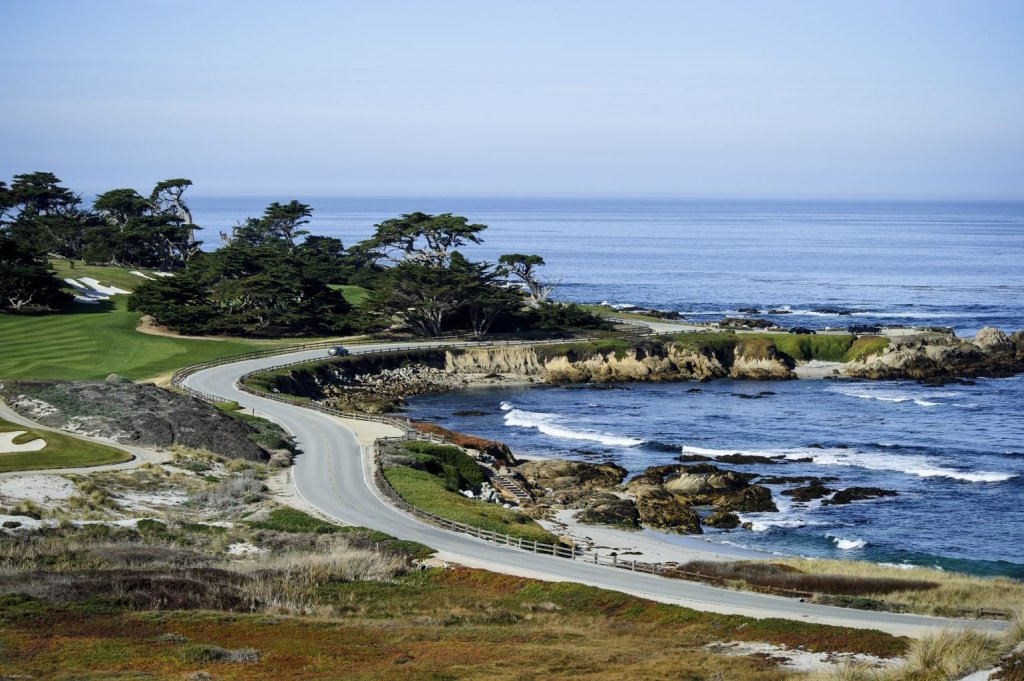
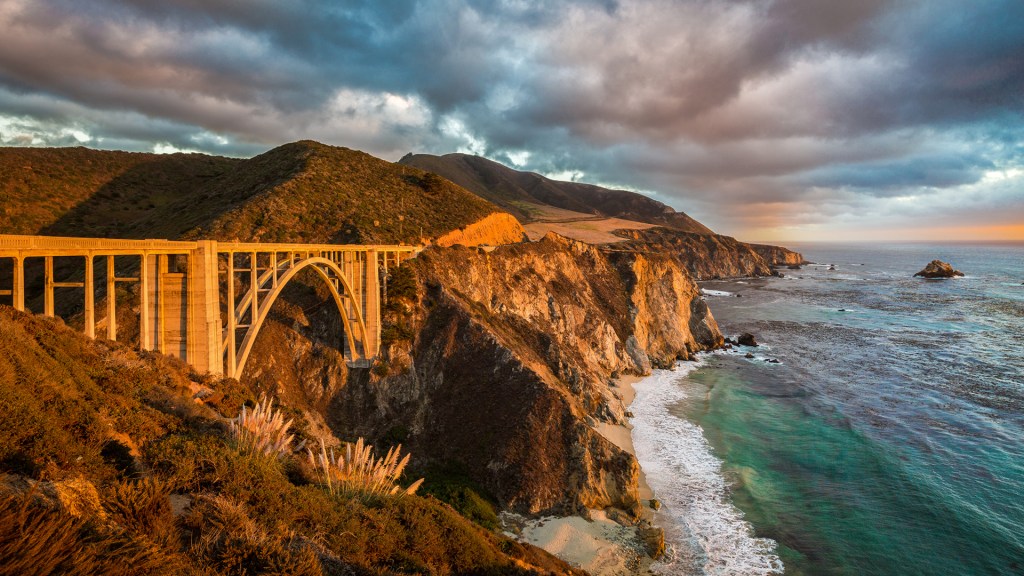
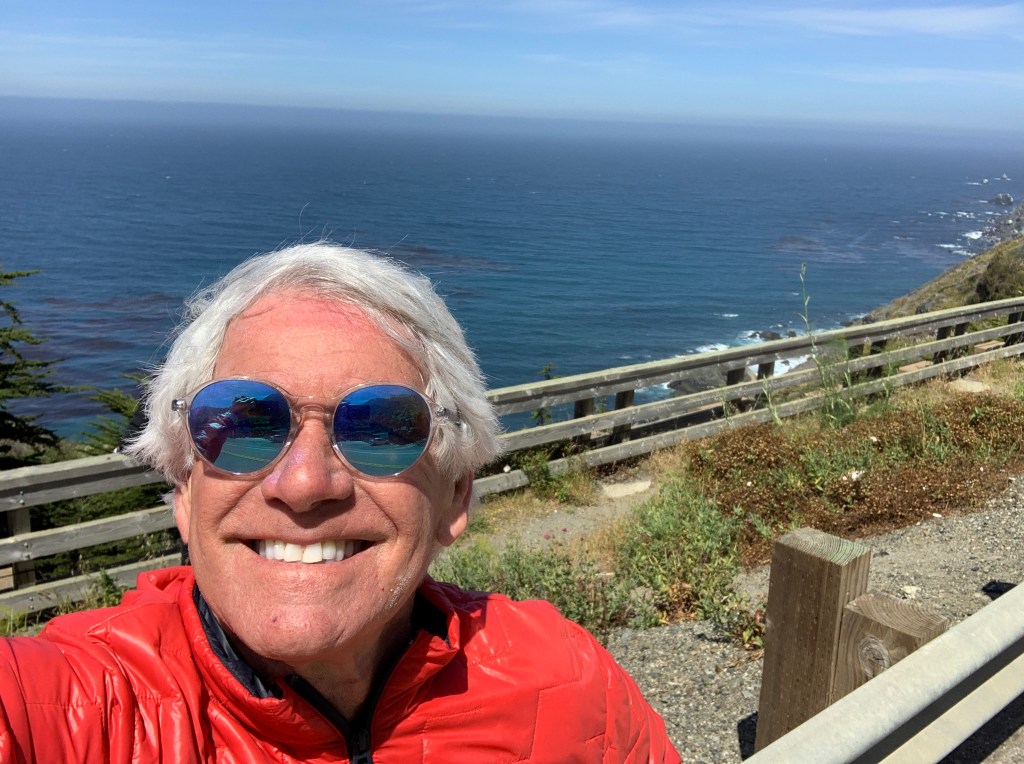
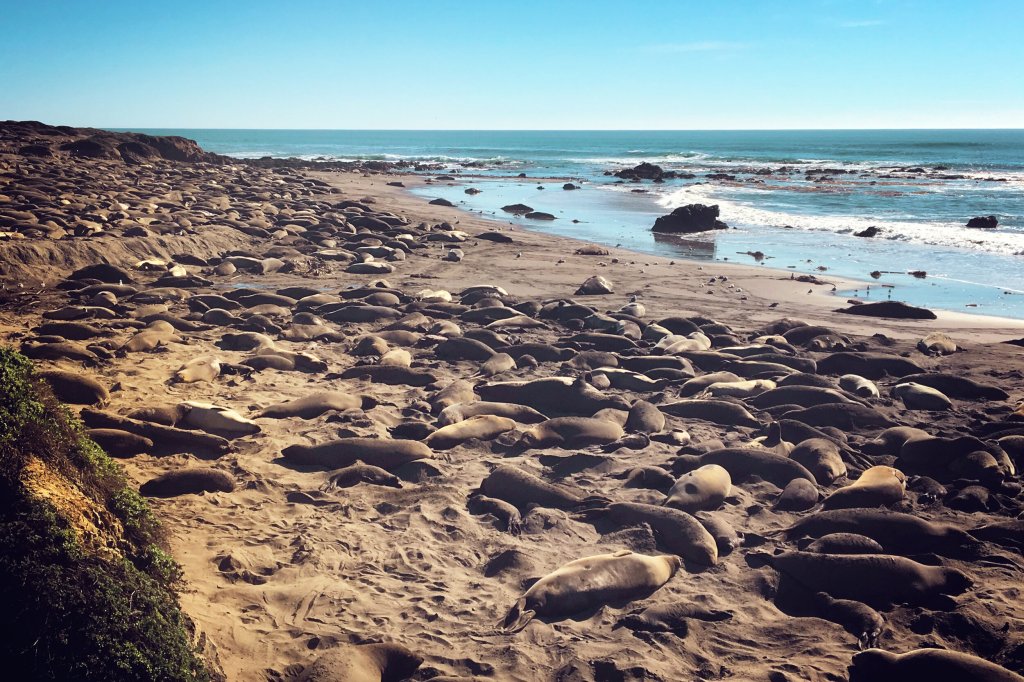
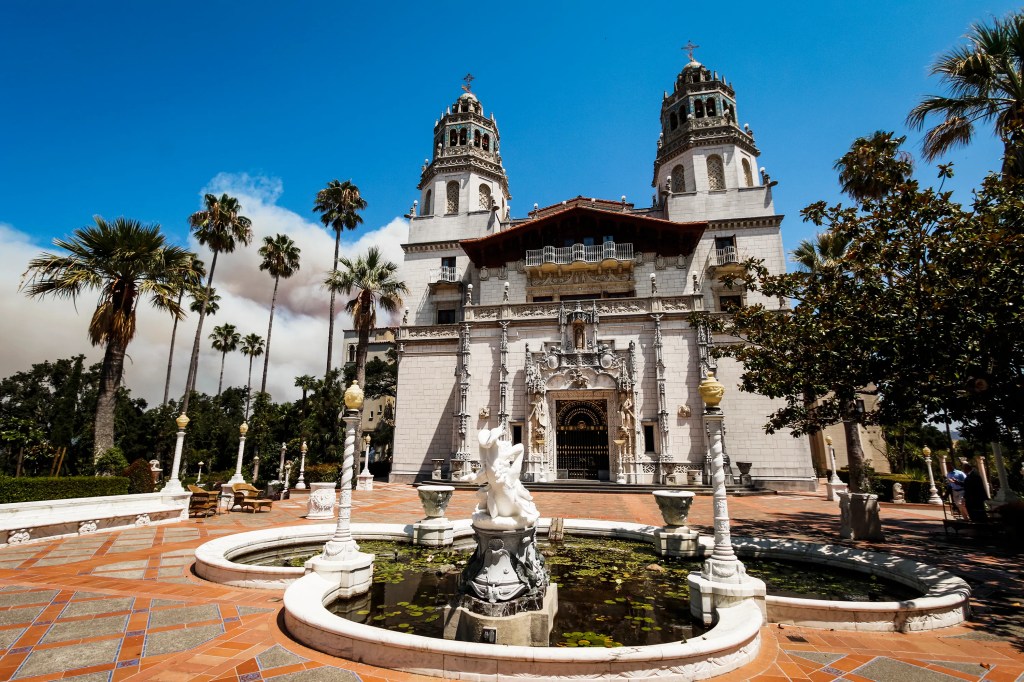
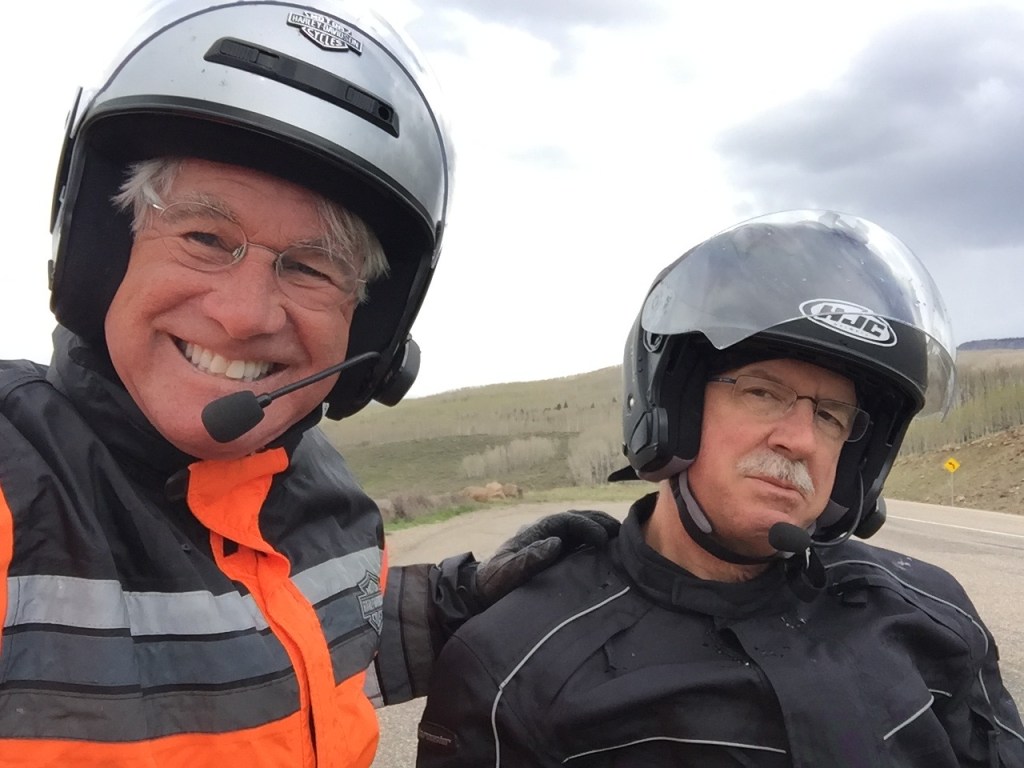
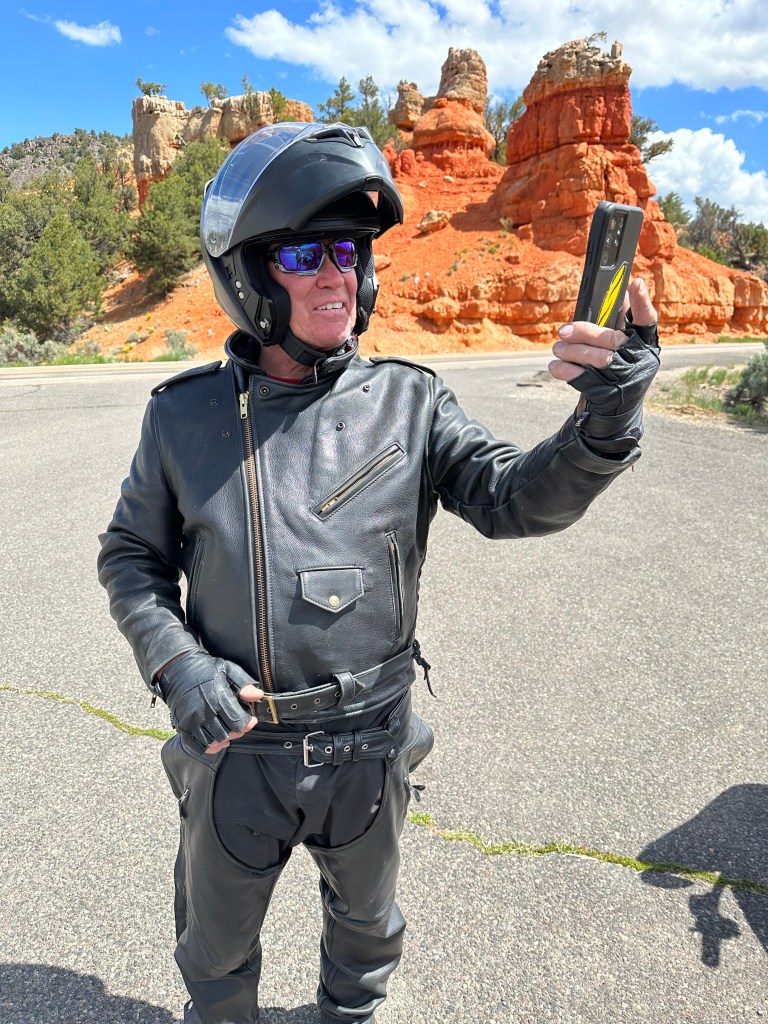
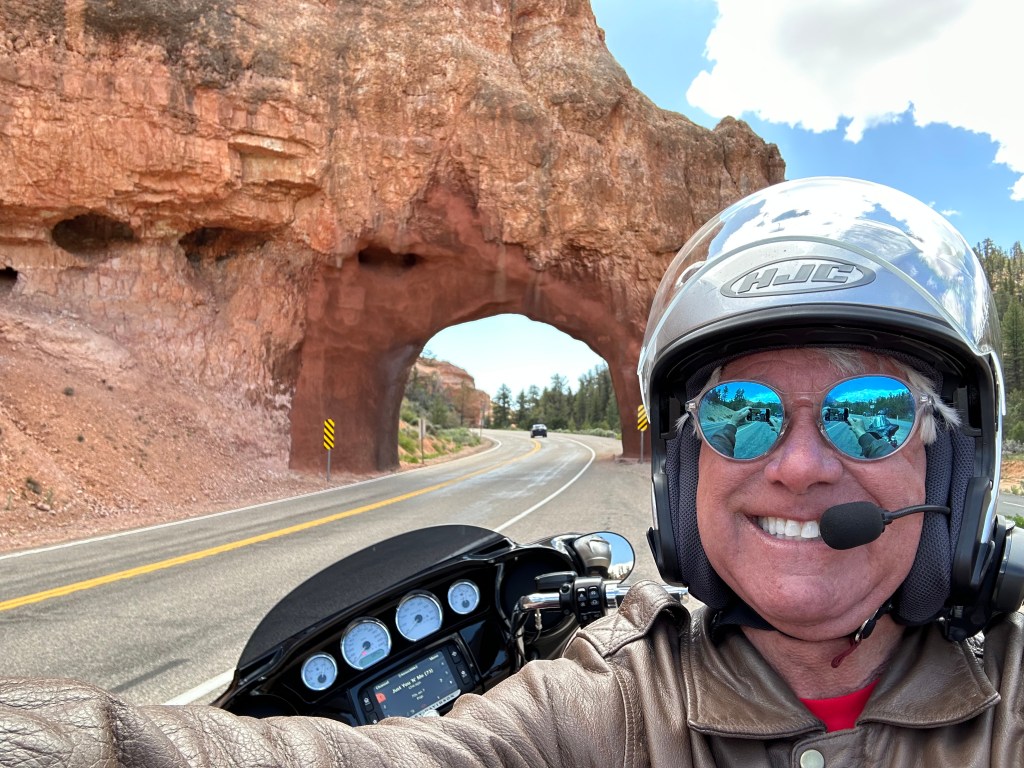
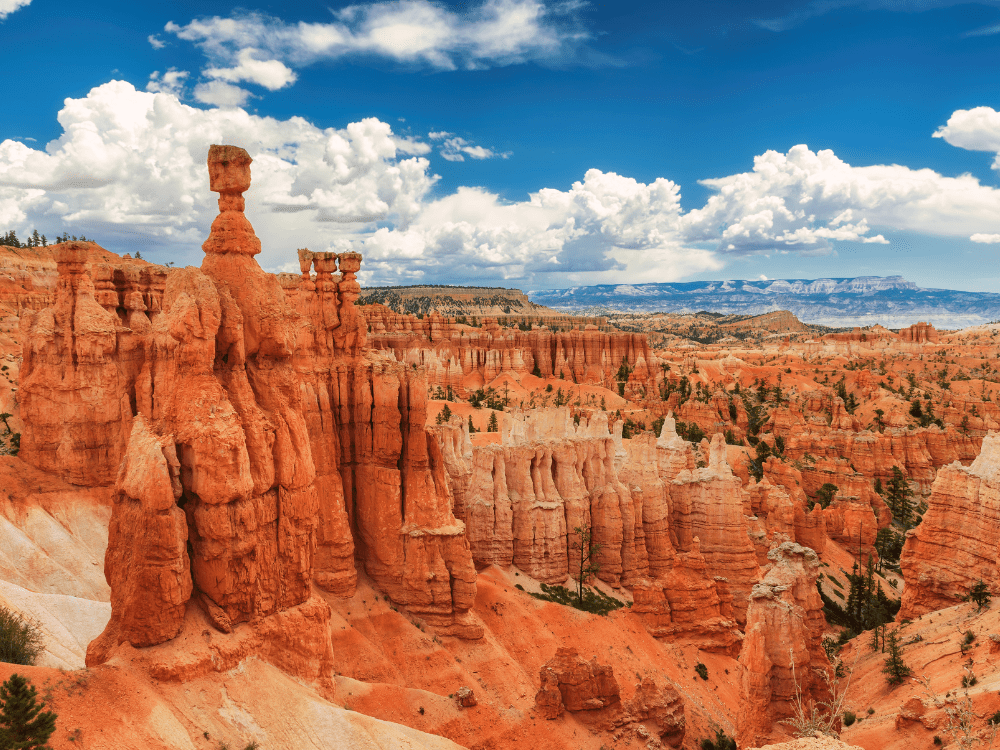
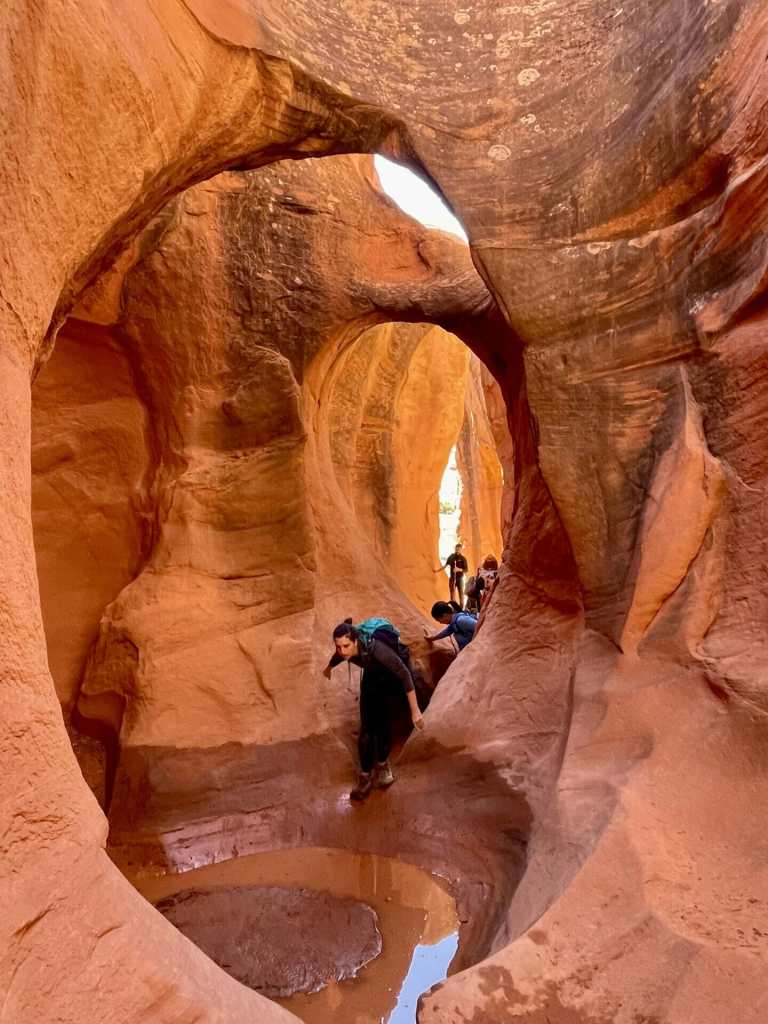

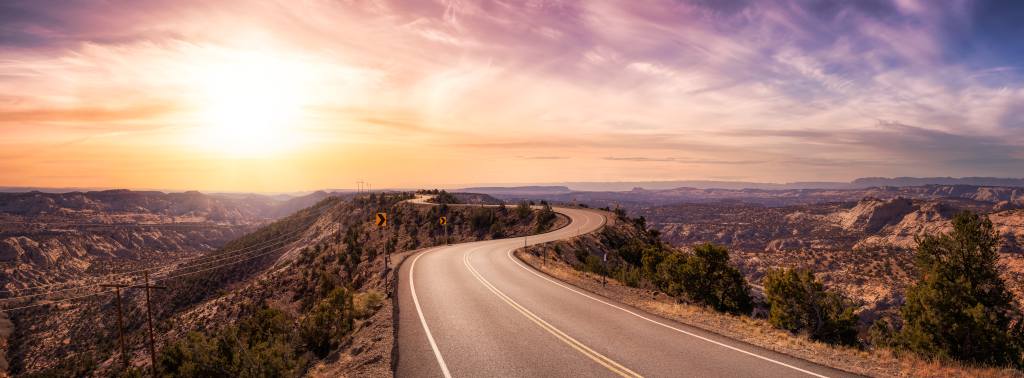
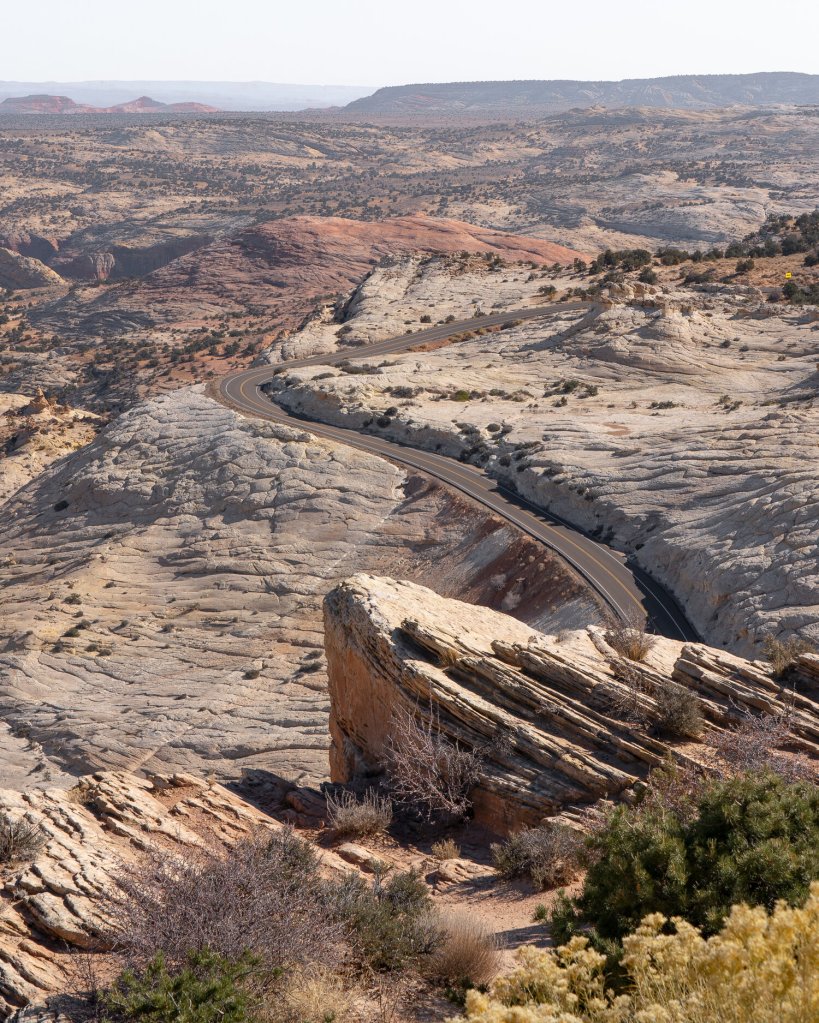
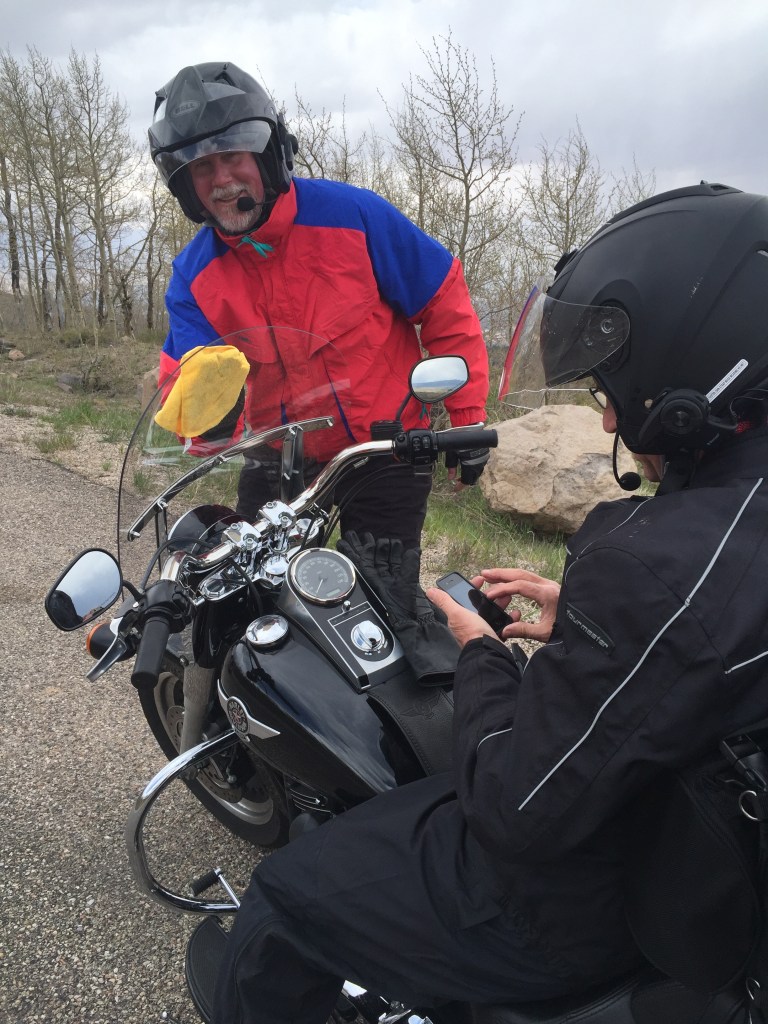
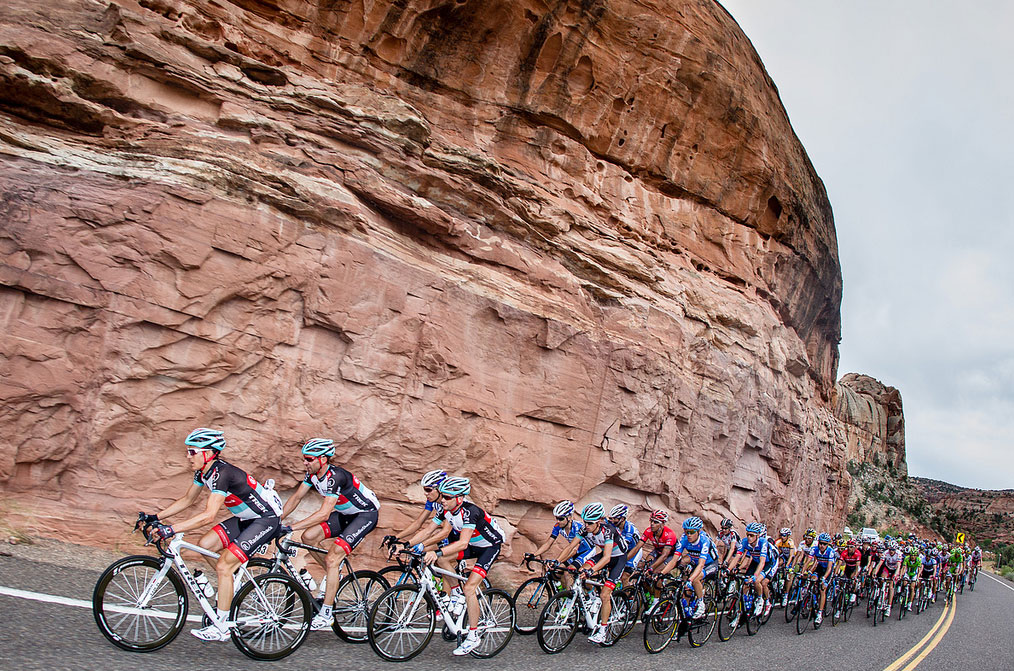
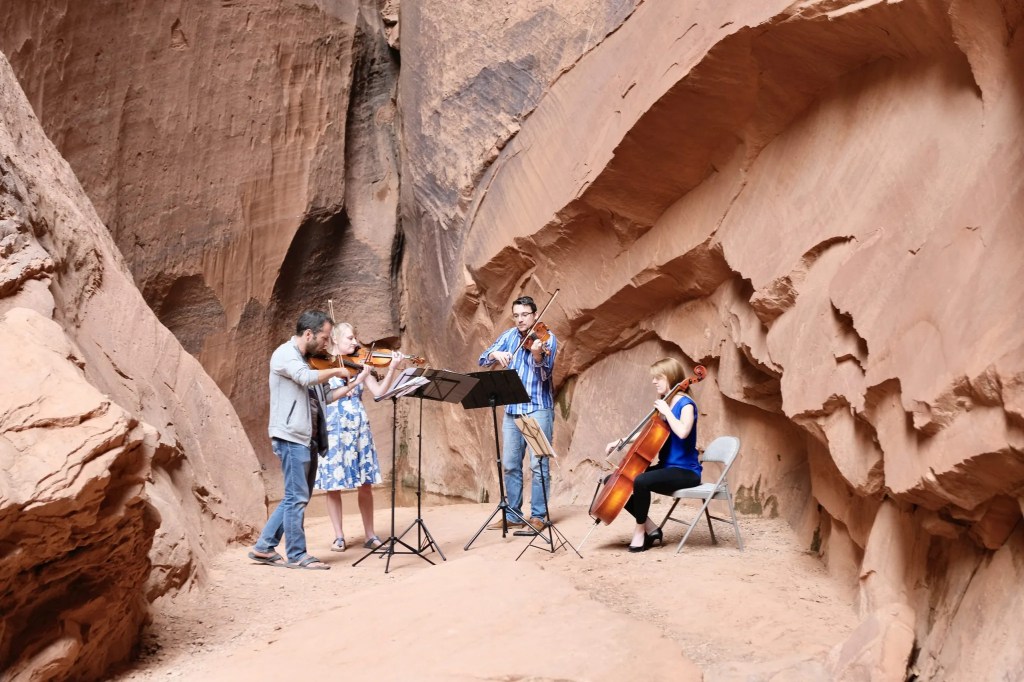
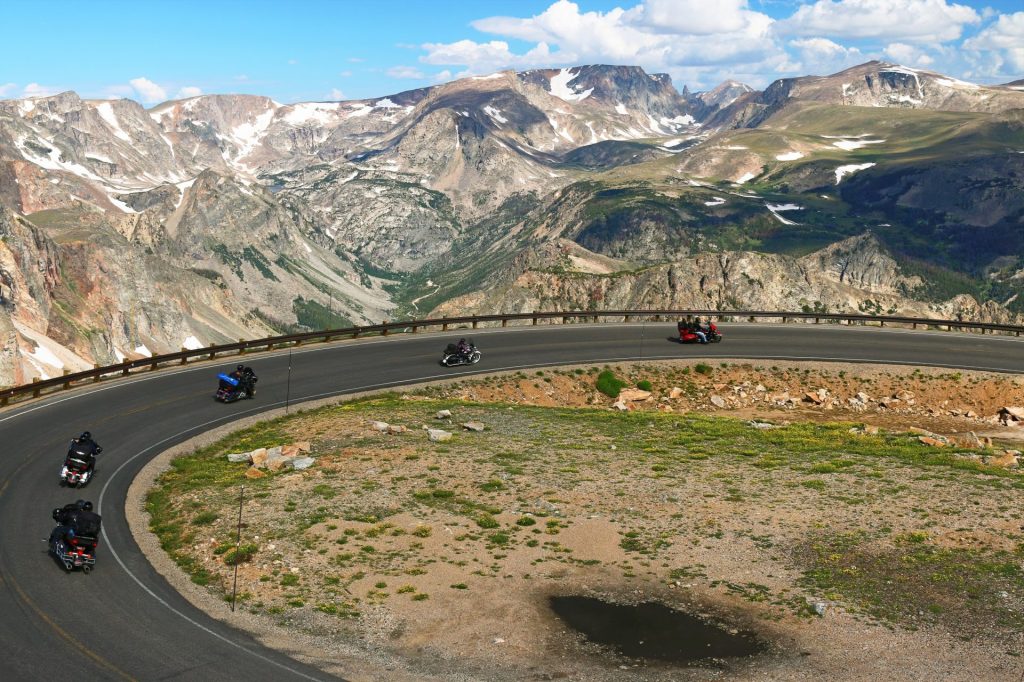
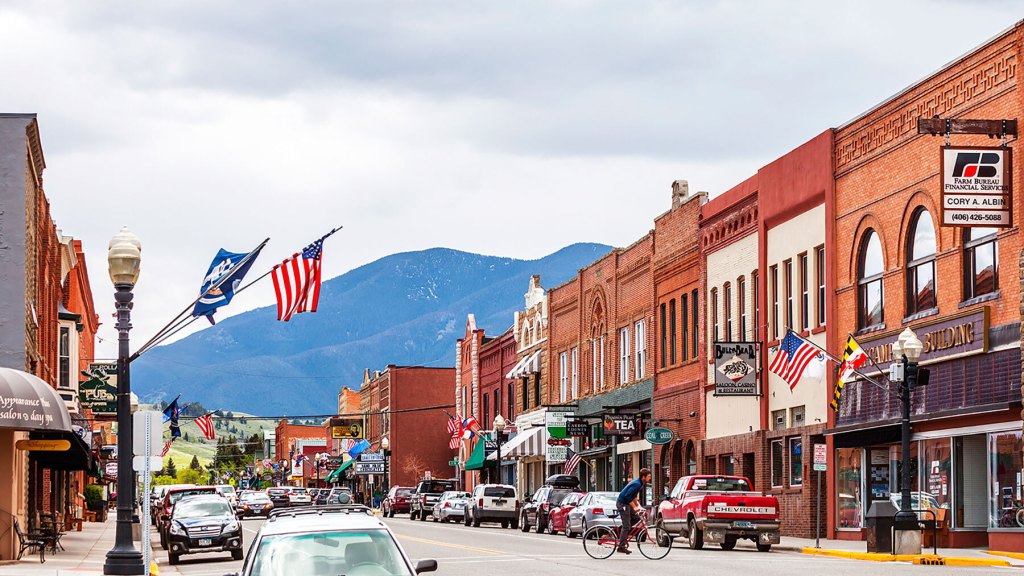
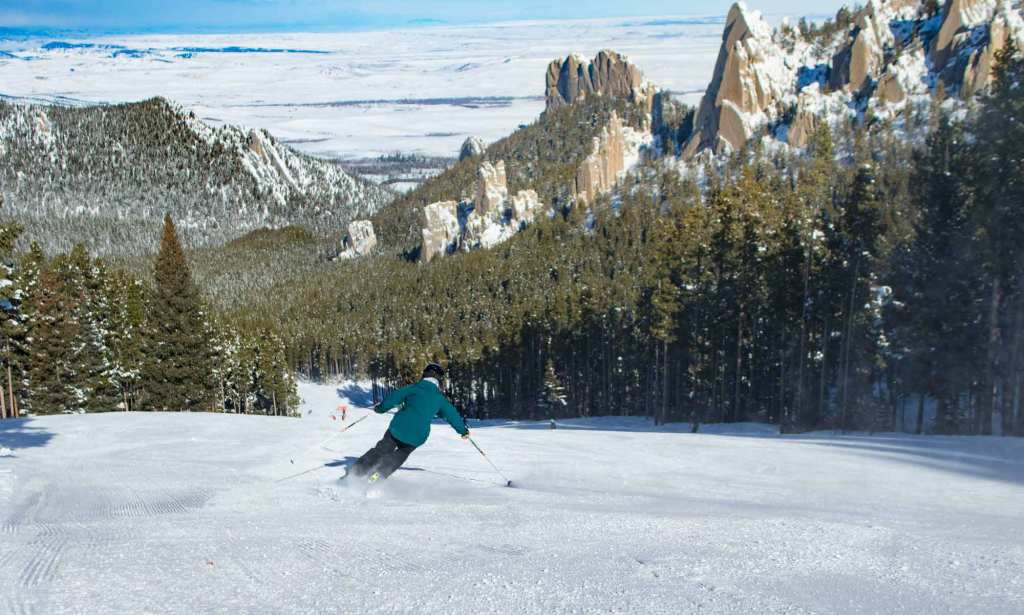
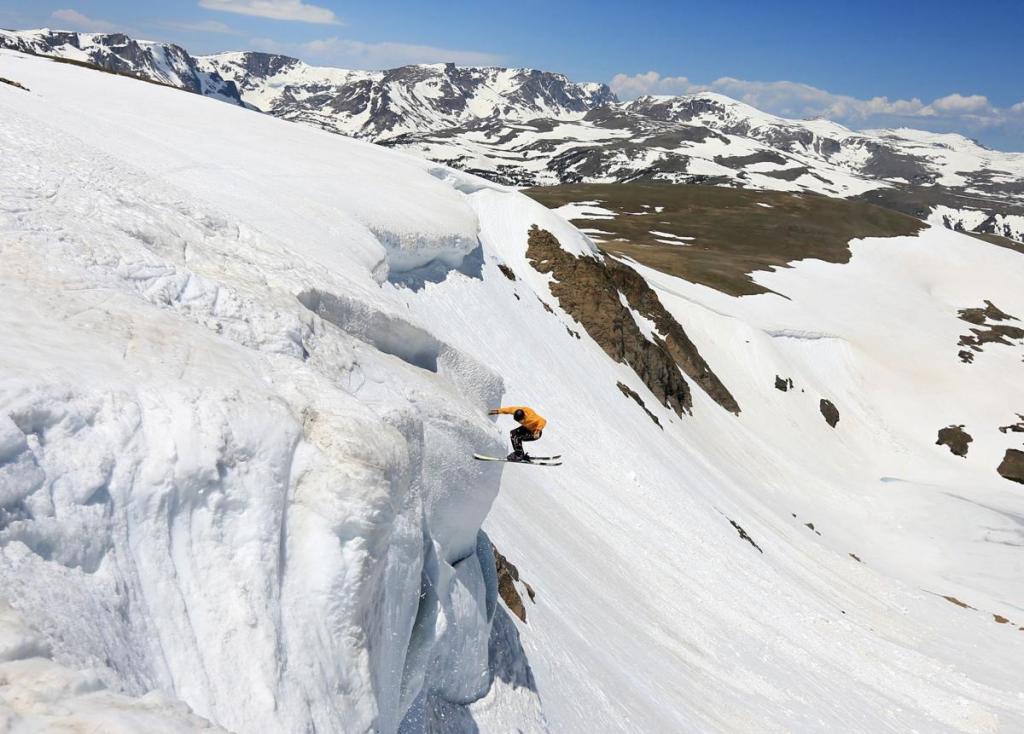
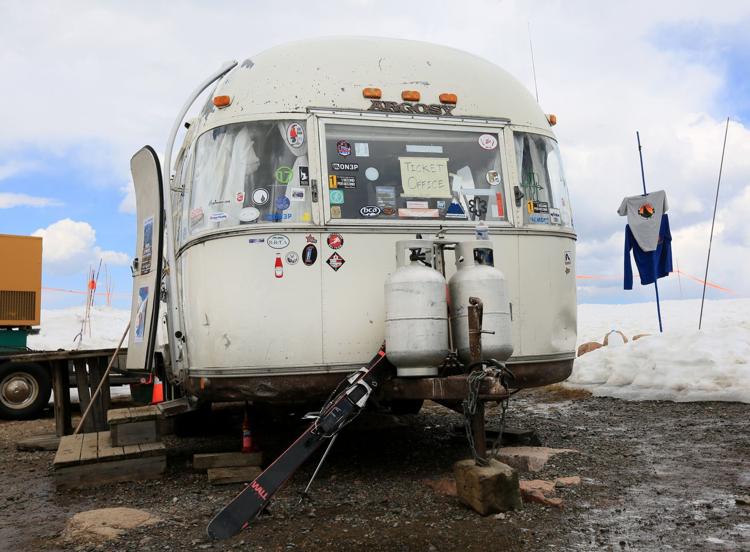
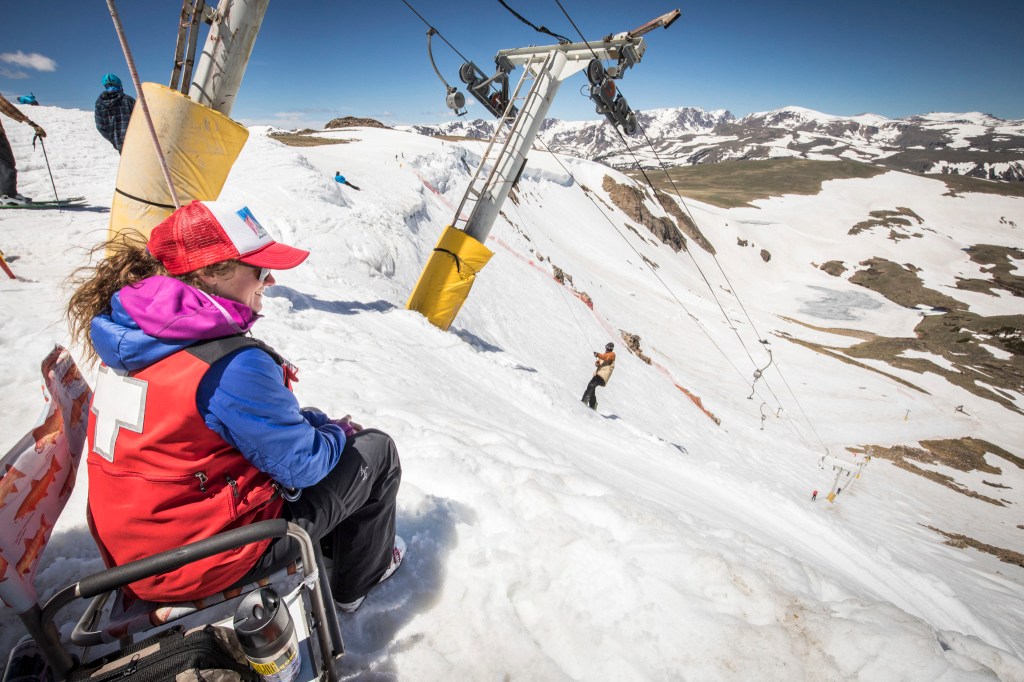
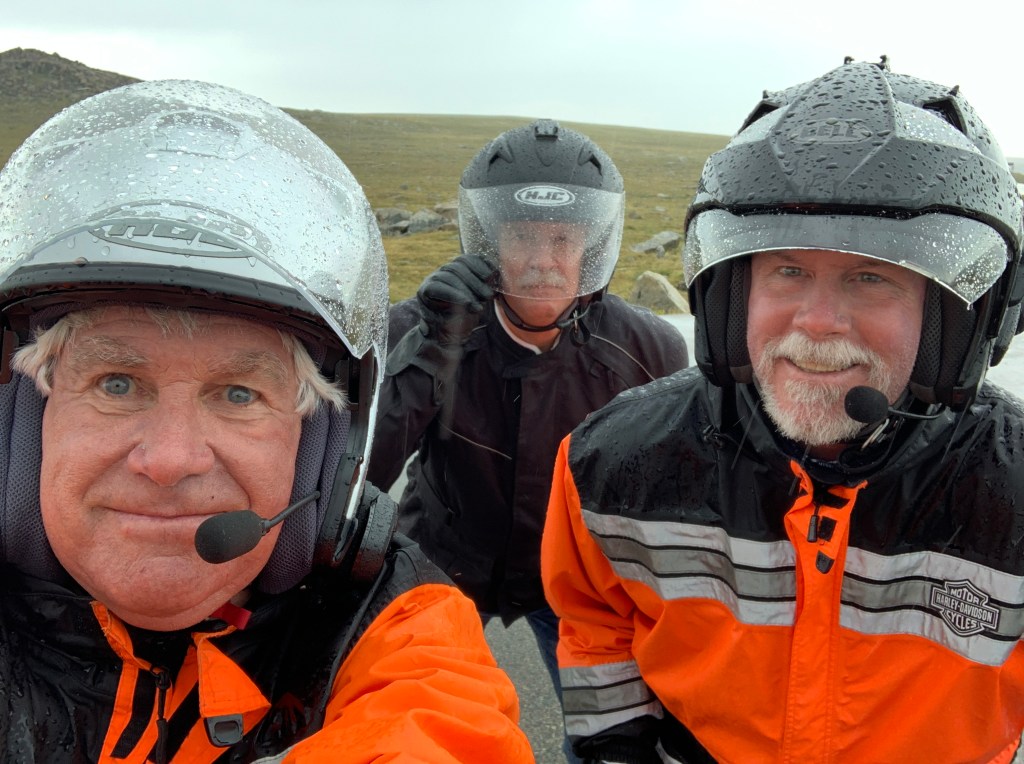
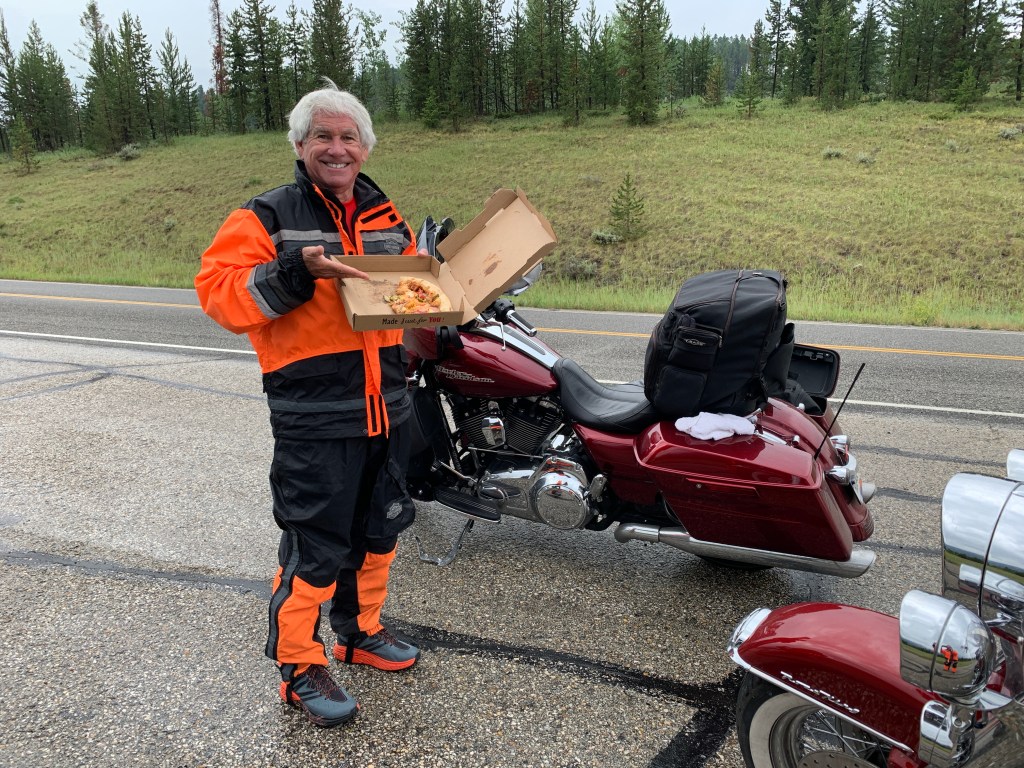
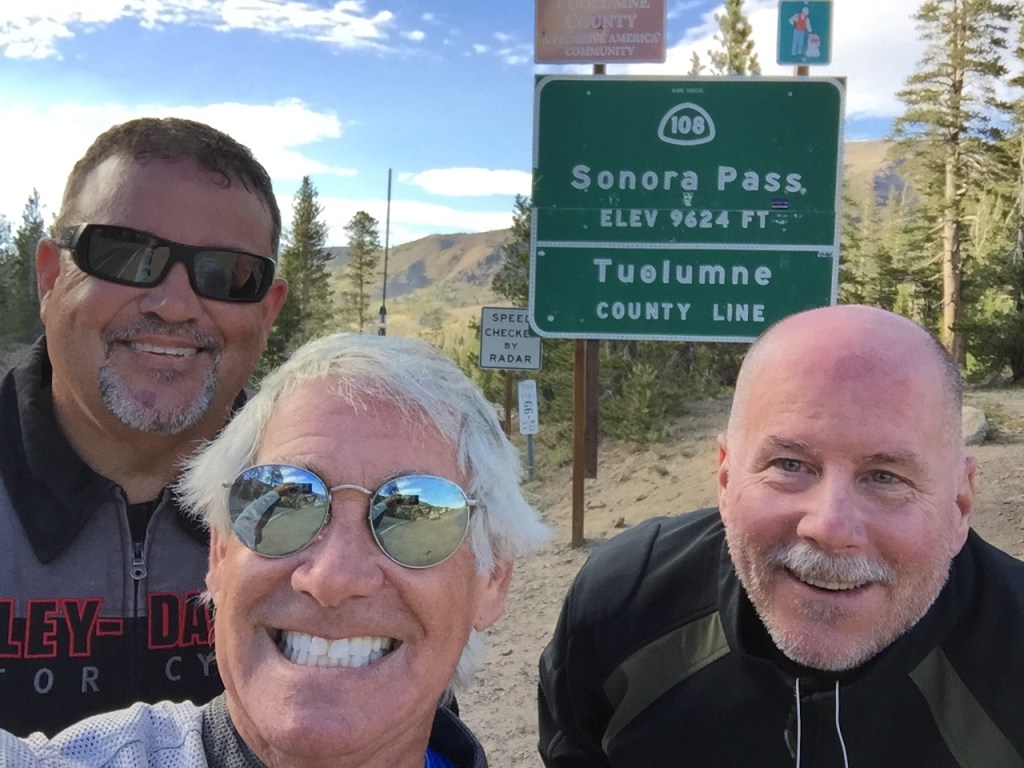
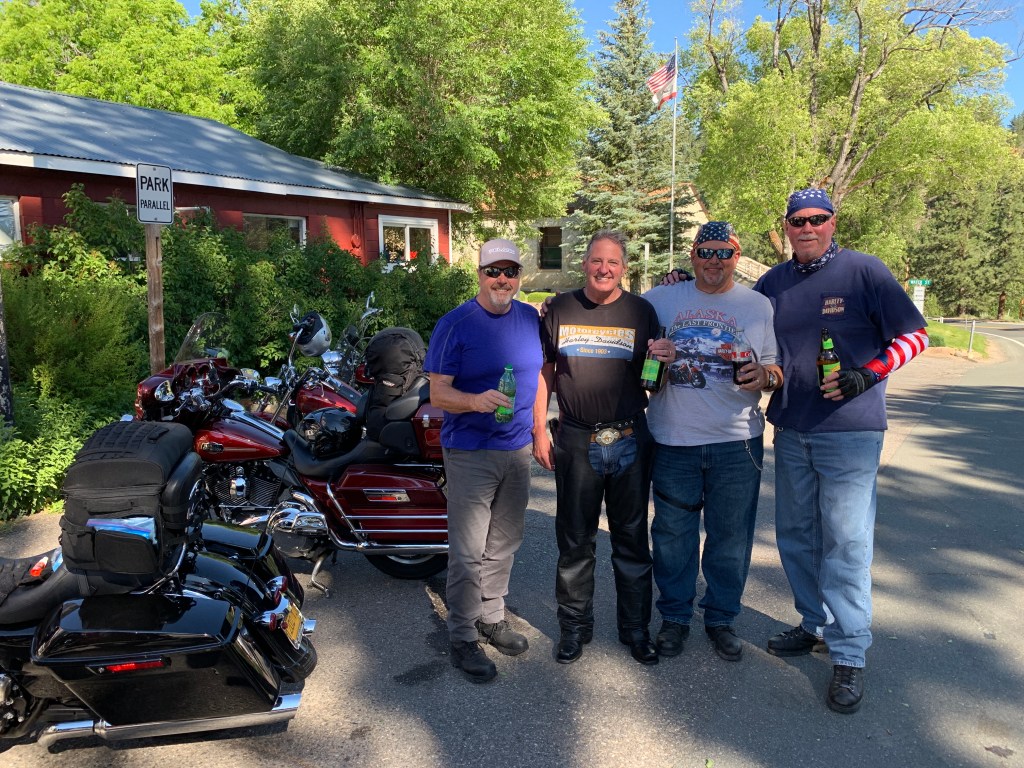
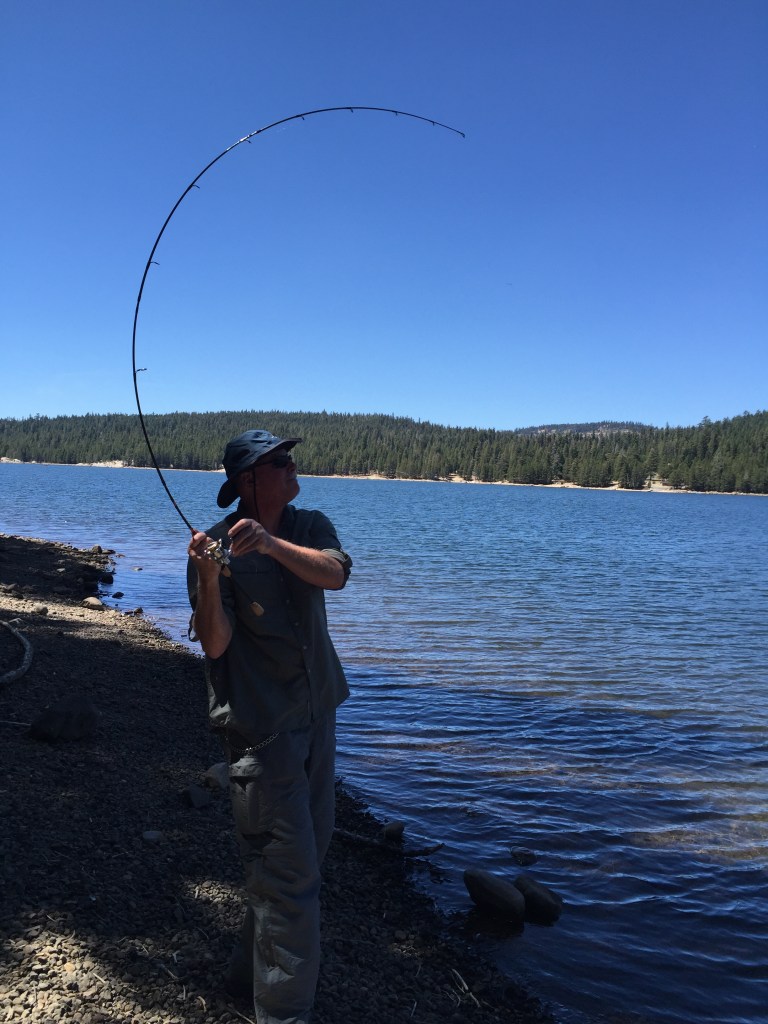
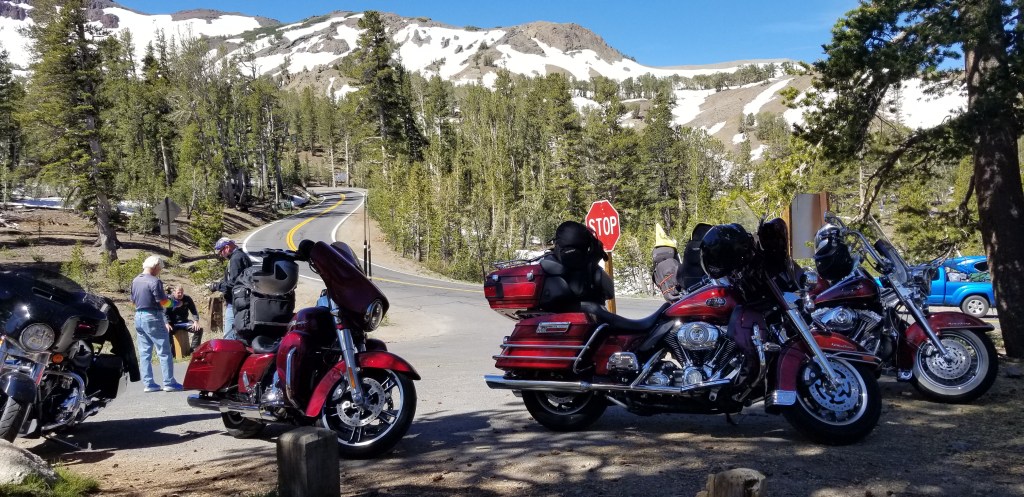
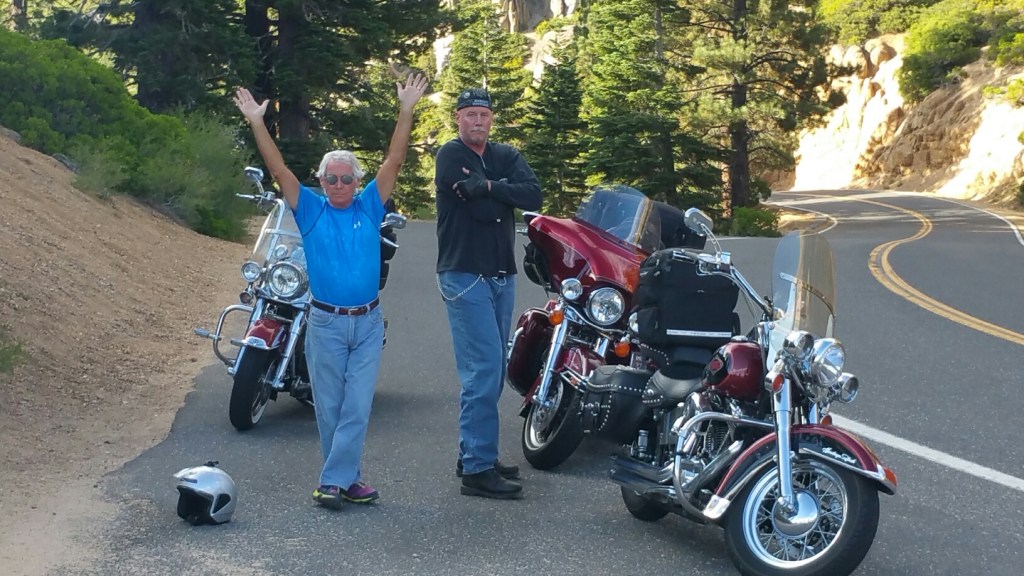
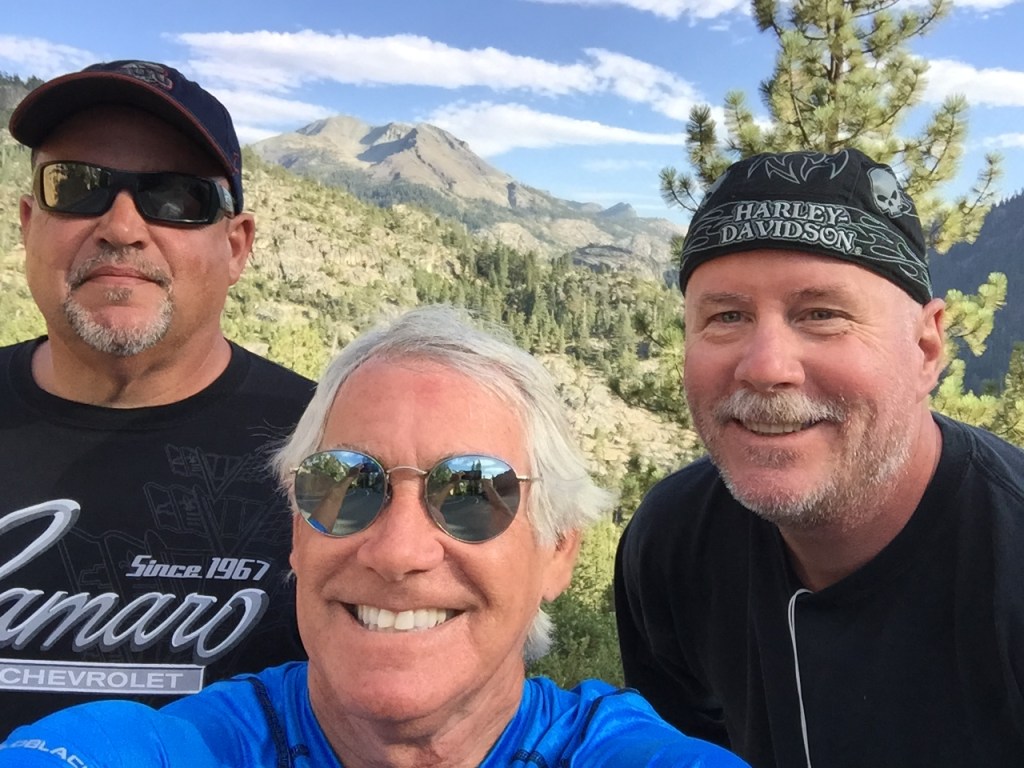
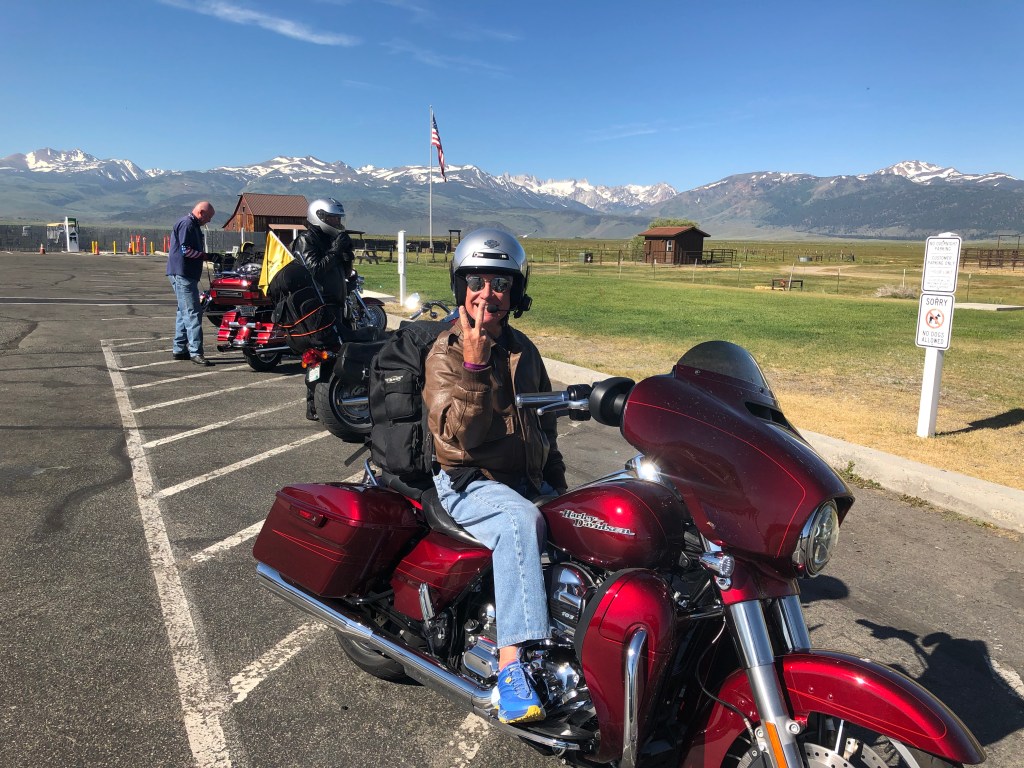
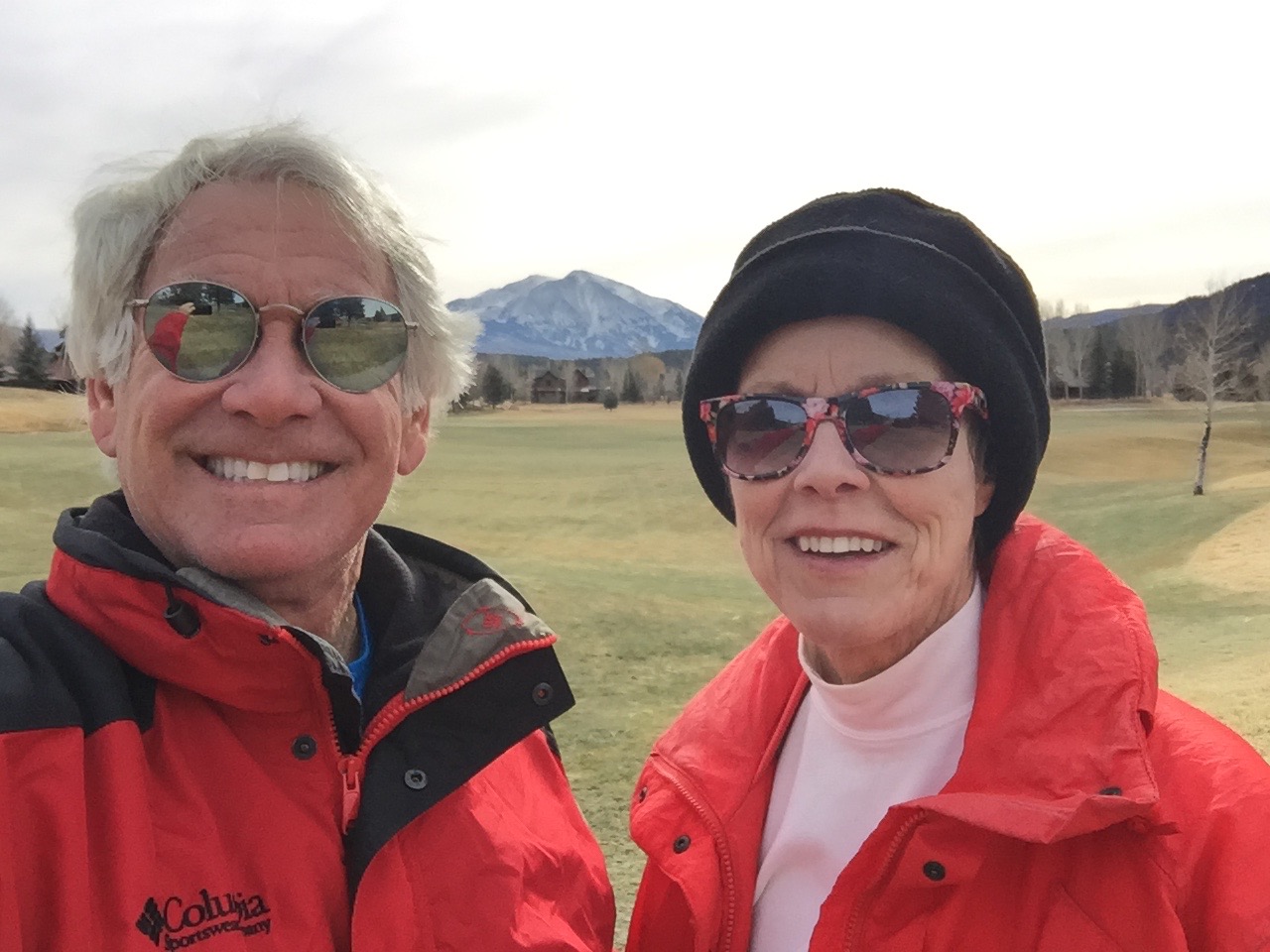
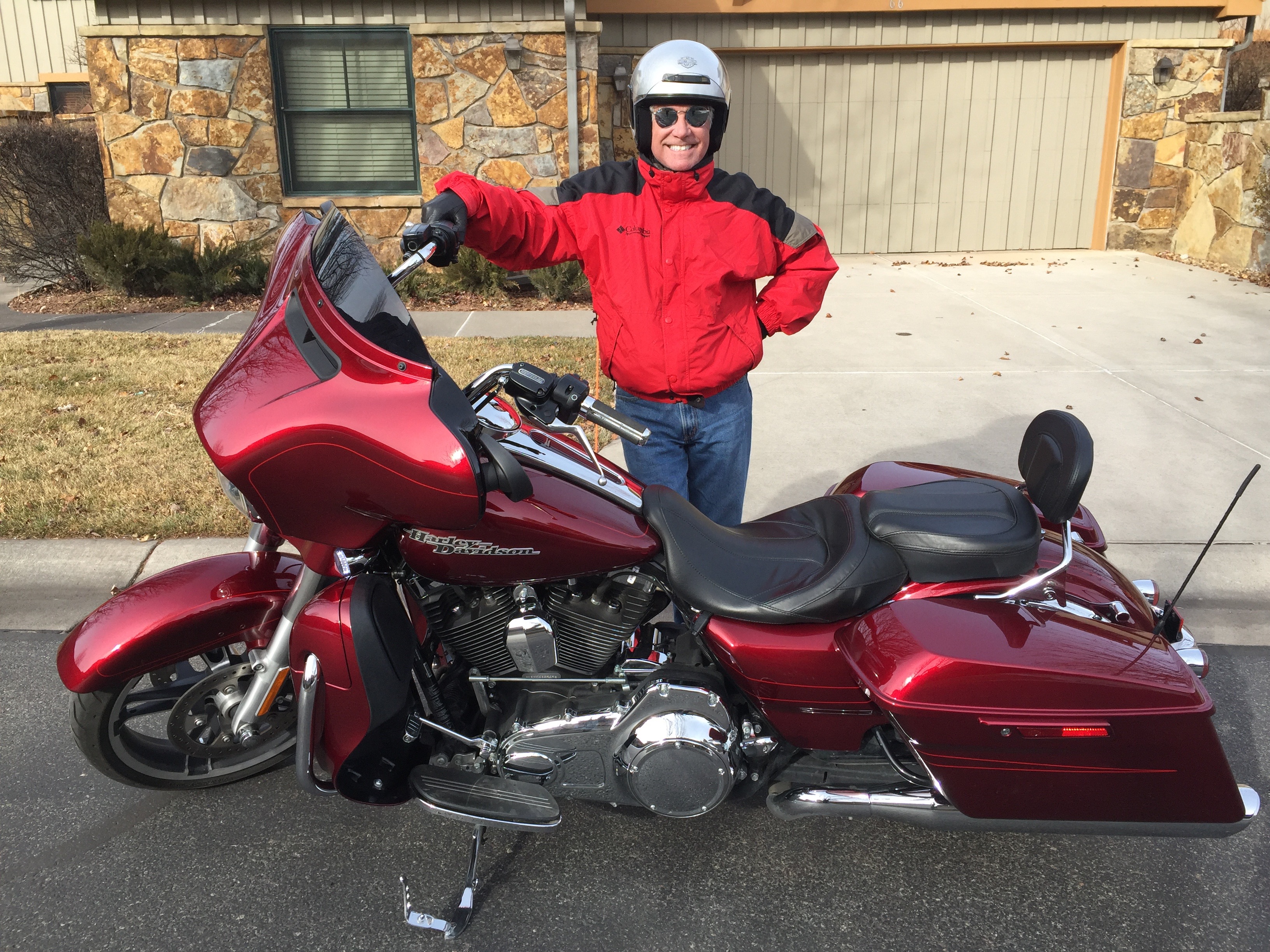
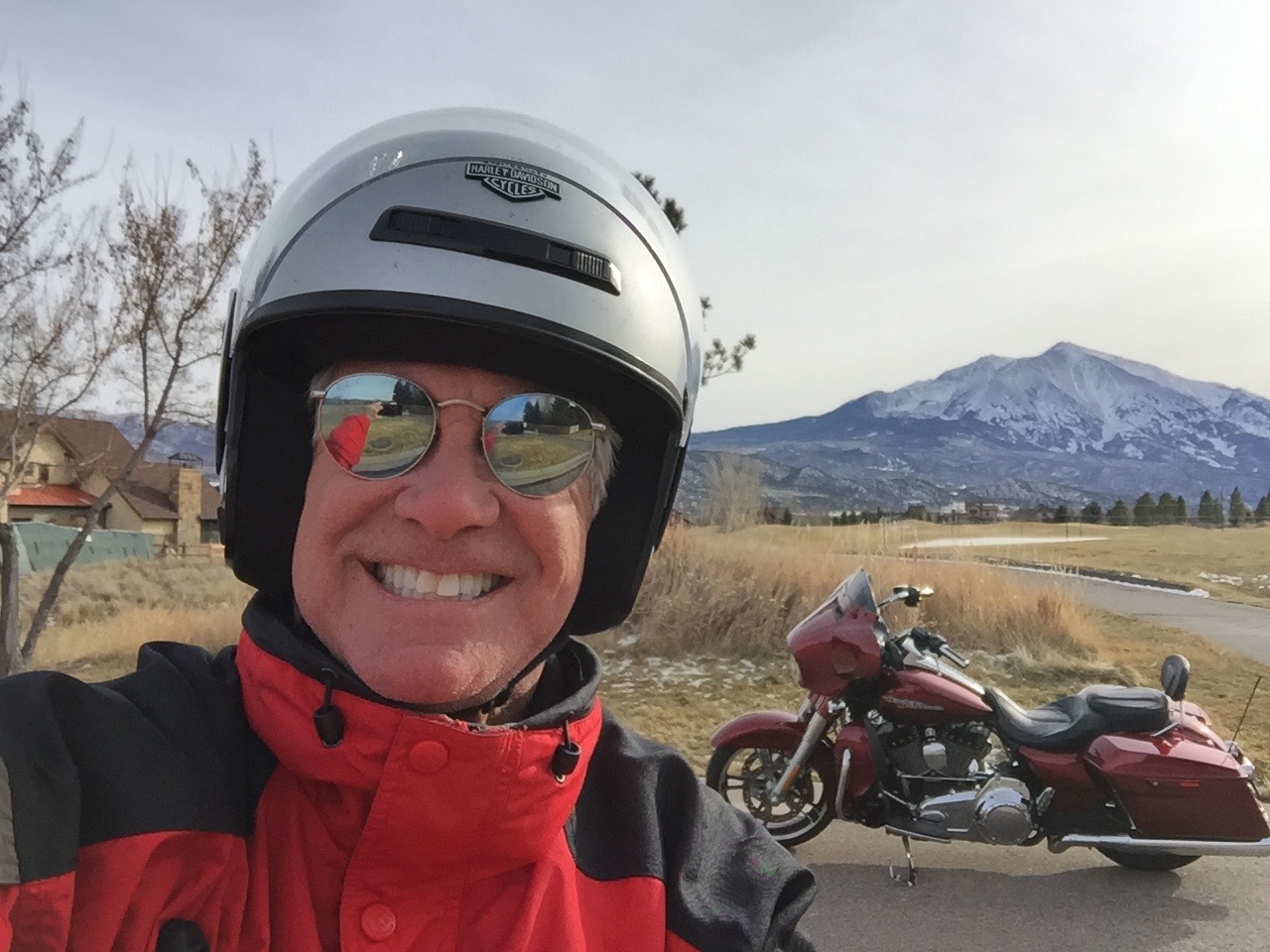
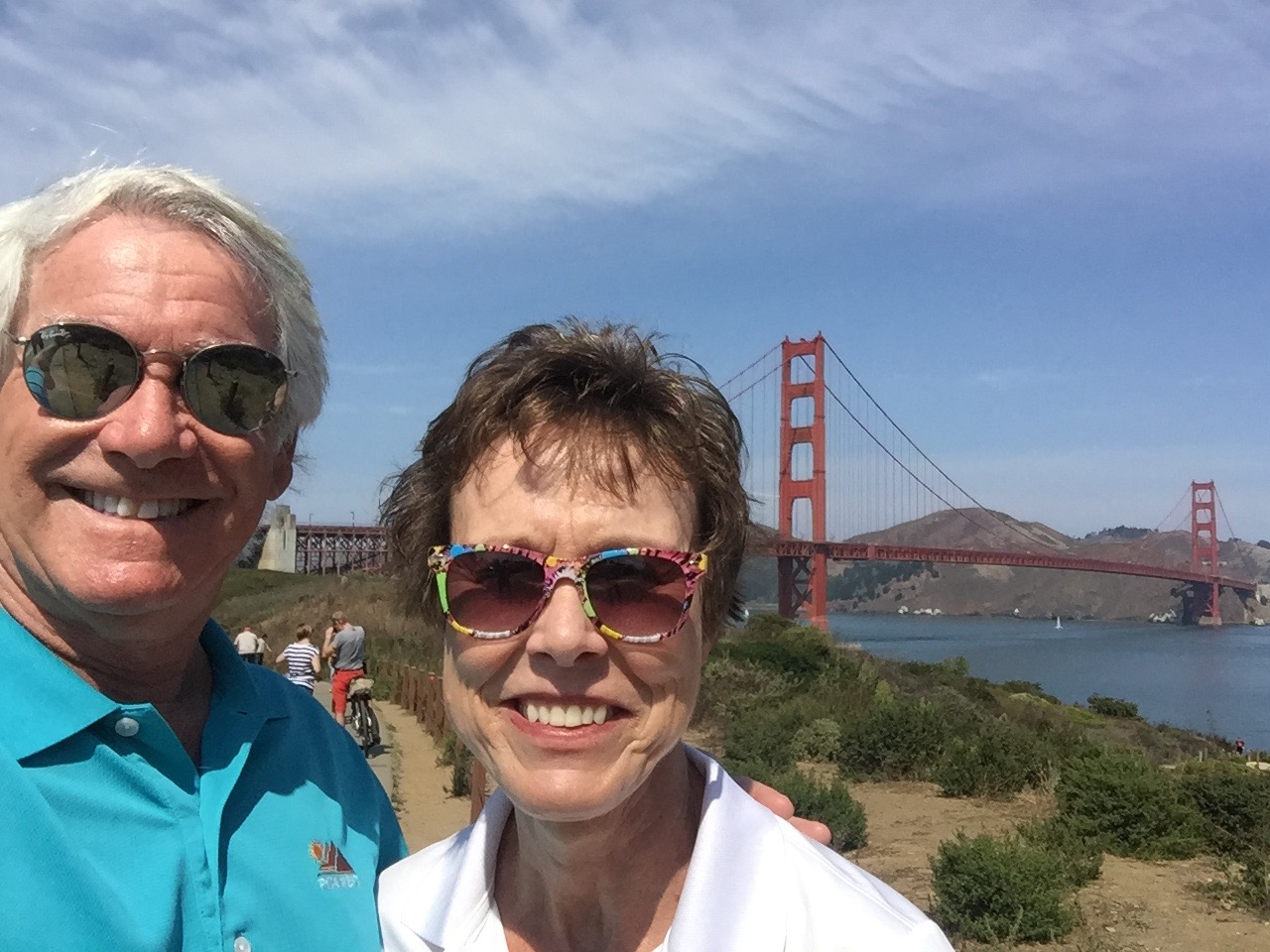
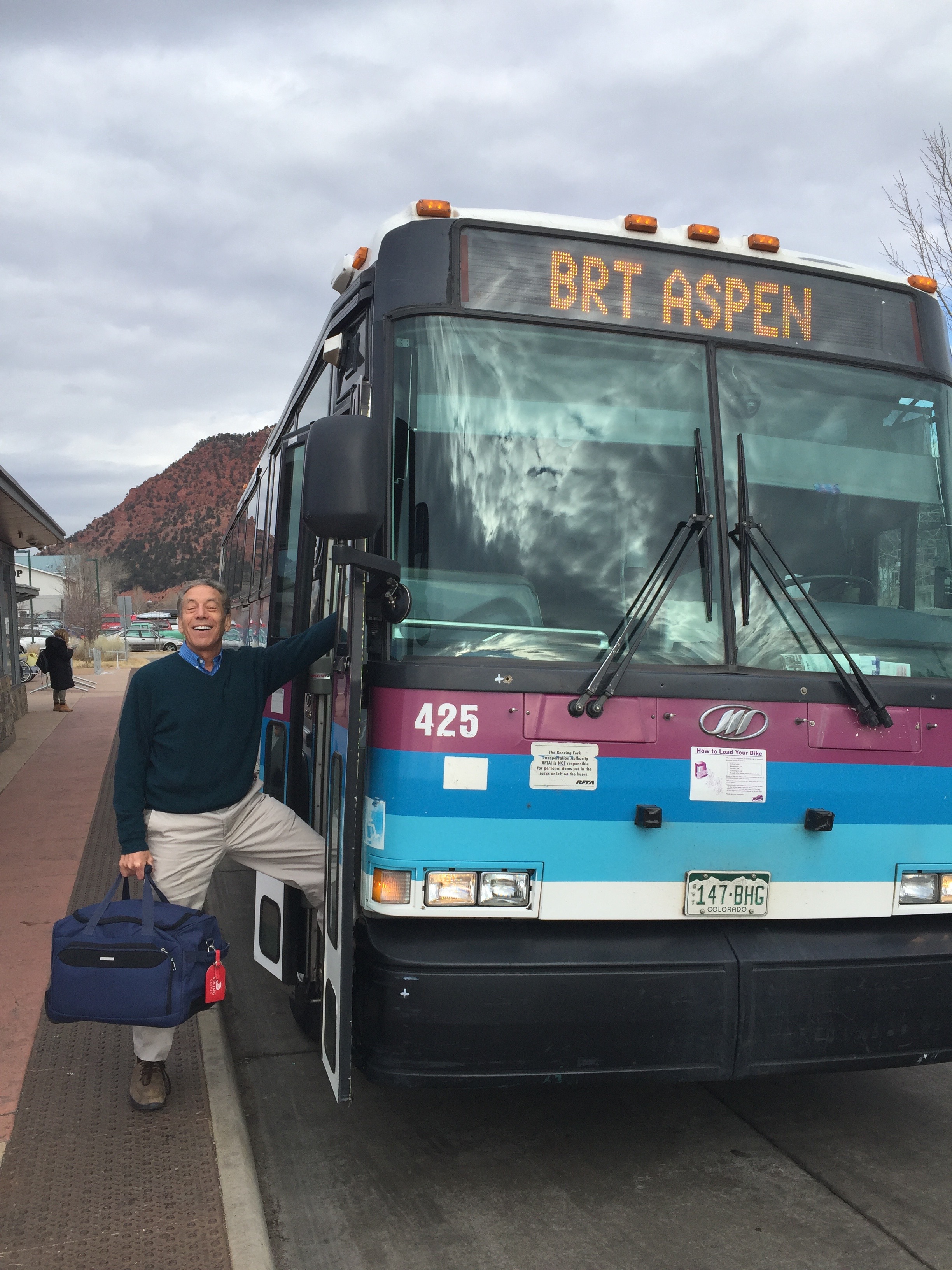
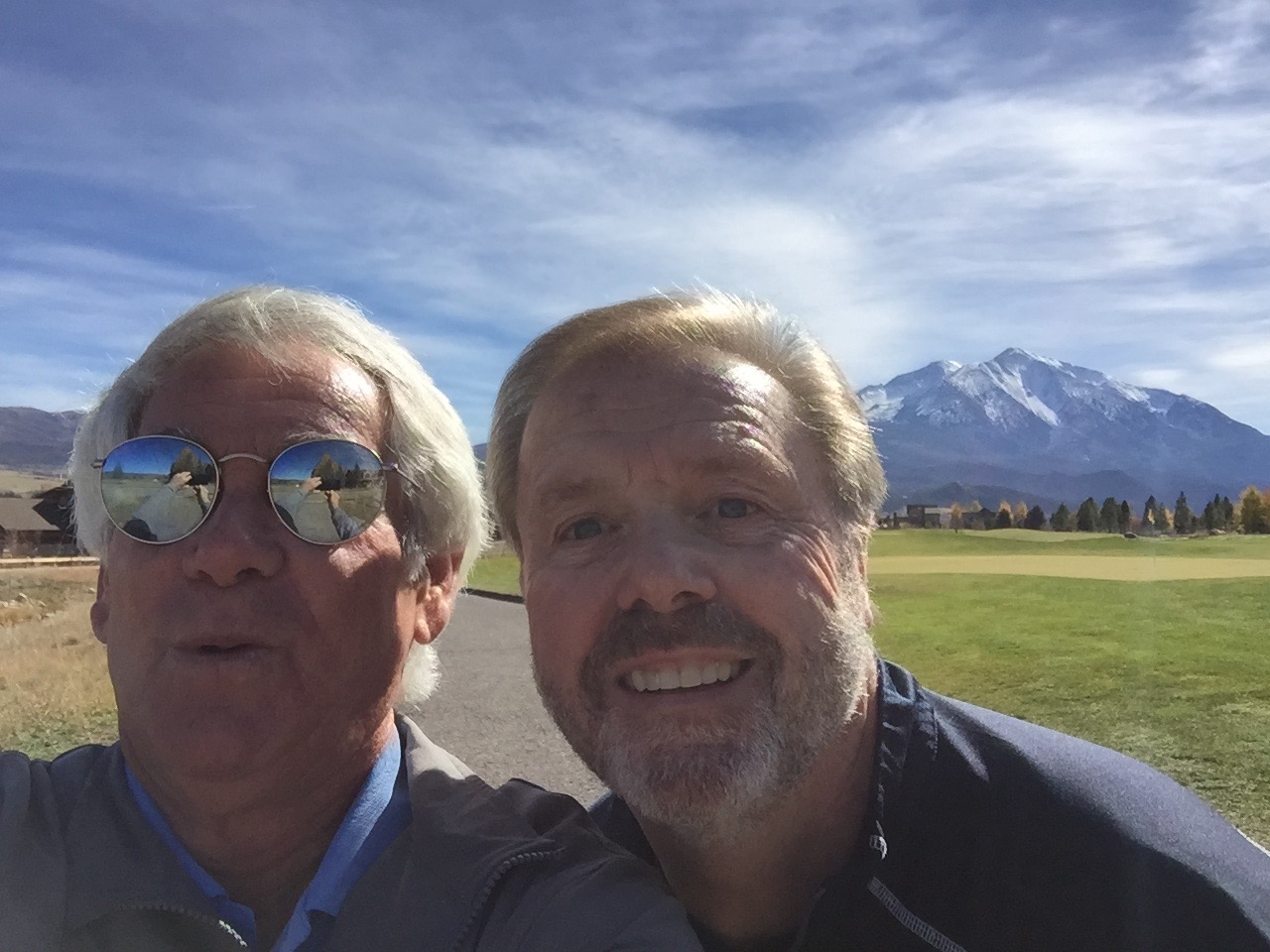
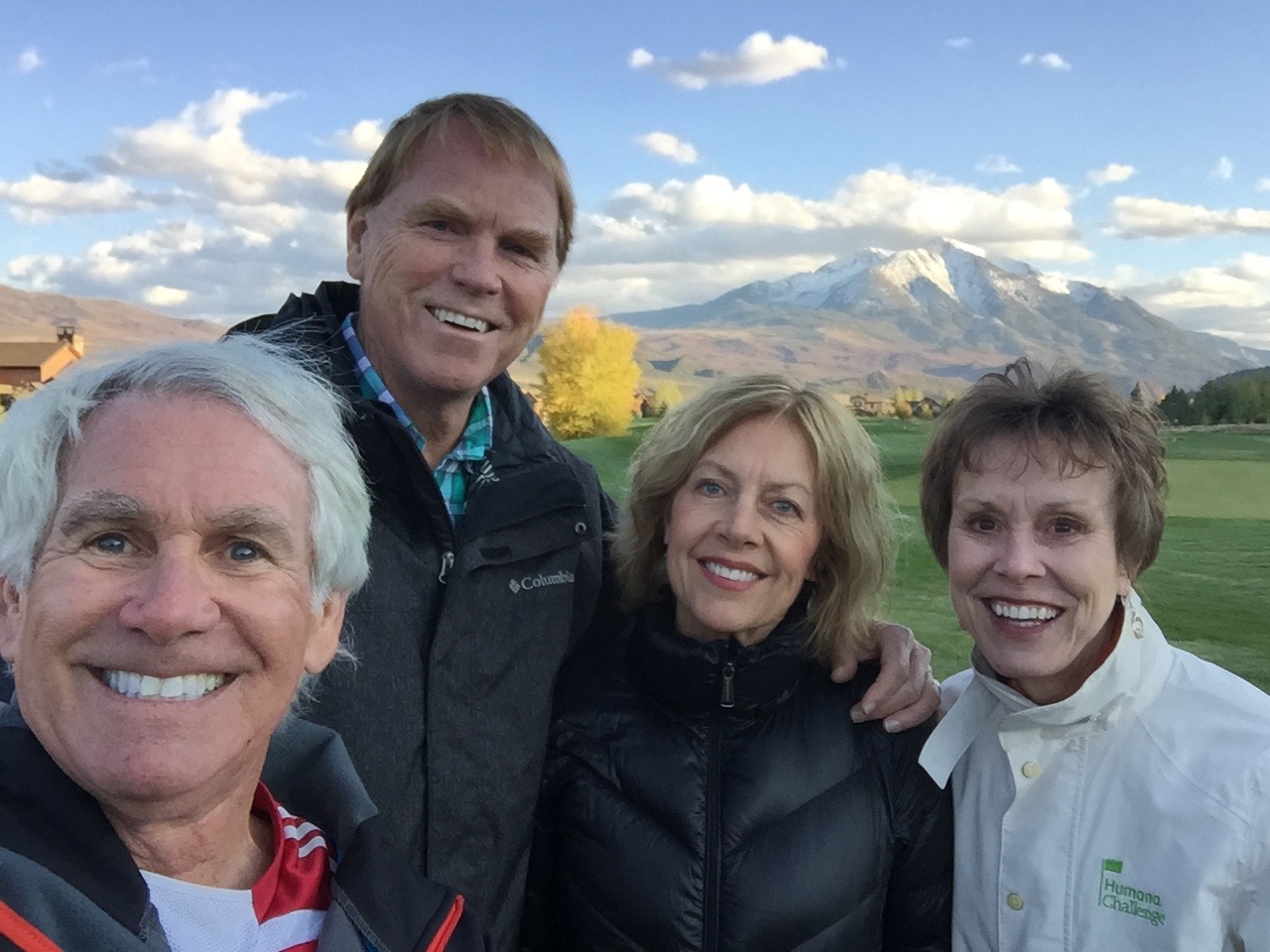
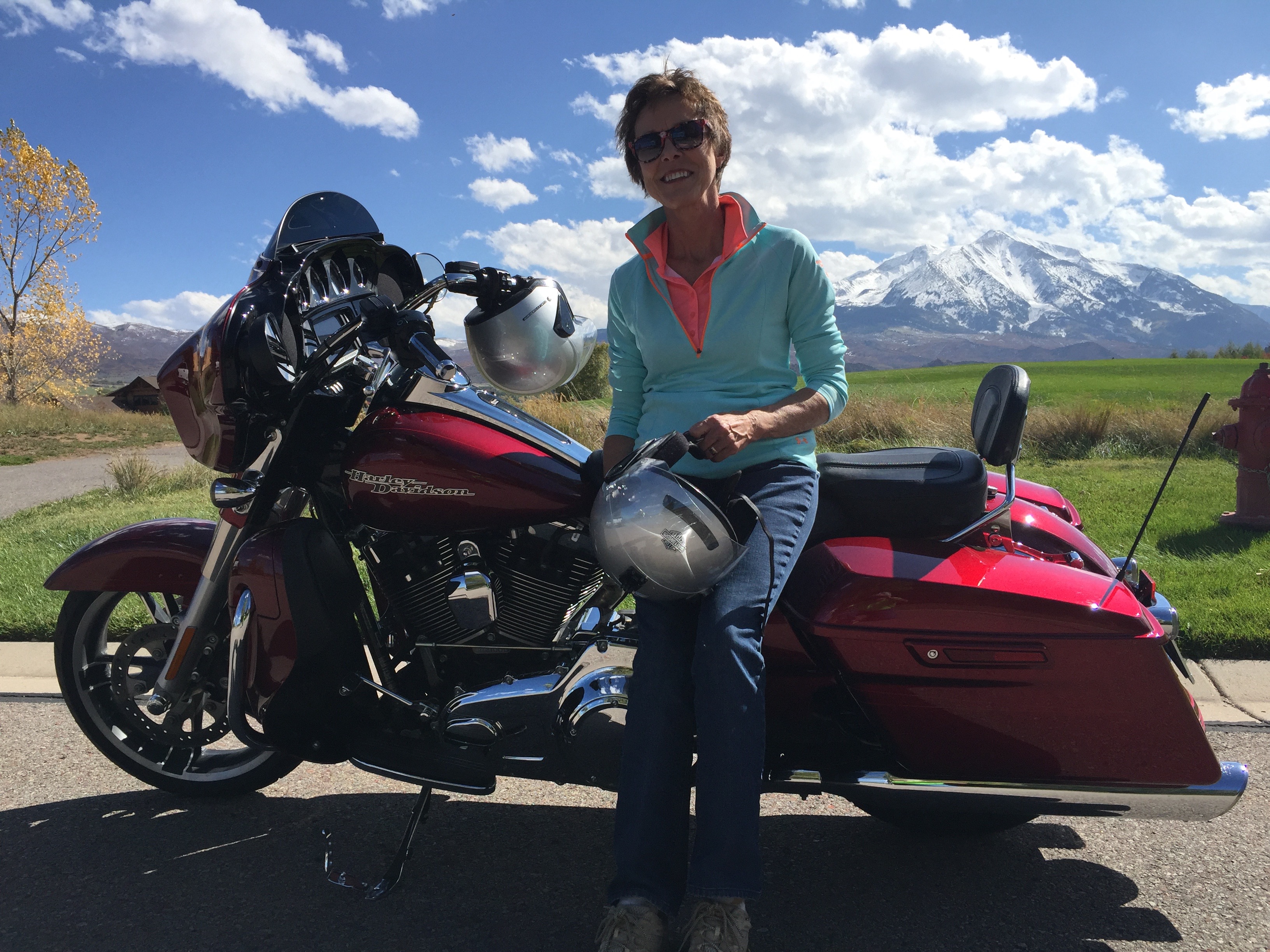
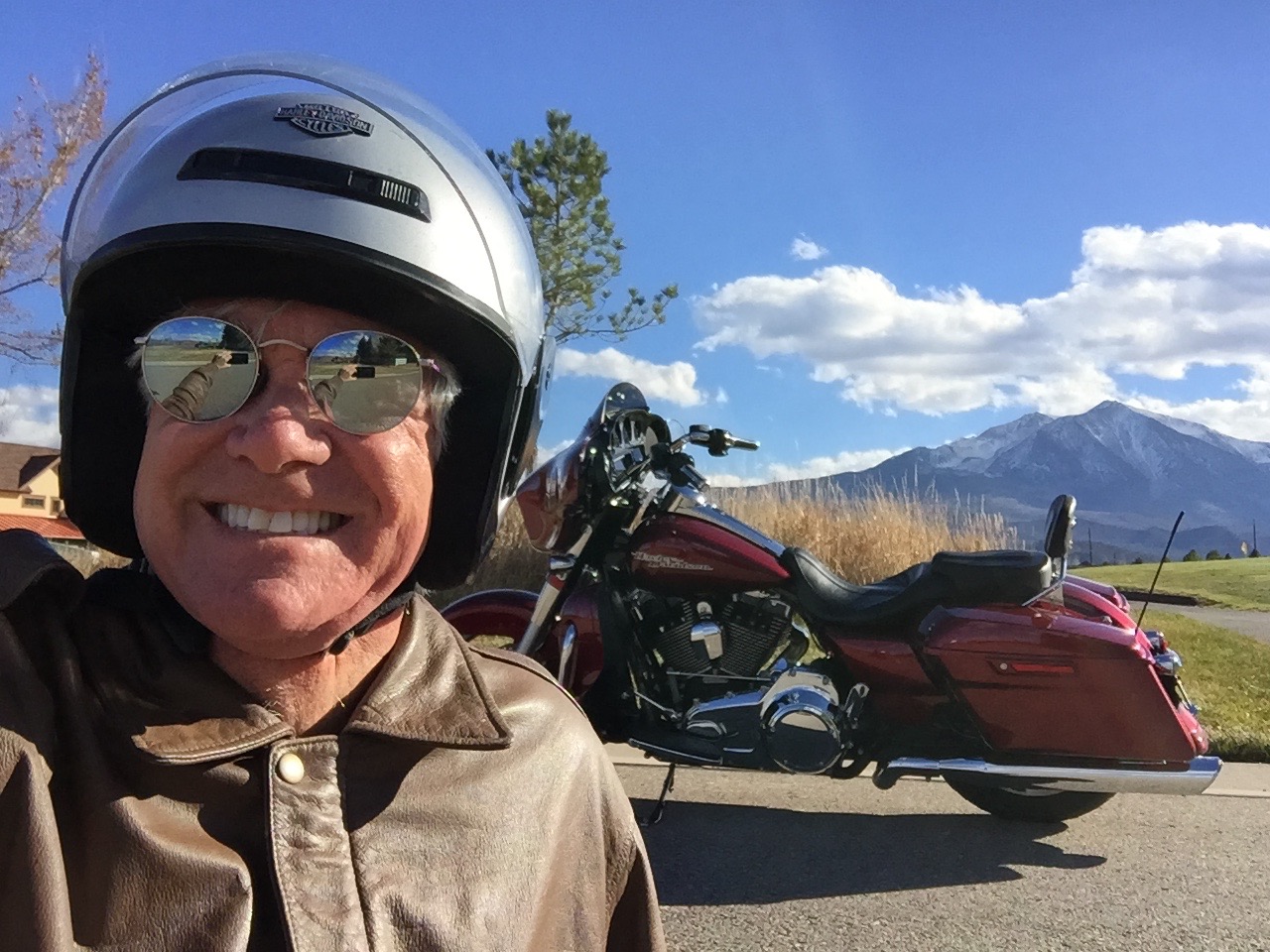
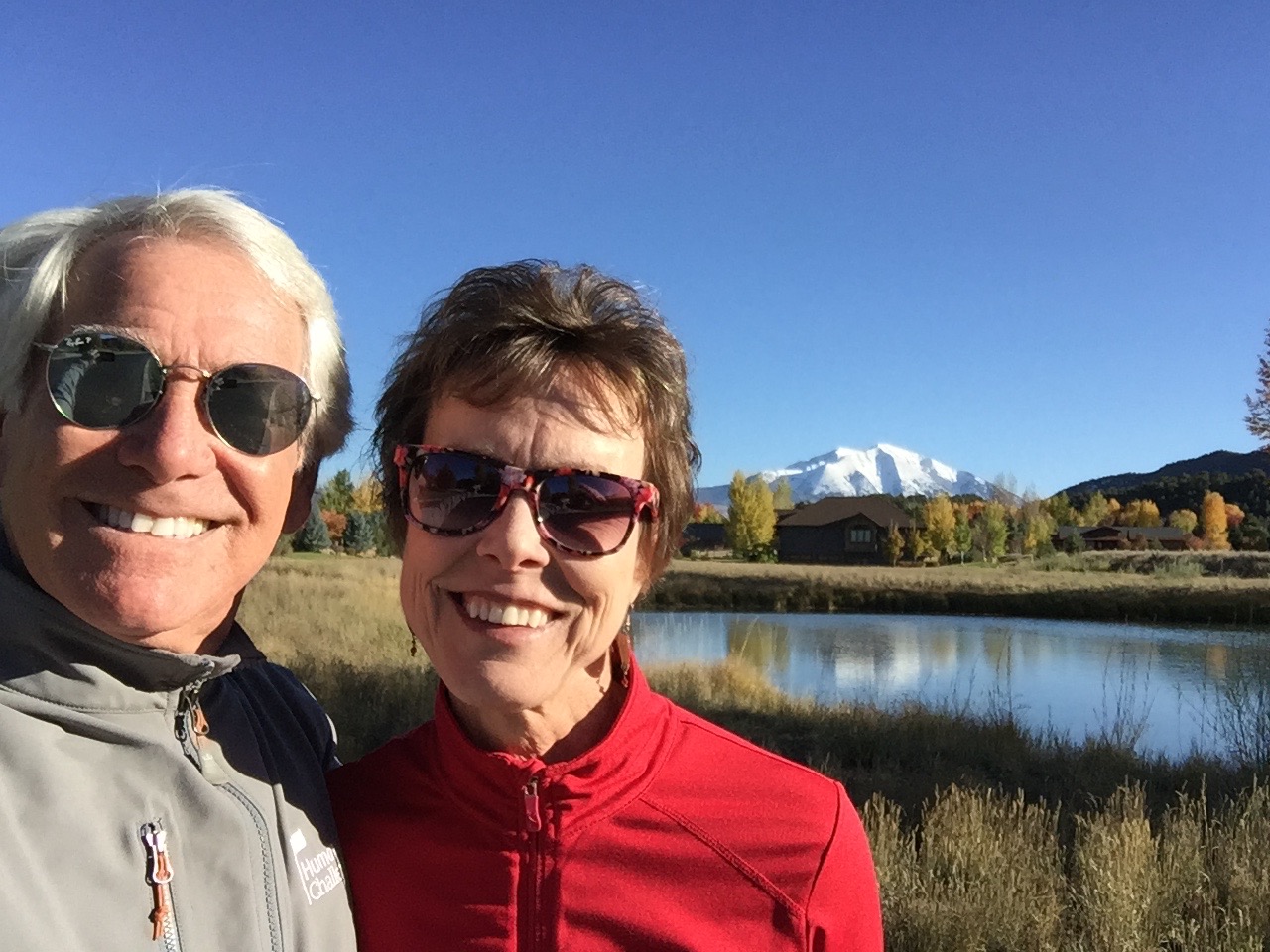

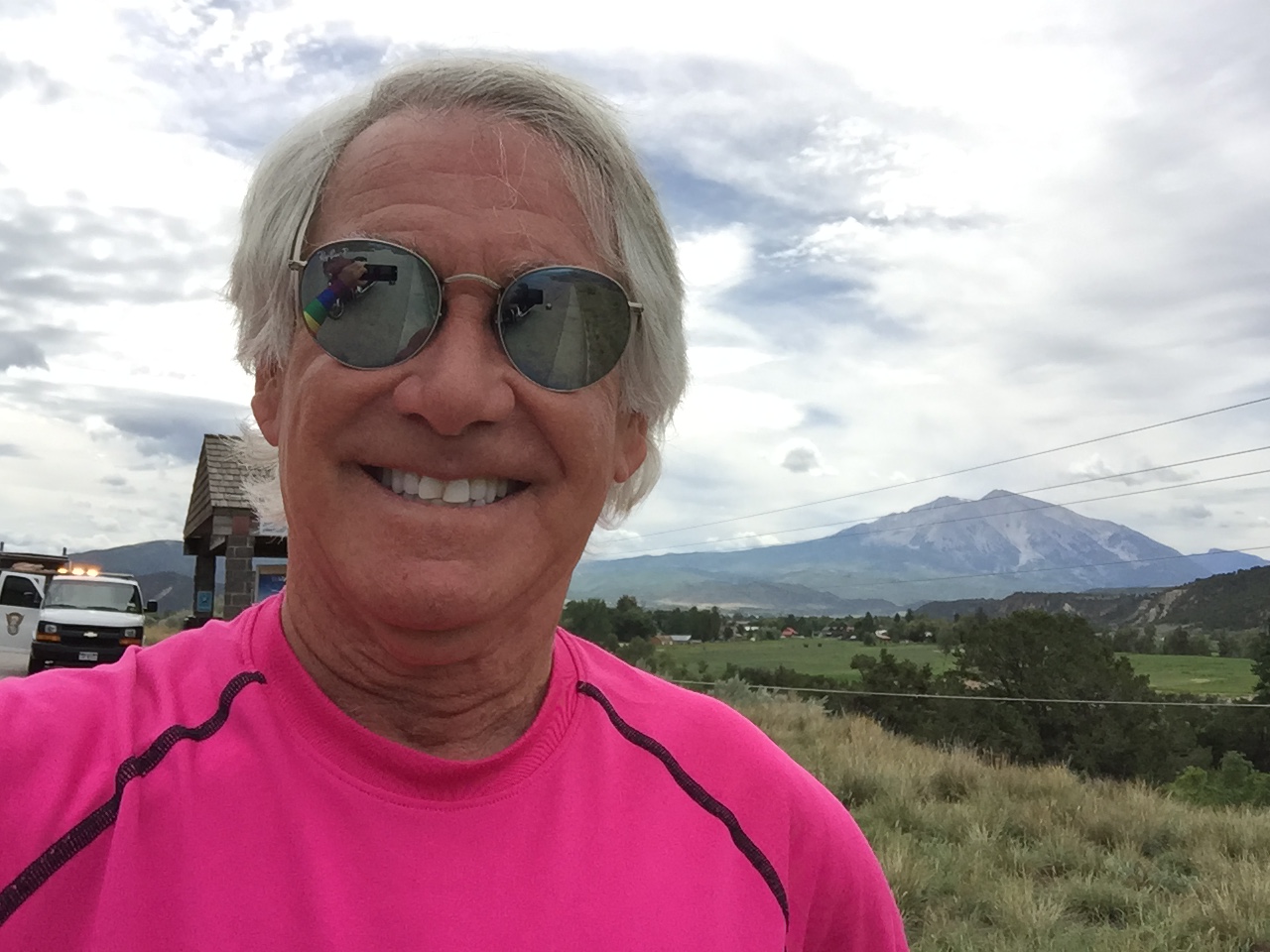
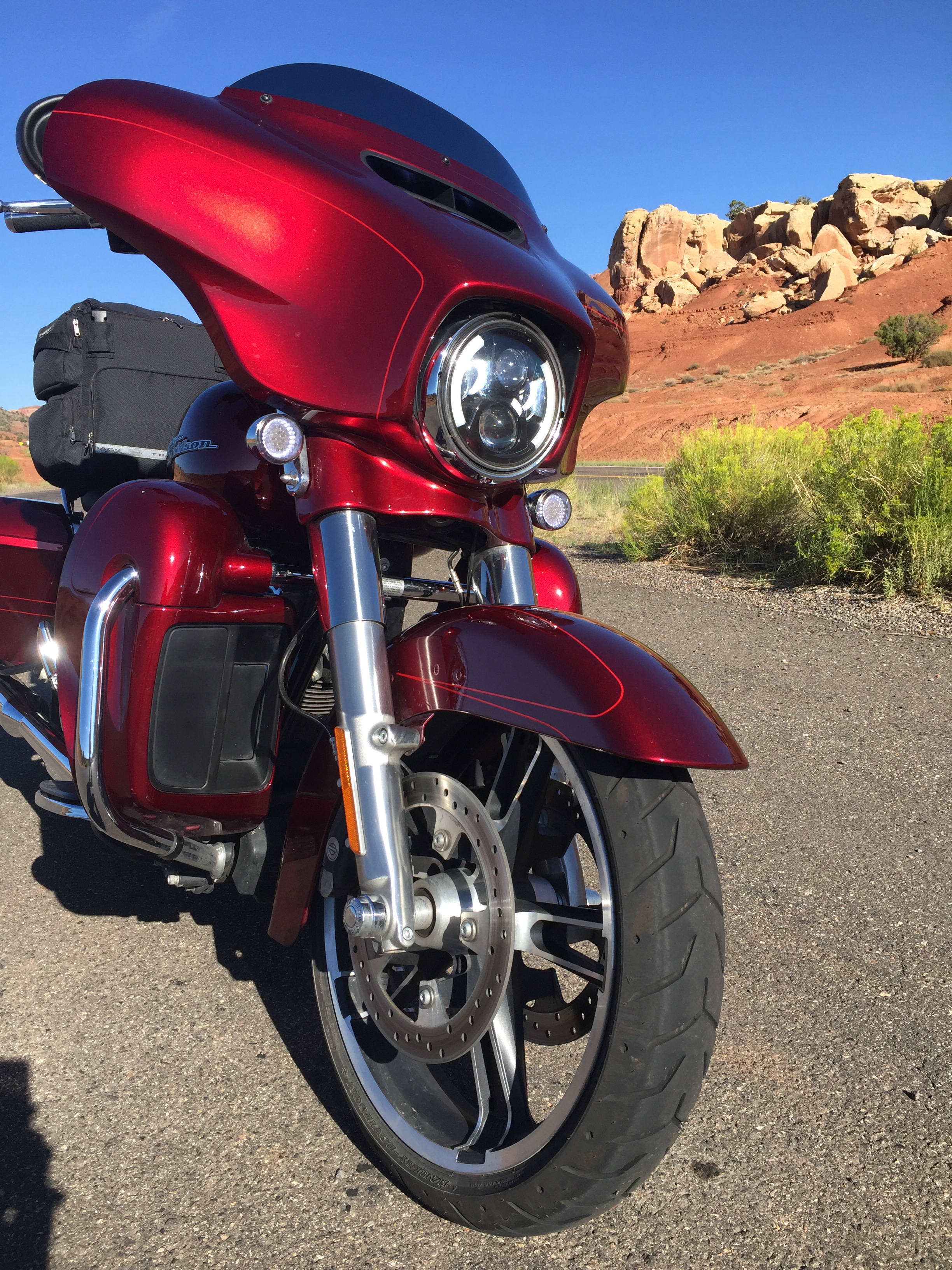
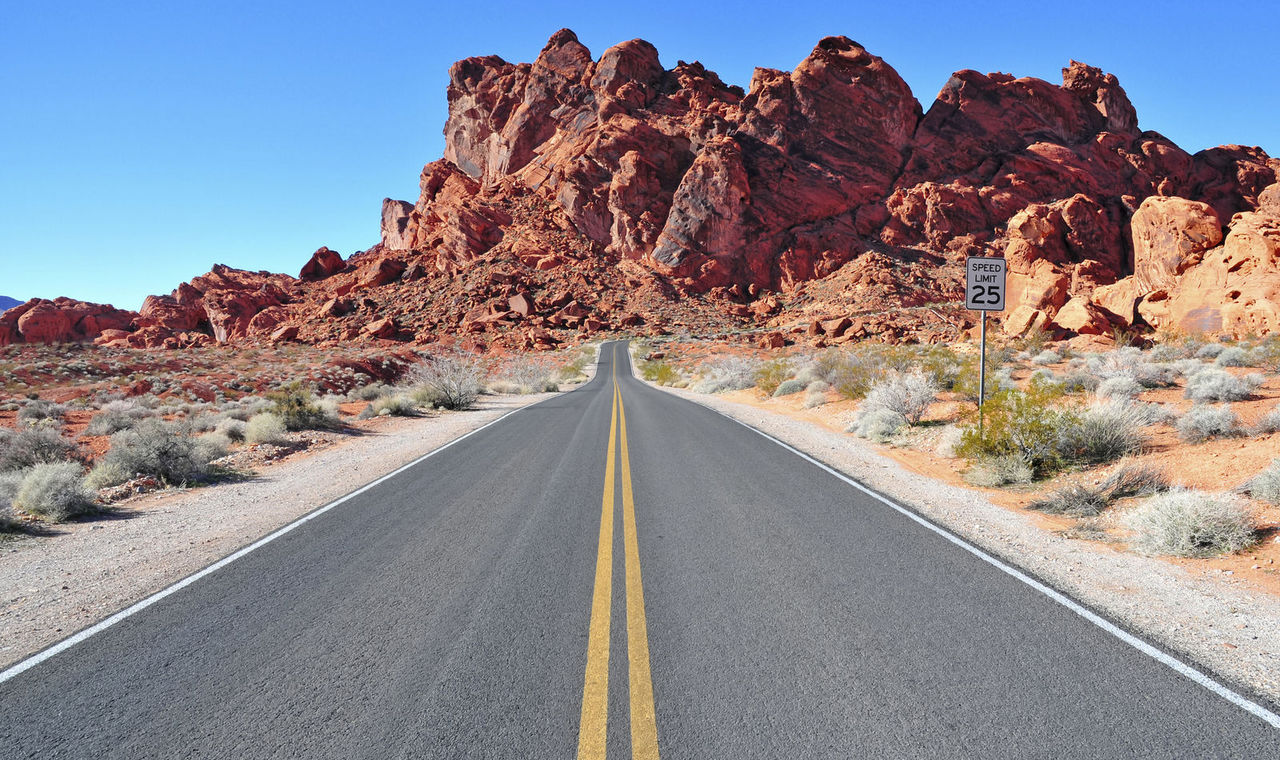
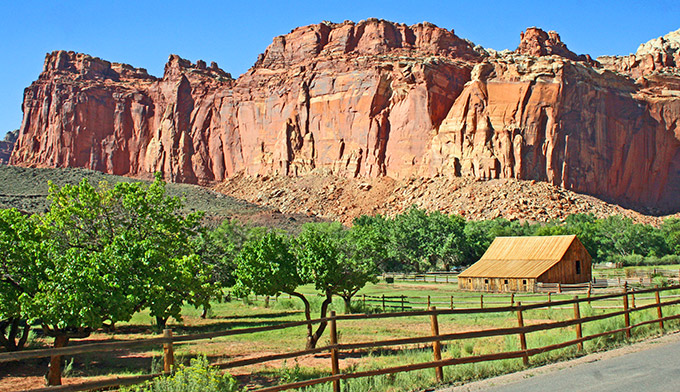
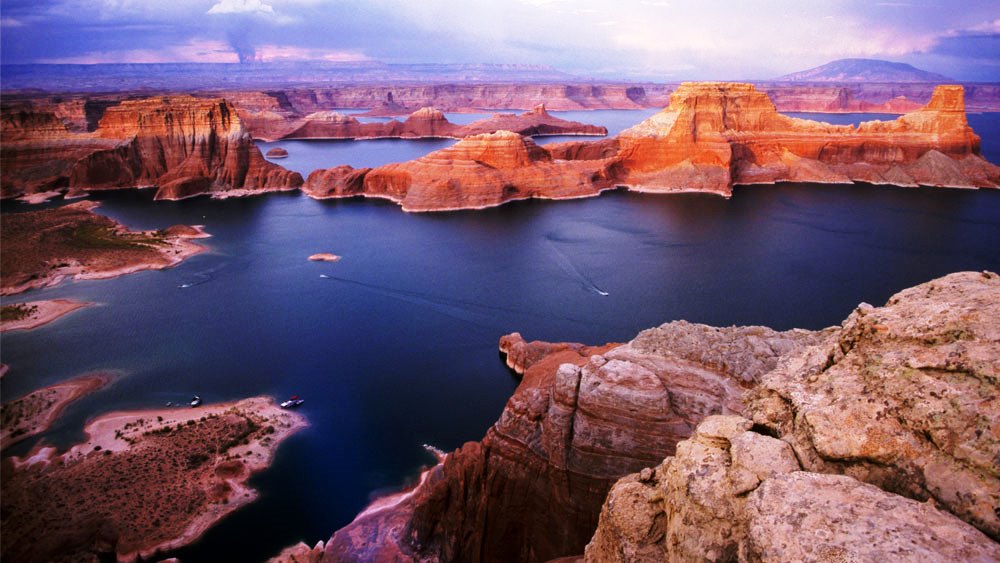
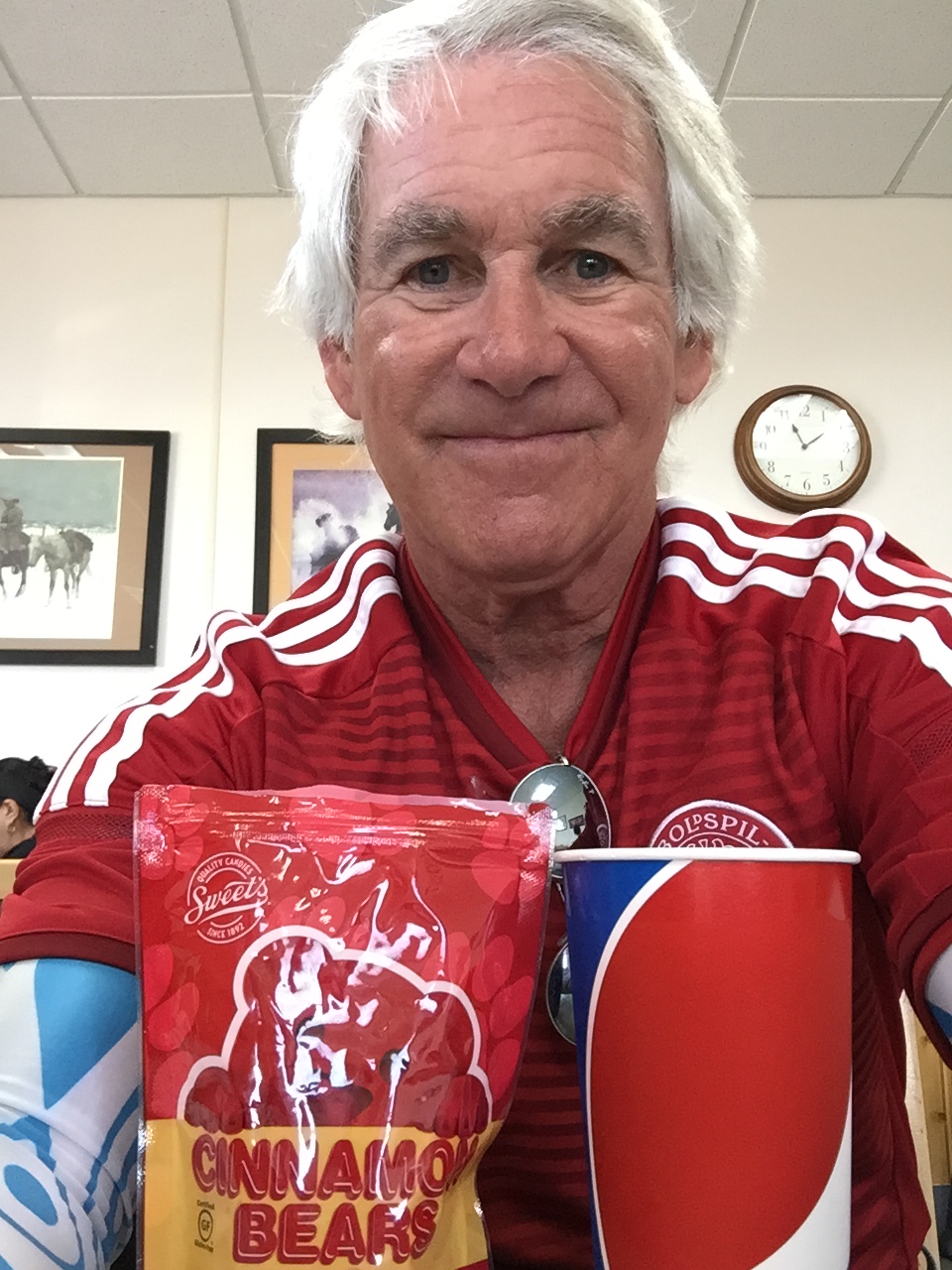
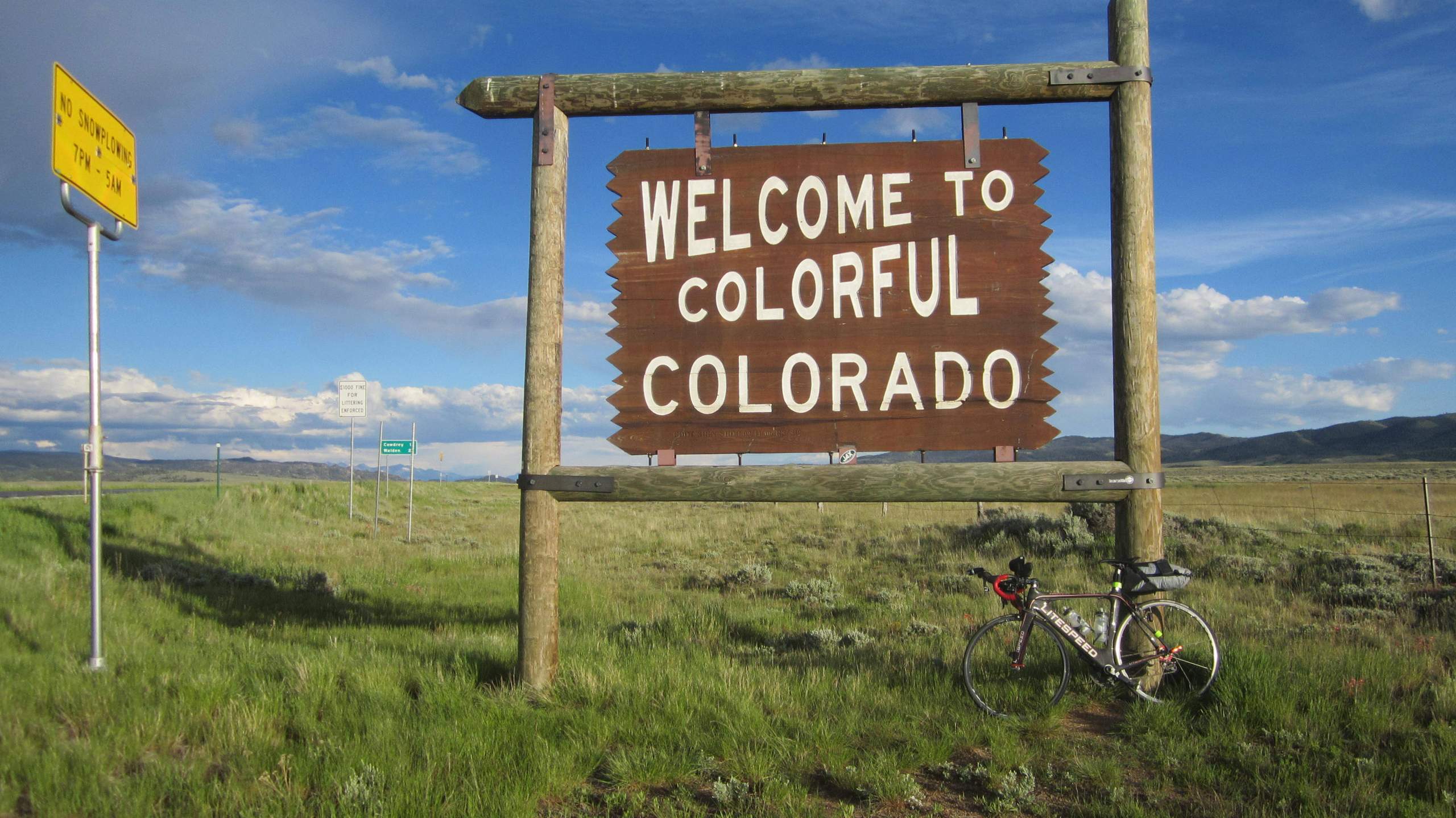
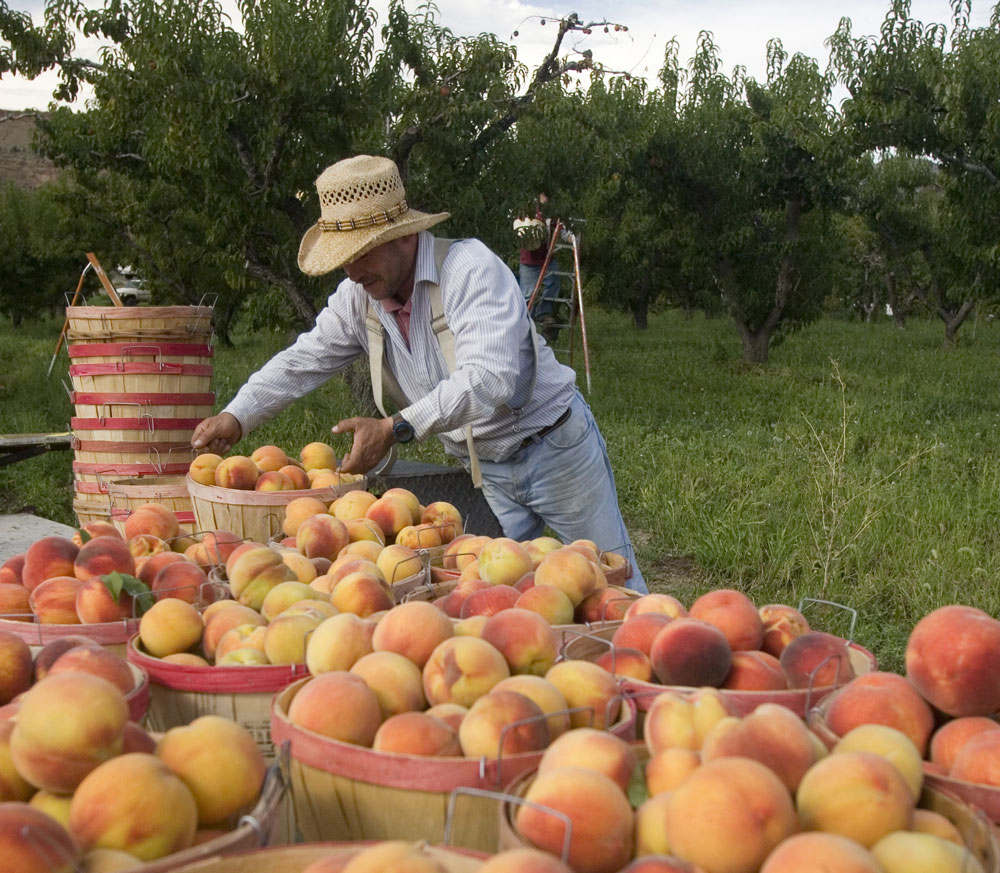


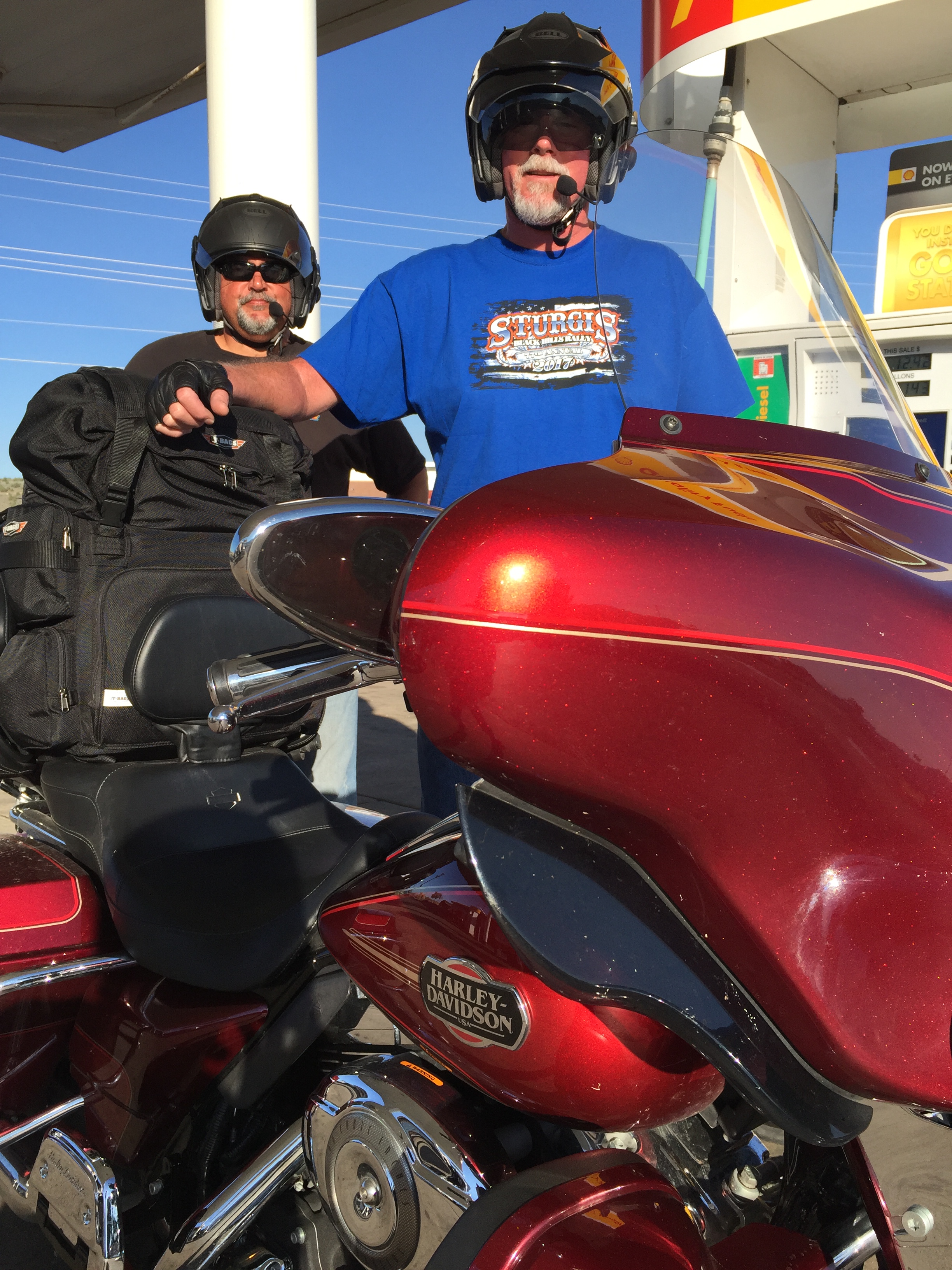
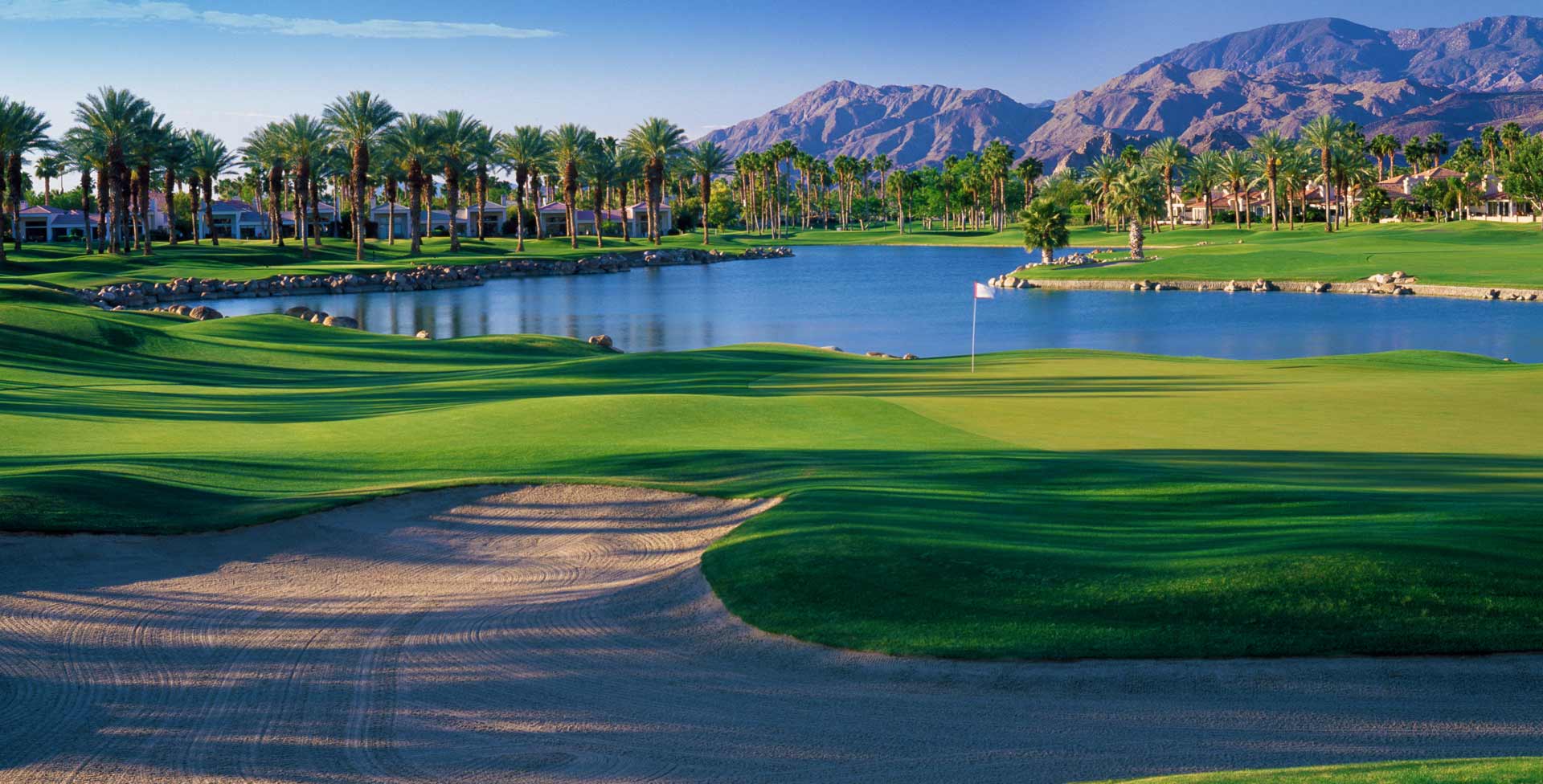
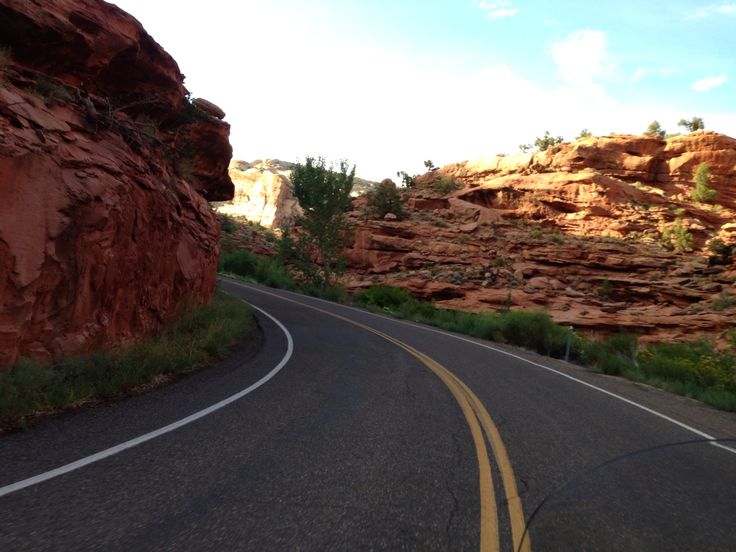
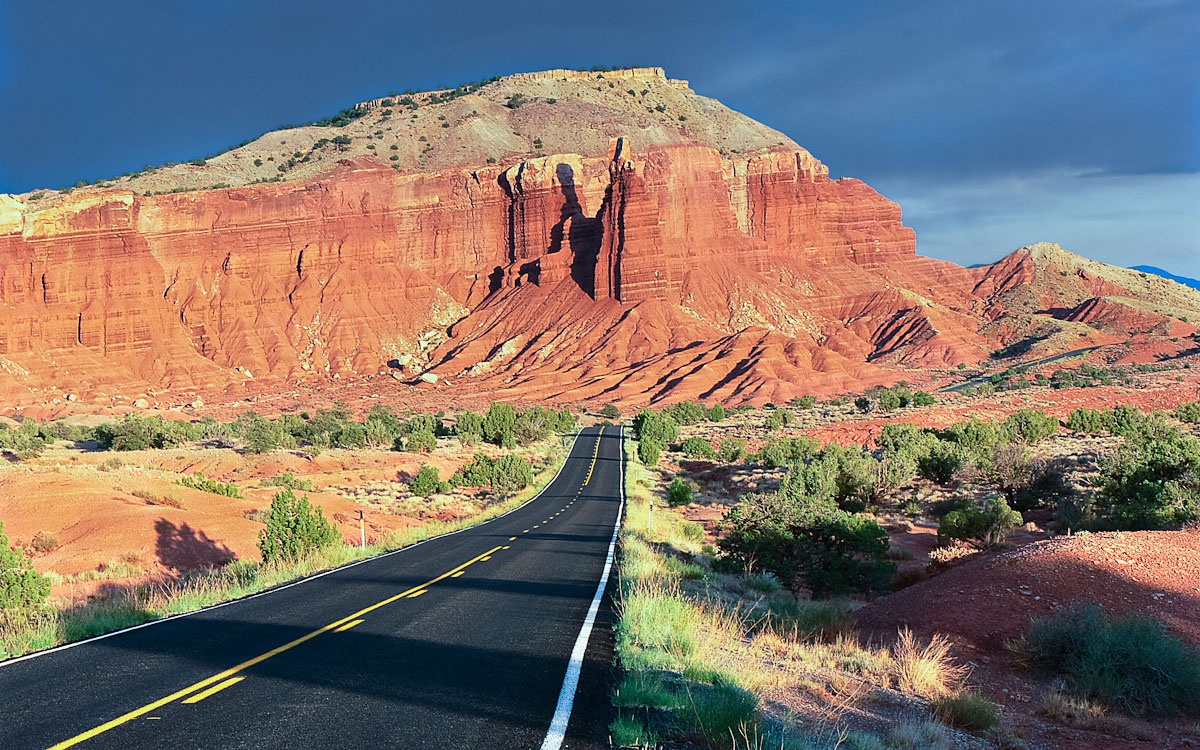
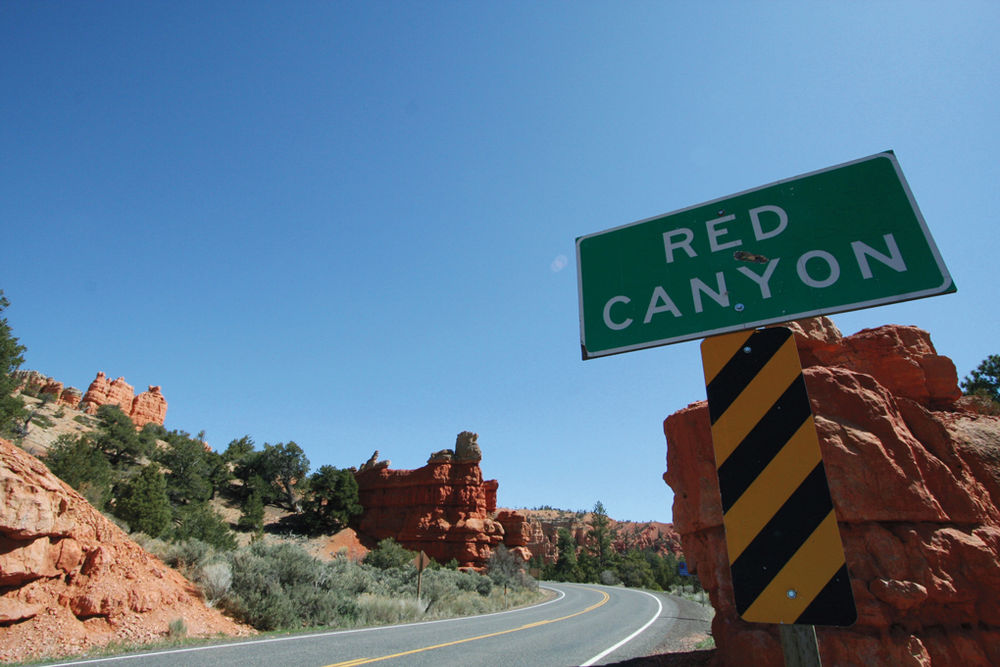
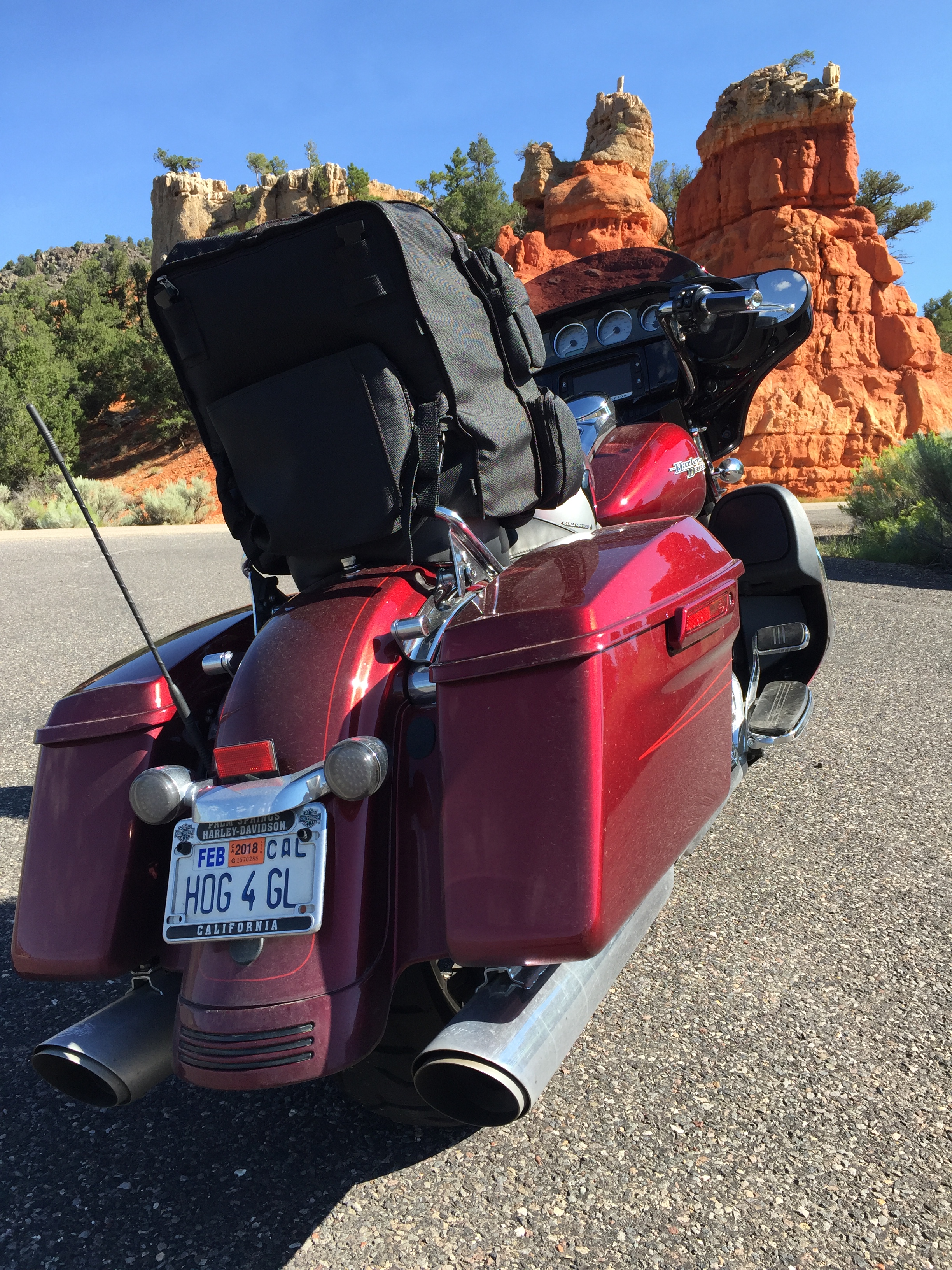
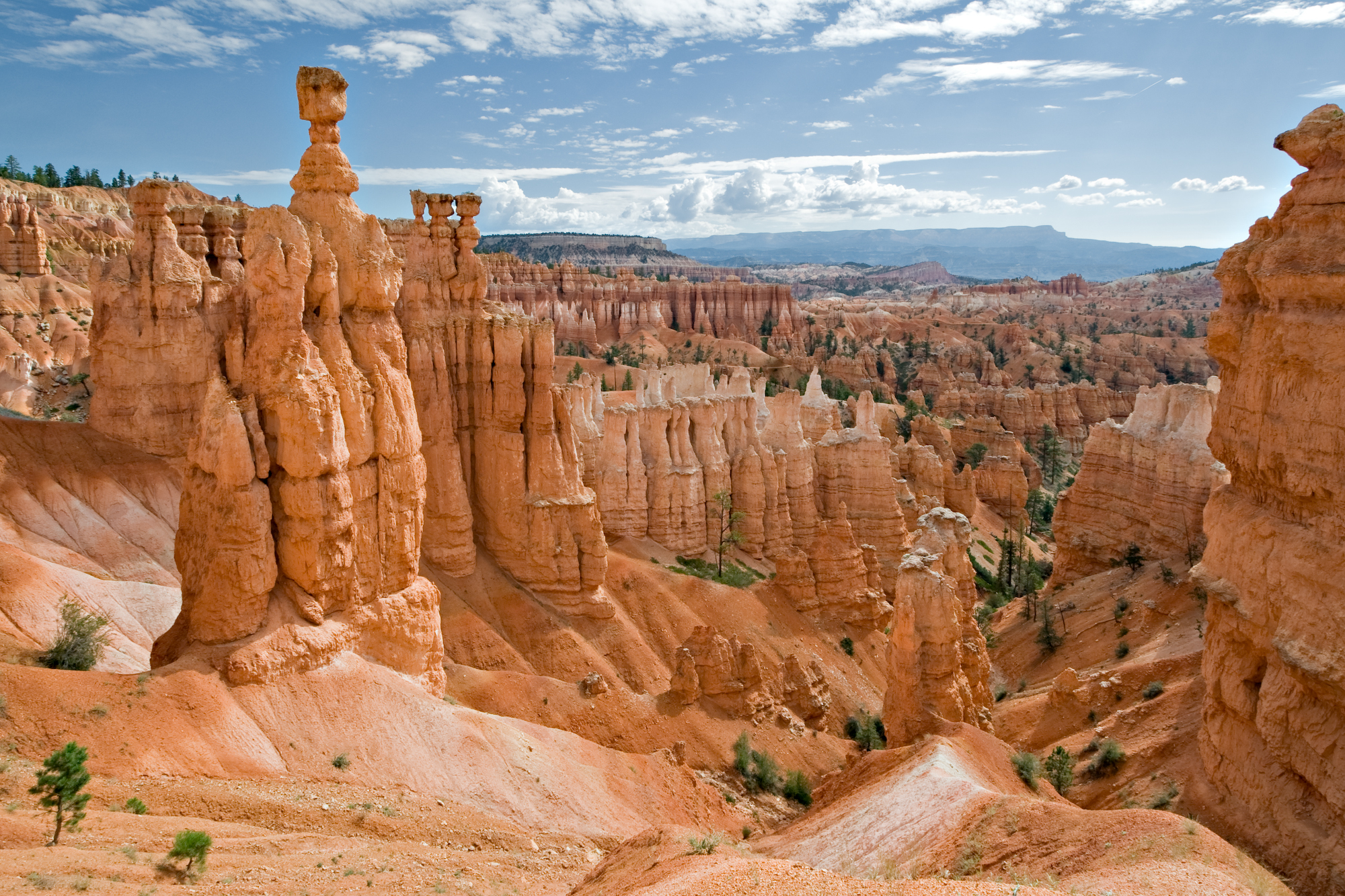
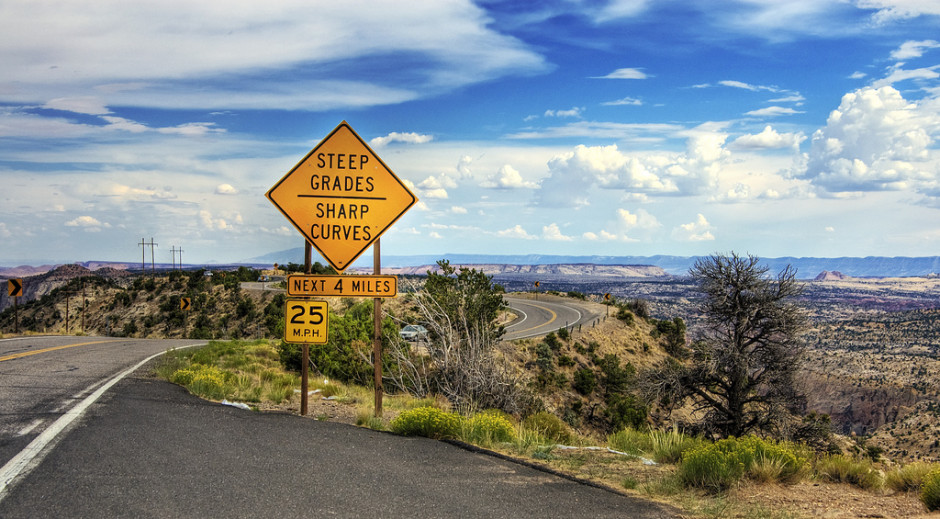
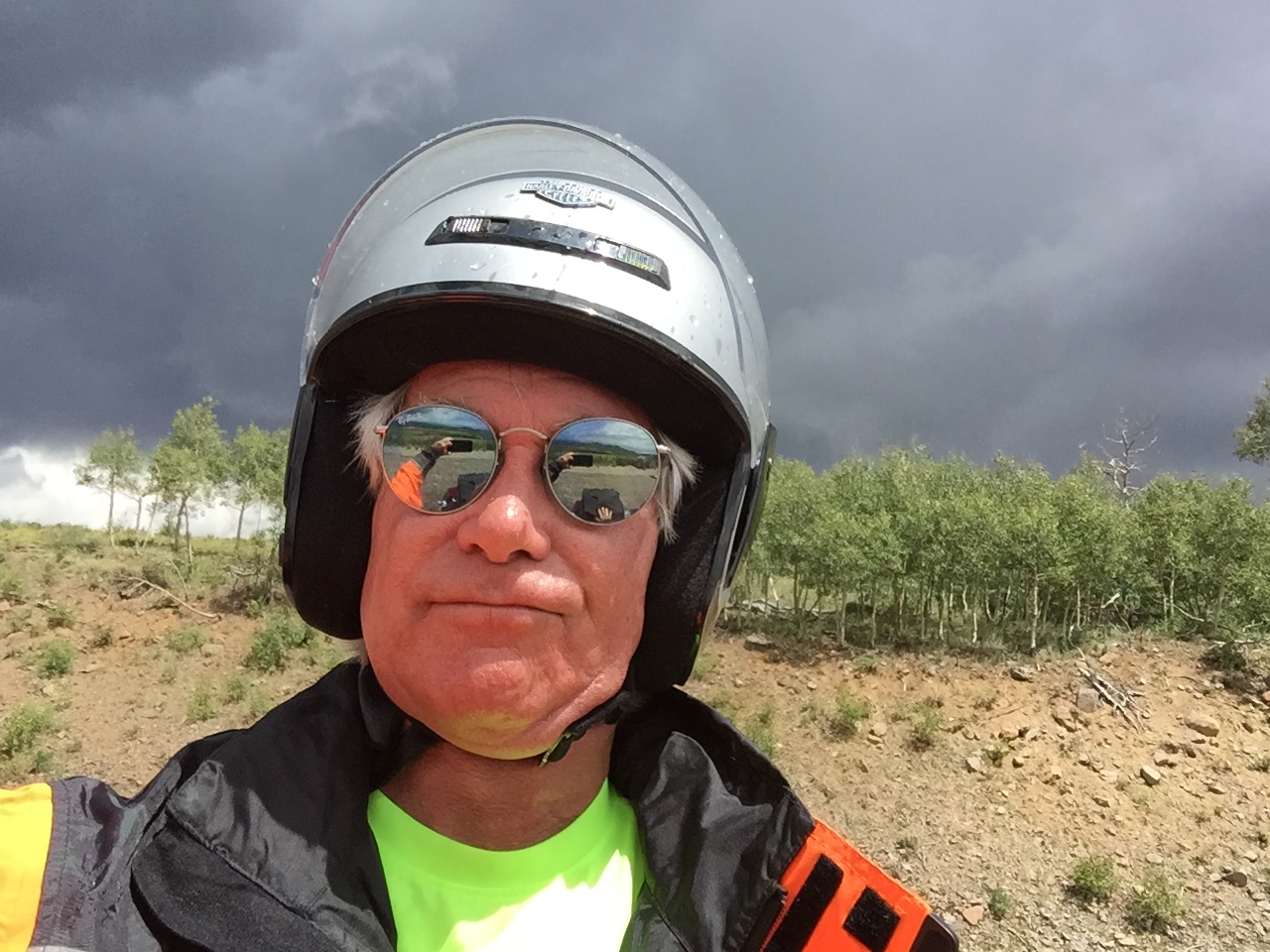
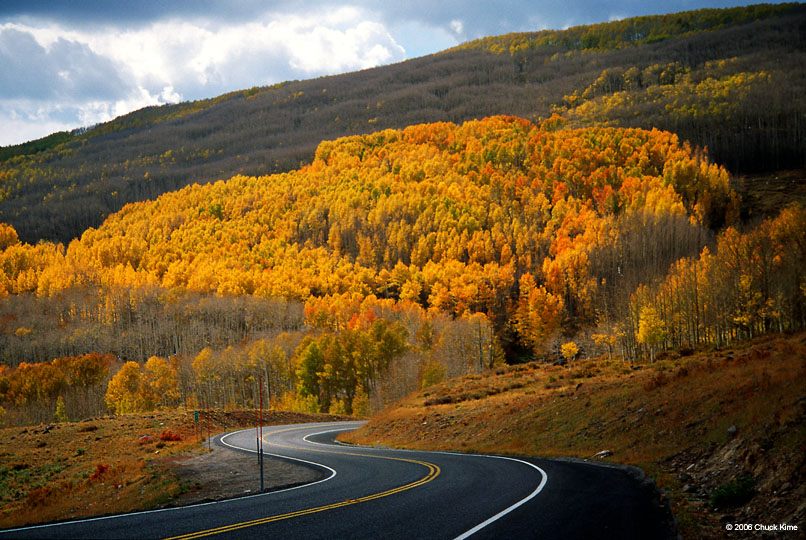
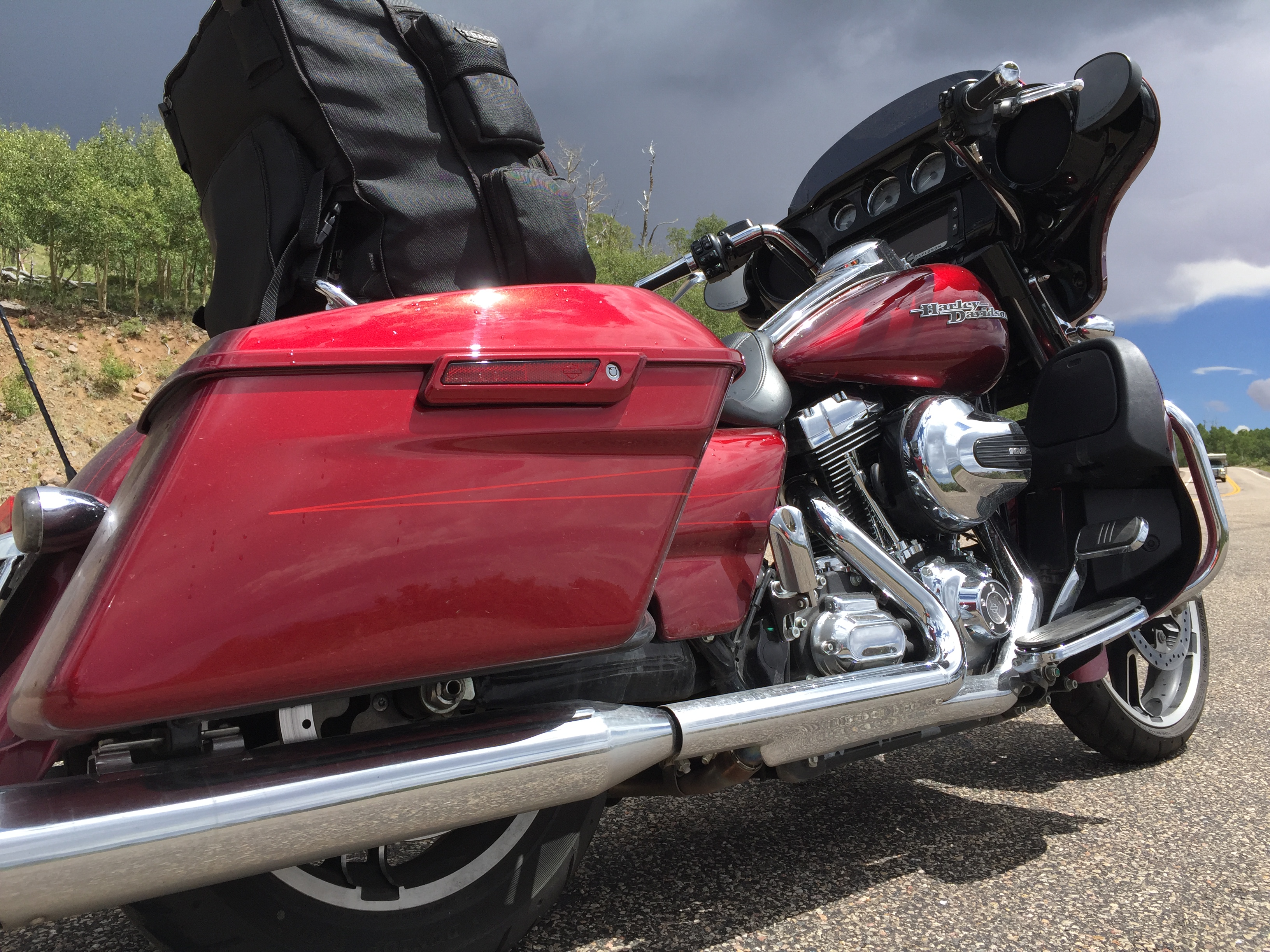
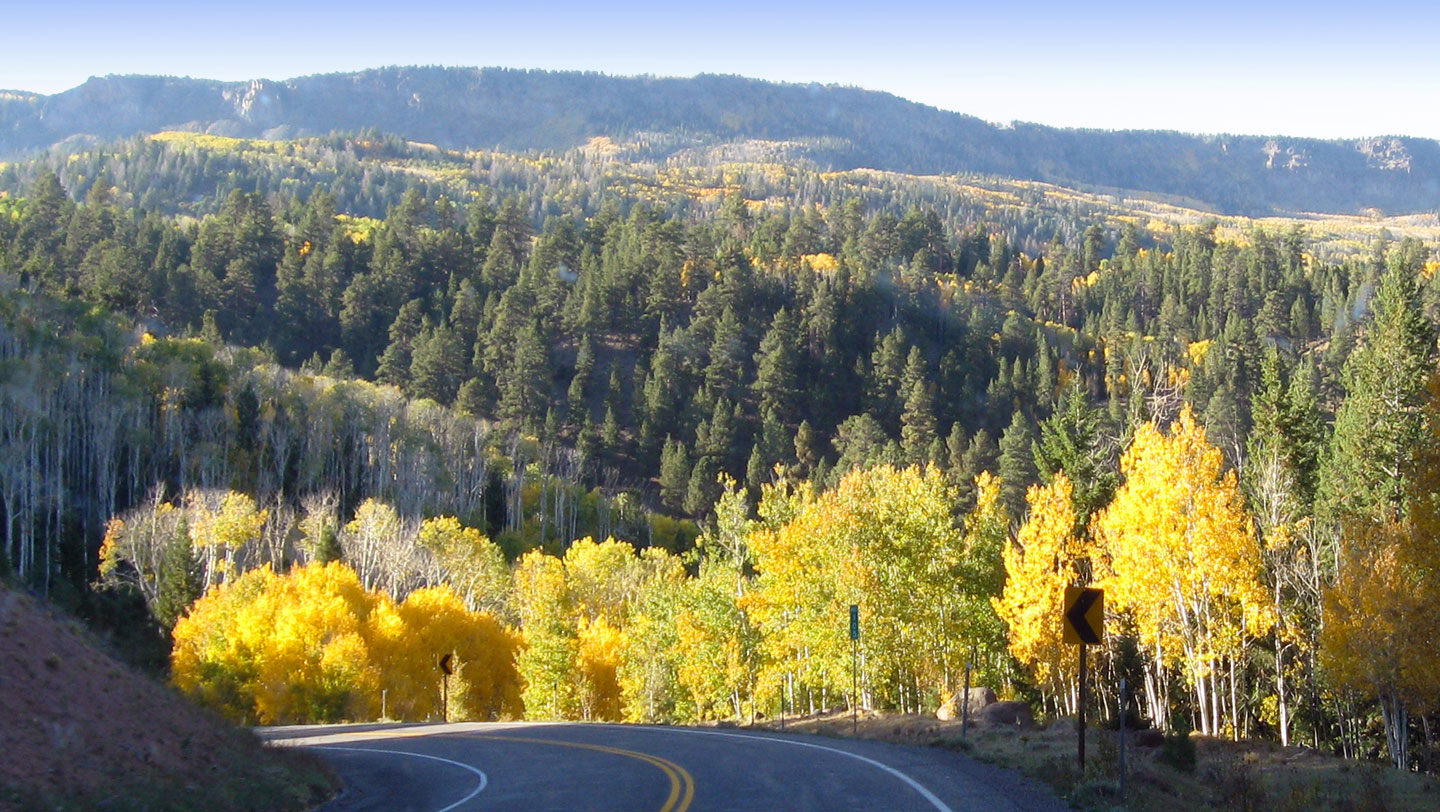
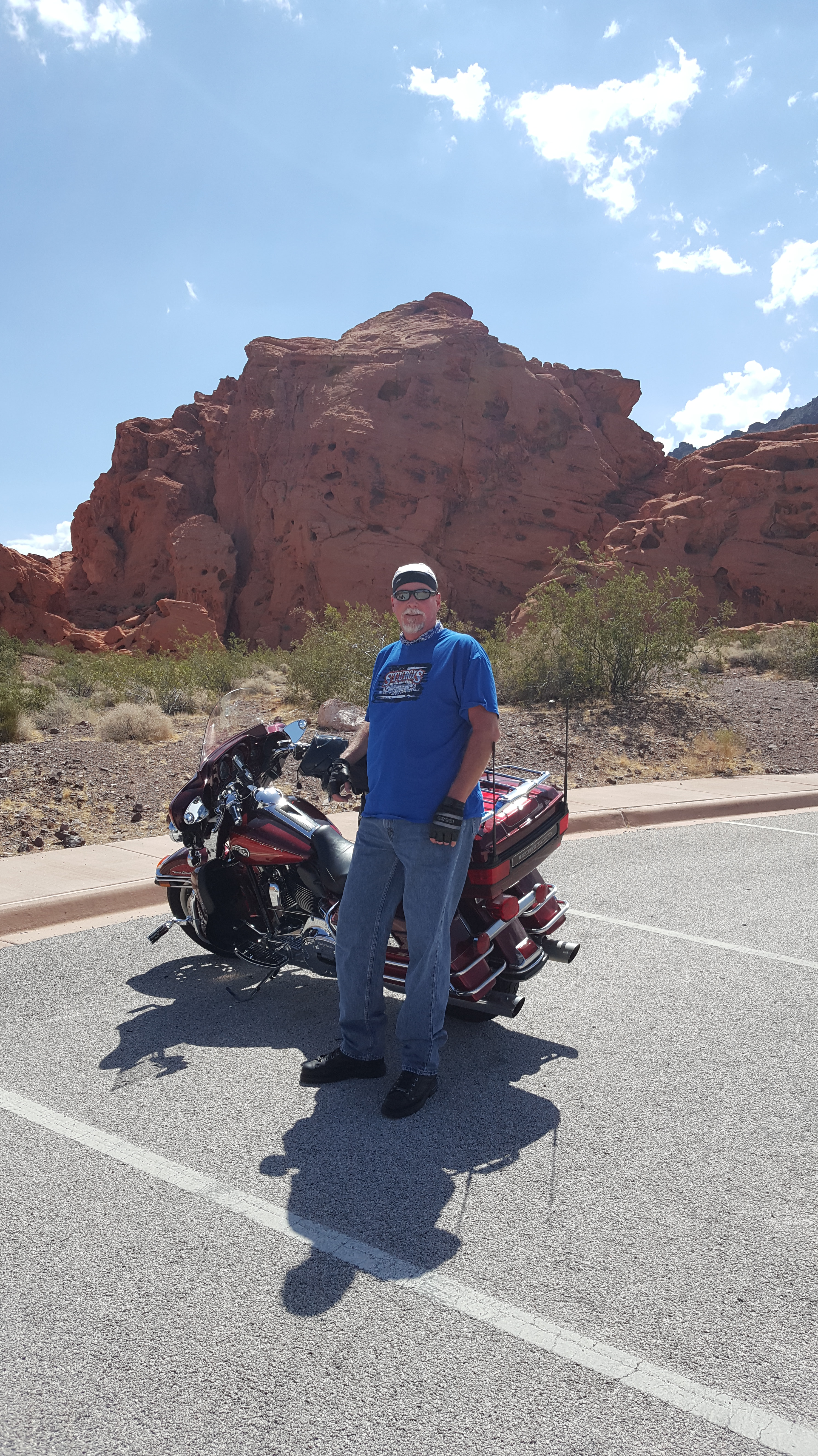
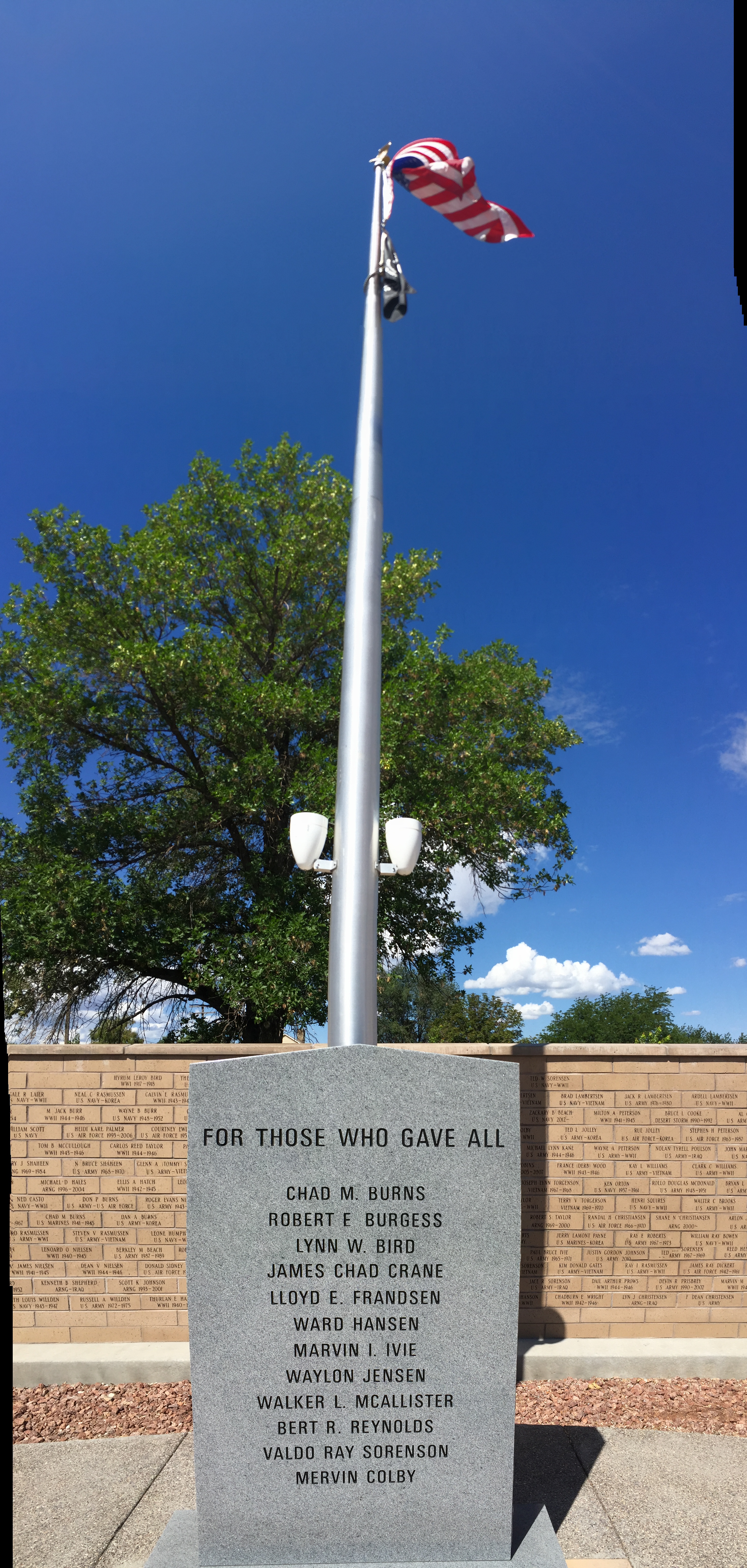
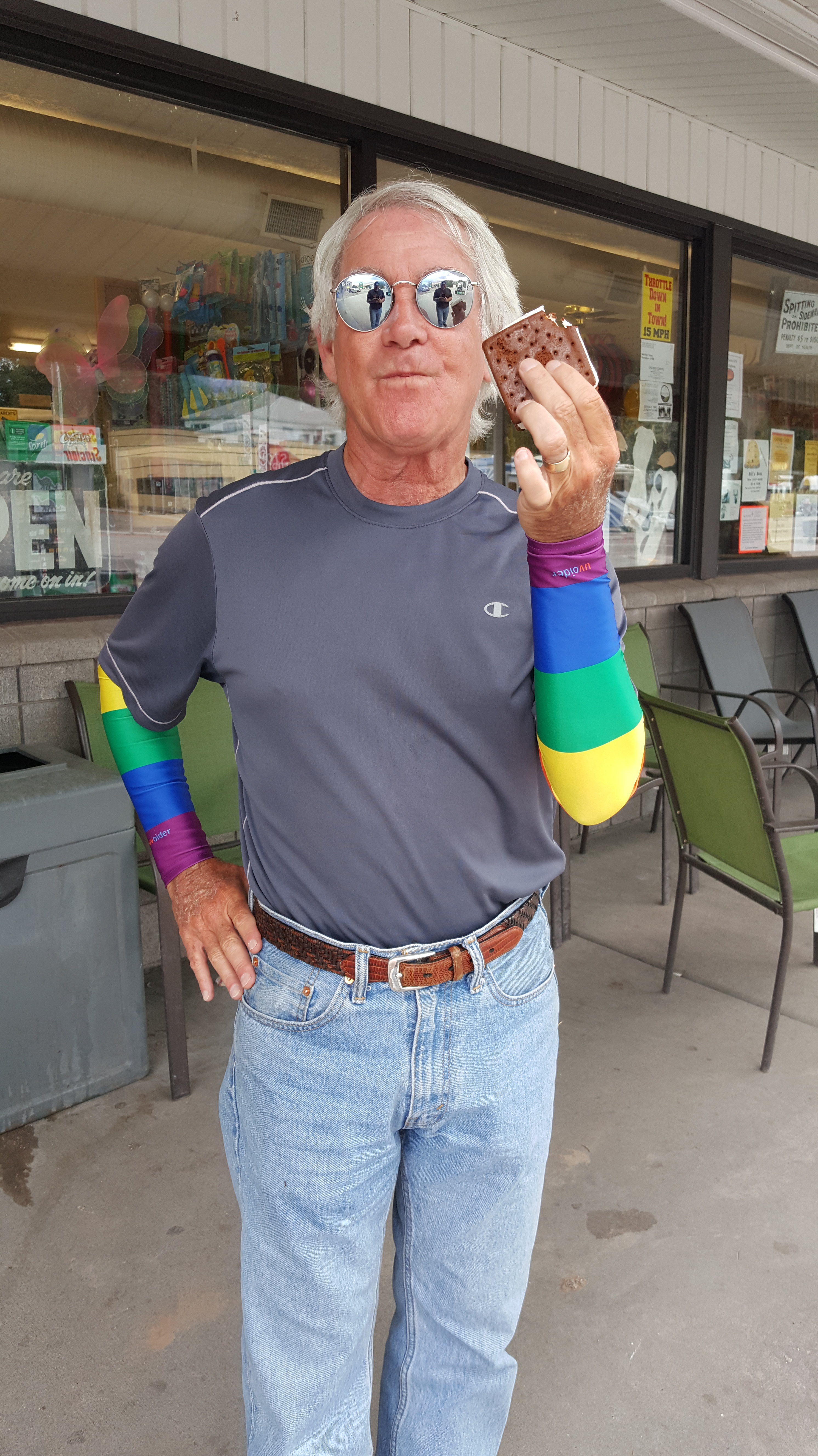
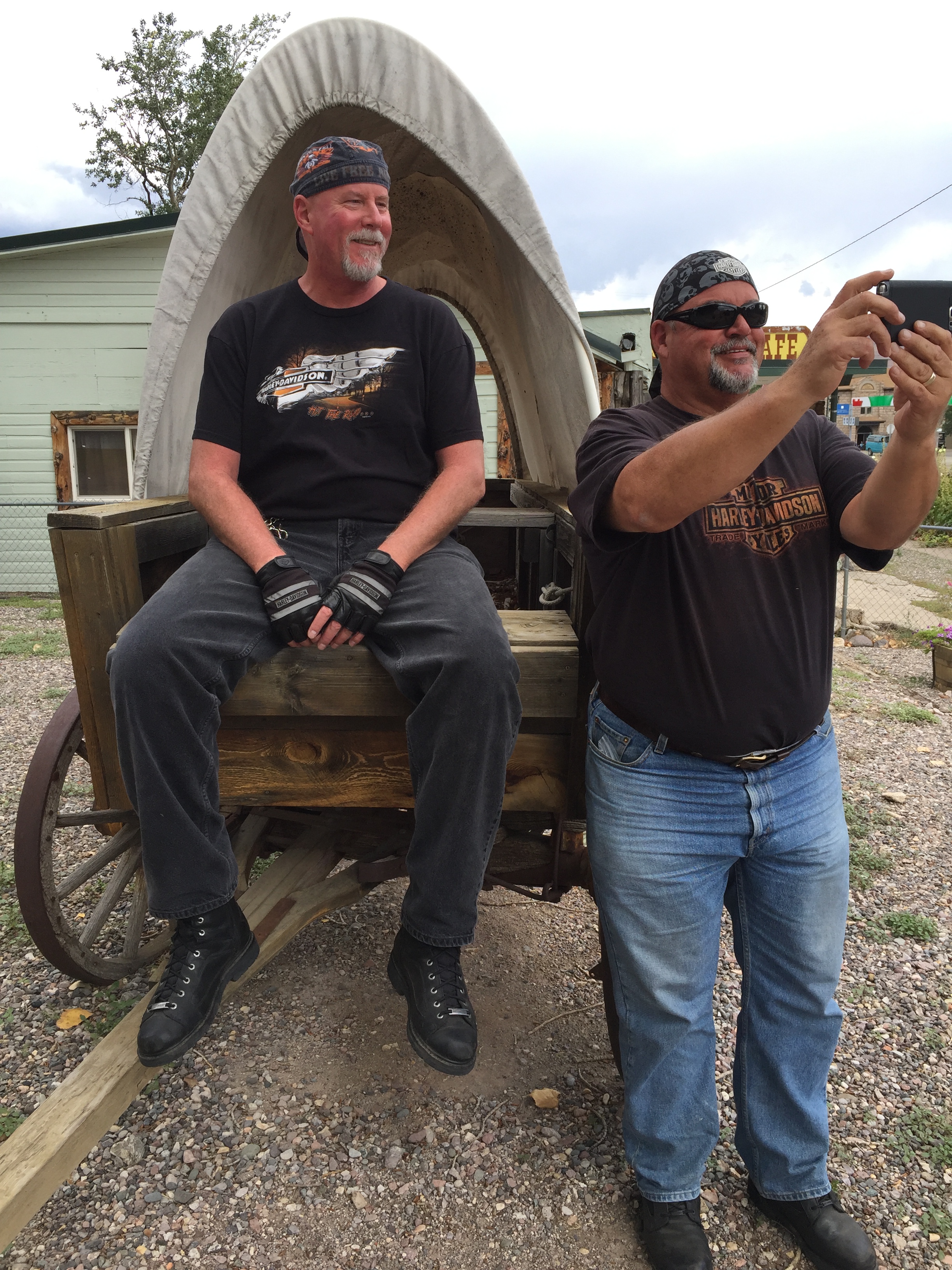
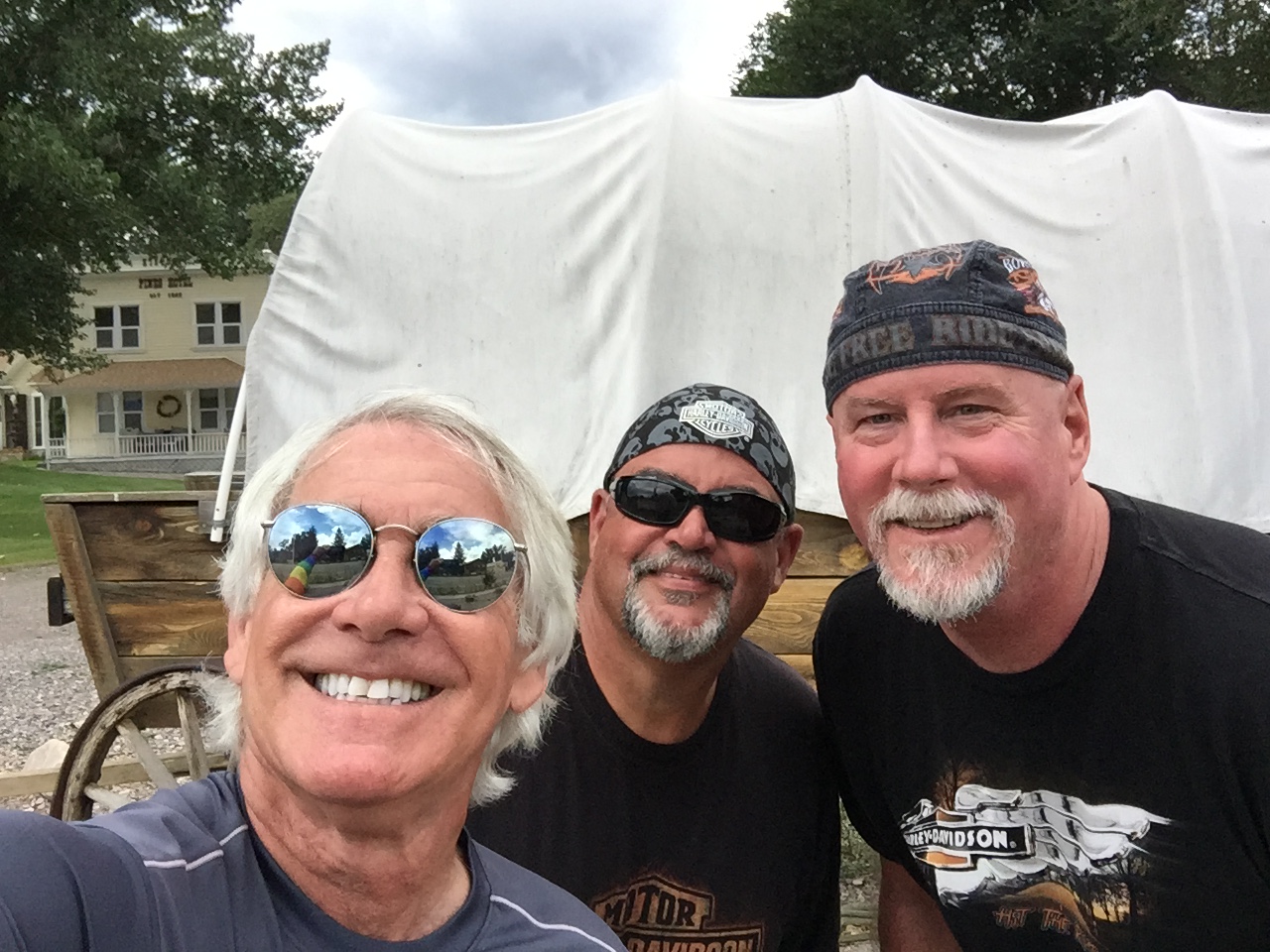
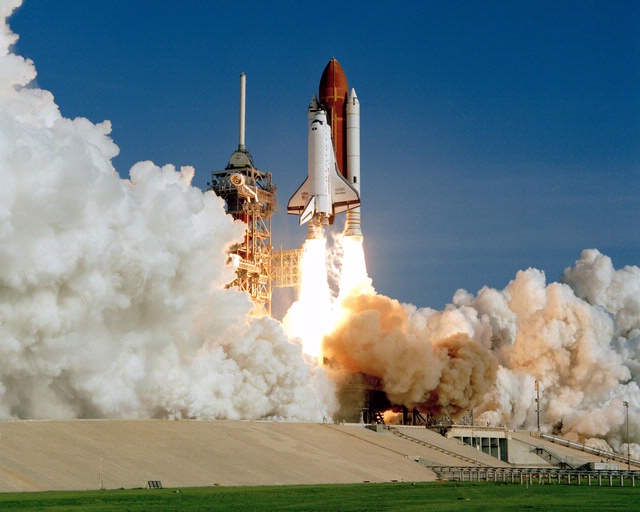
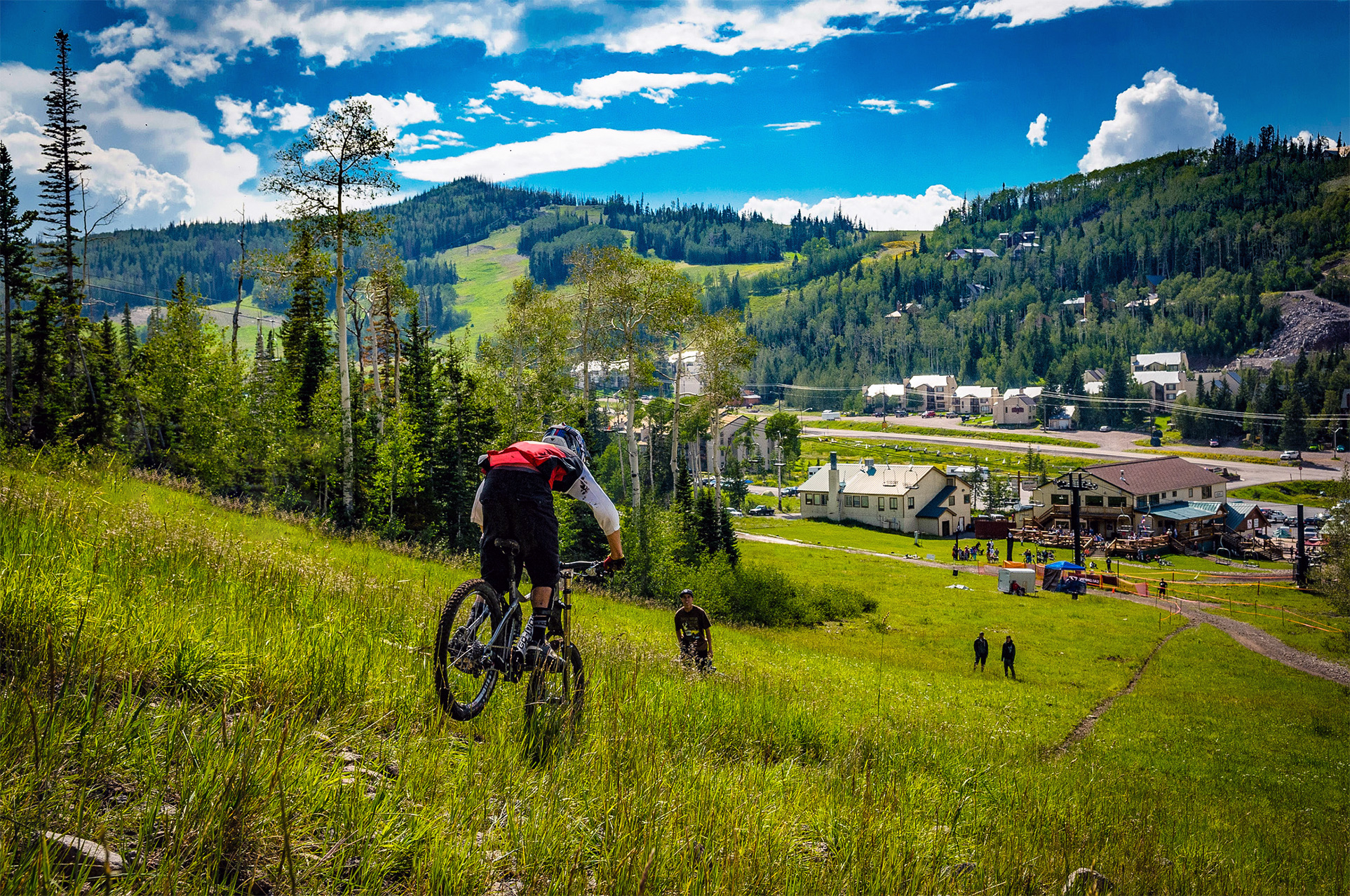
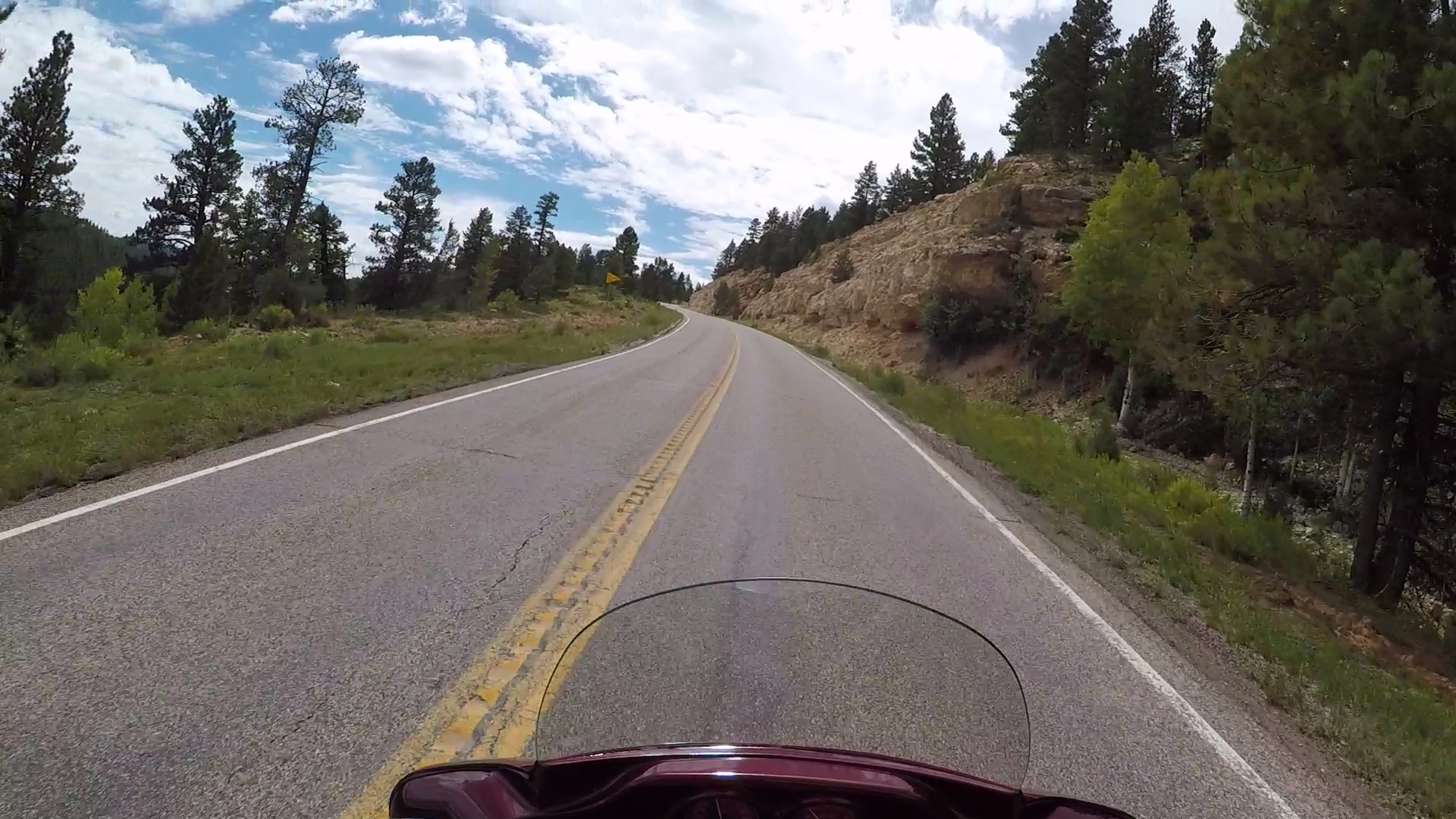
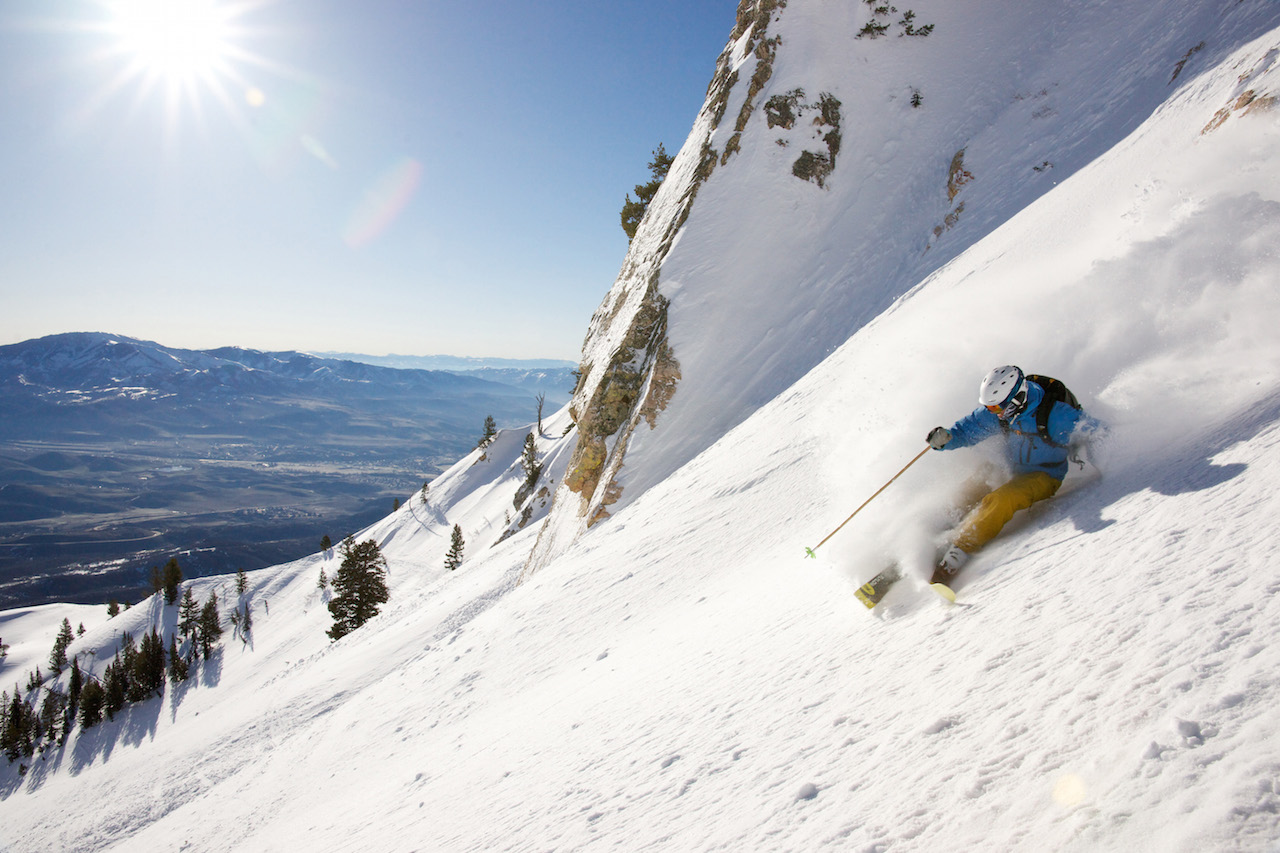
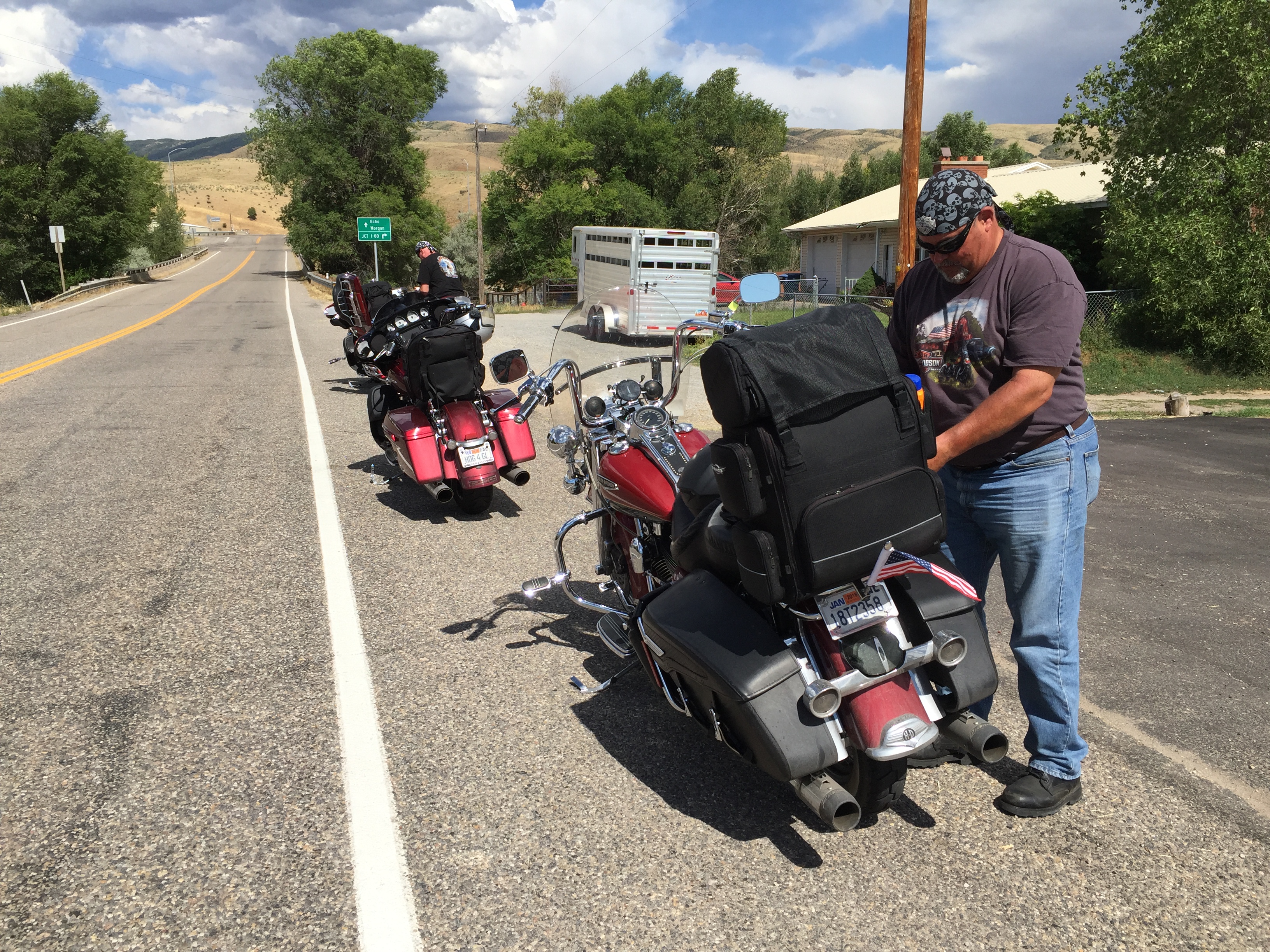
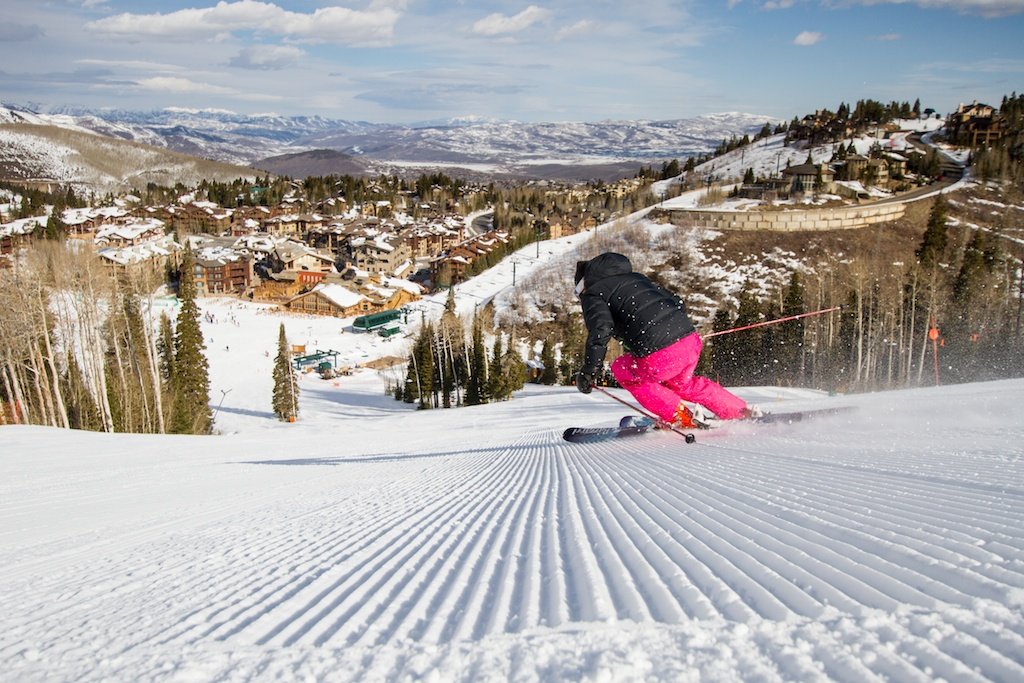
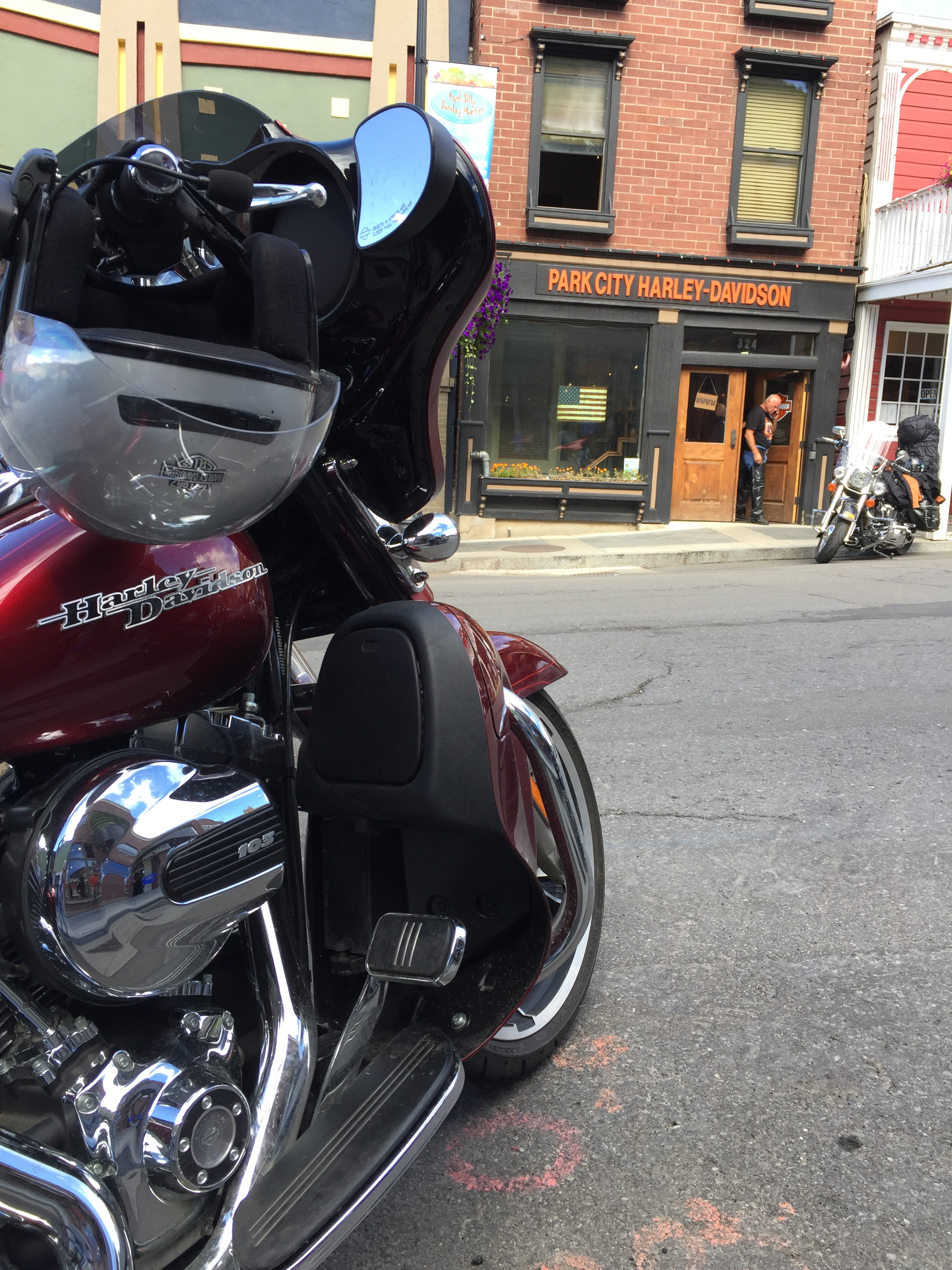
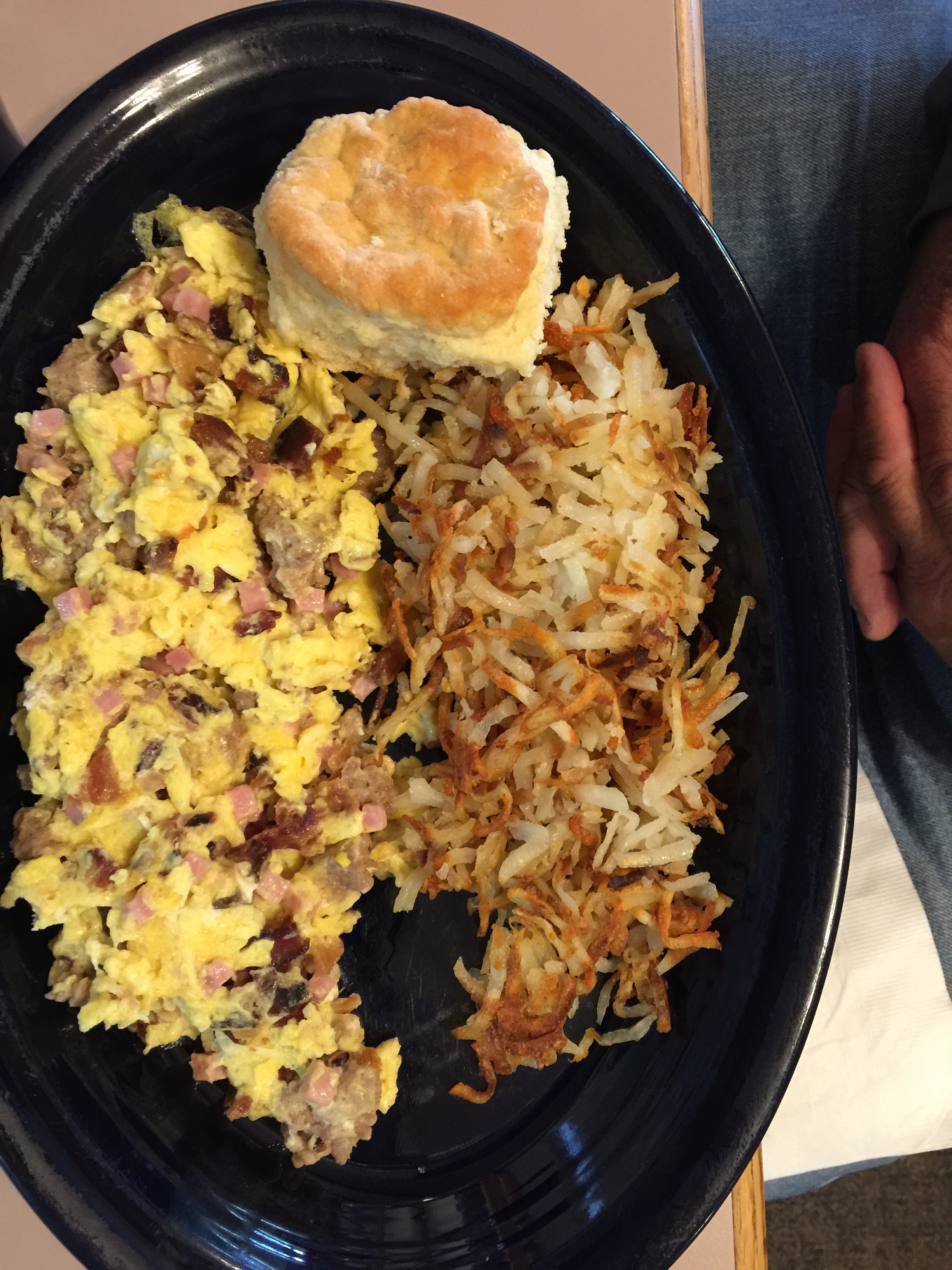
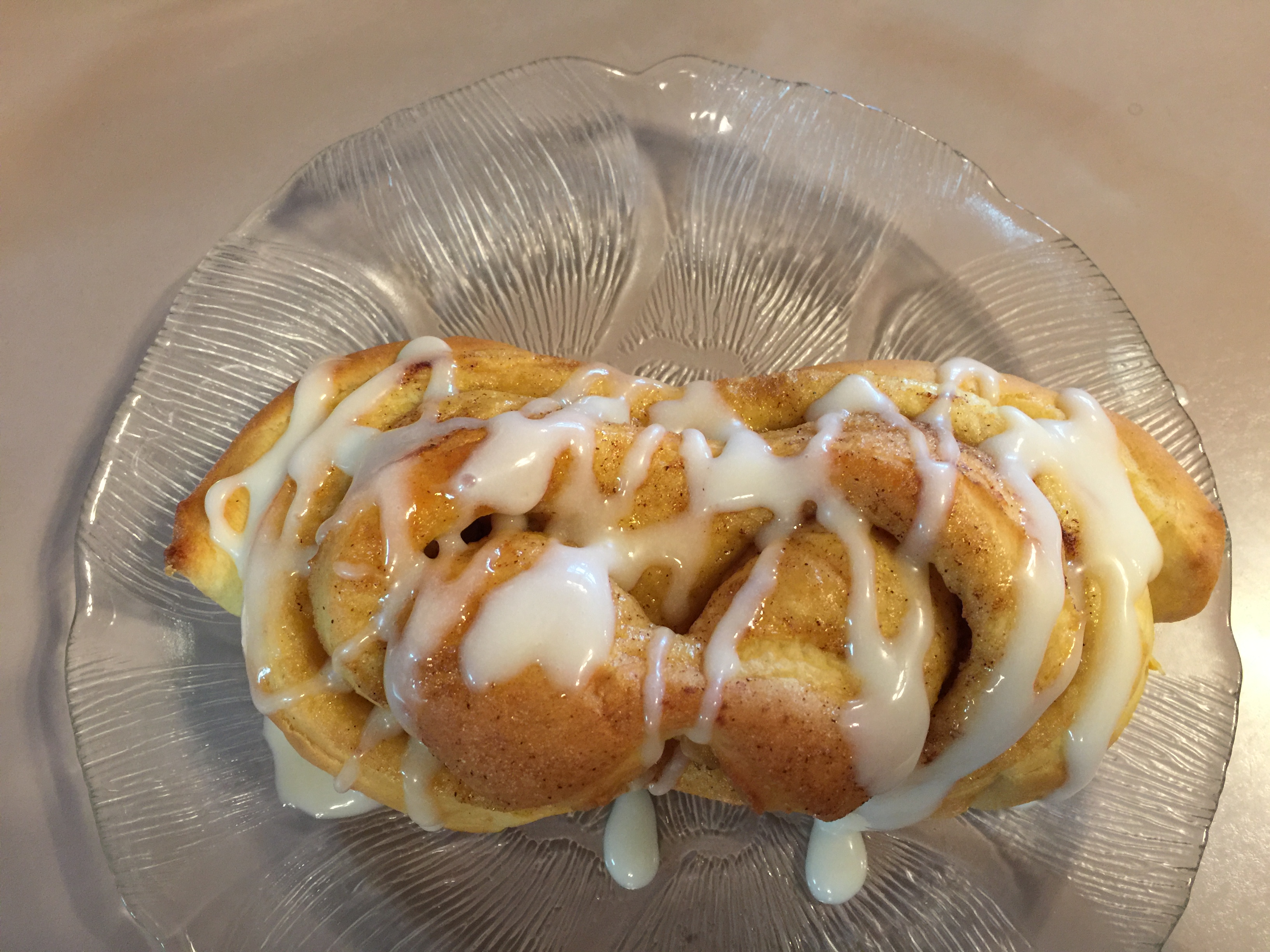
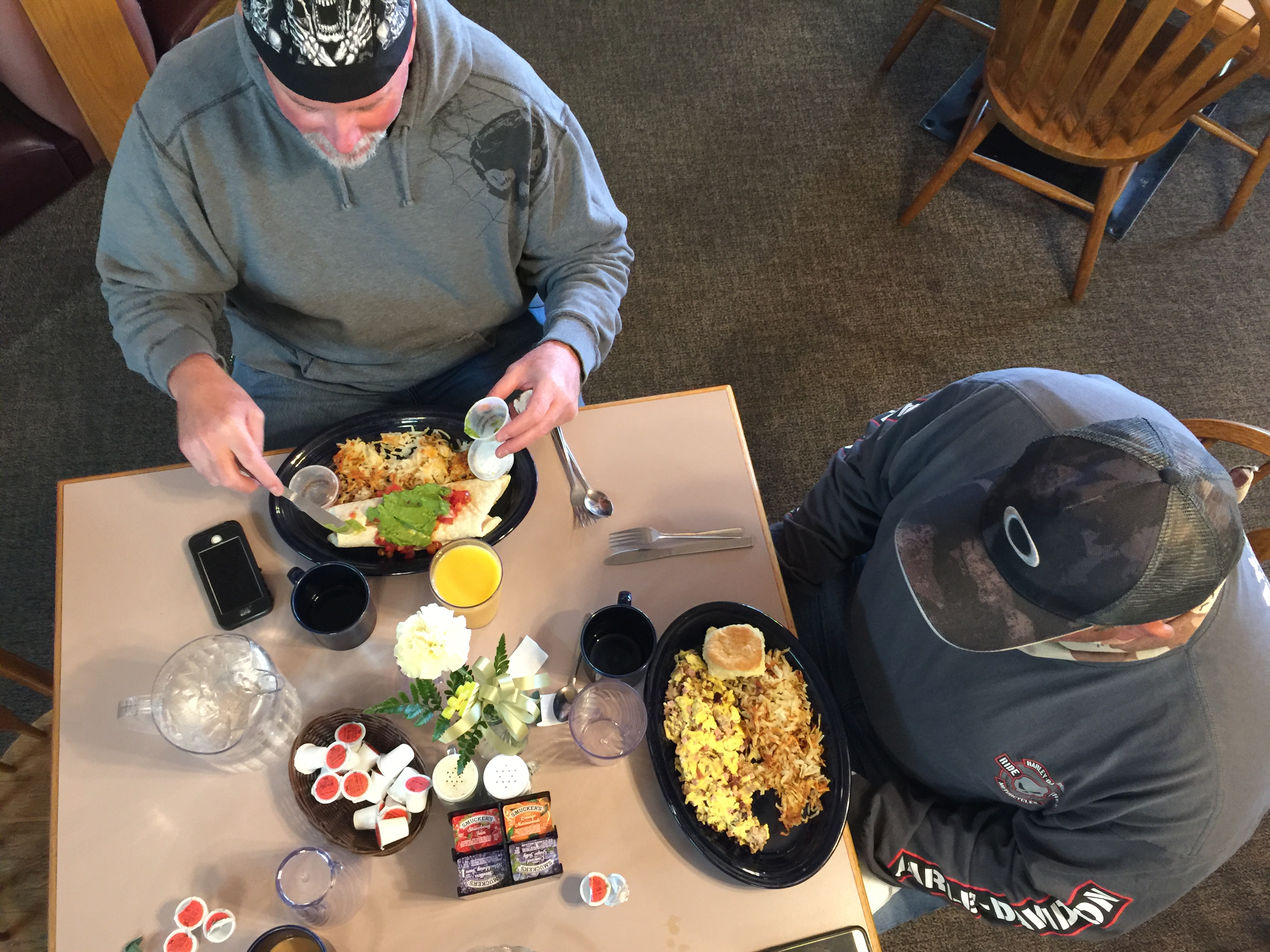
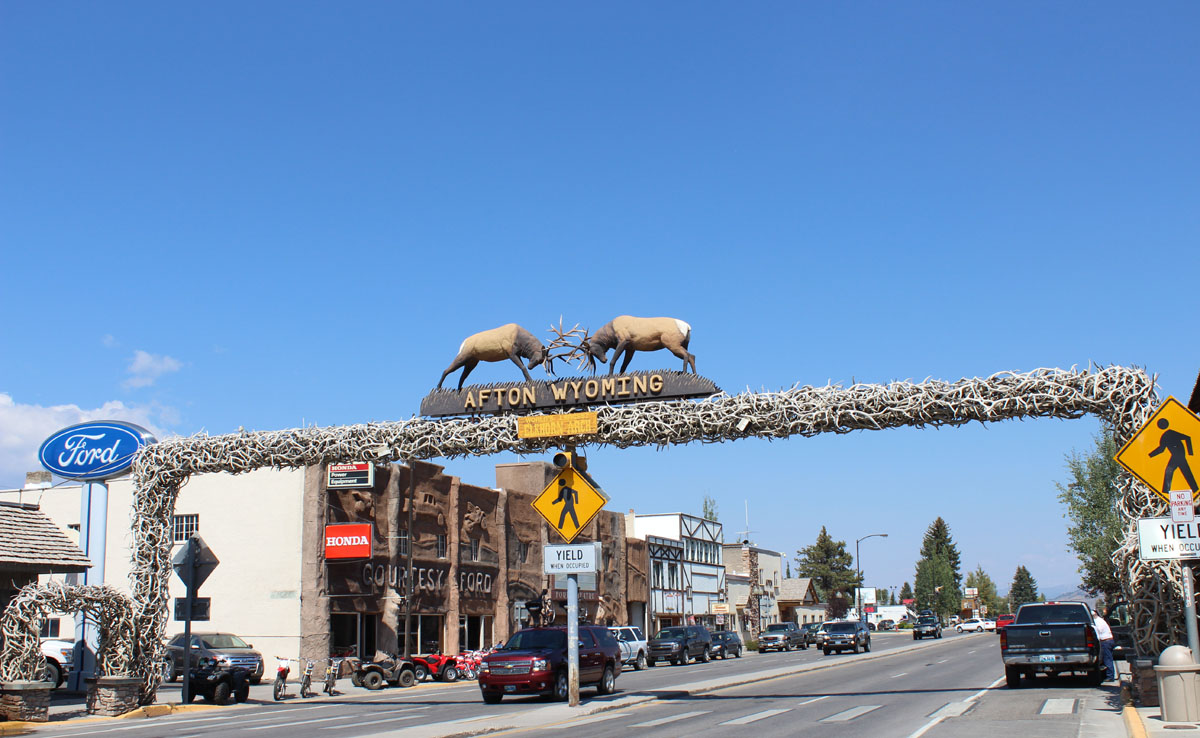
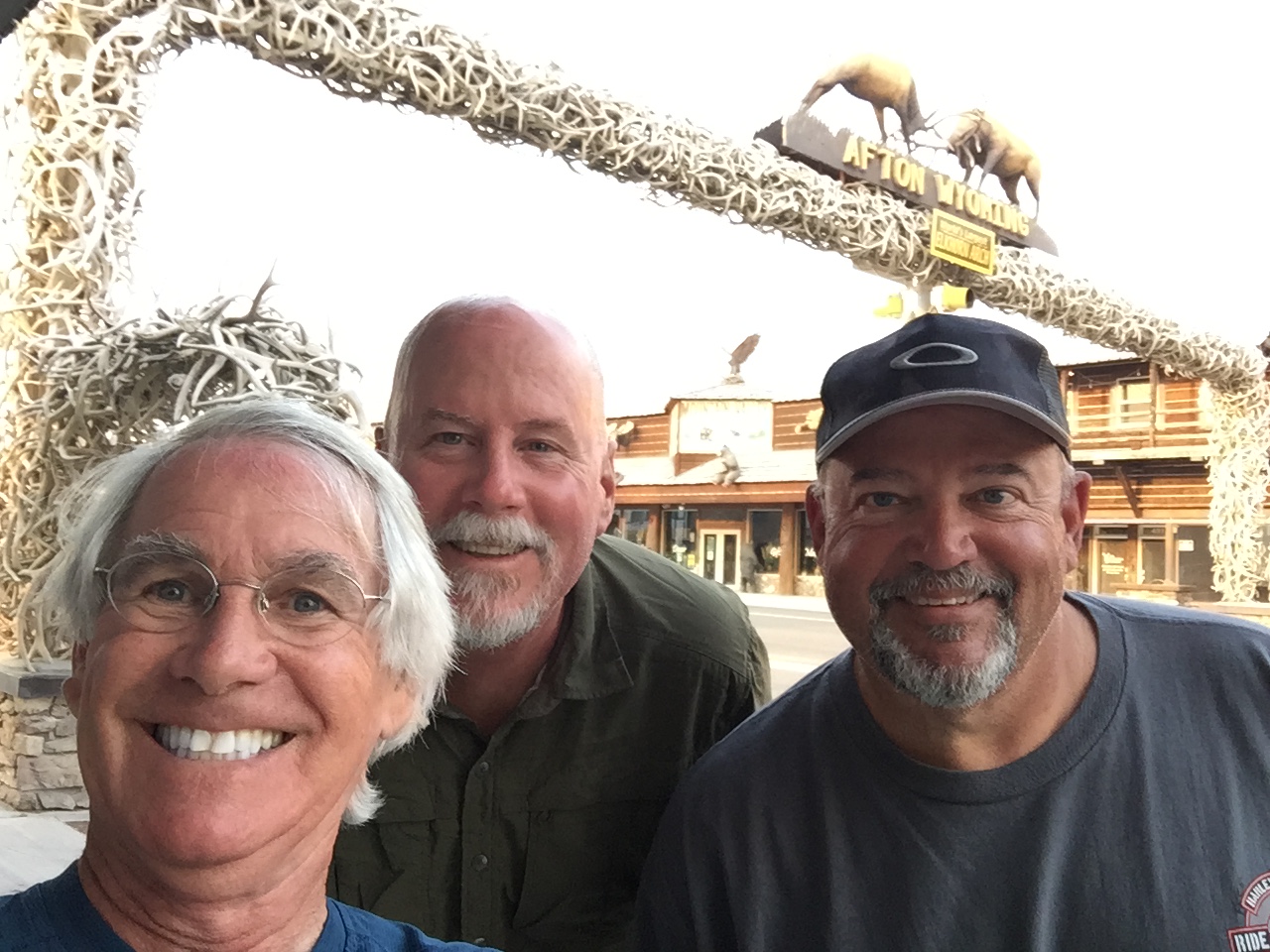
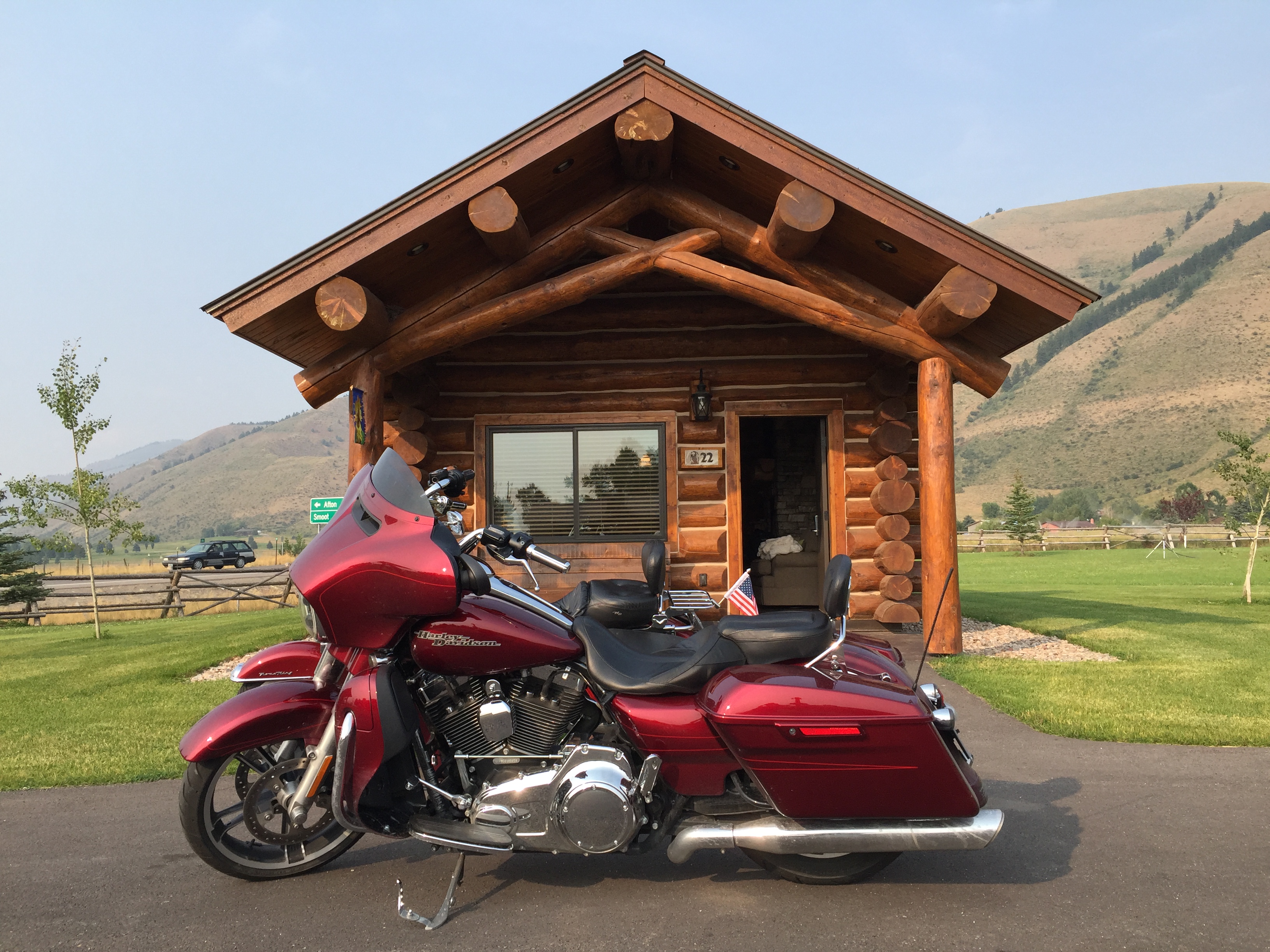

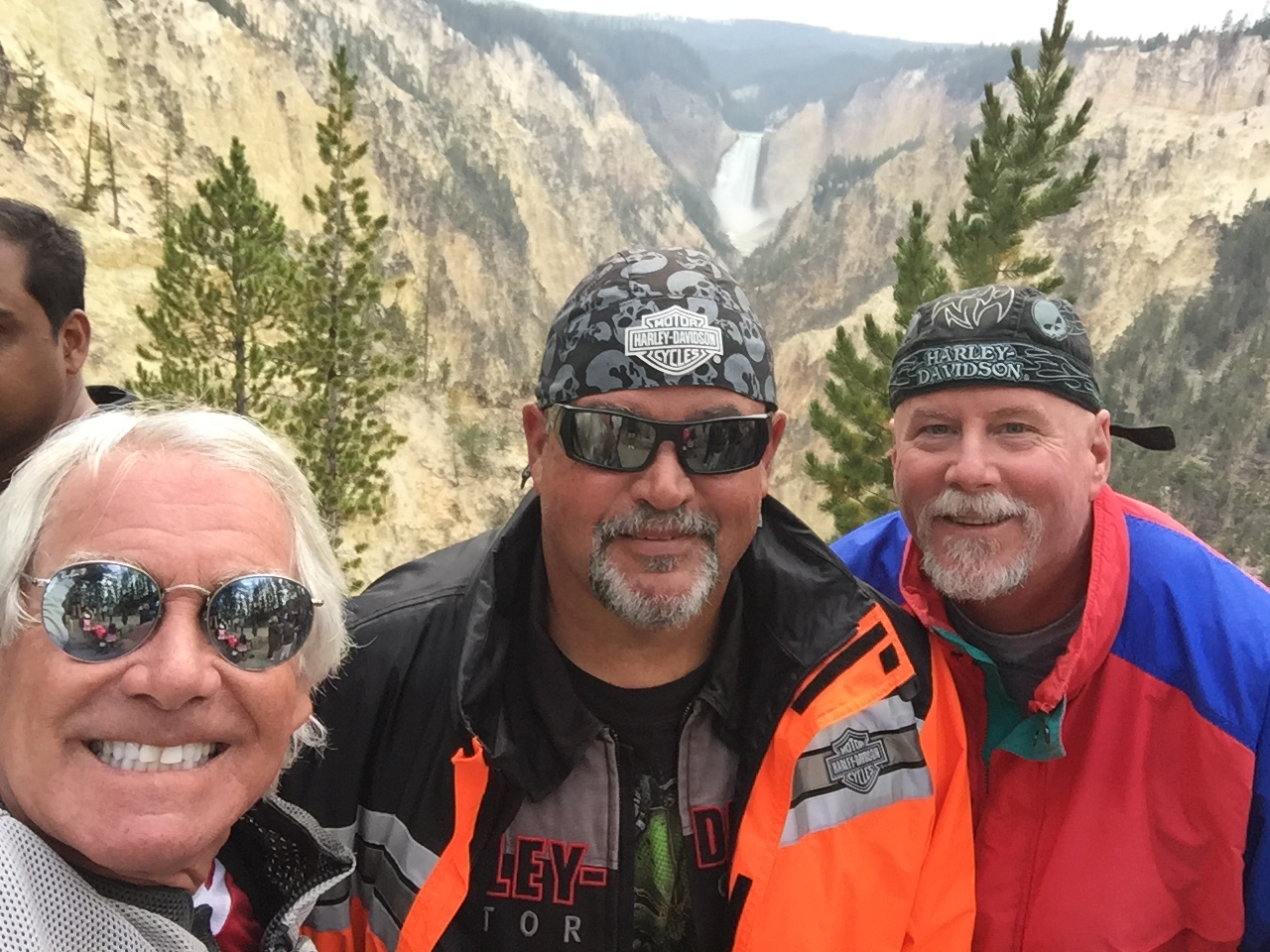
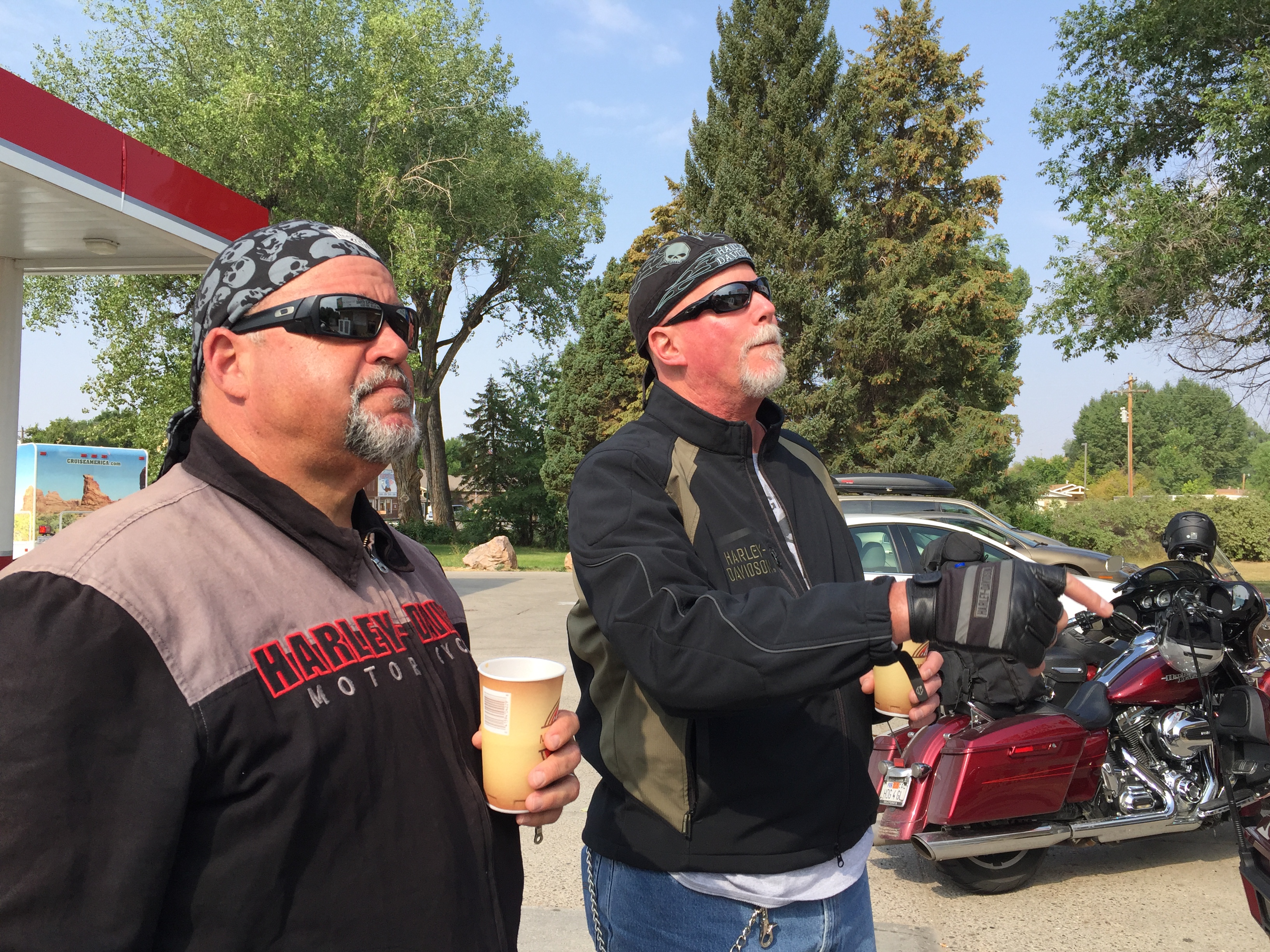
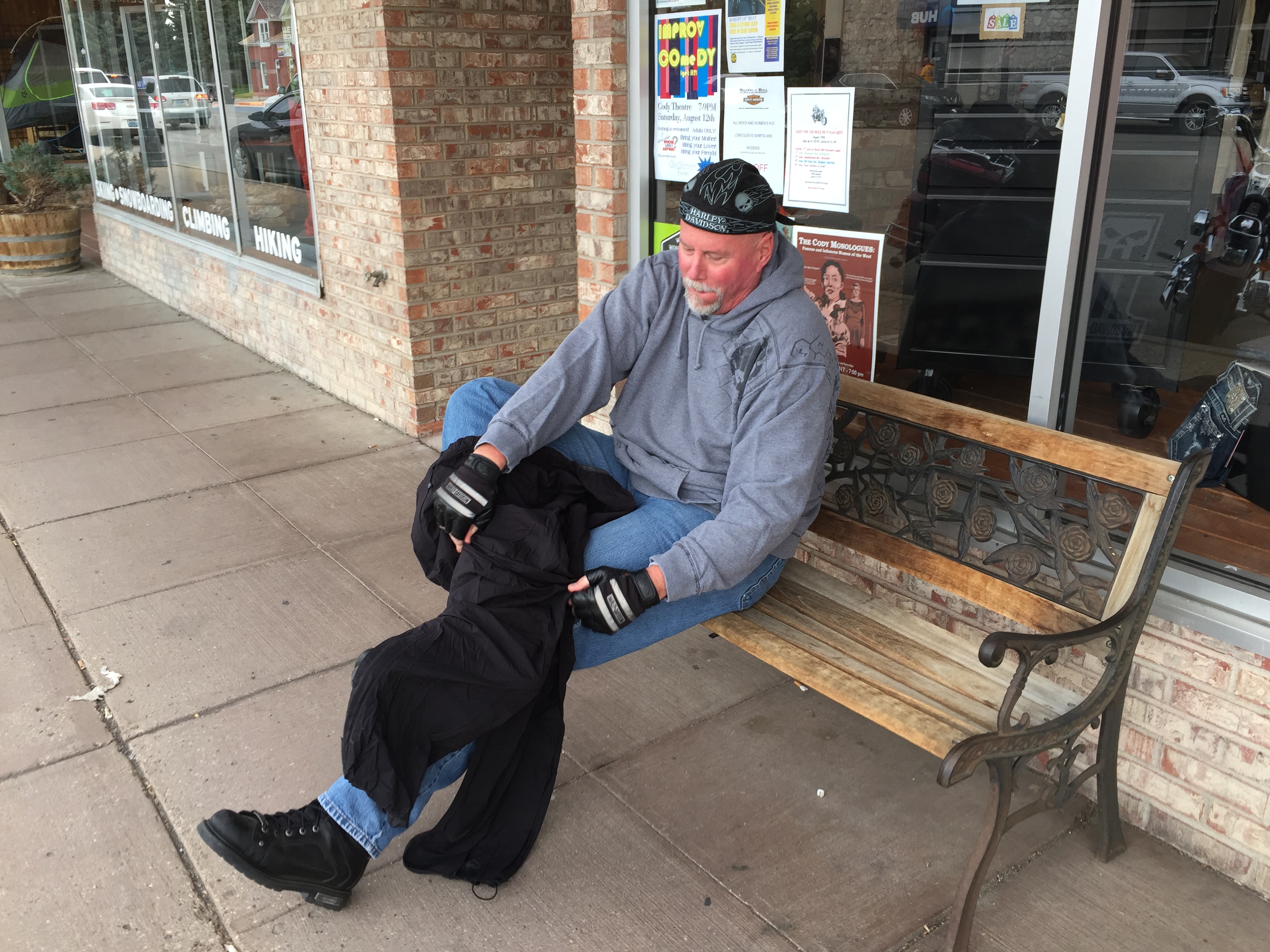
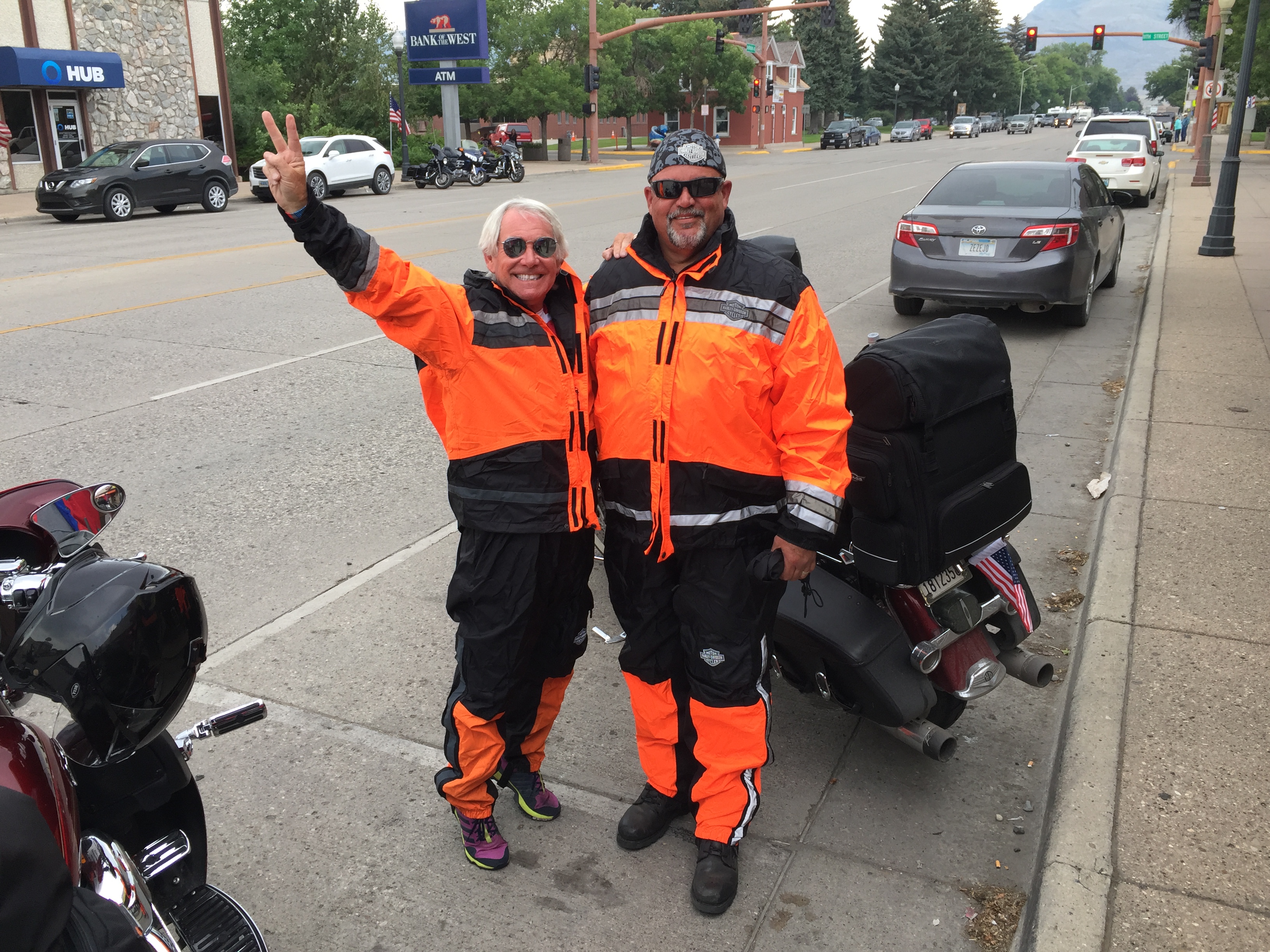
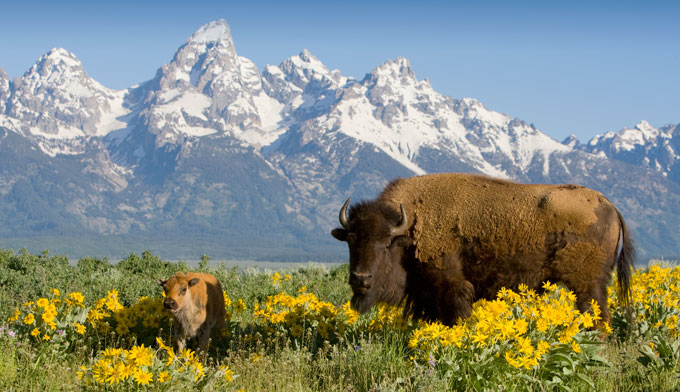
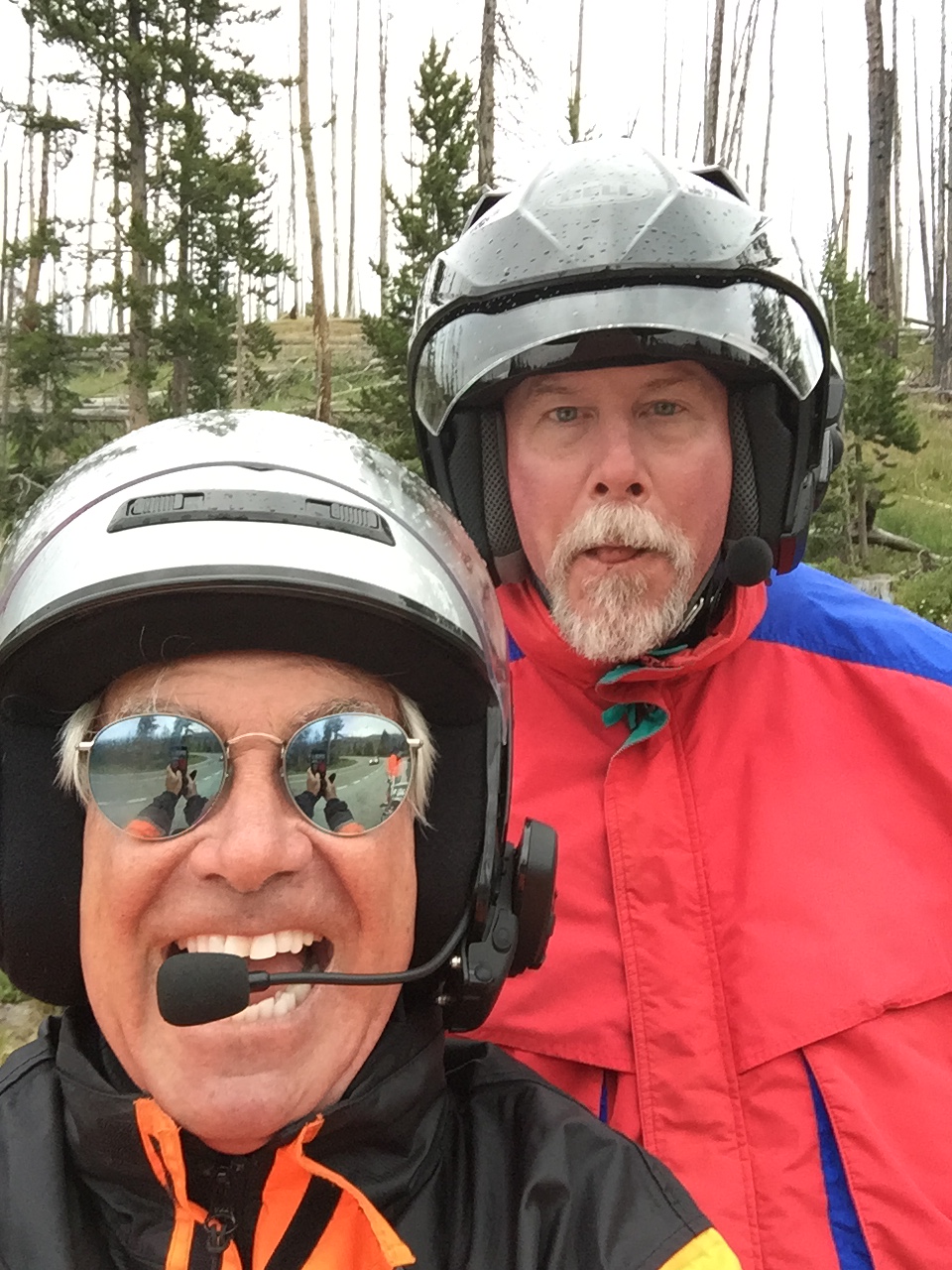
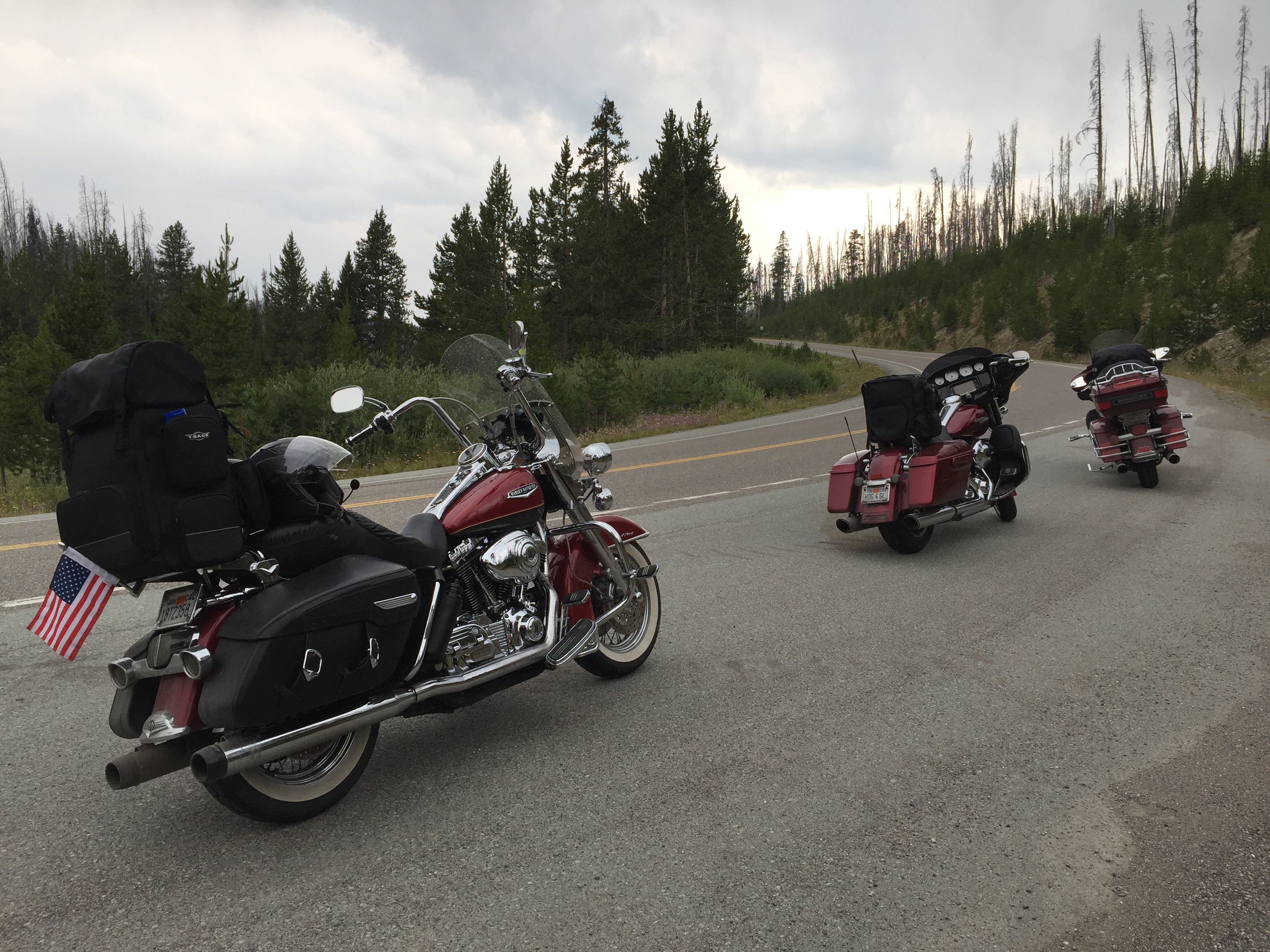
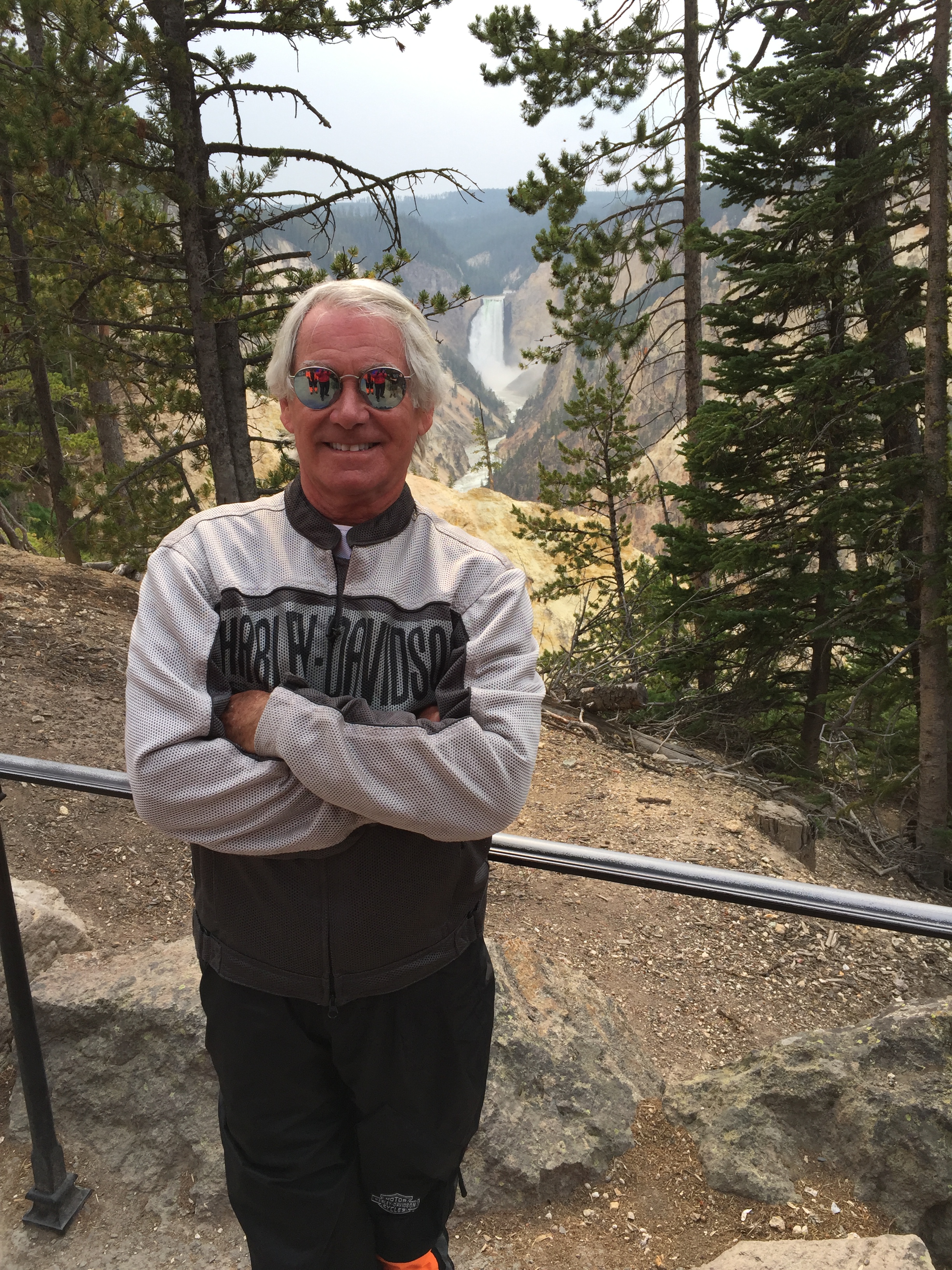
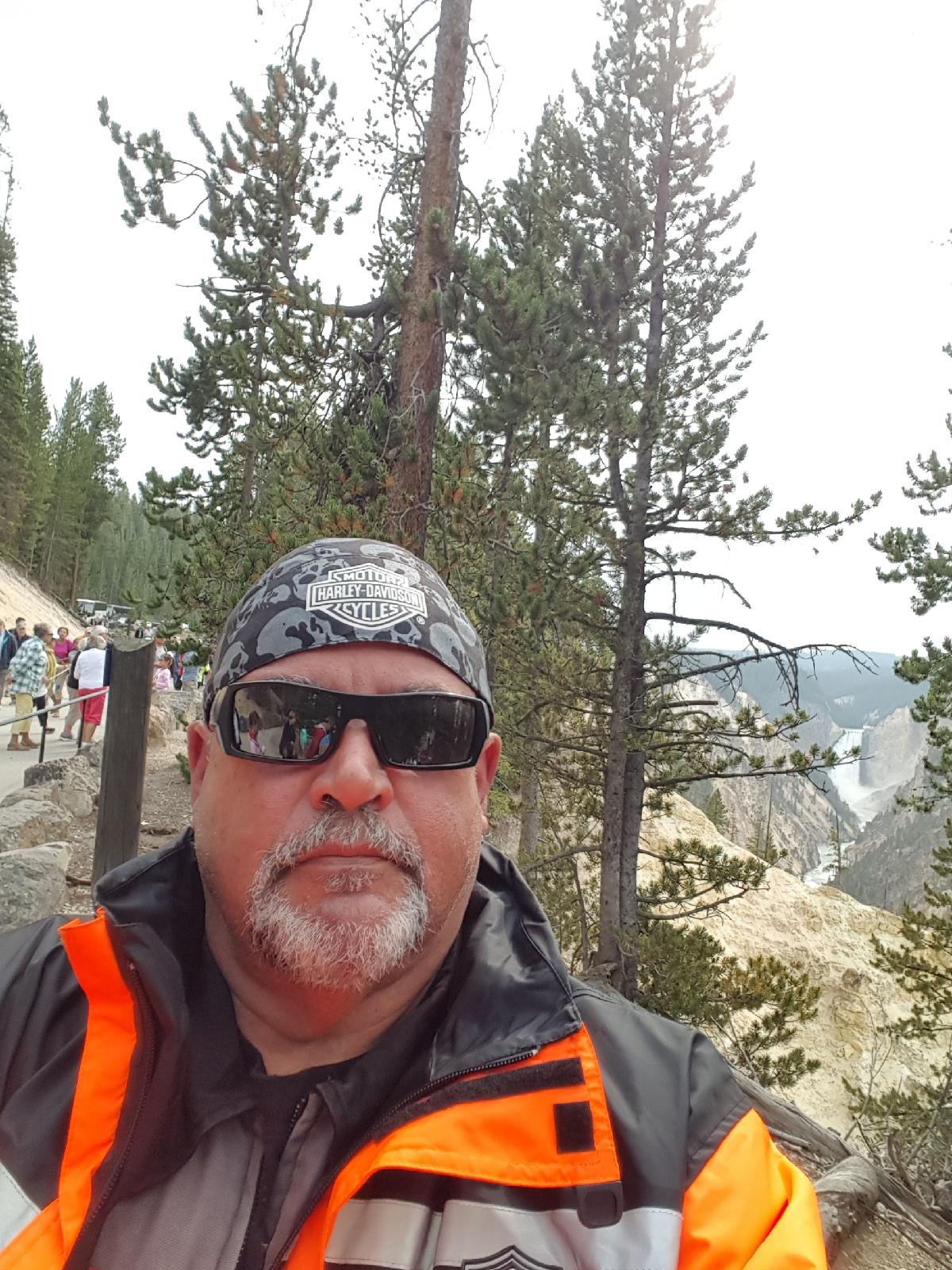
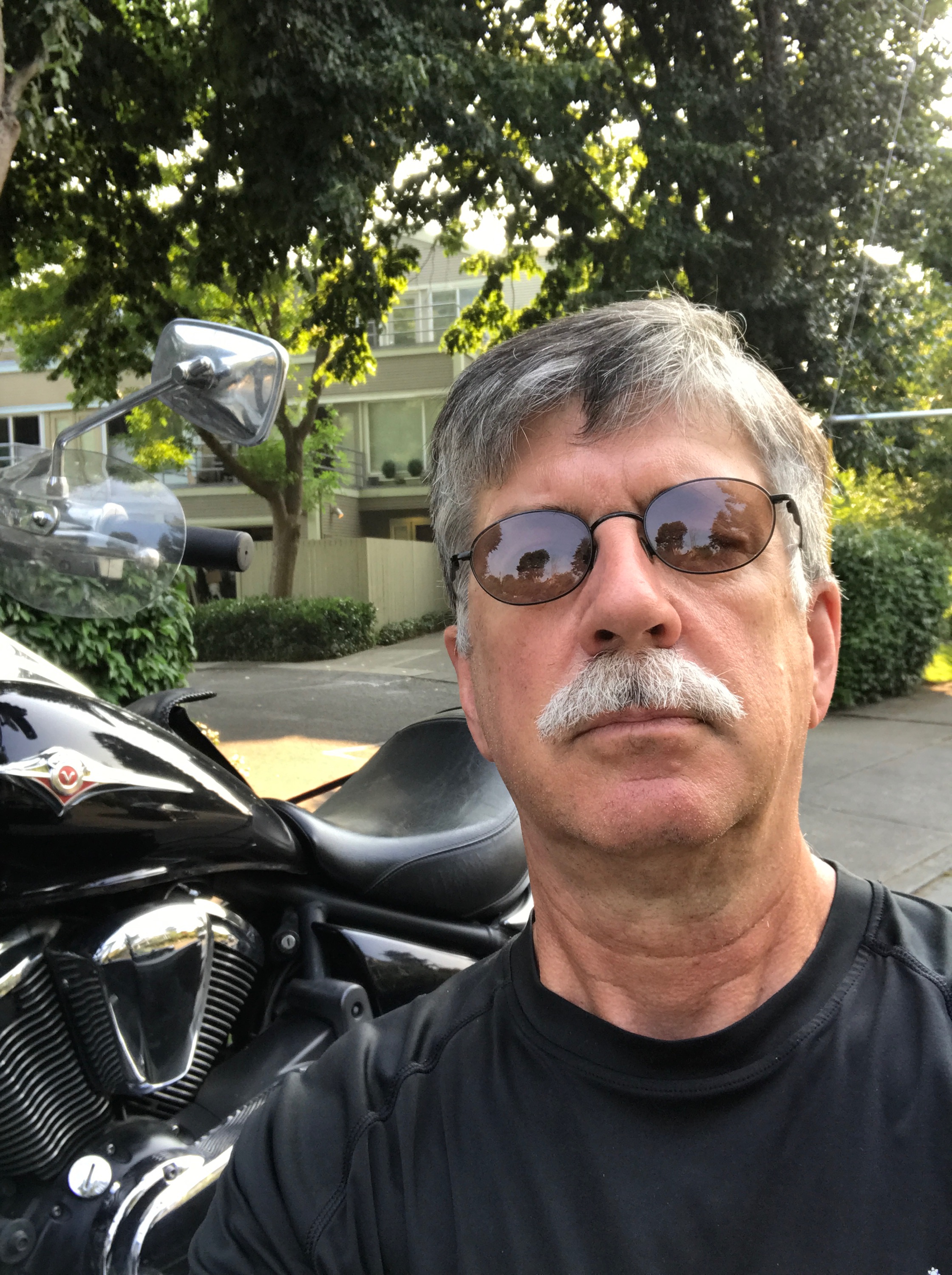
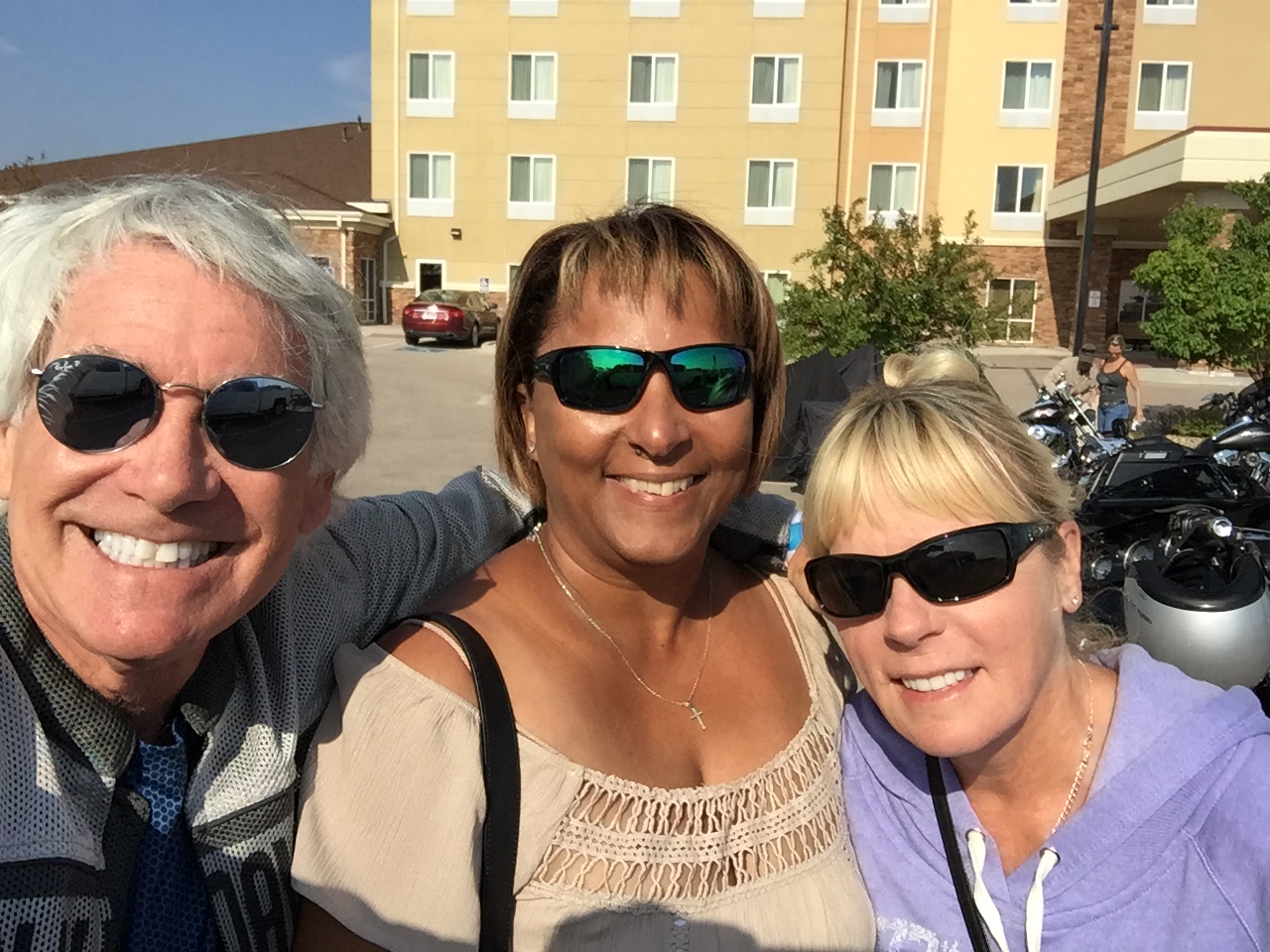
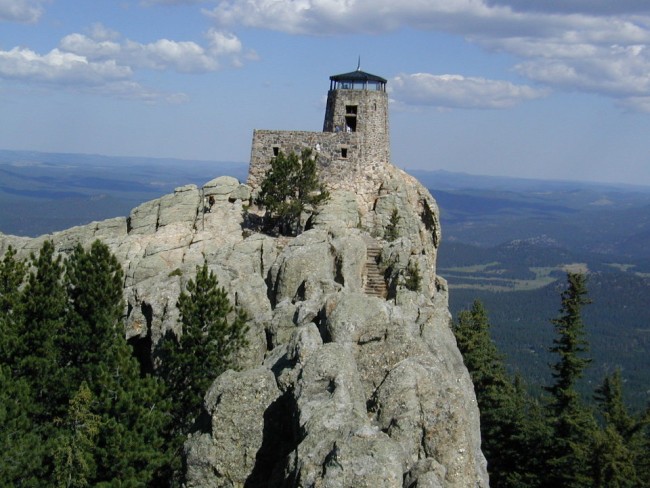
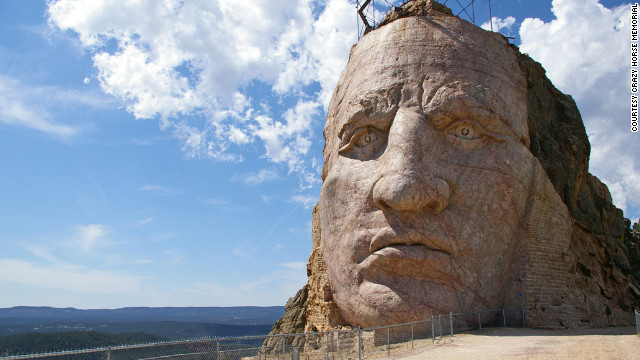
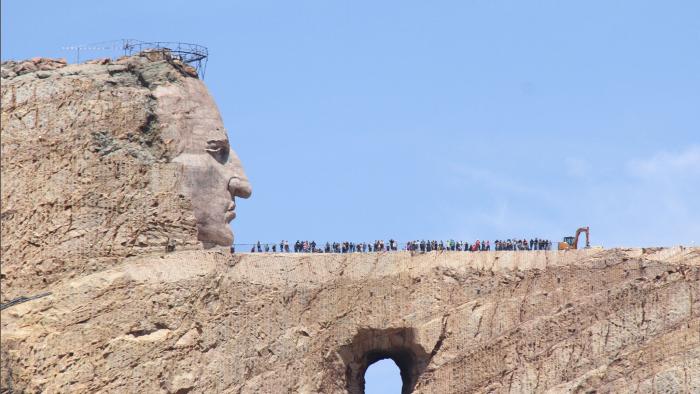
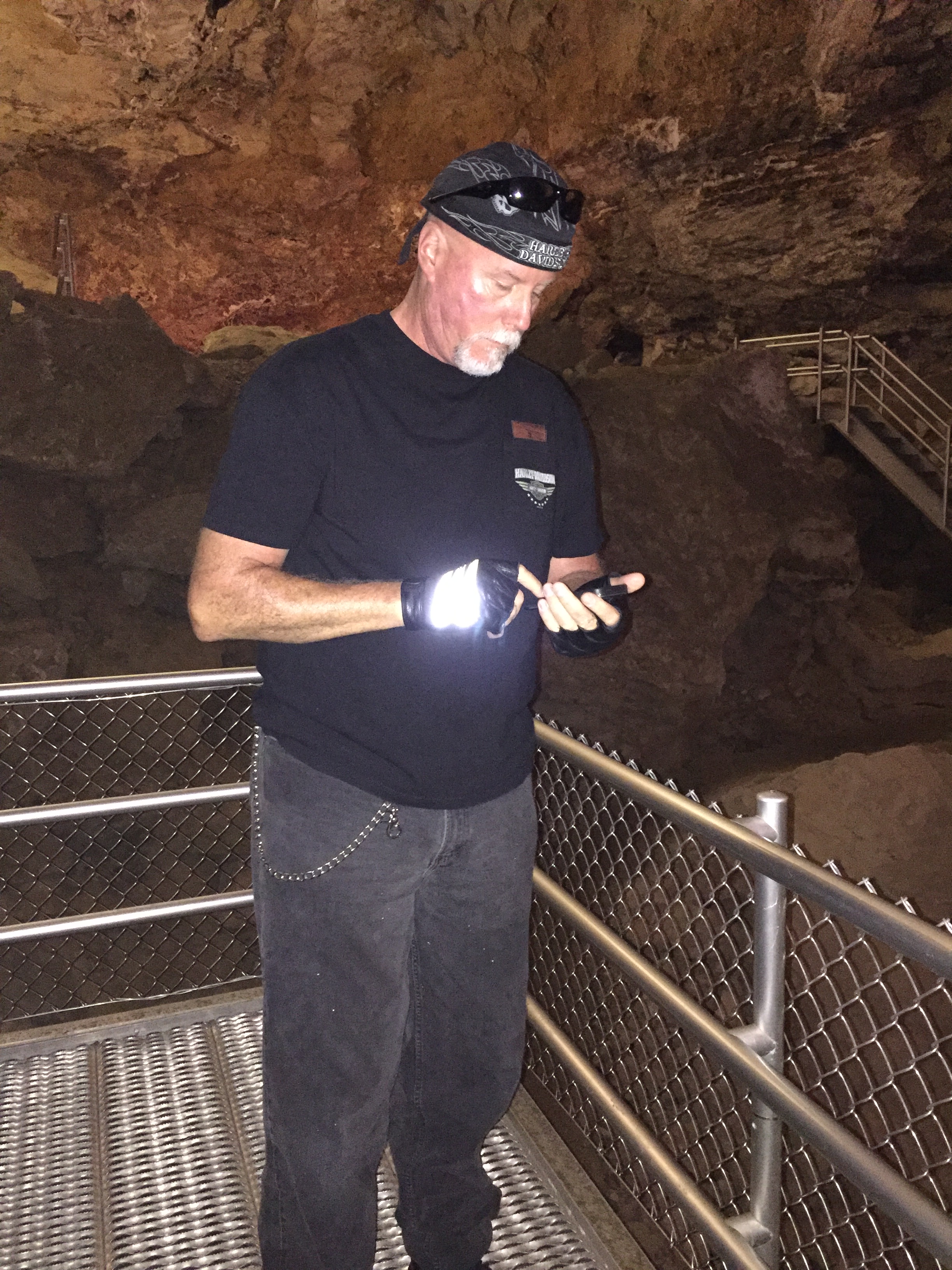
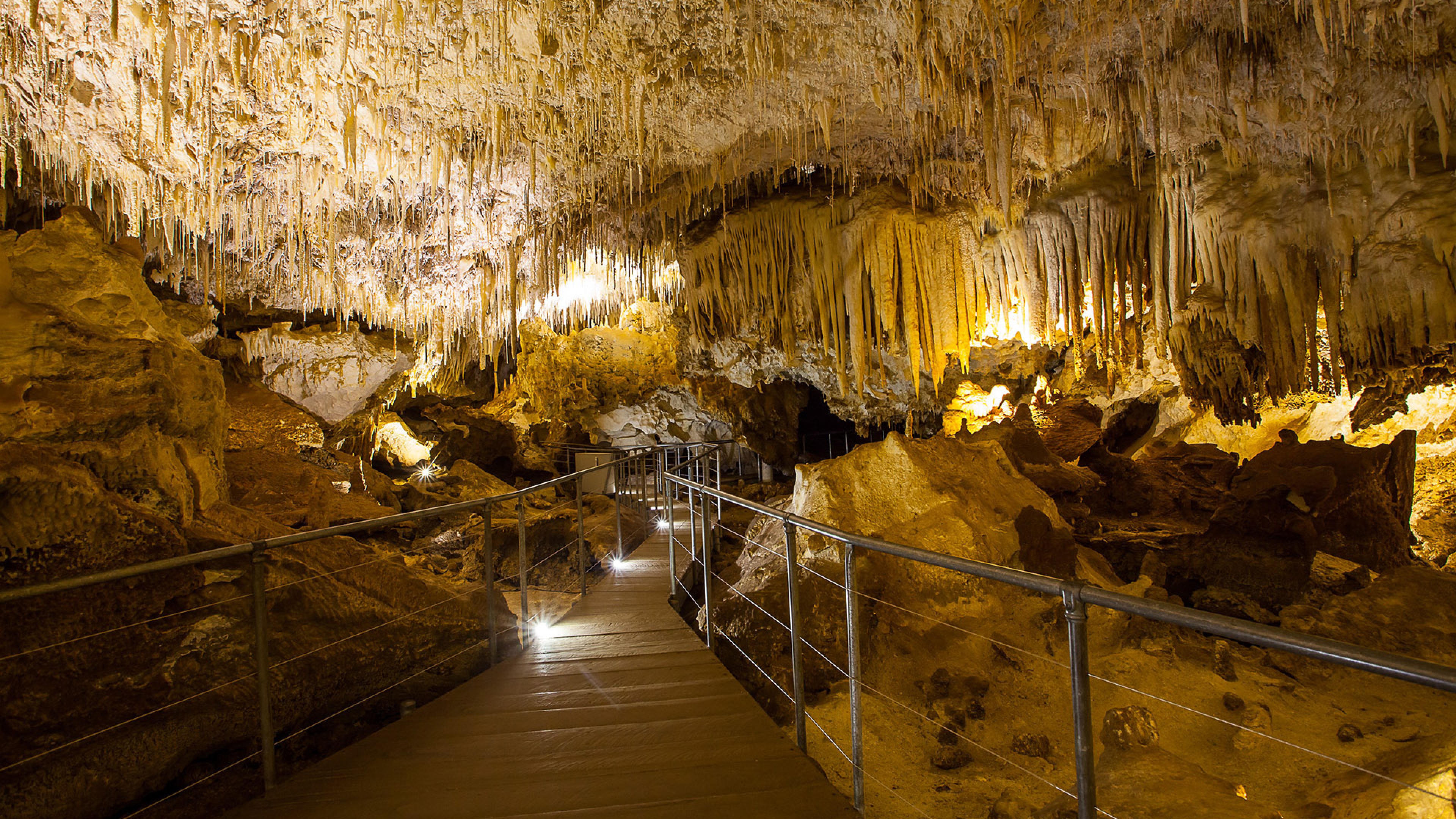
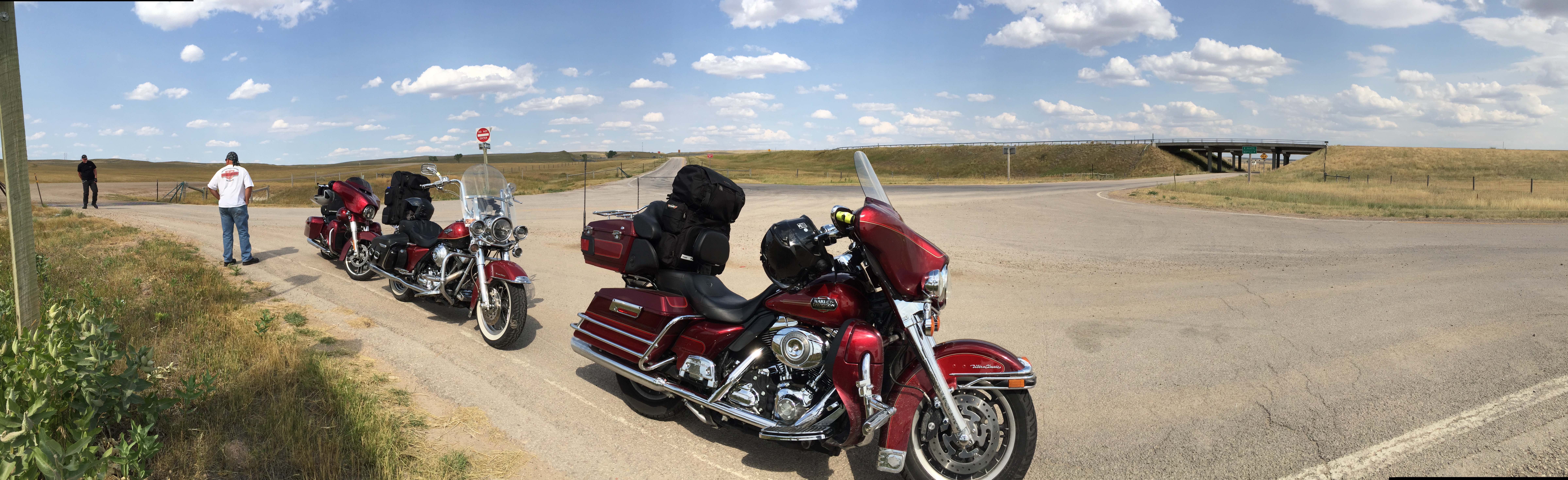
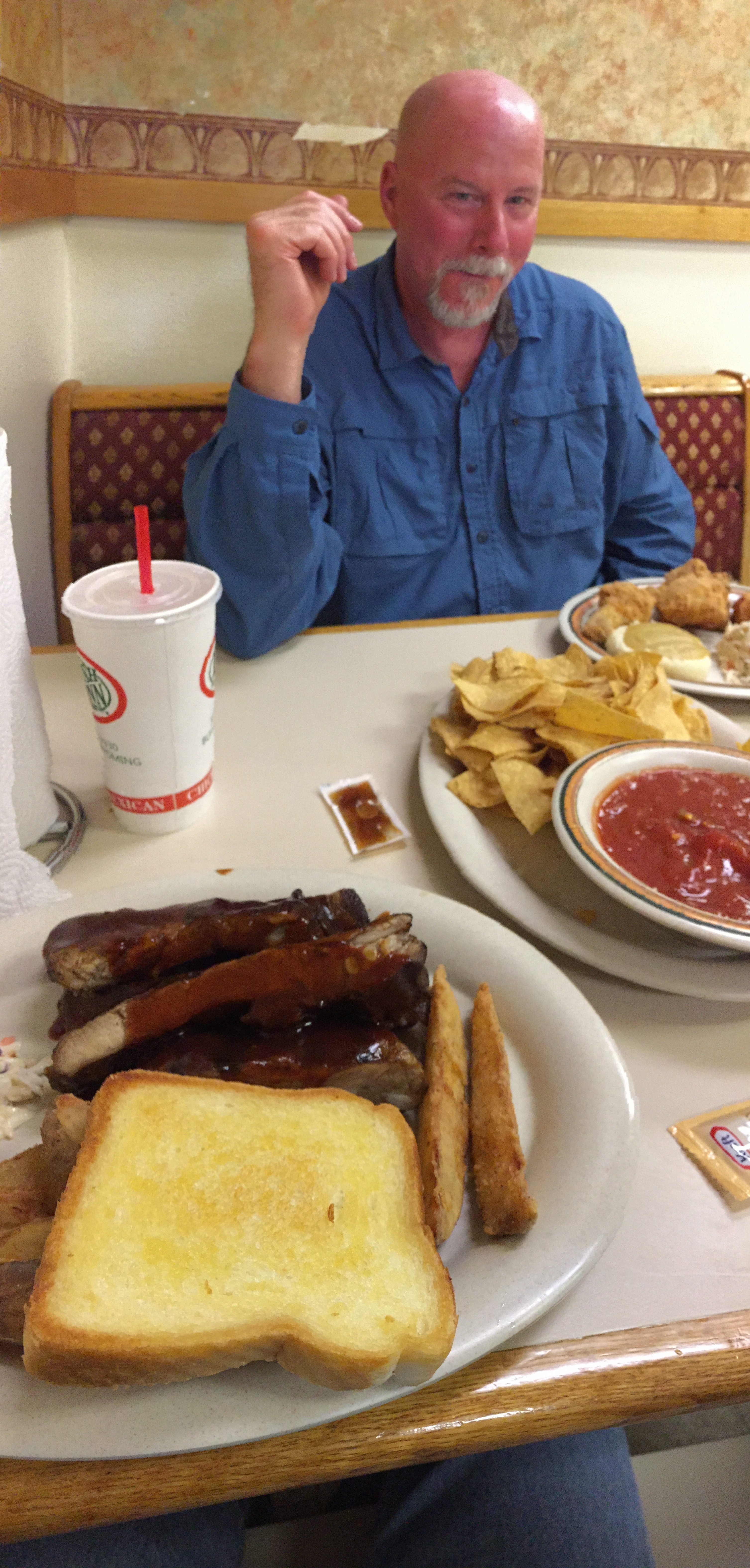
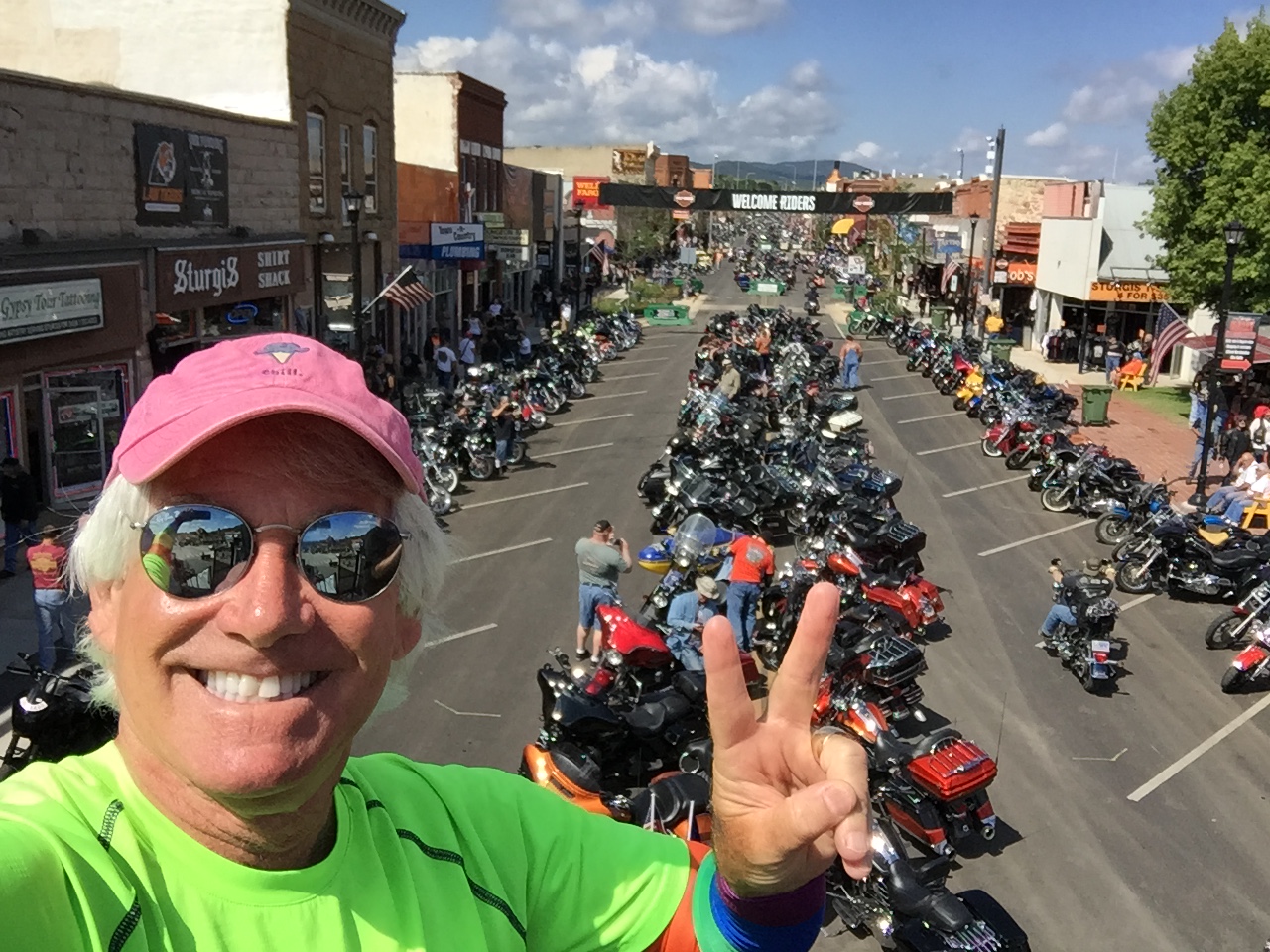
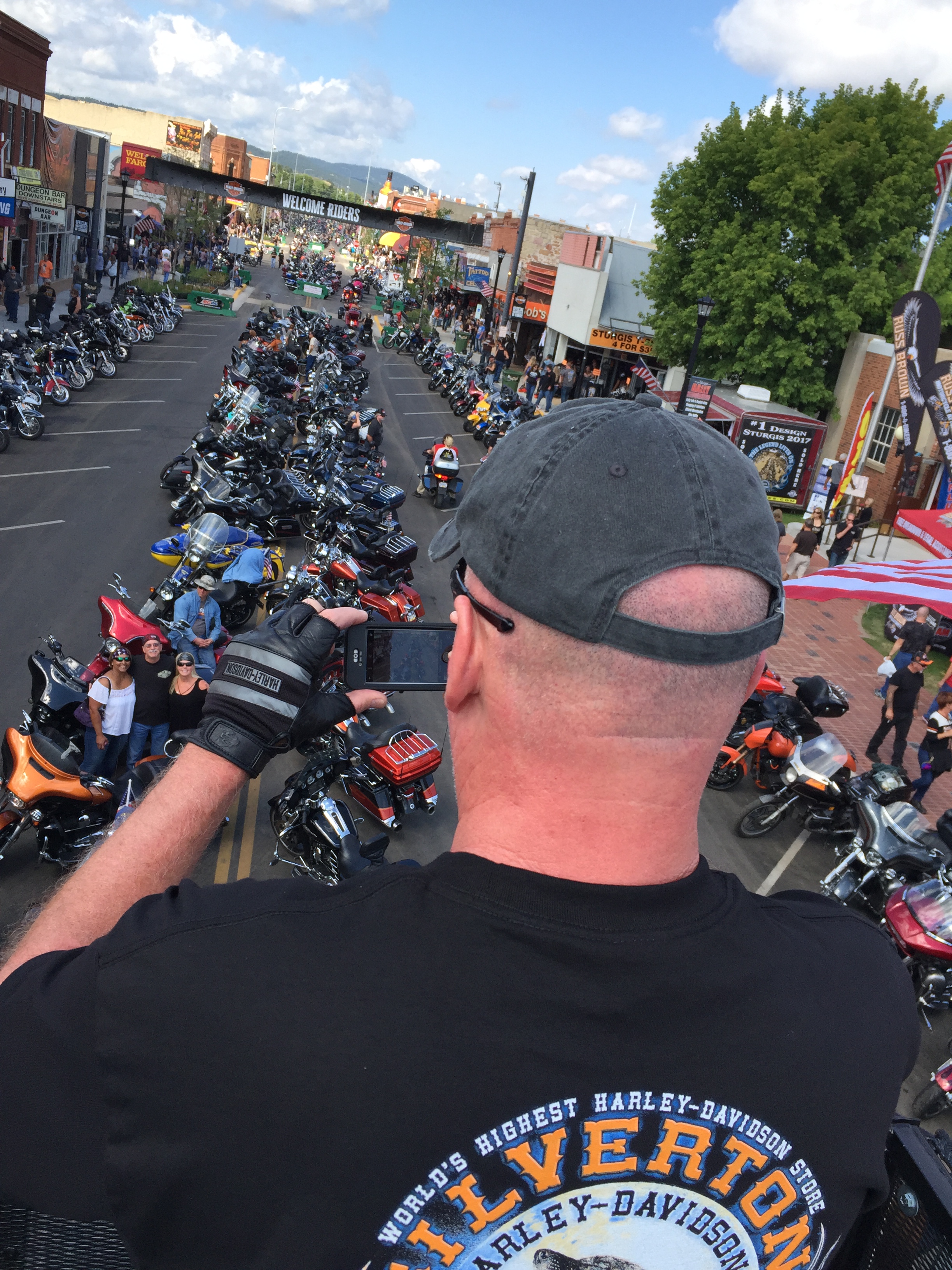
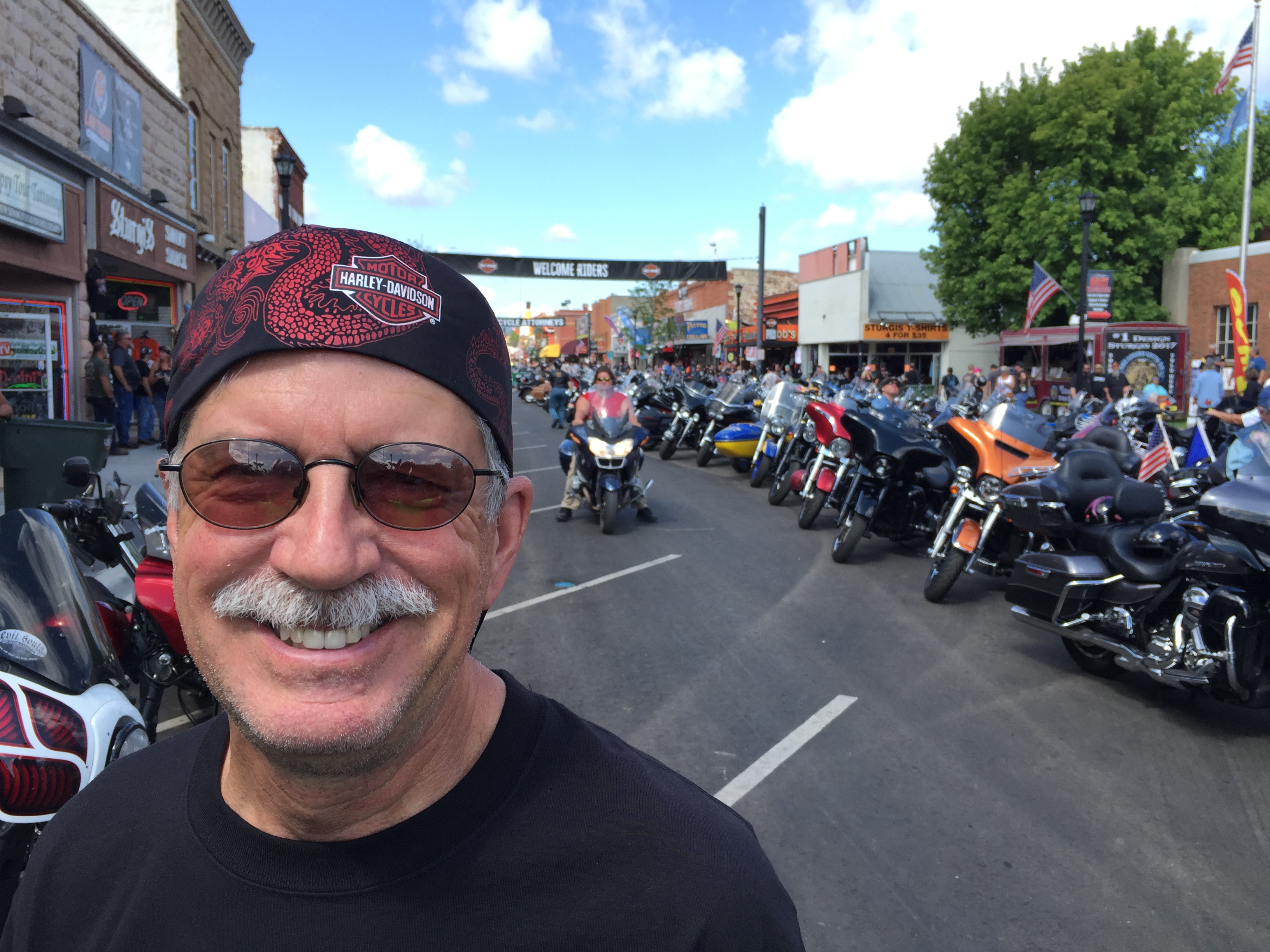
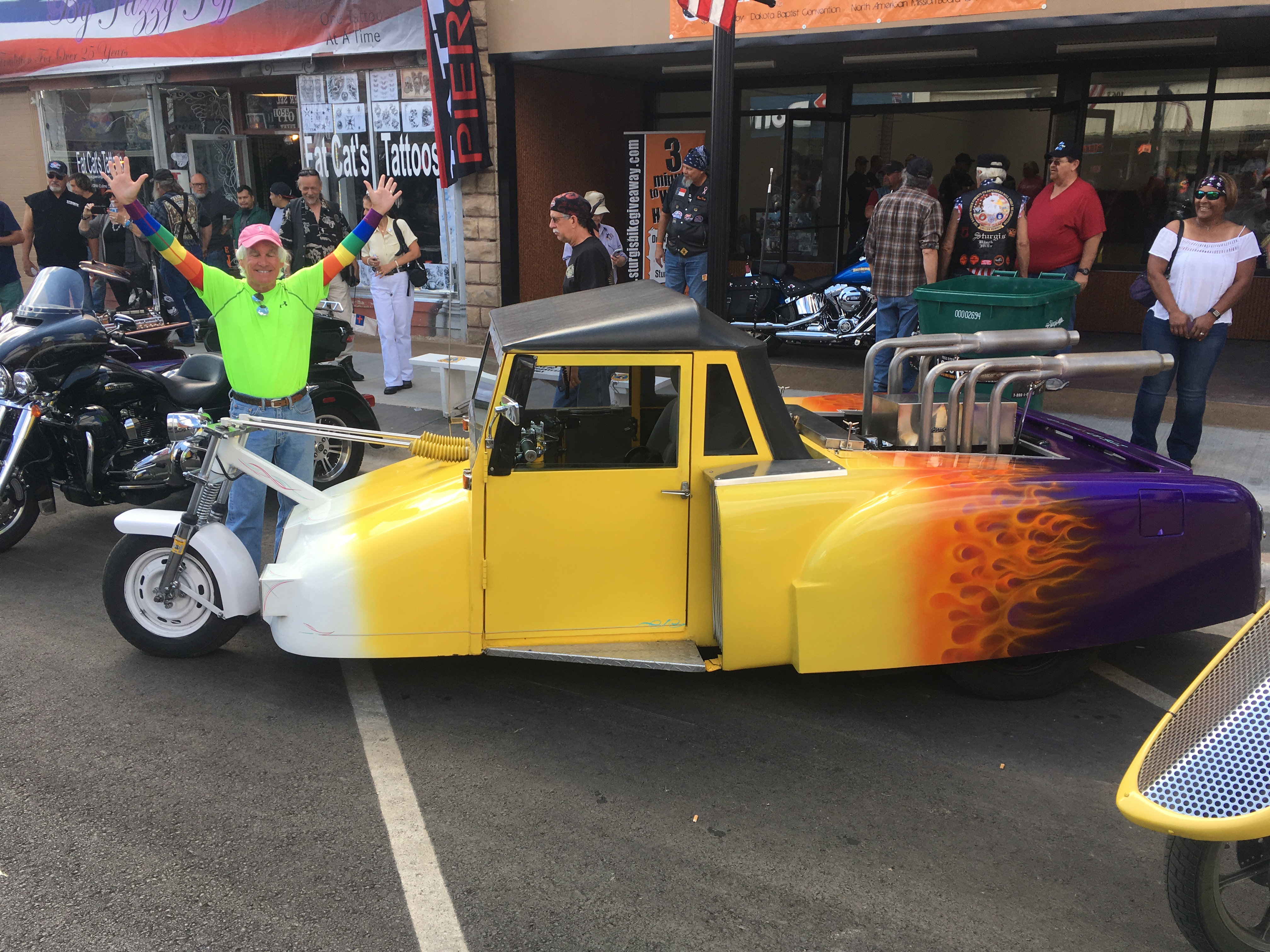

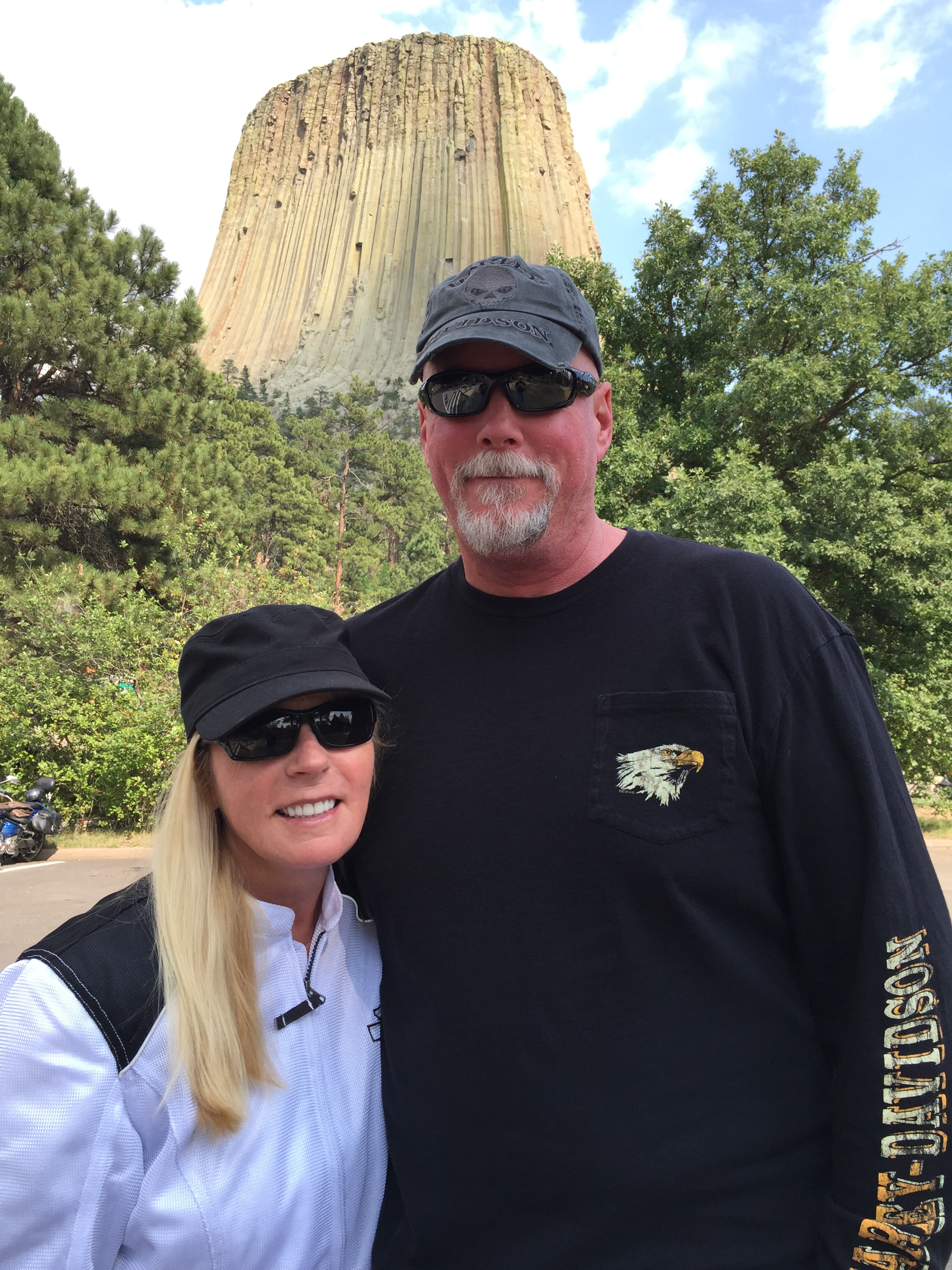

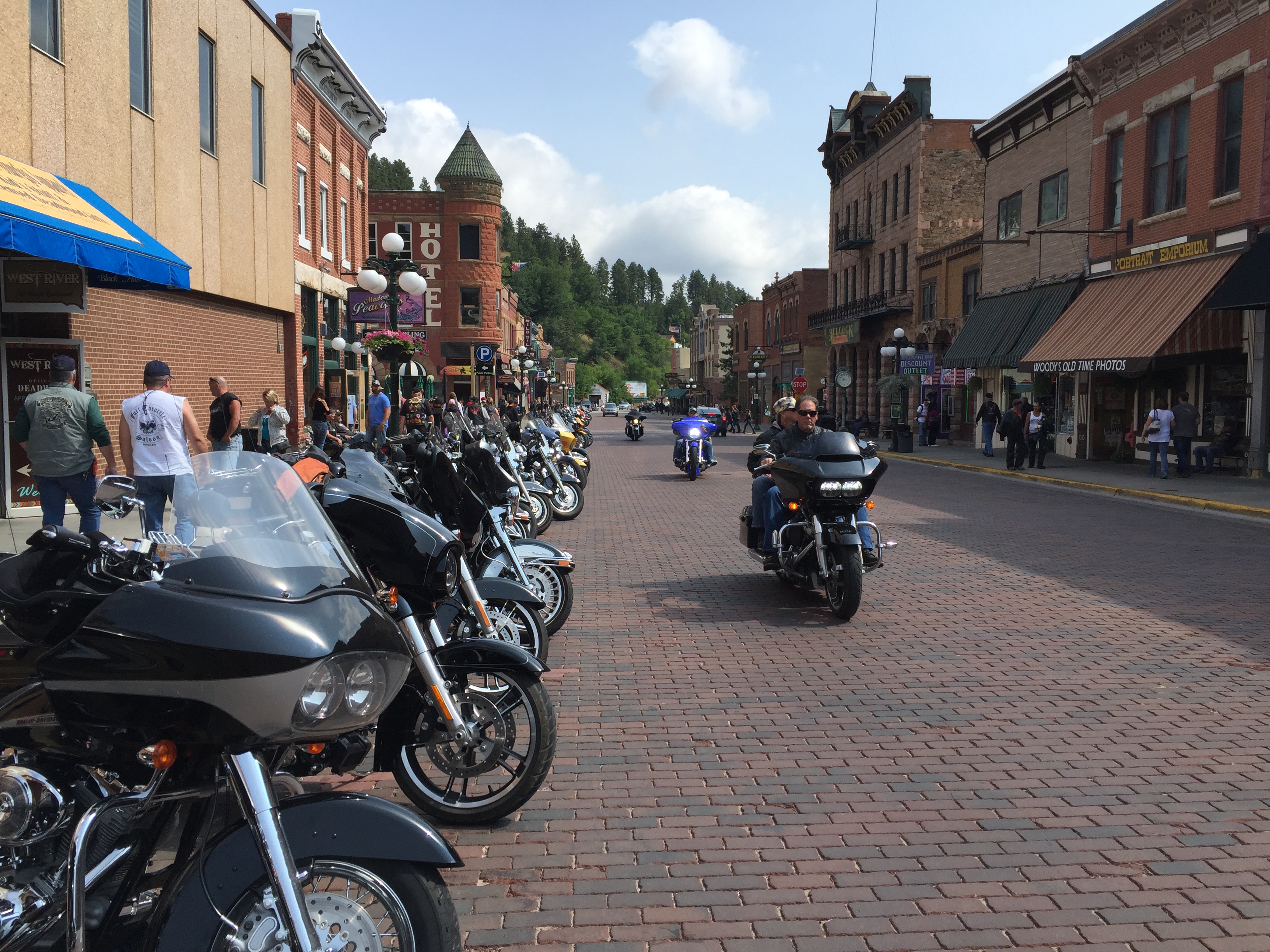

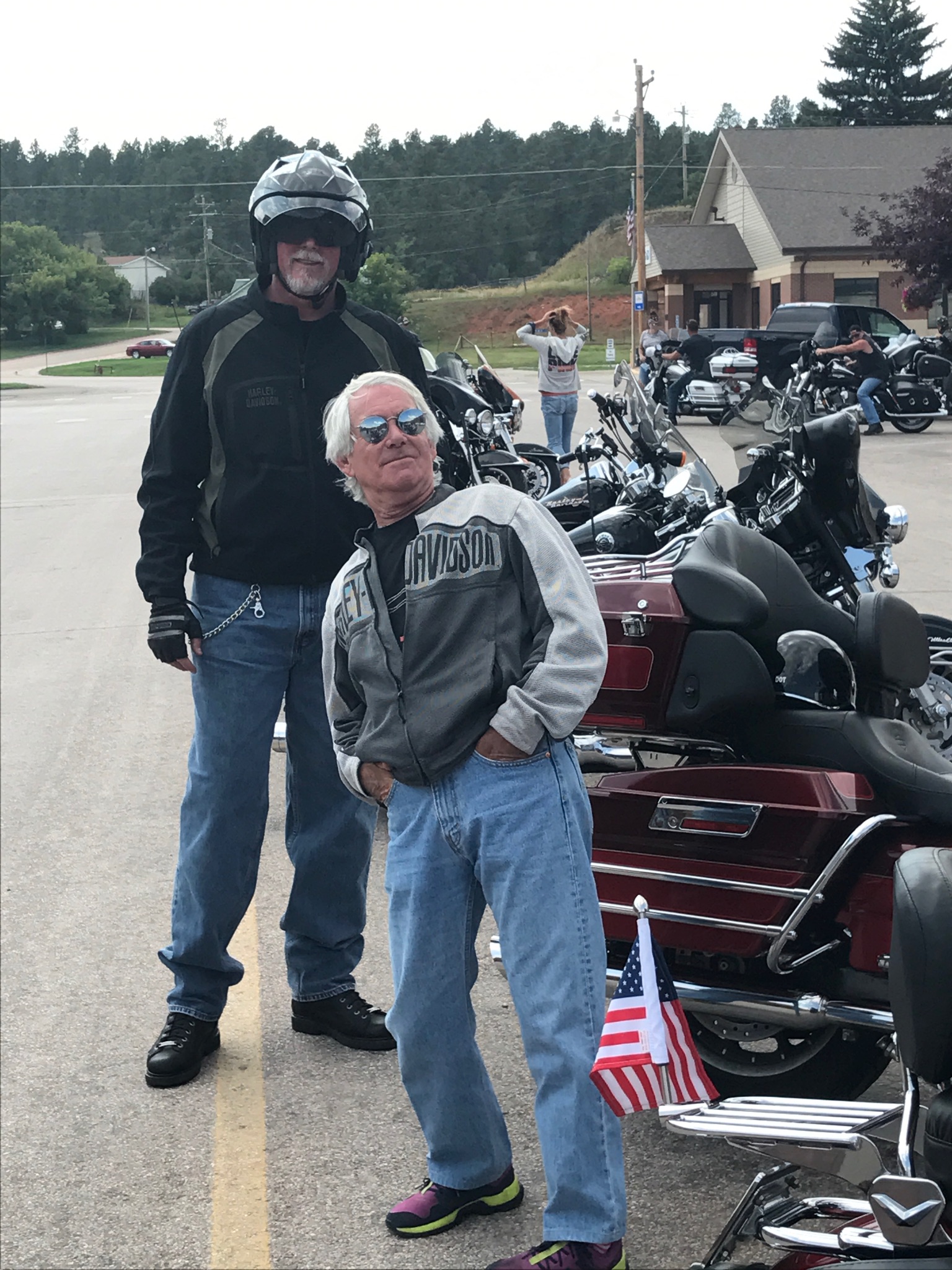
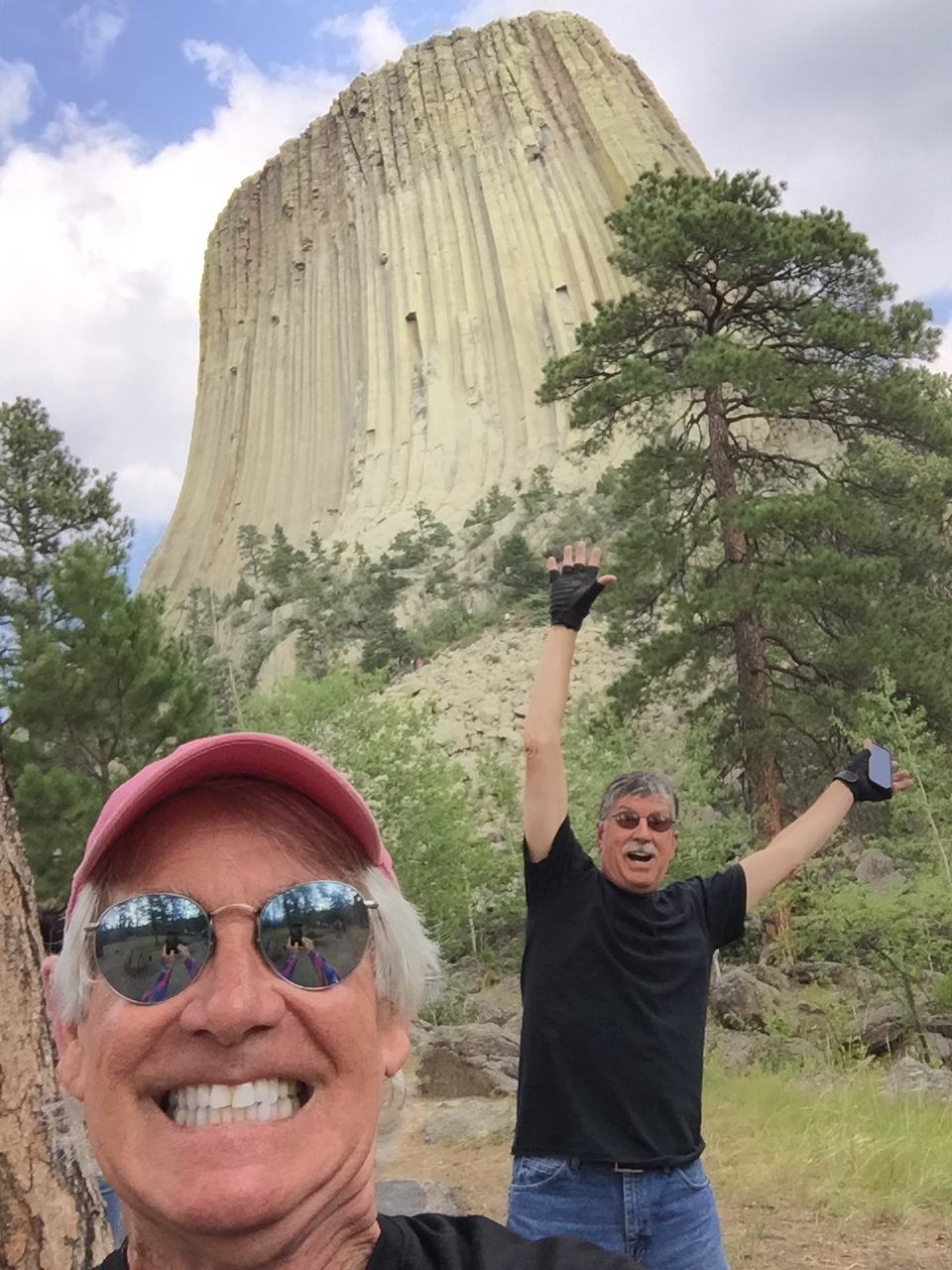
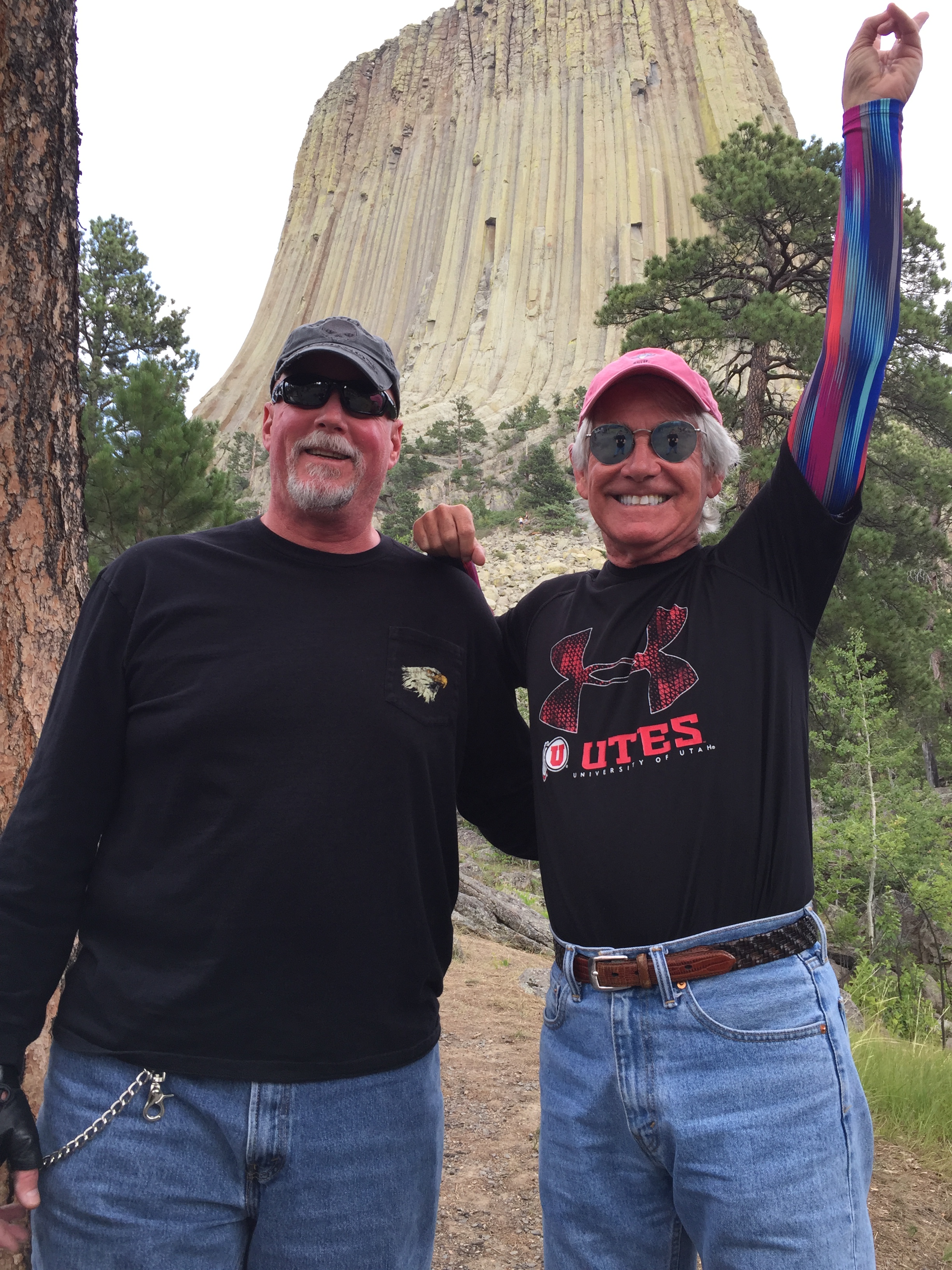
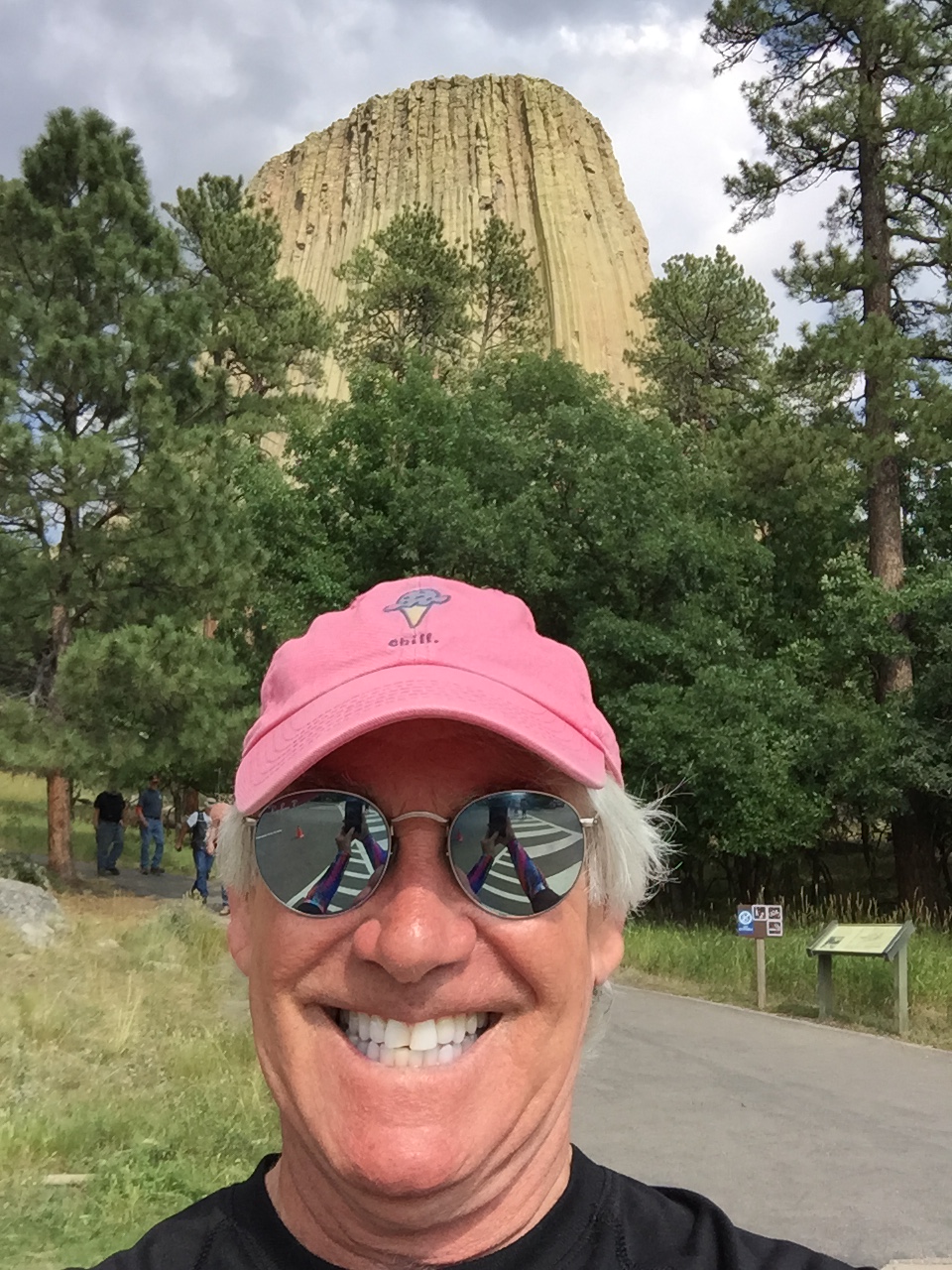
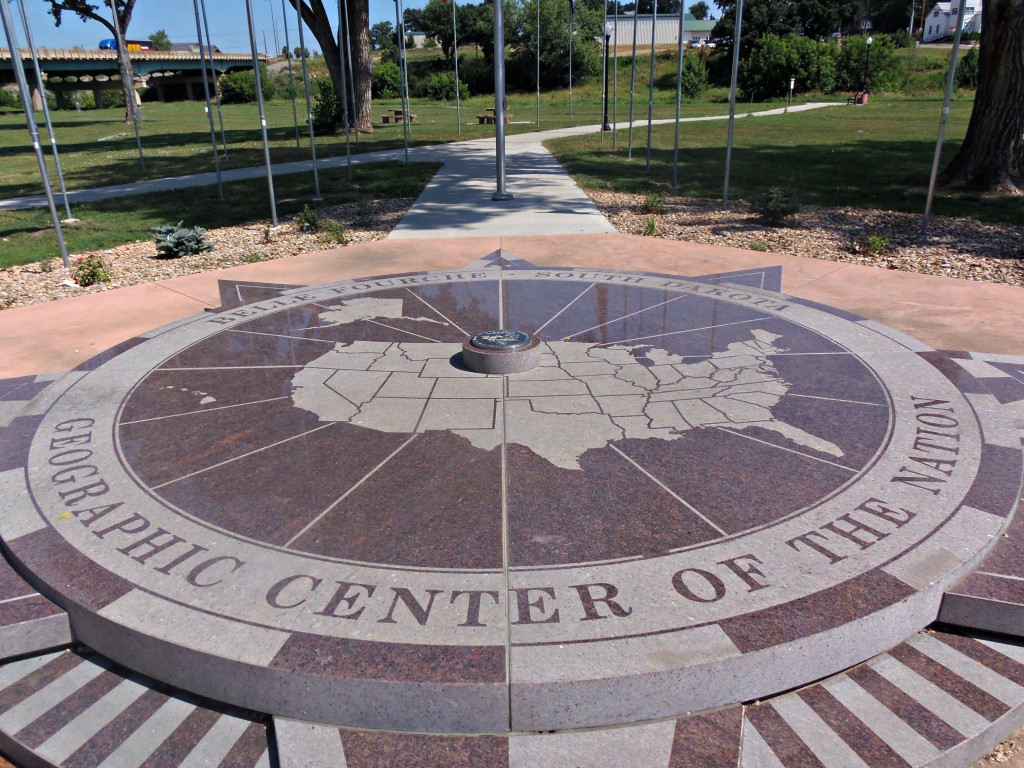
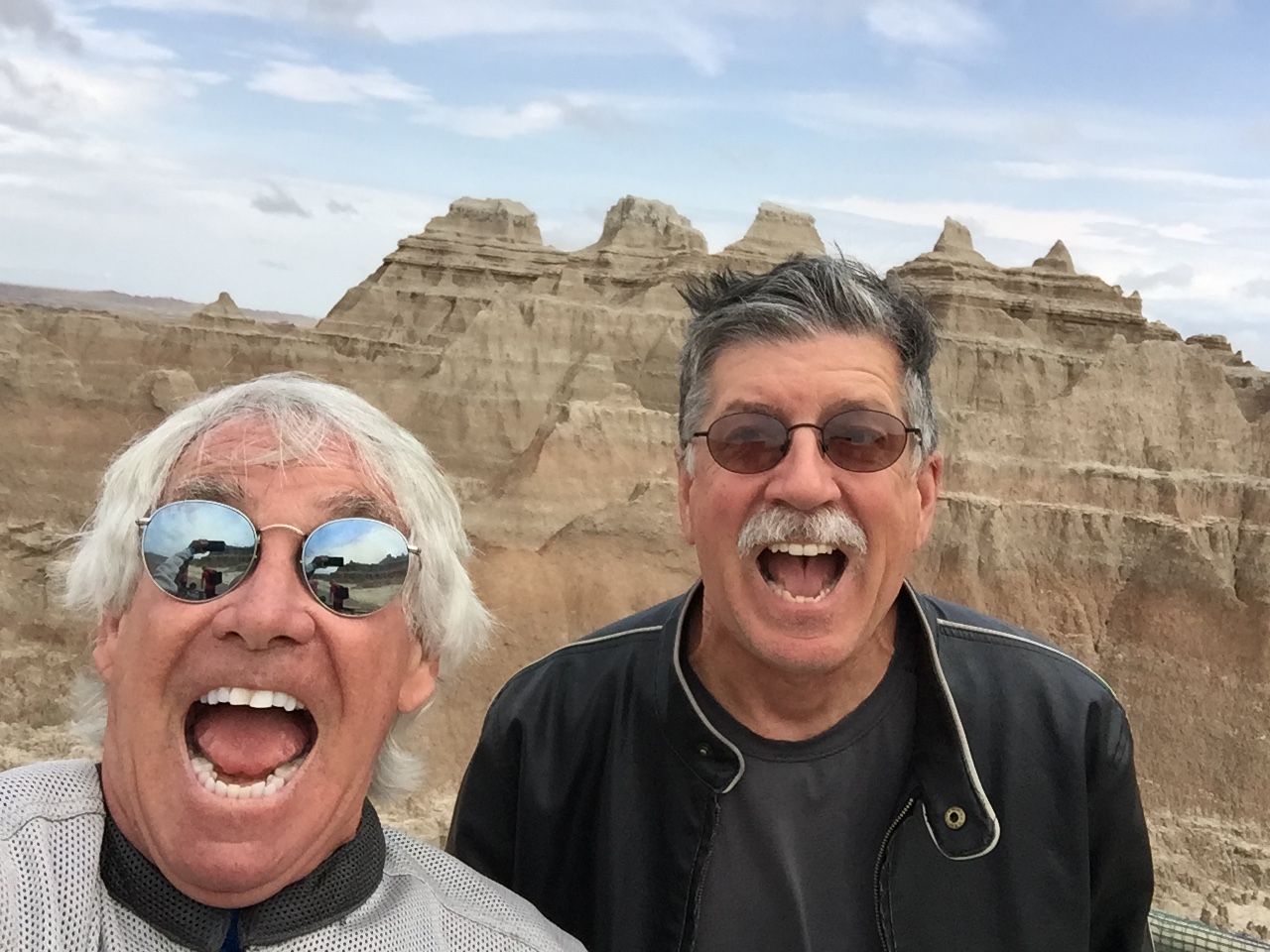
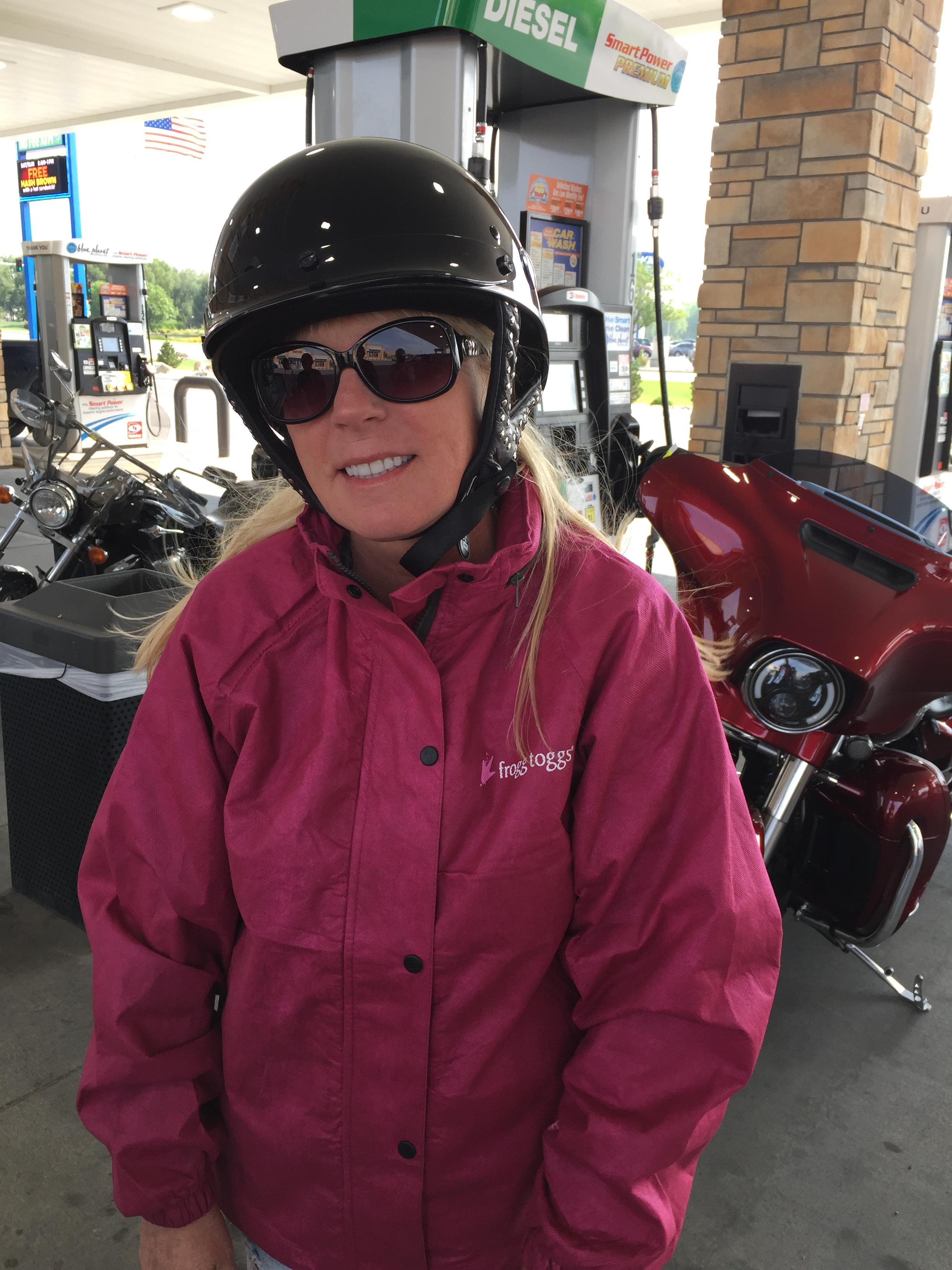
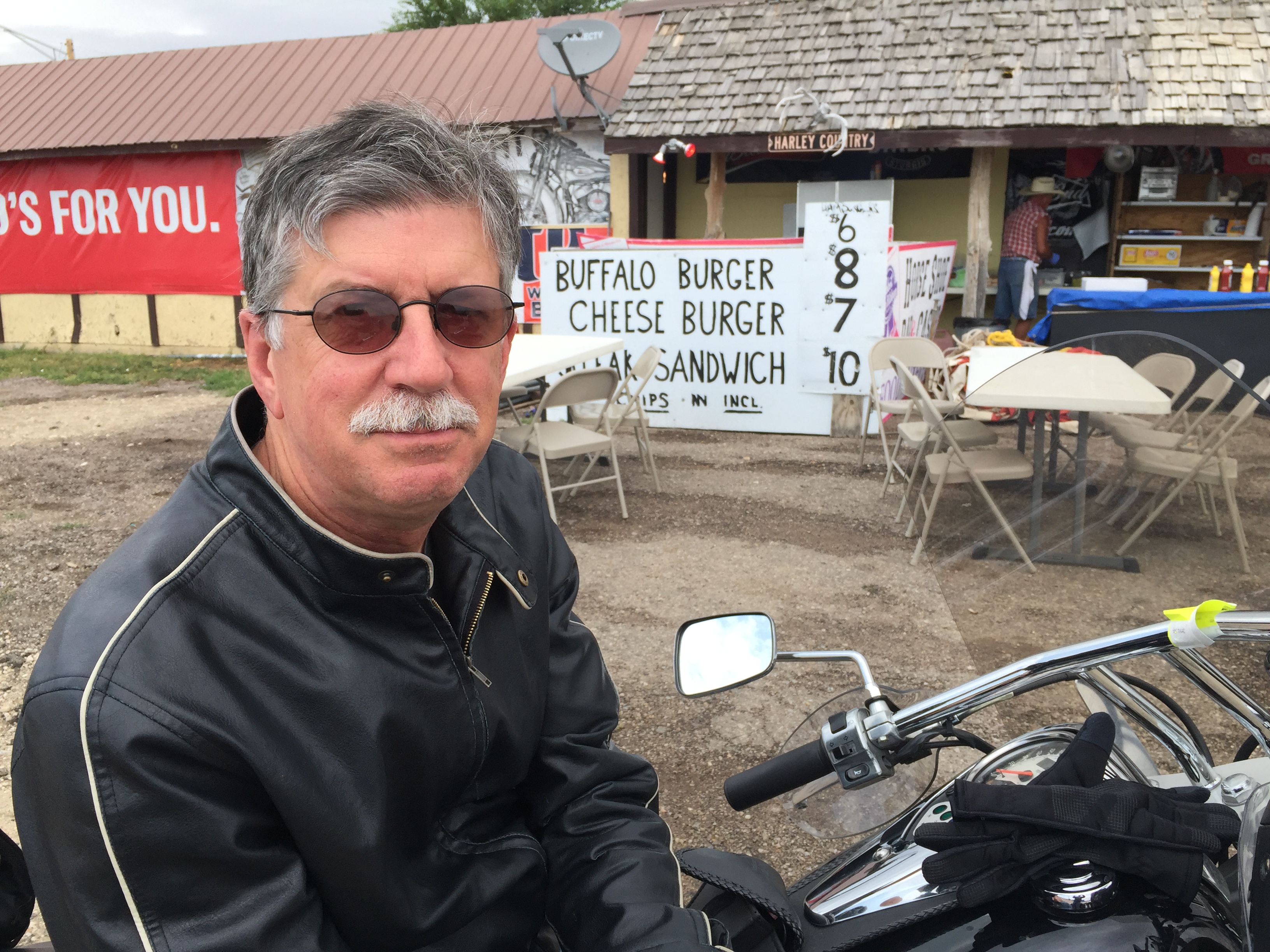
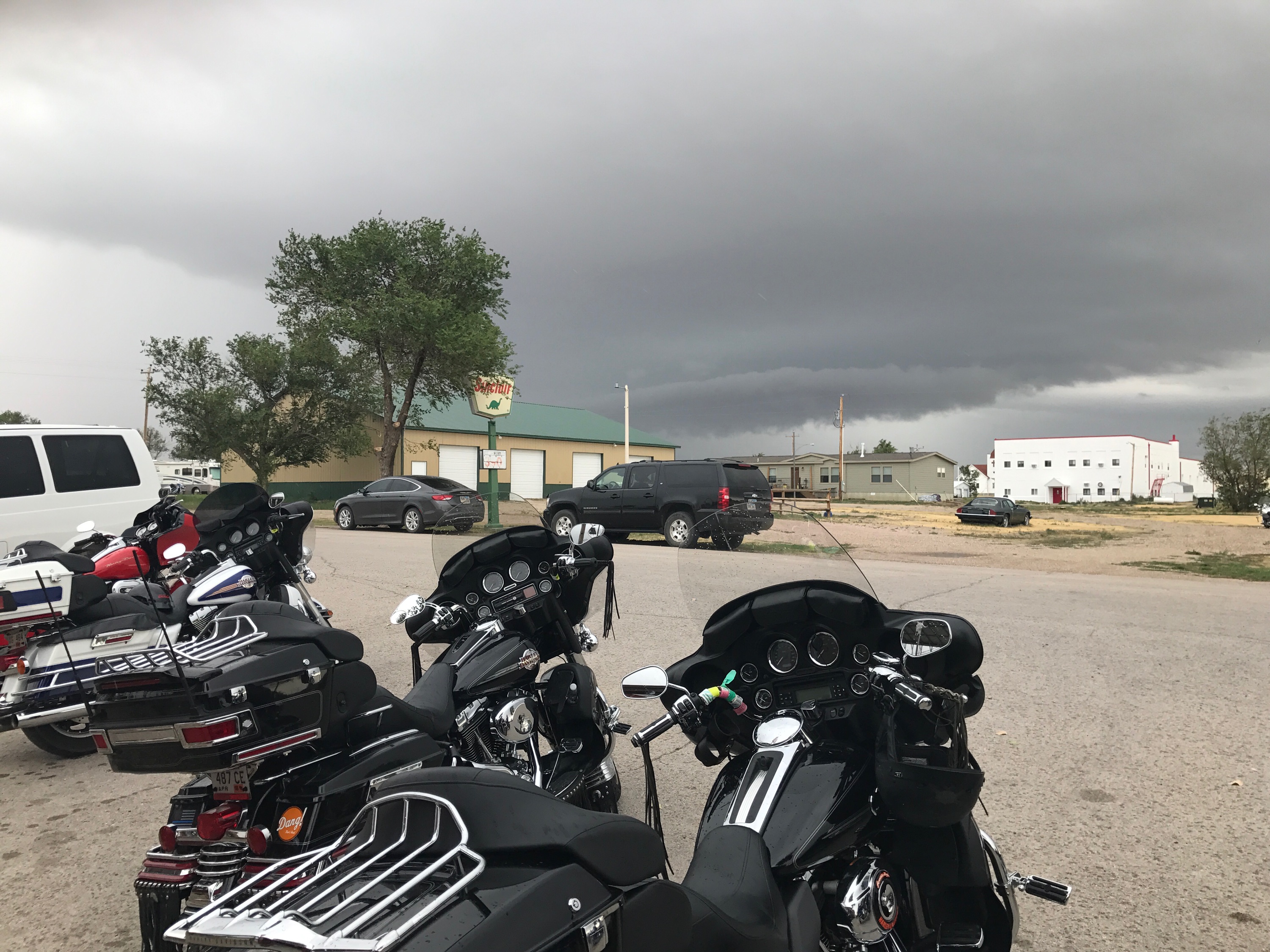
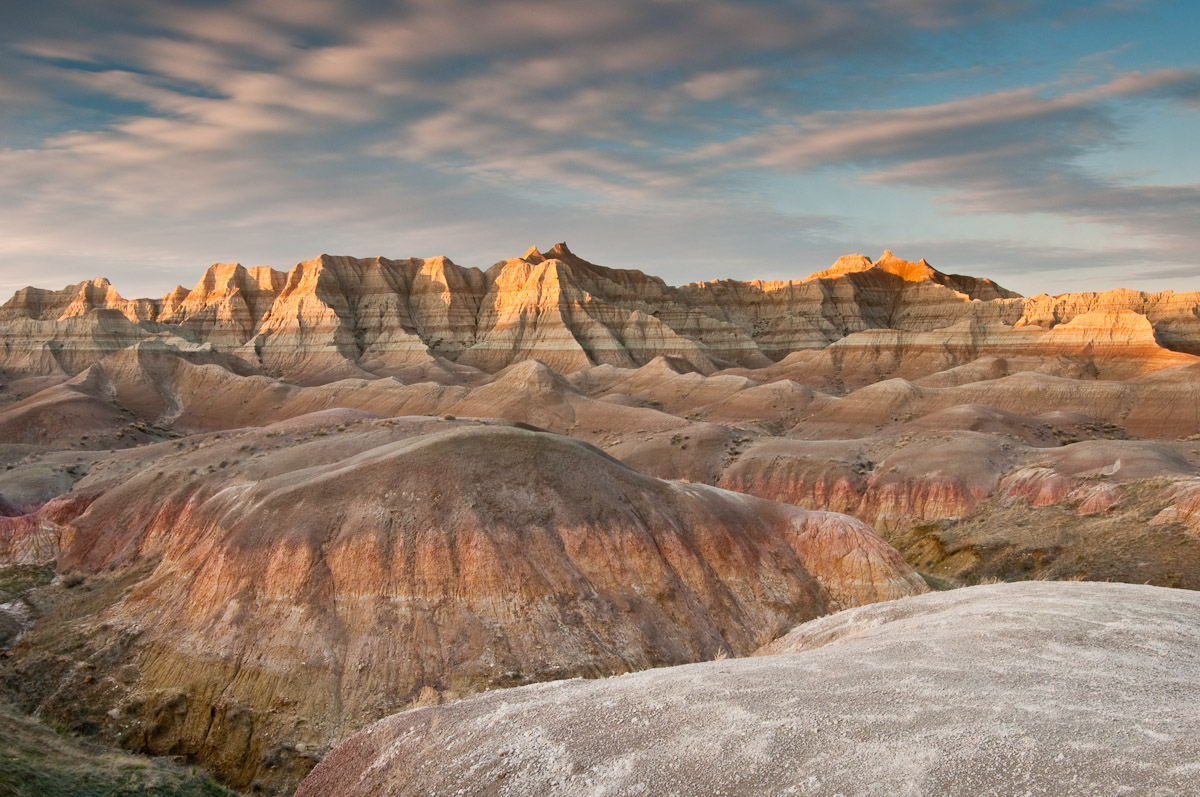
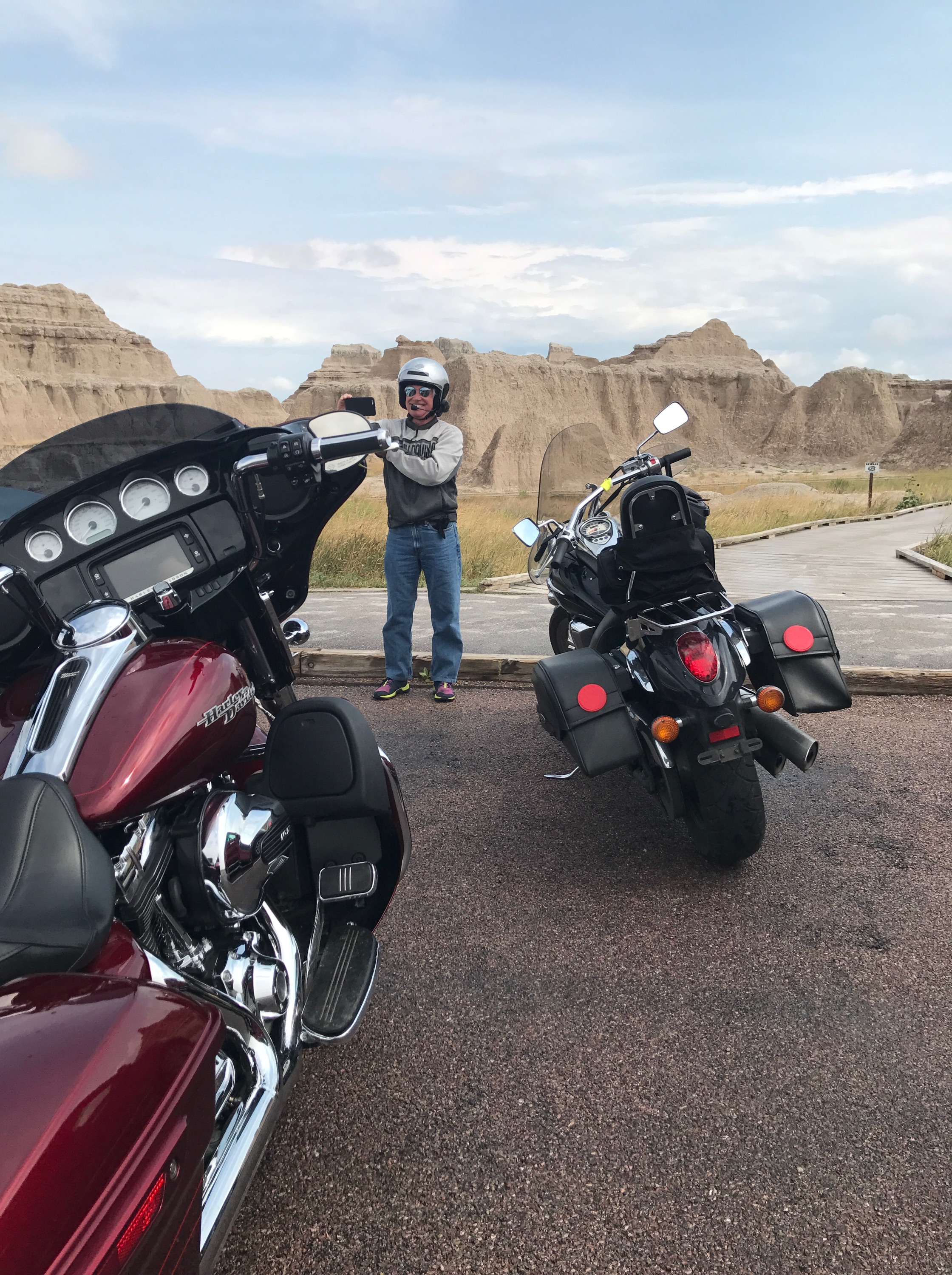
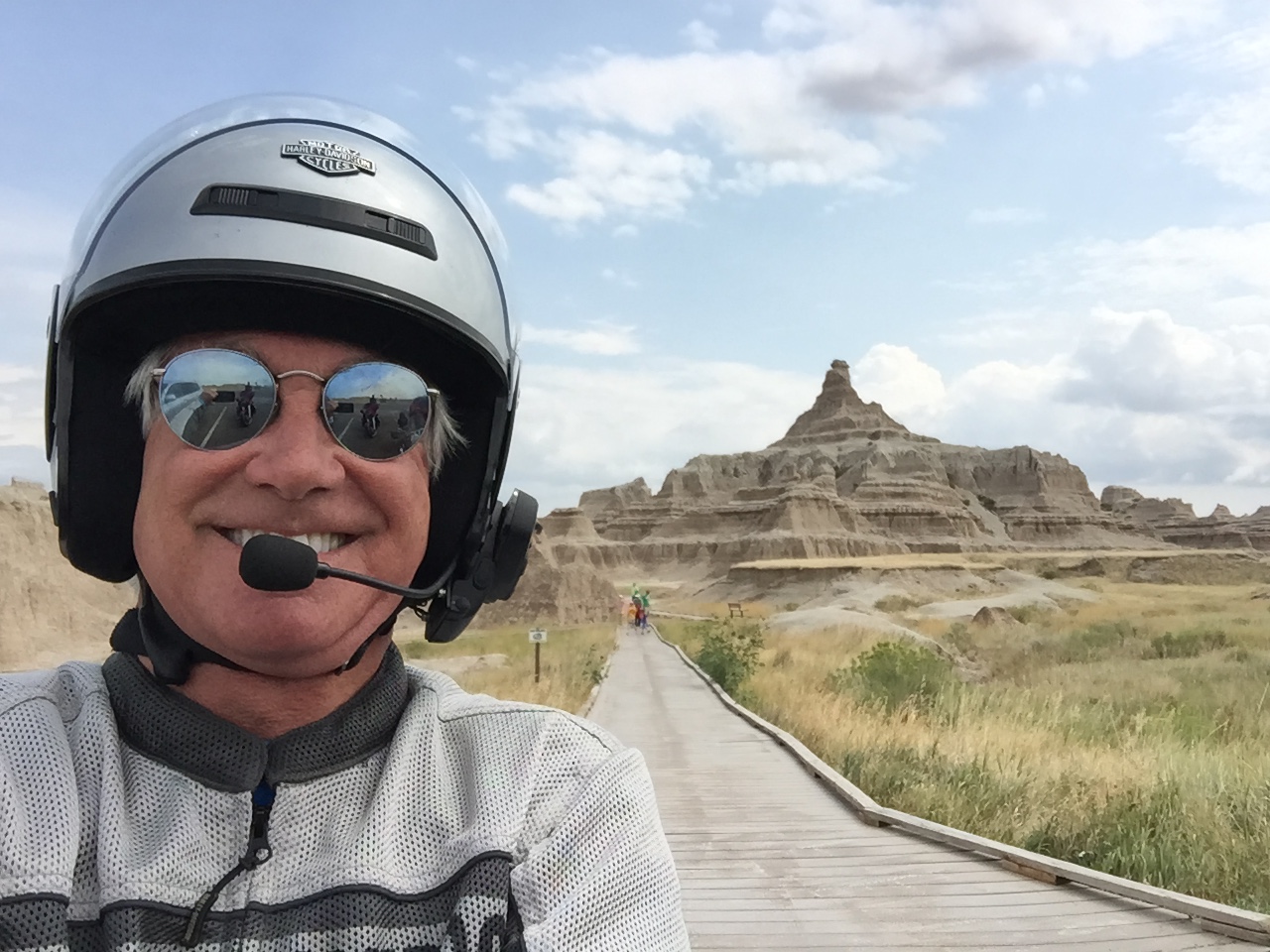
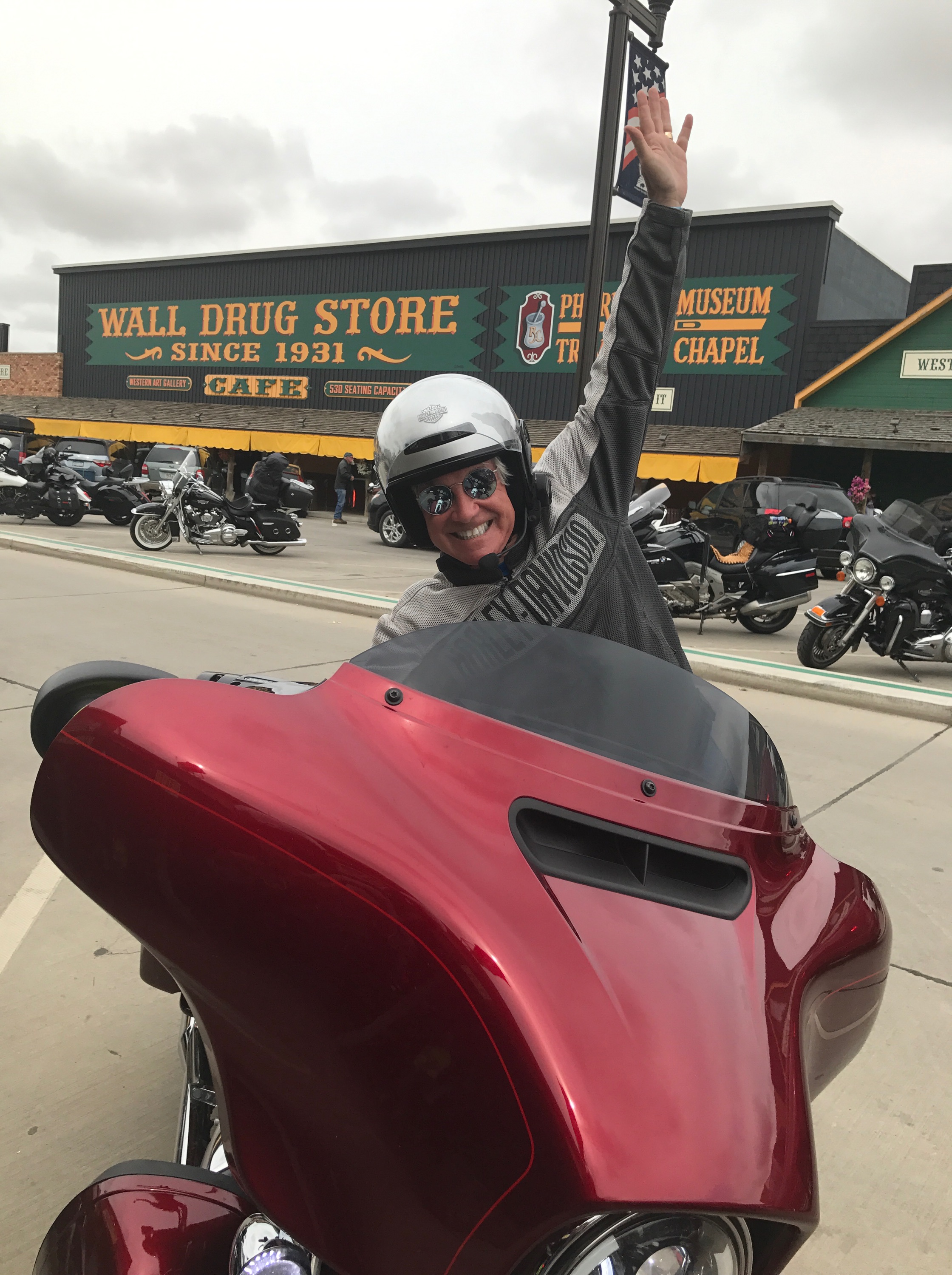
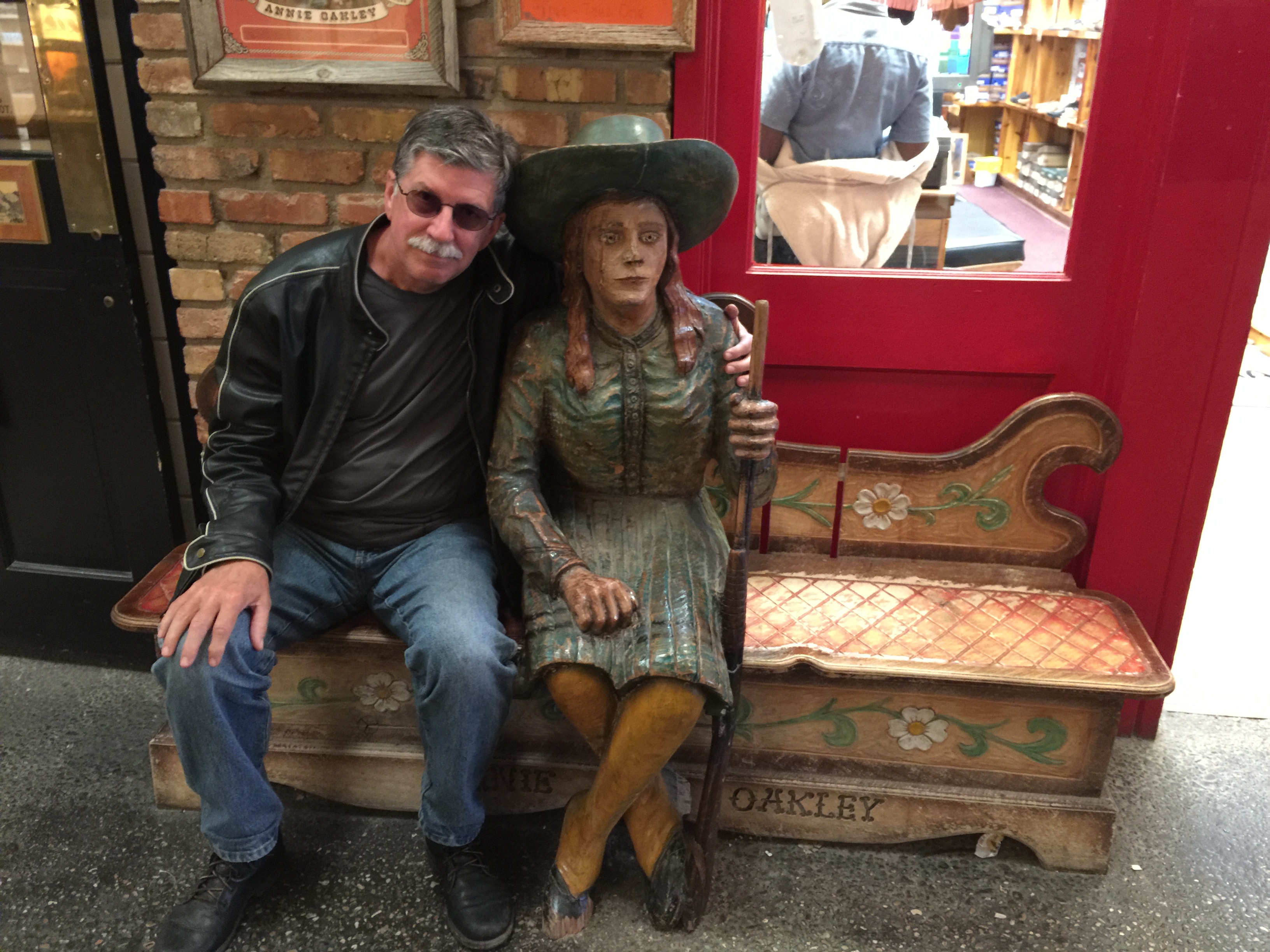
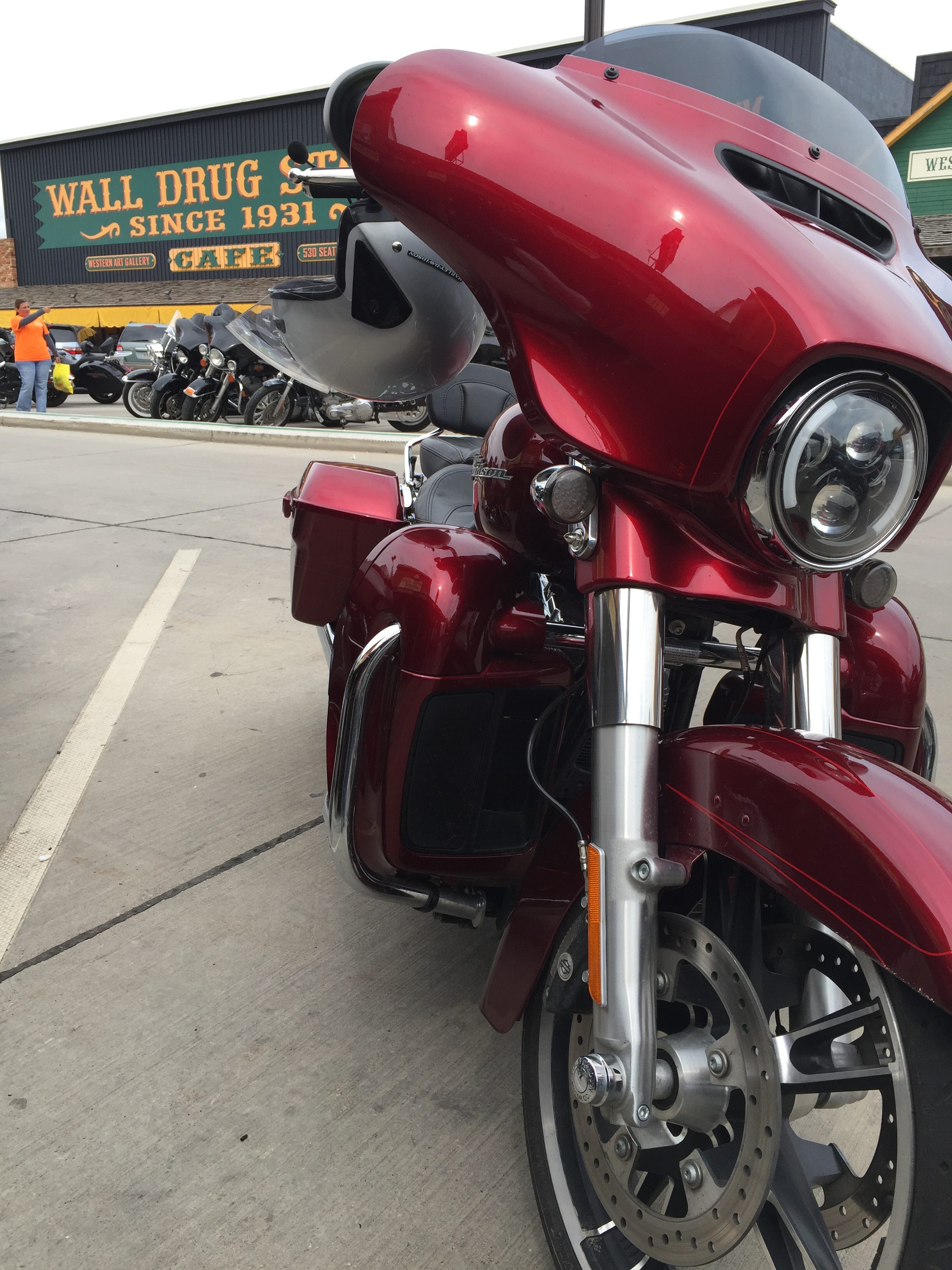
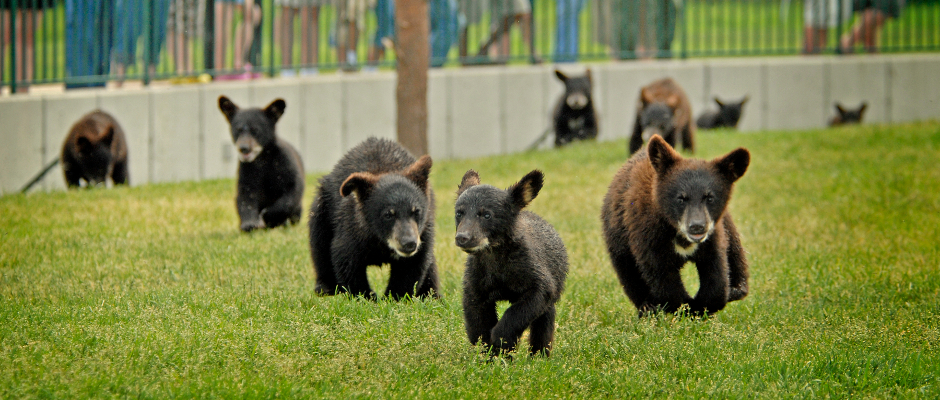
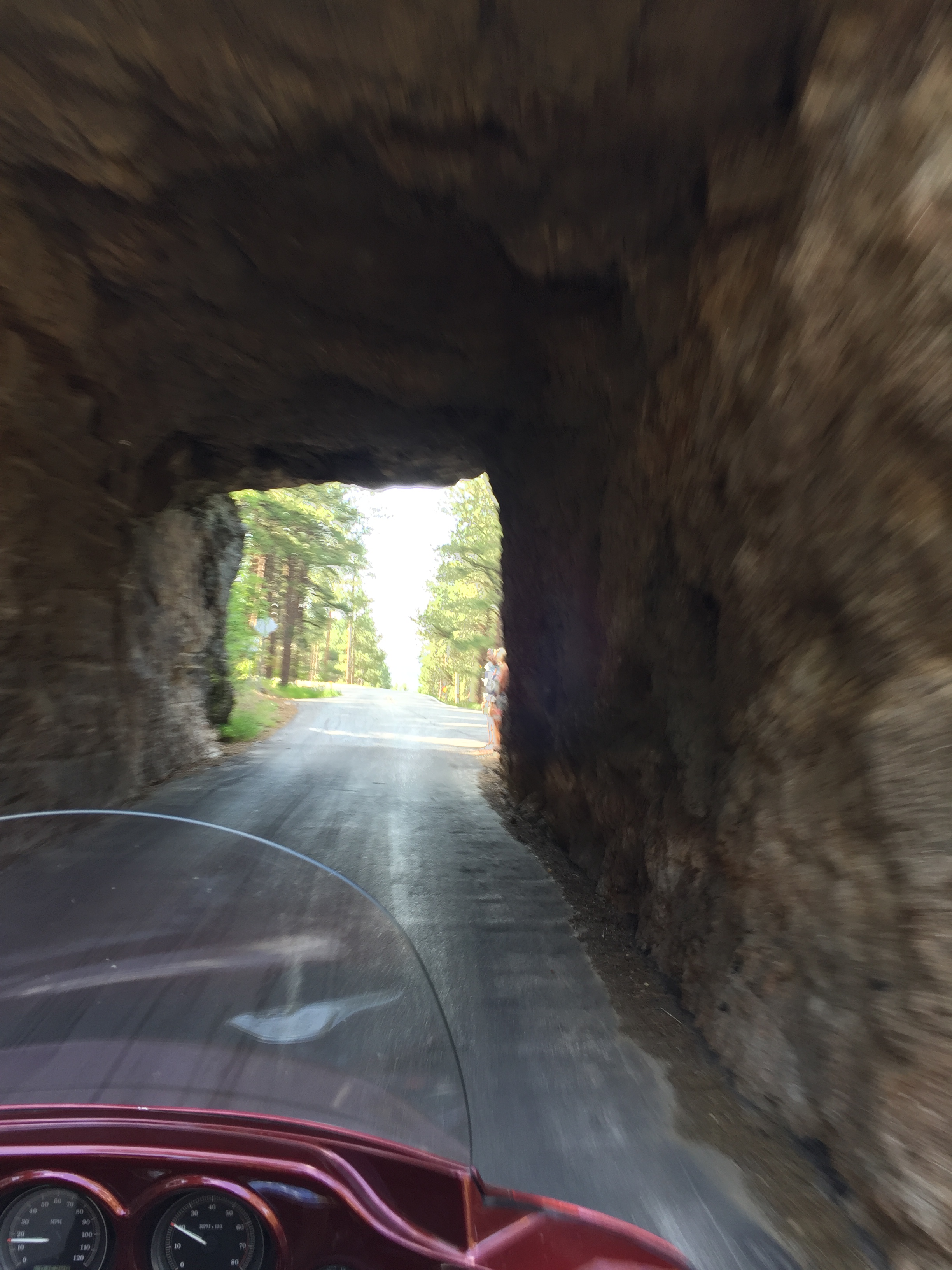
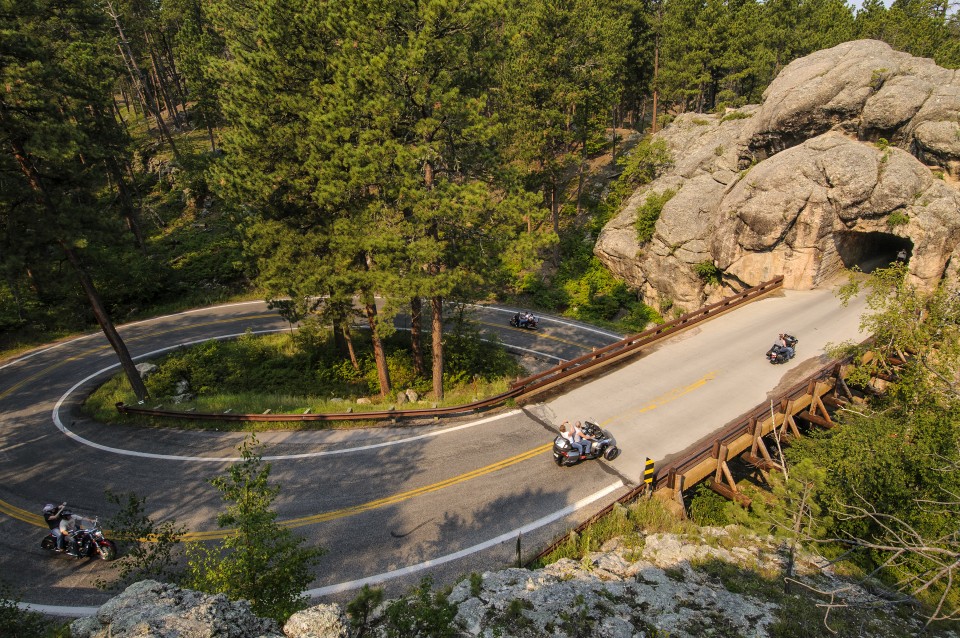
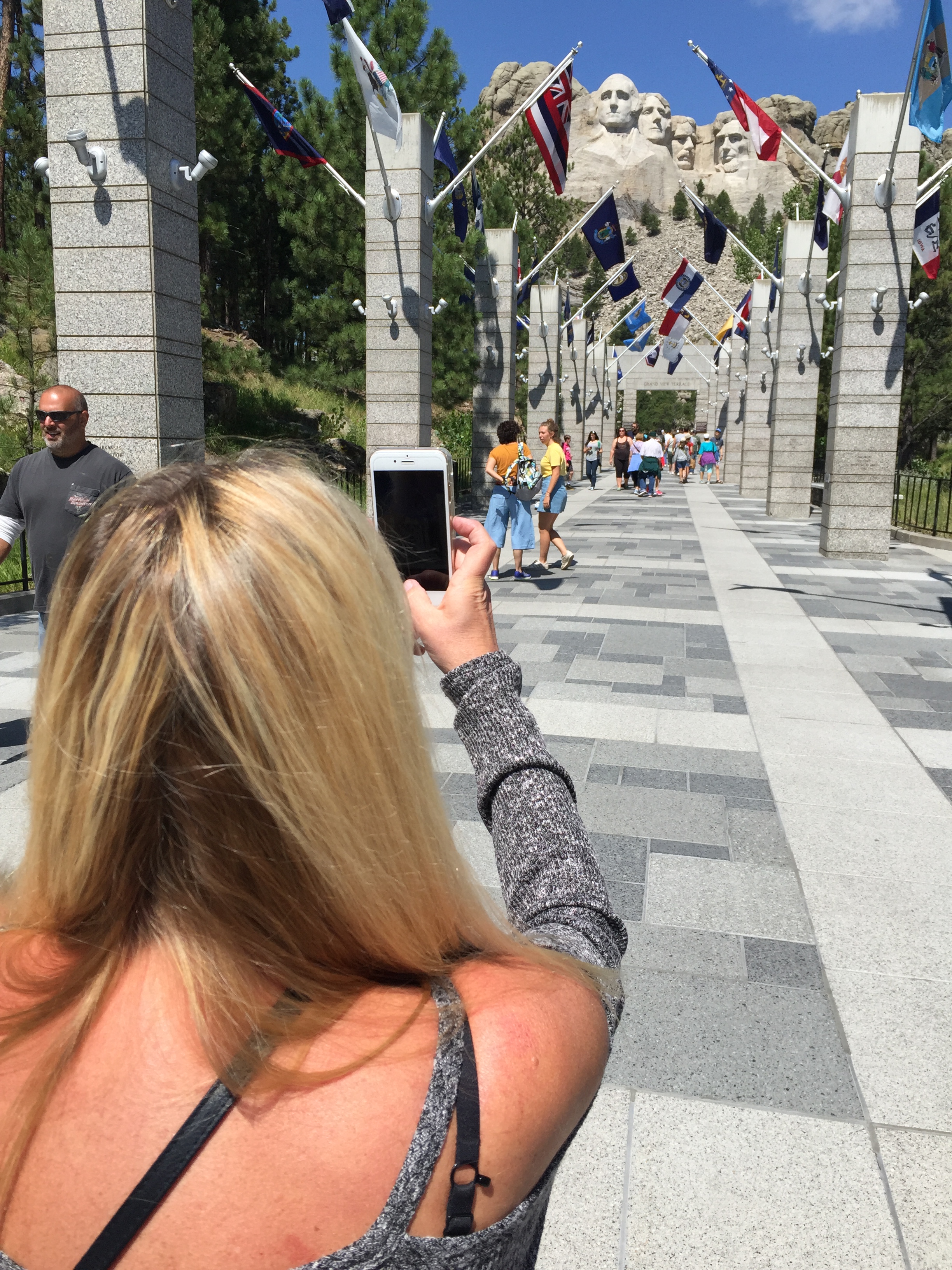
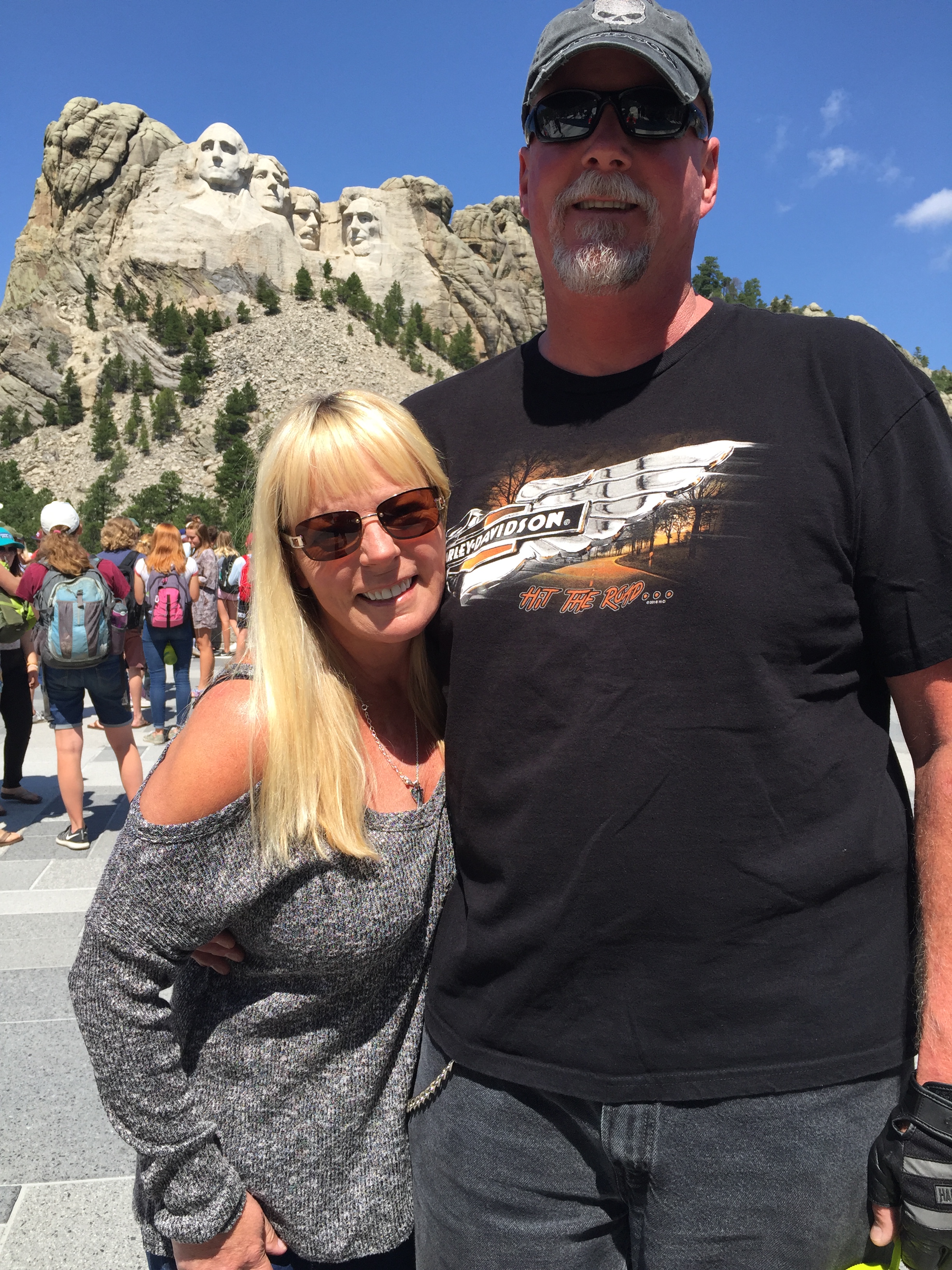
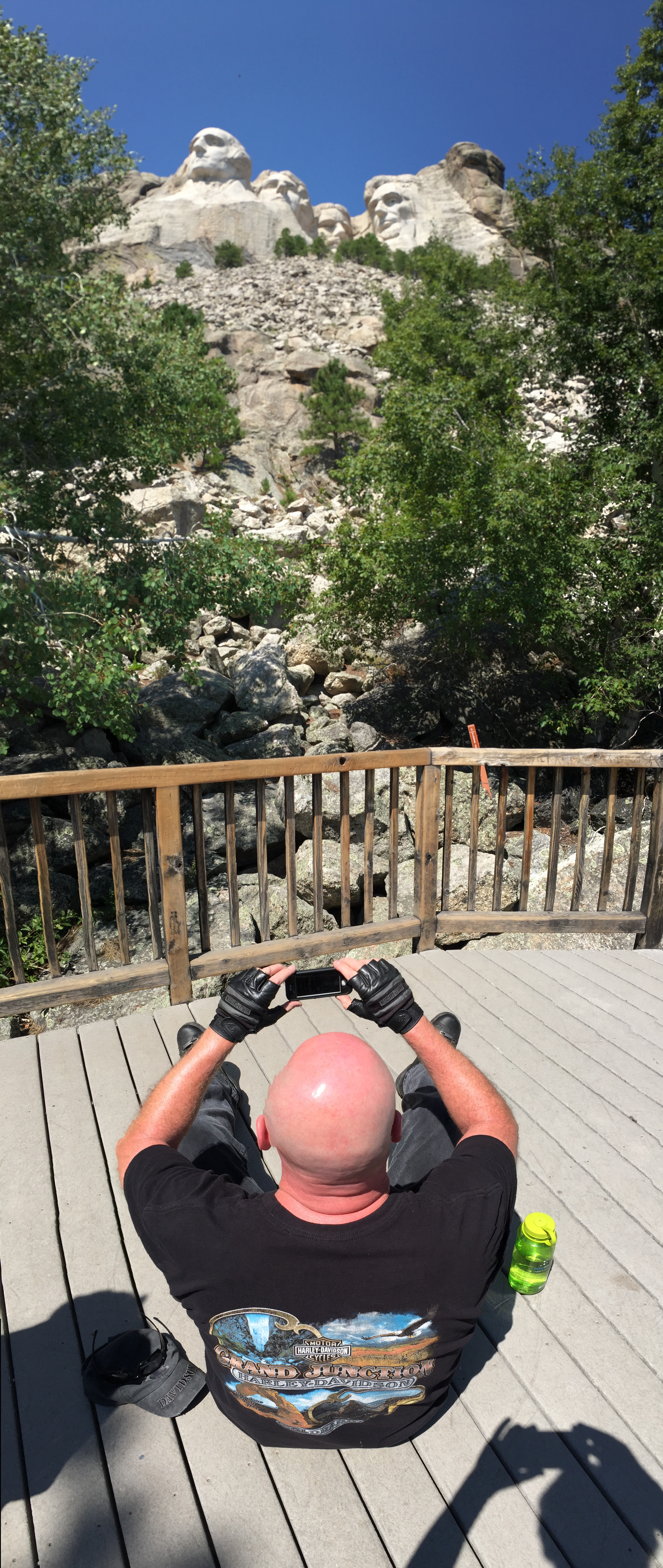
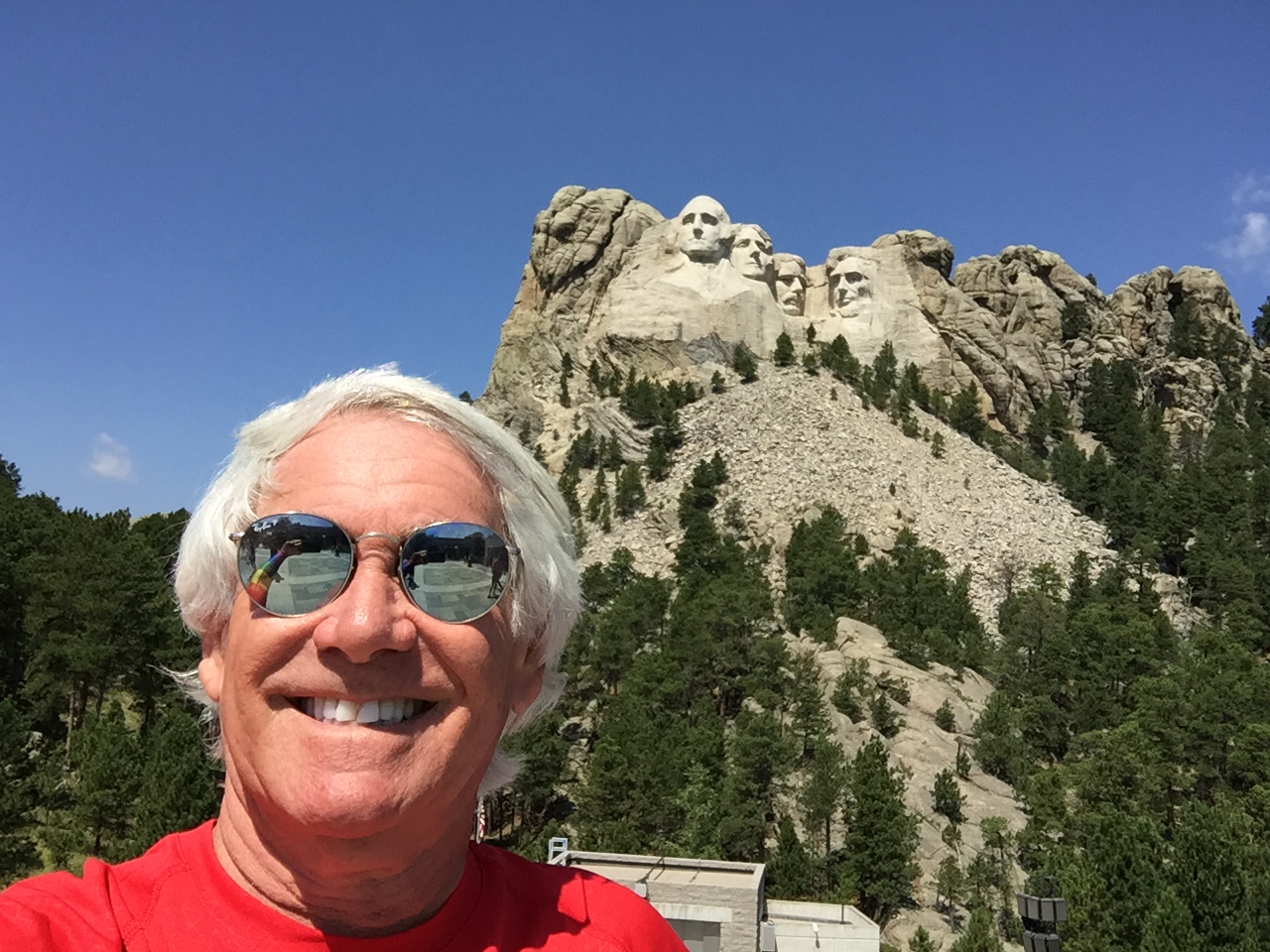
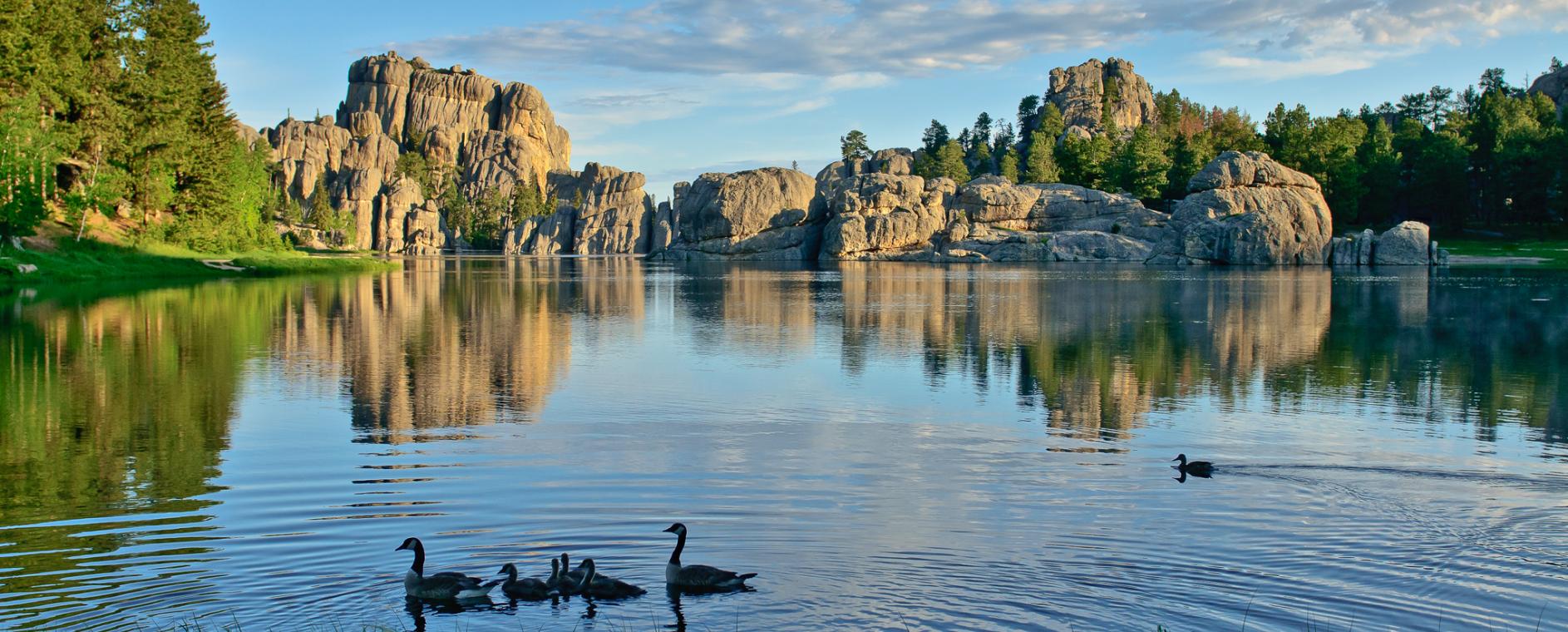
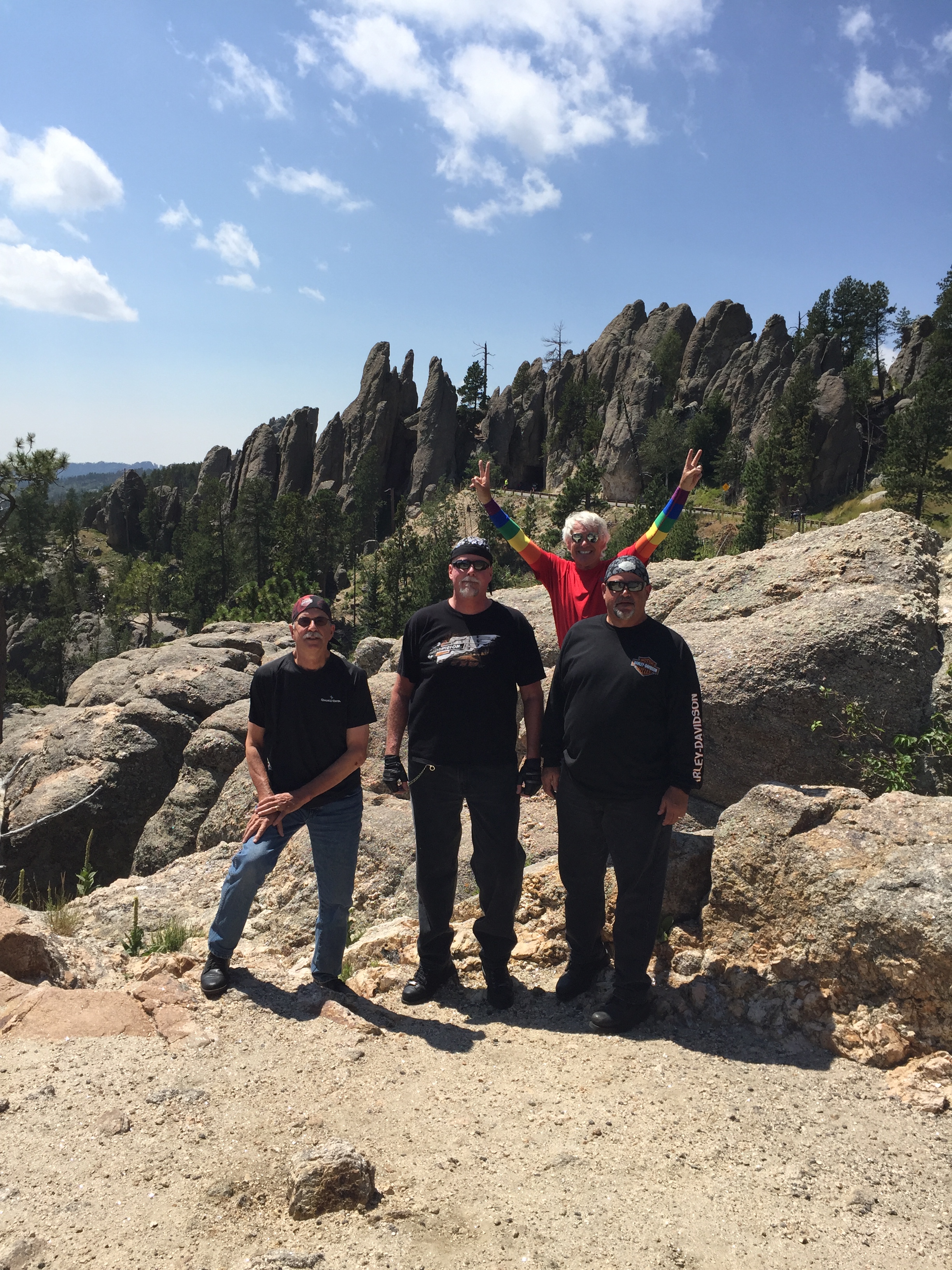
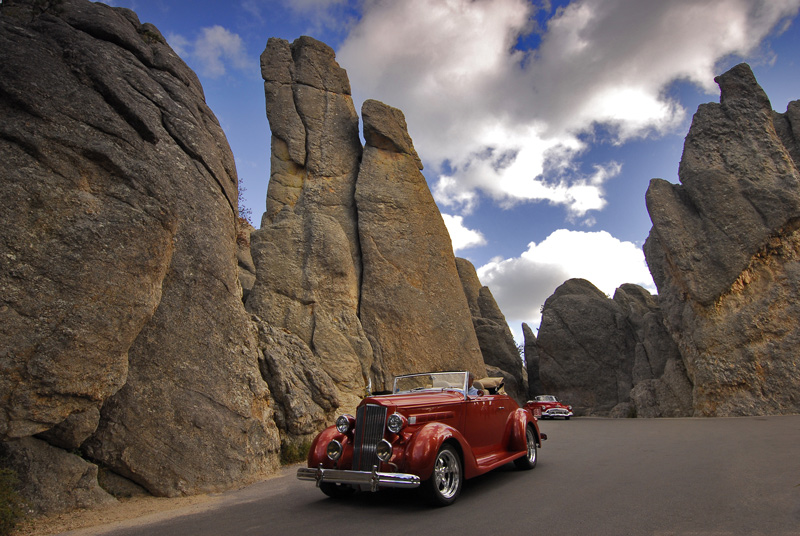
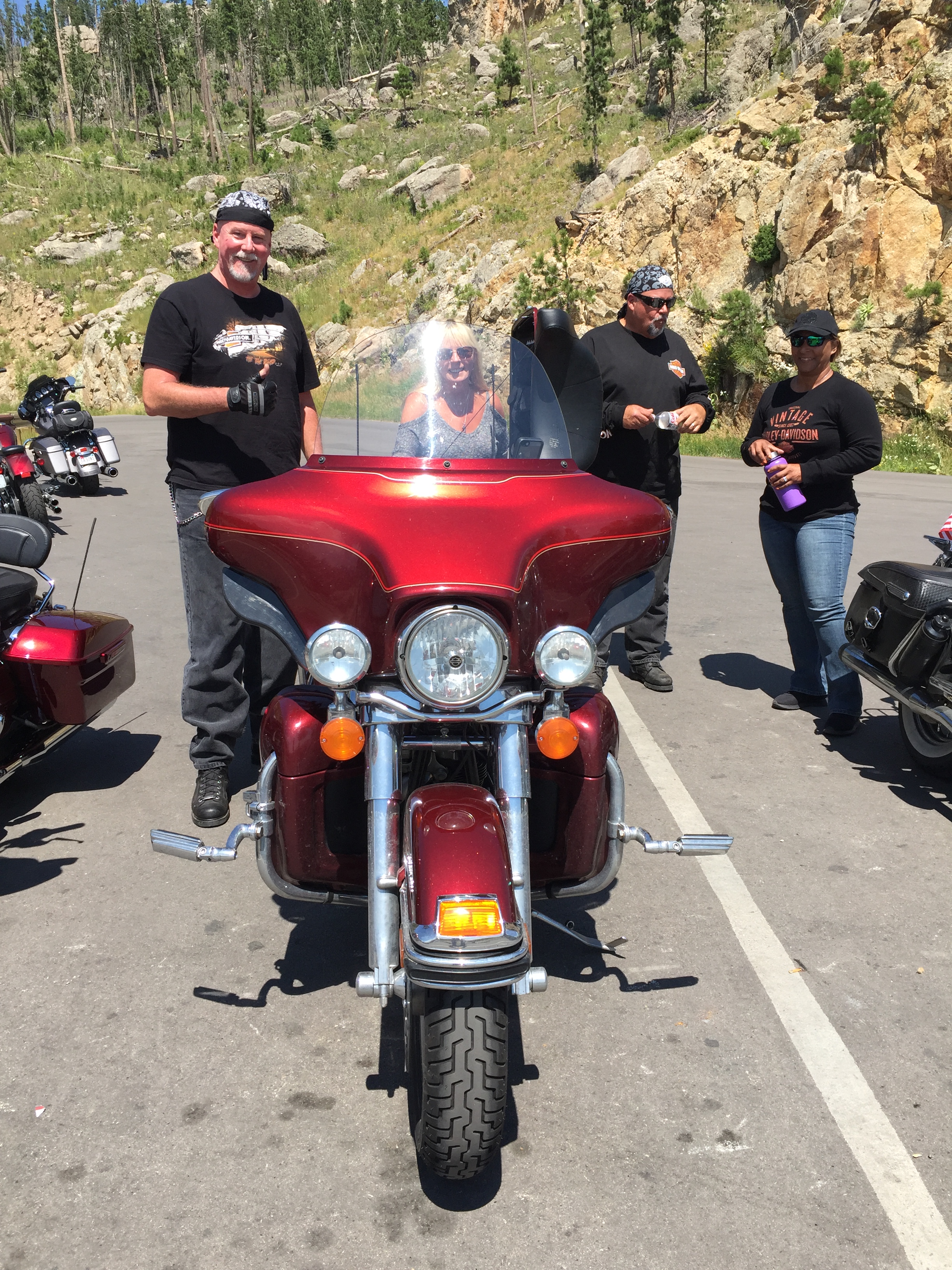
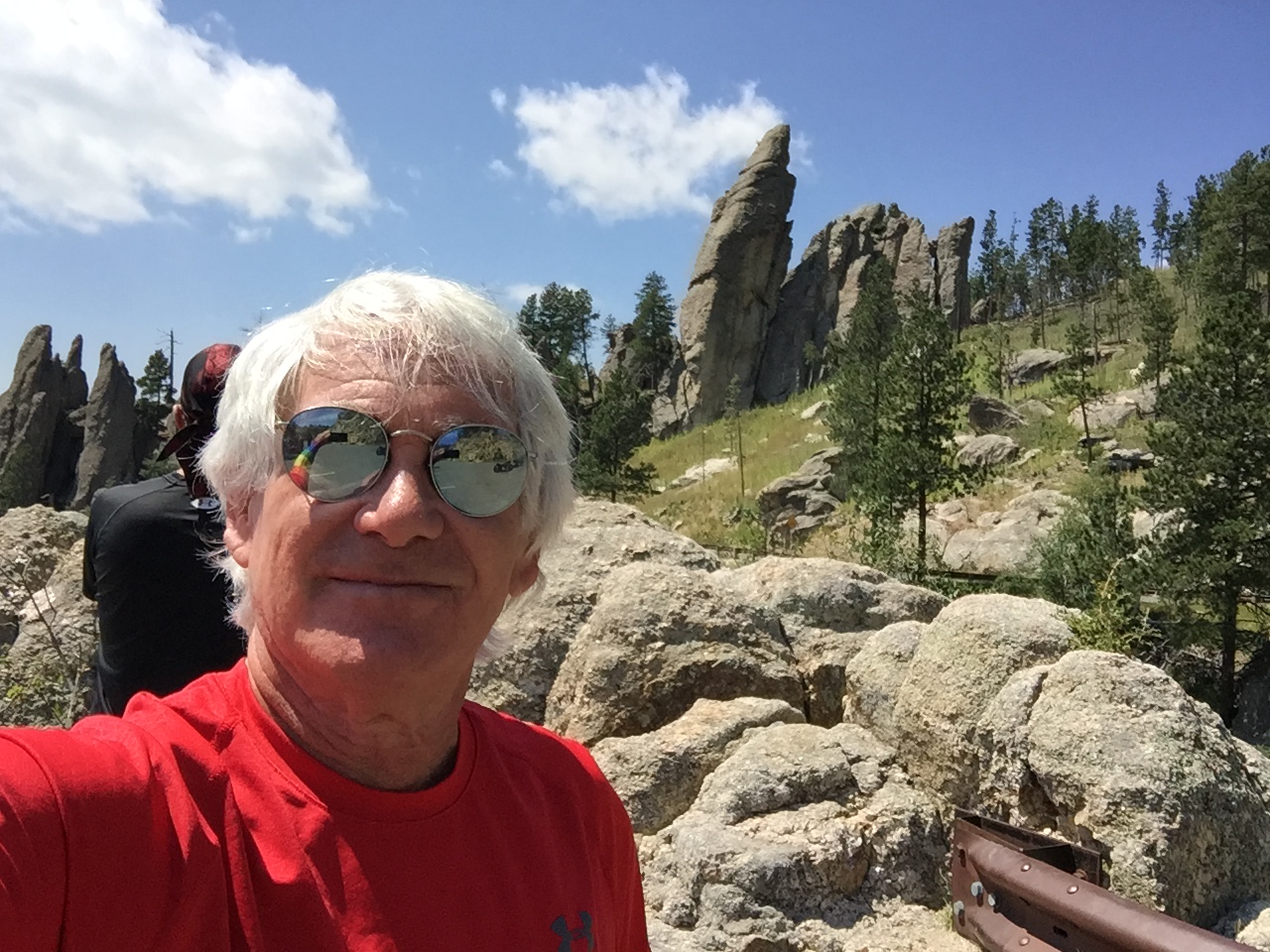
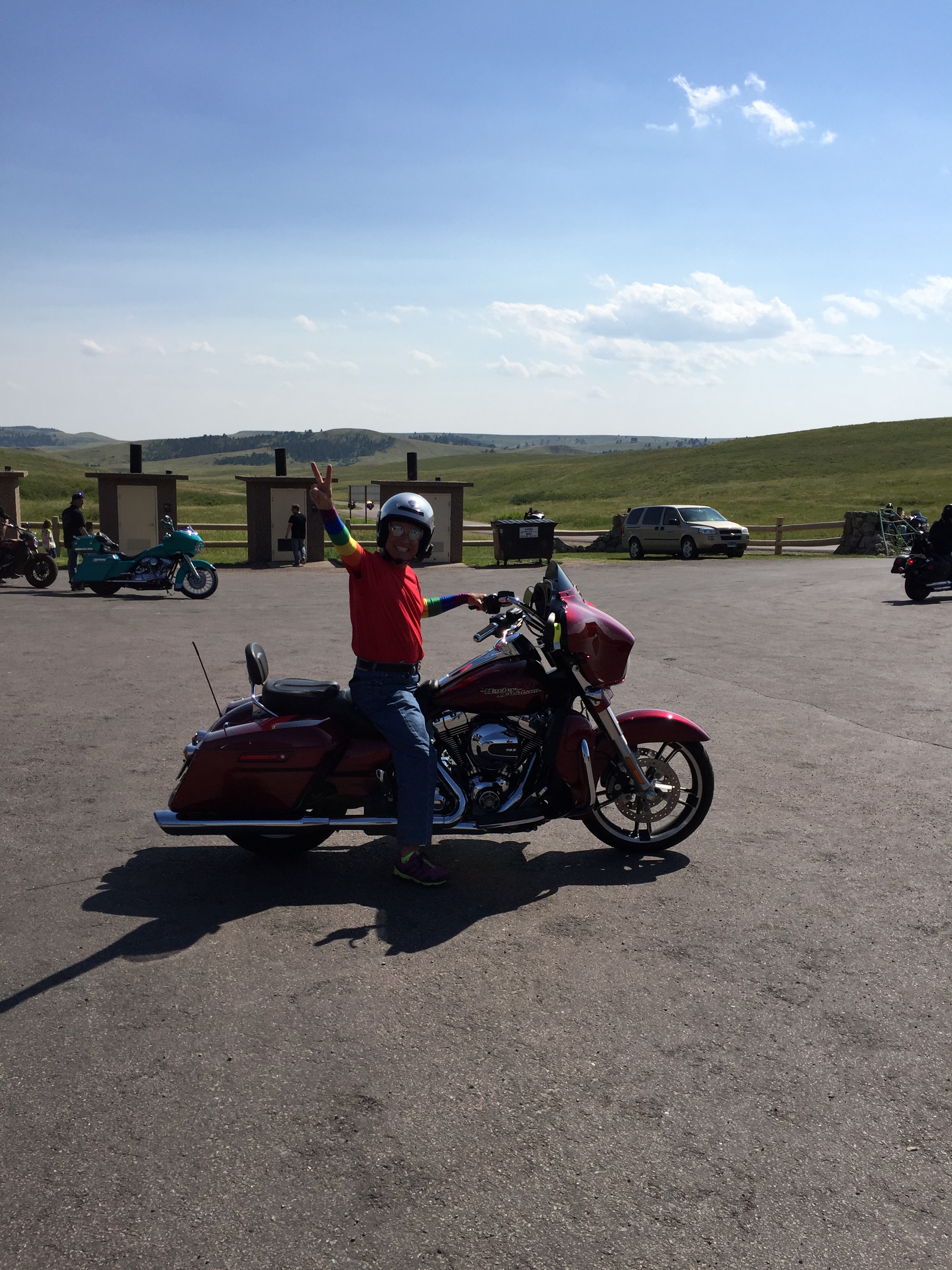
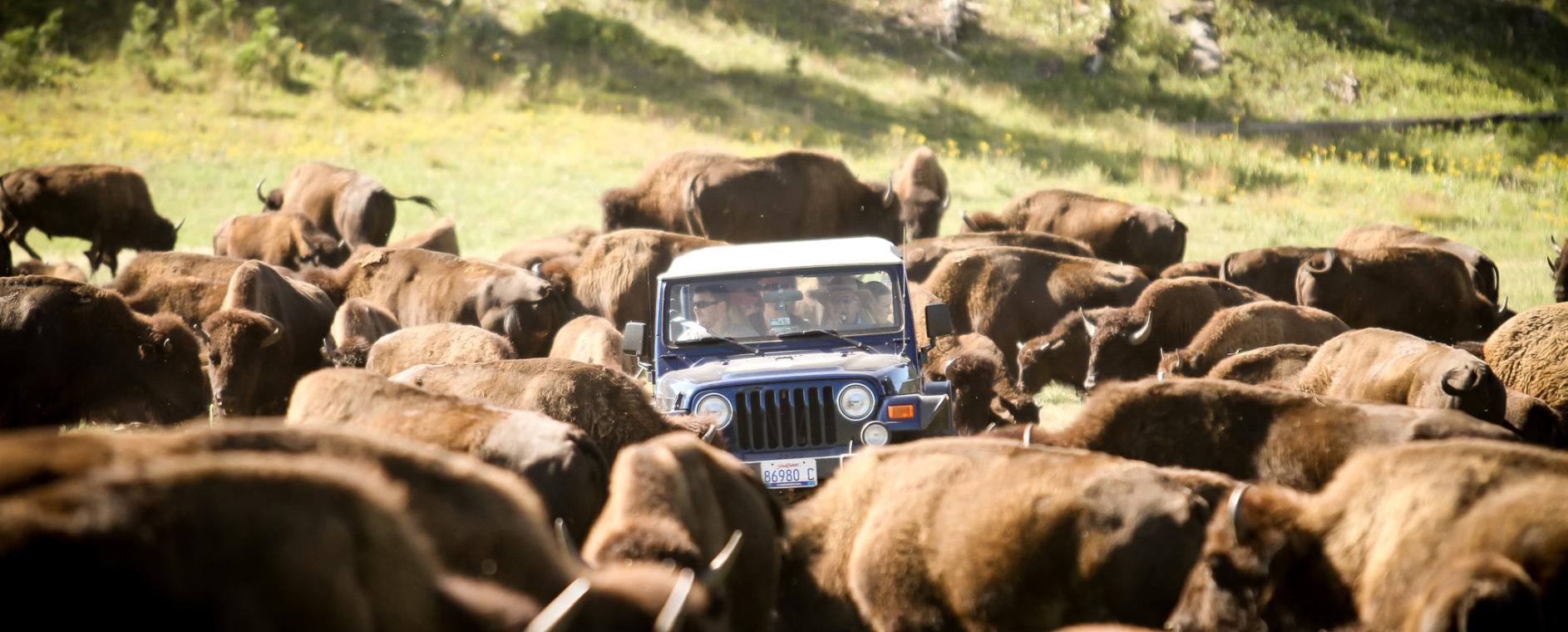
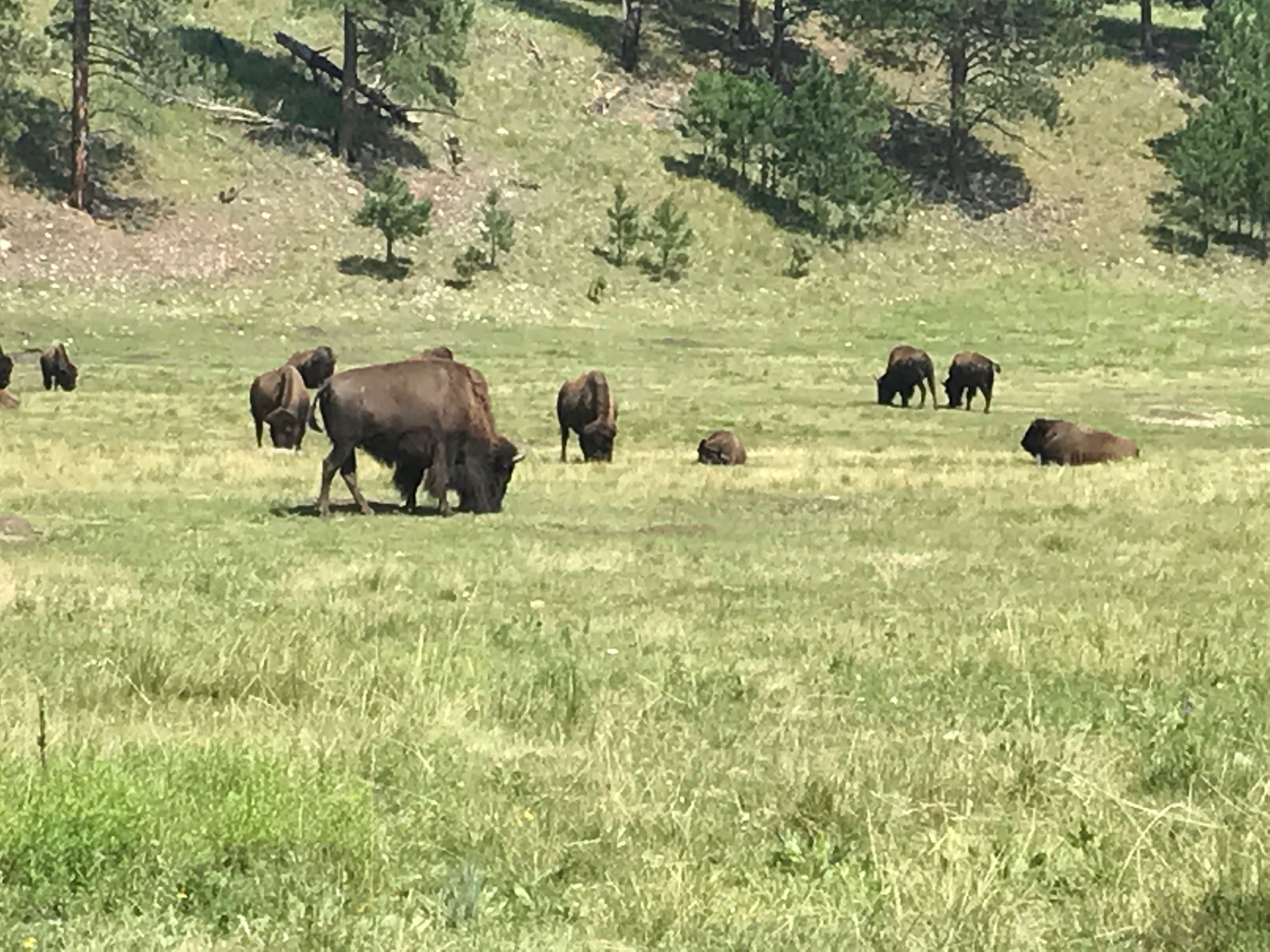
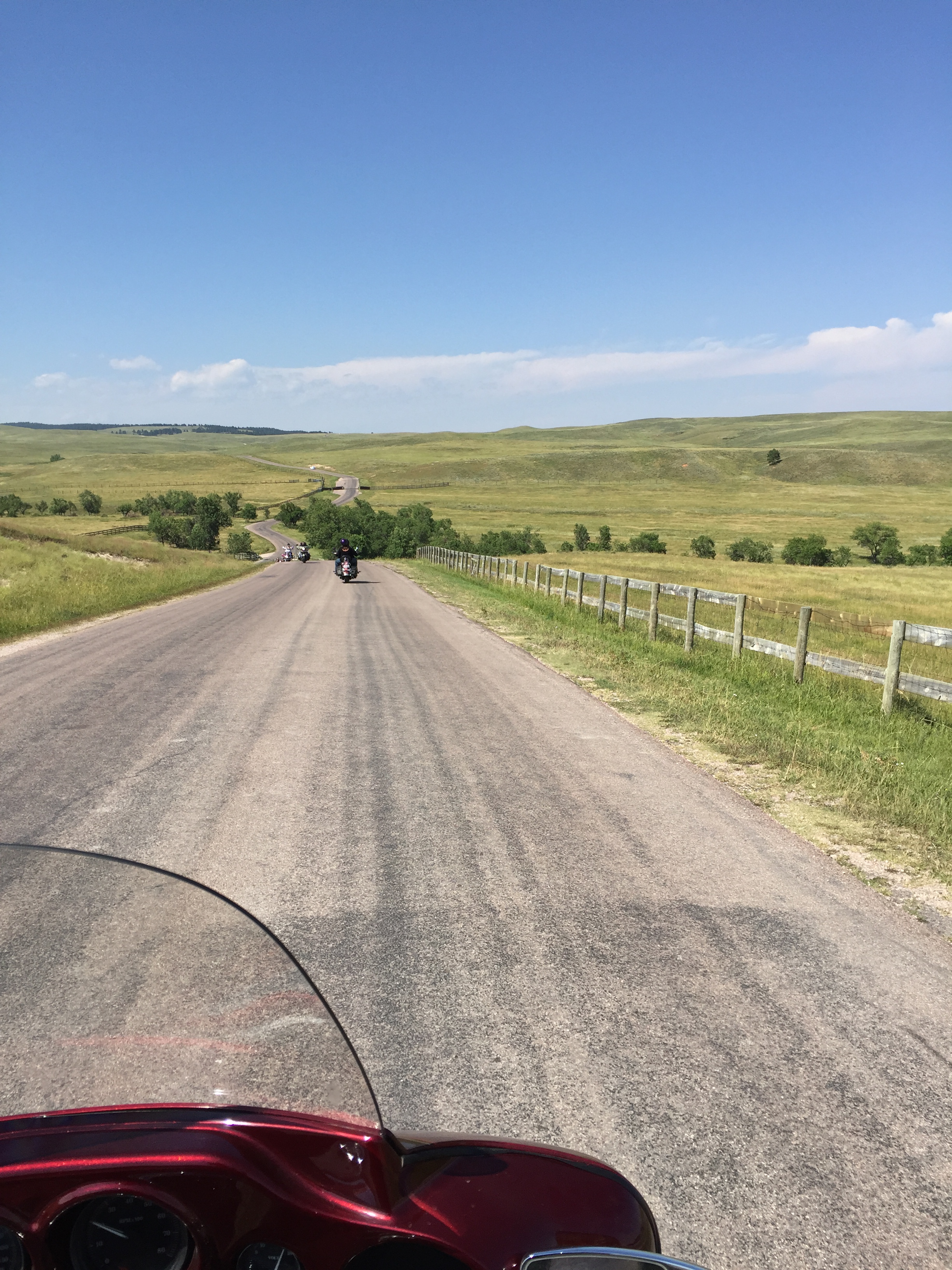
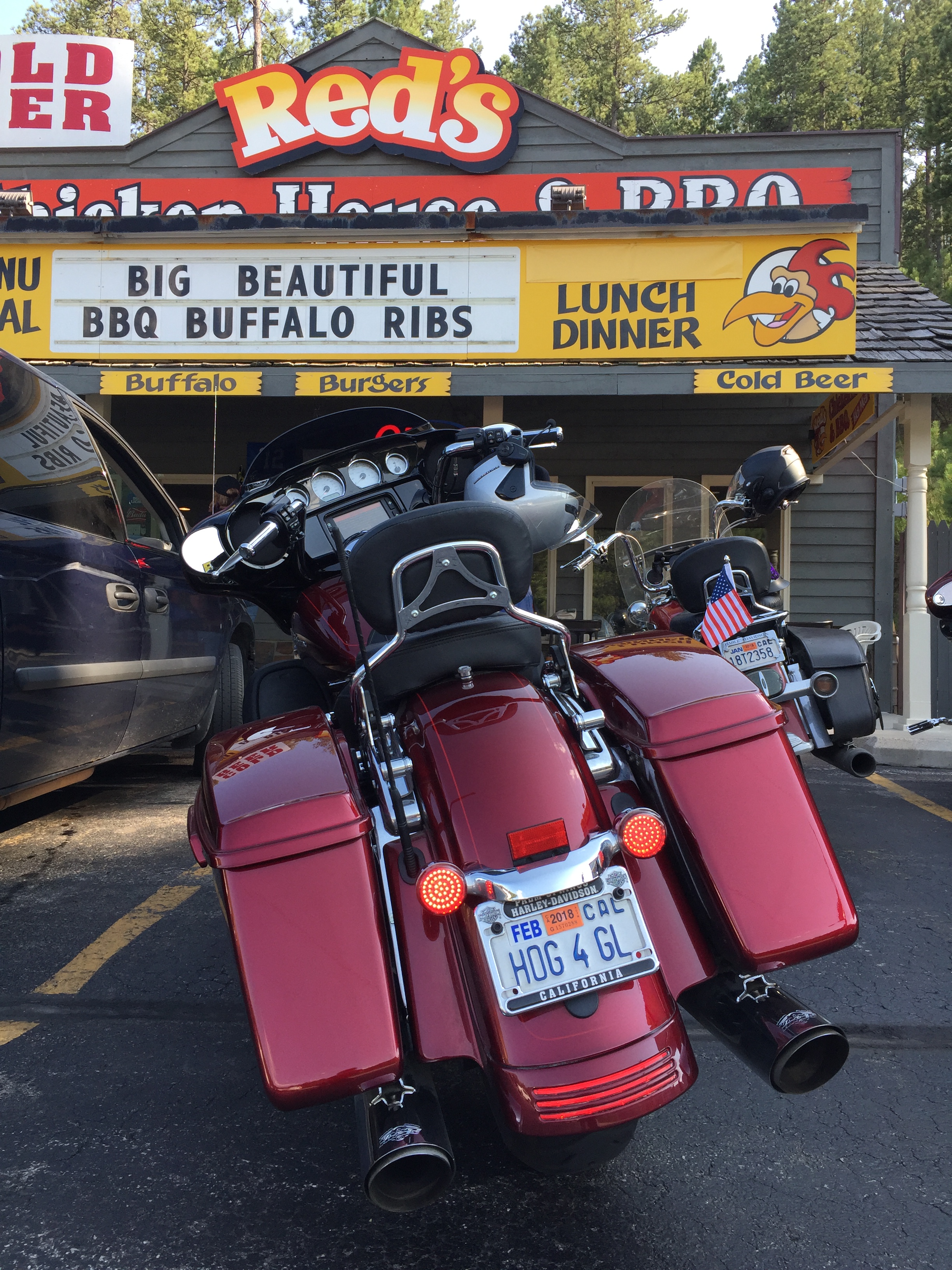
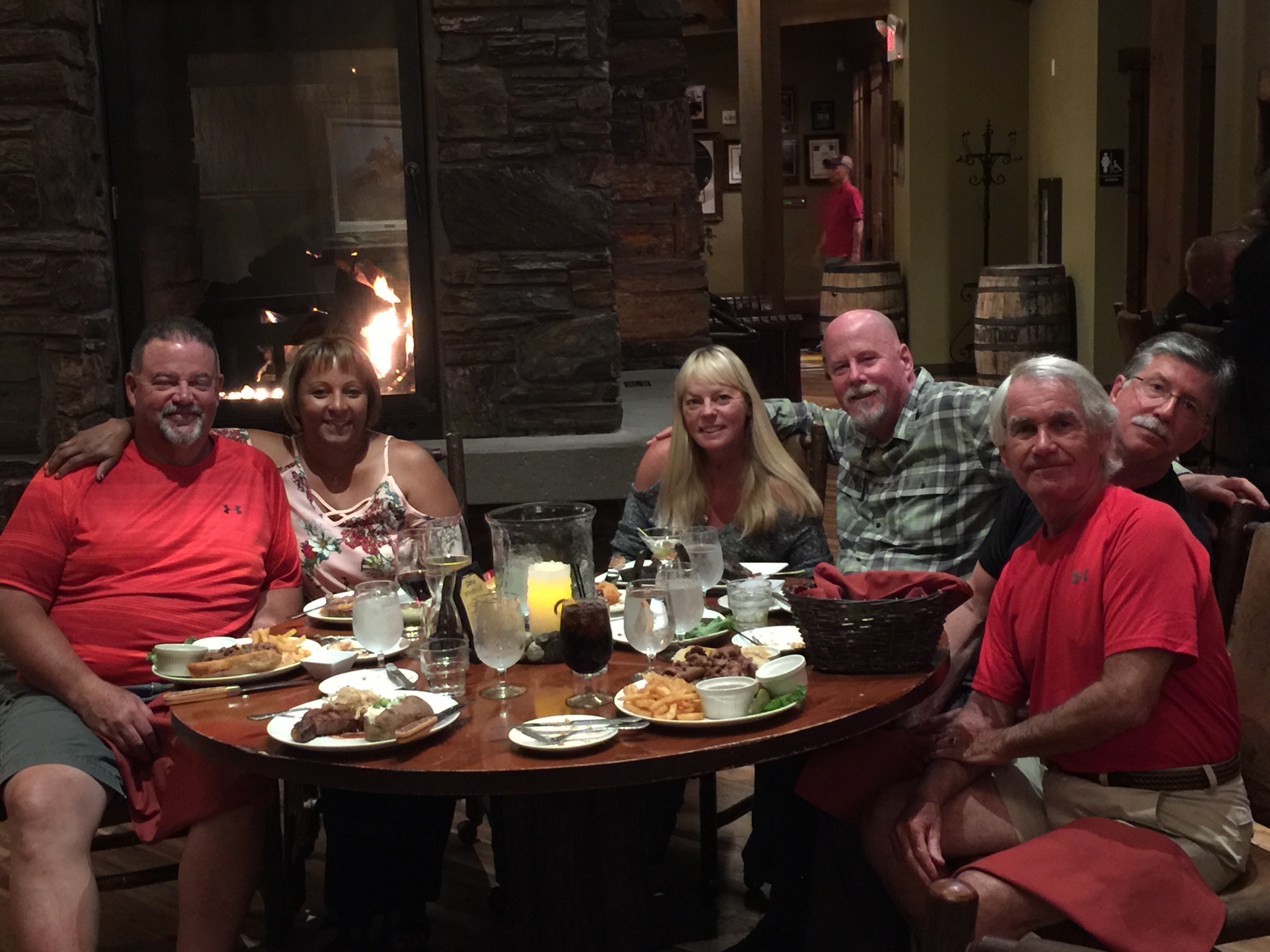

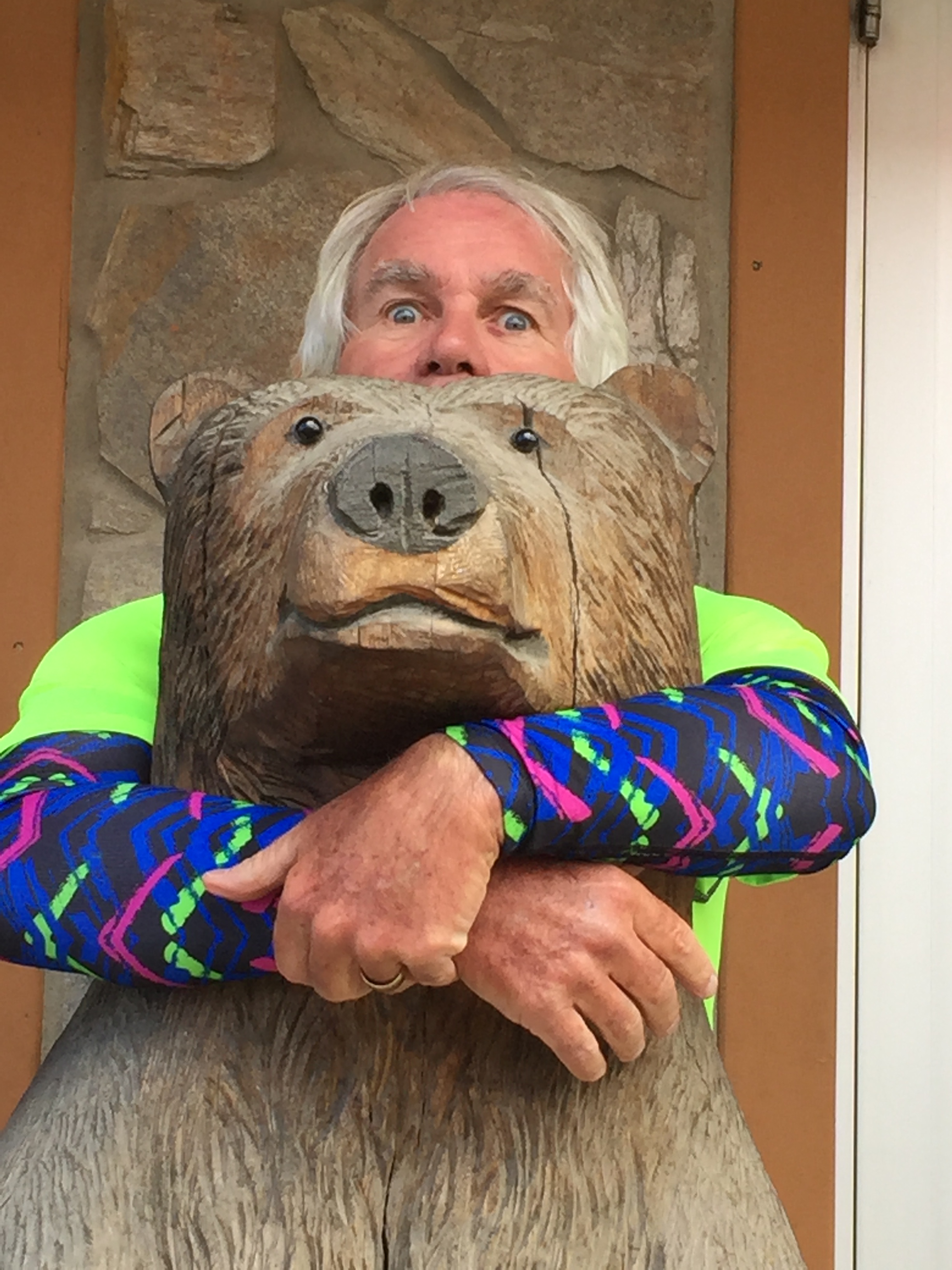

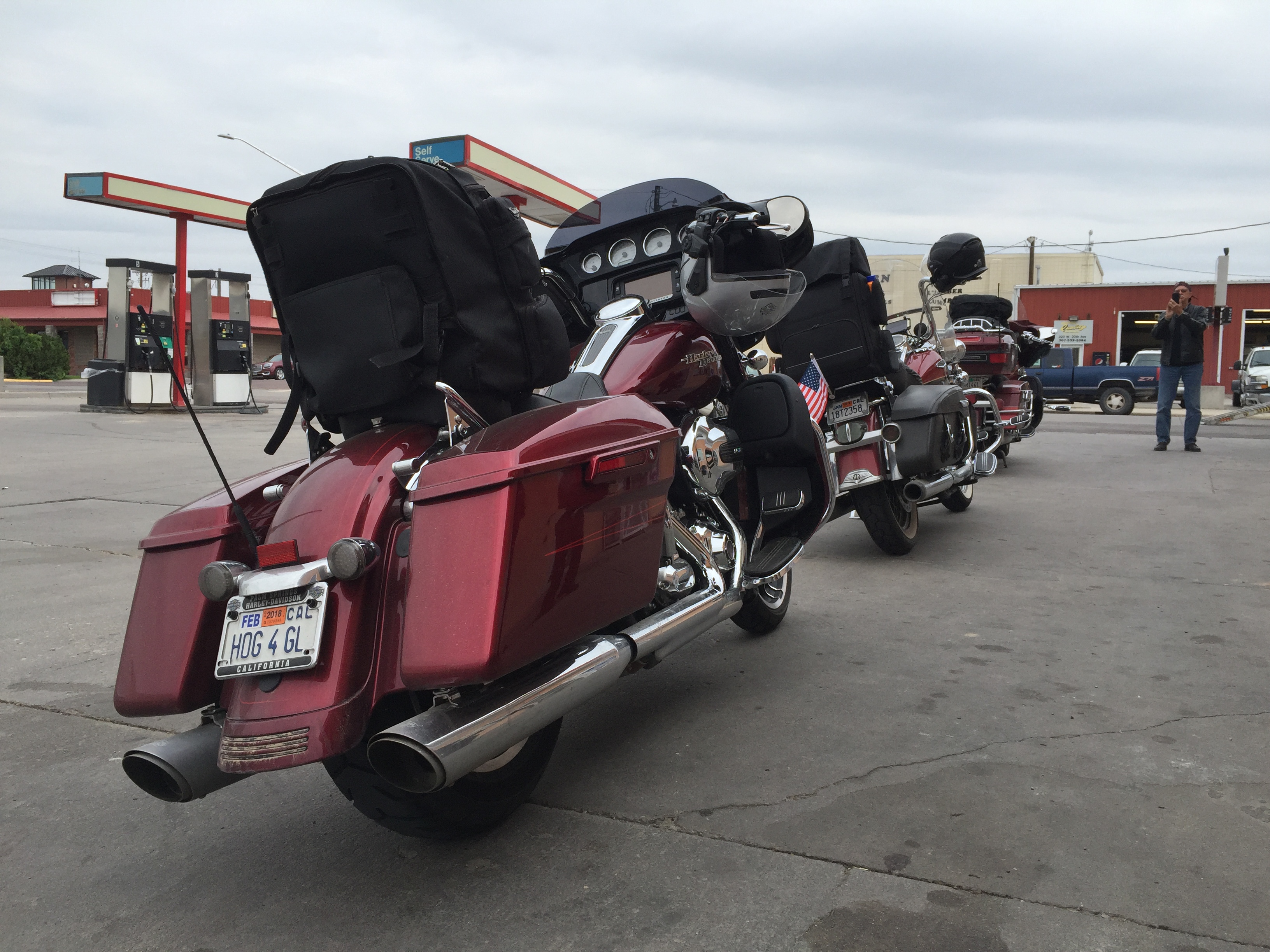
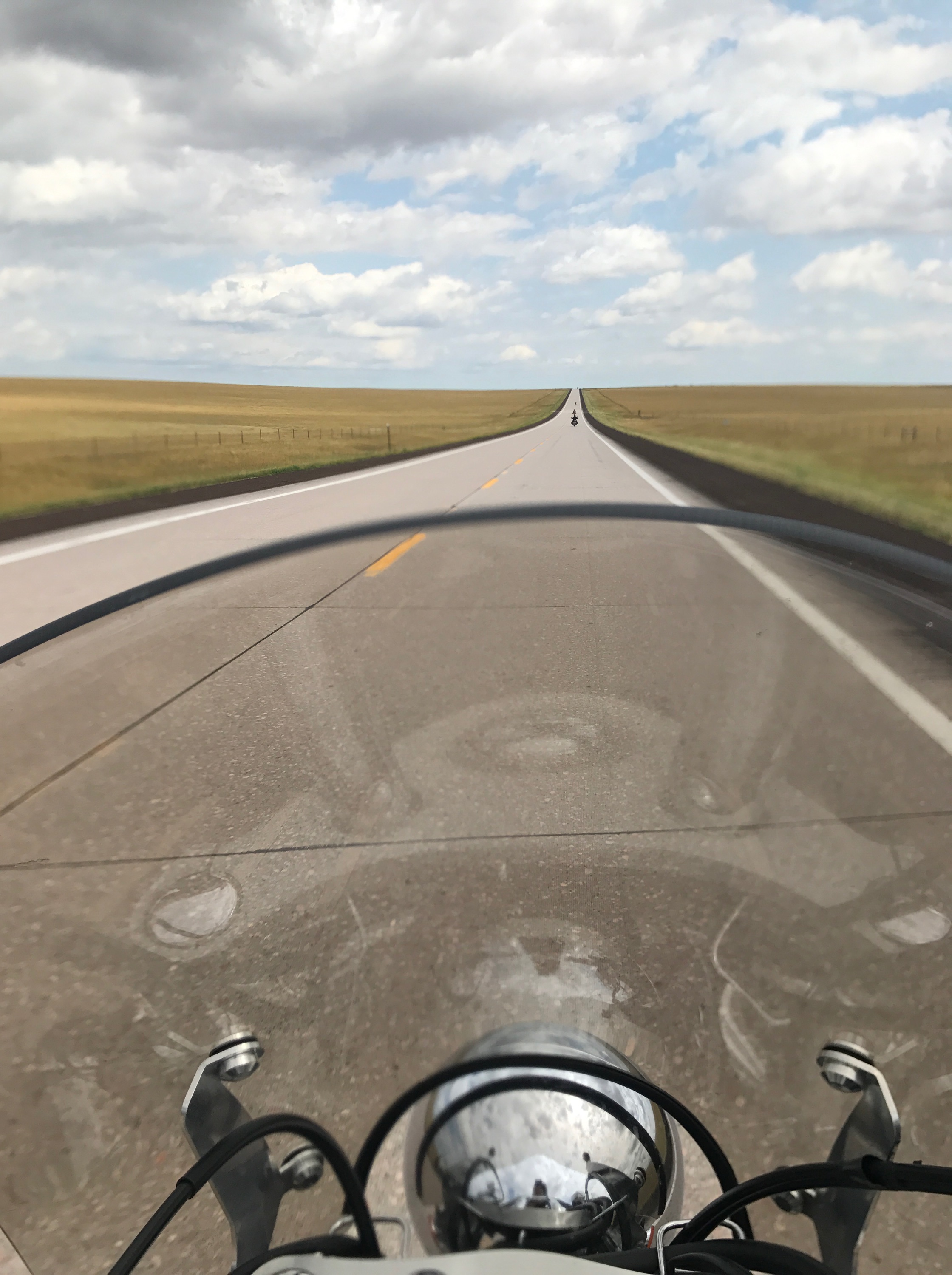
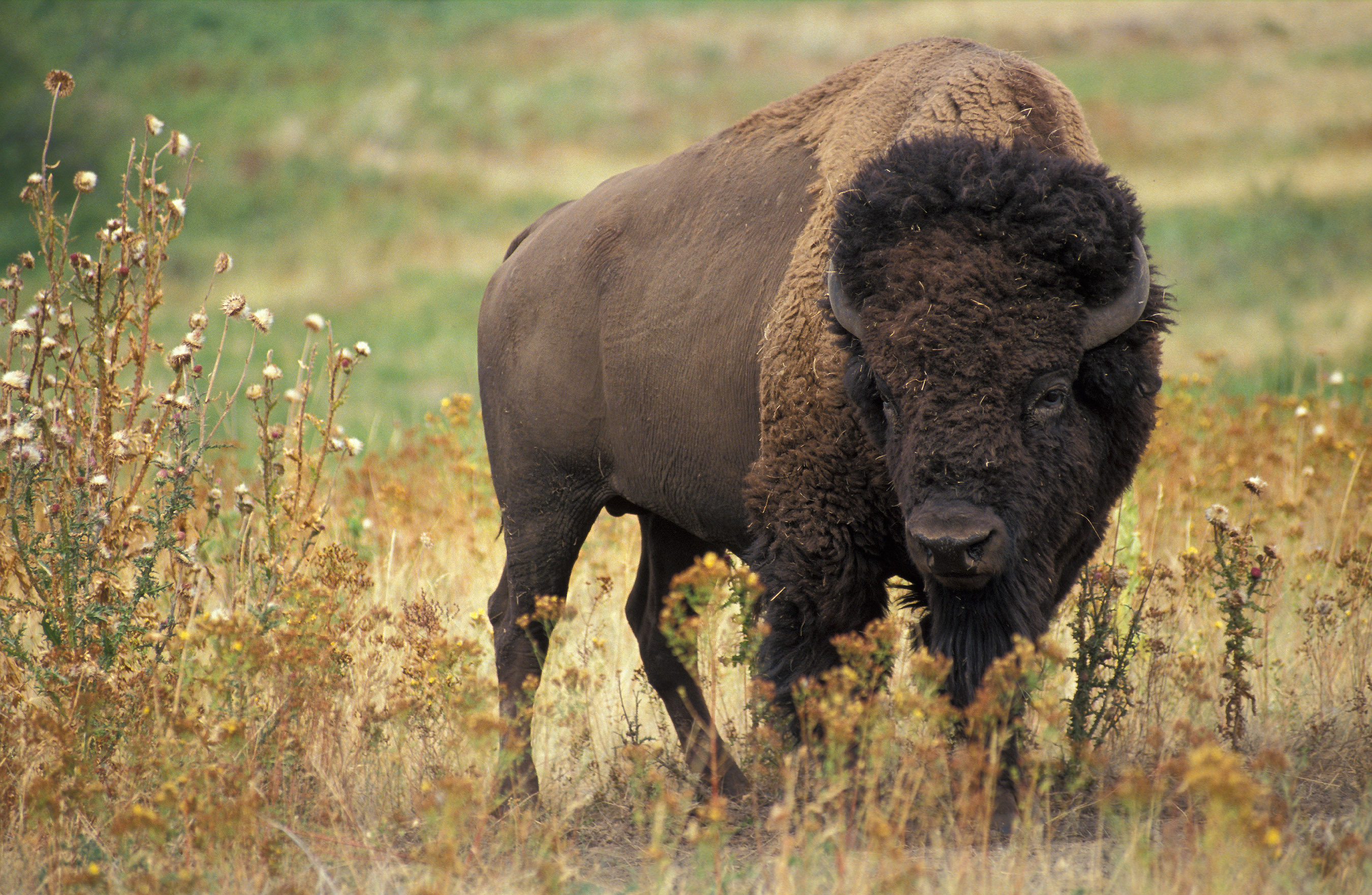
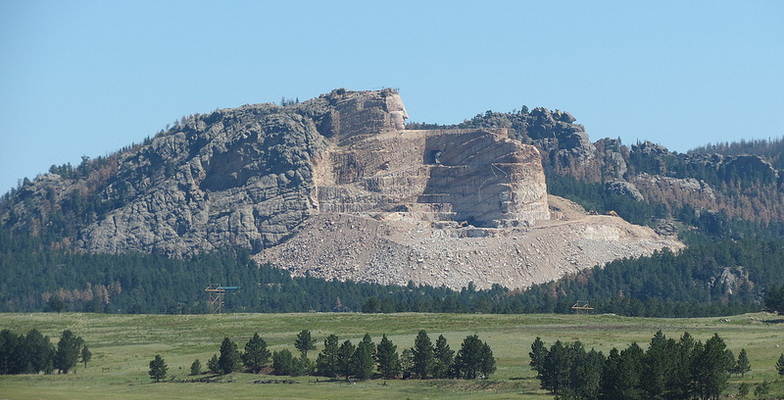
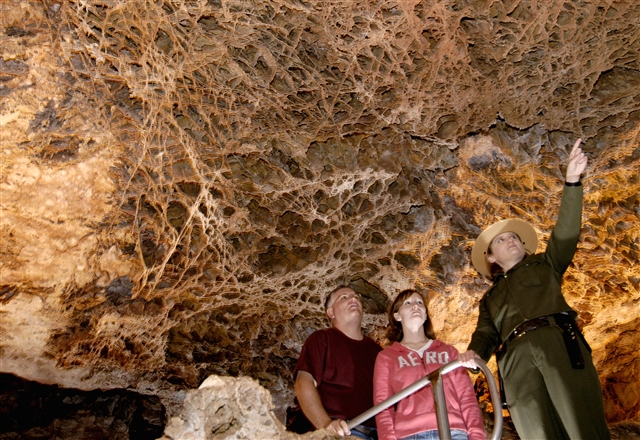


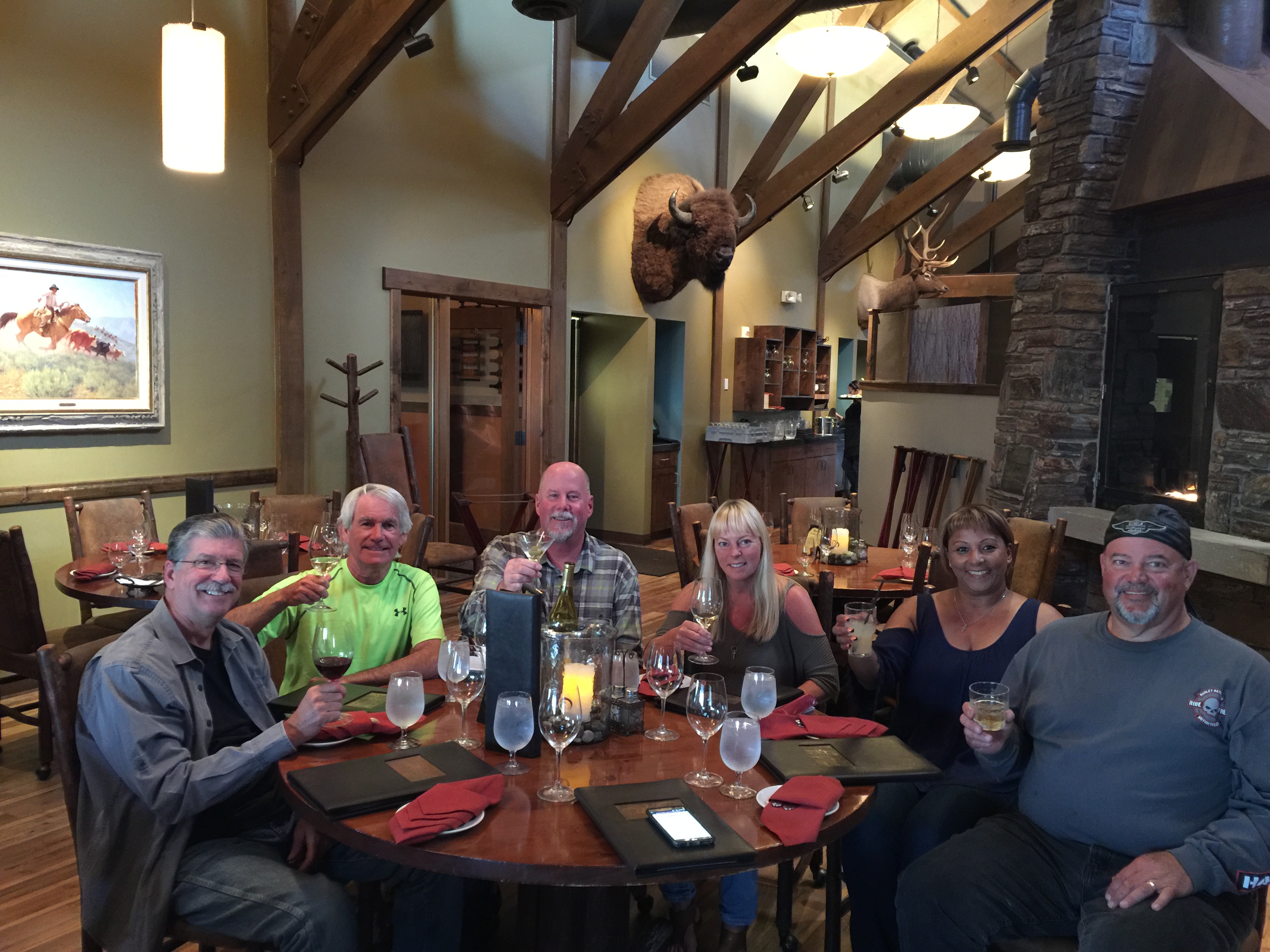
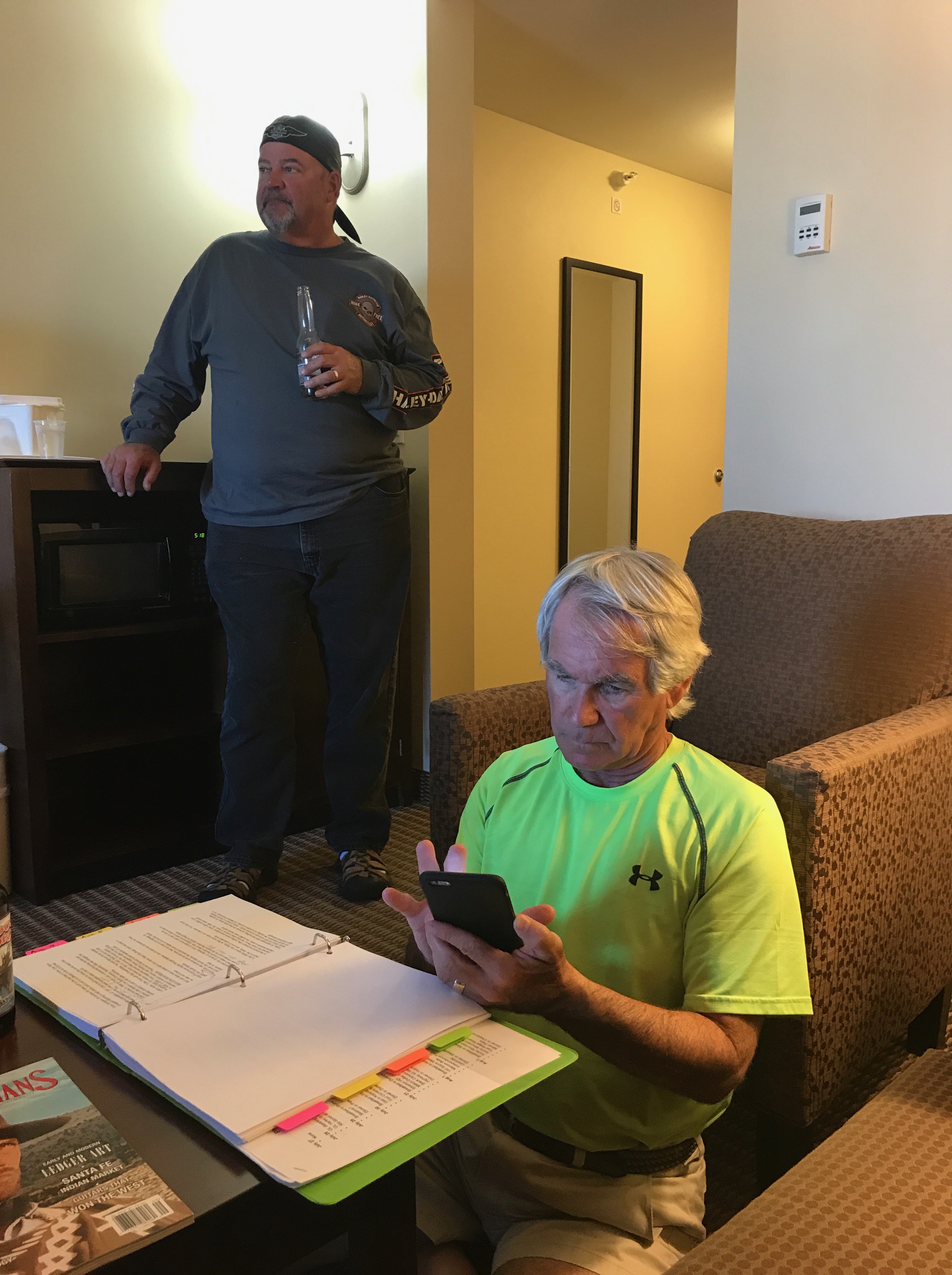
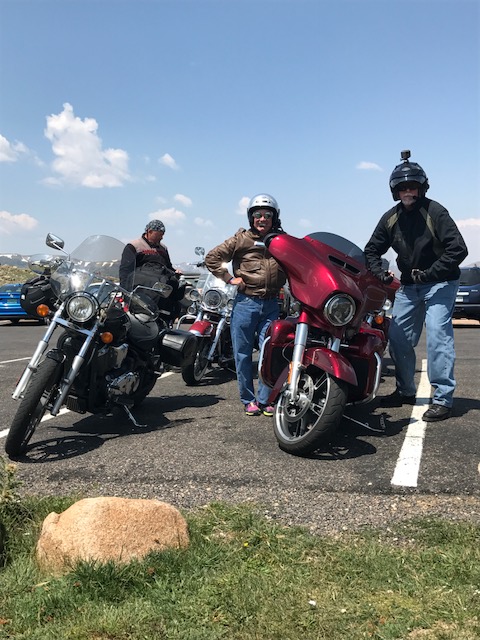
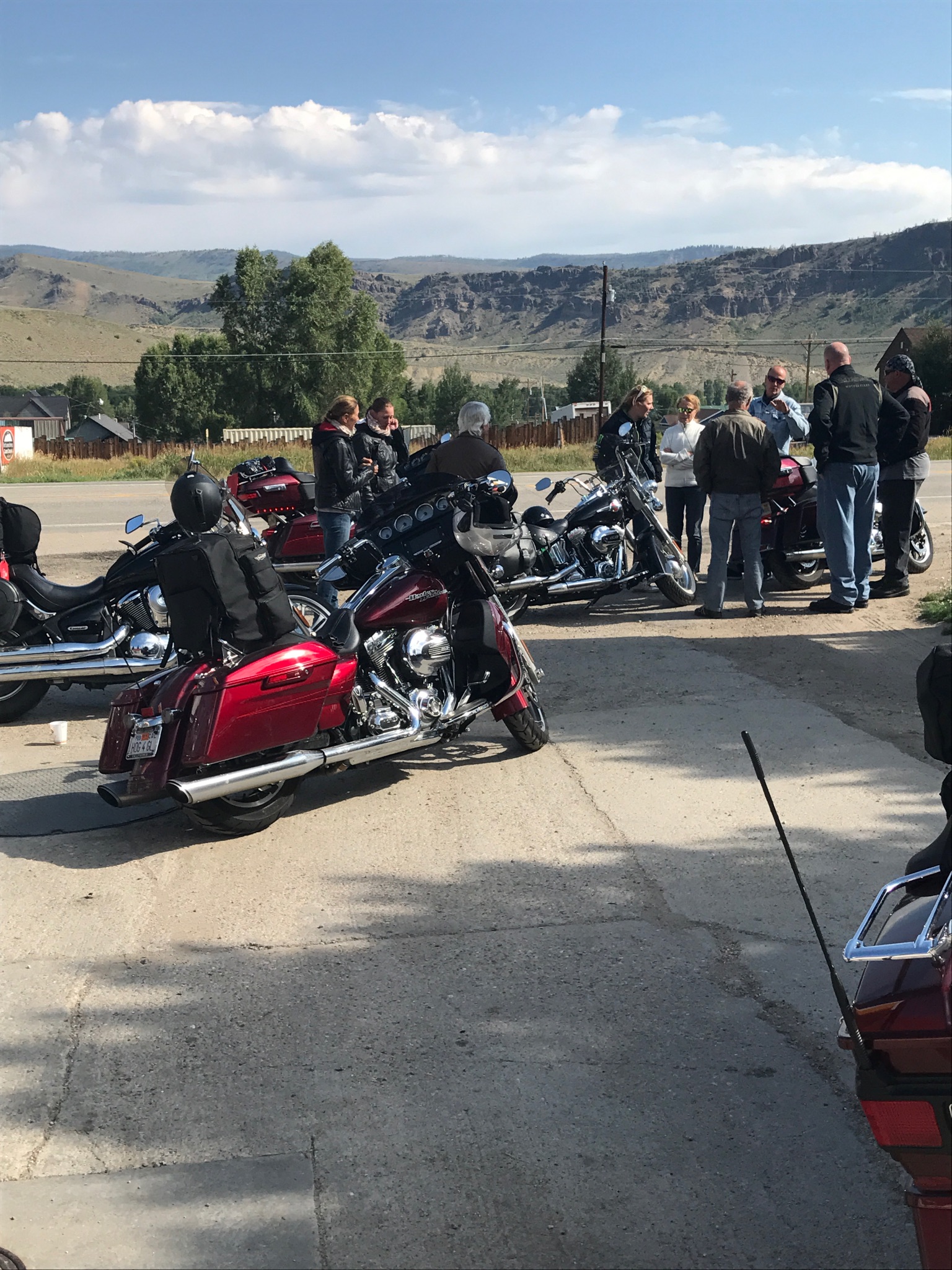
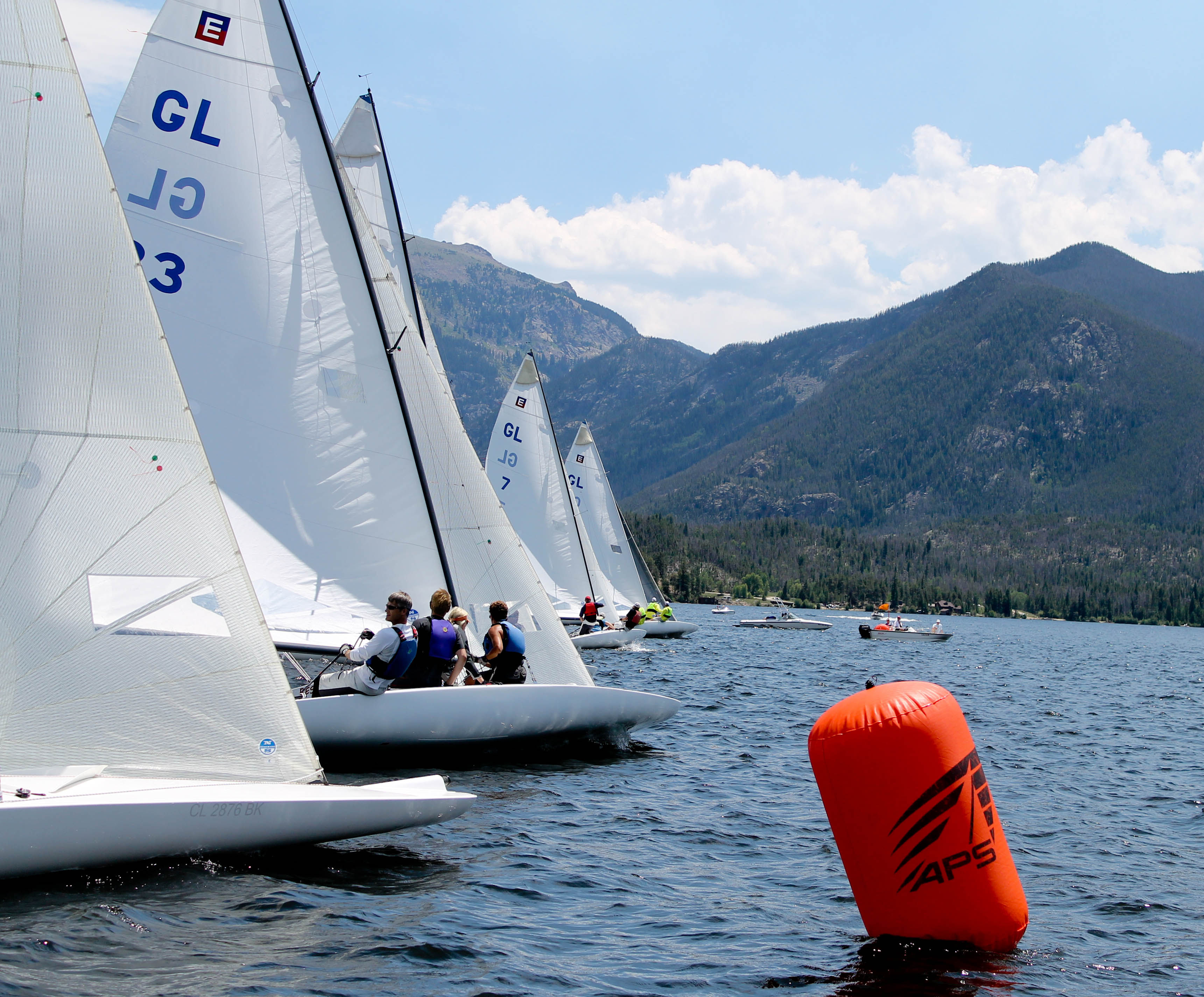
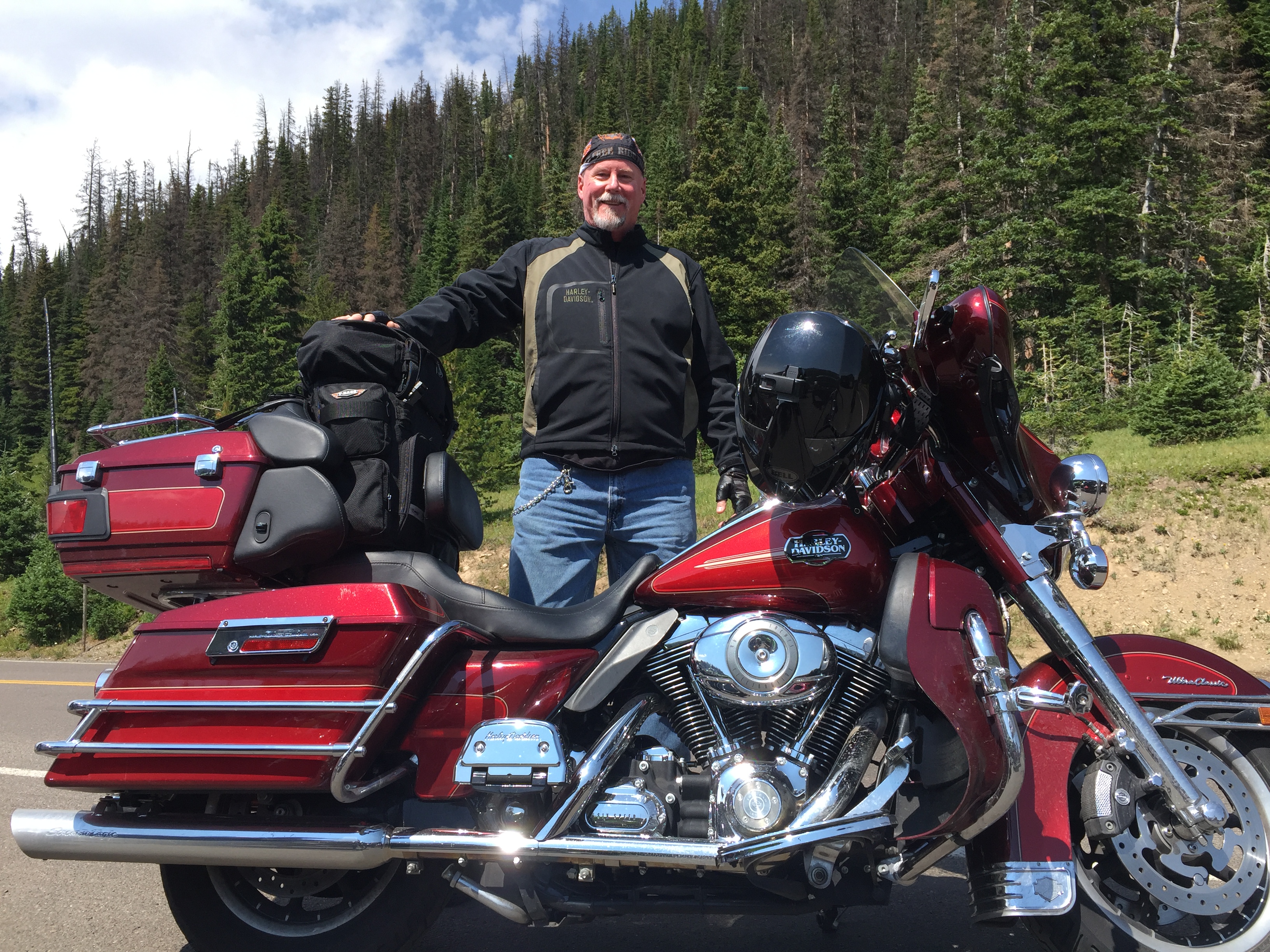
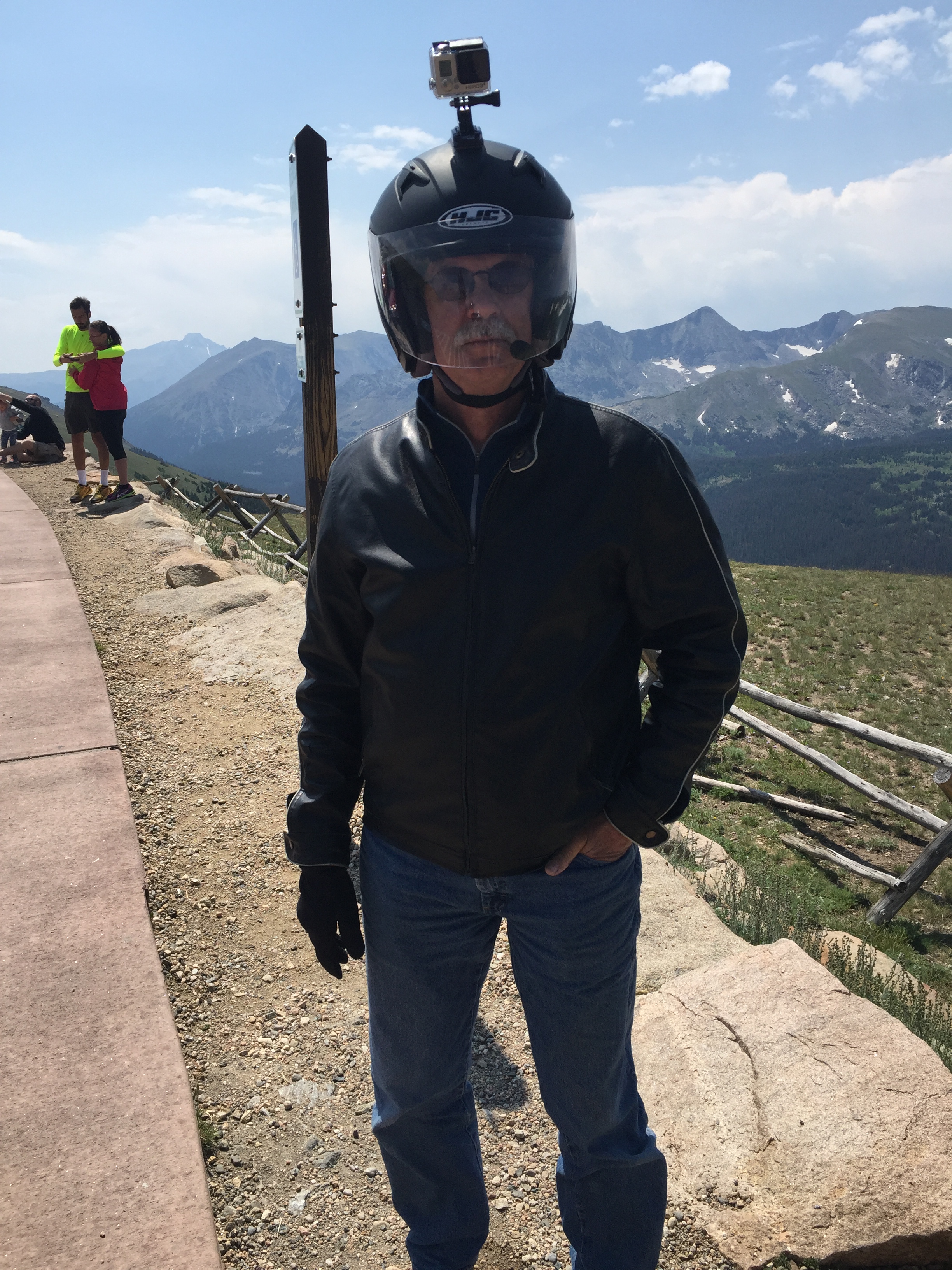
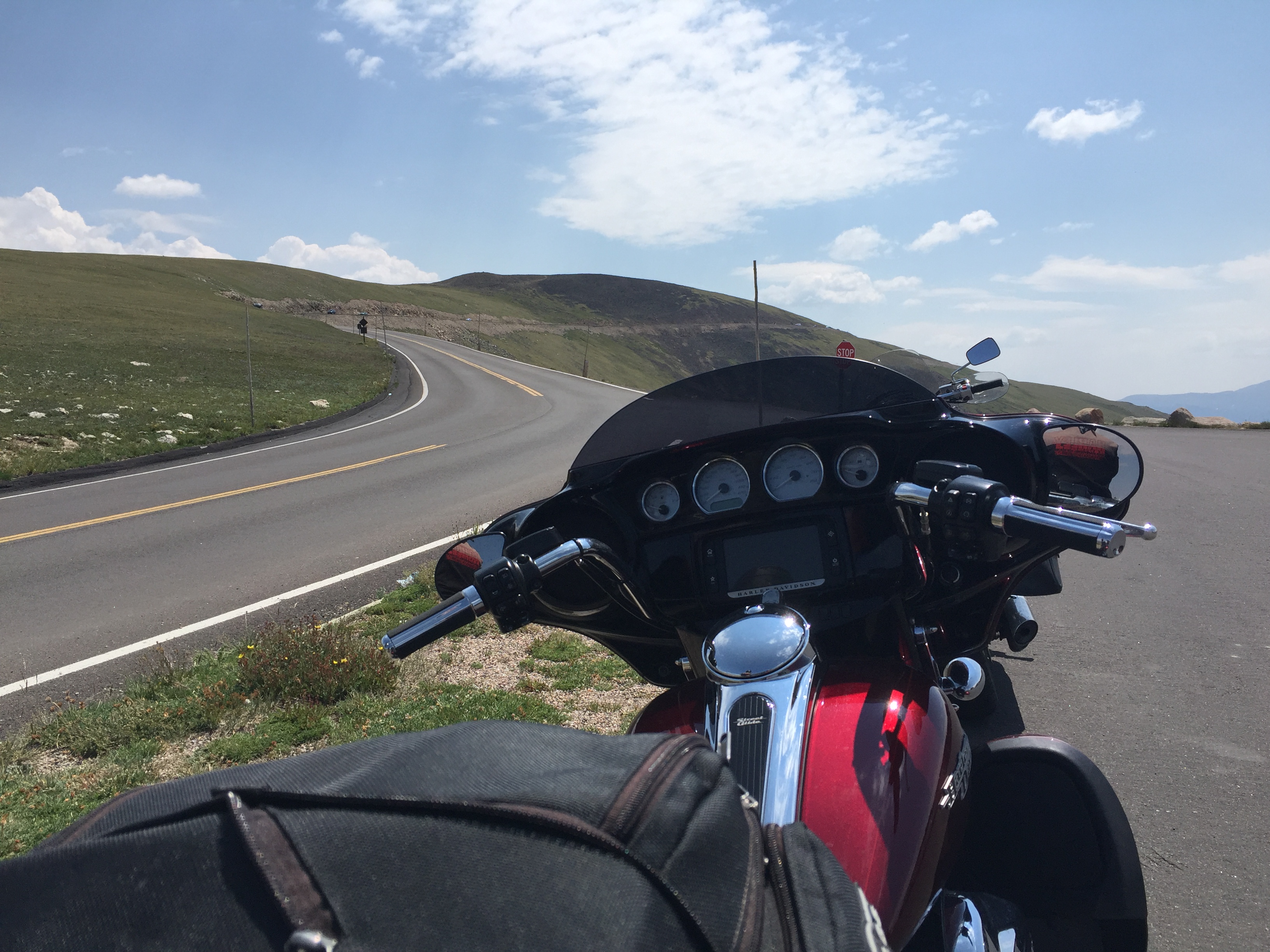
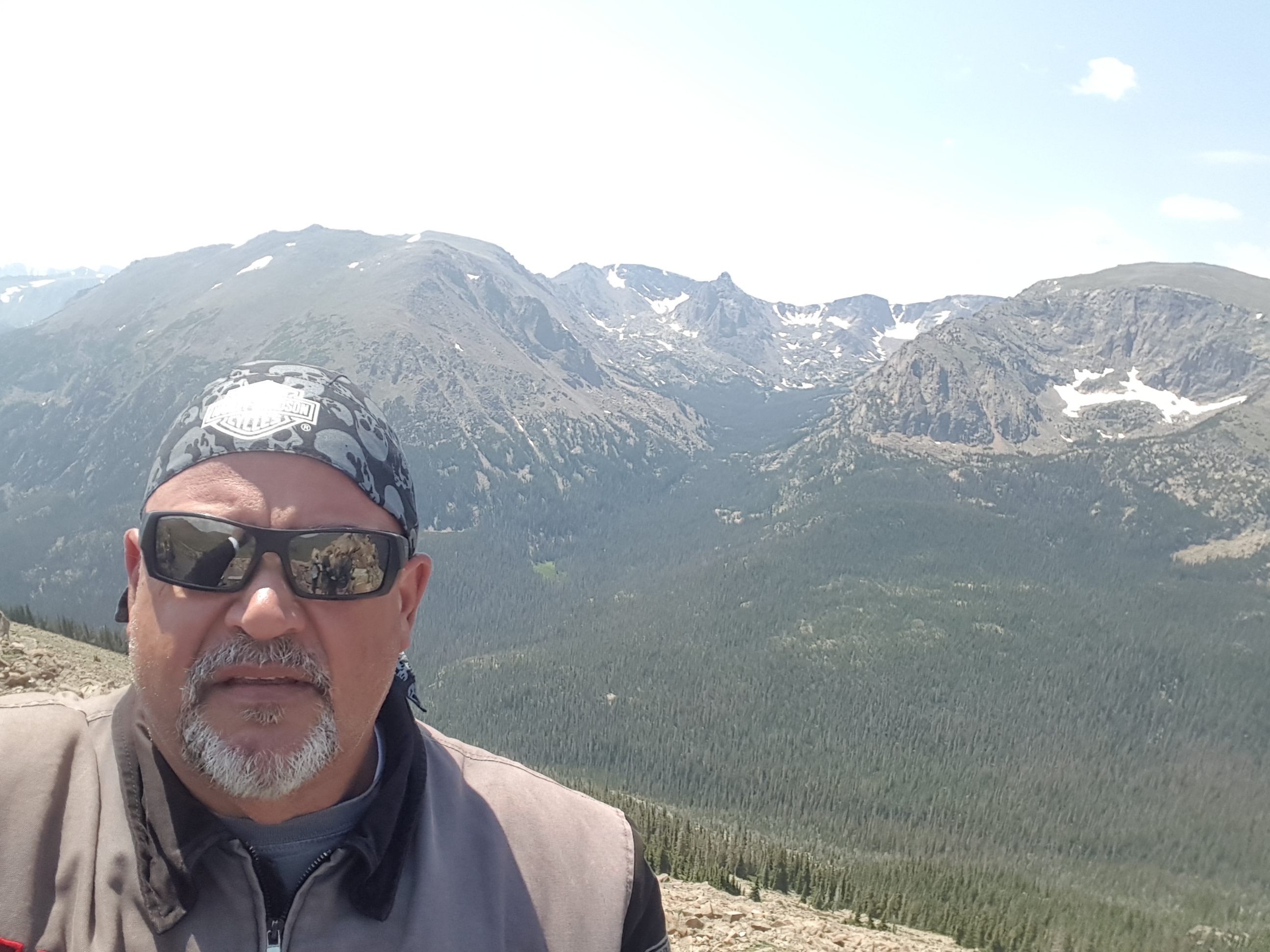
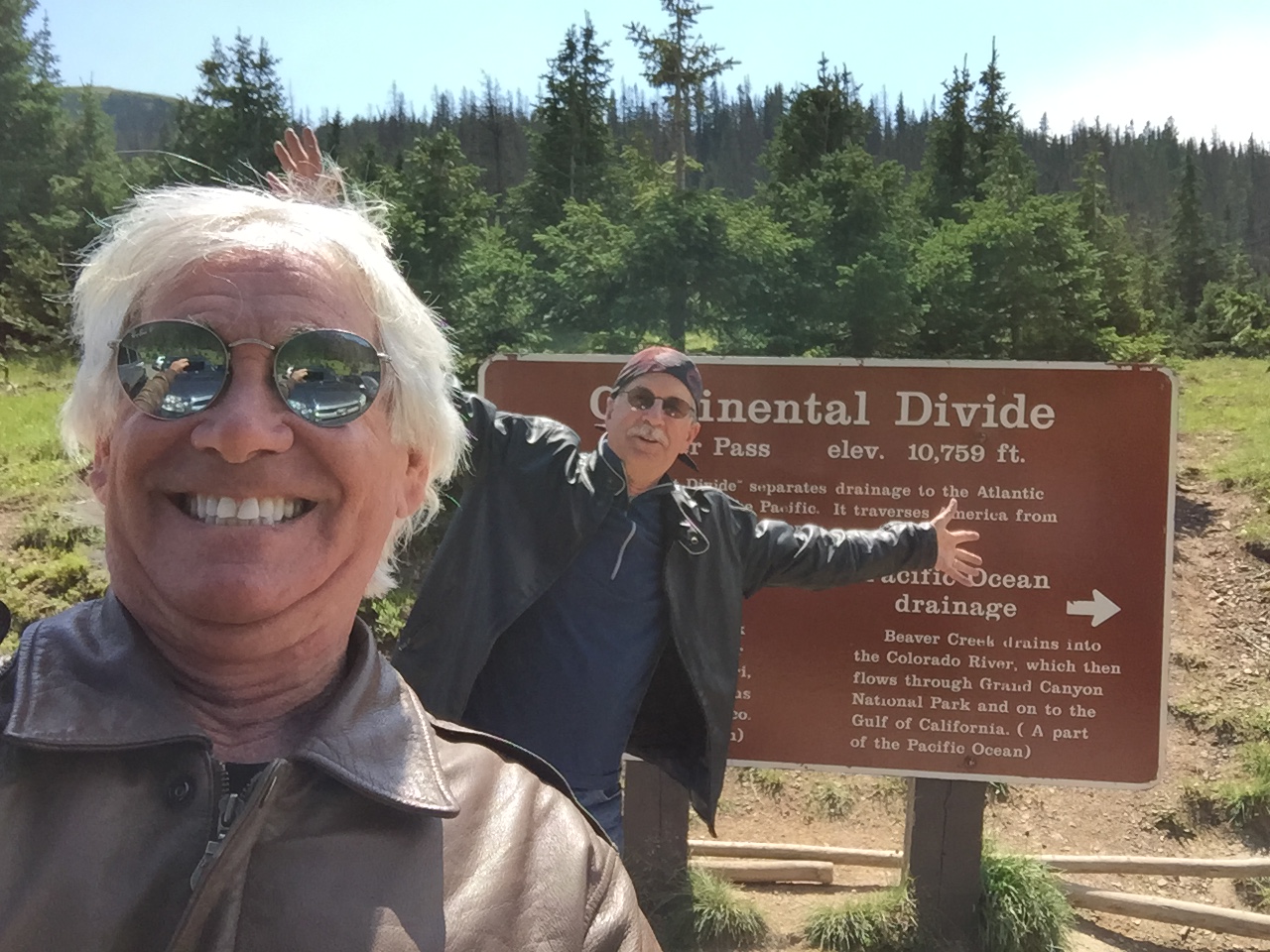

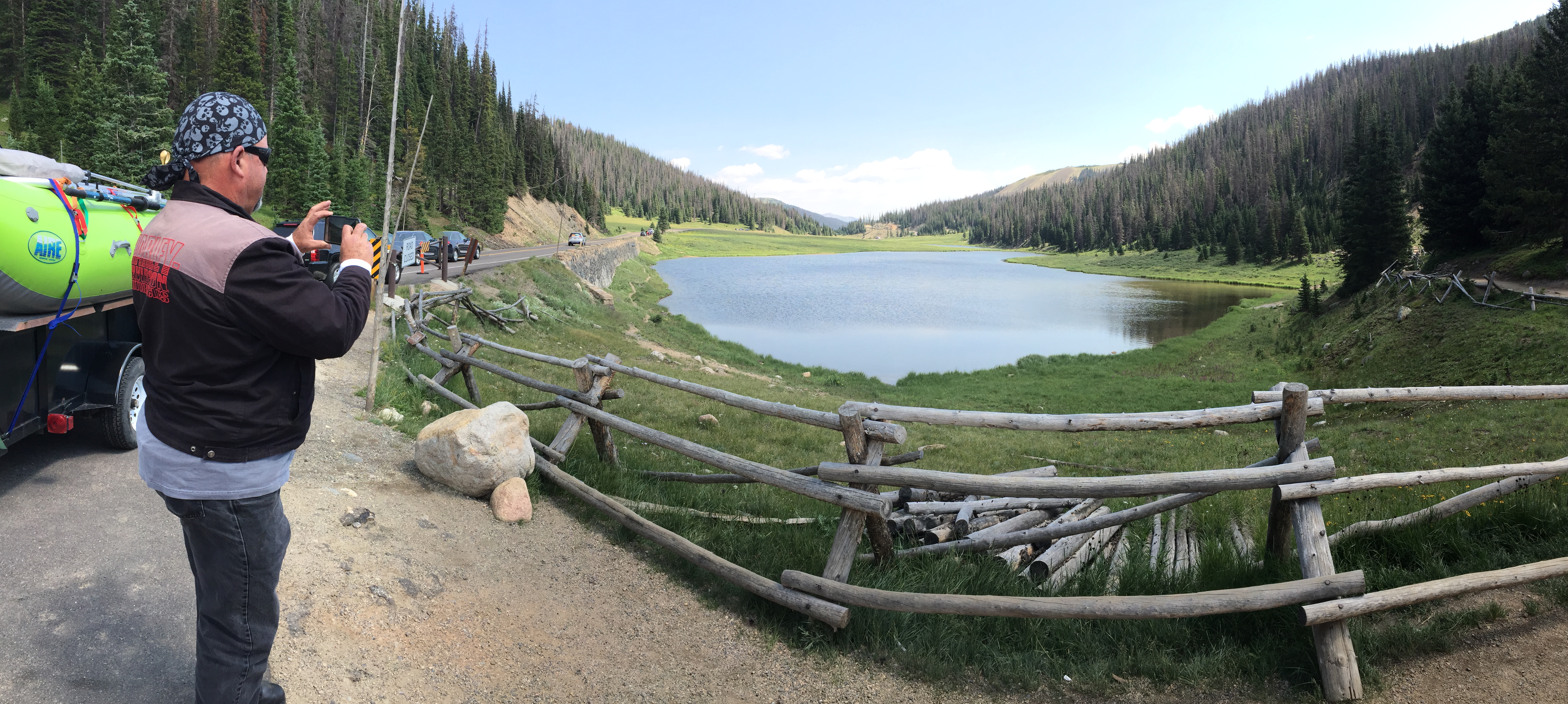
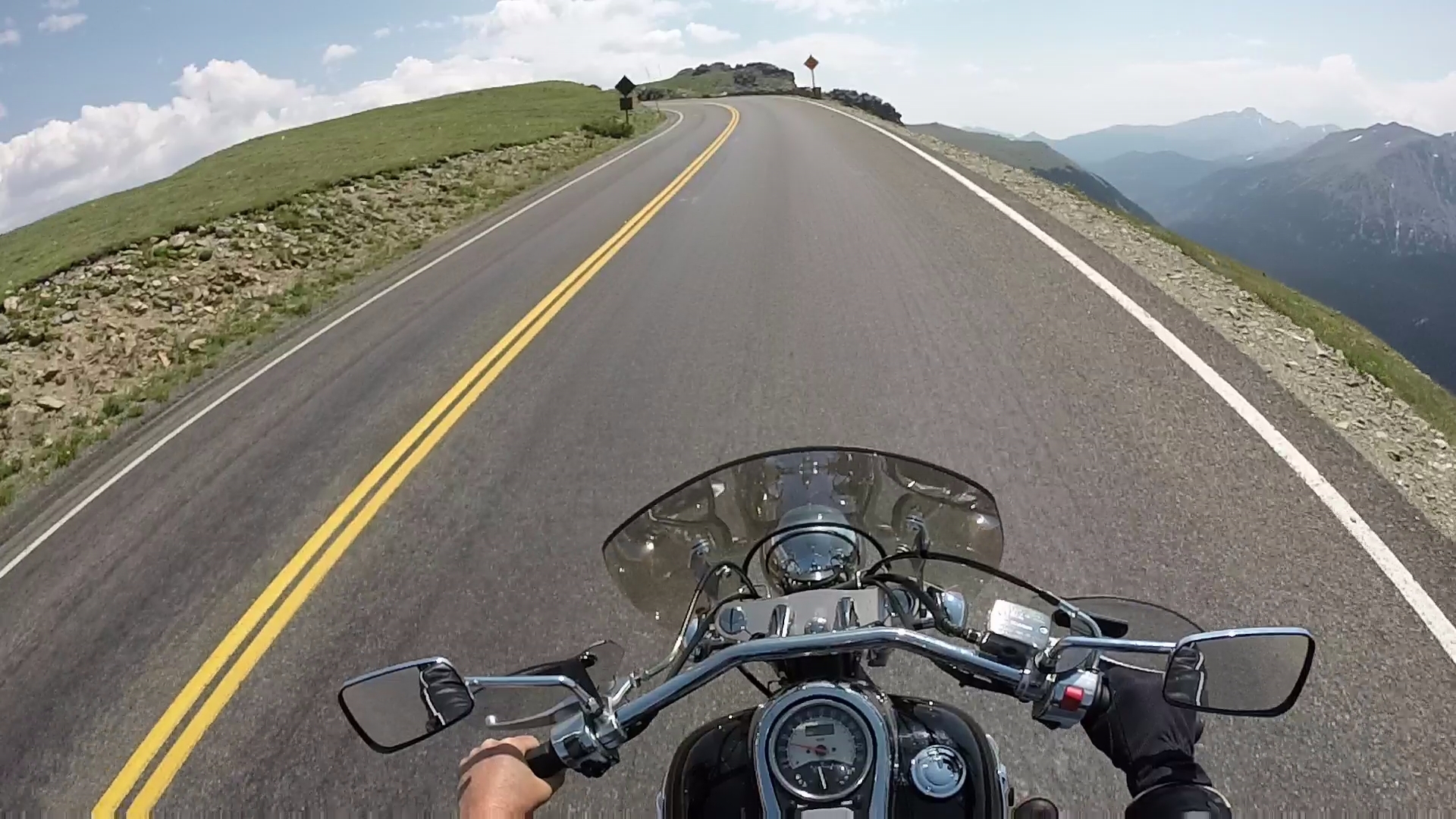
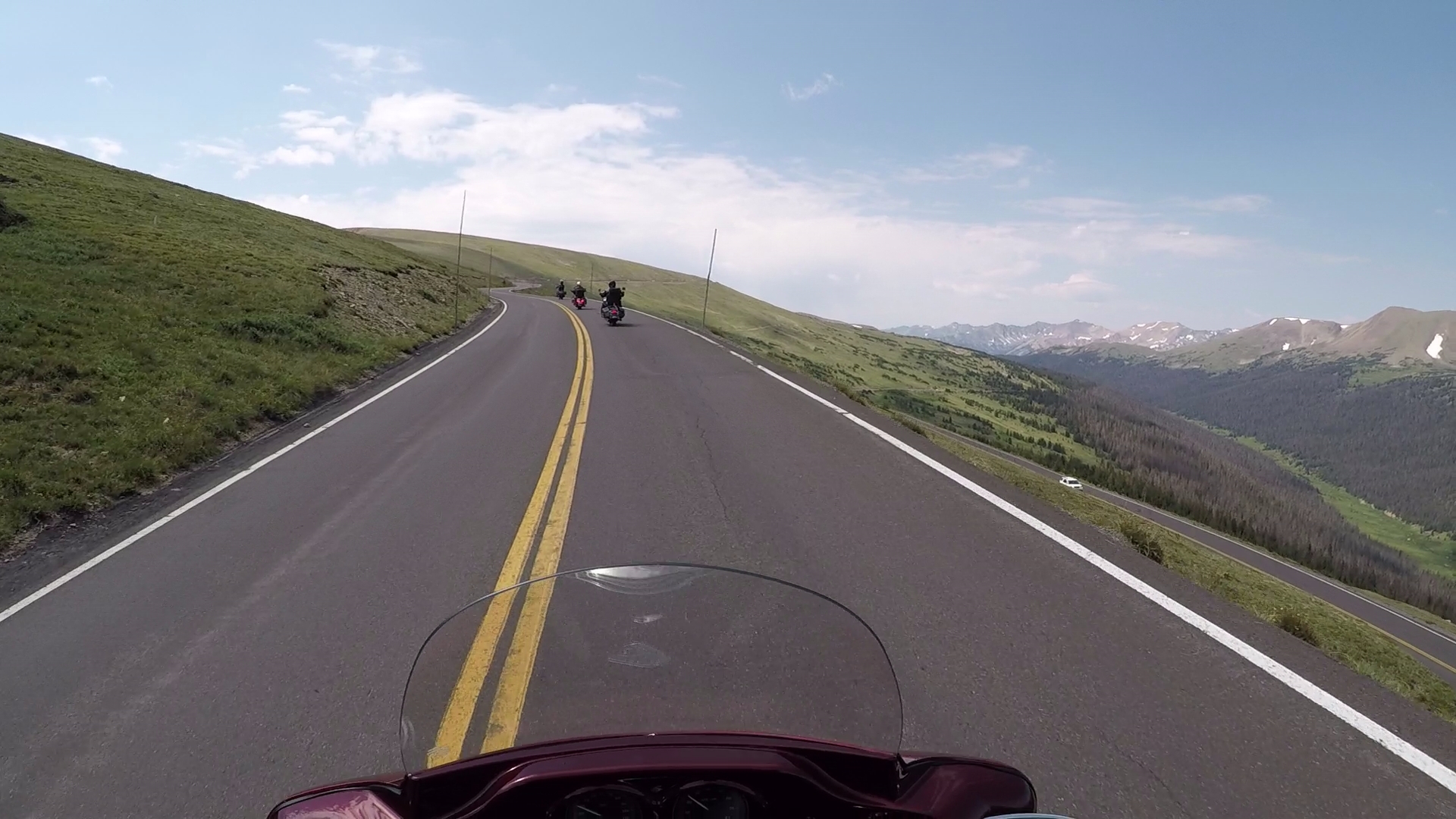
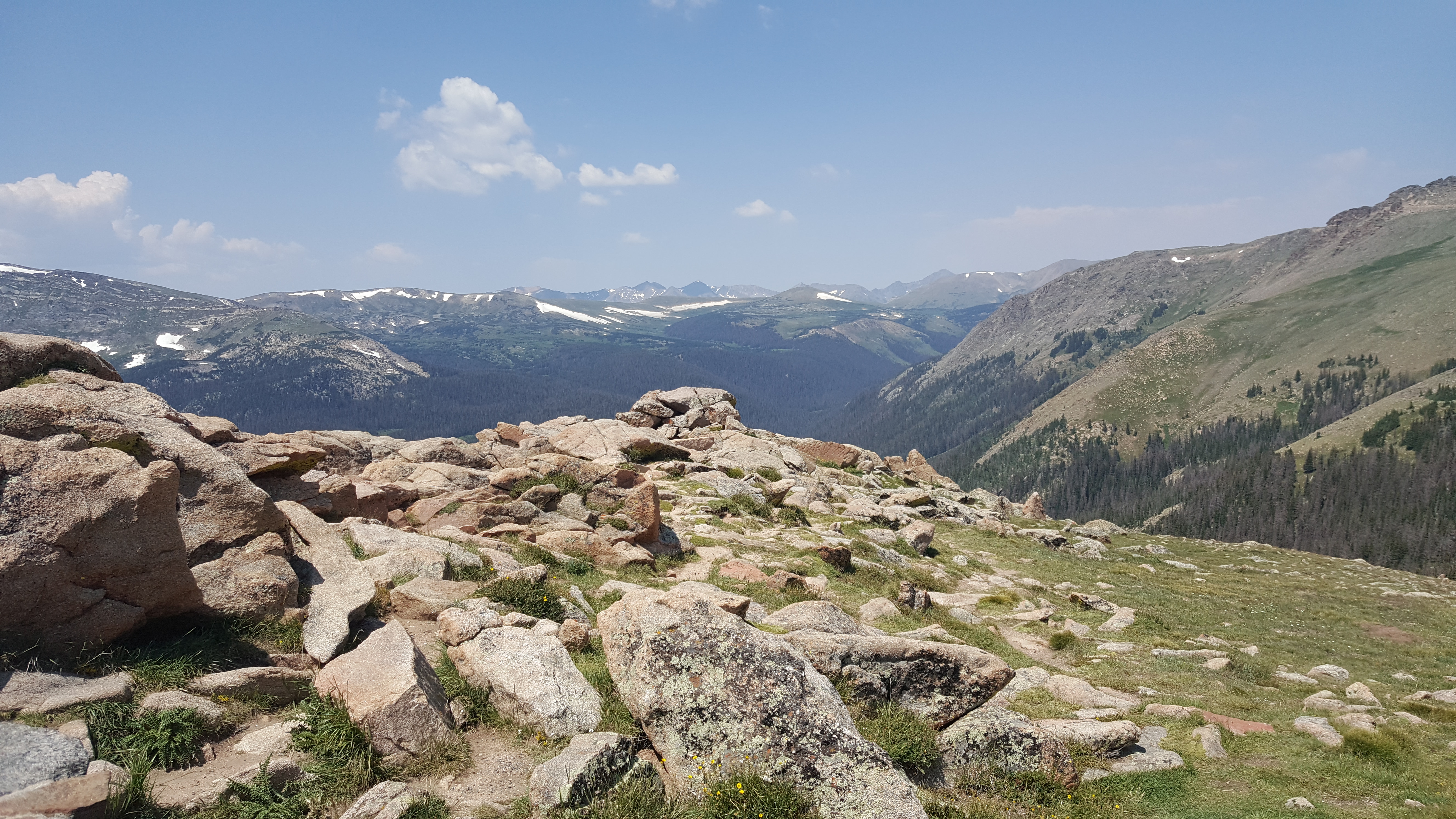
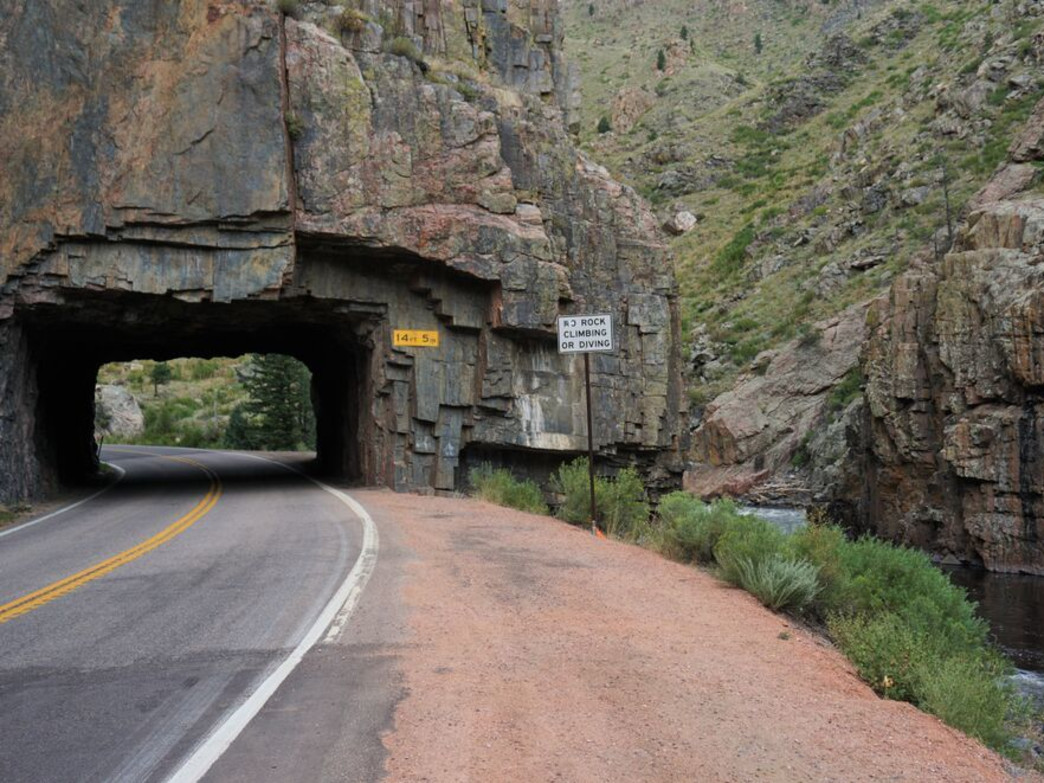
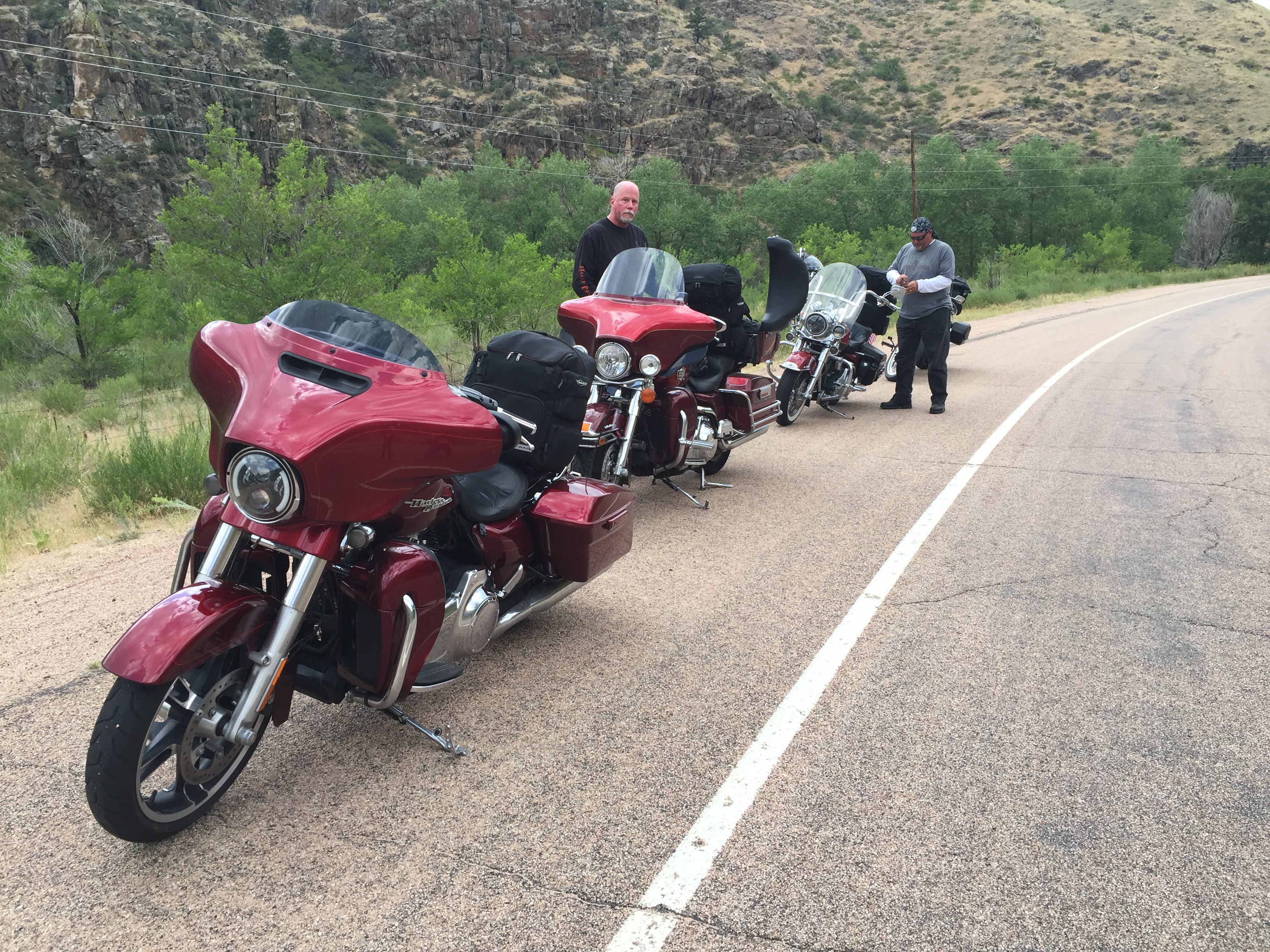
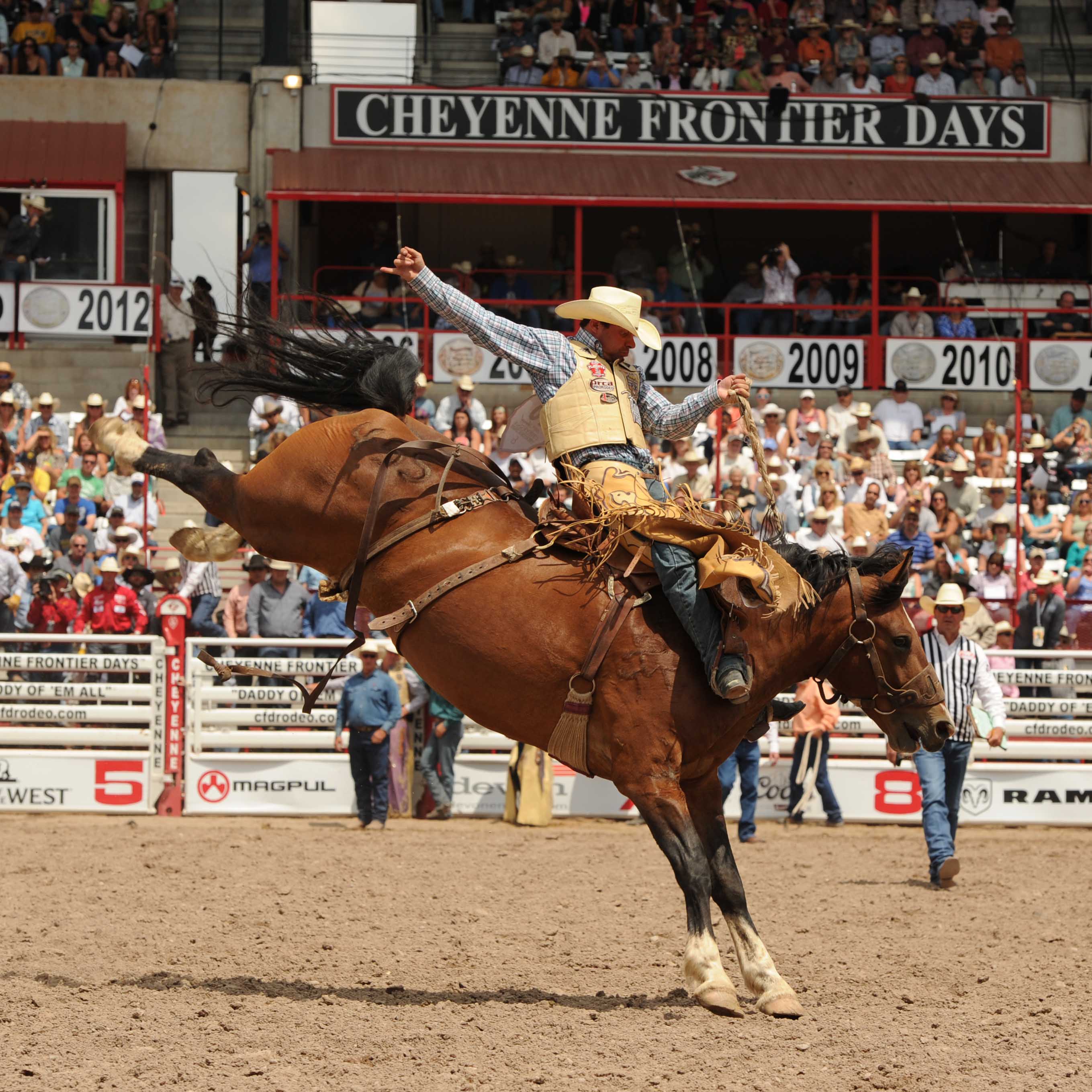
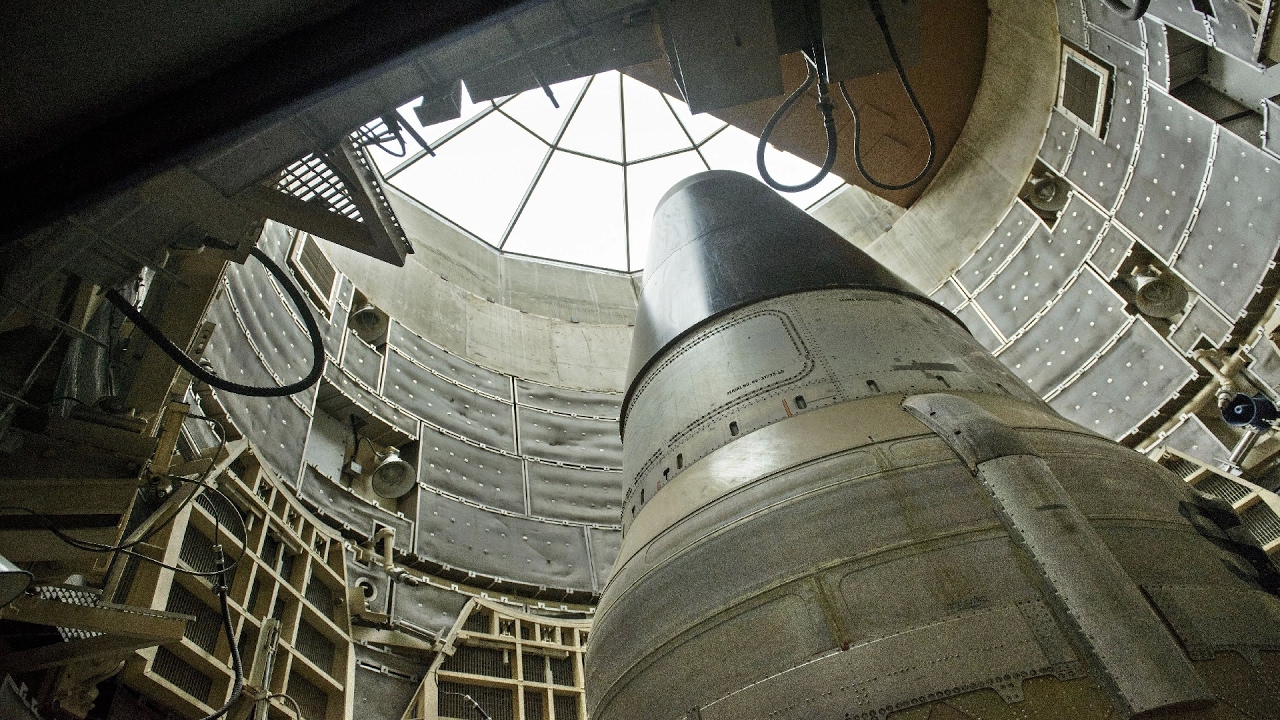
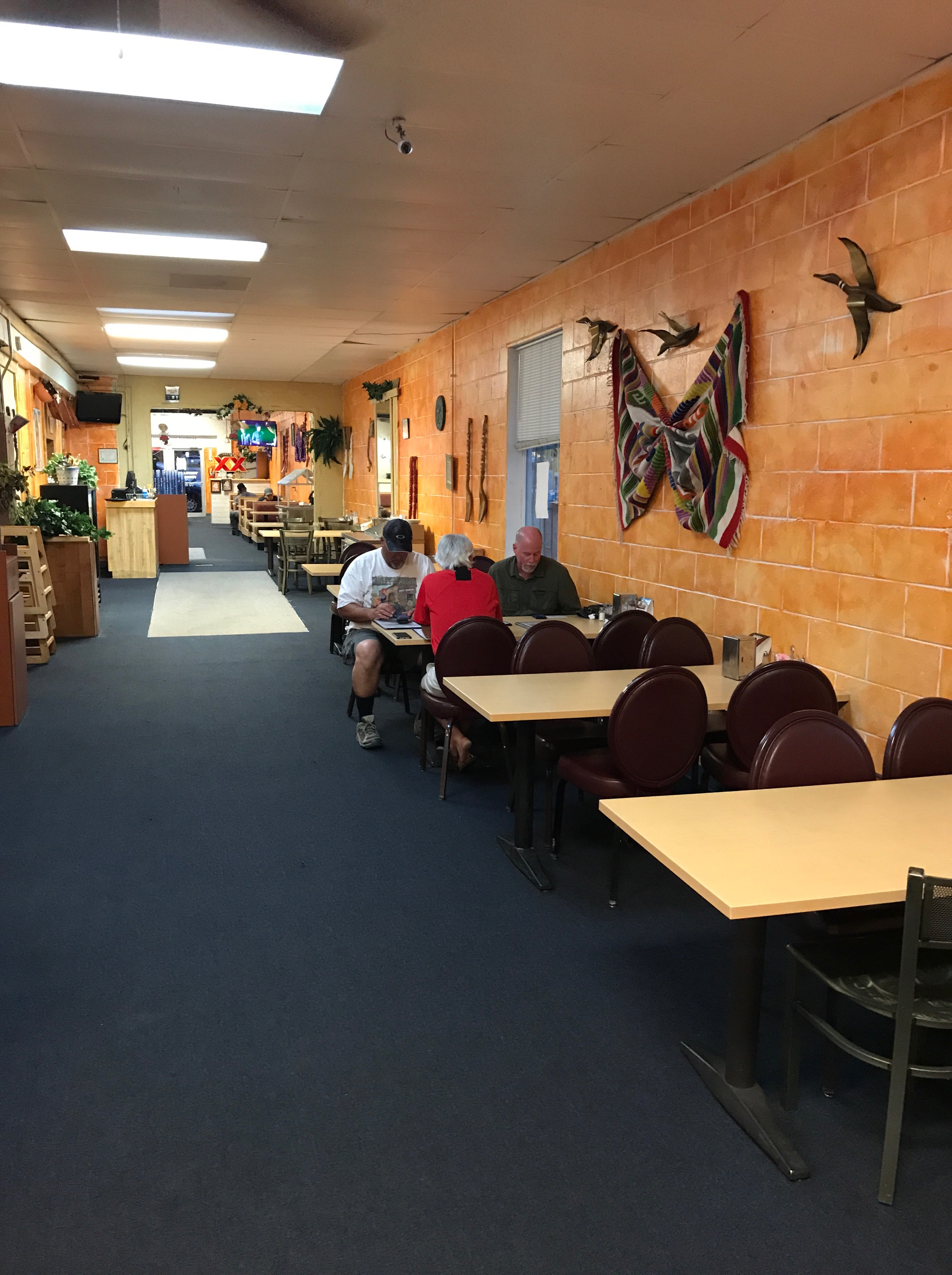
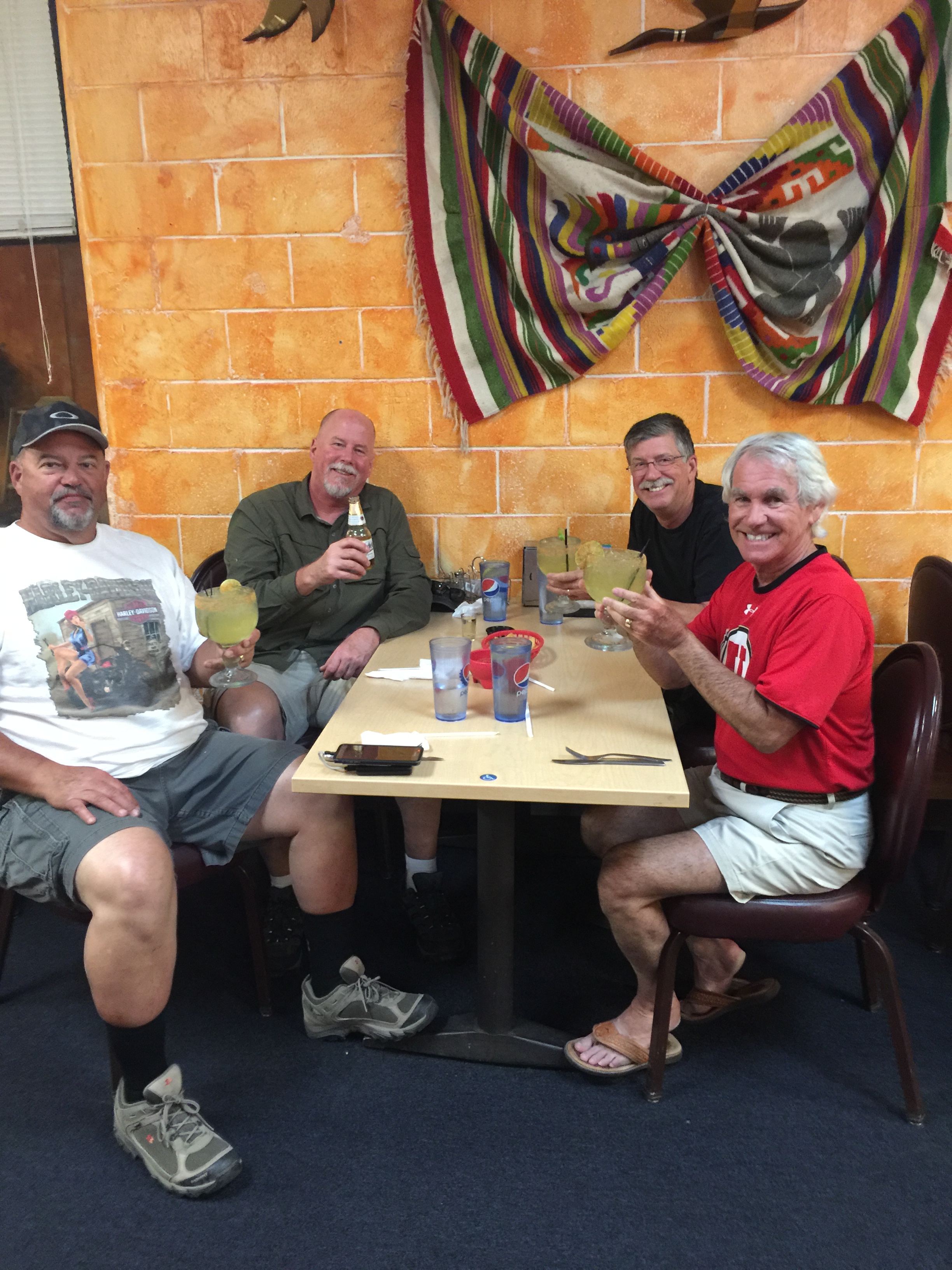
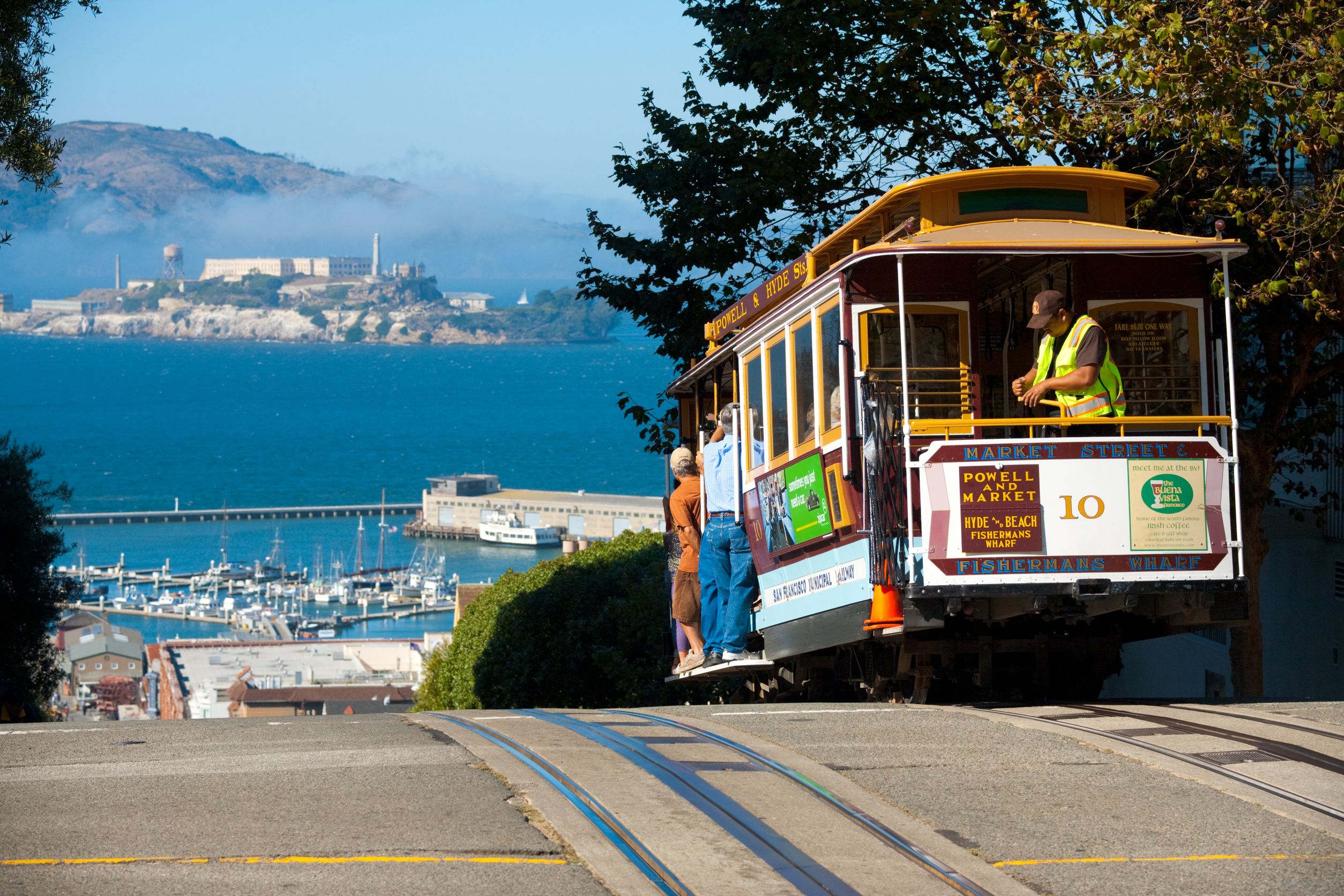
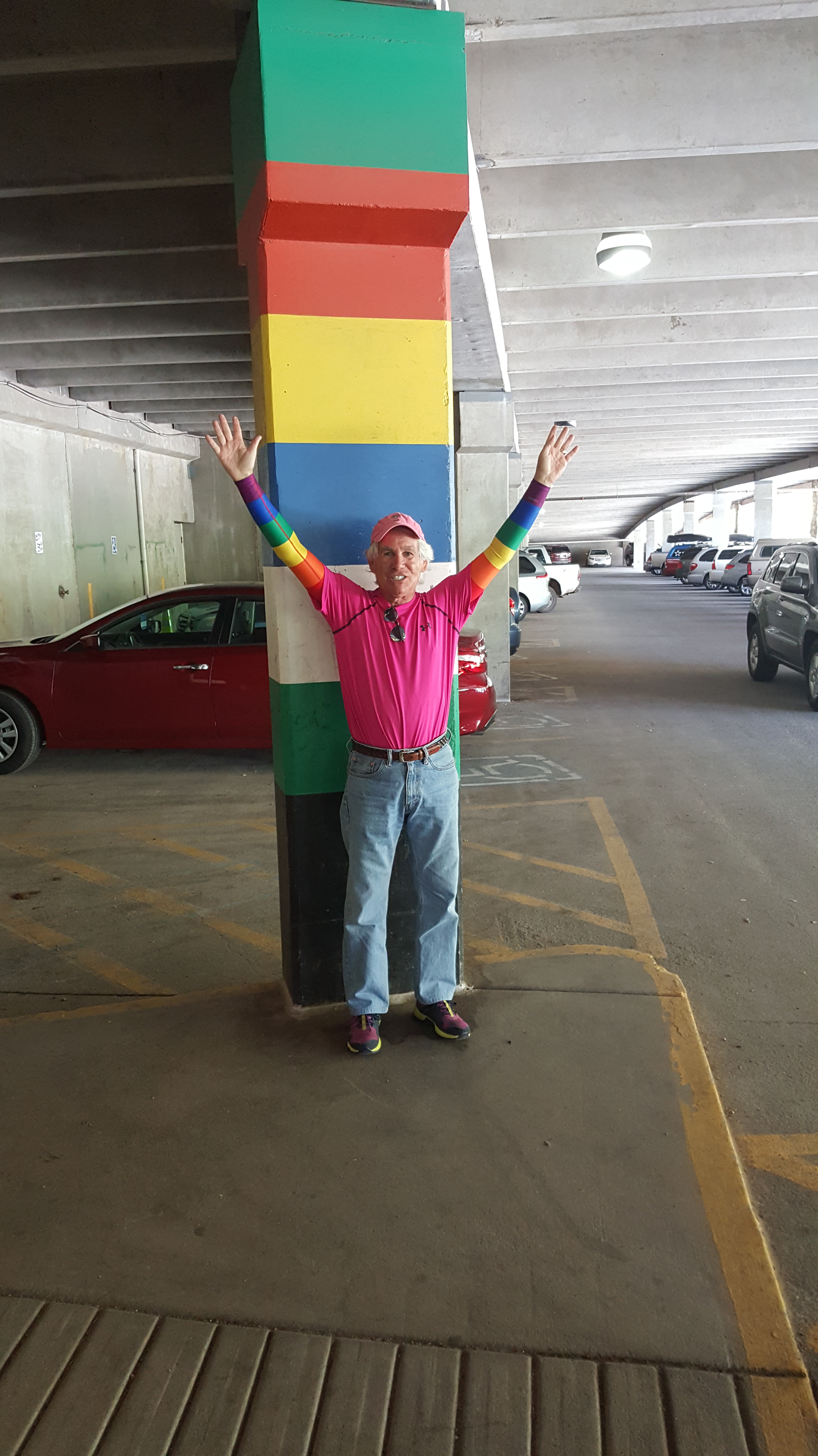
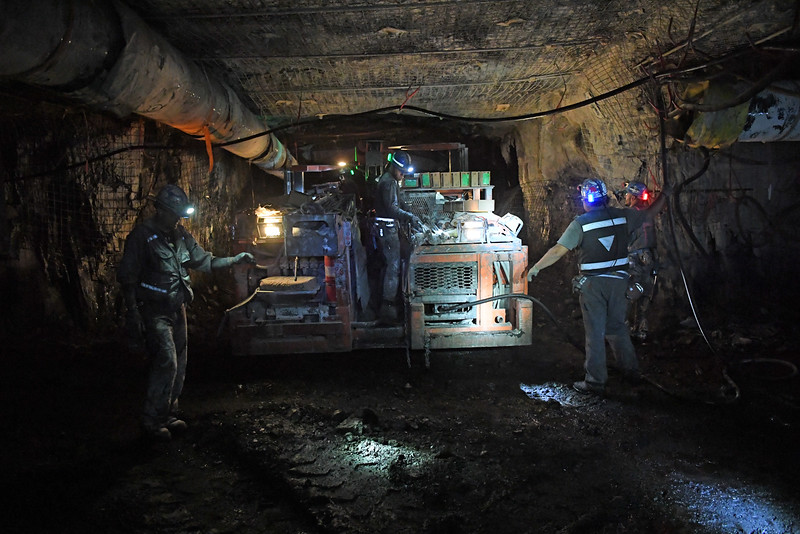

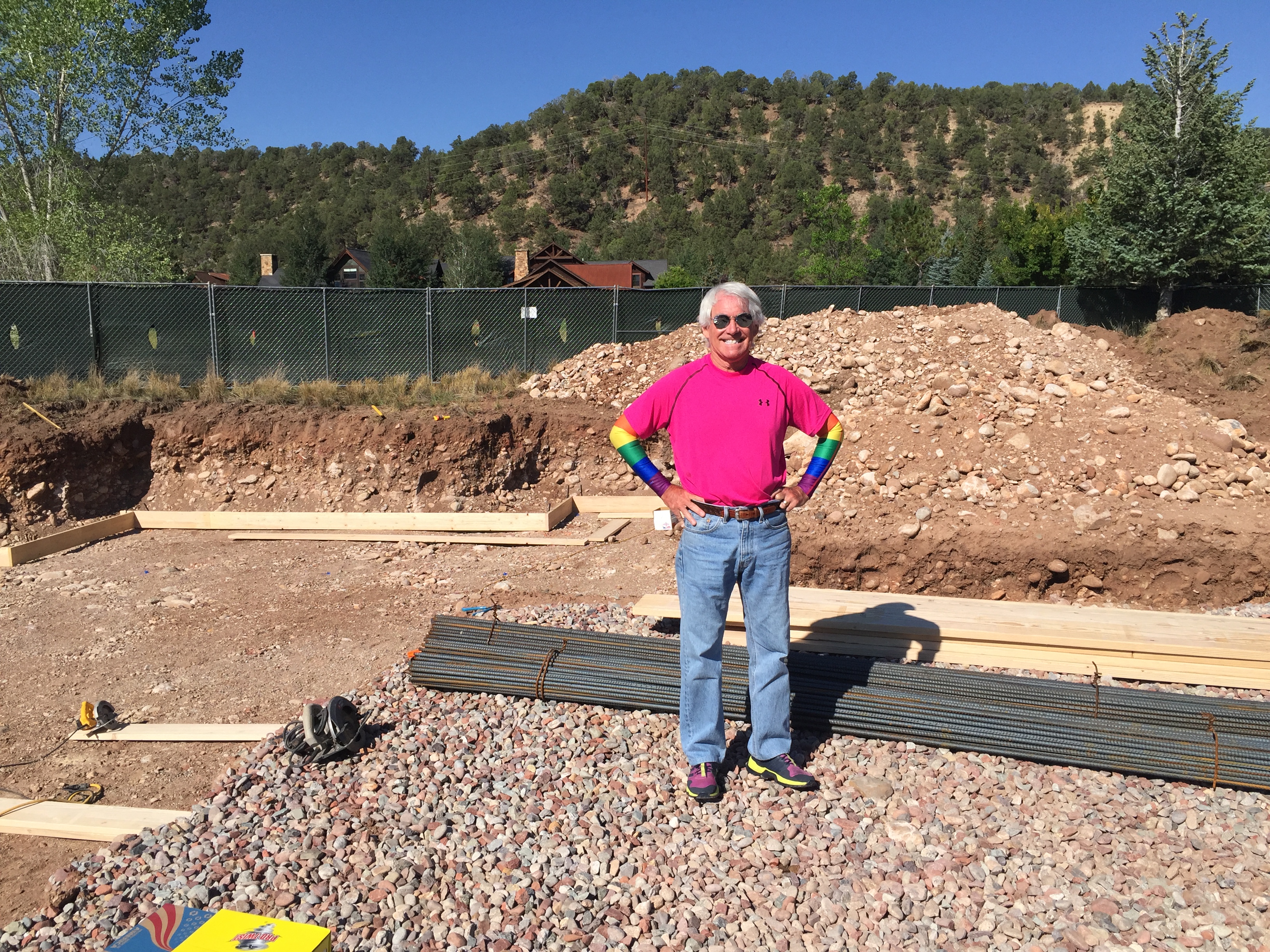
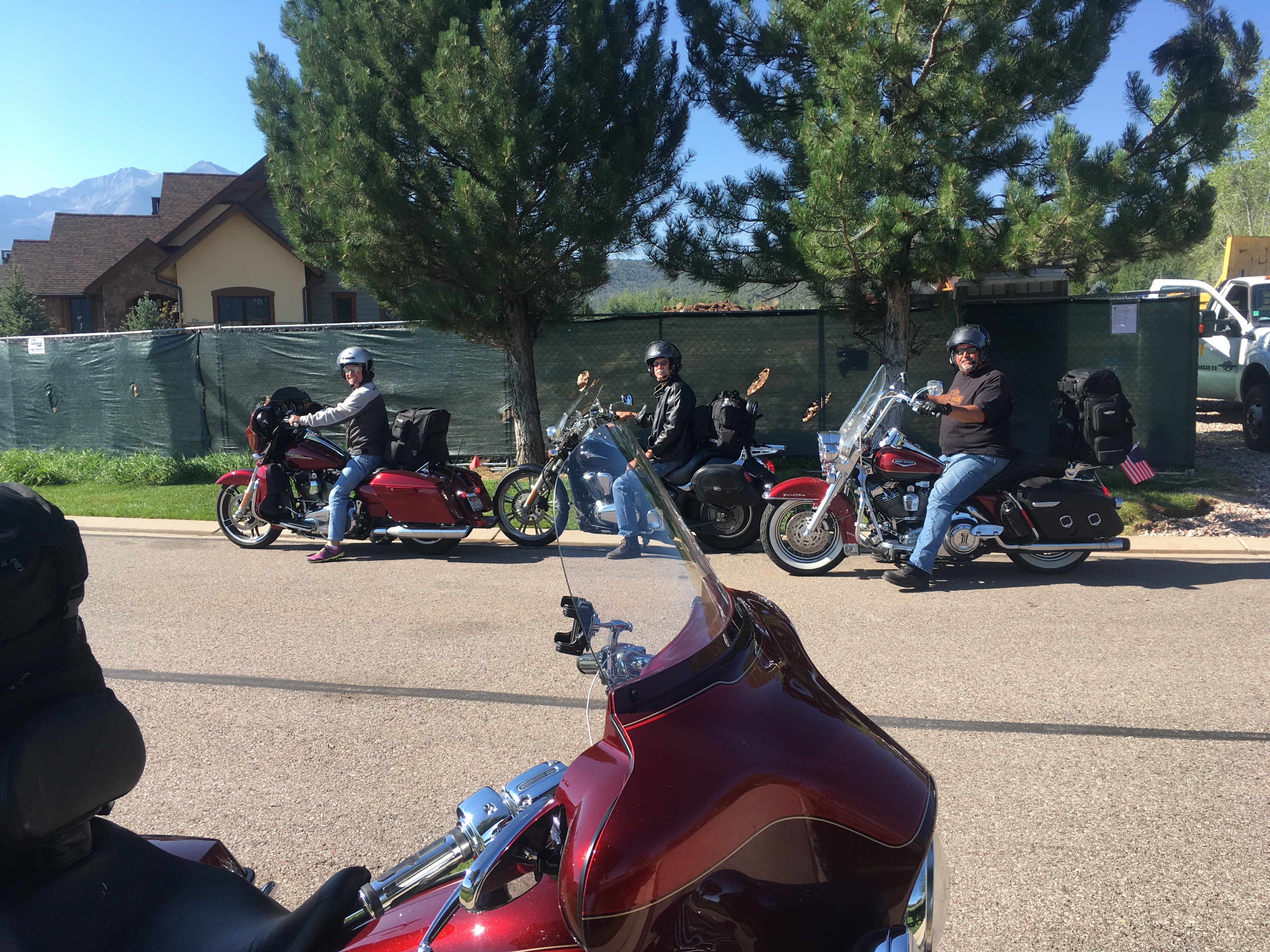
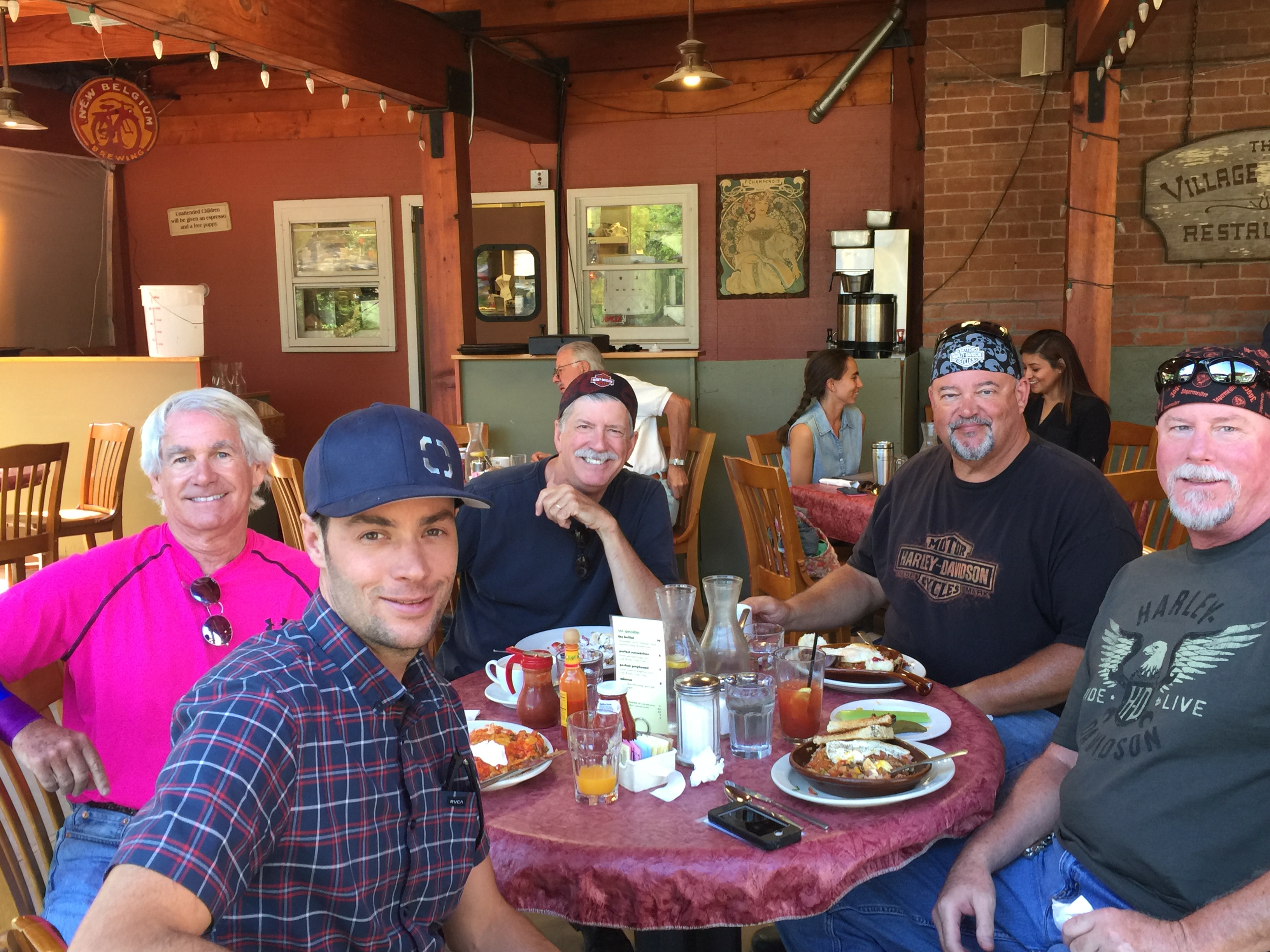
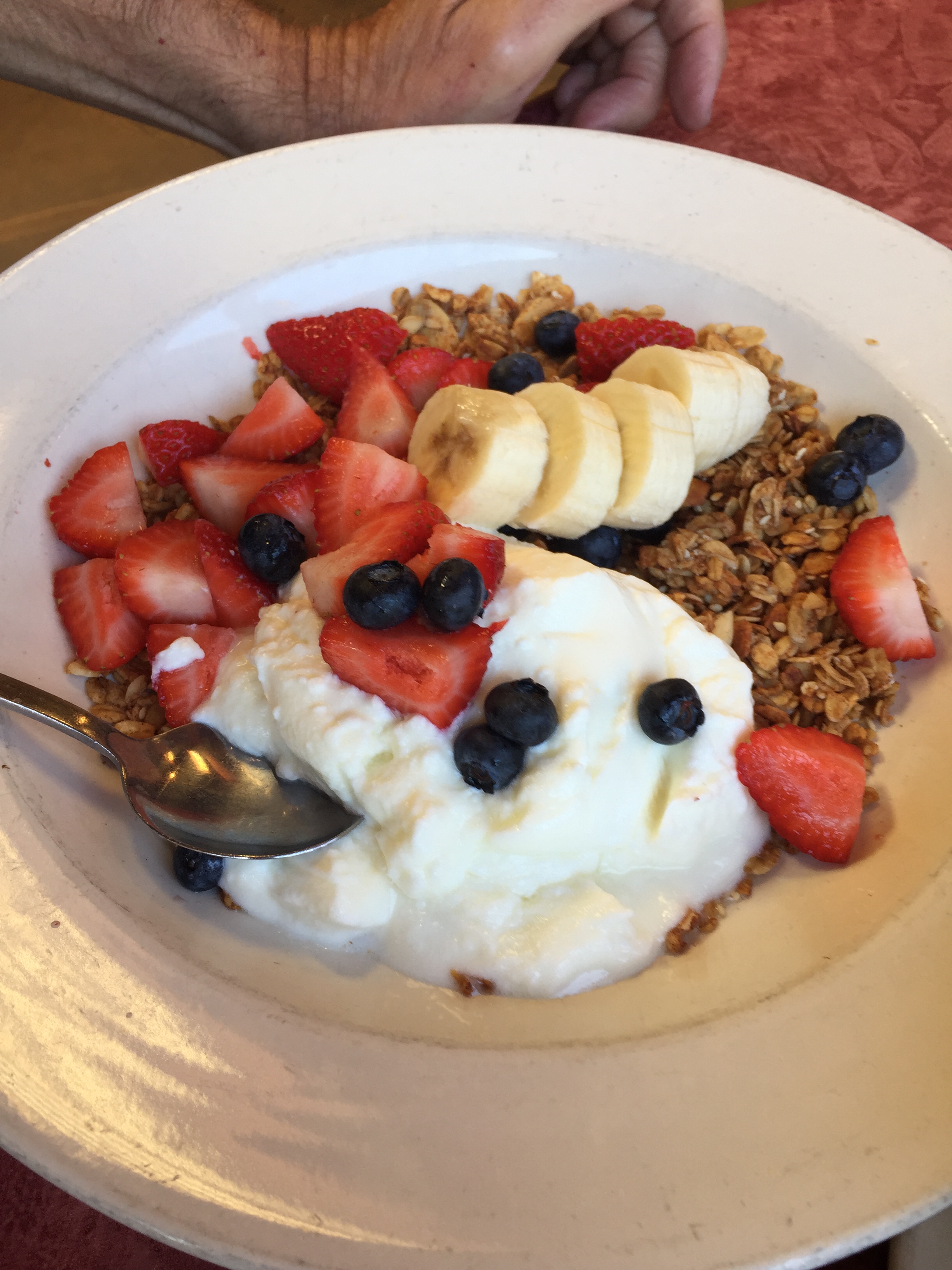
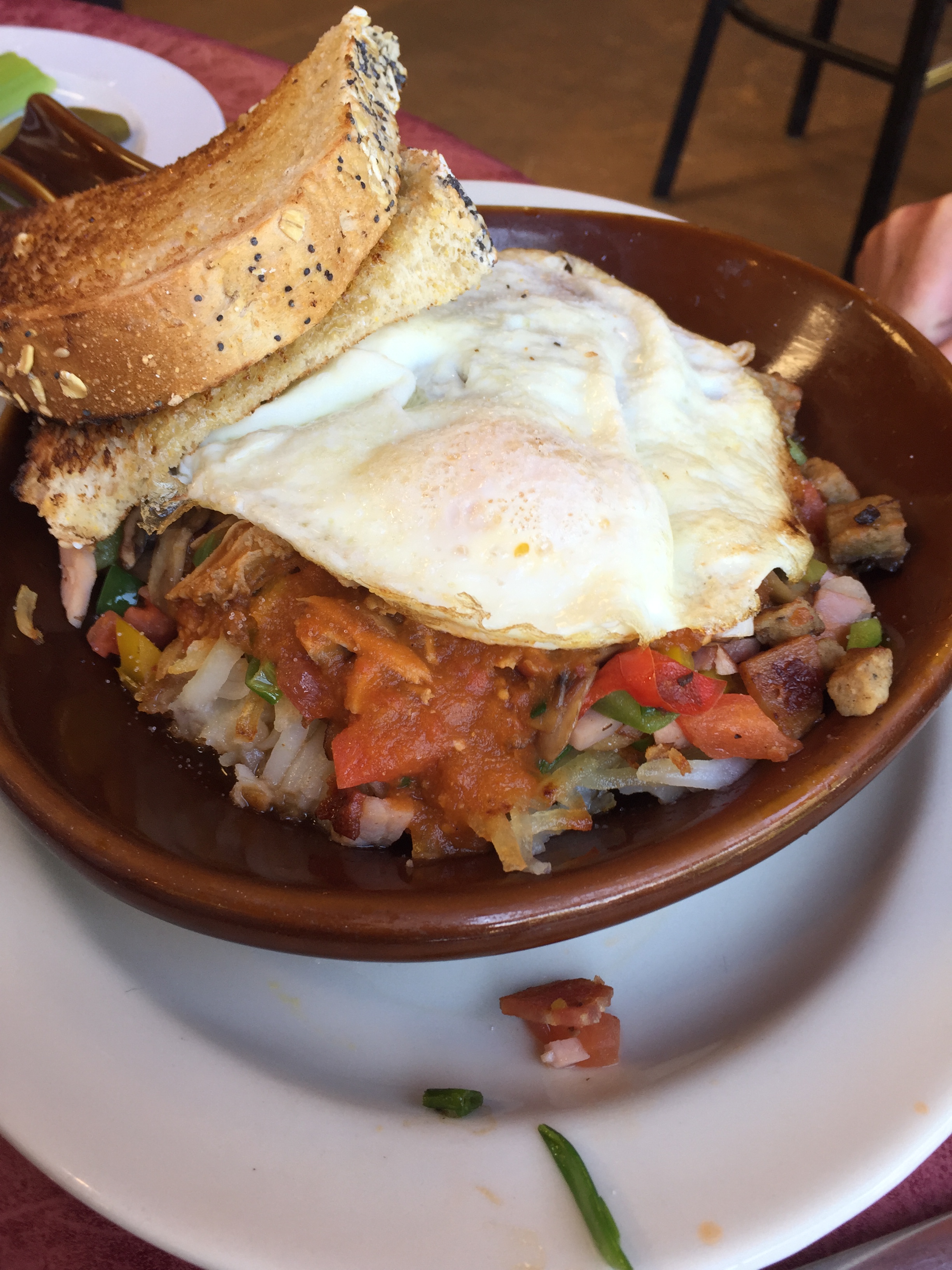
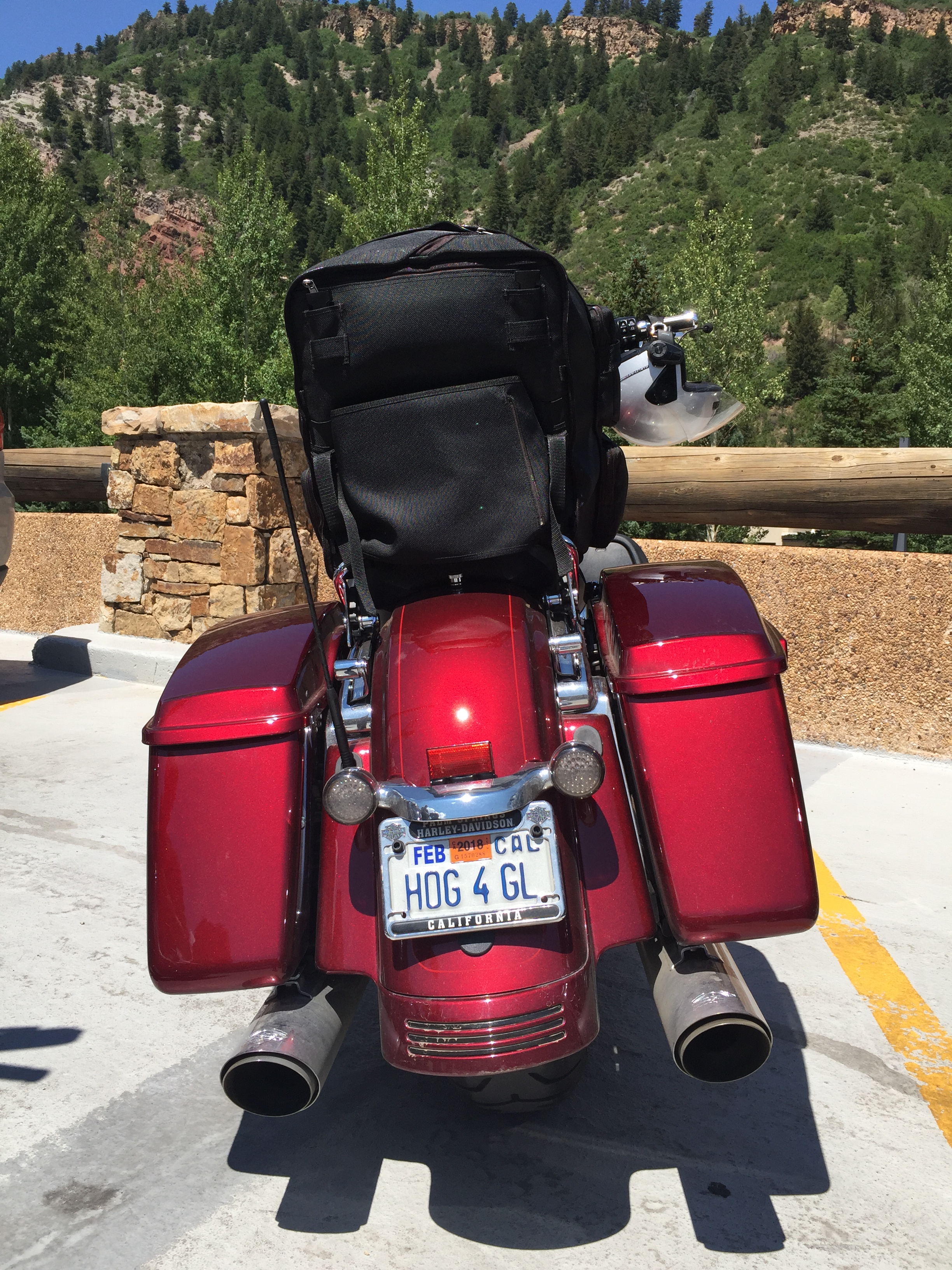
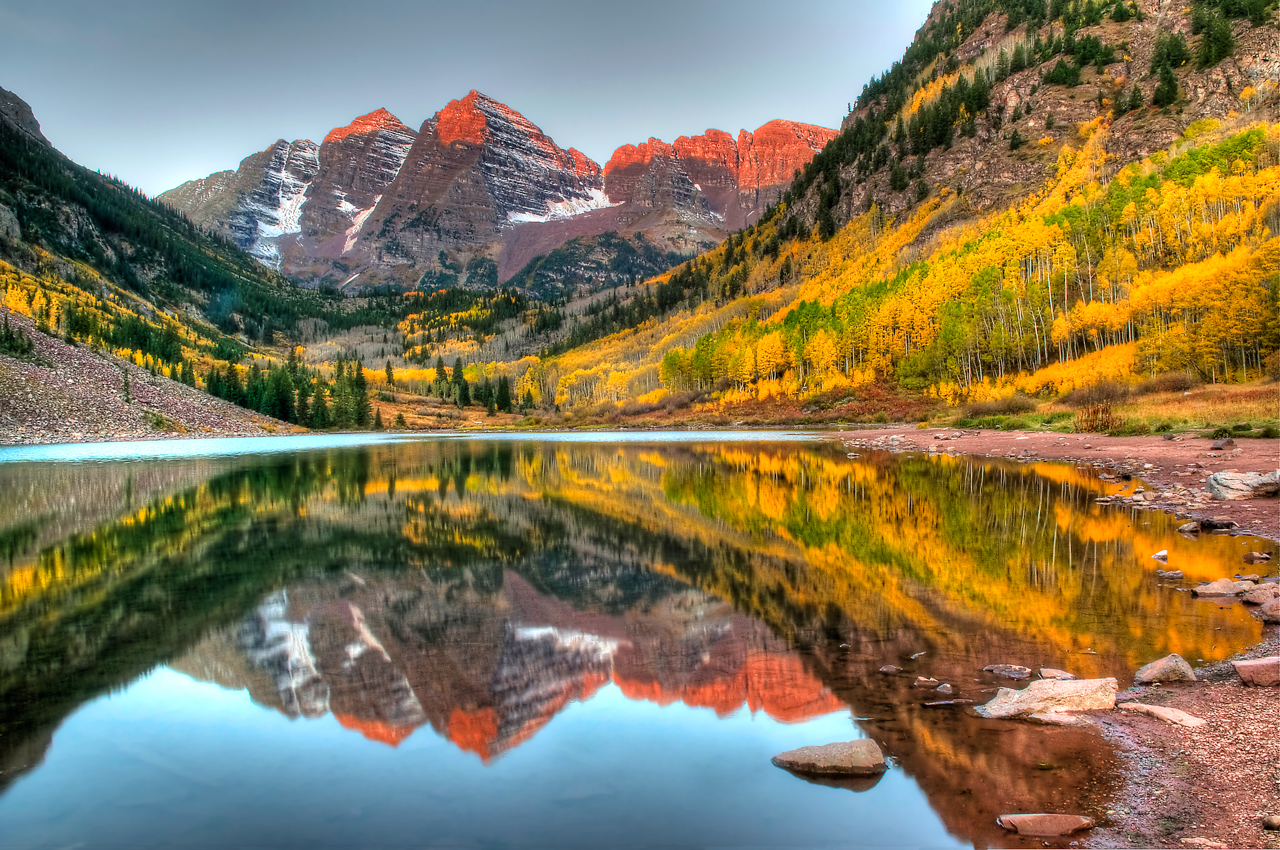
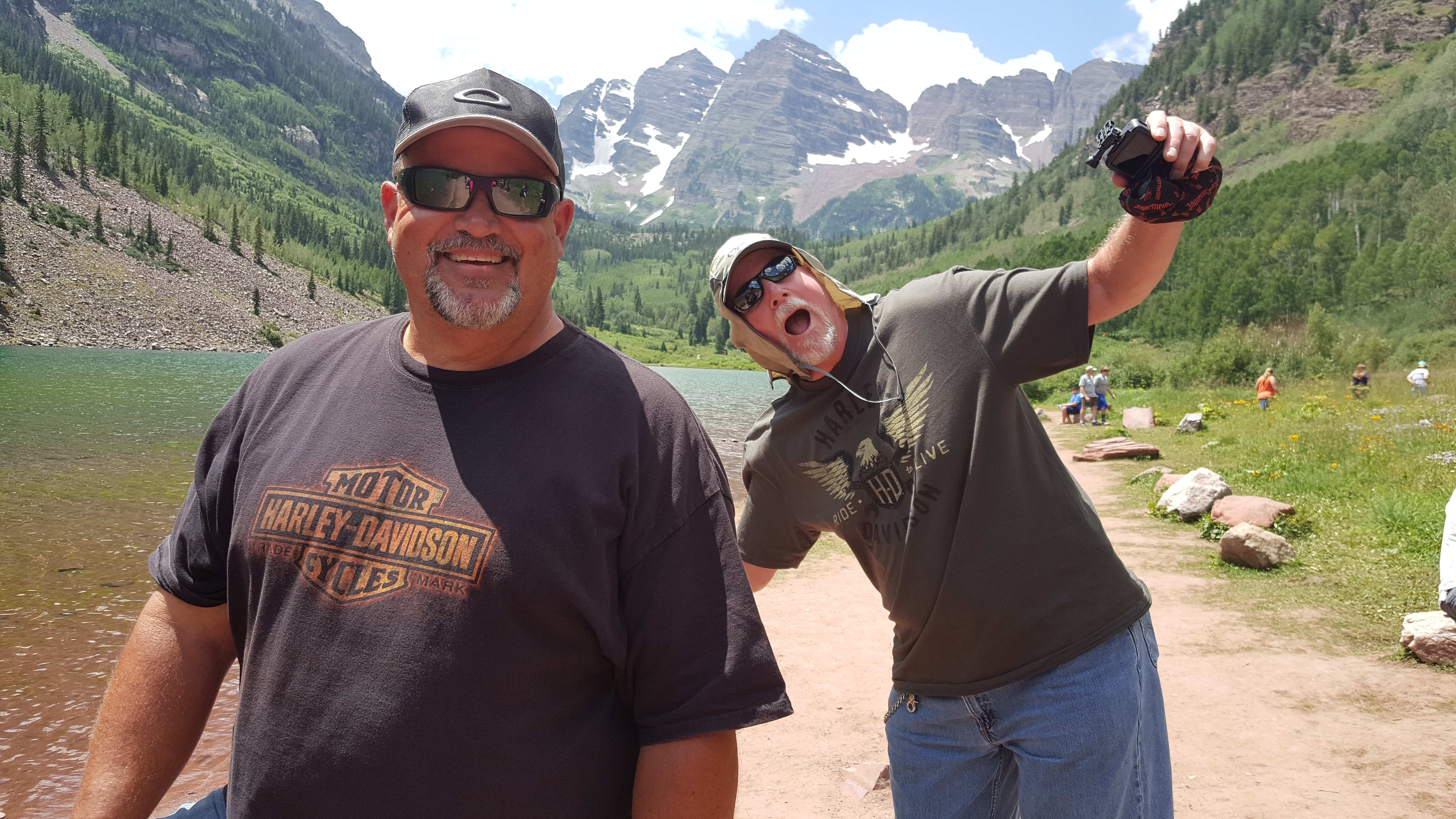
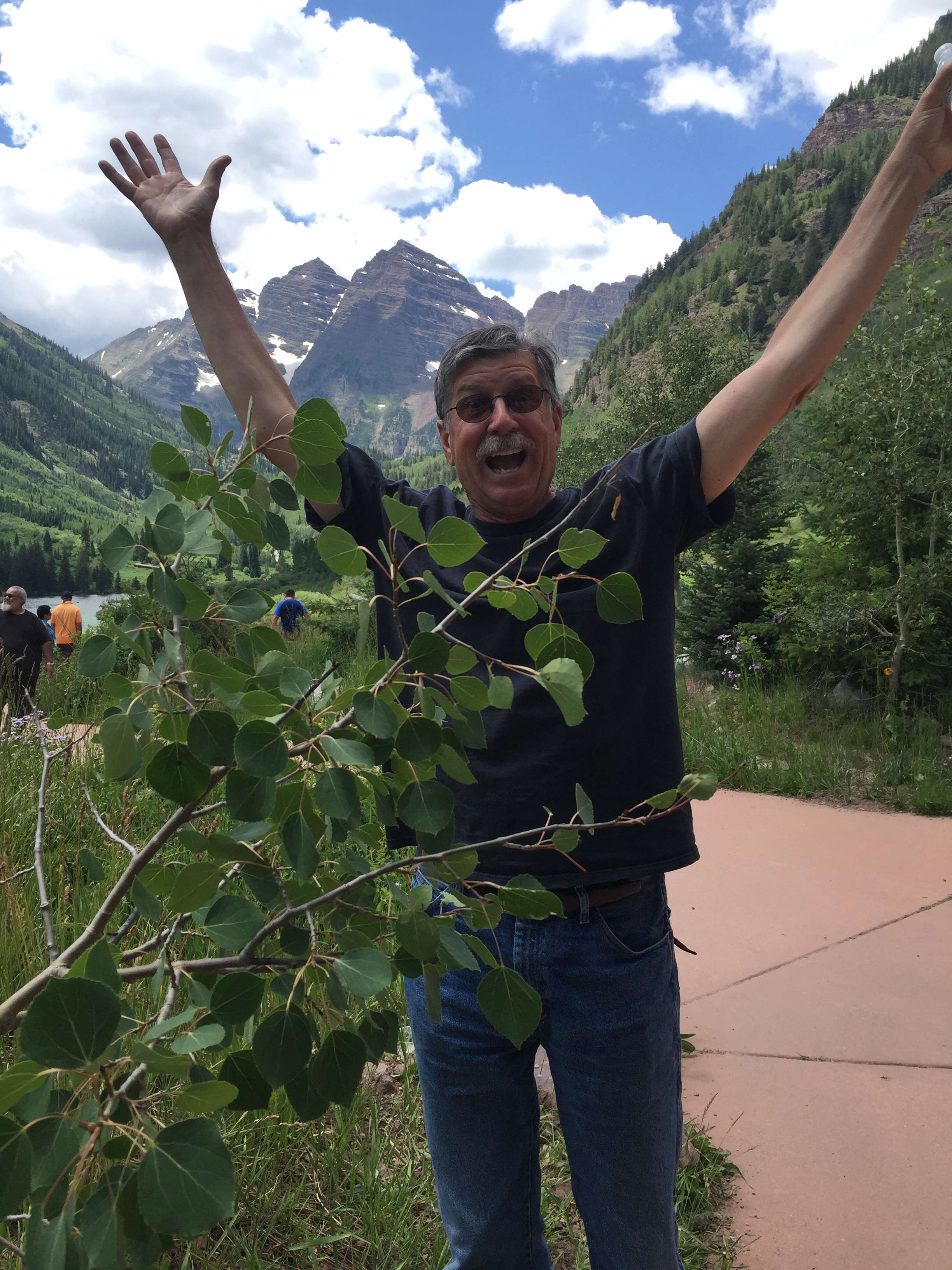
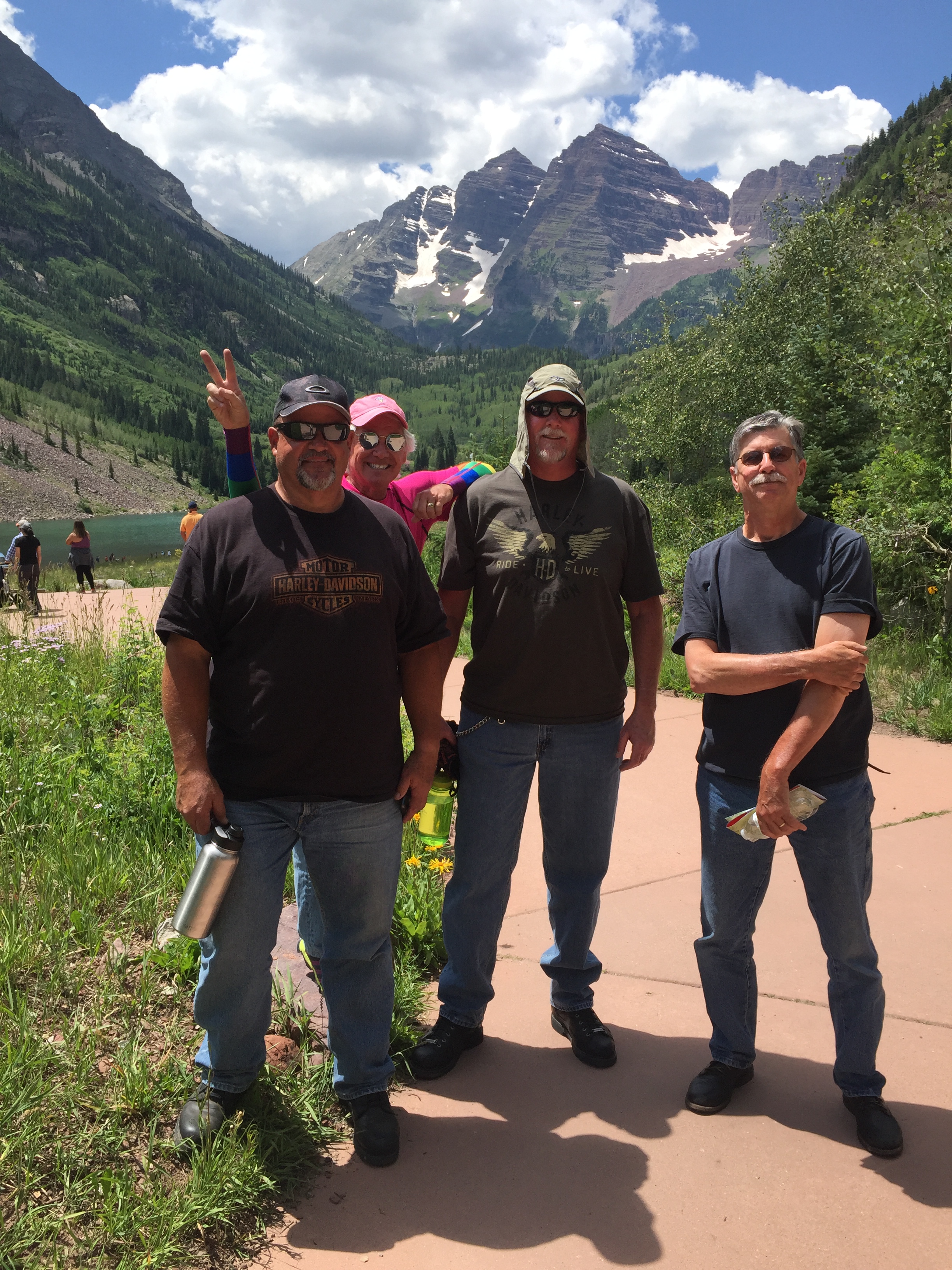
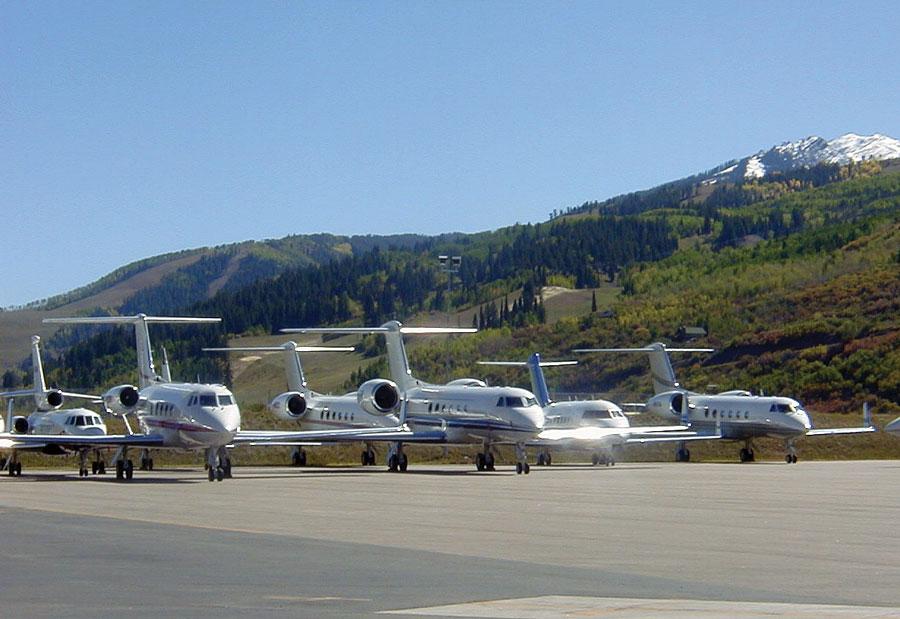
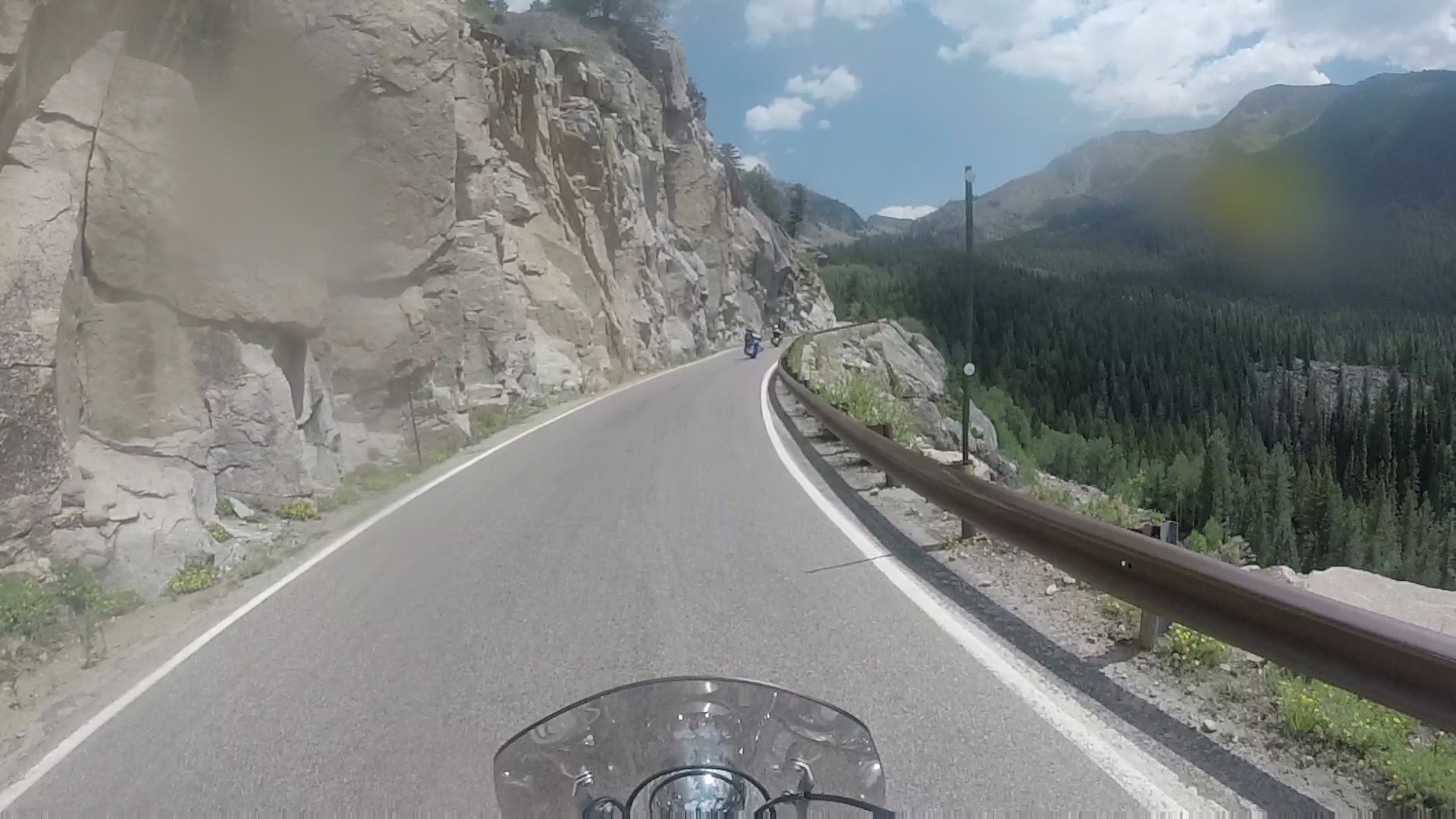
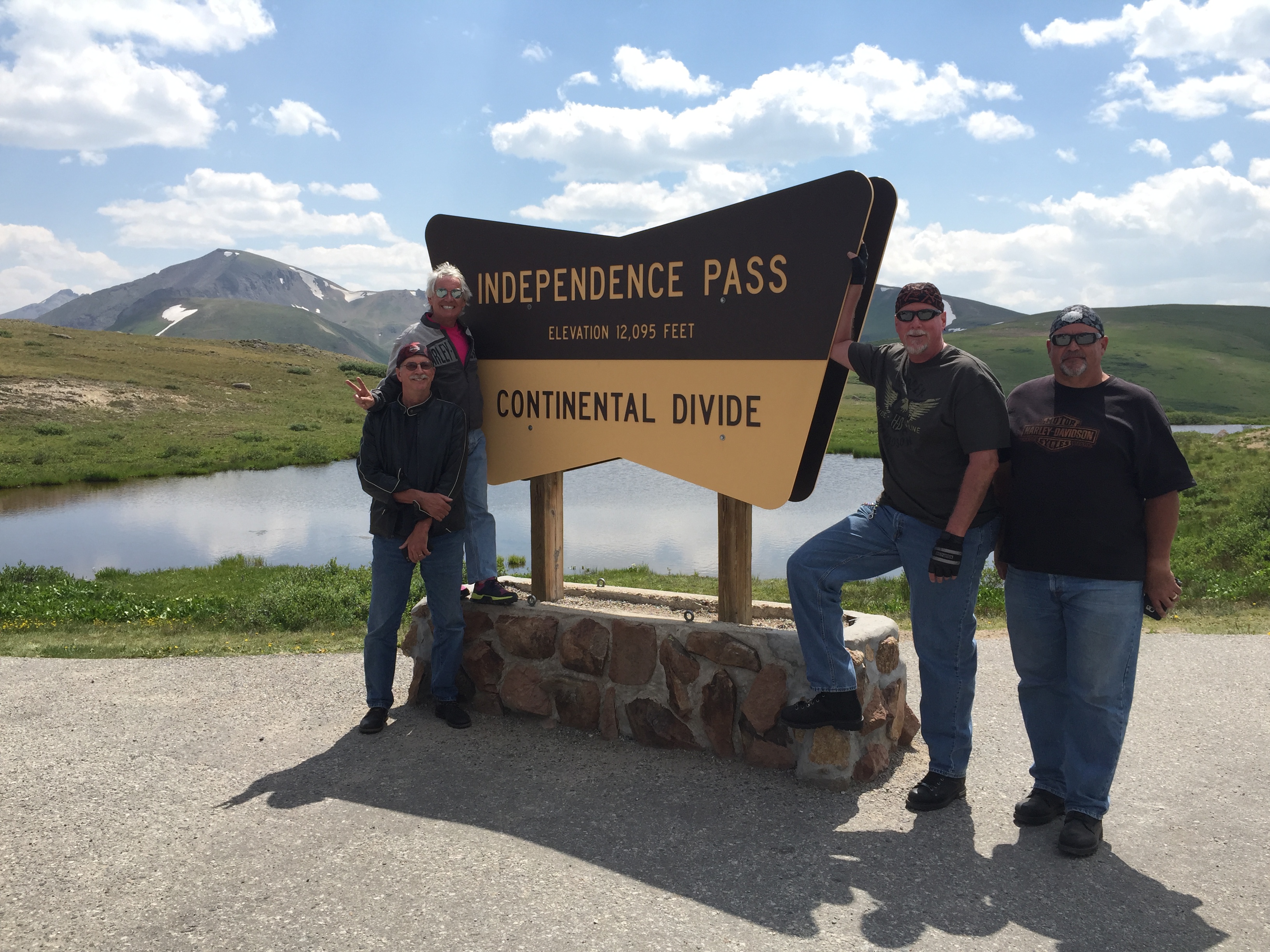
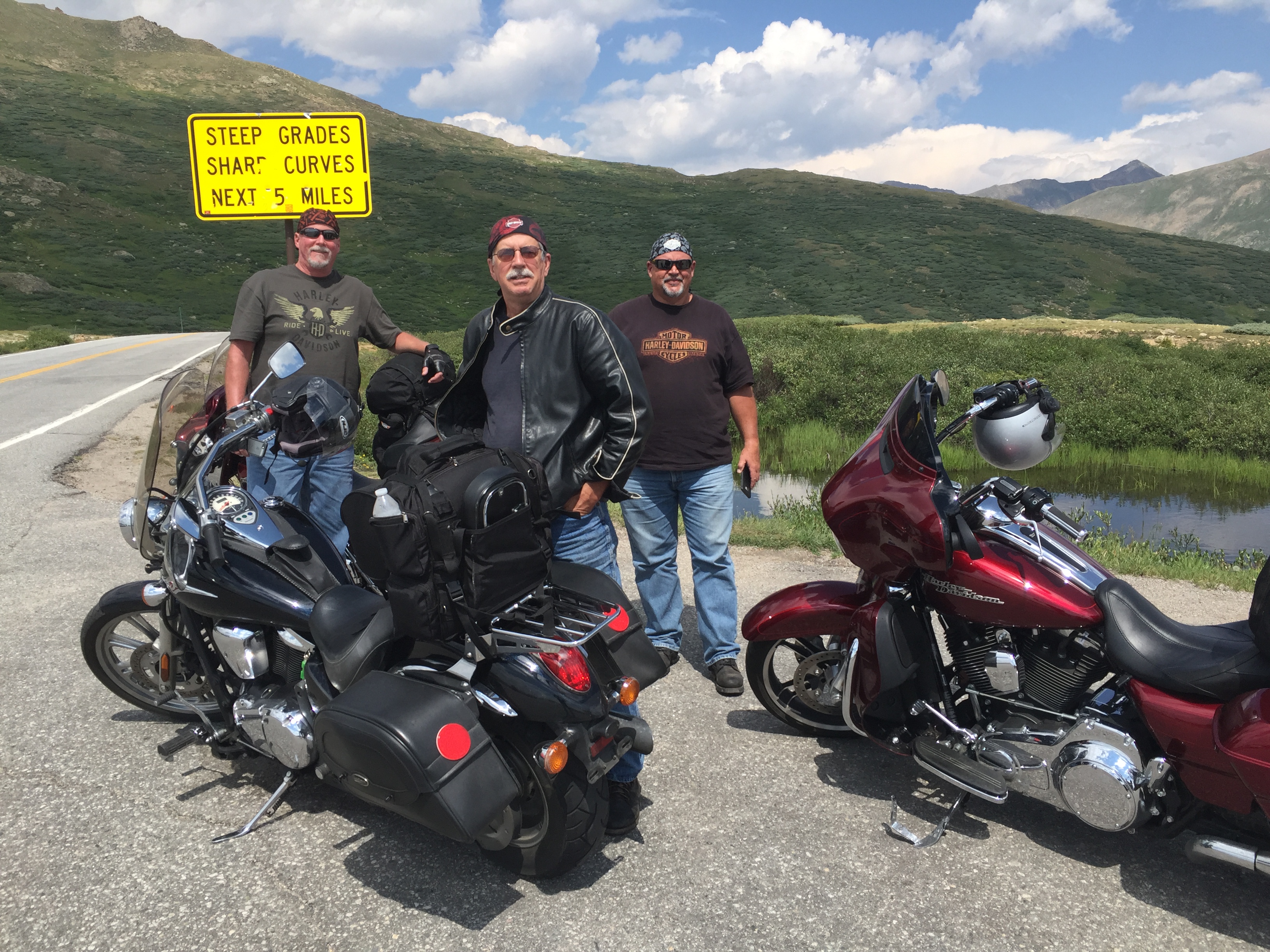
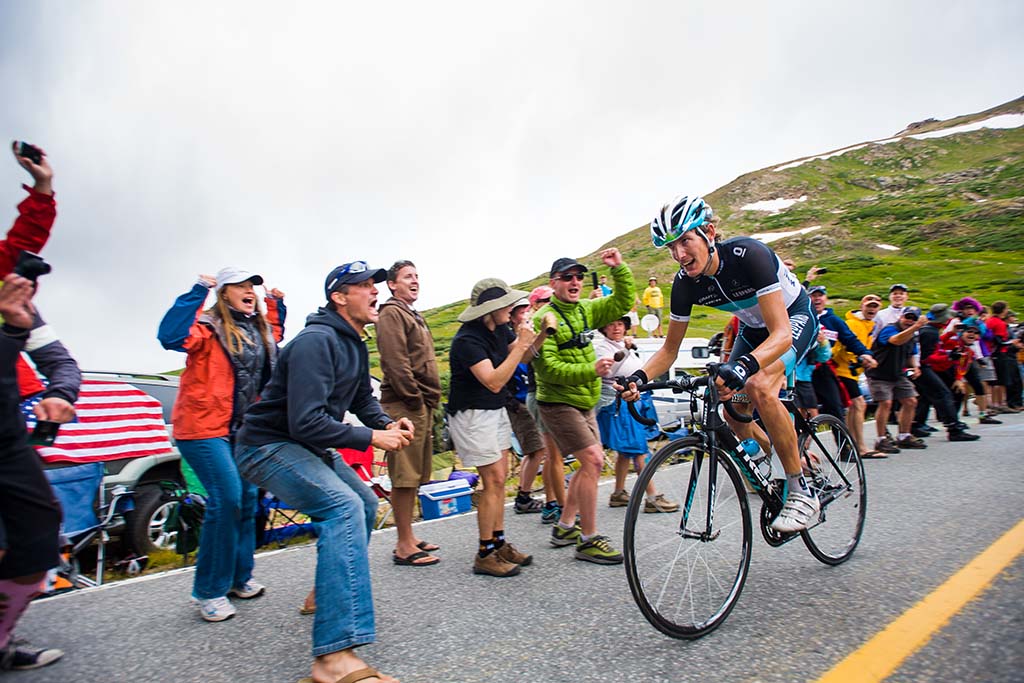
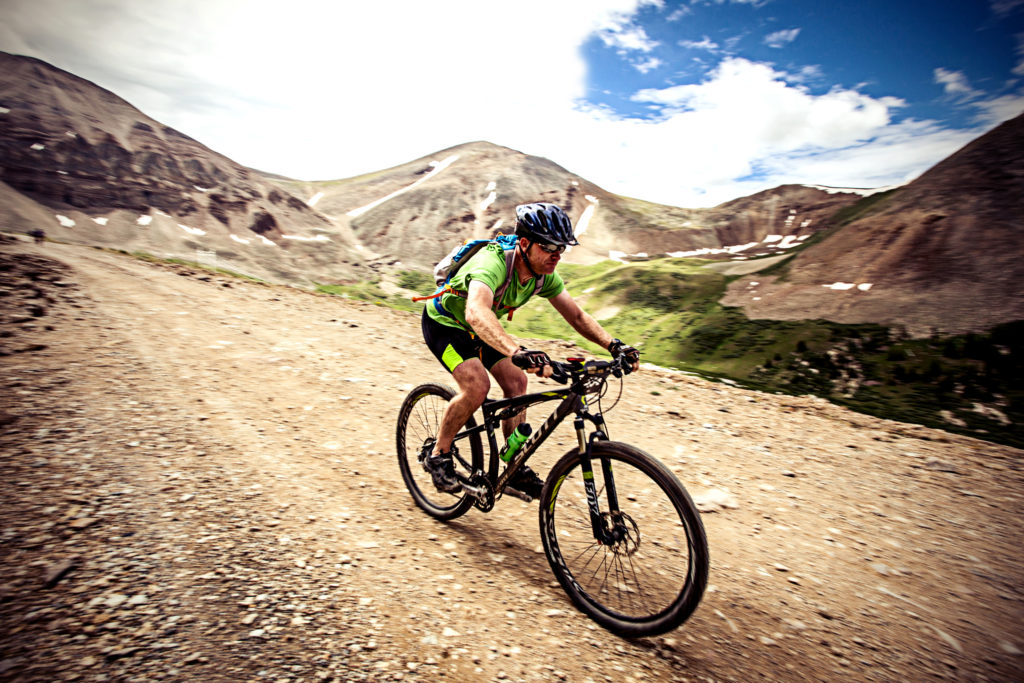
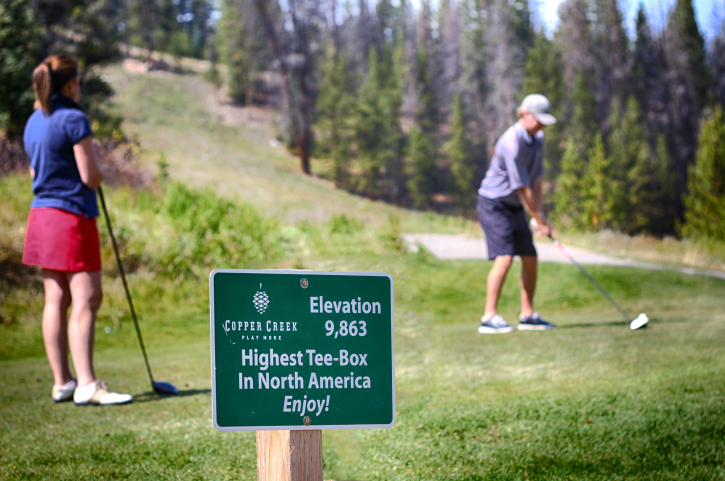
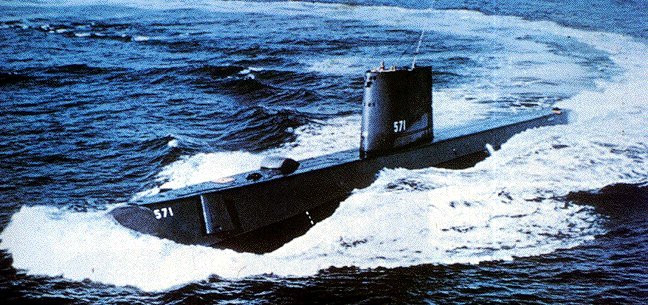
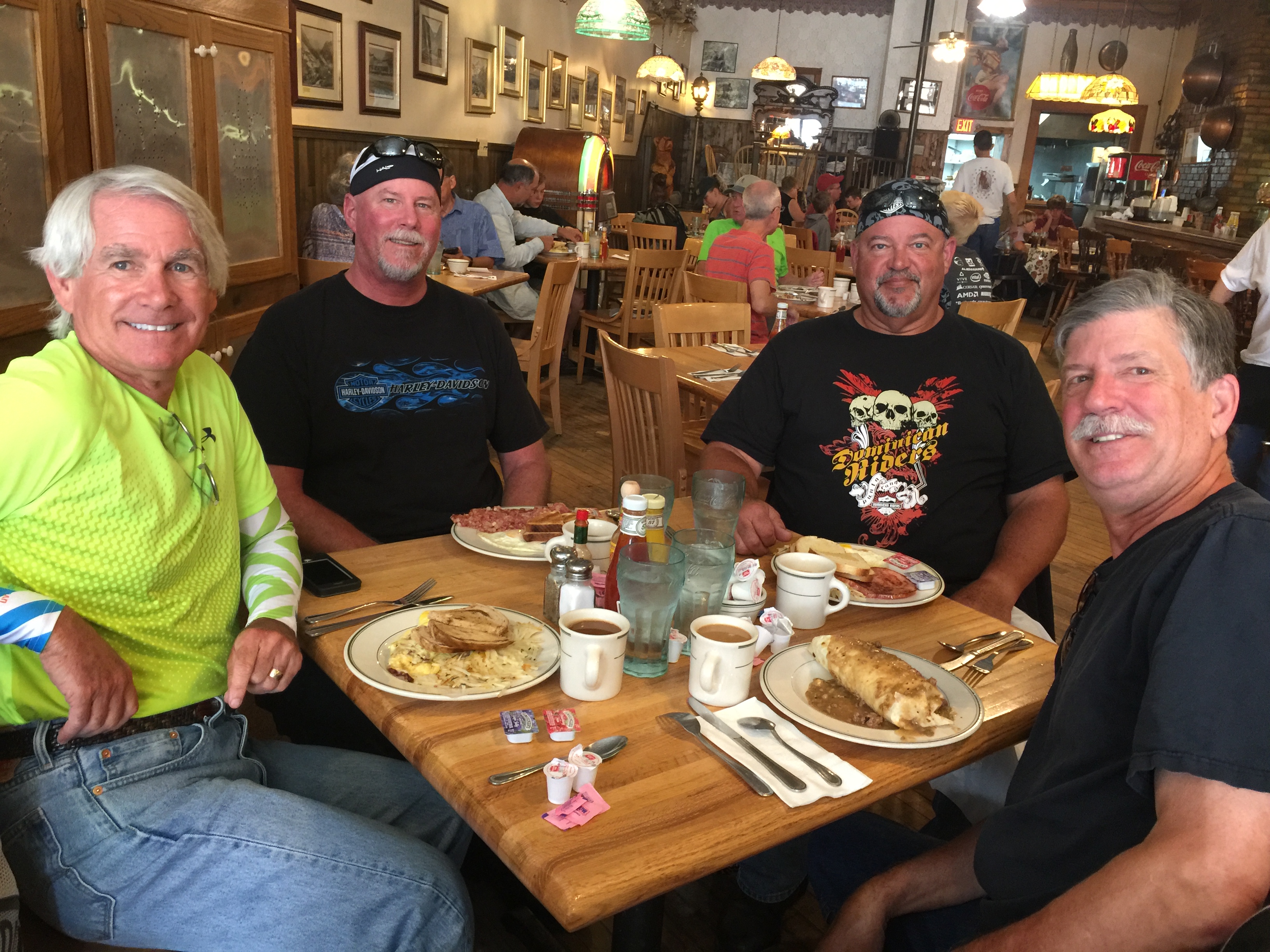
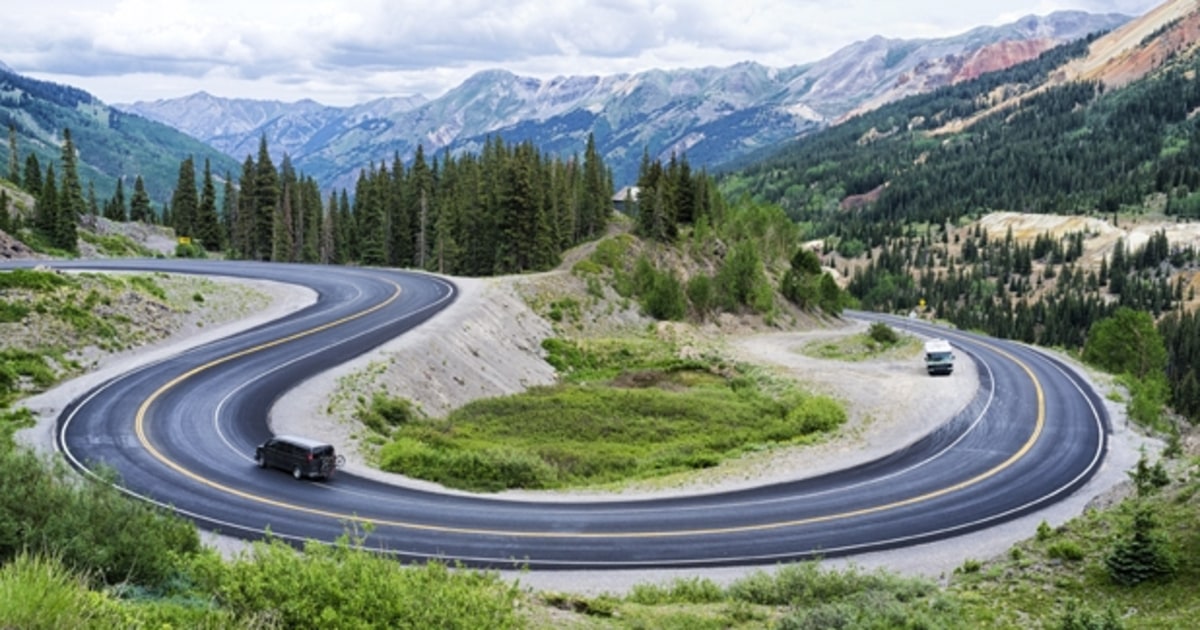
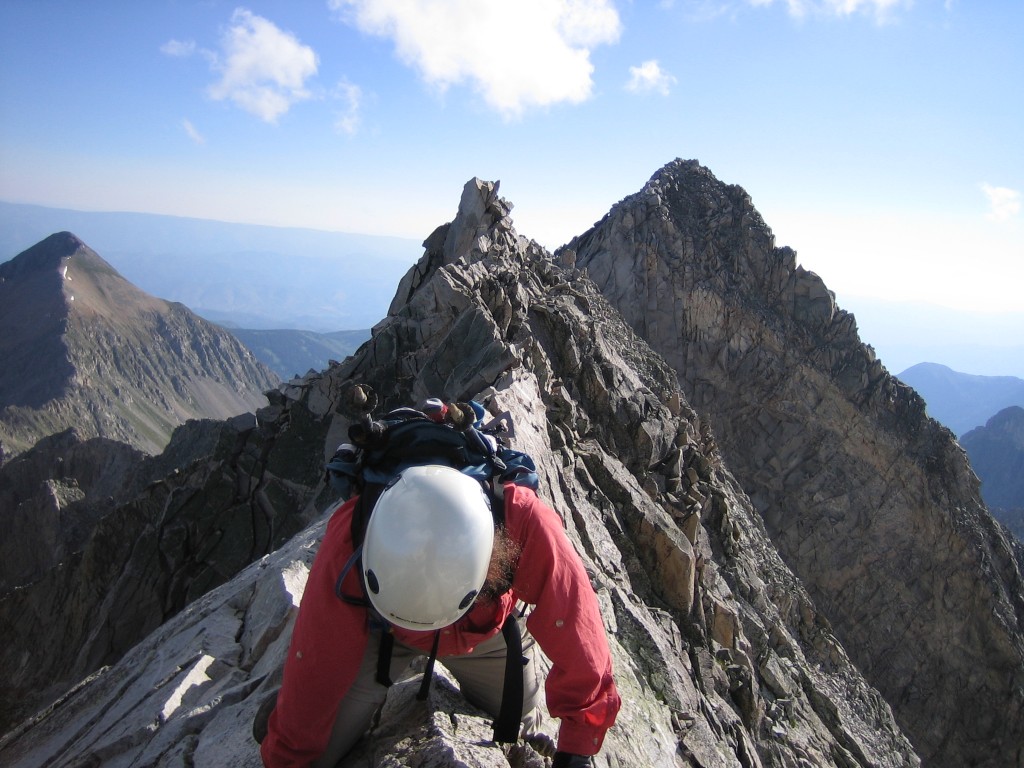
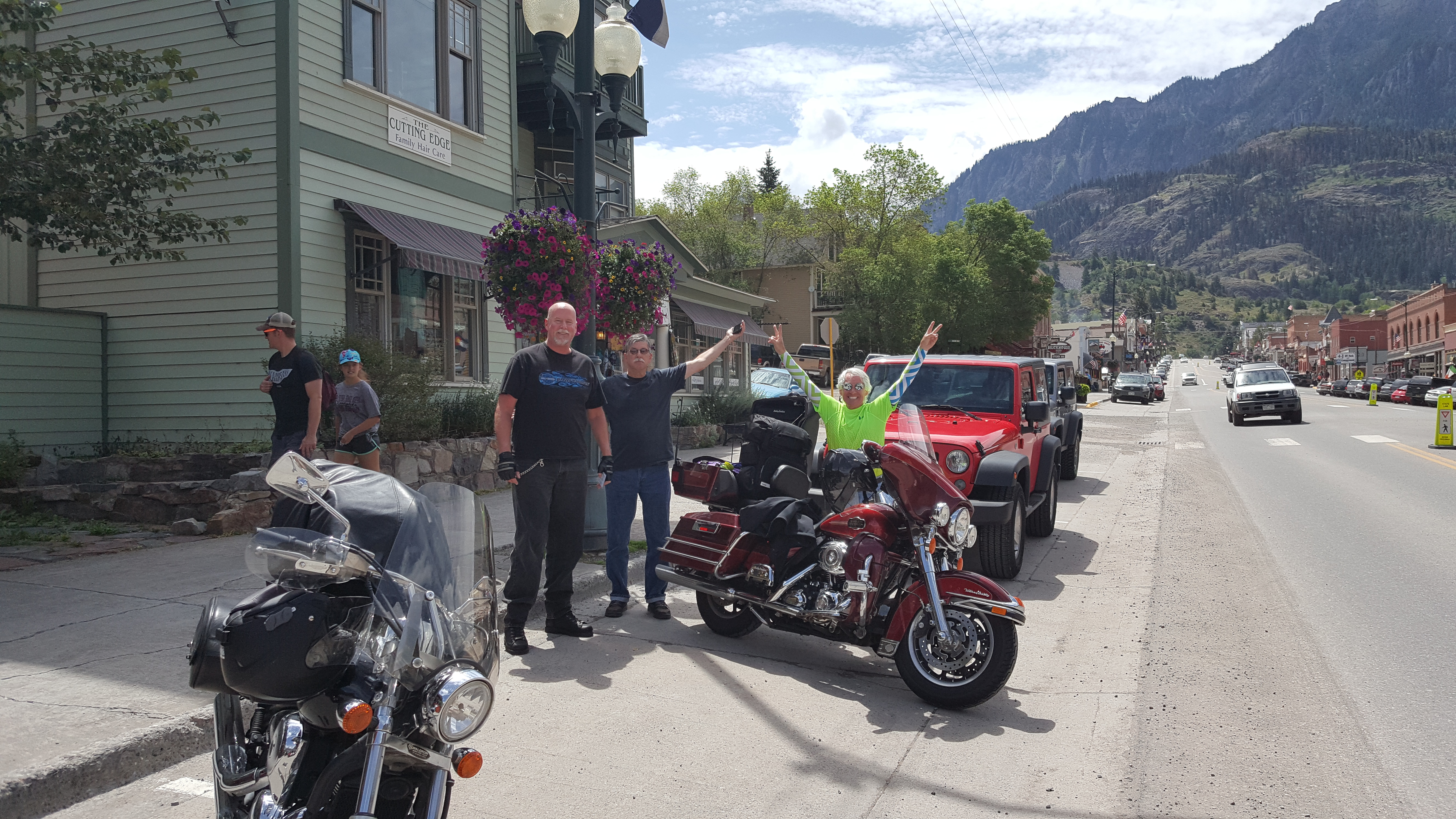
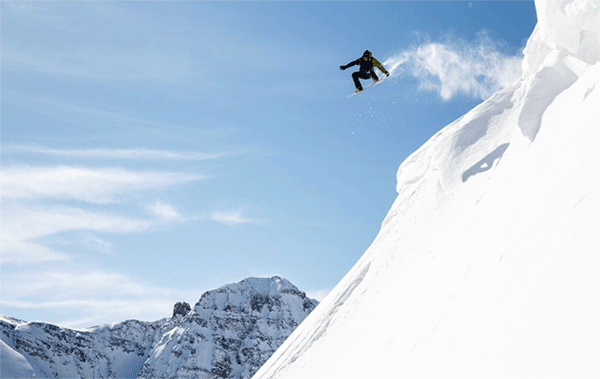
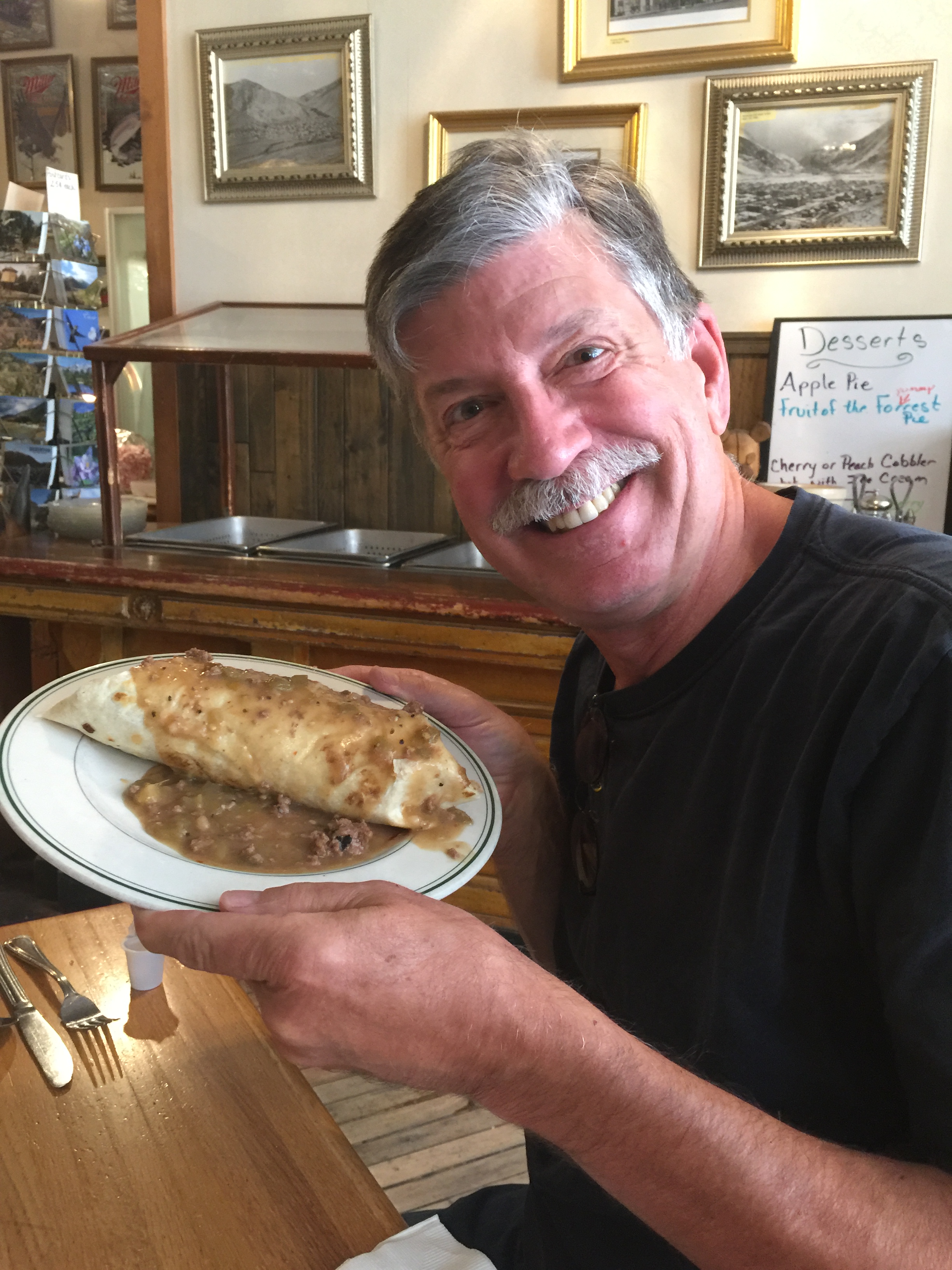
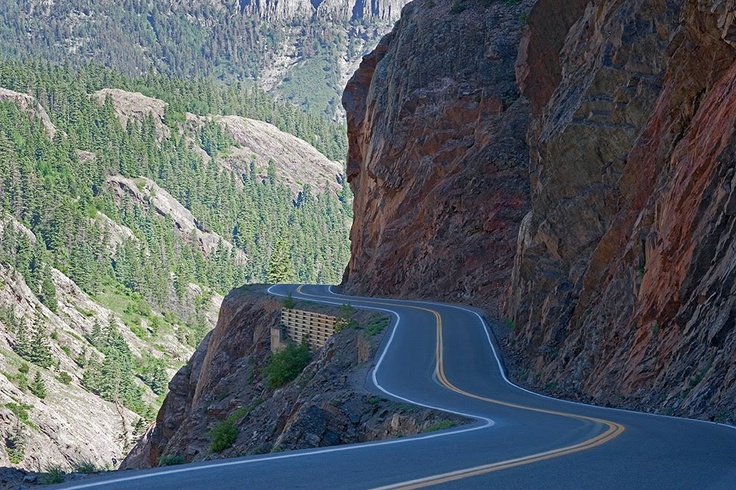
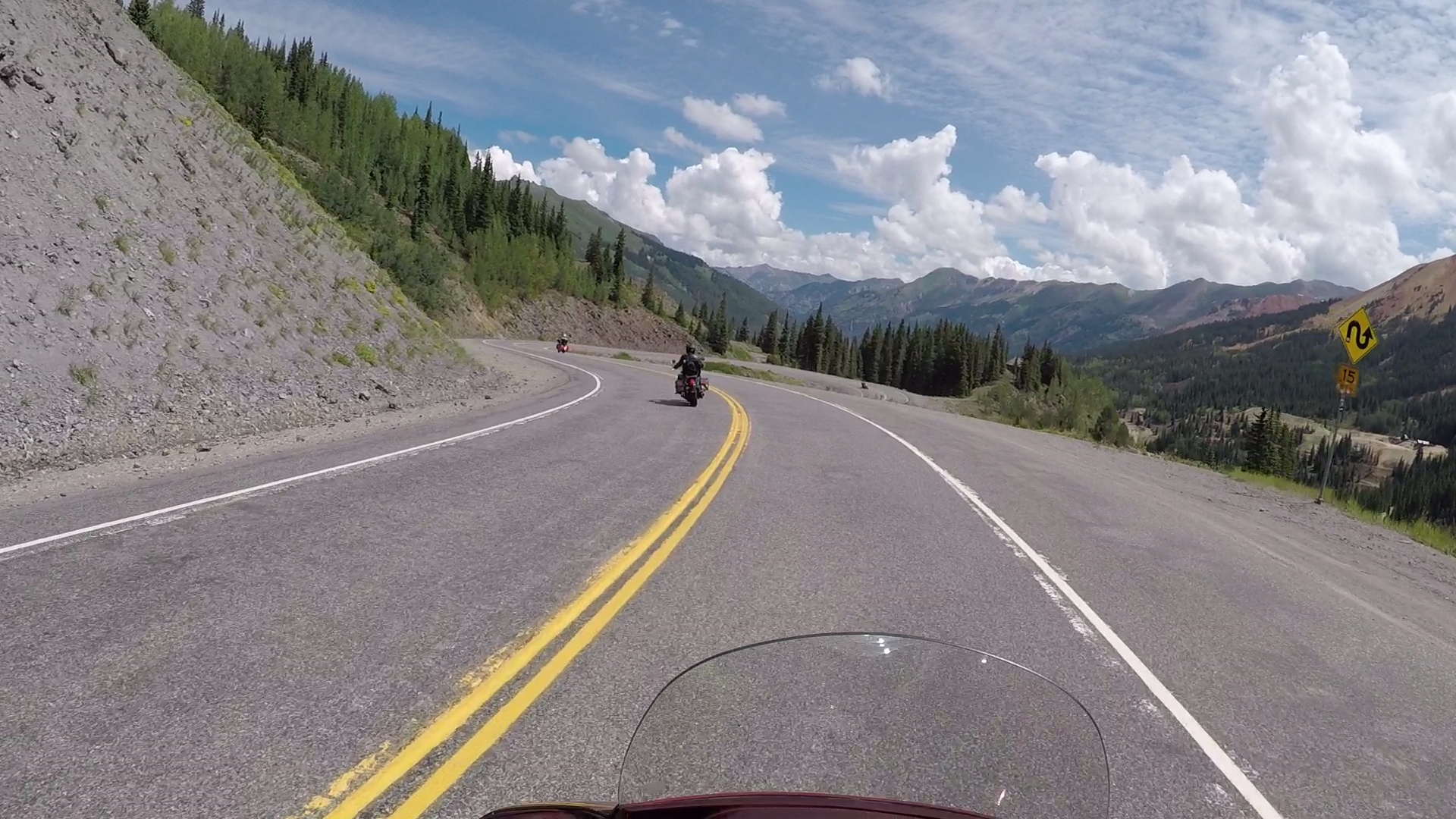
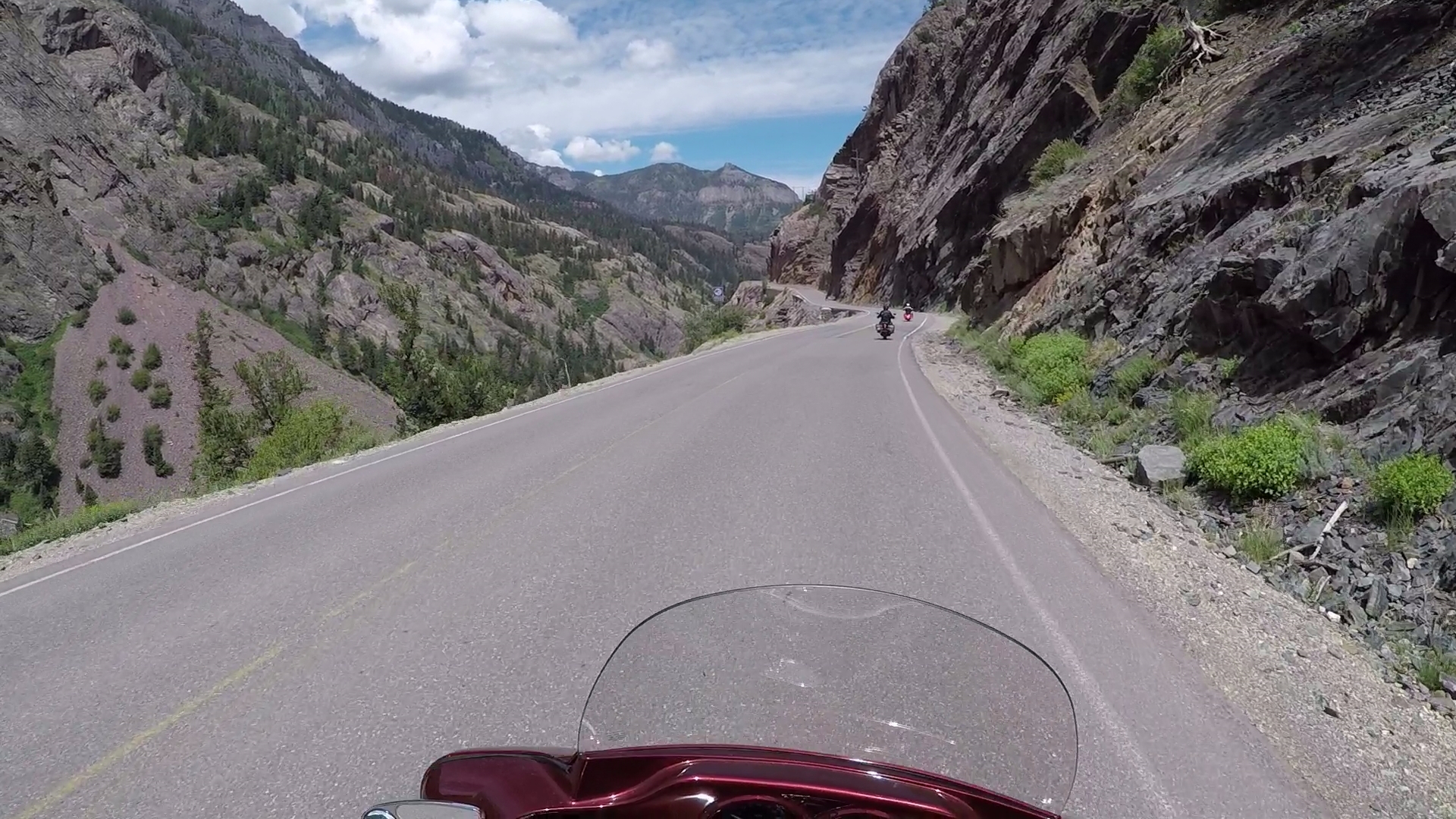
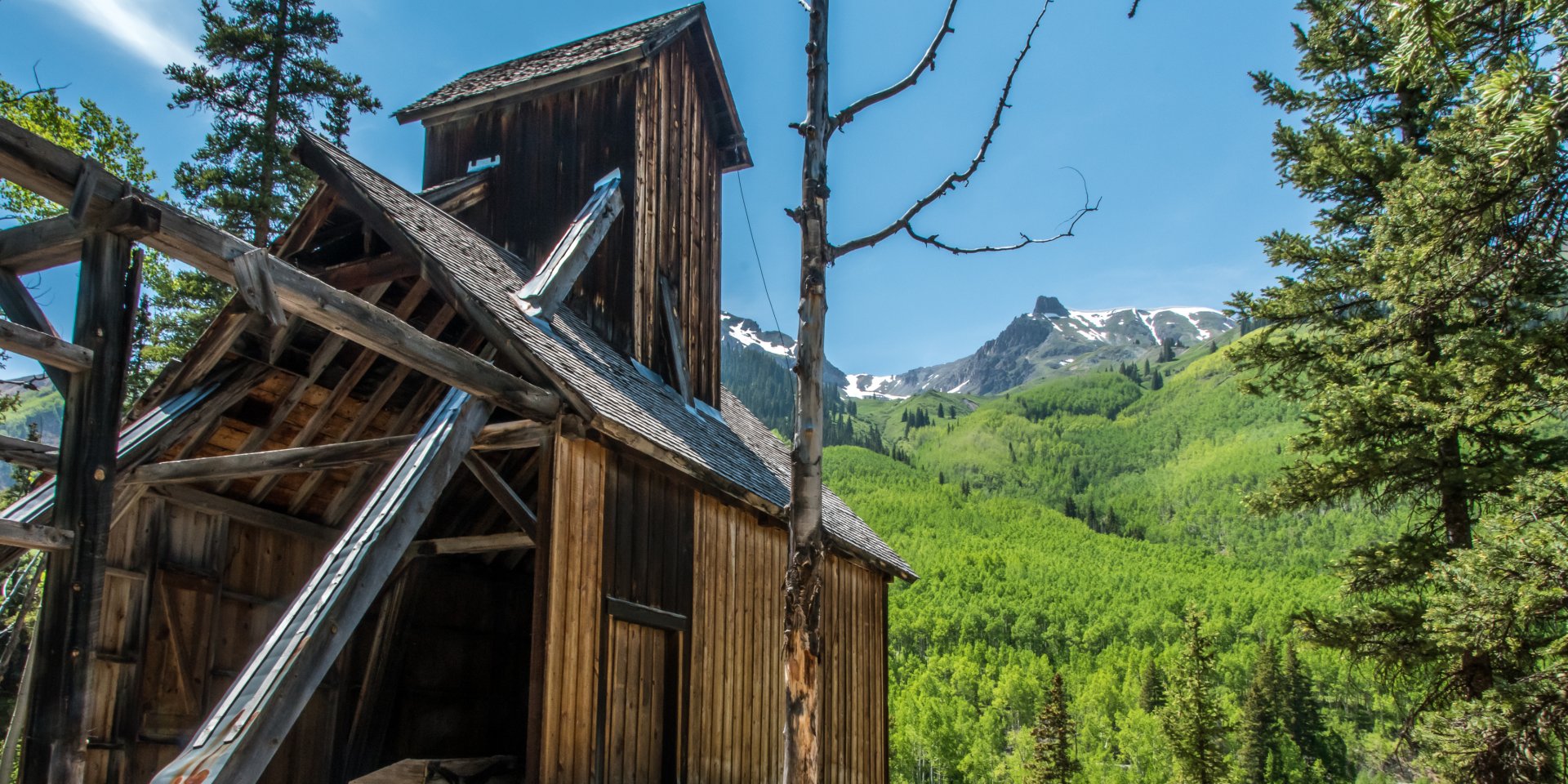
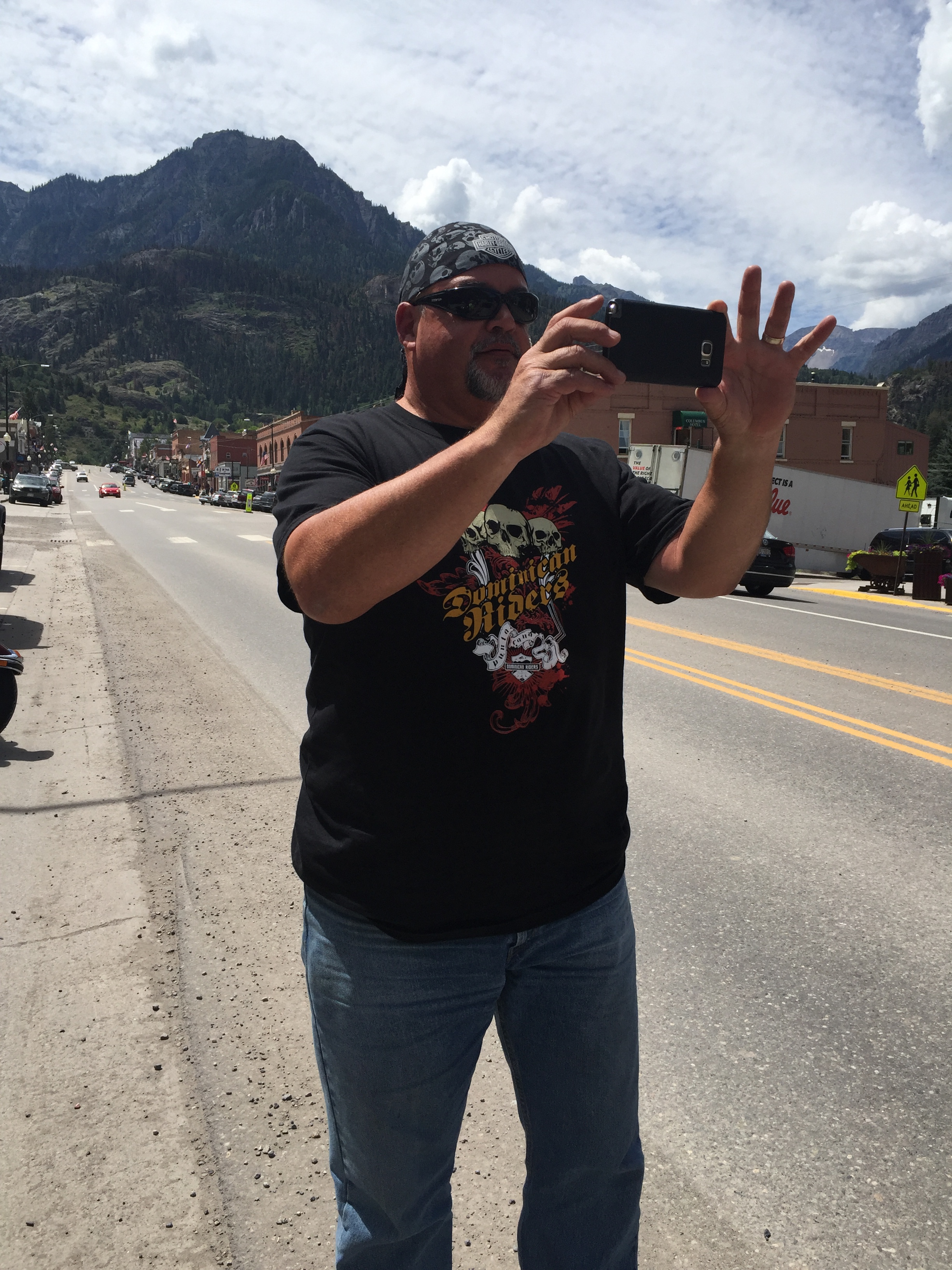
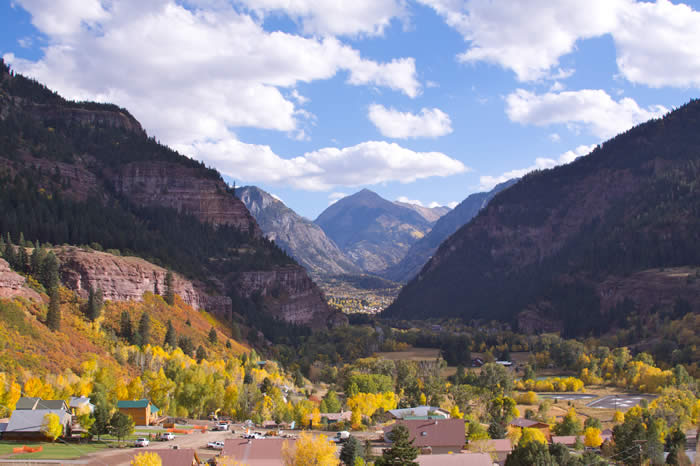
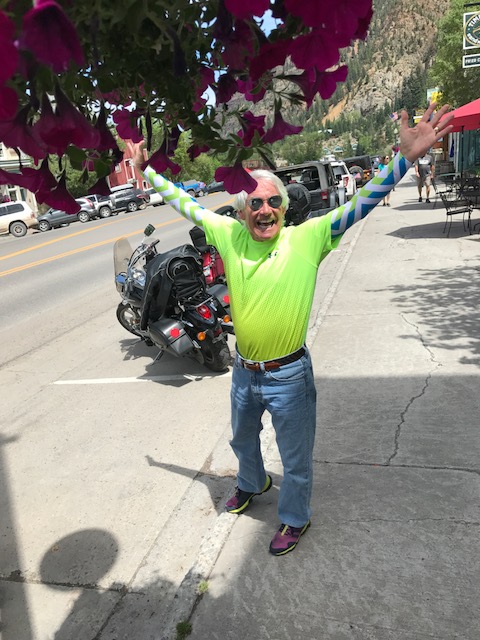
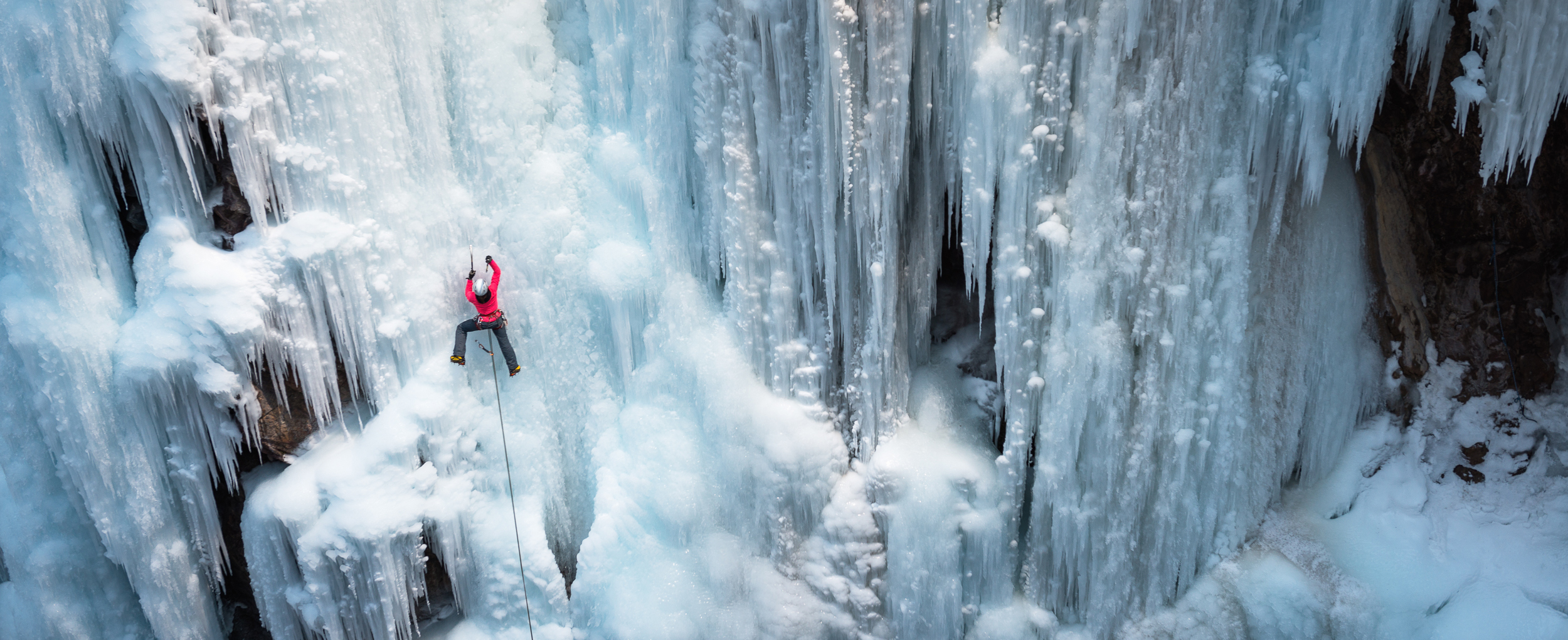
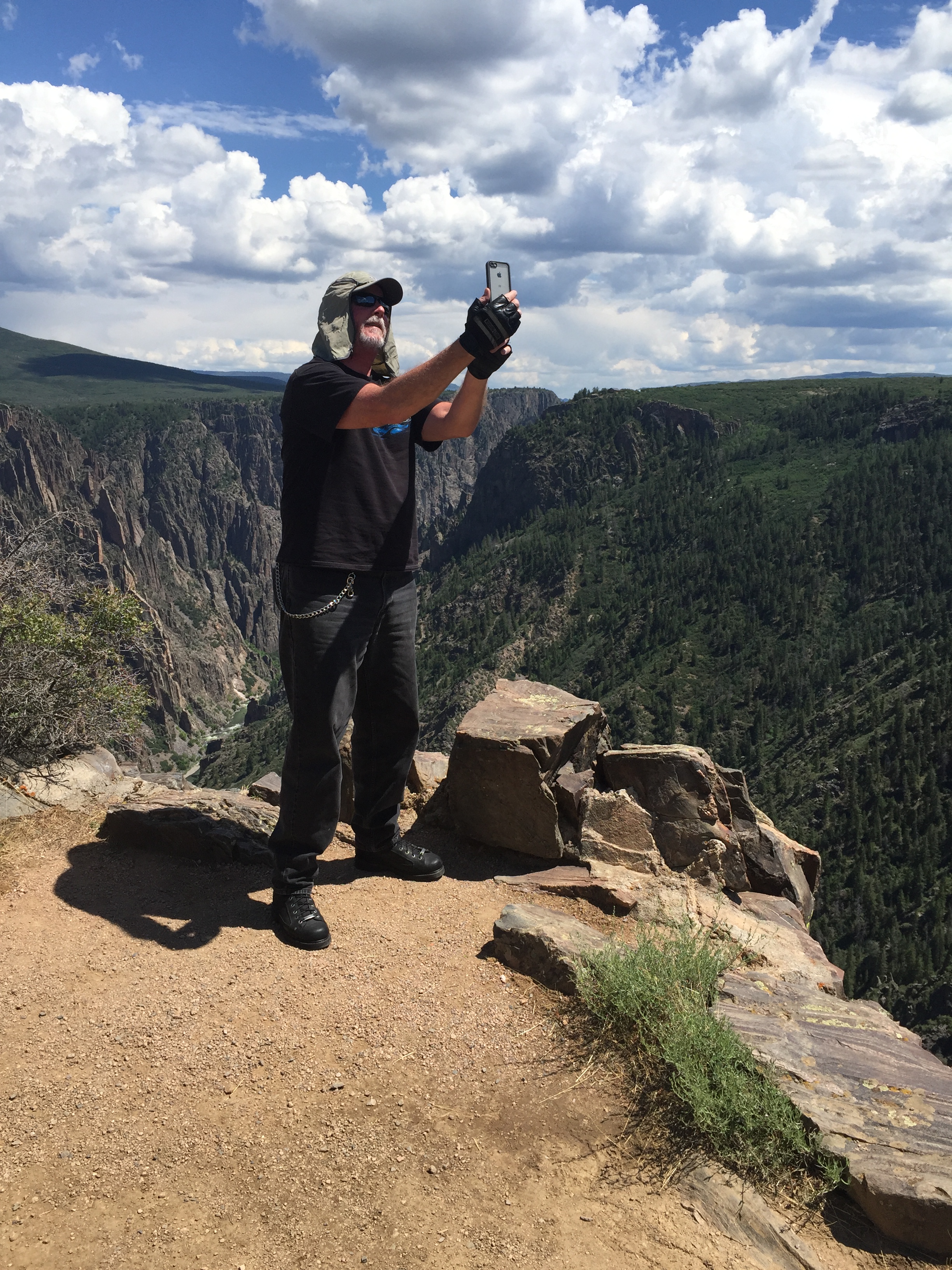
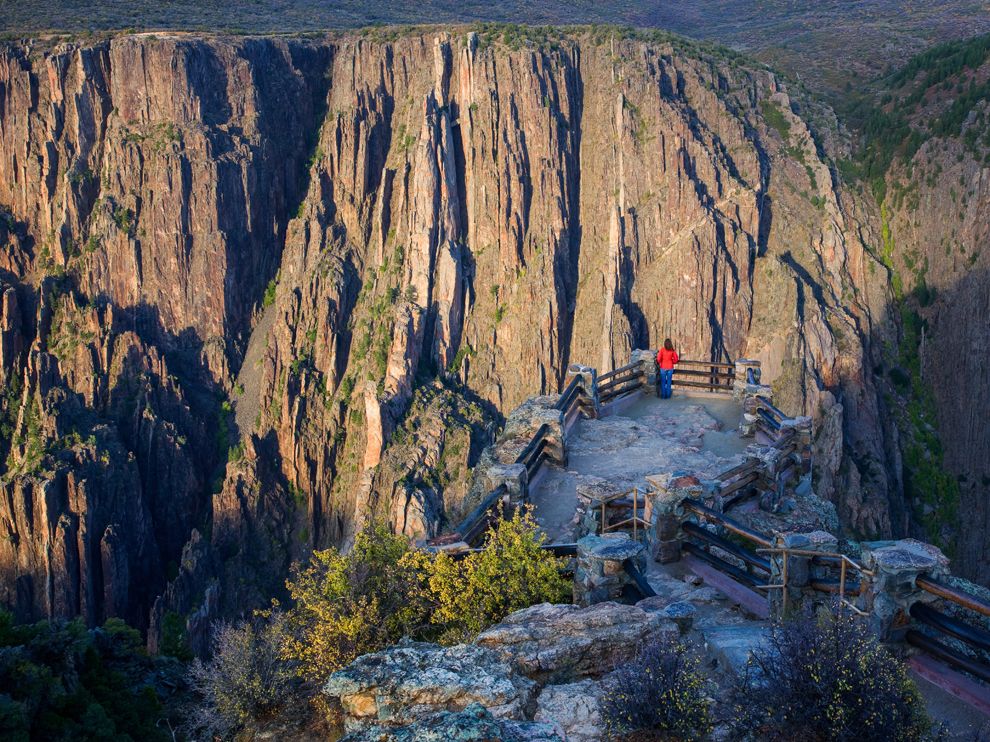
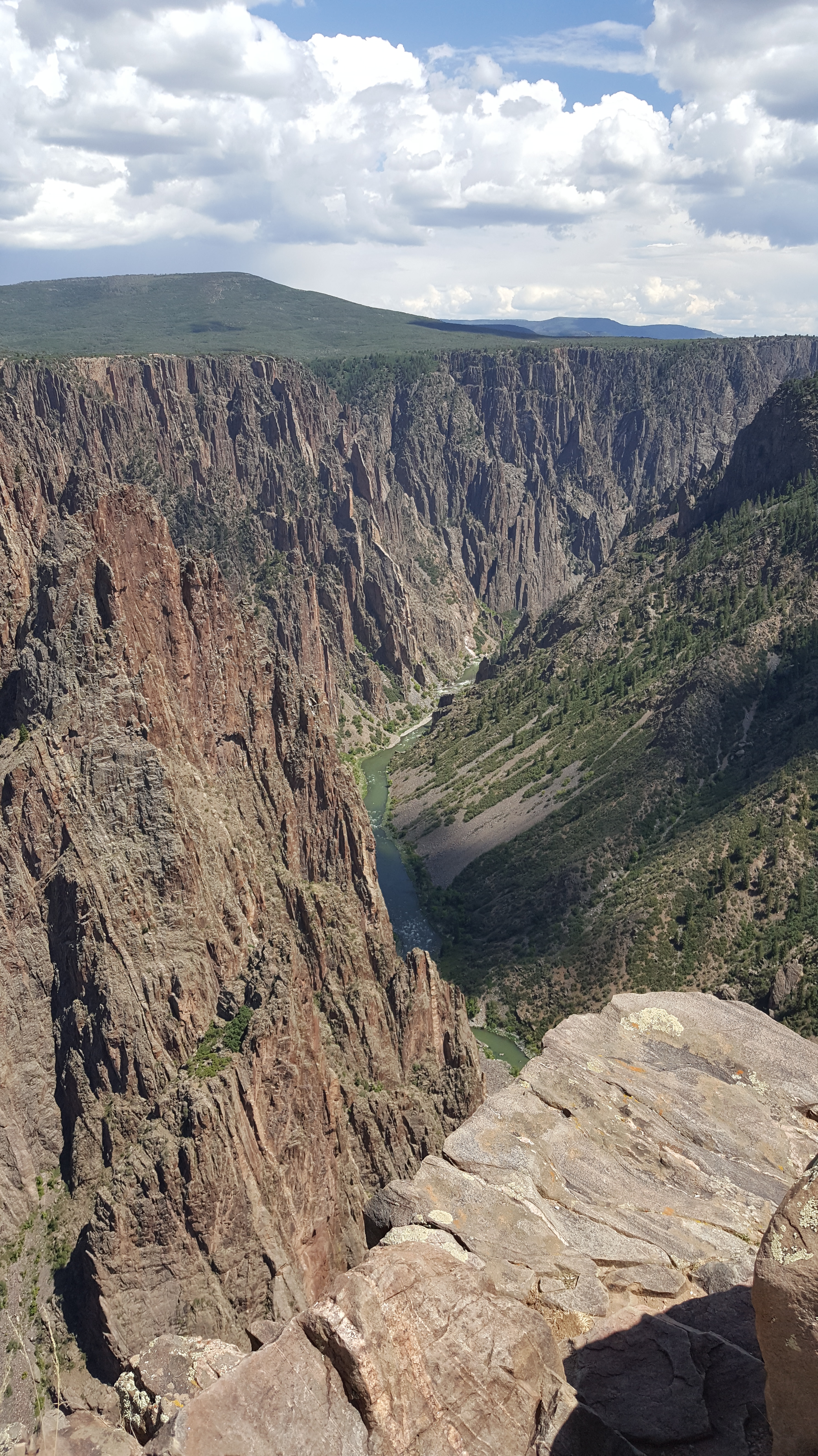
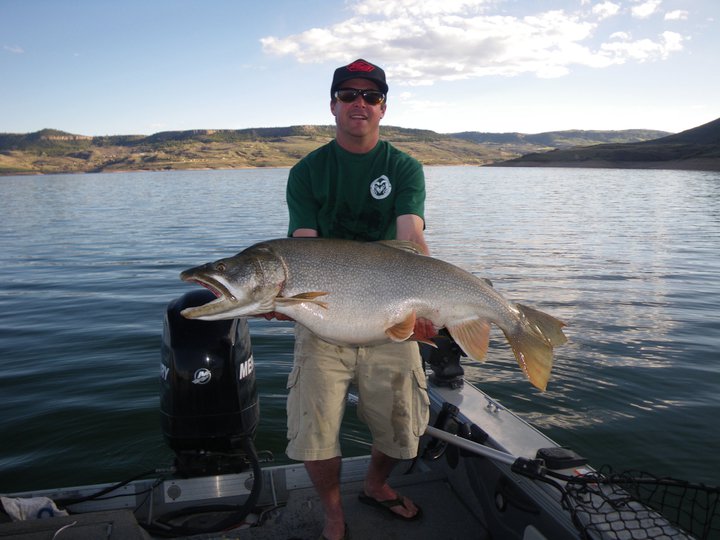
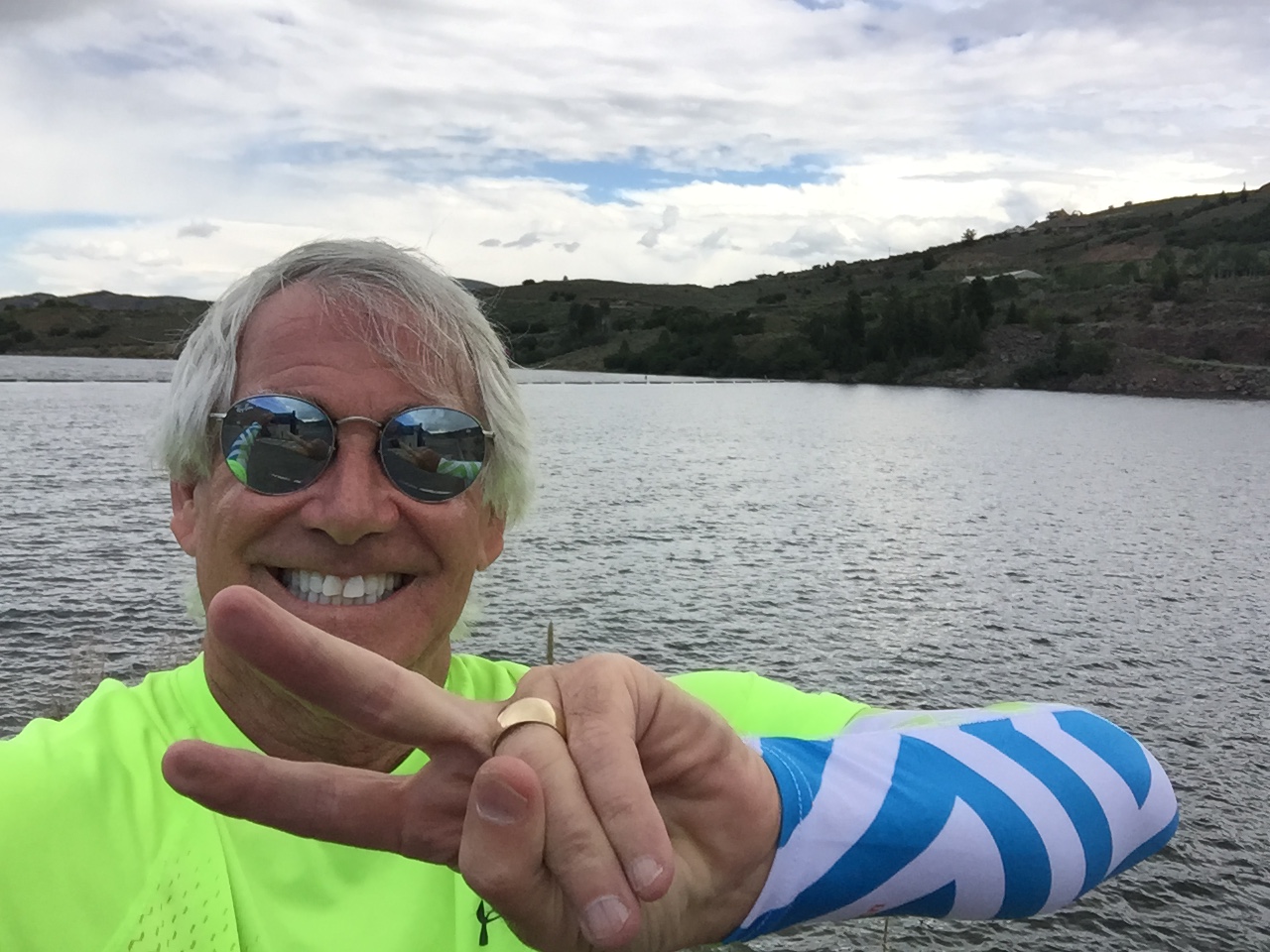
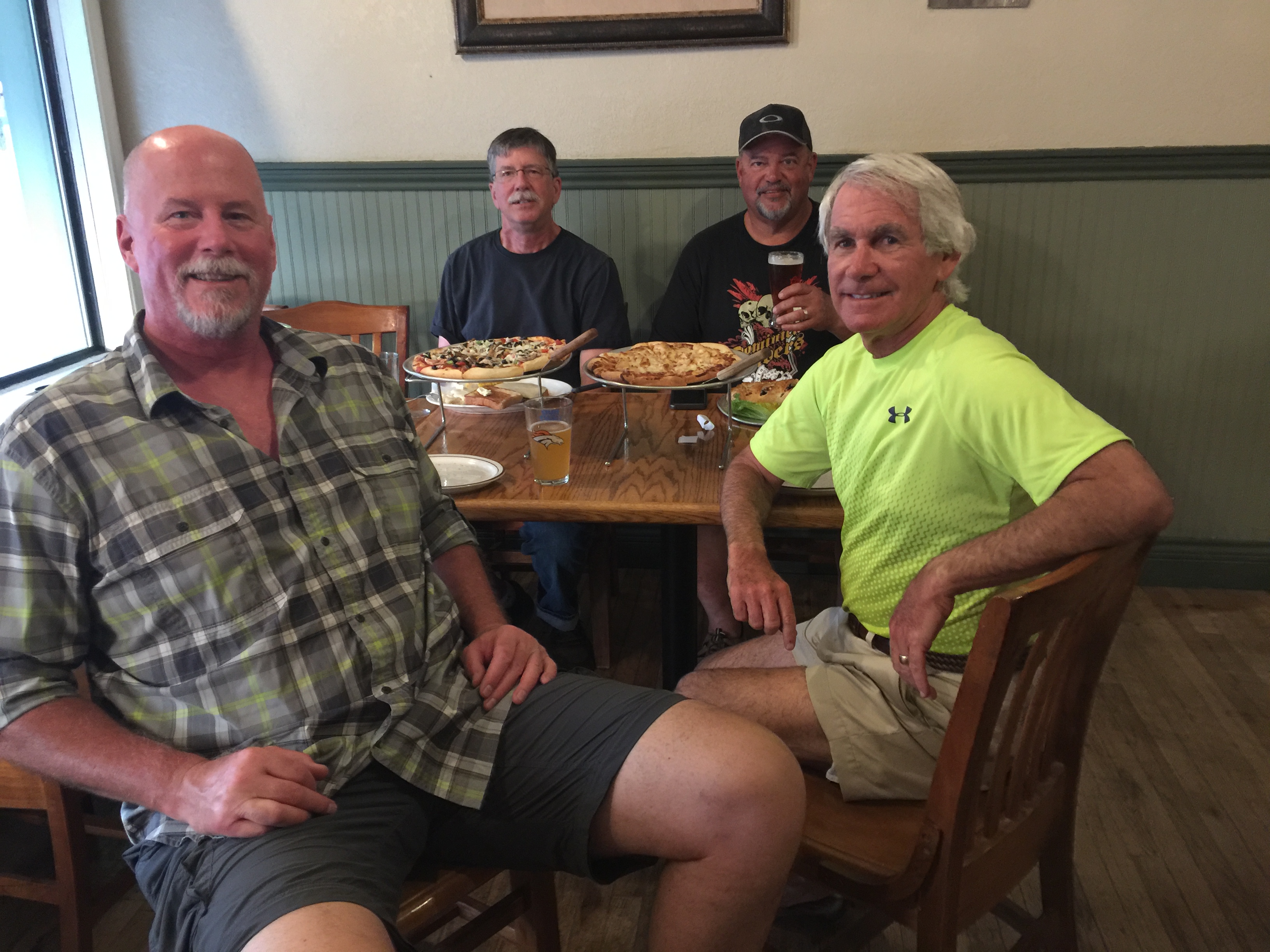
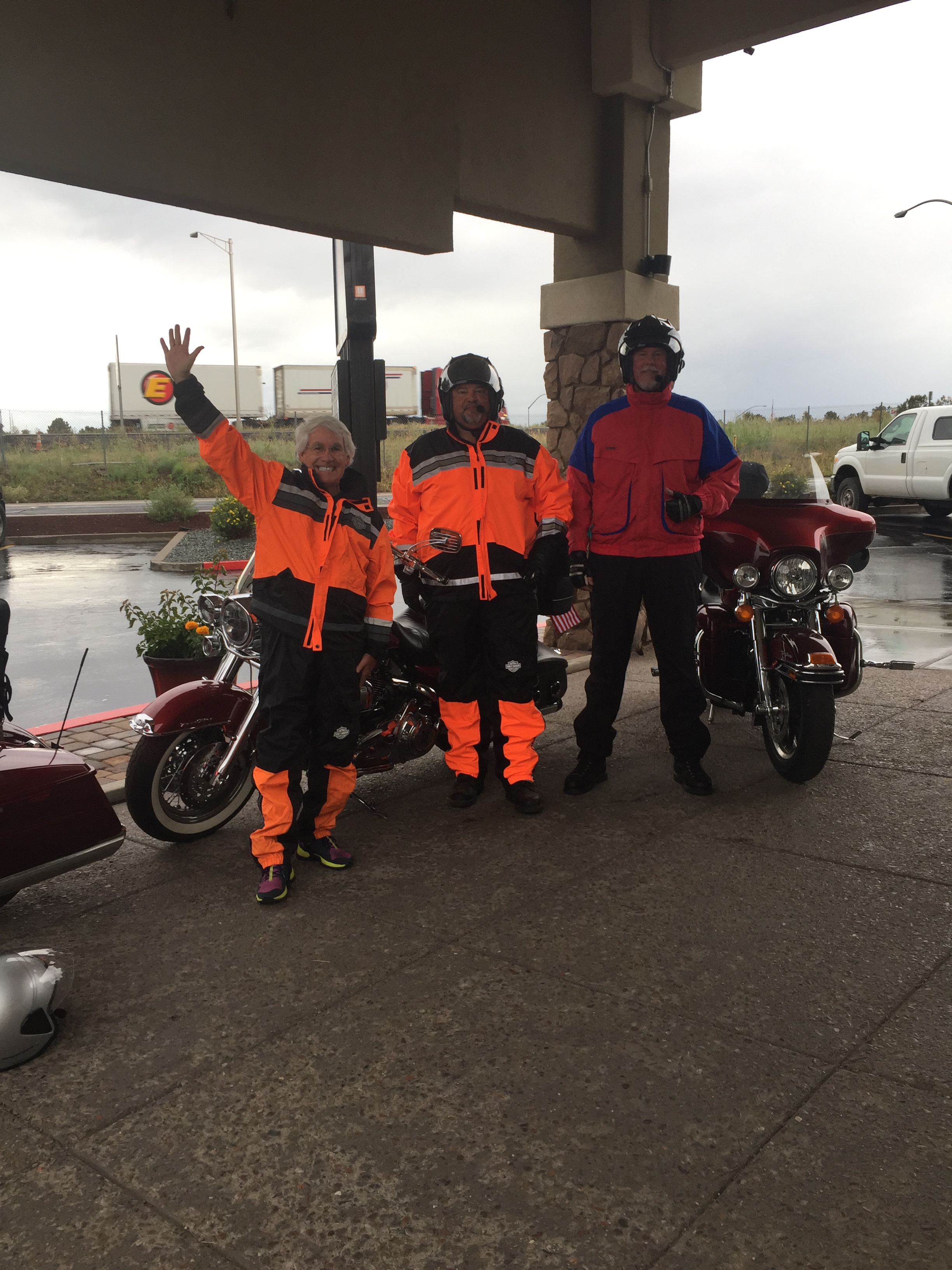
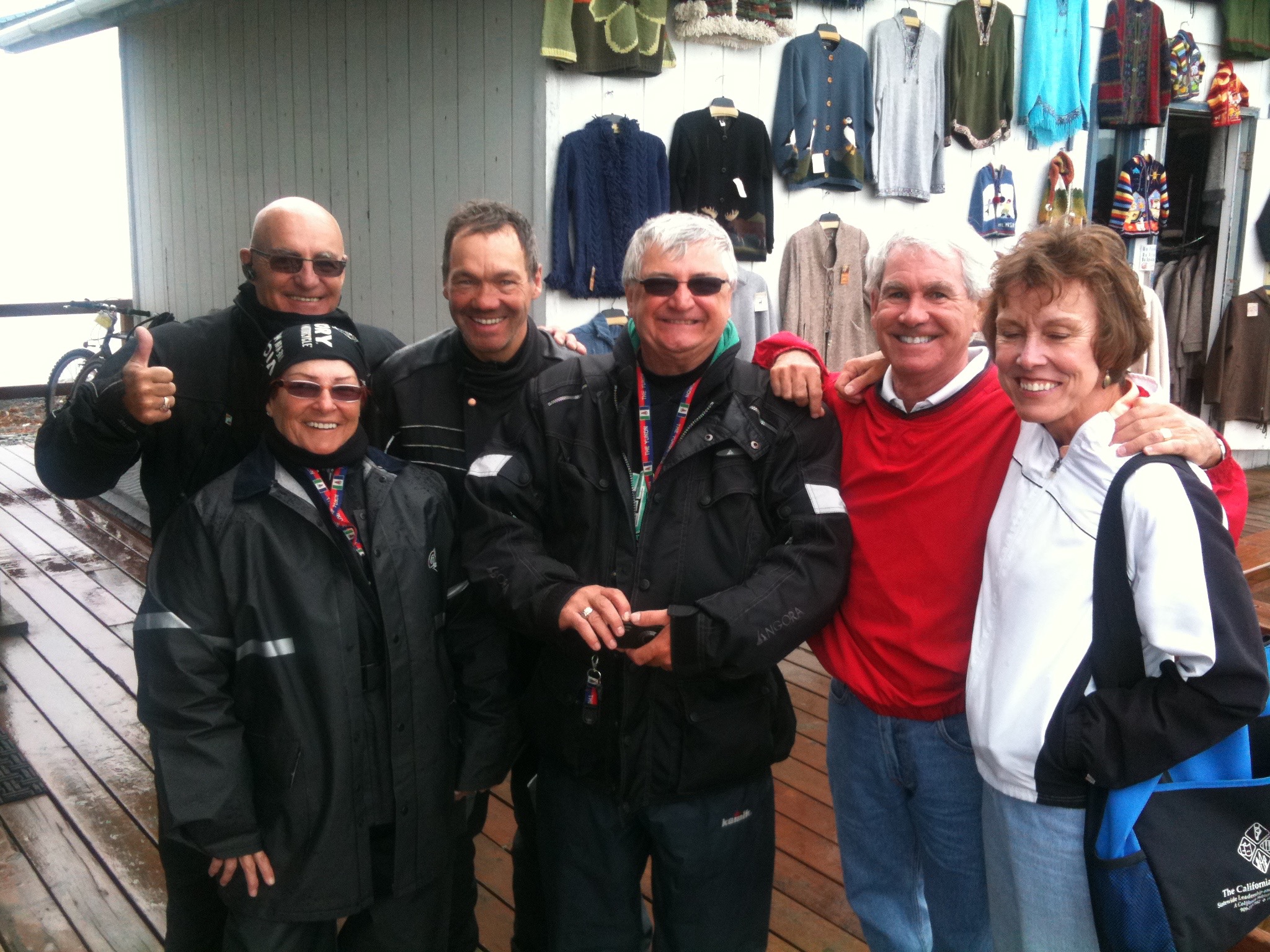
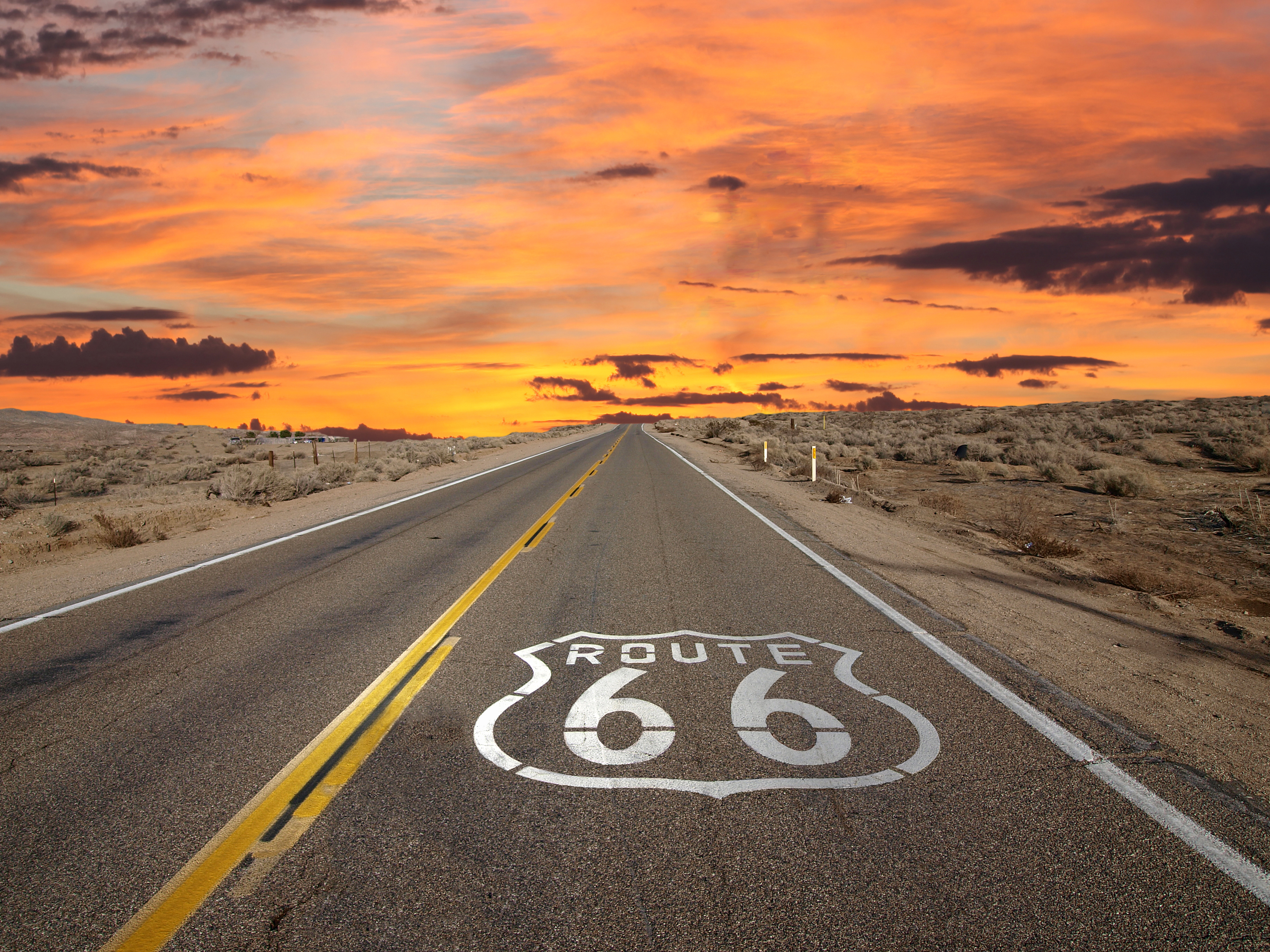
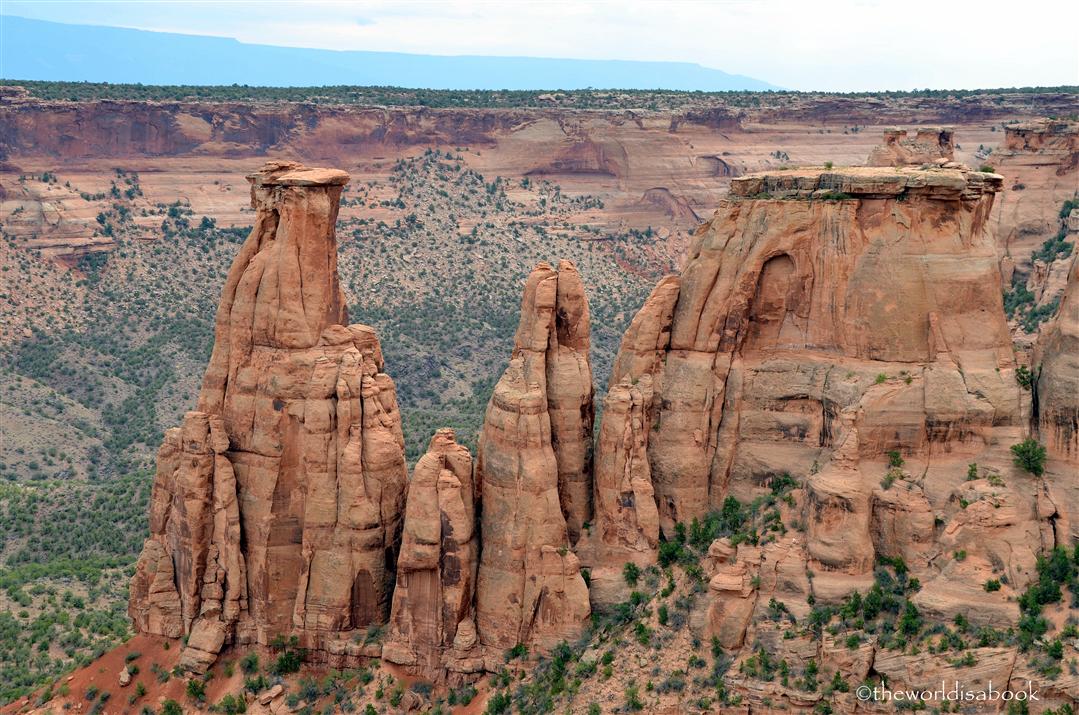
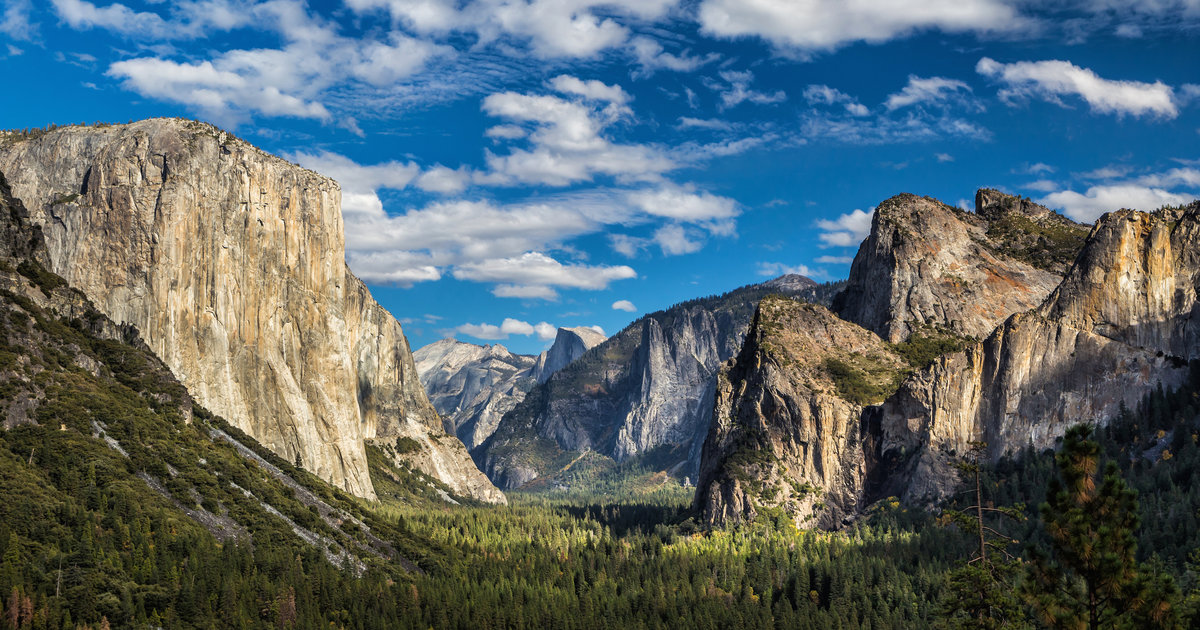
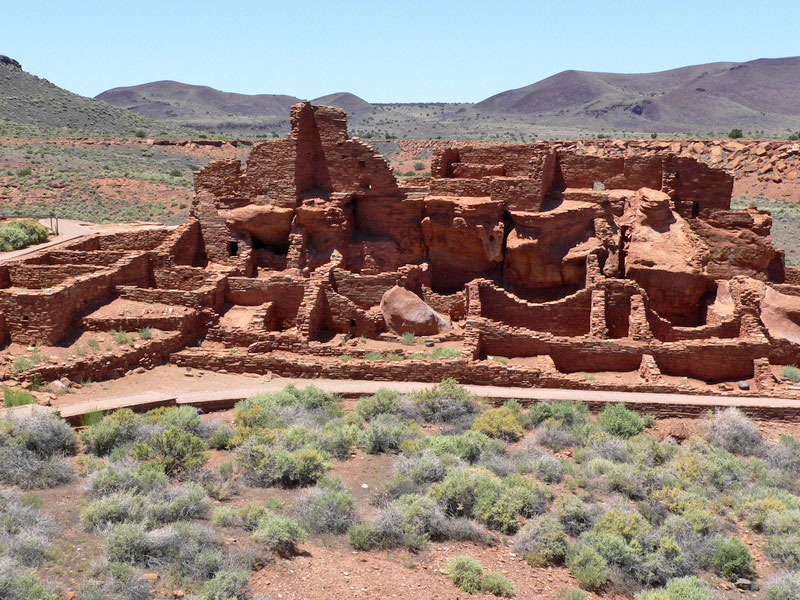
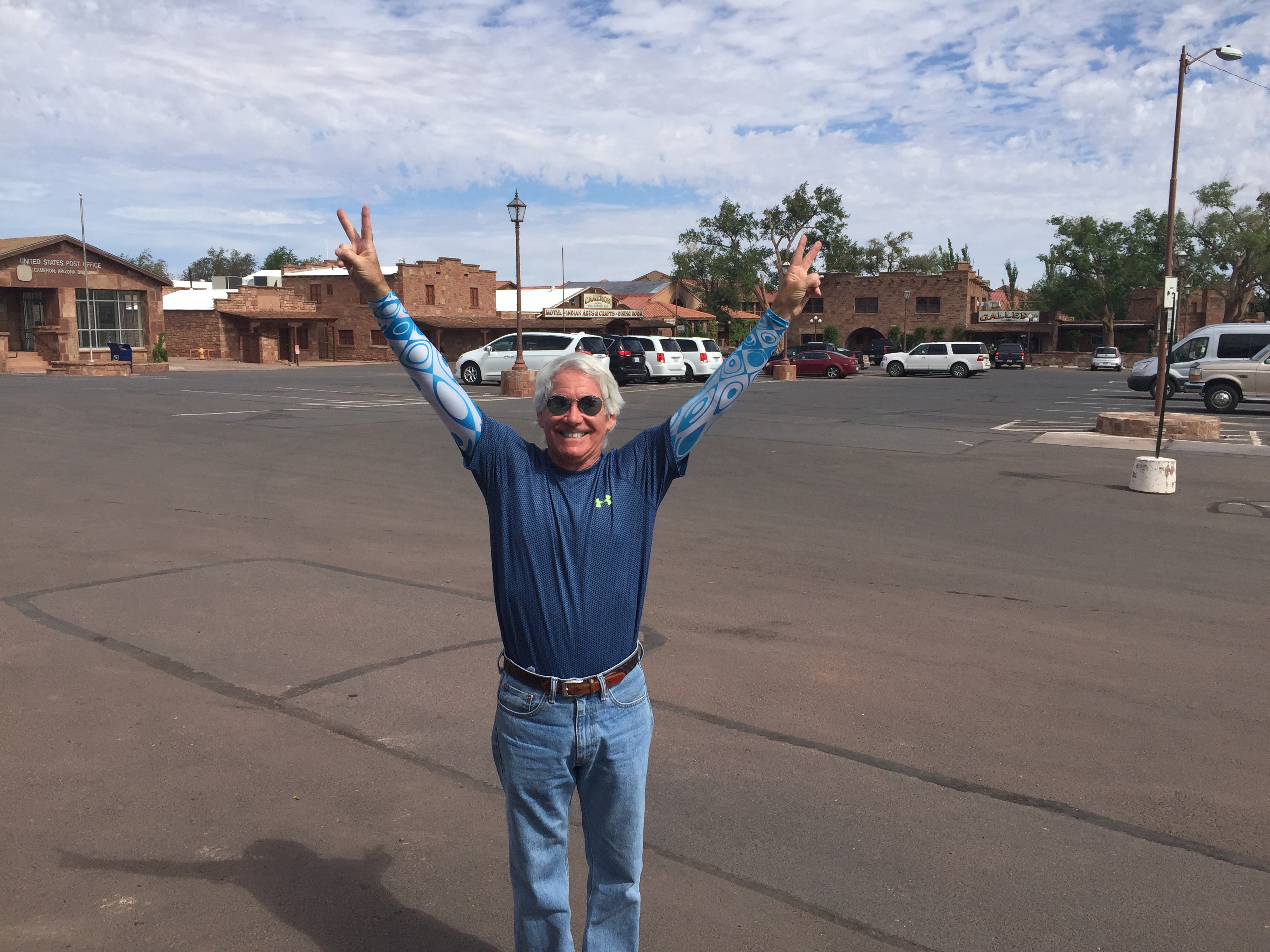
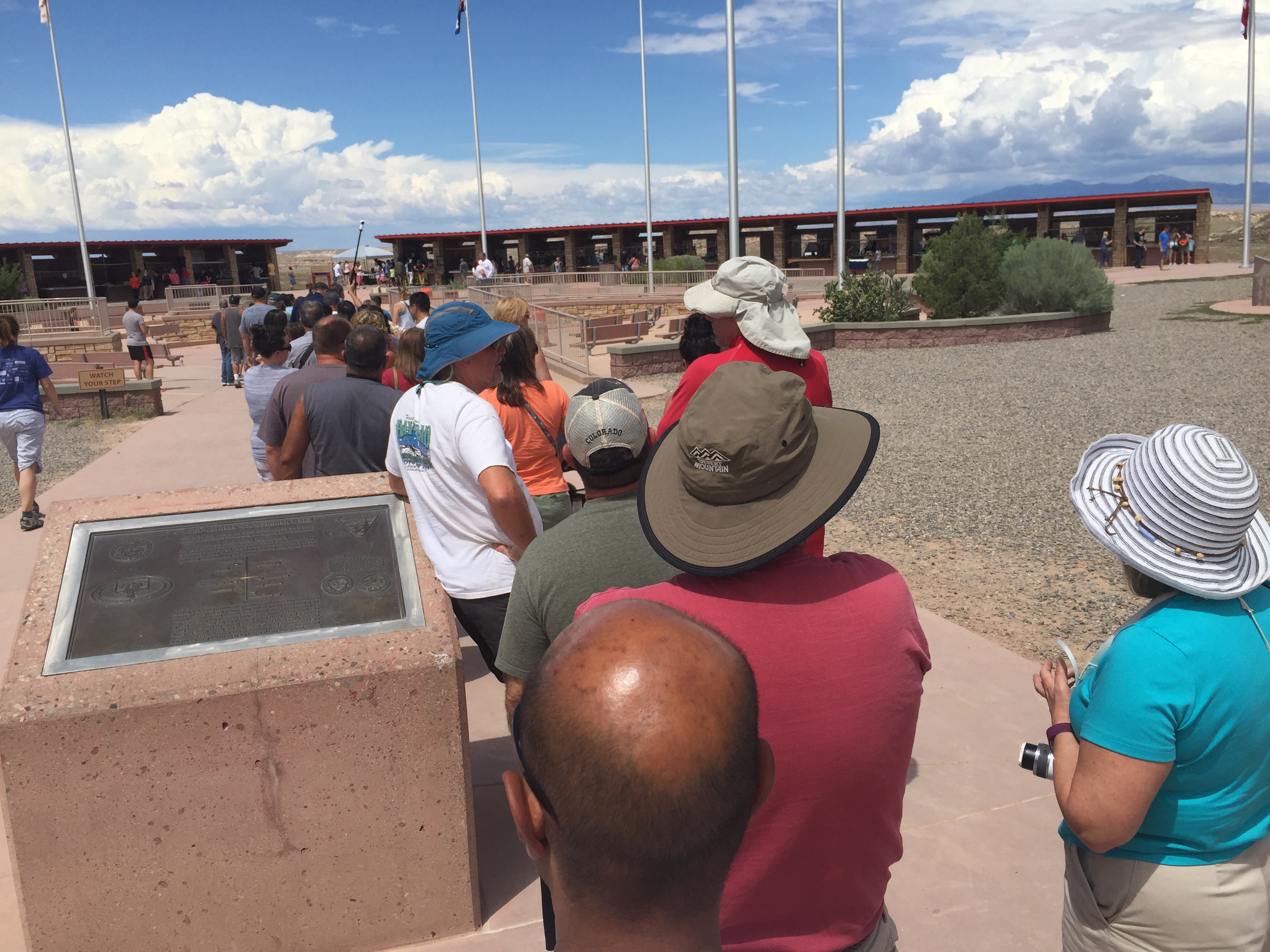
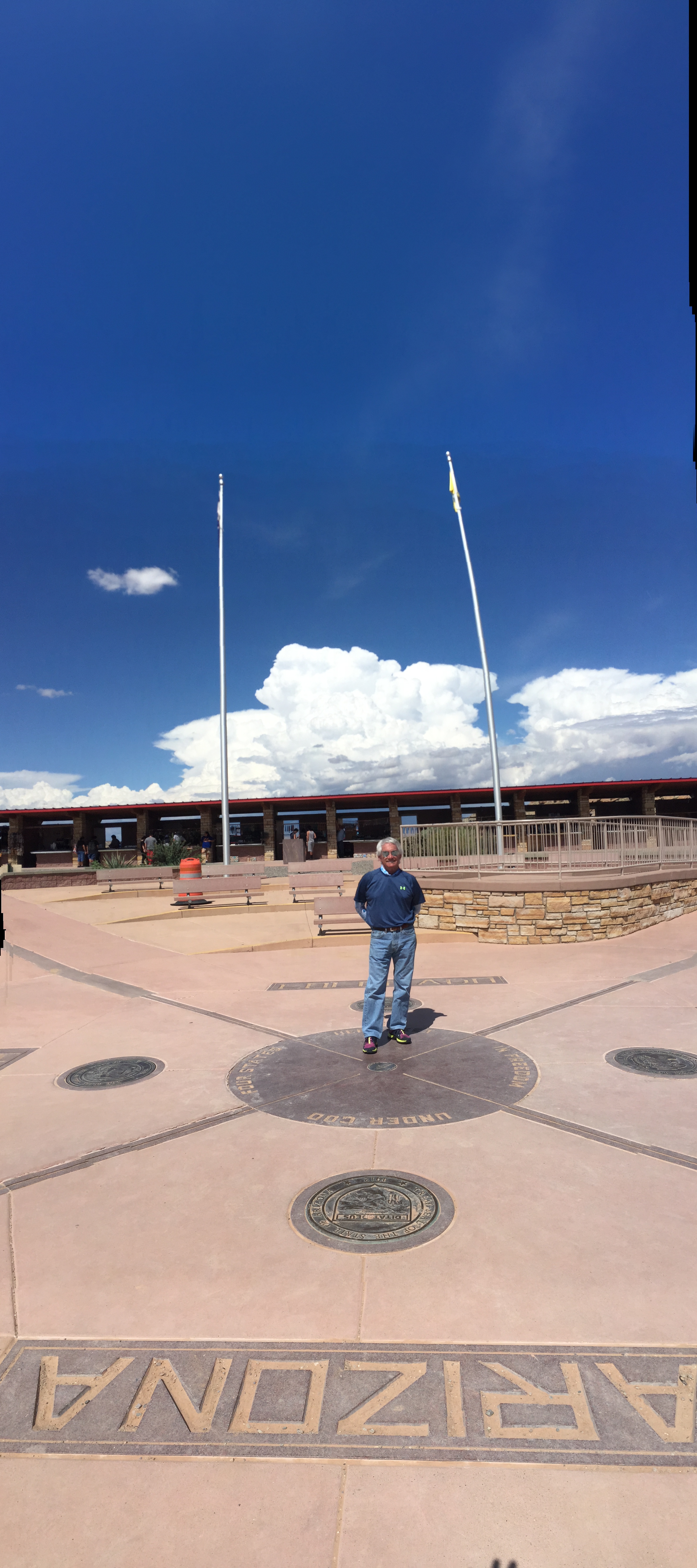
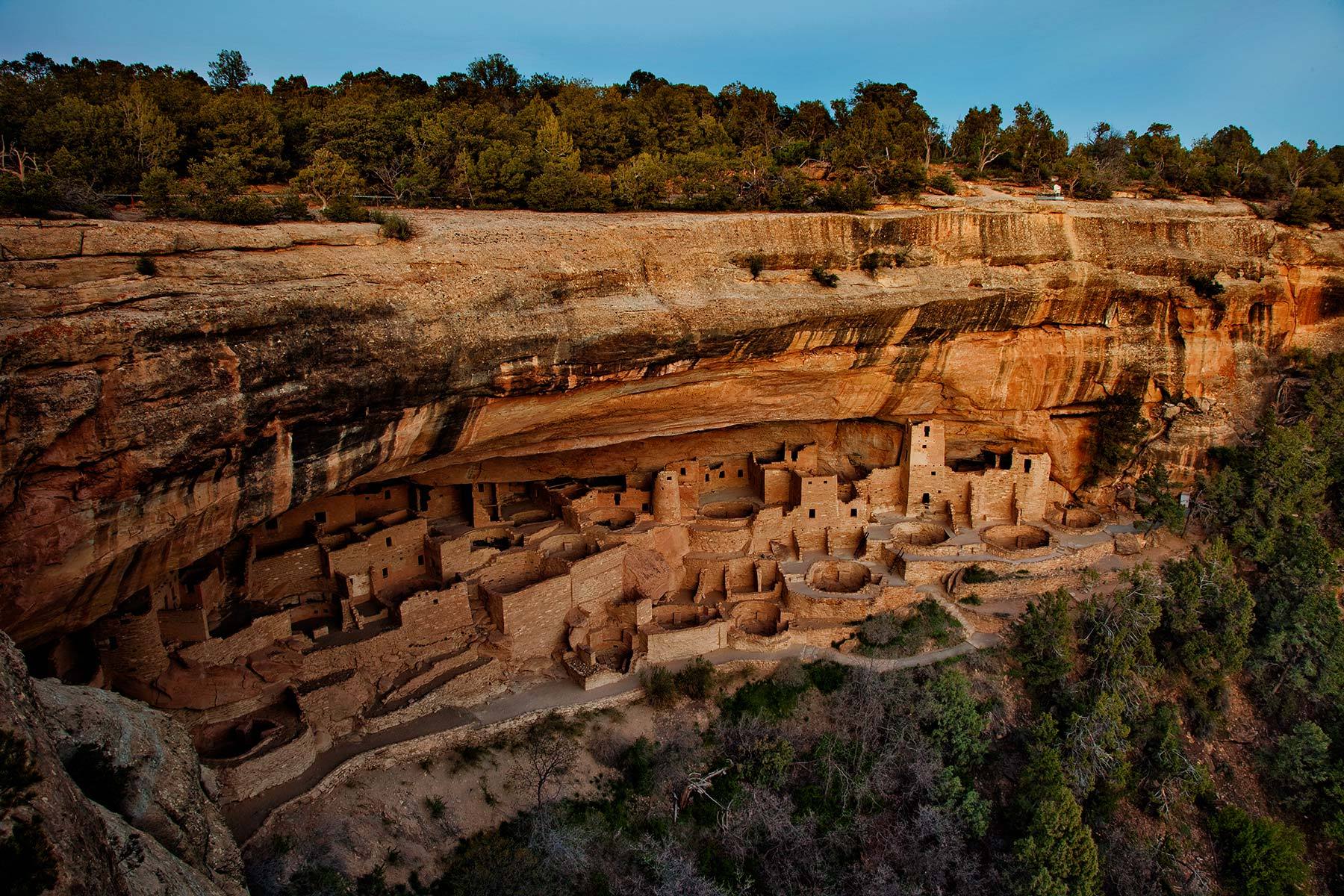
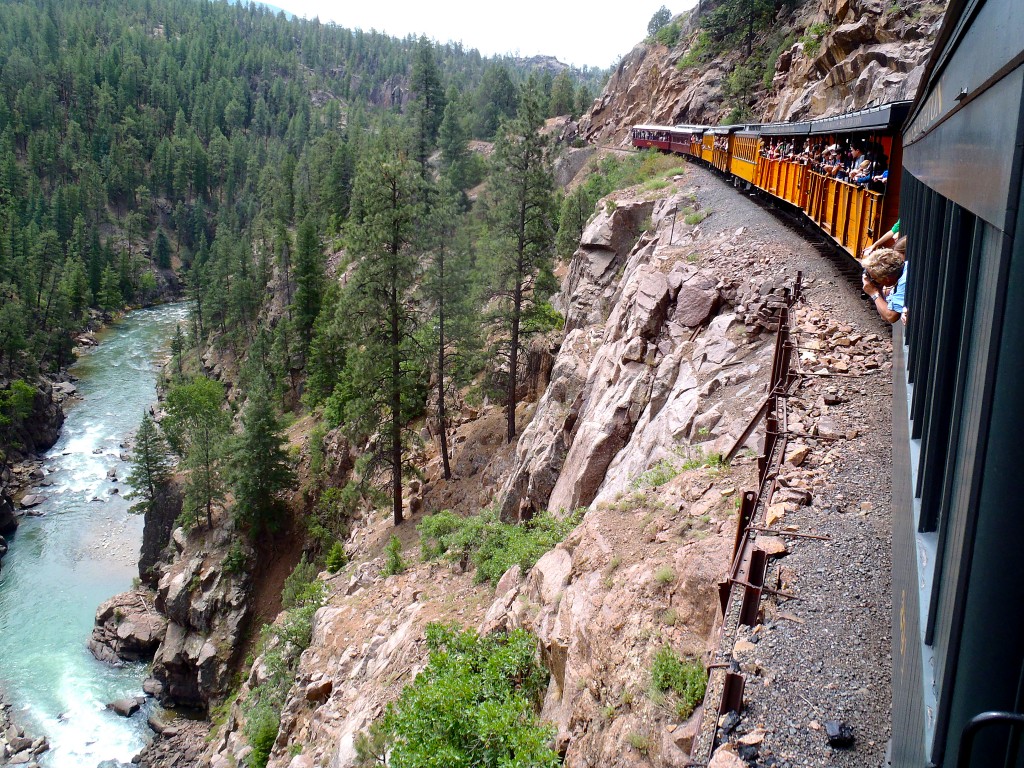
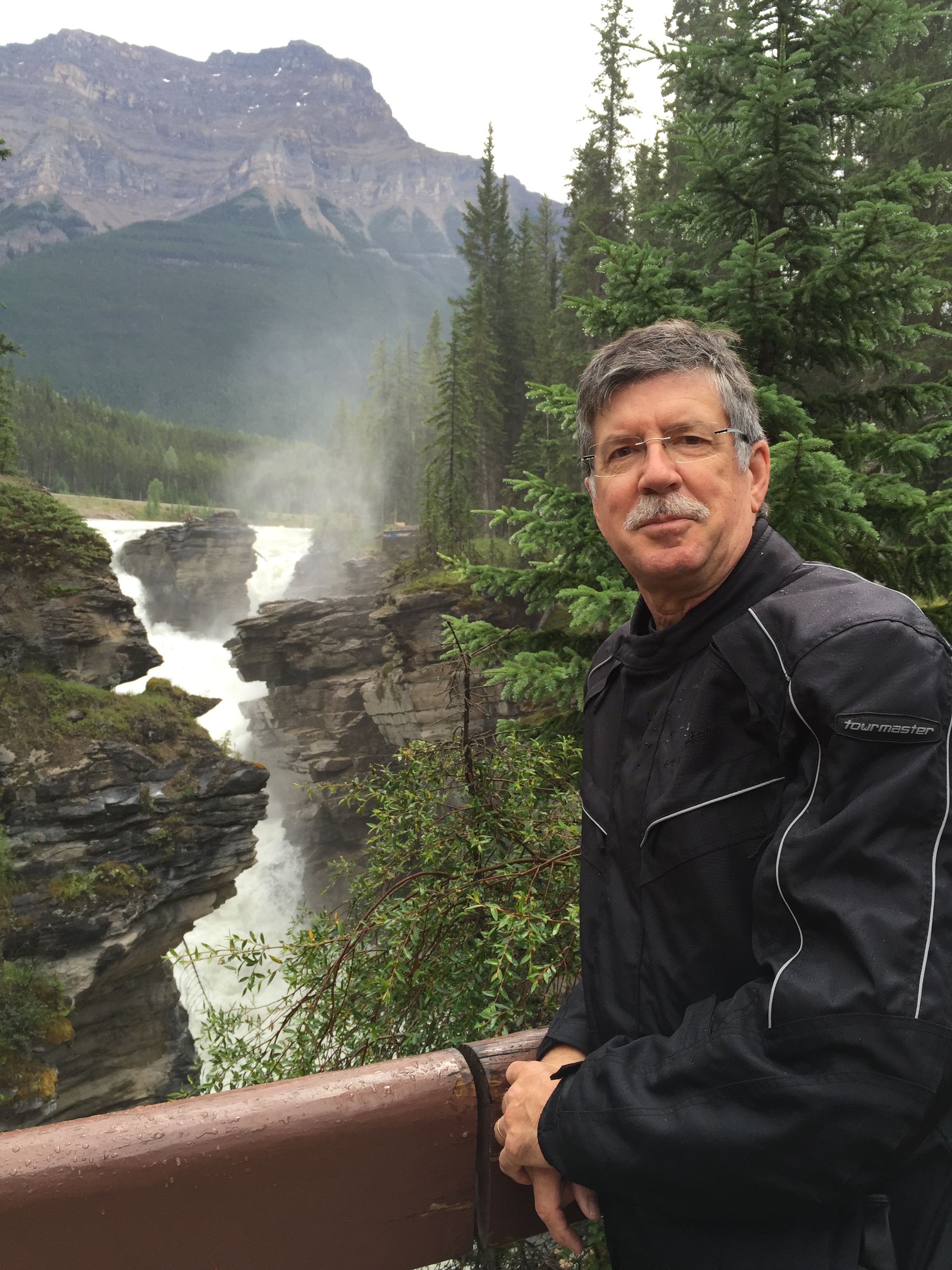
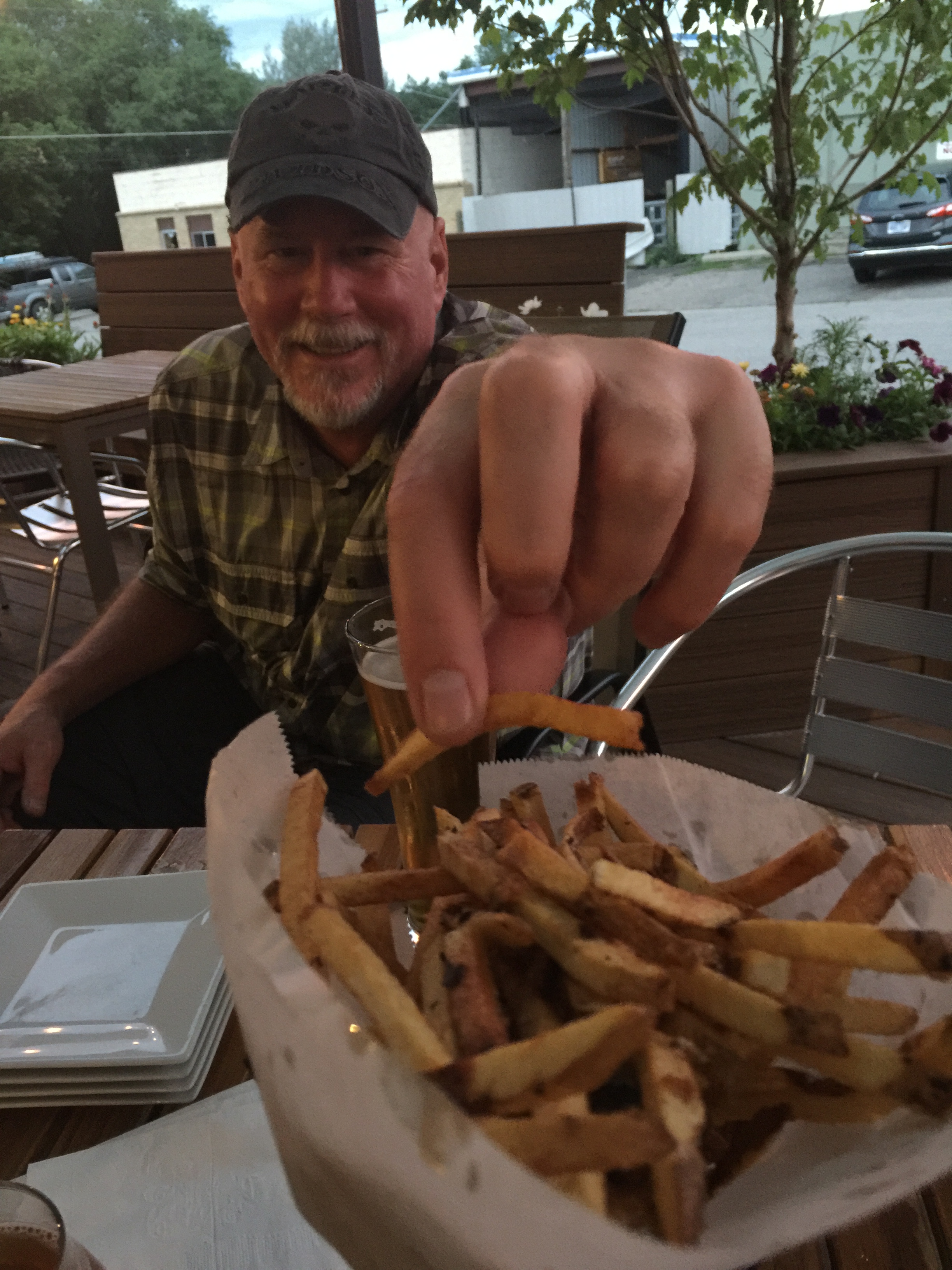
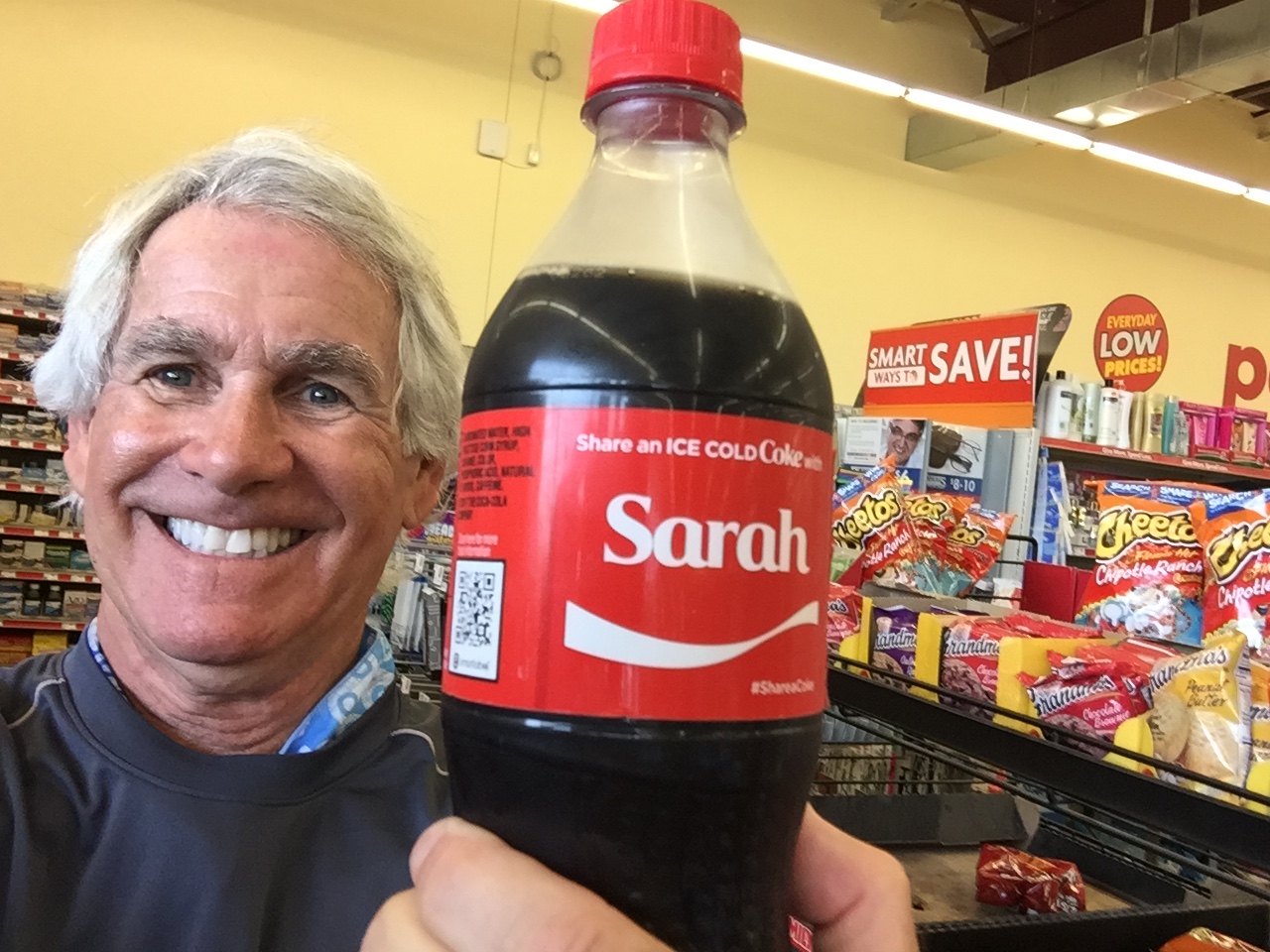
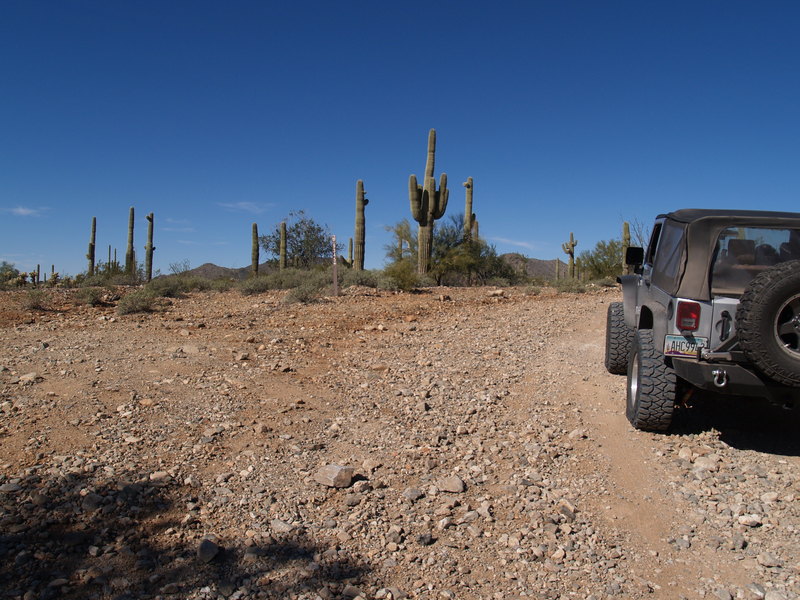
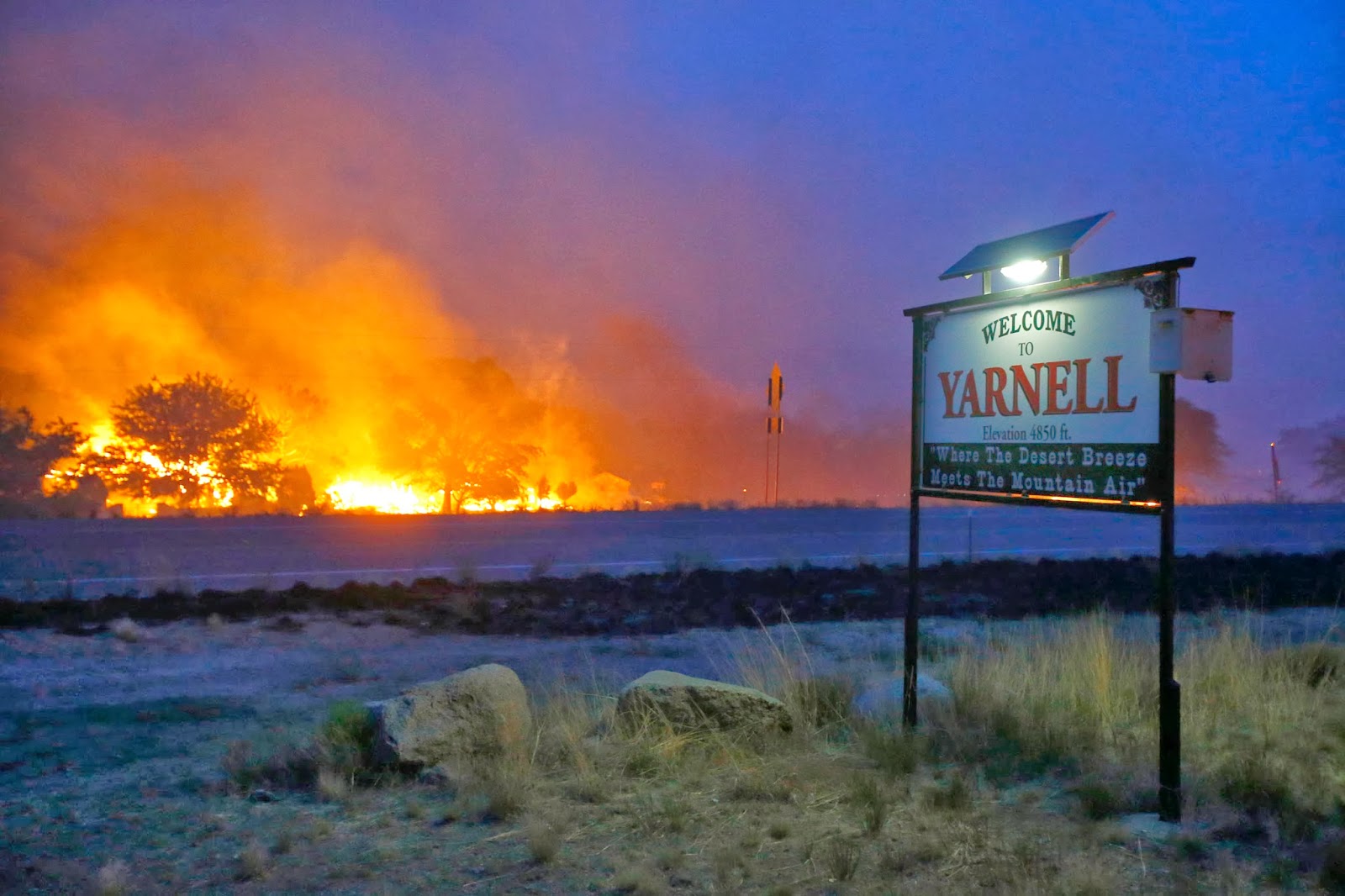
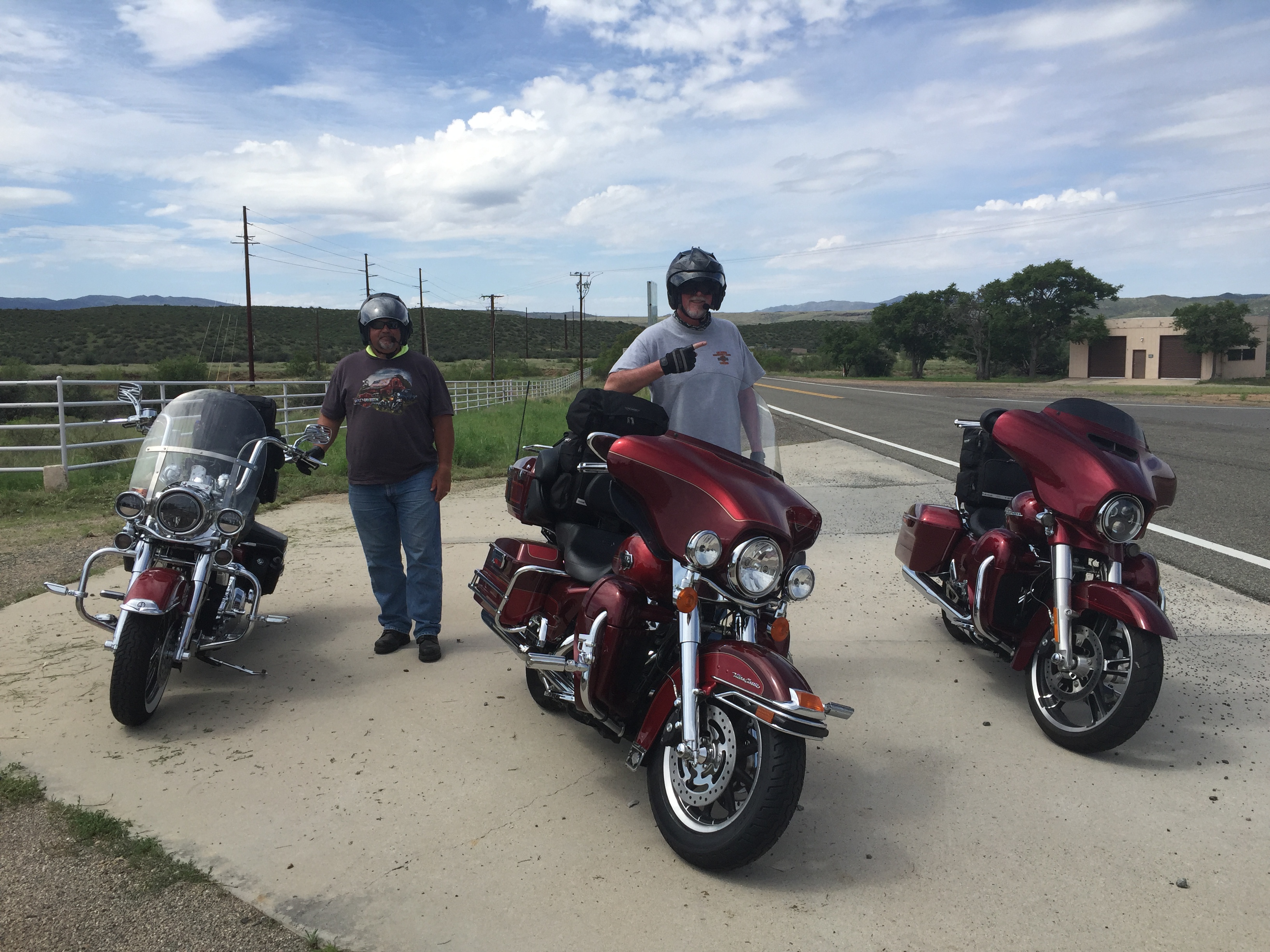
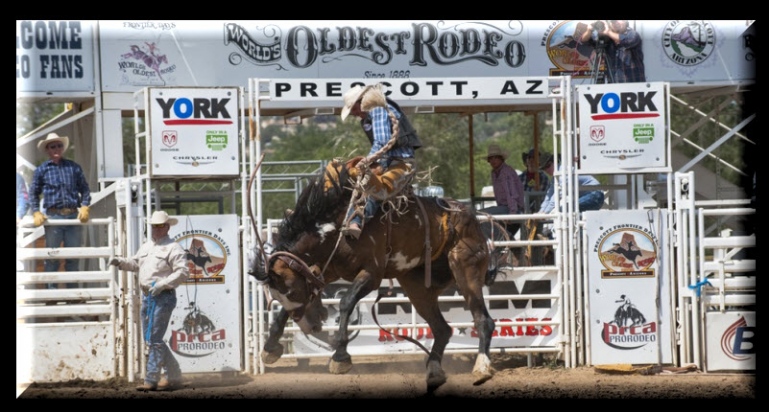
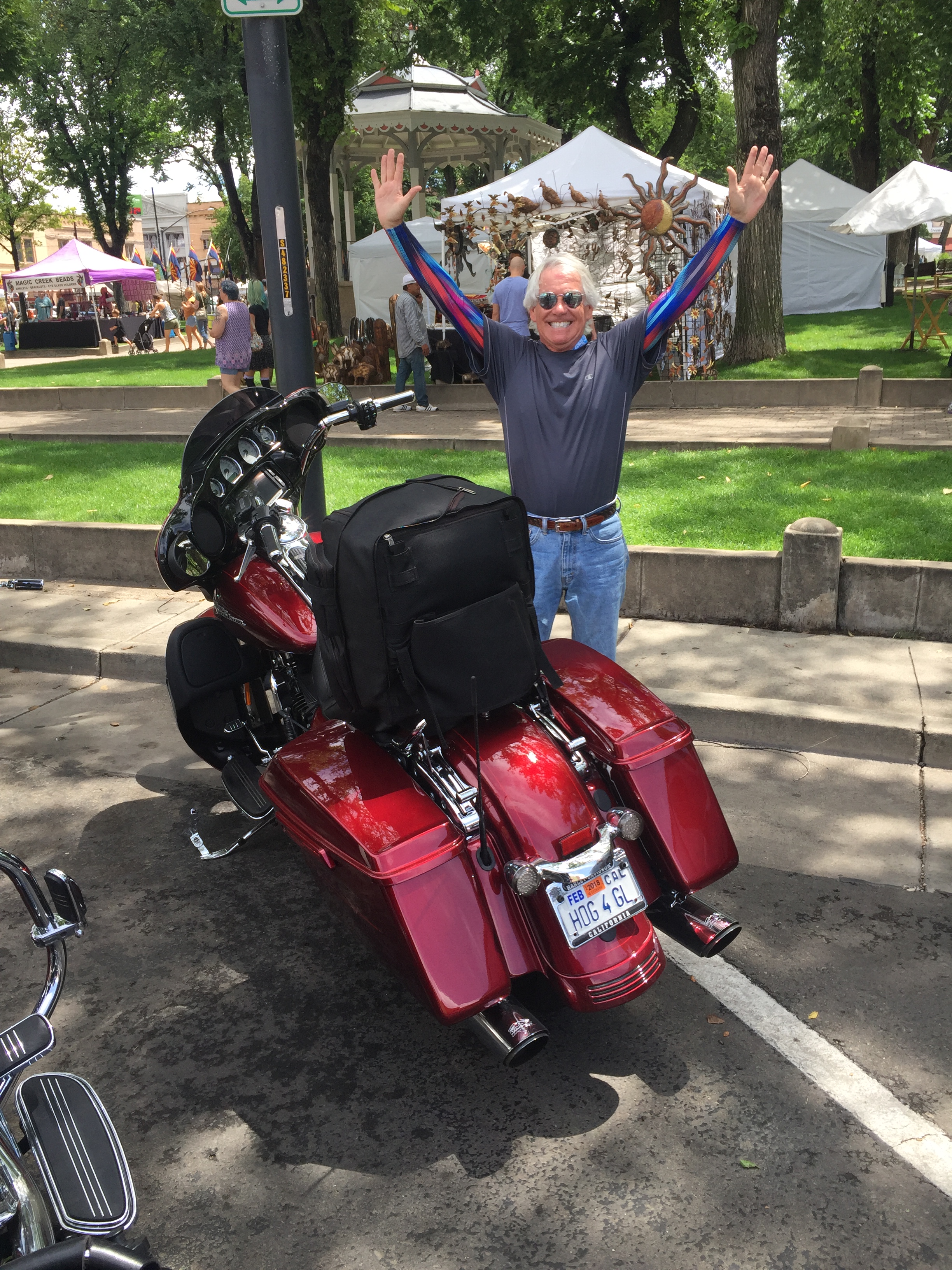
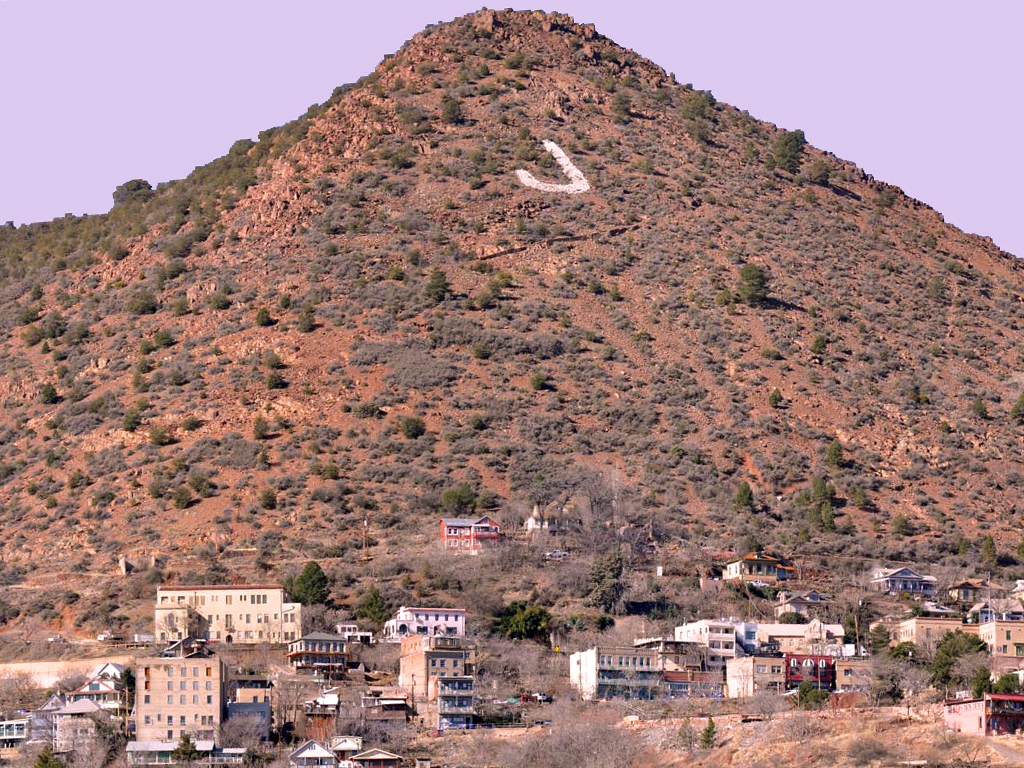
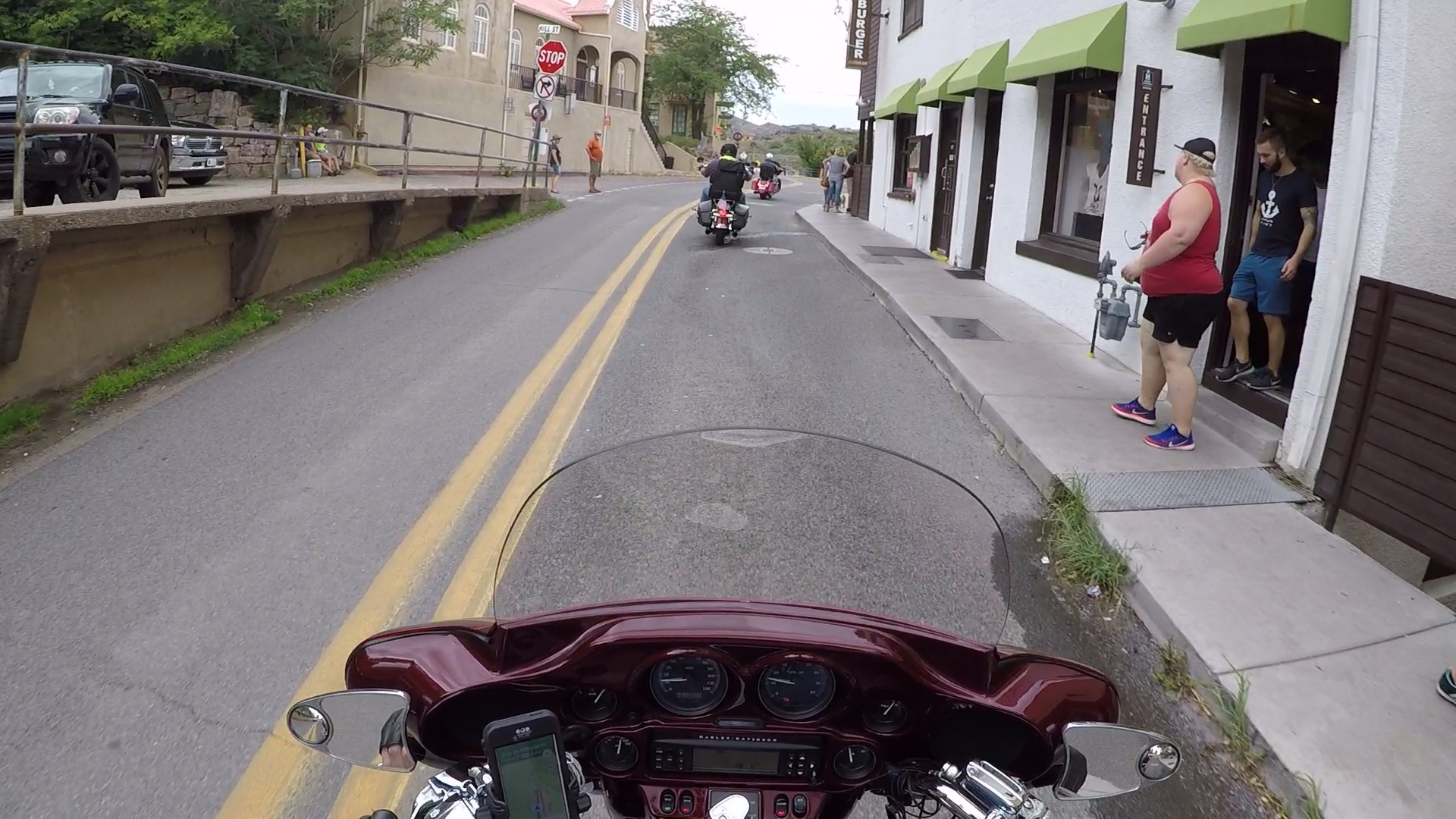
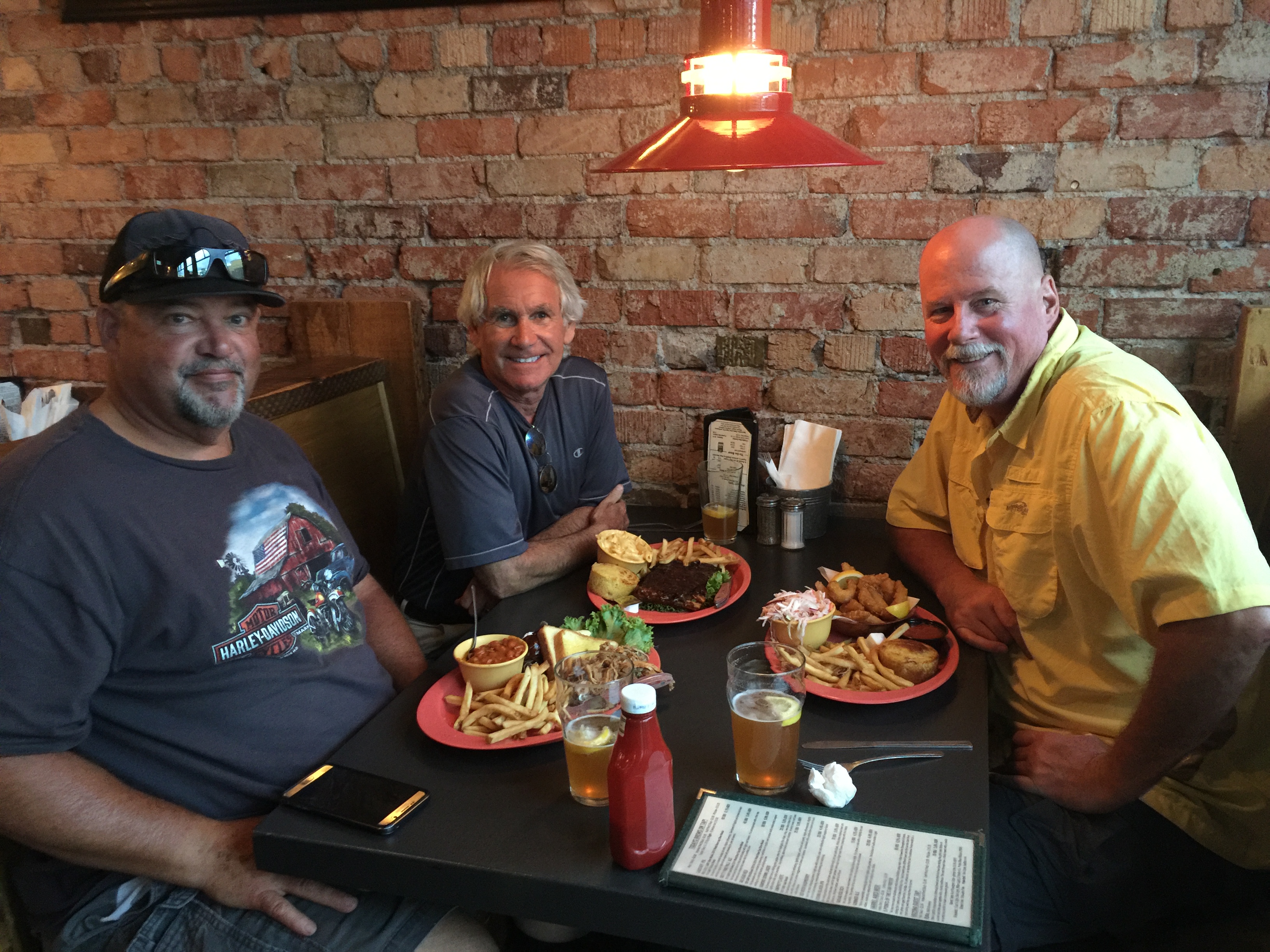
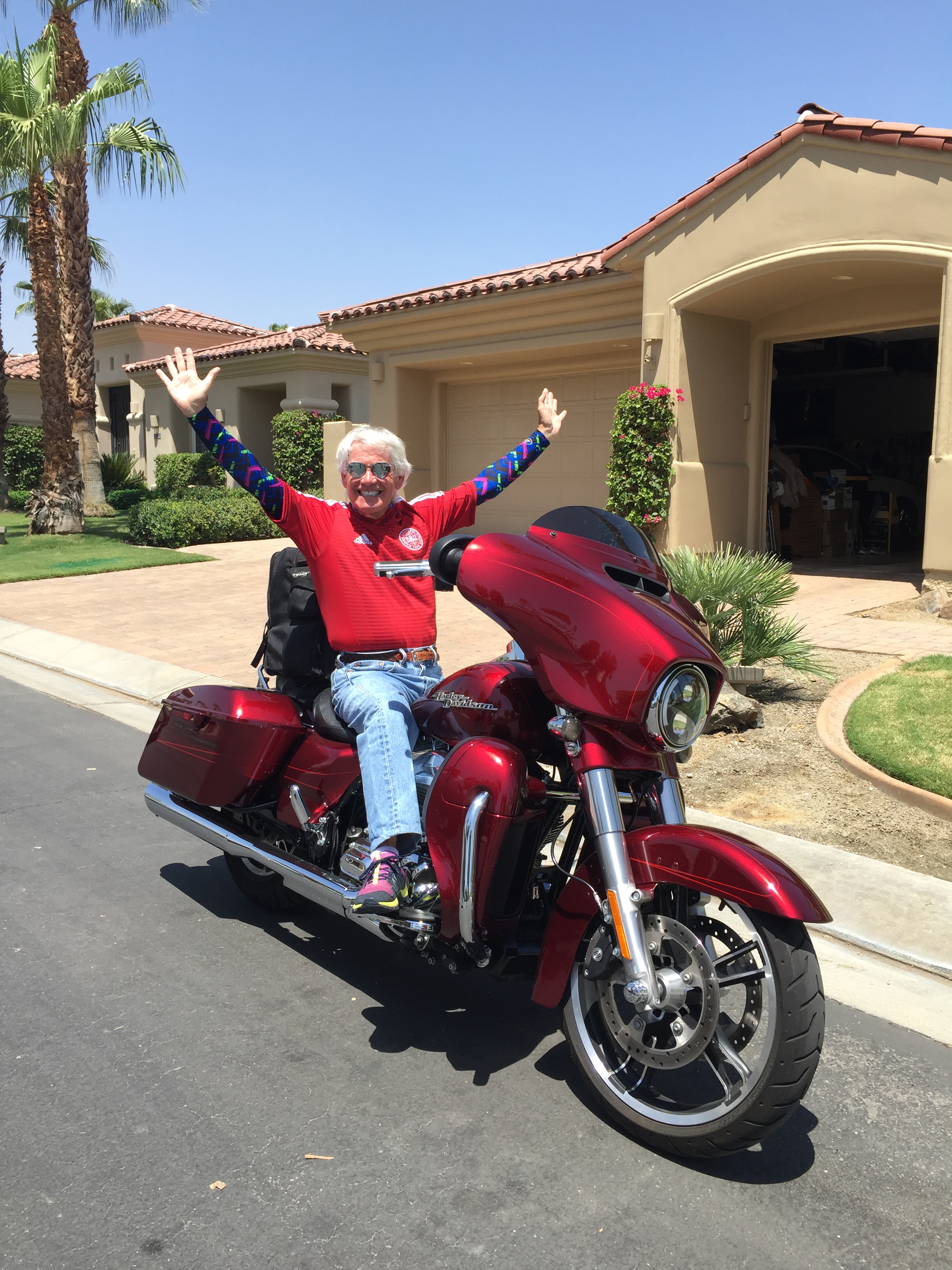
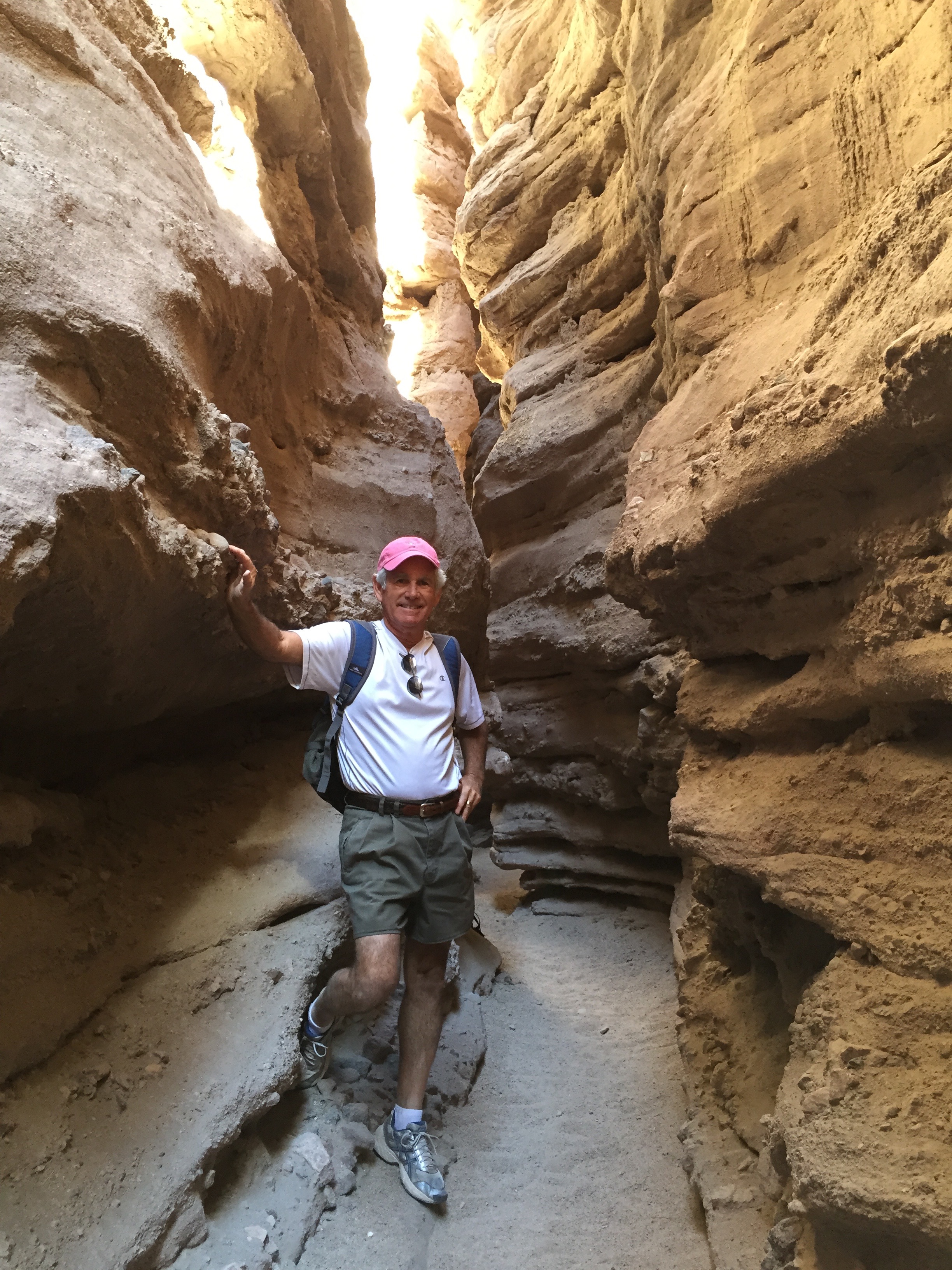
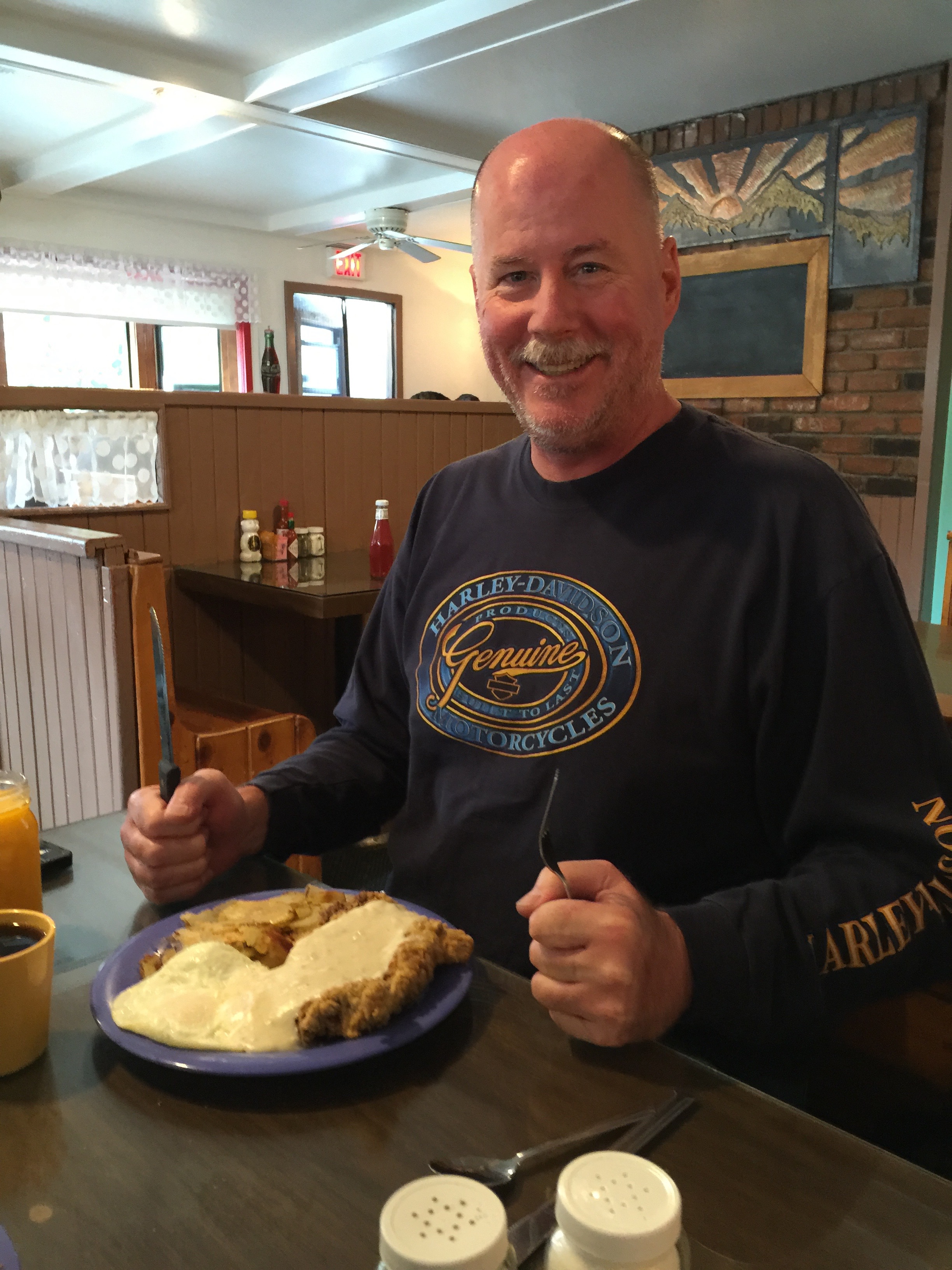
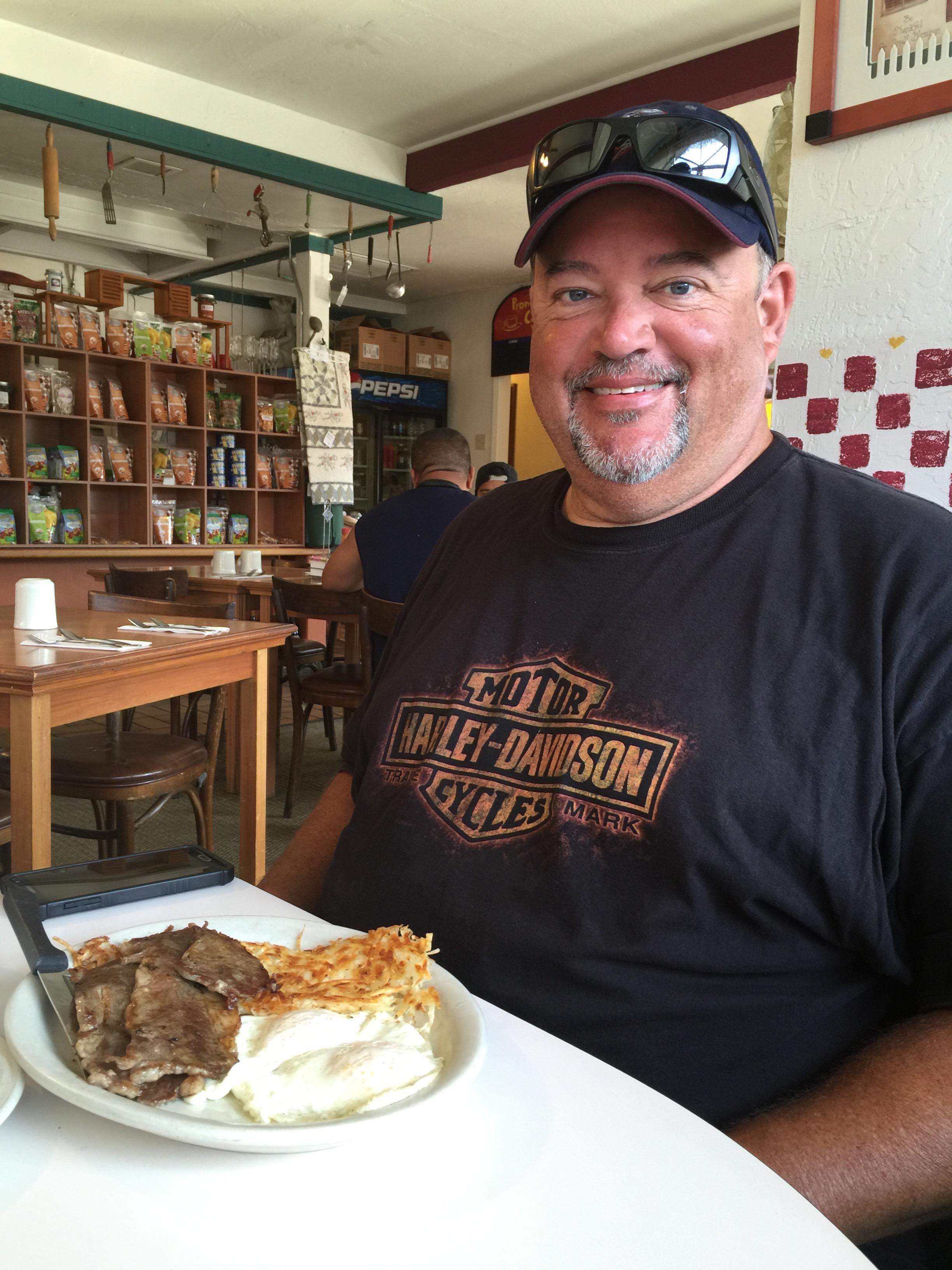
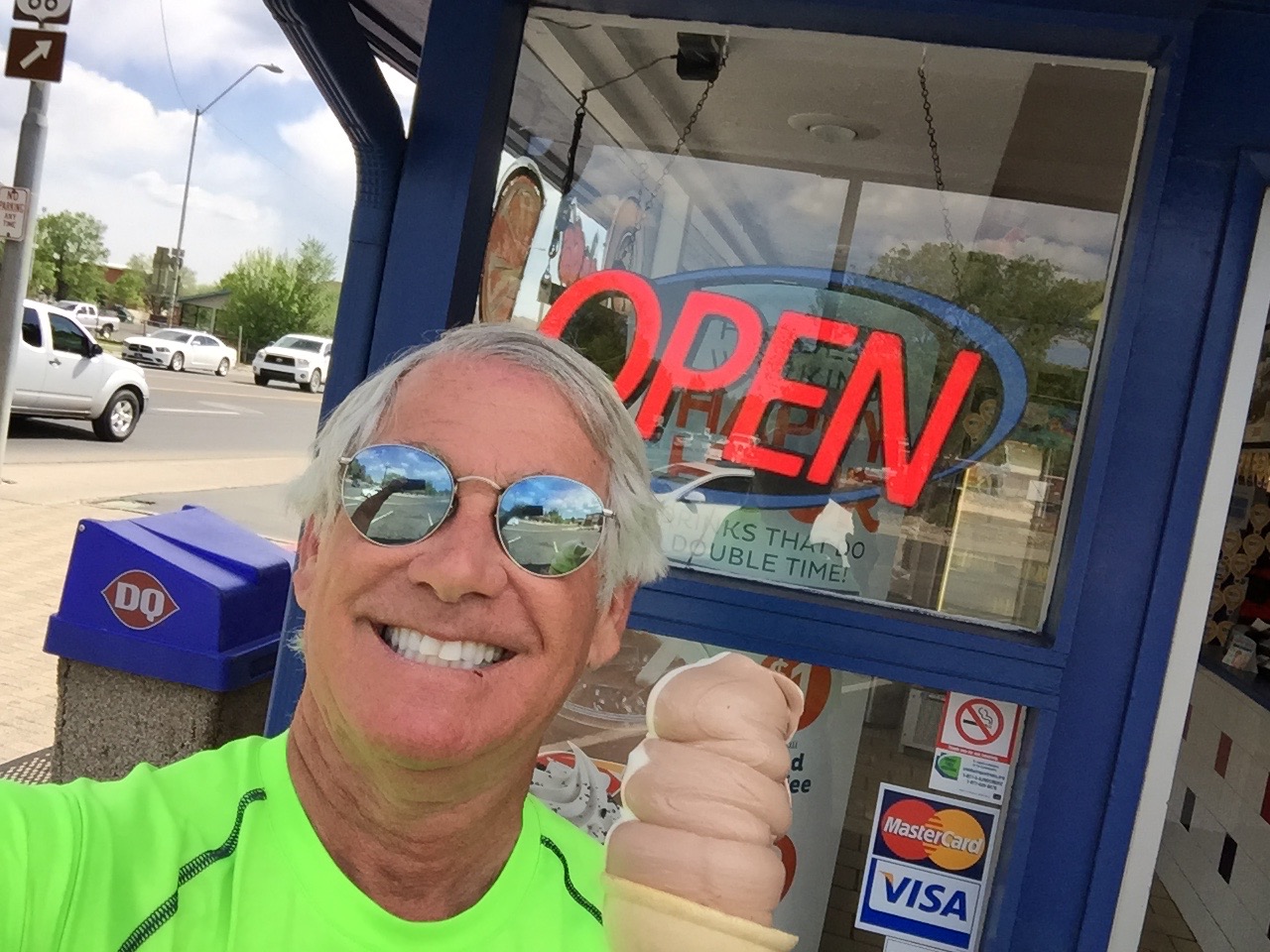
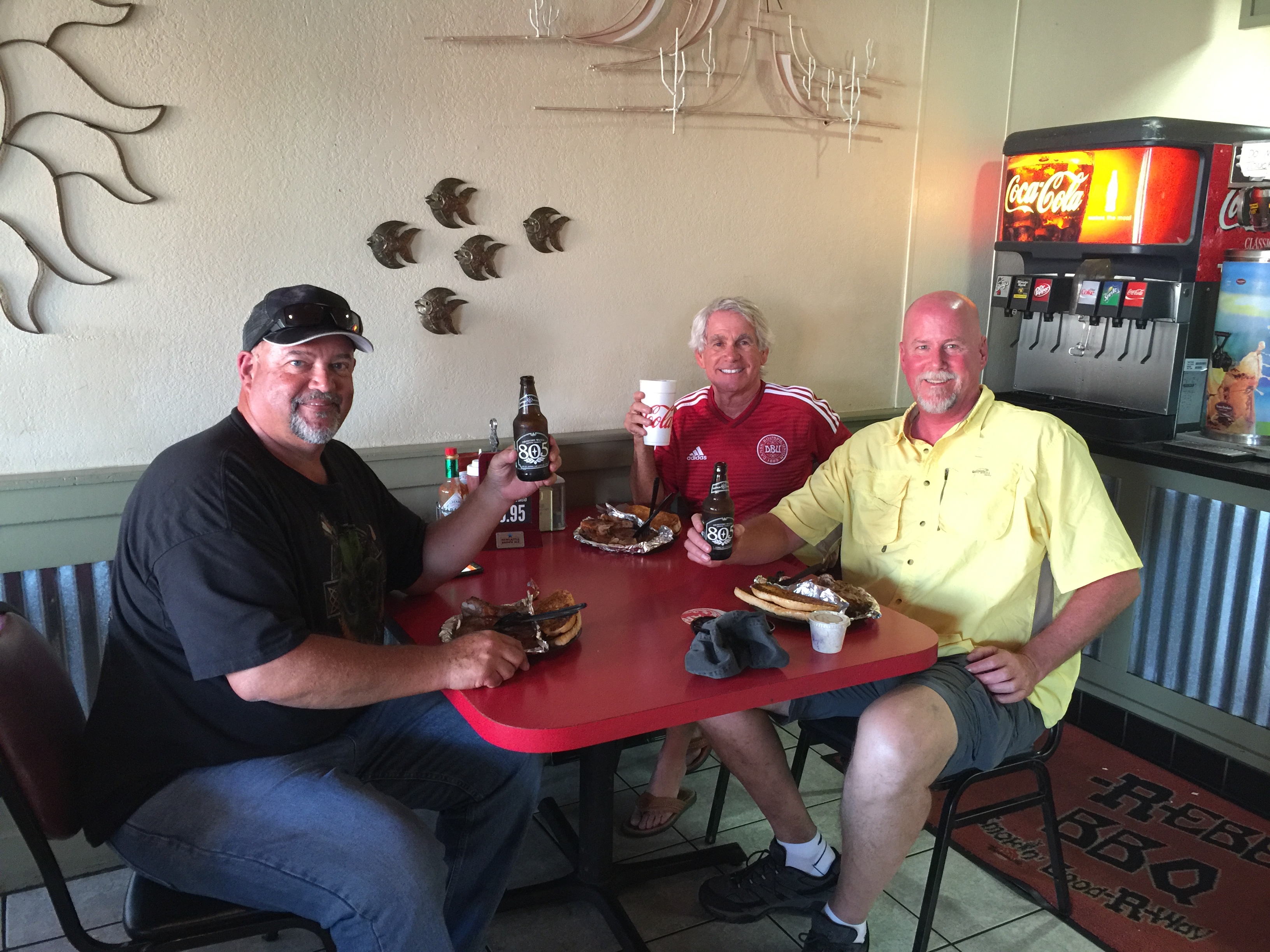
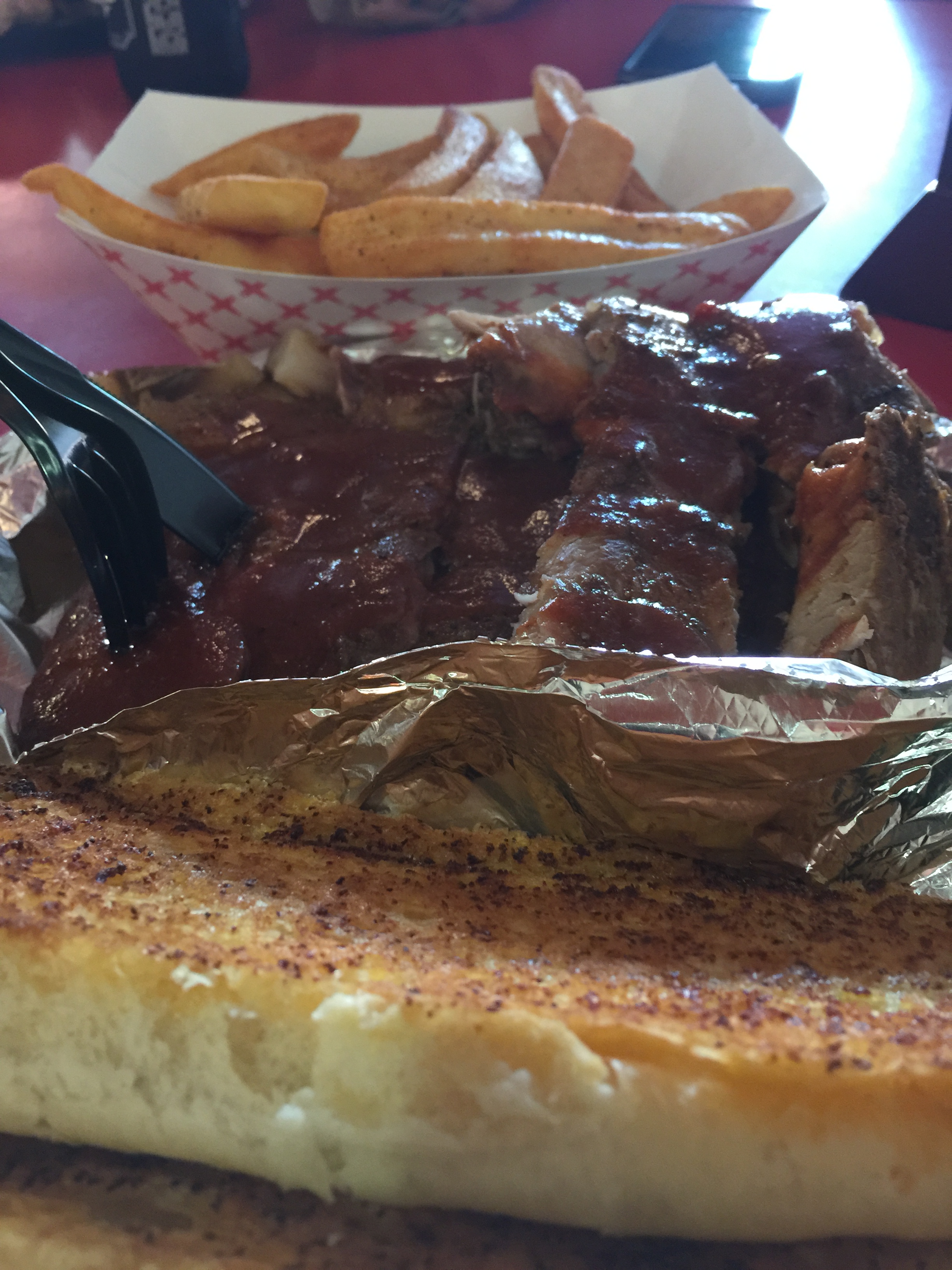
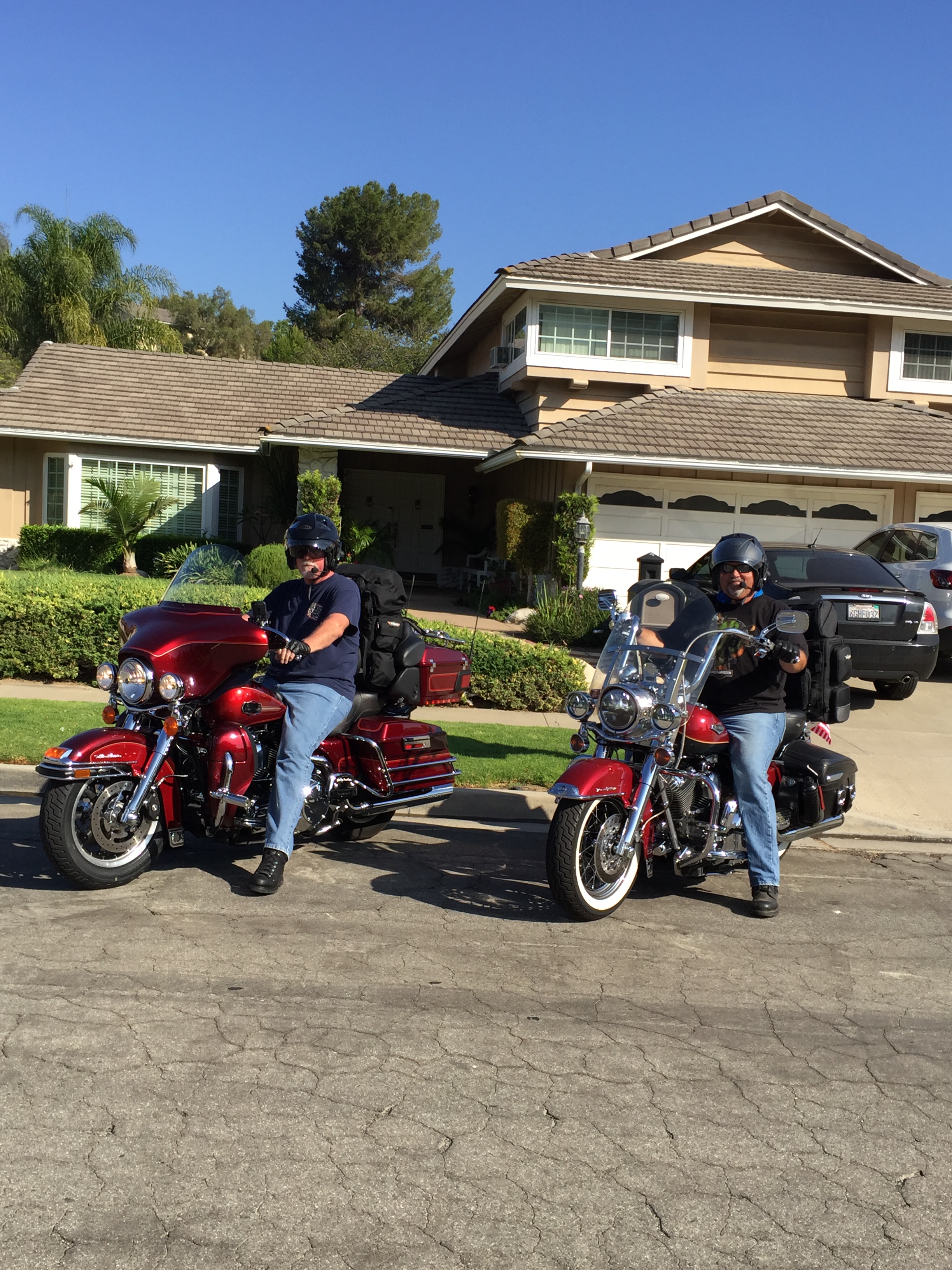







 Riding With Gary