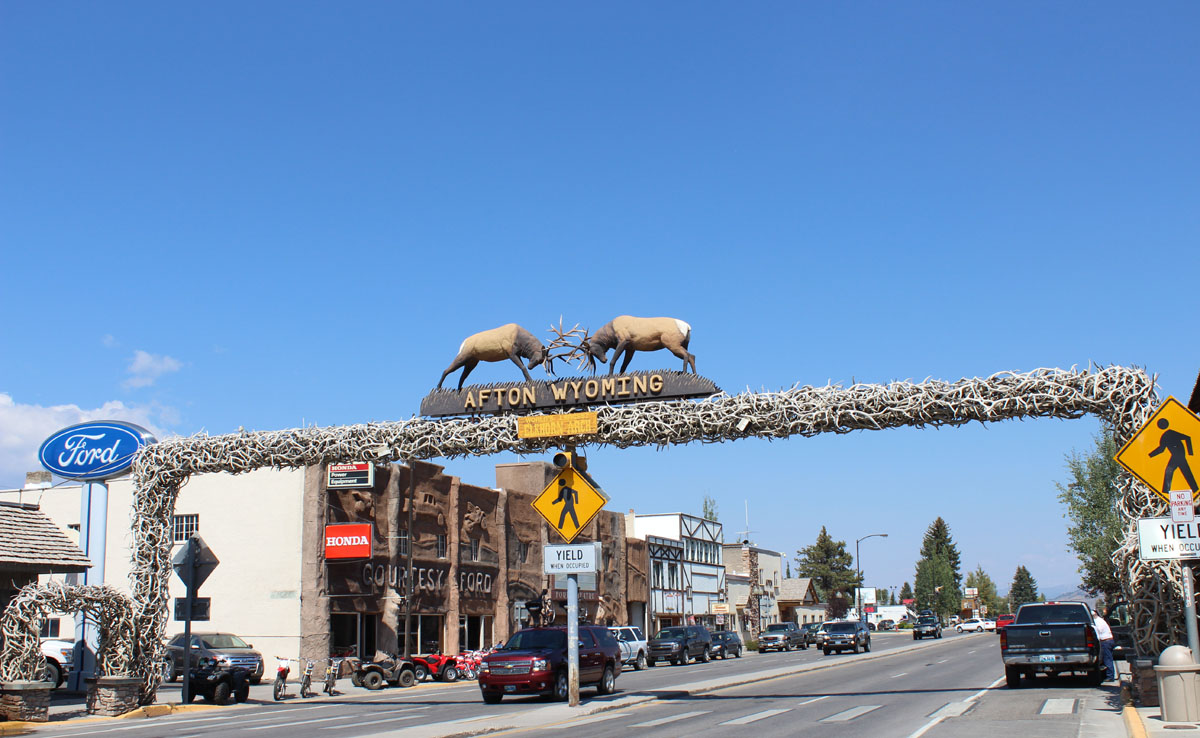
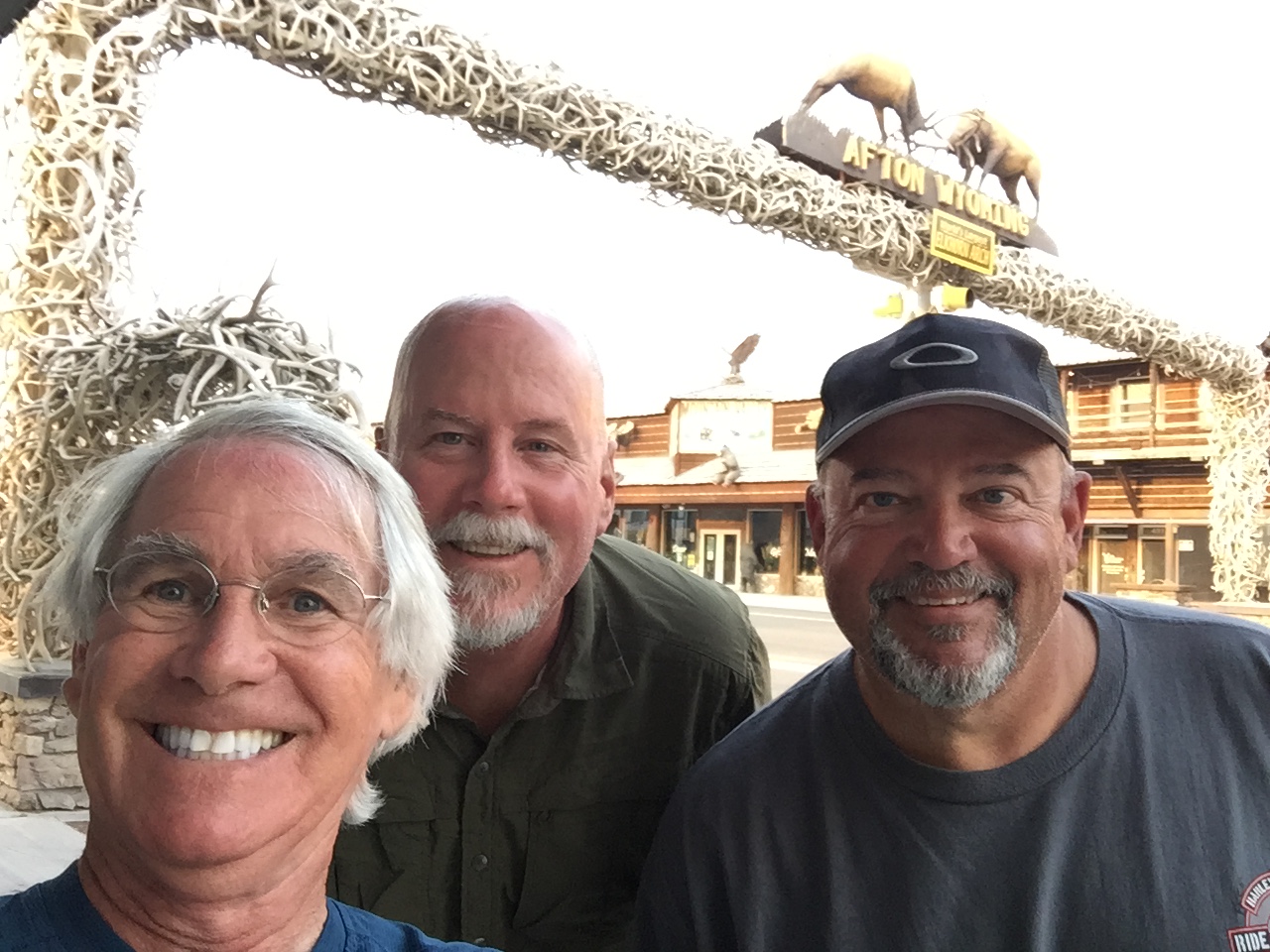
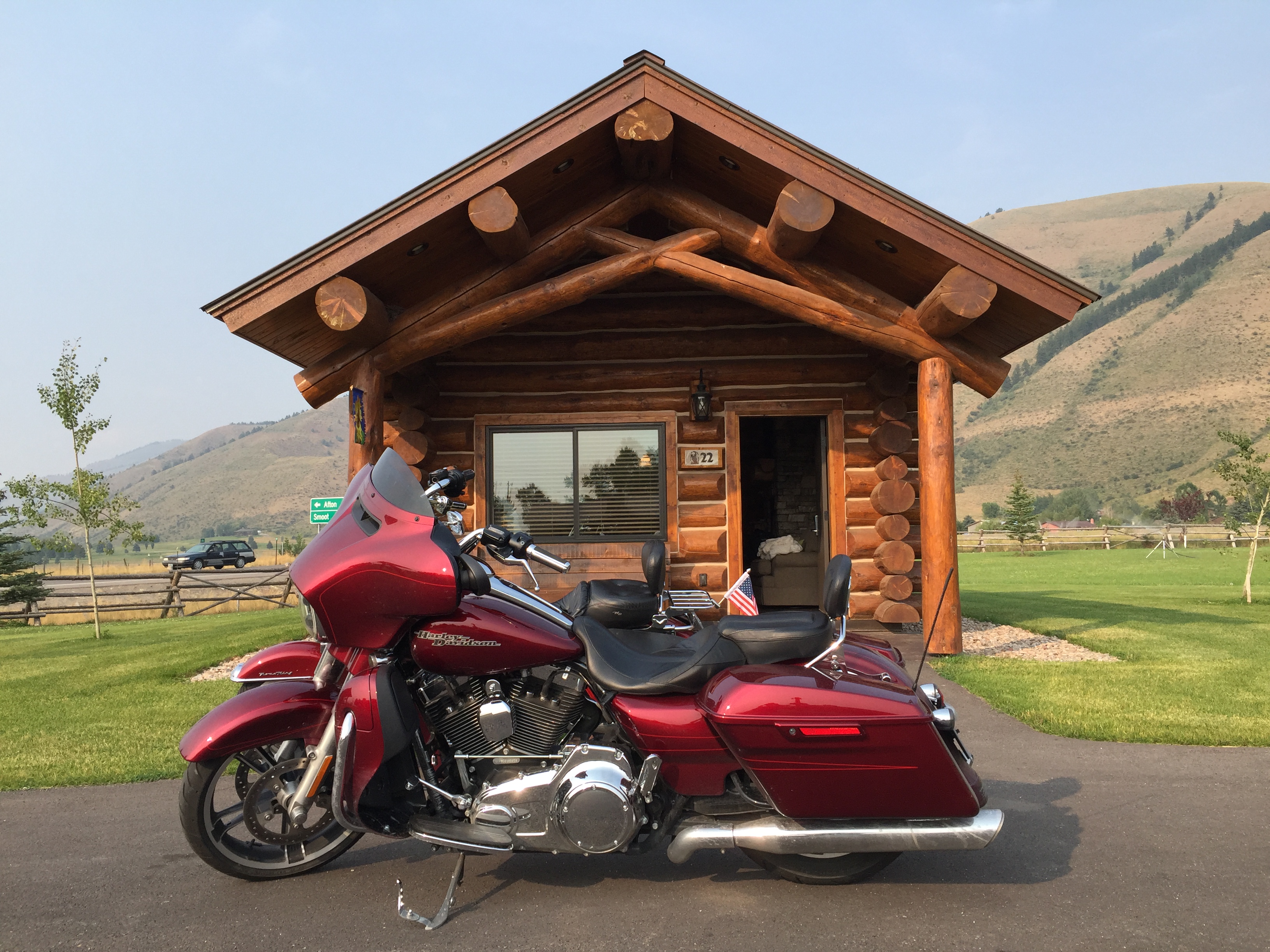
With elk antlers dancing in our rear view mirrors, we head south toward Bear Lake. Soon we cross into Idaho, the ninth and final state on our trip. Would have made it an even ten, but didn’t have time for Oregon. Or Florida.
Montpelier, Idaho, is the Gem State’s first city we see. Montpelier was settled in 1863 by Mormon pioneers. Montpelier received its name from Brigham Young, who named it after the capital of his birth state of Vermont.
Before long, we’re clearly in bear country. We roll past Bear Lake Wildlife Refuge, Bear Lake and Bear Lake State Park. A natural freshwater lake, Bear Lake is split pretty much equally between Idaho and Utah.
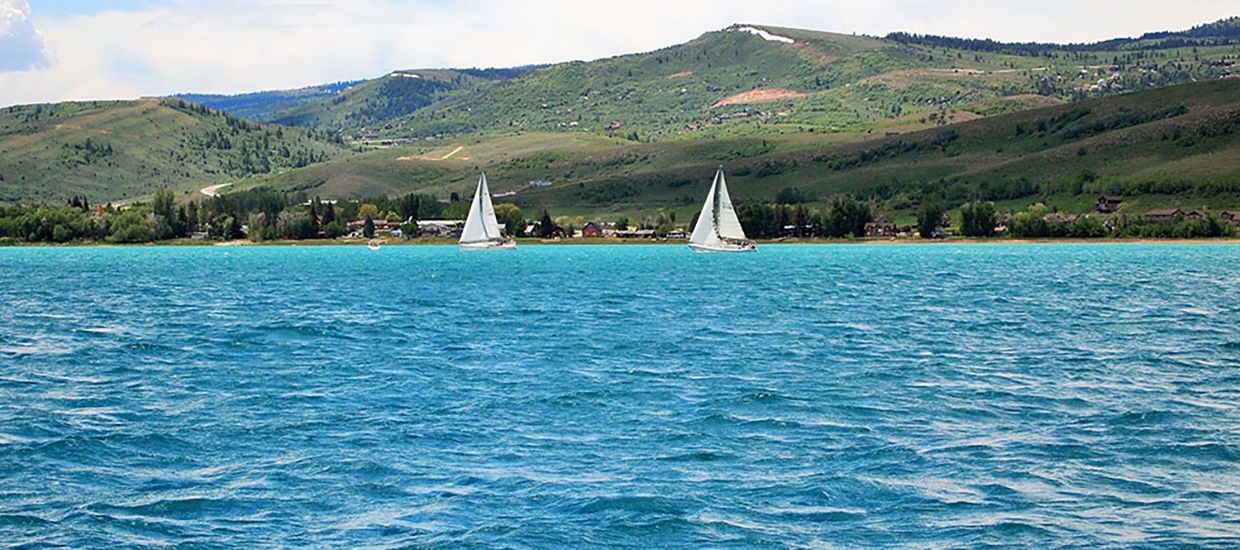
It’s been called the “Caribbean of the Rockies” for its unique turquoise-blue color, which is due to the reflection of calcium carbonate (limestone) deposits in the lake. The lake has two state parks, each named Bear Lake State Park – one in Idaho and one in Utah. Bear Lake sits at an elevation of 5,924 feet.
We cross into Utah with little fanfare, at the mid-point of the lake.
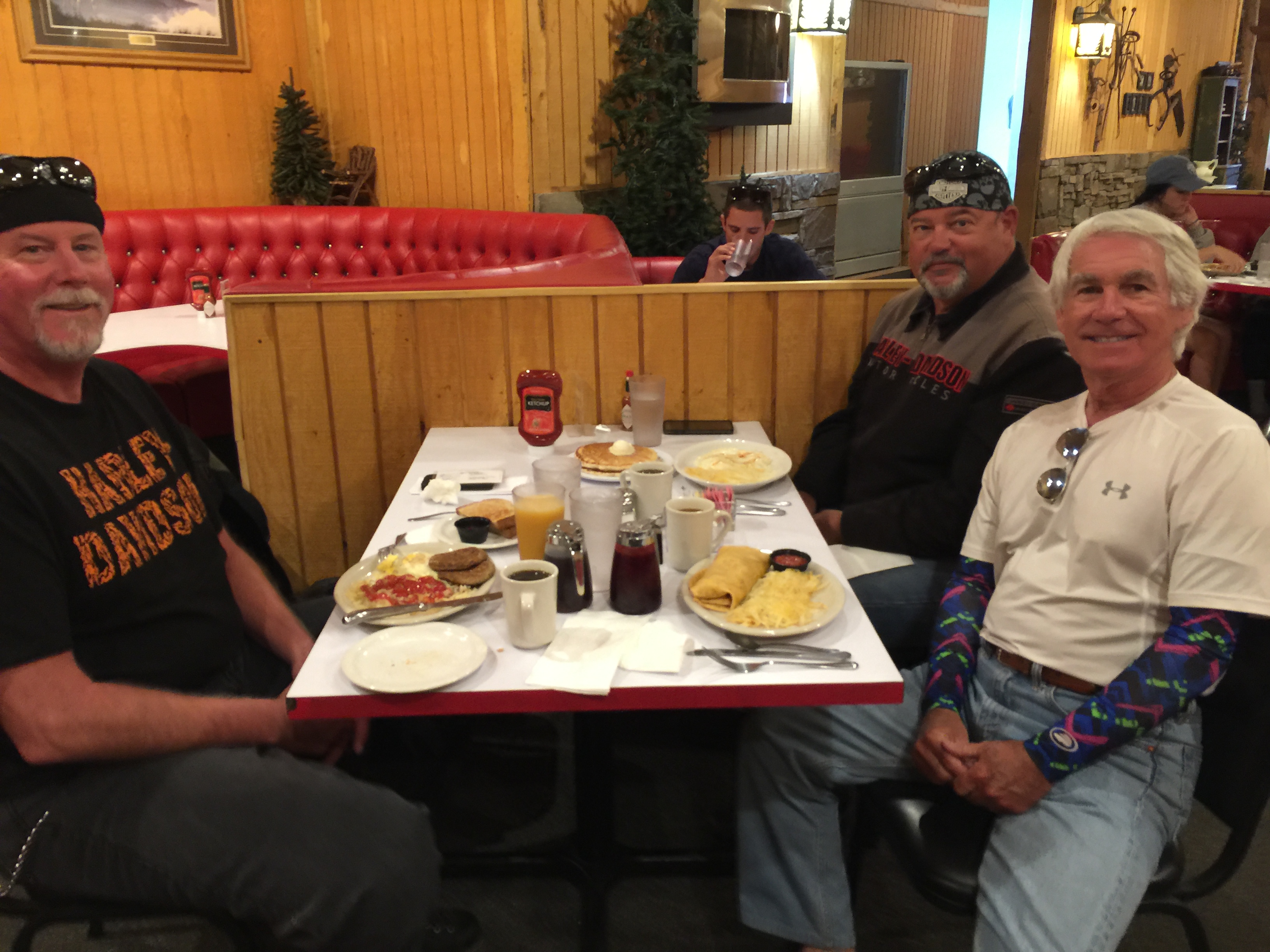
In the town of Garden City, we turn west away from Bear Lake and begin riding the beautiful Logan Canyon Scenic Byway. This byway climbs through the diverse terrain of the Wasatch-Cache National Forest, whose mountains soar to 9,000 feet.
We pass several small lakes, popular with fishermen. These lakes are all that remain of the ancient Lake Bonneville. Some 30,000 years ago, Lake Bonneville covered more than 20,000 square miles, expanding into Idaho’s Red Rock Pass and the Snake River. As the lake eventually flooded, the water weakened the soil, causing the lake to almost completely drain. The lake’s many islands became the mountain peaks that now dot Utah’s landscape.
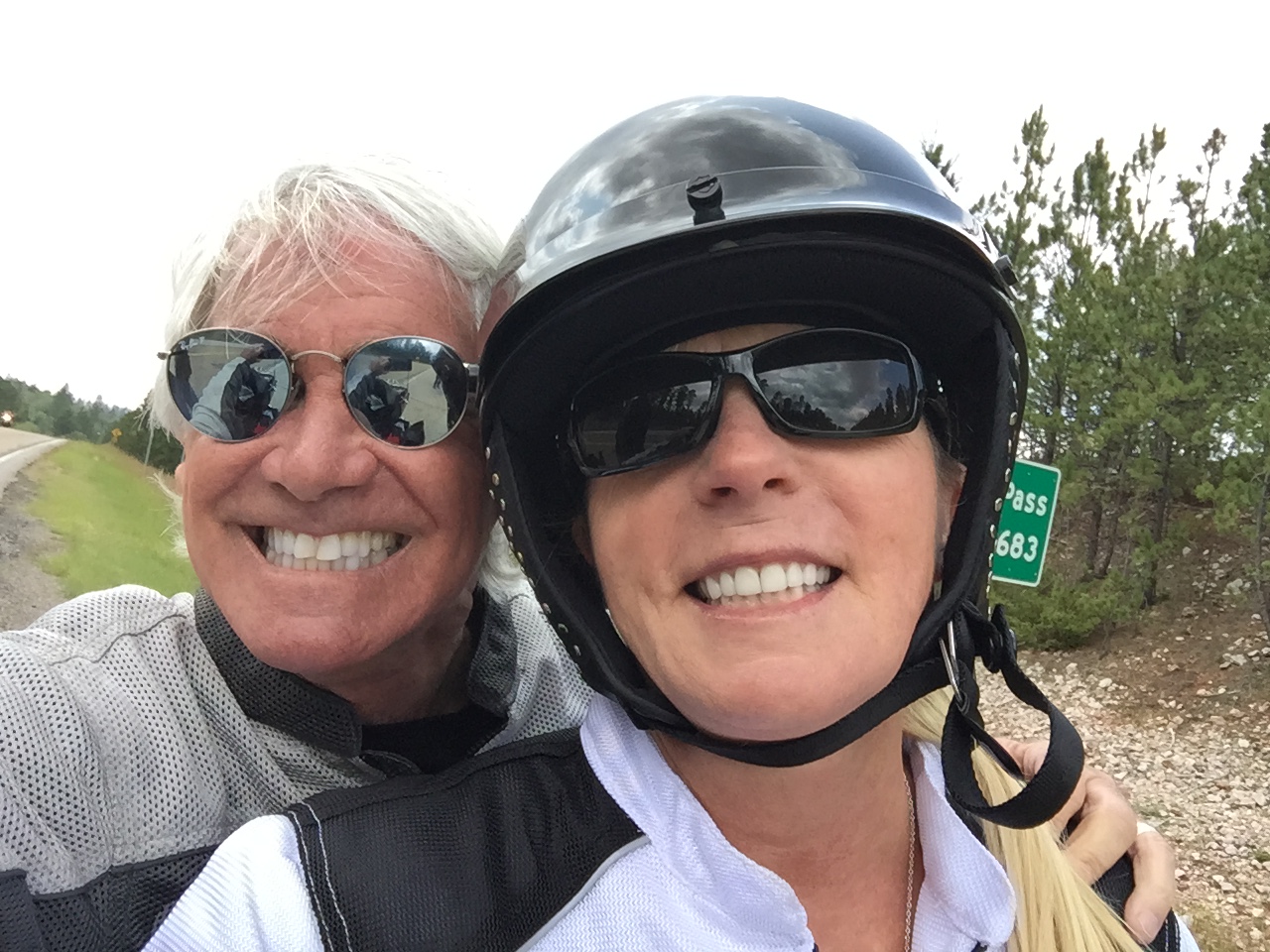
Soon we cross 7,800-foot Bear Pass, which offers a spectacular view of Bear Lake. To our left is Temple Peak. At 9,026 feet it’s the 534th highest mountain in Utah, and the 6,479th highest in the US. You know the name has to be connected to the LDS Church in some way, and you’re right.
Let’s go back in time, say 150 years ago. That’s when Maughns Fork, near Logan Canyon, was named for Peter Maughn, who ran a sawmill there. Well, the sawmill name was changed when the LDS (Mormon) Church decided to harvest the timber in Logan canyon for building the Logan LDS temple. Thus, Maughns Fork became Temple Fork, and the nearby mountain became Temple Peak. Temple Peak is at the head of Temple Fork up Logan Canyon. That’s information you just can’t get anywhere else. You’re welcome.
***
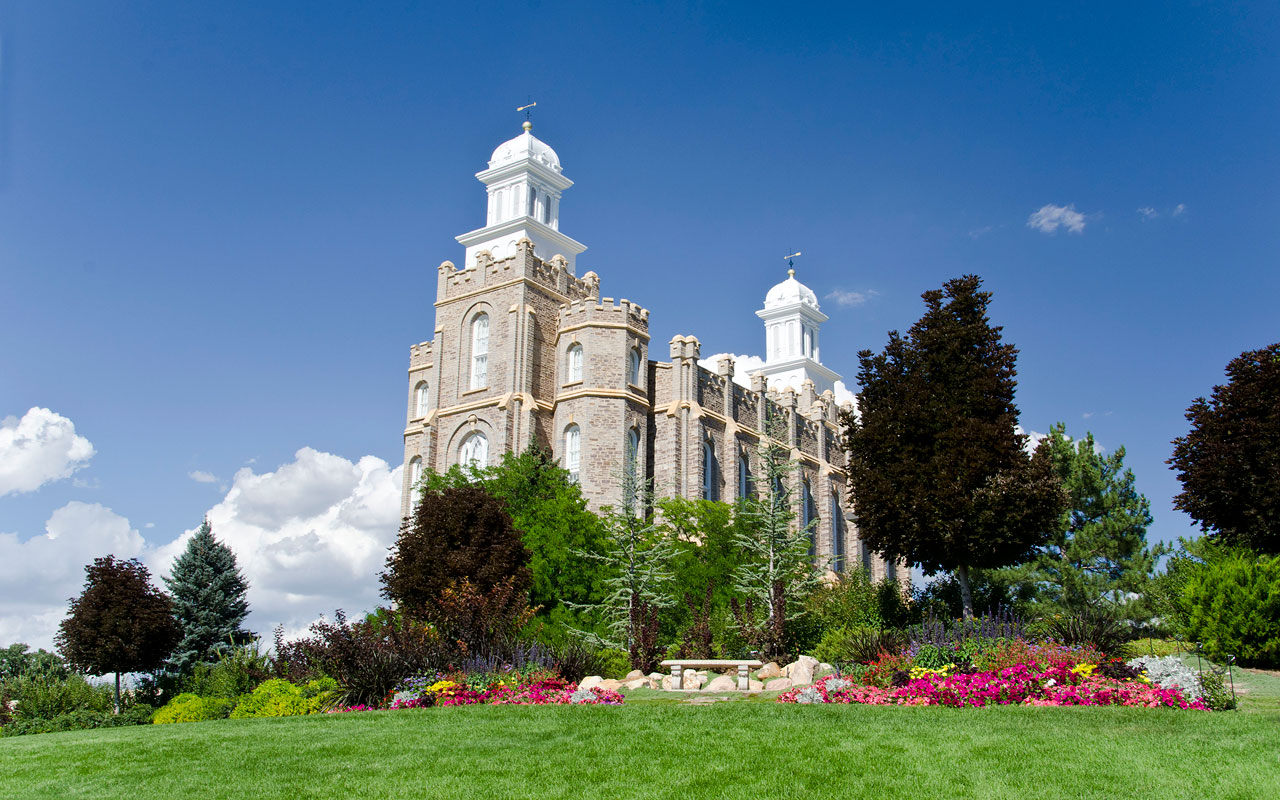
If we follow US Highway 89 another 10 miles or so into Logan, we’ll end up at the Logan LDS Temple, the fourth one built by the Mormon Church, and today, their sixth-largest. The place is so large it took 25,000 people to build it over a seven-year period, culminating in the Temple’s dedication in 1884.
Logan was founded in 1859 by settlers sent by Brigham Young to survey for the site of a fort near the banks of the Logan River. They named their new community for Ephraim Logan, an early fur trapper in the area.
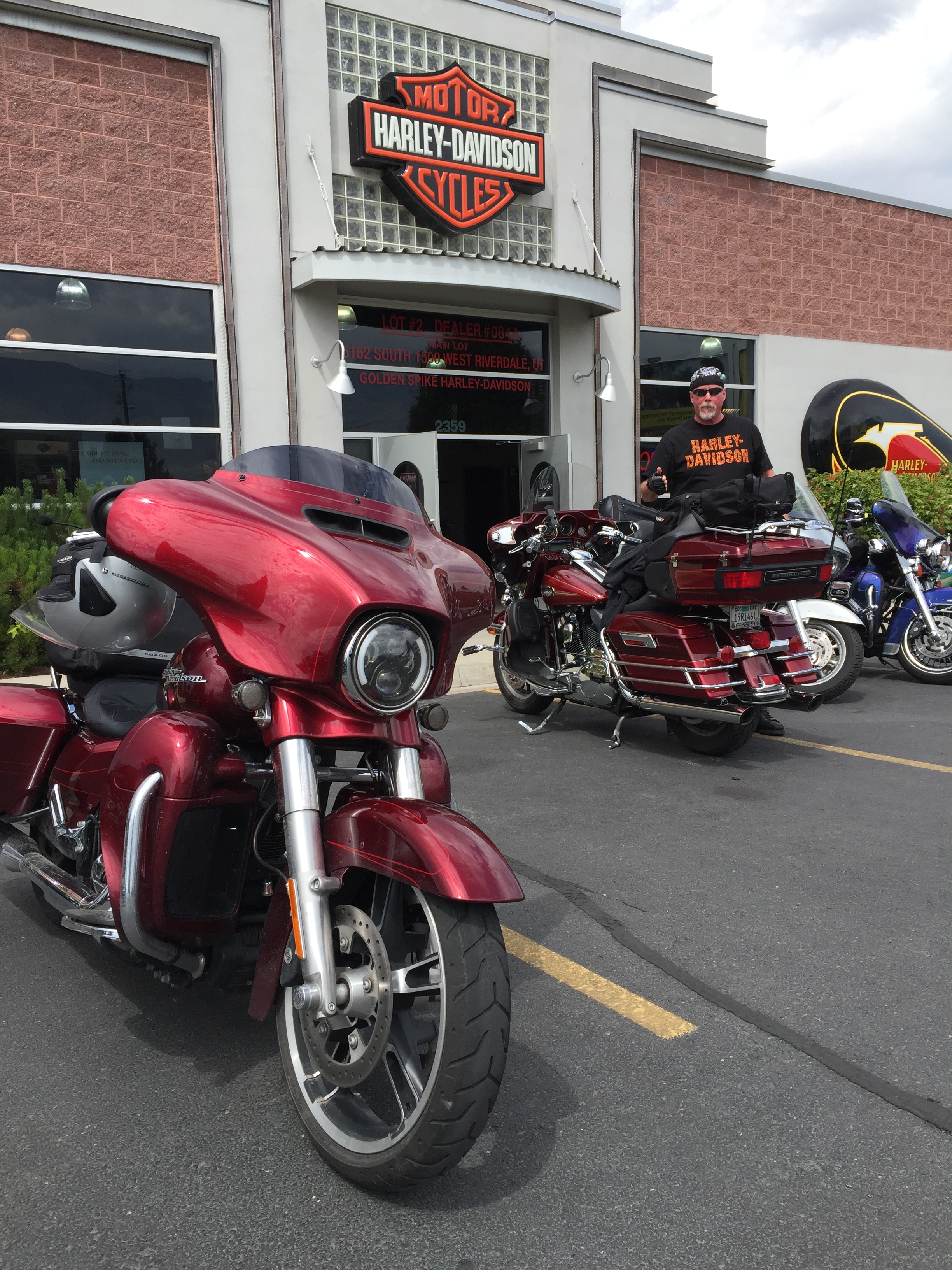
Today, Logan is home to Utah State University, founded in 1888 as the Agriculture College of Utah. Could be why the athletic teams are called the Aggies. Those of us (me) who instead went to school at the University of Utah (BS, Journalism, 1973), generally view Utah State derogatorily, thinking of it as a cow college whose alumni include former US Senate Majority Leader Harry Reid, and Merlin Olsen of NFL and Little House on the Prairie Fame.
Considered one of America’s safest cities, Logan is actually a nice place to visit, and to live. It’s been variously praised as one of the best places to retire young (CNN Money), one of the best small places for business and careers (Forbes), the most walkable community in Utah (The Monday Report), and the number one city in America to be a kid on Christmas (The Daily Beast).
As a student at the University of Utah in the late 1960s, I had a girlfriend (Toni Potter) in Logan, and visited regularly. We went our separate ways after nearly getting married in 1970, and like so many Mormon girls, she now probably has 12 children and 100 grandchildren.
Old joke … Q: you know the difference between a Mormon housewife and an orca? A: About 100 pounds, except the orca doesn’t have a bowling jacket.
Maybe you had to spend time in LDS culture to see the humor in that. I did, and I do.
***
With the Logan Temple in sight, we turn south on Main Street, which soon becomes Utah Highway 165. The area is mostly agricultural, including a dollop of dairy farms.
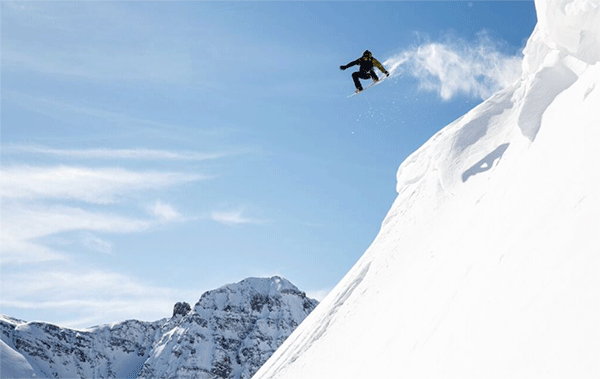
Highway 165 becomes Highway 162 with no notice. We continue south, and just north of the town of Liberty, we pass the Powder Mountain ski area, which sells day passes to the first 2,000 people who show up – then closes the mountain to everyone else (except season pass holders). Powder Mountain gets about 350 inches of snow each year, richly earning its name.
A few miles down the road, we roll past Nordic Valley Ski Resort, which bills itself as a boutique resort, where 100 percent of its runs are ski-able at night under the lights. Nordic Valley claims to be Northern Utah’s most affordable winter resort, with adult day passes mid-week selling for $45. For context, my freshman year at the University of Utah, a day pass at Alta was $5.50, seven days a week!
The road takes us along the eastern shores of Pineview Reservoir, developed to provide reliable irrigation to 25,000 acres of land between the Wasatch Mountains and the Great Salt Lake. We pass through the town of Huntsville, then turn south on Utah Highway 167, where we quickly roll past Snowbasin Resort, which hosted alpine skiing events for Salt Lake City’s 2002 Winter Olympic Games. Snowbasin was the site for downhilll, combined and super-G races.
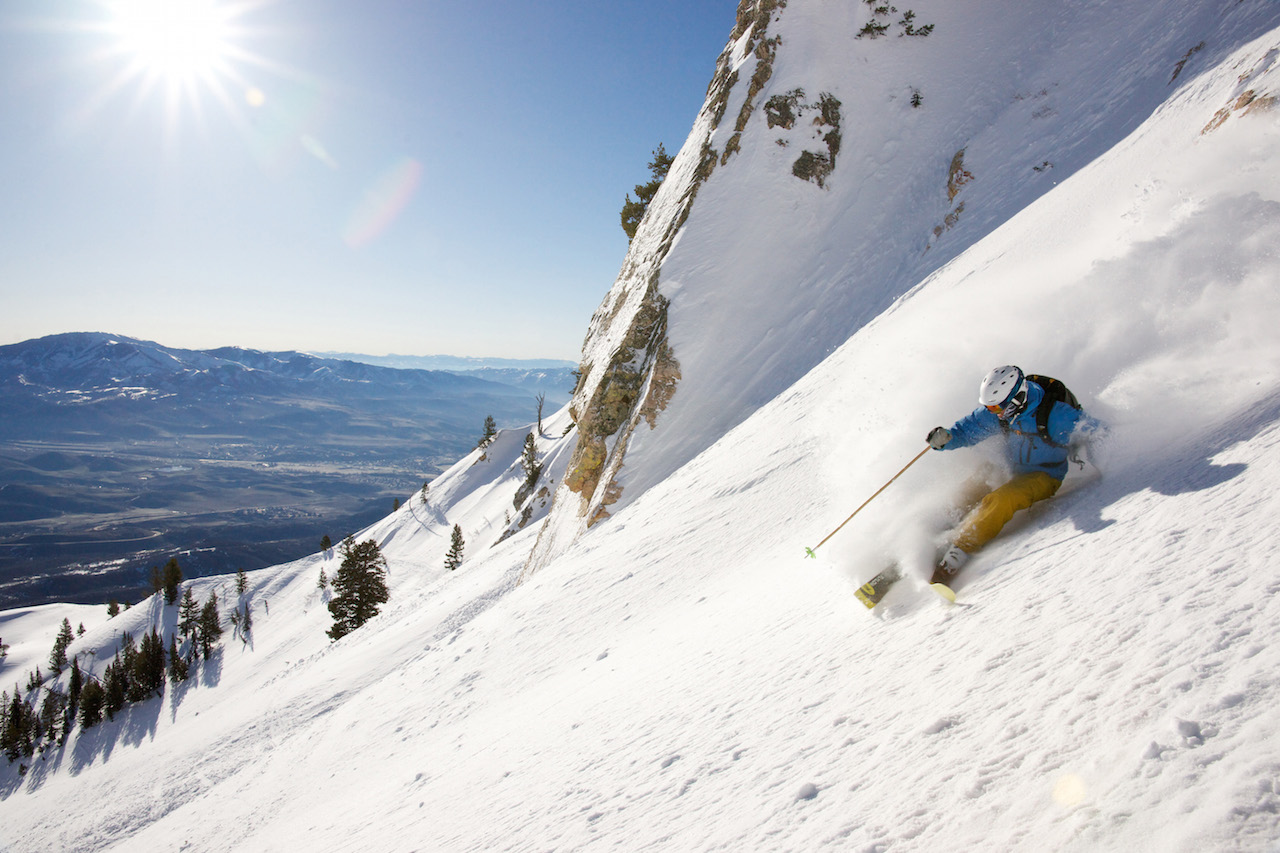
Clearly, we are in the heart of Utah’s ski country, and we’re heading for more. We jump on Interstate 84 for 6 miles, then turn south on Utah Highway 66 toward East Canyon State Park and East Canyon Reservoir, which sits at 5,700 feet in the Wasatch Mountains.
East Canyon has a rich history, including an 1846 visit by the Donner Party, later made famous by its misfortune in California. The Donner Party was a group of farmers from Iowa and Illinois rolling west in a wagon train to find fertile land for their crops.
As history buffs will recall, the Donner Party passed through Utah and Nevada, before becoming stranded in California’s Sierra Nevada mountains. Trapped by a heavy snowfall near Truckee, California, they ran out of food, froze to death, and in some cases, resorted to cannibalism to survive.
A year later, Mormon pioneers followed the same route through Utah, but had a considerably happier ending. Four days after rolling their wagons through East Canyon, Brigham Young and his group of pioneers continued on to the Salt Lake Valley, where he famously said, “This is the place.”
Mormons, then, and now, don’t eat one another.
***
We arrive at Mountain Dell Golf Course, one of seven owned and operated by Salt Lake City. I often played this course when I lived in Utah from 1968 to 1975.
At Mountain Dell, we merge onto Interstate 80 and ride east 11 miles to Kimball Junction, the exit to Park City. Moments later, now on Utah Highway 224, we roll past Canyons Ski Resort, one of three alpine ski resorts located in Park City. During my time in Utah, the area was called Park City West, then ParkWest. Today, following years of dramatic expansion, the area has 182 runs, 21 lifts, and is owned by Vail Resorts.
Vail Resorts, which also owns neighboring Park City Mountain Resort, connected the two ski areas with a gondola, and they now operate as a single, huge entity that’s a ski lover’s paradise.
One mile up the road, we arrive in the chi-chi mountain town of Park City, once dominated by mining and now a haven for tourism. The city brings in more than $500 million every year to the Utah economy, $80 million of which comes from the Sundance Film Festival.
Park City, which sits at 7,000 feet, has two major ski resorts: the uber-posh Deer Valley Resort, and Park City Mountain Resort.
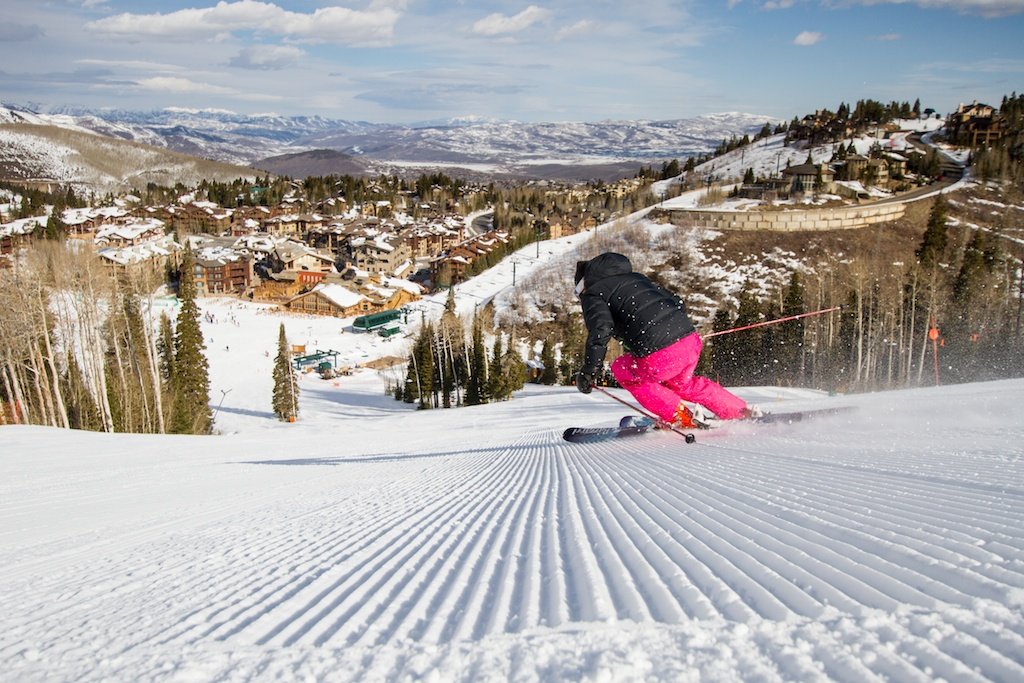
Both areas were major locations for ski and snowboarding events at the 2002 Salt Lake City Winter Olympics. Park City is also the site for Utah Olympic Park, a winter sports park built for the 2002 Winter Olympics. During the 2002 games, the park hosted the bobsled, skeleton, luge, ski jumping and Nordic combined events. It still serves as a training center for US Olympic athletes.
In the 1860s, a mining boom brought large crowds of prospectors to Park City. By 1892, the Silver King Mine had become the largest silver mine in the US, and one of the most famous silver mines in the world. The town flourished with crowds of miners, but Park City nearly became a ghost town by the end of the 1950s because of a precipitous drop in the price of silver.
***
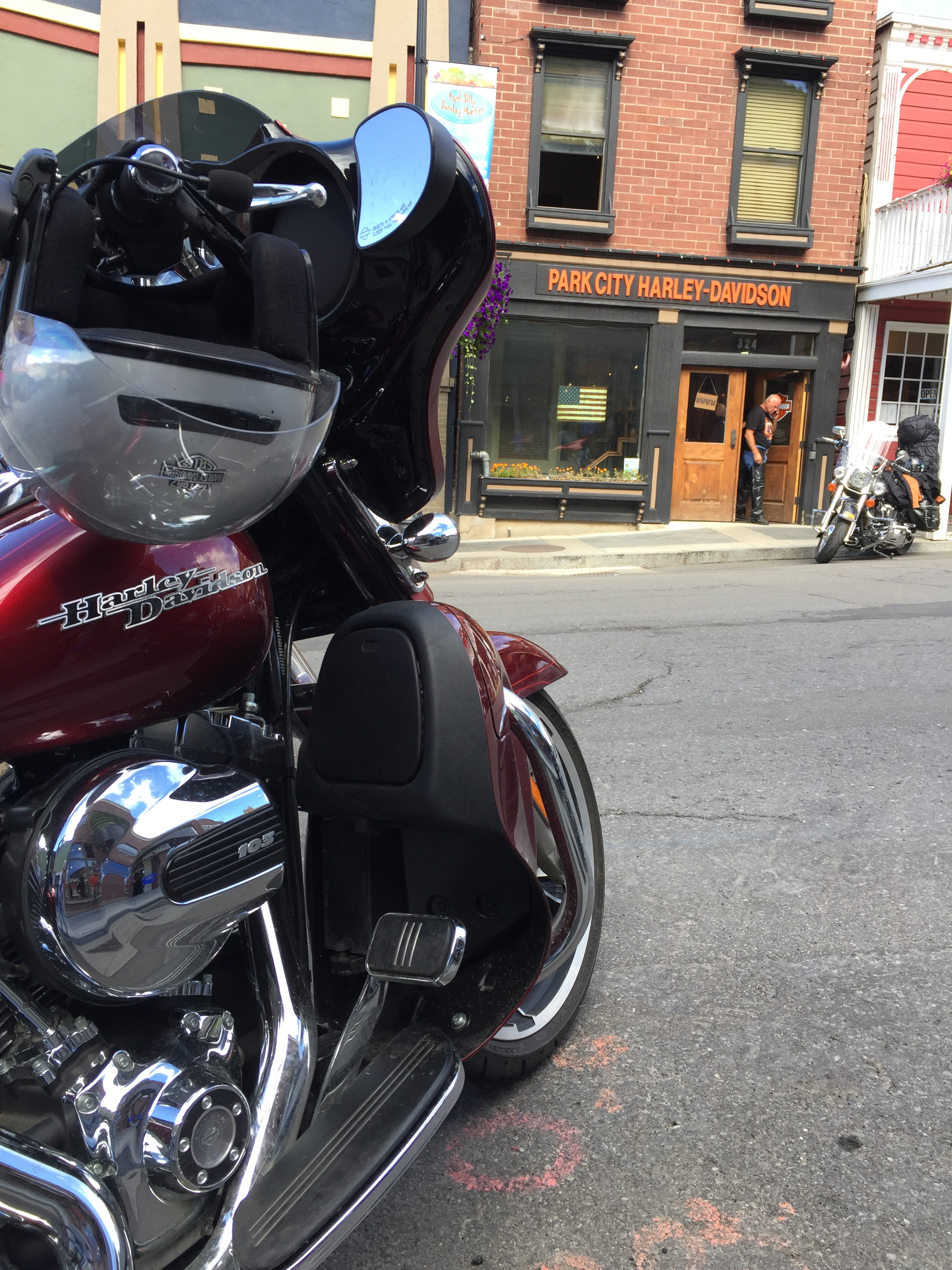
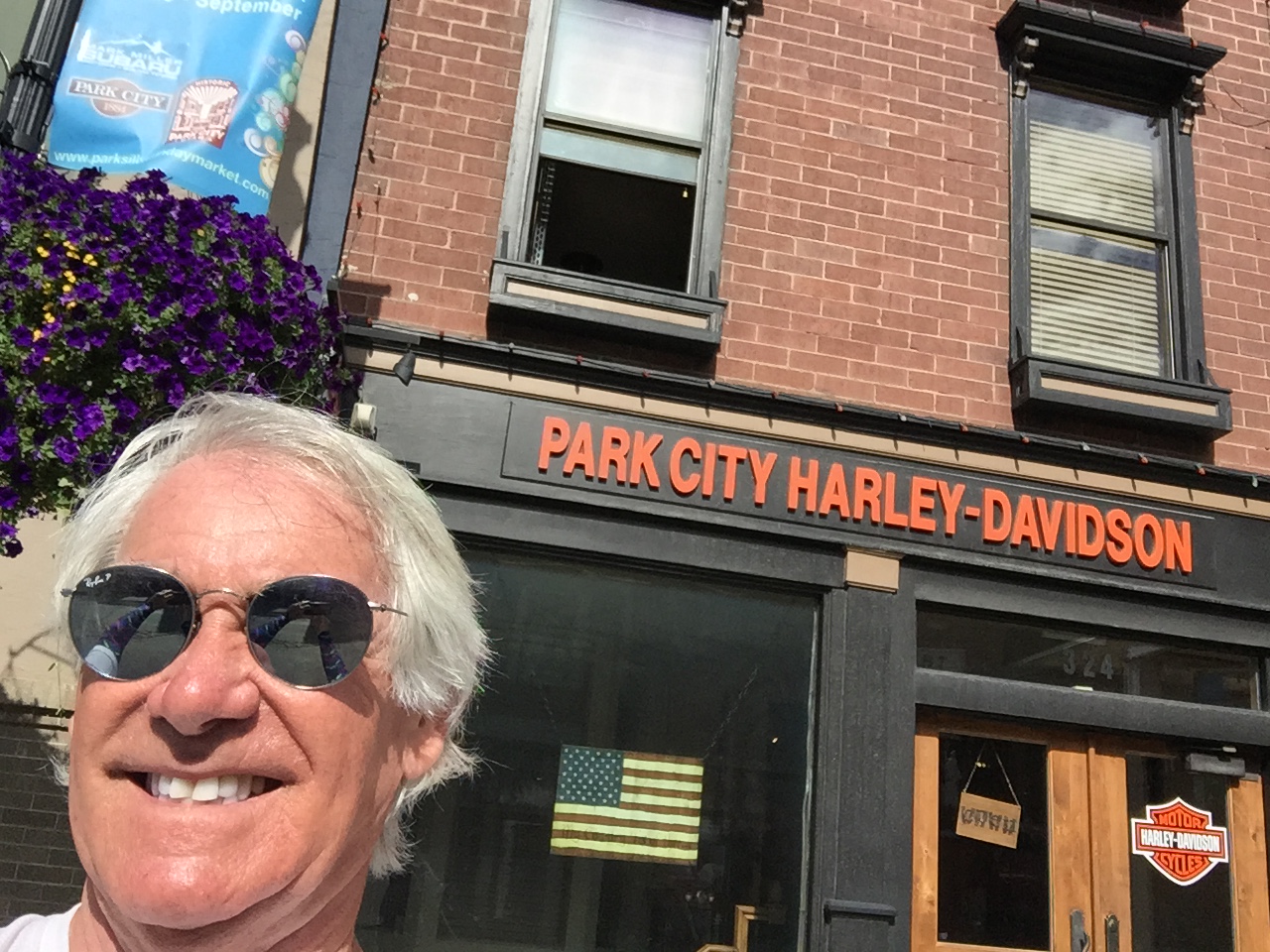
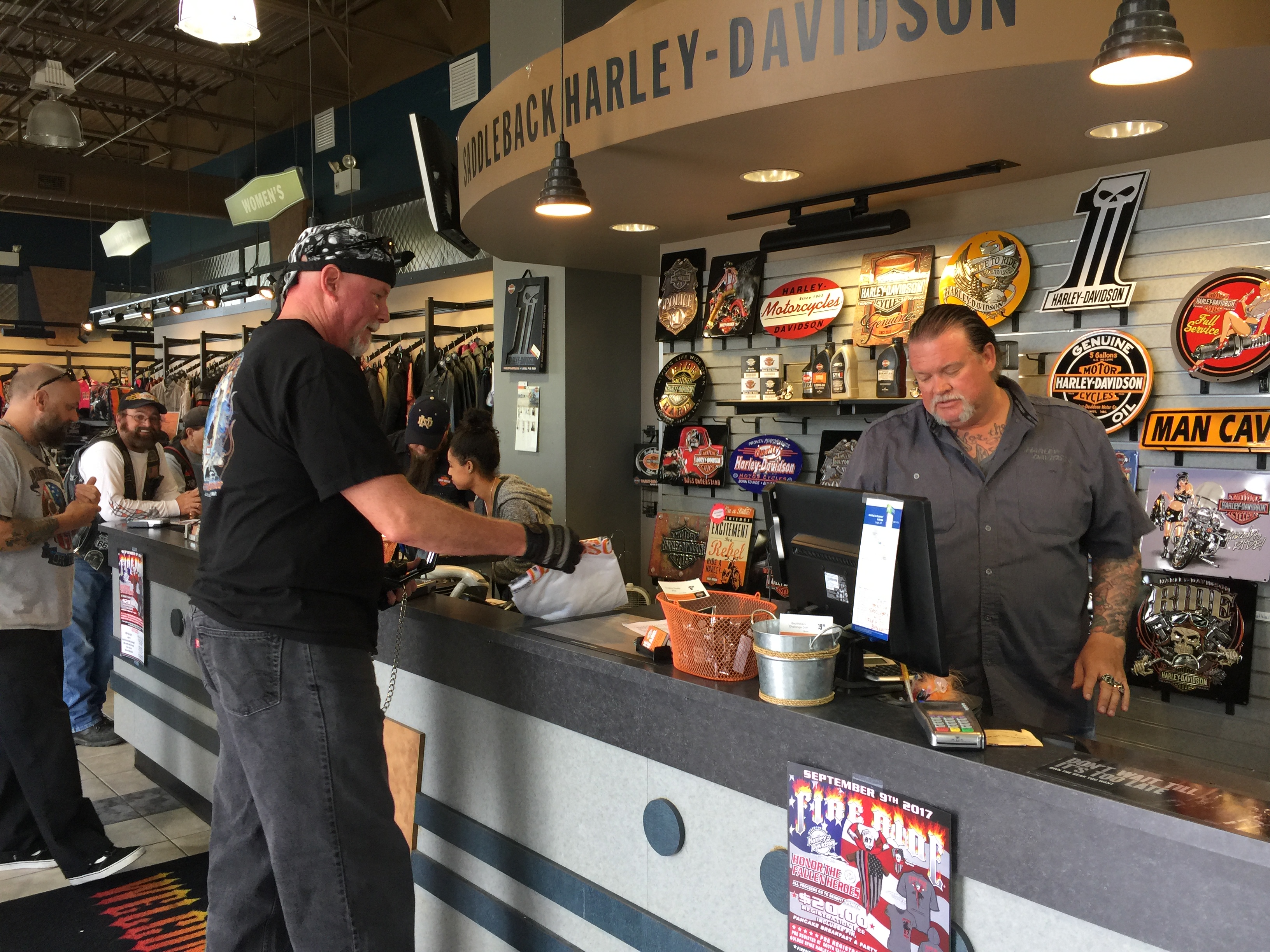
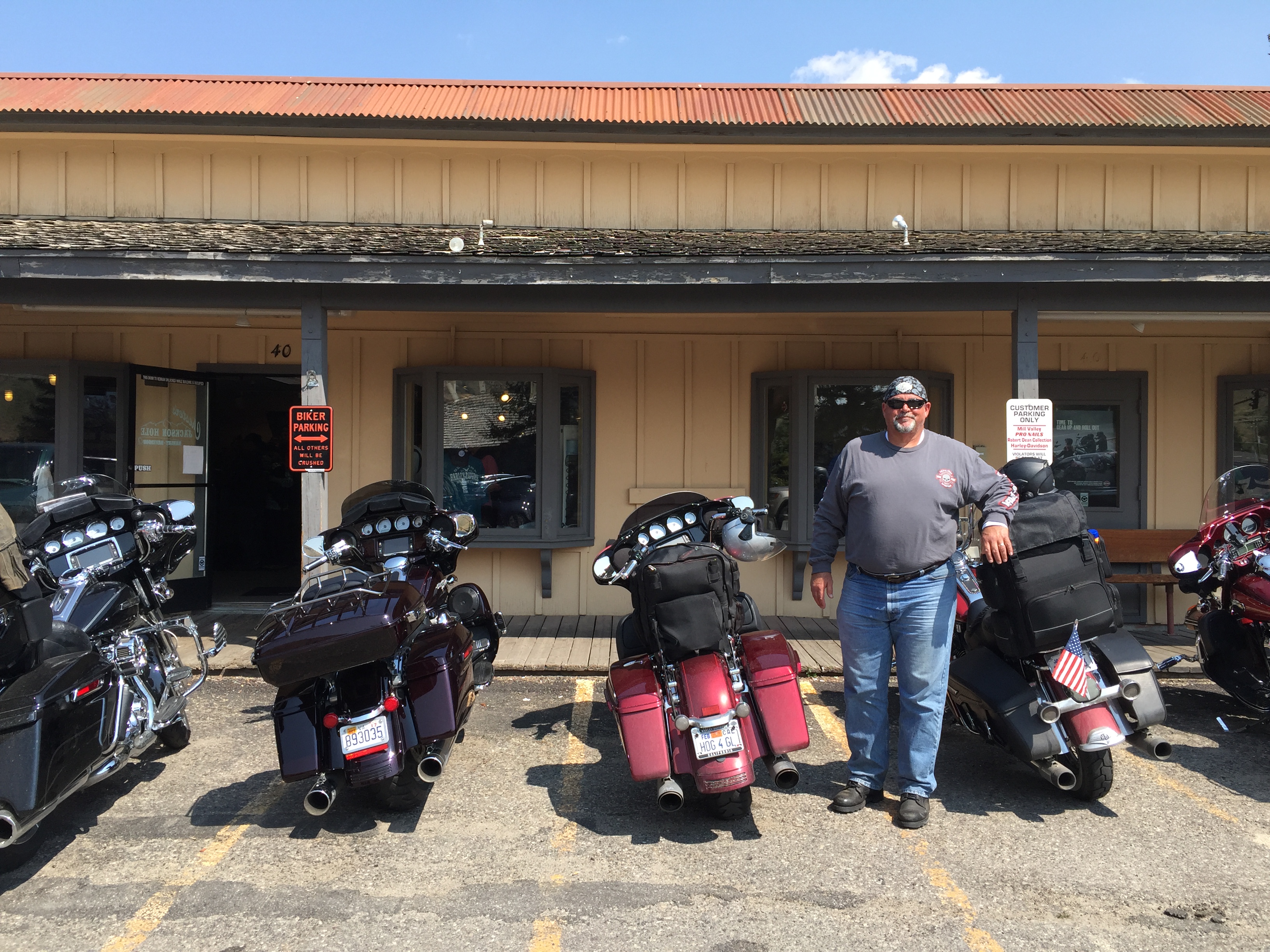
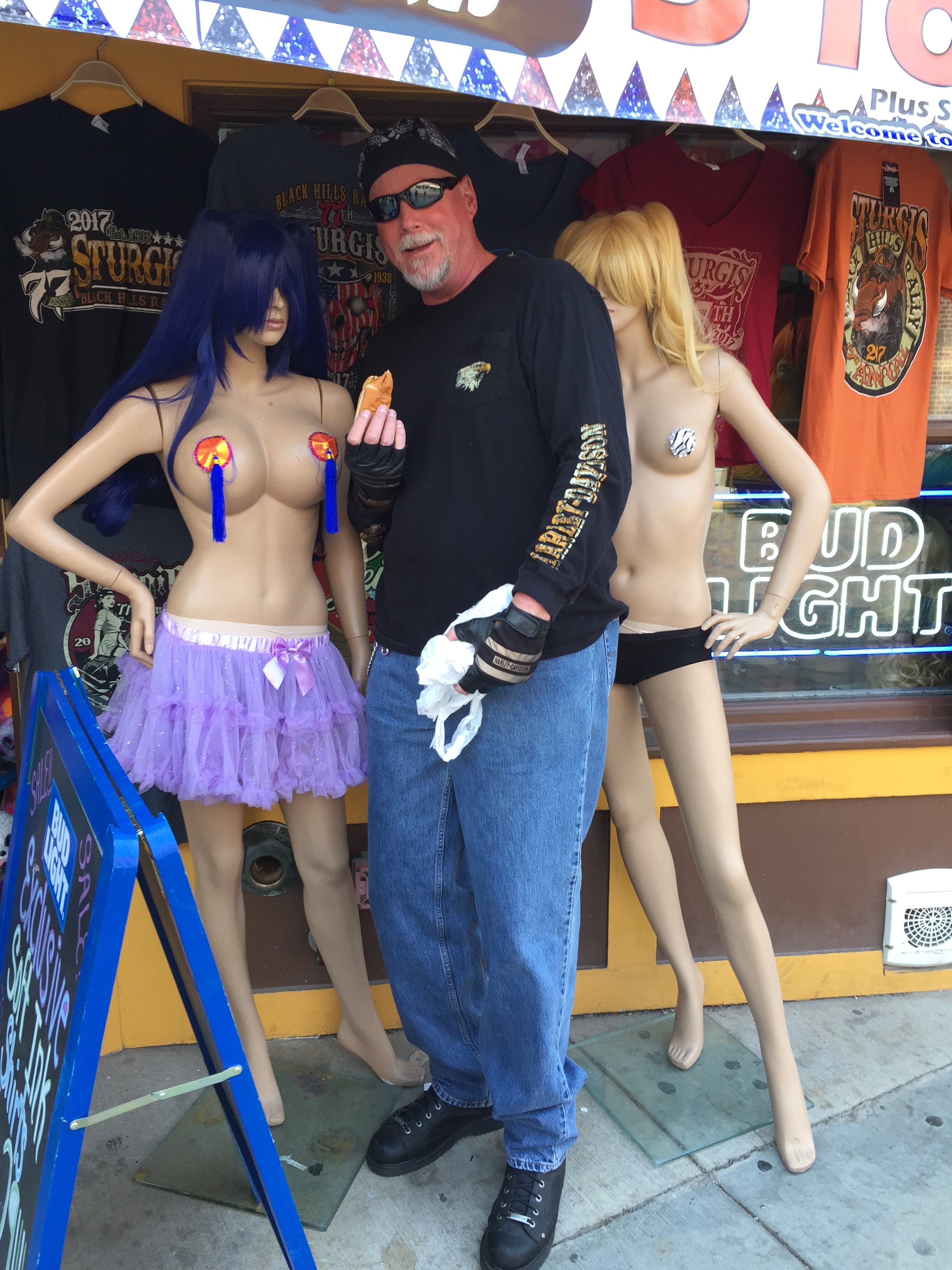
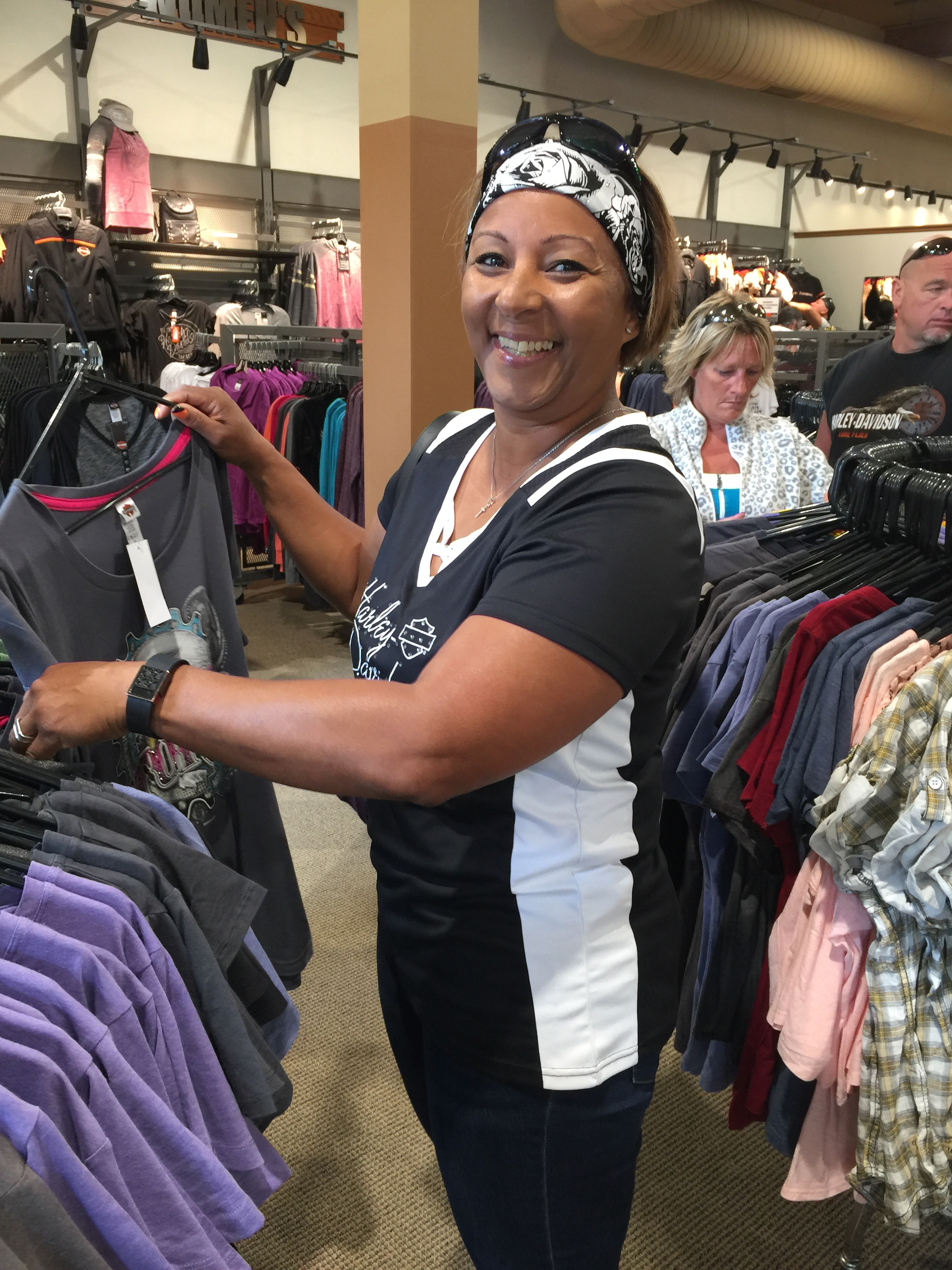
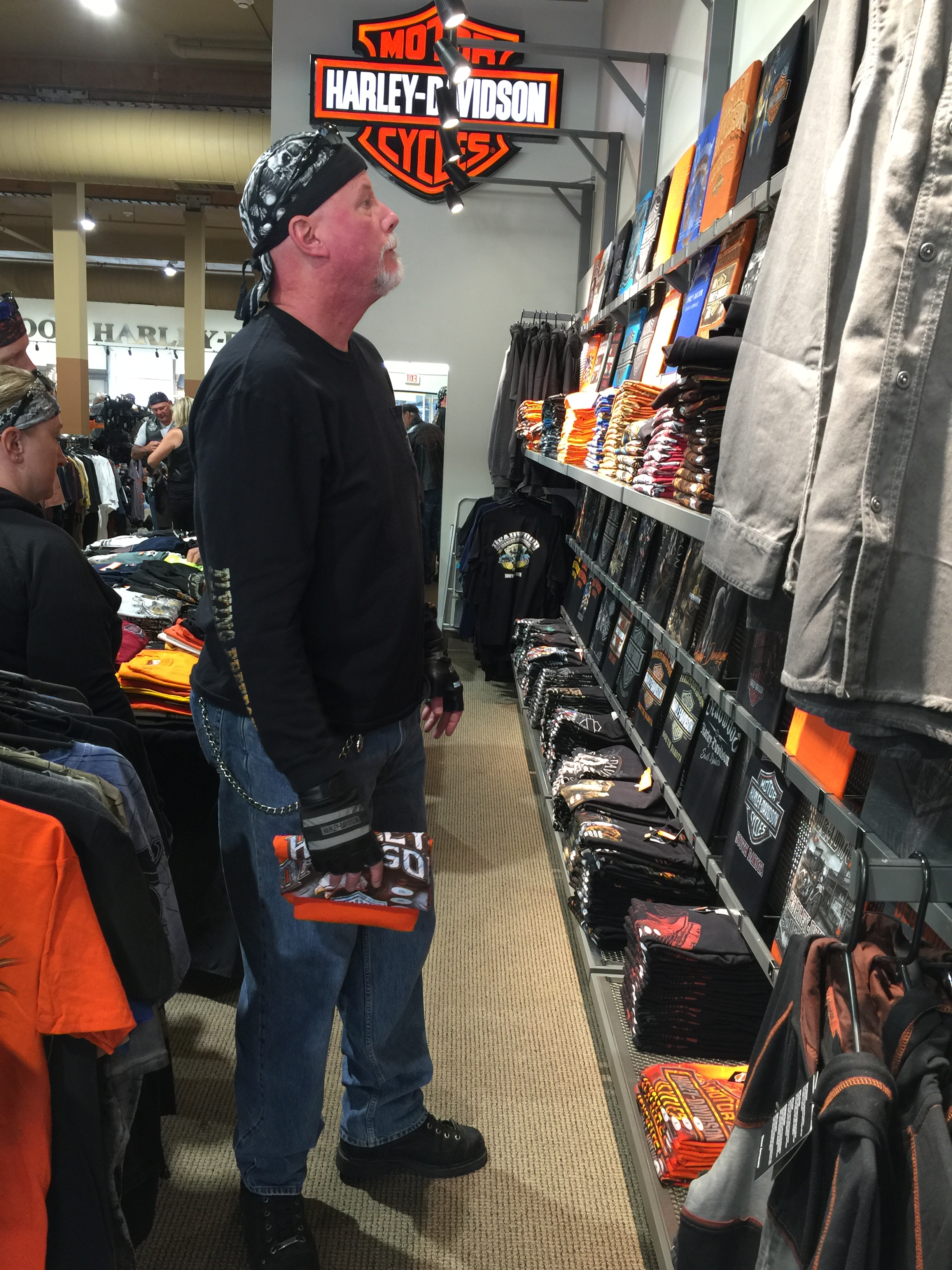
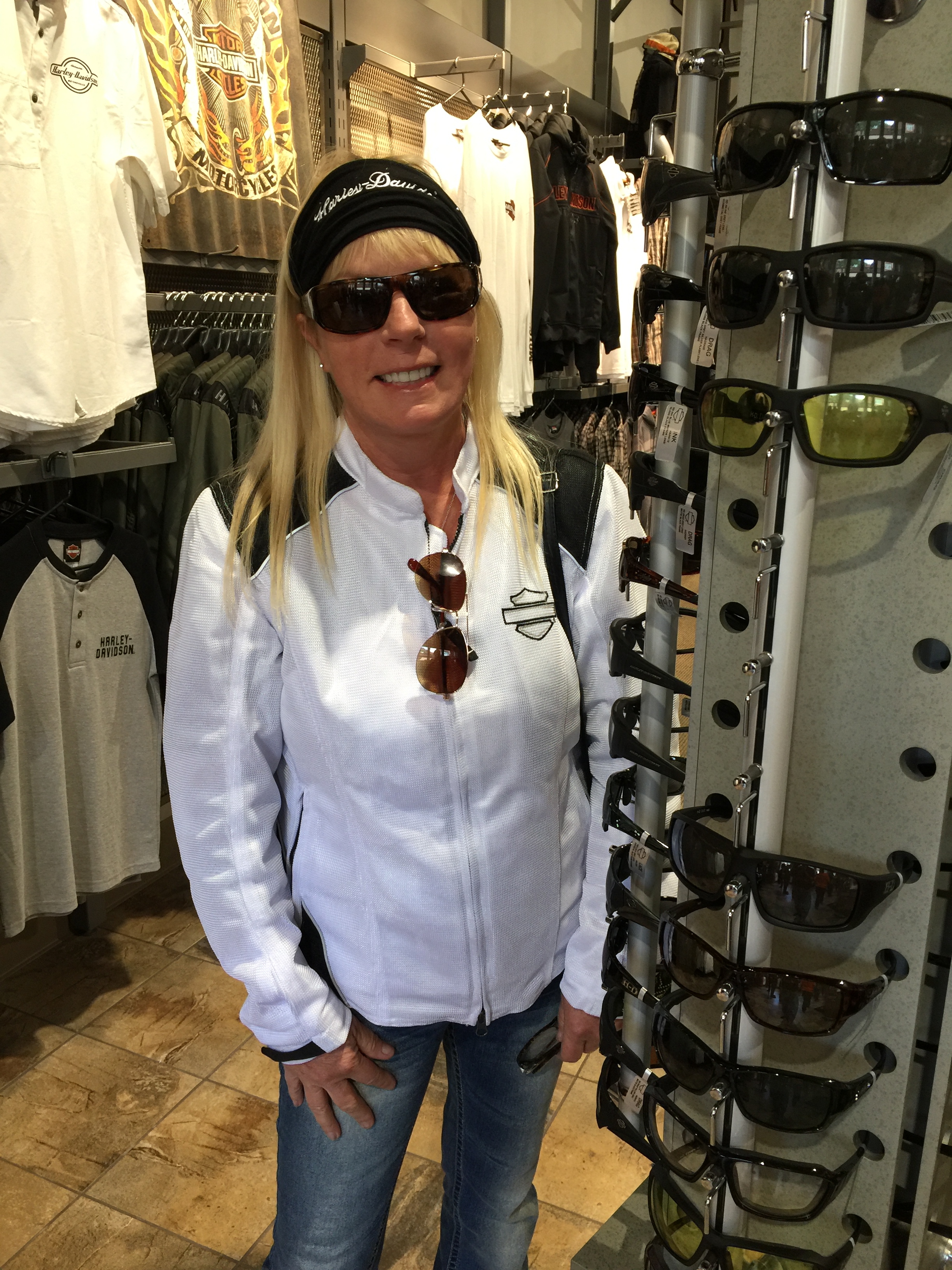
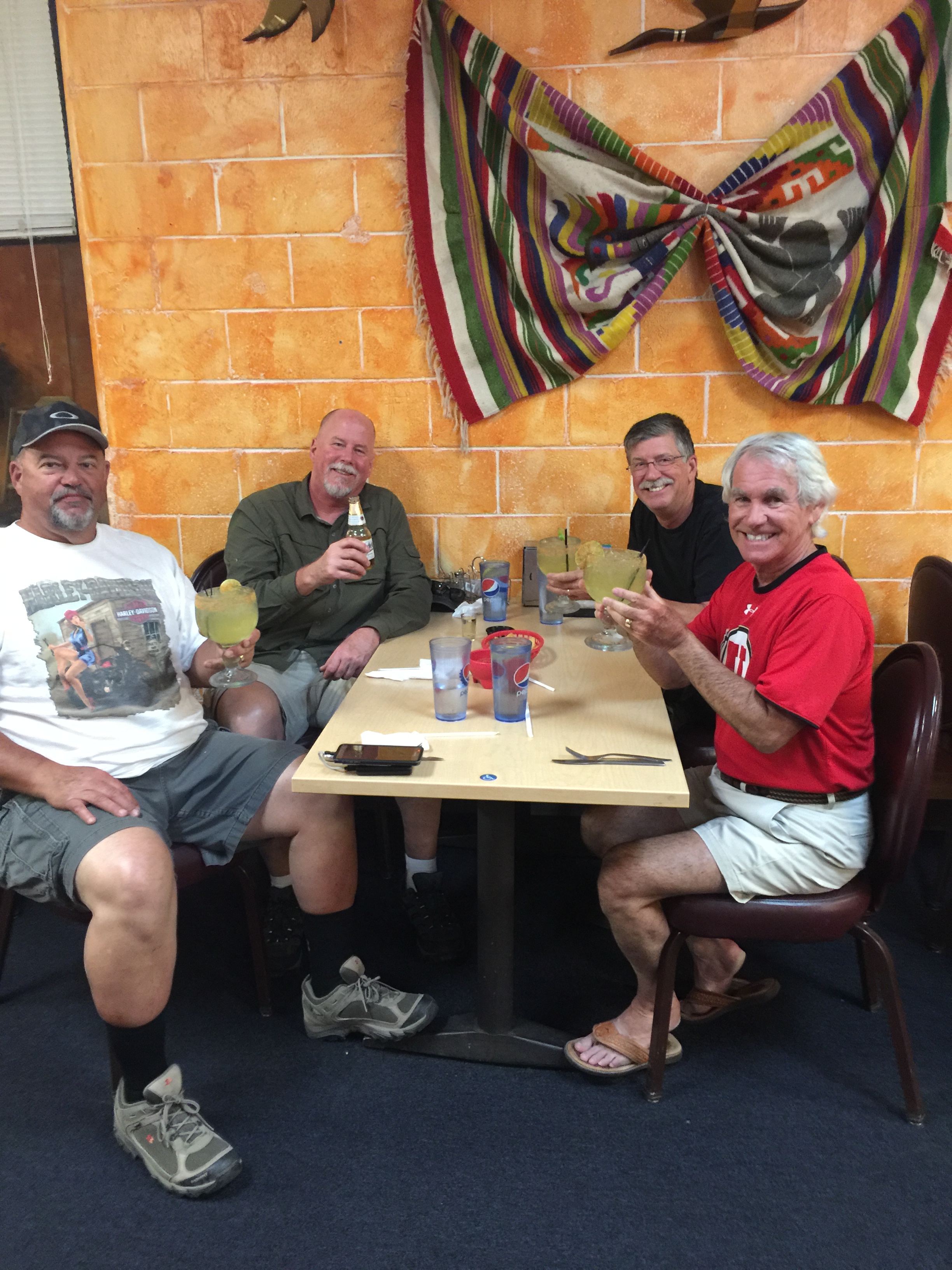
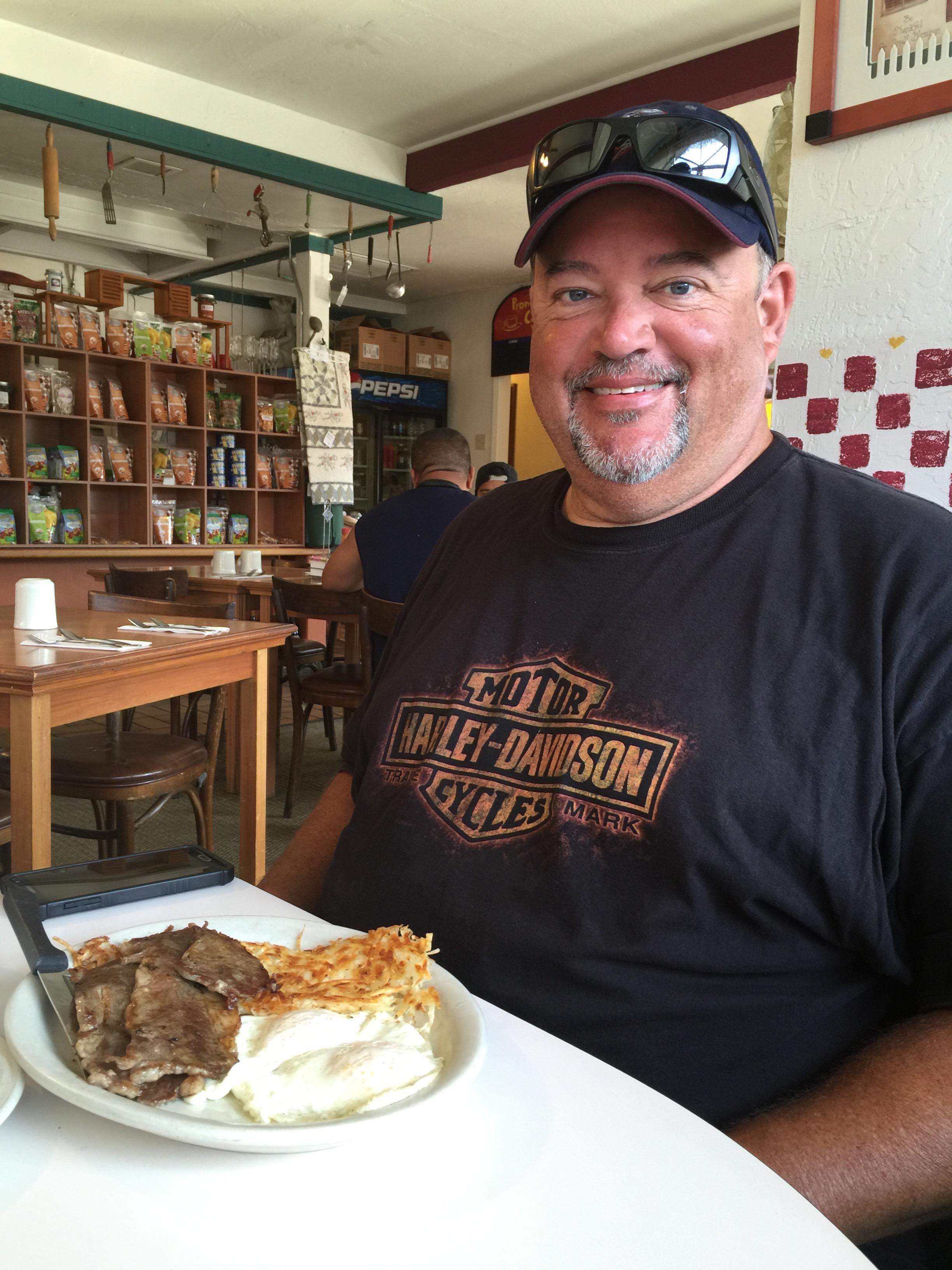
Park City Harley Davidson is on Main Street, so of course we stop, shop, and hydrate before moving on to Deer Valley Resort. Deer Valley didn’t exist during my years in Utah, but since opening in 1981, it has set the standard for customer service at North American ski resorts. When you ski at Deer Valley, you are totally pampered. Deer Valley is one of three remaining American ski resorts that still prohibit snowboarders.
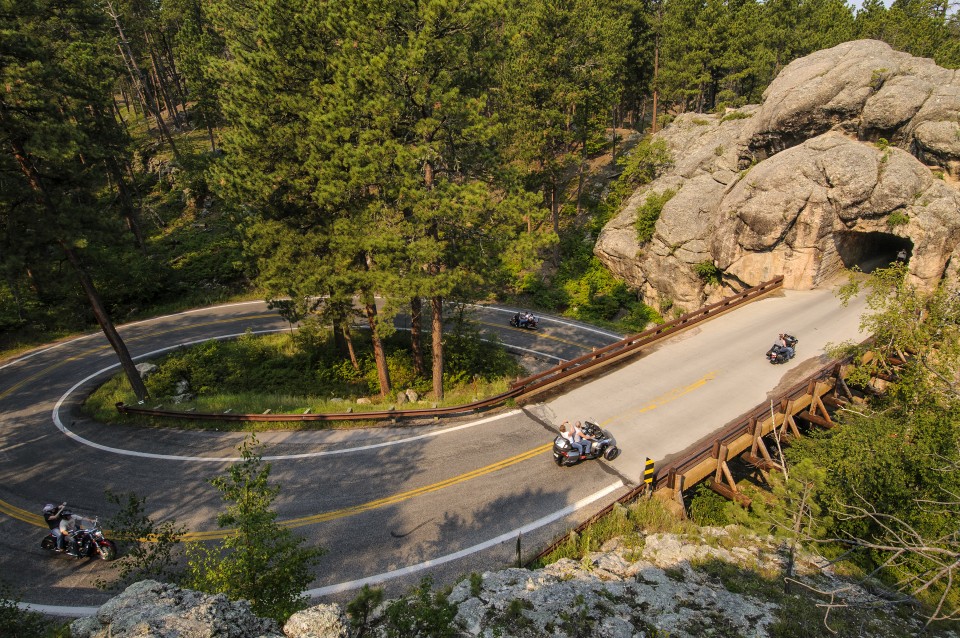
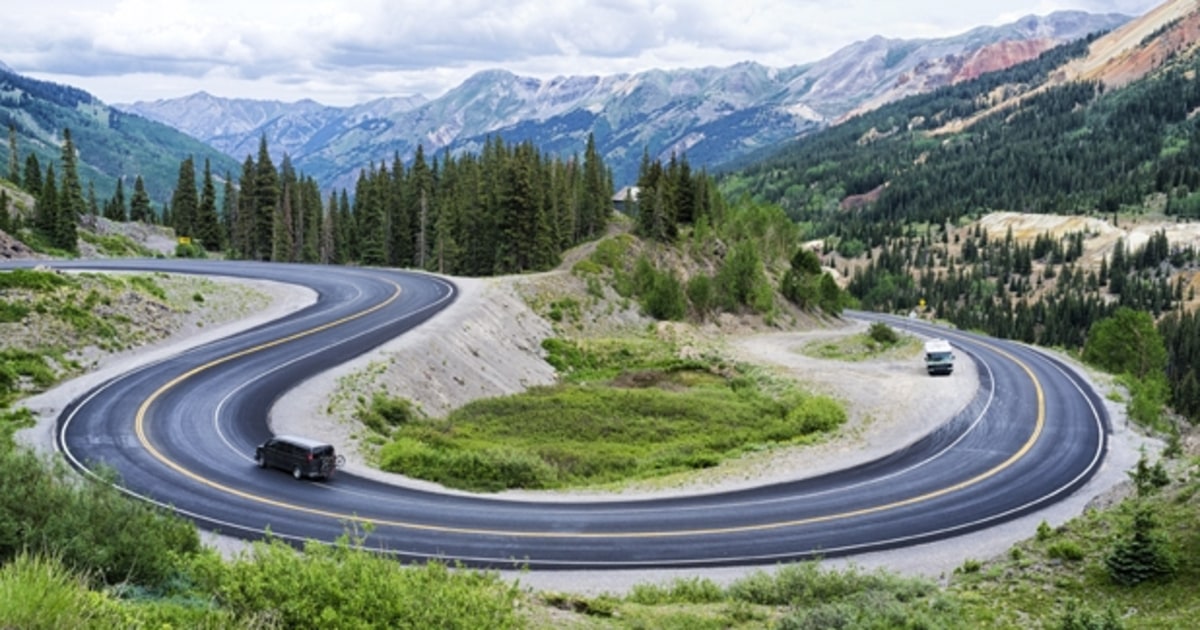
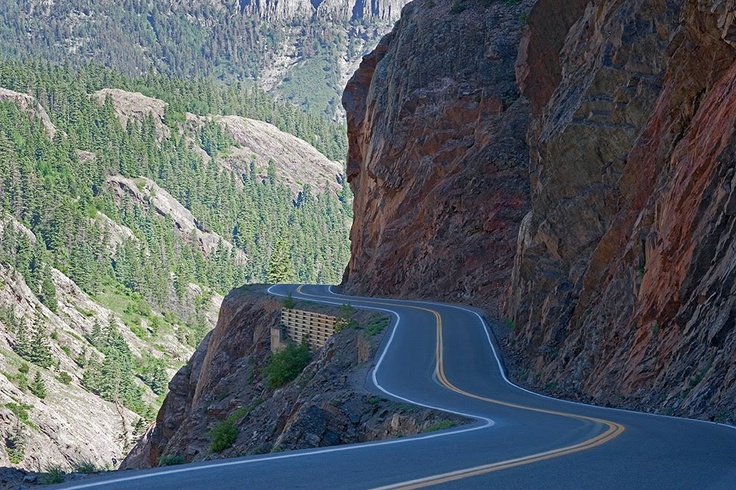
Leaving Deer Valley, we begin the long, steep, winding descent out of the Wasatch Mountains on Pine Canyon Drive. The route, with a series of dramatic switchbacks, soon takes us through an Aspen forest to Deer Creek Reservoir and Deer Creek State Park, located in the beautiful Heber Valley.
We’re now only about 15 miles from Provo, next-door neighbor to today’s destination. We follow US Highway 189 into Provo, and prepare to call it a day. With a population of 116,000, Provo is Utah’s third-largest city.
The city, of course, is best known as the home of Brigham Young University, named for the founder of the Mormon Church. BYU is the largest religious university in the US. It has nearly 30,000 on-campus students.
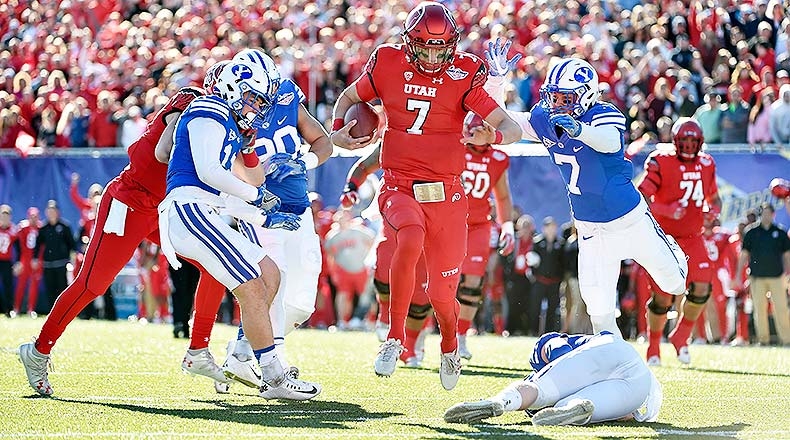
Historically, BYU has been the University of Utah’s biggest athletic rival; for us Ute alumni, the only game all year that matters is Utah v BYU, known as the “Holy War.” For those of you keeping score, Utah leads the series, winning 59 of 97 games – including the last six in a row. The next game in the rivalry is September 9, four weeks from tomorrow. It’ll be played at LaVell Edwards Stadium, on the BYU campus. Go Utes!
Across the US, slightly more than two percent of the population identifies as Mormon. About 61 percent of Utahns are Mormon, and in Provo, more than 93 percent of the population is LDS. The LDS population reaches 100 percent at the church’s Provo Missionary Training Center.
The MTC is a place where 19-year-old Mormons go to learn missionary skills. The training center was made famous by the Tony award-winning musical, “Book of Mormon.”
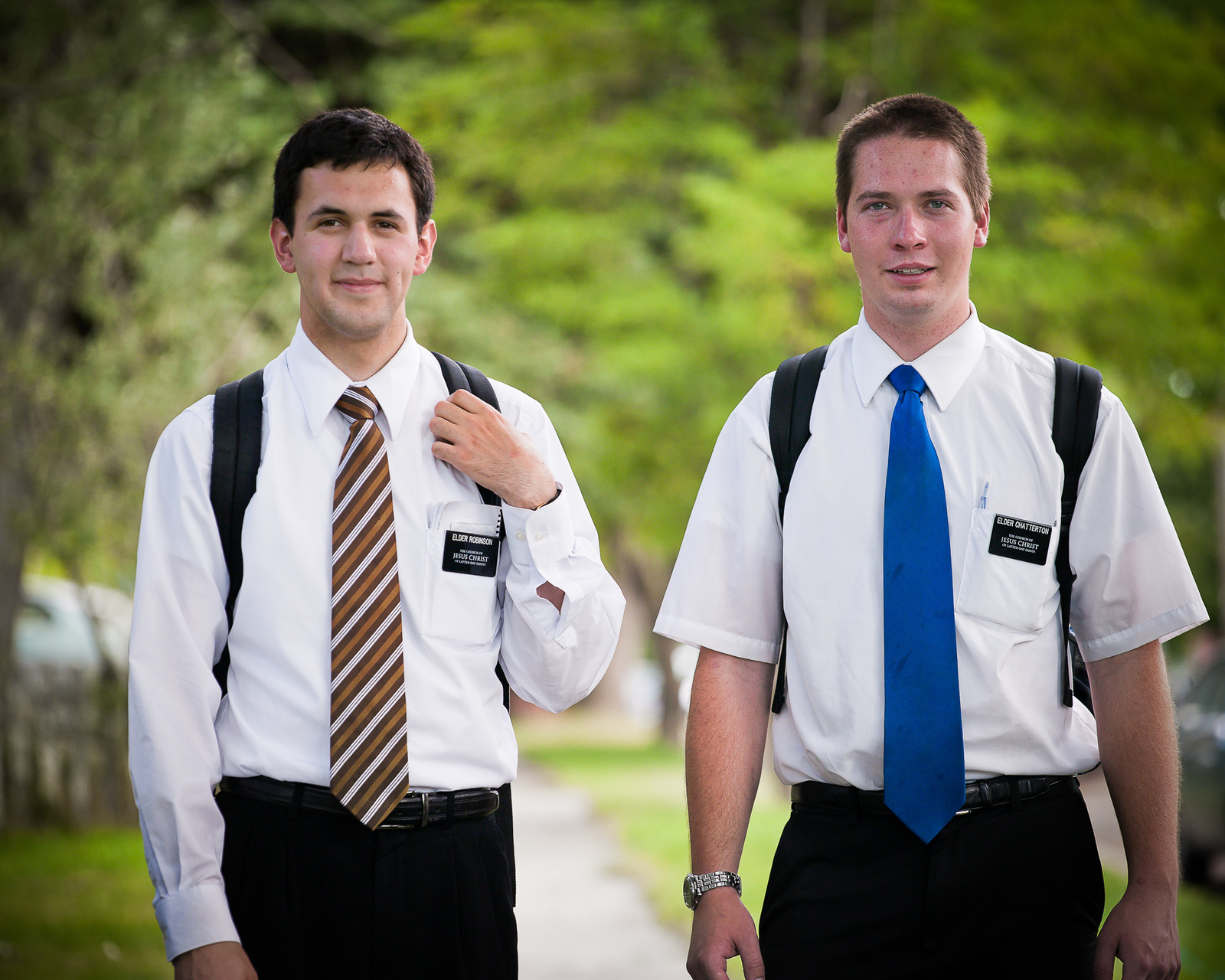
The Broadway show begins at the Missionary Training Center, where Elder Price demonstrates how to convert people to Mormonism. Elder Price ends up on a mission to northern Uganda, where language skills in English and Swahili both come in handy. The Missionary Training Center teaches more than 62 languages – including Swahili – and has more than 1,000 instructors.
Across the street from the Missionary Training Center, you’ll find the LDS Provo Temple. It’s one of 15 in Utah, and 155 around the world, including Afton, Wyoming – where our day began – Aba, Nigeria and Nuku’alofa, Tonga. There’s an LDS Temple under construction in Cedar City, Utah – tomorrow’s destination. It’s slated for completion later this year.
But I digress. Let’s get back to Provo, a hop, skip and a jump from today’s destination, Springville. Provo’s largest employer is BYU, followed closely by Nu Skin Enterprises, a multi-level marketing company (pyramid selling) that develops and sells personal care products and dietary supplements. If you’ve mastered selling religion door-to-door, how difficult can selling Nu Skin be?
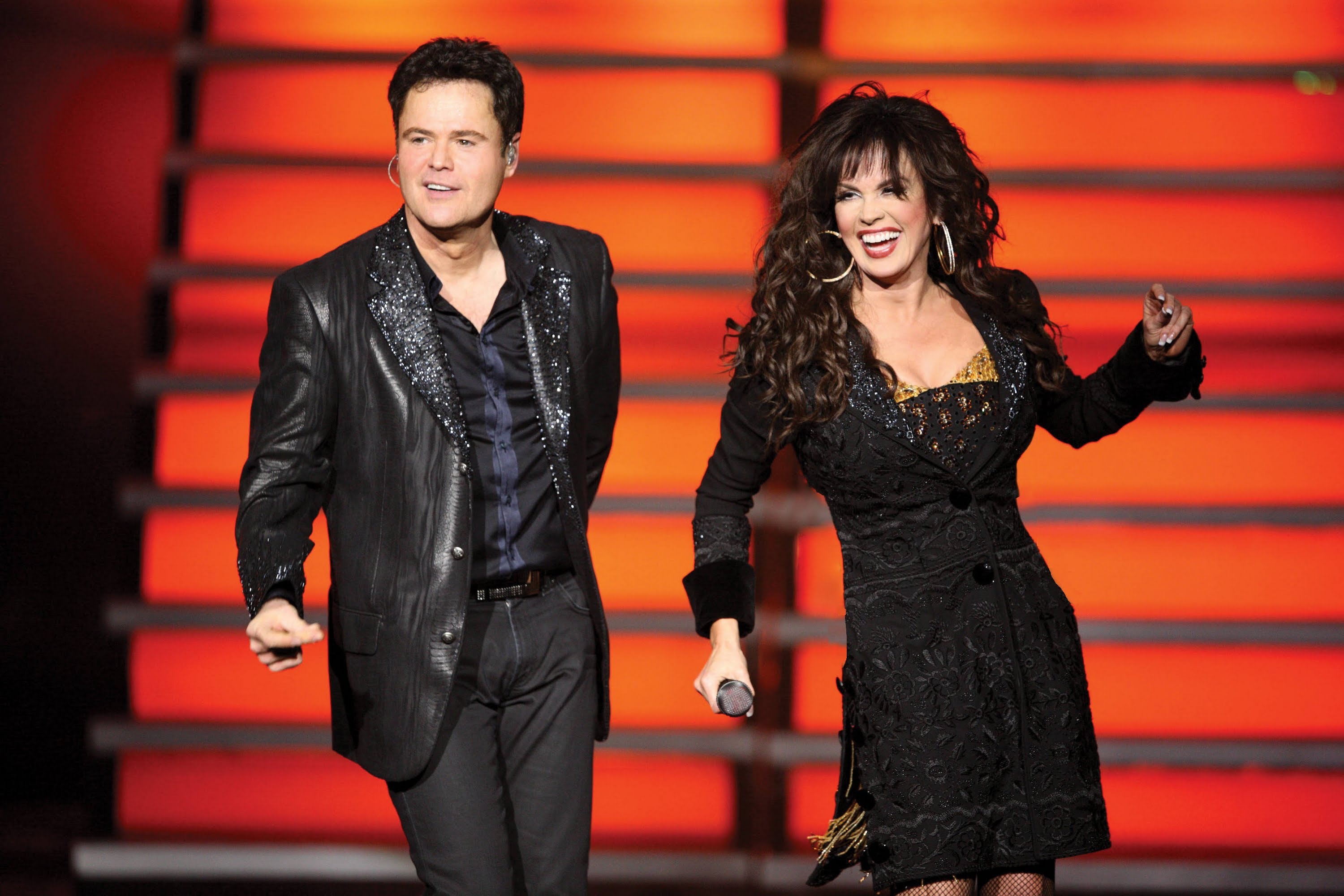
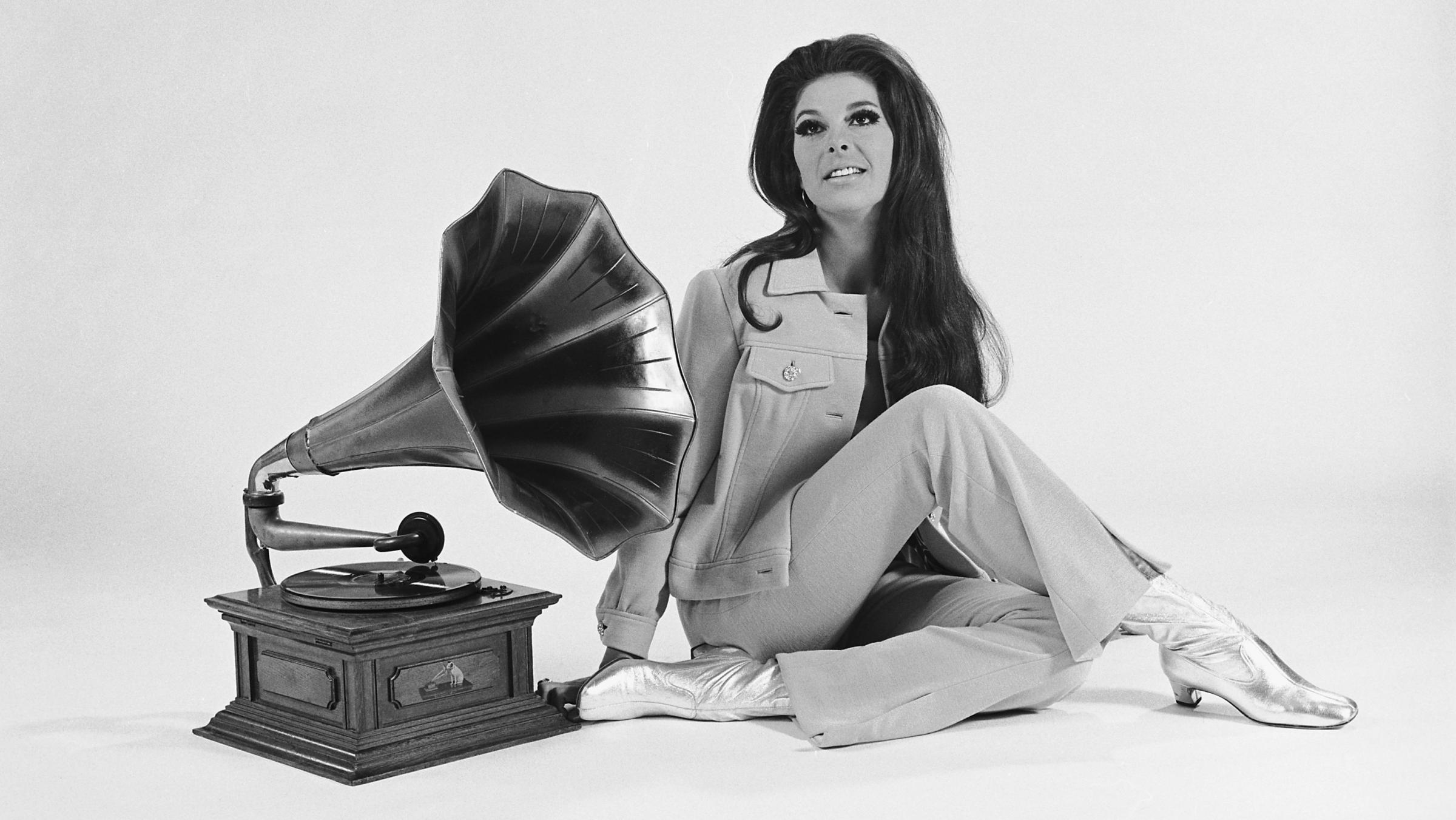
One of Provo’s most famous families is the Osmonds, who raised all nine of their children here – including Donny and Marie. Who didn’t love Paper Roses?
Hard to believe – Donny Osmond turns 60 in December!
***
Day Fifteen Summary: In the heart of Mormon country, cannibalism takes a vacation, ski resorts by the boatload, searching for Donnie and Marie.
Click here to see today’s complete route from Afton to Springville.
We’re on our way home.
Vroom, vroom.
***
Today in Bucket List History:
Bucket List Goal: “Say Whatever You Want. Who Cares?”
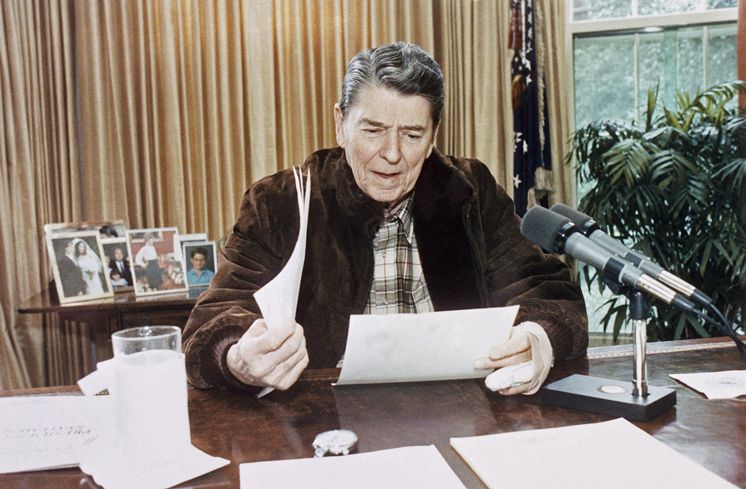
Goal Achieved: On August 11, 1984 during a radio voice test, President Ronald Reagan jokes he “signed legislation that would outlaw Russia forever. We begin bombing in five minutes.” Regan makes the joke to radio technicians; his words are not broadcast over the air, but leak later to the public.
What’s on your bucket list?













 Riding With Gary