After a week on the road, including four days of rain and wet pavement, Ruby was due for a wash.
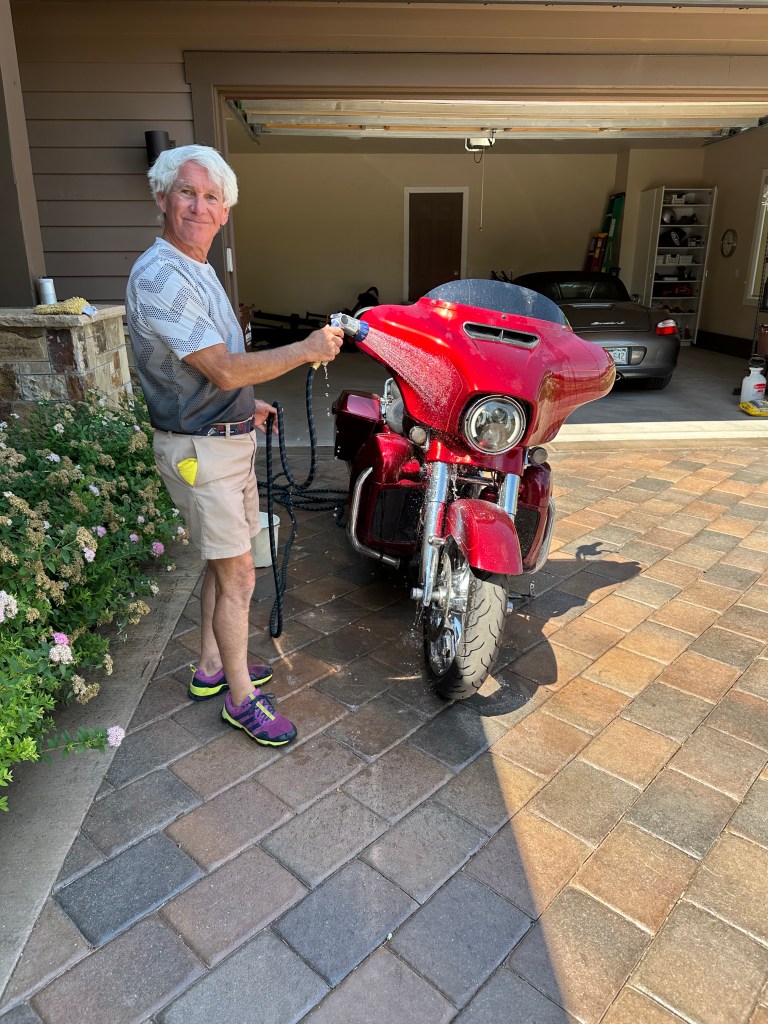
So, a logical step in getting ready to ride again is to clean up the old girl. That was one of today’s projects.
She’s now blindingly shiny and all set to leave tomorrow morning for week two on the road. The goal: to complete the remaining Pass-a-Paloozas™, 27 of them in the next eight days.
I’ve got this.
***
For the past week, I’ve posted about Not Quite Pass-a-Palooza™ roads, those that take you over 10,000-foot-plus passes, and are not paved. These roads often connect old mining towns. For me, they are the roads less traveled. I have short legs that barely reach the ground on a good day, and I’m riding an 850-pound Harley. I wouldn’t do well off-roading on two wheels.
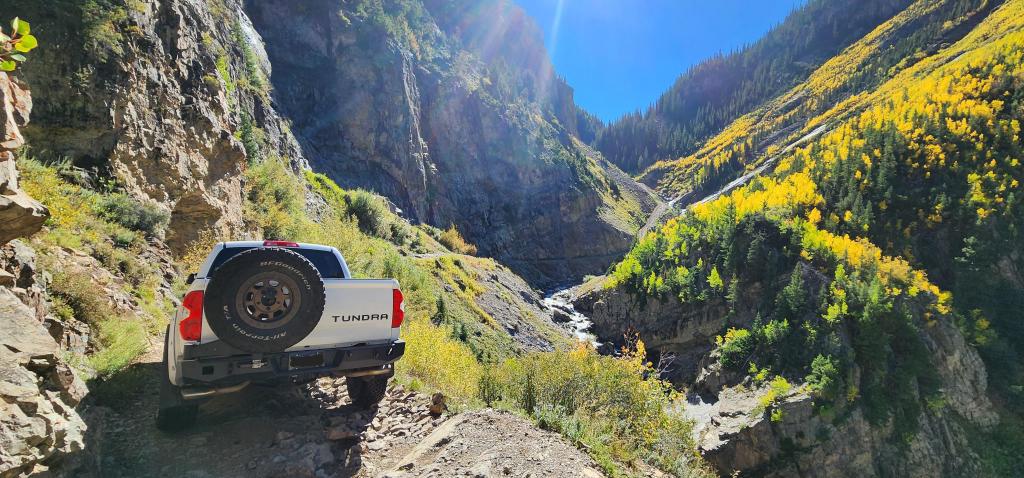
Many of these roads were originally built to service Colorado’s once-thriving mining industry. Relics of old mining towns are a good reminder of how Colorado’s economy has evolved, and mostly left mining in the dust.
You can find abandoned mines throughout the state, particularly in the high mountains where we’ve been traveling. Colorado has an estimated 23,000 inactive and abandoned mines. For your own safety, you don’t want to go anywhere near them.
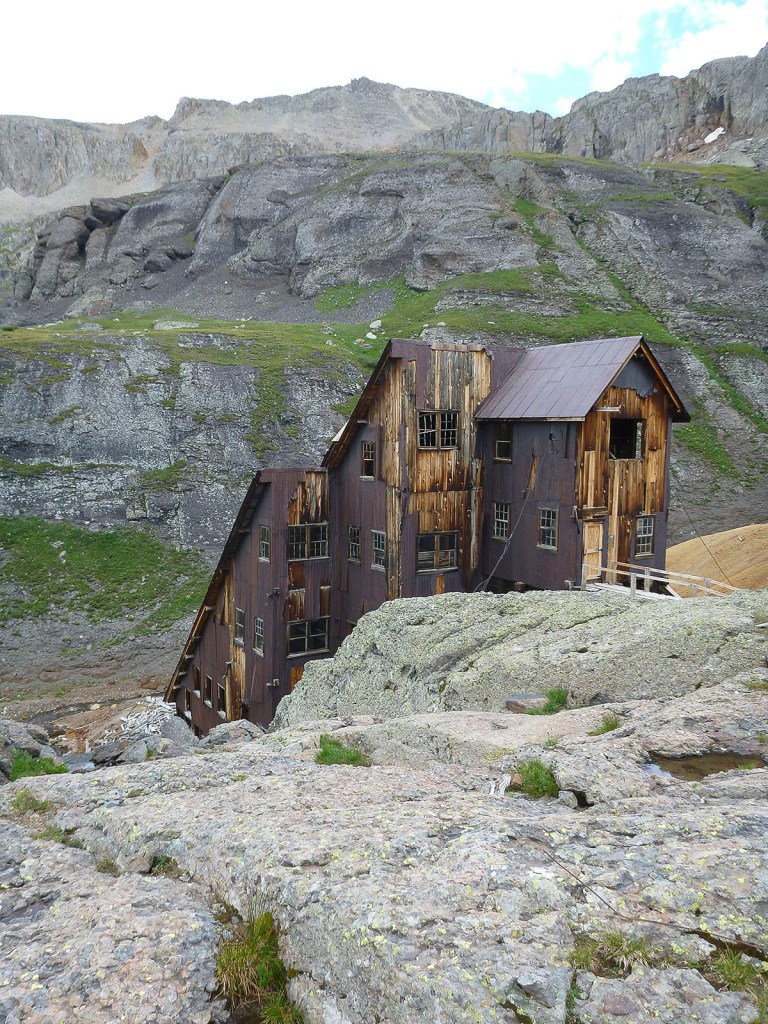
Metals have been mined in Colorado since the mid-1800s. Many of the historical metal mining districts in Colorado were created during the initial gold rush of 1858-61, which led to the discovery of other metals.
In 1875, Leadville had a population of 200. Within two years, its population grew to more than 15,000. By 1880, annual mining production increased to over 10 million ounces of silver and 66 million pounds of lead. And that’s just in Leadville.
Multiply those numbers by mining all over the state and you get a sense of just how prevalent it was, and how widespread its legacy is today. Abandoned mines are what’s left over from mining activities in the distant past. Back then, mine operators could simply walk away from a mine without removing safety or environmental hazards. And that’s what they generally did.
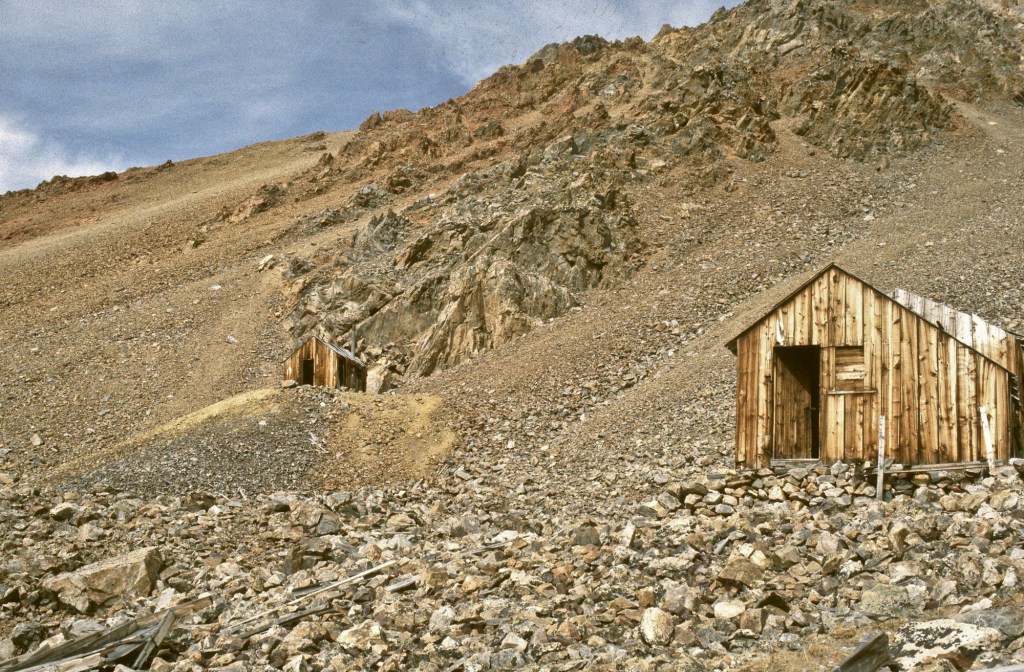
The Colorado Department of Natural Resources wants you to be aware of the dangers of these old mines, and the structures that supported them.
What could possibly go wrong? People die every year in old mine tunnels and shafts. It seems like harmless exploration, until it isn’t.
Mine openings often appear safe to explore. Don’t be fooled; they can be dangerous, and deadly. The mine openings can contain unstable soil, unsafe roofs and ladders, deadly gases, poisonous snakes and dangerous explosives. About 30 people die each year in the US from accidents involving abandoned mining operations.
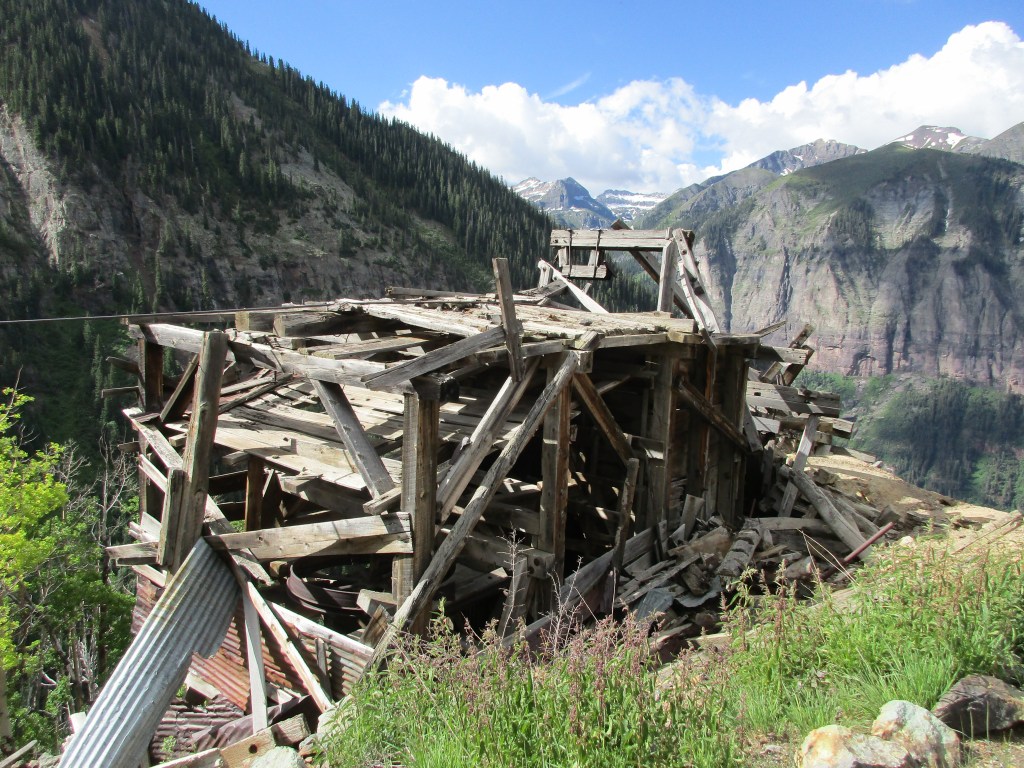
The State of Colorado conducts abandoned mine inventories. These allow the state to identify the most hazardous sites and set priorities for reclamation and remediation. Here’s what Colorado’s Division of Reclamation Mining and Safety wants you to know:
Abandoned mines are not ventilated. As a result, pockets of deadly air and gases can be present. A lack of oxygen can cause dizziness and unconsciousness. It can kill you. So-called “bad air” is odorless and tasteless. And, possibly deadly.
Mines are not caves. Caves are formed naturally over thousands or millions of years; they’re unlikely to collapse. Mines are man-made by blasting, which fractures and weakens the surrounding rocks. Be aware of the differences. Explore caves; stay out of mines.
Structures are dilapidated. Support timbers, headframes, ladders, and other related structures may seem safe and solid, but rotted wood can easily crumble under a person’s weight.
Mine shafts are vertical openings. They represent the number one cause of death and injury in abandoned mines. Because no light enters a mine shaft, the depth is difficult to assess.
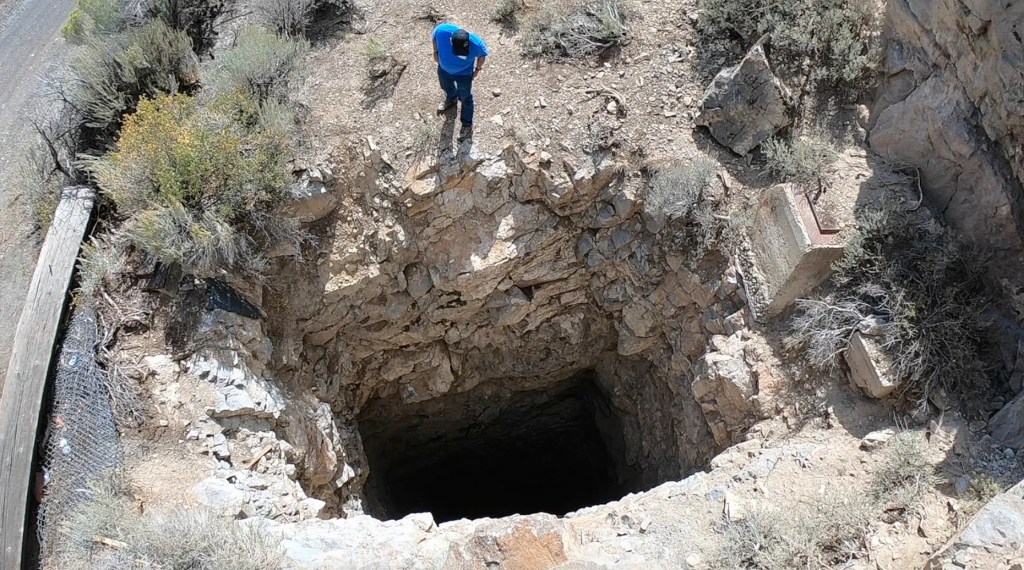
Explosives become highly unstable with time, and when exposed to the elements. Old dynamite often contains nitroglycerine, which can explode with the slightest disturbance. Perhaps the most dangerous explosives are unexploded blasting caps. Even a small vibration can trigger undetonated or unstable explosives, which are frequently left behind in mines.
Radioactivity. It’s the result of the natural decay process or radioactive minerals, like uranium and vanadium. Many abandoned uranium mines are potential sources of radiation.
Timber! Timbers were used to support the roof of mines. They weaken over time due to the weight of the roof rocks and the natural breakdown of the wood itself.
I can’t find my way out! Because mines can have so many openings leading in different directions, it’s easy to become lost and disoriented very soon after entering a mine. Don’t let this happen to you.
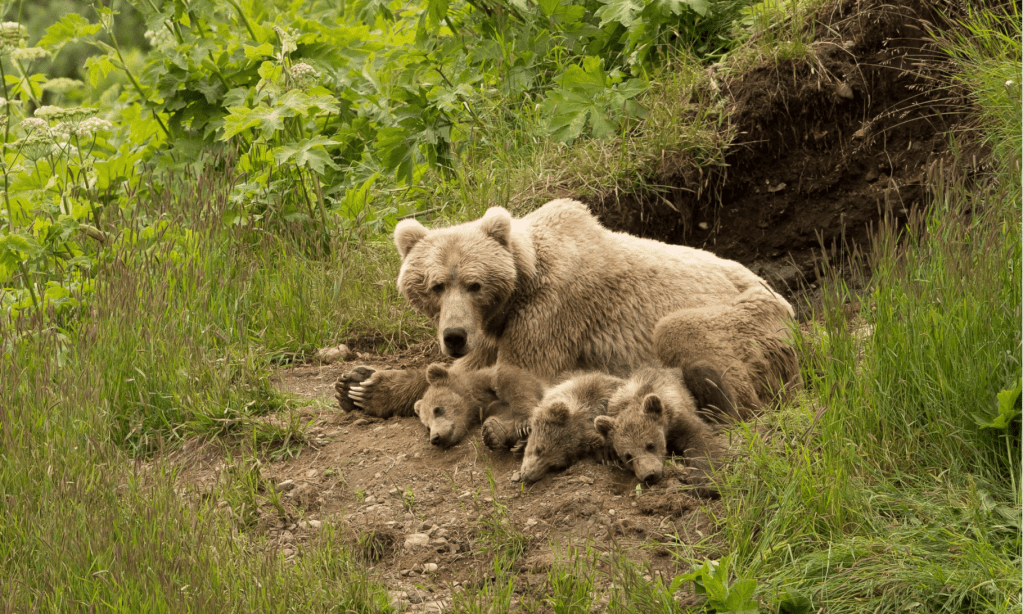
Animals live in abandoned mines. Rattlesnakes, bats, spiders, bears, or mountain lions can den or escape the heat in the dark recesses of a mine. Disturb them at your peril.
There are around 500,000 abandoned mines across the US. Only a small fraction have been cleaned up. According to a report from the Environmental Protection Agency, remediation of the nation’s half million abandoned mines could cost more than $50 billion.
Have I scared you silly? Good.
Your takeaway from all this: Abandoned mines are not going away anytime soon. Exploring the backcountry where you’ll find them can be fun, but hazardous. Be aware of the dangers.
Most old mining sites have no signage to warn about the presence of their dangers, so your knowledge is key to protecting you from harm.
Consider this blog post all the warning you need.
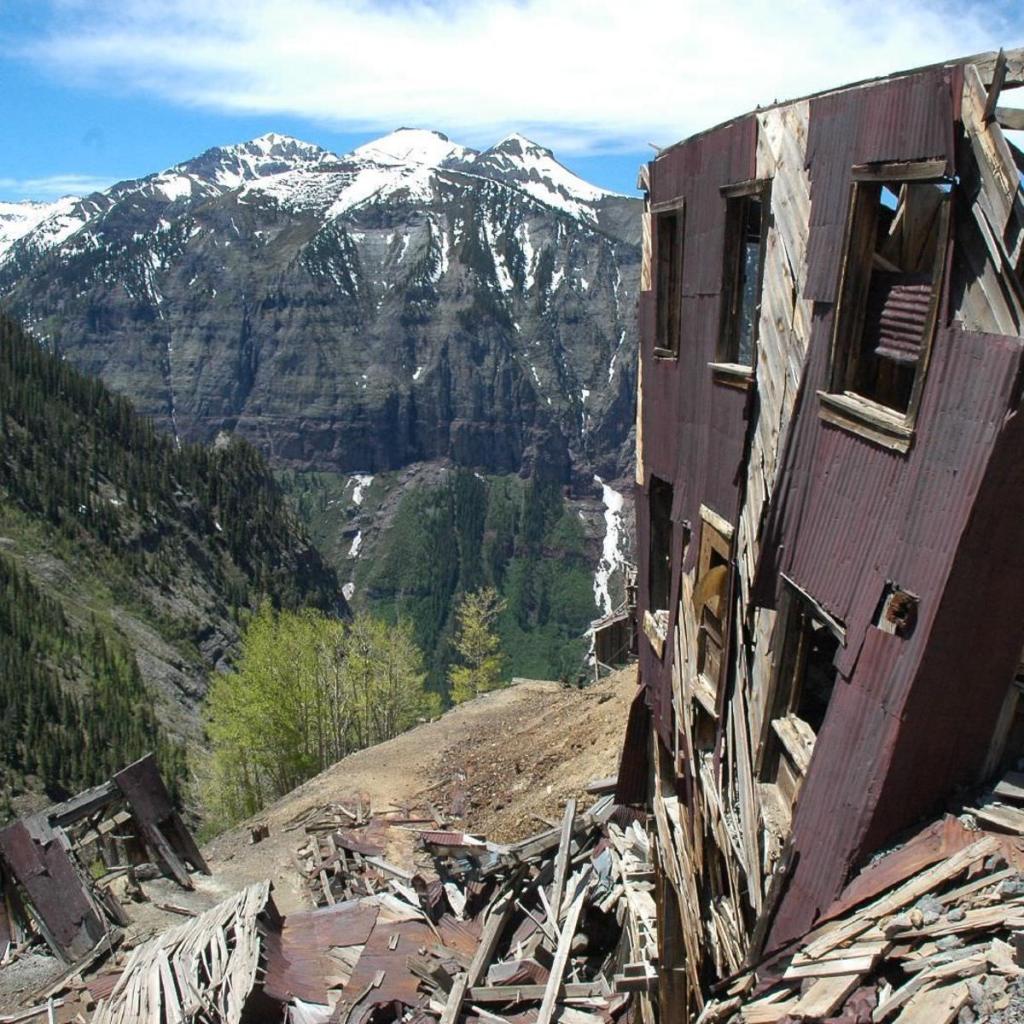
Tomorrow, I leave on week two of my Colorado Pass-a-Palooza™ journey.
We’ll ride 27 more 10,000-foot paved passes, and through the magic of blogging, roll right by old mining towns with high concentrations of abandoned mines.
My plan: Enjoy the beauty. And stay away from the mines.
 Riding With Gary
Gary!!! Absolutely fascinating -who knew the extent of these mines, the extent of the dangers and the extent of our curiosity that might lead us there. Thank you.
LikeLike
Glad to satisfy your curiosity, Jocelyn! Now you and Dave have one more place not to go.
LikeLike
Be safe and mine you own business.
jwc
LikeLike
I had a BLAST on week one of Colorado Pass-a-Palooza™!! Thank you for all the amazing memories and hope you love week two! Look forward to following along from La Quinta this time, but admit the virtual version isn’t nearly as fun as the real deal! Lots of love and vroom vroom! 🏍️💨
LikeLike