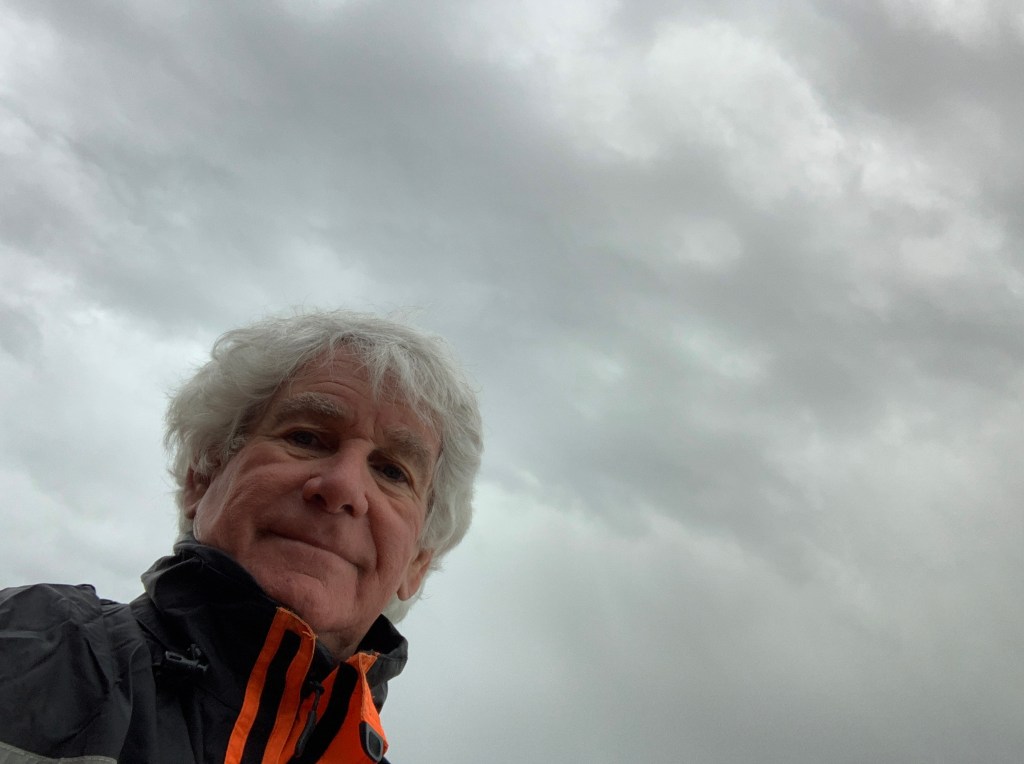
Today, as we continue our journey home, we pause to honor the fathers in our lives.
Happy Father’s Day!

***
We leave Victor, and six miles later, say good-bye to Idaho.
It’s been fun, Idaho, but Wyoming beckons.
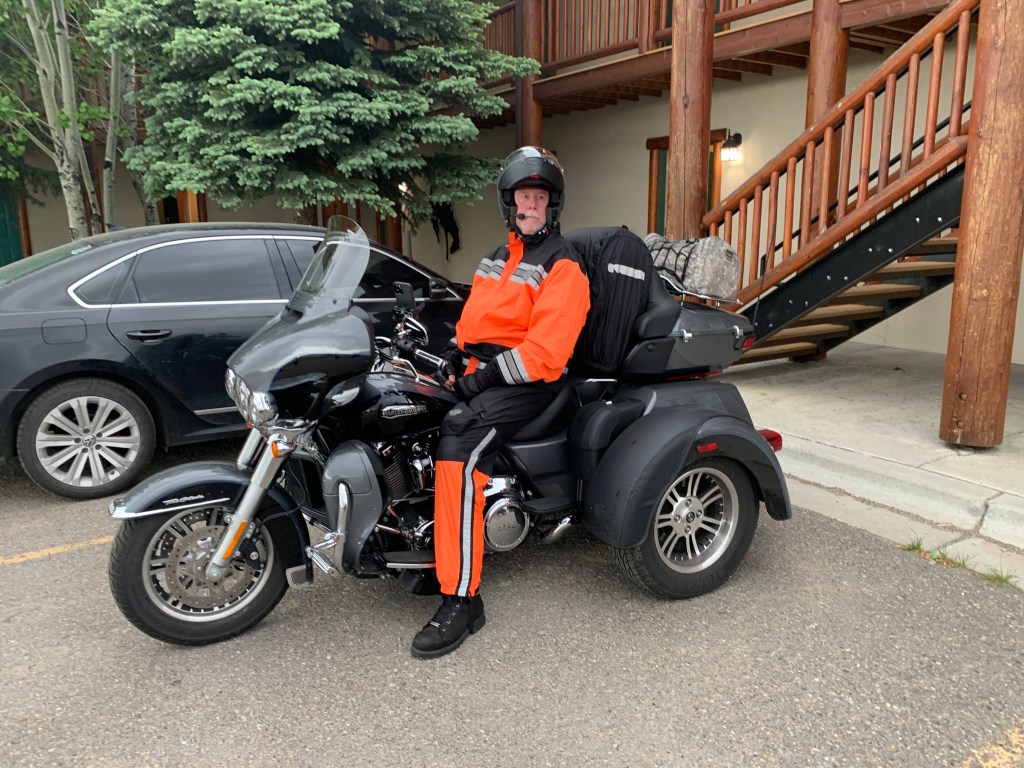
As we cross into Wyoming, America’s least populated state, we head east on the Teton Pass Highway. Once we enter Wyoming, it’s only six miles to Teton Pass, famous for its sign that sits on the 8,431-foot summit.
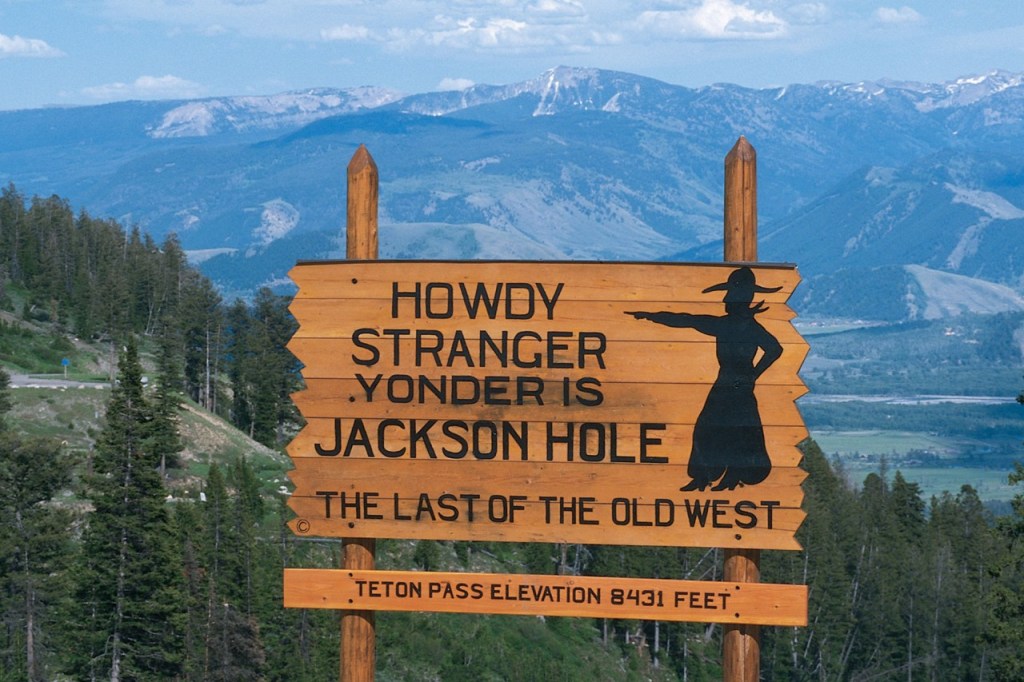
Teton Pass connects the towns of Victor, Idaho, and Wilson, Wyoming. Wilson is named for Elijah Nicholas Wilson, who lived with the Shoshone Indians as a boy in the 1850s. His book, “The White Indian Boy,” describes his experiences, including his time as a rider for the Pony Express.
Today, Wilson is a quaint community of 1,500, known for its interesting nightlife and tasty breakfasts. It’s rustic and authentically western.
A mile past Wilson, we cross the Snake River, roll through some gentle hills, and approach the town of Jackson, named after David Edward “Davey” Jackson, a beaver trapper in the area in the late 1820s.
There’s more than a little confusion over Jackson, and its neighbor, Jackson Hole.
Both are named after the same guy. But most of the similarities end there.
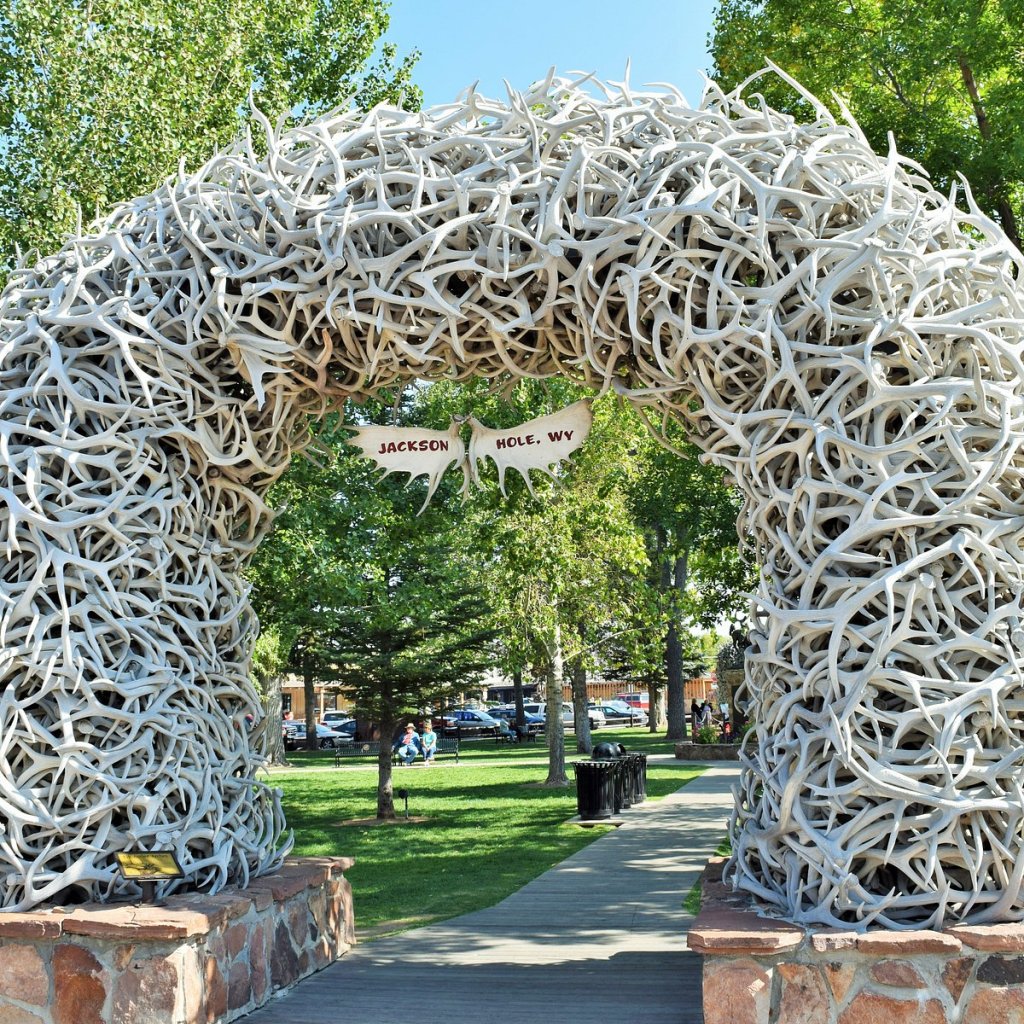
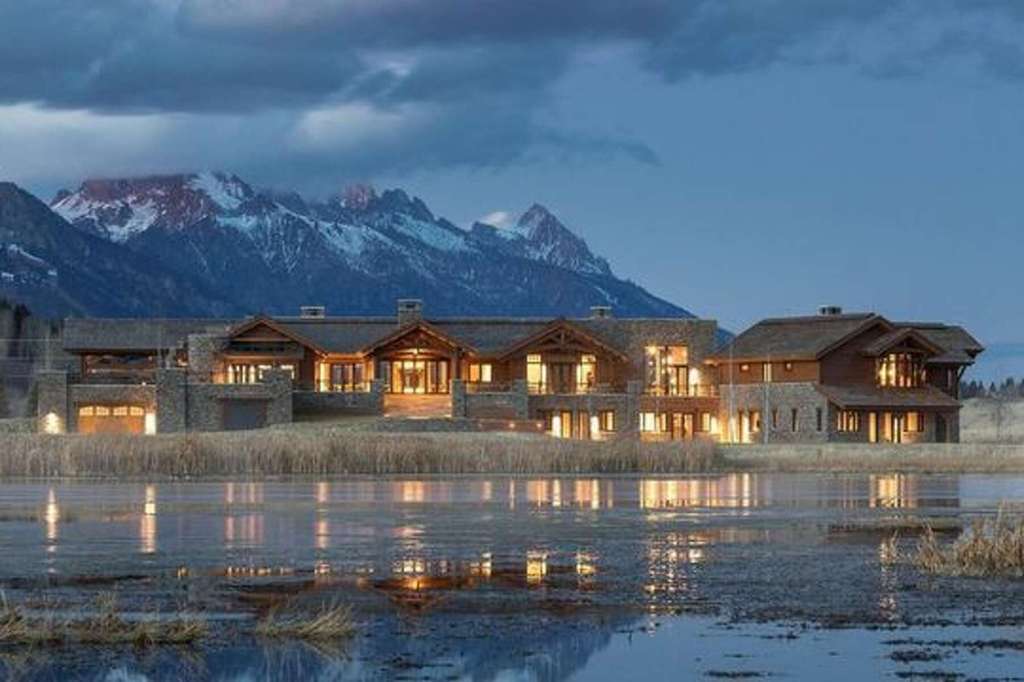
Jackson is a town. It has a population of about 11,000. Jackson is a popular tourist destination, due to its proximity to nearby ski resorts, and Grand Teton National Park, and Yellowstone National Park.
Jackson Hole is a valley. And a ski resort. The ski resort is located in Teton Village, about 10 miles from the town of Jackson.
One thing Jackson and Jackson Hole share: unaffordable living. It’s on a par with Aspen, not far from Carbondale, where I live.
***
A mile west of the town of Jackson, we turn south on US Highway 191, which we’ll be on for the next 240 miles.
About 15 miles south of Jackson, we arrive at Hoback Junction, the confluence of the Hoback and Snake Rivers. Many whitewater rafting trips head down the Snake River Canyon from Hoback Junction. The river, and the junction, are named after John Hoback, an explorer and guide who traveled with the Astor Expedition in search of animal pelts.
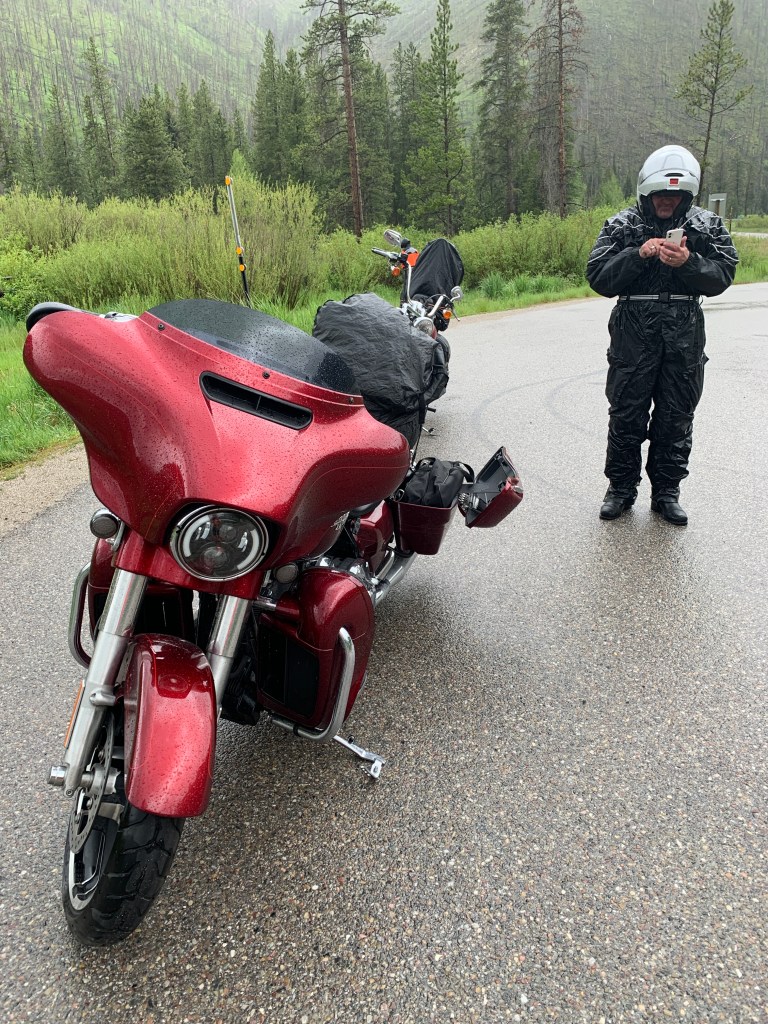
At Hoback Junction, we turn away from the Snake River, and head toward the town of Pinedale, 63 miles away. With a population of about 2,000, Pinedale is the county seat of Sublette County. It’s a hunting outfitting town and a gateway to the Wind River Mountains.
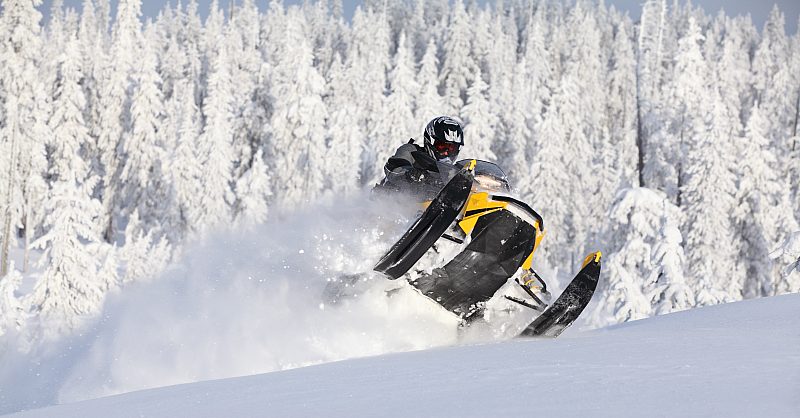
In the winter, Pinedale is known for its access to over 300 miles of groomed snowmobile trails through varied terrain, along with its frozen lakes that offer ice fishing, snowshoeing, skating and more. The town’s website calls Pinedale “The Real Wyoming.”
Pinedale is home to the Museum of the Mountain Men, which says it preserves and interprets the history of the Rocky Mountain fur trade. If we hung around until July 7, we could attend the Museum’s Annual Western Art & Wine Auction.
***
Highway 191 turns south in Pinedale. It’s exactly 100 miles to Rock Springs. With a population of 38,000, Rock Springs is Wyoming’s fifth largest city. Rock Springs gets its name from a spring that flows through the northern part of town.
It’s known as the “Home of 56 Nationalities” because of the influx of immigrants from all over the world who came to work in the coal mines that supplied the fuel to power the Union Pacific Railroad’s steam engines. The railroad’s conversion to diesel and oil power in the mid-1900s drove out many of the city’s coal mines. But today, Rock Springs thrives with trona mines and a booming oil and gas industry,
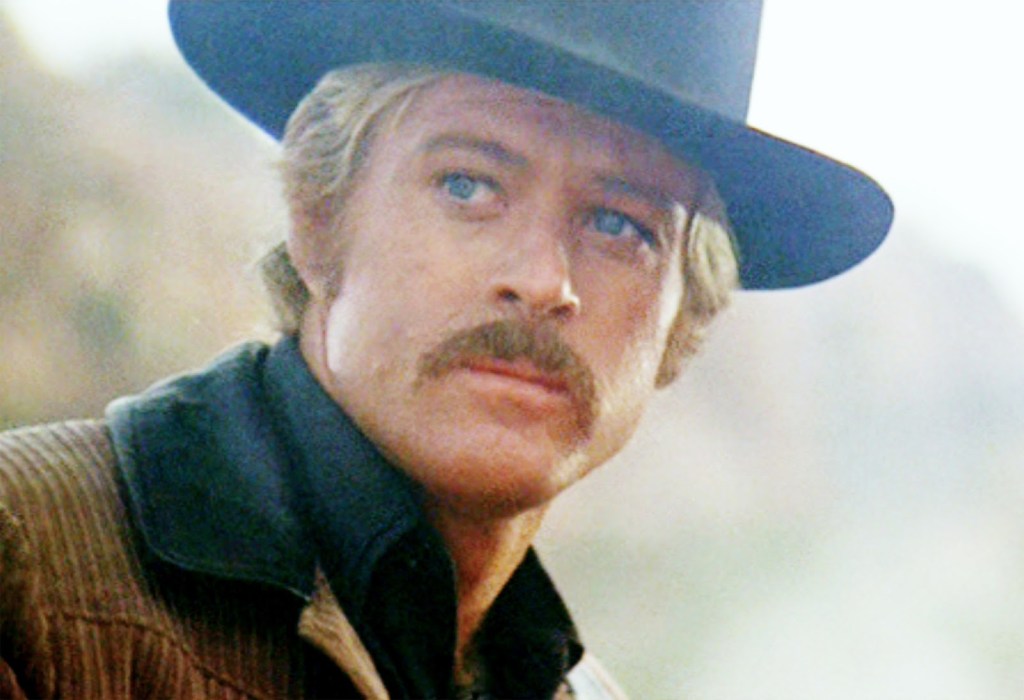
Outlaw gangs who roamed the West often passed through Rock Springs or used it as a destination. After a few years of robbery and thefts, and a two-year stay in the Wyoming State Penitentiary, young George Cassidy moved to Rock Springs in the early 1890’s. He got a job working for the William “Walt” Gottsche Butcher Shop located at 432 Front Street in Rock Springs, which is where he got the name “Butch.”
***
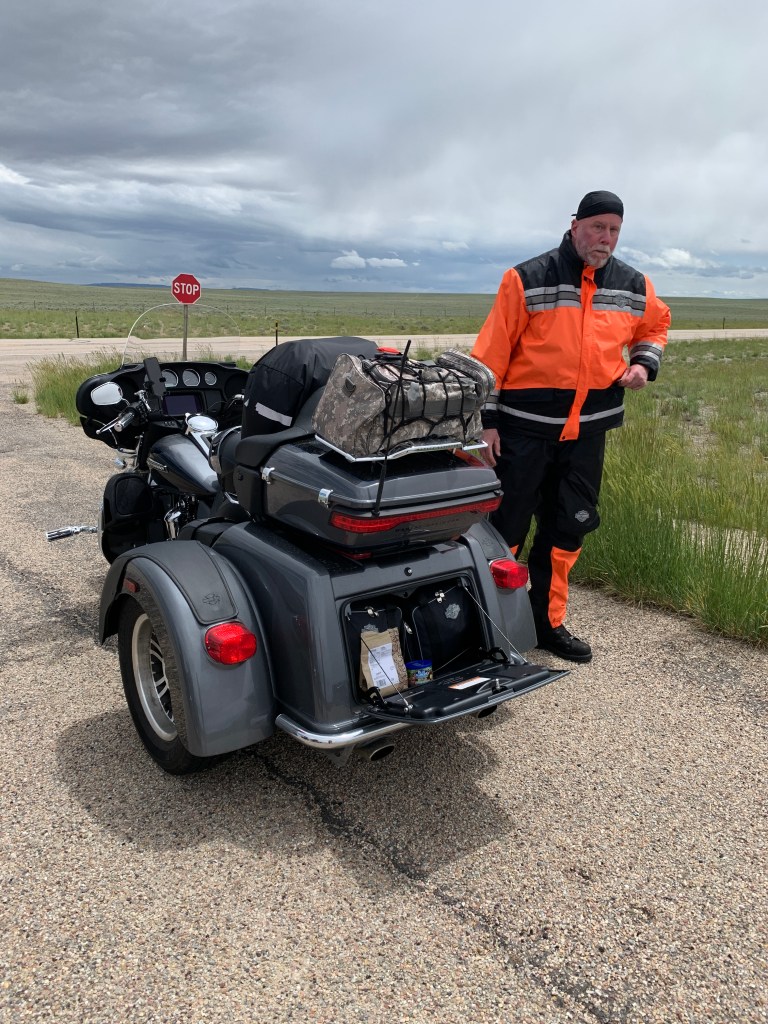
As we continue our journey south, we’re on Highway 191 for another 50 miles, before crossing into Utah.
We roll over the Green River at the Flaming Gorge Dam Visitor Center, where we can learn about the Flaming Gorge National Recreation Area. The recreation area encompasses 207,363 acres of scenic landscape and wilderness. The heart of the area is the Flaming Gorge Reservoir, created by the Flaming Gorge Dam. Highway 191 takes us directly over the dam.
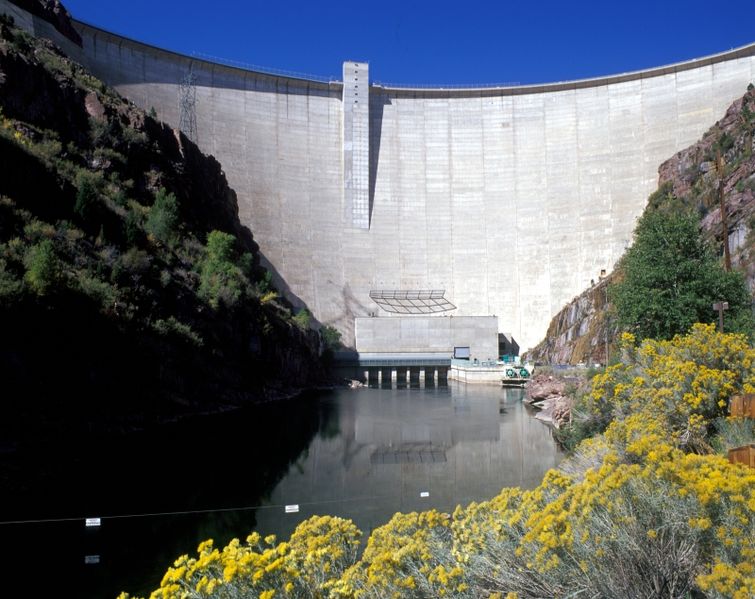
The 502-foot-high dam sits on the Green River at just over 6,000 feet elevation. The town of Green River, about 50 miles north of here, is where the river begins.
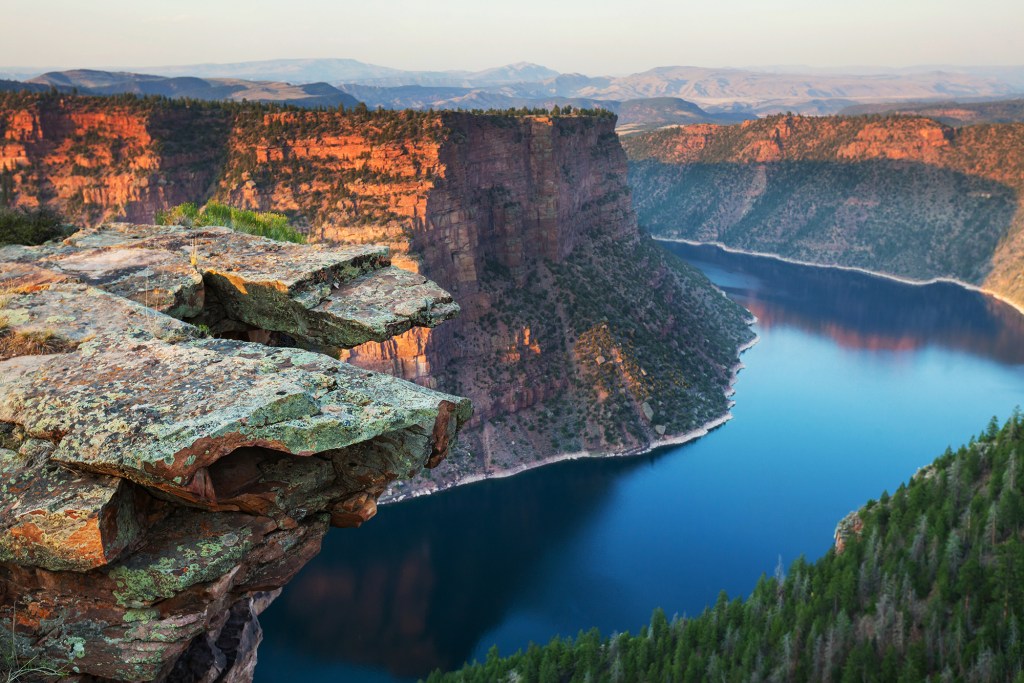
Green River is also where the Flaming Gorge name came from. On a spring day in 1869, John Wesley Powell and nine men boarded small wooden boats at Green River to embark on a daring exploration of the Green and Colorado Rivers, culminating in the passage of the Grand Canyon.
Powell and his men slowly worked their way downstream, successfully completing their journey in late summer. It was on May 26, 1869 that Major Powell named the Flaming Gorge, after he and his men saw the sun reflecting off of the red rocks. To them, it looked like rocks on fire.
***
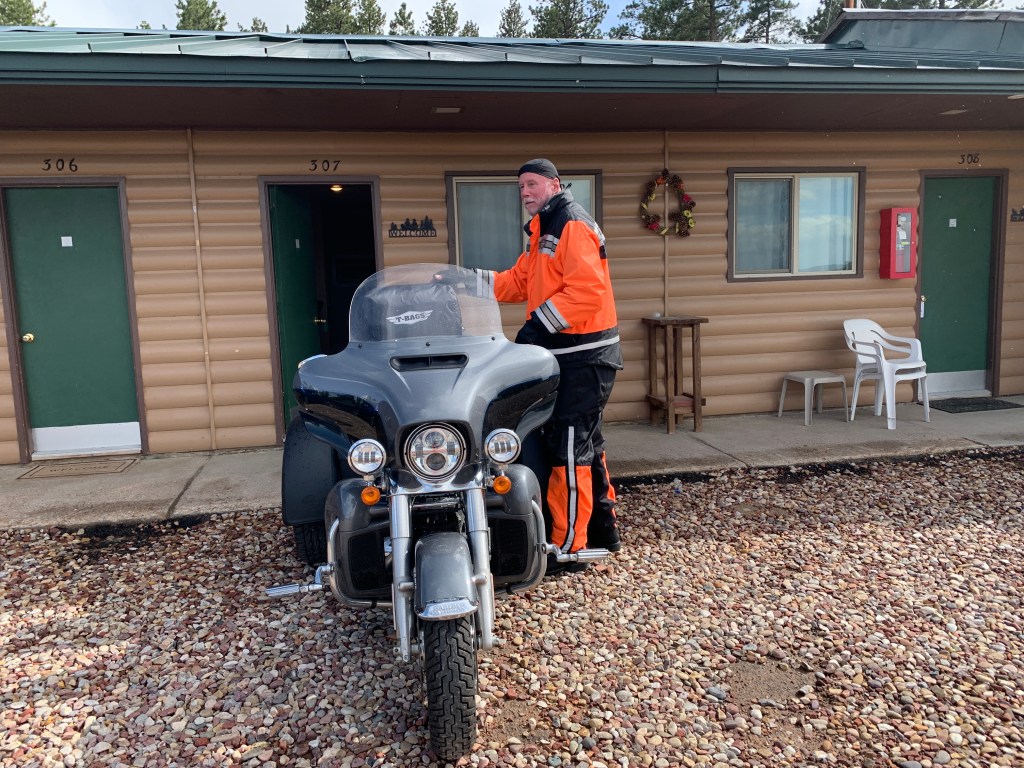
We pass the Dutch John Resort on our way to tonight’s destination, the Flaming Gorge Resort at Dutch John.
Two resorts. One Dutch John.
The town of Dutch John was constructed in the late 1950s by the Bureau of Reclamation to house workers building the Flaming Gorge Dam. During the peak years of construction activity at the dam, as many as 3,500 people lived there. Today, Dutch John’s population fluctuates between 150 in the winter and 250 in the summer, as temporary residents come to fly-fish the Green River, or see the dam.
Dutch John, where we’re staying tonight, is named after an early resident, John Honselena. He was a horse trader who supplied emigrants and the railroad with horses in the 1860s. People called him Dutch John because of his thick accent. Turns out he was actually German, not Dutch.
The Flaming Gorge Resort at Dutch John offers a range of lodging options, from motel rooms to RV parks to park your rig.
Most who come here are on a fishing trip. After a day on Flaming Gorge Lake or the Green River, they plan to clean, then cook, their Lake Trout, Rainbow Trout, Kokanee Salmon, or Smallmouth Bass.
We have no fish to fry, so we’ll be eating at the Resort’s in-house restaurant. It’s an all-American menu.
On our last night before returning to Carbondale, there will be no poutine on the table.
***
To view today’s route in Google Maps, click here.
My number today: $86 (cost of non-resident, one-year, Utah fishing license)
What’s your number?
 Riding With Gary
Seems like it always rains on your parade?
LikeLike
🙂
LikeLike