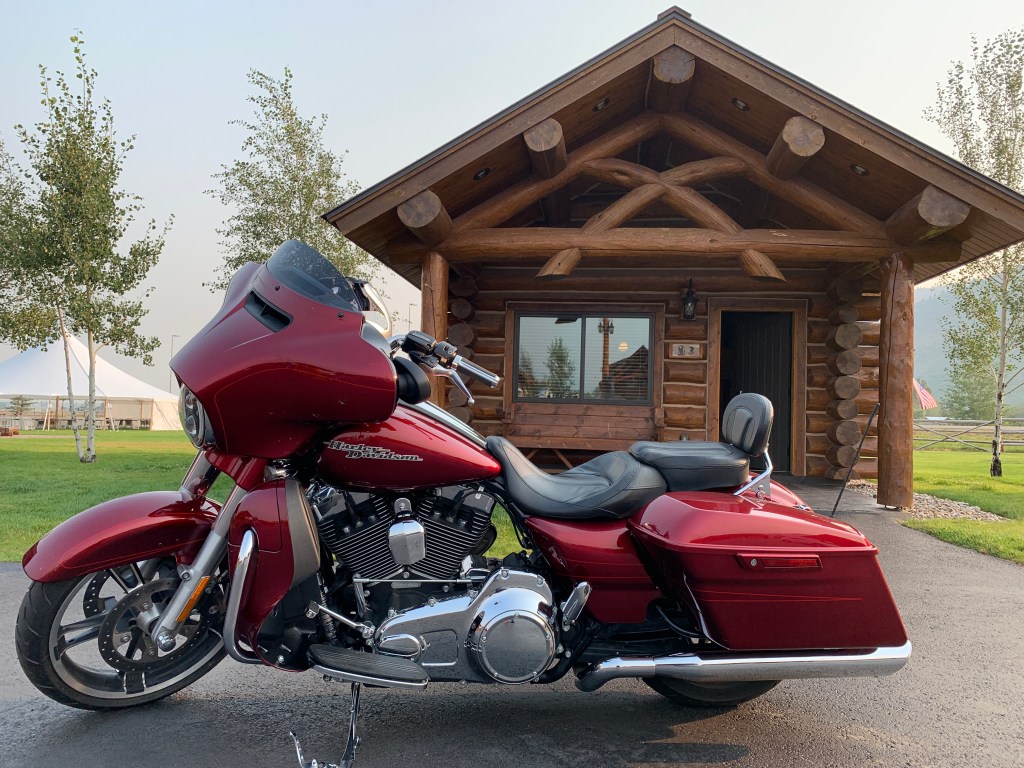
We leave Afton this morning, each of our motorcycles departing with a reduced takeoff weight.
Takeoff weight? Yes, that’s an aviation term describing all that’s on board at takeoff. In addition to the “operating empty weight” of the airplane, takeoff weight includes passengers and baggage, cargo, reserve fuel, trip fuel and taxi-out fuel.
All airplanes have a maximum takeoff weight, the heaviest weight at which it’s been shown to meet all the airworthiness requirements. When I did PR for the Boeing 747, its maximum takeoff weight was 910,000 pounds. When I did PR for the Boeing C-17, its maximum takeoff weight was about 585,000 pounds. Big airplanes, both of them.
Today’s Harley takeoff weight does not have a maximum. If it did, the maximum would be pretty much the weight of my bike (820 pounds, including oil and gas), my travel pack (40 pounds), whatever I can stuff into my saddlebags (30 pounds), plus me (135 pounds), my helmet and whatever I’m wearing. All told, just a hair over 1,000 pounds thundering down the highway.
On this day, our takeoff weight does not include baggage. That’s because we’re returning to Afton tonight, and only have to bring with us whatever we need for the day, not supplies for the 18-day trip to Sturgis and back.
The bikes actually handle better with the reduced weight. They’re more nimble and more responsive.
***
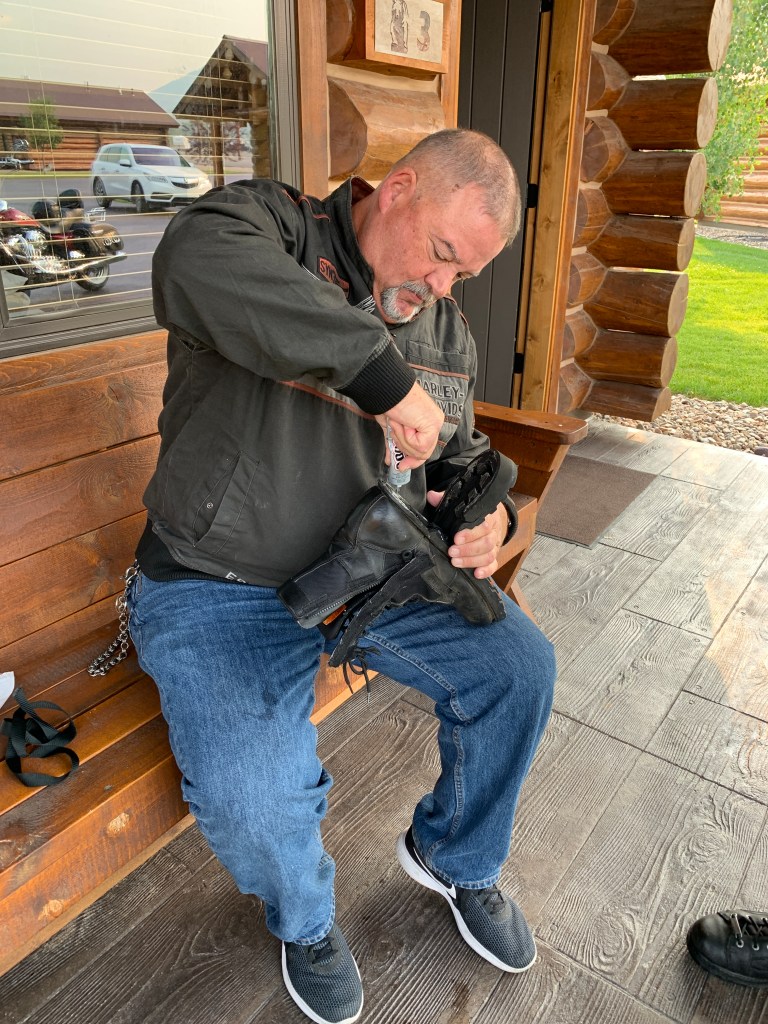
We leave our posh accommodations and point toward Afton, which takes its name from the River Afton, in Scotland. Afton, like most towns in Wyoming’s Star Valley, was founded by Mormons in 1885.
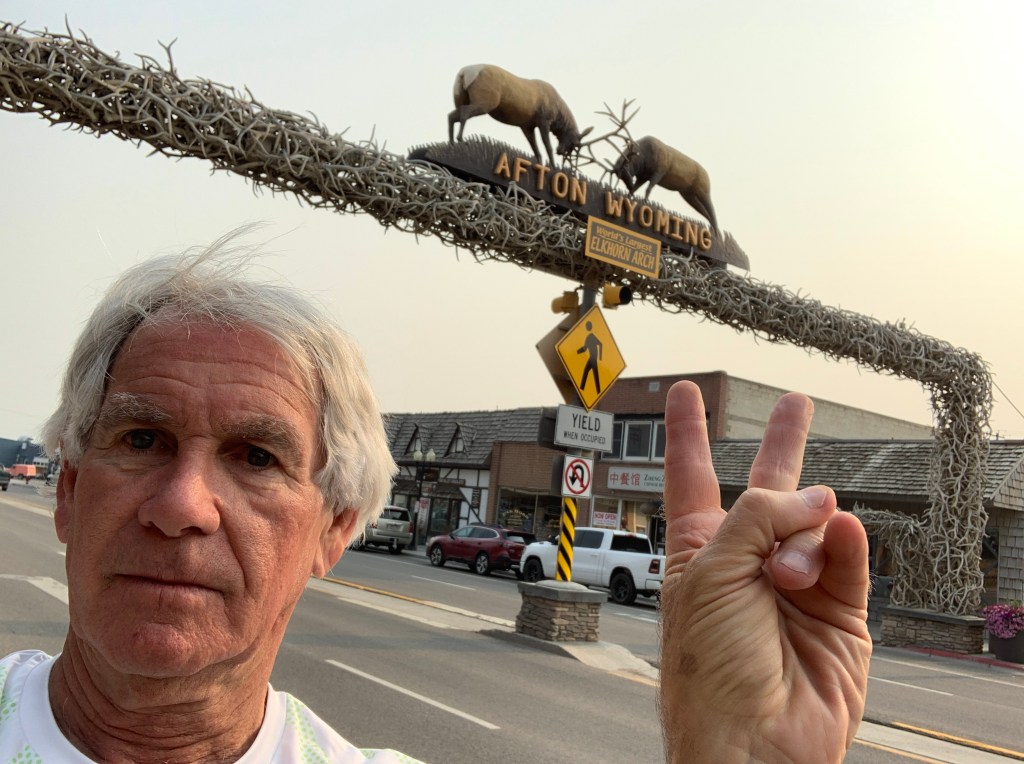
Afton is home to the world’s largest arch made of elk antlers. The arch is made up of 3,011 elk antlers, spanning 75 feet across Afton’s Main Street. Fifteen tons of antlers, hovering over four lanes of traffic!
The antlers in the arch did not come from killing elk. Boy Scouts picked them up in the surrounding area in 1955, in the spring, when the elk naturally shed their antlers.
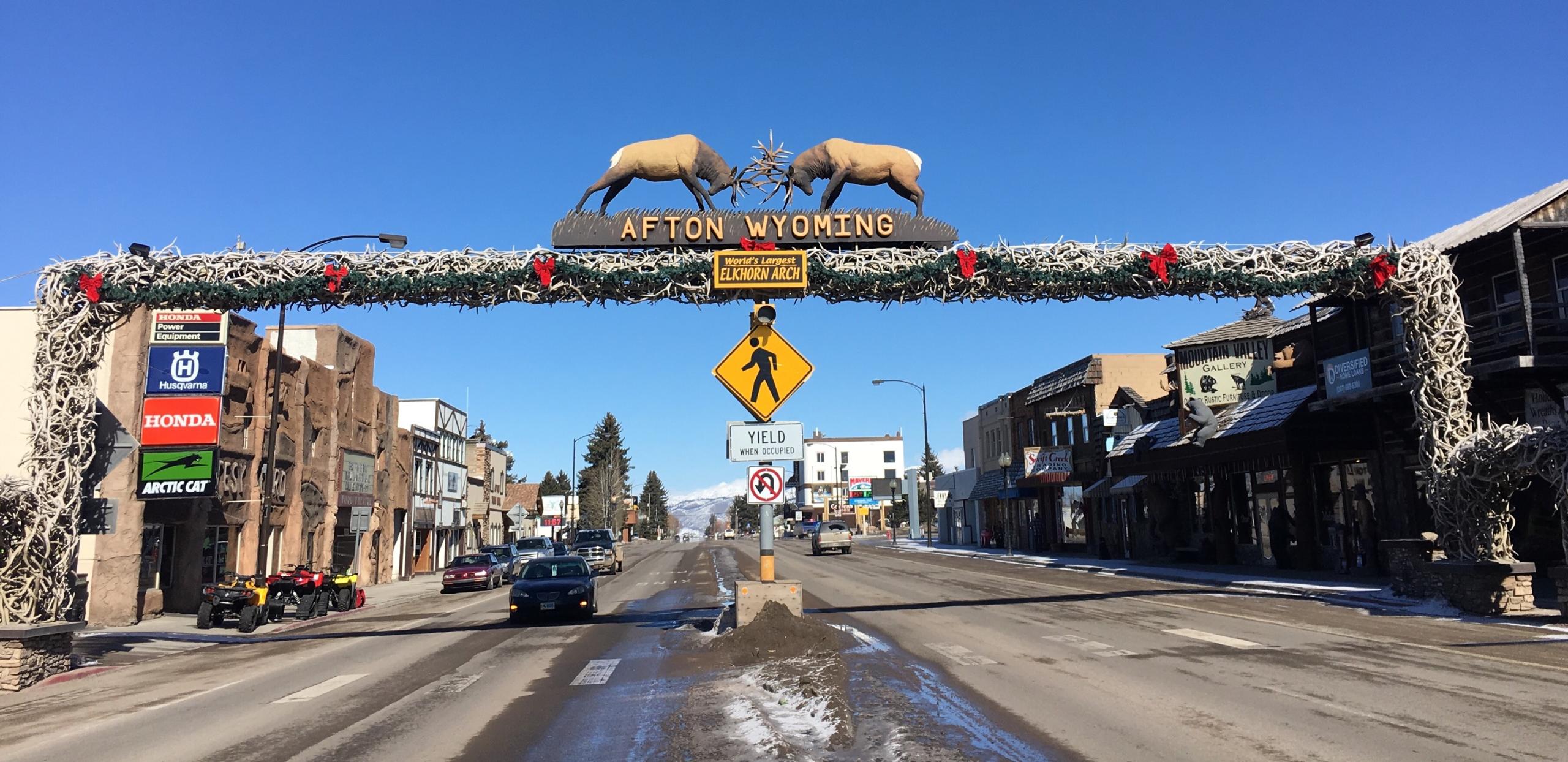
With a population of less than 2,000, there are more elk antlers than human residents of this town.
About 35 miles north of Afton, we arrive at Alpine Junction, nearly halfway between Afton and Jackson Hole. Alpine Junction is at the southeast tip of Palisades Dam and Reservoir, which gets its water from the Snake River. The reservoir is a hot spot for trout, especially cutthroat. Ice fishing is a popular pastime in the winter.
We’re just a few miles from Idaho; nearly the entire reservoir is in Idaho’s Bonneville County (8B license plates).
In Alpine Junction, we turn east on US Highway 26 and follow the Snake River, the largest tributary of the Columbia River. The river will lead us to Jackson, which is often mistakenly called Jackson Hole. They are two separate places, about ten miles apart.
Both Jackson and Jackson Hole get their name from David Edward Jackson, a pioneer, trapper, fur trader and explorer born in what is now West Virginia. He worked for the Rocky Mountain Fur Company, and was one of the first European Americans to spend an entire winter in the valley of the Teton Mountains.
Jackson, and Jackson Hole are both popular tourist destinations, due to their proximity to ski areas, including Jackson Hole Mountain Resort – and because of their closeness to Grand Teton National Park and Yellowstone National Park.
Technically, Jackson Hole is a 55-mile-long valley between the Teton Mountain Range and the Gros Ventre Range. The term “hole” was used by early trappers or mountain men, as a term for a large mountain valley.
With an 8,000-foot runway, Jackson Hole Airport is the largest and busiest commercial airport in Wyoming, and the only international airport in the US located inside of a National Park. The airport is large enough to handle Boeing 757s, operated by Delta Air Lines.
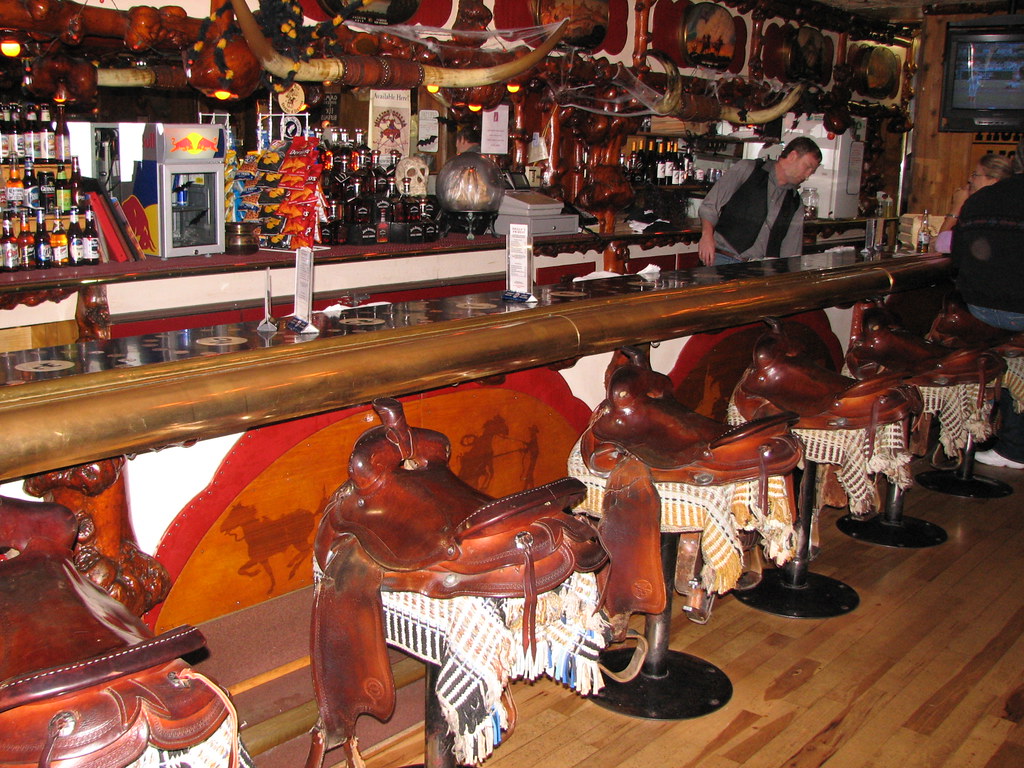
If you’ve ever been to Jackson, you probably stopped at the Million Dollar Cowboy Bar, which has been around for more than 125 years. Over the years, its stage has hosted – among others – Waylon Jennings, Glen Campbell, Tanya Tucker and Willie Nelson. The Million Dollar Cowboy Bar’s saddle barstools have been a signature item since 1973, the year I first visited the place. It’s a good place to grab a cold one on a hot day.
The Jackson Hole Mountain Resort is one of North America’s largest ski areas. It’s located in Teton Village, which we’ll visit later today.
***
We continue north on US Highway 191, following the path of the Snake River, until 30 miles later, we arrive in Moran, the entrance to Grand Teton National Park. The community of Moran is named after Thomas Moran, a painter and printmaker whose work often features the Rocky Mountains.
In 1871, Moran accompanied an expedition team into the unknown Yellowstone region. His vision of the western landscape from that expedition was critical to the creation of Yellowstone National Park, which we’ll visit next week.
Let’s not get ahead of ourselves. Today, we’re visiting Grand Teton National Park.
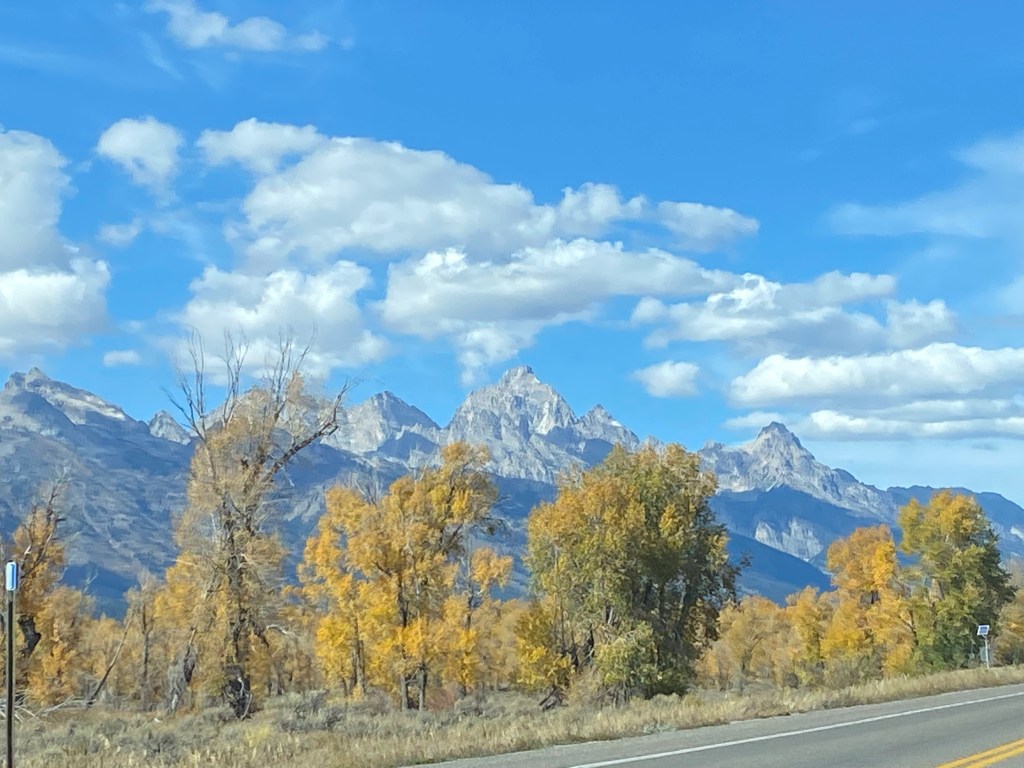
The park is named for Grand Teton, at 13,770 feet, the tallest mountain among the jagged peaks in the Teton Range.
Grand Teton means large breast in French — leave it to a lonely French trapper to make a Freudian association of those prominent crags — the Three Tetons. French trappers are responsible for naming the three peaks now known as the South, Middle, and Grand Teton. They called the mountains “Les Trois Tetons,” or “The Three Breasts.” The Grand Teton – the tallest and best known of the three – literally means “the big tit.”
Climbing the Grand Teton is a major feat of mountaineering. An aura of mystique surrounds it. If you make it to the top of Grand Teton, you are a serious athlete, and maybe just a bit crazy.
The Grand Tetons are totally badass.
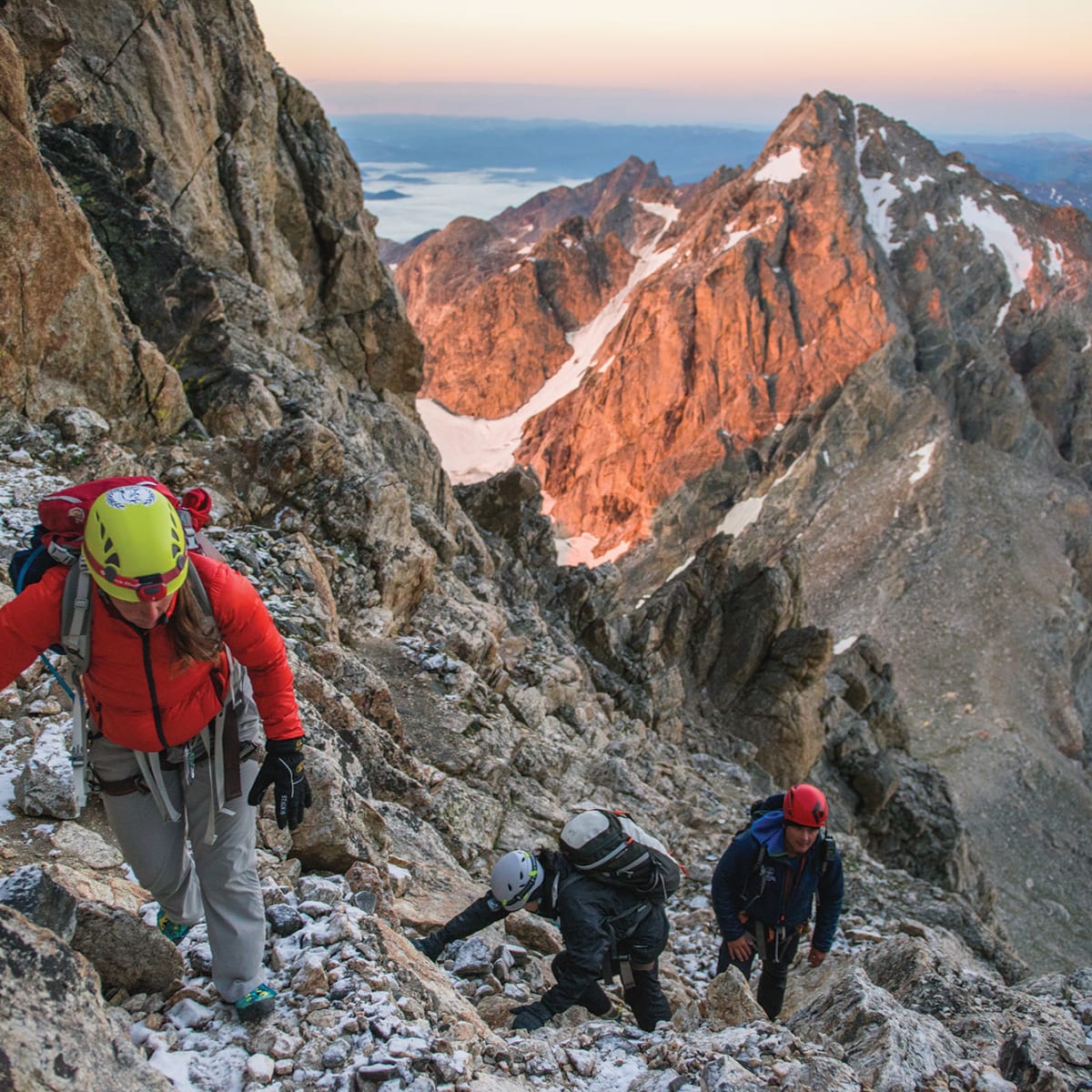
More than a thousand climbers attempt to summit the Grand Teton each year. Mount Everest attracts only half as many. Most who seek the summit of the Grand Teton are led by a guide service.
For those whose thirst for adventure is hard to slake, skiing down the Grand Teton is an option. Bill Briggs made the first ski descent of the mountain on June 15, 1971, including rappelling down a 165-foot cliff face with his skis on. As a result, he’s known as the “father of extreme skiing,” and was inducted into the US Ski and Snowboard Hall of Fame in 2008.
Briggs, who still lives in Jackson Hole, will be 90 years old in December.
***
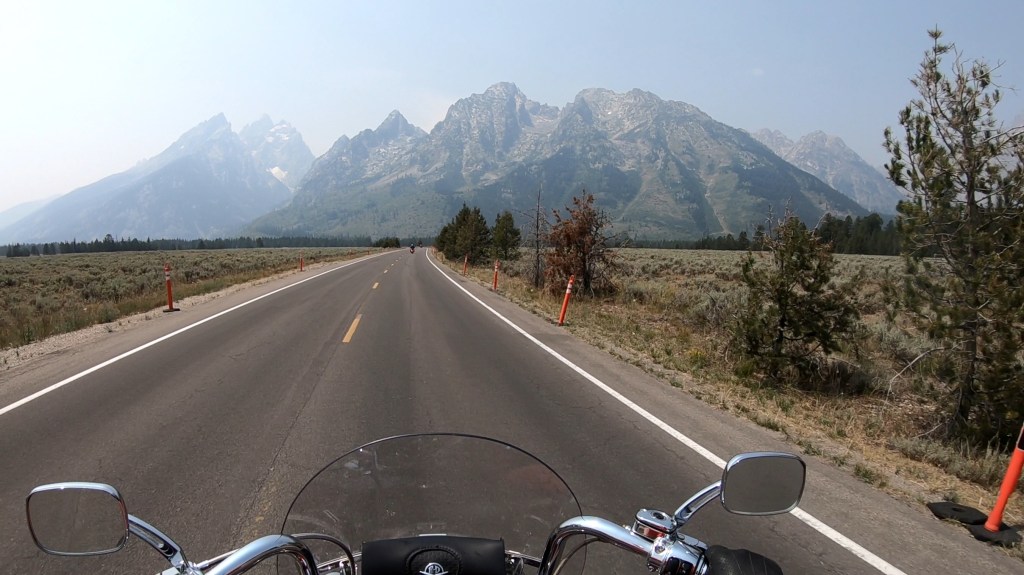
The Grand Tetons provide as spectacular a backdrop for photography as you’ll find anywhere. Whether you snap pics with your iPhone, or use professional equipment, you simply can’t go wrong trying to frame the perfect shot in Grand Teton National Park.
Photographer Jonathan Irish offers some tips on where to find the most breathtaking landscapes, and how to walk away with the ultimate photo.
Grand Teton National Park connects to nearby Yellowstone National Park by the John D. Rockefeller Memorial Parkway, which we’re now riding.
The 24,000-acre Rockefeller Memorial Parkway was originally part of Teton National Forest, but was transferred to the National Park Service in the 1970s to create an unbroken connection between the two national parks.
Rockefeller was a conservationist and fabulously wealthy philanthropist who was instrumental in the creation and enlargement of a number of national parks, including Grand Teton. By the time Rockefeller died in 1937, his assets equaled two percent of America’s total economic output. That would be worth about $400 billion today, the biggest fortune in modern history. Take that, Jeff Bezos!
But Rockefeller wasn’t just another really rich guy. He used his extraordinary wealth to make the world a better place, purchasing and donating thousands of acres of land to the US National Parks system.
***
In part because of its proximity to Yellowstone National Park, Grand Teton National Park is one of the most visited of the national parks, with around three million visitors each year.
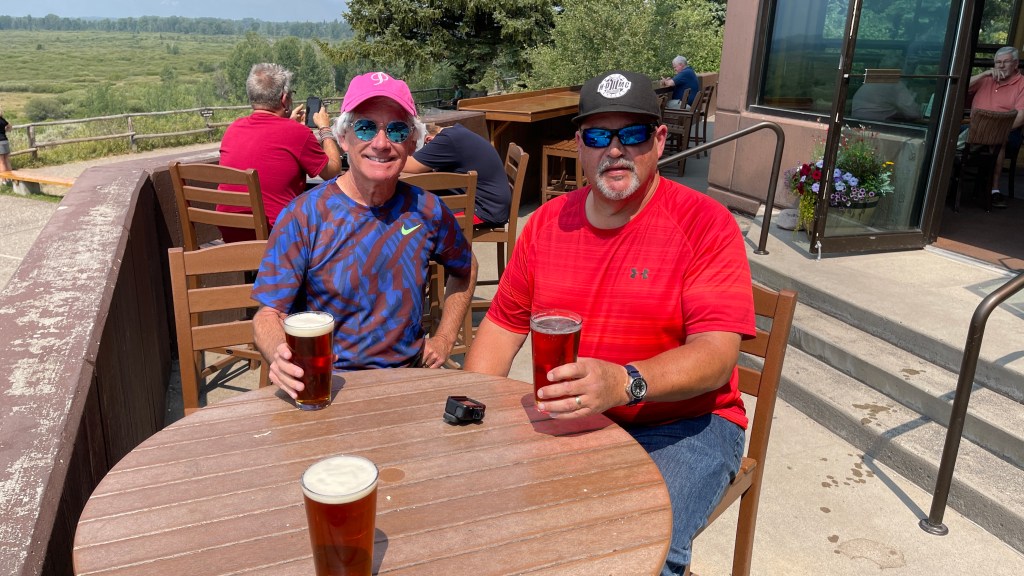
Five miles west of Moran is Jackson Lake Lodge, which sits on beautiful Jackson Lake – with a stunning view of the Teton Mountains. The 15-mile-long glacial lake is primarily fed by the Snake River. At 6,772 feet, Jackson Lake is one of the largest high-altitude lakes in the US.
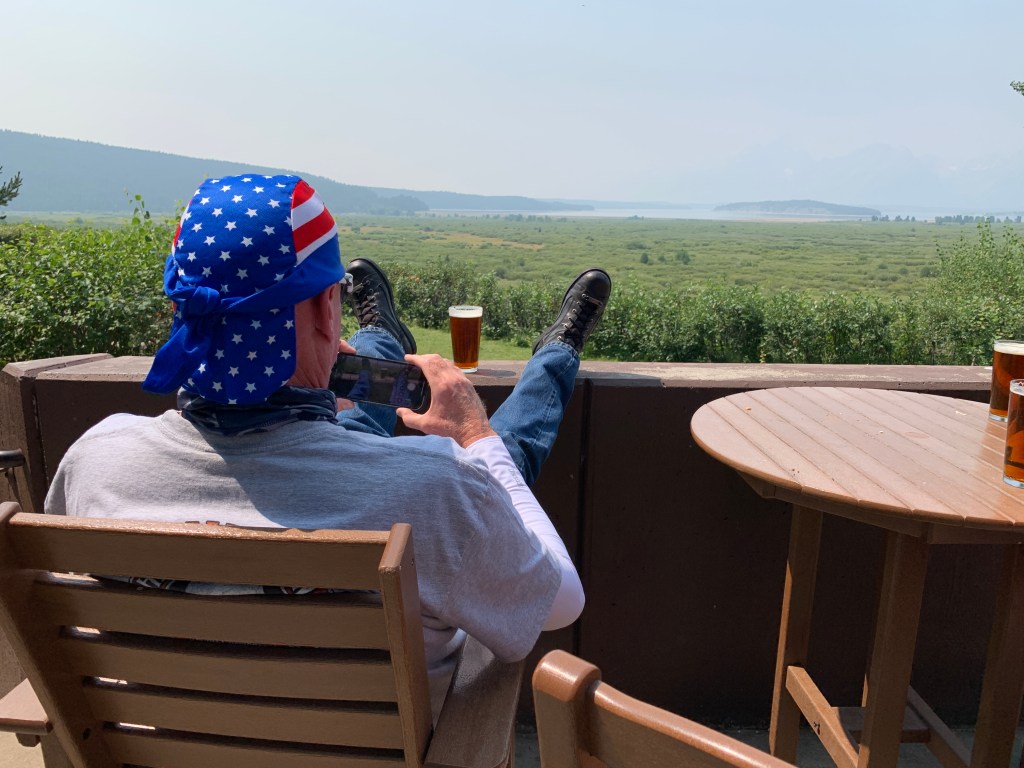
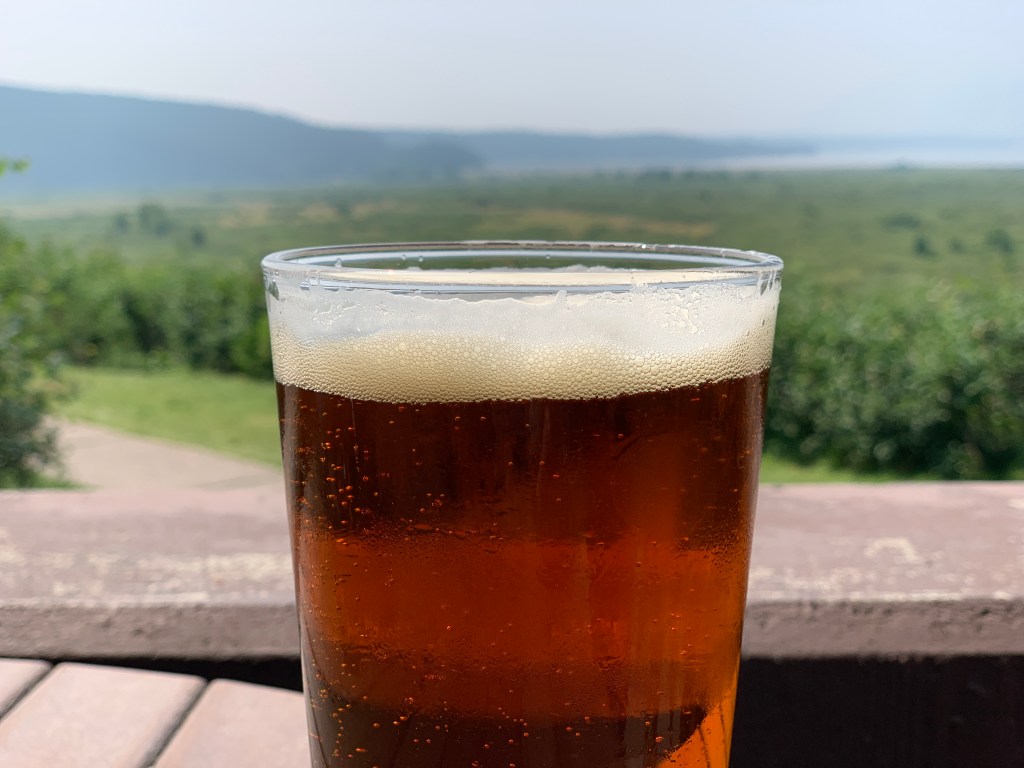
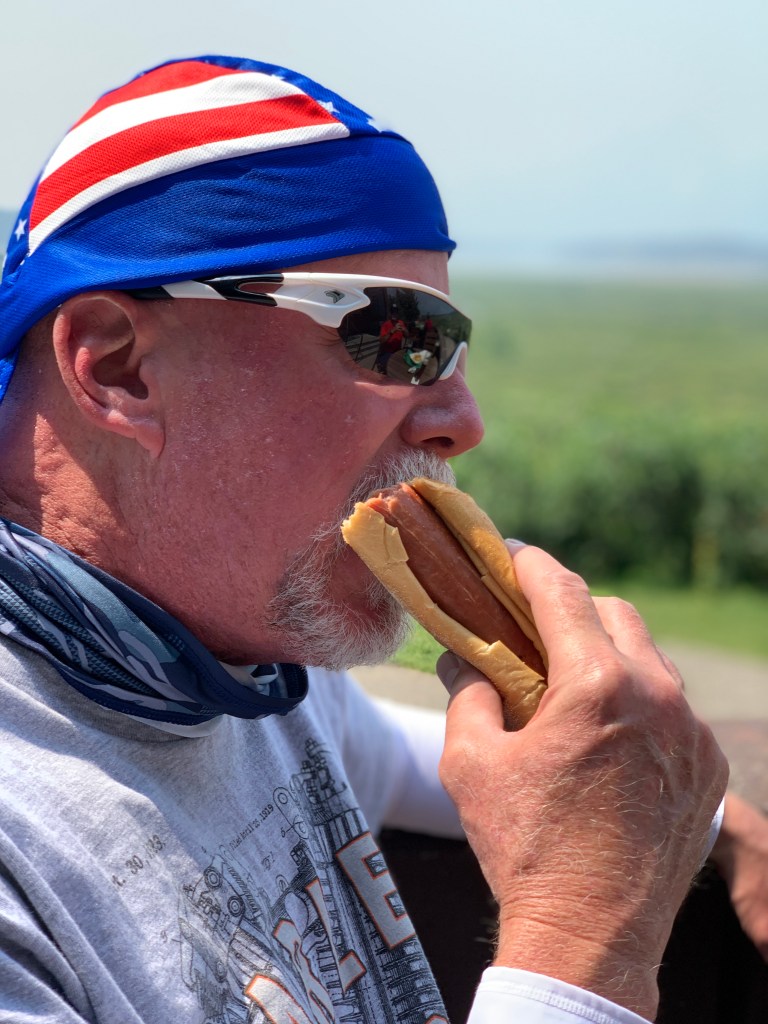
Jackson Lake Lodge is a fabulous place to stop, stretch, even have a cold beer on a warm summer day.
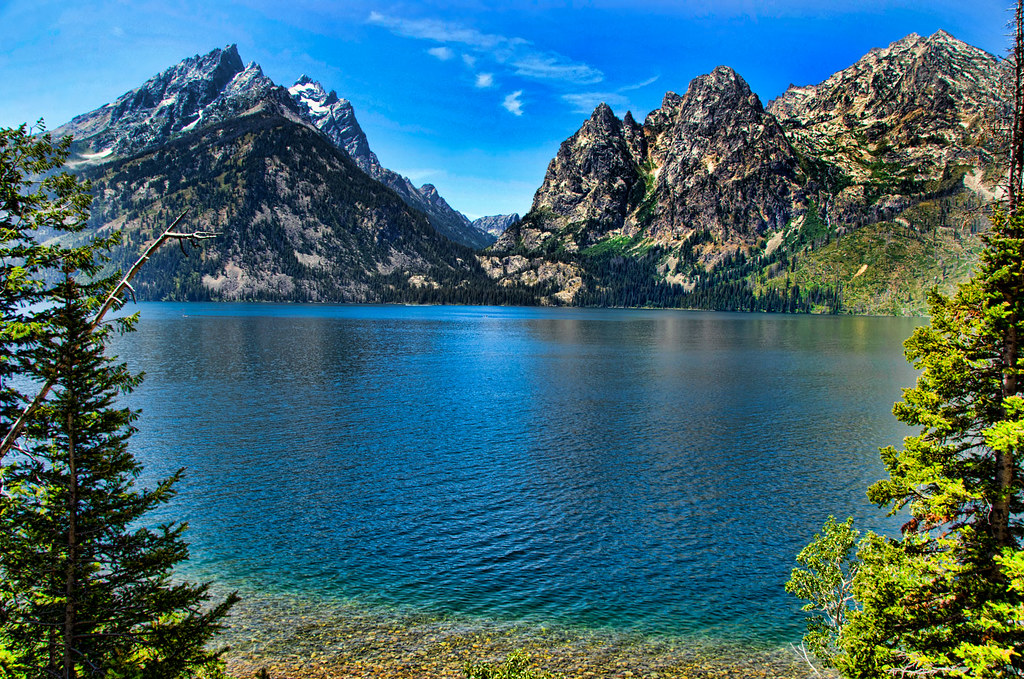
Leaving the lodge, we ride along the shoreline of Jackson Lake, on Teton Park Road – past Signal Mountain Lodge, and to Jenny Lake, home to the Jenny Lake Visitor Center. Jenny Lake is named after a Shoshone Indian woman who married an Englishman, Richard Leigh. Jenny and their six children died of smallpox in 1876.
Smallpox was far more deadly than Covid-19; in the 20thcentury alone, an estimated 300 million worldwide people died from smallpox. Of all the diseases ever suffered by humans, smallpox is the only one to be completely eradicated from the face of the Earth.
The campaign to permanently shit-can smallpox ended in 1980 and is one of the greatest triumphs of global public health. In that year, the World Health Organization announced that the disease known medically as variola major had been eliminated in its last pockets of infection – in India, Bangladesh, and Africa.
***
From Jenny Lake, we continue south on Teton Park Road, eventually landing in the small town of Moose, which sits on the banks of the Snake River. Moose is populated mostly by families that work in Grand Teton National Park. The park’s headquarters are in Moose, named of course for the animals that are the largest of all deer species.
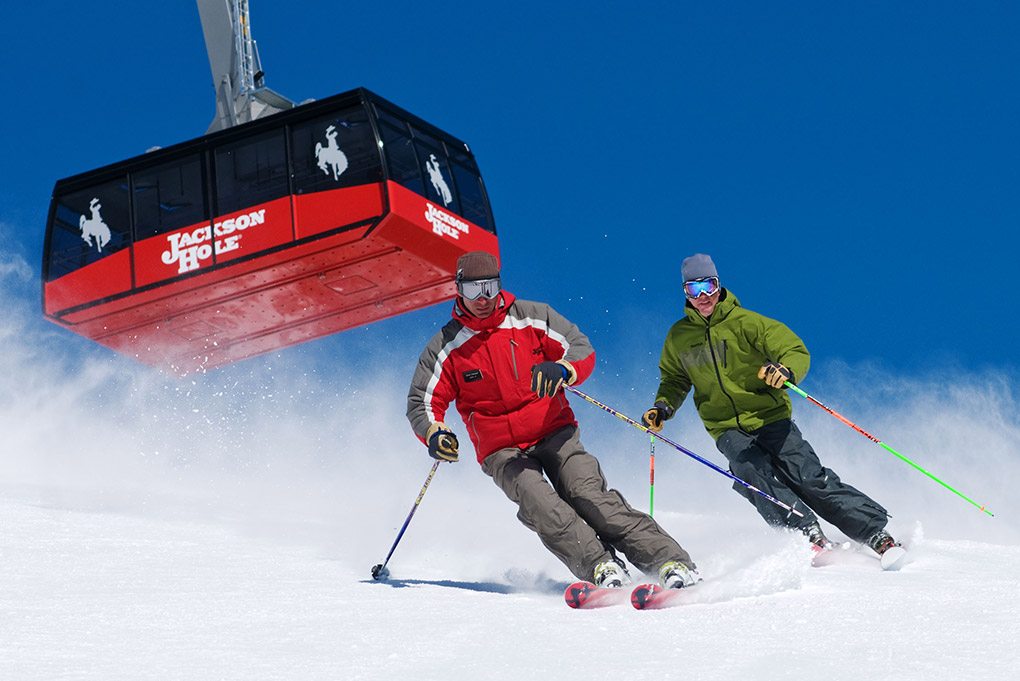
In Moose, we turn onto Moose Wilson Road, an eight-mile scenic drive that connects Moose with Teton Village, home to the Jackson Hole Mountain Resort. The resort includes Apres Vous Mountain, primarily intermediate terrain, and Rendezvous Mountain, which has bowls, glades and chutes – and some pretty extreme skiing.
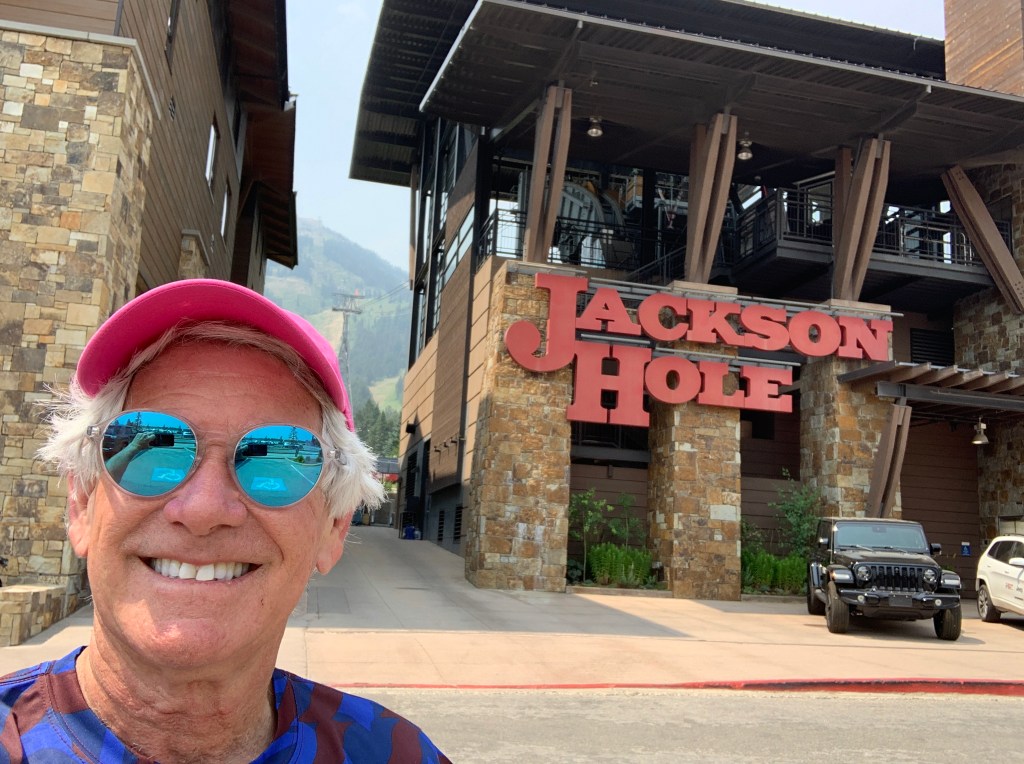
The Jackson Hole ski area, comparable in size and diversity to Snowmass (where I work in the winter) has about 4,100 vertical feet of skiing. Snowmass has 4,400 vertical feet, the most of any ski area in the US.
Moose Wilson Road ends at its junction with Wyoming Highway 22, the Teton Pass Highway. Here, we turn west, and in a few miles, arrive at the Town of Wilson, which completes our journey on Moose Wilson Road – from Moose to Wilson.
Wilson is named for Elijah Nicholas Wilson, who lived with the Shoshone Indians as a boy in the 1850s. His book, “The White Indian Boy,” describes his experiences, including his time as a rider for the Pony Express.
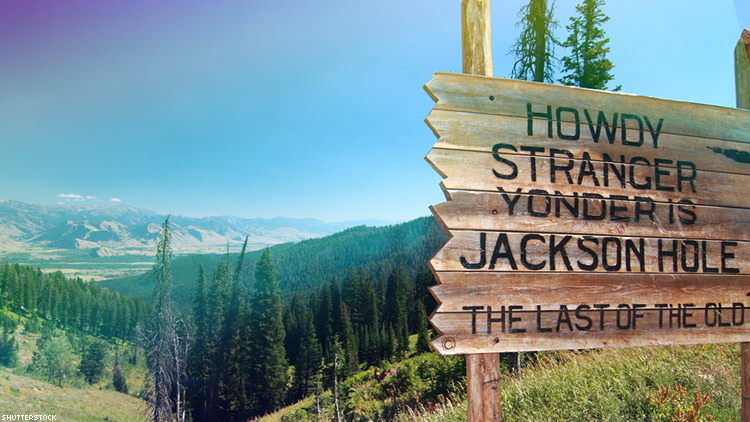
Six miles from Wilson, we arrive at Teton Pass, with its “Howdy Stranger, Yonder is Jackson Hole” sign. The pass sits at 8,431 feet, and has a maximum grade of 10 percent. Wyoming’s Transportation Department says the pass has some of the steepest grades in the Continental US.
Teton Pass Highway crosses into Idaho, becomes Idaho Highway 33, and enters the town of Victor in Teton County (1T license plates). Victor was named in honor of George Victor Sherwood, the mail carrier between the south end of Teton Valley, and Jackson, near the end of the 19th and beginning of the 20th centuries. With mail on his back, Sherwood walked, skied or rode his horse over Teton Pass to make his delivery to Jackson Hole.
Our journey from Victor is much less fraught than whatever Sherwood experienced.
We head southwest on Idaho Highway 31, over Pine Creek Pass, and toward the town of Swan Valley. From here, we follow the Snake River southeastward for about 10 miles until we arrive at the Palisades Reservoir.
US Highway 26 takes us along the north shore of the reservoir until, after 15 miles or so, we cross back into Wyoming at Alpine Junction, where Highway 26 and Highway 89 meet.
We head south on Highway 89, toward the elk antlers in Afton. Thirty-three miles later, we arrive back in Afton, where our day began.
***
Day Three Summary: 250 miles. Elk antler scavenging, the big tit, Howdy Stranger.
Click here to see today’s complete route from Afton, Wyoming, to Jackson Hole and back to Afton.
Today’s fun facts, favorite foods, funky place names and famous folks:
Wyoming fun fact: Wyoming didn’t raise the legal drinking age from 19 to 21 until 1988 — the last state in the union to do so. In 1984, Congress passed the National Minimum Drinking Age act, which required states to raise their ages for purchasing alcohol to 21, or lose 10 percent of their federal highway funds. The Wyoming Legislature reluctantly gave in. A postscript: When I was a teenage student at the University of Utah, we would drive to Evanston, Wyoming to legally buy beer.

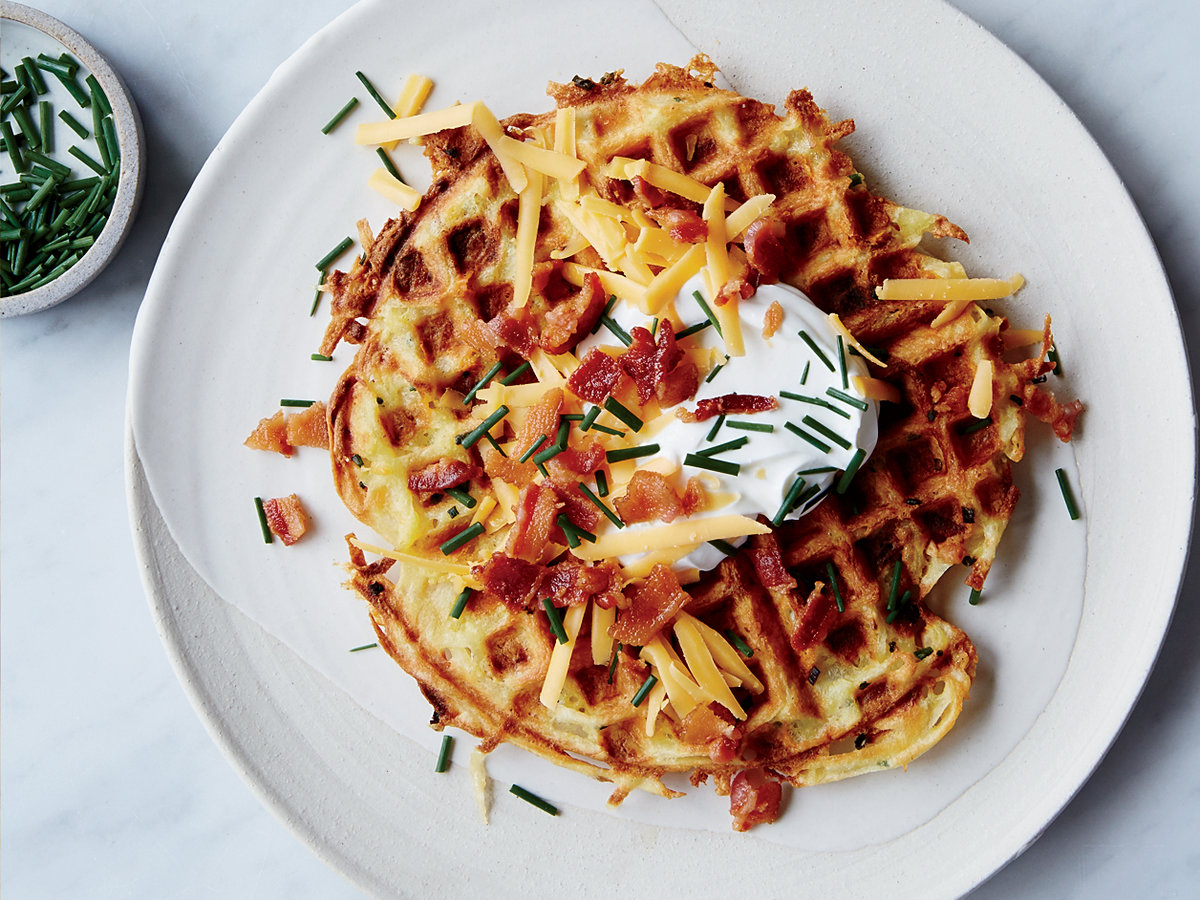
Idaho fun fact: Someone once paid $600,000 for a bull from Idaho, the most expensive bull ever sold, at the time. The cost was high because the Hereford bull weighed 1,410 pounds, and its lineage was impeccable.
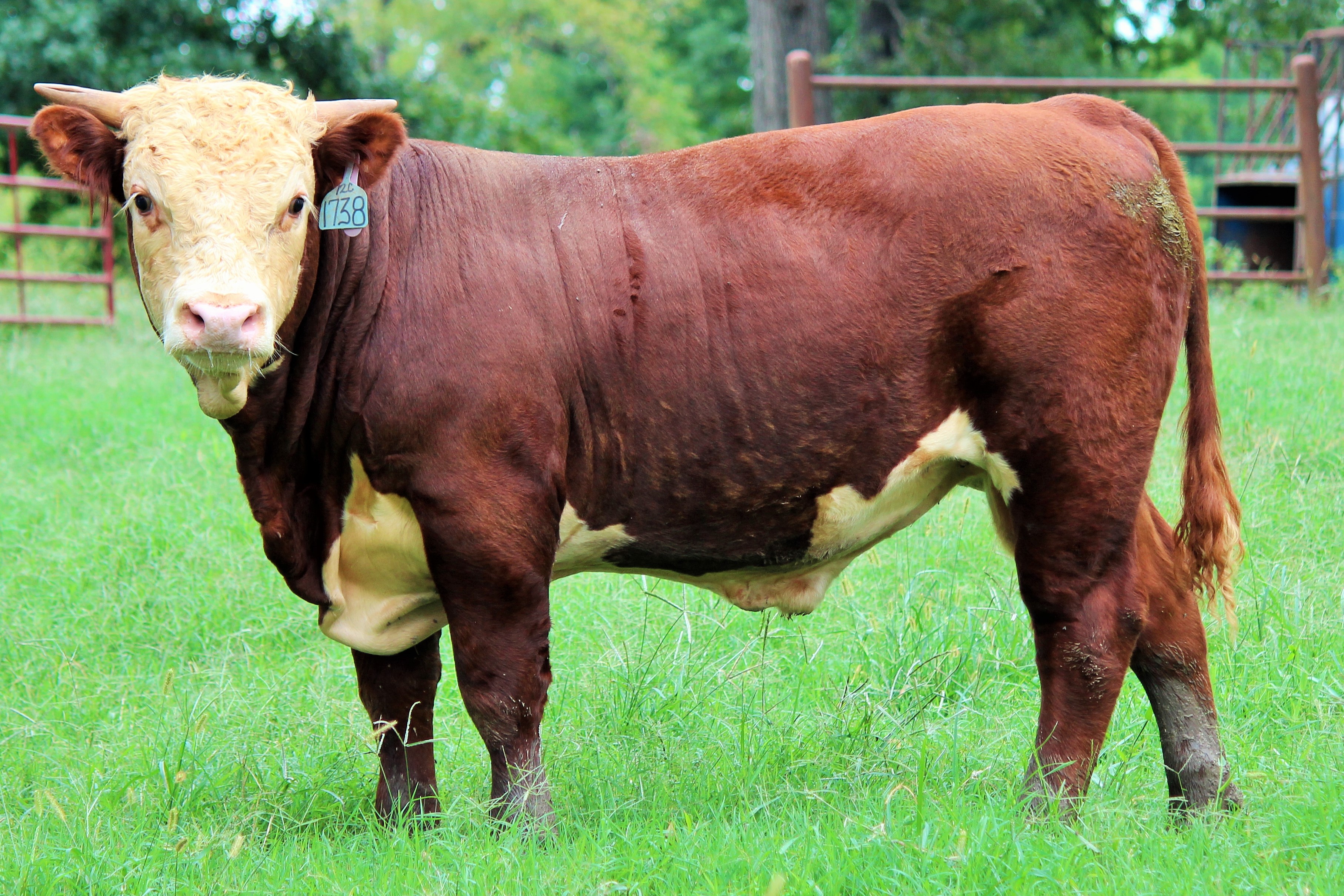
Wyoming favorite food: Since we rolled through Jackson this morning, it’s fitting that our favorite Wyoming food of the day comes from the Wild Sage restaurant at the Rusty Parrot Lodge. It’s the only restaurant in Jackson to receive the AAA Four Diamond award. The restaurant offers regional cuisine prepared with fresh local meats, sustainable seafood and organic produce. Try the tea-smoked elk chop, dry-aged bison ribeye or hibiscus-braised lamb shank. Sadly, the hotel and restaurant burned down in November 2019 and isn’t expected to re-open until 2022.
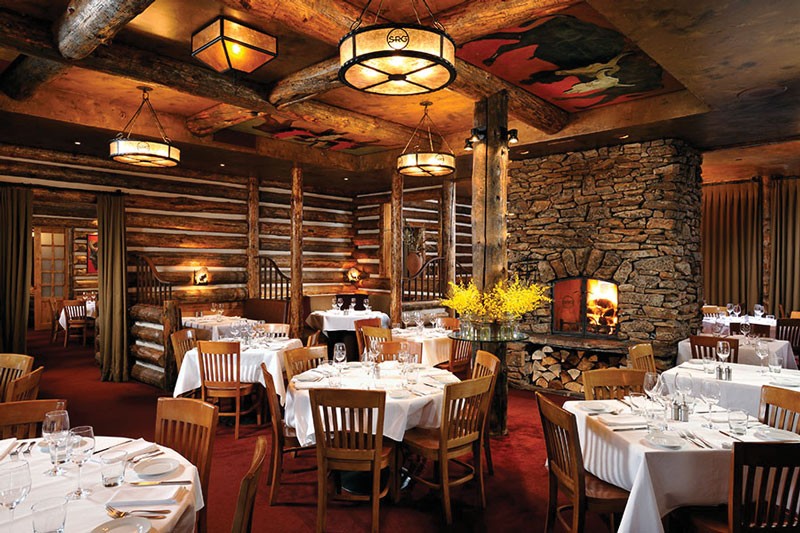
Idaho favorite food: There’s no getting around it, potatoes are the bomb in Idaho. Spuds are the official state food. There’s no end to the ways they can be prepared. One potato road less traveled involves potato waffles, a hybrid dish that combines waffle batter with taters. Some potato waffle recipes include leftover mashed potatoes. Try this, or this.
Wyoming funky place name: Chugwater is a historic small town along the old Oregon Trail, about 45 miles north of Cheyenne. Today, only about 200 people call this place home. It got its name from an old buffalo hunt legend, when some bison were accidentally chased off a cliff, they landed in a river, making a water chugging sound.

Idaho funky place name: The town of Dingle, in Bear Lake County, was given its name by Brigham Young, possibly after the sound of trains passing by, or after the sound of cowbells in the fields. Dingle is not the birthplace of dingleberries.
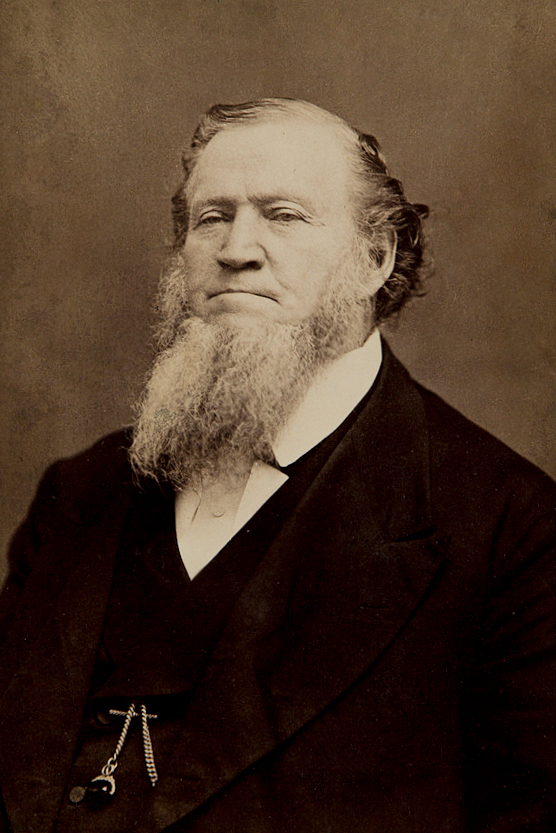
Wyoming famous folk: Sportscaster Curt Gowdy grew up in Cheyenne, where he was an all-state basketball player. Gowdy made famous the nickname, “Granddaddy of Them All,” referring to the Rose Bowl in Pasadena, California. Curt Gowdy State Park, halfway between Laramie and Cheyenne, recognizes his accomplishments as a broadcaster and outdoorsman. Gowdy died in 2006 at the age of 86.
Idaho famous folk: Ever had French fries at McDonalds? Then you probably have J.R. Simplot to thank. Born in the small farming community of Declo, Idaho, Simplot went on to create a potato empire, making billions by commercializing frozen French fries, and being the primary supplier of spuds to McDonalds. Simplot died in 2008 at the age of 99. At the time of his death, he was the oldest billionaire on the Forbes 400 list of wealthiest Americans.
Sturgis, anyone?
Vroom.
A look ahead @ tomorrow: Spuds!
 Riding With Gary
Nice blog.
Sounds like a great day.
I was in, or rather rode by Chugwater, hard to believe anybody lives there much less 200 people!
Thanks,
Clarence
LikeLike
Chugwater. It’s everyone’s favorite! Go, Clarence 🤓
LikeLike
Do you sleep or stay up all night writing ? Keep them coming as we forward all to out friends from Florida who visit Carbondale each year. This September we plan to head towards Utah and Wyoming so they like to read your updates.
LikeLike
Thanks, Pete and Donna. If your Florida friends are tech hip, they can subscribe (follow blog), so you don’t have to be their enablers. And to answer your question, yes. I do stay up all night, writing and researching. I generally need a very long nap when these rides are over. Vroom!
LikeLike
Oh, I can ALMOST pretend our world is “normal” again when we see Gary and company riding again! Keep those interesting “fun facts” and beautiful photography coming…and stay safe out there!! Missing you in La Quinta (but sounds like Carbondale has been a wonderful move!)…xox Marde and Ole
LikeLike
Hey Marde and Ole! What up in LQ? You guys staying warm enough? My world is as normal as it’s been in a long time. Hope yours is, too. Vroom.
LikeLike