It’s time to leave dinosaurs behind and head north from Vernal. Wyoming, the Cowboy State, is definitely in our future.
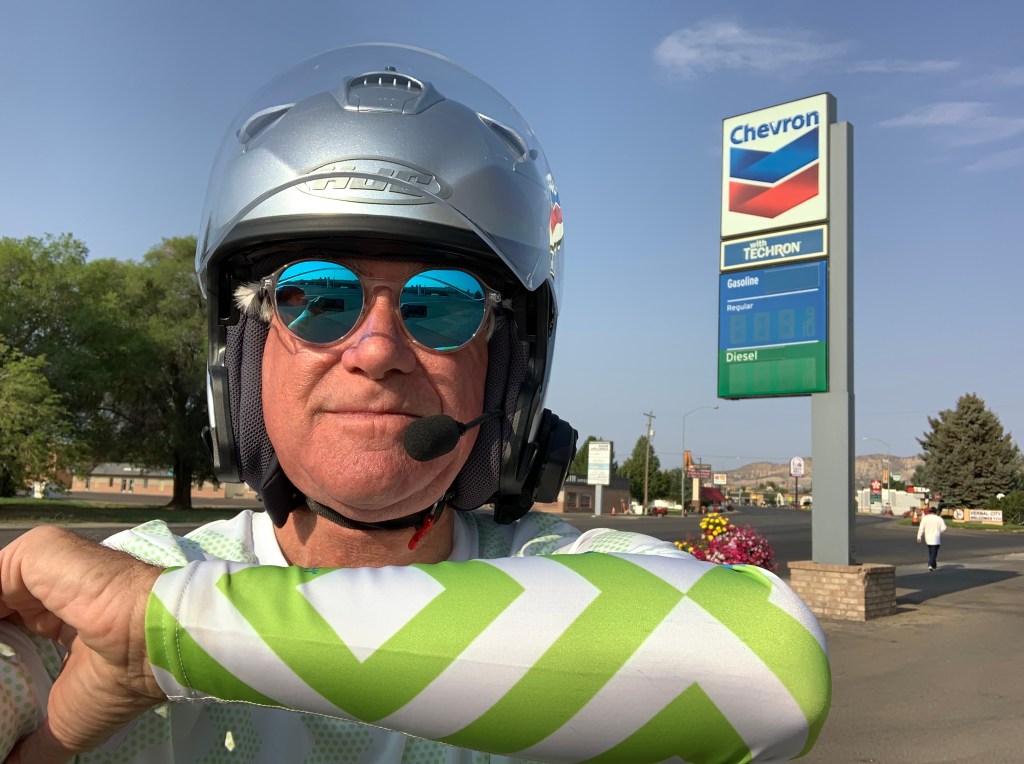
Within minutes, we roll past Steinaker State Park and Reservoir, about seven miles from Vernal along US Highway 191. The park is popular this time of year for swimming, fishing, boating and waterskiing.
Soon, we are in the Ashley National Forest, which covers 1,384,132 acres in the high Uinta Mountains. Elevations range from 6,000 feet to 13,528-foot Kings Peak, the highest point in Utah. Kings Peak was named for Clarence King, a surveyor in the area and the first director of the US Geological Survey.
Whatever you can do at Steinaker State Park, you can really do at Flaming Gorge National Recreation Area, about 30 miles north. Same water sports activities, just on a much larger scale. Including the Flaming Gorge Reservoir, the recreation area encompasses 207,363 acres of scenic landscape and wilderness.
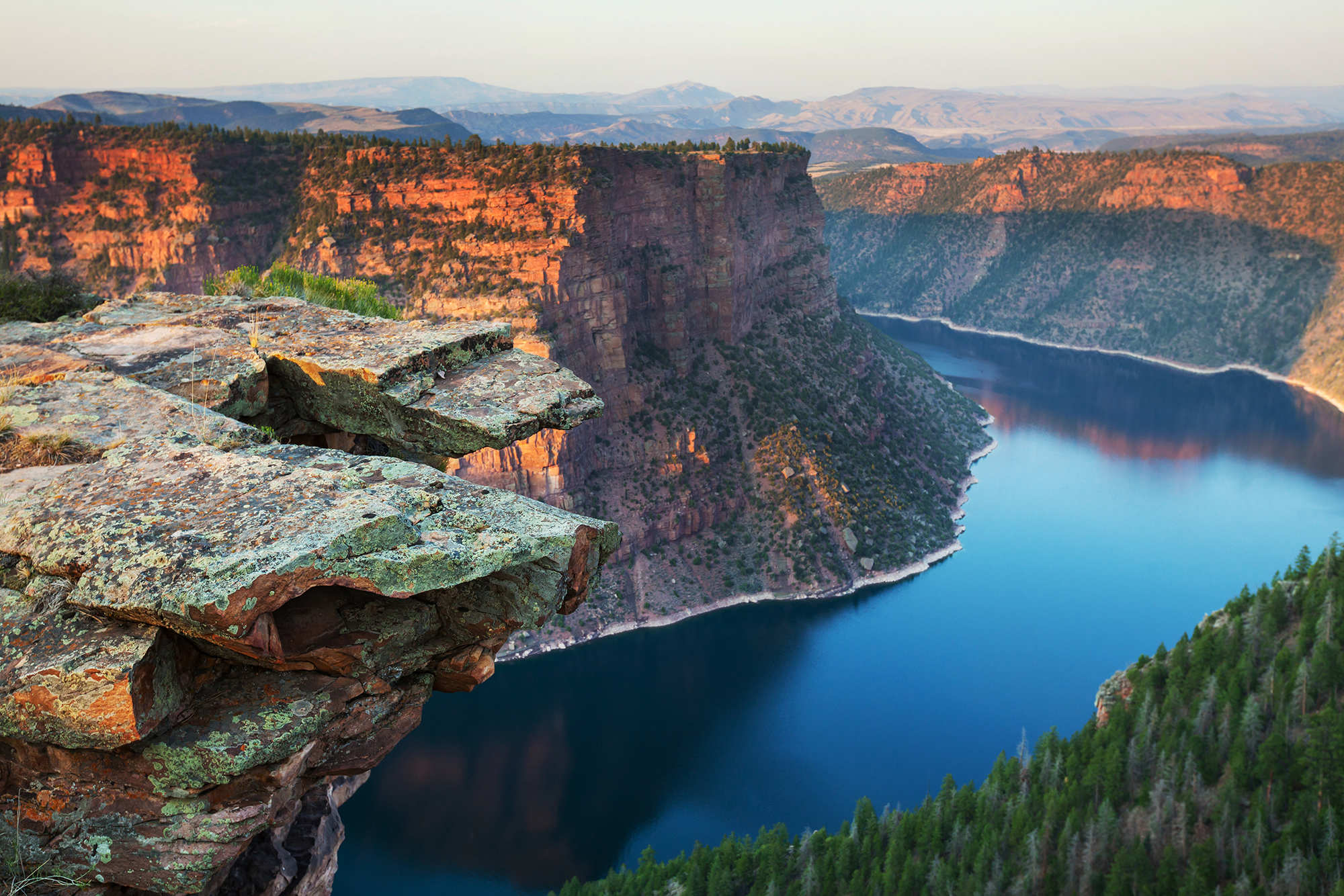
On a spring day in 1869, John Wesley Powell and nine men boarded small wooden boats at Green River, Wyoming to embark on a daring exploration of the Green and Colorado Rivers, culminating in the passage of the Grand Canyon.
Powell and his men slowly worked their way downstream, successfully completing their journey in late summer. It was on May 26, 1869 that Major Powell named the Flaming Gorge, after he and his men saw the sun reflecting off of the red rocks. To them, it looked like rocks on fire.
The Flaming Gorge Dam sits on the Green River at just over 6,000 feet elevation. The dam is 502 feet high – 50 feet higher than the Great Pyramid of Giza, and 50 feet shorter than the Washington Monument. Its hydropower generation produces more than 344 million kilowatt hours of power each year.
Flaming Gorge is famous for its trophy lake trout. A good number of 30-pound fish are caught there each year. Fishing is also very good for rainbows, brown trout, kokanee salmon and smallmouth bass.
A final note about Flaming Gorge: Native Utahns, with their distinctive way of speaking, pronounce it Flaming Garge, which rhymes with Large. Same people who pronounce American Fork, American Fark, which rhymes with Mark.
I’ve puzzled over that since first arriving in Utah in 1968. The pronunciation hasn’t changed over the years. That’s just how they talk.
***
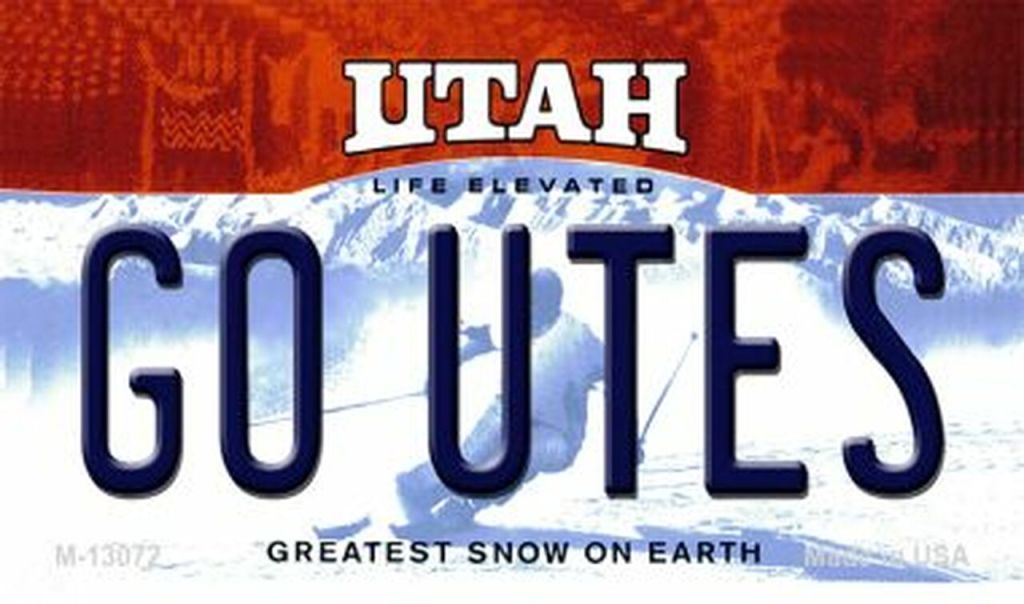
A mile or two south of the Flaming Gorge Dam, we turn west on Utah Highway 44, which takes us past Ute Mountain, elevation 9,984 feet. Followers of this blog know that I am partial to anything with the name “Ute,” as I’m a graduate of the University of Utah (BS Journalism, 1973).
Go Utes!
We leave the Ashley National Forest, roll past the southwestern tip of the Flaming Gorge Reservoir, and arrive at the tiny town of Manila, population 310. The settlement was named in 1898, commemorating the American naval victory at the Battle of Manila Bay in the Philippines.
The town of Manila, un-related to envelopes and folders, is our last Utah point of interest on this trip. In case you’re curious, Manila is actually connected to envelopes and folders, which are buff in color. The Manila name comes from Manila hemp, from which Manila folders were originally made.
Manila brings us to the Utah/Wyoming border, which we cross and head northwest on Wyoming Highway 414. With the exception of three unexplainable minutes (to be explained later), we’ll spend the rest of the day in Wyoming, the Cowboy State.
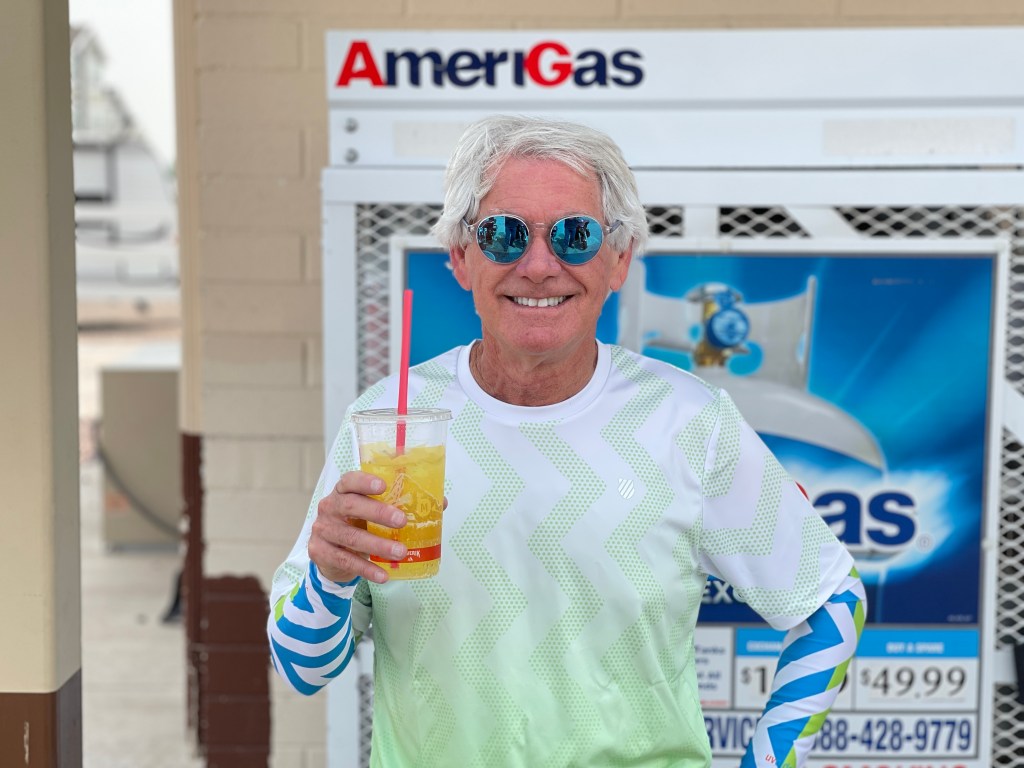
In less than an hour, we arrive at Mountain View, a gas stop just south of the better-known town of Fort Bridger. In 1843, Jim Bridger established a trading post here for those who were traveling westward on the Oregon Trail. Today, Fort Bridger is a historic site, with a reconstructed trading post and other preserved buildings.
***
Following a gas and hydration break, we cross Interstate 80 and head northwest on Wyoming Highway 412, which soon merges with US Highway 189 and takes us to Kemmerer, population 2,700.
The town of Kemmerer was named after Pennsylvania coal magnate Mahlon Kemmerer, who provided the financial backing for a late-1800 coal mining operation in the area.
Kemmerer calls itself “The Fossil Fish Capital of the World.” The Green River Formation of Colorado, Utah, and Wyoming is one of the world’s best locations for finding fossil fish. These fossils were preserved in Intermountain lake basins while the Rocky Mountains were still growing, about 50 million years ago.
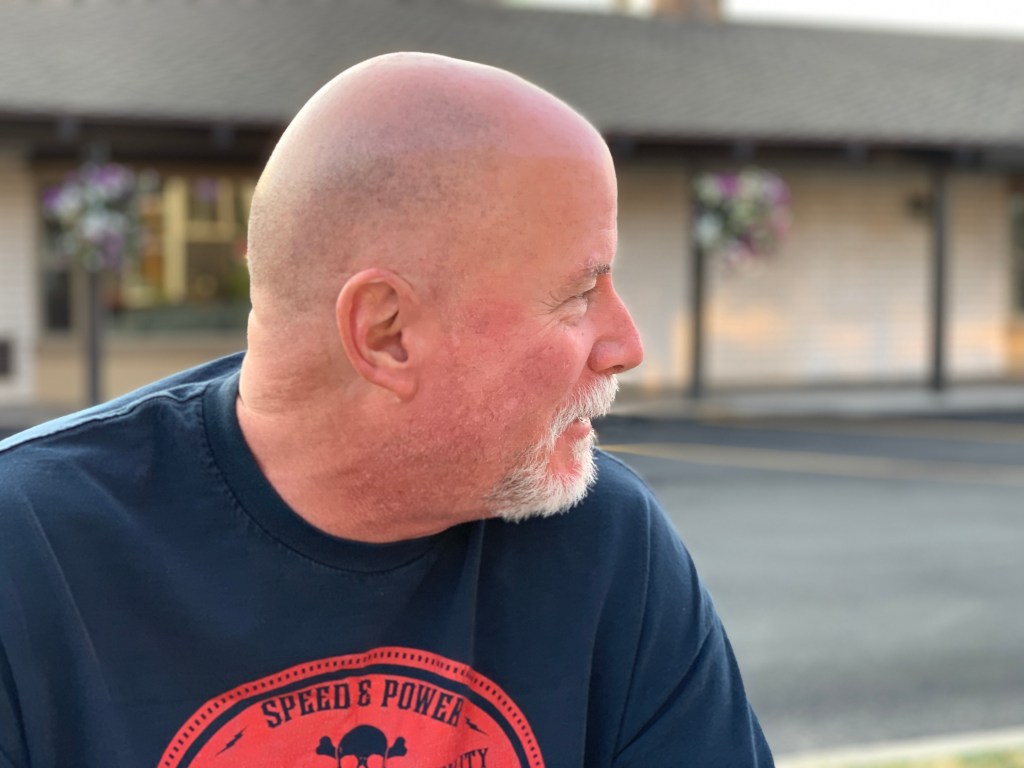
In Kemmerer, we turn west on US Highway 30, which takes us through the Cokeville Meadows National Wildlife Refuge. The refuge covers more than 26,000 acres of wetlands along the Bear River. It’s considered to be the finest redhead duck habitat in the region, and one of the best migratory bird sanctuaries in Wyoming.
Soon we roll through Cokeville, population 535. It was named for the coal found in the area. By burning bituminous coal in kilns or pits, the residue left behind is called coke, which is simply coal charcoal, and is nearly pure carbon. Coke is kind of a purified coal.
Wyoming is the epitome of coal country. It mines more coal than any other state, more than triple the amount of the number two state, West Virginia.
We’re now going directly north, paralleling and in some cases, straddling the Wyoming/Idaho border.
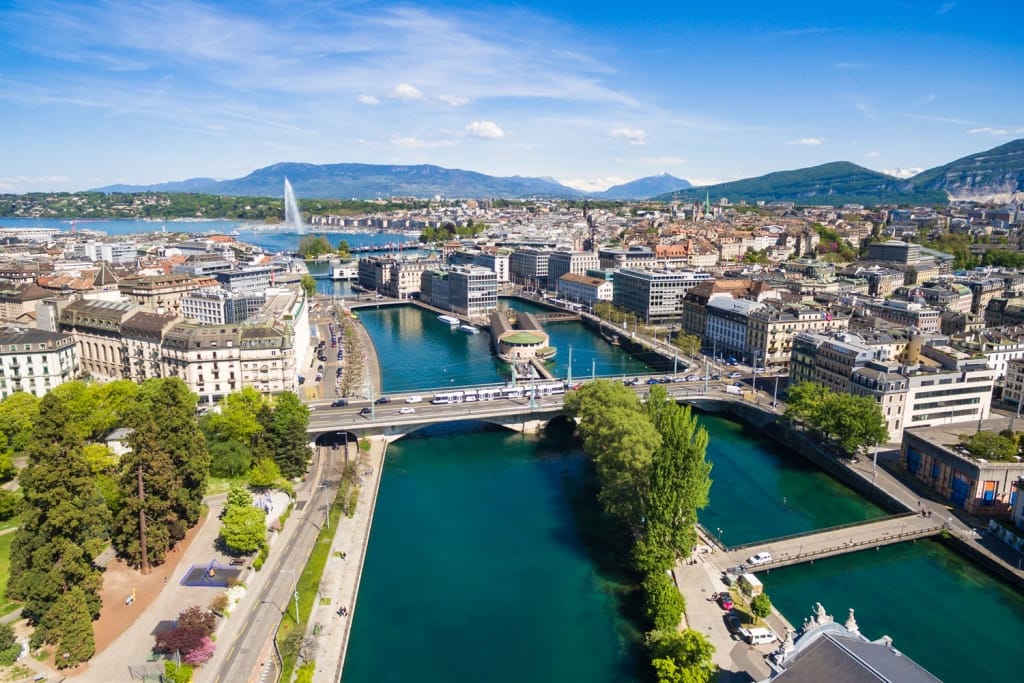
Near the tiny town of Geneva, Idaho – population 141 – we cross into Idaho for about two miles. The community was named after Geneva, Switzerland, the native land of many of the first settlers.
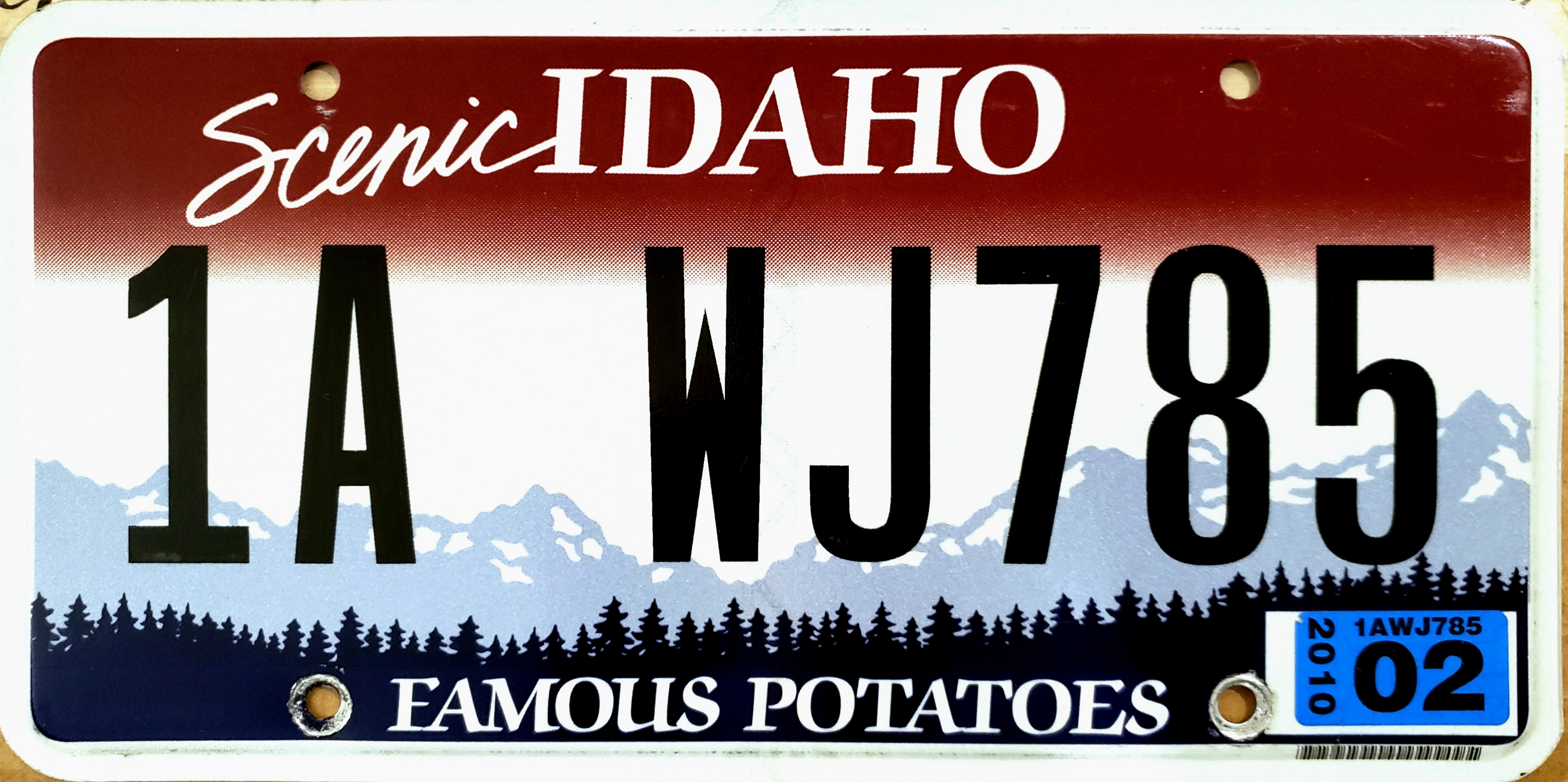
The few cars we see have Idaho license plates that begin with 2B. This is not a Shakespearian construct (“2B or not 2B”); Idaho license plates have designators identifying which of the state’s 44 counties the vehicle is registered in.
2B represents Bear Lake County, home to Geneva.
Ever since I lived in Idaho, from 1975 to 1979, I’ve had an odd fascination with these license plates. I lived in Eagle, a suburb of Boise. Eagle is in Ada County, which has 1A plates. Over the next few days, as we ride through Idaho, we’ll be sure to note the dominant license plates in each area, in case any of you share my asmusement in these plates.
***
After two unexplainable miles a few hundred feet into Idaho, we cross back into Wyoming, where we’ll spend the rest of the day.
Two miles south of Afton, Wyoming, we turn off of US Highway 89 at the entrance to the Kodiak Mountain Resort. Who rides Harleys to a resort? We do.
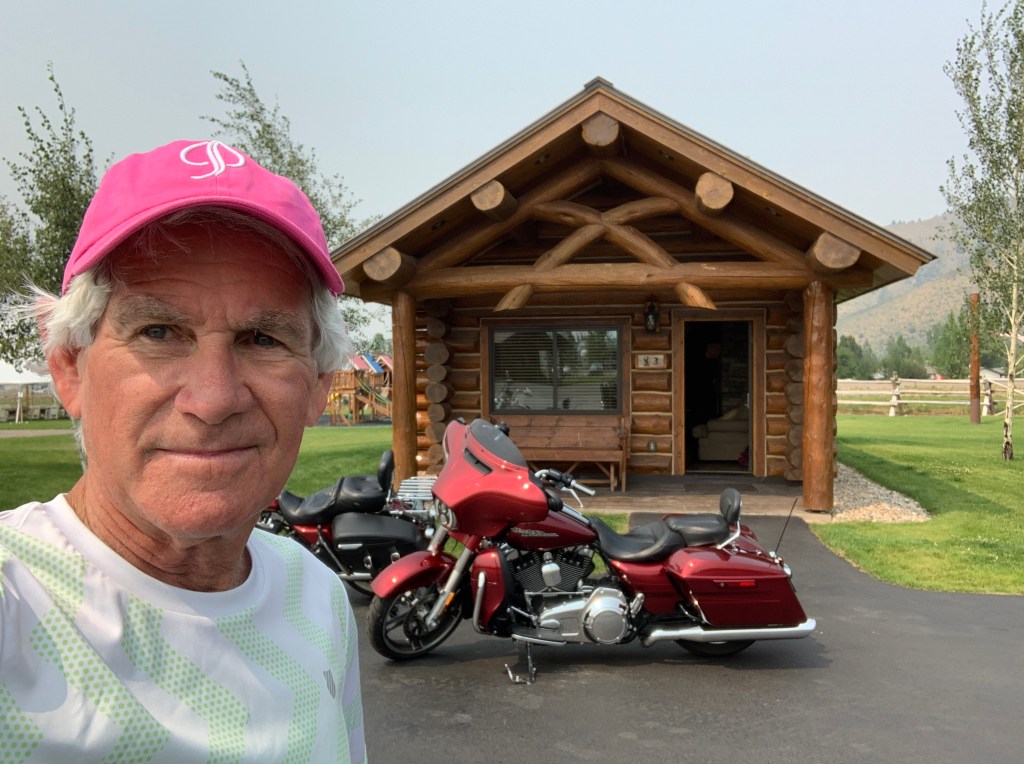
Kodiak Mountain Resort is probably the finest lodging I’ve ever experienced on a Harley trip. It’s so nice, we’re gonna stay here for two nights!
***
Day Two Summary: 246 miles. A unique Utah dialect, fossil fish, 2B plates.
Click here to see today’s complete route from Vernal, Utah, to Afton, Wyoming.
Today’s fun facts, favorite foods, funky place names and famous folks:
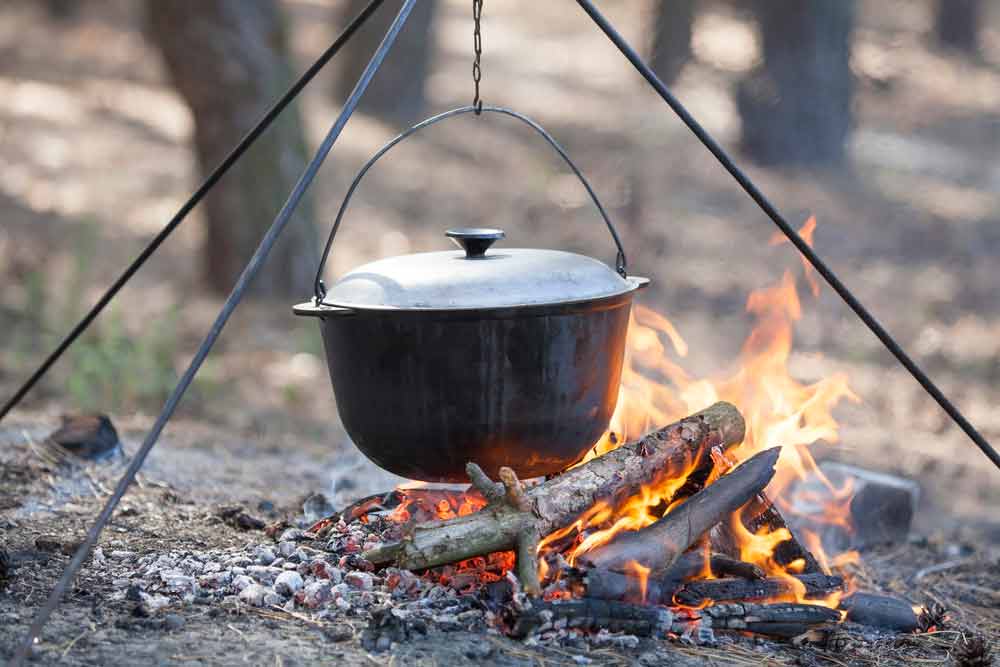
Utah fun fact: Utah’s official state cooking vessel is the Dutch oven. Like the axe and the rifle, these cast iron cooking pots would have been considered precious necessities by westbound pioneers coming to the area in the 19th century. Chuck wagon cooks used two or three Dutch ovens when preparing chow over a campfire. Utah recognized the Dutch oven as the official state cooking pot in 1997.
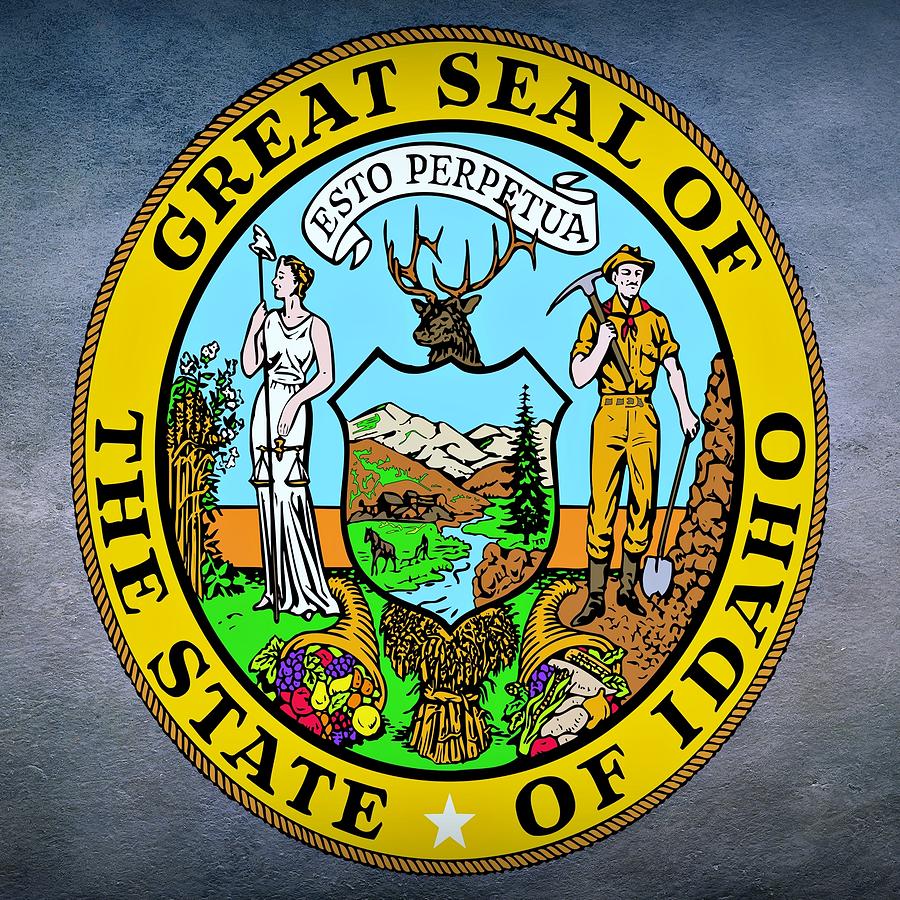
Idaho fun fact: Women should be pretty proud of Idaho, as it has the only state seal in the United States that was designed by a woman. The woman was Emma Edwards Green, and her design was chosen in 1891. Idaho Governor Norman Wiley awarded Green $100 for her design, which depicts a miner, a woman, and various natural resources of Idaho.
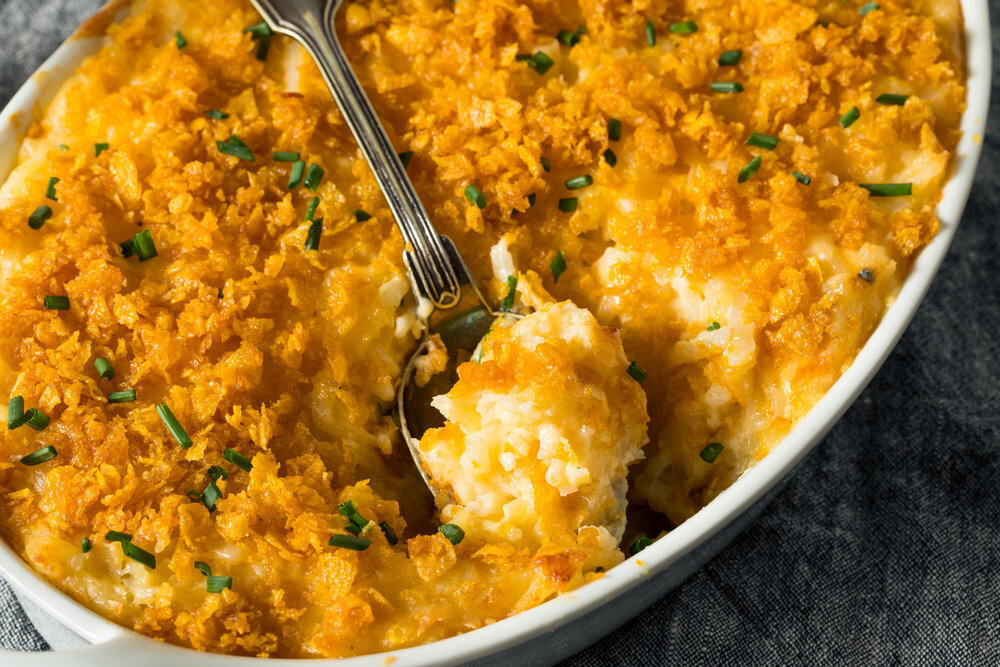
Utah favorite food: A Utah delicacy is Mormon Funeral Potatoes, so unhealthy that they’ll contribute to your own demise. Funeral Potatoes include a bag of frozen hash brown potatoes, cream of chicken soup, sour cream, shredded cheddar cheese and crumbled potato chips. Funeral Potatoes are actually on the menu at many Utah restaurants, including Hoof & Vine in Salt Lake City. Food & Wine magazine calls the dish “One of the Greatest American Triumphs.” They’re to die for!
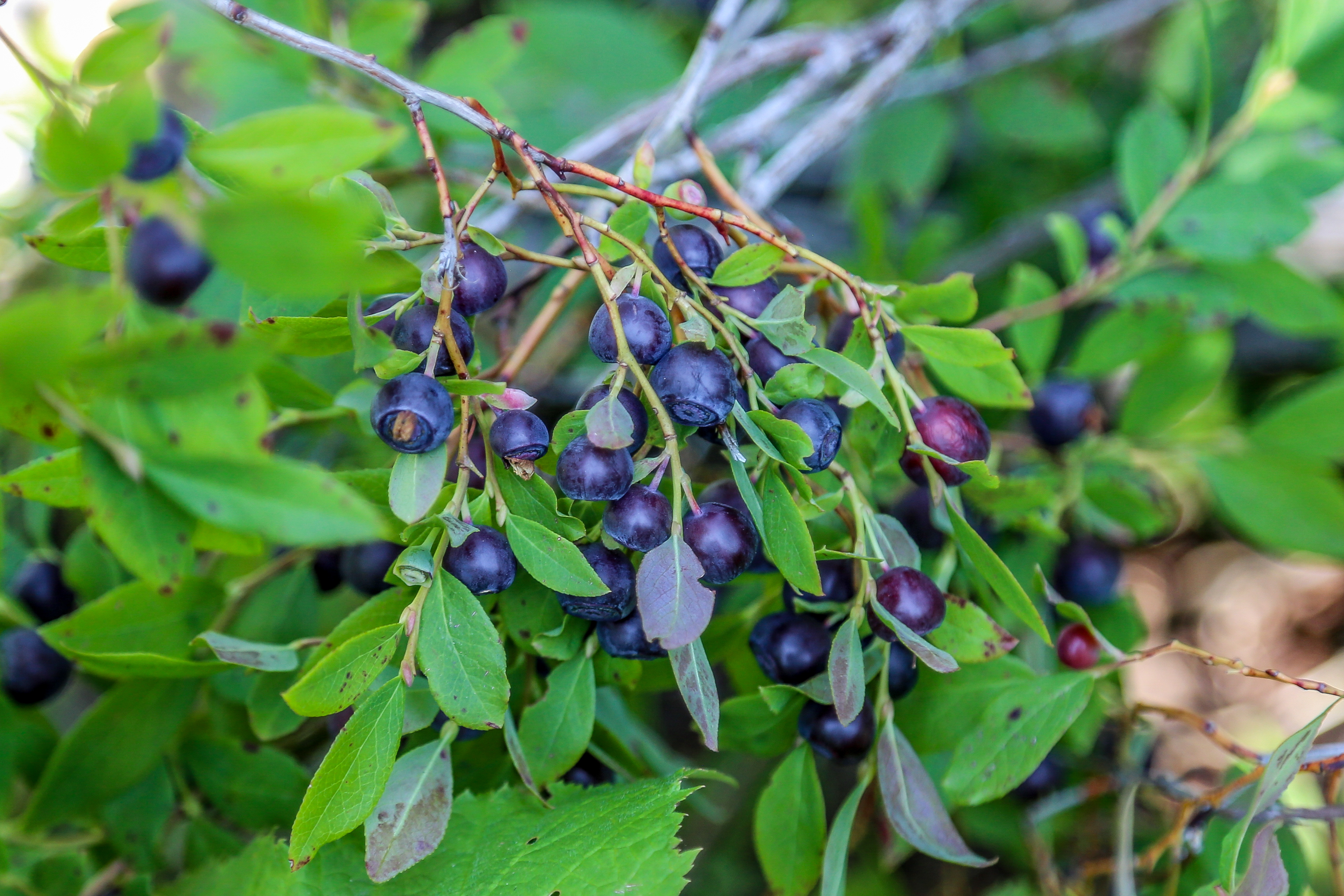
Idaho favorite food: Huckleberries are the official state fruit. You can get huckleberry jam, huckleberry pancakes, huckleberry ice cream, huckleberry syrup, and more. Huckleberries hold a place in archaic English slang. “I’m your huckleberry” is a way of saying you’re just the right person for the job. During ski school season at Snowmass, a huckleberry is a code word for a missing child.
Utah funky place name: The town of Elmo, in Emery County, was settled in 1908 and named for the first four families that settled there: E for Ericksons, L for Larsens, M for Mortensens, and O for Oviatts. Tickle me, Elmo.

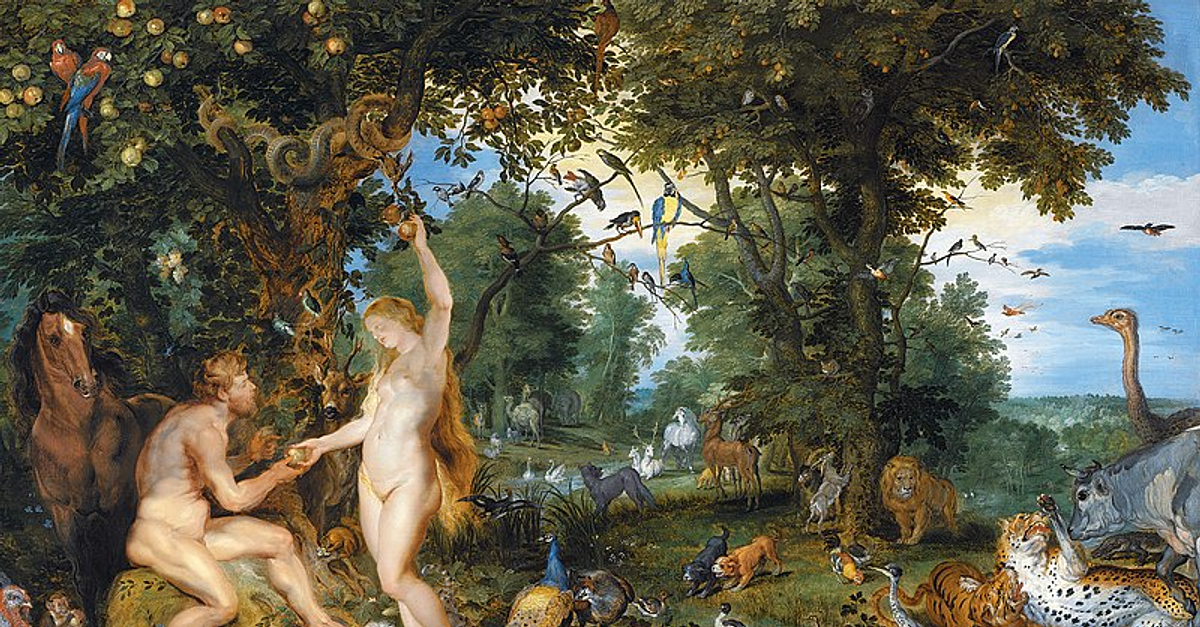
Idaho funky place name: Eden, Idaho is named after the Biblical Garden of Eden, because of the picturesque valley surrounding the town. Besides its Biblical connotations, Eden generally is defined as a place of pristine or abundant natural beauty. The town is in Jerome County, about 15 miles northeast of Twin Falls.
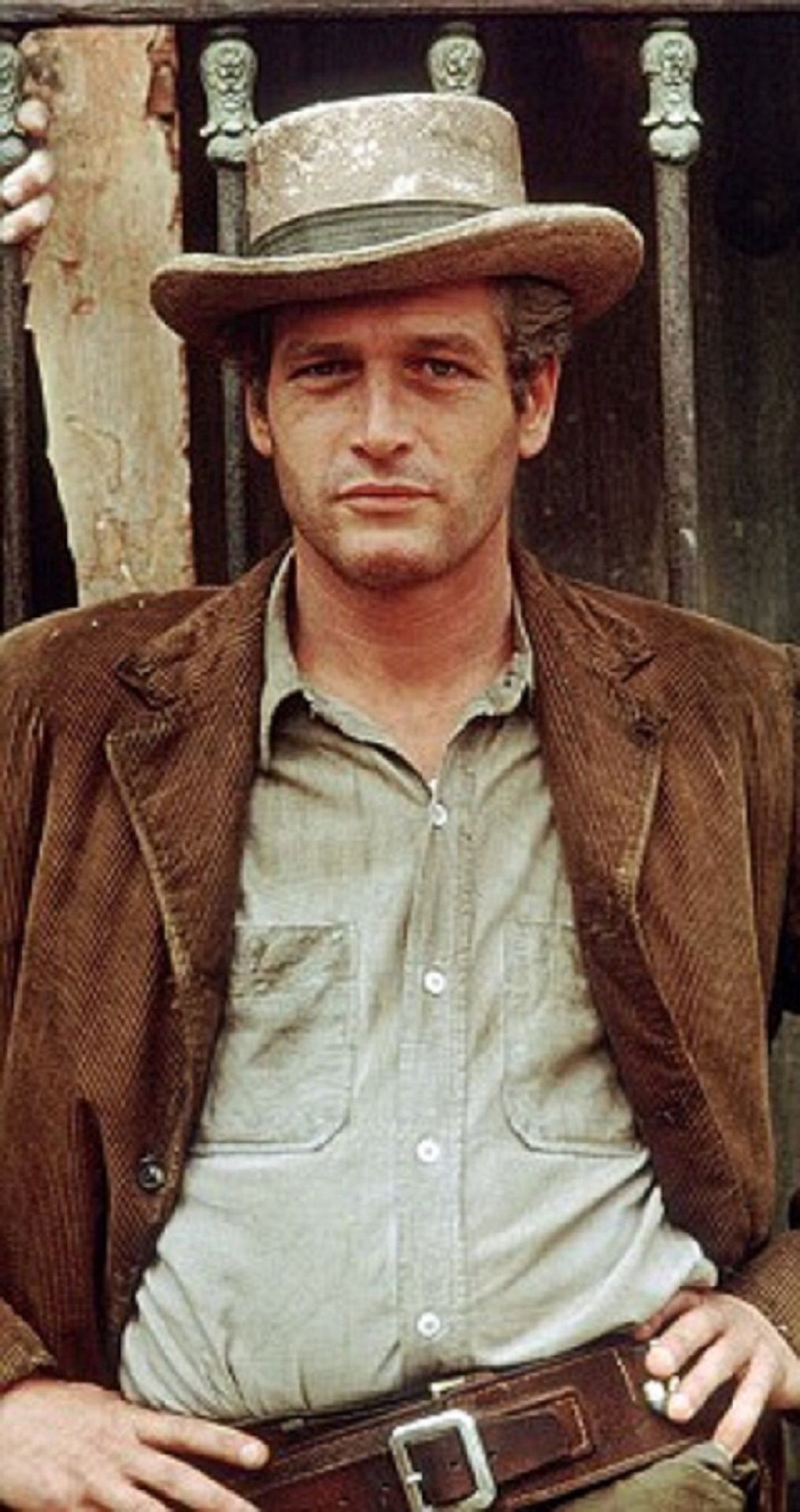
Utah famous folk: Robert LeRoy Parker, better known as Butch Cassidy, was a train robber and bank robber, made famous in the movie, Butch Cassidy and the Sundance Kid. He was born in 1866 in Beaver, then part of the Utah Territory. As seen in the movie, Parker died at age 42 in a shootout in San Vicente, Bolivia. For you geographiles, Bolivia is sandwiched in South America between Peru, Brazil, Paraguay, Argentina, and Chile.
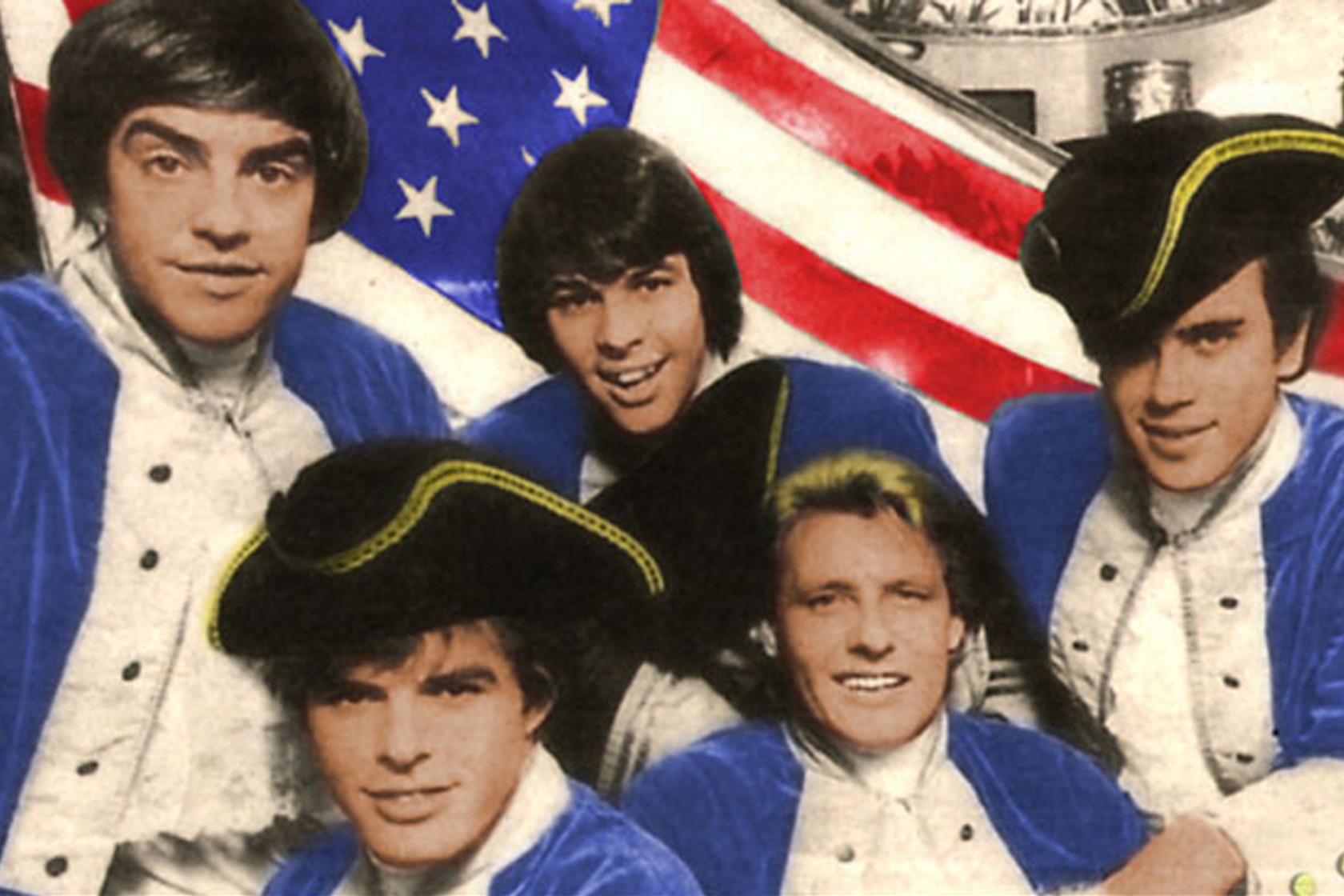
Idaho famous folk: Anyone who lived through the 1960s would remember Paul Revere and the Raiders, a rock group famous for songs like “Kicks,” and “Good Thing.” Their lead singer, Mark Lindsay, was from the Boise, Idaho, area – where the band got its start. Today, at age 79, Lindsay lives in Maine.
Sturgis, anyone?
Vroom.
A look ahead @ tomorrow: Teton time.
 Riding With Gary
Loving the stories. Especially like the solar sleeves. WAY fancier than mine. Also love the artery-clogging Mormon funeral potatoes. Might have to try them. Ride safe!!
LikeLike
Hey Mama Bear! I believe I included a funeral potatoes recipe. Try it out. What could possibly go wrong? You still have nursing skills, right?
Vroom!
LikeLike