Today is a health food day. That means everything we consume does something for our health.
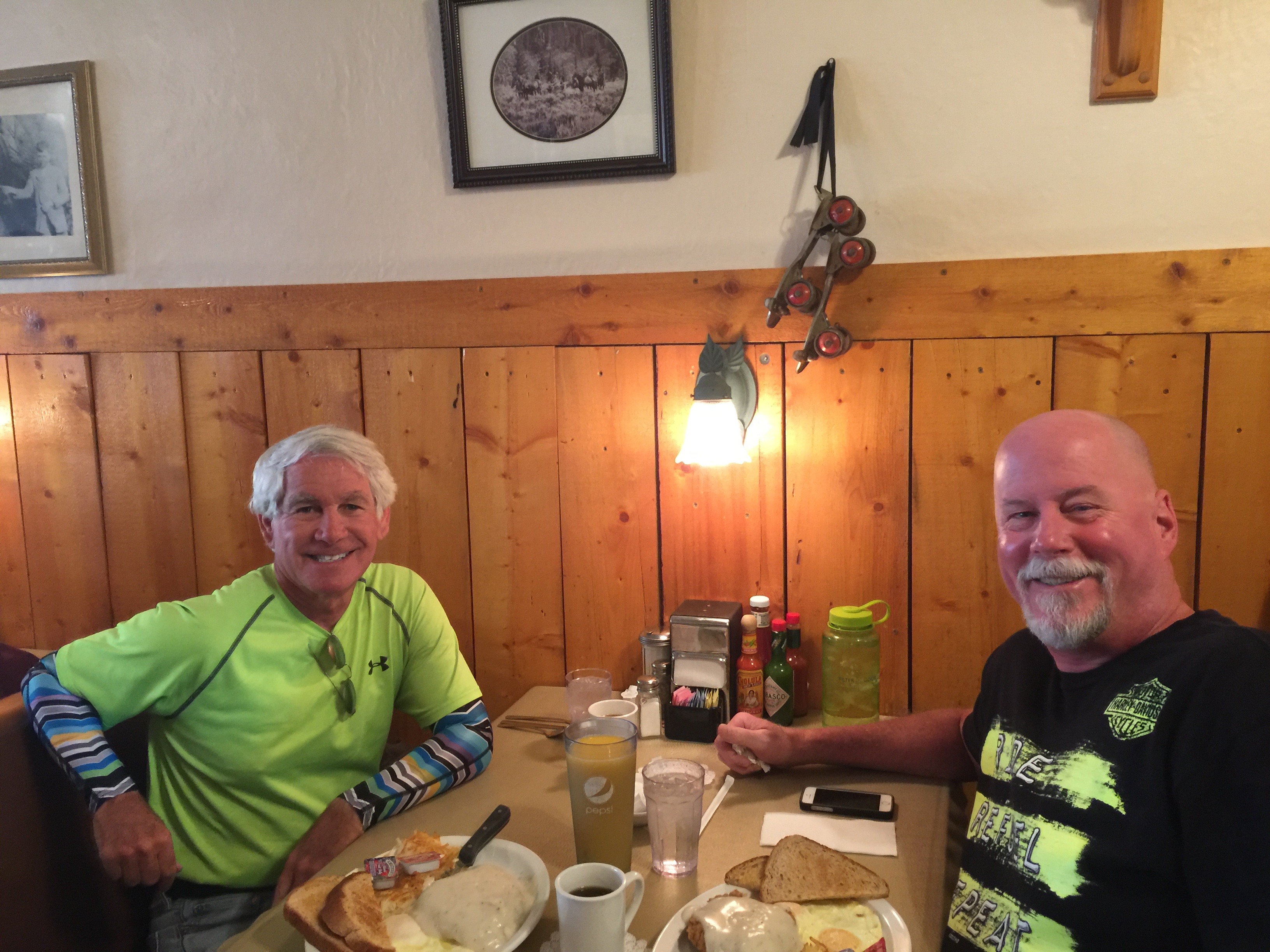
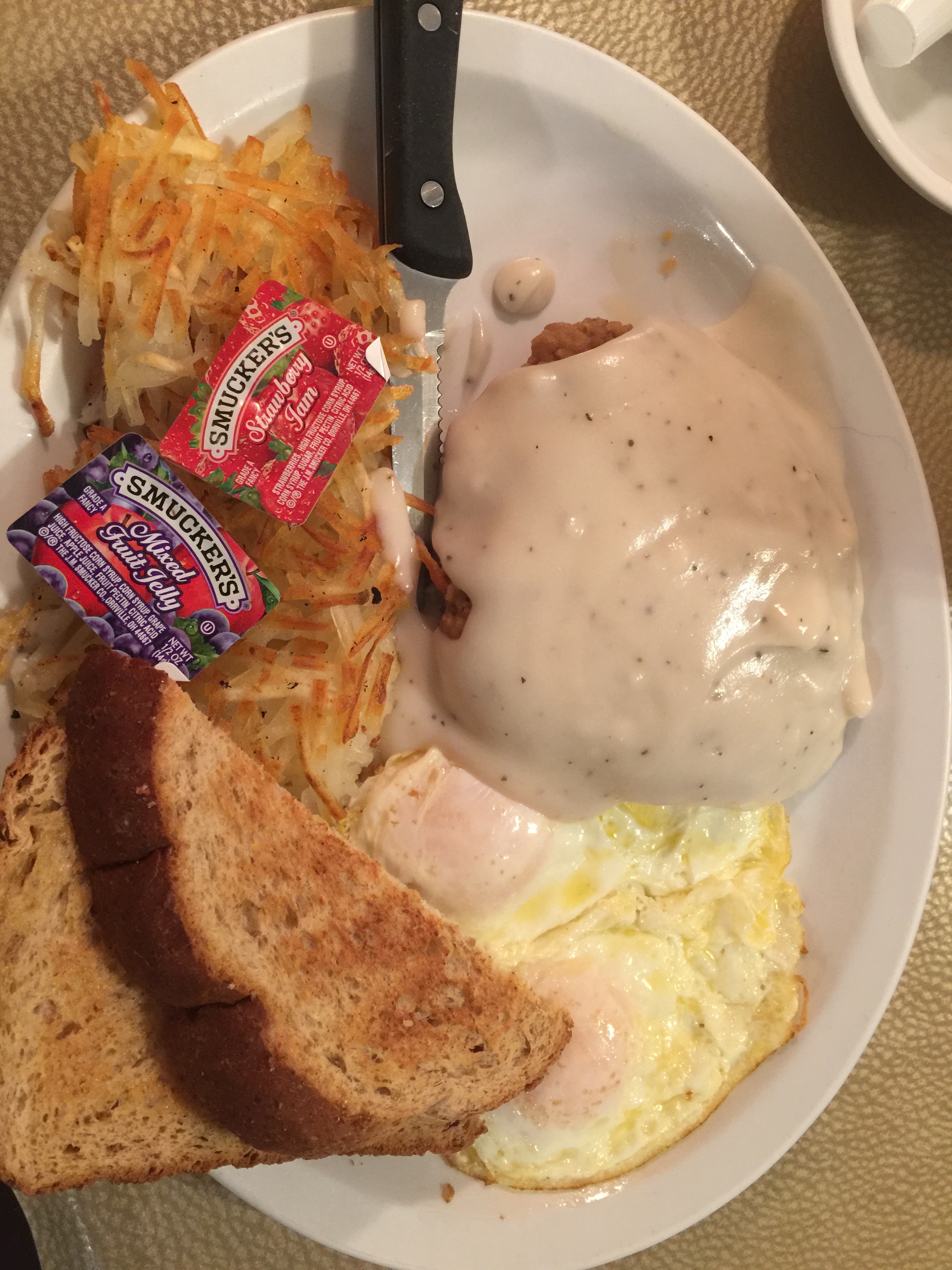
The day begins at the W Cafe in Gunnison, one of the highest-rated restaurants in town.
We end our two-night stay in Gunnison by heading east on US-50, riding into the Gunnison National Forest.
For miles, we see little except mountains and trees. This is, after all, Colorado.
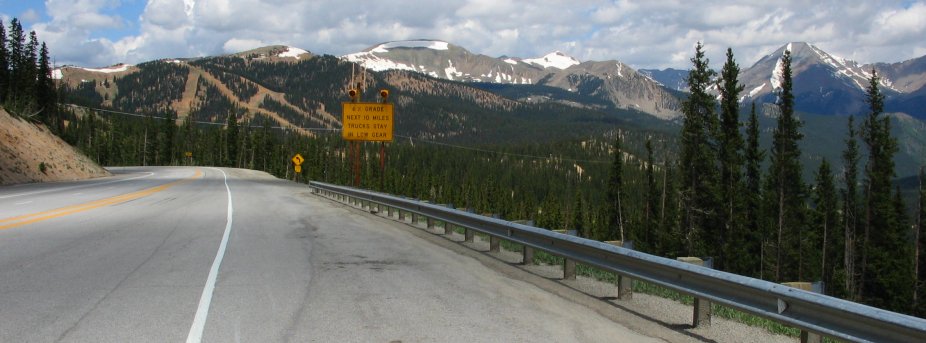
Forty-four miles from Gunnison, we arrive at the Monarch Mountain ski area, which is located at Monarch Pass, elevation 10,790 feet – on the Continental Divide. The ski area originally opened in 1939 with one rope tow, powered by a Chevy engine.
Unlike many ski resorts that boom in the summer, Monarch Mountain is shut down this time of year. But you can buy your 2018-2019 season pass now for $20, if you’re under 6 or over 69. For the rest of you, come to Carbondale and ski Aspen Snowmass; it’s easier to get to, and you’re more likely to stay with us.
Continuing east on US-50, we arrive at Poncha Springs, 20 minutes from Monarch Mountain. Poncha Springs, population 737, sits at the intersection of US-50 and US-285.
The small Town of Poncha Springs once held huge significance for an early Colorado explorer: Lt. Zebulon Pike (for whom Pikes Peak is named). In the winter of 1806, Pike and his party hunkered down here until the snows passed. The town commemorates Pike’s respite from exploration with a historical marker.
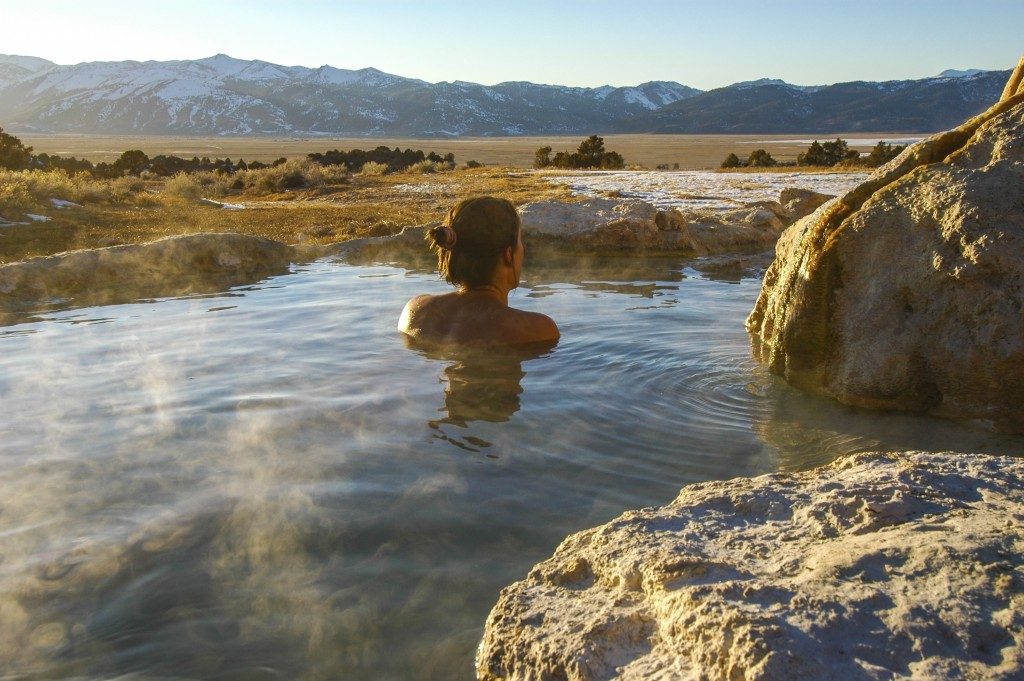
Poncha Springs is named for its hot springs. But discovery of the hot springs is not universally agreed upon. Some historians believe Lt. Pike discovered the hot springs in 1806. Others credit frontiersman Kit Carson with discovering it in 1832.
For years, the springs were a tourist attraction. But they closed in 1935 when the nearby city of Salida had the water piped to a pool in Salida. Eventually, the Poncha hot springs were capped with cement, and Salida now owns the hot waters from Poncha Springs.
***
In Poncha Springs, we turn north on US-285 toward Nathrop and Johnson Village, riding along the southernmost of the Collegiate Peaks.
The Town of Nathrop was once a popular railroad stop in the 1800s, where visitors seeking to soak their bones in the natural hot springs found respite. Today, you can still dip into geothermal waters at the Mount Princeton Hot Springs Resort and soothe away what ails you.
Mount Princeton is, of course, one of the Collegiate Peaks, a small group of fourteeners (14,000-foot mountains) that tower above the Upper Arkansas River Valley in the Rockies.
Most lists of fourteeners show 58 of them. Some lists have as few as 52, or as many as 74. The 74 figure includes 15 unnamed peaks. If you’re confused, read this for some clarity.
***
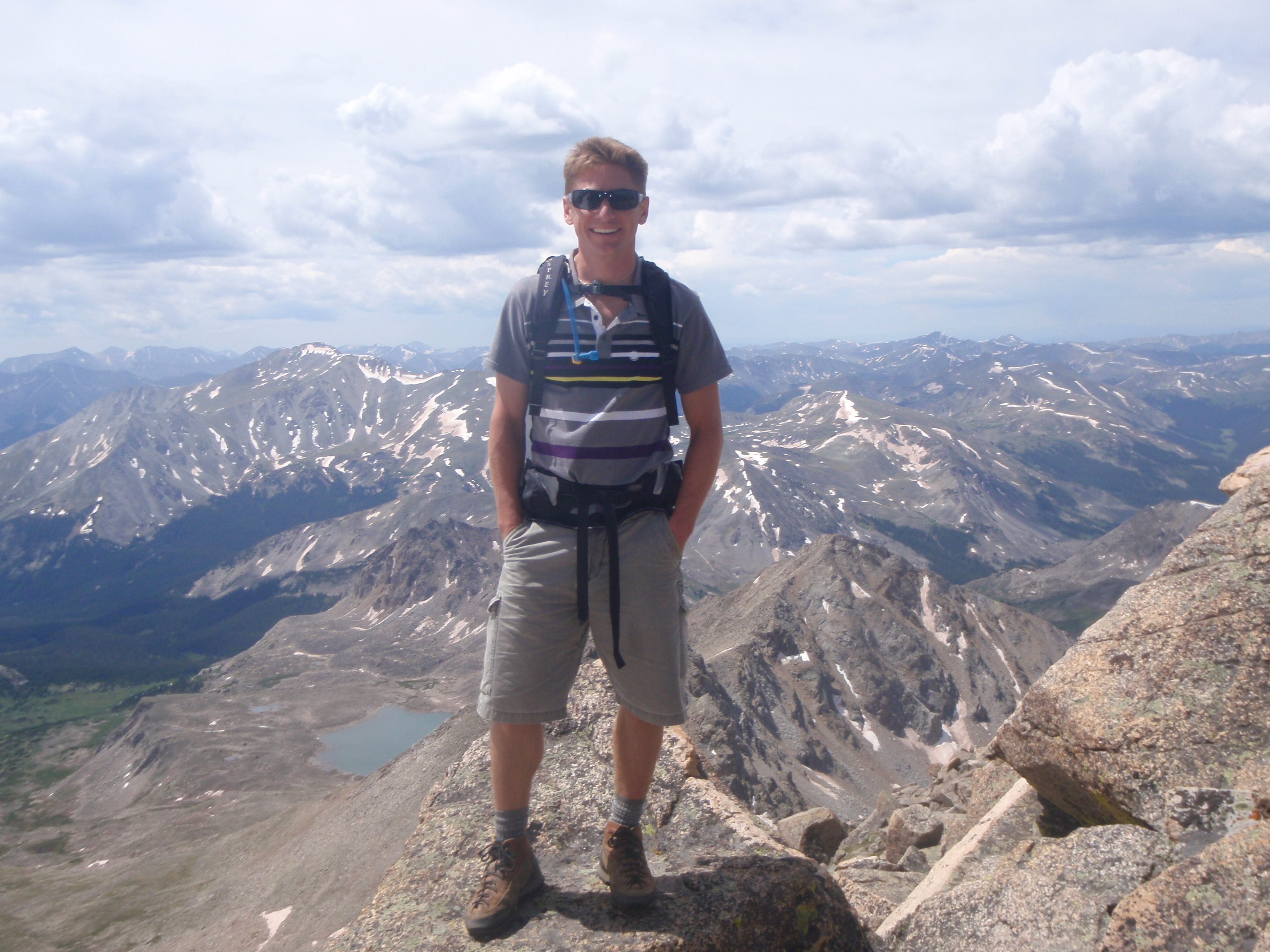
The five Collegiate Peaks are so named because several of the mountains are named for prominent universities. Four are Ivy League schools, and one isn’t in the US at all, but is generally ranked as the best university in the world: Oxford.
Here are the Collegiate Peaks:
- Mount Harvard, 14,421 (third-highest of the 14ers)
- Mount Princeton 14,204
- Mount Yale 14,202
- Mount Oxford 14,160
- Mount Columbia 14,079
As you might expect, there are stories associated with naming each of the Collegiate Peaks.
The naming tradition began in 1869 when members of the first Harvard Mining School class named 14,420-foot Mount Harvard after their institution while on expedition with Josiah Dwight Whitney, professor of geology at Harvard.
The same group named the adjacent peak, Mount Yale after Whitney’s alma mater. The class was in Colorado that year to identify the highest point in the contiguous United States and to debunk rumors of an 18,000-foot peak in the Rocky Mountains.
The first recorded ascent of Mount Princeton was in 1877 by William Libbey, professor of physical geography at Princeton University. There was once a tradition between the alumni of Yale and Princeton to pile rocks on the top of their namesake mountains to ensure each’s mountain was taller; there is only a two-foot difference in height between the two mountains.
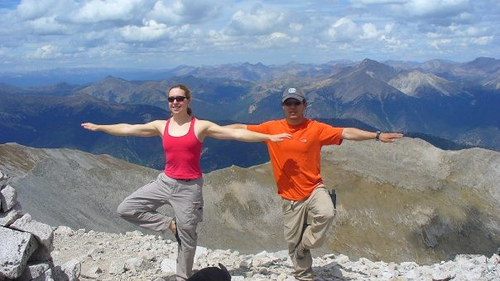
14,073-foot Mount Columbia was given its name by climber Roger Wolcott Toll in 1916. Toll had attended Denver University and Columbia University and went on to have a noteworthy career with the National Park Service.
The last of the Collegiate Peaks to receive a scholarly name was 14,153-foot Mount Oxford, which, in 1931, was named by Rhodes scholar John L. Jerome Hart, a Denver lawyer and climber who had spent a year at Oxford University.
Interested in naming a mountain? There are a lot of unnamed mountains just jonesing for a name. The Domestic Names Committee of the US Board on Geographic Names is in charge of mountain naming. Here’s how you have your voice heard, and mountain named.
Having a hard time finding just the right name? Try this.
***
We are now riding north on US-285, the aptly named Collegiate Peaks Scenic Byway.
Buena Vista, which is just off the Scenic Byway, is a good place to stop for gas, and clean the windshields.
In Johnson Village, US-285 veers right, taking us northward toward the Town of Fairplay, which sits at 9,953 feet – making it the fifth-highest incorporated place in Colorado.
Fairplay, a town of about 700, began as a gold mining settlement in 1859, during the early days of the Pike’s Peak Gold Rush. The town was named by settlers who were upset by the generous mining claims given to the earliest prospectors, and promised a more equitable system for its residents. Thus, Fairplay.
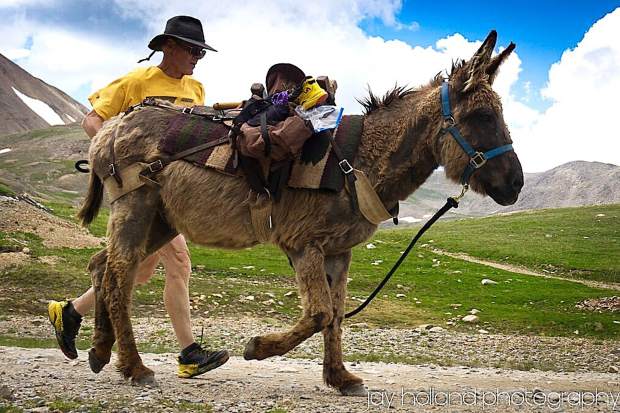
The big deal every year in Fairplay is the Burro Days festival, held on the last weekend of July. Burro Days celebrates the town’s mining heritage. The main feature of the festival is a 29-mile burro race from downtown Fairplay to the 13,000-foot summit of Mosquito Pass. First prize at one time was an ounce of gold; today, it’s $1,000.
***
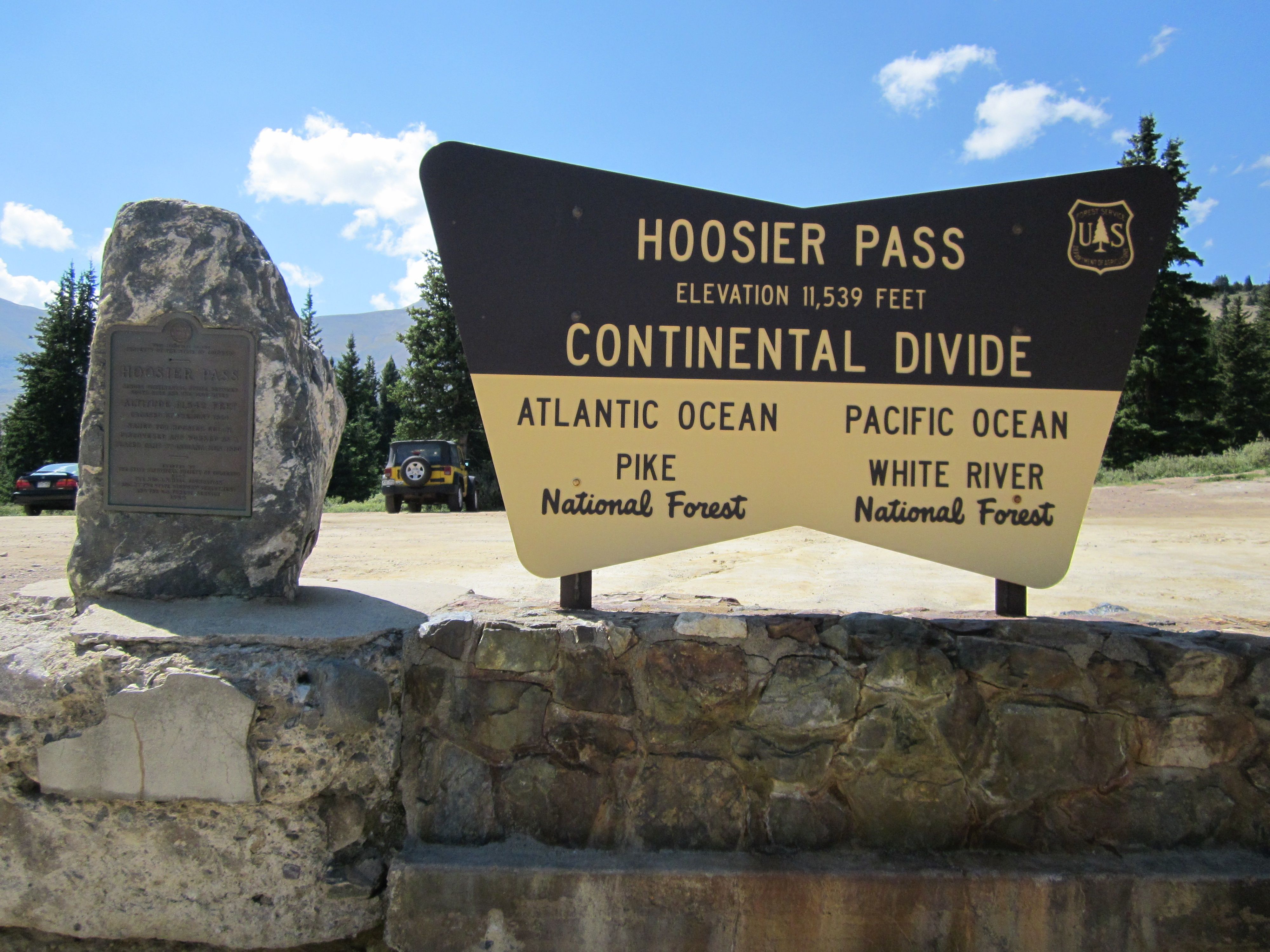
Our next point of interest is 11,542-foot Hoosier Pass, so we turn north on CO-9 for the 11-mile ride to the pass. Hoosier Pass rises gradually on the southern side and drops steeply on the northern side. Its maximum grade is eight percent, just like McClure Pass, which we’ve ridden several times over the past week.
Hoosier Pass sits on the Continental Divide at the northern end of the Mosquito Range. It’s is the highest point on the TransAmerica Trail, a transcontinental bicycle route that stretches from Yorktown, Virginia to Astoria, Oregon.
The Hoosier name comes from the state of Indiana, which is nicknamed the “Hoosier State.” Many Colorado pioneers apparently came from Indiana. What would a father from Indiana be called? Wait for it … Hoosier Daddy!
***
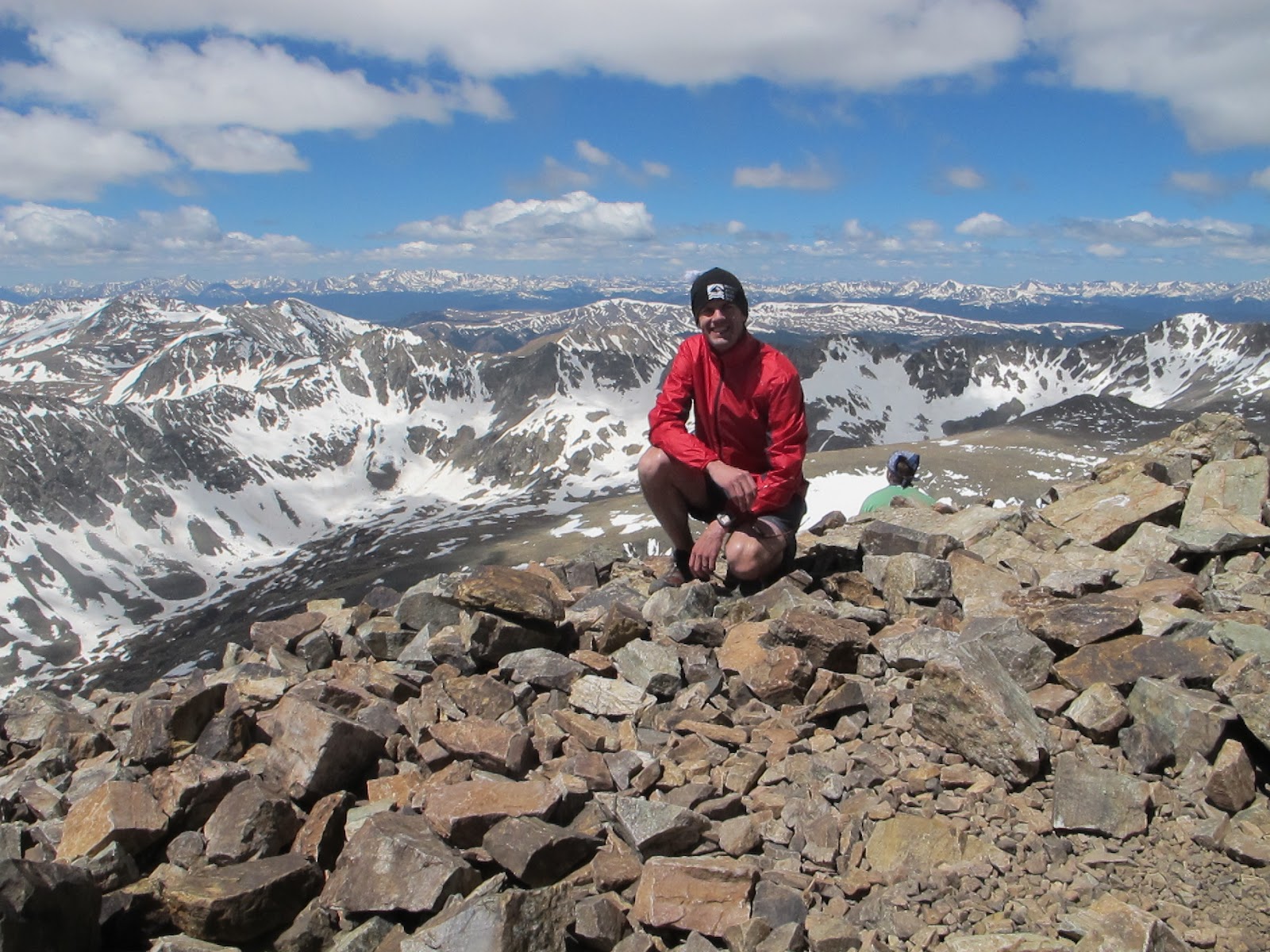
As we follow CO-9 northward, we continue toward the ski resort of Breckenridge, just 12 miles away. We roll past the turnoff to a trailhead for Quandary Peak, considered the “easiest” of Colorado’s 14ers to summit. “Easiest” is in quotes because it’s hard to imagine getting to the top of any fourteener being an easy task.
Interestingly, while Quandary Peak has the “easiest” descriptor attached to it, it’s also one of the most dangerous of the fourteeners, with a relatively high accident rate. The dangerous nature of Quandary Peak is likely the result of its popularity, easy year-round access, and its variety of routes to the summit. Apparently, many of those who get in trouble on Quandary Peak are likely underestimating the risks associated with climbing it.
The six-mile hike to Quandary Peak has a 3,320 foot elevation gain, ending at the 14,265-foot summit. The final section of the trail climbs 1,100 feet over eight-tenths of a mile. Uff-da!
At 14,265 feet Quandary ranks as the 13th-highest peak in Colorado. According to 14ers.com, the peak’s name comes from a group of miners who were unable to identify a mineral sample found on its slopes in the 1860s. The group was in a “quandary” over the exact nature of the mineral, and ended up naming the mountain from where the mineral originated.
***
We press on for the few remaining miles to Breckenridge, a town and ski resort located at the base of the Tenmile Range, part of the Rockies. Breckenridge sits at 9,600 feet, along the Blue River – a beautiful setting for the town of about 5,000 residents.
Breckenridge was created in 1859, named after John C. Breckinridge of Kentucky, the 14th Vice President of the United States. Town fathers hoped to flatter the government and get a post office. Their plan worked. It became the first post office between the Continental Divide and Salt Lake City.
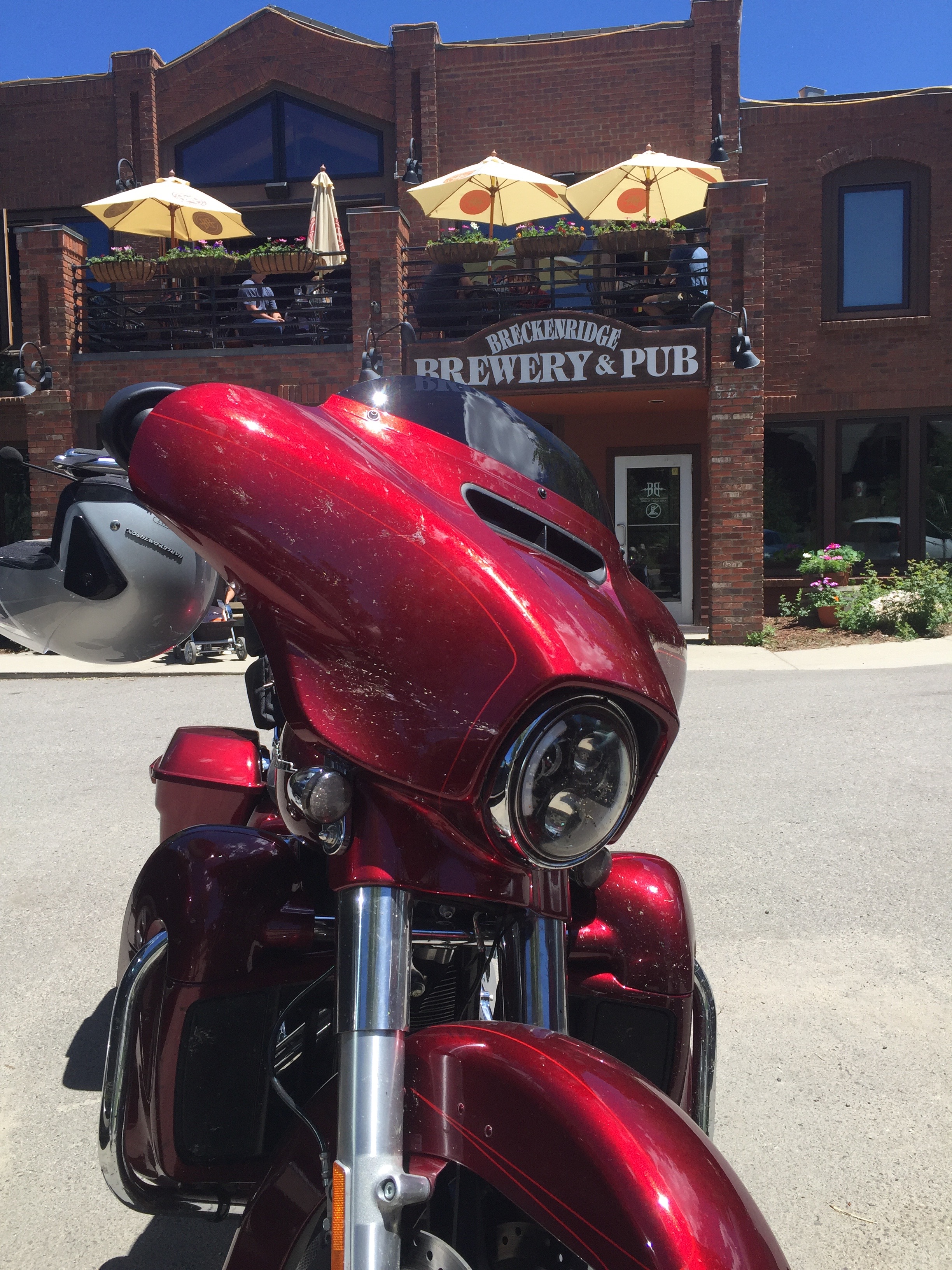
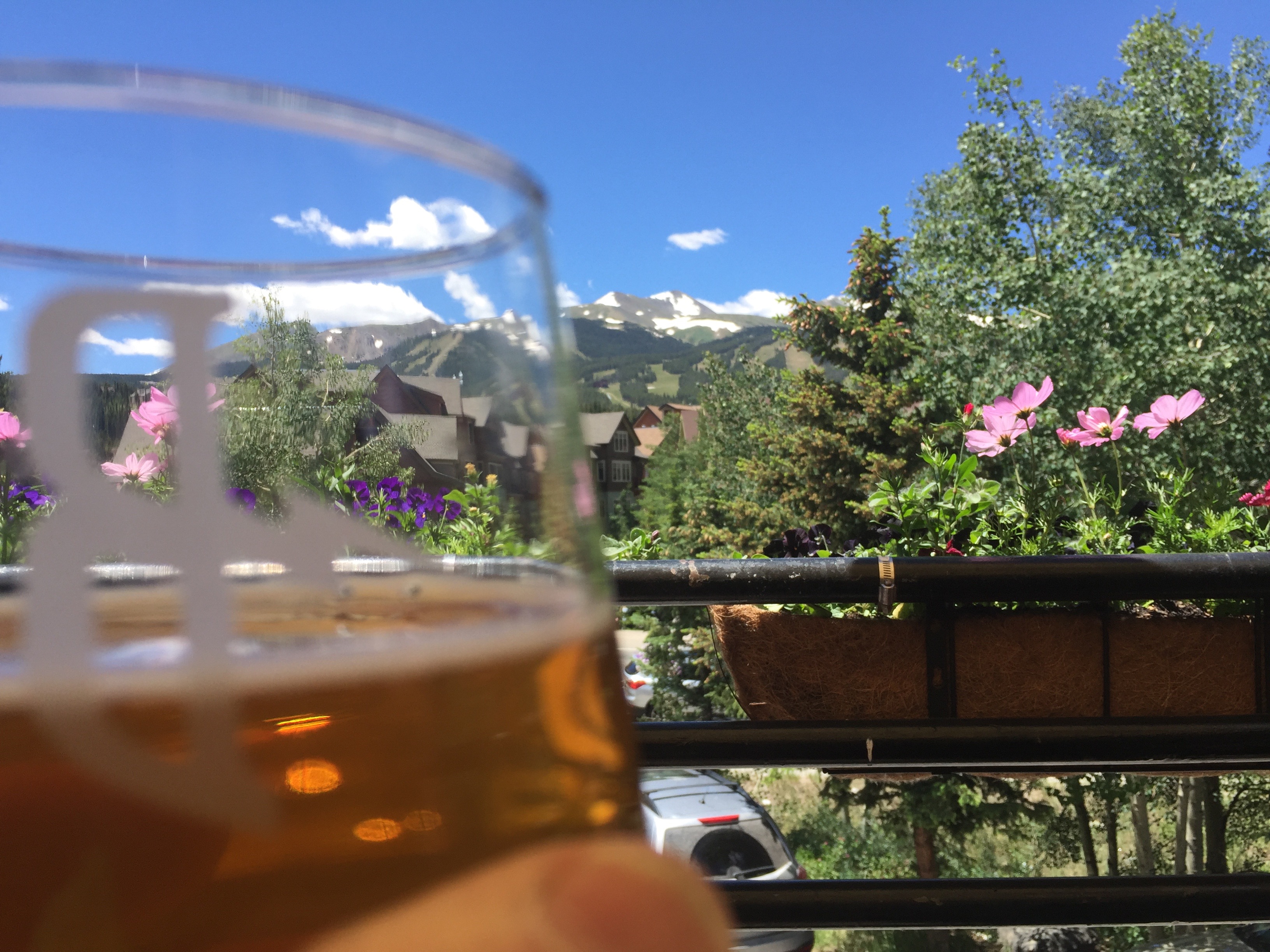
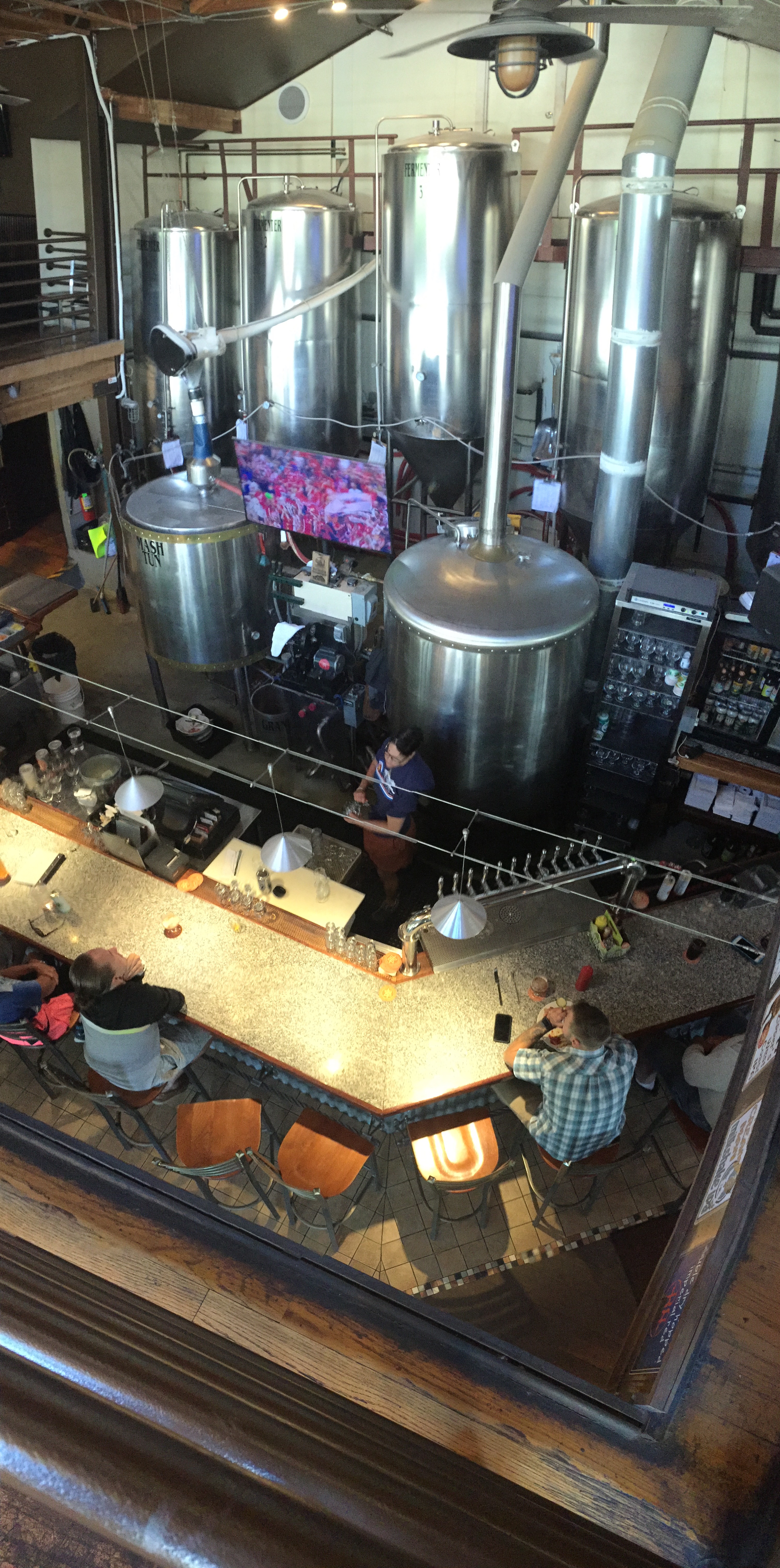
One of the must-sees in Breckenridge is the Breckenridge Brewery & Pub. So, we grabbed a prime parking spot, went in, and cooled off.
In the winter, the ski resort is the hub of the community. It’s owned and operated by Vail Resorts. Skiing goes all the way up to the top of Breckenridge, at 12,840 feet, the highest lift in North America. Known to Coloradans as “Breck,” it claims to be the first ski area to allow snowboarding.
In the summer, Breckenridge hosts the National Repertory Orchestra and the Breckenridge Music Institute. There’s much to do here in the summer: mountain biking, geocaching, ziplining, hiking, tubing, fly fishing, golfing, even skiing (on July 4th). The possibilities are endless.
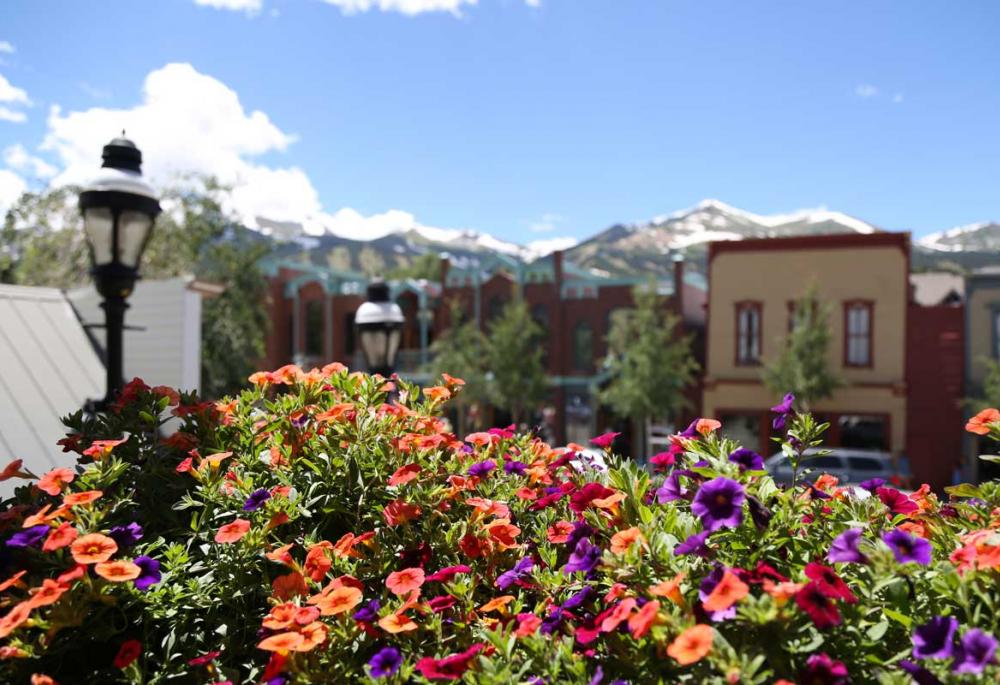
Breckenridge was the filming location of the 1989 comedy National Lampoon’s Christmas Vacation; the town stood in for Aspen in Dumb and Dumber. Breckenridge is just a few miles south of the southern end of Dillon Reservoir, which provides 40 percent of Denver’s fresh water supply.
One final Breck note: you may wonder why the town is spelled “BreckENridge,” and the person it’s named after was spelled BreckINridge. Glad you noticed. Here’s an explanation.
***
Colorado Highway 9 takes us to the Town of Frisco, our last stop before jumping on I-70 and beginning the 110-mile ride home to Carbondale.
We pass the Copper Mountain ski area, which sits along I-70, and boasts free snowcat skiing on Tucker Mountain.
The next six miles climb steeply (seven and eight percent grades) to Vail Pass, a 10,662-foot high mountain pass that can get more than a little challenging in the winter. It was named for Charles Vail, a highway engineer and director of the Colorado State Highway Department from 1930 to 1945.
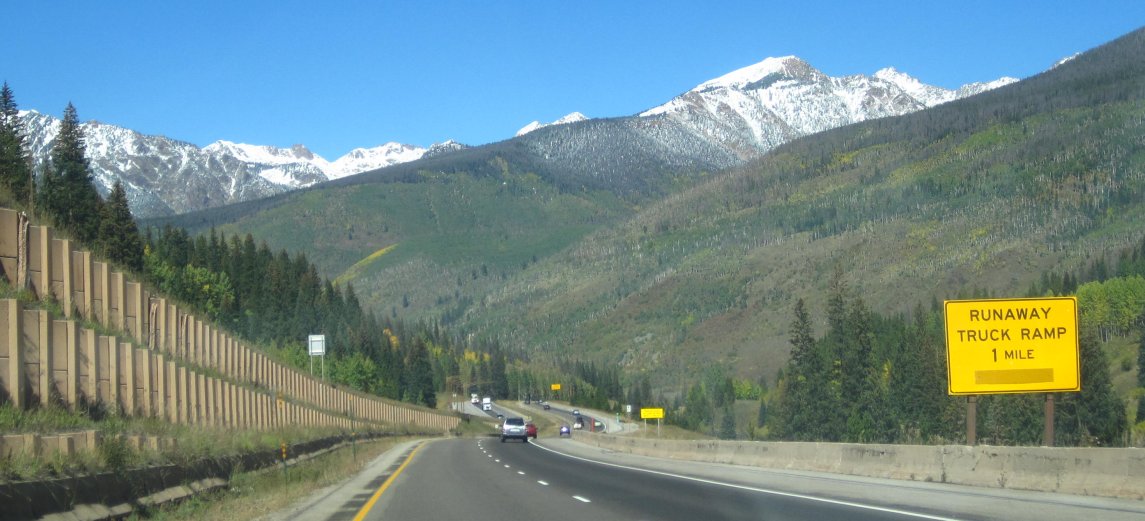
From Vail Pass, it’s a 15-mile descent to the town of Vail, and the Vail Ski Resort. The town was established and built as the base village for the ski resort when it opened in 1962.
Olympic skiers Lindsey Vonn and Mikaela Shiffrin are among the many elite athletes calling Vail home.
Another famous Vail resident: Ryan Sutter, a firefighter on the Vail Fire Department. Name sound familiar? He was the first winner of the “Bachelorette” TV reality show, chosen by Trista Rehn. The two were married in 2003.
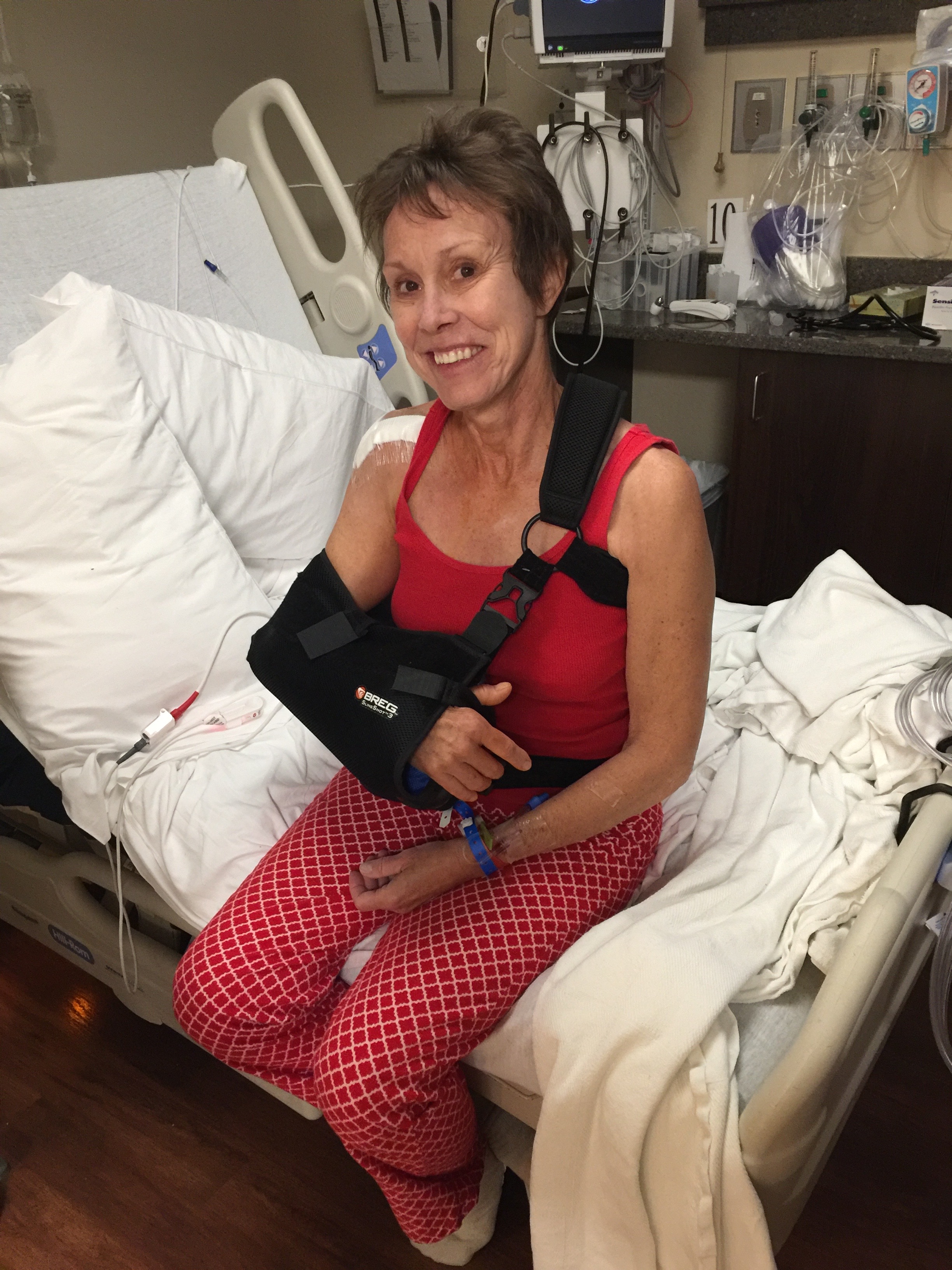
Sutter once in a while has reason professionally to be at the town’s hospital, the renowned Vail Valley Medical Center. The Steadman Clinic is part of that community hospital. World-class athletes (and common folk) throng to the Steadman Clinic to receive orthopaedic care on their over-taxed joints. In November 2017, Sarah had her torn rotator cuff repaired there. Today, she’s as good as new; at least her shoulder is.
***
From Vail, I-70 follows the Eagle River and takes us the 31 miles to the Town of Eagle. Here, you’ll find an extensive trail system for mountain biking, hiking and trail running. Eagle is only three miles away from the closest Costco to our home, in Gypsum. You Google Map fans will note that the Costco is 43 miles from our Carbondale home.
Eagle is also where we’re stopping for ribs, at Moe’s Original BBQ. Moe’s was founded by three college kids from Alabama in the 1980s, and it’s been growing ever since – with locations throughout the south and the mountain west.
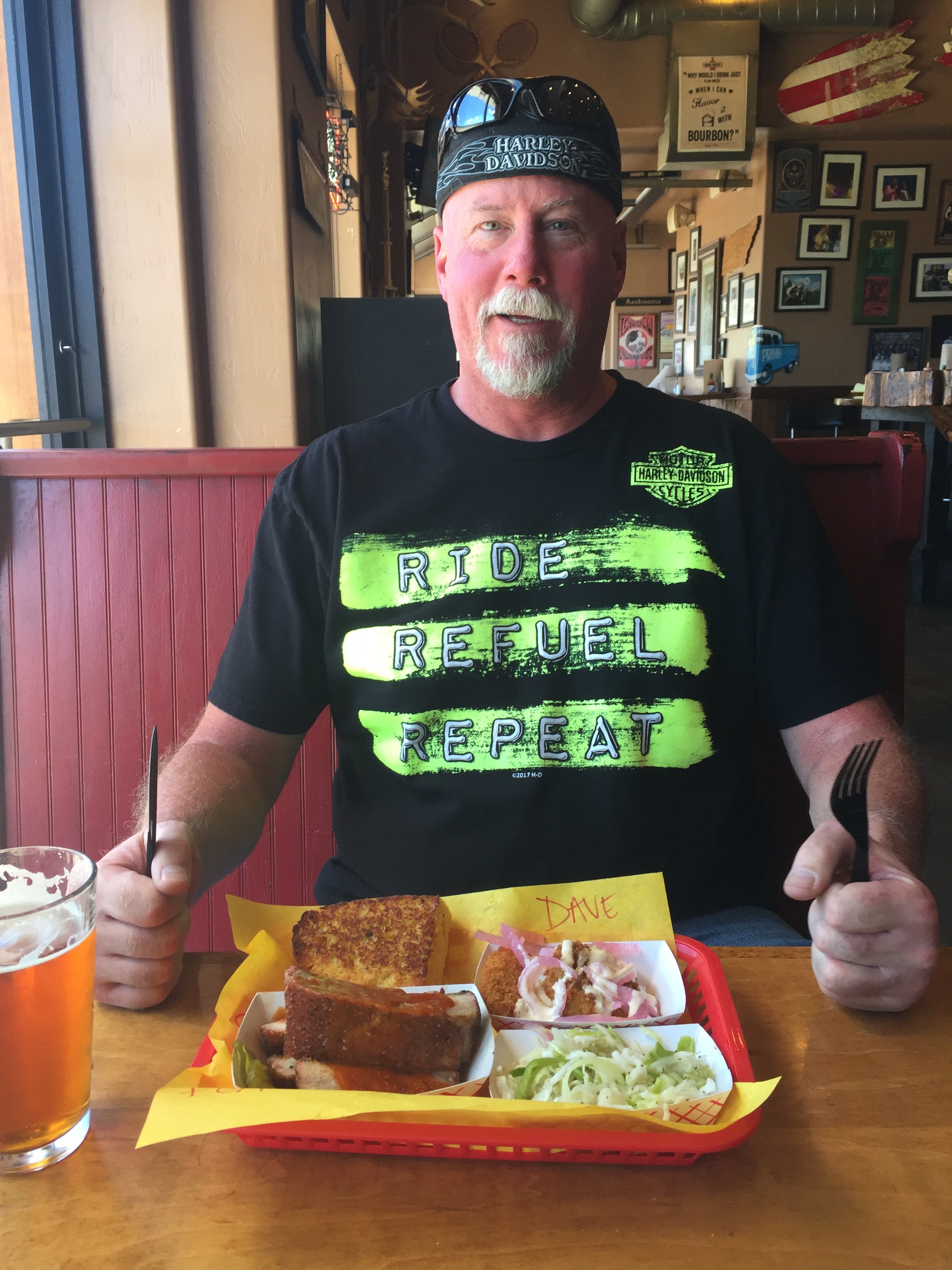
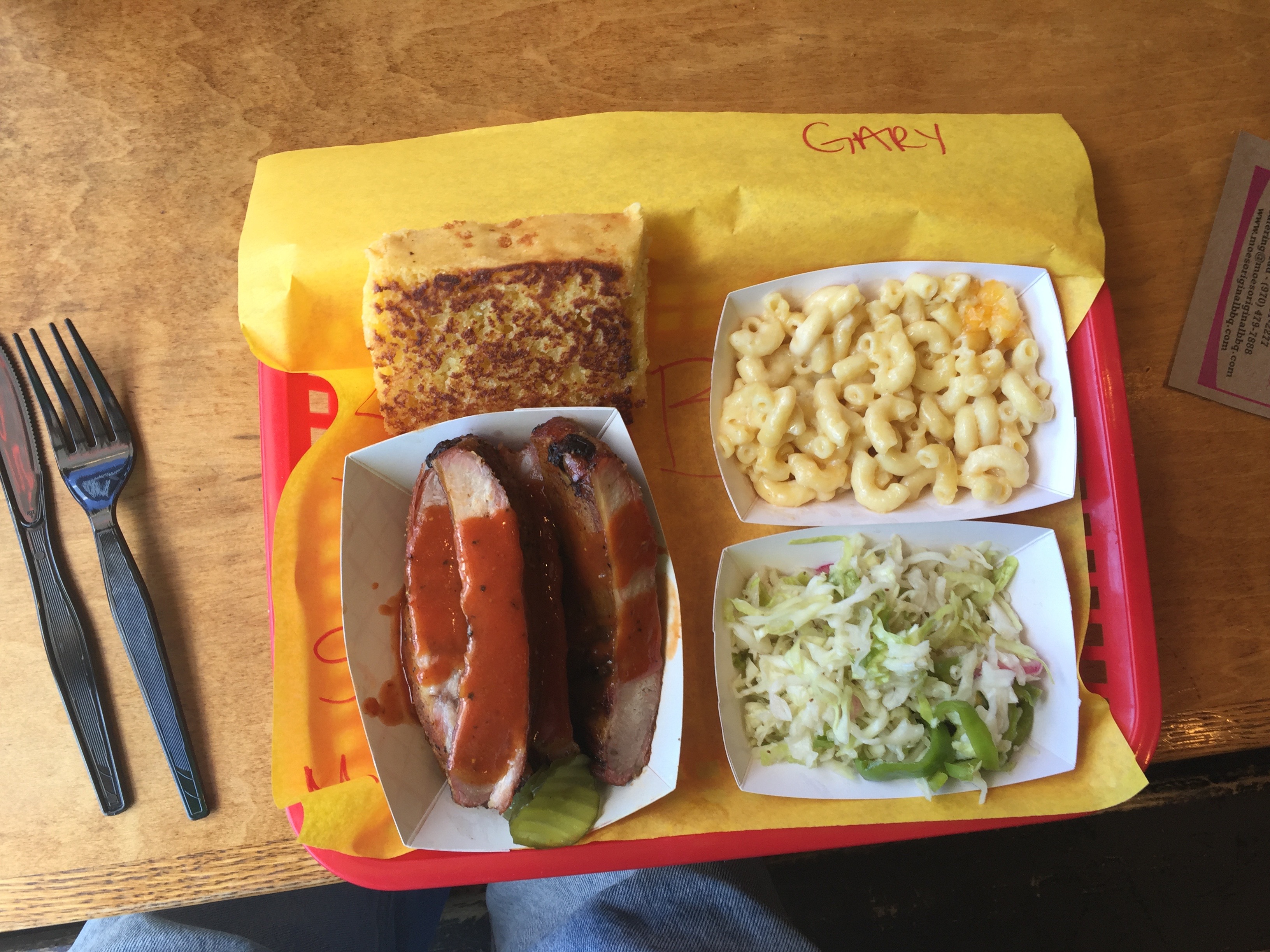
Leaving Moe’s, we ride, in reverse, the same route as Sarah and I do when we make a Costco visit: west on I-70, through spectacular Glenwood Canyon to Glenwood Springs. Glenwood Canyon is about 12 miles long, with walls climbing as high as 1,300 feet from the Colorado River.
Glenwood Canyon is often considered one of the most scenic natural features on the US Interstate Highway System. Building the highway through Glenwood Canyon was no easy feat; to build a four-lane roadway, the Colorado Department of Transportation essentially had to construct two roadways, one nearly on top of the other. Construction began in 1980 and was completed in 1992.
The roadway, built at a cost of $490 million, includes 40 bridges and viaducts, two 4,000-foot tunnels, and four full-service rest areas that provide access to trails and the Colorado River.
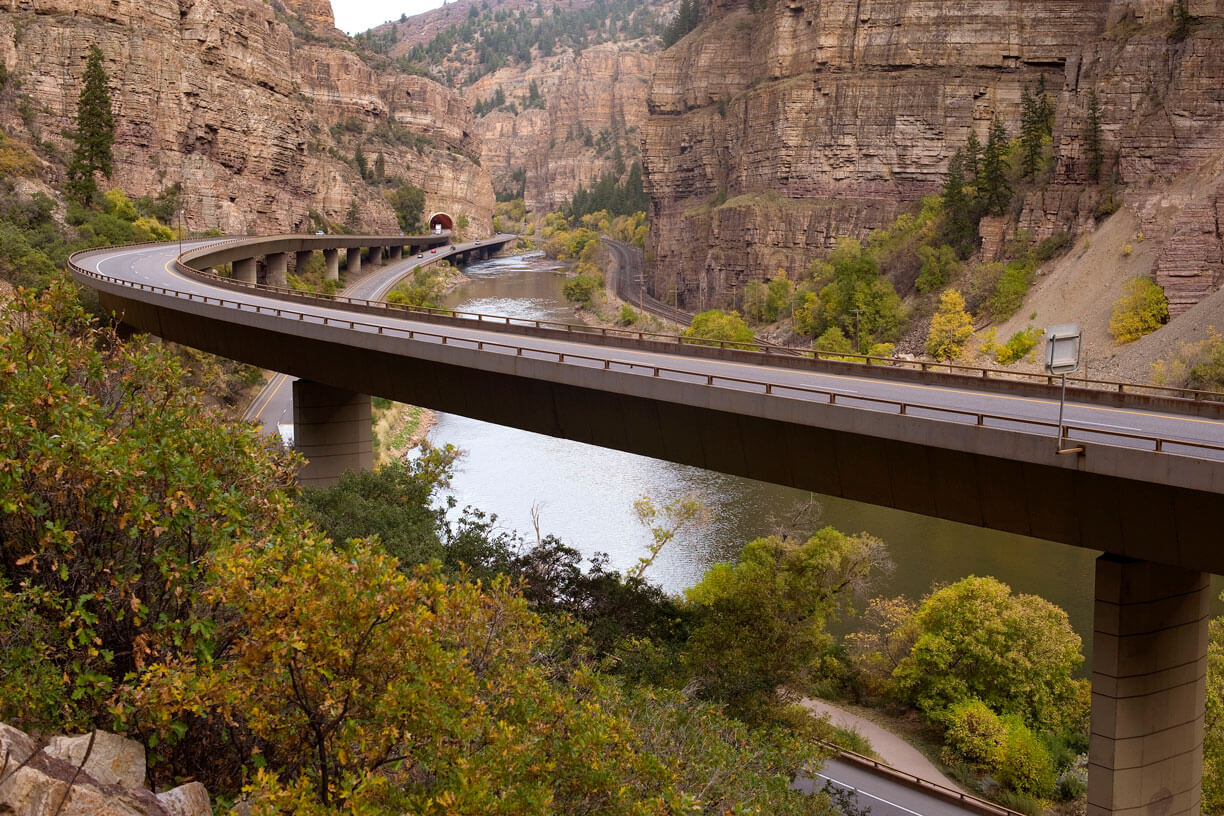
The final link of I-70 through Glenwood Canyon has been hailed as an engineering marvel because of the care taken to incorporate the interstate improvements into the fragile canyon environment, while leaving as much of the flora and fauna intact as possible.
Glenwood Canyon ends in Glenwood Springs, where we exit I-70 for the remaining 15-mile ride to Carbondale.
We’re home, and we’ve already got ribs in our belly.
***
Day Eight Summary: Collegiate Peaks, the “easiest” fourteener (if there is such a thing as easy), and a return to the site of Sarah’s shoulder surgery.
Click here to see today’s complete route from Gunnison to Carbondale.
Glad you’re along for the ride.
Vroom, vroom.
***
Today’s Colorado Fun Fact: The world’s largest natural hot springs pool is located in Glenwood Springs, just 10 miles northwest of Carbondale The two-block long pool is across the street from the historic Hotel Colorado, a favorite stop of former president Teddy Roosevelt.
Today’s Rocky Mountain Rib Rally Fun Fact: A few hours ago, we rode through the Town of Breckenridge, and similarly named ski resort. The Imperial Express Superchair at Breckenridge Ski Resort is the highest chairlift in North America. It’s top is nearly 13,000 feet, and is above the tree line.
Today’s Colorado Food Fun Fact: The Town of Carbondale, population less than 7,000, has more than 40 restaurants, according to TripAdvisor. Despite that, and somewhat unbelievably, you can’t find an overweight person anywhere in the Roaring Fork Valley. Number-one rated restaurant in Carbondale (per TripAdvisor): Village Smithy, a great local hangout for breakfast.
 Riding With Gary
Looking good my friend…
Jim
LikeLike
I loved ‘health food day’. I can see your arteries slamming shut 😉
Enjoying the travel log. Looks like beautiful scenery.
LikeLike
Looking forward to your next blog, Mama Bear! If I live that long 🙂
LikeLike
Always amazed at the information you give – and in the links, e.g., Fantasy name generators! Still loving the beautiful mountain views.
LikeLike
Glad you enjoyed the fantasy name generator, Linda. Never know when it might come in handy!
LikeLike