Today marks my last day riding with Ray. On this trip.
We begin by turning the Million Dollar Highway into a Two Million Dollar Highway by riding it a second time. Today, we ride the highway south to Durango, in the opposite direction of yesterday’s travel.
We leave Ouray early — about 7:30 — to make sure we clear the under-construction section of the Million Dollar Highway before it closes for the day. If we oversleep, the alternate (detour) route takes us 85 miles out of our way!
As we ride out of Ouray, it’s about 35 degrees, and by the time we reach Red Mountain Pass (11,018 feet), the temperature has dropped to about 20 degrees.
We are freezing our butts off.
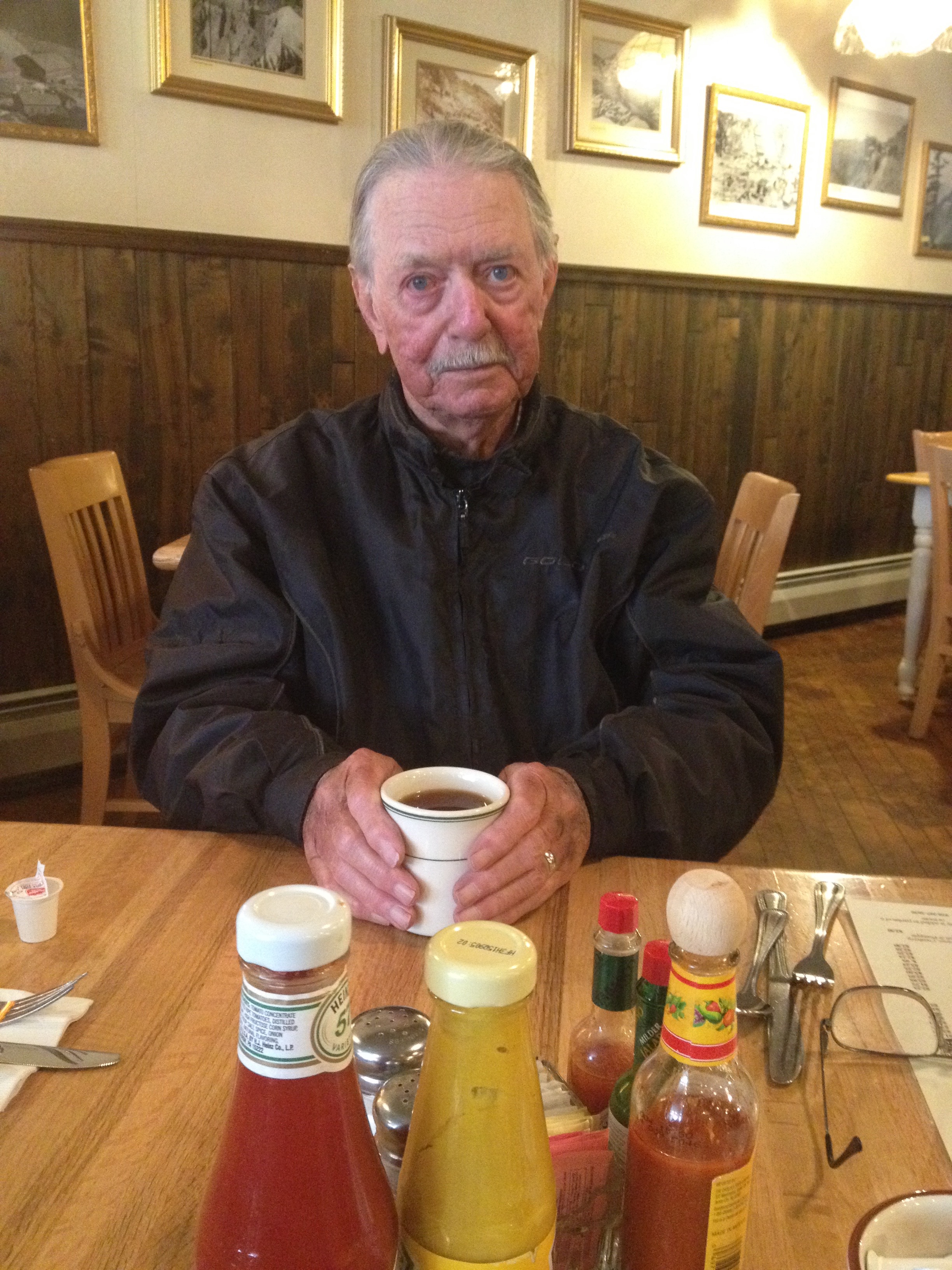
It wasn’t nearly this cold when we summited Mount Evans (14,000 feet+) a few days ago. With frozen hands and teary eyes, we stop in Silverton, about 22 miles from Ouray, for a warm-up at the Brown Bear Cafe.
There are quite a few bikers here, all with the same idea. We finally warm up, and leave Silverton about 9:15, after goofing off next door in the Silverton Harley store, the world’s highest.
It’s 70 miles from Ouray to Durango, where we turn east on US-160 and head for Pagosa Springs, 55 miles from Durango.
Pagosa Springs sits at 7,126 feet, and is about 35 miles north of the New Mexico border. “Downtown Pagosa Springs” was the final destination for two truckers in the 1975 country song, “Wolf Creek Pass,” by C.W. McCall. US-160, which drops about 5,000 from Wolf Creek Pass (elevation 10,857) to the town of Pagosa Springs, is described in the song as “hairpin county and switchback city.”
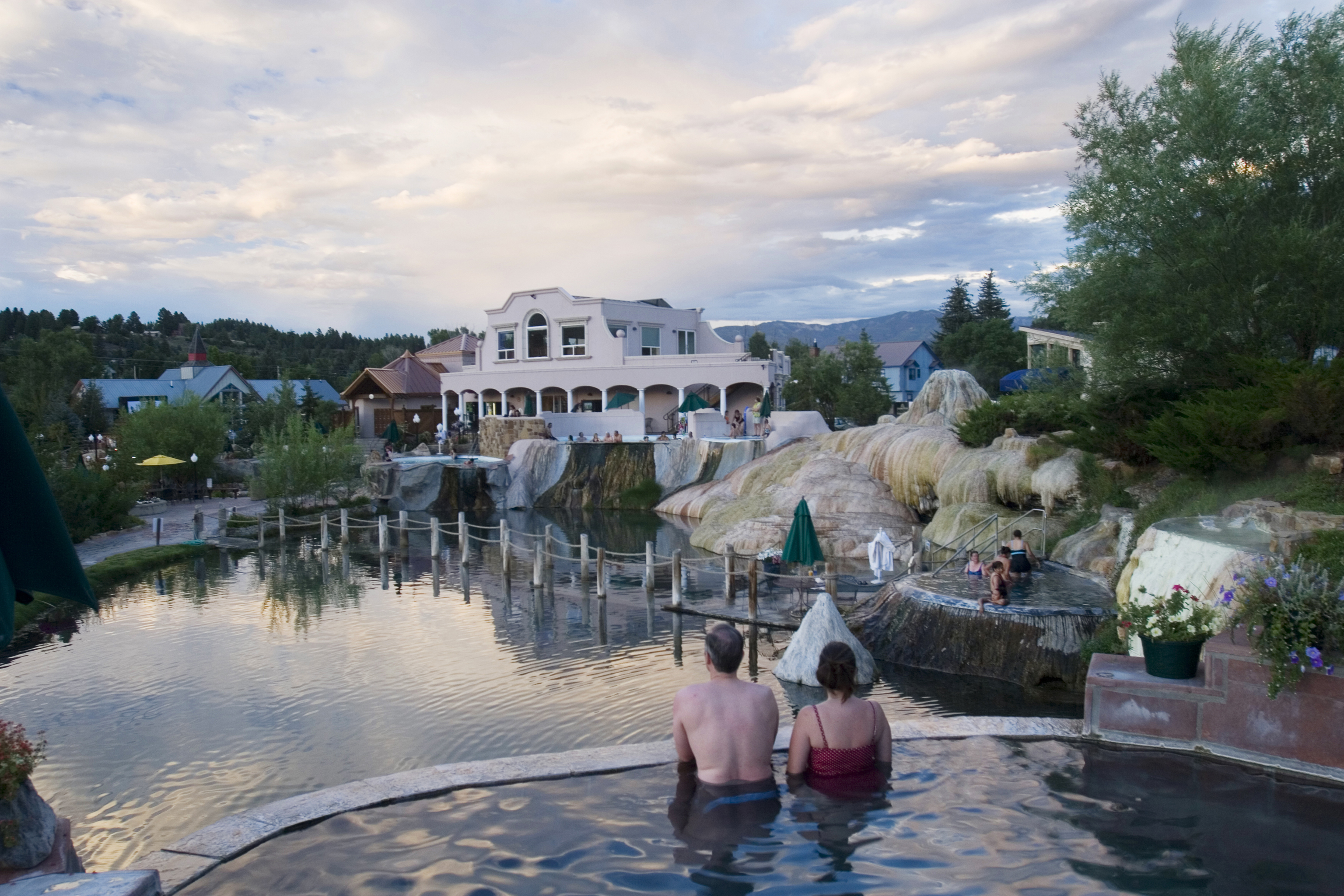
A highlight in Pagosa Springs is the Springs Resort & Spa, an upscale spot to relax along the San Juan River. Its hot spring is listed in the Guiness Book of World Records as the world’s deepest geothermal hot spring, unofficially measured at a depth of more than 1,002 feet. Country Living magazine named the Springs Resort & Spa one of its five relaxing and affordable spa vacations.
The Spa calls itself a destination curative resort, specializing in AquaZen Therapy. Aqua Zen? Stay with me on this one. The Spa says therapeutic soaking in the hot mineral springs uses the combination of salt, sulfur, zinc, magnesium and lithium to pull the toxins from the soft tissues of the body. It’s a bit New Agey for my tastes, but who am I to judge? If it feels good, do it.
***
From Pagosa Springs, we ride south on US-84 toward New Mexico, and in 127 miles, we are in Espanola, New Mexico.
New Mexico calls itself the Land of Enchantment. Congress admitted New Mexico as the 47th state, on January 6, 1912.
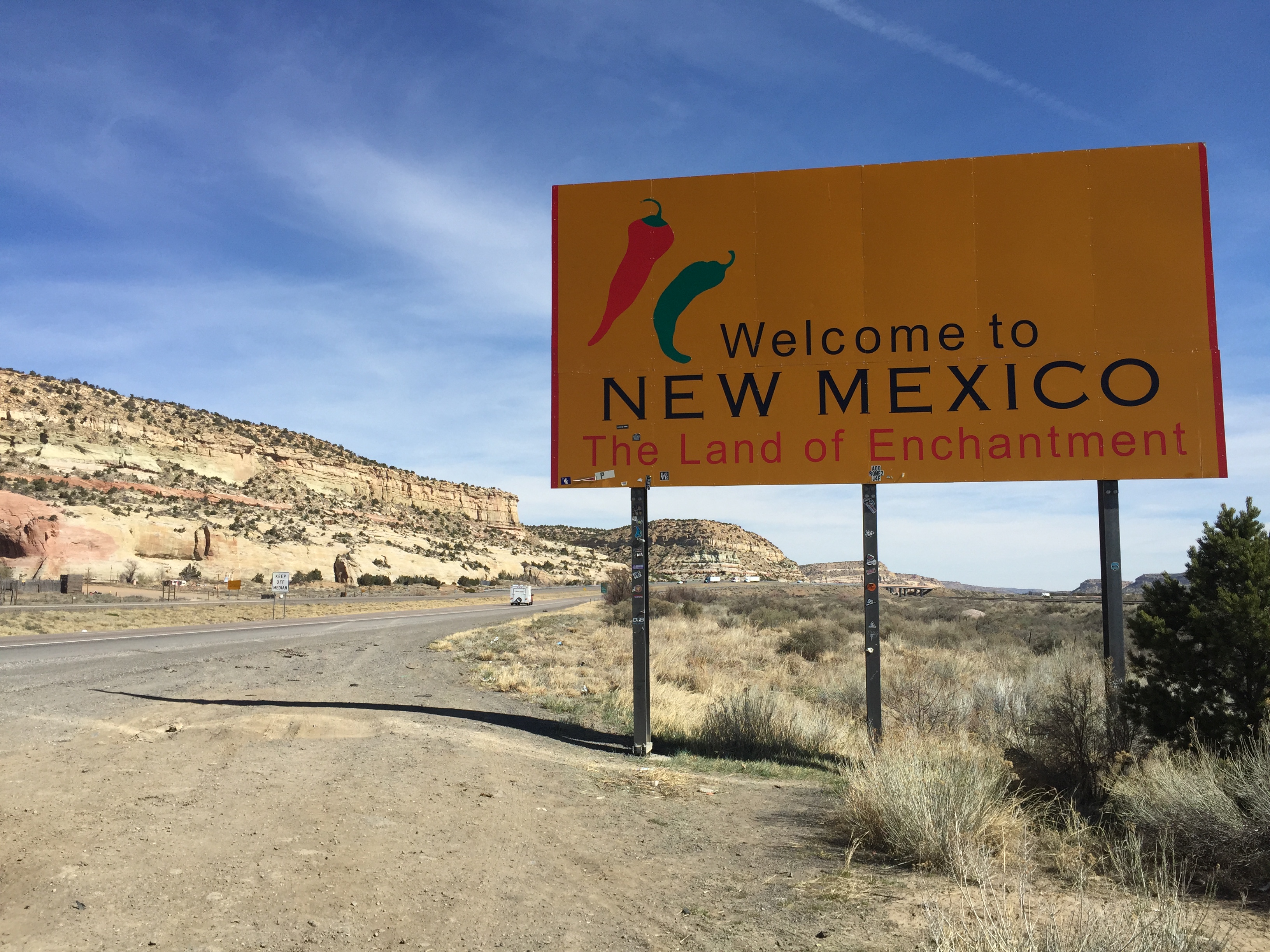
The state, with a large Hispanic population and cultural influence, is known, in Spanish, as Nuevo Mexico. Almost half of New Mexicans claim Hispanic origin. But New Mexico did not take its name from the nation of Mexico. New Mexico was given its name in 1563 by Spanish explorers who believed the area contained wealthy Indian cultures similar to those of the Mexica (Aztec) Empire.
Nearly 29 percent of the New Mexico population aged 5 and older speak Spanish at home. Another 4 percent speak Navajo. With 16 million acres, mostly in neighboring Arizona, the reservation of the Navajo Nation is the largest in the U.S.
***
Espanola translates in Spanish to “someone or something from Spain.” Espanola was originally called “La Espanola,” because of the large presence of Spanish women in the area.
We roll through Espanola, mostly unaware of its historic importance. Espanola was originally settled in 1598 by the Spanish, in what was the first permanent European colony in North America. But the area’s more recent history is what really put it on the map.
Espanola’s largest employer is the Los Alamos National Laboratory in Los Alamos, at 7,300 feet above sea level. It employs more than 12 percent of the Espanola population. As we pass through Espanola, the Los Alamos facility is off in the distance to our west. But even though we don’t stop and visit, it’s worth a mention.
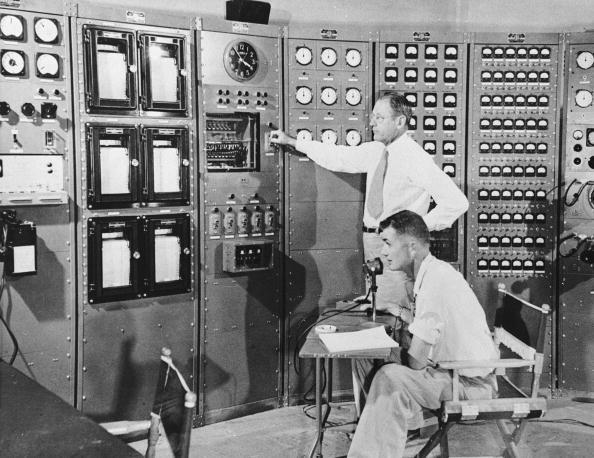
Los Alamos is the largest employer in northern New Mexico, with nearly 10,000 employees. It’s one of the largest science and technology institutions in the world, conducting research in national security, space exploration, renewable energy, nanotechnology and supercomputing.
About one-third of the laboratory’s technical staff members are physicists, one quarter are engineers, and the remainder are chemists, materials scientists, mathematicians and other really, really smart people. The facility’s annual budget is more than $2 billion.
The Los Alamos laboratory was founded during World War II as a secret facility to coordinate the scientific research of the Manhattan Project, the U.S. effort to develop the first nuclear weapons. Another Manhattan Project site was in Oak Ridge, Tennessee, where Ray Sanders later worked.
***
In 1942, Lt. General Leslie Groves was in charge of the Manhattan Project. He was looking for a central laboratory at an isolated location. The remote site would enhance safety, and keep the scientists away from the local populace. Groves, an officer with the U.S. Army Corps of Engineers, previously oversaw construction of the Pentagon. He knew how to get big things done, and now needed an ultra-secret location to develop an atomic bomb.
Meantime, Manhattan Project scientific director J. Robert Oppenheimer had spent much of his youth in the New Mexico area, and suggested the Los Alamos area would make a fine spot. Oppenheimer turned out to be right.
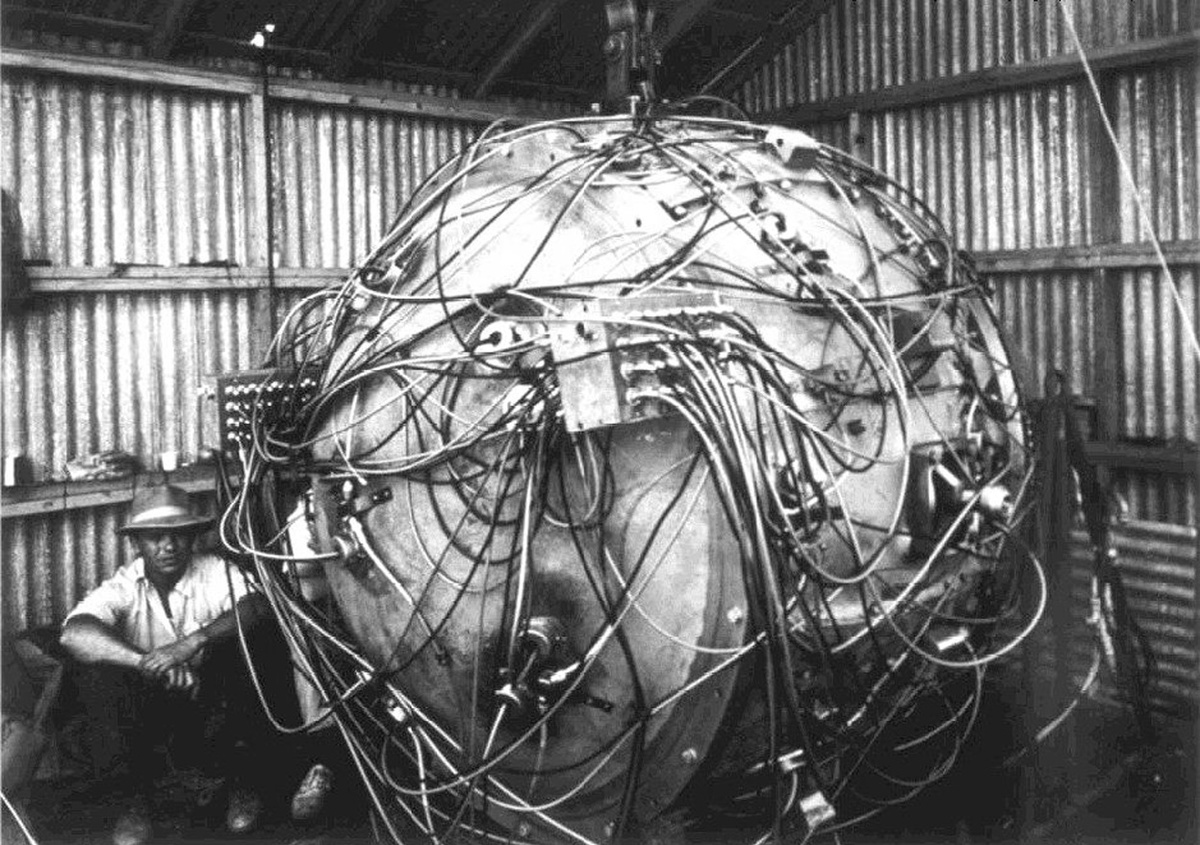
The Manhattan Project, at all its locations, operated under a blanket of tight security and unprecedented secrecy. The Los Alamos location was a total secret. Its only mailing address was Post Office Box 1663 in Santa Fe, the state capitol 35 miles away.
The work of the laboratory culminated in the creation of several atomic devices, one of which was used in the first nuclear test near Alamogordo, New Mexico. The July 1945 test’s code name was “Trinity.”
The other two nuclear weapons produced at Los Alamos were “Little Boy” and “Fat Man,” used in the attacks on Hiroshima and Nagasaki, which ended World War II.
***
From Espanola to Santa Fe, it’s about a 30-minute ride, mostly on US-84.
Santa Fe is the oldest capital city in the US. Santa Fe means “holy faith” in Spanish. Its sister cities include Santa Fe, Spain; Holguin, Cuba; and Livingstone, Zambia.
We arrive in Santa Fe, and it’s 87 scorching degrees — almost 70 degrees warmer than when we crossed Red Mountain Pass this morning. We are baking!
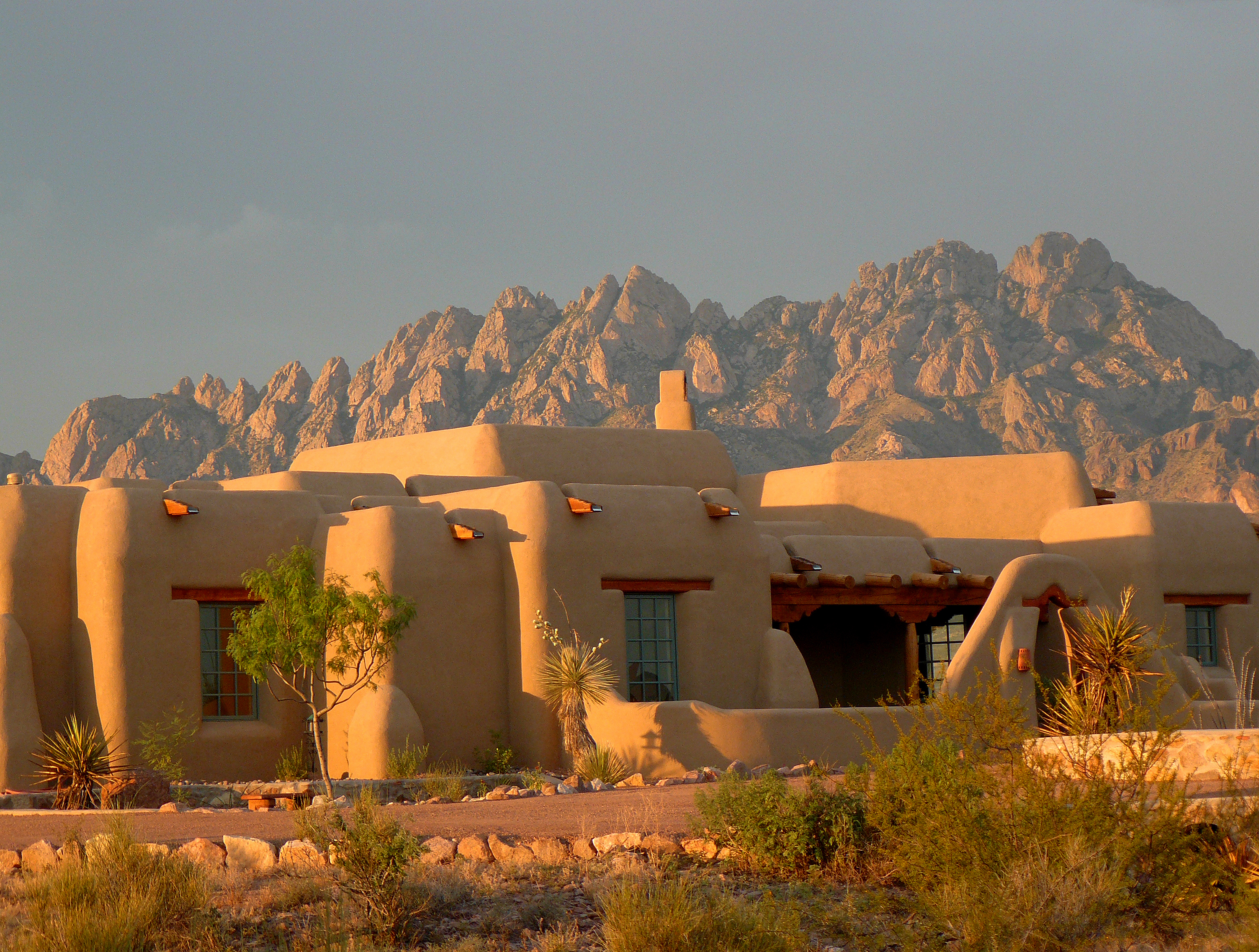
Santa Fe has a large, artistic community – with thriving colonies for artists and writers. Every August, the city hosts the annual Santa Fe Indian Market, the oldest and largest juried Native American art showcase in the world.
Notable residents of Santa Fe include:
- Gene Hackman, 84-year-old actor known for films including The French Connection, Unforgiven, Crimson Tide, and Get Shorty. His wife, Betsy, owns an upscale retail home furnishings store in Santa Fe called Pandora’s.
- Randy Travis, country music singer and actor, known for his distinctive baritone vocals. Travis has sold more than 25 million records, had 22 number one hits, six Grammy awards and a star on the Hollywood Walk of Fame.
- William Berra, a painter of landscapes and still life. His work is shown at galleries throughout the U.S. He’s been in Santa Fe since 1976, spending much of his time painting Northern New Mexico plein air, a fancy term meaning painting outdoors.
Cormac McCarthy, novelist, playwright and screenwriter who won the Pulitzer Prize for fiction in 2006 for The Road. His 2005 novel, No Country for Old Men was adapted as a 2007 film of the same name, which won four Academy Awards, including Best Picture. Click here to watch the trailer for No Country for Old Men.
Ray and I are residents of Santa Fe for the next 12 hours.
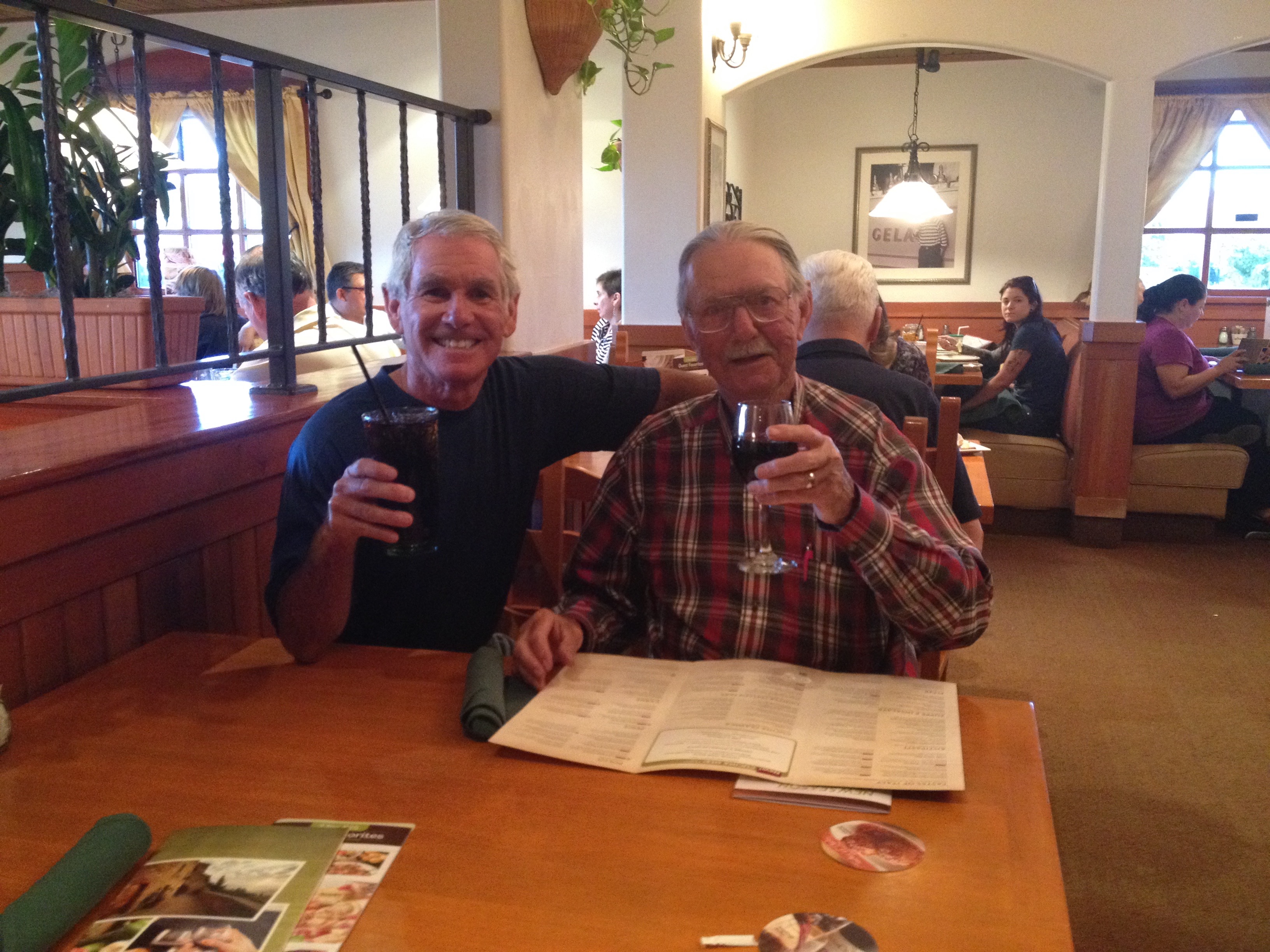
Tonight, we celebrate our Ride in the Rockies, which officially ends in Santa Fe, elevation 7,260 feet.
We dine at the Olive Garden, a bookend experience: on the first night of our first trip together in 2009, we ate at the Olive Garden in Victorville, California.
So it seems fitting, at the end of our fifth ride, five years later, we close out our journey together at the Santa Fe Olive Garden.
And, wouldn’t you know it: Ray has the identical meal he had in 2009. He orders spaghetti and a glass of Merlot. We are living large on our final night together!
In the morning it’ll be time for me to head west to La Quinta, and for Ray to turn eastward toward Tennessee.
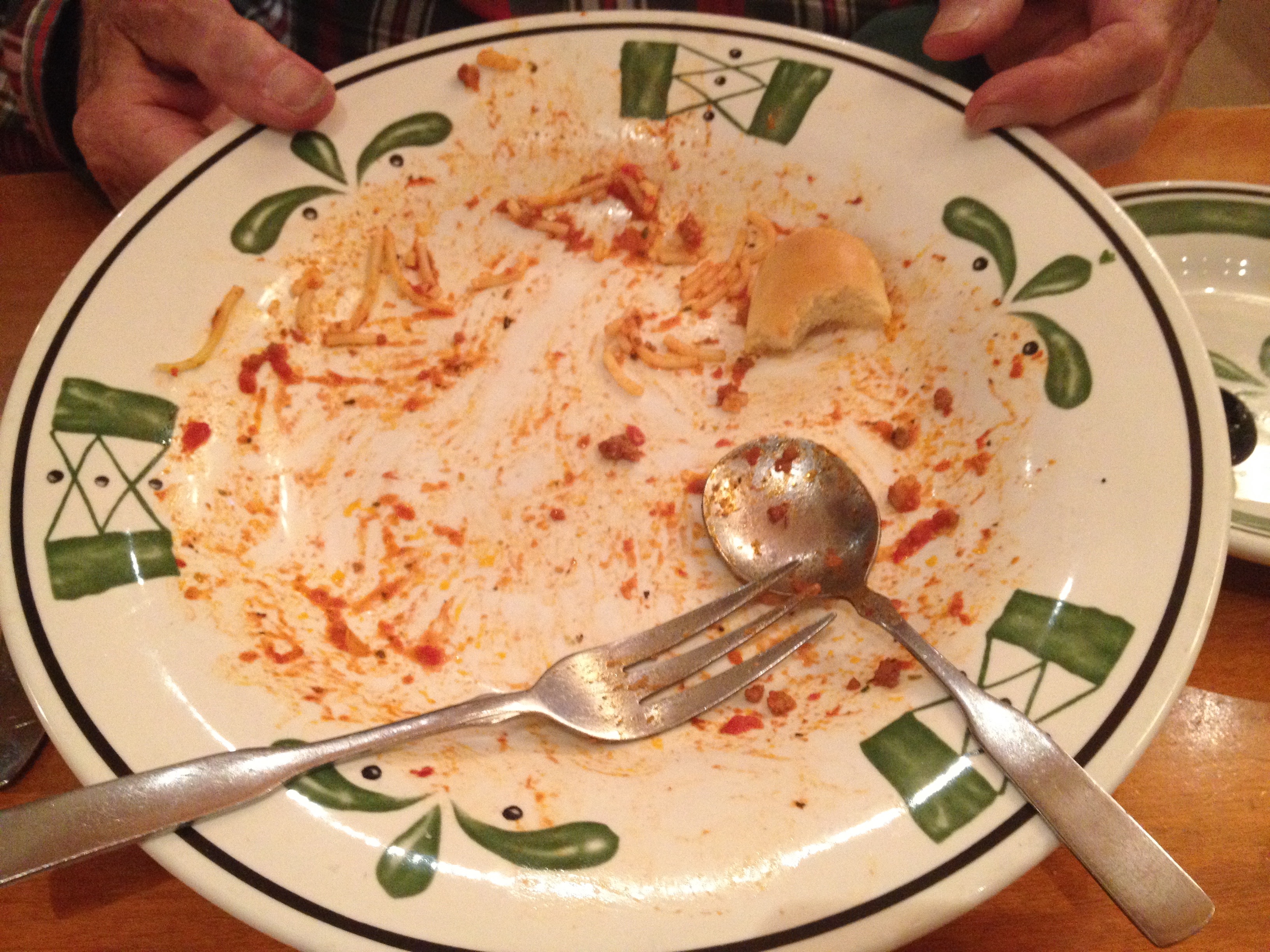
It’s a bittersweet dinner for Ray and me, knowing we won’t ride together again until next year. We recall fondly the trip’s highlights. As you might expect, Rocky Mountain National Park is at the top of the list. So is Mount Evans.
***
Day Fourteen Summary: A two-million dollar highway, hairpin county and switchback city, smart people by the boatload, no country for old men.
To view today’s route from Ouray to Santa Fe, click here.
What will tomorrow bring?
 Riding With Gary