The day begins as we leave Front Royal, riding north on US-340. Yesterday, US-340 was the Stonewall Jackson Highway. North of Front Royal, it’s called the Lord Fairfax Highway,
Continuing north through Virginia and West Virginia, we cross the Potomac River in Shepherdstown, West Virginia, home of Shepherd University. To learn more about Shepherd University, apparent educator of sheepherders everywhere, click here. We are now in Maryland.
Throughout our ride the past few days, we’ve criss-crossed areas that played a significant role in this country’s history — both the Revolutionary War and the Civil War. Today, we stop at the Antietam National Battlefield in Maryland. It’s a sobering place, home of the bloodiest one-day battle in American history.
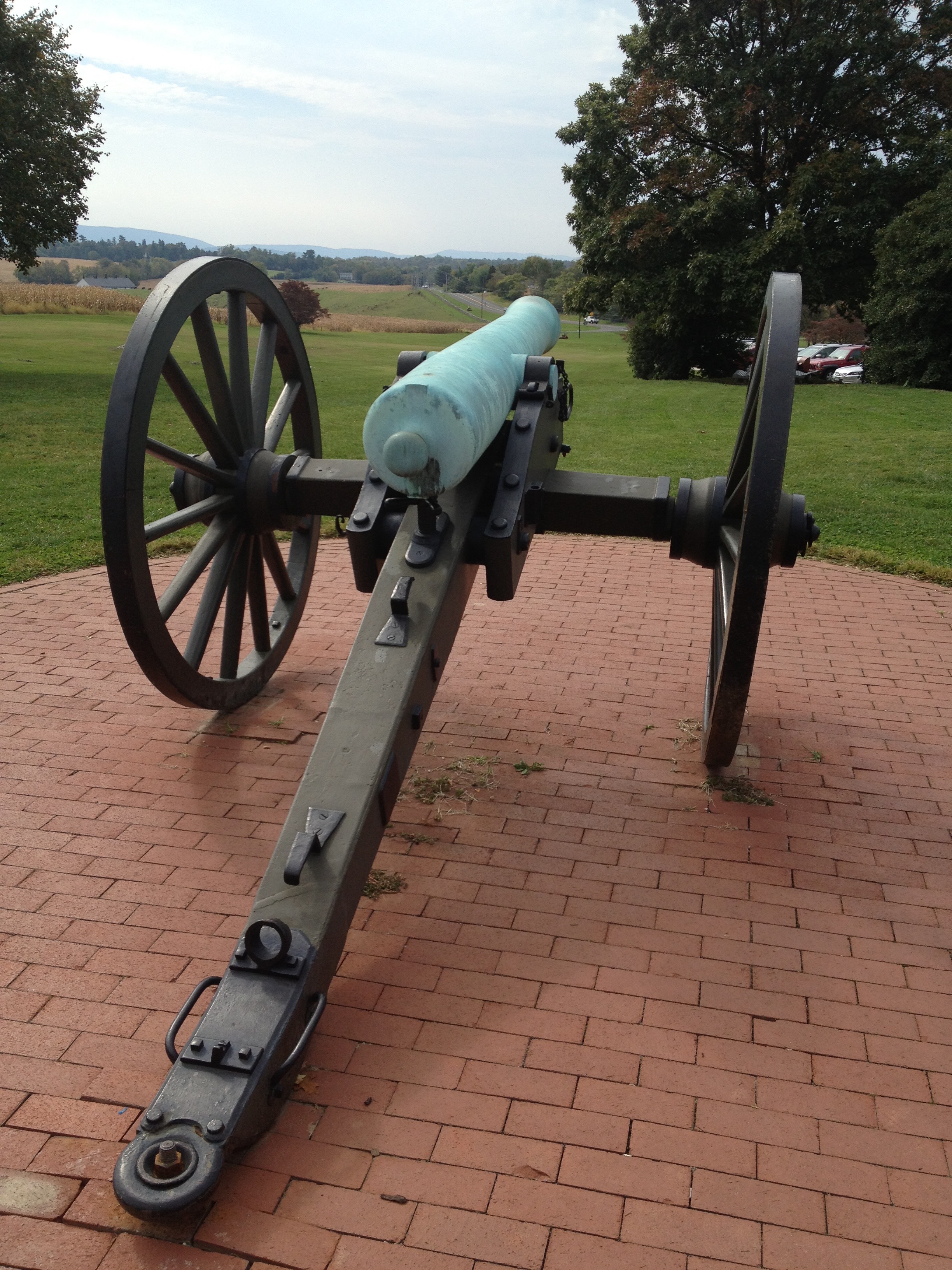
More than 23,000 soldiers were killed, wounded or missing after 12 hours of combat on September 17, 1862 — almost exactly 150 years ago. The Battle of Antietam ended the Confederate Army of Northern Virginia’s first invasion into the North, and led to Abraham Lincoln’s issuance of the preliminary Emancipation Proclamation. To learn more about the Antietam National Battlefield, click here.
From Antietam, we continue north on MD-66 and turn onto Jefferson Blvd. We head further north on MD-64, crossing the Mason-Dixon line into Pennsylvania, just south of Waynesboro, Pennsylvania. The Mason-Dixon Line was surveyed between 1763 and 1767 by Charles Mason and Jeremiah Dixon. The survey resolved a border dispute between British colonies in Colonial America. Today, the Mason-Dixon Line forms much of the border between Pennsylvania and Maryland. The Mason-Dixon Line symbolizes a cultural boundary between the Northeastern US and the Southern US.
Based on that symbolism, we’re now honorary Northemers. We push further north, passing the Caledonia Golf Course and crossing US-30, the Lincoln Highway. The Lincoln Highway, named after the 16th US President, continues southeast from here to Gettysburg, Pennsylvania. Instead, we motor north on PA-233 through Michaux State Forest — named for Andre Michaux, a French botanist dispatched in 1785 by King Louis XVI of France and his Queen Marie Antoinette, to gather plants for the Royal Gardens.
As we ride through the Michaux State Forest, we see almost no signs of life for miles and miles. No cars, no buildings. This place is quite remote. At one point, we stop the bikes to rest, and I turn on my phone to see if there’s a cell signal. I see only the “No Service” icon, confirming that we are in the middle of freakin’ nowhere. Good thing nothing goes wrong that requires a phone call.
Then, it’s on to Tumbling Run Game Preserve, a privately owned hunting area. We don’t stop to hunt, though soon we will successfully forage for food in Dillsburg, Pennsylvania. We continue through Pine Grove Furnace State Park, once home to a brick plant built in 1892, and on to York Springs, Pennsylvania.
***
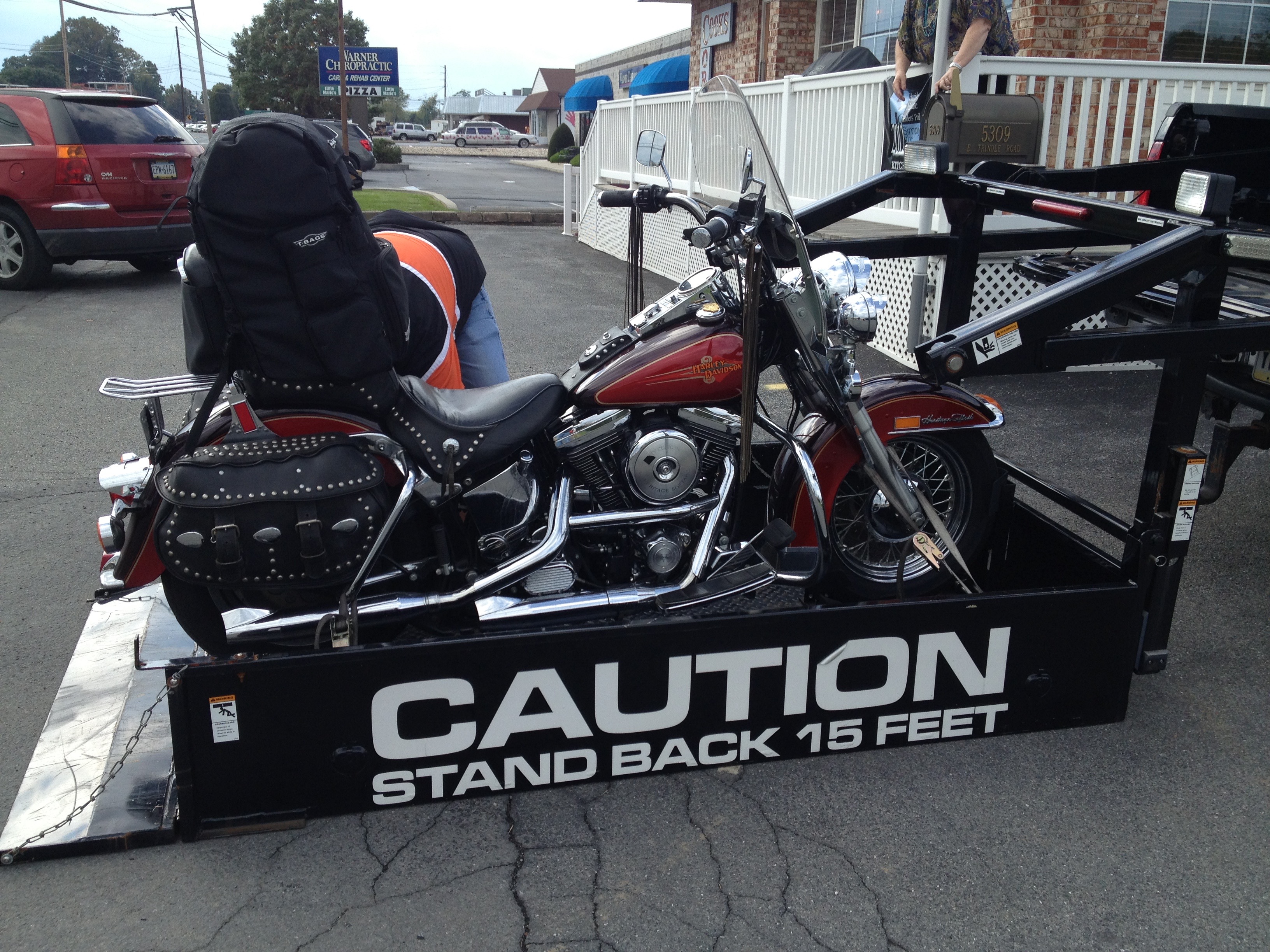
About 2 pm, we come to Mechanicsburg, Pennsylvania — a decent-sized city — and find ourselves in a long road construction-related backup that has us waiting 10 minutes or more, without moving. So we shut off our engines, more for peace and quiet than to save fuel. When the traffic eventually starts moving again, our day takes an interesting turn: my Harley won’t start. Nothing. Not so much as a click. F _ _ k!!! Even the lights don’t come on. Figuring we had a dead battery on our hands, we called the local Harley dealer.
They send a tow truck, a specially-outfitted pickup with a lift designed for motorcycles. The bike will be towed (for $25) to Appalachian Harley Davidson, where they will check out the electrical system before installing a new battery.
Remember how isolated we were in the Michaux State Forest earlier in the afternoon? If our breakdown had happened there — in a cell phone abyss, you might not see again until November. If a bike had to bread down somewhere, we were very lucky it happened in a city with a Harley dealer 1o minutes away.
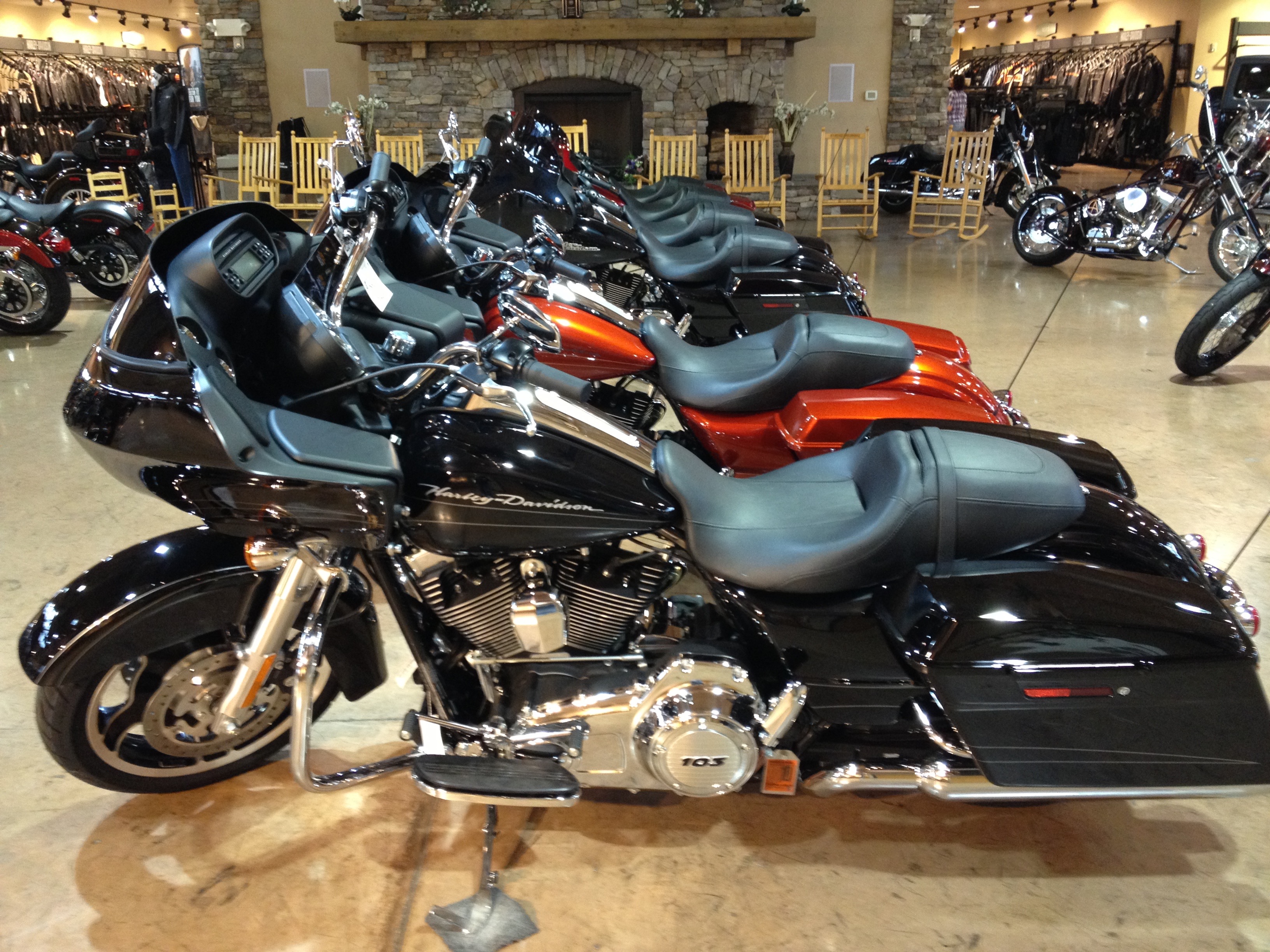
Three hours later, the service manager brings us the good news: one of the battery leads had become disconnected from the vibration, rendering the Harley’s electrical system useless. Fifty-three dollars later, we are back in business, on the road again heading north. It’s now 5:15 pm, and we are resigned to riding at least half of the remaining 102 miles to Williamsport, Pennsylvania, in the dark. To add insult to injury, we end up riding the last hour in the rain, too.
Our route takes us toward Harrisburg, Pennsylvania’s capital, which is also the county seat of Dauphin County. Harrisburg annually hosts the Pennsylvania Farm Show (“From Farm Gate to Dinner Plate”), the largest free indoor agriculture exposition in the US. In 2010, the Daily Beast website rated Harrisburg number seven among metropolitan areas in the US for being recession-proof. Ya gotta love the Pennsylvania farm show; click here to love it even more.
Also in 2010, Forbes magazine rated Harrisburg as the second-best place in the US to raise a family. Notables from Harrisburg include actress Nancy Kulp, who played Jane Hathaway, the love-starved bird-watching perennial spinster on the Beverly Hillbillies TV sitcom for 10 years; and, Philadelphia Eagles running back LeSean McCoy, who recently signed a 5-year, $45 million contract extension.
Important dates in Harrisburg’s history include 1833, when Harrisburg Nail Works opened (where else would 19th century women go for manicures?); 1893, when the first office building (the Dauphin Building) opened; 1960, when the historic governor’s mansion was demolished to make room for a parking lot; and 1966, when Penn State opened a campus on the old Olmstead Air Force Base.
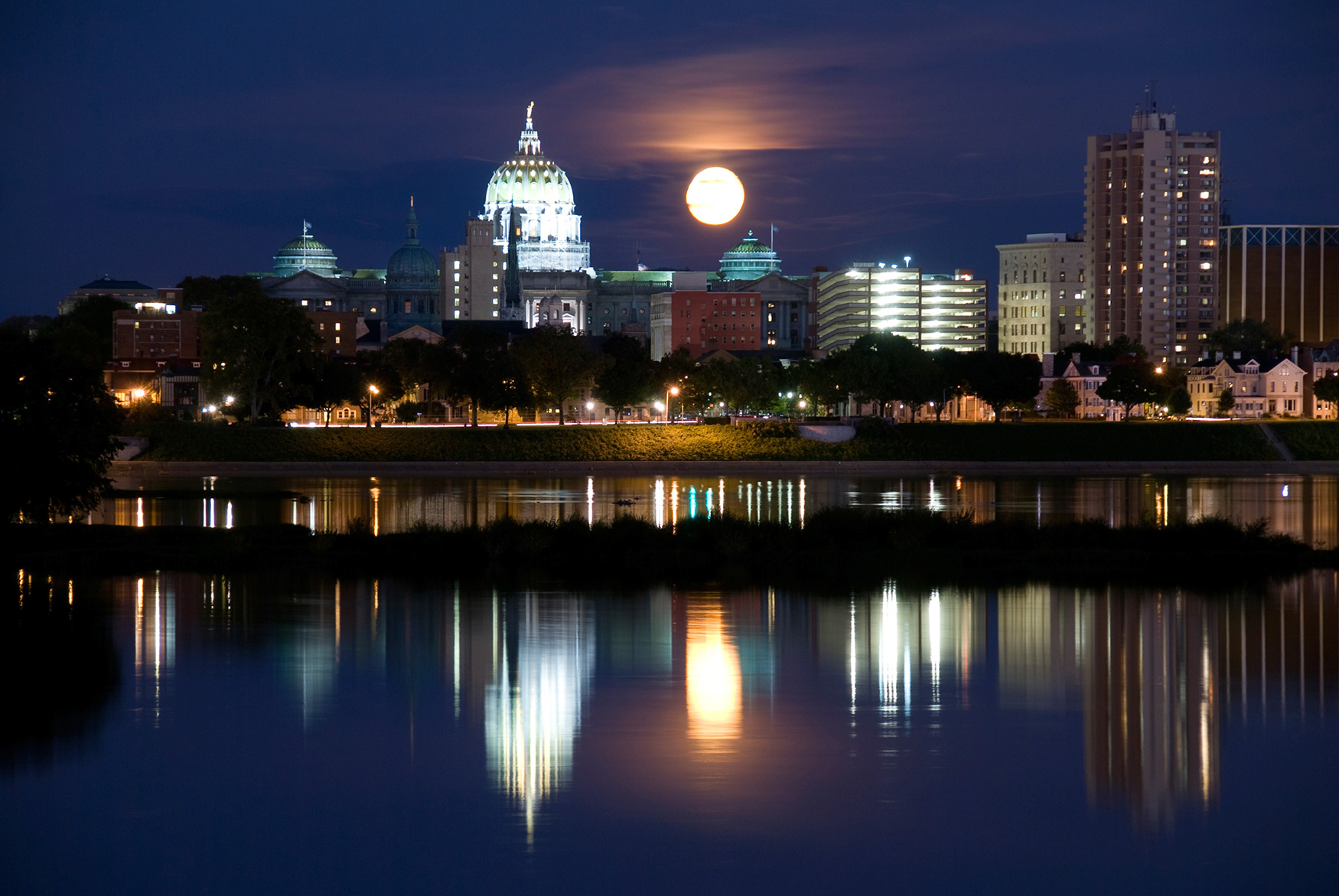
Harrisburg is full of history, but on this trip, we’re all about avoiding big cities, not embracing them. We point our front wheels in Harrisburg’s direction, though we don’t plan to stop there.
Harrisburg sits on the east shore of the Susquehanna River. We will not cross the river here; we’ll do that a few hours later and about 85 miles upstream.
Instead of going through Harrisburg, we turn north on the west side of the Susquehanna River, riding on scenic Highway 11 and 15. There are spectacular views of the river, but we cant see much of it, since it’s now almost dark. We pass through Marysville, Lewisburg, and other small Pennsylvania towns on our way to Williamsport, where we’ll stay tonight after drying out.
We even cross I-80, which I traveled many times as a youngster, driving from Lafayette, California, to the Lake Tahoe area — for skiing trips and family summer vacations. Turns out I-80 runs from downtown San Francisco, California, to Teaneck, New Jersey. At 2,900 miles, I-80 is the second-longest interstate highway in the US (I-90 is 199 miles longer). In Pennsylvania, I-80 is known as the Keystone Shortway, a non-toll freeway that crosses rural north-central portions of the state on the way to New Jersey and New York City. That’s your geography lesson for the day. If you want to learn more about the US Interstate Highway system, click here.
As great as the US Interstate Highway system is, one of our goals on this trip is to avoid it. Nothing wrong with the Interstate, but when you’re on a Harley, mile after mile of straight-and-level pavement is not the optimal way to see the country. Straight-and-level is more appropriate for airplane flight. So far on this trip, in about 1,500 miles, we’ve managed to stay off the Interstate Highways — except for a 20-mile stretch outside of Spartanburg, South Carolina, and a few miles to avoid the Virginia congestion near Norfolk and Chesapeake. At the end of our ride today, we spend 1.9 miles on I-180 on our way into Williamsport. I can live with that.
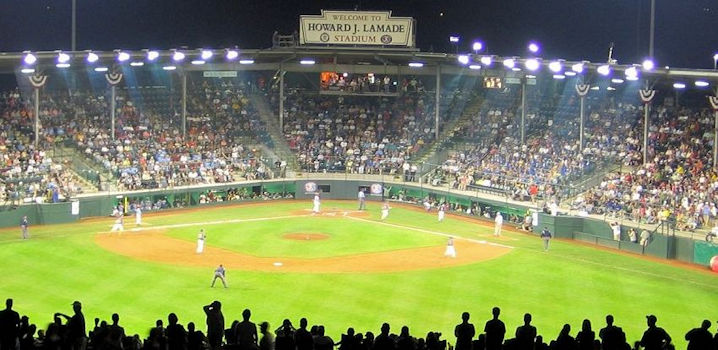
We ride into Williamsport on US-15, passing directly by the Howard J. Lamade Stadium, home every August to the Little League World Series. The stadium is two-thirds the size of a Major-League baseball stadium, but 100 percent more exciting, steroid-free, and heartwarming than the adult version. Unlike Major League baseball, the Little League World Series is truly a global event, and admission is free. Teams from Canada, Mexico, the Caribbean, Latin America, Japan, Asia-Pacific, Europe and the Middle East-Africa compete for the privilege of playing the best team from the US in the finals.
One month ago today, a team from Japan crushed Goodlettsville, Tennessee, to win the 2012 Little League World Series. The game was such a blowout (final score: 12-2) that it was called to a merciful end after only five innings. Rule 4.10 (c) defines the so-called “mercy rule,” which caused this year’s title game to end early. For a summary of the key differences between Little League and Major League, including limits on bat size, jewelry, and the mercy rule, click here. This year’s Little League World Series is the last one with players born in the 20th century.
Once in Williamsport, we check into the posh Econo Lodge ($89 tax), unpack, relax, then head to dinner across the street at the Villa Restaurant, a mediocre Italian place made tolerable because we were very happy just to be eating.
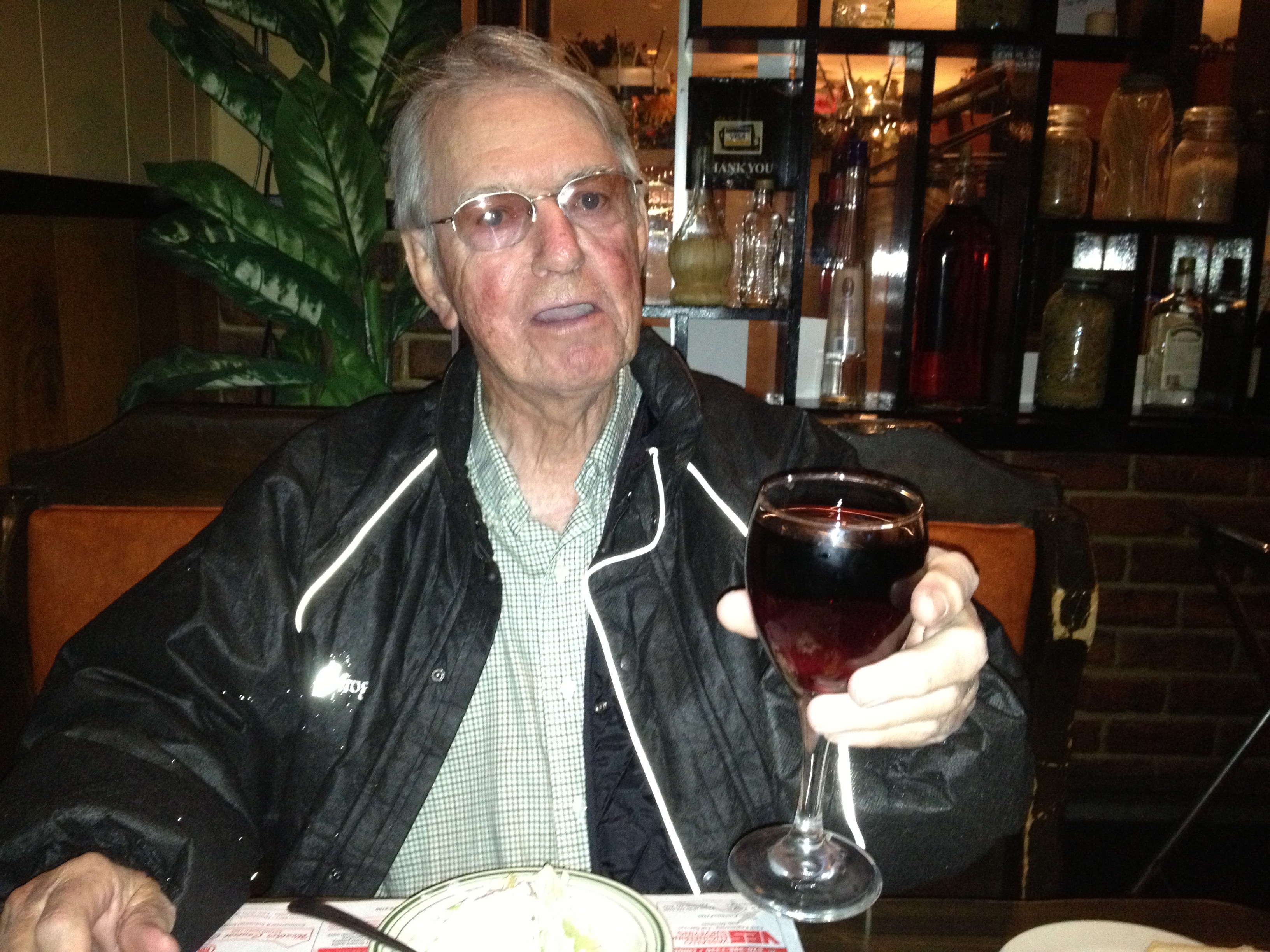
Dinner should be on me tonight. I’m celebrating the arrival of my monthly Social Security check, which is directly deposited the fourth Wednesday of every month. Keep your slimy hands off of my richly-deserved entitlements, Romney and Ryan!
***
Day Six Summary: Remembering Antietam, crossing the Mason-Dixon Line, “From Farm Gate to Dinner Plate,” thank you Appalachian Harley Davidson, entitlements R’ us. Today’s ride: about 290 miles.
For today’s complete route from Front Royal, Virginia, to Williamsport, Pennsylvania, click here.
What will tomorrow bring?
 Riding With Gary